
Marshall Stanmore III Bluetooth Home Speaker
Powerful, stylish Bluetooth speaker with rich bass and vintage design, ideal for home use.
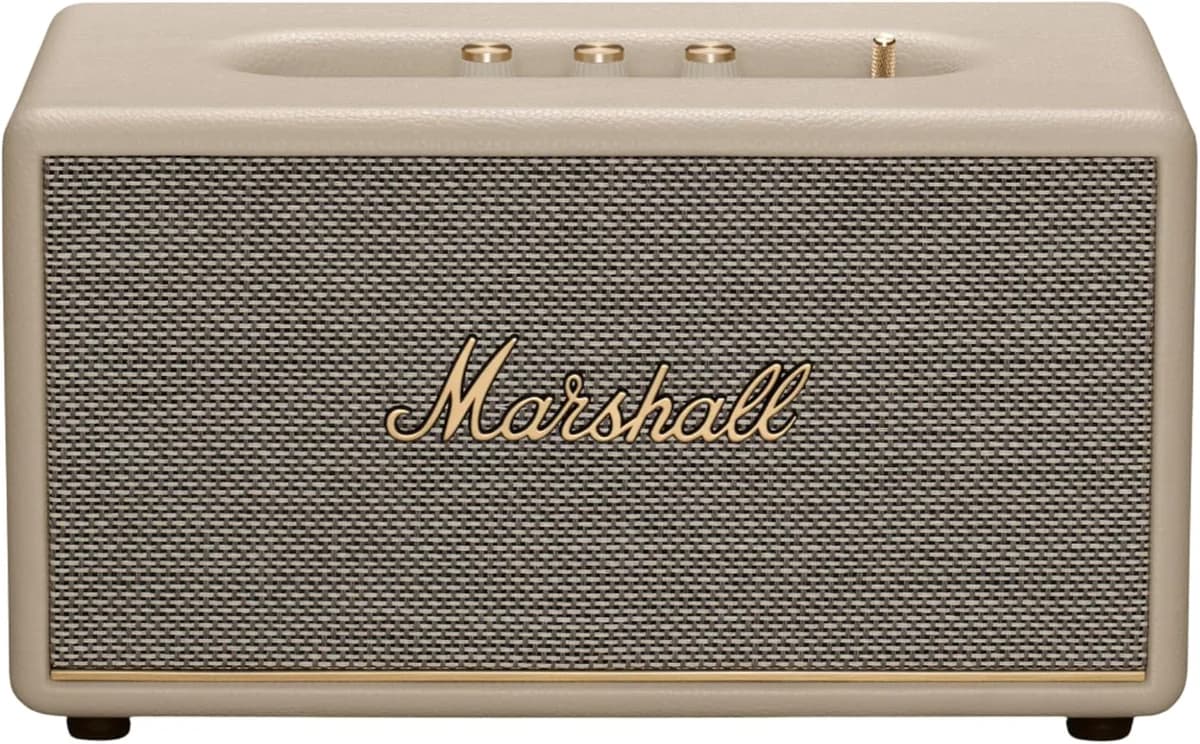
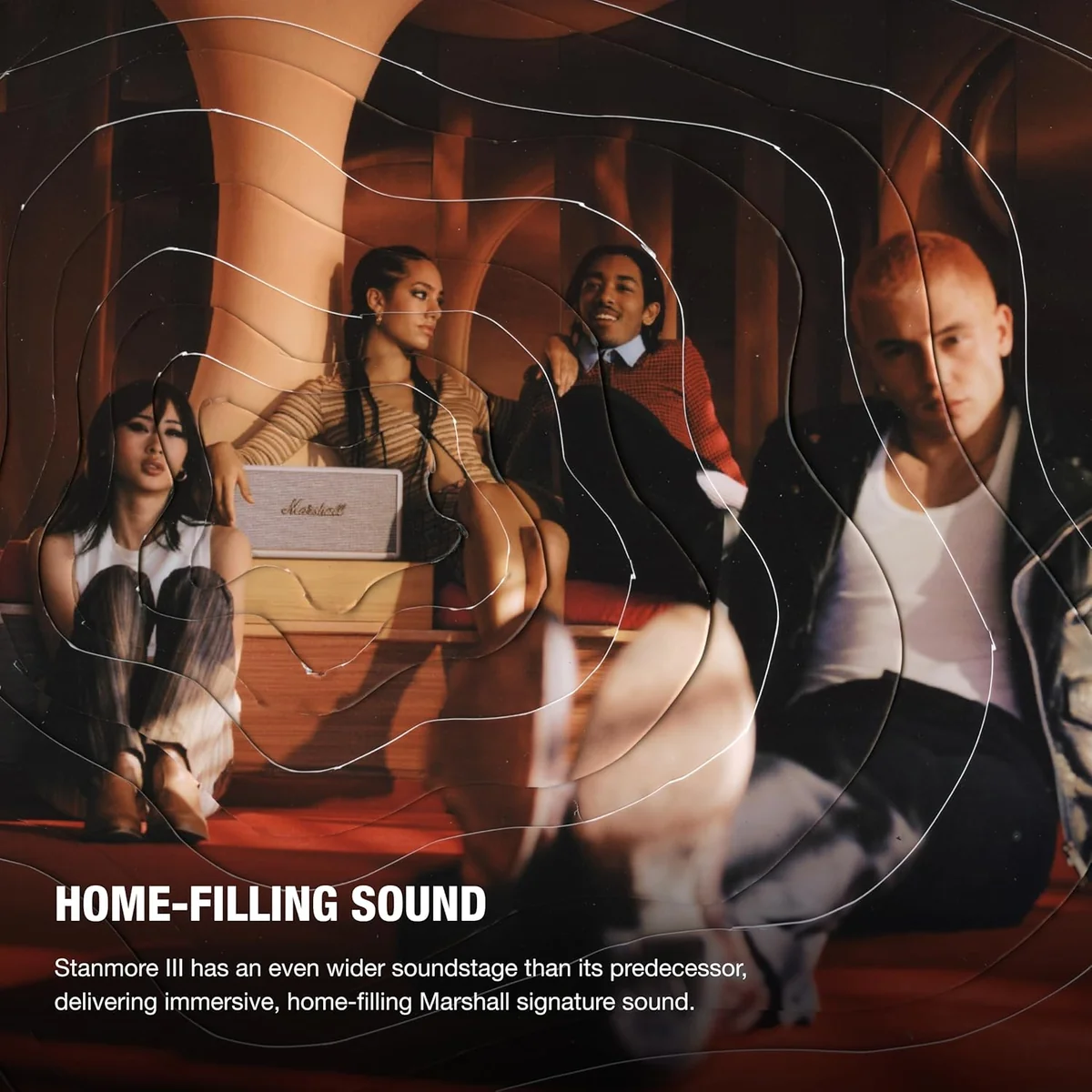
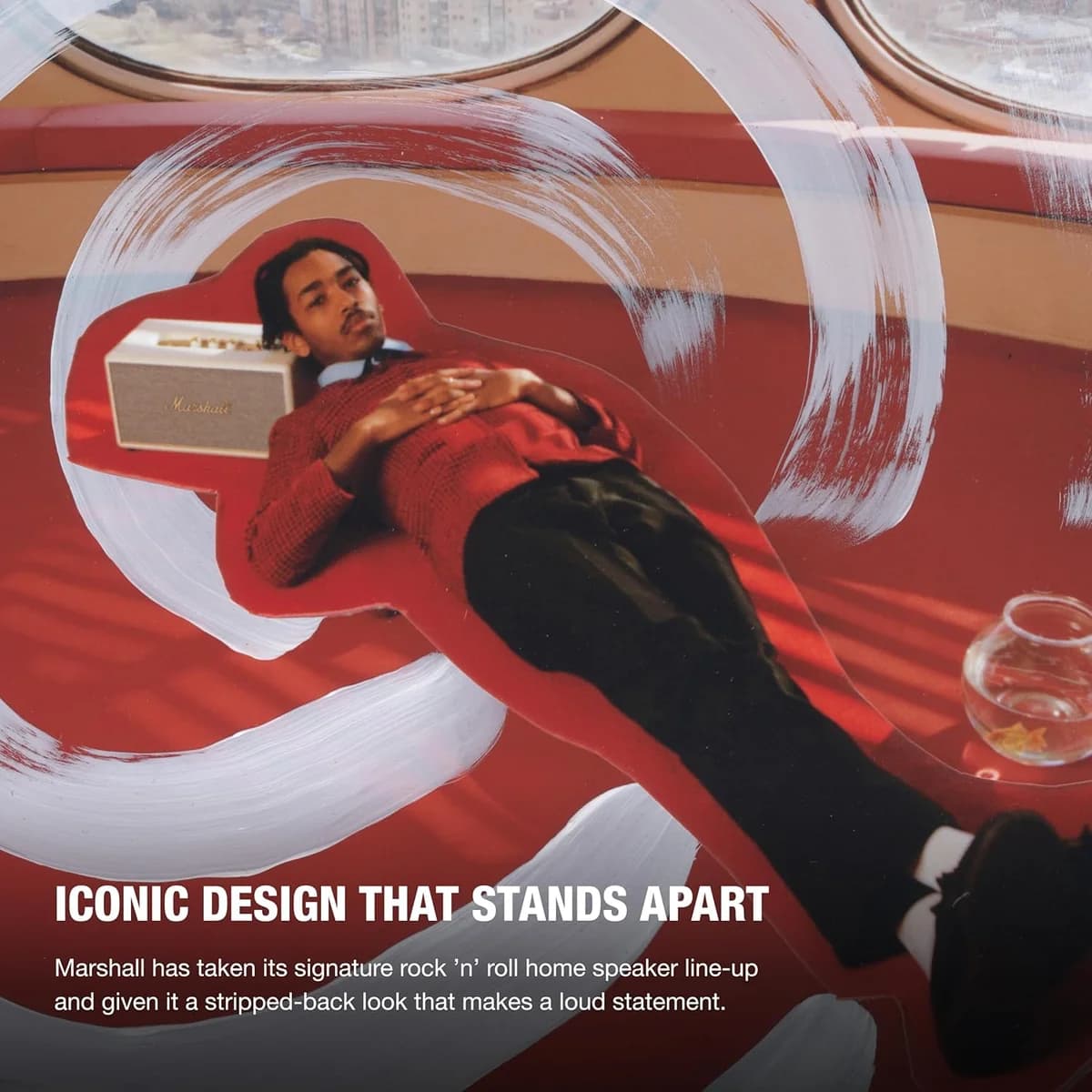
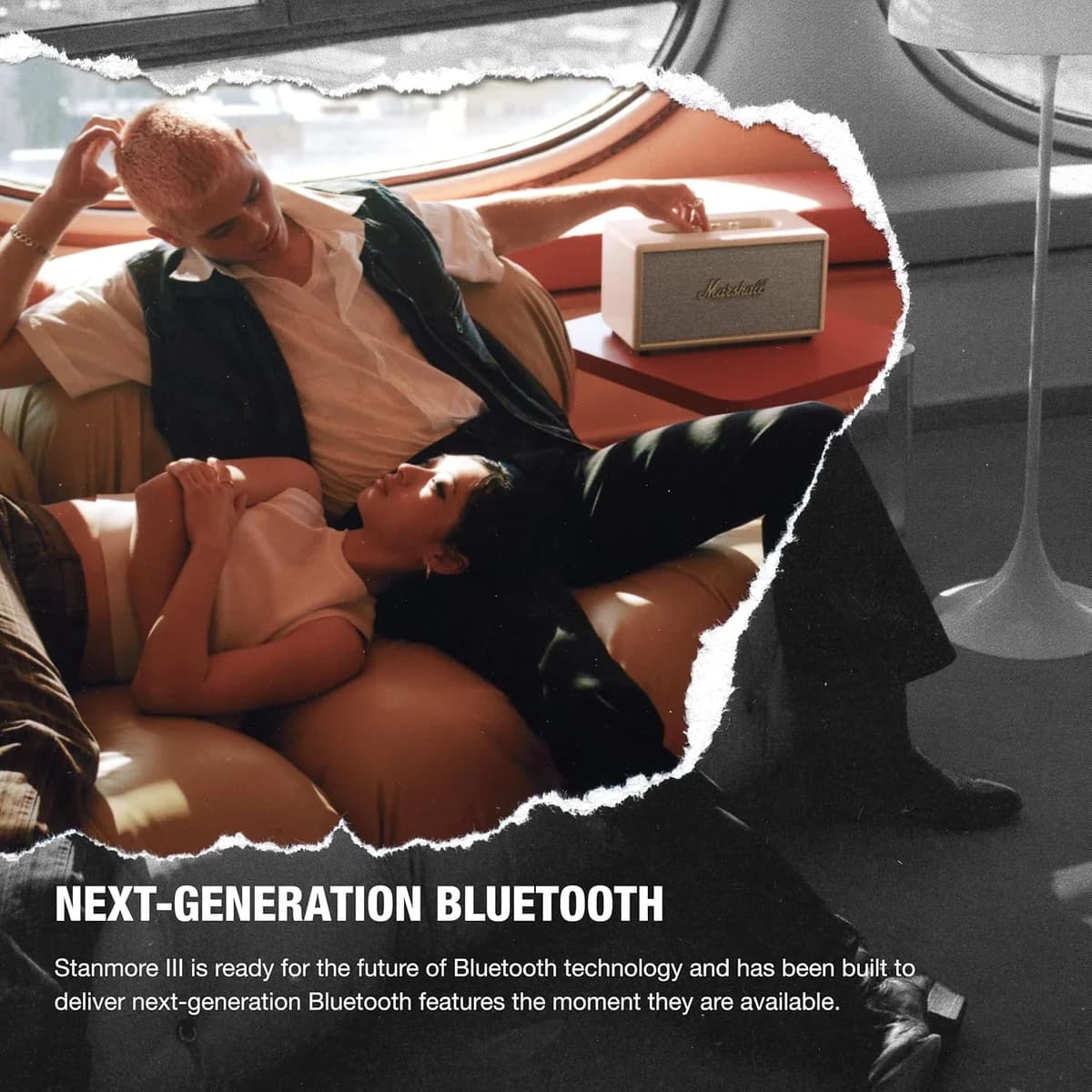
The Marshall Stanmore III Bluetooth Home Speaker is a powerhouse of vintage charm and modern muscle, crafted for audiophiles craving room-filling sound with a tactile twist. Perfect for those who value style as much as substance, it delivers 80 watts of punchy bass, crisp highs, and a surprisingly wide soundstage thanks to its innovative driver design. Experts praise its iconic analog controls and seamless Bluetooth 5.2 connectivity but note the absence of smart features like multiroom or voice assistants. With sturdy wood-and-brass build quality and versatile inputs for vinyl lovers, this speaker offers solid bang-for-buck appeal—its allure rooted in classic looks meeting rich acoustic depth.
Find Yours
Which primary use will your speakers serve?
Answer to find your best matches.

The Field
Browse top contenders, or compare all options ranked by score and key attributes.
1 Option

The Scoreboard
Does this improve your life? Considers, health, habits, and environmental impact.
Benefits
80W amp and woofer deliver room-filling sound that boosts mood and encourages movement.
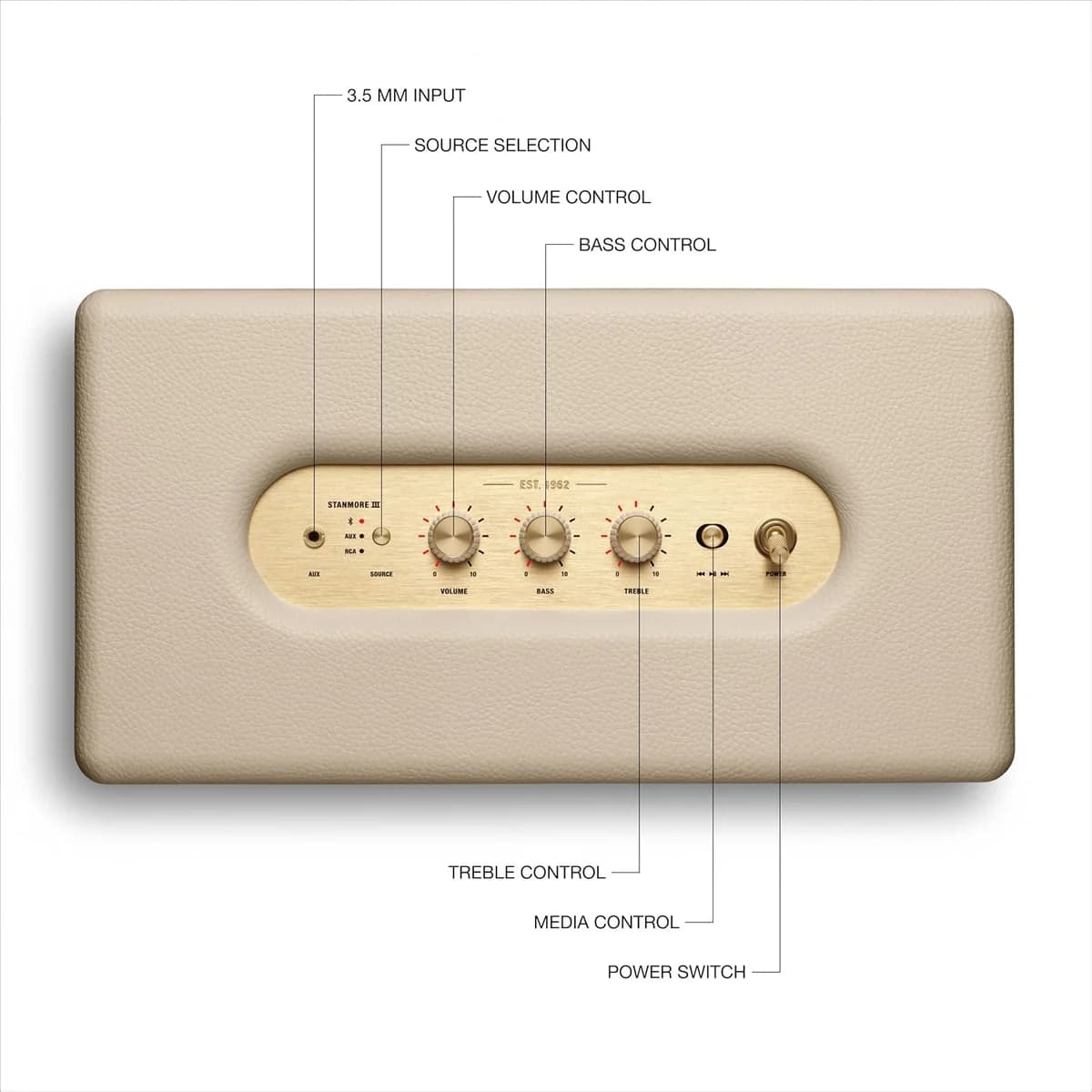
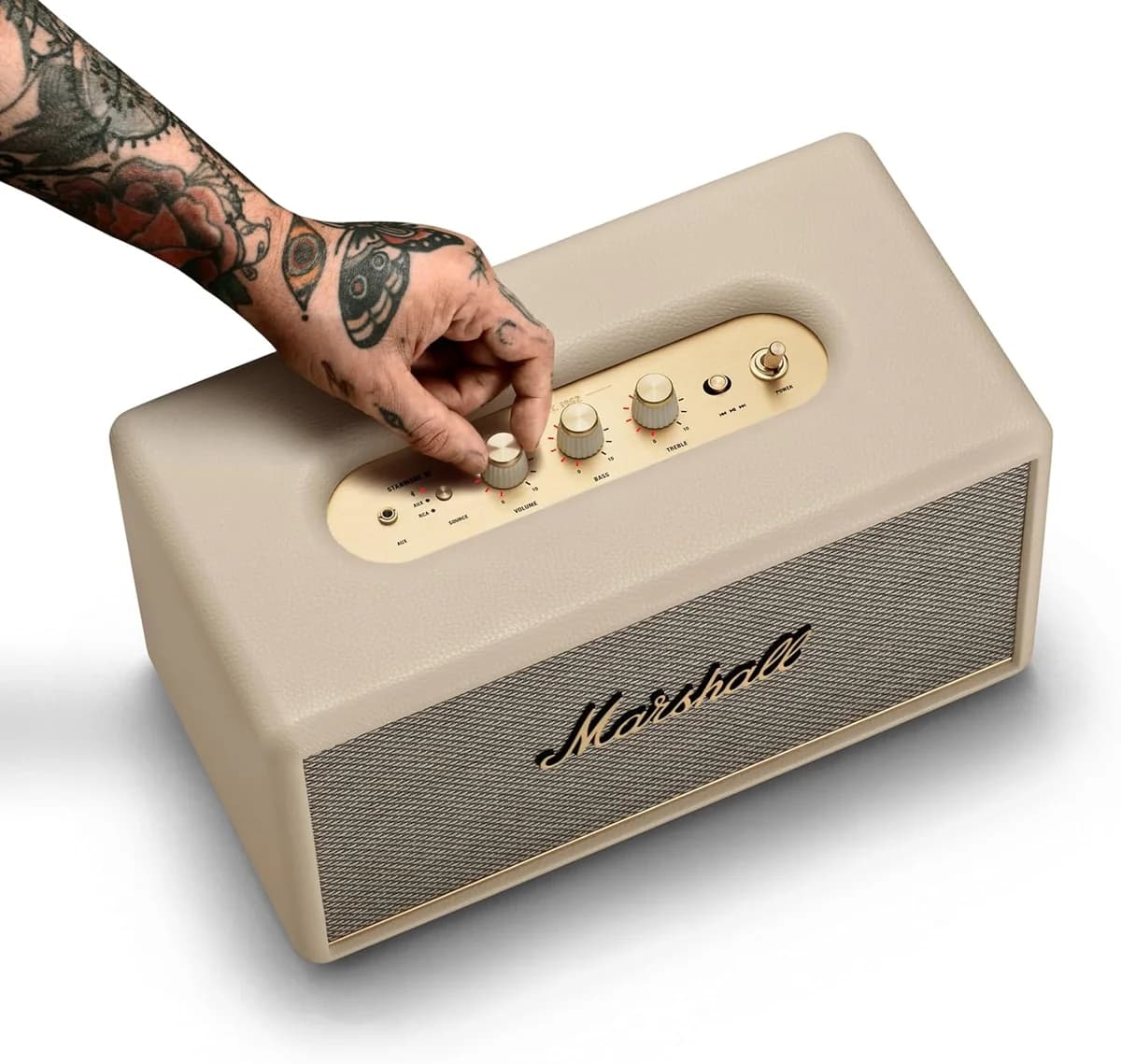
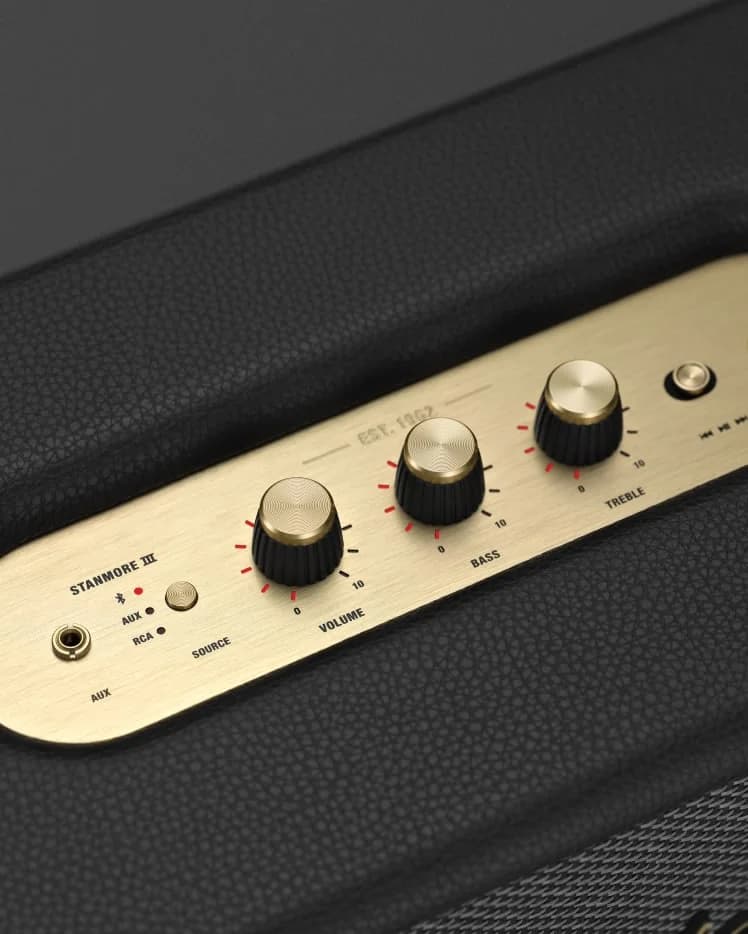
Physical knobs (volume, bass, treble) promote immediate, mindful adjustments without phone distractions.
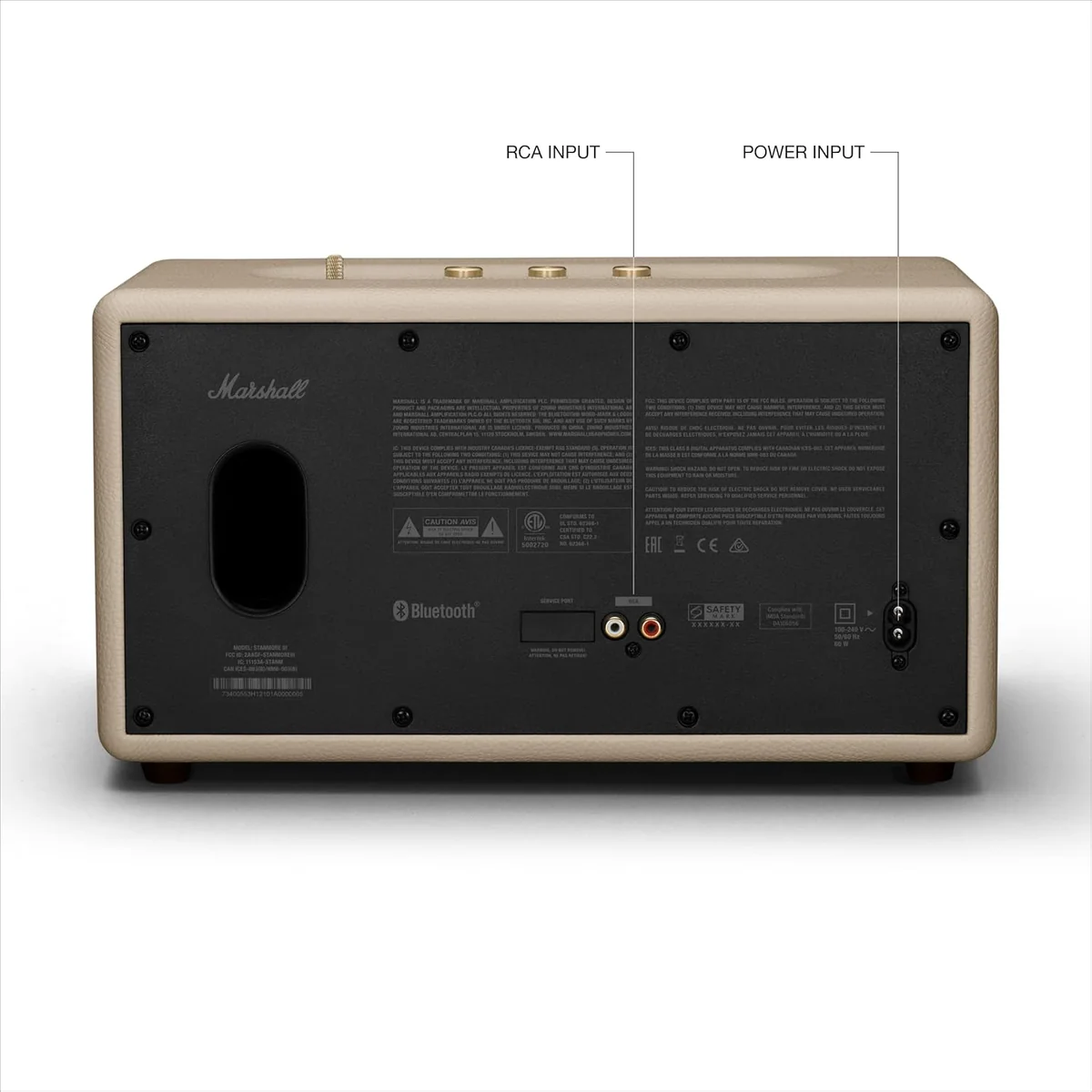
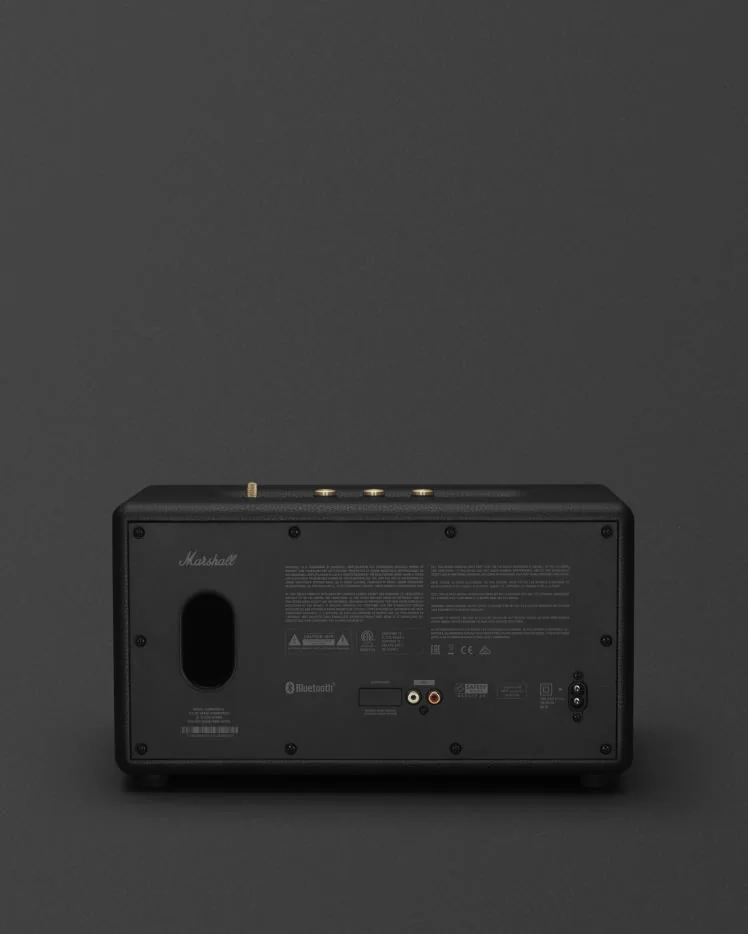
RCA and aux inputs enable turntable use, encouraging slower, intentional listening experiences.
Outward-angled tweeters and refined waveguides create a wider soundstage for immersive listening.
PVC-free housing and partly recycled materials reduce plastic footprint compared to typical speakers.
Trade-Offs
80W output and reported distortion at high volumes can accelerate ear fatigue or hearing damage.
Bass/treble-tuned signature and recessed mids can make podcasts and TV dialogue less clear.
Bluetooth 5.2 with SBC-only codec increases latency and reduces audio fidelity for some phones.
Lacks Wi‑Fi, voice assistants and multiroom features, reducing seamless multi-device convenience at home.
No battery and powerful amplifier mean more mains power usage during prolonged, loud listening sessions.
 Alternatives


Join the Circle
Where real meets deal
Know what's worth buying-and when.
Tips, special offers, and rewards for buying and sharing.

Publications
8 LEADING PUBLICATION REVIEWS

DXOMARK highlights the Marshall Stanmore III Bluetooth Home Speaker as a capable advanced speaker with a generally pleasant tonal balance characterized by deep bass and bright treble. However, the review expresses measured enthusiasm, noting that the Stanmore III’s sound signature diverges from its predecessor by emphasizing bass and treble at the expense of midrange, which impacts vocal clarity in podcasts and TV use. The speaker excels in loud scenarios like parties, delivering strong dynamics and volume, but exhibits some artifacts such as pumping and distortion at high volumes. Volume control precision and Bluetooth latency also fall short compared to the Stanmore II. Spatial soundstage is limited, with narrow stereo imaging and localizability challenges. While the speaker adapts somewhat to room placement and volume changes, its performance varies across environments, making it less versatile for all use cases. Overall, DXOMARK presents a balanced, data-driven assessment that praises the Stanmore III’s strengths but clearly outlines its trade-offs and situational limitations.
Tim Gideon from PCMag highlights the Marshall Stanmore III Bluetooth Home Speaker as a stylish, mid-priced option that delivers rich, bright audio with a distinctive retro guitar amp design. While not aimed at audiophiles, the speaker impresses with adjustable bass and treble controls, loud volume capacity, and a balanced sound signature that handles various music genres well. However, Gideon notes some limitations, including a basic mobile app, limited Bluetooth codec support (only SBC), and the absence of features like speakerphone or voice assistant integration. The speaker’s directional drivers make placement important, and although it offers solid low-frequency response, it lacks deep sub-bass impact. The Stanmore III’s classic aesthetic and versatile inputs add appeal, but competitors like the Sony SRS-XG300 offer more power and waterproofing at a similar price. Overall, Gideon views the Stanmore III as a good-sounding, visually striking speaker best suited for those valuing style and moderate audio performance over audiophile-grade fidelity.
By Tim Gideon
Tyler Hayes from AppleInsider highlights the Marshall Stanmore III Bluetooth Home Speaker as a stylish, vintage-inspired device with a rich, bold sound profile that impresses for its price category. He praises the tactile physical knobs for volume and EQ adjustments, which offer a unique, hands-on way to tailor the audio experience on the fly—an uncommon feature among Bluetooth speakers. The speaker excels when paired with analog sources like turntables, delivering controlled, resonant bass and clear highs that outperform some competitors such as the first-generation HomePod. However, Hayes points out notable drawbacks, including the lackluster app experience with limited EQ options and the absence of stereo separation despite advertised stereo sound. The Stanmore III’s Bluetooth-only wireless connectivity and relatively high price make it less versatile compared to alternatives like the HomePod, especially for users who prioritize multi-room setups or seamless Apple ecosystem integration. Overall, the review conveys a cautiously positive sentiment, emphasizing the speaker’s strengths in sound quality and design while acknowledging its compromises.
By Tyler Hayes
T3 praises the Marshall Stanmore III Bluetooth Home Speaker for its powerful, room-filling sound and iconic amplifier-inspired design, highlighting its rich, immersive audio experience and improved soundstage over the previous generation. The review emphasizes the convenience of manual equalizer controls via both physical knobs and a smartphone app, as well as reliable Bluetooth 5.2 connectivity with thoughtful features like Placement Compensation. However, the speaker’s lack of advanced smart features such as voice control, Wi-Fi, and multiroom functionality is noted as a significant limitation, making it less suitable for users seeking a fully connected smart speaker. Its hefty size and absence of a built-in battery also restrict portability. While the Stanmore III is recommended for first-time buyers valuing style and sound quality, the reviewer advises existing Stanmore II owners that the upgrades may not justify an immediate upgrade. Overall, the review balances enthusiasm for its core strengths with measured critique of its feature gaps.
By Yasmine Crossland
Ryan Haines from Android Authority highlights the Marshall Stanmore III Bluetooth Home Speaker as a powerful, music-focused device that excels through its versatile connectivity and superior sound quality. Unlike typical smart speakers, the Stanmore III forgoes voice assistants in favor of multiple input options—including Bluetooth, aux, and RCA jacks—making it ideal for users who want seamless integration with turntables and other audio sources. Haines praises its robust 50W woofer and dual tweeters, which deliver rich, tunable sound far beyond smaller smart speakers. The physical knobs for volume and equalizer adjustments add tactile control, though the inability to save EQ presets is noted as a minor inconvenience. The review conveys a warm enthusiasm for the speaker’s role as a dedicated music centerpiece rather than a multi-functional smart device, emphasizing that its strength lies in focused audio performance rather than voice interactivity. Overall, Haines finds the Stanmore III a satisfying “master of one” that fits perfectly into a home entertainment setup.
By Ryan Haines
Brad Moon from Forbes highlights the Marshall Stanmore III as a stylish, powerful Bluetooth speaker that successfully builds on its predecessor’s iconic amplifier-inspired design. He praises its robust 80-watt output, expansive soundstage, and thumping bass, noting improvements like outward-angled tweeters and Dynamic Loudness that enhance tonal balance and room-filling audio. The speaker’s analog controls and app-based customization add versatility, while its PVC-free, partly recycled construction reflects environmental awareness. However, Moon points out the lack of AAC support, which limits sound quality for iPhone users, and notes that the Stanmore III is not portable nor aimed at audiophiles seeking the highest fidelity. Overall, he views it as a solid choice for those wanting a vintage look combined with powerful home audio performance, especially fans of the Marshall brand. The review balances enthusiasm for its sound and design with measured critique of its limitations, offering a nuanced perspective for potential buyers.
By Brad Moon
Srivatsan Sridhar from Fone Arena highlights the Marshall Stanmore III Bluetooth Home Speaker as a stylish and well-built device with an iconic vintage design featuring vegan leather and brass control knobs. The speaker delivers a wide soundstage with clear highs and natural midrange, making it engaging for most listening scenarios. While the 50W amplifier provides powerful low-frequency response, the bass is more controlled than booming, and distortion appears only at maximum volume. Pairing is seamless across multiple devices, supported by Bluetooth 5.2, though codec support is limited to SBC, missing popular options like AAC and aptX. The companion app offers basic controls and firmware updates but lacks advanced equalizer presets, which could enhance customization. Overall, the Stanmore III offers excellent audio quality and ease of use for its price point (Rs. 41,999), though some software and codec limitations temper its appeal.
By Srivatsan Sridhar
Haley Lyndes from POPSUGAR highlights the Marshall Stanmore III Bluetooth Home Speaker as a captivating and immersive audio experience that transforms everyday music listening. Praising its crystal-clear sound, rich bass, and ability to fill a 750-square-foot apartment with vibrant detail, she emphasizes how the speaker brings music to life with remarkable clarity and depth. The Stanmore III’s classic retro design and robust build complement its powerful performance, making it a stylish addition to any home. While the speaker requires a constant power connection and is relatively large, these factors are framed as considerations rather than drawbacks. Lyndes notes the ease of Bluetooth setup and the convenience of the Marshall app for sound customization and updates. She recommends the speaker primarily for music lovers seeking high-quality home audio, cautioning that it’s less suited for TV use or very small spaces. Overall, she enthusiastically endorses the Stanmore III as a worthwhile splurge for long-term enjoyment.
By Haley Lyndes

YouTube
6 LEADING EXPERT & INFLUENCER REVIEWS
 Aaron X Loud and Wireless
Aaron X Loud and Wireless praises the Marshall Stanmore III for its iconic design, tactile analog controls, and improved soundstage with outward-angled tweeters and refined waveguides. While simpler than competitors—lacking Wi-Fi and multiroom features—it delivers clear, spacious audio suitable for home use, though the Woburn III outshines it in bass and detail.
Danny PopsDanny Pops offers a measured yet enthusiastic comparison of the Marshall Stanmore III and Acton III speakers, highlighting the Stanmore’s stronger bass and higher volume but noting the Acton’s cleaner sound and better value. He recommends the Acton III for most listeners, reserving the Stanmore for those wanting more bass and party-level volume.
EspertoneEspertone praises the Marshall Stanmore III for its iconic, raw Marshall amplifier sound and solid 80W power, emphasizing superior audio quality via AUX over Bluetooth. He highlights easy Bluetooth pairing, app-based EQ and placement compensation, and premium build. Though no audio demo is given, he confidently recommends it for authentic, high-quality home listening.
Jesse ChenJesse Chen praises the Marshall Stanmore III for its classic design, satisfying tactile controls, and notably wide soundstage that creates an immersive listening experience. He highlights the speaker’s rich guitar tones and balanced sound, while noting modest max volume and limited EQ options. The Bluetooth 5.2 upgrade and placement compensation app feature add subtle value but aren’t game-changers.
Erin LawrenceAaron from Tech Gadgets Canada praises the Marshall Stanmore III for its powerful, well-balanced sound and classic retro design. He highlights its intuitive analog controls and app-based customization, noting it excels as a stationary home speaker with rich bass and clear highs. The lack of a built-in battery is a minor downside given its intended use.
ADRADR enthusiastically unboxes and reviews the Marshall Stanmore III, highlighting its vintage design with brass knobs, Bluetooth 5.2 connectivity, and versatile inputs including RCA for turntables. They praise the signature Marshall sound and dynamic loudness, noting solid build quality and ease of use, while emphasizing its appeal as a stylish, powerful home speaker.

Social
2 INFLUENCER REVIEWS
 THIỆN - THU MUA LOA CŨ
THIỆN - THU MUA LOA CŨ highlights the Marshall Stanmore III’s stronger 80W power, making it ideal for larger rooms like living areas or shops, compared to the smaller Acton 3’s 60W suited for bedrooms. They note the Stanmore III delivers clearer, more detailed sound with deeper bass, especially at higher volumes. Overall, THIỆN recommends the Stanmore III for those needing richer, more controlled audio in bigger spaces, while acknowledging the Acton 3’s suitability for smaller rooms. Their balanced insight helps viewers decide based on room size and sound preferences.
Rumah NanoRumah Nano highlights their excitement about finally owning the Marshall Stanmore III Bluetooth Home Speaker, praising its aesthetic design, solid sound quality, and wide range. They appreciate the manual and app-based bass and treble controls, as well as the Bluetooth 5.2 connectivity and compatibility with iOS and Android devices. Overall, Rumah Nano gives a positive and enthusiastic endorsement of the Marshall Stanmore III, emphasizing its stylish look and reliable performance. While no drawbacks are mentioned, the review feels genuine and encouraging for potential buyers interested in a quality home speaker.

Store Reviews
CUSTOMER REVIEWS FROM 1 STORE
Amazon users consistently praise the Marshall Stanmore III Bluetooth Home Speaker for delivering powerful, clear, and detailed sound that fills rooms much larger than its compact size would suggest. Reviewers highlight its impressive bass response and well-balanced warmth, often comparing its audio quality favorably against other well-known brands. Many appreciate the speaker’s timeless, retro design reminiscent of classic Marshall amplifiers, which adds a stylish touch to their home setups. Users find the speaker extremely easy to set up and pair via Bluetooth, noting seamless connectivity with various devices including smartphones and TVs. The straightforward controls and minimal need for apps enhance its user-friendly appeal. Several customers mention the added versatility of the AUX input, allowing integration with traditional audio sources like CD players. While most report consistent, high-quality performance, a few users encounter occasional issues with the speaker failing to power on or connect properly, though these experiences remain in the minority. Many Amazon reviewers also express enthusiasm for expanding their Marshall speaker collection, citing the Stanmore III as a gateway to exploring other models like the Woburn III. Overall, Amazon customers value the Stanmore III for combining robust sound, elegant design, and ease of use at a price point that offers excellent value, making it a standout choice for those seeking a stylish, high-performance Bluetooth speaker.
4.6 Stars / Many verified reviews

Forum Reviews
CUSTOMER REVIEWS FROM 1 FORUM
Reddit users generally express positive sentiment toward the Marshall Stanmore III Bluetooth Home Speaker, praising its sound quality, particularly its punchy bass and balanced performance compared to other speakers in its price range. Many appreciate its robust build and nostalgic design, noting it as a high-quality, durable option suitable for home use. Some users highlight the speaker’s ability to fill rooms effectively, though a few mention that the bass can sometimes overpower mids and highs. Overall, both new shoppers and those considering upgrades find the Stanmore III offers excellent value and sound performance, with minor critiques focused on sound tuning preferences rather than fundamental flaws.
Some comments

In-Depth Review

Highlights
- •Sound clarityclear, detailed, expansive stereo sound
- •Powerful bassdeep, punchy low-frequency output
- •Build and finishwood cabinet with brass knobs
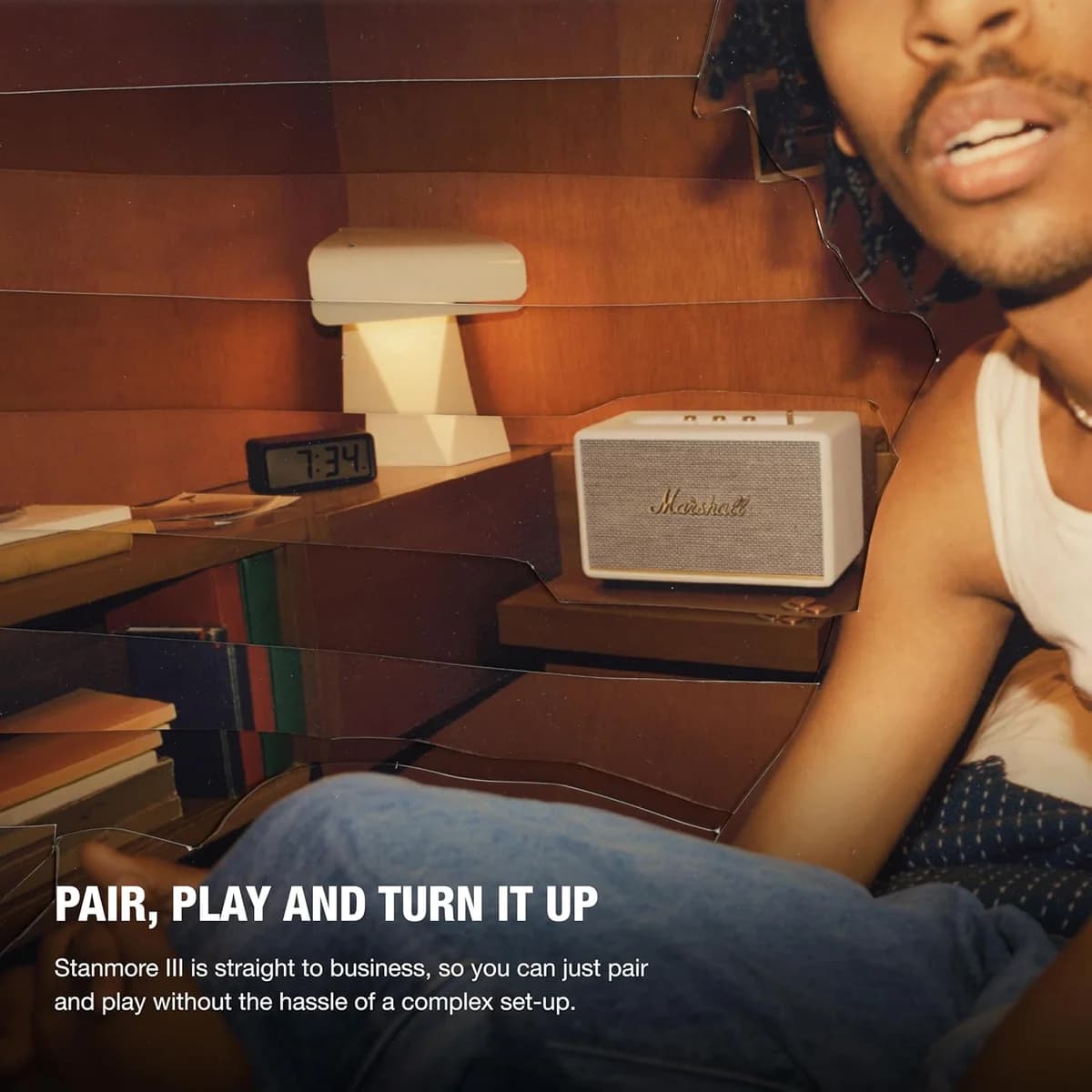
- •Bluetooth stabilityBluetooth 5.2, reliable pairing
- •Turntable compatibilityRCA and 3.5 mm inputs
- •Placement CompensationDesigned to correct room reflections

Considerations
- •Intermittent reliability reportsoccasional power failures reported
- •Limited network featuresno Wi‑Fi or multiroom support
- •Bass balance issueslow end can mask mids
- •Restricted EQ controlsonly bass and treble adjustments
- •No water resistancenot waterproof, no IP rating
- •Non‑portable designrequires mains power; no battery
The Marshall Stanmore III Bluetooth Home Speaker builds on a storied legacy of iconic design and powerful sound, positioning itself as a stylish centerpiece for home audio enthusiasts. Marketed with 80 watts of output and an upgraded two-way driver system, it aims to fill rooms with rich, immersive sound that’s both detailed and bold. Its classic wood cabinet wrapped in vegan leather pairs vintage charm with modern durability. With Bluetooth 5.2 connectivity, versatile wired inputs including RCA for vinyl lovers, and smart features like Placement Compensation to tailor acoustics to your room, it targets users who crave quality without fuss. While some competitors push multiroom ecosystems or portability, this speaker focuses on delivering uncompromised sonic presence in stationary setups. If you value strong bass impact balanced by clear highs—and appreciate tactile controls paired with app customization—this model deserves your attention as we explore its core strengths ahead.
Sound Quality
Sound quality is the heart of any speaker, and this model delivers with its wide soundstage and clear audio detail. The re-engineered driver setup produces an immersive experience that enthusiasts will appreciate. Experts note the crisp highs and balanced mids but mention bass dominance can occasionally overshadow other frequencies. Despite some tuning quirks, users find it offers consistent clarity for diverse genres, making it a reliable choice for home listening setups craving rich acoustic depth.
Build Quality
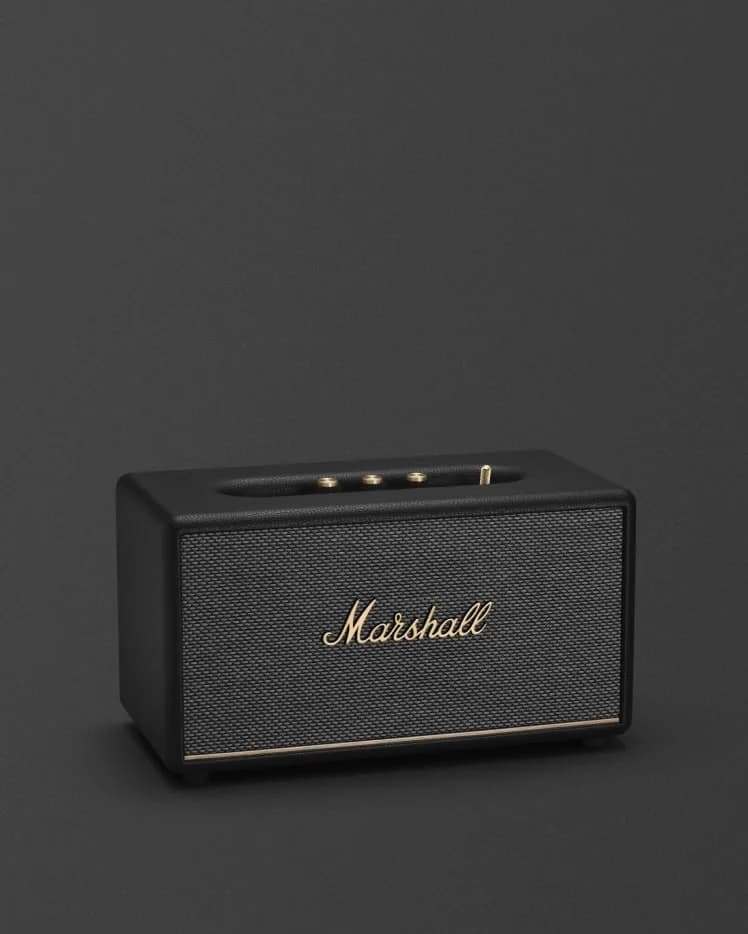
The solid wood cabinet wrapped in vegan leather signals premium craftsmanship alongside classic Marshall styling cues like brass control knobs. Users report sturdy construction that holds up to daily use without issue while exuding vintage charm on display shelves or desktops alike. Though mostly praised for durability, occasional reliability concerns have surfaced regarding power-on consistency—suggesting generally strong build quality tempered by isolated hardware glitches rather than systemic flaws.
Wireless Connectivity
Bluetooth 5.2 ensures stable connections with fast pairing speeds appreciated by reviewers who highlight seamless streaming across typical living spaces up to 10 meters away. The speaker's wireless performance matches modern standards without dropouts under normal conditions but lacks Wi-Fi support or multiroom integration seen elsewhere in this price class—making Bluetooth convenience robust yet somewhat limited compared to ecosystem-enabled competitors' offerings.
Bass Response
Bass response packs a punch here thanks to the large woofer paired with dynamic loudness technology that maintains impact at all volumes. While some listeners love the deep, roaring lows, others feel it sometimes overpowers midrange elements, requiring manual adjustment via physical knobs or app EQ. This aggressive low-end suits rock fans especially well but may not please those after ultra-flat frequency reproduction—highlighting both strength and stylistic bias in its sonic character.
Inputs & Compatibility
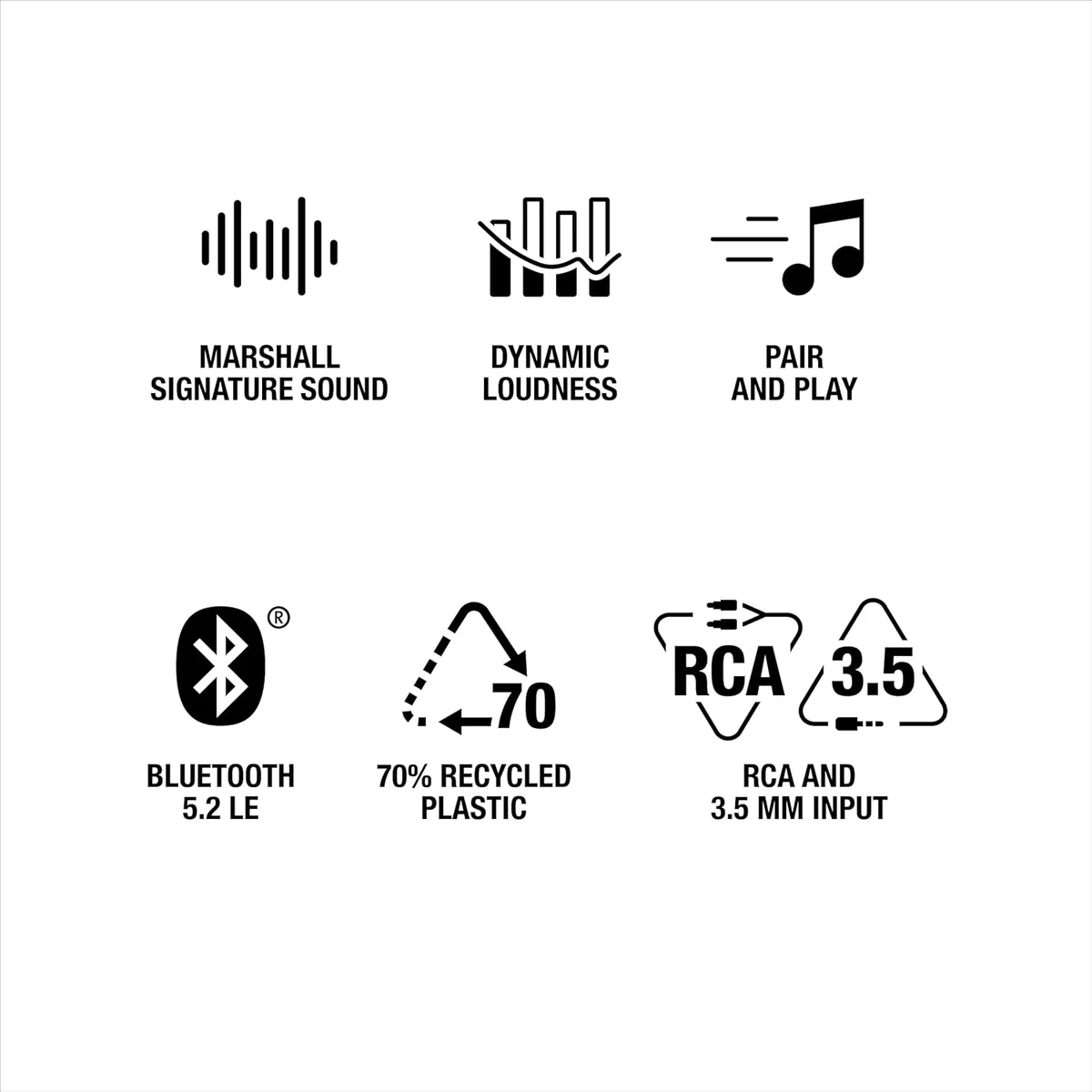
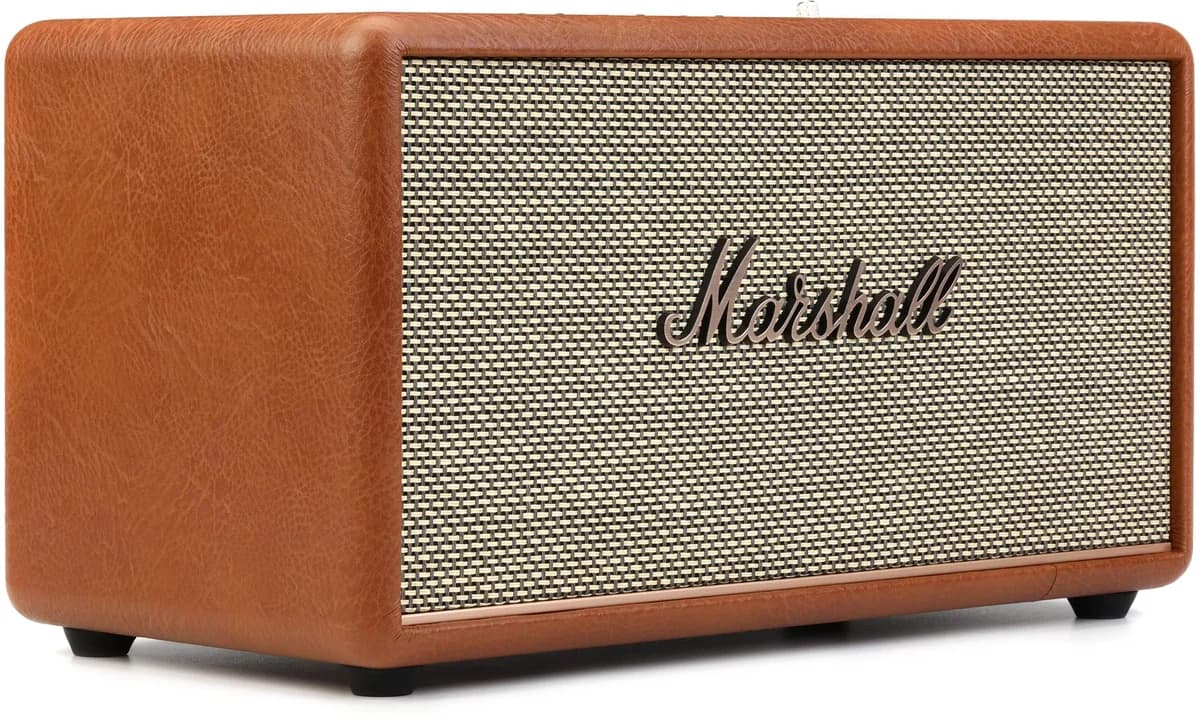
Versatile connectivity options include RCA and 3.5 mm aux inputs catering especially well to vinyl lovers seeking easy turntable hookup—a rarity among Bluetooth speakers focused purely on wireless streams. This broad compatibility expands usability beyond smartphones alone while maintaining simple analog connection benefits recognized as key advantages by users prioritizing traditional audio sources alongside digital devices.
Conclusion
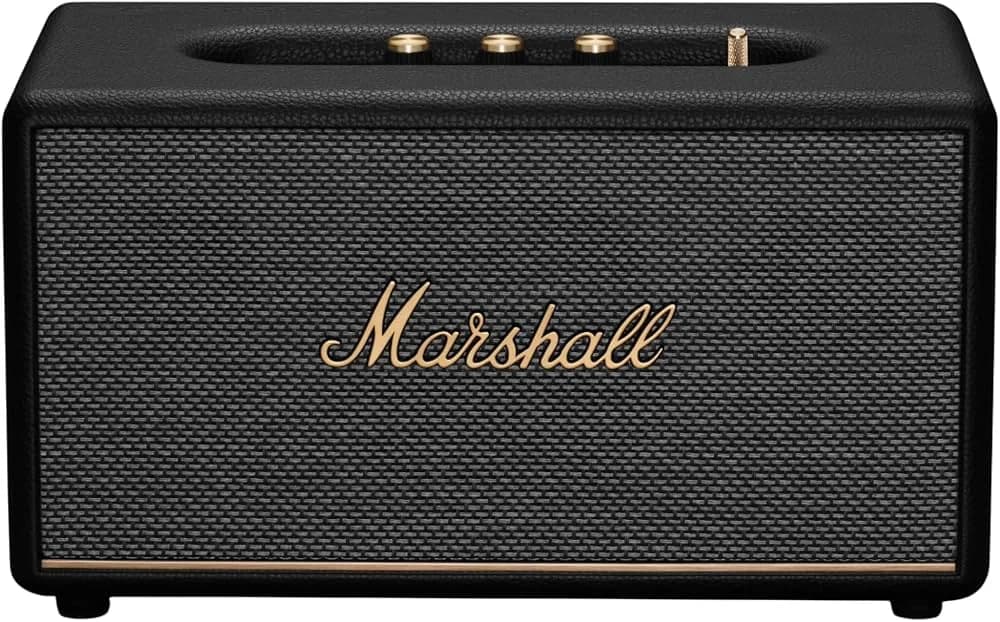
Drawing final notes on the Stanmore III’s sonic canvas, its sound quality stands out with a compelling mix of clarity and breadth, though the bass response sometimes steals center stage. The speaker’s build quality, wrapped in wood and brass accents, offers tangible heft that matches its audio presence. Wireless stability via Bluetooth 5.2 earns praise for seamless streaming but lacks multiroom flair found elsewhere. Its array of wired inputs makes it uniquely versatile for analog fans, while the Placement Compensation feature hints at thoughtful room-aware tuning rather than one-size-fits-all sound. While not built for portability or smart home ecosystems, this model thrives as a stationary powerhouse that blends classic style with modern function—ideal for listeners who prize tactile control and rich acoustics over flashy extras. It strikes a confident balance between heritage charm and contemporary performance worth hearing again and again.

Feature Scores
This reflects reviews and ratings from established critics, journalists, and users who have evaluated the item. Their opinions provide a comprehensive assessment.
Performance
Sound Quality
5/5
Bass Response
4/5
Treble Clarity
4/5
Dynamic Range
4/5
Maximum Volume
4/5
Reliability and Durability
4/5
Wireless Connectivity Stability
4/5
Room Correction Performance
4/5
Value
Price to Performance Ratio
4/5
Warranty and Support
3/5
Longevity of Value
4/5
Design
Aesthetic Appeal
5/5
Build Quality
4/5
Form Factor and Size
4/5
Portability
2/5
Health
Low Toxicity Materials
4/5
Hearing Exposure Risk
2/5
Safety
Electrical Safety and Certification
3/5
Thermal Management
3/5
Stability and Mounting Security
4/5
Sustainability
Energy Efficiency
4/5
Recyclability and Repairability
3/5
Sustainable Materials Use
4/5
Packaging Impact
3/5
Experience Style
Ease of Setup
5/5
App and User Interface Quality
4/5
Customization and Advanced Features
4/5
Multiroom Ecosystem Compatibility
1/5

Specifications
This section outlines the product's key facts, covering essential features, details, dimensions, materials, and any unique characteristics that define its functionality and usability.
Performance
Value
Design
Safety
Sustainability
Experience Style

Frequently Asked Questions
6 Questions

Also Consider
2 Options
Find Yours
Which primary use will your speakers serve?
Answer to find your best matches.