Fitbit Charge 6
Long battery life, accurate heart rate, and Google integration impress, though GPS and syncing have flaws.
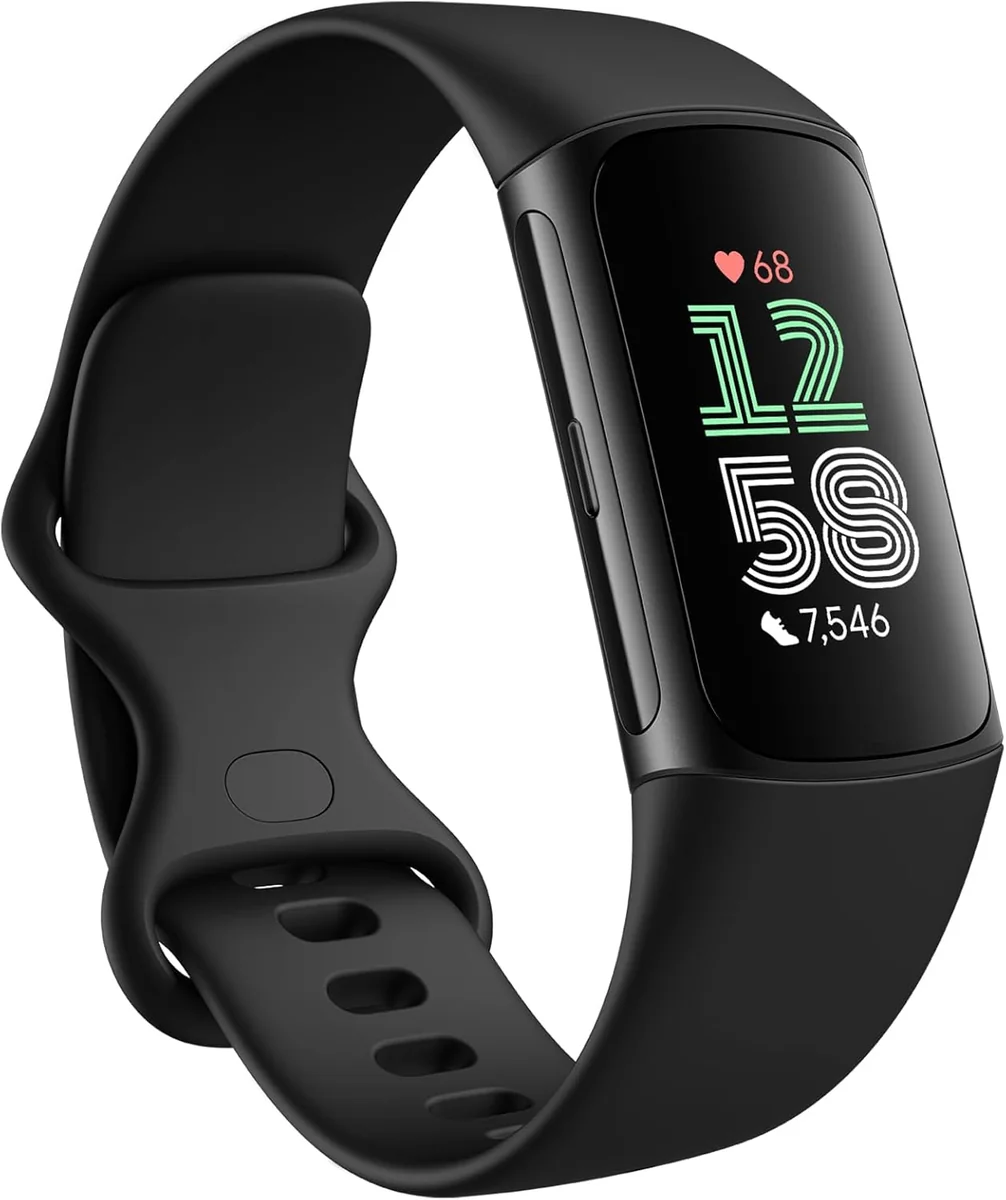
The Fitbit Charge 6 is a sleek, smart fitness band tailored for health enthusiasts craving up to 7 days of battery life and continuous heart rate monitoring that impresses experts and users alike. Perfect for casual runners and gym buffs, it packs built-in GPS, though its accuracy sometimes trips up serious athletes. Google integration with Wallet, Maps, and YouTube Music adds undeniable convenience but comes tethered to subscription quirks. Its lightweight design scores high on comfort, yet reports of connectivity hiccups and gradual battery wear temper enthusiasm. For those balancing price with rich features, the Charge 6 offers a compelling package worth exploring before committing fully.

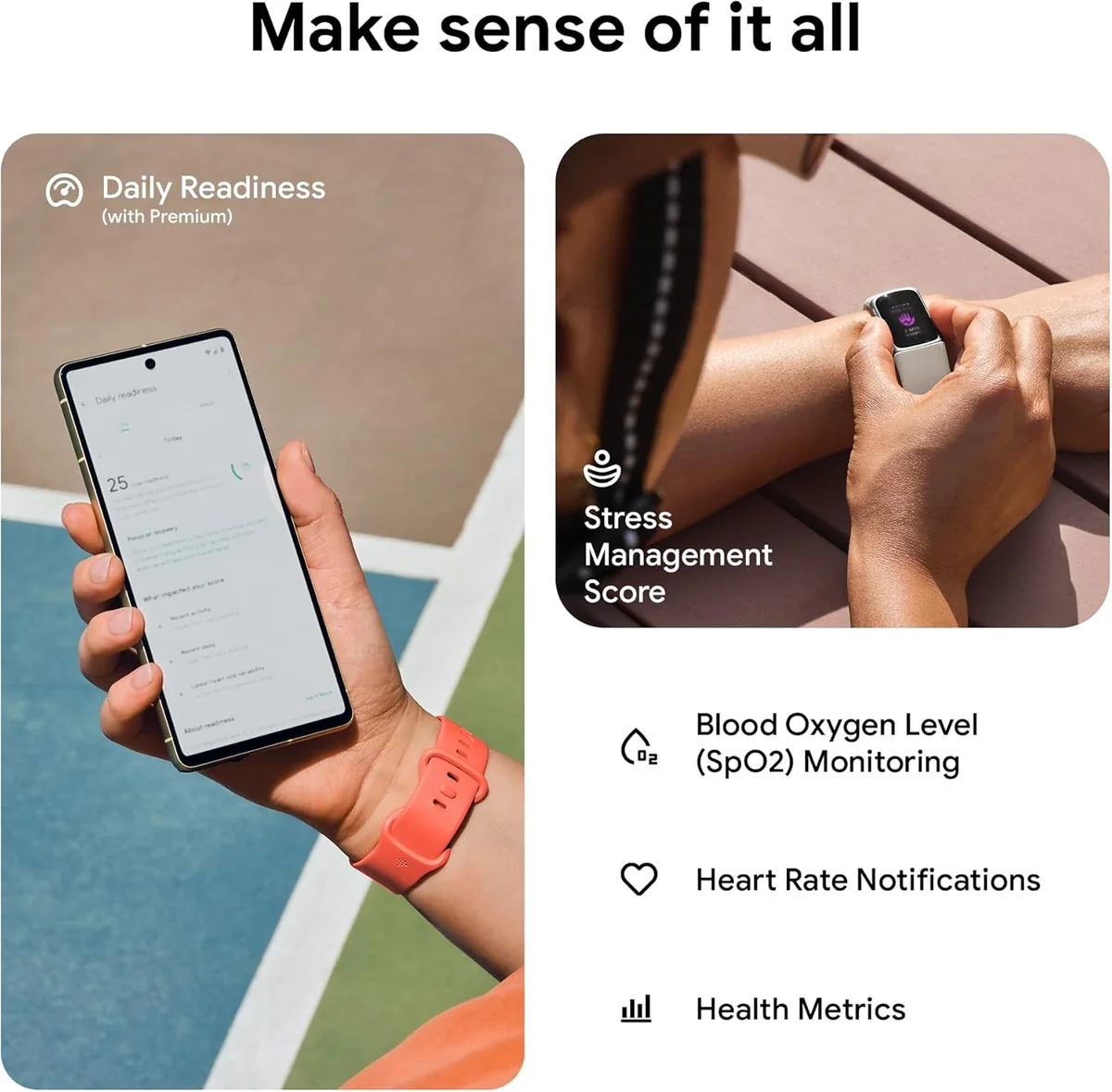


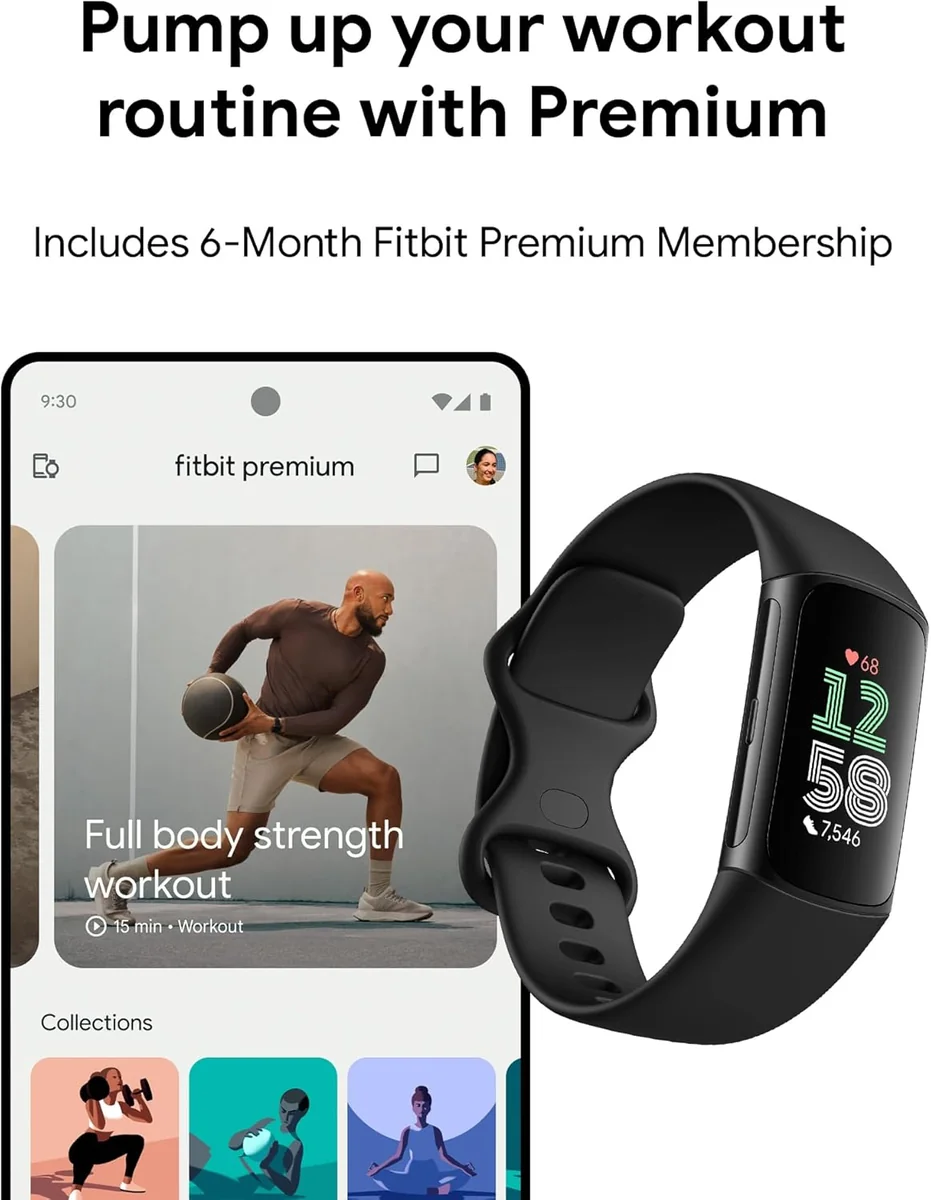
Find Yours
What is your primary goal for an activity tracker?
Answer to find your best matches.

The Field
Browse top contenders, or compare all options ranked by score and key attributes.
5 Options


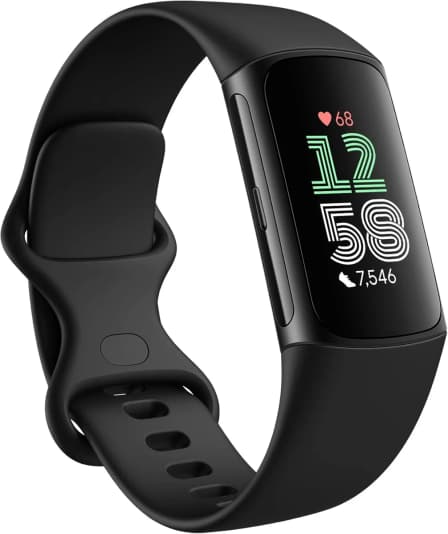
The Scoreboard
Does this improve your life? Considers, health, habits, and environmental impact.
Benefits
ECG, SpO2, and improved heart-rate sensor deliver actionable monitoring—better than budget trackers.
Long battery supports continuous sleep and activity tracking without nightly interruptions, though not class-leading.
Built-in Google Wallet, Maps, and YouTube Music bring on-device convenience, shifting Fitbit toward Google ecosystems.
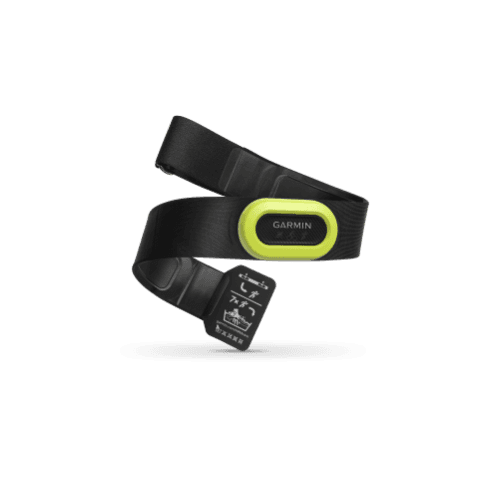
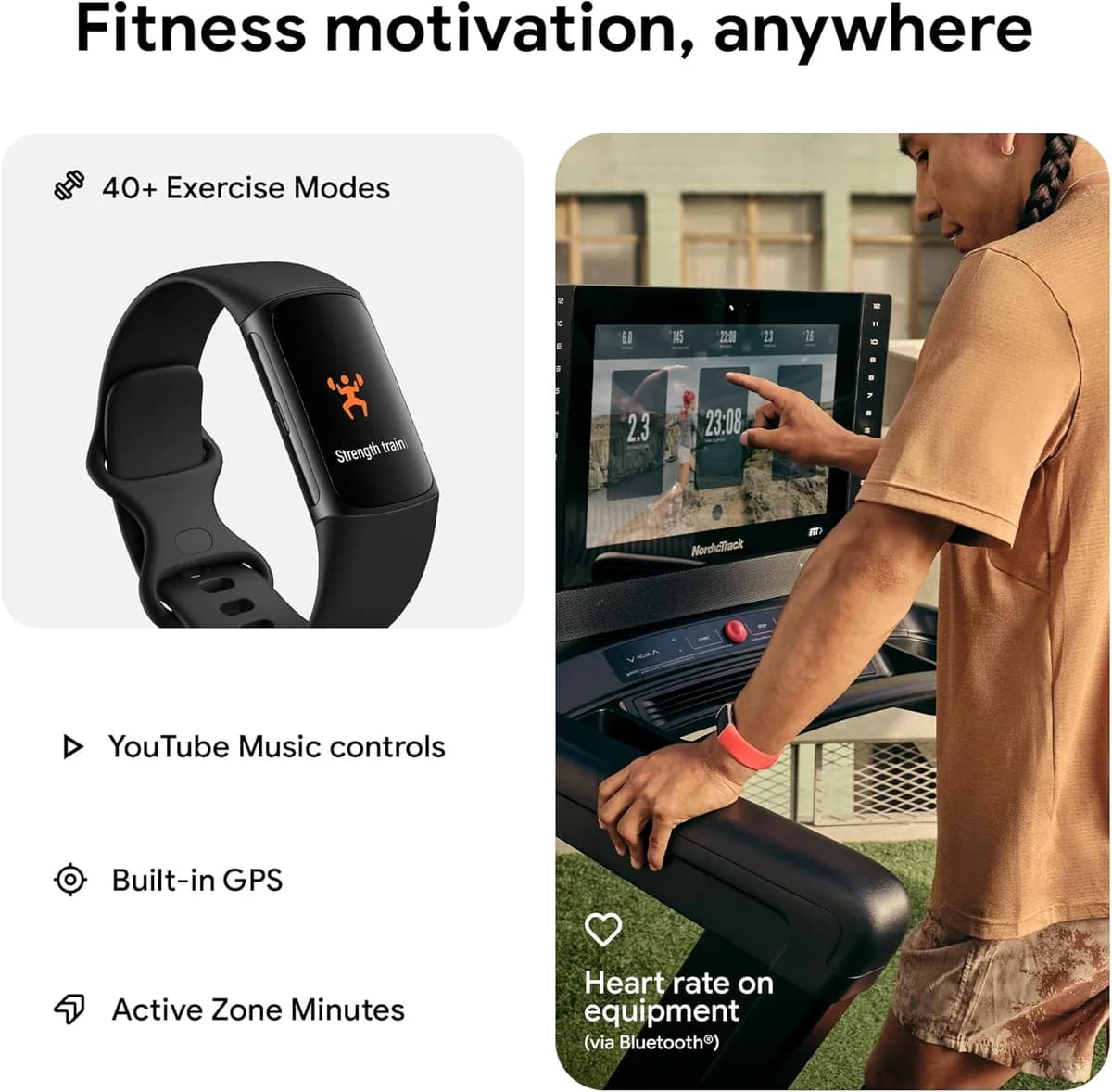
Bluetooth heart-rate broadcast enables gym-machine pairing for shared biofeedback, though encryption limits some compatibility.
Lightweight band and reliable sleep, SpO2 tracking encourage continuous wear and improved sleep habit insights.
Trade-Offs
Built-in GPS shows inconsistent routes; users often must rely on phone GPS for accurate tracking.
Deep Google integration routes more telemetry to cloud, reducing user control and increasing surveillance surface.
Lithium-ion battery and compact electronics mean resource-intensive manufacturing and eventual e-waste disposal footprint.
App redesign and subscription-gated features fragment experience, creating cognitive friction and reduced feature access.
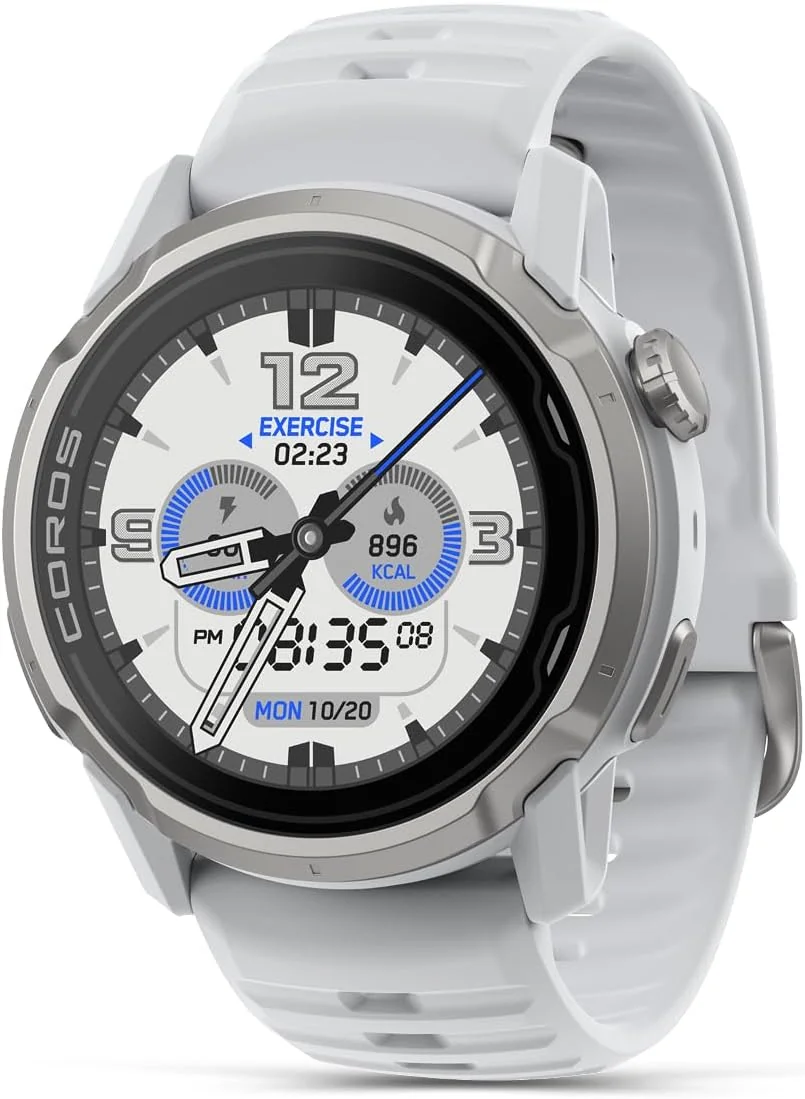
 Alternatives


Join the Circle
Where real meets deal
Know what's worth buying-and when.
Tips, special offers, and rewards for buying and sharing.

Publications
9 LEADING PUBLICATION REVIEWS

Ray Maker from DC Rainmaker provides a detailed and measured assessment of the Fitbit Charge 6, highlighting it as a solid incremental update over the Charge 5 with meaningful usability improvements. He praises the return of the physical side button and the expansion to all 40 exercise modes accessible on-device, which enhance day-to-day convenience. The integration of Google services—Google Wallet, Google Maps, and YouTube Music—marks a notable shift reflecting deeper Google influence, with Google Wallet standing out as the most practical addition. While heart rate accuracy benefits from new sensors and improved algorithms, GPS performance remains problematic, requiring users to rely on connected phone GPS for reliable tracking. The heart rate broadcasting feature, though conceptually valuable, suffers from overly complex encryption that limits compatibility. Despite these caveats, the Charge 6’s $159 price point and comprehensive health tracking features, including ECG and SpO2, make it a compelling value for users prioritizing affordability and solid fitness tracking over perfect GPS.
By Ray Maker
Lexy Savvides from CNET highlights the Fitbit Charge 6 as a solid and robust fitness tracker that improves on its predecessor with a physical button for easier navigation, Google apps integration like Maps and Wallet, and heart rate broadcast support for gym equipment. The device impresses with strong battery life and compatibility across Android and iOS. However, Savvides notes that the Charge 6 feels more like a Google product than a traditional Fitbit, with a less intuitive app redesign and reliance on subscriptions for key features such as YouTube Music controls and Fitbit Premium’s advanced metrics. The review praises the improved heart rate accuracy for select workouts and the expanded workout modes but criticizes the lack of an altimeter and the limited music functionality without a subscription. Overall, the Charge 6 is recommended for users seeking a capable, cross-platform fitness tracker, though the evolving Google ecosystem and subscription costs may require some adjustment.
By Lexy Savvides
Angela Moscaritolo from PCMag highlights the Fitbit Charge 6 as a compelling evolution of Fitbit’s value-packed fitness tracker lineup. Praising its expanded workout modes, new Bluetooth heart rate sharing with gym equipment, and integration of Google lifestyle apps like Google Wallet and Maps, she emphasizes the Charge 6’s strong feature set at an accessible price point. The device’s design remains comfortable and practical, with a bright always-on color display and improved navigation via a new side button. Battery life is solid, though not class-leading, and heart rate accuracy during intense workouts shows some lag compared to premium competitors like the Apple Watch Series 9. The revamped Fitbit app enhances customization and goal tracking, adding to the overall user experience. While music controls are limited to YouTube Music Premium subscribers, the Charge 6’s broad health metrics, built-in GPS, and seamless ecosystem integration make it an excellent choice for both new buyers and upgraders, earning it PCMag’s Editors’ Choice distinction.
By Angela Moscaritolo
Victoria Song from The Verge highlights the Fitbit Charge 6 as a solid, casual fitness tracker that marks a cautious return to form for Fitbit amid its ongoing integration with Google. While the device offers improved heart rate tracking, gym equipment integration, and a redesigned app, the review expresses mixed feelings about the new haptic side button, which lacks the tactile feedback of a physical button and may pose usability challenges for some users. The Charge 6 excels in core fitness features like sleep and SpO2 tracking but falls short on GPS accuracy compared to premium competitors. The new ability to broadcast heart rate to gym machines is promising but currently limited in compatibility. Battery life is reliable with the always-on display off, though not groundbreaking. The Google-driven app redesign and subscription model introduce friction for longtime Fitbit fans, with some features removed or altered and added costs for music and premium services. Overall, the Charge 6 is a decent option for casual users willing to embrace Google’s evolving vision, especially if found on sale.
By Victoria Song
Mike Prospero and Jane McGuire from Tom’s Guide highlight the Fitbit Charge 6 as a strong evolution of Fitbit’s popular fitness tracker line, notably enhanced by the integration of key Google apps like Maps, Wallet, and YouTube Music. They praise its bright AMOLED display, reintroduced side button, and expanded workout modes, which make it a versatile and user-friendly device for general fitness tracking, sleep monitoring, and casual runs. The Charge 6 offers solid accuracy and battery life, with clever features like automatic GPS switching between phone and watch. However, the reviewers note some usability challenges, such as difficulty navigating the small screen during runs or swims, and the proprietary charger’s loose fit. They also critique the limited music app support and the reliance on Fitbit Premium for advanced features. While not ideal for serious runners, the Charge 6 is recommended as a top-tier tracker for everyday fitness enthusiasts seeking a well-rounded, affordable device with smart Google integration.
By Mike Prospero; Jane McGuire
Andrew Williams from TechRadar highlights the Fitbit Charge 6 as a feature-rich, lightweight fitness band that offers advanced health tracking capabilities like ECG and EDA sensors, positioning it just below Fitbit’s flagship Sense 2. Praising its reliable sleep tracking, decent battery life, and the ability to broadcast heart rate data to compatible gym equipment, the review appreciates its value proposition, especially given its lower price point compared to previous models. However, Williams points out significant drawbacks, notably the flaky GPS performance when the strap is worn tightly—a necessary condition for accurate heart rate monitoring—resulting in a frustrating trade-off between location accuracy and heart rate reliability. The lack of an altimeter and limited heart rate precision compared to higher-end competitors further limit its appeal for serious athletes. While the Charge 6 excels as a casual, gym-focused tracker with a solid ecosystem of accessories and Fitbit Premium integration, it falls short as a comprehensive fitness watch, making it best suited for light exercisers rather than dedicated runners or outdoor enthusiasts.
By Andrew Williams
Adrienne So from WIRED highlights the Fitbit Charge 6 as a straightforward, affordable fitness tracker that prioritizes simplicity and core health metrics over flashy extras. She appreciates its broad compatibility with both Android and iPhone, the return of a physical button, and useful integrations like Google Maps, Google Wallet, and YouTube Music control. The Charge 6’s accurate heart rate sensor and long battery life stand out, though connectivity issues with Bluetooth and syncing occasionally frustrate. The reviewer notes the tracker’s limited automated workout recognition and absence of fall detection, which may deter some users. While the companion app’s Google integration and subscription model add complexity, the Charge 6’s focus on essential tracking and ease of use offers a refreshing alternative to feature-heavy competitors. Overall, So’s tone is measured and mildly positive, valuing the Charge 6’s practicality despite some trade-offs in design and connectivity.
By Adrienne So
Mark Anthony Ramirez from Laptop Mag highlights the Fitbit Charge 6 as an outstanding, affordable fitness tracker that impresses with its sleek, ultra-lightweight design and robust feature set at just $159.95. He praises its exceptional battery life, lasting over six days with always-on display enabled, and the improved heart rate accuracy and Google app integration inherited from the Pixel Watch. The review emphasizes the device’s comfort, durability, and intuitive Fitbit OS, alongside advanced health monitoring features like ECG, AFIB detection, SpO2 tracking, and sleep analysis, which the reviewer found life-changing. While noting the silicon bands aren’t his favorite, he appreciates their durability and ease of swapping. The Charge 6 is positioned as a fitness-first tracker with smartwatch capabilities, including Google Pay and Maps, making it a versatile companion. Ramirez’s enthusiasm is tempered by acknowledging it may not satisfy smartwatch aficionados seeking flashier styles, but overall, he considers it a “steal” and a compelling choice for health-conscious users.
By Mark Anthony Ramirez
Kaitlyn Cimino from Android Authority highlights the Fitbit Charge 6 as the company’s top-tier fitness tracker in 2023, praising its comfortable, lightweight design and vibrant AMOLED display. She appreciates the reintroduction of a physical button for easier navigation and the advanced heart rate sensor powered by improved machine learning, which delivers notably accurate tracking. The Charge 6 supports a broad range of health metrics, including ECG, SpO₂, skin temperature, and stress management scores, alongside Google app integration and compatibility with both Android and iOS. However, Cimino points out key drawbacks such as unreliable built-in GPS, limited heart rate broadcasting, and the absence of an altimeter, which may affect users needing precise route tracking or elevation data. While the Charge 6 offers solid value as a dedicated fitness band, she suggests that users seeking a fuller smartwatch experience or more reliable GPS might consider alternatives like the Google Pixel Watch 4. Overall, Cimino recommends the Charge 6 for those prioritizing comfort, core fitness tracking, and seamless app support.
By Kaitlyn Cimino

YouTube
10 LEADING EXPERT & INFLUENCER REVIEWS
 Wearable Whisperer
Wearable Whisperer praises the Fitbit Charge 6 for its improved heart rate accuracy—matching chest strap readings during intense workouts—and the innovative haptic button that enhances usability. The review highlights new Google Wallet and Maps integration, expanded exercise modes, and heart rate broadcasting. However, GPS accuracy and battery life under heavy use are noted as drawbacks.
OSReviewsOS Reviews praises the Fitbit Charge 6 for its polished hardware, accurate heart rate and SpO2 sensors, built-in GPS, and seamless Google integration including Wallet and Maps. The tactile side button and AMOLED display enhance usability. Criticisms include occasional app glitches, limited music controls tied to YouTube Premium, and a proprietary charger that can be temperamental. Overall, it’s a comfortable, feature-rich fitness band that justifies its premium price for users valuing advanced health tracking and Google ecosystem features.
Mike O'BrienMike O'Brien praises the Fitbit Charge 6 as an ideal wearable for users wanting long battery life, accurate fitness tracking, and Google integration like Wallet and Maps. He highlights its precise GPS and heart rate monitoring but notes drawbacks such as limited music controls, weak haptics, a chunky bezel, and the ongoing Fitbit Premium subscription paywall.
The WearableistThe Wearableist enthusiastically highlights Fitbit Charge 6’s vibrant AMOLED display, customizable clock faces, and advanced health features like SpO2, ECG, and EDA scans. They provide practical tips for optimizing GPS accuracy and Google Maps navigation, while candidly noting GPS inconsistencies. The review balances excitement with useful insights for maximizing the tracker’s capabilities.
The Tech GirlAnjana Gowtham enthusiastically recommends the Fitbit Charge 6 as the best fitness tracker for most people, praising its impressive 8–10 day battery life, accurate step, heart rate, and sleep tracking, plus built-in GPS and Google Wallet. She notes the app’s detailed health insights and customization but mentions the optional Premium subscription cost and limited advanced sports metrics for pro athletes.
James AdamsJames Adams praises the Fitbit Charge 6 for its comfortable design, accurate heart rate and step tracking, and useful features like Smart Wake and Daily Readiness Score. However, he highlights significant GPS and syncing issues, limited Google Maps functionality, and restrictive YouTube Music controls. Overall, it’s great for casual users but less ideal for serious athletes.
Fitness With FrostFitness With Frost praises the Fitbit Charge 6 for its accurate heart rate tracking, built-in GPS, AMOLED display, and seamless Google integration including Google Pay and Maps. The reviewer appreciates the lightweight design and solid battery life but notes minor inconveniences with Google Pay’s PIN entry and limited music controls. Fitbit Premium offers valuable insights but may not be necessary for all users. Overall, it’s a strong, well-rounded fitness tracker at $160, ideal for those wanting advanced tracking without a full smartwatch.
VittorTechVittorTech finds the Fitbit Charge 6 affordable with solid sensor coverage and built-in GPS but notes its bulky band and small screen limit comfort and usability. While it tracks heart rate well, it consistently overestimates steps, calories, and distances, making it less ideal for serious athletes compared to competitors.
Tech Talk CentralNathan and Sarah from Tech Talk Central provide a balanced, insightful comparison of the Fitbit Charge 6 and Inspire 3. They highlight Charge 6’s standout Google integration, built-in GPS, and gym heart rate broadcasting, praising its advanced features despite some connectivity quirks. Inspire 3 is noted for simplicity, longer battery, and affordability, though both models face durability concerns.
TechAvidTechAvid highlights the Fitbit Charge 6 as a feature-rich, versatile fitness tracker with a larger display, built-in GPS, advanced ECG and EDA health monitoring, and smart integrations like Google Wallet, Maps, and YouTube Music controls. While praising its comprehensive capabilities and eco-friendly design, the review notes trade-offs in battery life and compares it thoughtfully to the Inspire 3 and Luxe models.

Store Reviews
CUSTOMER REVIEWS FROM 1 STORE
Amazon users praise the Fitbit Charge 6 for its impressive battery life, often lasting up to a week, which allows continuous health tracking without frequent charging interruptions. Many highlight its comfortable design and comprehensive health metrics, including heart rate zones, sleep stages, SpO2, HRV, skin temperature, and readiness scores. Reviewers appreciate the customizable haptic notifications and the integration of a robust app that consolidates fitness, meditation, and weight tracking, sometimes replacing other health apps entirely. Some users note the device’s versatility in tracking various activities and stress levels, though they emphasize the need to invest time customizing settings to fully benefit from its features. Several customers mention challenges with accuracy, especially during intense workouts, where optical sensors can produce variable readings. Others report occasional connectivity issues, such as syncing difficulties with smartphones and limited compatibility with certain apps like Apple Music or Apple Maps. Users also desire more watch face options and a medication tracking feature to enhance the app’s utility. Despite these drawbacks, many find the Charge 6 a valuable and reliable health companion, especially when switching from more battery-limited devices like the Apple Watch. Overall, Amazon reviewers recognize the Fitbit Charge 6 as a powerful, feature-rich fitness tracker that rewards users who engage deeply with its capabilities.
4.1 Stars / Many verified reviews

Forum Reviews
CUSTOMER REVIEWS FROM 1 FORUM
Reddit users express mixed feelings about the Fitbit Charge 6, praising its lightweight design, long battery life, and basic fitness tracking features like heart rate and sleep monitoring. Many appreciate its affordability and simplicity compared to bulkier smartwatches. However, significant criticism centers on inconsistent heart rate accuracy, poor GPS performance, and unreliable syncing, especially with third-party apps like Strava. Some users report device malfunctions after about two years, including battery degradation and charging issues, leading to frustration with Fitbit’s build quality and customer support. While new shoppers often find it suitable for basic tracking, those upgrading from previous models express disappointment with diminished reliability and software limitations.
Many comments

In-Depth Review

Highlights
- •Battery lifeup to seven days between charges
- •Heart rate sensorscontinuous optical HR with advanced metrics
- •Built-in Google appsmarketed as including Wallet, Maps, Music
- •Gym HR broadcastdesigned to stream HR to equipment
- •On-device GPSdesigned to track runs without phone
- •Comfort and fitsoft band, slim, low-profile design

Considerations
- •Battery degradation reportsbattery life declines after ~18–24 months
- •Connectivity and syncing issuesintermittent Bluetooth pairing and app sync failures
- •Heart rate variability under loadinconsistent HR during intense workouts reported
- •GPS accuracy inconsistenciesroute jitter and distance errors in some runs
- •Build quality variabilityinstances of strap or device failures reported
- •Limited iOS functionalityreplies and some integrations restricted on iPhone
Fitbit, a well-known name in wearable fitness tech, positions this tracker as a versatile tool for health-conscious users aiming to monitor daily activity and workouts with ease. Designed for runners, gym-goers, and wellness enthusiasts alike, it boasts up to 7 days of battery life, keeping you unplugged longer than many rivals. The device integrates continuous heart rate monitoring with advanced metrics that cater to both casual users and data-driven athletes. Its built-in GPS promises freedom from phone dependency but faces some accuracy challenges worth noting. Durability balances comfort with lightweight design while water resistance supports swim tracking without fuss. Connectivity features enable syncing and real-time broadcasting to gym equipment but have drawn mixed user feedback on reliability. Whether you're after steady performance or detailed health insights, these core strengths shape the experience—explore how each stacks up before lacing your running shoes or jumping in the pool.
Connectivity & Syncing
Bluetooth 5 connectivity facilitates syncing health data seamlessly between watch and app plus broadcasts heart rate live to compatible gym gear—a standout convenience feature praised by active users. Yet intermittent connection dropouts and app freezing have been reported post-updates by some owners which hampers consistency and trustworthiness in everyday syncing routines despite firmware patches aiming at fixes.
Heart Rate Monitoring Accuracy
Heart rate monitoring here relies on continuous optical sensors designed to provide accurate readings comparable to chest straps during workouts. Users and experts note strong performance at rest and moderate activity levels; however, intense exercise can introduce occasional discrepancies. This sensor suite includes advanced metrics like HRV (heart rate variability) for wellness insights while supporting gym equipment sync via Bluetooth—a feature that boosts real-time tracking usefulness during training sessions.
Build Durability
Constructed as a slim band with soft materials aimed at comfort, durability reviews are mixed: some owners enjoy lasting wear without issues while others encounter early strap failures or device malfunctions after extended use near the two-year mark. Its lightweight design favors all-day wear but variable build quality signals caution; durability remains one of the key aspects shaping overall satisfaction over time.
Battery Life
Battery life is the lifeblood of any fitness tracker, and this model aims to keep you powered for up to 7 days on a single charge, reducing daily interruptions. While many users praise its longevity, some report battery degradation around two years in, affecting reliability. The device charges fully in about 2 hours with a proprietary charger, balancing quick top-ups against long-term stamina. This endurance makes it great for those who want less fuss but beware that actual results may vary depending on usage.
GPS Performance
Onboard GPS lets you ditch your phone while mapping runs or hikes with turn-by-turn directions courtesy of Google Maps integration. However, feedback highlights inconsistent route accuracy and jitter, suggesting pairing with phone GPS might still be necessary for precision-dependent athletes. Battery drain from GPS use also factors into user experience—making this an essential consideration if solo outdoor navigation is critical.
Conclusion
Navigating the terrain of fitness trackers, this model stakes its claim with solid battery life that keeps pace for nearly a week and heart rate monitoring accuracy that satisfies most users—even if intense workouts occasionally trip it up. Its built-in GPS offers independence from phones but sometimes stumbles on precision, nudging serious runners to stay cautious. The blend of a comfortable build, paired with decent water resistance, suits daily wear and swim sessions without fuss. Connectivity shows promise through seamless syncing and gym equipment broadcasting, though sporadic hiccups remind us tech isn’t perfect yet. For those seeking reliable health insights wrapped in a sleek package, this tracker balances features with compromises thoughtfully—making it an appealing companion for wellness enthusiasts who value convenience over cutting-edge perfection.

Feature Scores
This reflects reviews and ratings from established critics, journalists, and users who have evaluated the item. Their opinions provide a comprehensive assessment.
Performance
Battery Life
4/5
Tracking Accuracy
4/5
GPS Performance
3/5
Heart Rate Monitoring Accuracy
4/5
Firmware Reliability
3/5
Connectivity Stability
3/5
Water Resistance
4/5
Build Durability
3/5
Value
Price to Feature Ratio
4/5
Warranty
3/5
Customer Support
2/5
App Ecosystem Value
4/5
Design
Comfort Fit
4/5
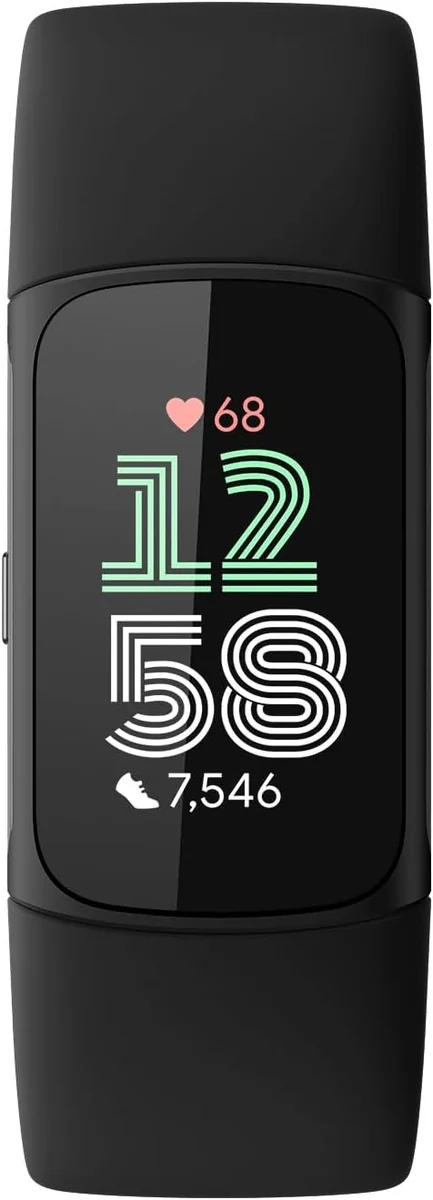
Display Readability
4/5
Aesthetic Appeal
4/5
Health
Skin Material Safety
4/5
Sleep Tracking Quality
4/5
Long-Term Exposure Safety
4/5
Safety
Data Security
3/5
Overheating Risk Mitigation
4/5
Emergency Features
2/5
Sustainability
Battery Replaceability
1/5
Recyclability
2/5
Packaging Sustainability
2/5
Experience Style
Ease of Use
4/5
Customization Options
3/5
App Integration Quality
3/5

Specifications
This section outlines the product's key facts, covering essential features, details, dimensions, materials, and any unique characteristics that define its functionality and usability.
Performance
Value
Design
Safety
Sustainability
Experience Style

Frequently Asked Questions
8 Questions



Find Yours
What is your primary goal for an activity tracker?
Answer to find your best matches.