
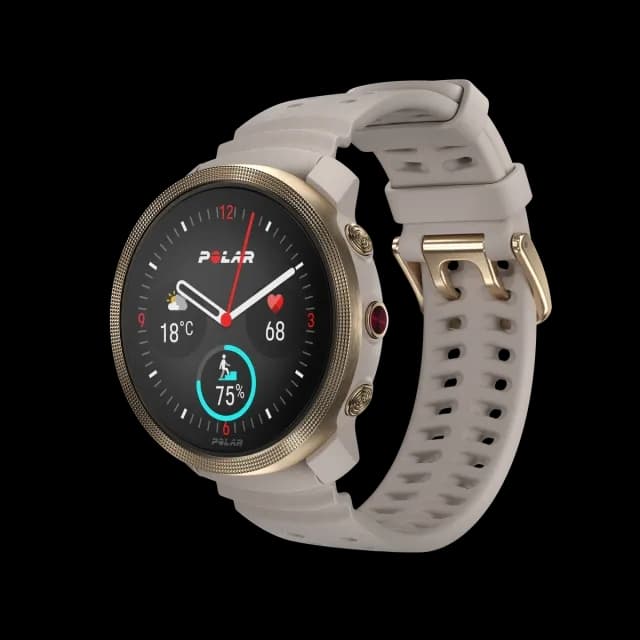
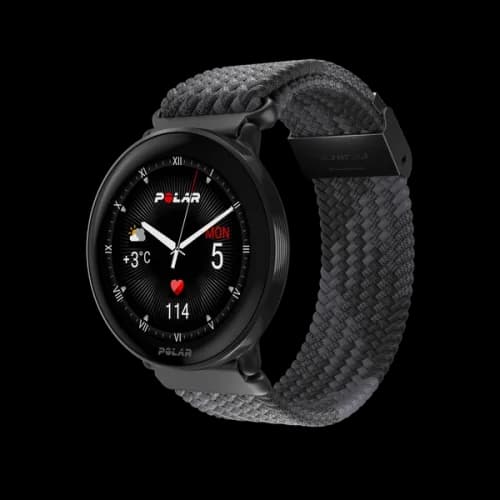
Polar Vantage V3
Vibrant AMOLED and advanced sensors impress, but heart rate accuracy and software need refinement.
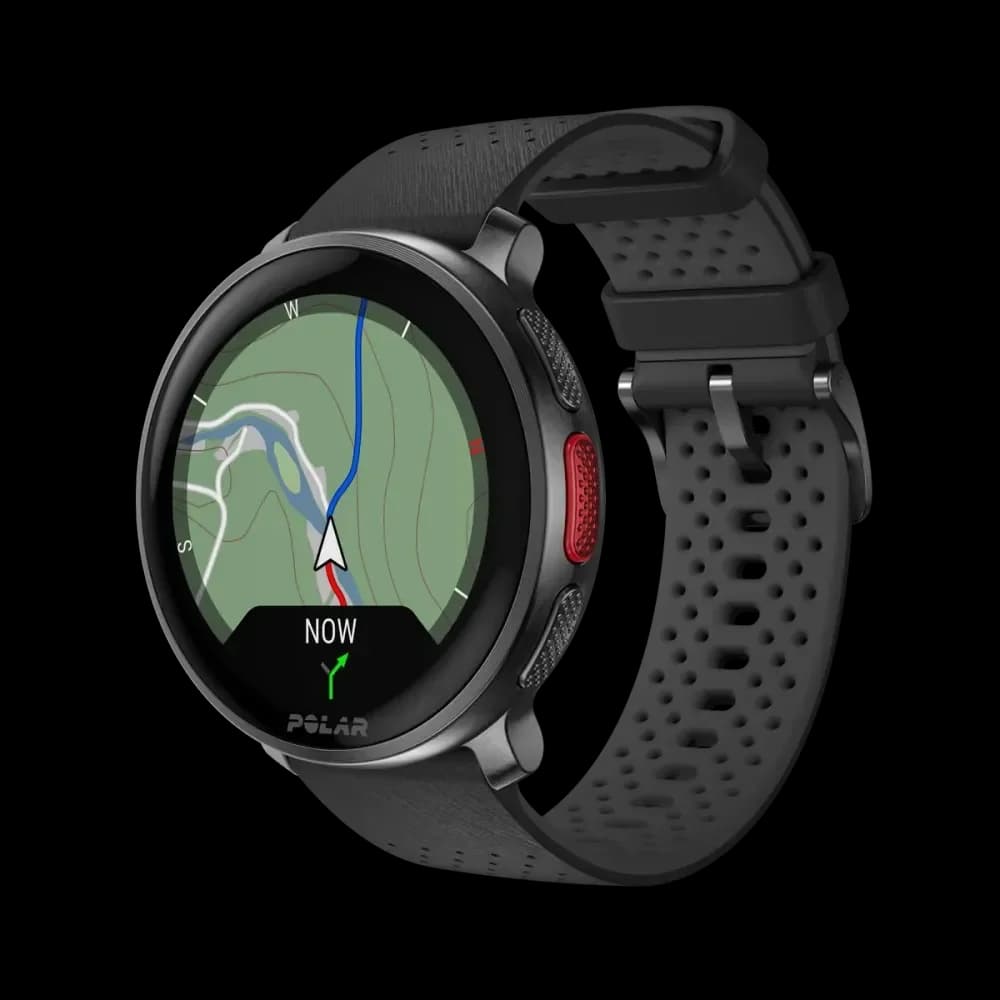
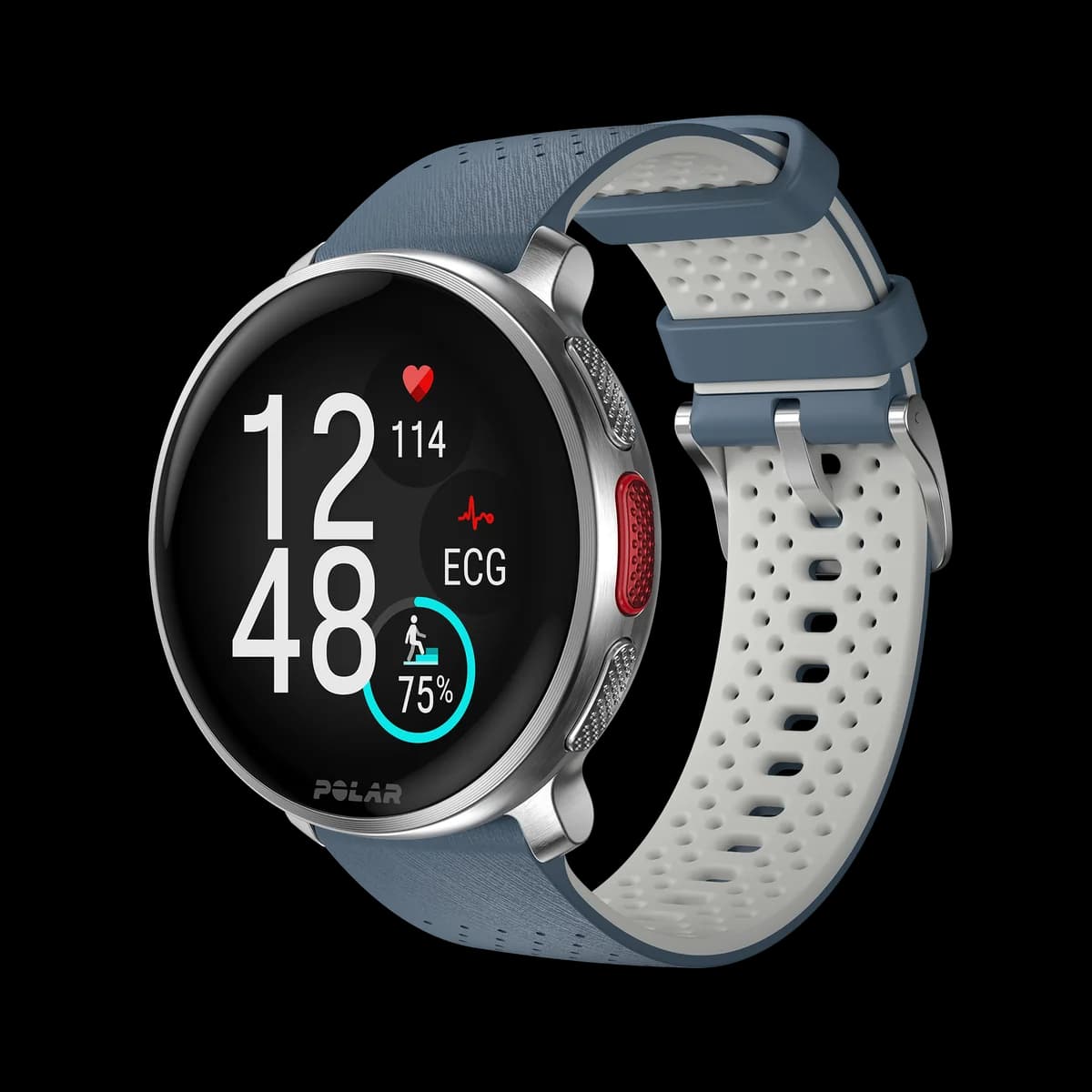
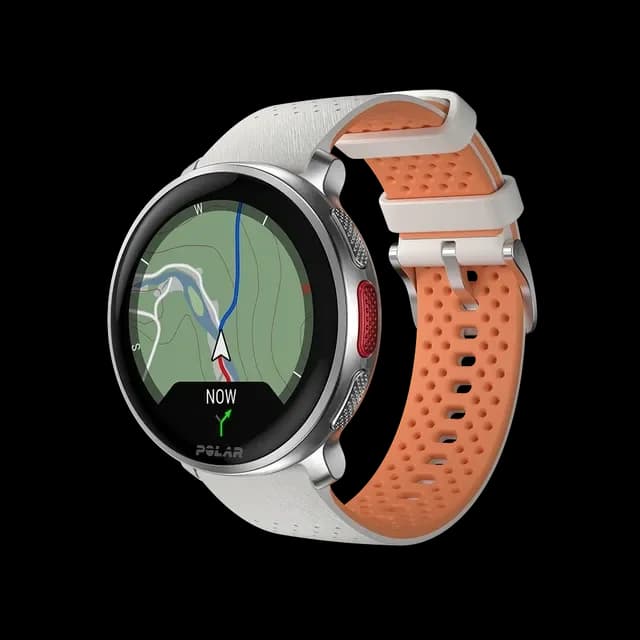
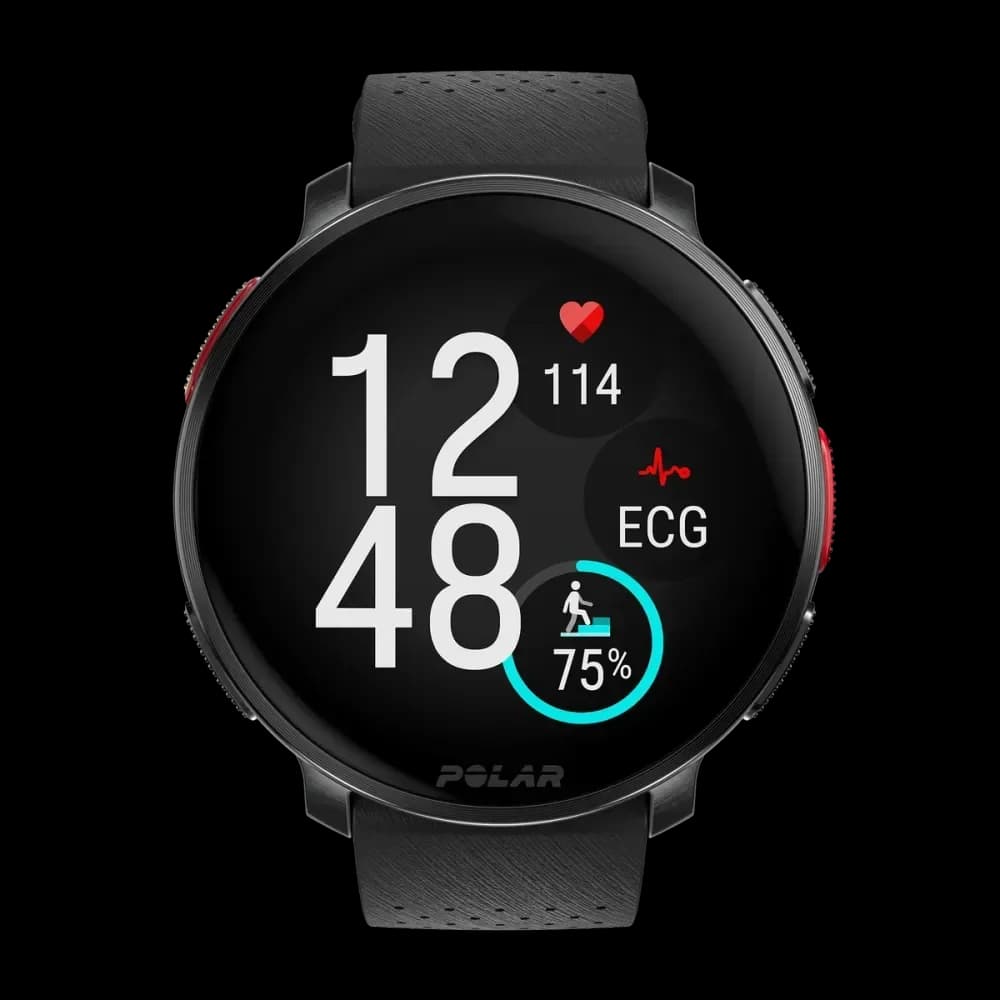
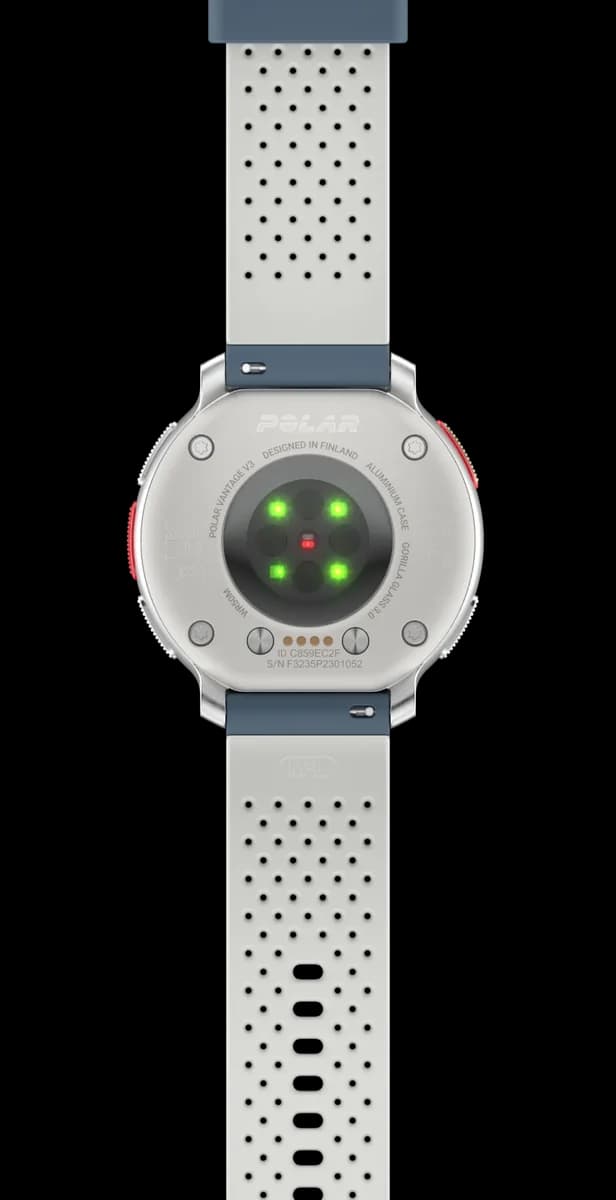
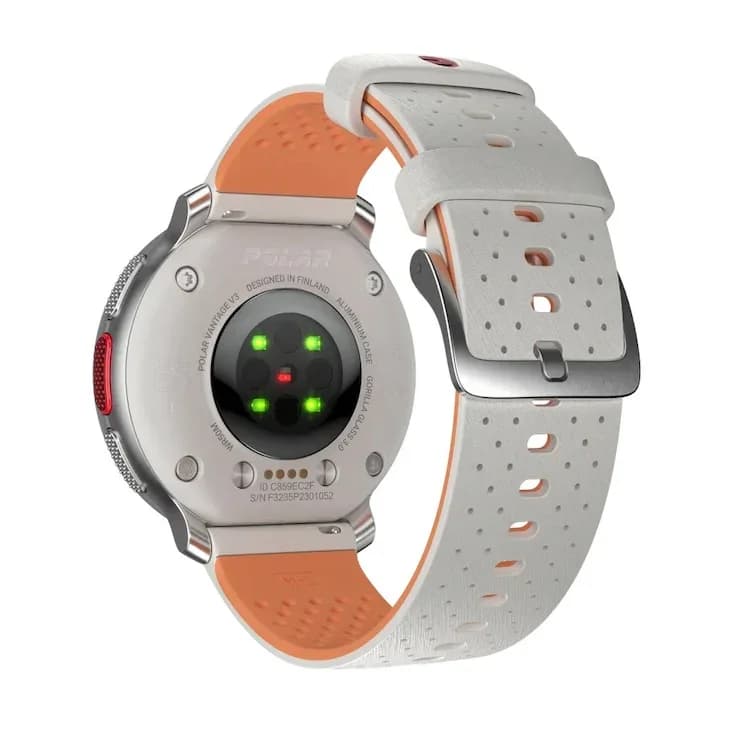
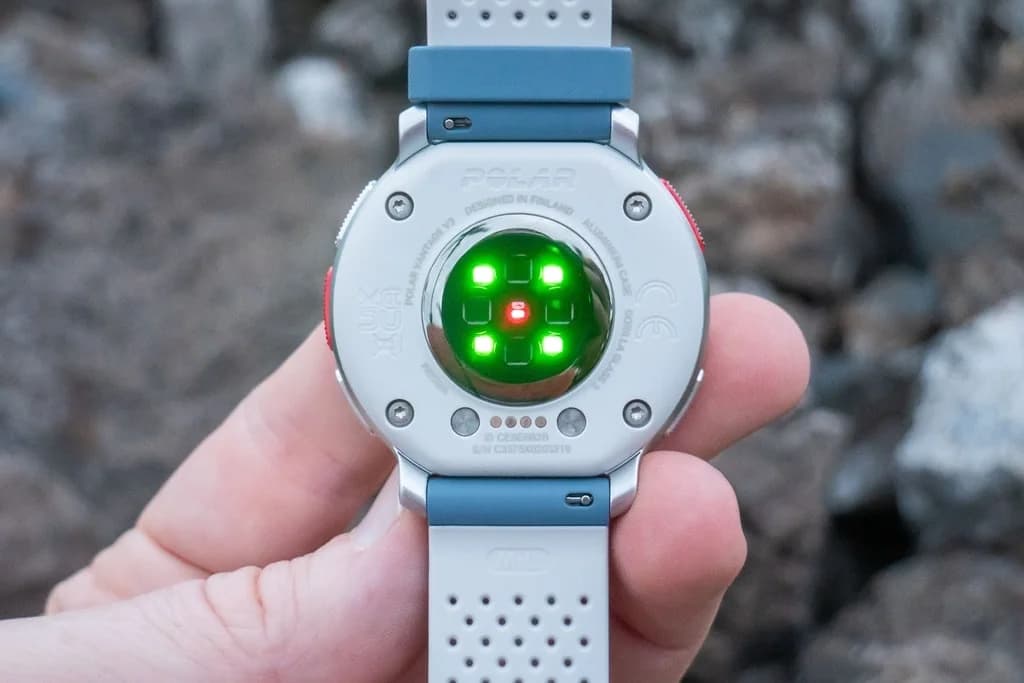
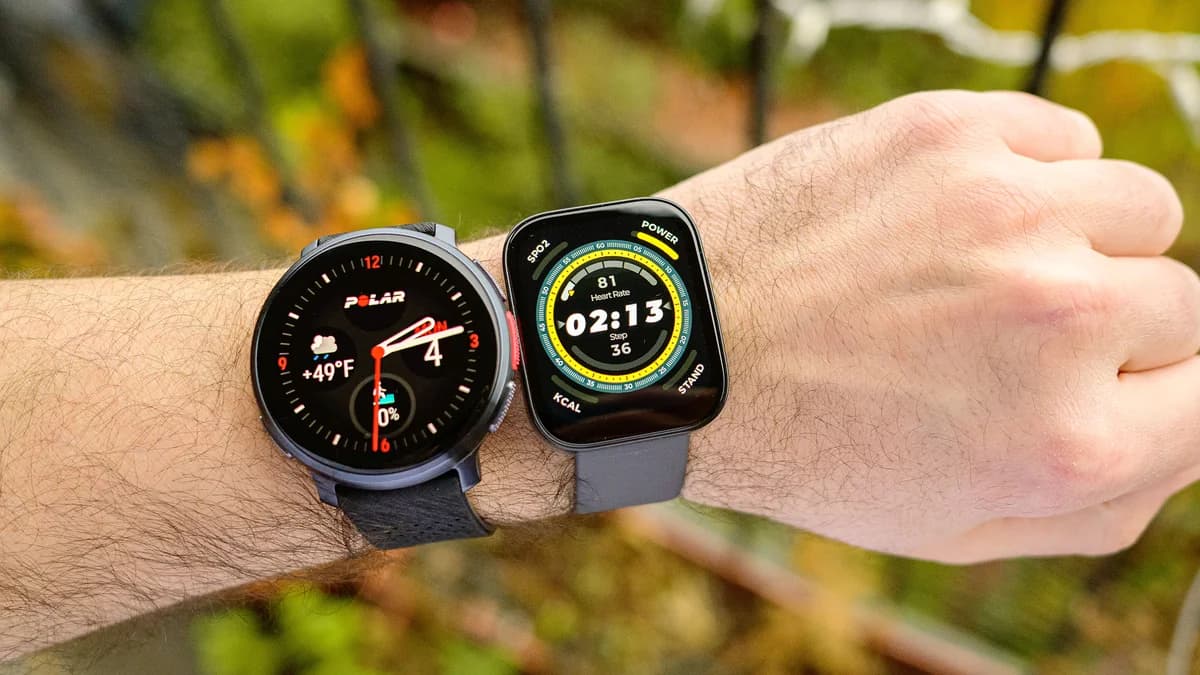
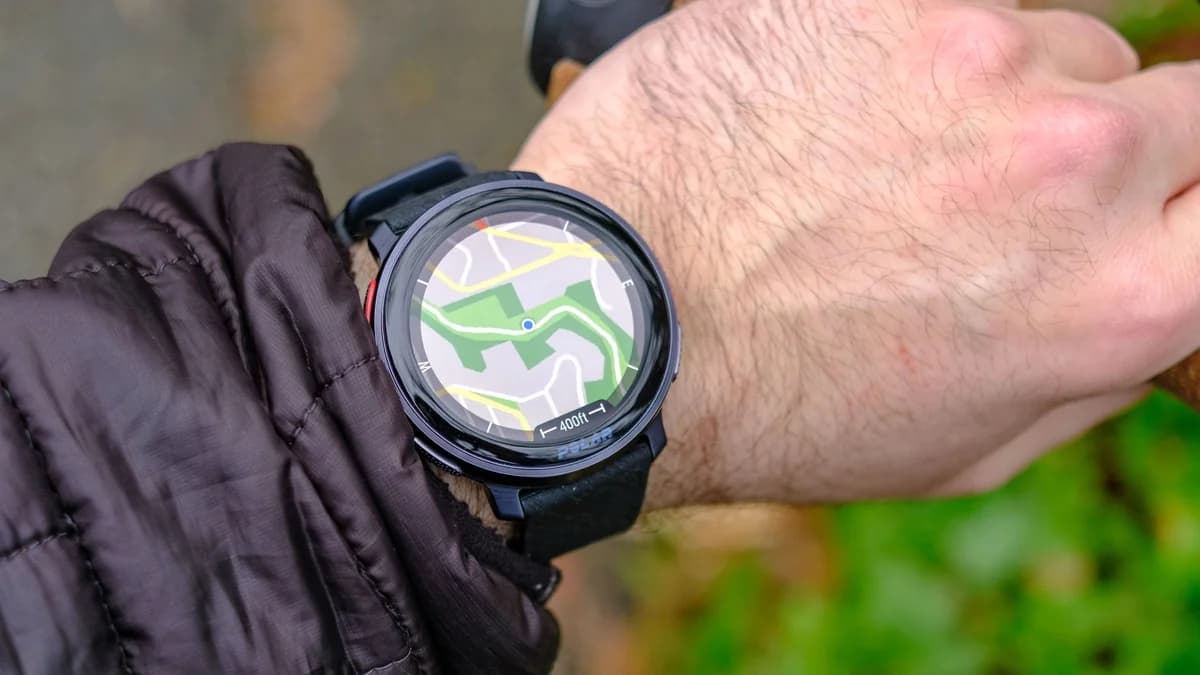
The Polar Vantage V3 is a multisport maestro built for serious athletes chasing precision and endurance without the fuss. Packed with a vibrant 1.39-inch AMOLED display, dual-frequency GPS, and an ambitious Elixir biosensing suite featuring ECG, SpO2, and skin temperature sensors, it promises rich recovery insights that users rave about. Experts applaud its navigation chops but raise eyebrows at inconsistent wrist-based heart rate tracking—sometimes needing external help to keep pace. Battery life claims of up to 43 hours GPS mode mostly hold true, though real-world use varies. At $599, it’s a sleek powerhouse whose ultimate appeal hinges on firmware polish and sensor refinement over time.
Find Yours
What is your primary goal for an activity tracker?
Answer to find your best matches.

The Field
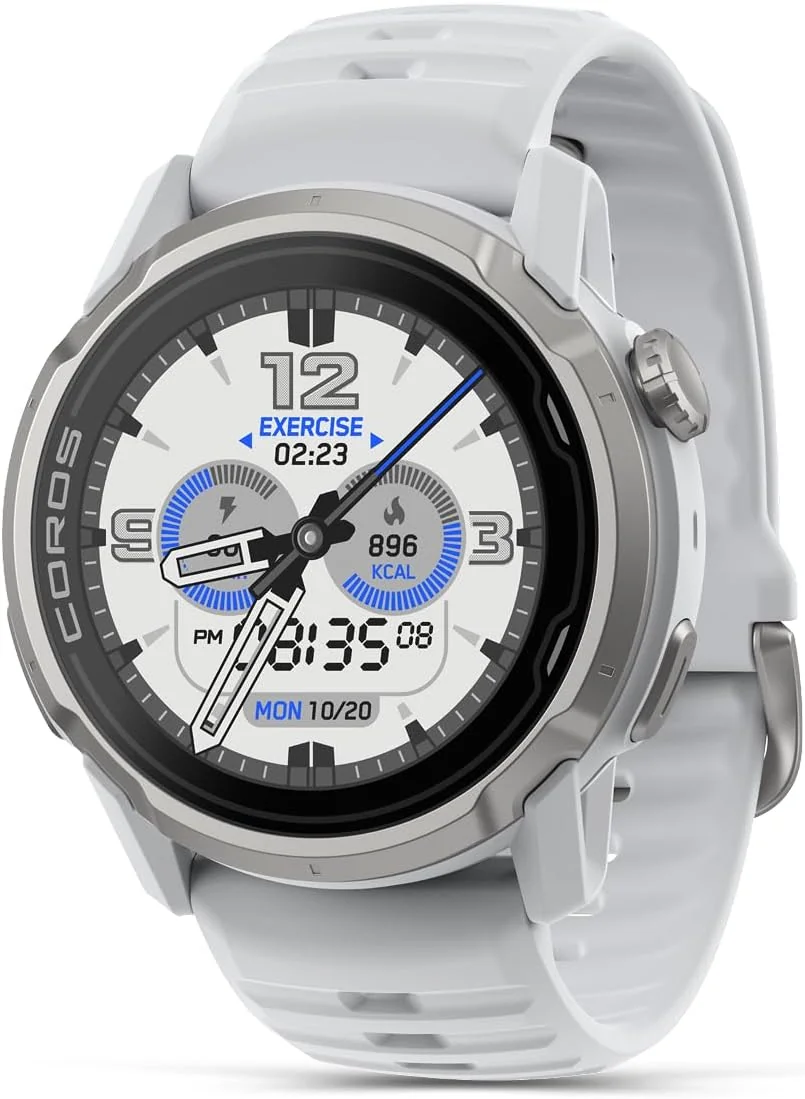
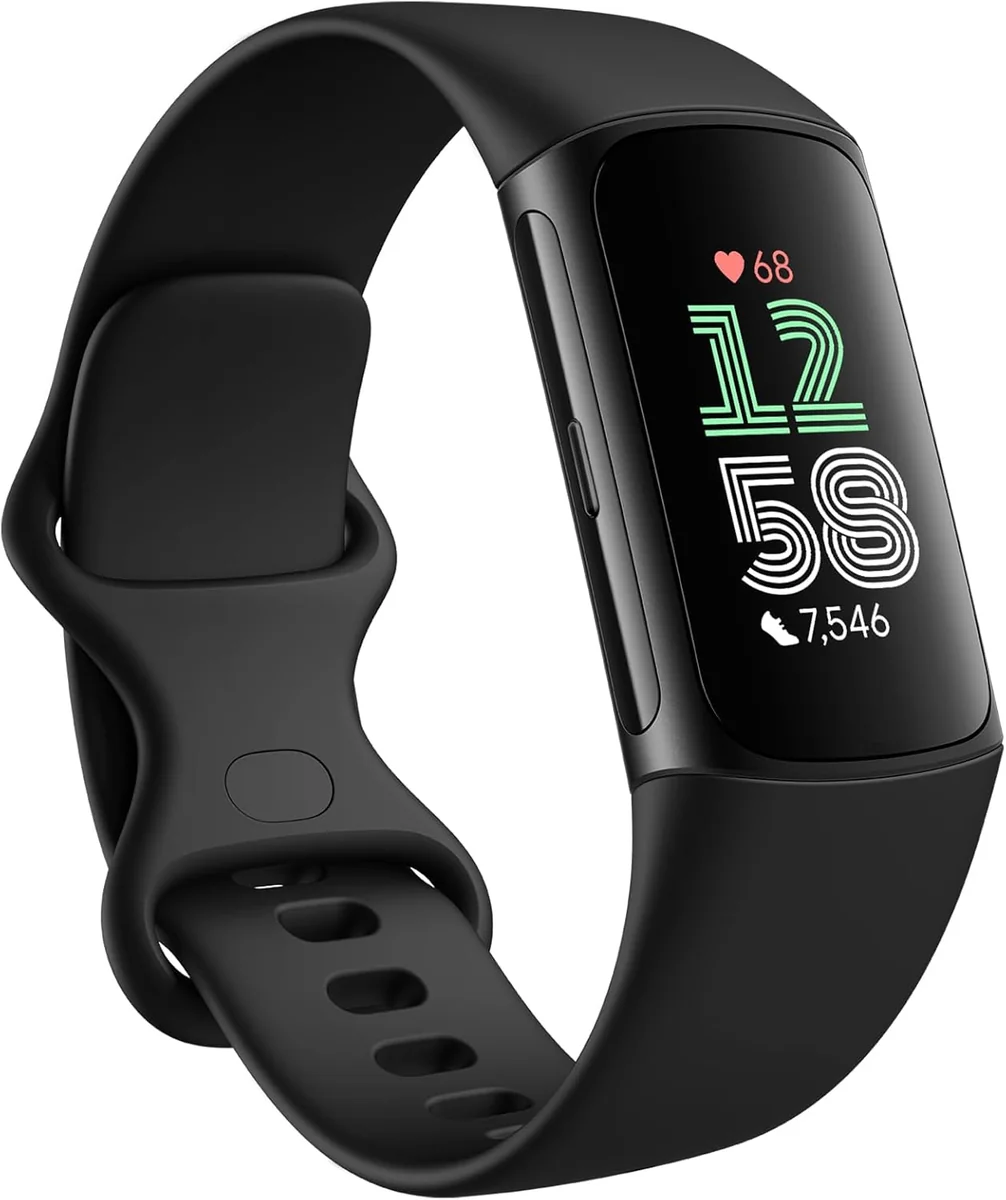
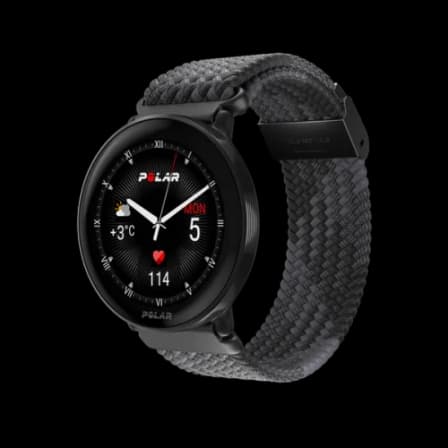
Browse top contenders, or compare all options ranked by score and key attributes.
5 Options



The Scoreboard
Does this improve your life? Considers, health, habits, and environmental impact.
Benefits
Dual-frequency GPS and offline maps — more reliable than single-band rivals on remote runs.
Elixir sensors, wrist ECG and Nightly Recharge give recovery signals without chest straps.
Training Load Pro, FitSpark, FuelWise tailor sessions, nudging healthier habits with data-driven prompts.
1.39-inch AMOLED improves outdoors visibility, reducing squinting and improving safety during workouts.
488mAh Li‑pol battery supports extended high-accuracy GPS sessions, reducing frequent charging interruptions.
Trade-Offs
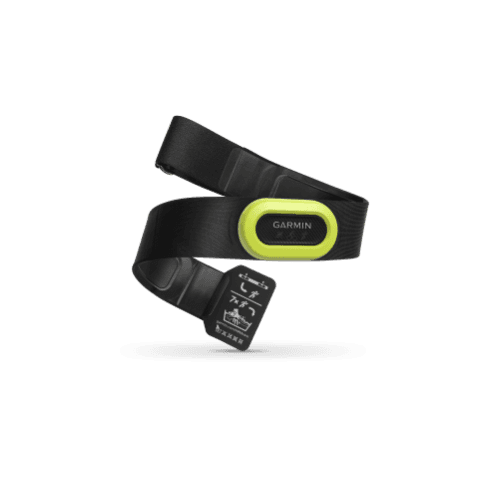
Gen4 optical HR and wrist ECG sometimes inconsistent; external sensors may be preferable for precision.
Dense Li‑pol battery and complex electronics increase e‑waste and mining footprint versus repairable designs.
Uses a proprietary watch connector despite USB‑C, potentially creating extra charger/accessory waste versus standards.
Rich metrics and alerts can increase anxiety or overtraining, especially without validated wrist HR accuracy.
 Alternatives


Join the Circle
Where real meets deal
Know what's worth buying-and when.
Tips, special offers, and rewards for buying and sharing.

Publications
9 LEADING PUBLICATION REVIEWS

Ray Maker from DC Rainmaker highlights the Polar Vantage V3 as a pivotal product for Polar, marking a significant hardware leap with features like an AMOLED display, dual-frequency GPS, offline mapping, and new biosensors including ECG and skin temperature tracking. While the watch impresses with its bright screen, robust button interface, and detailed mapping capabilities, the review conveys a cautiously optimistic tone due to notable software quirks such as route navigation limitations, occasional crashes, and inconsistent optical heart rate accuracy that varies unpredictably between workouts. The V3’s training load and recovery metrics feel dated compared to competitors, and some usability aspects, like sensor pairing and data presentation, could be improved. Despite these issues, the reviewer appreciates Polar’s hardware advancements and sees strong potential if firmware updates address current shortcomings. Priced at $599, the Vantage V3 faces stiff competition, but with clear communication on future software enhancements, it could reclaim its place as a serious contender in the endurance sports watch market.
By Ray Maker
Wareable praises the Polar Vantage V3 as Polar’s best multisport watch to date, highlighting its vibrant AMOLED display, significant performance boost, and robust core sports tracking features. The addition of dual-band GPS and free offline topographic maps elevates its appeal for outdoor athletes, with GPS accuracy sometimes surpassing competitors like Garmin. Battery life is improved over previous models, offering up to a week of use with regular GPS tracking. The watch’s extensive training and sleep analysis tools provide deep insights, though the presentation can feel overwhelming and less user-friendly compared to rivals. Heart rate accuracy remains a mixed bag, with optical sensor readings occasionally falling short against chest straps. While the V3’s smartwatch features have improved, they still lag behind Garmin and Apple offerings. Priced higher than some competitors in the US, the Vantage V3 is a premium, well-rounded multisport watch with some room for refinement in data presentation and sensor precision.
By Michael Sawh
Dan Bracaglia from Tom’s Guide highlights the Polar Vantage V3 as a top-tier fitness tracker tailored for multisport athletes, boasting a rich array of advanced health sensors, accurate dual-band GPS, and a vibrant AMOLED touchscreen. He praises its excellent battery life, robust build quality, and comprehensive fitness and recovery insights, noting the device’s ability to deliver detailed, easy-to-understand workout metrics across diverse activities. However, Bracaglia points out notable drawbacks, including the large 47mm case size, reduced waterproof rating compared to its predecessor, and a lack of meaningful smartwatch features such as mobile payments or onboard music storage. Sleep tracking requires consistent wear to yield useful data, which may be challenging given the watch’s size. While the $600 price tag and limited smart functionality may deter casual users, the V3 stands out as a sophisticated, reliable tool for serious athletes seeking deep wellness analytics and multisport versatility.
By Dan Bracaglia
Michael Sawh from TechRadar highlights the Polar Vantage V3 as a significant upgrade over its predecessor, positioning it as a strong AMOLED alternative to competitors like the Garmin Forerunner 965. He praises the watch’s vibrant AMOLED display, improved dual-frequency GPS accuracy, and comprehensive multisport features, especially its rich and reliable sleep tracking that rivals dedicated devices like the Oura Ring. The new Elixir sensor array adds blood oxygen, skin temperature, and ECG metrics, enhancing wellness insights. However, Sawh expresses reservations about the wrist-based heart rate accuracy, noting it still falls short of chest strap monitors and some competitors. He also points out the watch’s relatively modest smartwatch capabilities and a snug silicone strap that may be uncomfortable for some. Overall, the Vantage V3 is recommended for serious athletes seeking detailed training and recovery data in an attractive, durable design, though those wanting top-tier heart rate monitoring or smartwatch features might look elsewhere.
By Michael Sawh
Michael Sawh from Trusted Reviews praises the Polar Vantage V3 as Polar’s most likeable multisports watch to date, highlighting its significant improvements in display, tracking, and software performance. The introduction of a vibrant 1.39-inch AMOLED screen and dual-frequency GPS brings the V3 closer to competitors like Garmin and Suunto, while new mapping support and enhanced sensor capabilities add valuable functionality. Battery life is strong, especially when the always-on display is off, and the watch offers a rich suite of training and recovery insights suitable for both beginners and serious athletes. However, Sawh notes some shortcomings, including occasional phone disconnections, modest heart rate sensor improvements over the V2, and limited smartwatch features compared to rivals. Despite these caveats, the review conveys a generally positive and measured enthusiasm, emphasizing that the Vantage V3 delivers a slick, reliable, and well-rounded experience that makes it a compelling choice for those seeking a high-end multisports watch focused on performance and tracking accuracy.
By Michael Sawh
Michael L Hicks from Android Central highlights the Polar Vantage V3 as a solid, feature-rich multisport watch that brings Polar up to speed with competitors by adding an AMOLED display, dual-band GPS, and new health sensors like SpO2, ECG, and skin temperature. He appreciates the watch’s excellent battery life, accurate heart rate tracking, and useful training guidance through Fitspark and Recovery Pro, especially for long-time Polar users. However, Hicks points out some shortcomings, including occasional GPS inaccuracies on track runs, a somewhat cluttered data presentation in the Polar Flow app, and the lack of music storage or ANT+ support. He also notes the watch’s premium price and the absence of sapphire glass, which may deter some buyers. While the Vantage V3 offers aspirational workout recommendations and solid recovery insights, it may push less experienced athletes too hard. Overall, Hicks sees it as a comfortable, capable device best suited for athletes familiar with Polar’s ecosystem who value detailed training data and robust sensor integration.
By Michael L Hicks
Chris Foster from Triathlete (Powered by Outside) highlights the Polar Vantage V3 as a significant step forward for Polar, finally bringing the brand’s endurance smartwatch up to par with competitors in nearly every aspect except battery life. Praising its best-in-class physiological sensors, comprehensive data tracking, and clear, actionable data presentation, Foster emphasizes how the Vantage V3 excels in delivering accurate, usable insights for serious athletes. The introduction of a bright, responsive AMOLED screen and reliable offline navigation further elevate the watch’s appeal. However, Foster voices clear reservations about the battery life, which falls well short of the advertised 12 days and lags behind rival models, potentially undermining its practicality for heavy users. Additional critiques include a “sticky” raise-to-wake feature and limited screen customization. Overall, Foster sees the Vantage V3 as a sleek, sensor-packed, and data-rich smartwatch that keeps Polar competitive, but cautions that its battery limitations and premium price may deter some endurance athletes.
By Chris Foster
Matt Kollat assesses the Polar Vantage V3 as a feature-rich, well-rounded multisport watch that excels in health optimization and recovery guidance, making it an excellent choice for triathletes and serious athletes. He highlights the significant hardware upgrades, including a faster processor, larger AMOLED display, and the new Polar Elixir sensing platform, which adds ECG, SpO2, and skin temperature sensors for more comprehensive health insights. While praising its robust suite of tests and recovery tools, Kollat notes that the watch still tends to overestimate calorie burn and heart rate, a quirk that may persist for consistency across Polar devices. He also points out usability drawbacks such as a dated user interface and less-than-seamless smartphone connectivity. Despite these criticisms, the Vantage V3’s accuracy in GPS tracking and extensive multisport features make it a compelling flagship wearable, though it may not lure users away from more mainstream smartwatches like the Apple Watch. Overall, the review conveys a balanced, moderately positive enthusiasm grounded in detailed hands-on experience.
By Matt Kollat
Charlotte Broughton from Cycling Weekly highlights the Polar Vantage V3 as a versatile and feature-rich smartwatch, excelling across a wide range of sports and daily health tracking. She praises its impressive battery life, bright AMOLED display, detailed downloadable maps with turn-by-turn navigation, and fast charging, noting the watch’s solid build and comfort for all-day wear, including sleep. Broughton appreciates the extensive biosensing technologies and the watch’s accuracy in heart rate and speed measurements, especially compared to dedicated cycling devices, though she finds the watch somewhat bulky for layered cycling apparel. She also values unique features like nightly skin temperature tracking and hydration reminders. However, she expresses cautious skepticism about the reliability of some biosensing functions, such as the ECG and SpO2 readings, emphasizing they are not substitutes for professional medical tests. Despite its steep price and feature density, Broughton recommends the Vantage V3 for data enthusiasts seeking a comprehensive multisport smartwatch with strong performance and thoughtful extras.
By Charlotte Broughton

YouTube
10 LEADING EXPERT & INFLUENCER REVIEWS
 The Quantified Scientist
Rob from The Quantified Scientist finds the Polar Vantage V3’s new Gen 4 Optical Heart Rate sensor disappointing, underperforming compared to older Polar models across indoor/outdoor cycling, running, and weightlifting. Despite thorough testing and hopes for software fixes, he highlights significant delays and inaccuracies in heart rate tracking, urging caution for users prioritizing precise biosensing.
Chase the SummitChase the Summit praises the Polar Vantage V3 for its premium build, bright 1.39-inch AMOLED display, advanced Polar Elixir™ sensors, and solid battery life, especially in GPS mode. However, he highlights frustrating reliability issues like random crashes, inconsistent heart rate data, and limited offline map functionality. At $599, he suggests waiting for firmware fixes or considering competitors unless you’re a dedicated Polar user.
The Run TestersNick Ackerman praises the Polar Vantage V3 as Polar’s best running watch yet, highlighting its bright 1.39-inch AMOLED display, improved dual-frequency GPS accuracy, and solid battery life. He values its rich training and recovery insights but notes heart rate accuracy issues without a chest strap, occasional syncing quirks, and a high price compared to Garmin and Suunto rivals.
DesFitDesFit praises the Polar Vantage V3’s vibrant AMOLED display, improved dual-frequency GPS, and comprehensive recovery tools like Nightly Recharge. He highlights solid battery life and extensive sport profiles but notes GPS struggles with tight turns and jittery heart rate readings. While impressed overall, he questions its $600 price given some underdeveloped features.
Running Shoes GuruRunning Shoes Guru praises the Polar Vantage V3’s sleek design, vibrant AMOLED screen, and advanced training/recovery features like Nightly Recharge and Training Load Pro. However, they note inconsistent battery life, unreliable wrist-based heart rate during runs, limited water resistance, and a cumbersome offline maps setup. Overall, it’s great for trail and ultra runners but less ideal for swimmers or those upgrading from the V2.
Ryan's TechRyan from Ryan’s Tech delivers a cautiously critical review of the Polar Vantage V3, praising its lightweight design, durable aerospace aluminum case, bright AMOLED display, and deep training metrics like Nightly Recharge and energy source trends. However, he highlights frustrating software bugs, inconsistent sensor accuracy (especially heart rate and SpO2), limited touchscreen functionality, and a steep learning curve, suggesting the hardware is solid but software optimization needs improvement.
German Accent ReviewsGerman Accent Reviews praises the Polar Vantage V3 as a major comeback with standout features like a bright 1.39-inch AMOLED display, offline topographic maps, and improved multiband GPS accuracy. While the ECG and heart rate sensor excel in endurance sports, rapid changes during strength training remain less reliable. Battery life impresses despite the AMOLED screen, though navigation lacks on-watch route creation. Overall, the V3 is a strong choice for fitness-focused users seeking depth over flashy smart features.
BuyRightProductsBuyRightProducts praises the Polar Vantage V3 for its advanced biosensing suite, dual-frequency GPS accuracy, and vibrant AMOLED display, highlighting its strong appeal to serious endurance athletes focused on recovery and training insights. While noting some app lag and fewer smartwatch extras, the review emphasizes its excellent value and precision for multisport use.
TechsquareTechsquare highlights the Polar Vantage V3 as a health-focused multisport watch with advanced biosensing like ECG and skin temperature sensors, excelling in recovery insights and GPS endurance. While praising its vibrant AMOLED display and offline maps, they note trade-offs versus the Garmin Forerunner 965’s broader sports metrics, music storage, and longer smartwatch battery life.
MinistryTechMinistryTech praises the Polar Vantage V3 as a rugged, feature-rich multisport watch ideal for serious endurance athletes, highlighting its advanced Elixir biosensing, on-wrist full-color mapping, and superior battery life. While noting the higher price versus the Vantage M3, the review emphasizes the V3’s value for those needing detailed training insights and durability.

Social
2 INFLUENCER REVIEWS
 lionelodelana
lionelodelana highlights a transformative 24-day experience with the Polar Vantage V3, noting improved sleep, increased flexibility, elimination of back pain, and a meaningful three-point boost in VO2 max. The review emphasizes following the watch’s guidance on exercise and rest as key to these health gains, offering a concrete, personal success story. Overall, lionelodelana strongly recommends the Polar Vantage V3 for those seeking measurable fitness improvements and better overall health, expressing genuine enthusiasm and anticipation for continued progress beyond the initial period.
@palabraderunnerpalabraderunner highlights the Polar Vantage V3 as a comprehensive upgrade with standout features like a vibrant 1.39-inch AMOLED touchscreen, offline global maps with turn-by-turn navigation, multi-band GPS, and advanced sensors including ECG and skin temperature. The reviewer emphasizes its long battery life and broad sport profile support, presenting it as a top-tier multisport GPS watch. Overall, palabraderunner conveys a measured but positive view, appreciating the device’s deep feature set and modern updates while noting its premium price of 599 euros. The review encourages engagement and invites viewers to share their opinions, suggesting a balanced recommendation for serious athletes or tech-savvy users seeking a flagship fitness tracker.

Forum Reviews
CUSTOMER REVIEWS FROM 1 FORUM
Reddit users generally appreciate the Polar Vantage V3 for its accurate performance in running and fitness tracking, solid battery life, and attractive design, often highlighting improvements over previous models. The watch’s recovery features and sleep tracking receive positive remarks, though wrist-based heart rate monitoring is frequently noted as less reliable, with many recommending external sensors for accuracy. Users praise the robust build and intuitive interface but express frustration with the app’s usability, limited interval training customization, and occasional software glitches. While some long-term users report satisfaction and stability after updates, others criticize inconsistent heart rate data, swim tracking inaccuracies, and slow customer support. Prospective buyers are advised to weigh these factors, with some suggesting the V3 suits dedicated runners well but may fall short for multisport or triathlon needs.
Many comments

In-Depth Review

Highlights
- •Long GPS battery lifeAdvertised to offer up to 43h.
- •Advanced biosensing suitePromoted as ECG, SpO2, skin‑temp.
- •Dual-frequency GNSS positioningDesigned to use dual-frequency GNSS.
- •Training and recovery toolsCompany highlights FitSpark, Recovery Pro.
- •Vibrant AMOLED displayMarketed as 1.39-inch AMOLED; praised.
- •Offline maps and navigationPromoted as offering offline topographic maps.

Considerations
- •Wrist heart-rate variabilityGen‑4 wrist HR inconsistent during efforts.
- •Software stability and sync issuesReports of crashes and sync glitches.
- •Navigation usability limitationsOn‑watch route creation and setup limited.
- •Real-world battery variabilityReal‑world battery sometimes below advertised.
- •Limited smartwatch ecosystem featuresNo music, mobile payments, or ANT+.
- •Proprietary charging connectorUses Polar proprietary watch charging cable.
Real-world impressions of this latest Polar flagship are still unfolding, but early signs point to a smartwatch that aims high for serious athletes craving precision and endurance. Building on Polar’s reputation for robust training tools, it flaunts an eye-popping 1.39-inch AMOLED display that outshines its predecessors with vivid clarity and always-on convenience. The watch stakes its claim with a marathon-worthy 43-hour GPS battery life, promising long days on the trail without hunting for outlets. Cutting-edge sensors deliver wrist-based ECG, SpO2, skin temperature tracking, and the much-anticipated Gen 4 optical heart rate monitor—though some users note quirks during rapid effort changes. Navigation steps up with dual-frequency GNSS support plus offline topographic maps designed to keep you confidently on course through any terrain. Crafted from aerospace aluminum yet surprisingly light at 57 grams, it balances durability with comfort in daily wear or grueling workouts alike. If you’re after pinpoint accuracy and rich recovery insights wrapped in sleek tech flair, these features deserve your close attention—and maybe even your next workout partner.
Biosensing (OHR, ECG, SpO2, Skin Temperature)
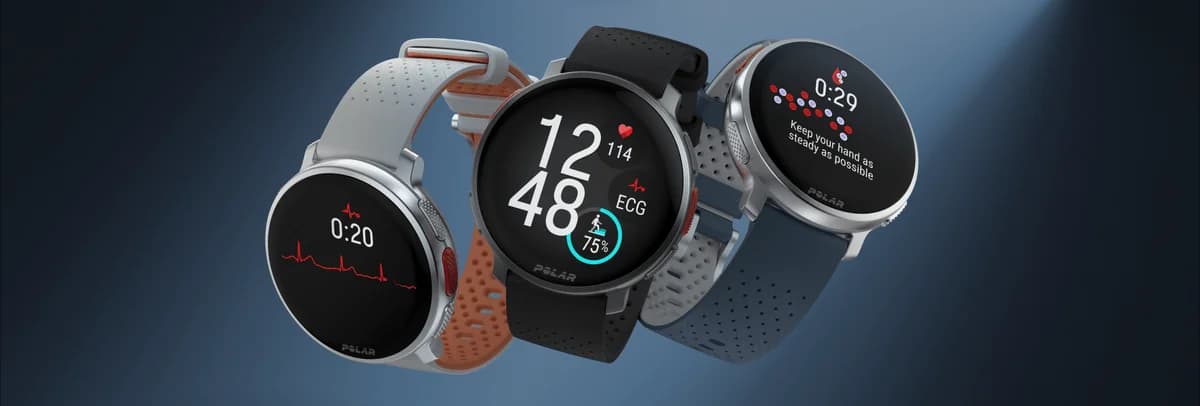
Polar’s Elixir biosensing suite is an ambitious cocktail featuring Gen 4 optical heart rate sensors alongside wrist-based ECG and skin temperature tracking—aimed at serious health insights without chest straps. While recovery metrics like Nightly Recharge shine in delivering actionable data, wrist HR accuracy stumbles during rapid exertion shifts according to user reports and expert critiques alike. This sensor depth places the V3 ahead in biosensing sophistication but also highlights the perennial challenge: balancing tech promise with reliable day-to-day precision remains a work-in-progress for Polar’s flagship.
Display (1.39" AMOLED, Resolution, Always-on)
A feast for your eyes awaits with the bright 1.39-inch AMOLED touchscreen boasting 454x454 resolution, offering crisp visuals even under harsh sunlight—a notable upgrade from previous transflective displays Polar used. The always-on mode keeps crucial stats visible without frantic taps or flicks while Gorilla Glass 3 adds durability against life's inevitable knocks and scrapes. Though praised widely for vibrancy and clarity by both critics and users alike, some lament limited touchscreen responsiveness impacting swift menu navigation in intense training moments.
Battery Life
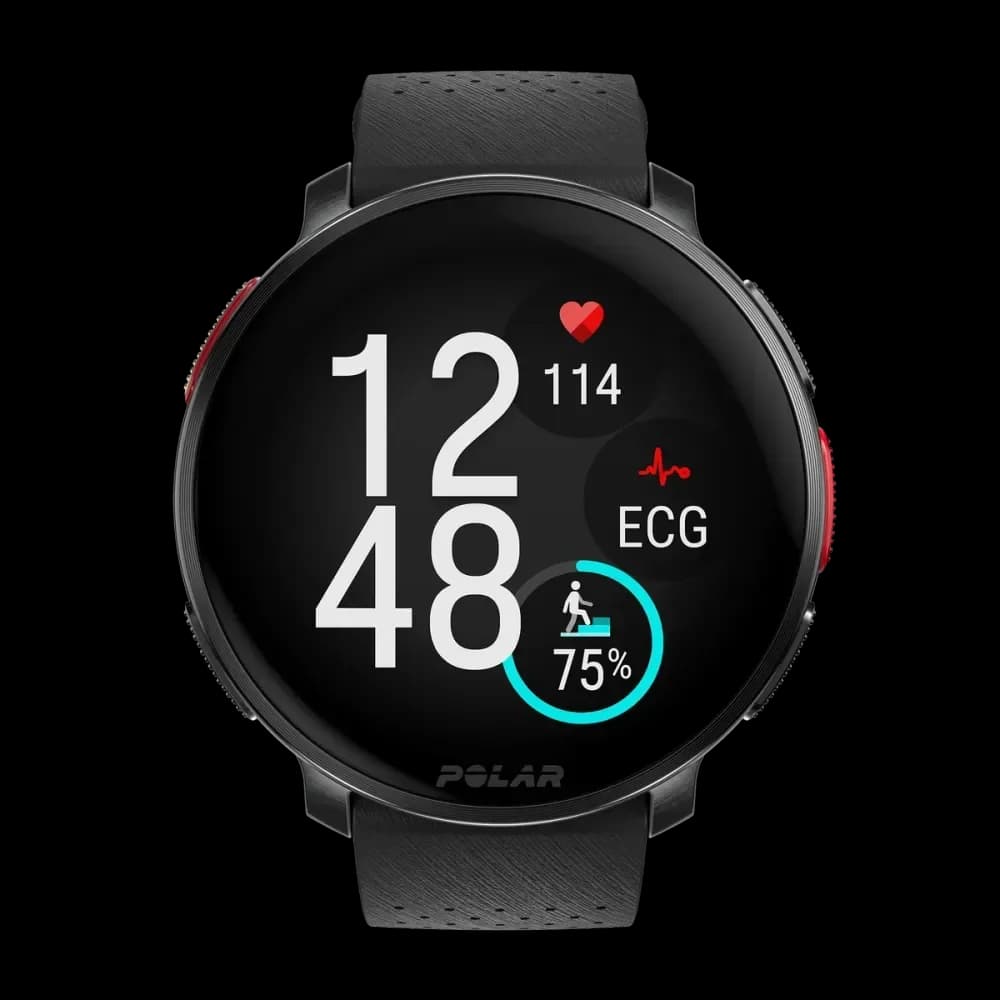
The Polar Vantage V3 promises a marathon-worthy 43-hour GPS battery life, catering to endurance athletes who dread mid-run power losses. Users find the watch's stamina solid but occasionally shy of advertised peaks, especially with the vibrant AMOLED screen constantly glowing. The eco mode extends usage impressively, while smartwatch mode boasts up to 16 days on a charge—ideal for daily wearers seeking longevity. However, some experts note that real-world use can see dips due to software quirks and active features, making it wise not to expect miracle endurance from this powerhouse.
GNSS Accuracy (Dual-frequency GPS/Multi-GNSS)
Navigating trails or urban jungles demands pinpoint positioning; here the Vantage V3 leverages dual-frequency GPS plus GLONASS/QZSS/Galileo support for enhanced location fidelity. Experts praise its superior satellite lock speed and accuracy over many rivals—even edging out Garmin in some scenarios—making it a trail runner’s trustworthy companion. However, users report occasional hiccups around tight corners or dense canopy cover which slightly dim this shining feature's glow but don’t quite eclipse its overall reliability as an outdoor navigation ace.
Build Quality and Durability (Materials, Weight, Water Resistance)
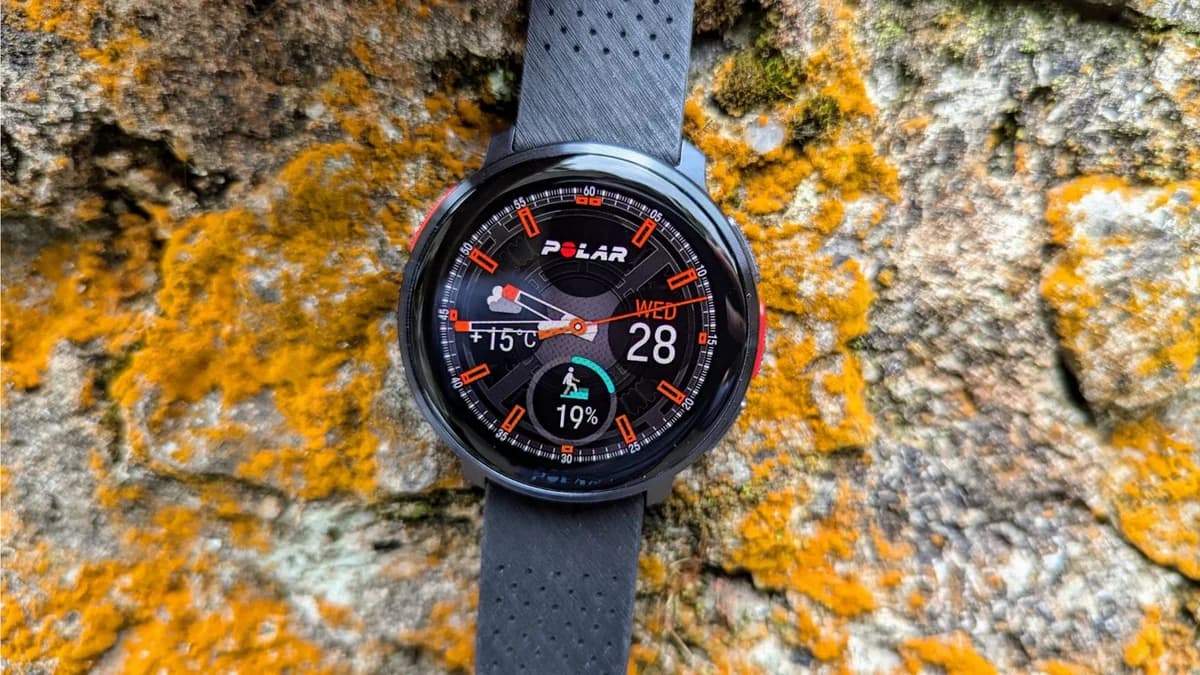
Crafted from aerospace aluminum paired with silicone straps weighing just 57g fully dressed—the Polar strikes an impressive balance between robustness and comfort suitable for grueling workouts or all-day wearingscape adventures alike.The WR50 water resistance rating makes splashes no match though it's less suited than peers for prolonged swimming sessions.A handful of reviewers appreciate its rugged yet lightweight feel,but some triathletes desire more swim-proof credentials.This blend ensures durable elegance meeting sporty grit under one sleek hood.
Conclusion
Early impressions sketch a watch that aims to impress but asks for patience. The 43-hour battery life powers through long adventures, though real-world use may temper expectations. Its ambitious biosensing suite, featuring ECG and skin temperature alongside the Gen 4 optical heart rate sensor, offers deep insights—if you can forgive occasional wrist-based hiccups during intense efforts. When it comes to location tracking, the dual-frequency GNSS accuracy stakes solid ground with reliable positioning and fast satellite locks, yet tight corners still pose minor challenges. Visually, the vibrant 1.39-inch AMOLED display delivers crisp clarity and always-on convenience that users appreciate in bright conditions. Crafted from aerospace aluminum at a featherweight 57 grams with decent water resistance, its build balances toughness with comfort for daily wear or grueling sessions alike. Offline maps boost navigation confidence but leave room for smoother on-watch route creation—a reminder this is a serious athlete’s tool rather than an all-in-one lifestyle gadget brimming with frills like music or payments.

Feature Scores
This reflects reviews and ratings from established critics, journalists, and users who have evaluated the item. Their opinions provide a comprehensive assessment.
Performance
Battery Life
4/5
Tracking Accuracy
4/5
GPS Performance
4/5
Heart Rate Monitoring Accuracy
3/5
Firmware Reliability
3/5
Connectivity Stability
3/5
Water Resistance
4/5
Build Durability
4/5
Value
Price to Feature Ratio
4/5
Warranty
3/5
Customer Support
3/5
App Ecosystem Value
4/5
Design
Comfort Fit
4/5
Display Readability
5/5
Aesthetic Appeal
4/5
Health
Skin Material Safety
4/5
Sleep Tracking Quality
4/5
Long-Term Exposure Safety
3/5
Safety
Data Security
3/5
Overheating Risk Mitigation
3/5
Emergency Features
2/5
Sustainability
Battery Replaceability
1/5
Recyclability
3/5
Packaging Sustainability
3/5
Experience Style
Ease of Use
4/5
Customization Options
4/5
App Integration Quality
4/5

Specifications
This section outlines the product's key facts, covering essential features, details, dimensions, materials, and any unique characteristics that define its functionality and usability.
Performance
Value
Design
Safety
Sustainability
Experience Style

Frequently Asked Questions
7 Questions



Find Yours
What is your primary goal for an activity tracker?
Answer to find your best matches.


