Insta360 GO 3S
Tiny 4K wearable with gimbal-like stabilization, magnetic mounts, and short solo runtime.
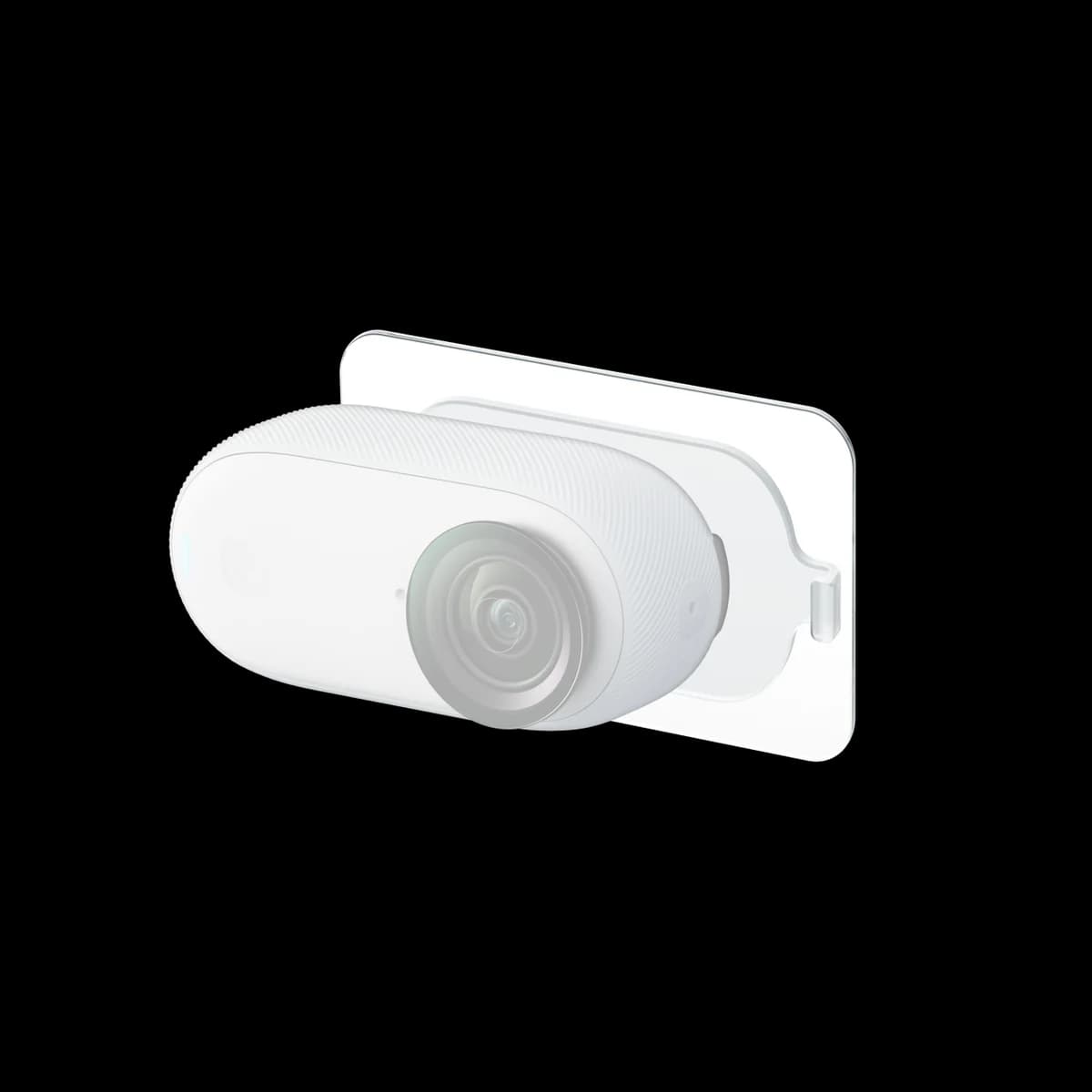
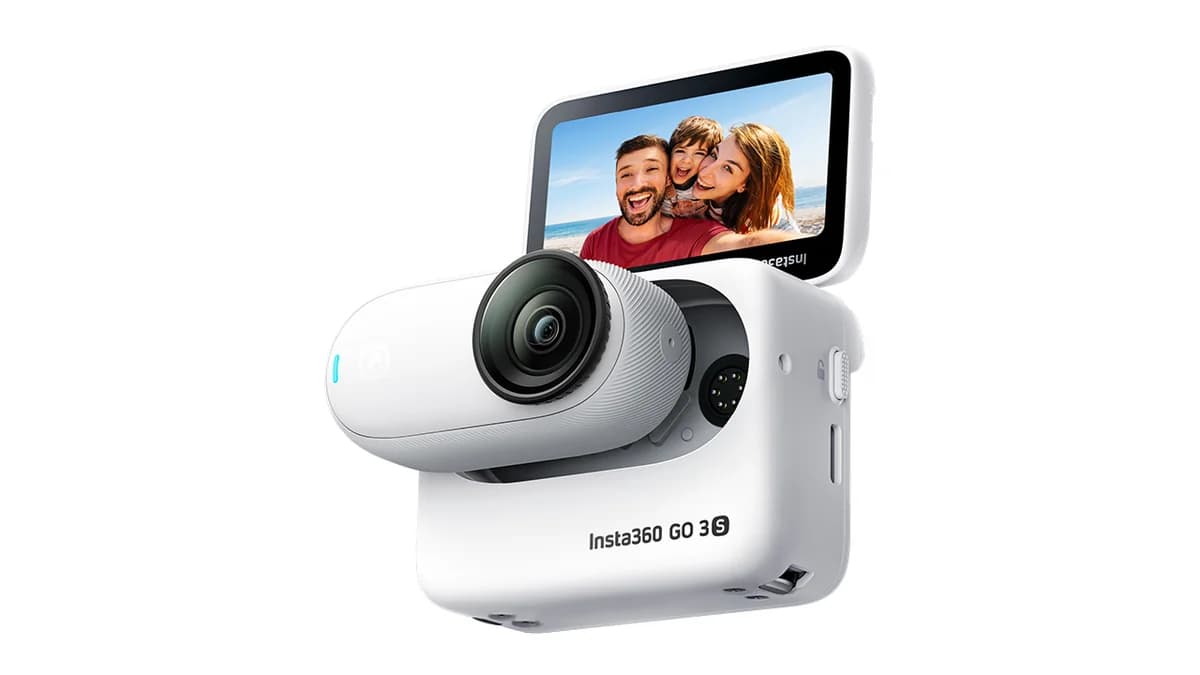
The Insta360 GO 3S is the tiny 4K pocket camera that turns awkward selfie rigs into effortless POV storytelling, perfect for creators who want hands‑free mounting and quick social clips. Reviewers praise its thumb‑sized portability and FlowState stabilization with Horizon Lock for producing smooth, usable footage, while experts note the brand’s 4K and bitrate claims are largely supported in daylight but limited by the small sensor for low‑light work. Users appreciate the Action Pod’s flip touchscreen and extended runtime yet often complain that the camera’s short standalone battery and occasional heat or charging quirks undercut marketing promises. Priced as a premium compact, it delivers clear value if you prioritize mobility and creative mounting over marathon shoots, and those tradeoffs shape final purchase decisions.
Find Yours
What will you primarily use your body-mounted camera for?
Answer to find your best matches.

The Field
Browse top contenders, or compare all options ranked by score and key attributes.
2 Options


The Scoreboard
Does this improve your life? Considers, health, habits, and environmental impact.
Benefits
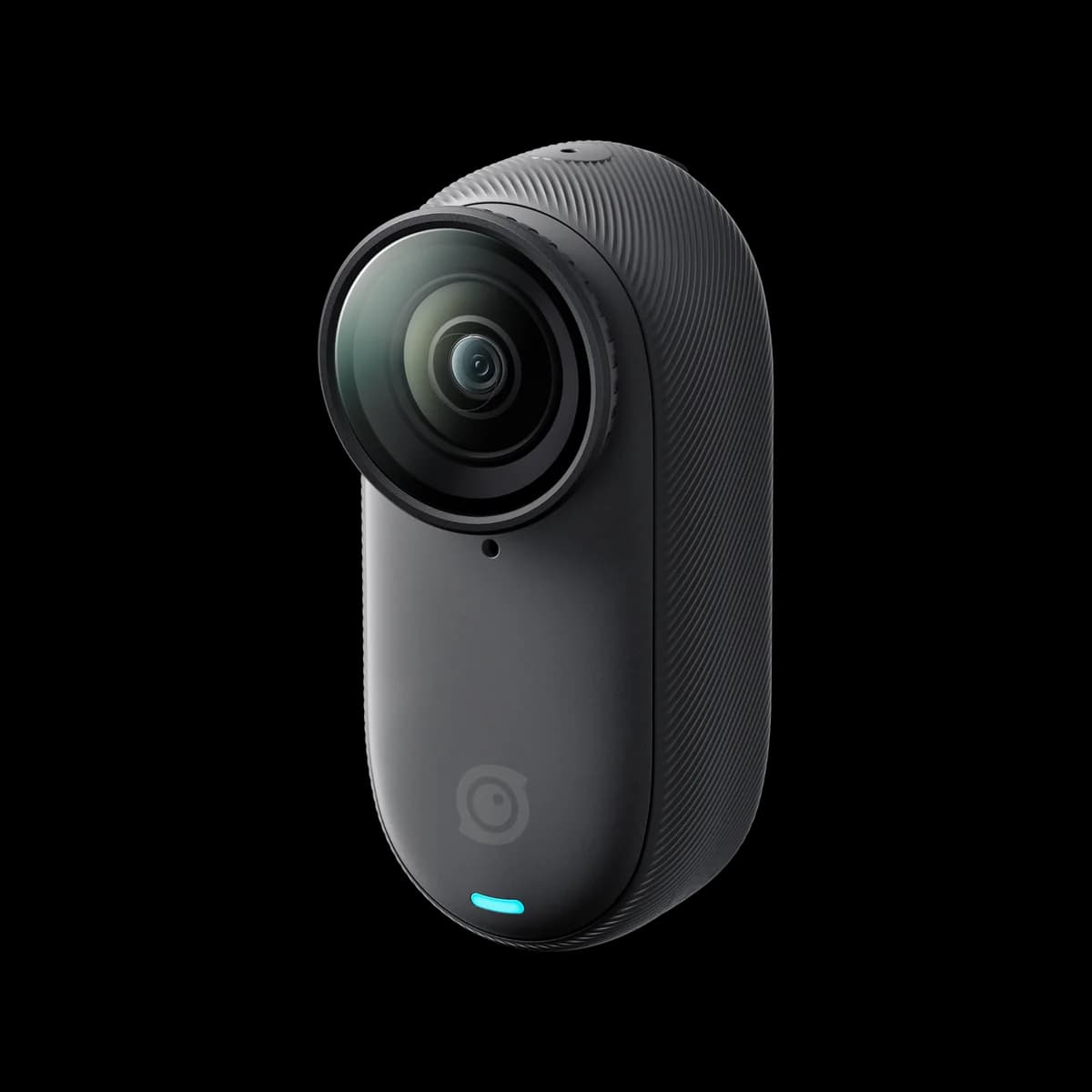
Thumb-sized 39g camera you actually keep with you for spontaneous shots.
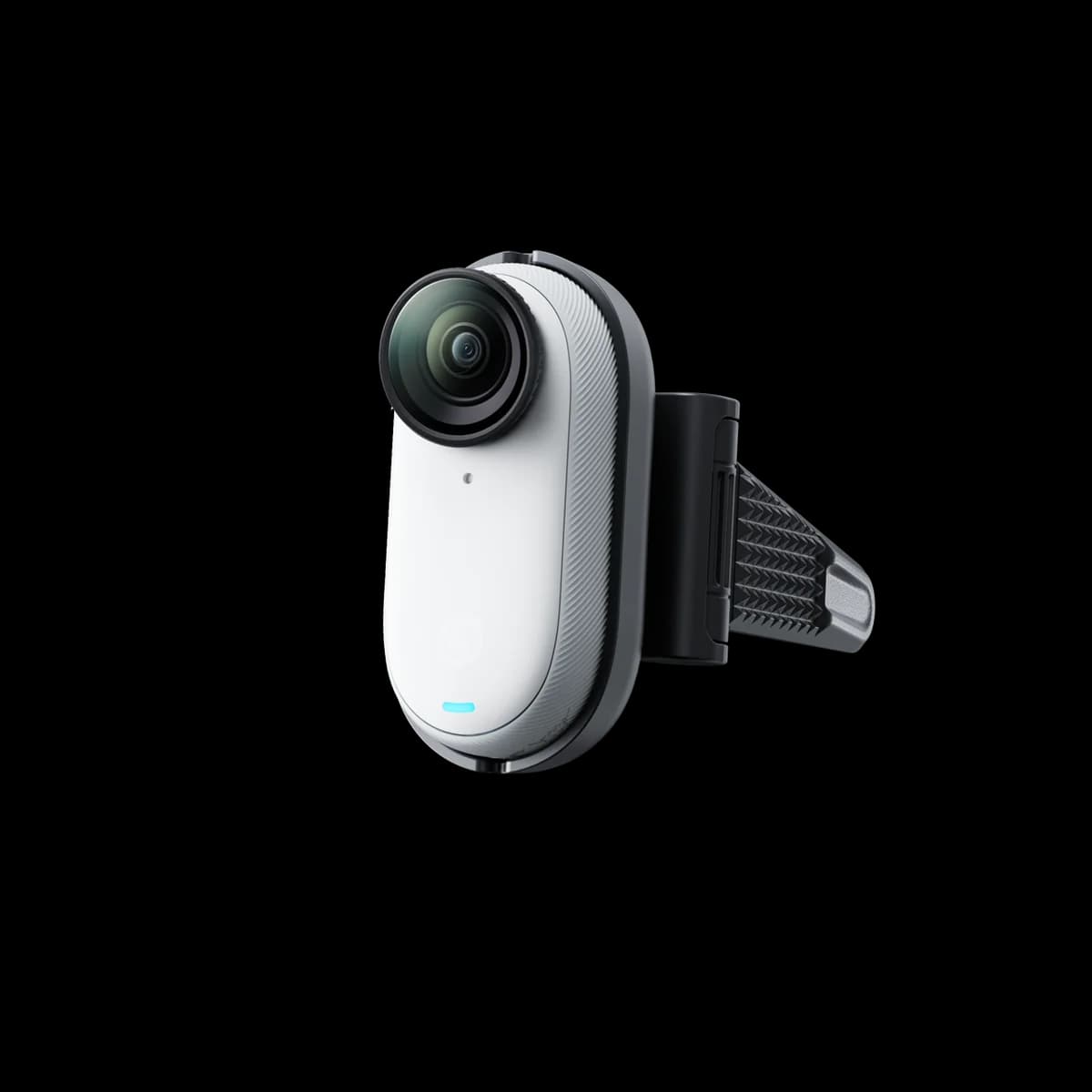
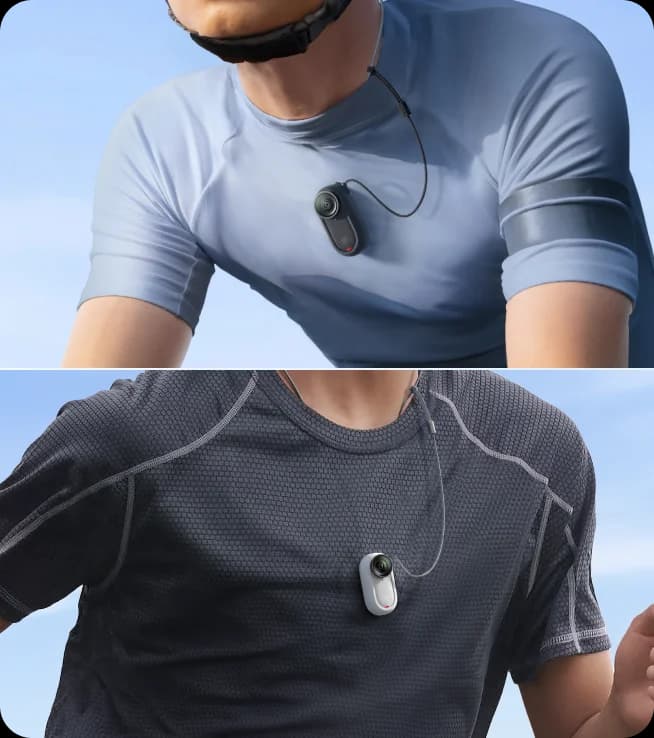
Strong magnets and many mounts let you stick it almost anywhere, hands-free.
FlowState with Horizon Lock keeps footage steady, reducing retakes and editing time.
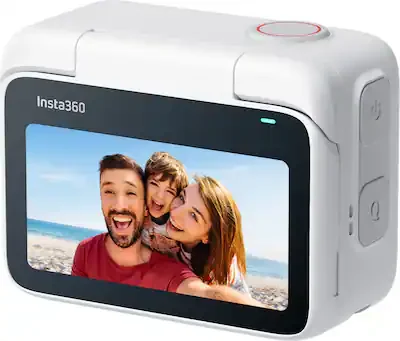
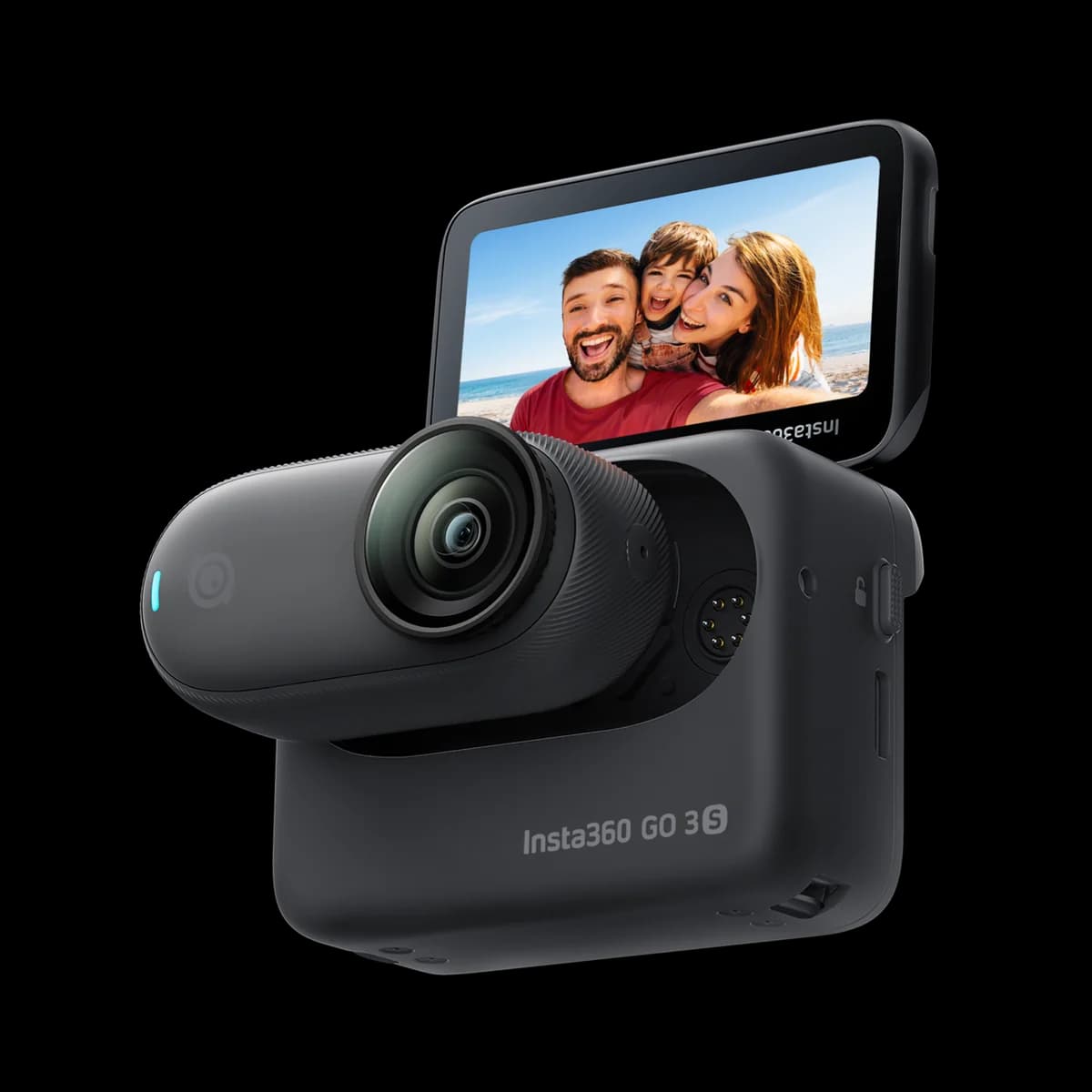
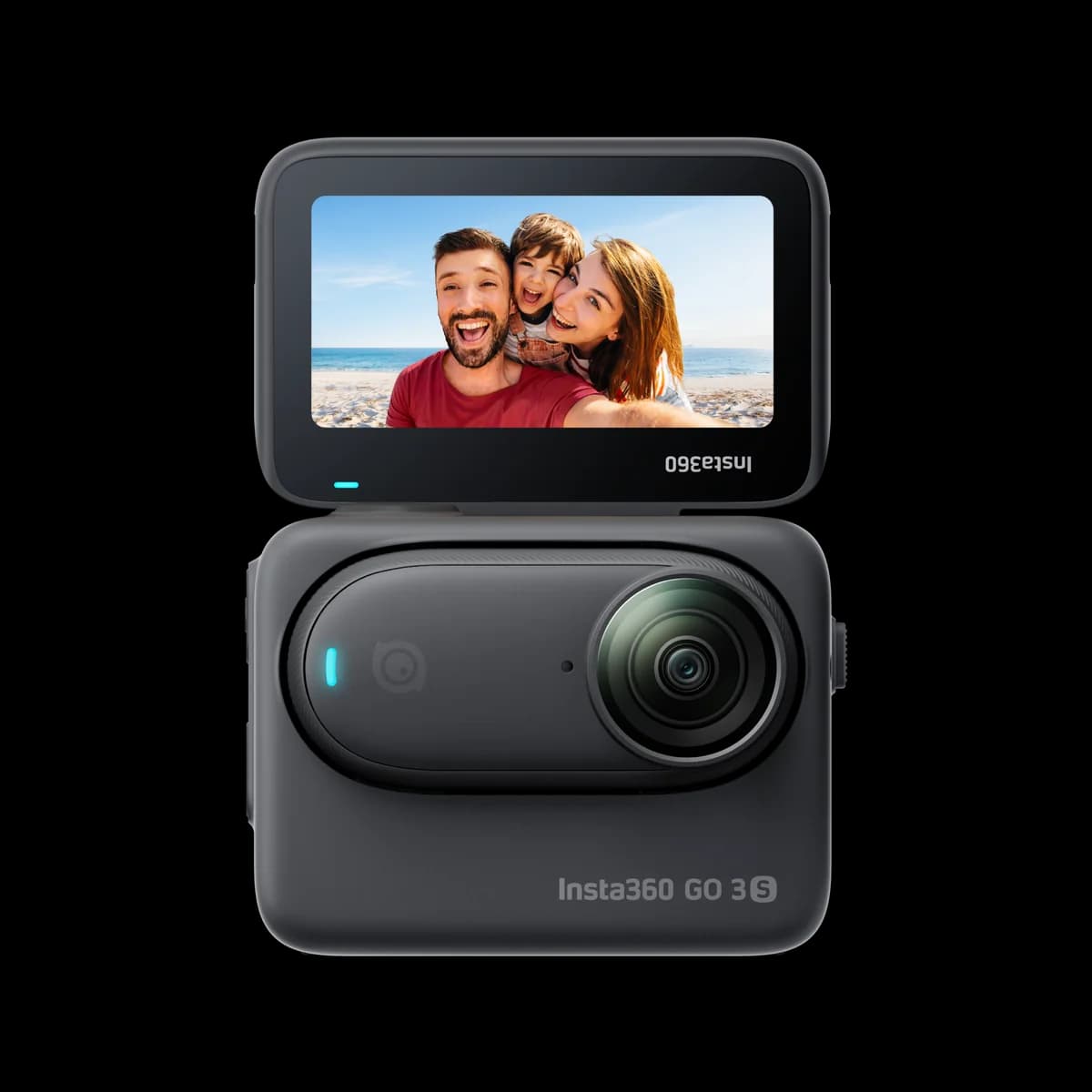
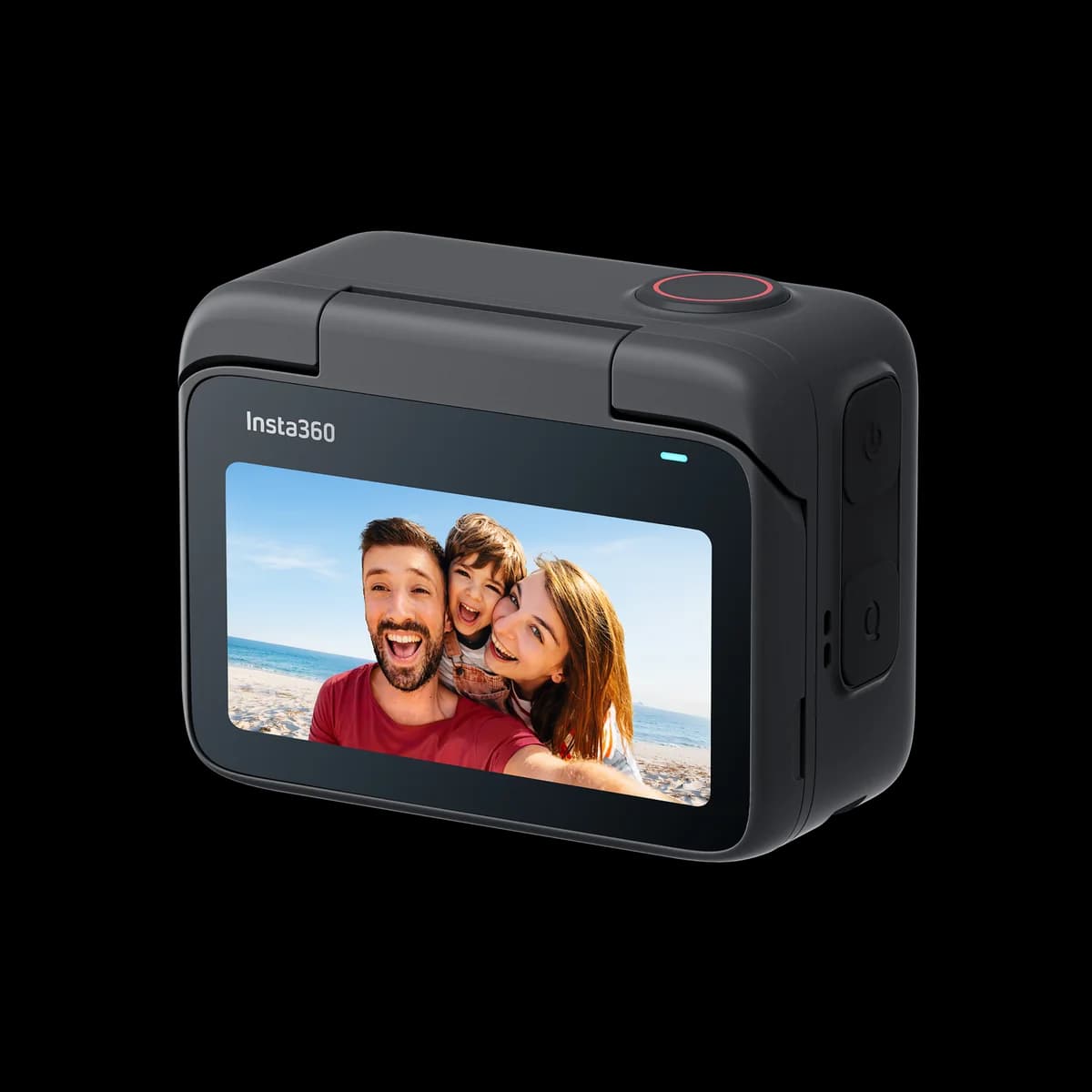
Action Pod flip screen gives live framing and easy social-ready selfie angles.
Auto-edit finds highlights and turns clips into shareable videos fast.
Trade-Offs
Shooting continuously, the tiny camera often dies under 30–40 minutes, interrupting outings.
Long 4K sessions make the camera hot, pausing recording or throttling performance.
Action Pod can't get wet — rain or splash forces you to hide or pause.
No external mic input means noisy environments often produce thin, unusable audio tracks.
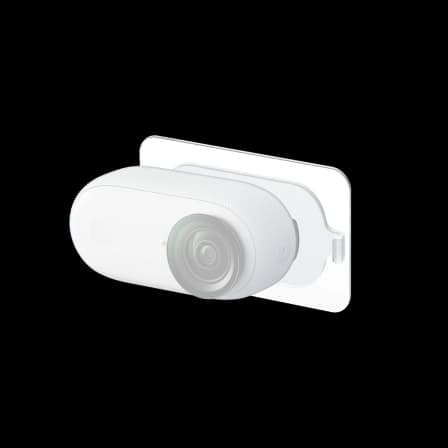
 Alternatives


Join the Circle
Where real meets deal
Know what's worth buying-and when.
Tips, special offers, and rewards for buying and sharing.

Publications
7 LEADING PUBLICATION REVIEWS

Tom’s Guide’s Peter Wolinski is upbeat about the Go 3S. He praises its tiny 4K capability, excellent stabilization, useful flip-up screen and best-in-class app, calling the camera a meaningful upgrade over the Go 3 that doesn’t raise the price. He balances that enthusiasm with practical caveats: no external mic, fixed internal storage (though a paid transfer accessory exists), and a 4K/30p ceiling that limits high-frame-rate prosumers. He also flags occasional oversharpening and a lone-camera overheating note, but credits solid battery life when paired with the Action Pod and improved waterproofing. Overall the review reads like a confident recommendation for vloggers and casual adventurers who want ultra-compact 4K footage, while reminding serious creators that audio options and higher-frame-rate capture remain compromises.
By Peter Wolinski
Wired’s Scott Gilbertson is broadly positive about the Insta360 GO 3S. He admires its fun, unique form factor and says the jump to 4K plus a higher bitrate makes footage noticeably sharper, smoother, and better matched to other 4K cameras, with improved color and dynamic range; stabilization in Max mode competes with gimbals. He tempers that praise with practical caveats: vertical Freeframe-style capture is weaker now, the field of view is a touch narrower, very high frame rates (200 fps) show visible pixelation, and the preview lags when Max stabilization is on. He also notes many exterior details are unchanged and that existing Go 3 owners likely don’t need to upgrade, though the camera module is backward compatible. Overall the review reads enthusiastic but measured — excited about image improvements and versatility, while clearly calling out trade-offs for certain shooting styles.
By Scott Gilbertson
TechRadar’s Timothy Coleman is clearly positive about the Insta360 Go 3S. He enjoys its playful, ultra‑compact design, clever magnetic mounting and Action Pod combo for creative, hands‑free POVs, and praises the jump to 4K and versatile FreeFrame aspect handling for social video. That enthusiasm is tempered by clear caveats: battery life is modest, the Action Pod isn’t fully waterproof and has limited Bluetooth range, and overall image quality still trails bulkier action cams in tricky light. Coleman backs his view with real‑world testing (family, sports, timelapses) and practical comparisons to rivals, so his verdict reads like a measured endorsement: the Go 3S isn’t the best in raw performance, but it’s a highly creative, fun tool that’s worth buying if you value portability and unique shooting angles over flagship image and battery specs.
By Timothy Coleman
Trusted Reviews’ Thomas Deehan is positive about the Go 3S and mostly recommends it. He praises the jump to 4K, improved low‑light color handling, excellent stabilization, tighter accessories, Find My integration and unmatched portability, calling it his go‑to for quick content; however he flags a noticeable battery-life regression versus the Go 3, some persistent low‑light focusing issues in motion, and iPhone‑only features that leave Android users sidelined. Practical testing (beach, tunnel, handheld and Action Pod use) supports his view that the Go 3S is a smart, compact option for creators who value tiny size and image detail over marathon shoots, while those needing longer runtime or platform parity might prefer the older Go 3 or a more traditional action camera. Overall his tone is upbeat but measured—enthusiastic about the upgrade with clear, fair caveats.
By Thomas Deehan
Ben Sin at Forbes comes away positively but measured about the Insta360 GO 3S. He likes that this tiny, body‑mountable camera keeps getting more capable — now shooting 4K, higher bitrates, 200fps at 1080p, deeper waterproofing and Find My support — and praises its versatility and clever magnetic mounting for creative, first‑person shots. His main reservation is emotional rather than technical: incremental size and weight increases have eroded some of the “always‑carry” charm of earlier Go models, making it less likely to live in a pocket or daybag. At $426 it’s a solid choice for imaginative content creators who value portability and unusual mounting options, but not quite an essential everyday carry the way earlier, smaller Go models felt.
By Ben Sin
T3’s Matt Kollat is clearly upbeat about the Insta360 Go 3S. He celebrates the jump to 4K, improved modes (Interval Video, Gesture Control, MegaView) and intuitive handling—calling it a meaningful, fun upgrade over the Go 3—while candidly flagging real downsides: shorter runtime versus the predecessor and notable heat buildup during extended 4K indoor shoots. He praises the image quality, faster bitrates, quick charging, and tiny form-factor creativity, but also points out missing niceties like a carry pouch and the practical hassle of exhaustive mode-testing. Overall the tone is positive and enthusiastic yet measured: excited about the camera’s creative potential and value, especially for POV and on-the-go content, but advising buyers to weigh battery and overheating limits for heavy indoor or long continuous 4K use.
By Matt Kollat
Ben Sin at XDA Developers comes away generally positive but measured about the Insta360 Go 3S. He likes its clever, tiny modular design — the detachable camera, magnetic mounting and Find My support make it uniquely useful for odd angles, quick first-person shots and creative placements — and praises the app, audio and battery life with the case. At the same time he cautions the upgrade from the Go 3 feels incremental (4K and higher frame rates don’t justify replacing a recent model), image HDR and low-light performance are limited by the small sensor, and it’s not the best choice if you mostly want a conventional action cam. Overall the review treats the Go 3S as a niche, fun tool that’s worth it for content creators who will exploit its portability, but not a must-have for everyone.
By Ben Sin

YouTube
15 LEADING EXPERT & INFLUENCER REVIEWS
 CNET
CNETDavid Connor liked the Insta360 GO 3S overall and found it surprisingly good despite some trade-offs. He praises its tiny 39g POV form factor, solid 4K image quality, and reliable FlowState stabilization, and values the Action Pod for extended shooting and easy charging. He flags realistic downsides: smaller sensor than flagship cams, reduced battery life in cold (≈30 min 4K), and a flaky magnetic clip that can pop off during vigorous use. His verdict: not the top choice for pure image quality, but possibly the best wearable POV camera if you want flexibility and fun shooting.
MountMediaMountMedia is upbeat about the Insta360 GO 3S Retro, calling it a stylish, genuinely useful lifestyle spin on an already tiny 4K camera. He praises the compact form, accurate FlowState framing via the new Retro Viewfinder, handy Battery Pack charging while shooting, and NFC pairing and film-style filters—while warning the bundle trades the Action Pod’s practicality for aesthetics and app reliance. Overall he recommends the Retro Bundle for style-focused users, but suggests the standard GO 3S bundle if you prioritize functionality and longer onboard control.
Gemini ConnectSuzi Pratt is cautiously positive about the Insta360 GO 3S. She likes its tiny, affordable form and Insta360’s ecosystem features (FreeCapture, Find My), but flags real limits: weaker low-light performance, lower frame rates and color depth versus newer rivals, and shorter standalone battery life—making the Go 3S a pragmatic pick for lightweight POV use rather than pro video. Her tone is measured and experienced: she praises portability and usability while urging buyers to consider the Go Ultra or DJI Nano if they need better low-light, higher fps, or more professional color/audio options.
Katie StecklyKatie Steckly likes the Insta360 GO 3S and finds it delightfully tiny and handy for travel vlogs. She praises its magnetic mounting, 4K output, retro viewfinder charm, and simple one-button workflow, especially for van life and hands-free POV shots. Her enthusiasm is tempered by practical caveats: no built-in screen, limited low-light performance, fixed wide-angle perspective, and occasional button/indicator quirks. Overall she recommends it as an accessible, fun pocket vlogging tool—great for beginners or discreet filming—but suggests stepping up to the GO Ultra or getting the Action Pod for longer runtimes and better low-light/frame-rate flexibility.
RobHKRobHK is generally positive but cautious about the GO 3S. He praises its tiny, subtle POV form factor, ease of head- and pendant-mounted use, and solid stabilization, calling it the best small 4K POV camera for discreet vlogging; however, he repeatedly contrasts it with the newer Go Ultra, noting the 3S’s weaker low-light, smaller sensor, lower specs, and shorter runtimes. He likes keeping the GO 3S for subtle, everyday POVs despite admitting the Ultra wins on image quality, battery, and features—so his tone is appreciative and practical, recommending the 3S for stealthy use rather than raw image supremacy.
The Tech ChapTom The Tech Chap is upbeat about the Insta360 GO 3S. He praises its tiny, wearable design, stronger magnets, sharper 4K footage, improved Action Pod battery and smooth FlowState stabilization, calling it fun and creatively inspiring, while also noting it's an incremental refresh over the GO 3 with limits—4K tops at 30fps, modest camera-only runtime (~32–40 min), fiddly Easy Clip, and app compression. He appreciates practical tweaks (black finish, Find My support, flip touchscreen) and treats it as a versatile vlogging POV tool rather than a full-fledged action-cam replacement.
ben's gadget reviewsBen (ben's gadget reviews) is quietly positive about the GO 3S Retro Bundle. He likes the tiny, magnetic camera for discreet POV shots and calls the retro viewfinder a playful, niche accessory that’s fun but unnecessary for most users. He praises the quick NFC pairing, compact charging puck, and chest‑mount convenience, while noting shorter camera battery life and the loss of the Action Pod’s real‑time screen limits some creativity. Overall he treats the bundle as a stylish, useful option for casual travel and hipster vibes rather than a must‑have upgrade.
RevZillaPat is positive and impressed overall. He praises the Go 3S’s tiny, wearable design, 4K upgrade, reversible Action Pod screen, magnetic mounts, and solid stabilization, calling it ideal for riders and hands‑free POVs; he also likes the included mount variety and AI editing workflow. His reservations are practical: hard to remove with gloves, vulnerable flip screen, no expandable storage (must offload footage), and reliance on the housing for controls. Tone is upbeat but measured—enthusiastic about creative uses and portability while clearly flagging real-world usability tradeoffs for motorcycle users.
BenGleasonMediaBen Gleason is positive but measured about the Go 3S. He calls it a fun, incredibly compact, and surprisingly capable POV camera—great for grab-and-go shoots thanks to strong stabilization, magnetic mounts, and the flip Action Pod—yet repeatedly flags limits: smaller sensor, 8‑bit color, shorter standalone battery, occasional connection hiccups and overheating. In his hands it’s perfect for casual creators who want low-friction POV footage, but pros who need deeper color grading, higher frame rates, longer runtime, and smoother workflow will likely prefer alternatives like DJI’s Osmo Nano.
Eat Sleep 360Rich from Eat Sleep 360 is cautiously positive about the GO 3S. He praises its tiny, truly wearable design, decent 4K image quality and FlowState-style stabilization, and notes it remains more flexible and pocketable than the newer GO Ultra; but he flags real trade-offs—short camera-only battery life versus pod use, smaller screen, and accessory incompatibilities across Insta360 models—and recommends sticking with the GO 3S unless you specifically want slightly longer standalone runtime, a bigger screen, or the Ultra’s added features. His tone is measured: appreciative but pragmatic.
Otto JulianOtto Julian is generally positive and impressed. He praises the GO 3S’s pocketable 39 g design, true 4K upgrade, improved bitrate and stabilization, versatile magnetic mounts and useful Action Pod features, calling it a real pocket camera. He balances that with clear reservations about limited 4K frame rates (no 60fps), modest low‑light performance, no built‑in USB‑C on the camera, storage limits, mic constraints, and shorter camera-only battery life—while noting the pod extends runtime. Overall his tone is upbeat but measured: he recommends it for creators who value tiny, high-quality POV capture while accepting a few practical tradeoffs.
DM ProductionsDarren at DM Productions is upbeat about the GO 3S. He praises the jump to 4K, MegaView wide angle, tiny form factor, FlowState stabilization, Apple Find My integration and the handy Action Pod monitor—calling it a perfect travel/vlog POV tool. He demos real use around Mallorca and likes photos, mounting options, waterproofing of the camera (not the pod), gesture/voice controls and interval capture. His main gripe is the Action Pod not being fully waterproof and the camera’s limited solo runtime—still, he calls it a meaningful, usable upgrade and says he’ll be using it a lot.
David ManningDavid Manning is genuinely enthusiastic—he calls the GO 3S Retro bundle his favorite daily-carry camera. He loves the nostalgia-first design: the optical viewfinder, film-style filters (Positive/Negative), NFC quick-pairing, and clever selfie mirror make shooting feel playful and instant. He emphasizes its portability, magnetic mounts, and the battery-back trick to extend the short ~38‑minute camera runtime for photo-focused use. Criticisms are minor and practical—bundle availability for existing owners and wish-list accessories—but overall Manning is delighted, framing the retro add-ons as a creative way to repackage the solid GO 3S experience.
Brandon SayasaneBrandon Sayasane is generally positive and impressed. He praises the GO 3S’s tiny form factor, magnetic mounts, flip Action Pod screen and crisp daytime 4K POV footage, calling it a convenient replacement for his GoPro for on-the-go vlogging. He flags real drawbacks—noticeable low-light grain, no external mic input, larger H.264 files, and modest camera-only battery—yet says the accessory bundle and easy hands‑free use outweigh those trade-offs for daytime and POV use. Overall he recommends it as a practical, fun vlogging tool with some predictable limitations.
WishCastingOrlando is clearly impressed and enthusiastic. He calls the Insta360 GO 3S a tiny, clever game-changer for hidden POVs and vlogging—4K, strong FlowState stabilization, the flip Action Pod, magnetic mounts, and AI features win him over—yet he’s realistic about limits: short camera-only runtime, weaker low-light/dynamic-range, no 4K60, and storage constraints. He backs praise with months of hands-on use, practical tips (two-press QuickCapture, mic advice), and real-world examples (family, crowded events), so his verdict is upbeat: brilliant and uniquely useful for authentic POVs, as long as you accept the usual small-camera tradeoffs.

Social
5 INFLUENCER REVIEWS
 Jaden Coyer
Jaden Coyer comes away favoring the DJI Osmo Nano over the Insta360 GO 3S. He says the Go 3S is handy and magnetically detachable like the Osmo, but its battery life and low‑light performance lag; the Osmo wins for 4K/120fps capability, D‑Log M color flexibility, longer runtime with the Vision Dock, and seamless DJI wireless mic integration, making the Osmo feel like a more capable, creative mini rig while the Go 3S feels limited in endurance despite being a solid POV option.
 Tayllor Lloyd
Tayllor Lloyd is mildly impressed and pleasantly surprised by the Insta360 GO 3S. She likes its tiny 4K form, flip-up touchscreen, waterproofing, magnetic mounting and included accessories for creative POVs, calling it handy for gym, car, and unique angles. Downsides she flags are no SD slot, no removable battery, and limited standalone battery life, which could hamper longer vlogs. Priced around $269–$430 for her purchase, Tayllor sees it as a solid budget-friendly pick for creators who prioritize portability and fun shots over top-tier image quality.
Chelly | Digital Planning & iPad tips ✨Chelly | Digital Planning is upbeat about the Insta360 GO 3S. She loves how tiny, lightweight, and pocketable it is, praises the magnetic mounting and accessories for creative shots, and values the action pod’s flip screen for vlogging; filming in public feels effortless. Her main caveat is low-light performance, which she says lags behind daytime results. Overall she recommends it for vlogging and everyday creativity, and offers a 5% affiliate discount if you want one.
studio cherii 🍒Studio Cherii is upbeat about the Insta360 GO 3S and recommends it for low-key vlogging. She highlights its tiny, magnetic design for easy third‑person POV mounting, waterproofing, Find My compatibility, gesture controls, and useful accessory kit, and says it shines in bright light while still performing reasonably in low light. She mentions price (~$400) and offers an affiliate discount and case for early buyers, so enthusiasm is tempered by practical notes on lighting and cost. Overall her tone is positive and consumer-friendly, aimed at creators who want a discreet, hands‑free camera.
Sara Caroline BridgersSara Caroline Bridgers is mildly underwhelmed by the Insta360 GO 3S. She liked shooting in 4K but found its stabilization and color less impressive than the DJI Osmo Nano, and the GO 3S’s battery forced two charges while the DJI lasted all day. She calls out DJI’s magnetic clip as a practical win and ultimately picked the Osmo for smoother motion and better endurance, though she admits both capture usable, crispy footage for on-the-go creators.

Forum Reviews
CUSTOMER REVIEWS FROM 1 FORUM
Redditors generally like the GO 3S for its tiny, wearable design and effortless POV shooting but are split on real-world performance. Many praise how often they actually use it — lightweight, great daylight stabilization, and easy mounting make it a go-to secondary camera — while complaints focus on short battery life outside the pod, limited low‑light image quality, occasional overheating and reliability issues, and no external mic or removable storage. Buyers upgrading often consider the Ultra for better battery, low‑light and storage; newcomers tend to accept trade‑offs for the unique, discreet form factor.
Many comments

In-Depth Review

Highlights
- •4K daytime detailDelivers noticeably sharper 4K footage
- •Gimbal-like stabilizationFlowState with Horizon Lock smooths motion
- •Ultra‑compact portabilityThumb‑sized, easy to mount anywhere
- •Action Pod supportDesigned to provide live preview and extended runtime

Considerations
- •Short camera runtimeCamera alone often stops under 30–40 minutes
- •Limited low‑light imageSmall sensor shows grain and reduced range
- •Thermal/charging interruptionsMay pause charging or throttle during long 4K use
- •Audio and storage limitsNo external mic input or expandable storage
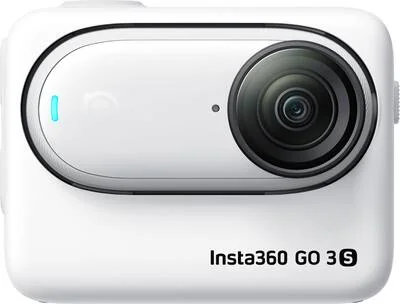
A lot of hands‑on feedback is still emerging, so take initial impressions with a little healthy skepticism. From a trusted maker of compact imaging gear, this tiny camera is pitched as a wearable, POV-focused tool that squeezes 4K (3840×2160) at 30fps and a higher ~120 Mbps bitrate into a thumb-sized package for travel, vlogging, and action clips. It trades the endurance and sensor size of larger action cameras for unmatched 39 g portability, magnetic mounts that let you stick it almost anywhere, and FlowState stabilization with Horizon Lock to keep footage usable without a gimbal. Docking into the flip-screen Action Pod (2.2" touchscreen) turns short bursts into longer shooting sessions and on-device framing — a practical middle ground versus the Go 3 and bulkier alternatives. If you’re an on-the-go creator, commuter vlogger, or outdoor enthusiast, read the sections below to weigh video quality, runtime, stabilization, controls and waterproofing against the real-world compromises.
Battery life
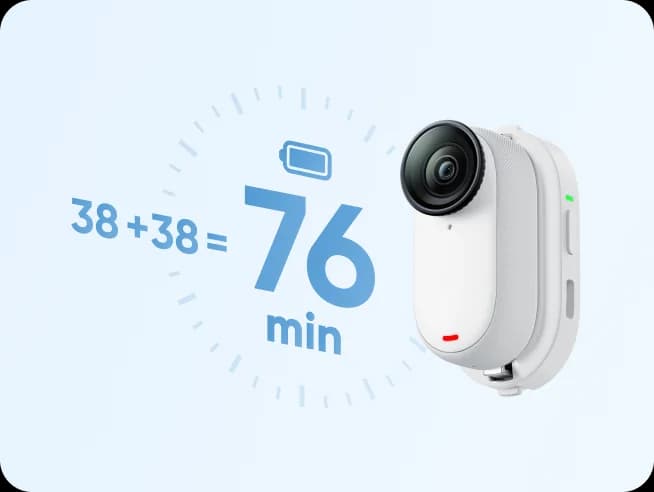
The tiny camera cell (about 310 mAh) gives roughly 30–40 minutes of continuous 4K shooting, while the Action Pod’s larger 1270 mAh battery extends usable runtime and charges the camera, and reviewers consistently say the pod is essential for longer outings. Real-world feedback and authoritative tests flag shorter standalone runtime than some marketing language implies, plus occasional heat‑related pauses during prolonged 4K recording, so plan to rely on the pod or charging routines for all‑day use.
Stabilization
FlowState electronic stabilization with Horizon Lock provides impressively smooth, gimbal‑like results for fast POV movement, and reviewers praise how it reduces rolling and wobble in cycling and running shots. In heavy motion or extreme crops the EIS can show limits and processing artifacts, and a few reviewers saw preview lag when Max stabilization was engaged, but overall FlowState makes handheld and body‑mounted footage far more usable without post gimbal work.
Video quality
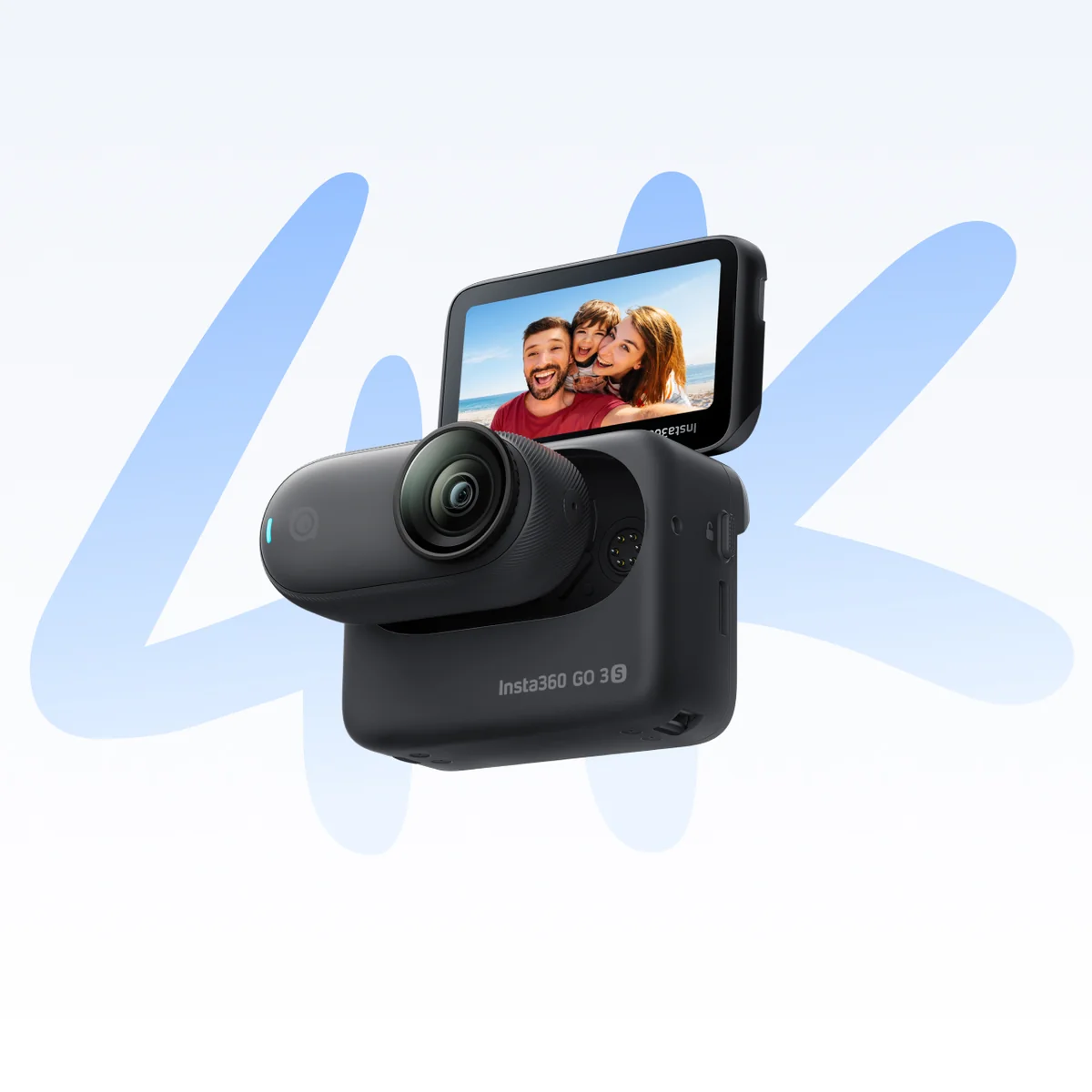
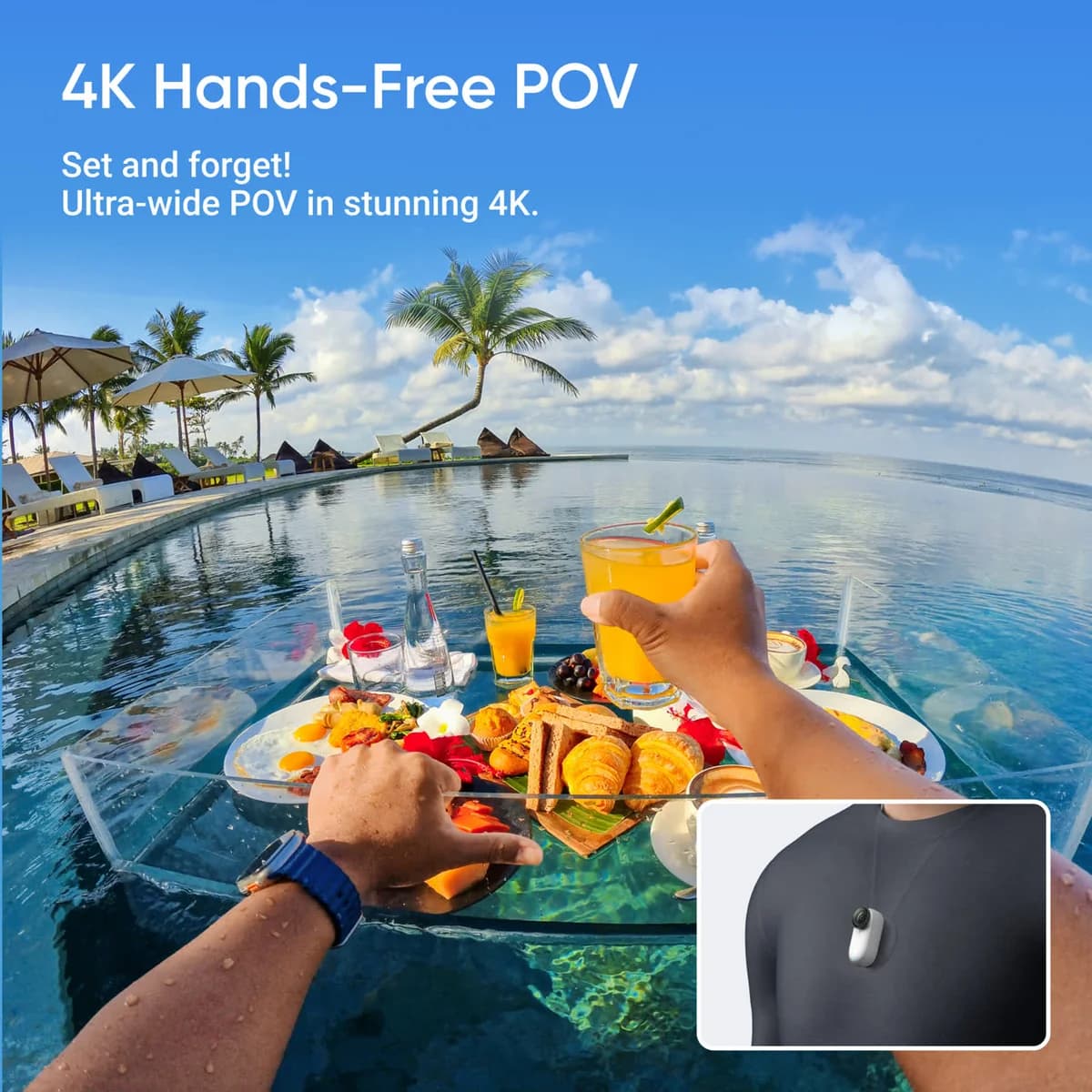
The GO 3S delivers a genuine step up in detail with 4K (3840×2160) recording, improved 120 Mbps bitrate for crisper daytime footage, and optional Dolby Vision HDR for better highlights and shadows; experts note the results look noticeably sharper than its predecessor. In practice the small 1/2.3" sensor limits low‑light latitude, so grain and reduced dynamic range appear under dim conditions, which aligns with user reports about weak low‑light performance and expert caveats about color grading headroom.
Action Pod
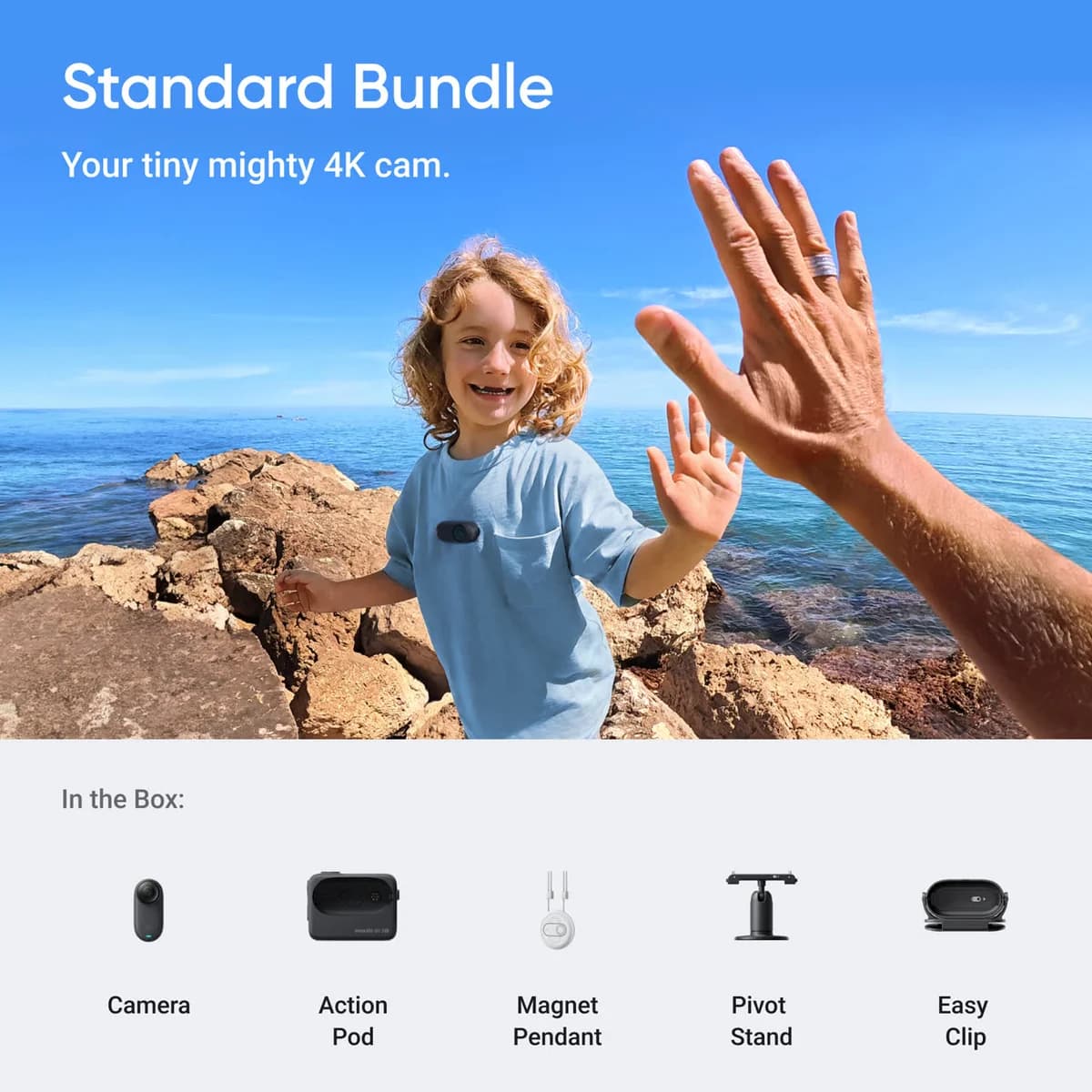
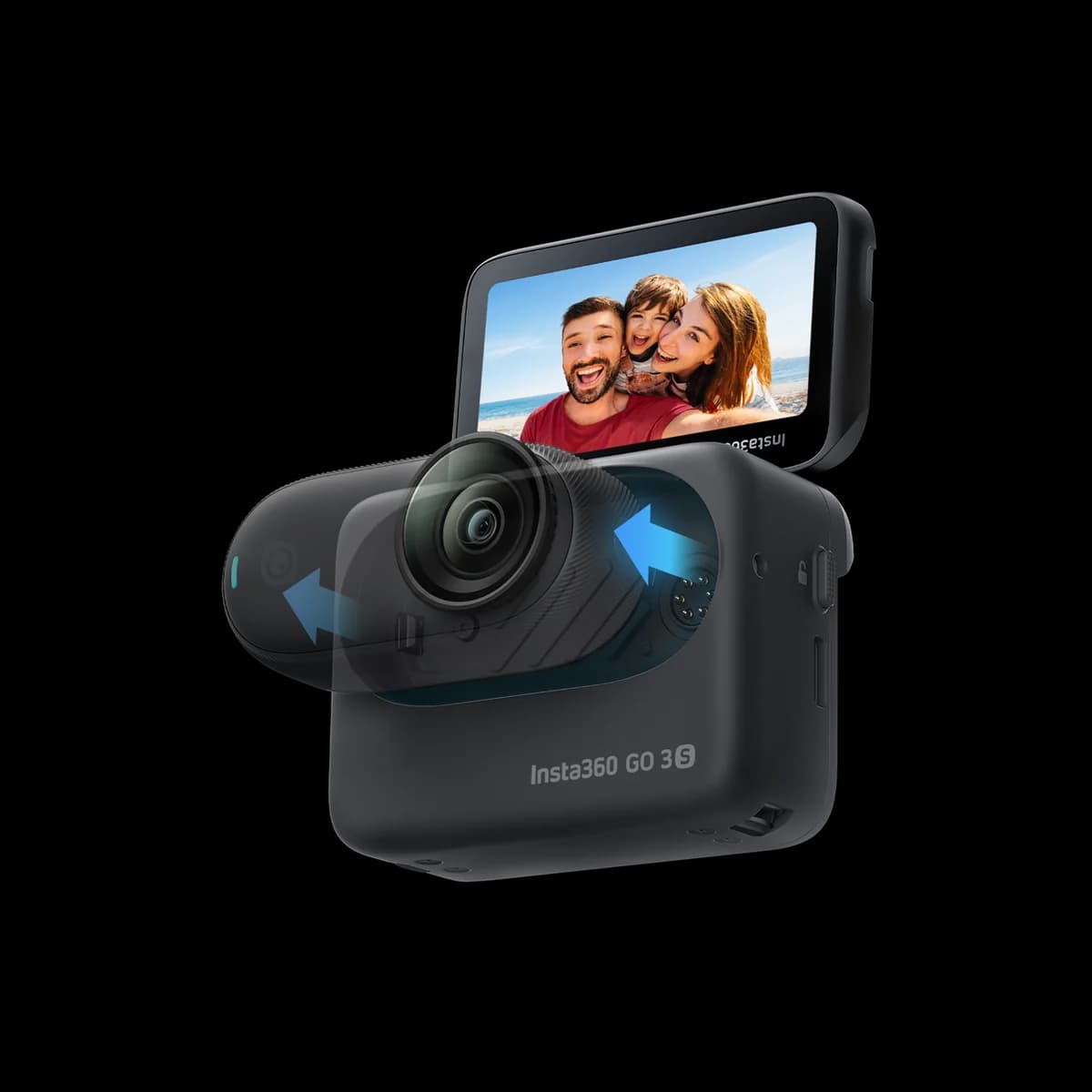
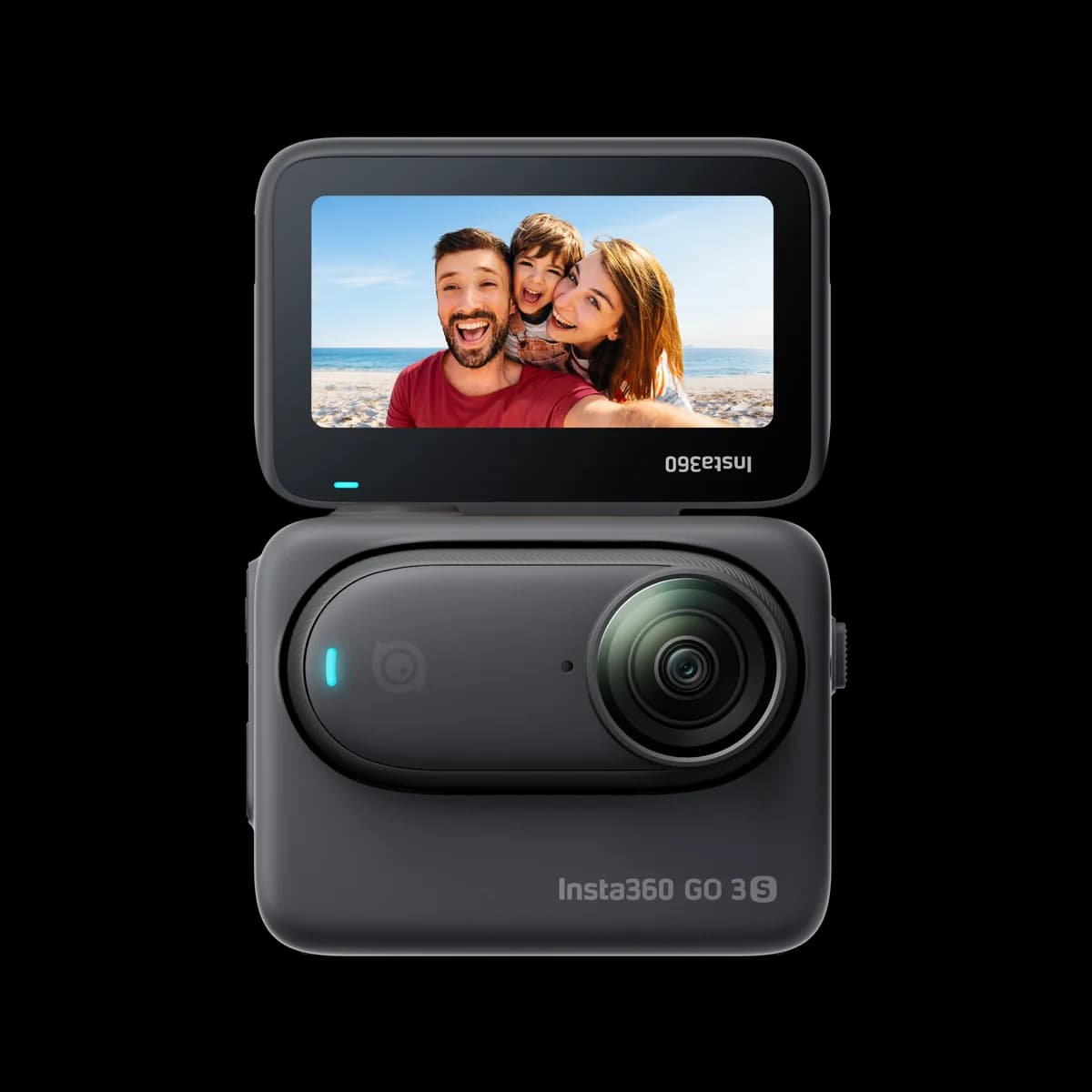
The Action Pod adds a practical live view with its 2.2" flip touchscreen, on‑device controls and a charging dock that extends shoot time and simplifies transfers, and many reviewers emphasize it transforms the GO 3S from a short‑burst toy into a usable vlogging kit. Note the pod is only IPX4 rated and not fully waterproof, so for wet use you must rely on the camera’s IP68 rating or the optional Dive Case for deeper water.
Durability
The camera itself is rugged and IP68 waterproof to 10 m, which supports snorkeling and splash‑heavy adventures when used without the pod, while the optional Dive Case extends depth to 60 m for serious underwater work. Buyers should remember the Action Pod is only IPX4, so you cannot treat the complete setup as uniformly waterproof and users and experts both warn to keep the pod dry or use protective housing for wet shoots.
Form factor
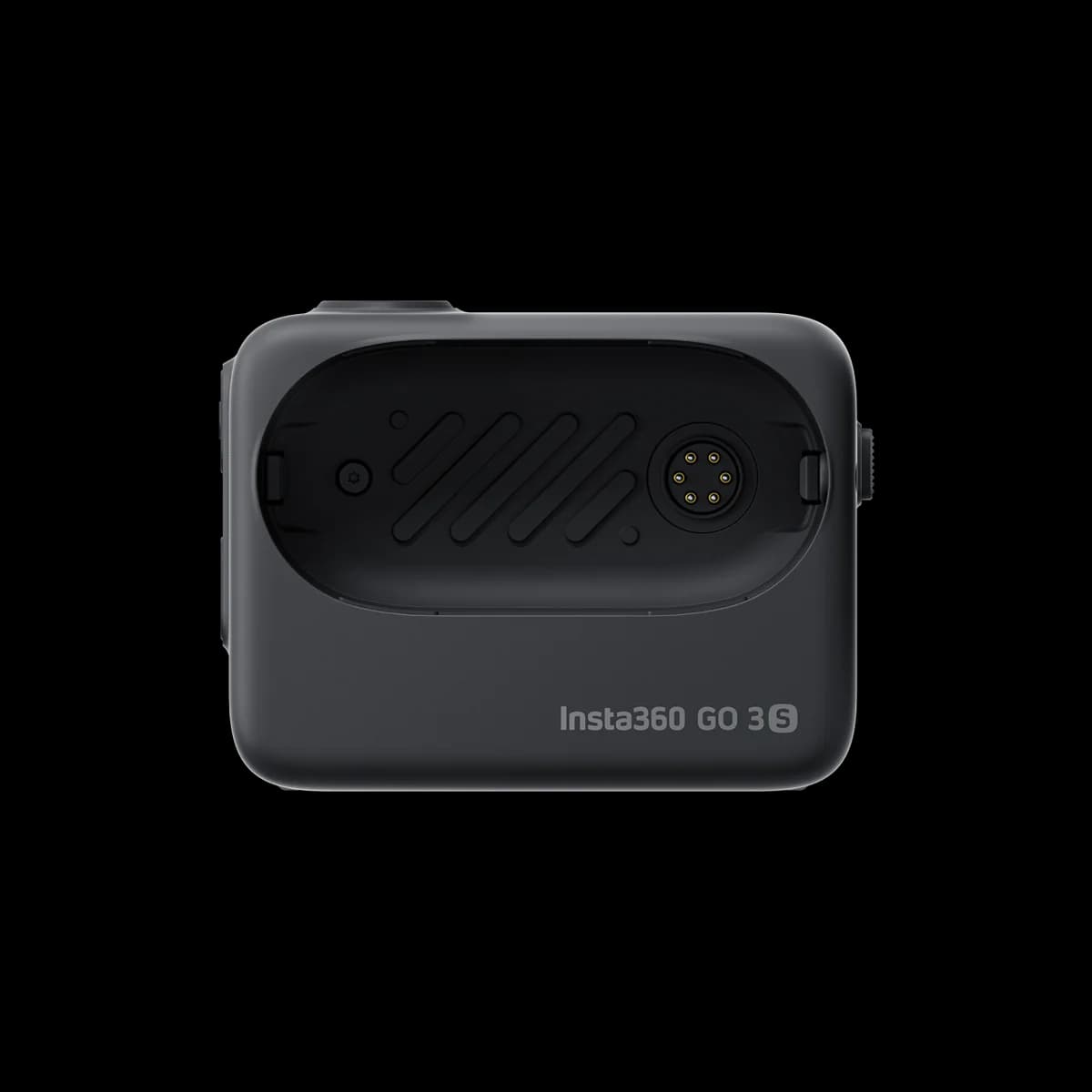
At 39 g the camera’s thumb‑sized body and strong magnetic mounting system let you mount it to clothing, pets, or gear for authentic POV angles few competitors match. That tiny form factor is the product’s main advantage for spontaneity, though it comes with trade‑offs: no removable battery, no microSD slot, and occasionally fiddly clips that some users reported popping during vigorous activity.
Conclusion
After sizing everything up and folding expert testing into real-world notes, here's the bottom line: the GO 3S earns praise for its 4K daytime clarity and higher bitrate (great for crisp POVs) while its tiny 310mAh camera cell means you should expect short solo runs and rely on the Action Pod for longer outings and on-device framing; reviewers consistently applaud FlowState with Horizon Lock for gimbal-like steadiness that makes wearable footage usable without heavy post, and the thumb-sized, 39g body plus strong magnetic mounts unlock creative angles nobody else fits into a pocket—true strengths for vloggers, commuters, and adventure hobbyists—but trade-offs remain in low-light headroom and the pod’s limited water resistance, so if you need long continuous shoots, pro-level low-light performance, or full waterproofing straight out of the box, look elsewhere; for portable, fun-first POV capture with solid stabilization and practical pod support, this is a confidently recommendable choice.

Feature Scores
This reflects reviews and ratings from established critics, journalists, and users who have evaluated the item. Their opinions provide a comprehensive assessment.
Performance
Video Resolution
4/5
Low Light Performance
3/5
Image Stabilization
4/5
Audio Quality
3/5
Battery Life
3/5
Storage Capacity
4/5
Recording Reliability
4/5
Connectivity and Streaming
4/5
Value
Price Competitiveness
4/5
Warranty Coverage
4/5
Accessories Included
5/5
Cost of Ownership
3/5
Design
Ergonomics Weight Comfort
5/5
Mounting Versatility
5/5
User Interface Intuitiveness
4/5
Aesthetic Discretion
5/5
Health
Skin Contact Materials Safety
TBD
Thermal Comfort During Wear
3/5
Acoustic Exposure Levels
TBD
Safety
Data Security Encryption
TBD
Tamper Resistance
TBD
Fail-safe Recording
3/5
Sustainability
Repairability
2/5
Battery Replaceability
1/5
Recyclability of Materials
2/5
Experience Style
App Integration and Customization
4/5
Live Streaming Readiness
3/5

Specifications
This section outlines the product's key facts, covering essential features, details, dimensions, materials, and any unique characteristics that define its functionality and usability.
Performance
Value
Design
Safety
Sustainability
Experience Style

Frequently Asked Questions
10 Questions

Also Consider
1 Option
Find Yours
What will you primarily use your body-mounted camera for?
Answer to find your best matches.