

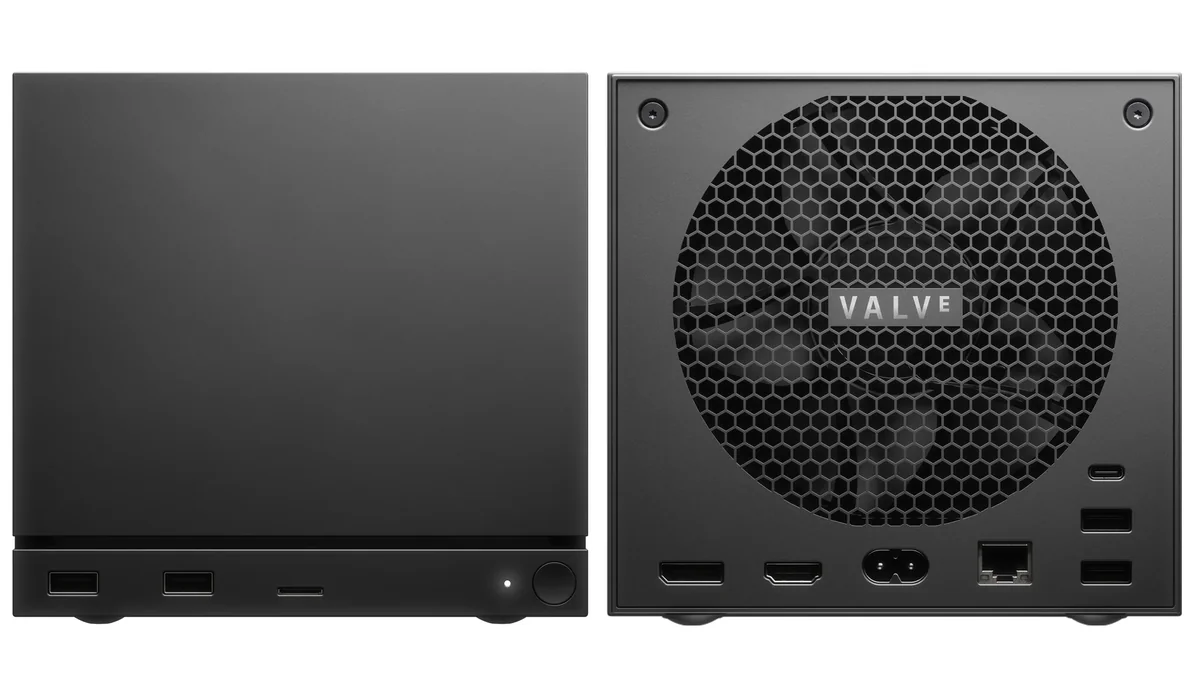
Valve Steam Machine (2026)
Console-style, upgradeable 4K-upscaling PC with smart cooling—promising but price/VRAM limits.
The Valve Steam Machine (2026) is a cheeky little “console‑like PC” that aims to bring big‑screen Steam gaming to the couch without a full desktop; built for TV‑first players who want plug‑and‑play libraries and easy upgrades, it pairs nimble software polish with honest hardware trade‑offs. Experts praise the compact 6‑inch chassis, Zen 4 CPU + RDNA 3 GPU, and SteamOS/Proton polish, while users note fast suspend/resume and simple setup; common gripes center on 8 GB GDDR6 VRAM, audible fan ramps, and uncertain pricing. It’s a delightful, pragmatic package—value depends on final MSRP and real‑world performance, so more reviews are needed before a firm verdict.


Find Yours
Which gaming console ecosystem do you prefer?
Answer to find your best matches.

The Scoreboard
Does this improve your life? Considers, health, habits, and environmental impact.
Benefits
Instant resume and Steam integration make short couch sessions effortless and low-friction.
4K upscaling and TV outputs deliver sharper visuals for family and party play.
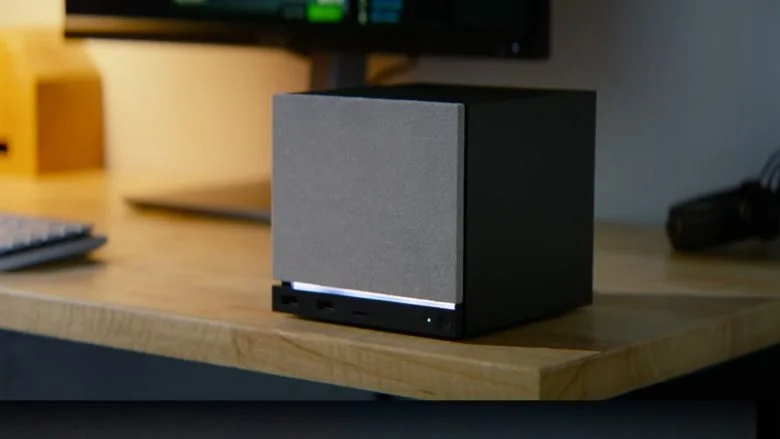
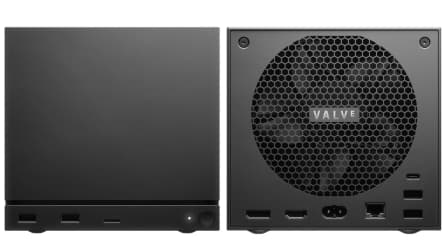
Compact, GameCube-sized chassis tucks beside TVs without dominating living-room space.
Replaceable RAM and SSD make keeping games fresh easier over several years.
New controller and low-latency radio make local co-op and quick pass-and-play smoother.
Trade-Offs
Fans ramp during long sessions, making the living room noticeably noisier and distracting.
New stick layout trips up friends, causing fumbling and awkward pauses during multiplayer.
Occasional anti-cheat or app issues stop launches, ending sessions and forcing device switching.
 Alternatives


Join the Circle
Where real meets deal
Know what's worth buying-and when.
Tips, special offers, and rewards for buying and sharing.

Publications
5 LEADING PUBLICATION REVIEWS

Digital Foundry praises Sam Machkovech’s hands-on look at Valve’s Steam Machine, calling it an intriguing, well-engineered step toward a console-like PC for the living room. The tone is cautiously optimistic: the reviewer admires Valve’s thermal design, thoughtful controller (including durable TMR sticks and Grip Sense), and the focused, single-spec approach that could democratize SteamOS gaming. At the same time Machkovech repeatedly tempers enthusiasm with concrete reservations — notably the modest 8GB VRAM, semi-custom RDNA 3 GPU limits, uncertain real-world 4K/60fps prospects, and unanswered pricing and media-app questions — and stresses that much depends on driver optimizations, FSR support, developer tuning, and final MSRP. Unique insights include observations about replaceable covers, a large server-inspired heatsink, and Steam Machine’s developer API and Verified tag; overall the review sounds impressed but measured, eager about potential while urging tempered expectations until final testing and pricing.
By Sam Machkovech
Dan Seifert from The Verge highlights Valve’s confident return to the living room with the Steam Machine, framing it as a powerful, polished evolution of the Steam Deck rather than a half-hearted remake. The tone is optimistic and impressed: the reviewer applauds Valve’s dense engineering, clever cooling, dual-AMD design, and promising real-world 4K-upscaled performance (roughly 65fps in Cyberpunk 2077 at medium settings), plus thoughtful extras like swappable front panels and a competent new Steam Controller. Reservations are measured — limited upgradability, unclear pricing, and only brief hands-on testing — but these caveats are practical, not fatal. Unique insights include the device’s design-for-airflow philosophy, use of Proton/SteamOS to avoid Windows, and realistic pricing comparisons to entry-level PCs. Overall, the piece comes across as enthusiastic about Valve’s execution while reasonably cautious about final performance, value, and availability.
By Sean Hollister
Scott Stein from CNET highlights Valve’s ambitious 2026 hardware trio — Steam Frame (VR headset), Steam Machine (console-like PC) and Steam Controller — as a promising, well-engineered extension of SteamOS that excited him most about VR. He praises Steam Frame’s high-res displays, clear pancake lenses, foveated streaming, ARM-based SteamOS versatility, and thoughtful controller design, calling it “a Steam Deck for your face.” He also likes the Steam Machine’s compact design, cross-compatible controller, and potential 4K/RT performance, but flags early performance hiccups in some titles, uncertain battery life, and the slow process of ARM game verification. Overall the tone is upbeat and intrigued, cautiously optimistic: Stein sees strong potential and smart engineering while noting key open questions — pricing, optimization, and whether Valve will tie everything together with a next-gen Steam Deck.
By Scott Stein
Jackie Thomas from IGN highlights a cautiously optimistic first look at Valve’s 2026 Steam Machine: she’s impressed by its compact, well-engineered design, SteamOS/Proton compatibility progress, and the promise of 4K upscaling thanks to an RDNA 3 GPU, but tempers enthusiasm with concrete reservations. Thomas praises the thoughtful thermal design, internal PSU, replaceable NVMe storage, and the continuation of Valve’s Verified program, noting it should appeal to console-minded players who want plug‑and‑play PC gaming. At the same time she flags limitations — modest GPU power akin to an RTX 4060/RX 7600 mobile, non-upgradeable soldered internals, potential hiccups with anti‑cheat titles, and uneven performance in demanding games like Silent Hill F — and stresses that final judgement hinges on full lab benchmarks and pricing. Overall, the tone is measured optimism rather than outright excitement.
By Jackie Thomas
Rock Paper Shotgun’s James Archer highlights Valve’s 2026 Steam Machine as a thoughtful, decidedly practical return to the living-room PC formula—one that leans on Steam Deck lessons more than radical reinvention. He’s clearly positive about the device’s accessible upgradability, quieter, consolidated Valve-only design, improved wireless implementation, and strong SteamOS/Proton compatibility that fixes the original Machines’ fatal flaw. At the same time Archer is measured: he warns the port selection is modest, ray tracing and top-tier performance rely on upscaling (FSR 3) and ongoing software tuning, and heavier titles may need 1440p/1080p compromises. Unique insights include hand-upgradeable SSD/RAM choices, separated antennae for reliability, and CAD file releases likely to spur third-party customization. Overall the tone is cautiously optimistic—enthusiastic about its practicality and ecosystem improvements but insistently conditional on price and final performance.
By James Archer

YouTube
9 LEADING EXPERT & INFLUENCER REVIEWS
 Gamers Nexus
Gamers Nexus finds the Steam Machine promising and meticulously engineered—enthusiastic about SteamOS on desktop, modular SODIMM RAM, internal PSU, and AMD Zen4/RDNA3 tuning—yet cautious about thermals, 8 GB VRAM, BGA soldered chips, and pricing uncertainty; unique insider engineering detail (fan-first design, PCB via/back-drilling, foveated/“fiated” streaming) shines through.
Austin EvansAustin Evans warns that the Valve Steam Machine (2026) is a smart, compact SteamOS living-room PC with solid PS5-adjacent performance, but escalating RAM/VRAM and SSD shortages driven by AI make its promised affordable pricing uncertain; he praises the design and intent while stressing price as the decisive risk.
Linus Tech TipsLinus Sebastian enthusiastically praises the Steam Machine (2026) and new Steam Controller, calling the compact “lunchbox” design a performance leap over the Deck, lauding upgradability, the puck dongle, and clever cooling. He flags VRAM limits, HDMI quirks, and uncertain pricing—mostly thrilled but cautiously pragmatic.
Adam Savage’s TestedNorm from Tested finds the Steam Machine and Steam Controller revival promising and practical—enthusiastic about upgradability, Steam OS integration, and the controller’s grip-sensing, magnetic TMR sticks, and haptics—while cautiously noting the Steam Machine is entry‑to‑mid‑range (8 GB VRAM, FSR‑dependent 4K) and pricing/real-world performance remain uncertain.
gameranxFalcon praises Valve’s Steam Machine lineup enthusiastically, calling the Steam Controller, Steam Machine, and Steam Frame cohesive, well-engineered extensions of the Steam Deck. He’s excited about modularity, low-latency SteamOS integration, and wireless VR, while flagging unknown pricing and VR/4K limits as the main caveats.
Deck ReadyJimmy Champagne praises Valve’s Steam Machine update, sounding upbeat and cautiously optimistic—excited by SteamOS 3’s ecosystem growth, verification improvements, and the Machine’s 6x Steam Deck power, but concerned about anti-cheat, 8GB VRAM limits, locked presets, and developer practices; hands-on glimpses at GDC and clear technical insights make the enthusiasm measured and credible.
MrMattyPlaysMrMattyPlays praises the Valve Steam Machine, calling it an exciting, much‑needed expansion of Valve's ecosystem and applauding SteamOS, the verified program, upgradability, and living‑room streaming potential; he’s enthusiastic about competitive pricing and versatility but notes modest GPU/VRAM limits and uncertain pricing—overall highly positive.
NerdNestBill from Nerd Nest argues the Valve Steam Machine is underrated, praising its console-like living room polish—CEC/controller wake, TV-ready HDR handling, small quiet SFF design, and Steam Deck-style seamless Steam library experience—while acknowledging raw performance/price skeptics and that DIY PCs can get close.
DestinDestin is excited and cautiously optimistic about the Valve Steam Machine (2026), praising Valve’s shipping confirmation and SteamOS-driven living-room vision while flagging supply-driven pricing and memory/storage shortages as real concerns; he emphasizes openness vs. closed consoles, expects a pricey PC-like price, and says he’ll likely buy day one.

Social
4 INFLUENCER REVIEWS
 Joe Cirillo (Rillo)
Joe Cirillo finds the 2026 Valve Steam Machine promising, excited by its compact real-world size and estimated $600-ish price tied to a $425 parts estimate—calling that “pretty awesome.” He notes performance sits near a base PS5, may struggle with AAA titles, but recommends it for casual gamers and will review one himself.
 madelyn
saladpictures_ says the Steam Machine promises PC-level performance (4K/60, expandable storage) but worries about PC-like pricing — likely near $1,000 — which feels too console-priced for a living-room device. They’re cautiously skeptical: intrigued by specs but hesitant to recommend until price lands; asks viewers if they'd buy.
PC GamerPC Gamer highlights the Steam Machine's compact, thoughtful internals: a 200W PSU doubling as chassis, six-core Zen 4 CPU, 16GB removable SODIMM, an RDNA3 GPU roughly RX 7600M-level, and flexible storage (2230 SSD upgradable to 2280 plus microSD). Tone is informative and mildly impressed but measured about limits like the modest power budget and single small fan. Overall, PC Gamer presents a cautiously positive view—admiring Valve's engineering for a living-room form factor while flagging thermal and power constraints; they imply it's an intriguing option for console-adjacent PC gaming rather than a full desktop replacement, inviting viewers to weigh trade-offs before buying.
CarterpcsCarterpcs warns the Steam Machine’s launch looks shaky—delays from early to late 2026, supply-cost constraints (RAM/storage), and mixed messaging from Valve leave them doubtful and anxious rather than excited. They advise caution: it’s hard to recommend preordering now; wait for clearer timelines and stable component pricing.

Forum Reviews
CUSTOMER REVIEWS FROM 1 FORUM
Reddit reaction to the 2026 Valve Steam Machine is mixed: users praise Valve’s focus on polished software, SteamOS integration, and thoughtful design choices that promise a console-like living-room experience, but many criticize the hardware as underpowered for its implied PC price, especially given memory shortages and aging GPU specs. Concerns center on value, potential high launch prices, and timing delays, while supporters emphasize convenience, ecosystem cohesion, and confidence from past Valve hardware (Steam Deck). Upgraders worry about obsolescence and driver/compatibility issues; new buyers debate whether the user-friendly experience justifies the cost.
Many comments

In-Depth Review

Highlights
- •SteamOS living-room polishSmooth console-like Steam integration
- •Advertised to deliver 4K upscalingFSR 3.1 enables TV-ready 4K/60
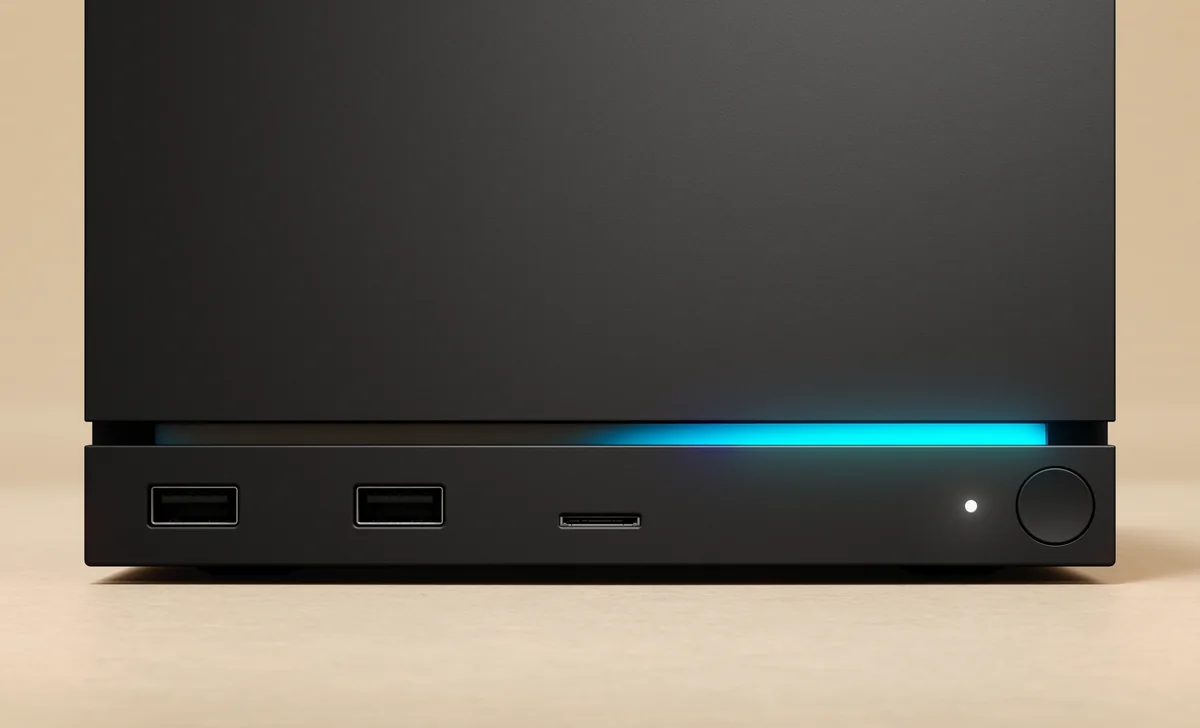
- •User-upgradeable RAM and storageSODIMM and NVMe/microSD expansion
- •Compact living-room form factorSmall 6-inch chassis fits beside TVs
- •Controller and low-latency radioNew controller with 2.4GHz puck
- •Engineered cooling for compact performanceFan-first layout keeps clocks stable

Considerations
- •Limited dedicated VRAM8 GB GDDR6 can bottleneck 4K
- •Unclear launch pricing and availabilityPrice could erode expected value
- •Audible fan noise under loadFans ramp noticeably during heavy sessions
- •Midrange GPU limits native performanceStruggles with native 4K on heavy titles
- •Compatibility and anti‑cheat concernsSome titles may fail or require fixes
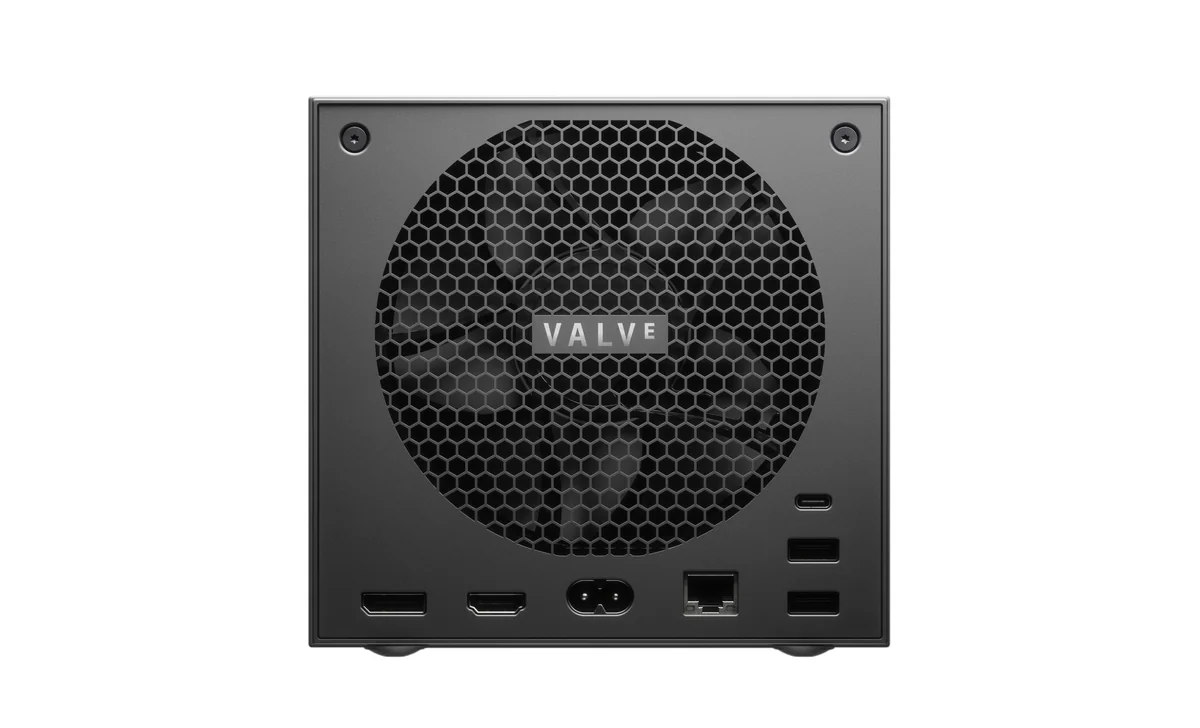
- •Display/output and port limitationsHDMI quirks and modest rear I/O
Early impressions are limited, so take hands‑on chatter with a grain of salt—but Valve’s latest living‑room box stakes a confident claim: a compact, console‑friendly PC that channels Steam’s polish into TV‑ready play. Built around a 6‑core Zen 4 CPU, a 28‑CU RDNA 3 GPU, and an advertised FSR 3.1 4K/60 workflow, it aims to sit between a handheld upgrade and a full desktop. Think couch co‑op, quick resume sessions, and plug‑and‑play Steam libraries rather than uncompromised native 4K benchmarks. Valve leans into serviceability with user‑replaceable DDR5 SODIMM RAM and NVMe + microSD expansion, while critics flag the 8 GB GDDR6 VRAM and audible fans under load. If you’re a TV‑first PC gamer who values small footprint and upgradability over absolute peak numbers—this is for you. Read on: the sections ahead unpack performance, thermals, memory trade‑offs, and connectivity so you can decide if this compact ambition fits your living room.
I/O and networking connectivity
Ports and radios are thoughtfully chosen for living-room life: DP1.4, HDMI2.0, USB-A/C array, Gigabit Ethernet, Wi‑Fi 6E, and Bluetooth 5.3 cover modern needs for controllers, headsets, and streaming. The dedicated 2.4 GHz controller radio reduces input lag for the new Steam Controller puck, and reviewers praised the robust wireless stack, though the modest rear port count and a few HDMI oddities were noted. Overall, connectivity supports multiplayer and media setups well, making it plug‑and‑play friendly. Low-latency networking shines near the end.
Upgradability and internal accessibility
Valve leaned into longevity with SODIMM slots and an NVMe bay, making real-world upgrades painless compared with sealed consoles — swap RAM, upgrade the SSD, and pop on new covers. The internal user-upgradeable RAM, replaceable NVMe storage, and modular exterior panels reward DIYers and future-proof basic life‑cycle concerns, though some chips remain soldered. Reviews applaud the balance between serviceability and compactness, calling it a rare, friendly middle ground in living‑room hardware. Accessibility is genuinely better than most rivals.
VRAM and system memory configuration
The 16 GB DDR5 SODIMM plus 8 GB GDDR6 VRAM setup is a pragmatic compromise: system RAM is user-upgradeable, which extends lifespan, while the fixed VRAM can bottleneck texture-heavy 4K workloads. That means excellent multitasking and smooth SteamOS operation, but some AAA titles will demand FSR-dependent scaling or reduced texture pools. Experts flagged this as the device’s biggest practical limitation; casual and party players will be fine, power users may prefer higher-VRAM alternatives down the line.
GPU and overall gaming performance
Valve’s RDNA 3-based engine punches above its weight: the semi-custom GPU (28 CUs, 110W) delivers PS5-adjacent frame rates once you embrace upscaling, but raw raster performance trails higher-end consoles in heavy titles. Expect smooth 4K@60 with FSR 3.1 upscaling, sensible ray tracing for reflections and shadows, and real-world wins in less-demanding AAA games; however, native 4K limits and occasional frame dips expose the GPU’s midrange nature. Experts’ hands‑on tests back Valve’s claims, yet pricing and tuning will decide the final value proposition.
Display output and upscaling capability
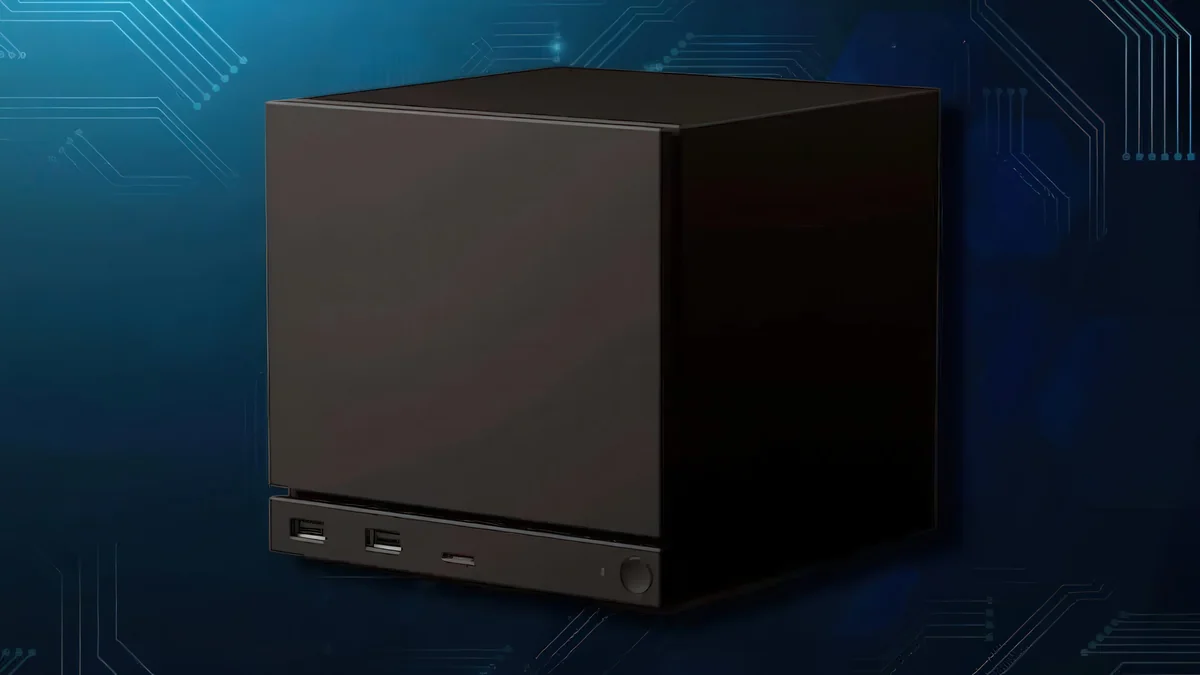
This box is built to pretend it’s a bigger machine: DisplayPort 1.4 and HDMI 2.0 pair with FSR 3.1 to make 4K TVs sing, while practical output limits mean true high-fidelity native rendering is often substituted by clever upscaling. Expect crisp visuals in streamed or upscaled play, HDR support, and occasional HDMI quirks flagged by reviewers; the system’s upscaling-first strategy is its secret sauce, delivering TV-ready frame rates without demanding PC-grade silicon. In short, it prioritizes perceived detail over raw pixel count. Upscaling is the star.
Thermals and acoustic performance
The Steam Machine’s thoughtful cooling — a fan-first layout and large server-style heatsink — keeps thermals surprisingly controlled for such a compact 6-inch chassis, but that comes at the cost of audible fan ramps under sustained load. You’ll get efficient heat extraction, stable clocks for bursts, and quieter idle behavior, yet heavy sessions trigger noticeable fan noise, an unavoidable trade-off in SFF engineering. Reviewers note the design is smartly tuned, but noise is a real living‑room consideration for quiet setups and late-night co-op. Thermal throttling is rare.
Conclusion
Real-world verdicts are still forming, but here’s the short story: this compact machine punches above its weight with a tasteful RDNA 3 uplift, delivering sensible frame rates when you embrace smart scaling, not brute-force native 4K. Cooling is clever—good for bursts—but expect audible fan ramps during long sessions. The 16 GB DDR5 system plus 8 GB GDDR6 VRAM is practical for today’s upscaled workflows, though texture-heavy titles may force compromises. You get genuine longevity from user-replaceable SODIMMs, easy SSD swaps, and tidy internal access. Outputs favor TVs with DP1.4/HDMI-ready HDR, while the network stack—Wi‑Fi 6E and Gigabit—keeps multiplayer smooth. Ports are sufficient if modest. If you want a living-room, upgradeable PC that prioritizes perceived detail over raw headroom, this is a smart, pragmatic pick—ambitious engineering with sensible trade-offs.

Feature Scores
This reflects reviews and ratings from established critics, journalists, and users who have evaluated the item. Their opinions provide a comprehensive assessment.
Performance
Processing Power
4/5
Graphics Performance
4/5
Frame Rate Stability
4/5
Load Times
4/5
Storage Capacity
4/5
Network Performance
5/5
Reliability
4/5
Value
Price Competitiveness
3/5
Accessories Value
4/5
Long-term Value
4/5
Design
Ergonomics
4/5
Aesthetics
4/5
User Interface
4/5
Noise Levels
4/5
Portability
4/5
Health
Materials Safety
3/5
Eye Strain Mitigation
TBD
Safety
Overheat Protection
4/5
Electrical Safety
4/5
Data Security
3/5
Sustainability
Energy Efficiency
4/5
Repairability
4/5
Recyclability
3/5
Packaging Sustainability
3/5
Experience Style
Accessibility Features
3/5
Customization Options
4/5
Online Services Integration
5/5
Backward Compatibility
4/5

Specifications
This section outlines the product's key facts, covering essential features, details, dimensions, materials, and any unique characteristics that define its functionality and usability.
Performance
Value
Design
Safety
Sustainability
Experience Style

Frequently Asked Questions
7 Questions
Find Yours
Which gaming console ecosystem do you prefer?
Answer to find your best matches.