
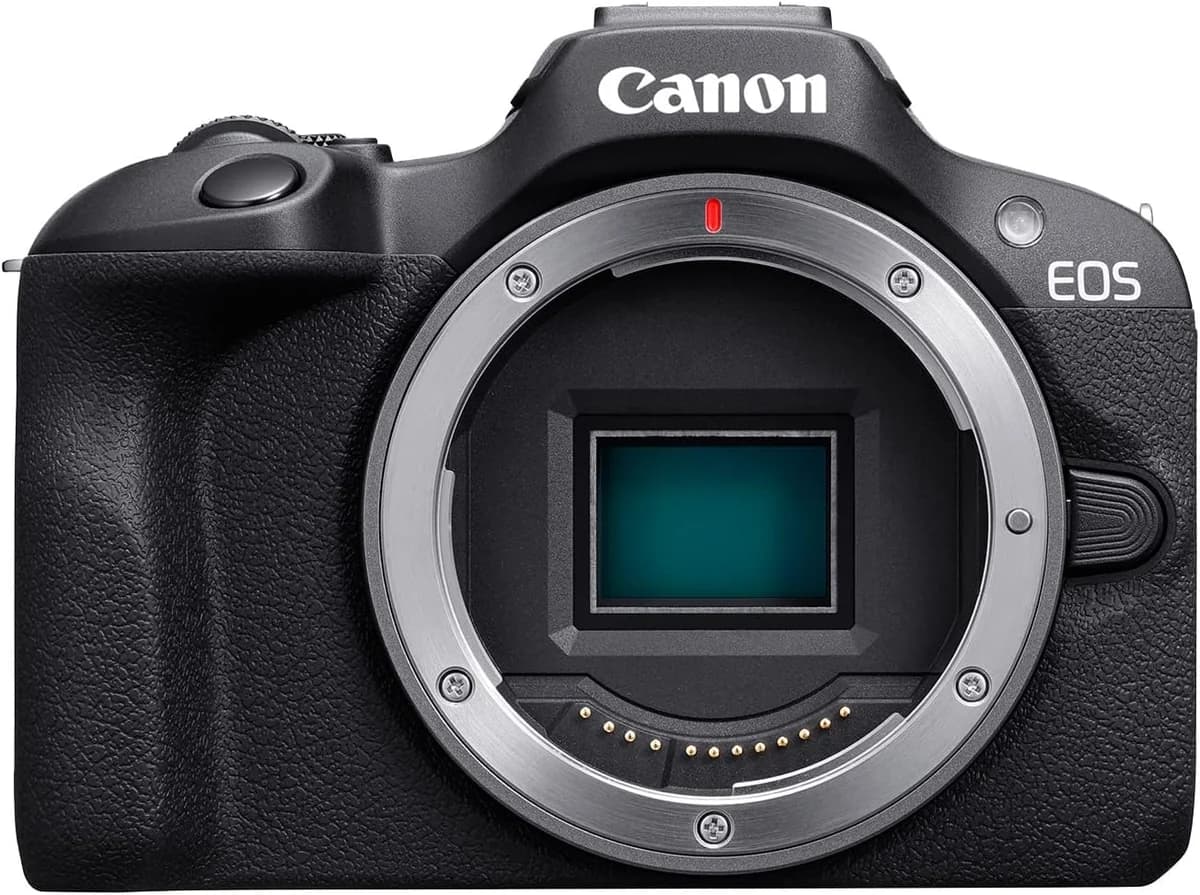
Canon EOS R100
Compact and beginner-friendly with sharp photos and reliable autofocus, but limited 4K video.
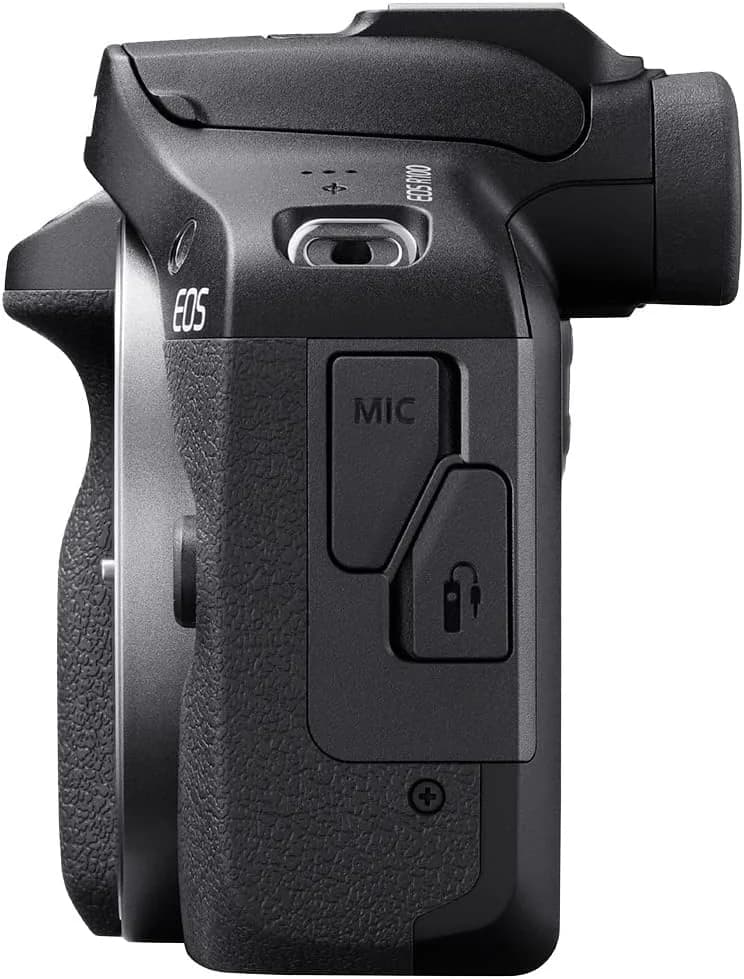
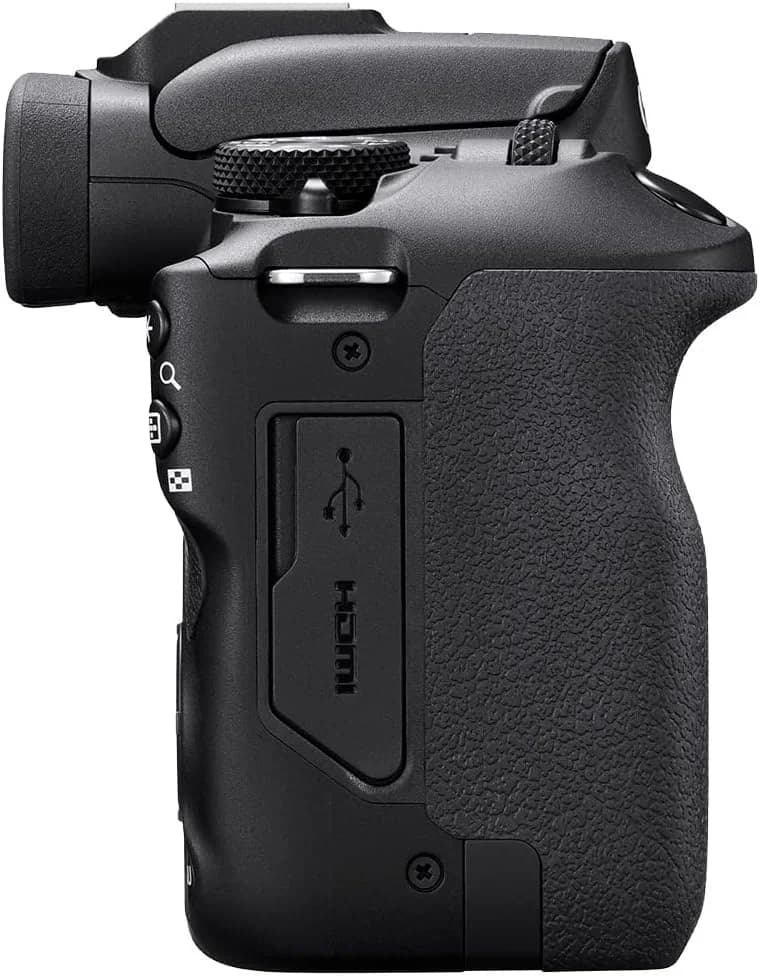
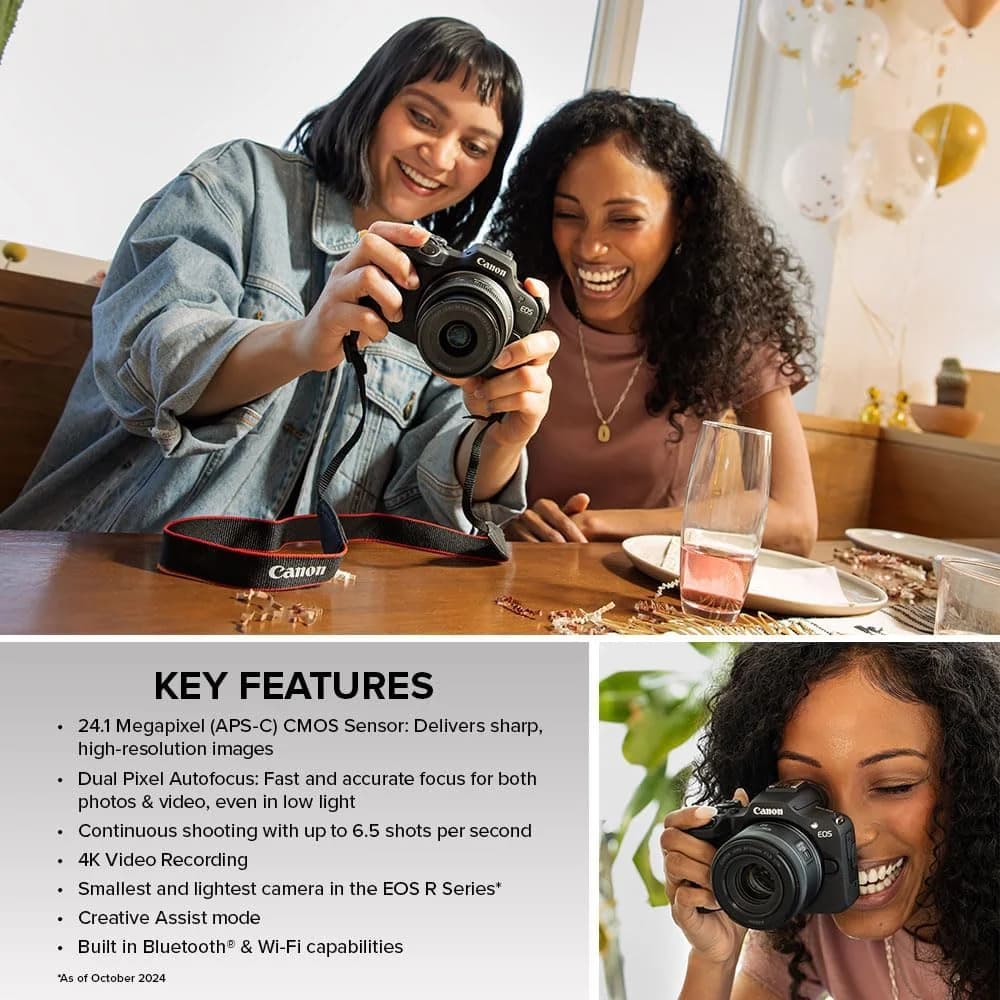
The Canon EOS R100 is a compact, beginner-friendly mirrorless camera designed to coax smartphone shooters into the world of interchangeable lenses with ease. It wows novices with a 24.1MP APS-C sensor and Dual Pixel autofocus, delivering crisp, vibrant shots that make learning fun—not frustrating. Experts and users applaud its intuitive guided menus and surprisingly grippy body but agree its fixed non-touchscreen LCD and heavily cropped 4K video hold it back from videography stardom. At an approachable price, this camera balances solid stills performance against modest video chops, making it a smart stepping stone for creatives ready to grow—powered by simplicity without skimping on essentials.



Find Yours
What will be your primary use for the mirrorless camera?
Answer to find your best matches.

The Field
Browse top contenders, or compare all options ranked by score and key attributes.
5 Options
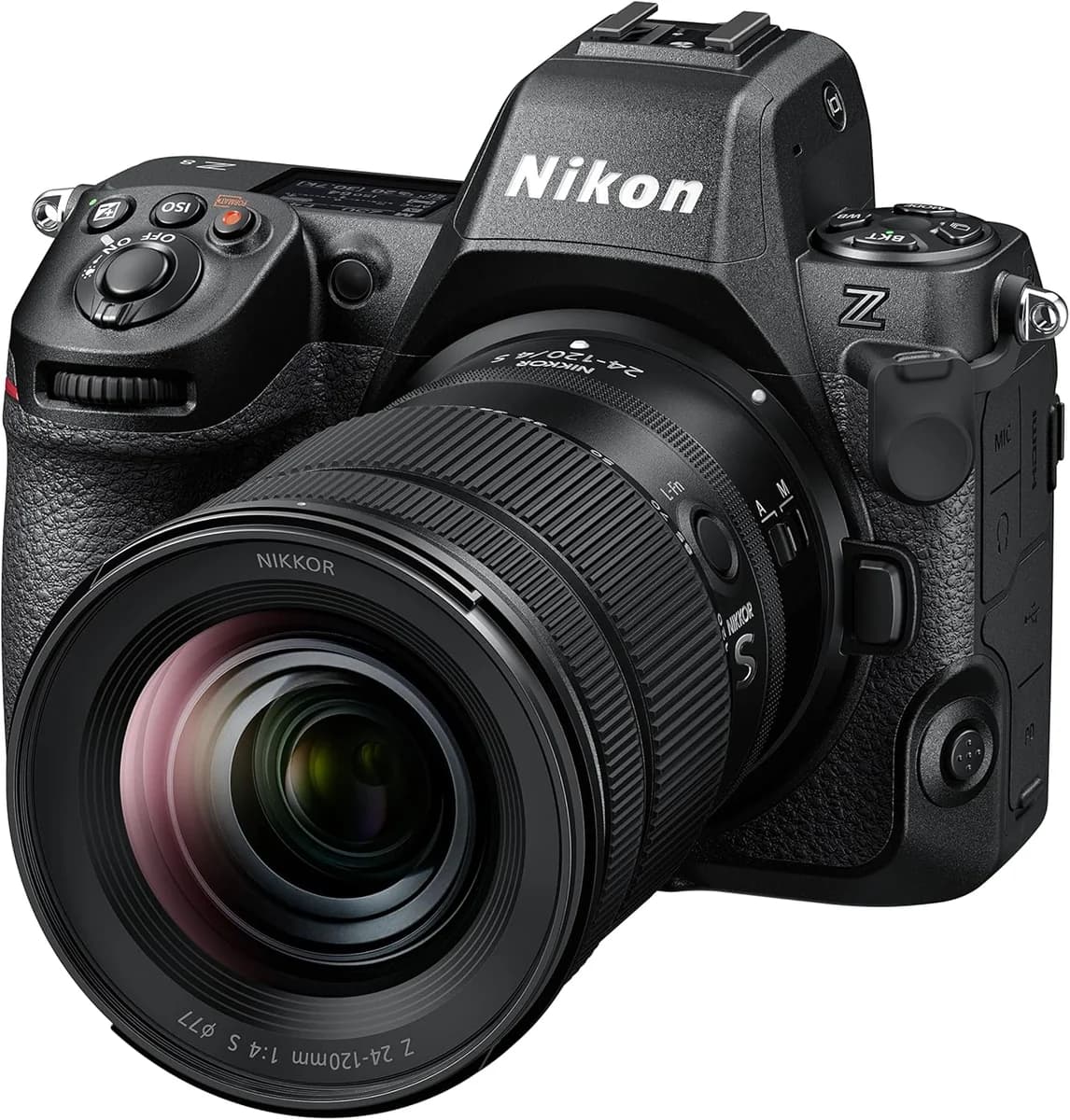
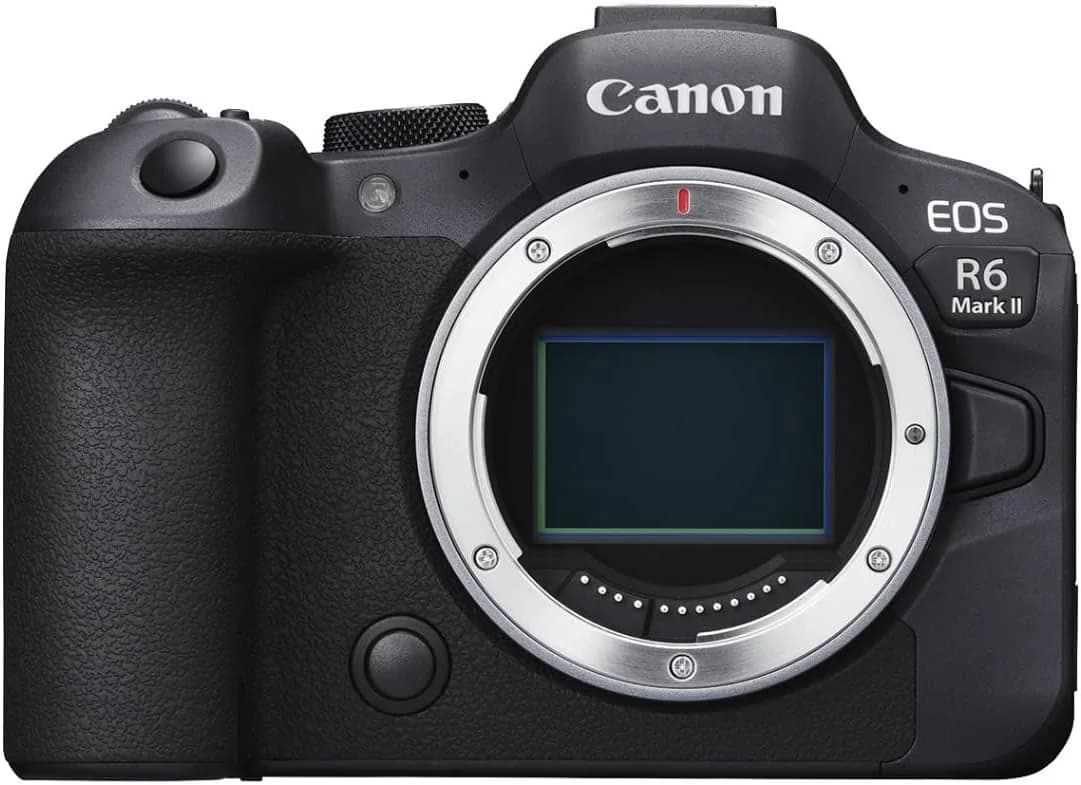
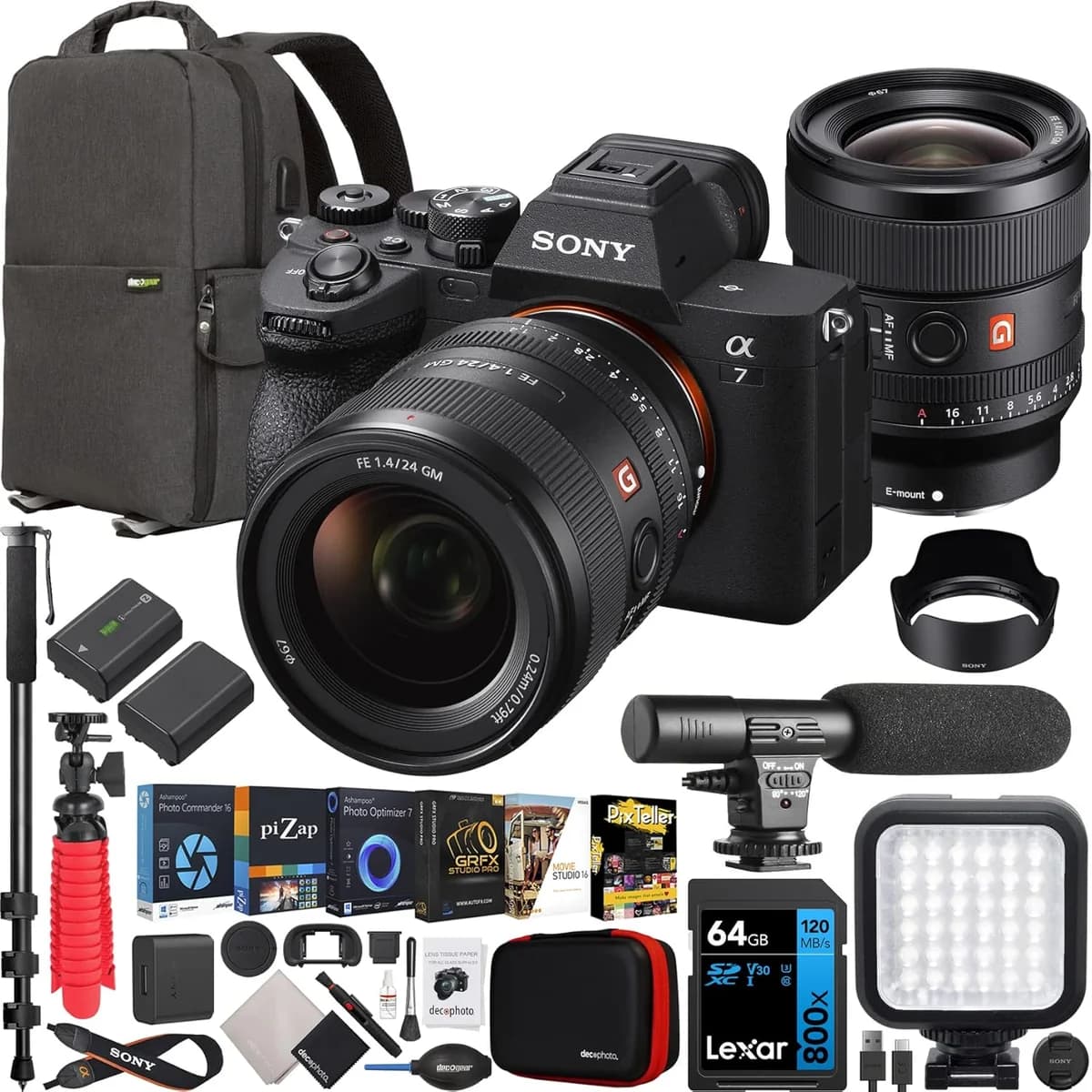
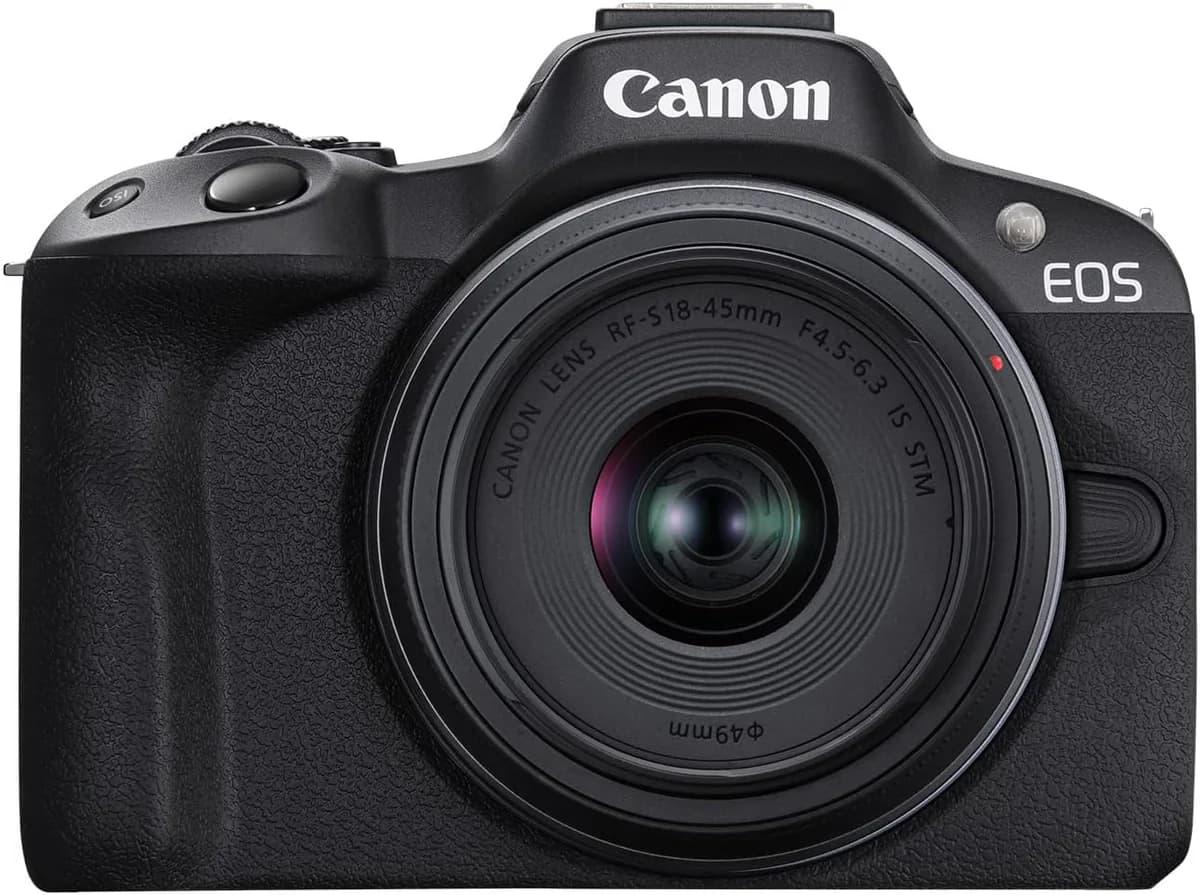


The Scoreboard
Does this improve your life? Considers, health, habits, and environmental impact.
Benefits
24MP APS‑C sensor with Dual Pixel AF still delivers sharp images, despite older Digic 8.
Guided menus and Creative Assist simplify shooting, reducing cognitive load and building photographic confidence.
Compact, lightweight body encourages outdoor shooting and movement, supporting physical activity and mental wellbeing.
External mic input and basic video features enable easy content-making, fostering social connection and expression.
Built‑in flash and quiet shutter reduce accessory needs, slightly lowering required material and clutter.
Trade-Offs
Heavily cropped 4K with rolling shutter and weaker AF causes repeated takes and creative frustration.
No in‑camera USB charging forces external chargers, which may increase battery cycles and electronic waste.
Small grip and pared-down controls can cause wrist strain during prolonged handheld shooting sessions.
No in‑body image stabilization means tripods or gimbals, increasing carried load and additional material needs.
Uses older Digic8 and dated components, potentially shortening useful lifespan and increasing e‑waste over time.
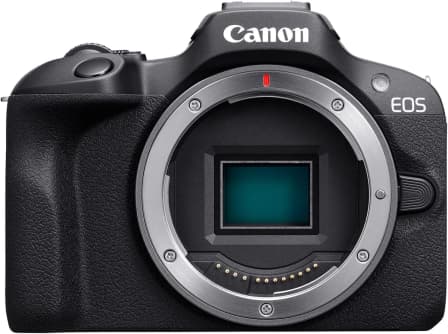
 Alternatives


Join the Circle
Where real meets deal
Know what's worth buying-and when.
Tips, special offers, and rewards for buying and sharing.

Publications
10 LEADING PUBLICATION REVIEWS

Jeff Keller from DPReview highlights the Canon EOS R100 as an ultra-affordable entry into Canon’s mirrorless ecosystem, delivering good image quality and portability at a very low price point. While the camera performs well in still photography with responsive autofocus and solid battery life, it relies on dated technology, including an older sensor, processor, and autofocus system. The lack of a touchscreen and a heavily cropped 4K video mode with significant rolling shutter and poor autofocus make it a less appealing choice for videographers. Keller notes the limited RF-S lens selection and the absence of in-camera battery charging as further drawbacks. Despite these compromises, the R100 offers a straightforward, beginner-friendly experience with Creative Assist modes and external mic input, making it a practical option for budget-conscious users wanting to step up from smartphones. However, the review’s tone is measured and somewhat lukewarm, emphasizing that while the R100 “does what it needs to do,” it falls short of being a standout recommendation.
By Jeff Keller
Bryan Carnathan from The-Digital-Picture.com highlights the Canon EOS R100 as an impressively affordable, compact, and lightweight entry-level mirrorless camera that delivers professional-grade image quality comparable to Canon’s popular M50 II. Praising its ease of use, solid autofocus system, and compatibility with Canon’s RF lenses, he emphasizes the R100’s appeal to beginners and casual photographers seeking a significant upgrade from phone cameras without complexity. While noting some compromises—such as a slower processor, limited continuous shooting speed, absence of in-body image stabilization, a non-touch fixed LCD, and a small grip—Carnathan frames these as reasonable trade-offs for the price point. He provides detailed comparisons with the R50, M50 II, and Rebel T7, underscoring the R100’s value and suitability for new users or as a lightweight secondary camera. His review balances enthusiasm for the camera’s strengths with clear, nuanced insights into its limitations, making it a thoughtful and thorough assessment.
By Bryan Carnathan
Gordon Laing from Cameralabs highlights the Canon EOS R100 as the most affordable entry point into Canon’s EOS R mirrorless system, delivering solid 24MP photos and reliable 1080p video in a compact, easy-to-use body. While the camera offers improved autofocus and better handling compared to Canon’s older entry-level DSLRs, it comes with notable compromises such as a fixed, non-touchscreen, lack of in-body stabilization, slow burst rates, and cropped, less responsive 4K video. Laing emphasizes that these limitations are typical for a budget model and are addressed in higher-tier EOS R cameras like the R50 and R10, with the R50 identified as a particularly compelling mid-range option. He also points out the restricted availability of third-party RF lenses as a downside for budget-conscious buyers. Ultimately, Laing views the R100 as a practical, no-frills choice for beginners seeking a step up from smartphone photography, but unlikely to excite enthusiasts due to its pared-down feature set.
By Gordon Laing
Jim Fisher from PCMag highlights the Canon EOS R100 as an affordable, entry-level mirrorless camera that delivers solid photo quality and reliable autofocus for beginners, especially those upgrading from older DSLRs. He praises its lightweight design, familiar Canon controls, and effective face and eye detection autofocus. However, Fisher points out several notable drawbacks: the lack of a touchscreen, limited and outdated video capabilities (4K restricted to 24fps with heavy crop), and a non-articulating LCD, which may deter younger or more video-focused users. The camera’s modest burst shooting and absence of in-camera USB charging also limit convenience. While the EOS R100 offers good value at under $500, Fisher suggests that competitors like the Panasonic Lumix G7 or Canon’s own EOS R50 provide better video features and more modern interfaces. Overall, the review conveys a cautiously positive tone, recognizing the R100’s appeal for budget-conscious beginners but emphasizing its compromises and aging technology.
By Jim Fisher
Timothy Coleman from TechRadar highlights a surprising turnaround in opinion about the Canon EOS R100, initially skeptical but ultimately impressed after extended family use. He praises the camera’s affordability and simplicity, making it an excellent choice for beginners and young photographers. Despite its basic specs, dated design, and limited video capabilities, the EOS R100’s reliable 24MP APS-C sensor and dual-pixel autofocus deliver solid photo quality comparable to pricier rivals. Coleman uniquely emphasizes how the camera’s lack of touchscreen and straightforward controls encourage users—especially kids—to learn photography fundamentals. He also notes the expanding lens ecosystem, particularly Sigma’s RF-mount primes, which enhance the camera’s versatility. While not suited for experienced photographers or those seeking advanced features, the EOS R100 stands out as a trustworthy, easy-to-use family camera that fosters creative engagement. Seasonal discounts further boost its value, making it a top recommendation for first-time mirrorless buyers on a budget.
By Timothy Coleman
Mark Goldstein from Photography Blog highlights the Canon EOS R100 as an entry-level mirrorless camera ideal for first-time users upgrading from smartphones, emphasizing its compact size, light weight, and affordable price. He praises its solid image quality for stills, good JPEG noise control up to ISO 1600, and useful features like silent shooting and built-in flash. However, the review conveys a cautiously critical tone regarding the camera’s outdated components, such as the older sensor and Digic 8 processor, limited 4K video capabilities with heavy crop and contrast-only autofocus, and a fixed, non-touchscreen LCD—features that feel regressive in 2023. The minimal external controls, shallow grip, and lack of weather sealing further limit its appeal, especially compared to the slightly more expensive EOS R50. While the R100 offers a discrete, budget-friendly package, Goldstein ultimately recommends the R50 for most users due to its superior performance and usability, making the R100 a niche choice mainly for tight budgets or absolute beginners.
By Mark Goldstein
James Artaius from Digital Camera World highlights the Canon EOS R100 as an outstanding entry-level mirrorless camera that strikes a rare balance between simplicity for beginners and powerful features for more experienced users. Praising its 24.1MP APS-C sensor, robust Dual Pixel autofocus, and compact design, he emphasizes how the camera excels in delivering high-quality images with rich detail and shallow depth of field. The guided user interface and Creative Assist mode make it especially accessible for smartphone photographers stepping up to dedicated cameras. While noting the lack of touchscreen and some minor handling quirks, Artaius underscores that these do not overshadow the camera’s strengths. He also appreciates under-recognized features like 4K Frame Grab and Hybrid Auto video clips. Overall, he regards the EOS R100 as a versatile, affordable gateway into the Canon EOS R system that grows with the user’s skills, making it a top choice for beginners and photography students alike.
By James Artaius
RTINGS praises the Canon EOS R100 as a solid entry-level mirrorless camera tailored for novice photographers seeking an affordable, lightweight, and user-friendly option. The review highlights its good image quality, intuitive controls, and compact design, making it especially suitable for travel and landscape photography. However, the camera’s video capabilities are notably limited, with poor 4K performance marked by heavy cropping, rolling shutter, and subpar autofocus, making it a weak choice for vloggers or action videographers. The fixed, non-touchscreen display and lack of USB charging are significant drawbacks, particularly for users accustomed to smartphone-like convenience. While the autofocus system works well in single-point mode, it struggles with continuous tracking and sports photography. The menu system is beginner-friendly but can be cumbersome for accessing advanced features. Overall, the EOS R100 offers good value as a starter camera but falls short for users seeking more versatile video features or advanced manual controls.
By Sophie Arsenault; Evan Jakab; Yannick Khong
Sam Kieldsen from Stuff highlights the Canon EOS R100 as a straightforward, entry-level mirrorless camera ideal for beginners stepping up from smartphone photography. Praising its excellent photo quality, portability, and reliable autofocus, the review conveys a generally positive but measured enthusiasm. However, the camera’s simplicity shows through in several notable limitations: a fixed, non-touchscreen display, lack of USB-C charging, and underwhelming video capabilities, including downgraded autofocus and cropped 4K footage. The reviewer appreciates the camera’s solid battery life and ease of use but points out design quirks like a small video record button and limited physical controls that may frustrate more experimental users. While the EOS R100 offers a great gateway into interchangeable lens photography with beautiful still images, it falls short for video enthusiasts or those seeking advanced features, suggesting that users may soon outgrow it. Overall, the tone is balanced and fair, recognizing the camera’s value for novices while candidly addressing its compromises.
By Sam Kieldsen
Sam Kieldsen from Pocket-lint highlights the Canon EOS R100 as an affordable, entry-level mirrorless camera ideal for beginners eager to move beyond smartphone photography. While the camera lacks advanced features like an articulated touchscreen, USB charging, and in-body image stabilization, it delivers solid photo quality with excellent color reproduction and fine detail. The lightweight, plastic build feels comfortable and practical, though it struggles with heavier lenses and low-light conditions. Video capabilities are modest, offering 4K recording with limitations and better performance at 1080p. Autofocus is reliable for human subjects but limited in tracking other objects. Despite some dated design choices and missing modern conveniences, the EOS R100 stands out as a simple, capable tool for novices, balancing ease of use with respectable imaging performance at a budget-friendly price point.
By Sam Kieldsen

YouTube
11 LEADING EXPERT & INFLUENCER REVIEWS
 PetaPixel
Chris Niccolls praises the Canon EOS R100 for its compact, lightweight design and sharp 24MP APS-C sensor that delivers beautiful photos with quiet, stable shooting. However, he criticizes its bare-bones handling, lack of touchscreen, limited autofocus tracking, and cropped 4K video with poor stabilization. While fun for casual photography, he suggests the Canon EOS R50 offers better value and features for video and future-proofing.
Tony & Chelsea NorthrupTony & Chelsea Northrup praise the Canon EOS R100 as an excellent entry-level mirrorless camera under $500, ideal for beginners and casual photographers. They highlight its reliable Dual Pixel CMOS AF with eye detection, electronic viewfinder, and versatility with Canon’s RF lenses. While noting the lack of a flip or touch screen and cropped 4K video, they emphasize its ease of use, strong stills and Full HD video performance, and upgrade potential through lenses and accessories. They recommend it for photography learners and family use but suggest alternatives like the Canon R10 or Sony ZV-E10 for advanced video creators.
Ken RockwellKen Rockwell praises the Canon EOS R100 for its lightweight design, excellent image quality, and built-in flash—rare in this price range. He notes its beginner-friendly simplicity and reliable Dual Pixel CMOS AF but points out missing features like a flip screen, rear dial, in-body stabilization, and limited video recording times. Ideal for casual use and travel, it’s a great value despite some ergonomic compromises.
TheCameraStoreTVTheCameraStoreTV praises the Canon EOS R100 as a lightweight, user-friendly entry-level mirrorless camera ideal for families and travelers upgrading from smartphones. They highlight its sharp 24MP APS-C sensor, good eye-detection autofocus, and 4K video capability. Criticisms include the non-touch fixed screen, limited burst speed, and lack of advanced tracking AF, but overall it’s recommended as a solid starter camera with room to grow.
Tech Through The LensTech Through The Lens praises the Canon EOS R100 for its sharp 24MP APS-C sensor delivering rich, natural colors and excellent photo quality that surpasses smartphones. The camera’s fast 6.5 fps shooting and reliable Dual Pixel CMOS AF impress, though video features and the fixed, non-touchscreen display are notable drawbacks. Ideal for beginners seeking a compact, affordable photography upgrade.
Christopher FrostChristopher Frost praises the Canon EOS R100 for its compact size, solid build, and ability to capture detailed 24MP images with reliable human face and eye autofocus. However, he criticizes its outdated DIGIC 8 processor, lack of touchscreen, limited video quality with cropped 4K and contrast-detect AF, and weak digital stabilization, recommending saving for the superior EOS R50 instead.
Matti SulantoMatti Sulanto praises the Canon EOS R100 for its compact size, excellent handling, and Canon’s signature color science, delivering sharp photos with natural tonality. He notes drawbacks like no in-body image stabilization, a fixed non-touchscreen, 4K crop with limited autofocus, and a closed RF lens system. Overall, he finds it an enjoyable, beginner-friendly camera best suited for photography over video.
FoxTailWhipzFoxTailWhipz offers a cautiously positive take on the Canon EOS R100, praising its status as the cheapest interchangeable-lens mirrorless camera and its USB-C port for file transfer. However, he highlights significant drawbacks like the fixed, non-touchscreen, limited 4K video with crop, 30-minute recording limit, and costly RF-mount lenses, suggesting the slightly pricier R50 may be a better value.
Gary JahmanGary Jahman praises the Canon EOS R100 as an excellent, affordable entry-level mirrorless camera for photography, highlighting its sharp 24.1MP APS-C sensor, reliable Dual Pixel autofocus, and compact, lightweight design. He notes drawbacks like the fixed, non-touchscreen and disappointing 4K video with heavy crop and autofocus hunting, recommending it mainly for beginners focused on stills rather than videography.
Matthew SnyderMatthew Snyder praises the Canon EOS R100 for its excellent 24.1MP APS-C sensor, reliable Dual Pixel autofocus, and lightweight, compact design, making it a strong budget choice for photography. However, he criticizes its non-articulating, non-touchscreen display, limited video capabilities with heavily cropped 4K and rolling shutter issues, and Canon’s lens strategy for APS-C users. Overall, he recommends it mainly for stills and light 1080p video, noting its unbeatable price point.
Edit HQEdit HQ praises the Canon EOS R100 as an excellent, lightweight entry-level camera ideal for beginners and smartphone upgraders. They highlight its sharp 24MP sensor, good photo quality, and affordable creator kit with two lenses. However, they note drawbacks like no flip screen, lack of in-body stabilization, cropped 4K video, and limited video features, making it less suited for cinematic work. Overall, they enthusiastically recommend it as a reliable starter camera for casual use.

Social
5 INFLUENCER REVIEWS
 Lucas Cavalheiro
Lucas Cavalheiro shares his balanced thoughts on the Canon EOS R100 after nearly six months of use, noting some drawbacks like 4K crop, lack of a flip or touchscreen, and a less versatile kit lens. However, he praises its excellent image quality, reliable eye autofocus, compact size, and unbeatable price as the most affordable mirrorless with RF mount compatibility. Overall, Lucas recommends the Canon R100 as a great value for beginners or casual users seeking portability and solid performance, emphasizing it as a smart investment despite some ergonomic and feature compromises. He encourages questions, highlighting his hands-on experience with the camera.
Photo FeaverPhoto Feaver highlights the Canon EOS R100’s compact size and lightweight design but expresses clear disappointment with its outdated specs, including lack of IBIS, poor low-light performance, single SD card slot, and absence of a touchscreen—features they consider essential in 2024. The reviewer finds both photo and video capabilities underwhelming. Overall, Photo Feaver does not recommend the Canon EOS R100, advising potential buyers to save their money and opt for the Canon R50 instead, suggesting the R100 falls short of expectations for a modern mirrorless camera.
 Yulia Chasse
Yulia Chasse highlights the Canon EOS R100 as a lightweight, beginner-friendly mirrorless camera ideal for everyday filming and photography. She appreciates the simple menu and the versatile 18–45mm kit lens, expressing genuine excitement to integrate it into her tech and beauty content setup. Overall, Yulia’s first impressions are positive and hopeful, emphasizing ease of use and portability. While she hasn’t fully tested it yet, her enthusiasm suggests a strong recommendation for creators seeking a straightforward, compact camera for casual and content-focused use.
Jarger JoeJarger Joe highlights the Canon EOS R100 as an affordable, surprisingly capable mirrorless camera ideal for beginners in photography and video. He emphasizes its 24.1MP APS-C sensor, 4K video recording, and easy availability as standout features, though he corrects an earlier mistake about the camera having a flip screen. Overall, Jarger Joe recommends the Canon EOS R100 warmly for newcomers, praising its value and solid specs while maintaining a straightforward, approachable tone.
Ana Nepomuceno | Graphic Design & Media ProductionAna Nepomuceno shares her excitement about finally upgrading to the Canon EOS R100, highlighting its mirrorless design and 4K video capability as key improvements over her older DSLR. She offers a personal unboxing moment and mentions testing a new microphone, conveying genuine enthusiasm and anticipation for better photo and video quality. Overall, Ana’s sentiment is very positive and hopeful, focusing on the camera’s potential to enhance her creative work. While she doesn’t delve into drawbacks, her balanced tone and first-hand excitement suggest a strong recommendation for those seeking an accessible mirrorless upgrade.

Store Reviews
CUSTOMER REVIEWS FROM 1 STORE
Amazon users praise the Canon EOS R100 as an excellent entry-level mirrorless camera that combines ease of use with impressive image quality. Many highlight its compact and lightweight design, which makes it ideal for travel, street photography, and everyday shooting without feeling cumbersome. Reviewers find the camera’s autofocus fast and reliable, enabling them to capture action shots and candid moments effortlessly. Beginners appreciate the intuitive graphical user interface that clearly explains shooting modes and allows customization of quick access menus, helping them learn photography fundamentals while still offering advanced manual controls for more experienced users. Several users note the camera’s solid battery life during heavy use, though they recommend purchasing an additional charger since one is not included. The camera’s compatibility with Canon’s RF lenses, especially full-frame options, receives positive mention for future-proofing upgrades. While some users miss features like an articulating touchscreen or back-button focus, many accept these trade-offs given the camera’s affordable price point and straightforward functionality. Additionally, reviewers enjoy the wireless connectivity for easy photo transfers to smartphones. Unique insights from Amazon customers include the camera’s surprisingly grippy body despite its small size, making it comfortable to hold securely, and the usefulness of focus peaking as a nostalgic nod to manual focusing techniques. One user also points out the camera’s suitability for stop-motion and macro photography when paired with appropriate software and lenses. Overall, Amazon reviewers find the Canon EOS R100 a compelling choice for hobbyists and beginners eager to explore photography without overwhelming complexity or high cost.
4.5 Stars / Many verified reviews

Forum Reviews
CUSTOMER REVIEWS FROM 1 FORUM
Reddit users generally view the Canon EOS R100 as a capable entry-level mirrorless camera suitable for beginners, offering good image quality and modern features at an affordable price. Many appreciate its compact design and ease of use for learning photography, though some note its lack of a touchscreen, limited autofocus capabilities, and basic LCD as drawbacks. Experienced users often recommend upgrading to models like the R50 or R10 for better performance and features, especially for those seeking growth or more advanced use. Overall, the R100 is seen as a solid starter camera but with limitations that may prompt users to upgrade as their skills develop.
Many comments

In-Depth Review

Highlights
- •Dual Pixel AFFast, accurate subject tracking
- •24.1MP APS‑C sensorHigh‑resolution stills and colors
- •Compact portabilityLightweight, travel‑friendly body
- •Beginner‑friendly interfaceGuided menus and Creative Assist
- •Value bundleKit lens and essentials included
- •Wireless connectivityWi‑Fi and Bluetooth transfers

Considerations
- •4K limitationsCropped 4K and contrast AF
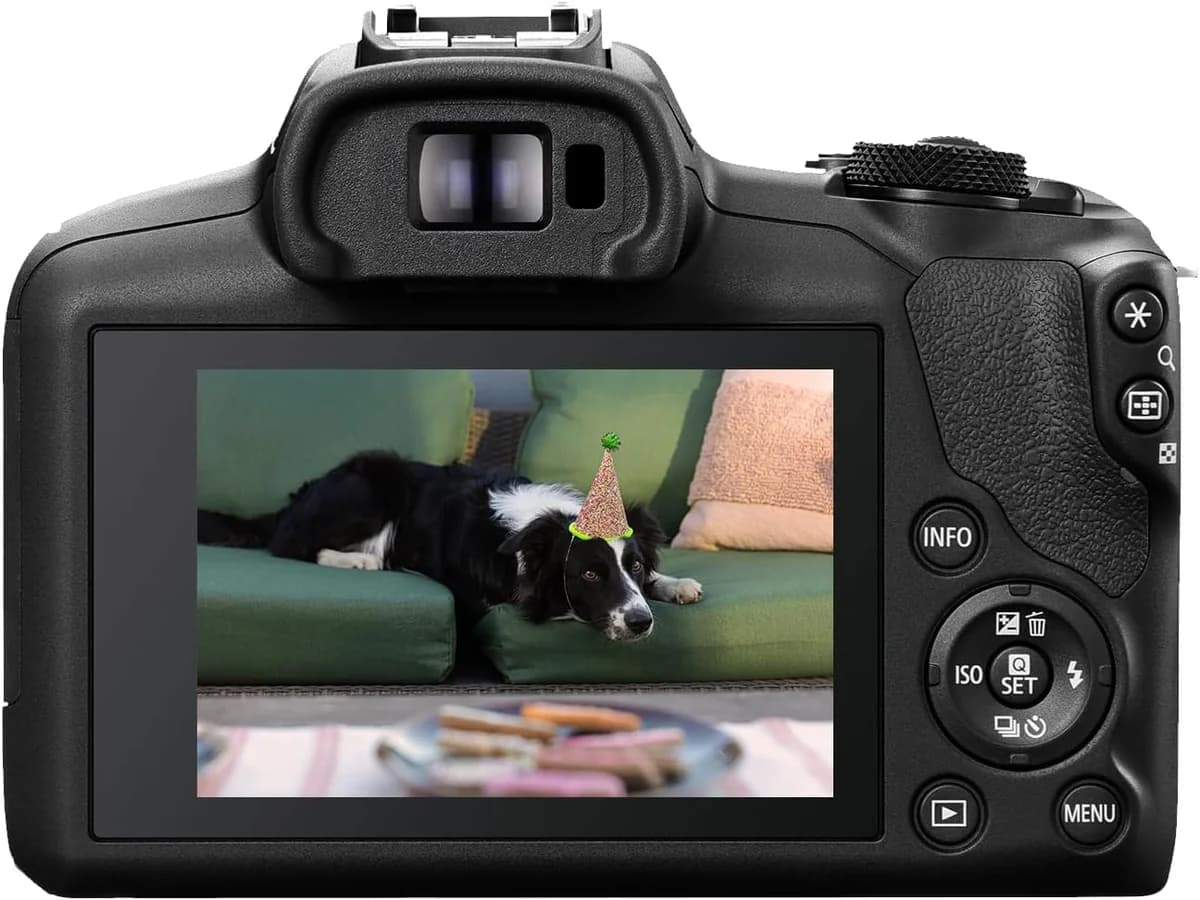
- •Fixed non‑touch screenNo tilt or touch control
- •No in‑body stabilizationRelies on lens IS or crop
- •Burst/buffer constraints3.5 fps with tracking, small RAW buffer
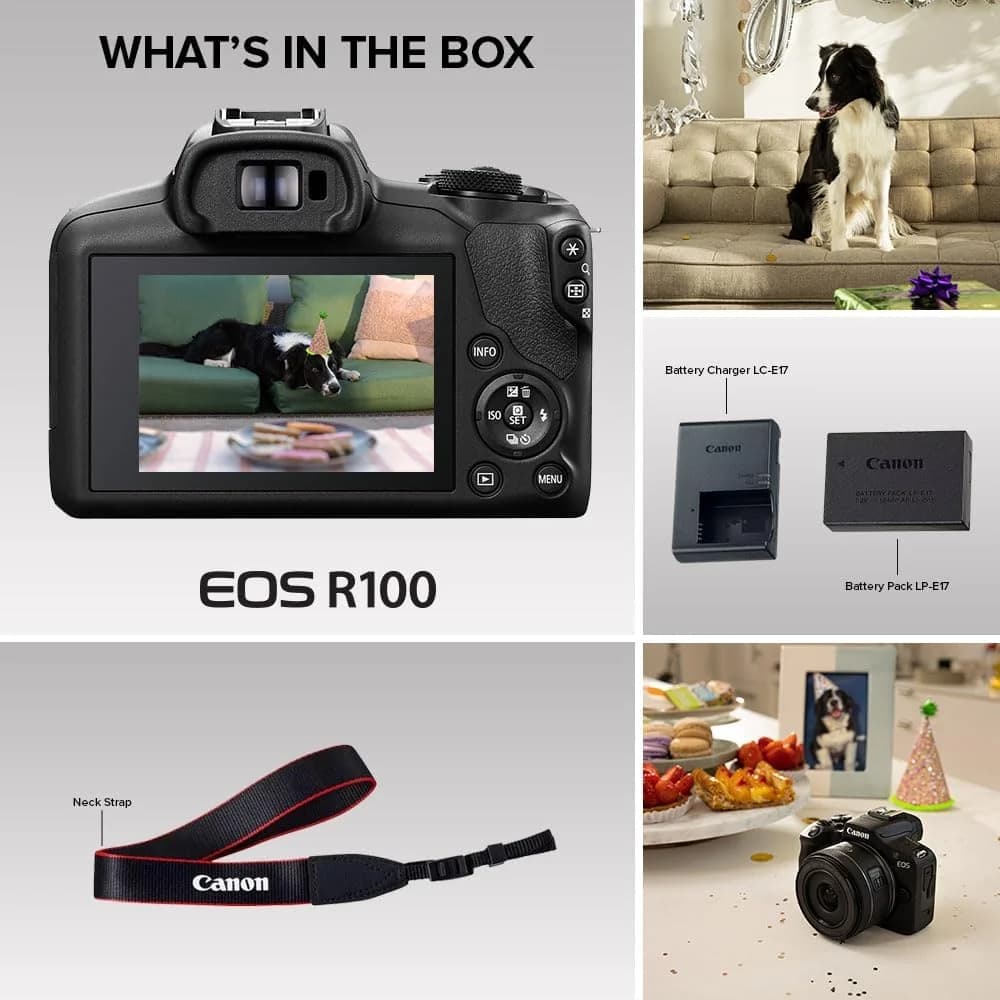
- •No USB chargingRequires external LP‑E17 charger
- •Slow kit lens & lens choicesLimited RF‑S options and slow aperture
Canon’s EOS R100 is a compact mirrorless camera crafted to welcome beginners and casual shooters into the RF-mount ecosystem without overwhelming complexity. Marketed as an affordable entry point, it packs a 24.1MP APS-C sensor known for sharp, vibrant stills and pairs this with Canon’s renowned Dual Pixel autofocus system, offering reliable face and eye detection that impresses novices aiming for crisp portraits. While its 4K video capabilities come with cropping and contrast-detect autofocus limitations, Full HD recording shines with smoother tracking at up to 60fps. The lightweight body emphasizes portability but comes with trade-offs like no in-body stabilization or USB charging—details worth weighing if you’re often on the move. Whether capturing fleeting moments or experimenting manually, this model suits photographers prioritizing image quality over advanced video features or extensive controls. For those curious about how these elements translate in real-world use, the sections ahead offer insight that might just convince you this humble powerhouse punches above its weight class.
Video Performance (4K vs FHD)
Video capabilities present a tale of two formats: Full HD recording at up to 60fps impresses with smooth motion tracking via Dual Pixel AF; however, 4K video is hampered by heavy cropping (~1.55x) plus slower contrast-based autofocus leading to noticeable rolling shutter artifacts on pans—a drawback experts highlight sharply against modern standards. Slow-motion capture maxes out at 720p/120fps limiting creative options further; hence while adequate for casual clips or social sharing, serious videographers might feel shortchanged by these constraints.
Image Sensor & Quality
The heart of this shooter is its 24.1MP APS-C sensor, inherited from proven models delivering solid resolution and natural colors that satisfy beginners and enthusiasts alike. Noise control performs well up to mid-ISO levels but shows limitations beyond ISO 3200 due to older technology without recent advancements seen elsewhere. Still images are praised for clarity and vibrancy straight out of camera JPEGs, while RAW support invites post-processing creativity—making it an excellent platform for learning photography essentials with professional-grade potential.
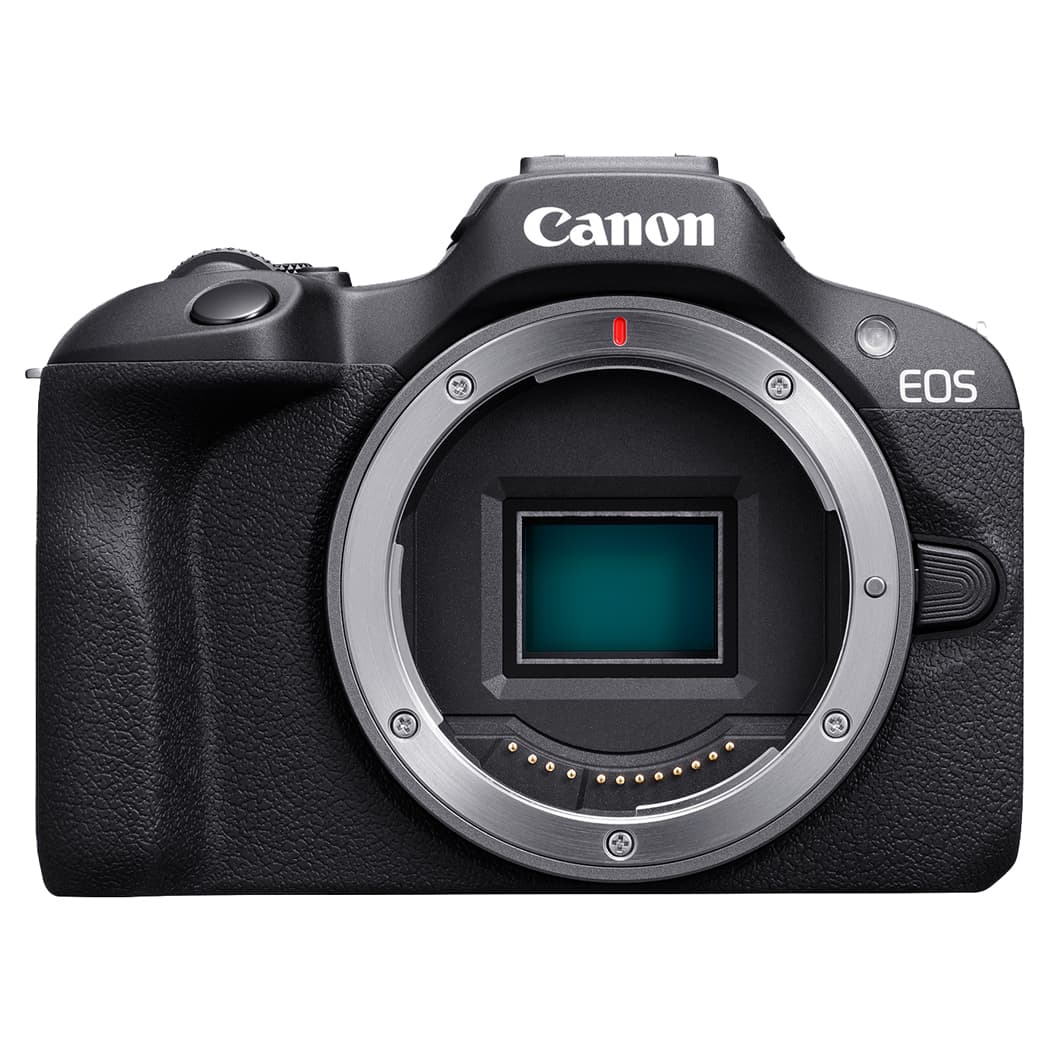
Ergonomics & Portability
With compact dimensions around 356 grams including battery, this mirrorless marvel scores high on portability ideal for travel or street photography ventures requiring light gear loadouts. Its DSLR-style grip offers reasonable comfort though may challenge users with larger hands over extended use sessions especially when paired with heavier lenses; yet tactile controls remain straightforward despite limited dials typical of entry-level design philosophy ensuring newcomers find operation intuitive without overwhelm — striking a balance between accessibility and practical handling finesse appreciated by many novices.
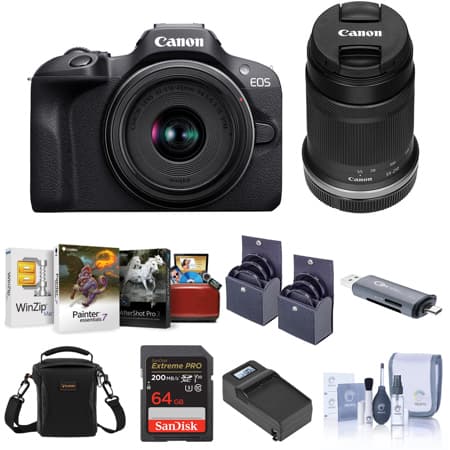
Autofocus Performance
Dive into the autofocus prowess where Dual Pixel CMOS AF shines for crisp, fast focusing in stills and Full HD video. Experts applaud its face and eye detection, making portraits a breeze, but note that 4K mode drops to contrast-detect AF, which can be sluggish. While it's no speed demon in burst mode with continuous AF capped at about 3.5 fps, the overall system earns praise for reliability across casual shooting scenarios. The camera's ability to lock focus swiftly contributes significantly to user confidence and sharp imagery.
Conclusion
Bold moves in autofocus and a 24.1MP APS-C sensor make this camera a nimble contender for fresh photographers hungry for sharp, vivid shots. Yet, its 4K video’s heavy crop and reliance on contrast-detect AF tip the scales away from videography enthusiasts craving cinematic flair. The compact build earns applause for portability but exposes limits like no in-body stabilization and modest burst speeds that temper action shooting ambitions. Battery life holds steady enough to keep casual shooters snapping through the day, though power users will pack spares. While it lacks touchscreen ease, the tactile controls offer clarity amid simplicity—a double-edged sword sparking both praise and frustration among users navigating manual modes. For those prioritizing crisp stills over advanced video or extensive customizations, this camera delivers balanced essentials without fuss or frills—an approachable companion designed to grow alongside budding skills while knowing when to hold back bold features just yet.

Feature Scores
This reflects reviews and ratings from established critics, journalists, and users who have evaluated the item. Their opinions provide a comprehensive assessment.
Performance
Sensor Image Quality
4/5
Autofocus Speed
4/5
Low-Light Performance
3/5
Video Capabilities
3/5
Image Stabilization
2/5
Battery Life
4/5
Value
Price Competitiveness
4/5
Resale Value
3/5
Design
Ergonomics
4/5
Size And Portability
5/5
Control Layout
3/5
Viewfinder Quality
4/5
Safety
Water Dust Resistance
1/5
Experience Style
User Interface Simplicity
4/5
Customization And Controls
3/5
Connectivity Features
4/5

Specifications
This section outlines the product's key facts, covering essential features, details, dimensions, materials, and any unique characteristics that define its functionality and usability.
Performance
Value
Design
Safety
Sustainability
Experience Style

Frequently Asked Questions
9 Questions

Also Consider
3 Options
Find Yours
What will be your primary use for the mirrorless camera?
Answer to find your best matches.