
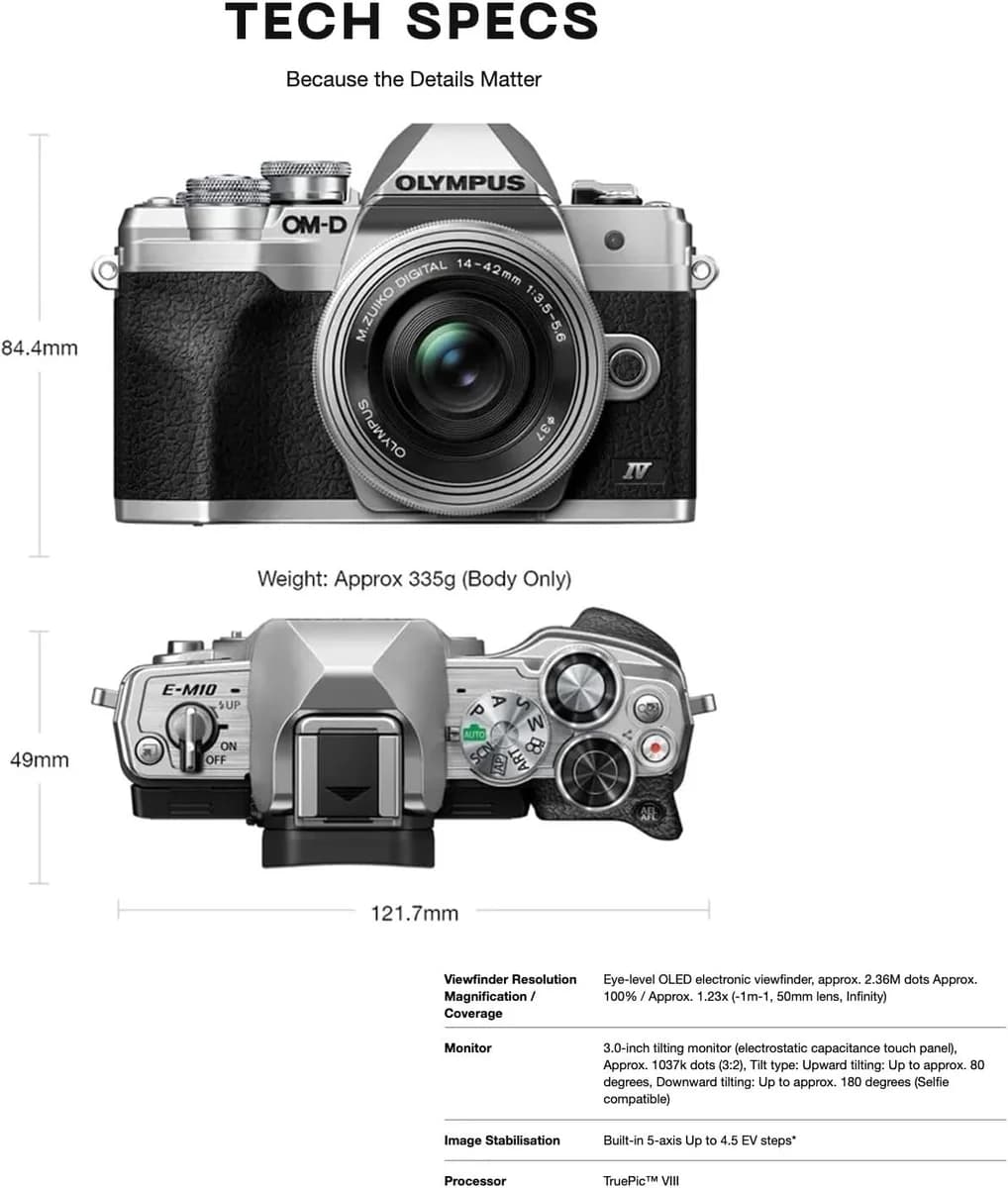
Olympus OM-D E-M10 Mark IV
Compact and lightweight with excellent stabilization and image quality, but limited autofocus and video features.
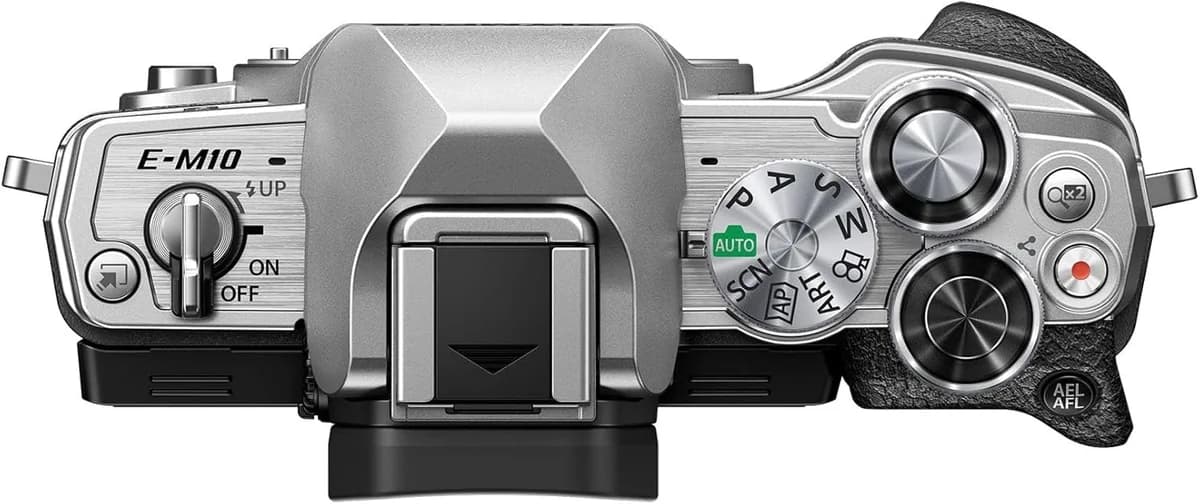
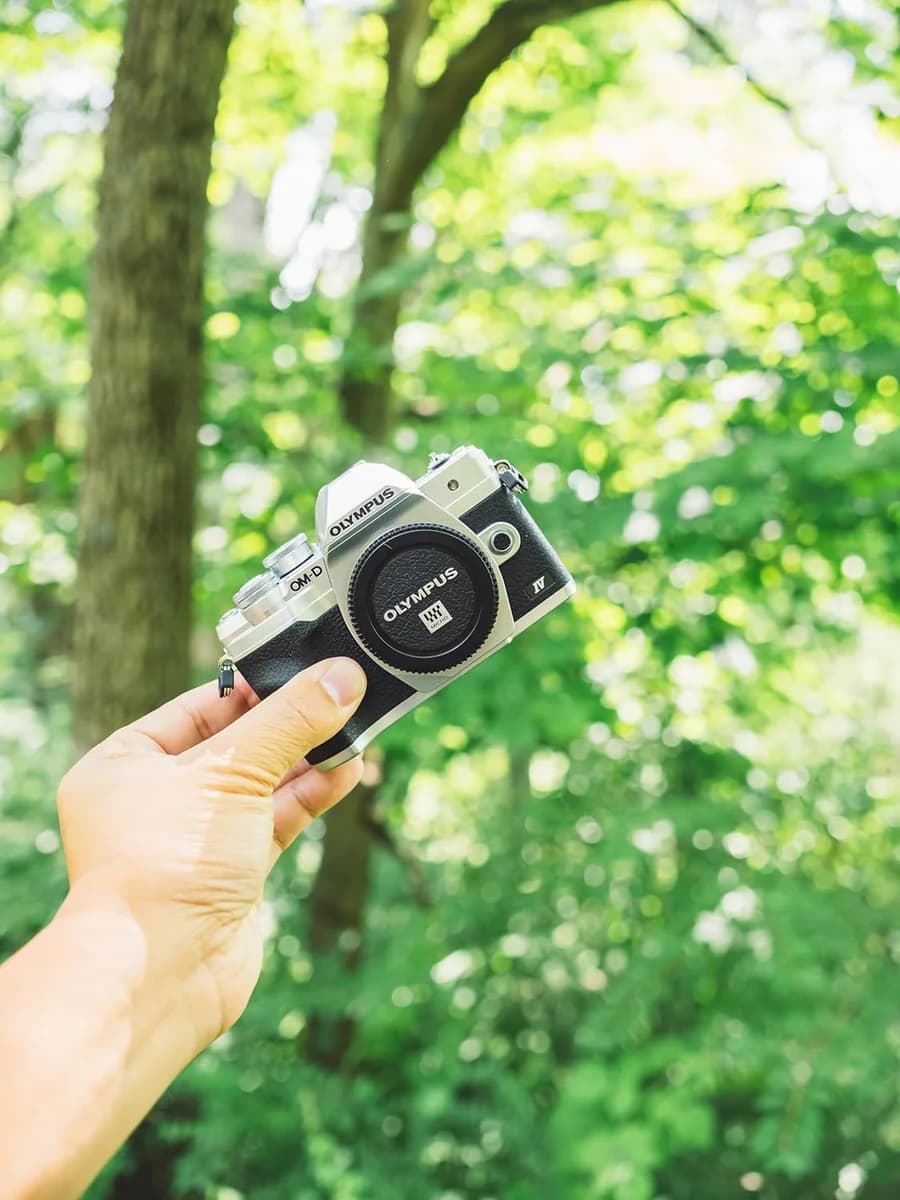
The Olympus OM-D E-M10 Mark IV is a charming entry-level mirrorless that packs a 20MP Live MOS sensor and standout 5-axis in-body image stabilization, making shaky hands look steady. Tailored for beginners craving portability without sacrificing creative control, it impresses with its flip-down selfie touchscreen and crisp 4K video chops. Experts applaud the retro styling and solid image quality but call out its contrast-detect autofocus’s limits on fast action. Users love the lightweight feel despite a plastic body trade-off, while vloggers lament missing mic input. This nimble shooter strikes an appealing balance between fun features and practical compromises—a versatile companion for travel-savvy creators.


Find Yours
What will be your primary use for the mirrorless camera?
Answer to find your best matches.

The Field
Browse top contenders, or compare all options ranked by score and key attributes.
5 Options


The Scoreboard
Does this improve your life? Considers, health, habits, and environmental impact.
Benefits
5-axis IBIS enables sharp handheld low-light shots, offsetting Micro Four Thirds' smaller sensor.
20MP Micro Four Thirds sensor produces lower noise and better dynamic range for everyday low-light.
Lightweight body reduces carrying strain and encourages more active shooting; wide MFT lens compatibility.
Intuitive touchscreen, art filters, and guided modes lower learning frustration and boost photographic confidence.
4K video plus flip-down selfie screen make capturing family moments and vlogs quick and approachable.
Trade-Offs
Contrast-only autofocus struggles with fast action, increasing missed moments and photographer frustration versus phase-detect rivals.
No microphone jack and capped 4K frame rates limit audio quality and flexible video creation.
Plastic body and limited weather sealing can mean earlier replacements, increasing electronic waste footprint.
Micro USB charging is outdated, adding cable clutter and potentially more accessory turnover and inconvenience.
 Alternatives


Join the Circle
Where real meets deal
Know what's worth buying-and when.
Tips, special offers, and rewards for buying and sharing.

Publications
8 LEADING PUBLICATION REVIEWS

DPReview’s Mike Tomkins and Jeff Keller assess the Olympus OM-D E-M10 Mark IV as a compact, well-built mirrorless camera that offers notable improvements over its predecessor, particularly in image quality and noise performance thanks to its upgraded 20MP sensor. They highlight its excellent in-body image stabilization, attractive handling, and useful beginner-friendly features, making it a strong choice for casual shooters and family documentarians. However, the review tempers enthusiasm with critiques of the camera’s contrast-detect autofocus system, which struggles with continuous tracking and fast action, and a somewhat cluttered control layout paired with a complex menu system. The flip-down touchscreen, while selfie-friendly, has practical limitations when used with tripods or selfie sticks. Though not the best option for sports or advanced users seeking customization, the E-M10 Mark IV’s compact size, broad lens compatibility, and solid 4K video capabilities make it a worthy all-rounder in its price range, albeit one that faces stiff competition from rivals with larger sensors and faster AF systems.
By Mike Tomkins; Jeff Keller
Jim Fisher from PCMag highlights the Olympus OM-D E-M10 Mark IV as a solid entry-level mirrorless camera that combines classic retro styling with practical features like a stabilized 20MP Micro Four Thirds sensor and a broad lens ecosystem. He appreciates its tactile controls, quality OLED viewfinder, and versatile tilting touchscreen, which support creative photography through numerous in-camera art filters. However, Fisher points out notable limitations, including a contrast-based autofocus system that struggles with fast-moving subjects, an awkward flip-under screen design for selfies and vlogging, and the lack of an external microphone input, which restricts video capabilities. While the camera offers good image quality up to ISO 1600 and 4K video recording, it falls short compared to slightly pricier rivals like the Sony a6100 and Fujifilm X-T30, which provide faster autofocus and better video features. Overall, Fisher sees the E-M10 Mark IV as a stylish, capable starter camera with some compromises, ideal for beginners invested in the Micro Four Thirds system.
By Jim Fisher
Sean Captain from Tom’s Guide praises the Olympus OM-D E-M10 Mark IV as a stylish, compact mirrorless camera that offers excellent image quality and standout 5-axis in-body stabilization at an affordable price. He highlights its suitability for beginners and intermediate photographers, noting the intuitive touchscreen, extensive manual controls, and a robust smartphone app that simplifies photo sharing and remote operation. The review appreciates the camera’s retro design, comfortable grip, and bright, high-resolution viewfinder, while also acknowledging some ergonomic compromises like a cramped grip and fiddly controls on the kit lens. Autofocus performance is solid but lags behind competitors like the Sony a6100, especially for action photography. The menu system is described as cluttered and unintuitive, though quick-access menus help mitigate this. Video capabilities are good but limited by the lack of a microphone input and a non-vari-angle screen. Overall, Captain finds the OM-D E-M10 Mark IV a fun, capable camera that delivers great photos and value, with minor drawbacks that don’t overshadow its strengths.
By Sean Captain
Jon Devo from TechRadar highlights the Olympus OM-D E-M10 Mark IV as a compact, beginner-friendly mirrorless camera that excels in still photography. Praising its class-leading five-axis in-body image stabilization—borrowed from Olympus’s flagship models—and a 20MP Micro Four Thirds sensor, the review emphasizes the camera’s ability to deliver sharp, high-quality images even in low light without a tripod. The flip-down touchscreen and ergonomic controls add to its usability, making it a strong contender for those upgrading from smartphones or DSLRs on a budget. However, the review notes some drawbacks, including outdated micro USB charging, lack of phase-detection autofocus, and limited video capabilities capped at 4K/30p without microphone inputs, which make it less suitable for serious videographers. While not a major upgrade over its predecessor, the E-M10 Mark IV remains a compelling, value-packed option for beginners and enthusiasts seeking a lightweight, versatile stills camera with a broad lens ecosystem.
By Jon Devo
Louise Carey from Digital Camera World highlights the Olympus OM-D E-M10 Mark IV as a surprisingly enduring and compelling mirrorless camera in 2024, especially for beginners and budget-conscious travelers. She praises its lightweight, stylish design, upgraded 20MP sensor, and reliable 5-axis image stabilization, noting improvements in continuous autofocus and the addition of a convenient flip-down LCD screen for vlogging. While acknowledging that the plastic body is a trade-off for portability and that the camera lacks a mic port—limiting serious video work—Carey emphasizes the camera’s strong photographic capabilities, including excellent dynamic range and low noise performance compared to rivals. The review balances enthusiasm for its compact power and user-friendly features with measured critiques, ultimately positioning the E-M10 Mark IV as a modern classic that remains relevant and highly recommended for still photography enthusiasts even four years after its launch.
By Louise Carey
ePHOTOzine highlights the Olympus OM-D E-M10 Mark IV as a compelling update to the popular Micro Four Thirds lineup, blending advanced features with a compact, user-friendly design. The review expresses measured enthusiasm for the camera’s new 20MP sensor, improved autofocus with eye detection, faster continuous shooting, and the versatile selfie-tilting touchscreen, which together elevate it beyond a typical entry-level model. The inclusion of 4K video, in-body image stabilization, and creative shooting modes like Live Composite further enhance its appeal for enthusiasts and casual users alike. While praising the solid build quality, improved grip, and intuitive controls, the review also notes some limitations, such as the contrast-detect autofocus system instead of phase-detection, and a menu system that lacks polish and customization options like a “My Menu.” Battery life is adequate but suggests carrying a spare. Overall, the review conveys a balanced, positive tone, recommending the E-M10 Mark IV as a versatile, well-rounded camera with thoughtful refinements over its predecessor.
By ePHOTOzine
RTINGS praises the Olympus OM-D E-M10 Mark IV as a lightweight, portable entry-level mirrorless camera that delivers impressive image quality with excellent dynamic range and effective in-body image stabilization. It excels in travel, landscape, and vlogging scenarios, offering great 4K video quality and a versatile tilting screen ideal for selfies and on-the-go shooting. However, the review highlights consistent shortcomings in the autofocus system, particularly its difficulty tracking moving faces in both photo and video modes. Additional drawbacks include limited 4K frame rate options, lack of weather sealing, no microphone or headphone jacks, and a somewhat confusing menu system. Despite these issues, the camera’s compact size, solid image performance, and stabilization make it a strong choice for casual photographers and vloggers prioritizing portability over professional-grade features. The comparison with the Sony α6600 underscores the E-M10 Mark IV’s advantages in size and stabilization, though it falls short in low-light autofocus performance.
By Adam Scartozzi; Adriana Wiszniewska; Yannick Khong
Jacob Little from Space.com highlights the Olympus OM-D E-M10 Mark IV as a highly capable, beginner-friendly mirrorless camera that excels in portability, ease of use, and image quality. Praising its compact design with retro styling and a well-thought-out ergonomic grip, the review emphasizes the camera’s improved 20MP sensor and fast, reliable autofocus system as standout upgrades that make it an excellent step up from smartphone photography. The tilting, high-resolution screen and intuitive controls further enhance its appeal for travel and casual shooting. However, the review notes some drawbacks, including a somewhat plasticky feel, a modest maximum aperture on the kit lens, and the absence of a microphone port, which limits video enthusiasts. While advanced photographers might find the camera’s features somewhat limiting, the Mark IV’s balance of affordability, portability, and straightforward operation makes it a top recommendation for beginners and casual users seeking quality without complexity.
By Jacob Little

YouTube
11 LEADING EXPERT & INFLUENCER REVIEWS
 Adorama
Gavin Hoey praises the Olympus OM-D E-M10 Mark IV for its improved 20MP sensor, enhanced autofocus with face/eye detection, and versatile 5-axis image stabilization. He highlights the fully articulating 180° touchscreen and impressive 4K video for vlogging, noting the lack of an external mic port as a minor drawback.
Jimmy Cheng (RED35)Jimmy Cheng (RED35) praises the Olympus OM-D E-M10 Mark IV as a solid successor to the Mark III, highlighting its improved 20MP sensor, advanced 121-point contrast-detect autofocus with enhanced face/eye detection, and upgraded TruePic VIII processor. He values the refined grip, excellent 5-axis in-body image stabilization, and versatile tilt-down touchscreen for selfies and vlogging. While noting some feature omissions—like no mic input, limited 4K frame rates, and lack of weather sealing—he emphasizes its outstanding image quality, dynamic range, and compactness, making it ideal for beginners, travelers, and casual vloggers.
David ThorpeDavid Thorpe praises the Olympus OM-D E-M10 Mark IV for its charming design, improved 20MP sensor, and versatile flip-down touchscreen ideal for selfies and vlogging. He highlights enhanced stabilization, comfortable grip, and user-friendly controls, while noting minor drawbacks like the plastic body and mini USB port. Overall, it’s a solid, attractive upgrade for enthusiasts.
B&H Photo Video Pro AudioJake from B&H Photo Video Pro Audio praises the Olympus OM-D E-M10 Mark IV for its compact design, upgraded 20MP Live MOS sensor, and impressive 5-axis in-body image stabilization. He highlights the intuitive 180° flip-down touchscreen with selfie mode, fast and accurate autofocus, and versatile creative shooting modes ideal for beginners. While noting the lack of external microphone and headphone jacks, Jake emphasizes the camera’s speed, usability, and seamless wireless sharing. He also commends the new M.Zuiko 100-400mm lens for sharpness, weather sealing, and effective stabilization, making the pair excellent for travel and content creation.
Robin WongRobin Wong praises the Olympus OM-D E-M10 Mark IV for its compact, lightweight design, improved 20MP sensor, and standout 5-axis image stabilization that enables sharp handheld shots even at slow shutter speeds. He highlights fast, accurate single autofocus but notes its limitations for continuous tracking and video, emphasizing it’s a photography-focused, entry-level camera rather than a vlogging tool.
Peter ForsgårdPeter Forsgård praises the Olympus OM-D E-M10 Mark IV for its improved 5-axis image stabilization, enhanced continuous autofocus with advanced tracking, and a redesigned grip that greatly boosts handling comfort. He values the new flip-down touchscreen for video and selfies, USB charging, and upgraded panorama mode, though he notes the lack of a microphone jack as a downside for 4K video users. Overall, he finds it a significant, user-friendly upgrade that could become his favorite everyday camera.
Tudor MateescuTudor Mateescu praises the Olympus OM-D E-M10 Mark IV for its exceptional grip, fast touchscreen “touch to shoot” feature, and impressive in-body image stabilization (IBIS). He finds its image quality comparable to the Fujifilm X100V, highlighting the versatility of interchangeable lenses. However, he expresses concern about the durability of the camera’s control dials, awaiting long-term build quality confirmation.
joy-camerajoy-camera provides a balanced comparison of the Olympus OM-D E-M10 Mark IV and the higher-tier OM-D E-M5 Mark III, highlighting the E-M10 Mark IV’s compact tilt-type touchscreen ideal for selfies and ease of use. While praising its portability and customizable buttons, the reviewer notes the E-M5 Mark III’s superior grip, faster autofocus with phase-detection, and better image stabilization, recommending the E-M10 Mark IV for beginners or those upgrading from entry-level models.
JCristinaJCristina finds the Olympus OM-D E-M10 Mark IV a compact, well-built Micro Four Thirds camera with strong 5-axis in-body image stabilization and useful Face/Eye Priority AF. However, he critiques its modest specs—like the contrast-detect-only autofocus, flip-down (not fully articulated) touchscreen, and lower-res EVF—and questions its future amid Olympus’s camera division sale.
Avp StudiosAvp Studios praises the Olympus OM-D E-M10 Mark IV for its compact size, excellent 5-axis image stabilization, and intuitive manual controls, making it ideal for on-the-go photography. While noting the limited screen articulation and lack of a mic jack, the reviewer highlights the camera’s solid build, versatile lens compatibility, and reliable autofocus, recommending it as a capable, lightweight option for enthusiasts and backup use.
Patrick RosePatrick Rose praises the Olympus OM-D E-M10 Mark IV for its updated 20MP sensor, lightweight design, versatile Micro Four Thirds lens compatibility, and creative features like Live Composite mode. He notes improvements like UHS-II card support and a 180° tilting screen but wishes for better weather sealing and experienced a hot shoe issue, which was fixed under warranty. Overall, he values it as a capable entry-level camera for photos and 4K video, though not a full replacement for higher-end models.

Social
1 INFLUENCER REVIEW
 Yatish Suvarna
Yatish Suvarna highlights the Olympus OM-D E-M10 Mark IV’s compact size and sensor capabilities, praising its versatility for landscape, wildlife, street, and especially astrophotography. He shares a vivid example of capturing the Moon handheld in 4K, emphasizing the camera’s suitability for night and space photography. While enthusiastic, the review hints at future aspirations for more advanced telescopes, suggesting the camera is a strong starting point rather than a professional astrophotography tool. Overall, Yatish finds the Olympus OM-D E-M10 Mark IV a well-rounded mirrorless camera that balances portability with solid image quality, making it a great choice for enthusiasts exploring diverse photography styles. He recommends it warmly for those beginning astrophotography or seeking a versatile everyday camera, though he implies that more specialized gear may be needed for advanced use.

Store Reviews
CUSTOMER REVIEWS FROM 1 STORE
Amazon users consistently praise the Olympus OM-D E-M10 Mark IV for its impressive image quality and compact design, making it a favorite among street photographers and hobbyists. Reviewers highlight the powerful TruePic VIII processor, which enhances 4K video capabilities, low-light autofocus, and image stabilization, allowing the camera to maintain focus even when moving. Many appreciate the camera’s portability and versatility, noting its compatibility with a range of lenses that suit travel and casual photography needs. Photographers value the intuitive controls, especially the dual dials that enable quick adjustments, and the addition of a selfie-friendly tilt screen, which some find preferable to fully articulating displays. Users also enjoy the built-in panorama mode and various preset filters that enrich creative options. However, some mention quirks with the electronic viewfinder’s automatic activation and express a desire for manual focus in certain scene modes like nightscape. While the camera’s plastic build feels less robust compared to earlier models, most accept this trade-off for its lightweight convenience. Focus performance receives mixed feedback: several users applaud its accuracy and tracking improvements, including successful autofocus on challenging subjects like the moon, whereas others find it occasionally finicky depending on the scene. Battery life and charging spark debate—though USB charging offers convenience, the camera cannot charge while powered on, limiting long exposures, and some users wish for a more secure battery door mechanism. Overall, Amazon reviewers embrace the OM-D E-M10 Mark IV as a feature-rich, compact mirrorless camera that balances advanced functionality with ease of use, making it an excellent choice for beginners and enthusiasts seeking a reliable travel companion.
4.6 Stars / Some verified reviews

Forum Reviews
CUSTOMER REVIEWS FROM 1 FORUM
Reddit users generally view the Olympus OM-D E-M10 Mark IV as a solid entry-level mirrorless camera with good image quality, ease of use, and a compact design that appeals to beginners and casual photographers. Its in-body image stabilization and lightweight build are frequently praised, though some find the autofocus and kit lens underwhelming. Experienced users often recommend upgrading to models like the EM5 Mark III or OM-5 for better autofocus, weather sealing, and advanced features. New shoppers appreciate its value and user-friendly interface, while more advanced photographers note its limitations but acknowledge it as a capable, fun camera for learning and everyday use.
Many comments

In-Depth Review

Highlights
- •In-body stabilizationVery effective sensor-shift stabilization
- •20MP image sensorHigher-resolution Live MOS sensor
- •Compact portabilityLightweight travel‑friendly form factor
- •Flip-down selfie screen180° flip-down touchscreen selfie mode
- •4K video supportUHD 4K recording at 30p
- •Wireless connectivityWi‑Fi + Bluetooth pairing (OI.Share)

Considerations
- •Continuous autofocus limitsContrast‑detect AF can hunt on moving subjects
- •No external audio inputNo microphone or headphone jack available
- •No weather sealingNot rated for dust or moisture
- •Menu and customization quirksComplex menus and limited assignable options
- •USB charging limitationCharging halts while camera is powered on
- •Occasional functionality issuesIsolated reports of lens recognition or power failures
As a well-regarded name in mirrorless cameras, Olympus delivers the OM-D E-M10 Mark IV as a compelling entry-level option that balances portability with performance. Designed for travel enthusiasts and budding photographers, it boasts an upgraded 20MP Live MOS sensor paired with the trusted TruePic VIII processor to capture crisp images rich in detail. Its standout feature is the 5-axis in-body image stabilization, offering steady shots even when handheld at slower shutter speeds—a rarity at this price point. The camera’s updated 121-point contrast-detect autofocus system brings better face and eye detection, though continuous tracking has its limits. Built with a lightweight yet ergonomic design featuring a comfortable grip and a handy flip-down touchscreen perfect for selfies or vlogging, it offers respectable video capabilities capped by 4K recording at 30fps. Battery life supports extended outings enhanced by convenient USB charging. For those weighing ease of use against robust features, this model strikes an impressive balance—explore how these strengths come together to define its appeal.
Video Performance
While primarily stills-focused, this model supports UHD 4K recording up to 30fps alongside Full HD at 60fps—enough flexibility for casual videographers eager to explore creative options like digital filters onboard. The flip-down touchscreen aids selfie-style framing but lacks microphone/headphone jacks limiting audio quality enhancements—a notable compromise acknowledged by experts as constraining serious vloggers yet sufficient for social media clips where convenience trumps pro features.
Build & Ergonomics
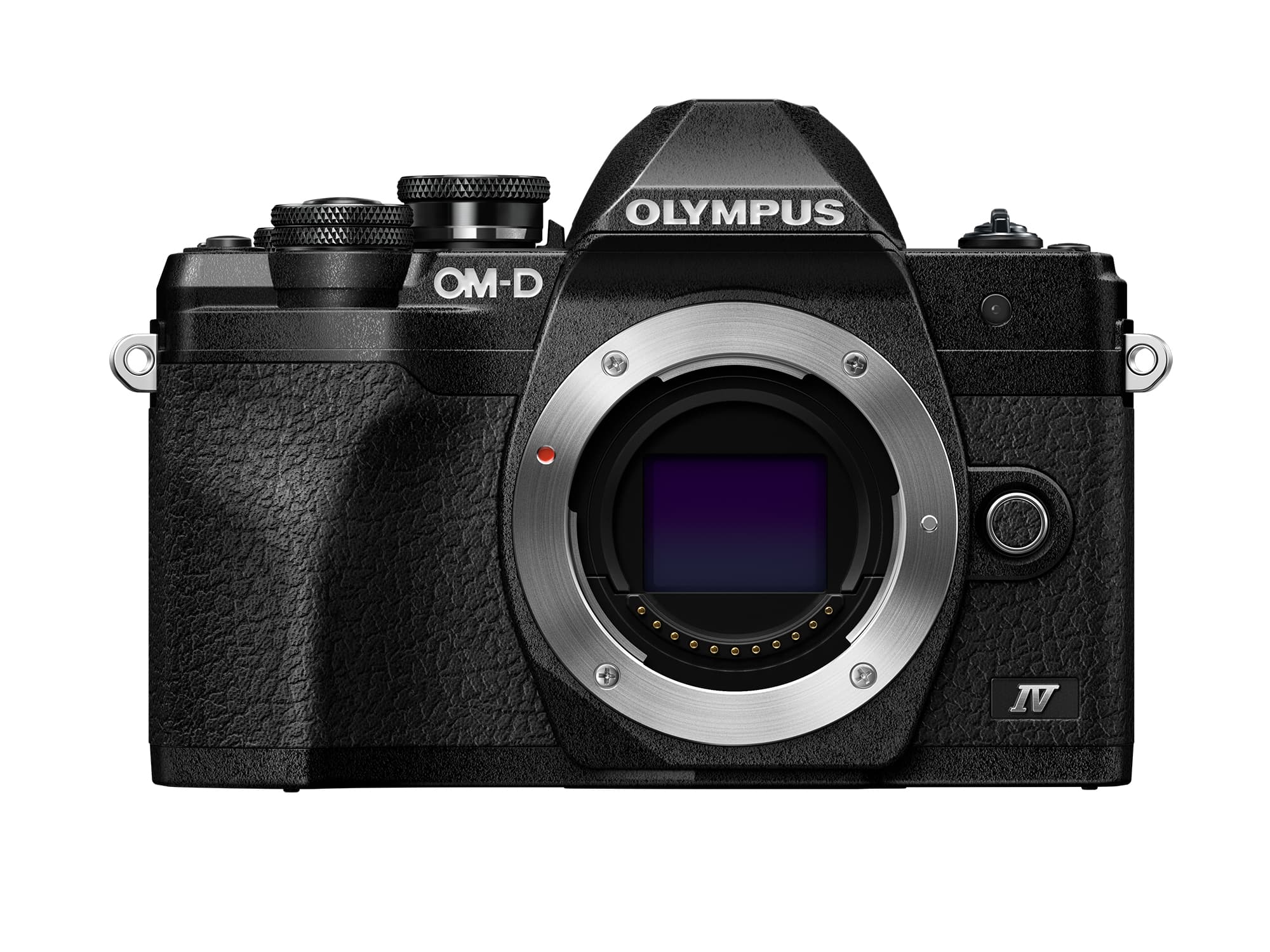
The design blends retro charm with practical comfort: an improved front grip offers better hold while keeping weight light at around 383g including battery. The body uses durable engineering plastics accented by metal parts on dials enhancing tactile feedback without bulkiness typical of pro-level gear; reviewers praise ease-of-use but caution some plastic feel reduces perceived robustness compared to premium rivals. Controls are logically placed though menus can be daunting initially; overall ergonomics support extended handheld use gracefully.
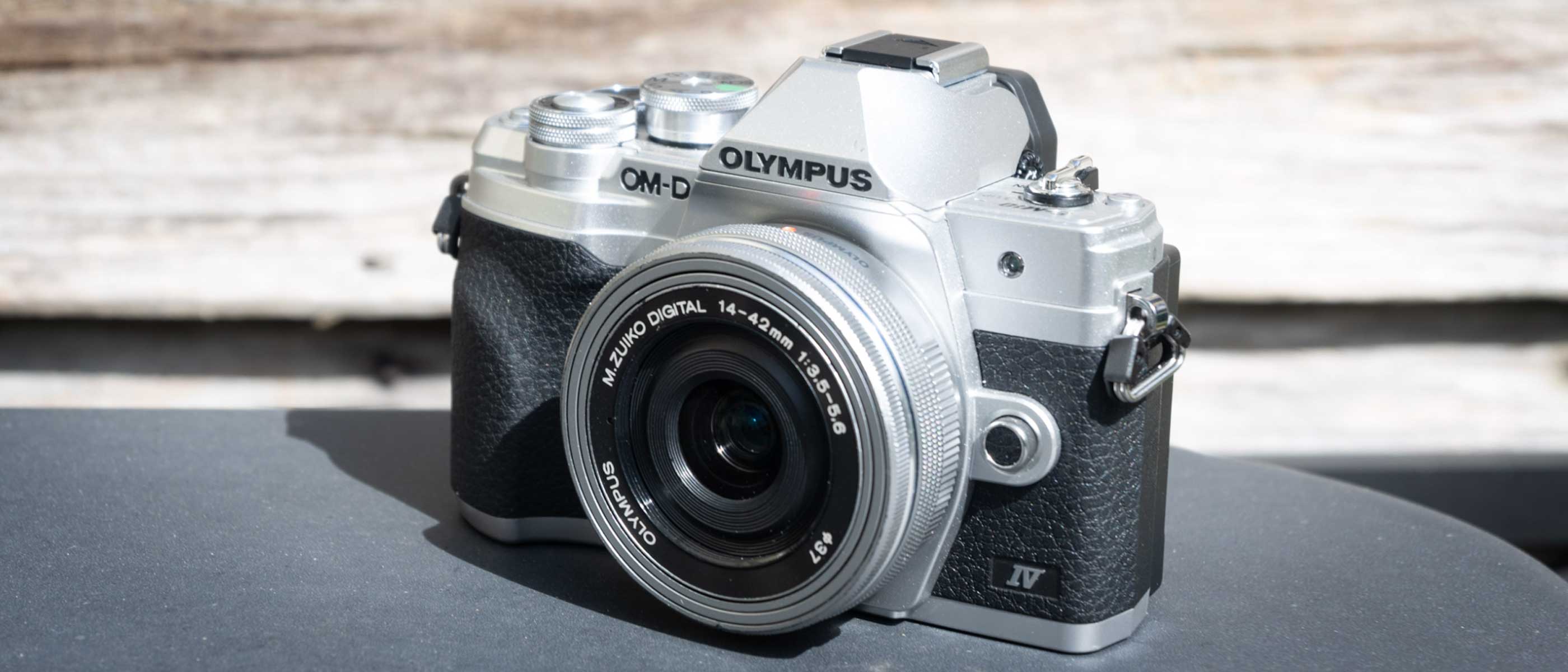
Image Stabilization
Get ready to shake less and shoot sharper with the 5-axis in-body image stabilization that really sets this camera apart. Rated for about 4.5 EV stops, it empowers handheld shooting even at slow shutter speeds, a boon for low-light scenarios and smooth video capture alike. Reviewers consistently highlight its effectiveness, calling it a standout feature that elevates usability across photography styles. Whether freezing action or crafting steady vlogs, this stabilization tech is a solid performer supporting both novice and enthusiast workflows.
Sensor & Image Quality
The heart of the camera beats with a 20MP Live MOS sensor, paired with the reliable TruePic VIII processor delivering sharp images and pleasing color rendition. Users appreciate its dynamic range performance especially in daylight or moderately challenging lighting conditions, making it great for travel and street photography. While not matching full-frame detail levels, it holds strong against peers in Micro Four Thirds territory offering crisp JPEGs straight out of camera—a sweet spot balancing resolution with manageable file sizes.
Autofocus Performance
Equipped with an updated 121-point contrast-detect AF system plus face/eye detection improvements from higher-end models, autofocus here is mostly swift and accurate—especially in single-shot mode. However, continuous tracking can falter under complex backgrounds or fast movement due to lack of phase detection pixels on-sensor; users note some hunting during video focus transitions too. It’s competent enough for casual shooting but may leave action photographers wanting more reliability when chasing moving subjects.
Conclusion
Bold moves in image stabilization set this camera apart, delivering steady shots that ease handheld frustrations. Its 20MP sensor and TruePic VIII processor craft crisp images with vibrant color, though the contrast-detect autofocus, while improved, occasionally struggles with fast action. The lightweight body offers a snug grip and an intuitive layout that invites exploration without overwhelming newcomers. Video features shine brightest in 4K at 30fps but fall short for serious creators lacking external mic support. Battery life holds firm for day-long shoots, bolstered by convenient USB charging—though charging pauses during use. This blend of strengths and quirks positions it as a nimble companion for travel-savvy beginners who value portability and solid stills over pro-grade video or lightning-fast tracking—a thoughtful package balancing capability with accessible charm wrapped in classic design flair.

Feature Scores
This reflects reviews and ratings from established critics, journalists, and users who have evaluated the item. Their opinions provide a comprehensive assessment.
Performance
Sensor Image Quality
4/5
Autofocus Speed
3/5
Low-Light Performance
4/5
Video Capabilities
4/5
Image Stabilization
5/5
Battery Life
4/5
Value
Price Competitiveness
4/5
Resale Value
3/5
Warranty Support
3/5
Design
Ergonomics
4/5
Size And Portability
5/5
Control Layout
4/5
Viewfinder Quality
4/5
Safety
Water Dust Resistance
1/5
Sustainability
Repairability
3/5
Battery Lifecycle
3/5
Experience Style
User Interface Simplicity
4/5
Customization And Controls
3/5
Connectivity Features
4/5

Specifications
This section outlines the product's key facts, covering essential features, details, dimensions, materials, and any unique characteristics that define its functionality and usability.
Performance
Value
Design
Safety
Sustainability
Experience Style

Frequently Asked Questions
8 Questions

Also Consider
3 Options
Find Yours
What will be your primary use for the mirrorless camera?
Answer to find your best matches.