
Sony Alpha 7 V
Versatile hybrid camera with sharp 33MP sensor, AI autofocus, and strong stabilization, ideal for creators.
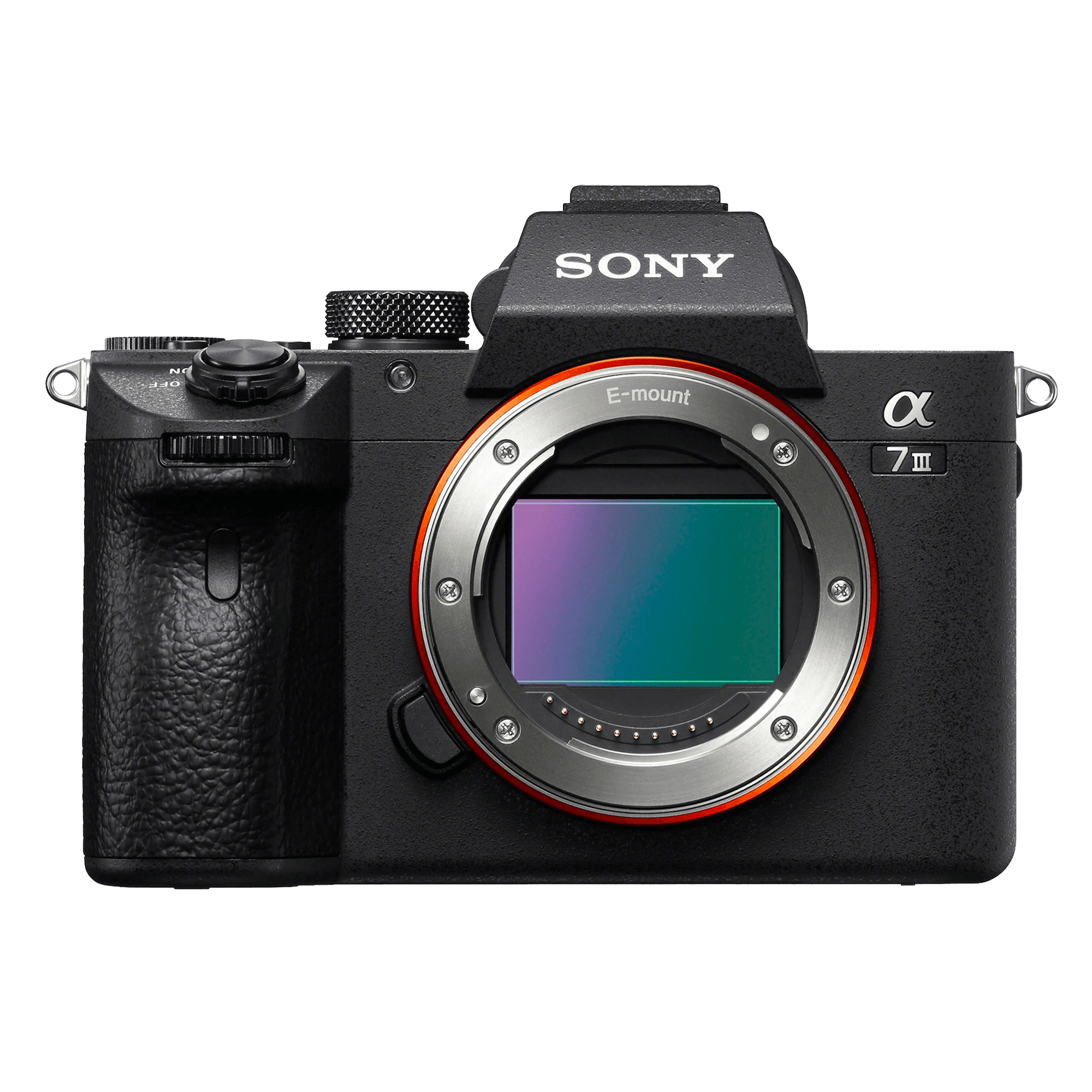
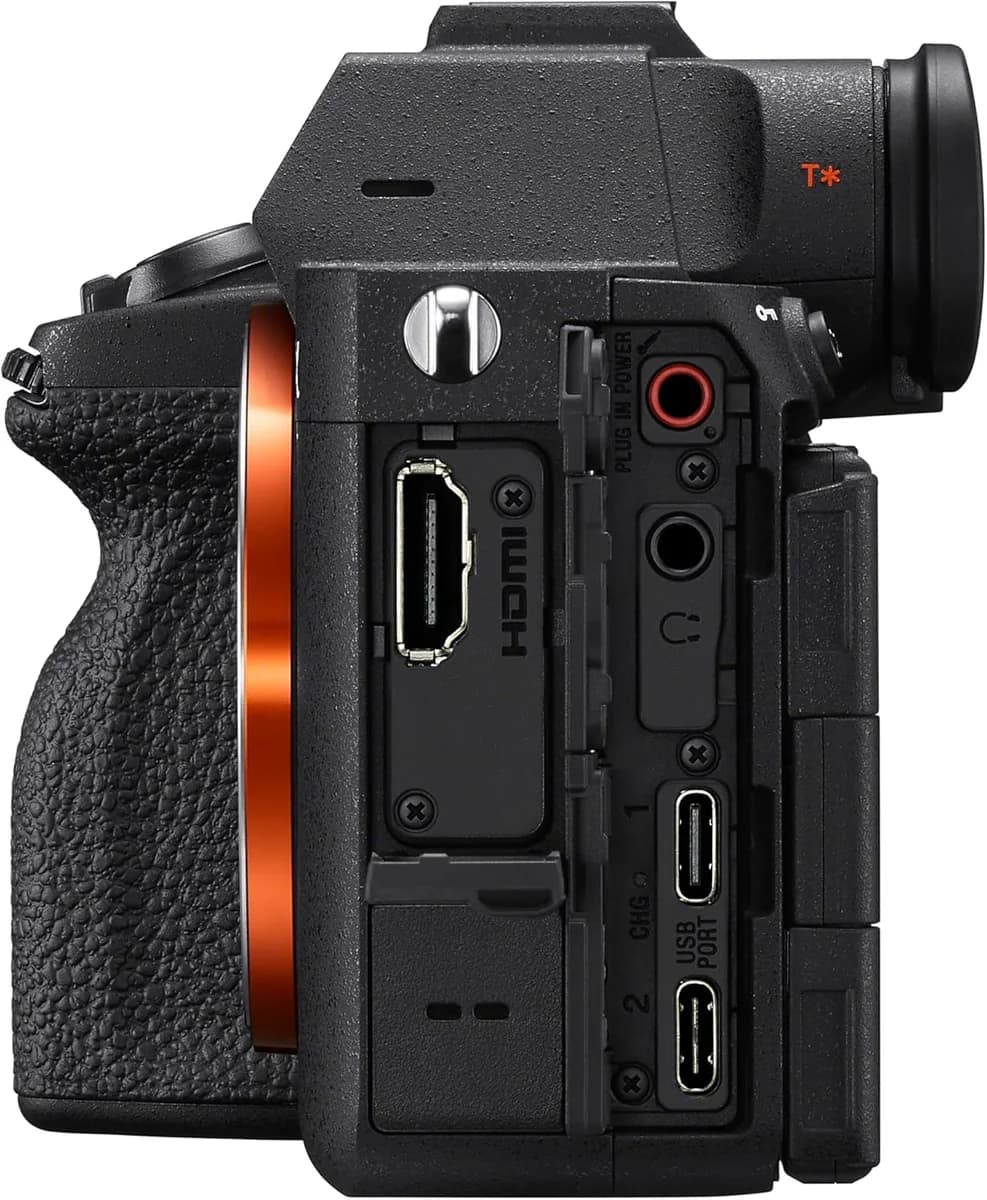
The Sony Alpha 7 V is a versatile hybrid powerhouse designed for creators juggling sharp stills and slick video without breaking the bank. Sporting a 33MP partially stacked sensor and AI-powered Real-time AF, it nails fast, accurate tracking that delights both pros and enthusiasts alike. Its standout features include ≈7.5 stops of IBIS stabilization and blackout-free continuous shooting at 30 fps, perfect for capturing decisive moments with ease. Experts praise its balanced video chops—4K60p oversampled from ~7K resolution—though some note missing internal RAW capture. With thoughtful connectivity like dual USB-C ports, this camera blends performance with practicality, earning respect as a smart mid-tier choice for hybrid shooters craving reliability over flashiness.



Find Yours
What will be your primary use for the mirrorless camera?
Answer to find your best matches.

The Field
Browse top contenders, or compare all options ranked by score and key attributes.
5 Options
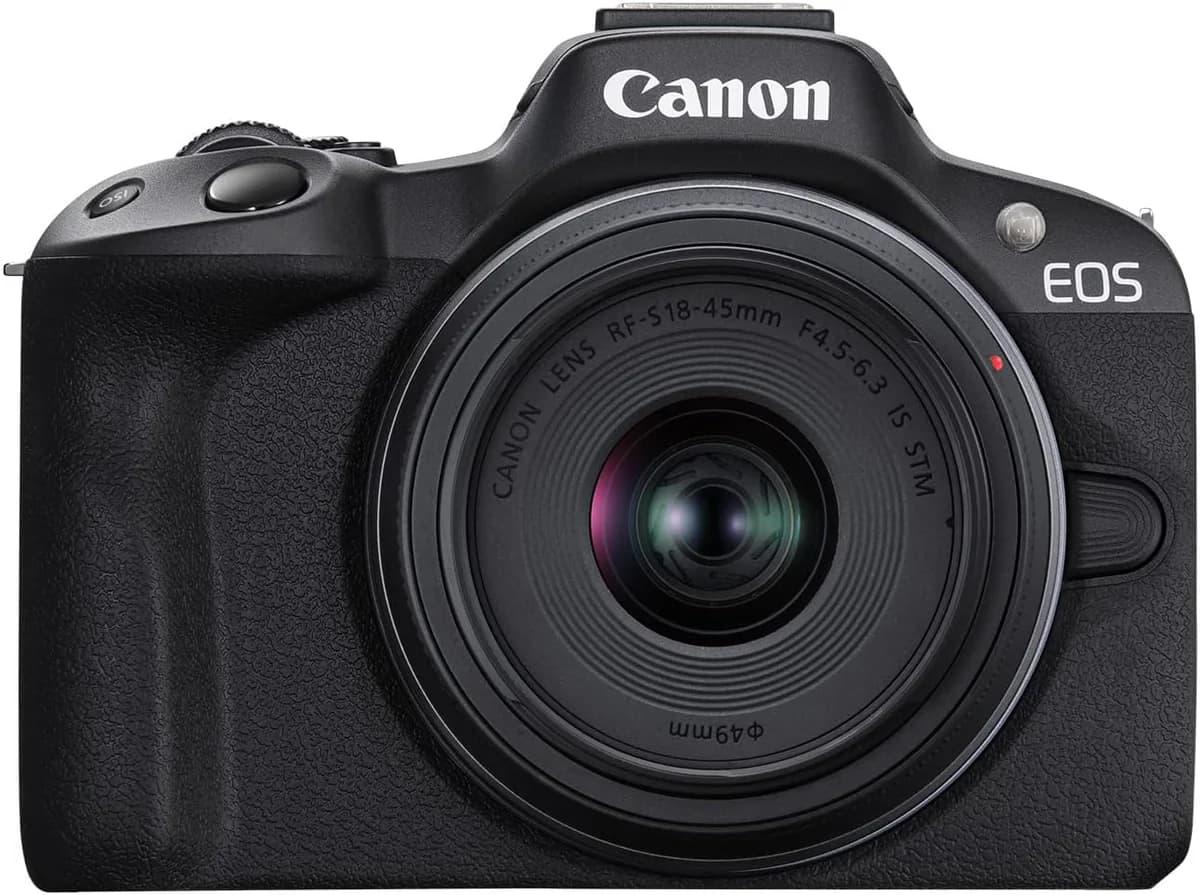


The Scoreboard
Does this improve your life? Considers, health, habits, and environmental impact.
Benefits
Reduces miss-shots and reshoots, lowering stress and protecting emotional well-being.
Cuts camera shake, reduces physical strain from tripods, enables calmer, more flexible shooting sessions.
Long battery life and improved thermal management versus previous model reduce interruptions and fatigue.
Better low‑ISO and improved dynamic range mean less flash, more natural, comfortable subjects.
Pre‑capture and blackout‑free bursts reduce missed moments, easing performance anxiety and pressure.
Combined strong stills/video features reduce juggling gear, lowering cognitive load and logistic stress.
Trade-Offs
Rare‑earth metals and complex electronics create extraction and recycling burdens compared with simpler, recyclable designs.
Li‑ion batteries require special recycling; unlike replaceable chemistries, improper disposal harms ecosystems and human health.
Dependence on CFexpress Type A and single slot encourages extra cards, unlike universal dual-slot designs.
Larger body and kit weight can increase shoulder strain compared with lighter, more portable designs.
No internal RAW video pushes some users toward external recorders, adding weight and energy use.
Lower-resolution EVF may cause eye fatigue, especially compared with higher-resolution rival viewfinders.
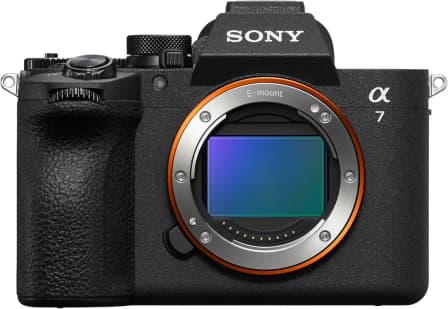
 Alternatives


Join the Circle
Where real meets deal
Know what's worth buying-and when.
Tips, special offers, and rewards for buying and sharing.

Publications
7 LEADING PUBLICATION REVIEWS

Chris Niccolls from PetaPixel highlights the Sony Alpha 7 V as a highly impressive and versatile mid-range mirrorless camera that stands out for its excellent new partially stacked 33-megapixel sensor and the innovative Bionz XR2 processor with integrated AI, which enhances autofocus, white balance, and exposure. While the camera’s physical design and controls remain largely unchanged from its predecessor, improvements in battery life, IBIS stabilization, and a fully articulating rear LCD add meaningful value. Niccolls praises the reliable and advanced autofocus system, especially its subject tracking capabilities, and notes the camera’s strong video performance with fast readout speeds and effective autofocus, despite some limitations like the absence of internal RAW video recording and higher-than-4K resolution options. Although video stabilization could be better, the a7 V excels in handling long recording sessions without overheating. Overall, Niccolls regards the a7 V as a serious contender against Canon’s EOS R6 III and other rivals, offering a well-rounded hybrid camera experience that rewards patient buyers.
By Chris Niccolls
DPReview’s Richard Butler and Mitchell Clark highlight the Sony Alpha 7 V as a highly capable enthusiast-level full-frame camera that builds on its predecessor with notable speed and autofocus improvements. They emphasize the new 33MP “partially stacked” sensor enabling faster burst rates and enhanced readout speeds, alongside a significantly upgraded autofocus system with advanced subject recognition and configurable modes. Video features see meaningful gains in frame rates and stabilization, including innovative AI-driven auto-framing and framing stabilizer modes, though the camera lacks some advanced video options like open-gate recording and internal Raw capture found in competitors. The review praises the camera’s excellent battery life and solid thermal management but notes ergonomic quirks with the grip and a complex menu system. While the a7 V is a strong all-rounder that addresses many of the a7 IV’s shortcomings, the reviewers suggest it meets rather than exceeds current market standards, making it especially appealing to existing Sony users rather than dramatically outshining rival models.
By Richard Butler; Mitchell Clark
Peter Fenech from TechRadar praises the Sony Alpha 7 V as a significant and exciting upgrade for enthusiast photographers, calling it his favorite Sony camera to date. He highlights its exceptional image quality, improved low-light performance thanks to the new partially-stacked sensor and Bionz XR 2 processor, and superlative autofocus system that is both fast and precise. The review emphasizes the camera’s excellent in-body image stabilization, versatile dual-hinged LCD, and thoughtful ergonomic refinements that enhance handling and usability. While acknowledging the A7 V’s strong continuity with its predecessor, the A7 IV, Fenech appreciates the meaningful performance and feature improvements that make it a compelling choice for serious enthusiasts and pros seeking a reliable backup. Some minor quirks, like sensitive shutter release and aggressive JPEG noise reduction, are noted but do not detract from the overall enthusiasm. The review positions the A7 V as a well-rounded, high-value full-frame mirrorless camera ideal for stills and video shooters alike.
By Peter Fenech
Mark Goldstein from Photography Blog highlights the Sony Alpha 7 V as a significant evolutionary upgrade over its predecessor, the A7 IV, combining a new 33MP stacked sensor with the powerful BIONZ XR2 processor to deliver improved dynamic range, faster readout speeds, and enhanced low-light autofocus performance. The review expresses clear enthusiasm for the camera’s advanced AI-driven subject recognition, versatile 4-axis LCD screen, and robust in-body stabilization offering up to 7.5 stops of correction. Video capabilities are notably enhanced with 7K oversampled 4K recording and improved slow-motion options, alongside practical features like dual USB-C ports and expanded wireless connectivity. While the design remains largely unchanged, the larger handgrip and refined controls improve handling. The review balances praise with measured observations, such as the absence of Open Gate or RAW video formats and a slightly heavier body, but overall conveys a confident, positive tone that positions the A7 V as a compelling choice for hybrid shooters seeking cutting-edge performance and versatility.
By Mark Goldstein
Gareth Bevan from Digital Camera World highlights the Sony Alpha 7 V as a significant evolutionary step in the A7 series, emphasizing its smarter, faster performance driven by a new partially stacked sensor and integrated AI-powered autofocus. The review conveys a generally positive and measured enthusiasm, praising improvements in burst speed, subject recognition, handling, and image quality that refine an already dependable full-frame workhorse. Bevan notes the camera’s comfortable ergonomics, enhanced LCD screen, and robust battery life, making it well-suited for serious enthusiasts and professionals. However, he also points out some shortcomings, particularly in video capabilities—such as the lack of open-gate recording, no internal RAW video, and reliance on expensive CFexpress Type A cards—that leave it trailing some competitors. Despite these compromises, the A7 V is regarded as a worthy upgrade over its predecessor, balancing advanced features with familiar usability, and standing out as Sony’s best camera in recent times for hybrid shooters and pros seeking a versatile all-rounder.
By Gareth Bevan
Andy Westlake from Amateur Photographer highlights the Sony Alpha 7 V as a significant and welcome upgrade over its predecessor, the A7 IV, particularly praising its new partially stacked 33MP sensor and AI-enhanced autofocus system. He emphasizes the camera’s snappy responsiveness, improved subject recognition across diverse categories, and versatile 4-axis articulating screen as standout features that position it competitively against rivals like the Canon EOS R6 Mark III and Nikon Z6III. While noting the familiar body design and some minor quirks—such as the shutter mode switching in burst shooting and the lack of 3:2 open gate video recording—Westlake’s tone is clearly positive and impressed. He appreciates the camera’s strong low-ISO image quality, extended battery life, and thoughtful connectivity improvements. Although he acknowledges that some features require further testing, his initial experience suggests the A7 V is a highly capable enthusiast all-rounder that reclaims Sony’s place at the forefront of full-frame mirrorless cameras.
By Andy Westlake
Scott Gilbertson from WIRED highlights the Sony Alpha 7 V as an exceptional all-around mirrorless camera that balances still photography and video capabilities impressively. Praising its new 33MP backside-illuminated sensor and advanced Bionz XR2 processor, he emphasizes the camera’s fast burst rates, improved autofocus with subject recognition, and innovative AI Smart Reframe feature for video. Gilbertson appreciates the bright, versatile rear screen, expanded ISO range up to 32,000 with manageable noise, and notably improved color science, especially for skin tones. He also values the pre-burst capture mode, which benefits wildlife and sports photography. However, he criticizes Sony’s notoriously confusing menu system, calling for a UX overhaul. While the A7V is a clear upgrade over older models, Gilbertson suggests that A7IV owners may find fewer compelling reasons to switch unless they need the enhanced burst and pre-capture features. Overall, he rates the A7V highly for its hybrid versatility and thoughtful refinements.
By Scott Gilbertson

YouTube
13 LEADING EXPERT & INFLUENCER REVIEWS
 Gerald Undone
Gerald Undone praises the Sony Alpha 7 V as a substantial upgrade over the a7 IV, highlighting its faster sensor readout, improved 4K60 full-frame video, excellent battery life, and advanced stabilization. He notes minor quirks like faint zebras and HDMI limitations but ultimately recommends it as a versatile, reliable hybrid camera with flagship-level features at a mid-range price.
Gordon LaingGordon Laing praises the Sony Alpha 7 V for its significant speed improvements, blackout-free viewfinder, and refined autofocus with AI subject recognition, making it a highly capable hybrid camera. While image quality matches its predecessor and rivals, he notes some limitations like slow focus bracketing and third-party lens speed restrictions, recommending it mainly for users valuing electronic shutter performance.
Julia TrottiJulia Trotti praises the Sony Alpha 7 V for its excellent 33MP image quality, improved AI autofocus, and robust 4K 60p full-frame video capabilities. She highlights useful upgrades like blackout-free electronic shutter shooting and enhanced buffer performance but notes video features lag behind some competitors and accessory compatibility may require adjustment.
Jared PolinJared Poland praises the Sony Alpha 7 V for its impressive autofocus, fast 33MP partially stacked sensor, and versatile 30 fps electronic shutter—highlighting real-world success on safari. He notes improvements over the A7 IV but critiques the low-res EVF and limited dual card slot design, offering a balanced yet enthusiastic endorsement.
Dustin AbbottDustin Abbott praises the Sony Alpha 7 V as a refined, versatile mid-level full-frame camera excelling in autofocus, dynamic range, and improved IBIS. He highlights its 30 fps blackout-free electronic shutter and advanced AI subject detection but notes limitations in buffer depth and video flexibility compared to higher-end models.
Tony & Chelsea NorthrupChelsea Northrup praises the Sony Alpha 7 V for its impressive AI-powered autofocus, 30 fps blackout-free shooting, and enhanced 7.5-stop in-body image stabilization, making it a versatile hybrid for wildlife, sports, and portraits. While image quality and noise remain similar to the Mark IV, the improved tracking and video features justify upgrading for action shooters.
Curtis PadleyCurtis Padley praises the Sony Alpha 7 V as an outstanding full-frame hybrid camera with advanced features like blackout-free 30 fps shooting and pre-capture, offering superior speed and image quality. While acknowledging its higher price, he highlights its excellent low-light performance and IBIS, but also notes the Sony A6700’s strong value and comparable real-world results for most users.
Manny OrtizManny Ortiz praises the Sony Alpha 7 V’s new 33MP partially stacked sensor and blackout-free high-speed burst, highlighting its strong photocentric upgrade and reliable autofocus. He notes some drawbacks like limited RAW support and a small EVF but values its usability, mechanical shutter, and speed for hybrid creators seeking premium performance without flagship cost.
Christopher FrostChristopher Frost praises the Sony Alpha 7 V for its fast 33MP partially stacked sensor, improved BIONZ XR2 processor, and versatile hybrid capabilities. He highlights excellent autofocus with AI subject recognition, strong image stabilization, and thoughtful video features like 4K 60p full-frame and dual USB-C ports. Minor drawbacks include no internal raw video and some third-party lens compatibility concerns. Overall, he finds it a compelling mid-range full-frame camera that balances performance and price well.
Camera ConspiraciesCamera Conspiracies delivers a largely critical and frustrated take on the Sony Alpha 7 V, praising its improved IBIS and 4K 60p no-crop oversampling but condemning its heavy weight, lack of RAW video, and outdated color science. The reviewer sees it as a modest update overshadowed by stronger Canon and Nikon hybrids, expressing skepticism about Sony’s hybrid line future.
RJBTSRJBTS praises the Sony Alpha 7 V for resolving key issues from the A7 IV, notably eliminating overheating and improving rolling shutter. He highlights game-changing features like dual base ISOs for low-light, dynamic active stabilization, and pre-capture burst photos. While appreciating the versatile autofocus and improved screen, he notes the 120fps crop and noise at high ISOs as minor drawbacks. Overall, he views the A7 V as a powerful, reliable hybrid camera ideal as a B-cam or upgrade, emphasizing practical workflow benefits over specs.
Brian CatalanoBrian Catalano offers a measured yet engaged take on the Sony Alpha 7 V, praising its hybrid versatility, improved rolling shutter, and strong low-light and 4K 60p video performance. He notes some early firmware quirks, third-party lens compatibility issues, and missing color depth controls but remains optimistic about future updates and real-world use.
DUSTIN B. JOHNSONDustin B. Johnson praises the Sony Alpha 7 V for fixing key issues from the A7 IV, especially the 4K 60p crop and overheating problems. He highlights its versatile articulating screen, improved menu system, and efficient data handling. Despite mixed online opinions, he values its IBIS, lens ecosystem, and workflow-friendly features.

Social
10 INFLUENCER REVIEWS
 Jason Vong
Jason Vong highlights the Sony Alpha 7 V as a major upgrade with standout features like 30 fps raw bursts with no blackout, pre-capture mode, full-frame 4K60P video, and a versatile 4-axis multi-angle LCD screen. He praises improved autofocus, in-body stabilization, and practical usability for sports and wildlife photography, while noting minor tradeoffs like the 1.5x crop at 4K120fps. Overall, Jason enthusiastically recommends the Sony A7 V for photographers and videographers seeking cutting-edge performance and flexibility, emphasizing it as a worthwhile investment despite a few manageable limitations.
 DEITH | Videomaker & Drone Pilot
DEITH | Videomaker & Drone Pilot highlights the Sony Alpha 7 V’s improved in-body stabilization, faster processor, and fully articulating screen, praising the long-awaited 4K 60fps without crop as a standout feature. However, they note the core experience remains very similar to the Alpha 7 IV, with comparable sensor and autofocus performance. Overall, DEITH finds the Alpha 7 V an excellent camera, especially for those upgrading from older models like the A7 III or APS-C systems, but suggests current A7 IV users may not find the upgrade compelling enough. The recommendation is thoughtful and measured, emphasizing value depending on the user’s starting point.
Garion MangumD2R G-Mac | Content Creator highlights mixed feelings about the Sony Alpha 7 V, questioning the novelty of its sensor despite Sony’s claims. They note the impressive 33MP partially stacked sensor and new Bionz XR2 processor but criticize grainy 4K 60 footage due to disabled noise reduction and suspect the sensor is similar to the A7 IV’s. Overall, D2R G-Mac expresses hesitation about upgrading, pointing out that Sony’s compromises make it difficult to stay loyal. While acknowledging some advancements, the review stops short of a full recommendation, urging viewers to weigh the tradeoffs before deciding.
Richard NicholRichard Nichol highlights the Sony Alpha 7 V’s impressive low-light performance, handheld shooting capabilities, and high FPS for panning shots, praising it as a “most complete” and “unreal” camera. He shares firsthand results, emphasizing its blend of features from recent Sony models and strong real-world usability. Overall, Richard’s enthusiastic and confident review positions the Sony Alpha 7 V as a top-tier mirrorless camera worth considering, especially for photographers seeking versatility and excellent image quality in challenging conditions. His positive experience leads to a clear recommendation without notable reservations.
BeccaFarsaceBeccaFarsace highlights the Sony Alpha 7 V as a solid, reliable camera with strong features like a fast 33MP partially stacked sensor, blackout-free burst shooting, and effective image stabilization. However, she notes it lacks excitement and cutting-edge video specs, making it feel like a safe, unremarkable update rather than a standout. Overall, BeccaFarsace views the A7V as a dependable choice for most users but not a game-changer. She suggests it’s a good all-rounder without wow factor, recommending it primarily to those who want solid photo performance without needing top-tier video capabilities.
KellanKellan highlights the Sony Alpha 7 V as a major upgrade for creators, praising its versatile tilt-flip screen, faster 33MP sensor, improved autofocus with AI, cleaner low-light performance, and advanced stabilization. They note overheating issues are resolved, though missing open gate and raw recording are minor drawbacks. Overall, Kellan views the A7 V as Sony’s best all-day hybrid camera for creators, confidently recommending it for YouTube, weddings, and client work, emphasizing its real-world usability and significant quality-of-life improvements.
GiulioGroebertGiulioGroebert raves about the Sony Alpha 7 V’s impressive blend of speed, detail, and advanced features like AI-driven autofocus and dynamic stabilization. He highlights its 33MP sensor, 4K60 no-crop video, and 30 fps pre-capture burst as standout capabilities that excel in both fast action and landscape photography. Overall, Giulio finds the A7 V a versatile, reliable all-rounder that delivers professional-level performance at a competitive price, recommending it enthusiastically for nature, travel, and action shooters seeking a lightweight yet powerful mirrorless camera.
CREACIÓN DE CONTENIDO | DCHLa China highlights the Sony Alpha 7 V’s improved 5-axis IBIS system, praising its ability to reduce micro-vibrations and deliver steadier handheld video without relying on a gimbal. They emphasize its practical value for real-world filmmaking and note the upgrade’s tangible impact on shot quality. Overall, La China views the A7 V as a meaningful enhancement over the A7 IV but advises that switching depends on individual needs. Both models remain excellent choices, with the A7 V offering better stabilization for those who prioritize smoother handheld footage.
JustdushawnJustdushawn shares enthusiastic first impressions of the Sony Alpha 7 V, highlighting its noticeably larger screen and faster shutter speed compared to the A7 IV. They appreciate the innovative pre-capture feature with the electronic shutter, despite its silent operation, and express excitement about testing the camera further during the two-week trial. Overall, Justdushawn is clearly impressed and eager to explore the Sony A7 V’s capabilities, recommending viewers stay tuned for a more detailed review. Their positive tone and hands-on excitement suggest strong potential in this new entry-level model priced under $3,000.
Justin Joel Takodjou 🇨🇲🇨🇦Justin Joel Takodjou highlights the Sony A7V’s impressive low-light performance, sharing real-world footage shot entirely in AUTO mode that exceeded his expectations in handling ambient light, shadows, and exposure. His enthusiasm is evident as he invites viewers to judge the results and suggest further tests. Overall, Justin’s review conveys genuine satisfaction with the camera’s capabilities in challenging conditions, recommending it for content creators seeking reliable, user-friendly performance without manual adjustments. The tone is positive and encouraging, emphasizing practical use and real-world results.

Store Reviews
CUSTOMER REVIEWS FROM 1 STORE
Users on Amazon celebrate the Sony Alpha 7 V as a standout hybrid camera that delivers sharp, clean image quality and impressive video performance. Reviewers highlight its fast, reliable autofocus system, especially praising its consistency in challenging indoor and low-light conditions, which allows photographers to focus more on composition than technical concerns. Many appreciate the camera’s responsive menus and controls, noting a professional feel combined with a manageable weight. Several users emphasize the upgraded color science and AI-driven auto white balance, which produce beautiful, natural colors even in mixed lighting scenarios. Enthusiasts transitioning from other brands commend Sony’s autofocus reliability and the camera’s versatility for both stills and 4K video at high frame rates. While some mention the learning curve for Sony’s settings and the need for extra batteries during extended video shoots, the overall consensus on Amazon underscores the Alpha 7 V as a powerful, well-rounded tool that justifies its premium price with a blend of speed, accuracy, and image fidelity.
4.6 Stars / Few verified reviews

Forum Reviews
CUSTOMER REVIEWS FROM 1 FORUM
Reddit users generally view the Sony Alpha 7 V as a versatile and well-rounded camera, praised for its improved rolling shutter performance, faster sensor readout, and useful features like pre-capture and a blackout-free screen. Many appreciate its balance of resolution and speed, making it suitable for both photography and video. However, some critiques focus on design choices such as the single CF Express slot, the removal of a dedicated eye-AF button, and limited flash compatibility with pre-capture. Experienced users upgrading from older models note some adjustment challenges but acknowledge it as a solid step forward, while new shoppers find it a compelling option for its flexibility and performance.
Many comments

In-Depth Review

Highlights
- •Autofocus performanceFast, accurate subject tracking
- •Sensor and dynamic range33MP partially stacked sensor
- •In-body image stabilization≈7.5 stops IBIS effectiveness
- •Video capabilities4K60 oversampled; 10-bit capture
- •Blackout-free high-speed burst30 fps electronic continuous shooting
- •Pre-capture bufferOn-camera pre-buffer for moments

Considerations
- •Single high-speed card slotOnly one CFexpress Type A slot
- •Dedicated eye-AF removedNo dedicated eye-AF button
- •Pre-capture and flash limitsPre-capture not usable with flash
- •RAW support lagThird-party software support delayed
- •Complex UI and menu quirksSteeper menu learning curve
- •Rolling shutter edge casesBanding possible under extreme LEDs
Sony continues to build its reputation for versatile imaging with a camera that aims to satisfy hybrid shooters balancing stills and video. The Alpha 7 V arrives positioned as a mid-tier full-frame mirrorless option, offering a 33-megapixel partially stacked sensor that balances detail and manageable file sizes. It’s marketed with an AI-powered Real-time Recognition AF system, designed for swift, accurate subject tracking in dynamic environments—a must-have for event photographers and content creators alike. Video capabilities include 4K60p oversampled from approximately 7K resolution, appealing to those wanting crisp footage without flagship price tags. Stability gets a boost from roughly 7.5 stops of IBIS, while the inclusion of blackout-free electronic shutter shooting at up to 30 fps targets action-oriented users who can’t miss decisive moments. Thoughtful connectivity includes dual USB-C ports and mixed card slots, rounding out its practical appeal. If you’re chasing balanced performance across photography and videography, this model promises features worth your close attention ahead.
Sensor & image quality
At the heart lies a 33-megapixel partially stacked full-frame sensor, delivering sharp images with up to 16 stops of dynamic range that lets shadows pop without noise creeping in. The sensor’s faster readout speeds minimize rolling shutter effects while maintaining excellent color fidelity thanks to the BIONZ XR2 processor’s AI enhancements. Users appreciate how this balance hits a sweet spot—offering detailed shots without overwhelming file sizes or processing demands, making it an ideal tool for mixed workflows.
Video capabilities
The video chops here are solidly geared toward creators wanting flexibility: think 4K60p oversampled from ~7K resolution, plus smooth slow-motion options like 4K120p in crop mode and Full HD at 240fps for dramatic effect. With support for 10-bit 4:2:2 recording, post-production freedom is enhanced by clean color data capture. Experts note missing RAW internal recording but highlight effective thermal management during extended shoots as a practical win.
Continuous shooting / rolling shutter
For action seekers, blackout-free continuous shooting tops out at an impressive 30 fps via electronic shutter—a rarity that keeps you visually locked on your subject throughout bursts. Faster sensor readouts curb annoying rolling shutter distortion often seen when capturing fast motion under artificial lights; reviewers confirm smoother results compared to earlier models, making decisive moments less stressful behind the lens.
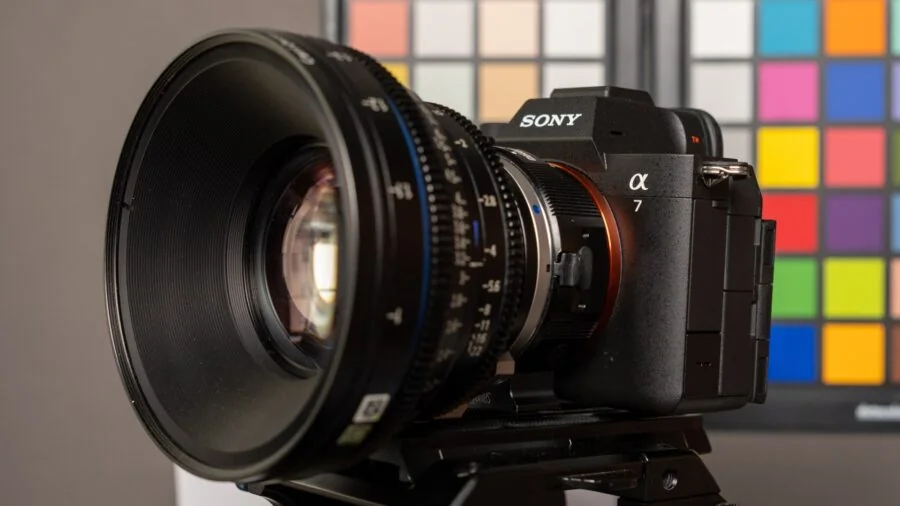
Autofocus performance
When it comes to autofocus, this camera is no slouch. Equipped with AI-powered Real-time Recognition AF, it excels at tracking both humans and animals seamlessly. The system's ability to switch between subjects automatically brings ease for hybrid shooters who juggle photos and videos alike. Reviewers praise its precision and speed, noting the AUTO AI-AF feature simplifies focus mode switching. While some miss a dedicated eye-AF button, the overall subject recognition accuracy remains impressive in real-world use.
In-body image stabilization (IBIS)
Shake happens—but this camera fights back with approximately 7.5 stops of IBIS correction, helping photographers nail steady handheld shots even under tricky lighting conditions or slower shutter speeds. This level surpasses many mid-tier competitors, earning kudos from users shooting events or travel where gimbals aren’t always practical—the built-in stability ensures crispness without lugging extra gear around.
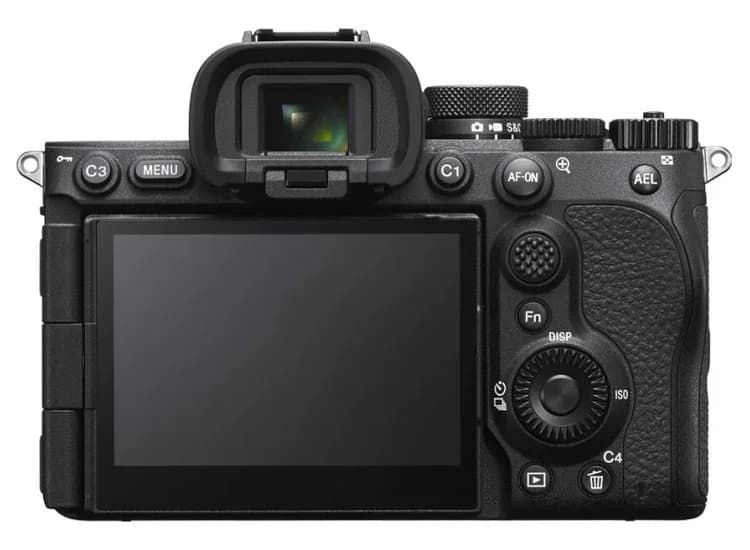
Conclusion
Peeling back the layers reveals a camera that excels where it counts: AI-driven autofocus offers nimble, reliable tracking that impresses both experts and users. The 33MP partially stacked sensor strikes a savvy balance between resolution and file size, delivering rich detail without overwhelming workflows. Video enthusiasts will appreciate its 4K60p oversampling and versatile frame rates, though some may note missing ultra-high-end features. Its roughly 7.5-stop IBIS system steadies handheld shots with aplomb, complementing the buttery-smooth feel of its blackout-free 30 fps continuous shooting mode—an asset for fast-paced environments. Connectivity is no afterthought either; dual USB-C ports alongside mixed card slots keep data flowing smoothly in demanding setups. While not flawless—pre-capture flash limitations and single CFexpress slot might give pause—it’s tailored for creators craving hybrid prowess without flagship complexity or cost, making it an astute choice worth close consideration among mid-tier full-frame contenders.

Feature Scores
This reflects reviews and ratings from established critics, journalists, and users who have evaluated the item. Their opinions provide a comprehensive assessment.
Performance
Sensor Image Quality
4/5
Autofocus Speed
4/5
Low-Light Performance
4/5
Video Capabilities
4/5
Image Stabilization
4/5
Battery Life
4/5
Value
Price Competitiveness
4/5
Resale Value
4/5
Warranty Support
4/5
Design
Ergonomics
4/5
Size And Portability
4/5
Control Layout
4/5
Viewfinder Quality
4/5
Health
Material Safety
4/5
Heat Emission During Use
4/5
Safety
Battery Fire Risk
4/5
Water Dust Resistance
4/5
Sustainability
Repairability
3/5
Battery Lifecycle
3/5
Recycled Materials Use
2/5
Experience Style
User Interface Simplicity
4/5
Customization And Controls
4/5
Connectivity Features
5/5

Specifications
This section outlines the product's key facts, covering essential features, details, dimensions, materials, and any unique characteristics that define its functionality and usability.
Performance
Value
Design
Safety
Experience Style

Frequently Asked Questions
5 Questions

Also Consider
3 Options
Find Yours
What will be your primary use for the mirrorless camera?
Answer to find your best matches.