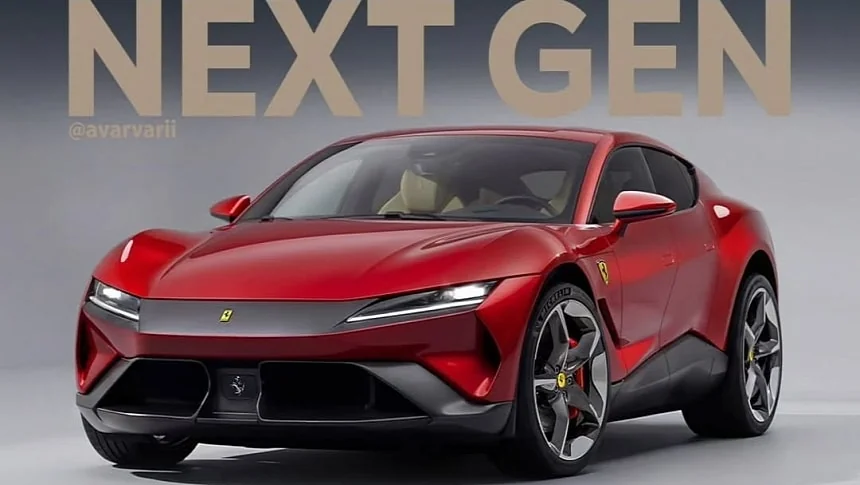
Ferrari Luce
Quad-motor power and tactile luxury impress, though minimalist design and weight divide opinions.
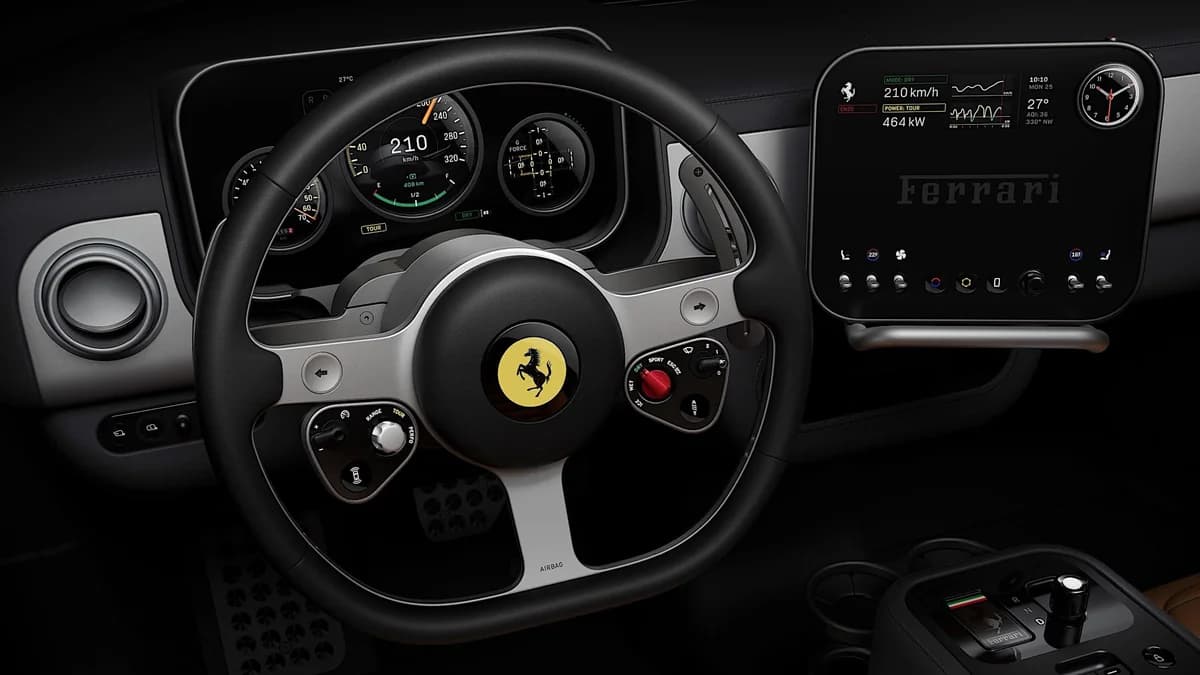
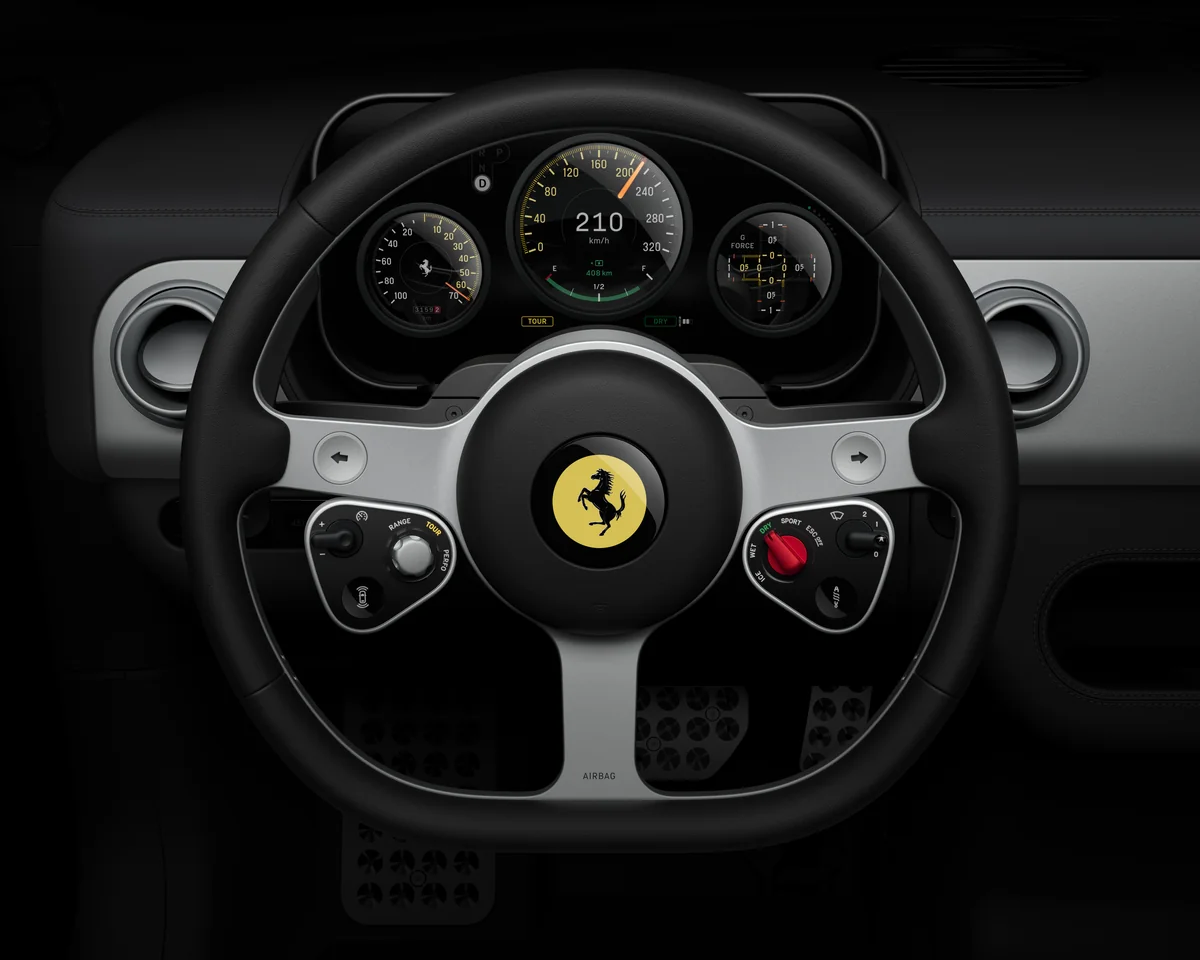
The Ferrari Luce is a daring debut as the brand’s first fully electric grand tourer, packing over 1,000 horsepower and sprinting to 62 mph in just 2.5 seconds—a thrilling solution for affluent drivers craving supercar speed with four-door practicality. Its cockpit, co-designed by Jony Ive’s LoveFrom, champions tactile physical controls over screens, winning praise for craftsmanship but sparking debate over its minimalist aesthetic and somewhat cramped rear seats. With a hefty 122-kWh battery, fast charging at 350 kW, and lavish use of CNC-milled recycled aluminum plus Gorilla Glass detailing, it blends innovation with tradition. The Luce impresses on tech and luxury but divides opinions on style and weight—a bold statement that demands more real-world verdicts before settling scores.
Find Yours
Which type of on-road motor vehicle best suits your needs?
Answer to find your best matches.

The Field
Browse top contenders, or compare all options ranked by score and key attributes.
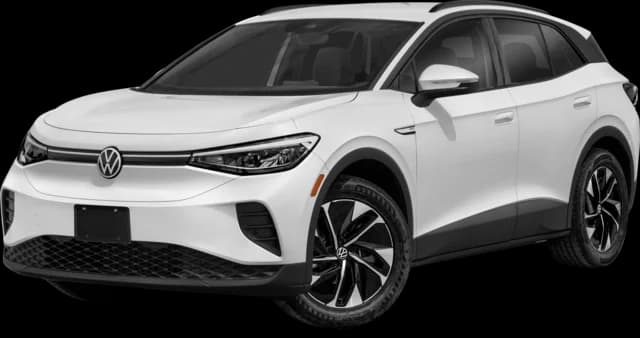
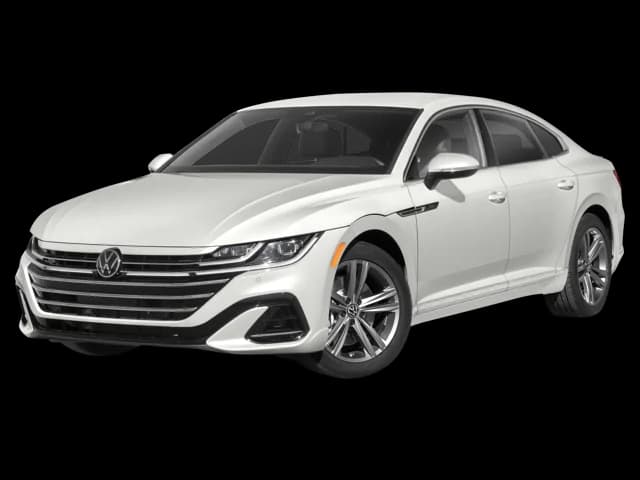
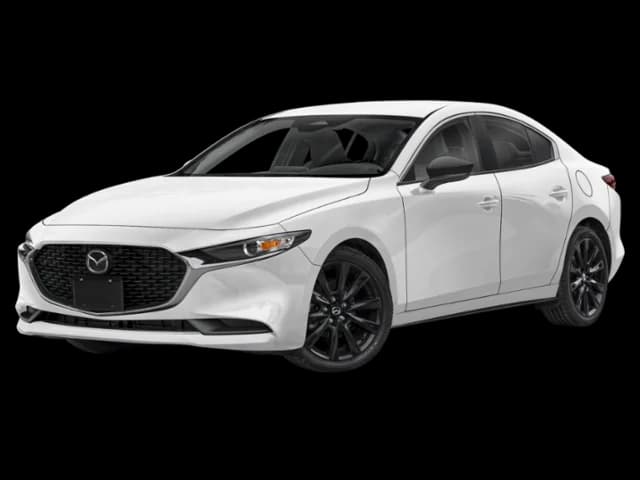
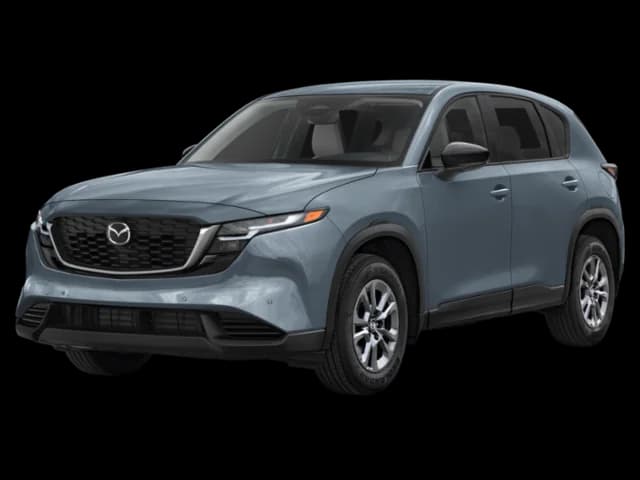
5 Options


The Scoreboard
Does this improve your life? Considers, health, habits, and environmental impact.
Benefits
Physical toggles and layered displays cut menu hunting, keeping attention on driving versus touchscreen-heavy rivals.
Bespoke system amplifies actual motor vibrations, preserving visceral connection instead of synthetic sounds.
122‑kWh pack and 880V architecture extend trip confidence on long drives versus many smaller-pack GTs.
CNC-milled recycled aluminum and glass yield tactile surfaces, unlike screen-first cabins, reducing tech fatigue.
LoveFrom co-design and glass key rituals create emotional attachment, supporting long-term ownership satisfaction.
Trade-Offs
122‑kWh pack requires extensive lithium and rare‑metal extraction, increasing upstream environmental impact versus efficient EVs.
Over 5,000‑lb mass raises energy use and braking forces, potentially increasing road wear and emissions.
Hours‑long CNC milling consumes lots of energy, increasing embodied carbon versus efficient manufacturing.
Forty specialized Gorilla Glass pieces complicate end‑of‑life recycling, raising material recovery challenges versus simpler interiors.
350 kW charging speeds accelerate battery wear and stress grid capacity, possibly shortening pack lifespan.
Minimal, toy‑like surfaces and simulated shift effects can reduce emotional satisfaction for traditionalists.
 Alternatives


Join the Circle
Where real meets deal
Know what's worth buying-and when.
Tips, special offers, and rewards for buying and sharing.

Publications
6 LEADING PUBLICATION REVIEWS

Elana Scherr from Car and Driver highlights the Ferrari Luce as a fascinating and deliberate departure for the iconic brand, blending cutting-edge electric performance with innovative design partnerships. While the Luce boasts impressive specs—over 1000 horsepower, sub-2.5-second 0-60 mph, and a 330-mile range—the review’s enthusiasm centers on its uniquely crafted interior, co-designed with Apple veterans Jony Ive and Marc Newson. Scherr praises the tactile, layered OLED displays and the thoughtful use of physical controls over touchscreens, emphasizing Ferrari’s commitment to driver engagement and clarity. The luxurious glass and metal finishes, combined with clever design details like the moving gauge cluster and magnetic console lids, create a visually striking and functional cockpit. However, the review tempers excitement with cautious curiosity, noting the car’s hefty weight and the challenge of matching the visceral thrill of a traditional V-12. Overall, Scherr appreciates Ferrari’s bold innovation while acknowledging the Luce’s role as a slow-burning evolution rather than an outright revolution.
By Elana Scherr
Will Rimell from Autocar highlights the Ferrari Luce’s interior as a striking blend of innovative design and tactile luxury, crafted under the guidance of former Apple design chief Jony Ive’s firm LoveFrom. Despite initial expectations of a screen-heavy cockpit, Rimell praises the abundance of purposeful physical controls that enhance usability without sacrificing elegance. The cabin’s premium materials—leather, anodized aluminum, and strengthened glass—convey a sense of craftsmanship reminiscent of luxury watches and classic Ferraris, avoiding typical clichés like Alcantara. Rimell is impressed by the intuitive layout and satisfying tactile feedback, calling it a “brilliant bit of design” that lives up to the considerable hype. While the review is based on a hands-on preview rather than full driving experience, the emotional tone is enthusiastic and confident, with anticipation for the full production model and exterior reveal. This nuanced perspective balances excitement with thoughtful observation, emphasizing both form and function in Ferrari’s first electric vehicle.
By Will Rimell
Elana Scherr from Car and Driver highlights the Ferrari Luce as a fascinating and deliberate departure for the iconic brand, blending cutting-edge electric performance with innovative design partnerships. While the Luce boasts impressive specs—over 1000 horsepower, sub-2.5-second 0-60 mph, and a 330-mile range—the review’s enthusiasm centers on its uniquely crafted interior, co-designed with Apple veterans Jony Ive and Marc Newson. Scherr praises the tactile, layered OLED displays and the thoughtful use of physical controls over touchscreens, emphasizing Ferrari’s commitment to driver engagement and clarity. The luxurious glass and metal finishes, combined with clever design details like the moving gauge cluster and magnetic console lids, create a visually striking and functional cockpit. However, the review tempers excitement with cautious curiosity, noting the car’s hefty weight and the challenge of matching the visceral thrill of a traditional V-12. Overall, Scherr appreciates Ferrari’s bold innovation while acknowledging the Luce’s role as a slow-burning evolution rather than an outright revolution.
By Elana Scherr
Will Rimell from Autocar highlights the Ferrari Luce’s interior as a striking blend of innovative design and tactile luxury, crafted under the guidance of former Apple design chief Jony Ive’s firm LoveFrom. Despite initial expectations of a screen-heavy cockpit, Rimell praises the abundance of purposeful physical controls that enhance usability without sacrificing elegance. The cabin’s premium materials—leather, anodized aluminum, and strengthened glass—convey a sense of craftsmanship reminiscent of luxury watches and classic Ferraris, avoiding typical clichés like Alcantara. Rimell is impressed by the intuitive layout and satisfying tactile feedback, calling it a “brilliant bit of design” that lives up to the considerable hype. While the review is based on a hands-on preview rather than full driving experience, the emotional tone is enthusiastic and confident, with anticipation for the full production model and exterior reveal. This nuanced perspective balances excitement with thoughtful observation, emphasizing both form and function in Ferrari’s first electric vehicle.
By Will Rimell
Elana Scherr from Car and Driver highlights the Ferrari Luce as a fascinating and deliberate departure for the iconic brand, blending cutting-edge electric performance with innovative design partnerships. While the Luce boasts impressive specs—over 1000 horsepower, sub-2.5-second 0-60 mph, and a 330-mile range—the review’s enthusiasm centers on its uniquely crafted interior, co-designed with Apple veterans Jony Ive and Marc Newson. Scherr praises the tactile, layered OLED displays and the thoughtful use of physical controls over touchscreens, emphasizing Ferrari’s commitment to driver engagement and clarity. The luxurious glass and metal finishes, combined with clever design details like the moving gauge cluster and magnetic console lids, create a visually striking and functional cockpit. However, the review tempers excitement with cautious curiosity, noting the car’s hefty weight and the challenge of matching the visceral thrill of a traditional V-12. Overall, Scherr appreciates Ferrari’s bold innovation while acknowledging the Luce’s role as a slow-burning evolution rather than an outright revolution.
By Elana Scherr
Will Rimell from Autocar highlights the Ferrari Luce’s interior as a striking blend of innovative design and tactile luxury, crafted under the guidance of former Apple design chief Jony Ive’s firm LoveFrom. Despite initial expectations of a screen-heavy cockpit, Rimell praises the abundance of purposeful physical controls that enhance usability without sacrificing elegance. The cabin’s premium materials—leather, anodized aluminum, and strengthened glass—convey a sense of craftsmanship reminiscent of luxury watches and classic Ferraris, avoiding typical clichés like Alcantara. Rimell is impressed by the intuitive layout and satisfying tactile feedback, calling it a “brilliant bit of design” that lives up to the considerable hype. While the review is based on a hands-on preview rather than full driving experience, the emotional tone is enthusiastic and confident, with anticipation for the full production model and exterior reveal. This nuanced perspective balances excitement with thoughtful observation, emphasizing both form and function in Ferrari’s first electric vehicle.
By Will Rimell

YouTube
4 LEADING EXPERT & INFLUENCER REVIEWS
 Petrol Ped
Petrol Ped praises the Ferrari Luce’s interior, designed by iPhone creator Sir Jony Ive, for its innovative blend of retro analog elements and modern tactile controls, setting it apart from typical touchscreen-heavy EV cabins. While excited about the design and materials, he remains cautiously optimistic pending a full hands-on experience and exterior reveal.
DPCcarsDPCcars praises the Ferrari Luce interior for its calm, purposeful design that balances innovation with Ferrari’s racing heritage. Highlighting the collaboration with LoveFrom, the reviewer emphasizes the use of precision-machined recycled aluminum and Corning Fusion glass to create a tactile, intuitive cabin focused on emotional connection rather than flashy tech.
Petrol PedPetrol Ped praises the Ferrari Luce’s interior, designed by iPhone creator Sir Jony Ive, for its innovative blend of retro analog elements and modern tactile controls, setting it apart from typical touchscreen-heavy EV cabins. While excited about the design and materials, he remains cautiously optimistic pending a full hands-on experience and exterior reveal.
DPCcarsDPCcars praises the Ferrari Luce interior for its calm, purposeful design that balances innovation with Ferrari’s racing heritage. Highlighting the collaboration with LoveFrom, the reviewer emphasizes the use of precision-machined recycled aluminum and Corning Fusion glass to create a tactile, intuitive cabin focused on emotional connection rather than flashy tech.

Social
4 INFLUENCER REVIEWS
 Marinos Katsouris
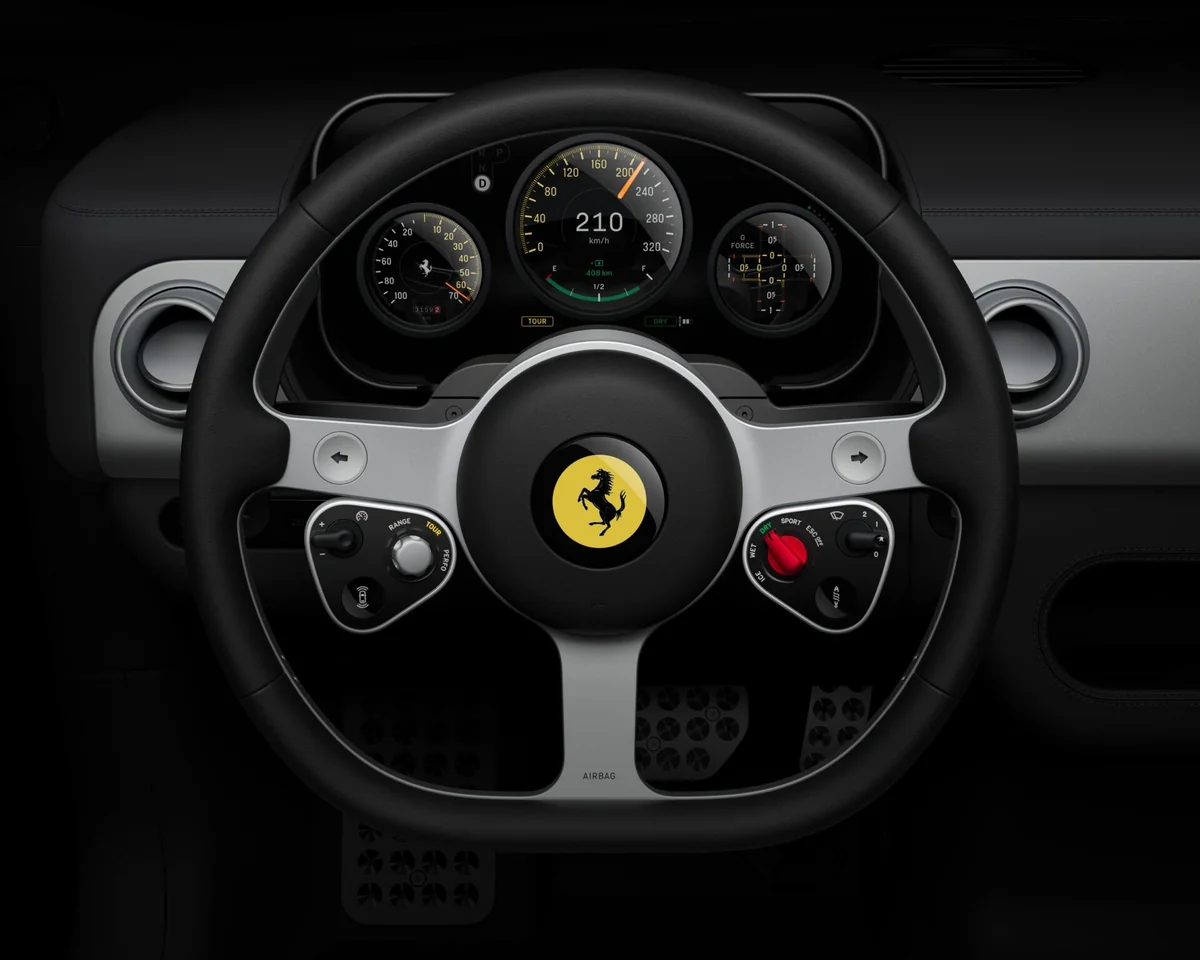
Marinos Katsouris highlights the Ferrari Luce’s interior as a mixed bag—praising the distinctive triple gauge cluster and tactile buttons that preserve some traditional Ferrari feel. However, he criticizes the minimalist, plastic-heavy design for lacking the luxurious, premium materials expected at this price point, feeling it doesn’t fully embody Ferrari’s signature flair. Overall, Marinos appreciates the thoughtful integration of some classic elements in an electric vehicle but remains hesitant about the direction Ferrari has taken with the Luce’s interior. He stops short of a full endorsement, suggesting it may appeal to some but falls short of the emotional impact and opulence Ferrari fans typically expect.
Cars & BidsCars & Bids expresses strong disappointment and skepticism about the Ferrari Luce’s spy shots, describing the design as “ugly” and “grotesque” compared to traditional Ferrari aesthetics. While acknowledging the interior’s simplicity and quality materials, they worry the exterior’s current look is off-putting and possibly misleading due to camouflage. Overall, Cars & Bids remains cautiously doubtful, hoping the final reveal will improve significantly but stops short of endorsing the car. Their tone is more critical than enthusiastic, reflecting concern rather than excitement about the Ferrari Luce’s design direction.
Marinos KatsourisMarinos Katsouris highlights the Ferrari Luce’s interior as a mixed bag—praising the distinctive triple gauge cluster and tactile buttons that preserve some traditional Ferrari feel. However, he criticizes the minimalist, plastic-heavy design for lacking the luxurious, premium materials expected at this price point, feeling it doesn’t fully embody Ferrari’s signature flair. Overall, Marinos appreciates the thoughtful integration of some classic elements in an electric vehicle but remains hesitant about the direction Ferrari has taken with the Luce’s interior. He stops short of a full endorsement, suggesting it may appeal to some but falls short of the emotional impact and opulence Ferrari fans typically expect.
Cars & BidsCars & Bids expresses strong disappointment and skepticism about the Ferrari Luce’s spy shots, describing the design as “ugly” and “grotesque” compared to traditional Ferrari aesthetics. While acknowledging the interior’s simplicity and quality materials, they worry the exterior’s current look is off-putting and possibly misleading due to camouflage. Overall, Cars & Bids remains cautiously doubtful, hoping the final reveal will improve significantly but stops short of endorsing the car. Their tone is more critical than enthusiastic, reflecting concern rather than excitement about the Ferrari Luce’s design direction.

Forum Reviews
CUSTOMER REVIEWS FROM 1 FORUM
Reddit discussions about the Ferrari Luce reveal a mixed but generally cautious sentiment. Users appreciate the innovative blend of retro and modern design, particularly praising the tactile physical controls and the thoughtful interior crafted by Jony Ive’s firm, which contrasts with typical touchscreen-heavy EVs. However, some criticize the interior’s aesthetics as cheap or toy-like, expressing doubts about its sportiness and Ferrari identity. Performance-wise, there is curiosity about the gearbox and paddle functions, with skepticism about the presence of actual shifting versus simulated effects. Overall, while the Luce is seen as a bold step for Ferrari’s EV future, many remain uncertain about its value and driving experience, especially compared to traditional sports cars.
Many comments

In-Depth Review

Highlights
- •Quad-motor power and accelerationMarketed as ≥1,000 hp; 0–62 mph in 2.5s.
- •Tactile, driver-focused cockpitDesigned to restore physical controls over screens.
- •High-precision aluminum and glass detailingObserved CNC-milled recycled aluminum and reinforced glass.
- •Layered movable displays and analog depthPromoted as overlapping dual-OLED with physical needles.
- •Large battery and fast-charging architectureAdvertised to have 122 kWh pack and 350 kW charging.
- •Bespoke audio amplifying motor vibrationsDesigned to transmit real motor vibrations into cabin audio.

Considerations
- •Minimalist aesthetic polarizes opinionsSome reviewers find cabin cold or toy-like.
- •High vehicle massVehicle weighs over 5,000 lb, affecting dynamics.
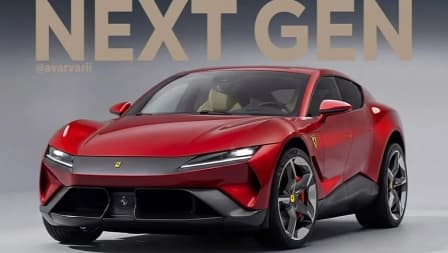
- •Unseen exterior and negative spy impressionsExterior not revealed; some spy shots criticized.
- •Certain controls and animations feel contrivedMovable screens and simulated shifts noted as artificial.
- •Rear seating packaging is tightRear seats fit two adults but offer limited space.
- •High embodied carbon and repair complexityLarge battery and bespoke glass/CNC parts complicate lifecycle.
Real-world verdicts on Ferrari’s first fully electric grand tourer remain scarce, but early expert impressions hint at a machine that boldly redefines what an EV can be. Targeting discerning drivers who crave both blistering speed and tactile luxury, this four-door powerhouse boasts a quad-motor AWD setup delivering over 1,000 horsepower and sprints to 62 mph in just 2.5 seconds—numbers that flirt with hypercar territory yet promise Ferrari’s signature precision. Its hefty 122-kWh battery pack paired with 350 kW fast charging aims to ease range anxiety without sacrificing pace. Inside, expect meticulous craftsmanship where CNC-milled recycled aluminum meets laser-drilled Gorilla Glass accents, all wrapped around thoughtfully engineered physical controls designed to reduce touchscreen fatigue. While its weight nudges the scale past 5,000 pounds and rear seating space is snug for adults, the layered OLED displays add analog depth rarely seen in EVs today. For those chasing more than raw numbers—a genuine sensory experience awaits; let’s unpack how it all comes together.
Battery Capacity, Range, and Charging Capability
Juiced up by a hefty 122-kWh battery, the Luce targets an estimated WLTP range of around 330 miles, which should ease typical grand touring anxiety but might shrink under spirited driving. Its robust 880V architecture supports 350 kW fast charging, promising quick pit stops for longer adventures. Though impressive on paper, discerning drivers may wonder if such specs translate smoothly into everyday usability or merely feed headline-grabbing numbers—a classic case where brand promise meets real-world anticipation.
Powertrain Output and Acceleration
Strap in: the Luce roars silently with a quad-motor AWD system packing at least 1,000 horsepower, sprinting from 0 to 62 mph in just 2.5 seconds. While these figures flirt with hypercar territory—rivaling beasts like Lucid Air Sapphire—the real intrigue lies in how Ferrari's torque vectoring promises precision handling that pure stats can't capture. However, some skepticism lingers about whether this EV can truly replicate the visceral thrill of its V-12 ancestors, making it a bold yet cautious leap into electric performance.
Controls and Ergonomic Tactile Interfaces
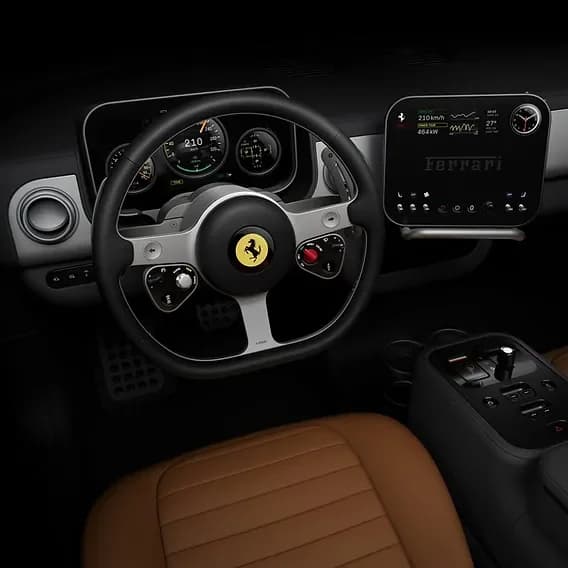
Forget screen fatigue—the Luce doubles down on physicality with analog-inspired controls masterminded by Jony Ive’s LoveFrom studio: mechanical multigraph clocks dance alongside a movable dual-OLED binnacle layered with physical needles for depth perception magic. The central ball-and-socket control adds playful tactility rarely seen today, reducing cognitive load during high-speed thrills. Despite some critiques calling certain toggles slightly artificial-feeling, most agree this approach delivers engaging driver feedback missing from touchscreen-dominated cabins—proof that buttons are back—and they mean business.
Build Quality and Materials
Ferrari flexes serious craftsmanship muscles here: every aluminum element is CNC-machined from recycled billets over hours per piece; then there's the striking use of 40 Corning Gorilla Glass panels laser-drilled for uniform lighting effects—luxury watch vibes meet automotive art. This tactile feast elevates cabin ambiance far beyond fleeting trends while sparking debate over whether minimalism risks feeling cold or toy-like to purists craving traditional opulence. Still, it's hard not to admire this meticulous blend of sustainability and exclusivity baked right into each component.
Conclusion
The Ferrari Luce stakes its claim with quad-motor power that rockets it to 62 mph in a blink, yet the heft of its 5,000-plus-pound frame reminds you this is no featherweight contender. Its 122-kWh battery and swift 350 kW charging promise grand touring without constant pit stops, though spirited driving may temper range expectations. Inside, expect an arresting blend of CNC-milled aluminum, laser-drilled Gorilla Glass, and a cockpit where every toggle clicks with purpose—banishing touchscreen fatigue through tactile grace. Still, rear passengers might feel the squeeze as packaging favors driver-centric drama over roomy comfort. The layered OLED displays deliver analog charm fused with digital depth—a rare treat in EV land but not without some quirks. This car isn’t for those chasing raw track dominance or plush opulence; instead, it’s crafted for connoisseurs craving an electric GT experience rich in innovation and sensory engagement—a bold invitation to rethink what performance luxury can be today.

Feature Scores
This reflects reviews and ratings from established critics, journalists, and users who have evaluated the item. Their opinions provide a comprehensive assessment.
Performance
Fuel Efficiency
3/5
Reliability
3/5
Durability
3/5
Handling
5/5
Value
Purchase Price
2/5
Maintenance Cost
2/5
Resale Value
3/5
Feature Value
4/5
Design
Exterior Styling
3/5
Interior Comfort
4/5
Ergonomics
5/5
Infotainment Design
4/5
Health
Cabin Air Quality
3/5
Noise Levels
4/5
Ergonomic Support
4/5
Thermal Comfort
4/5
Safety
Crashworthiness
3/5
Active Safety Systems
3/5
Lighting Visibility
3/5
Brake Performance
4/5
Sustainability
Tailpipe Emissions
5/5
Manufacturing Impact
4/5
Recyclability
4/5
Energy Source Flexibility
4/5
Experience Style
User Interface Simplicity
4/5
Customization Options
5/5
Connectivity Features
3/5
Driving Modes
5/5

Specifications
This section outlines the product's key facts, covering essential features, details, dimensions, materials, and any unique characteristics that define its functionality and usability.
Performance
Value
Design
Safety
Sustainability
Experience Style

Frequently Asked Questions
7 Questions



Find Yours
Which type of on-road motor vehicle best suits your needs?
Answer to find your best matches.