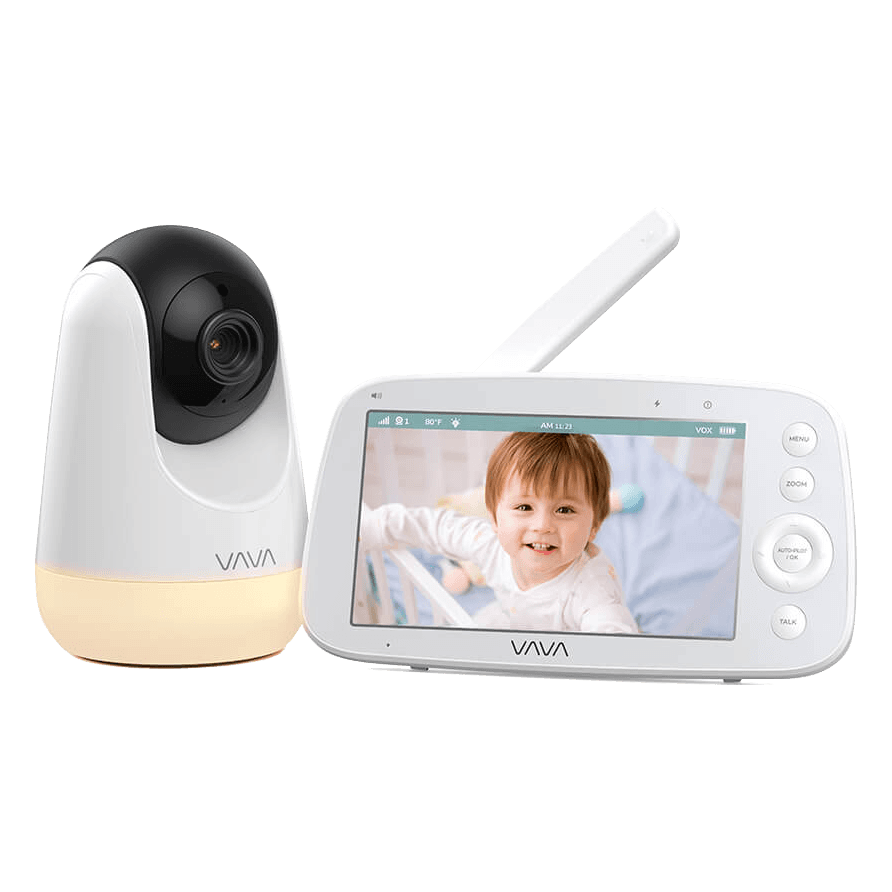
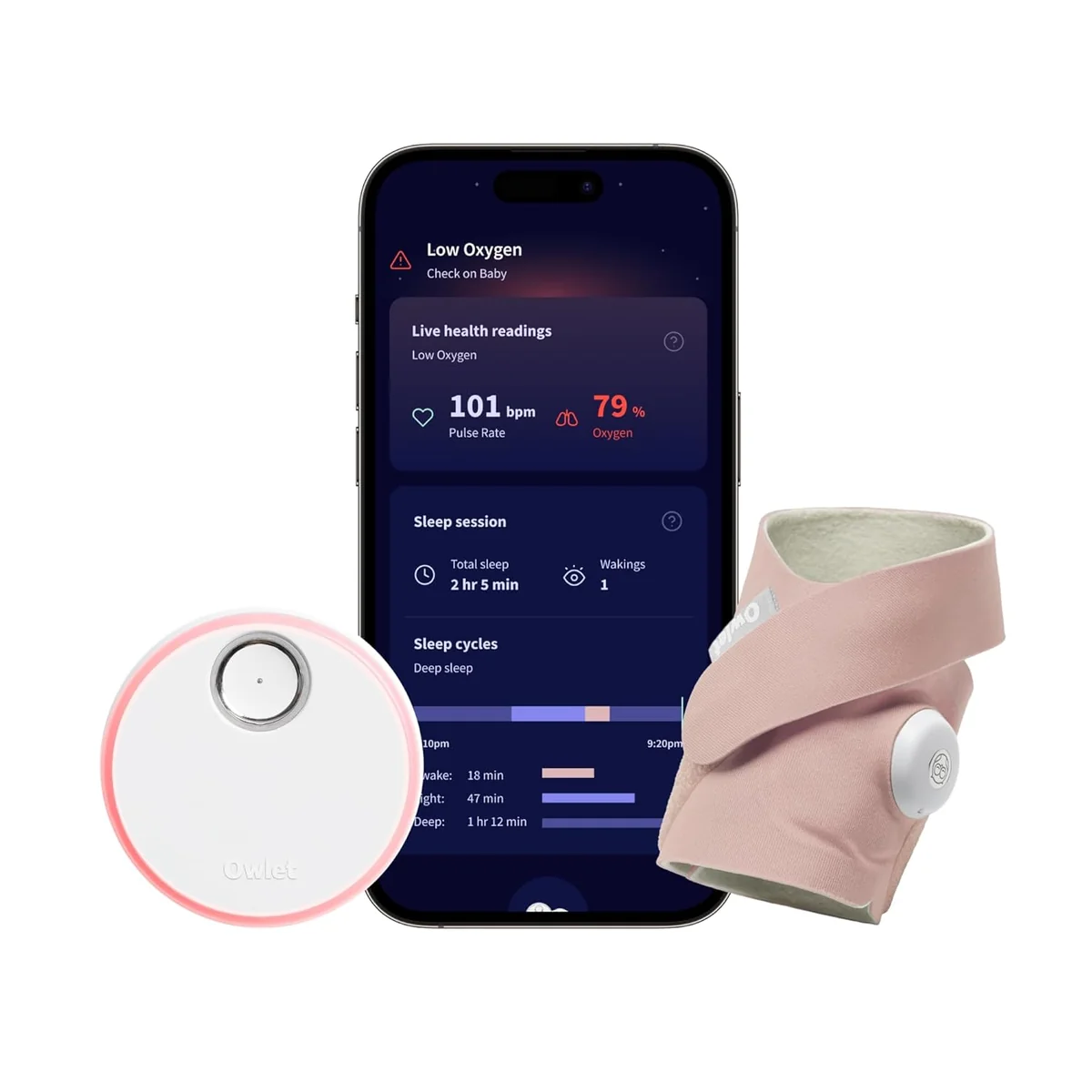
Owlet Dream Sock
FDA‑cleared pulse‑ox and sleep insights for real peace of mind, with connectivity and alarm tradeoffs.
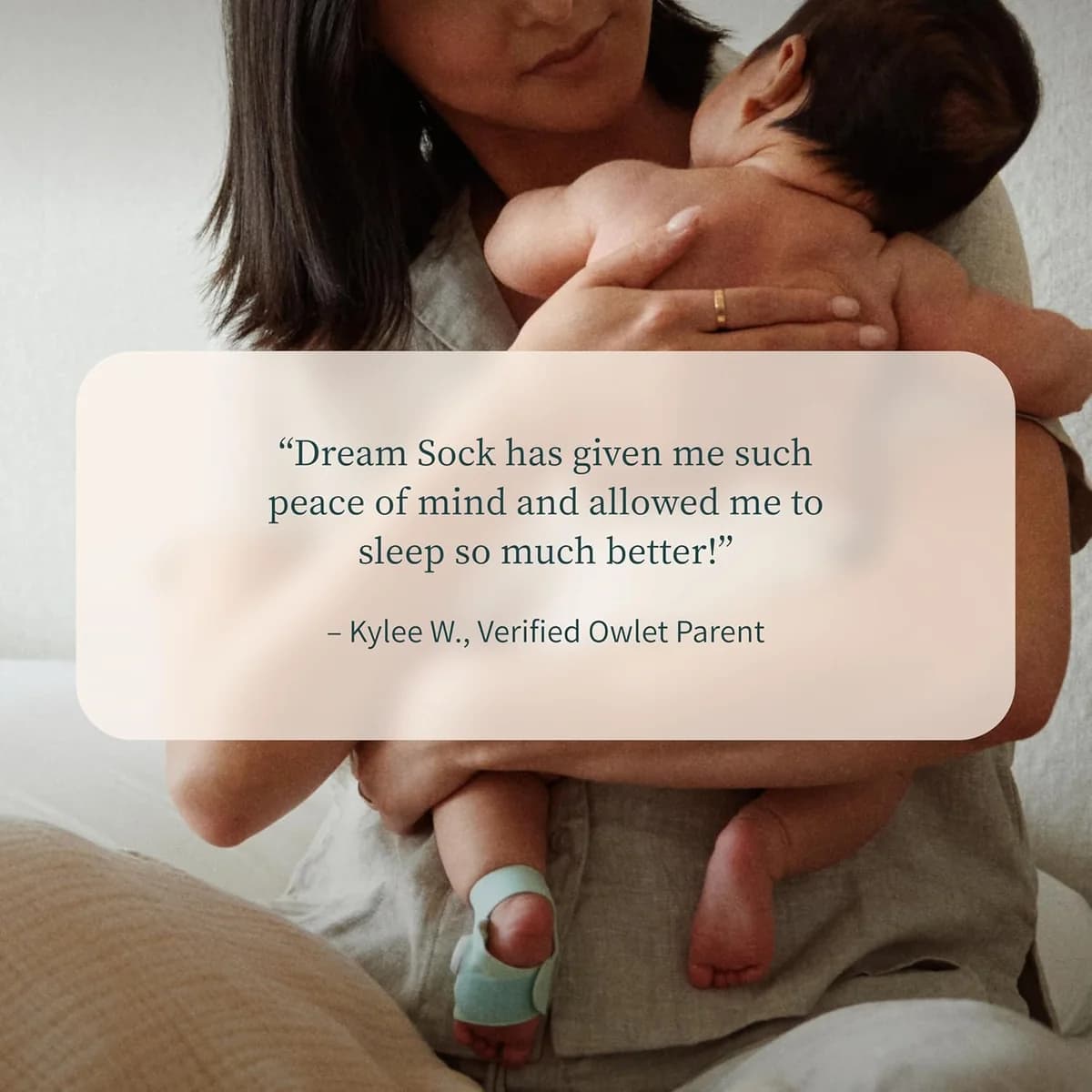
The Owlet Dream Sock, the smart foot‑worn monitor that aims to turn overnight worry into reassurance, targets sleep‑deprived parents and caregivers who want data‑backed calm rather than guesswork. Reviewers and clinicians praise its FDA‑cleared pulse oximetry and real‑time heart‑rate and SpO2 tracking for giving medically informed signals, yet hands‑on users also report that connectivity and placement sensitivity can trigger noisy false alarms that cut both ways for peace of mind. Brand claims about clinical validation line up with expert checks in controlled settings, while everyday feedback highlights fiddly setup and occasional app hiccups, so value depends on how much you prize vitals and sleep coaching over simplicity. If you want reassurance and are willing to manage the tech, the decision boils down to price, tolerance for troubleshooting, and how much extra sleep the device actually buys you.

Find Yours
What is your top priority for monitoring your baby?
Answer to find your best matches.

The Field
Browse top contenders, or compare all options ranked by score and key attributes.
2 Options

The Scoreboard
Does this improve your life? Considers, health, habits, and environmental impact.
Benefits
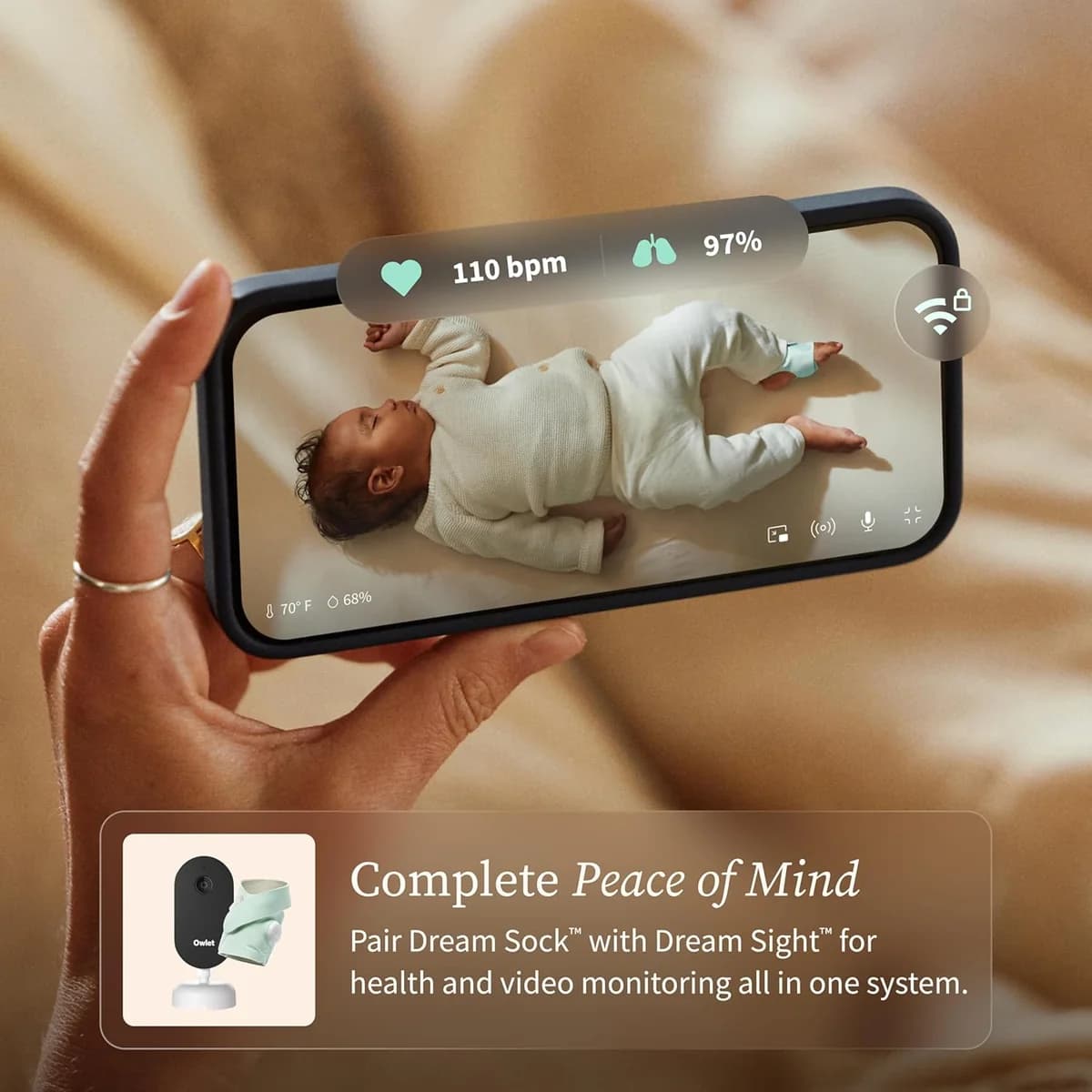
Helps caregivers sleep by providing real-time vitals and reassuring alerts overnight.
FDA-cleared pulse-ox readings that give clinically validated heart and oxygen insight.
Multiple soft, washable sock sizes designed for snug, comfortable overnight wear.
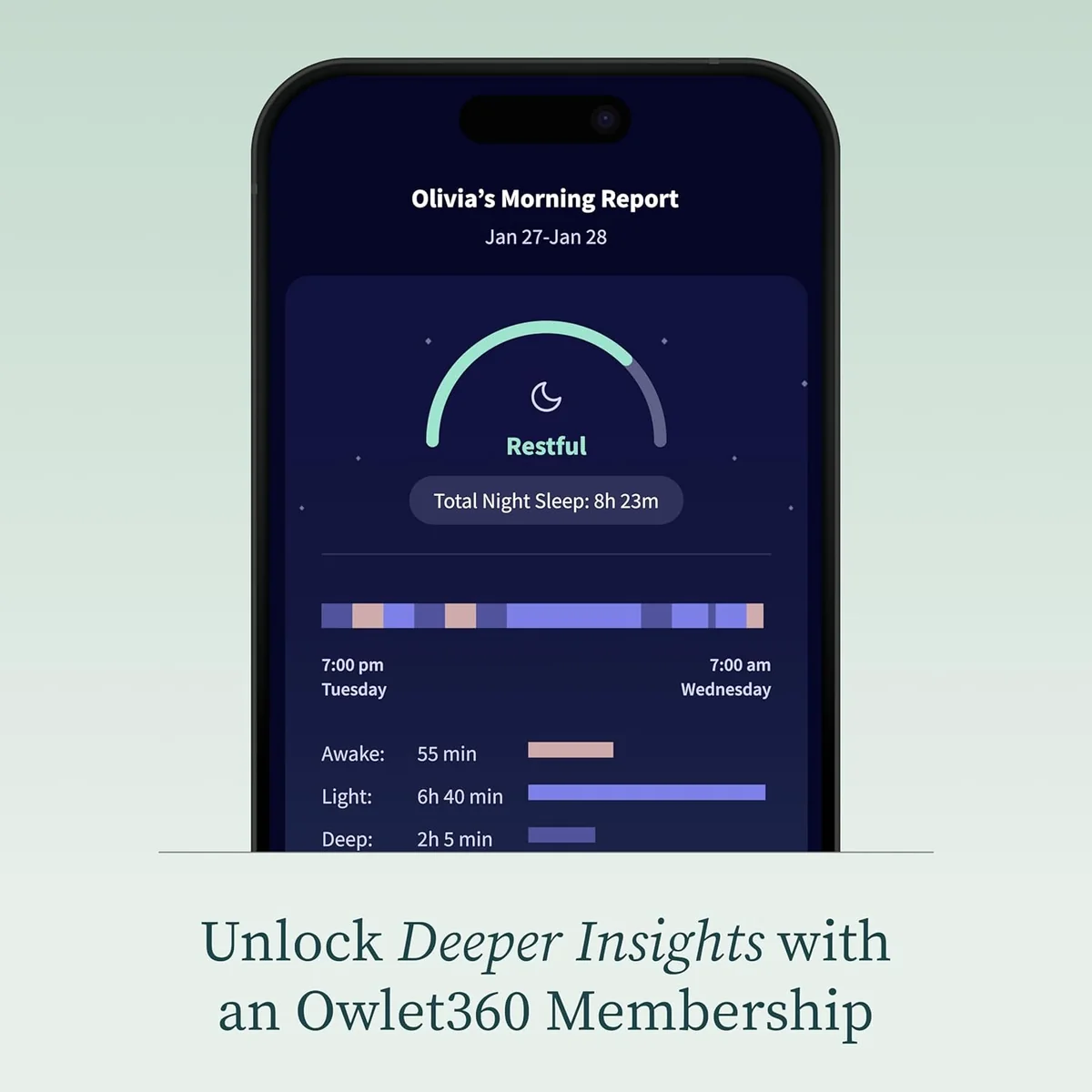
App delivers sleep coaching and trends that help tune nap and bedtime routines.
Quick magnetic charging and solid standby life for consistent overnight monitoring.
Trade-Offs
Base/sock disconnects and loud beeps wake you during routine room moves.
Frequent false or sensitive alerts interrupt sleep and force manual silencing.
Sock shifts require repeated repositioning, causing lost readings and middle-of-night fiddling.
Occasional irritation or overheating reports lead users to remove the sock while sleeping.
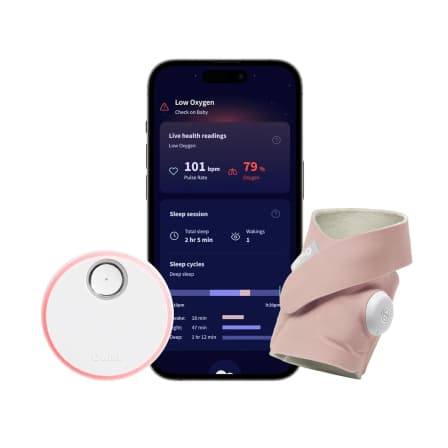
 Alternatives
Join the Circle
Where real meets deal
Know what's worth buying-and when.
Tips, special offers, and rewards for buying and sharing.

Publications
12 LEADING PUBLICATION REVIEWS

BabyGearLab’s Wendy Schmitz is upbeat about the Owlet Dream Duo 2 overall. She calls it a feature-rich, one-and-done monitor that excels at sound—quiet noise cancellation and reliable sound activation make it ideal for light sleepers—and appreciates the vivid daytime video, useful app (no subscription ads), and FDA-cleared Dream Sock for vitals. Her enthusiasm is tempered by clear drawbacks: it’s pricey, the camera can’t be panned or zoomed remotely and has a limited field of view and uneven night image quality, and the sock/base-station range plus Wi‑Fi quirks (no open networks, 2.4 GHz requirements) complicate travel and setup. The review reads as favorable but measured: great value if you’ll use the full suite of features, less so if you just want a basic camera.
By Wendy Schmitz
Marc Saltzman for Reviewed is generally positive about the Owlet Dream Sock, calling it a smart, comprehensive addition to the Dream Duo system. He praises the Dream Sock’s FDA clearance, useful real‑time vitals and sleep data, and the app’s detailed sleep-coaching features, saying the sock and camera together give parents a fuller picture of their baby’s wellbeing. He tempers that endorsement with practical caveats: occasional connectivity hiccups (resolved via support), packaging inconsistencies, limited night‑vision performance, lack of standalone parent monitor, and the real risk that a baby who dislikes the sock will remove it and negate its benefits. Overall the tone is measured and favorable—useful for parents who want in-depth monitoring—but recommends considering tolerance for a foot wearable and some modest tradeoffs.
By Marc Saltzman
Tom's Guide gives the Owlet Dream Sock a cautiously mixed endorsement. The reviewer appreciates the sock’s comfort, sturdy charging base, and deep sleep-training content bundled with the Dream Lab, saying the device can genuinely help parents committed to structured sleep training; they also liked the camera’s magnetic mount and portable design. However, persistent app instability (fixed crashes but lingering long audio/video lag), annoying in-app pop-ups/ads, quirky alert behavior, and the high $399 price make it hard to recommend as a straightforward baby monitor. The tone is measured and practical: praise for thoughtful hardware and sleep insights is tempered by frustration with usability gaps and missing features (no clip playback, limited camera features), so the Dream Sock is appealing mainly to parents who value the sleep-training ecosystem enough to tolerate rough edges.
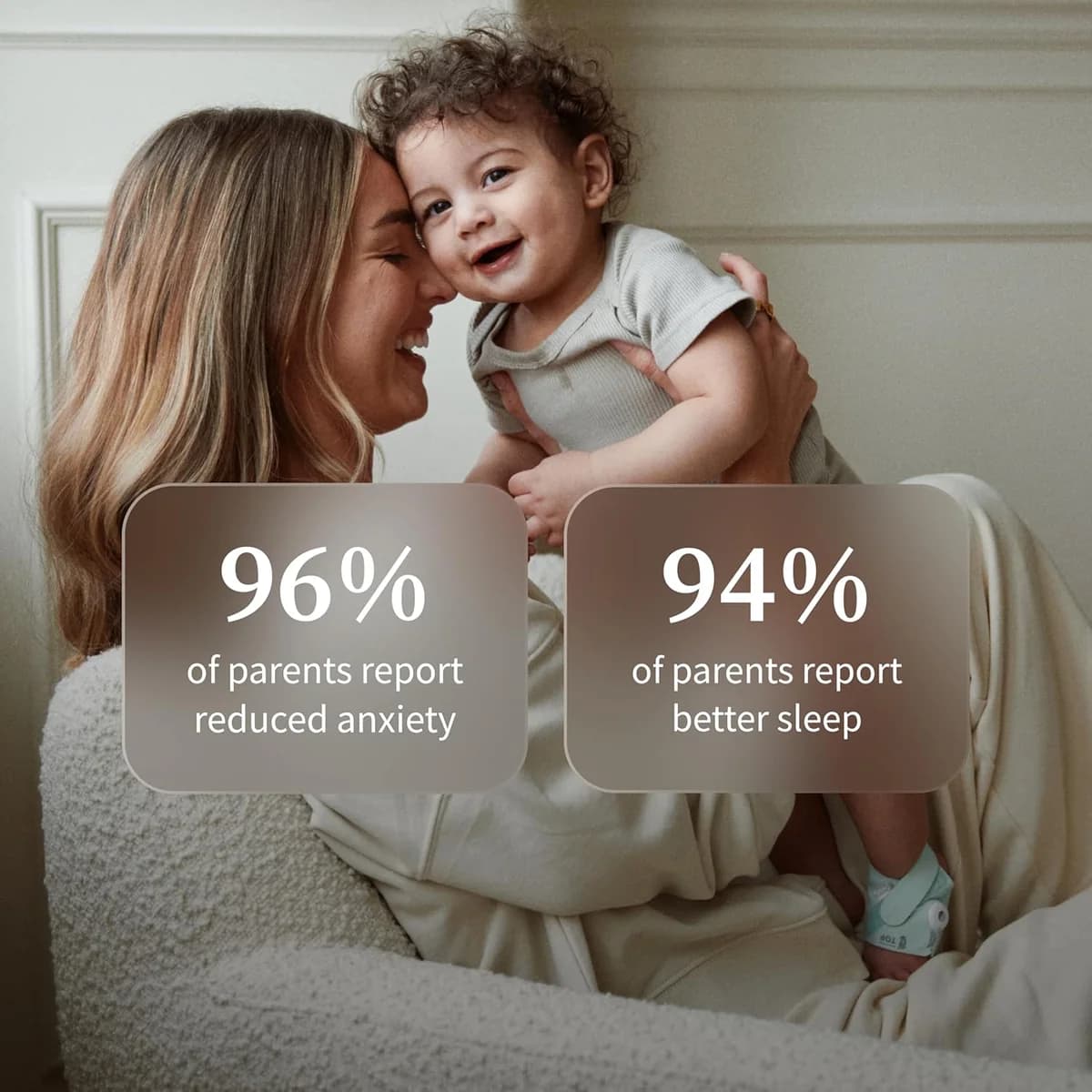
ZDNET’s reviewer Maria Diaz warmly recommends the Owlet Dream Sock, describing it as a comforting, useful tool rather than a miracle device. She emphasizes how the wearable’s heart-rate and oxygen tracking — now FDA-approved and improved for real‑time readings in infants — gave her real peace of mind through multiple children and a family history of febrile seizures. The review balances praise for the app’s sleep-trend history, multi-size options (including the Plus for toddlers), and no subscription fees with clear context about past FDA pushback and the device’s $299 price. Diaz leans on personal, long-term use and a cited study that many parents slept better, so her tone is reassuring and experienced rather than hypnotically salesy: she treats the Dream Sock as an emotionally valuable, well-engineered sleep aid that’s worth the cost for parents who want data-driven reassurance.
By Maria Diaz
Expert Reviews’ Catherine Hufton is generally positive about the Owlet Dream Sock. She finds it a clever, reassuring tool for parents who want extra data on pulse, oxygen and sleep patterns — praising its app (no subscription), easy setup, quick wireless charging and helpful sleep-trend insights — while also flagging practical limits: it can be fiddly to fit on tiny or sleeping babies, isn’t a substitute for medical care, and occasional false alarms reported by others could alarm some families. Hufton notes the device is pricey and only suitable up to 18 months, but highlights its certified safety updates since the original Smart Sock and the option to add a camera and bundle-savings. Overall the tone is measured and mildly approving: useful and comforting for anxious or data-minded parents, but not essential and best approached with realistic expectations.
By Catherine Hufton
Olivia Dubyak at PureWow is genuinely relieved by the Owlet Dream Sock and recommends it for easing new-parent anxiety. After four months she praises its accurate, app-driven tracking of oxygen, heart rate and sleep, the clear camera feed, convenient charging and washable sensors, and the helpful extras in the Dream Duo bundle—calling it a game-changer for newborns and naps. She’s measured, though: setup and placement can be fiddly at first, the sock can slip or be removed as babies get older (and teething creates a choking/chewing worry), and occasional camera or connection hiccups frustrate nighttime use. Overall her tone is warm and thankful rather than breathless—she still uses it selectively as needed and values the peace of mind it provides, especially in early infancy, while acknowledging practical limits as a child grows.
By Olivia Dubyak
Mirel Zaman of POPSUGAR felt positively reassured by the Owlet Dream Sock. She describes receiving a gifted Dream Sock right after bringing her newborn home and credits it with easing postpartum anxiety and helping her actually sleep by tracking pulse and oxygen and sounding alerts when readings dip. She praises its ease of use, comfortable fit, decent battery life, and the convenience of multiple washable socks, and calls out that it’s meant for healthy infants 1–18 months. Her main criticisms are practical: WiFi dropouts trigger recurring alarms that woke the household, and she seldom used advanced sleep-tracking features. At $299 it’s a significant purchase and can increase anxiety for some parents, but for Zaman the peace of mind made it worth the cost—especially in those fragile early weeks.
By Mirel Zaman
Alexandra Frost gives the Owlet Dream Sock a cautiously mixed verdict. Writing for Sleepopolis, she appreciates its potential to reassure parents and liked seeing sleep-phase data, clear unboxing, and FDA-clearance context, but her experience was marred by frequent app and pairing glitches, intermittent missing metrics, false alarms (including a middle-of-the-night dead-monitor alert), and skin/comfort concerns for the baby. Frost tested the device over multiple weeks on her 8-month-old, explains fitting and care details, and frames the sock as a personal choice—useful for some (or medically vulnerable infants, who may need the prescription BabySat) but potentially anxiety-inducing for parents of otherwise healthy babies. Her tone is measured and practical: she respects the product’s promise yet warns readers to expect troubleshooting and occasional reliability issues before buying.
By Alexandra Frost
Kayti Christian of The Good Trade comes away generally positive but measured about the Owlet Dream Sock. She appreciates its hospital-grade pulse oximetry, crisp Owlet Cam video, and the comfort and design of the sock, and says the real-time heart-rate, oxygen and sleep-trend data genuinely eased some anxiety—yet she’s frank about quirks: occasional false alarms (even for harmless breath-holding), occasional app lag, and the ongoing cost of the Owlet360 subscription after a steep upfront price. She values the clinical validation across skin tones and solid privacy encryption, but also admits the sock eventually increased her worry enough that she stopped nightly use while keeping the camera. In short, it’s a thoughtful, well-made tool that can offer peace of mind for tech-minded parents who accept occasional false alerts and subscription fees, but it’s not a cure for parental anxiety.
By Kayti Christian
The Independent’s Natalie Crockett is generally positive and reassured by the Owlet Dream Sock and Cam 2. After four weeks testing with her 10‑month‑old, she praises the camera’s excellent picture and two‑way audio, reliable sleep‑prediction feature and medically informed heart‑rate/oxygen tracking that offered real peace of mind when her baby was unwell; the sock’s comfort, battery life and base‑station alerts also impressed. Criticisms are practical rather than fatal: the system is expensive, setup and occasional Wi‑Fi hiccups frustrated her, and you must use a phone or tablet as the parent unit. Overall she frames the bundle as a premium, thoughtfully designed tool that’s worth the cost for anxious parents who value detailed sleep and health insights.
By Natalie Crockett
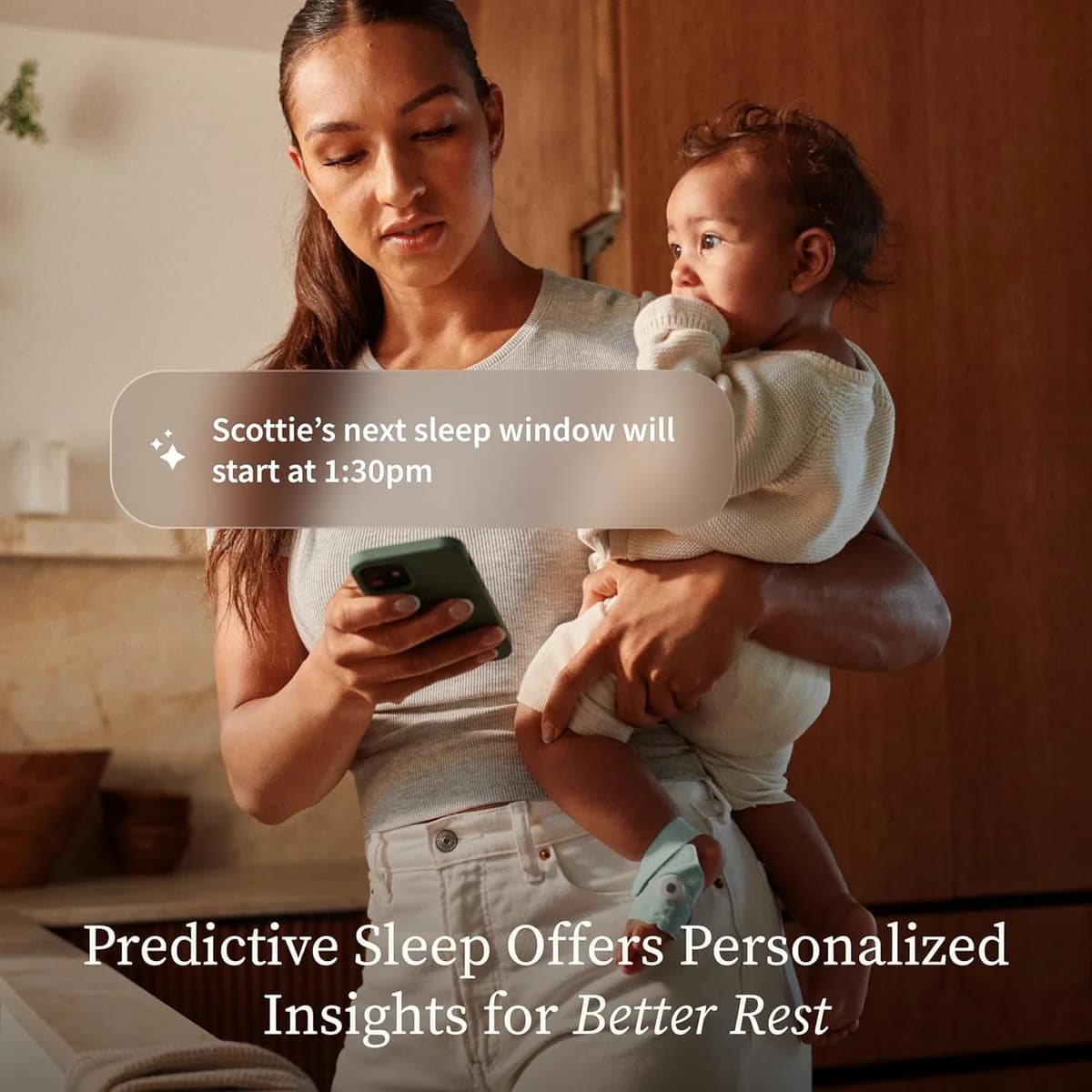
Lauren Lisle of Pregnancy & Newborn is positively inclined toward the Owlet Dream Sock and Duo system. She appreciates how the sock’s heart-rate and sleep-tracking data, combined with the Cam 2 and Dream app, give practical, predictive sleep windows that helped her manage naps and bedtimes for a busy household, and she finds the app clear, reassuring, and even a little encouraging. She flags setup quirks (a poorly labeled mounting piece), fit challenges for babies with larger feet, and occasional false readings when the sock shifts, plus a persistent base alarm she wished would repeat less. Still, Lisle emphasizes real-world benefits — better scheduling, developmental-aware suggestions, and useful video clips for troubleshooting wakeups — and considers the system a thoughtful, valuable tool for many parents despite a few usability trade-offs.
By Lauren Lisle
Nickolaus Hines at Matador Network comes away positively inclined toward the Owlet Dream Sock. He appreciates that the FDA-cleared sock reliably monitors pulse and oxygen and—even with travel hiccups—gives parents peace of mind; the Bluetooth-linked base still alarms offline, which he calls a key travel advantage over app-only systems. He balances that praise with practical cautions: setup can be fiddly, hotel and Airbnb Wi‑Fi often prevent camera streaming, and the system isn’t cheap once you factor cameras and subscriptions. He also acknowledges medical caveats from his pediatrician about SIDS and false alarms. Overall, after months of home use and trips, Hines views the Dream Sock as a worthwhile, portable add-on if you already own one, especially for parents who value vitals monitoring and are prepared for connectivity workarounds.
By Nickolaus Hines

YouTube
10 LEADING EXPERT & INFLUENCER REVIEWS
 Put to the Test
Put to the Test is cautiously positive about the Owlet Dream Sock. The reviewer appreciates its deep sleep-insight data, easy magnetic charging, and included sock sizes, calling it a useful window into sleep disturbances, but flags challenges with fit, placement sensitivity, and opaque algorithmic reasoning; firmware updates can be slow and the price is high. Overall they see it as valuable for parents worried about sleep issues—worth considering if you want trend-driven reassurance—but note tradeoffs around reliability of readings and the practical hassle of keeping the sensor positioned correctly overnight.
Dad VerbAndrew from Dad Verb is generally positive and cautiously optimistic. He praises the Dream Sock’s comfy design, sleep-focused app, and sensible shift from second-by-second SpO2 alerts to multifactor sleep-quality indicators, but flags recurring yellow/base-station connection resets and lingering alert annoyances. He likes the bundled hardware, battery habits, and improved Owlet Cam performance versus earlier experiences, yet notes he hasn’t converted an old Smart Sock himself. Overall his tone is measured—encouraging for parents who want sleep insights and peace of mind, but realistic about connectivity quirks and how the product reframes vital signs as sleep metrics rather than direct alarms.
CarrerasfamRegistered nurse Carrerasfam is clearly enthusiastic—she calls the Owlet Dream Sock “gamechanging” and says it gave her real peace of mind. She reports multi‑child, multi‑year hands‑on use, saying readings correlated with hospital-grade Masimo spot checks, alerted her during a low‑oxygen episode, and reliably tracked heart rate, SpO2, and sleep trends. Her tone is strongly positive and personal: she stresses reduced anxiety and better sleep for parents. No technical criticisms are raised in the clip; she frames the device as an extra set of eyes for healthy infants, not a replacement for medical care.
Cozy Nest ReviewsCozy Nest Reviews is generally positive about the Owlet Dream Sock. The host praises its FDA clearance, real‑time pulse and SpO2 tracking, and sleep insights as strong peace‑of‑mind features, but flags the high price, limited age/weight window, potential false alarms, and extra subscription costs as real tradeoffs—ultimately giving it an 8/10 for parents who can afford it and want deeper monitoring. The tone is upbeat and measured: enthusiastic about safety and notifications, yet realistic about cost and nuisance alarms.
Smart Baby BuysSmart Baby Buys is skeptical and advises against the Owlet Dream Sock. The creator argues these breath/ox monitors don’t prevent SIDS, can foster false security, aren’t medical-grade replacements, worsen anxiety through constant checking, and aren’t worth the high price; they recommend cheaper non‑Wi‑Fi or hybrid monitors instead. The tone is cautionary and research‑led rather than alarmist, stressing AAP guidance, limits of consumer wearables, and practical alternatives for most families.
Daddy dilemmas Daddy dilemmas is generally positive about the Owlet Dream Sock. He likes the reliable Base Station alerts, magnetic charging, comfortable sock fit, and strong battery life, calling it “fantastic” for peace of mind. He also warns about frustrating firmware/setup issues—requiring long phone calls to update—and wishes those warnings or fixes were handled by Owlet. His tone is practical and approving overall, but tempered by annoyance at the tech-support friction and occasional motion-triggered beeps.
HeyMirandaNicoleMiranda Nicole is cautiously positive but frustrated. She values the Owlet Dream Sock for its sleep‑window tracking and sleep‑quality trends, which helped her nail naps and wake windows, but she’s upset the Dream Sock no longer sends real‑time oxygen alerts after the redesign—making it feel overpriced for its current features. She also calls its sleep data glitchy at times. Overall she keeps using it for the helpful sleep insights and good customer support, but warns buyers not to expect an active breathing alarm and questions whether it justifies the $300 price.
Deets with DecksDeets with Decks is positive about the Owlet Dream Sock and calls it a comforting, easy-to-use monitor. They praise the small magnetic charging Base Station, comfortable fit for a three-week-old, clear app readouts for heart rate and SpO2, and reliable auto-monitoring that gives “peace of mind.” They demonstrate the alarm sound for lost contact and note simple travel setup. The tone is favorable and practical—no major complaints—framing the Dream Sock as a helpful tool for overnight monitoring up to 18 months rather than a medical substitute.
Jenn CahoonJenn Cahoon strongly dislikes the Owlet Dream Sock. She says it increased her postpartum anxiety with frequent false alarms and connectivity issues, and describes a frightening incident where the sensor overheated and burned the sock fabric—after which she stopped using it. While acknowledging the product’s promising, innovative concept, Jenn finds the real-world reliability and alarm sensitivity unacceptable for sleep-deprived parents and prefers simpler, non‑Wi‑Fi monitors. Her experience is emotional and cautionary: the Dream Sock failed to provide peace of mind and instead became a source of stress.
GhedranGhedran is clearly positive about the Owlet Dream Sock. They praise the app’s user-friendliness, the convenient magnetic charger, and the sock’s washable design, saying it gives “peace of mind” while baby sleeps; they also demonstrate practical touches like how the sensor sings when it can’t read and how to stop it. The tone is straightforward and recommending—aimed at new parents—without digging into negatives; it reads like a hands‑on endorsement from someone who found setup and troubleshooting easy.

Social
3 INFLUENCER REVIEWS
 taracarlyle
TaraCarlyle feels positively about the Owlet Dream Sock and values the peace of mind it gives her. She explains the Dream Sock now operates without FDA medical-device status, still tracks heart rate and oxygen in the app, and provides a lavender “poor sleep quality” alert rather than explicit instantaneous O2/HR readings; she confirms the device does give averaged 10‑minute O2 values but will trigger immediate alerts if a concerning event occurs. Tara notes connectivity can be flaky so she keeps a backup monitor and maxes phone volume since alert volume isn’t adjustable, yet says overall it still brings reassuring sleep-quality monitoring.
Tilly WhitfeldTilly Whitfeld is emphatically grateful and relieved by the Owlet Dream Sock. She describes a real nighttime alarm when her baby’s app showed oxygen at ~70%, saying it woke her and likely prevented harm; she’d accept many false alarms to get that one life-saving alert. She acknowledges midwives say newborns can take deep breaths and mentions cost concerns, offering secondhand alternatives and a non‑WiFi clip-on as cheaper backup. Overall her tone is emotional, thankful, and firmly pro‑use, framing the device as essential to her sleep and peace of mind.
LexInTheLoneStar| DALLAS DIARYLexInTheLoneStar feels relieved and hopeful about getting the Owlet Dream Sock. She says it will help her sleep and soothe nighttime anxiety about SIDS, but she also warns she’s heard about frequent false alarms and worries she might “flip” if woken by one. Her tone is earnest and eager—happy to have found a unit in store and asking followers for real experiences—so overall she’s positively inclined but on guard for reliability issues.

Store Reviews
CUSTOMER REVIEWS FROM 3 STORES
Using the Owlet Dream Sock to monitor an anxious baby’s breathing and sleep often buys parents real overnight calm, according to Amazon reviewers. Many note it reliably shows heart rate, oxygen and sleep patterns and that the app’s sleep reports help them rest, while others report durable use with months of nightly wear; several also describe helpful customer support when sensors failed. Repeated frustrations center on flaky connectivity between sock and base (frequent disconnects and beeps), occasional false or finicky alarms tied to placement or movement, and debates about whether the cost and subscription justify the inconsistent reliability — users often adopt workarounds like keeping the base very close, turning it off during handling, or carrying a battery pack. Overall, it’s valued for reassurance but tempered by connection and alarm annoyances.
4.2 Stars / Many verified reviews
Parents buying the Owlet Dream Sock on Walmart report it can truly ease anxiety by letting them monitor a sleeping or sick baby’s vitals and sleep patterns. Many reviewers describe real benefits—helping detect illness or alarming heart issues and improving parent sleep—while others repeatedly encounter connectivity glitches (Wi‑Fi, base-to-sock link, app crashes), loud, non‑mute alarms, and frequent false displacement alerts that wake baby and parents. Fit and sensor placement are a recurring hassle, and several users say sensors fail after about a year with limited support options. In short, the device delivers peace of mind when it works, but inconsistent reliability, noise, and troubleshooting burdens are common tradeoffs.
2.9 Stars / Some verified reviews
Reviewers on Target report the Owlet Dream Sock alerted them to real emergencies like low oxygen or rapid heart rate but also frequently failed in day-to-day reliability. Many recount life‑saving alarms and improved sleep anxiety when the device worked, yet an equal or larger thread describes false or missed alerts, connection and app glitches, short battery life, skin irritation or burns, and loss of live O2/HR alerting after regulatory-driven changes—leading people to return it or downgrade expectations. Workarounds include tight placement, switching feet nightly, or using it only during sleep, but recurring technical and customer‑service issues make the Dream Sock a high‑risk peace‑of‑mind tool rather than a consistently dependable monitor.
4 Stars / Some verified reviews

Forum Reviews
CUSTOMER REVIEWS FROM 1 FORUM
Redditors are split but tilt cautiously positive about the Owlet Dream Sock. Many parents praise it for easing anxiety, catching real issues (low O2 or high HR) and providing peace of mind—especially after NICU stays—while others report frequent false or disconnection alarms, frustrating accuracy problems, and added stress. Users emphasize proper fit and setup reduce errors, and some clinical voices warn it can increase anxiety or isn’t medically necessary. In short, it can be a helpful safety net for anxious caregivers when used correctly, but expect occasional glitches and differing medical opinions about its usefulness.
Many comments

In-Depth Review

Highlights
- •Real-time vitalsDesigned to show pulse and SpO2.
- •FDA-cleared monitoringMarketed as FDA De Novo cleared.
- •Sleep trend insightsAdvertised to surface sleep-quality trends.
- •Comfortable sock fitDesigned for snug, soft overnight wear.

Considerations
- •Frequent disconnectionsBluetooth/2.4 GHz dropouts reported frequently.
- •False and sensitive alarmsPlacement or signal loss triggers alarms.
- •Fit-dependent accuracyReadings can be noisy with motion.
- •Battery life variabilityGood initial runtime; may degrade over time.
Owlet has built a premium niche as a clinical‑minded baby tech brand, and this sock is positioned as its reassurance‑first wearable for concerned caregivers. Designed to track a baby’s overnight vitals and sleep patterns, it’s used for bedside monitoring, post‑NICU peace of mind, and parents who want data‑driven nap and bedtime coaching. In the sections ahead we’ll evaluate the product’s real‑world strengths—FDA De Novo clearance, PPG pulse‑oximetry for SpO2 and heart rate, and the app’s Predictive Sleep Technology—alongside user‑facing tradeoffs like persistent 2.4 GHz/Bluetooth connectivity quirks and the system’s sensitivity to sock placement. We’ll also cover practical matters such as fast magnetic charging and quoted 16‑hour runtime, plus sock materials and Base Station portability compared with previous Owlet generations and rival vitals monitors. If you’re a sleep‑deprived new parent, NICU alum, or tech‑minded caregiver, pay close attention to the connectivity, accuracy, and alarm sections—those will decide whether this is peace of mind or extra fiddling.
Sock Design and Care
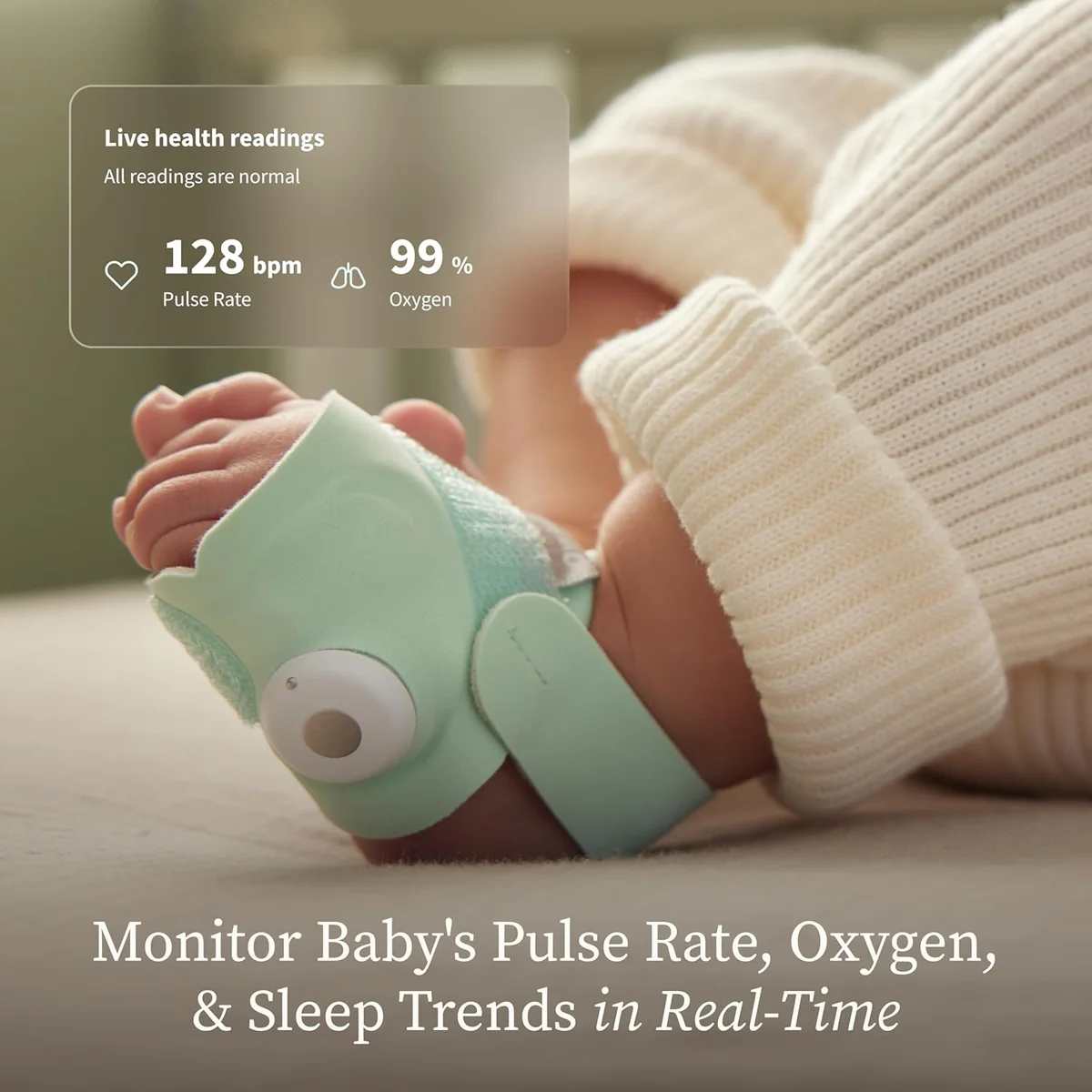
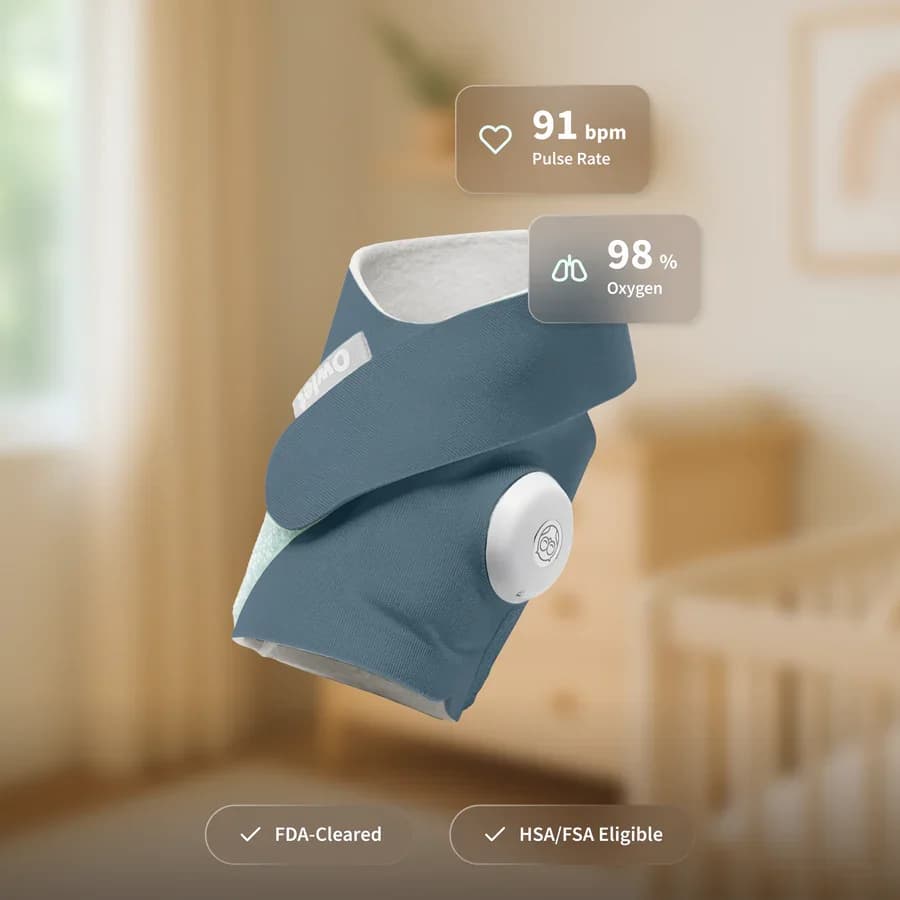
The fabric sock is made of nylon and spandex (often described as soft and snug) and Owlet supplies multiple sizes to fit newborns through 18 months, which helps maintain sensor contact and tolerance during sleep. The sensor itself is not fully machine‑washable, so follow the hand‑wash/spot‑clean guidance to protect electronics; parents report the material is comfortable but emphasize proper sizing and nightly checks to avoid slippage and reduce irritation risks.
Alarm Responsiveness
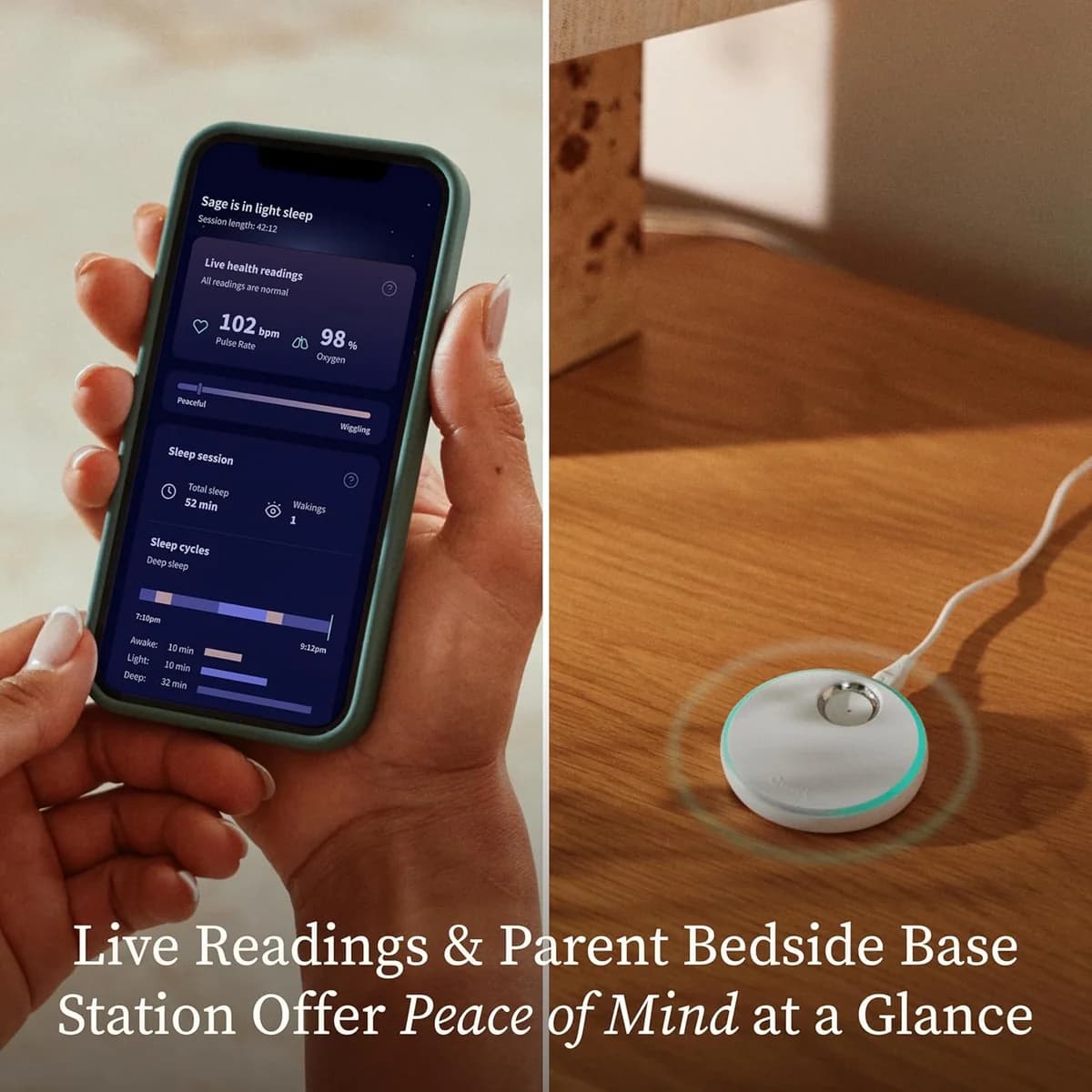
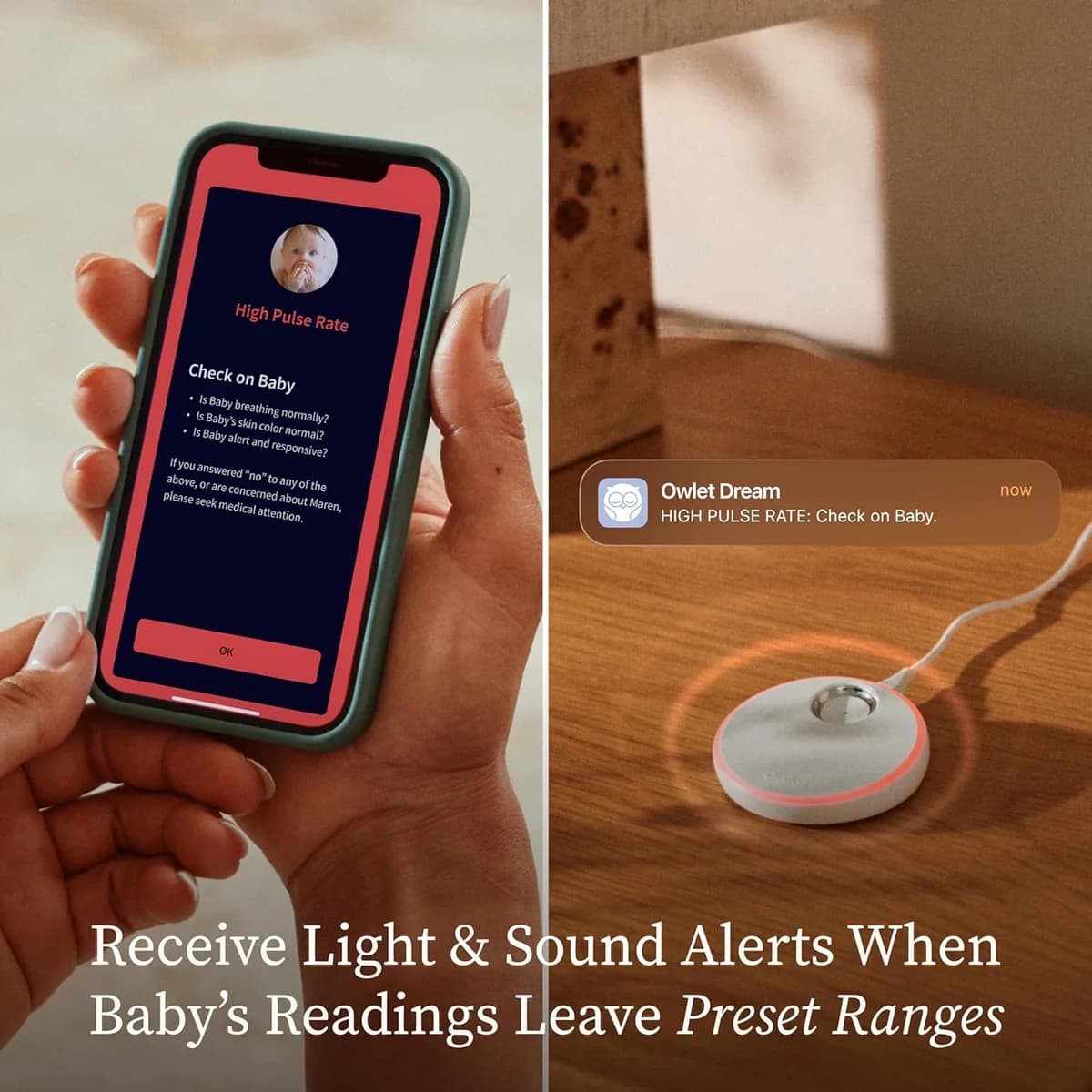
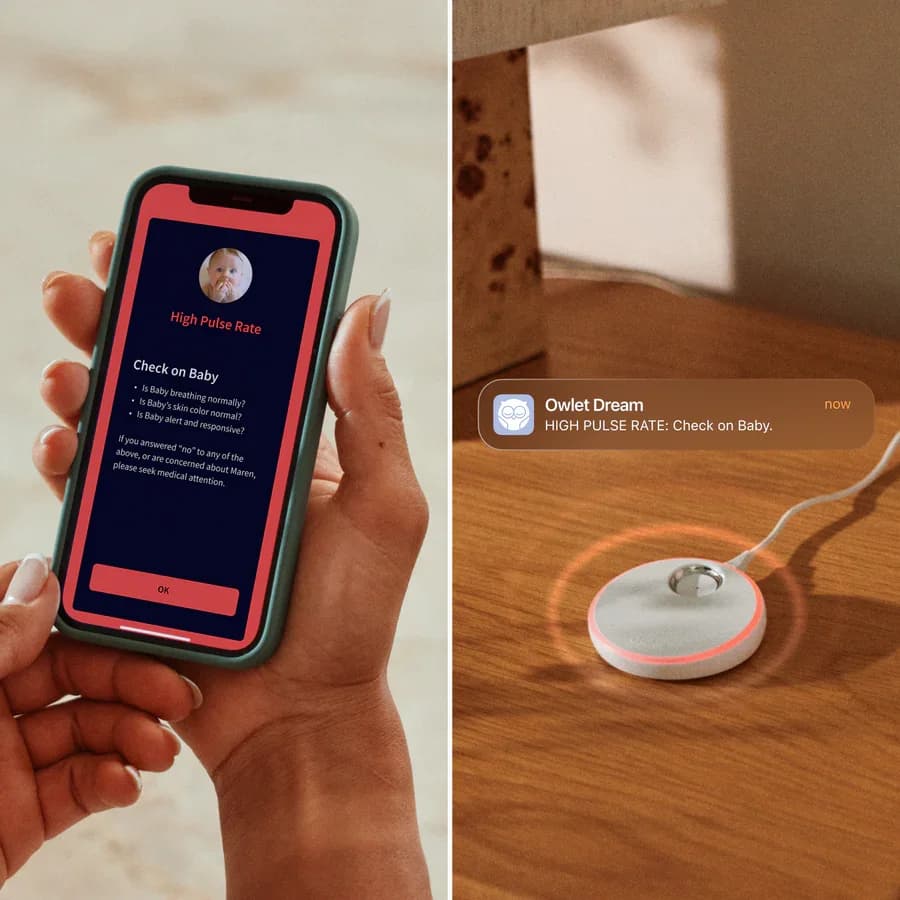
The Dream Sock issues live alerts through the Base Station display and the app, which is crucial for catching concerning events but also a source of friction due to sensitive false alarms tied to sock shifts or brief signal loss. Parents and reviewers praise the ability to get notified of low readings, yet many criticize the system’s noisy connection and placement alarms that wake households, so alarm behavior improves with placement discipline but remains a common pain point in real use.
Measurement Accuracy
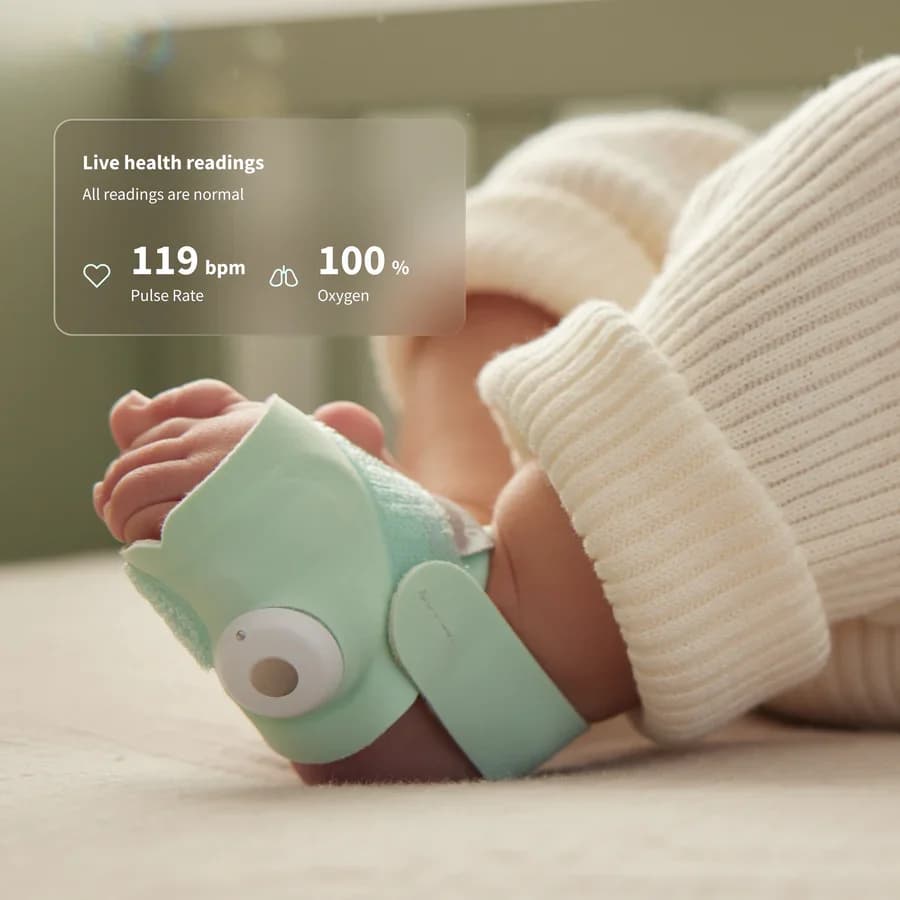
Owlet advertises PPG pulse oximetry with clinical validation and FDA De Novo clearance, and tests plus clinician checks often support its SpO2 and heart‑rate agreement with hospital spot checks. That said, user and expert feedback note occasional discrepancies during motion or poor fit, so accuracy depends on correct sock placement and good contact; when fitted well the readings are generally trusted, but misplacement or movement can produce noisy or misleading values.
Connectivity and Range
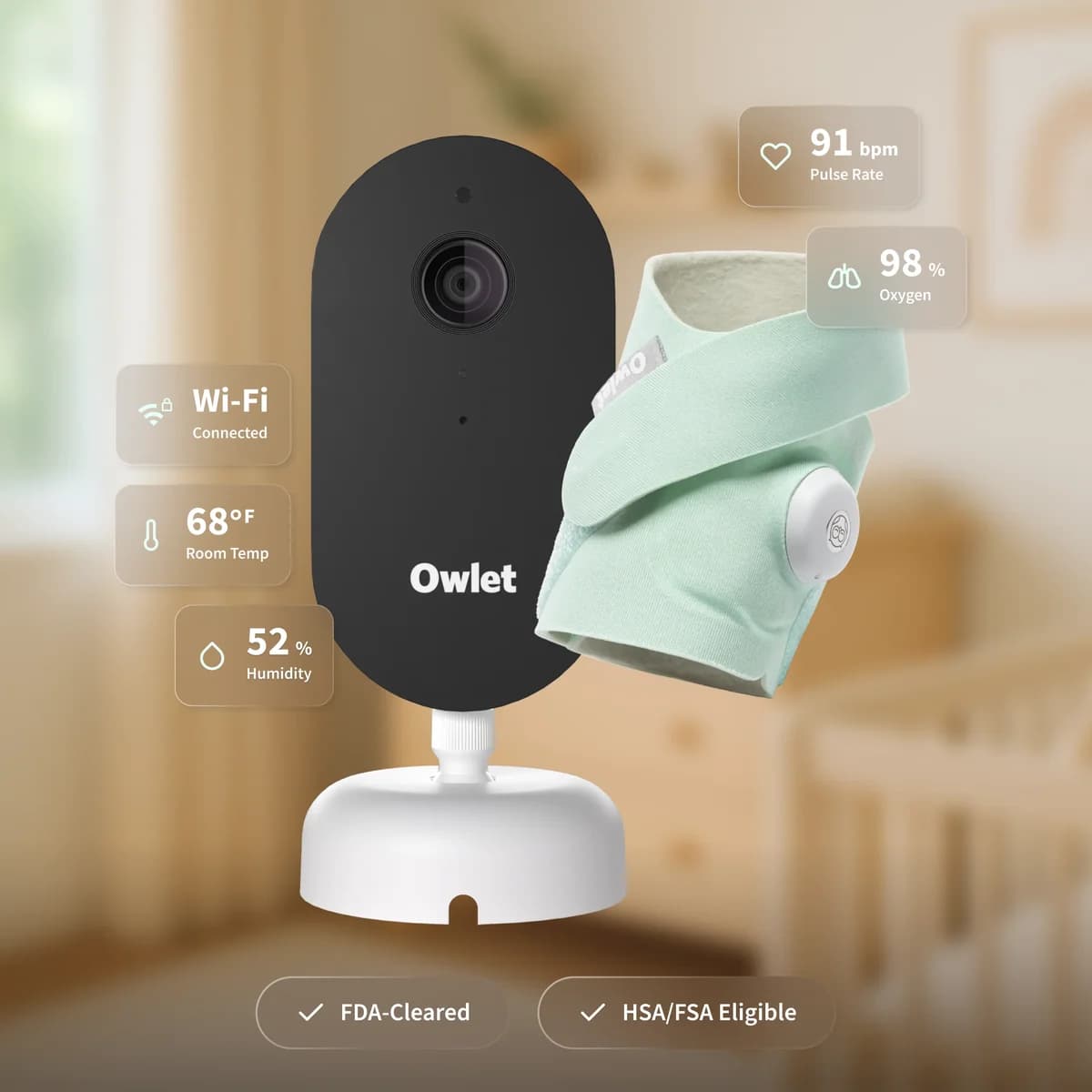
The Dream Sock relies on 2.4 GHz Wi‑Fi and Bluetooth Low Energy for pairing and live updates, so range and stable networking matter more than with a simple camera. Reviewer and user reports repeatedly call out frequent disconnections between the sock and Base Station when the base is moved beyond ~30 feet or through walls, which undercuts the monitor’s usefulness during multicroom movement. Firmware updates and keeping the Base Station close typically improve performance, but real-world experience shows connectivity is the single biggest practical limiter to day‑to‑day reliability.
Base Station Hardware
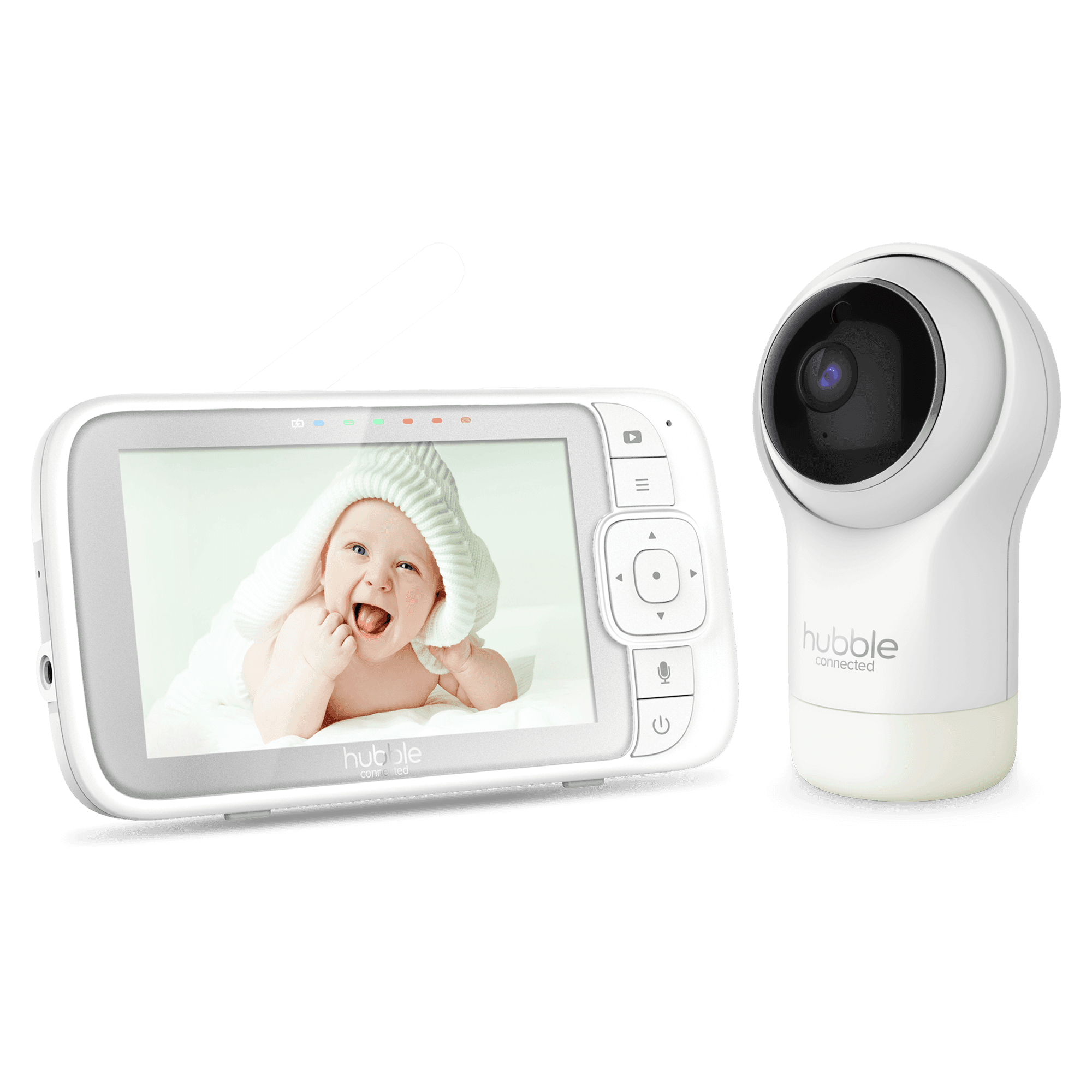
The Base Station offers a 4‑inch display for local alerts and acts as a wireless charger for the sensor, which reviewers like for easy bedside visibility and independent alarms without relying solely on the phone. Its mains power requirement and limited onboard battery mean portability is constrained, and users wishing to move it often carry external power or keep it stationary to avoid repeated reconnects, so the Base Station is helpful but not a truly mobile parent monitor solution.
Battery and Charging
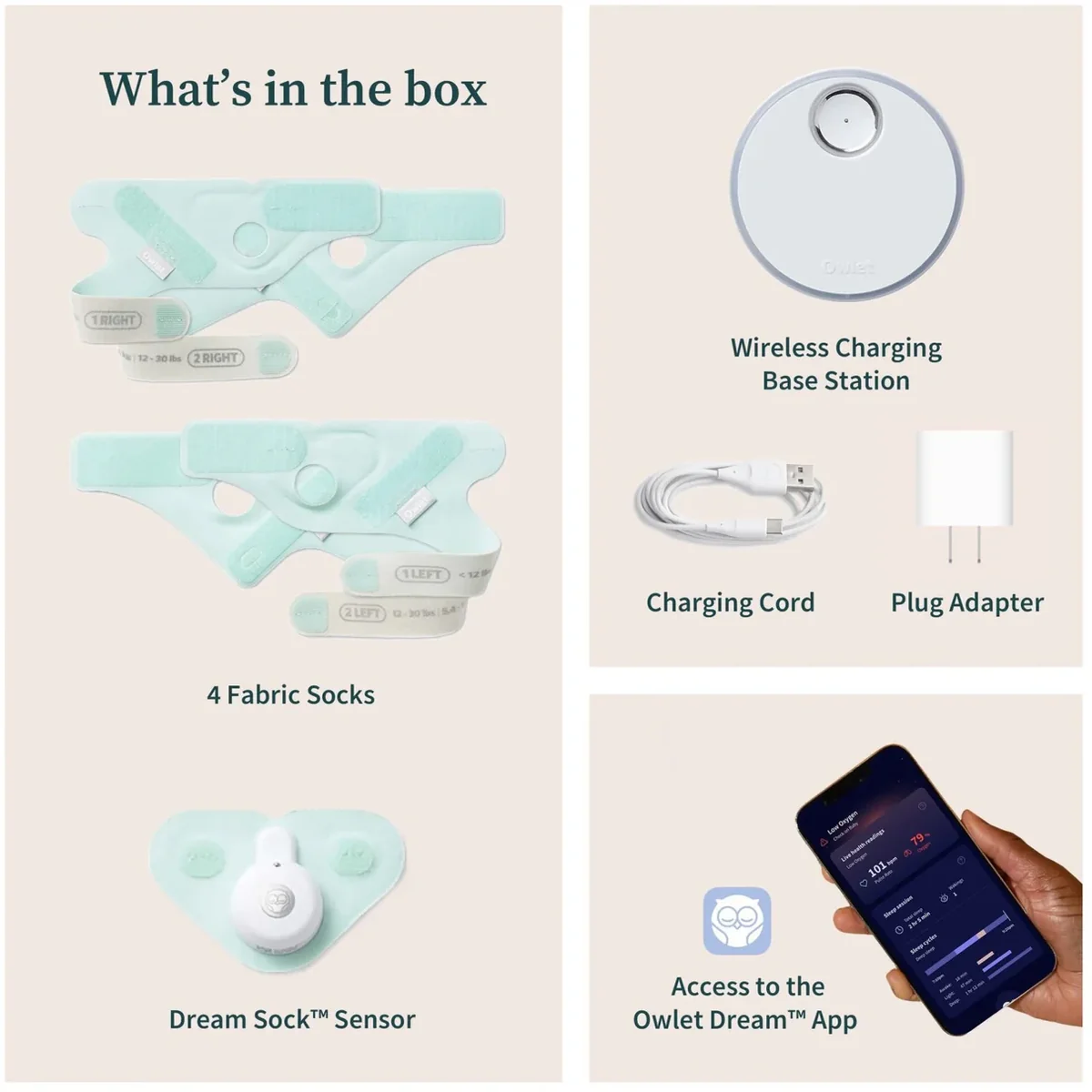
The sensor charges on the included wireless magnetic Base Station and Owlet quotes fast top‑ups like 8 hours from a 20‑minute charge and up to 16 hours runtime, which reviewers generally find convenient for overnight use. Real owners report good day‑to‑day battery life and appreciate the quick charge, though some item details list longer average life and occasional users describe shorter lifespan over long‑term use, so expect solid short‑term performance but watch for gradual battery degradation.
Conclusion
Here's the final read: after weighing connectivity, accuracy, alarms, battery, sock design, and base hardware, the Dream Sock reads like a well‑engineered reassurance tool with pragmatic tradeoffs — it delivers hospital‑grade pulse oximetry and useful sleep‑trend insights that clinicians and parents find comforting, yet real‑world use is tempered by spotty Bluetooth/2.4 GHz range and placement‑sensitive readings that drive the persistent false/connection alarms some users report. Battery and magnetic charging perform as promised for overnight shifts, and the soft, multi‑size washable socks score high for comfort, while the mains‑powered base gives a clear bedside display but limits true portability. Best for caregivers who prioritize vetted vitals and sleep coaching and willing to manage placement and connectivity; less suited to those needing a no‑fuss, always‑silent monitor — the overall verdict balances meaningful reassurance against fiddliness.

Feature Scores
This reflects reviews and ratings from established critics, journalists, and users who have evaluated the item. Their opinions provide a comprehensive assessment.
Performance
Video Quality
4/5
Audio Quality
4/5
Night Vision Performance
3/5
Connectivity Reliability
2/5
Motion and Cry Detection Accuracy
3/5
Battery Life
4/5
Value
Price-to-Feature Ratio
3/5
Subscription and Ongoing Costs
4/5
Included Accessories
5/5
Design
Physical Form and Mounting Options
4/5
User Interface and App Usability
4/5
Portability
3/5
Health
Sleep Environment Monitoring
4/5
Breath and Movement Monitoring
4/5
Non-Toxic Materials
4/5
Safety
Data Security and Privacy
5/5
Regulatory and Safety Compliance
5/5
Hardware Child Safety
4/5
Sustainability
Energy Efficiency
3/5
Repairability and Longevity
3/5
Recyclable Packaging and Materials
3/5
Experience Style
Setup Simplicity
3/5
Customizability and Advanced Features
4/5
Smart Home Integration
1/5

Specifications
This section outlines the product's key facts, covering essential features, details, dimensions, materials, and any unique characteristics that define its functionality and usability.
Performance
Value
Design
Safety
Sustainability
Experience Style

Frequently Asked Questions
6 Questions

Also Consider
1 Option
Find Yours
What is your top priority for monitoring your baby?
Answer to find your best matches.