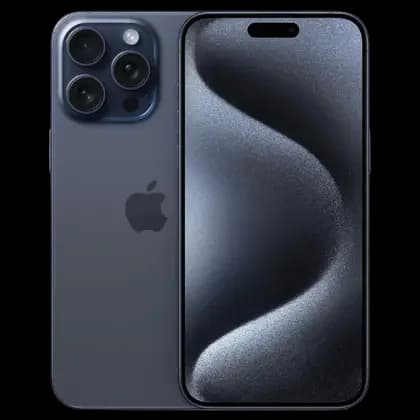
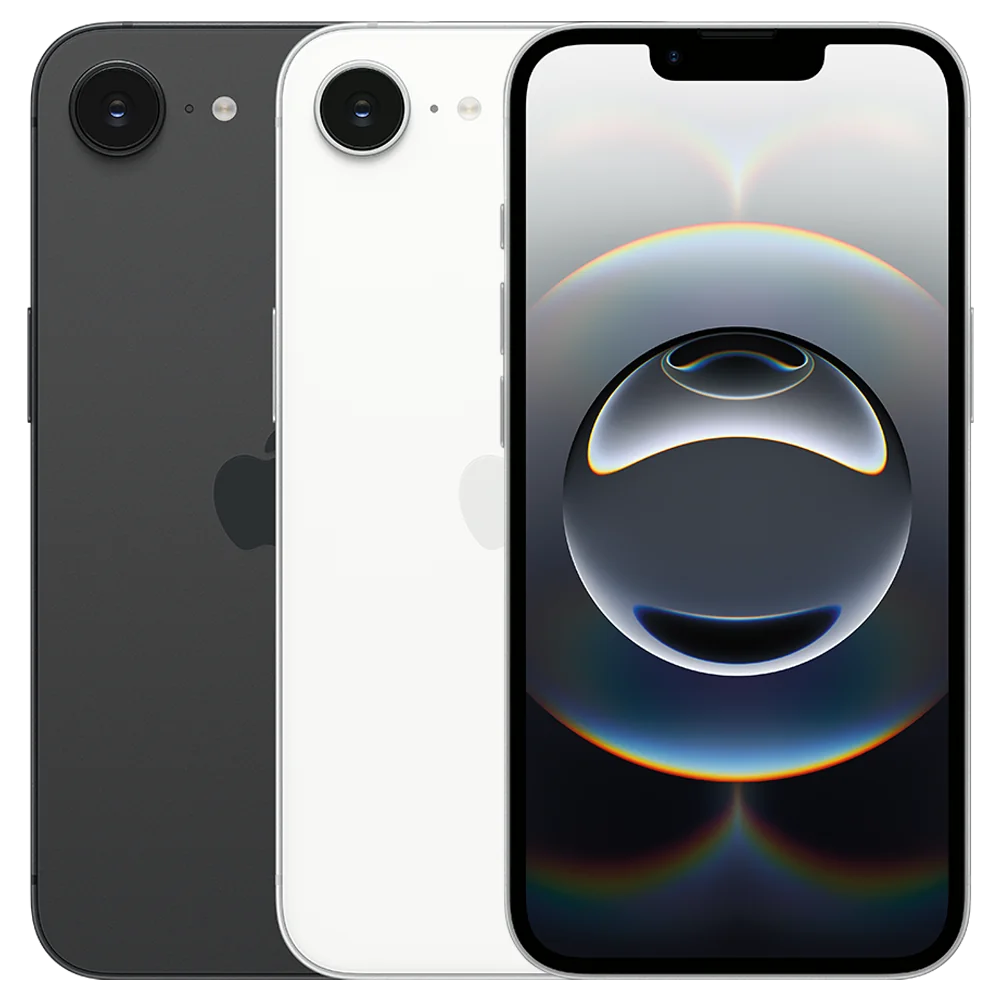
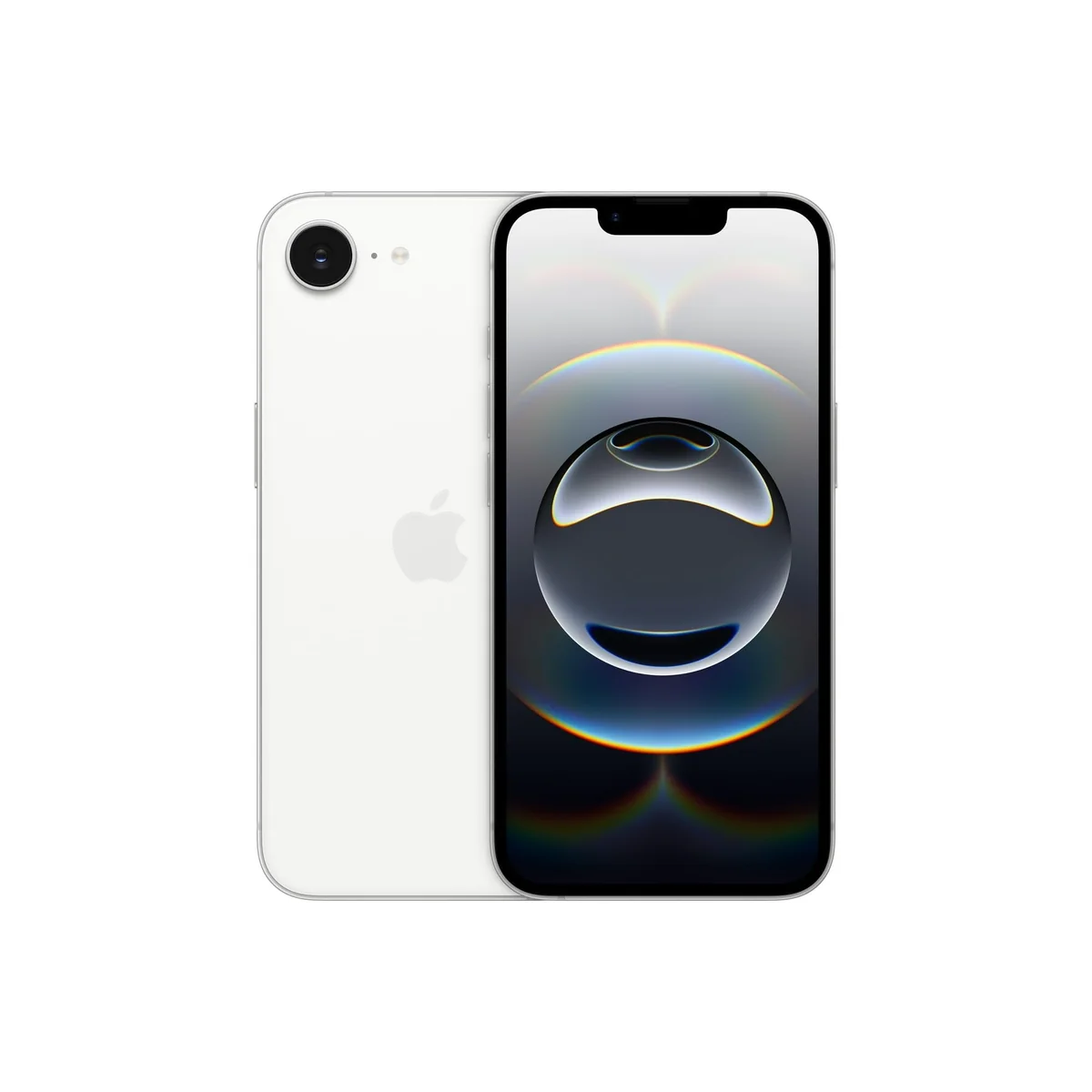
Apple iPhone 16e
Powerful A18 chip and long battery life deliver solid performance with practical compromises.
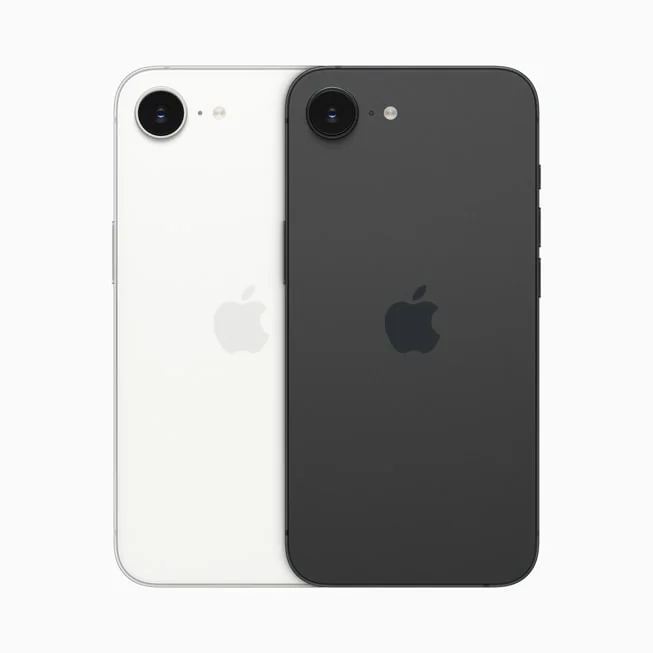
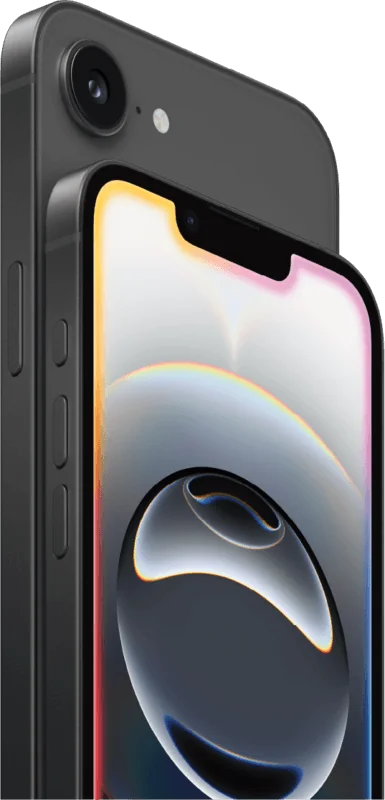
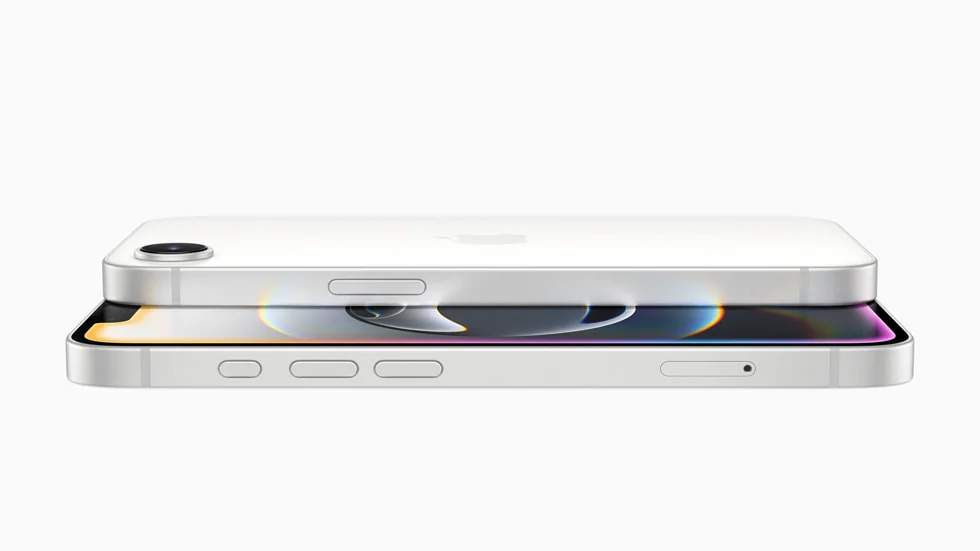
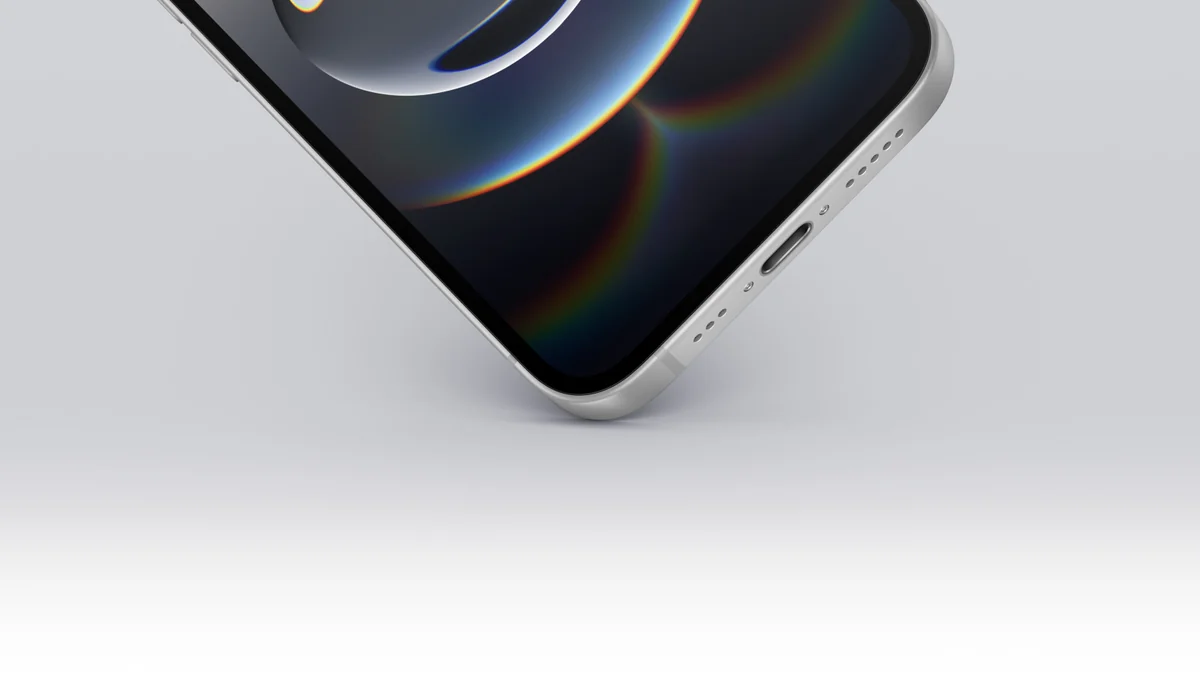
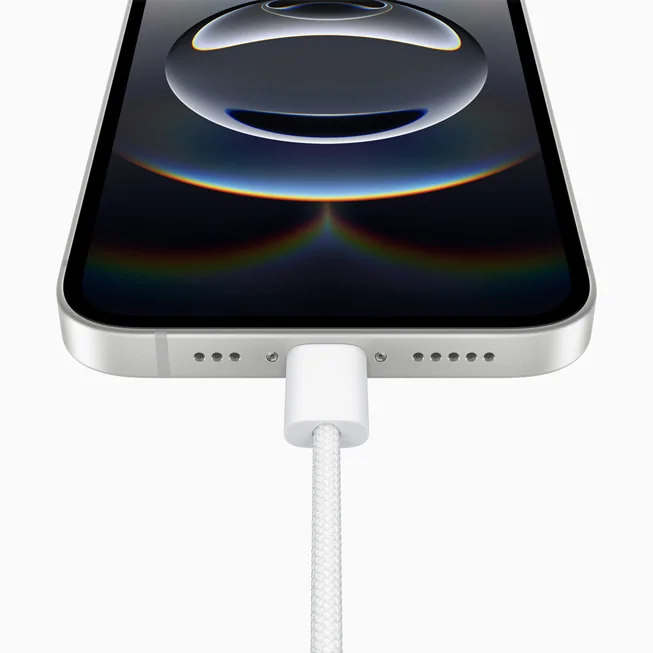
The Apple iPhone 16e is a savvy budget powerhouse for those upgrading from older models or diving into the Apple ecosystem without breaking the bank. Sporting a powerful A18 chip, 6.1-inch Super Retina XDR OLED display, and an impressively enduring 4005mAh battery, it delivers smooth multitasking and all-day stamina that experts applaud. Critics note its single 48MP camera lacks versatility, and the classic notch with a 60Hz refresh rate feels dated next to pricier siblings’ flair. Its unlocked, dual eSIM design adds global convenience but demands carrier checks. With solid build quality and smart features like satellite SOS, this device balances practical perks against trimmed luxuries—worth watching as more user insights emerge.

Find Yours
What's your top priority when choosing a smartphone?
Answer to find your best matches.

The Field
Browse top contenders, or compare all options ranked by score and key attributes.
5 Options



The Scoreboard
Does this improve your life? Considers, health, habits, and environmental impact.
Benefits
A18 efficiency and 4005mAh reduce charging anxiety; integrated design trades repairability.
Satellite messaging provides off-grid SOS and peace of mind in remote, risky situations.
A18 and local Apple Intelligence keep tasks fast while reducing cloud data exposure.
Ceramic Shield and light aluminum body lower anxiety about drops and daily durability.
Dual eSIM unlocked design removes physical SIM waste and eases international carrier swaps.
Trade-Offs
Lithium, rare-earths, and refined glass/aluminum extraction create substantial embodied emissions during manufacturing, unlike modular eco-leaders.
Sealed components and glued battery complicate fixes, making repairs and parts reuse harder.
eSIM-only choice reduces plastic SIMs but can complicate activation in regions lacking carrier support.
No MagSafe forces different chargers and cases, increasing accessory turnover and material waste.
Sealed Li-ion battery needs specialized recycling; improper disposal risks pollution and resource loss.
 Alternatives


Join the Circle
Where real meets deal
Know what's worth buying-and when.
Tips, special offers, and rewards for buying and sharing.

Publications
9 LEADING PUBLICATION REVIEWS

Dan Seifert from GSMArena highlights that the Apple iPhone 16e, while positioned as the cheapest iPhone with a single camera, does not quite deliver flagship-level hardware despite sharing some sensor lineage with higher-end models. The review offers a nuanced take on the camera system, noting that the 16e repurposes components from the iPhone 16 Pro’s ultrawide camera, resulting in decent but not outstanding photo quality. Daylight shots are vibrant and detailed, though some digital artifacts and graininess appear, especially in lower light. The selfie camera impresses with good skin tones and autofocus, outperforming expectations given its modest specs. Video recording supports 4K60 with solid stabilization and color accuracy, but low-light video quality suffers from softness and unusable 2x zoom clips. The review balances praise for Apple’s software features like Photonic Engine and Smart HDR 5 with criticism of omitted capabilities such as the latest Photographic Styles and advanced camera controls, ultimately portraying the iPhone 16e as a capable but restrained budget option with clear compromises.
By GSMArena Team
Eric Zeman from PCMag highlights the Apple iPhone 16e as a thoughtfully positioned, affordable entry in Apple’s iPhone lineup that balances cost with core performance. Priced at $599, it replaces the iPhone SE and shares many features with the higher-end iPhone 16, including the powerful A18 chip and Apple’s new C1 modem, which delivers excellent 5G connectivity and industry-leading battery life for a 6.1-inch iPhone. The review praises the phone’s solid build quality, sharp OLED display, and capable main camera, while noting some compromises such as the absence of mmWave 5G, a slower GPU, fewer camera features, and a less bright screen compared to the iPhone 16. The iPhone 16e also lacks some premium extras like MagSafe charging and the Dynamic Island. Overall, Zeman sees the 16e as a minimalist yet highly capable device ideal for beginners or budget-conscious buyers who want a modern iPhone experience without the top-tier price.
By Eric Zeman
Patrick Holland from CNET highlights the Apple iPhone 16E as a thoughtfully balanced smartphone that blends familiar features from previous models with some notable new additions, like Emergency SOS via Satellite and the powerful A18 chip. Priced at $599, it offers solid battery life, a capable 48-megapixel single rear camera, and smooth performance for everyday tasks and gaming, making it a strong upgrade for users with older iPhones or those switching from Android. However, the iPhone 16E’s value proposition is somewhat complicated by its mix of old and new elements—it lacks the Dynamic Island, MagSafe, and a high-refresh-rate screen, which may disappoint tech enthusiasts. The review praises its reliable 5G connectivity and real-world usability but notes the price misses the more affordable $500 sweet spot targeted by competitors. Overall, the iPhone 16E is positioned as a “gateway” Apple phone that delivers key features without cutting too many corners, ideal for users prioritizing reliability over cutting-edge innovation.
By Patrick Holland
Dan Seifert from The Verge highlights the Apple iPhone 16E as a straightforward, no-frills smartphone designed primarily for users seeking a familiar and reliable iPhone experience without the bells and whistles. Praising its solid performance, dependable camera, and status as the most affordable new iPhone, the review acknowledges the 16E’s appeal to those upgrading from much older models who want simplicity and ease of use. However, the review also points out notable compromises, such as the absence of MagSafe, a single rear camera without an ultrawide lens, and a standard 60Hz screen with a notch instead of the Dynamic Island. The new Apple C1 modem and decent battery life are positive highlights, but the much-touted Apple Intelligence features feel underwhelming and not yet essential. Overall, the 16E is positioned as a practical choice for “unfussy” users but less compelling for those wanting more advanced features or better value compared to slightly pricier alternatives like the iPhone 15.
By Allison Johnson
Julian Chokkattu from WIRED offers a cautiously critical yet measured assessment of the Apple iPhone 16e, positioning it as a reliable but underwhelming upgrade primarily suited for users with much older iPhones like the 8 Plus or X. While praising the device’s standout battery life—surpassing even the iPhone 16—and solid cellular performance thanks to Apple’s new C1 modem, he highlights several notable omissions such as MagSafe, the ultra-wideband chip, and a higher refresh rate display that detract from its appeal. The review underscores the phone’s competent single camera and capable A18 chipset but questions its value proposition given the $599 price tag, especially compared to more feature-rich alternatives like the iPhone 15 or Samsung’s Galaxy S24 FE. Chokkattu’s nuanced critique emphasizes that while the iPhone 16e is dependable, it feels like a “Frankenphone” assembled from leftover parts, making it a confusing and less compelling choice in Apple’s lineup.
By Julian Chokkattu
David Price from Macworld highlights the Apple iPhone 16e as a device of striking contrasts, blending impressive performance with notable compromises. Praising its sleek design, exceptional speed powered by the A18 chip, and future-proofed hardware, he acknowledges the phone’s solid battery life and inclusion of Apple Intelligence as forward-looking features. However, Price critiques the 16e’s outdated single-lens camera, absence of MagSafe charging, and the half-baked state of Apple’s AI platform, which feels more like a work in progress than a polished tool. He points out the phone’s awkward positioning—priced significantly higher than the iPhone SE it replaces, yet lacking some expected modern features—resulting in a product that feels mismatched and difficult to recommend to a clear user base. Ultimately, Price sees the iPhone 16e as a strategic experiment driven by Apple’s AI ambitions rather than consumer needs, making it a lopsided offering with both lofty peaks and surprising omissions.
By David Price
Samuel Gibbs from The Guardian highlights the iPhone 16e as Apple’s most affordable new smartphone, delivering a streamlined iPhone experience with key modern features like the latest A18 chip, AI capabilities, and impressive battery life lasting up to 52 hours. The phone adopts the iPhone 14’s design with a 6.1-inch OLED screen and an aluminum body, but it forgoes some premium elements such as the Dynamic Island notch, MagSafe accessories, WiFi 7, and multiple rear cameras, offering only a single 48MP shooter. While the camera performs well in most conditions, the lack of ultrawide and macro modes may disappoint photography enthusiasts. The action button and USB-C charging add convenience, but the device’s price—around £599—remains high for a “budget” iPhone, limiting its appeal mostly to those seeking the cheapest new Apple model. Gibbs notes that many compromises are minor for typical users, but the absence of certain features and the premium price point temper enthusiasm.
By Samuel Gibbs
Antonio Villas-Boas from Business Insider highlights the Apple iPhone 16e as a compelling budget iPhone that blends elements of past and current models, offering flagship-level performance at a $600 price point. While the phone makes notable compromises—such as lacking an ultrawide camera, MagSafe charging, Dynamic Island, and mmWave 5G support—it compensates with the powerful A18 processor, impressive battery life, and access to Apple’s new AI-driven Apple Intelligence features. The single 48MP camera delivers excellent photos with a useful 2x optical zoom, though it sacrifices versatility compared to dual-camera setups. The design feels slightly dated due to the notch and thicker display borders but remains modern and functional. Villas-Boas appreciates the phone’s value for cost-conscious buyers upgrading from older iPhones but advises caution on higher storage tiers where flagship models may offer better value. Overall, the review conveys a balanced, moderately positive sentiment, recognizing the iPhone 16e’s strengths while clearly outlining its trade-offs.
By Antonio Villas-Boas
Mike Andronico from CNN Underscored highlights the Apple iPhone 16e as a compelling value proposition, delivering flagship-level performance, a vibrant OLED display, and impressive battery life at a $599 price point—$200 less than the standard iPhone 16. He praises its sleek, lightweight design and the inclusion of the versatile new Action button, which enhances usability despite the absence of the Camera Control button. The review emphasizes the phone’s strong A18 chip performance, capable of running demanding games and supporting Apple Intelligence features, though the AI tools are described as more novelty than necessity. Camera quality closely matches the pricier iPhone 16, especially in low light, but the lack of an ultrawide lens and MagSafe charging are notable compromises. Andronico also notes the end of the smaller iPhone SE line and the higher entry price, which may disappoint budget-conscious buyers. Overall, the iPhone 16e is recommended for first-time iPhone users or those upgrading from older models, balancing premium features with some trade-offs.
By Mike Andronico

YouTube
7 LEADING EXPERT & INFLUENCER REVIEWS
 Marques Brownlee
Marques Brownlee finds the iPhone 16e a solid but conflicted entry-level iPhone, praising its modern design, A18 chip, and efficient new C1 modem with strong battery life. However, he criticizes its $599 price as too high for the limited single 48MP camera, lack of MagSafe, and 60Hz display, suggesting most buyers might be better off with a discounted iPhone 15 Pro.
MacRumorsDan from MacRumors finds the iPhone 16e a solid, lightweight device with a clean single-camera design and a bright 6.1" OLED display, though he notes the lack of Dynamic Island, 120Hz refresh, and MagSafe as drawbacks. He praises the new Action Button, USB-C charging, and the reliable A18 chip and C1 modem, highlighting good battery life and consistent cellular performance, especially in dead zones. While he questions the $599 price, he recommends it for users upgrading from older iPhones who value simplicity and solid everyday performance.
ShortCircuitLinus from ShortCircuit offers a measured yet mostly positive take on the iPhone 16e, praising its flagship-level A18 chip, solid battery life, and long-term software support. He notes compromises like the single Fusion camera, lack of MagSafe, and a classic notch, but finds it a reasonable choice for budget-conscious users valuing longevity over cutting-edge features.
Hayls WorldHayls World enthusiastically highlights the iPhone 16e’s powerful 48MP camera with forced high-res mode, versatile customizable Action Button (including a unique Visual Intelligence feature linked to ChatGPT), and clever storage expansion via USB-C. The review balances excitement for these standout features with practical tips, showcasing the phone’s near-Pro capabilities at half the price.
Created TechCreated Tech praises the iPhone 16e for its solid build, excellent battery life, and near-flagship A18 chip performance, making it a reliable, no-frills option for budget-conscious iPhone users. However, he criticizes the lack of MagSafe, 120Hz ProMotion, and Dynamic Island, viewing these omissions as deliberate cost-cutting to upsell pricier models.
Simple AlpacaSimple Alpaca praises the iPhone 16e as a solid, user-friendly device with a beautiful 6.1-inch Super Retina XDR OLED display, customizable iOS 18 features, and useful hardware like the Action Button and wireless charging (though no MagSafe). While noting some iOS 18 glitches, the reviewer emphasizes its value and encourages protective accessories, offering a warm, practical guide for beginners.
Jon Adams Jon Adams praises the iPhone 16e as a practical, smaller alternative to the 16 Pro Max, valuing its comfortable size, solid battery life, and strong price-to-performance ratio. He highlights that despite lacking native MagSafe, compatible cases restore full functionality. While acknowledging some downsides, he finds the 16e ideal for everyday use and frequent upgrades.

Social
11 INFLUENCER REVIEWS
 Michael Fisher
Michael Fisher highlights the Apple iPhone 16e as a practical, no-frills smartphone that balances solid performance with notable compromises. He appreciates its A18 chipset, action button, and repair-friendly design but points out the larger size, higher price than the SE, and dated 60 Hz screen as drawbacks. His unique insight comes from real-world testing, including a drop test that revealed the phone’s durability despite cosmetic damage. Overall, Fisher views the iPhone 16e as a sensible choice for users upgrading from much older iPhones or those seeking an affordable entry into the Apple ecosystem without premium features. While not perfect, he recommends it conditionally—especially for those who prioritize value and reliability over cutting-edge specs or design finesse.
Rajiv Makhni | Gadget GuruRajiv Makhni highlights the iPhone 16e as Apple’s most affordable model, praising its powerful A18 Bionic chip, solid 48MP camera, customizable action button, and excellent battery life. He notes the lack of a dynamic island, ultra-wide camera, and MagSafe as notable compromises. Overall, Rajiv finds the 16e a strong value for those seeking flagship performance at a lower price but suggests weighing its missing features before buying.
Hardware CanucksHardware Canucks highlights the iPhone 16e’s lightweight design, sleek form, and impressive 48MP fusion camera that performed well during street photography in Taiwan. They note the surprisingly long battery life lasting up to two days, thanks to an efficient chip and new modem. However, the 60Hz display felt like a downgrade, and the lack of MagSafe compatibility was a significant drawback. Overall, Hardware Canucks finds the iPhone 16e a solid, if basic, option for those wanting a more affordable entry into Apple’s ecosystem. While it lacks some advanced features and feels pricey at $599, its battery life and camera quality make it worth considering—especially for users prioritizing longevity and photo capability over cutting-edge specs.
Tom HitchinsTom Hitchins highlights the iPhone 16e’s standout battery life, powerful A18 chip, and sleek design, praising its all-day endurance and smooth performance. He notes the absence of MagSafe, lack of an ultra-wide camera, and a price point that feels a bit steep compared to last year’s iPhone 15 Pro. Overall, Tom sees the iPhone 16e as a solid choice for users who want a reliable, well-built iPhone without needing the latest camera features or cutting-edge extras. He recommends it especially for those valuing the iPhone brand and straightforward functionality over specs.
ryanRyan highlights the iPhone 16e’s solid battery life and smooth performance after 6–7 months of use, noting it outlasts the iPhone 7 and avoids lag despite occasional iOS glitches. He praises the camera’s quality but points out the lack of night mode, ultra-wide lens, MagSafe, and slow wireless charging as notable drawbacks. Overall, Ryan finds the iPhone 16e to be a reliable, well-performing phone that holds up well over time, though it has clear compromises in features and charging speed. He offers a measured recommendation for users who prioritize battery and smoothness over cutting-edge camera tech or wireless charging convenience.
Tech BandicootTech Bandicoot highlights the Apple iPhone 16e’s battery endurance through a detailed, repeatable test comparing it to the iPhone Air. The review conveys a cautiously positive tone, noting solid battery life under heavy use but with some implied reservations about overall performance. The methodical setup adds credibility and practical insight. Overall, Tech Bandicoot finds the iPhone 16e a reliable choice for users prioritizing battery longevity, though the enthusiasm is measured rather than exuberant. The review suggests it’s worth considering for specific needs but stops short of an unqualified recommendation.
Rebekkah KaurRebekkah Kaur highlights the iPhone 16e’s standout battery life, lightweight minimalist design, and versatile new Action Button, praising its smart features like built-in ChatGPT and surprising gaming power. She notes the 48MP camera is solid but not comparable to Pro models due to a smaller lens, and points out missing features like MagSafe and wide-angle lens. Overall, Rebekkah finds the iPhone 16e a great budget-friendly option with thoughtful compromises, recommending it especially if you catch a sale. While it lacks some premium features, its strengths in battery, portability, and smart functions make it a compelling choice for everyday users.
Shannon Grixti | Gaming & TechShannon Grixti highlights the iPhone 16e as a significant upgrade from the iPhone SE, praising its sleek matte design, 6.1-inch OLED display, USB-C charging, and versatile 48MP Fusion camera. She notes the powerful A18 chip enabling advanced AI features and smooth gaming, alongside improved battery life. While not the top-tier model, it offers excellent value for users seeking strong performance without premium price. Overall, Shannon finds the iPhone 16e a fantastic addition to the iPhone 16 lineup, recommending it especially for those who want solid features and reliability without needing the absolute best specs. Her review balances enthusiasm with practical insight, making it a confident, positive endorsement.
Marina MonteiroMarina Monteiro highlights the iPhone 16E as Apple’s most affordable 2025 model but criticizes it for being overpriced given its limited features. She notes the improved 6.1-inch OLED display, solid 48MP main camera with 2x zoom, customizable action button, and good battery life, but flags the lack of ProMotion, ultra-wide lens, MagSafe, and the high price as major drawbacks. Overall, Marina finds the iPhone 16E underwhelming and calls it the “worst iPhone ever,” recommending it only if you can secure a great carrier deal. Otherwise, she suggests considering better alternatives, emphasizing that the phone’s value doesn’t justify its cost at full price.
 MARCELA
caprimuse (Marcela) highlights her growing enthusiasm for the iPhone 16e after two weeks of use, praising its customizable action button, new photographic styles, and impressive object eraser feature. She notes the absence of 0.5x zoom but emphasizes practical USB-C connectivity and hands-on demonstrations that showcase real benefits. Overall, Marcela’s review is warmly positive and encouraging, focusing on unique, user-friendly updates that enhance daily use. While she acknowledges minor limitations, her excitement and detailed examples suggest a strong recommendation for those interested in Apple’s latest smartphone innovations.
Versus.comVersus.com highlights both strengths and weaknesses of the iPhone 16e, noting its powerful A18 chip, best-in-class battery life, and new Apple Intelligence features as clear positives. However, they criticize the outdated 60Hz screen, lack of Dynamic Island, single rear camera, and absence of MagSafe charging, tempering enthusiasm. Overall, Versus.com presents a cautiously mixed view, suggesting the iPhone 16e offers solid performance and value at $599 but falls short on key modern features, leaving the recommendation open-ended and inviting viewers to decide for themselves.

Forum Reviews
CUSTOMER REVIEWS FROM 1 FORUM
Reddit users generally view the iPhone 16e as a solid, budget-friendly option with commendable battery life, reliable performance powered by the A18 chip, and good build quality. Many appreciate its efficiency and future-proofing features like Apple Intelligence, especially for users upgrading from older models or those seeking a straightforward device for communication and media consumption. However, critiques focus on its lack of premium features such as MagSafe, a telephoto lens, and a higher refresh rate display, with some considering it overpriced compared to refurbished higher-end models. Overall, it is seen as a practical choice for non-power users but less appealing for enthusiasts or those wanting advanced camera and display capabilities.
Many comments

In-Depth Review

Highlights
- •Battery lifeAll-day endurance under heavy use
- •System performanceSnappy performance for everyday tasks
- •Main camera qualityDetailed daytime photos; capable 4K video
- •Display brightness and colorBright 6.1-inch OLED with HDR
- •Action Button utilityCustomizable quick-access hardware control
- •Connectivity and emergency supportStrong cellular performance and satellite SOS

Considerations
- •Value relative to featuresHigh entry price for trimmed features
- •Display refresh and layout60Hz refresh and traditional notch design
- •No MagSafe compatibilityMissing MagSafe affects accessories and charging
- •Limited camera versatilitySingle rear lens; no ultrawide option
- •eSIM-only designNo physical SIM slot; carrier checks needed
- •Apple Intelligence maturityAI features feel limited at launch
While real-world feedback on this refreshed Apple model is still emerging, early impressions suggest it’s a savvy contender in the budget smartphone arena. Designed for users upgrading from older devices or stepping into the Apple ecosystem without breaking the bank, it boasts a powerful A18 chip that keeps things running smoothly and an impressively enduring 4005mAh battery that outlasts rivals. Its 6.1-inch Super Retina XDR OLED display dazzles with vivid colors and brightness, though some might miss faster refresh rates or newer design flourishes like Dynamic Island. The camera setup balances solid daytime shots via its 48MP Fusion sensor against fewer bells and whistles than pricier siblings. Built tough with Ceramic Shield glass and equipped with robust connectivity—including satellite SOS—the phone plays smart in practical features over flashy extras. If you’re after reliable performance wrapped in familiar Apple polish, stick around—these key strengths may well surprise you where it counts most.
Camera system (rear and front)
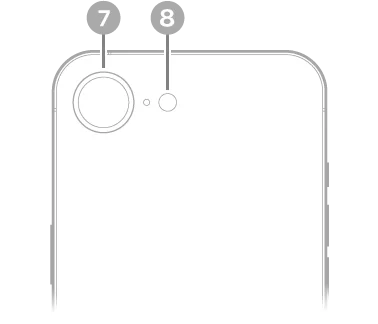
Armed with a single but mighty 48MP rear Fusion camera featuring 2x optical zoom, plus a reliable 12MP front shooter, the iPhone 16e captures sharp daytime shots brimming with detail thanks to Apple’s Photonic Engine tech. However, critics note compromises: no ultrawide lens or advanced photographic styles limits versatility while low-light photos show graininess—typical trade-offs at this tier. Video fans get crisp stabilized footage up to 4K60 but miss out on telephoto zoom clips’ quality dips; overall, it's solid yet restrained photography smarts packed neatly inside.
Display quality and brightness
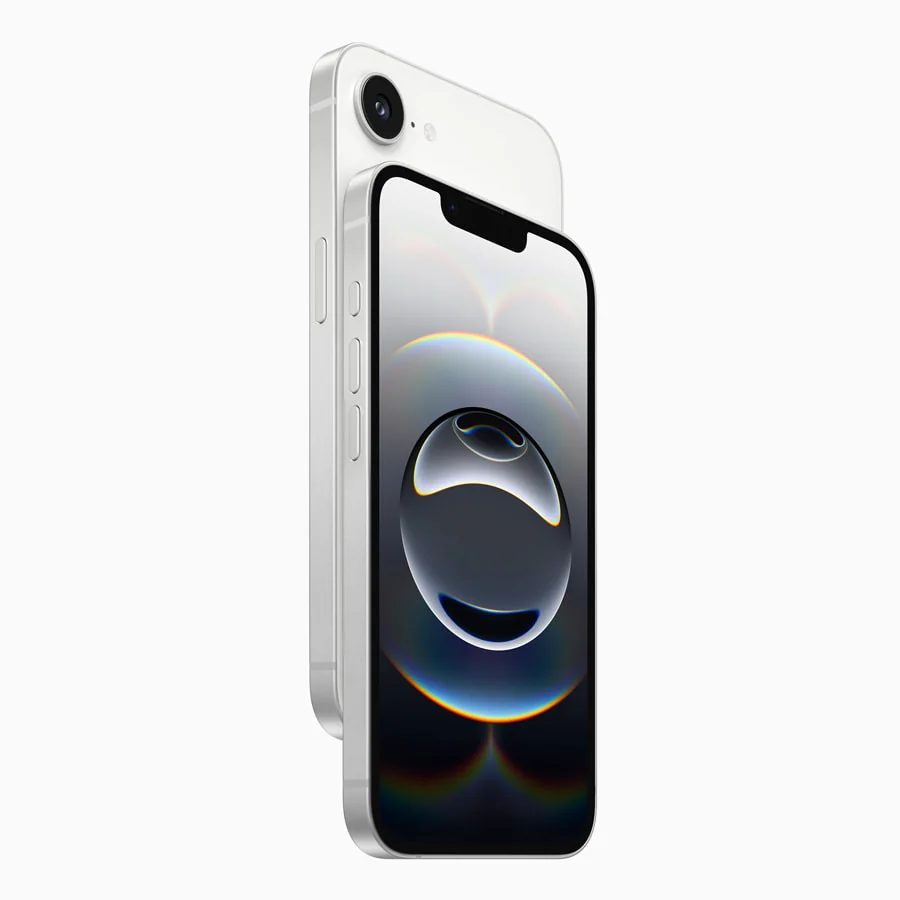
Sporting a vibrant 6.1-inch Super Retina XDR OLED panel delivering crisp visuals at HDR10 standards, the display is bright enough for sunny outdoor scapes hitting peaks of around 1200 nits—impressive for an entry-level device! Still, purists might grumble over its static notch design versus Dynamic Island innovations elsewhere in Apple land—and sticking stubbornly to classic 60Hz refresh rate means smoother scrolling enthusiasts will feel slight FOMO here despite vivid colors lending punchy viewing joy otherwise.
Battery life and endurance
The iPhone 16e flexes its muscles with a 4005mAh battery that delivers up to 26 hours of video playback, outlasting rivals in daily use. Powered by the efficient A18 chip and new C1 modem, it offers stamina that’s hard to beat for an entry-level phone. While Apple boasts about all-day endurance, user experiences confirm this claim with reports of solid longevity even under heavy usage. This robust powertrain ensures you won’t be hunting for chargers mid-afternoon — a genuine win in smartphone stamina.
System performance and multitasking
Equipped with the formidable A18 6-core CPU paired with 8GB LPDDR5X RAM, the iPhone 16e handles everyday tasks and gaming without breaking a sweat. Experts applaud its smooth multitasking prowess, ensuring apps open quickly and transitions stay fluid—a rarity at this price point. Though lacking some flagship GPU cores, users still find it snappy enough for most workflows. Apple's smart software optimizations keep things running buttery-smooth well into future updates, cementing its status as a budget powerhouse ready to impress beyond expectations.
Conclusion
Peeling back the layers, this phone stakes its claim with battery life and endurance that truly outlast the daily grind, while its system performance and multitasking hum along smoothly thanks to a potent A18 chip. The camera system, though singular in lens count, punches above weight with crisp daytime shots but leaves little room for creative flair without an ultrawide. Its display quality and brightness shine bright—literally—with vivid OLED colors that dazzle despite sticking to a classic 60Hz refresh rate. Solid as ever, the build’s toughness matches Apple’s usual standards, reinforcing confidence in everyday durability. On connectivity, the new C1 modem ensures reliable cellular support—even in tricky spots—and adds satellite SOS for peace of mind when it counts most. This device suits those upgrading from older iPhones or seeking straightforward reliability over bells and whistles; it balances smart essentials with thoughtful compromises without trying to be everything at once—a practical gem wrapped in polished restraint.

Feature Scores
This reflects reviews and ratings from established critics, journalists, and users who have evaluated the item. Their opinions provide a comprehensive assessment.
Performance
Processor Performance
5/5
Battery Life
5/5
Software Stability & Updates
4/5
Camera System Performance
4/5
Network Connectivity
4/5
Value
Price-to-Performance Ratio
3/5
Resale Value
4/5
Design
Display Quality
4/5
Ergonomics & Comfort
4/5
Materials & Fit/Finish
4/5
Health
RF Emissions
4/5
Blue Light Management
4/5
Safety
Biometric Security
5/5
Data Privacy & Security
4/5
Physical Safety Features
4/5
Sustainability
Repairability & Modular Design
3/5
Energy Efficiency
4/5
Responsible Sourcing
3/5
Experience Style
Customizability
4/5
Ease of Use
4/5
Accessibility Features
4/5

Specifications
This section outlines the product's key facts, covering essential features, details, dimensions, materials, and any unique characteristics that define its functionality and usability.
Performance
Value
Design
Safety
Sustainability
Experience Style

Frequently Asked Questions
8 Questions

Also Consider
1 Option

Find Yours
What's your top priority when choosing a smartphone?
Answer to find your best matches.