Celestron StarSense Explorer DX 130
Innovative smartphone-guided telescope with bright optics and quick setup, but tripod stability limits precision.
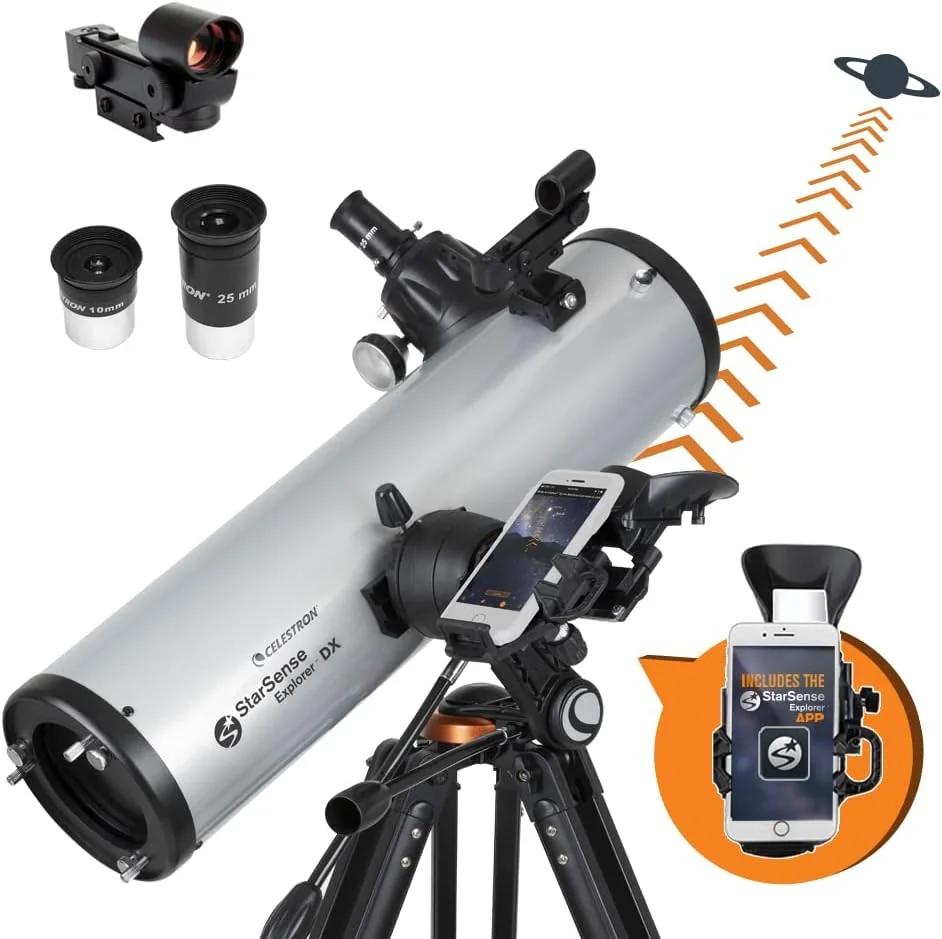
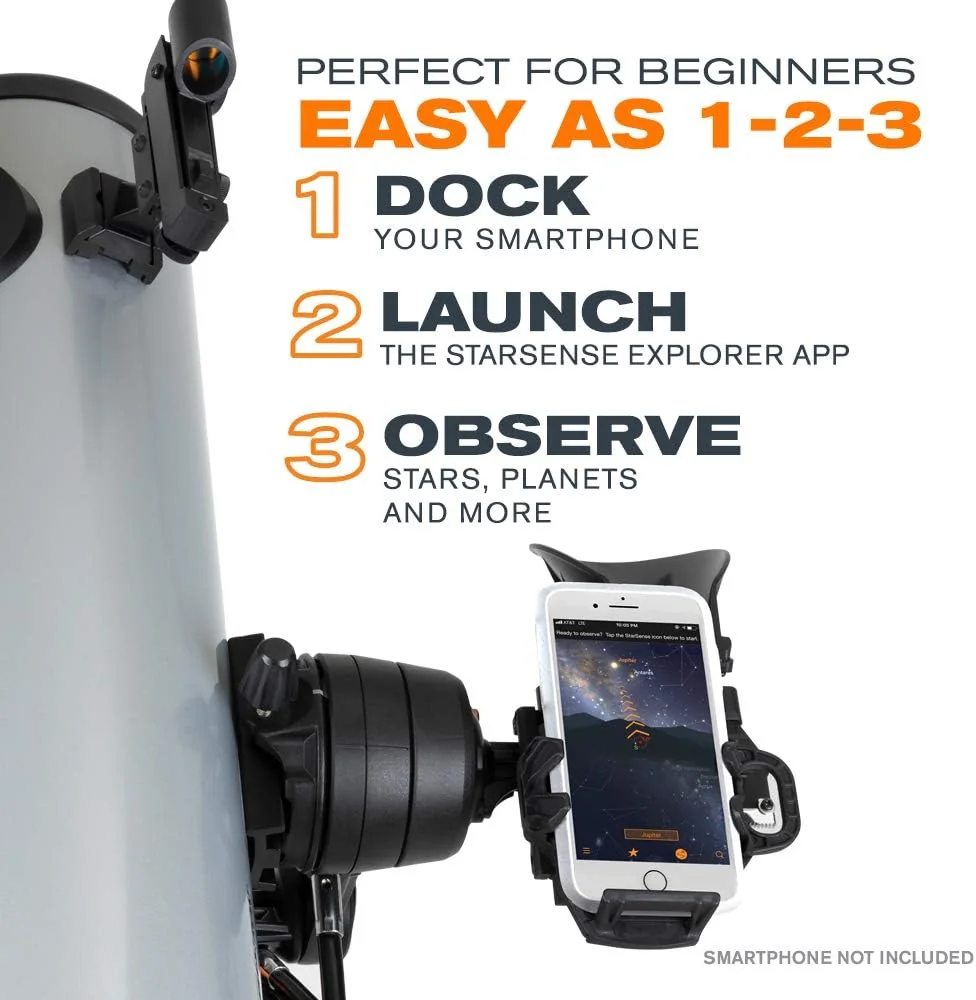
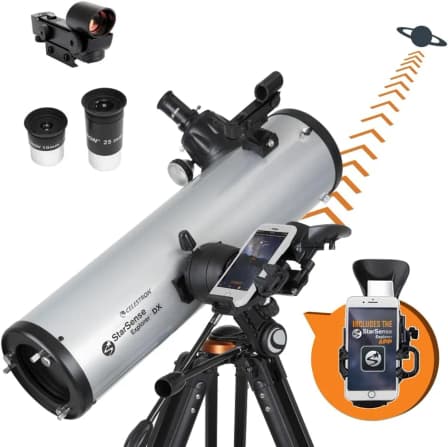
The Celestron StarSense Explorer DX 130 is a smartphone-savvy beginner’s telescope that turns star-hunting into a guided adventure with its patented plate-solving app. Designed for newcomers eager to skip sky charts, it delivers bright 130mm optics and impressively crisp views of planets and deep-sky gems. Experts applaud the quick setup and sharp images, though users frequently flag the wobbly tripod as a shaky drawback. The included eyepieces are serviceable but invite upgrades to unlock true detail. With its blend of tech ease and manual charm, this scope offers solid value—just mind the trade-offs that shape your stargazing joyride’s precision.
Find Yours
What celestial objects do you primarily wish to observe?
Answer to find your best matches.

The Scoreboard
Does this improve your life? Considers, health, habits, and environmental impact.
Benefits
App plate-solving reduces searching time versus complex GoTo setups, boosting enjoyment.
Quick setup and portability increase outdoor stargazing compared to bulky rigs, lowering stress.
130mm parabolic mirror gathers light for clearer views, inspiring curiosity and calm focus.
Manual alt‑az mount avoids motors, reducing electricity use and electronic waste footprint.
Requires collimation and manual tracking, building mechanical skills and sustained cognitive engagement.
Trade-Offs
Plastic single‑arm tripod can vibrate or break, unlike sturdier metal tripods.
Undriven alt‑az mount prevents long exposures, so deep‑sky imaging is largely impractical.
Included Kellner eyepieces and plastic focuser limit fine planetary detail and viewing comfort.
Reliant on smartphone plate‑solving; may be less ideal for screen‑free, dark‑adapted stargazing.
Newtonian optics need regular collimation; this upkeep can frustrate beginners and interrupt sessions.
High‑use plastic parts prone to breakage increase replacement waste, unlike more durable metal designs.
 Alternatives


Join the Circle
Where real meets deal
Know what's worth buying-and when.
Tips, special offers, and rewards for buying and sharing.

Publications
5 LEADING PUBLICATION REVIEWS

Damian Peach from Space.com highlights the Celestron StarSense Explorer DX 130AZ as an excellent beginner telescope that combines user-friendliness with solid optical performance. Praising its quick 15-minute setup, lightweight portability, and the innovative StarSense App that simplifies night sky navigation, the review emphasizes how this telescope makes astronomy accessible even to novices and young users. The optics deliver crisp, contrasty views of galaxies, nebulas, and planets, though the included eyepieces limit high-powered planetary detail, prompting a recommendation to add a Barlow lens or better eyepieces. Collimation is necessary for optimal performance, which may challenge beginners but is manageable given the telescope’s size. While basic astrophotography is possible, the undriven mount restricts long exposures. Overall, the review conveys a balanced, positive sentiment, noting the DX 130AZ’s affordability and capability as a first telescope, while candidly addressing its limitations and suggesting alternatives for those seeking enhanced astrophotography or higher magnification.
By Damian Peach
Jamie Carter from BBC Sky at Night Magazine highlights the Celestron StarSense Explorer DX 130AZ as an innovative blend of traditional manual telescopes and modern smartphone-assisted navigation. Praising its clever StarSense app integration, the review emphasizes how the app’s sky recognition technology aids beginners in locating celestial objects without fully automated tracking. The telescope’s optics deliver sharp, contrast-rich views of lunar and deep-sky targets, especially under dark skies. However, Carter points out notable limitations, including a somewhat shaky altazimuth tripod prone to vibrations, difficulty aiming near the zenith, and challenges aligning the scope on bright nights or using the app’s red-light mode. The supplied eyepieces are basic but adequate for beginners, with easy-to-use slow-motion controls enhancing fine adjustments. The review appreciates the thoughtful inclusion of a smartphone dock and accessory tray for extended sessions. Overall, the review conveys a cautiously positive tone, valuing the unique StarSense approach while acknowledging practical trade-offs in stability and ease of use.
By Jamie Carter
Zane Landers from TelescopicWatch assesses the Celestron StarSense Explorer DX 130 AZ as a solid beginner telescope with useful features, particularly highlighting its innovative StarSense Explorer technology that leverages a smartphone for manual sky navigation. While the scope offers good optical performance typical of a 130mm f/5 Newtonian reflector and includes decent starter eyepieces, Landers points out limitations such as the need for collimation, somewhat unstable tripod legs, and less precise slow-motion controls. He notes that the wide field of view somewhat diminishes the necessity of computerized assistance, and that comparable or better scopes exist at similar or lower prices, especially those with larger apertures or GoTo capabilities. Unique insights include detailed discussion of optical aberrations, practical mounting considerations, and the impact of smartphone model on StarSense accuracy. Overall, Landers recommends the DX 130 AZ as a capable scope for beginners who value the StarSense system but suggests considering alternatives for better value or advanced features.
By Zane Landers
Stuff South Africa highlights the Celestron StarSense Explorer DX130 AZ as an excellent beginner-friendly telescope that simplifies night sky navigation through its intuitive StarSense Explorer app and alt-azimuth mount. The reviewer expresses measured enthusiasm for its sturdy 130mm Newtonian reflector optics, which deliver crisp lunar and planetary views, especially under darker skies. Setup is quick and straightforward, making it accessible for novices eager to start observing without complex manual navigation. However, the review also candidly addresses limitations: the lightweight tripod causes stability issues, requiring additional weight or modifications, and the stock Kellner eyepieces are underwhelming, prompting a strong recommendation to upgrade for sharper, clearer views. Collimation is noted as a necessary but worthwhile skill for optimal performance. While not suited for astrophotography, the telescope offers rewarding wide-field and planetary observations. Overall, the tone is balanced and encouraging, emphasizing ease of use and value while honestly acknowledging trade-offs and areas for improvement.
By Brett Venter
Jamie Carter from T3 highlights the Celestron StarSense Explorer DX 130AZ as an innovative beginner-friendly telescope that cleverly integrates smartphone technology to simplify night sky navigation. Praising its sharp optics and impressive views of deep-sky objects like the Orion Nebula and nearby galaxies, Carter emphasizes the value of the StarSense app in guiding users through manual alignment, making the learning curve manageable despite the telescope’s manual altazimuth mount. However, he notes some drawbacks, including the need for frequent manual adjustments to keep objects centered, occasional collimation requirements, and limited effectiveness under bright moonlight or city skies. The supplied eyepieces offer modest magnification, suitable for clusters and nebulae but less ideal for planetary viewing without upgrades. Carter also compares it to alternatives like the motorized SkyWatcher Explorer 130M and the high-end Unistellar eVscope 2, positioning the StarSense Explorer DX 130AZ as a balanced choice for beginners who want sharp views and an educational experience rather than fully automated operation.
By Jamie Carter

YouTube
6 LEADING EXPERT & INFLUENCER REVIEWS
 Ed Ting
Ed Ting praises the Celestron StarSense Explorer DX 130 for its intuitive smartphone integration and solid optics, making stargazing accessible for beginners. However, he highlights significant issues with the unstable single-arm mount and a problematic focuser, suggesting better alternatives for serious users despite the telescope’s innovative StarSense navigation.
AstroBlenderAstroBlender praises the Celestron StarSense Explorer DX 130 for its innovative plate-solving technology that simplifies alignment using a smartphone app, making stargazing accessible and quick for beginners. He highlights its ease of use, portability, and reliable app performance, while noting the included eyepieces are basic but upgradeable.
SarahMaths AstroSarahMaths Astro praises the Celestron StarSense Explorer DX 130 for its intuitive smartphone app that simplifies night sky navigation, making it ideal for beginners. She highlights the quality 130mm Newtonian reflector, easy setup, and portability. Minor cautions include the need for proper app alignment and separate solar filters for sun viewing.
Maximum AstronomyMaximum Astronomy praises the Celestron StarSense Explorer DX 130 as an excellent beginner telescope with impressive StarSense technology that quickly and accurately guides users to celestial targets. The 5-inch Newtonian reflector delivers clear views of planets and deep-sky objects. Minor drawbacks include a slightly wobbly mount and basic eyepieces, but its portability and versatile mount system stand out.
Tsula's Big AdventuresTsula from Tsula's Big Adventures praises the Celestron StarSense Explorer DX 130 for its easy setup, quality optics with a parabolic mirror, and effective StarSense smartphone integration that simplifies locating celestial objects. However, she critiques the mount’s limited zenith access, plastic focuser, and lack of collimation guidance, recommending it mainly for budgets under $400.
Hobby Time With ChrisHobby Time With Chris praises the Celestron StarSense Explorer DX 130 for delivering impressive lunar views using the included 10mm eyepiece and smartphone mount. He highlights the telescope’s optical quality but cautions about tripod stability, especially on uneven surfaces like decks, which causes noticeable shaking at higher zoom levels.

Store Reviews
CUSTOMER REVIEWS FROM 1 STORE
Amazon users praise the Celestron StarSense Explorer DX 130AZ as an excellent beginner telescope that combines solid optical performance with intuitive technology. Many highlight the ease of setup and assembly, noting that the included instructions and design features, such as the unique slow-motion controls with recessed Allen screws, streamline the process even for novices. Reviewers emphasize the value of the StarSense app, which guides users to celestial objects with impressive accuracy, often outperforming more expensive computerized mounts. The app also enriches the experience by providing detailed information and night vision mode to preserve dark adaptation. Observers appreciate the 130mm aperture for delivering bright, sharp views of planets, star clusters, and galaxies, even under light-polluted urban skies. Several users share delight in spotting features like Saturn’s rings and colorful double stars, which they had not seen clearly before. The red dot finder complements the app by allowing quick manual targeting of known objects. While some mention the included eyepieces as basic and upgradeable, the overall optical quality meets or exceeds expectations for the price point. A few users report mixed experiences with the app’s functionality and occasional difficulty in aligning the telescope in heavily light-polluted areas, but these issues appear less common. The telescope’s simple Newtonian design also reassures users about future maintenance needs. Overall, Amazon reviewers find the StarSense Explorer DX 130AZ to be a fun, accessible, and educational tool that effectively introduces beginners to amateur astronomy and encourages ongoing exploration of the night sky.
4.1 Stars / Many verified reviews

Forum Reviews
CUSTOMER REVIEWS FROM 1 FORUM
Reddit users generally view the Celestron StarSense Explorer DX 130 as a decent beginner telescope with useful app-assisted object locating, making it suitable for casual planetary and deep-sky observation without requiring extensive manual navigation skills. While the optical performance and ease of collimation receive moderate praise, many express concerns about the quality of the mount and tripod, describing them as flimsy and prone to jitter, which can hinder viewing stability. Some users appreciate its portability and educational value, especially for children, but caution that it is not ideal for serious astrophotography or advanced use. Overall, the sentiment balances appreciation for its accessibility and functionality with criticism of its build quality and limitations.
Some comments

In-Depth Review

Highlights
- •StarSense plate-solving accuracyfast, precise object location
- •Optical aperture and coatingsbright 130 mm mirror performance
- •Quick setup and guided alignmentassemble and align in minutes
- •Portabilitylightweight 18 lb kit
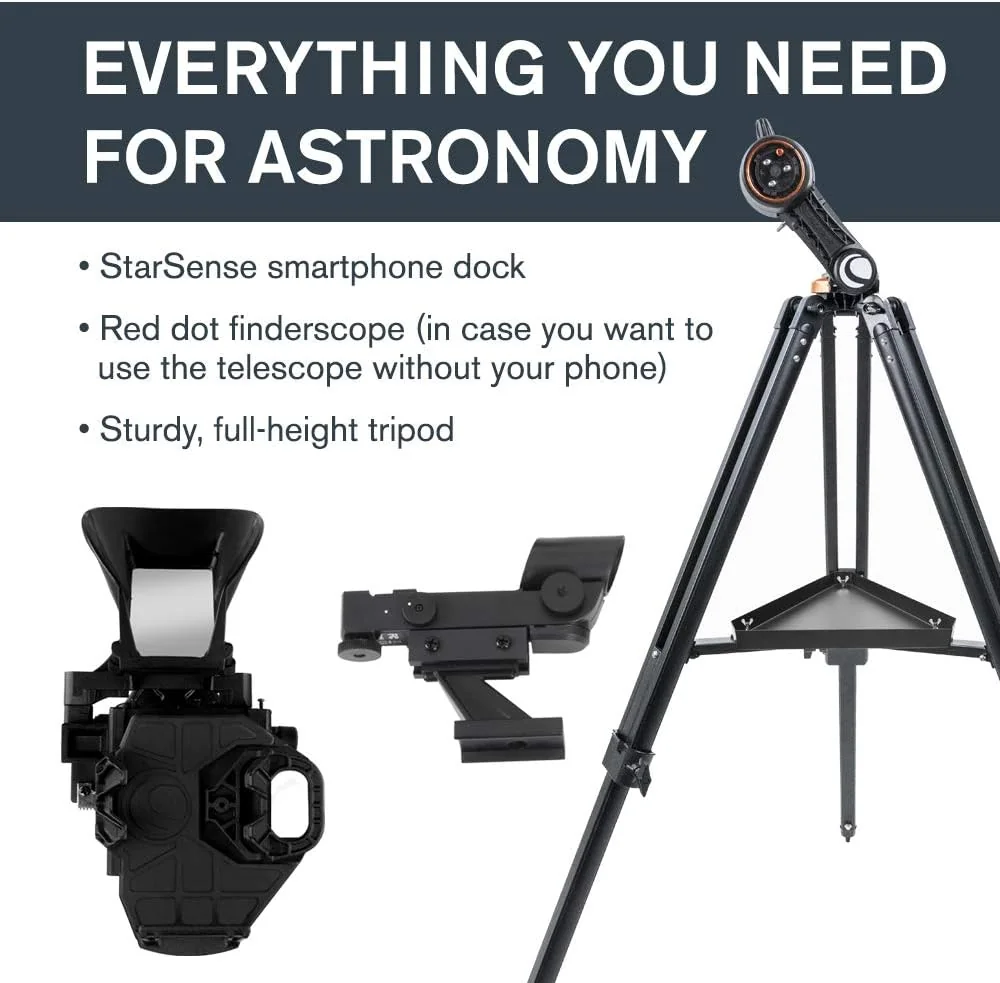
- •Complete out-of-box kiteyepieces, dock, finder, tripod included
- •Educational app featuresaudio guides and curated lists

Considerations
- •Mount and tripod stabilityshaky under bumps or wind
- •Included eyepiece qualitybasic Kellner eyepieces often upgraded
- •Limited astrophotography suitabilitynot suited for long‑exposure imaging
- •App reliability and compatibilityoccasional connectivity or phone issues
- •Zenith access constraintstripod can block overhead viewing
- •Focuser and plastic partsplay in focuser; some plastic parts
Renowned for blending innovation with accessibility, this telescope offers a standout feature in its patented StarSense plate-solving technology, which harnesses your smartphone’s camera and GPS to guide you swiftly across the night sky. Designed primarily for beginners and casual observers, it boasts a 130mm aperture with highly reflective coatings that deliver crisp views of planets and deep-sky objects alike. While the manual altazimuth mount paired with an adjustable full-height tripod supports smooth tracking, stability issues may arise under certain conditions—a common trade-off at this price point. Included are basic eyepieces supported by a versatile focuser accommodating larger optics if desired. Its lightweight design enables quick assembly and portability, ideal for spontaneous stargazing sessions or family outings. Whether you're stepping up from binoculars or seeking tech-augmented simplicity, understanding these core aspects will shape your experience—so buckle up as we explore what truly sets this scope apart from the crowd!
StarSense plate-solving accuracy
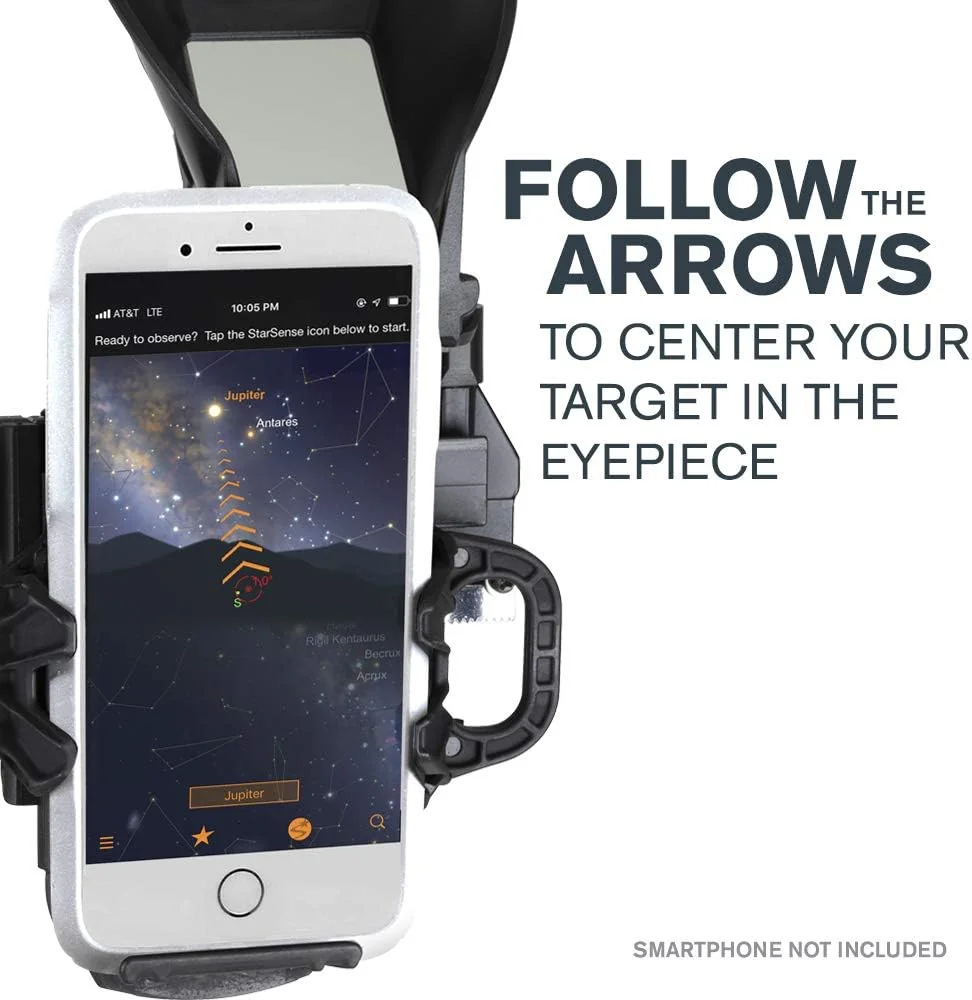
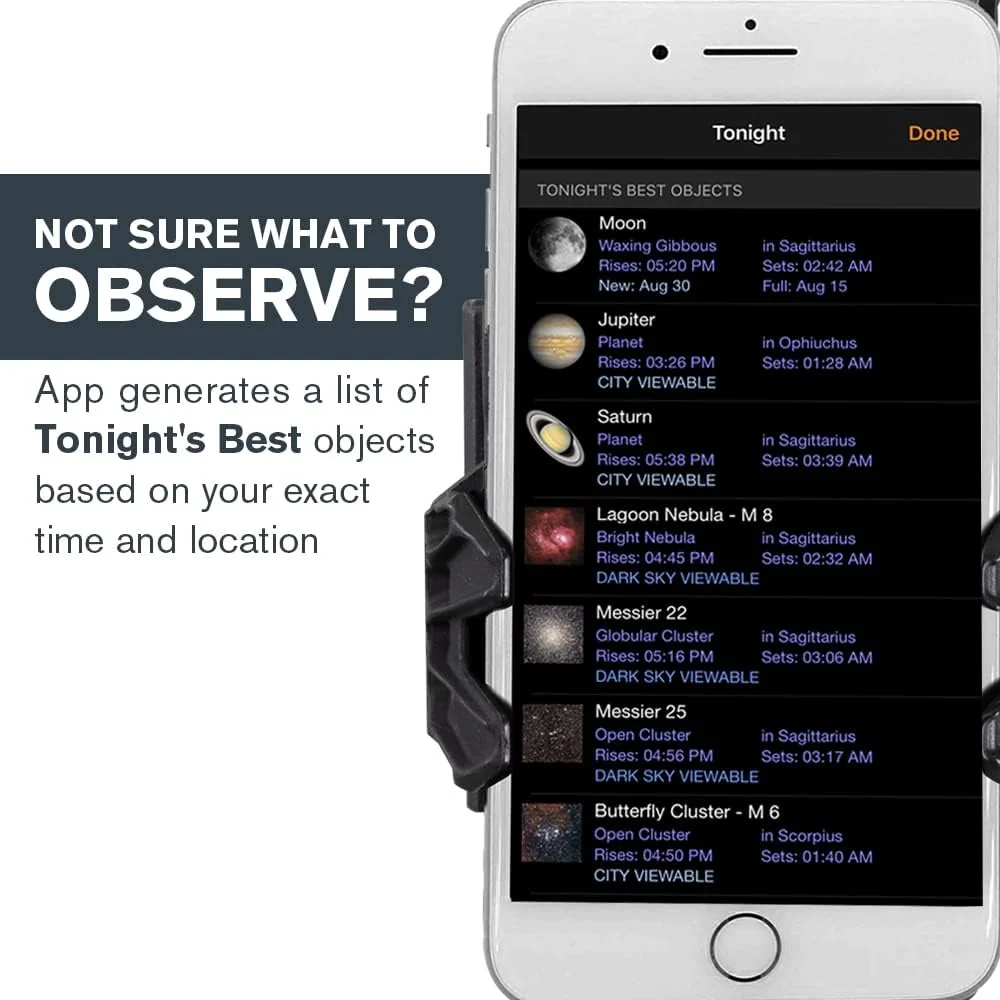
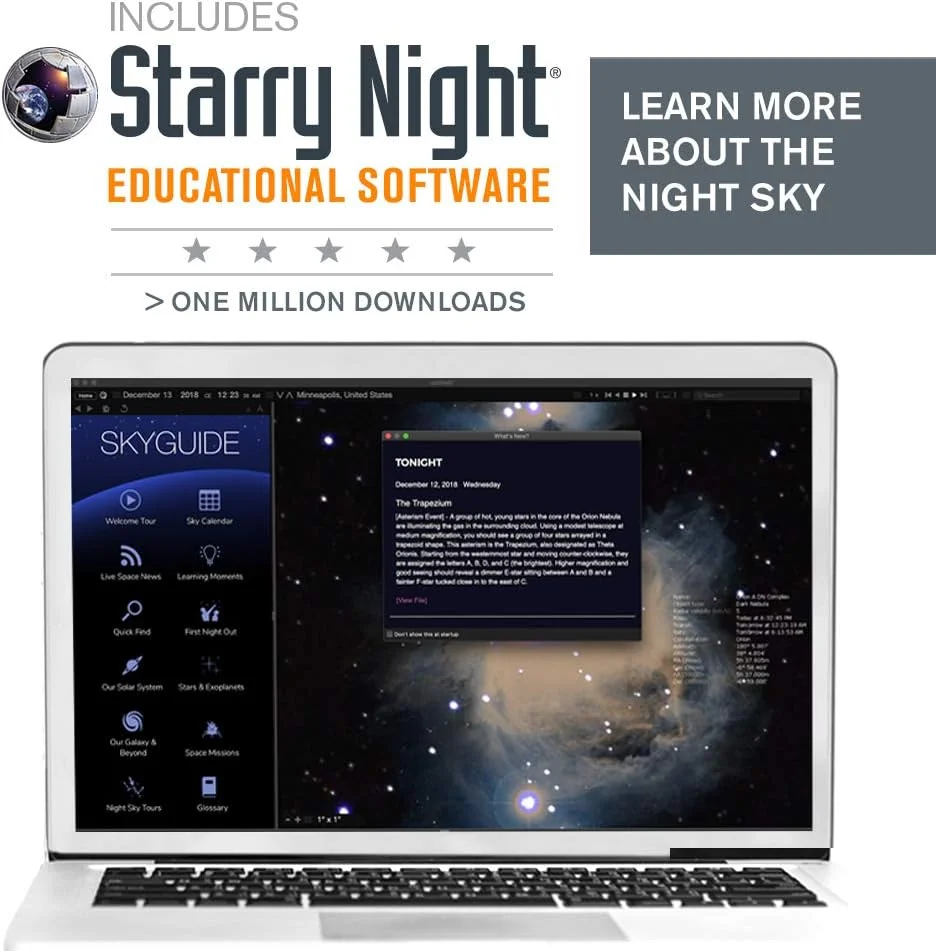
The StarSense Explorer DX 130 dazzles with its patented sky recognition technology and clever use of a smartphone camera paired with a mirror to precisely identify star patterns. This plate-solving system delivers an almost effortless, real-time celestial navigation experience, guiding users smoothly across the night sky. Experts and users alike praise its impressive accuracy in locating targets, often outperforming computerized mounts in consistency. The app’s intuitive interface, including a curated list of “Tonight’s Best” objects, makes stargazing accessible for beginners while retaining value for casual observers.
Focuser and eyepieces
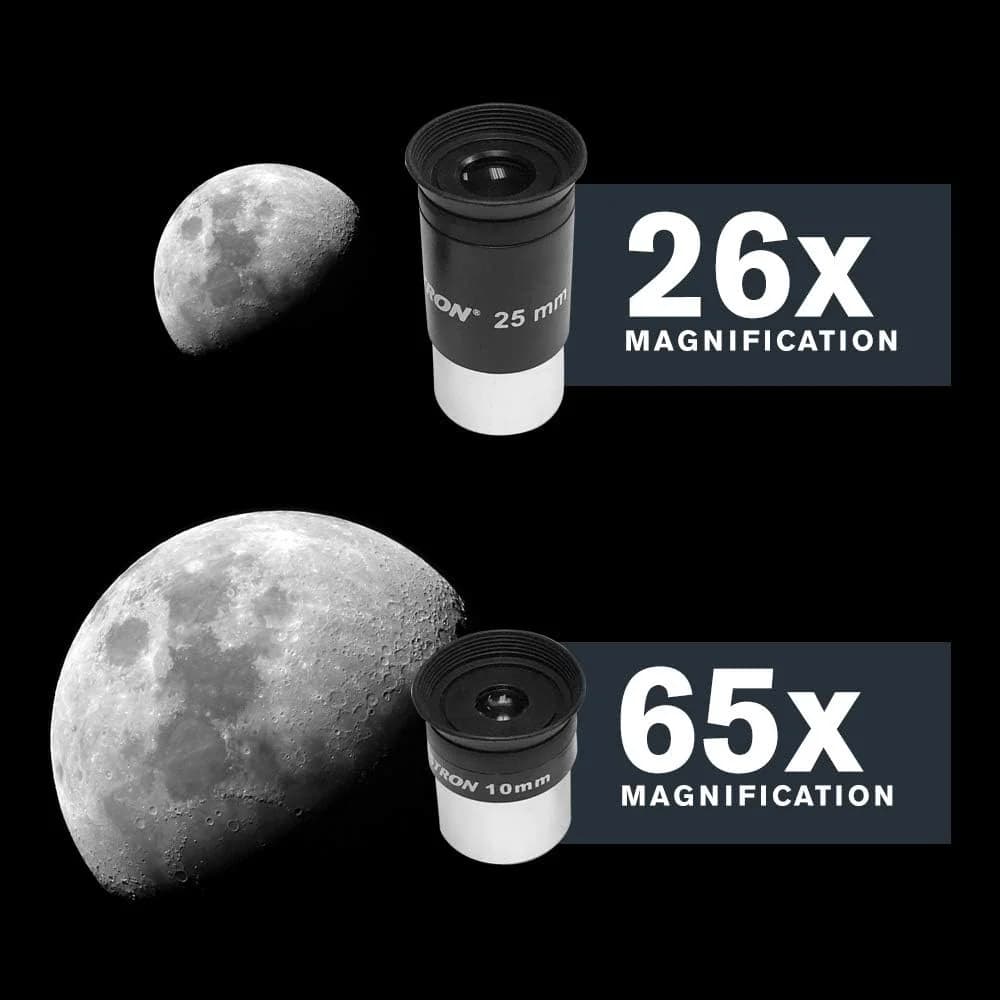
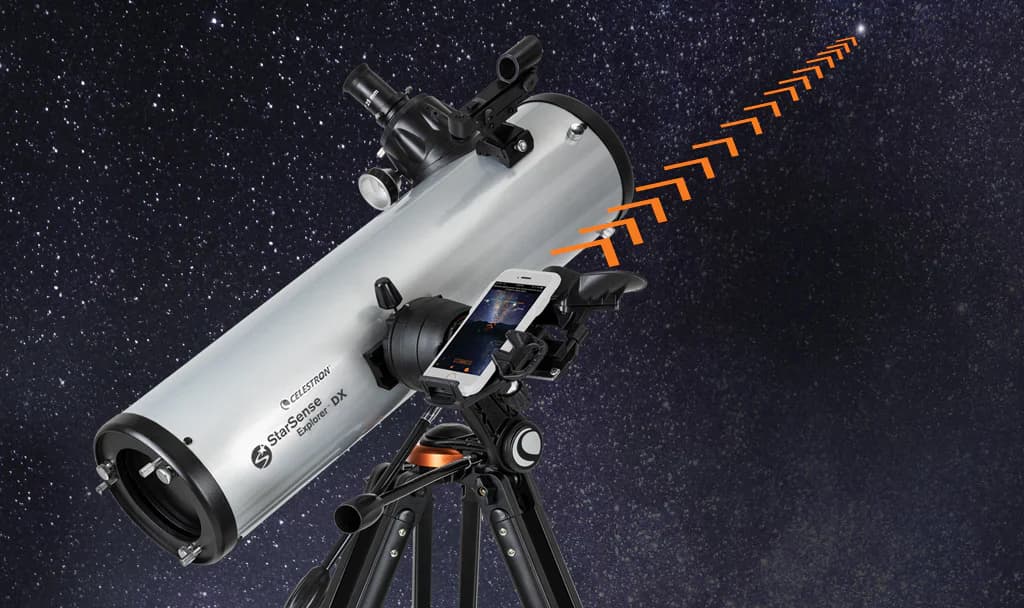
The included 25mm and 10mm Kellner-style eyepieces cover basic low- to mid-power viewing but are generally regarded as modest performers needing eventual replacement for sharper images. The rack-and-pinion focuser supports standard 1.25" barrels plus includes an adapter allowing heavier two-inch eyepiece usage—though added weight may stress the mount's stability if not careful. While functional out-of-the-box, enthusiasts recommend upgrading optics early to fully unlock this telescope’s potential.
Mount & tripod stability
While the mount offers smooth dual-axis slow-motion controls, it struggles with noticeable vibrations and shakiness, especially at higher magnifications or on uneven surfaces. Users frequently note that the lightweight full-height tripod can be flimsy underfoot traffic or wind gusts, impacting image steadiness during observations. Although adequate for casual viewing and lower power setups, this instability detracts from serious planetary work or astrophotography attempts without additional support upgrades.
Build quality and materials
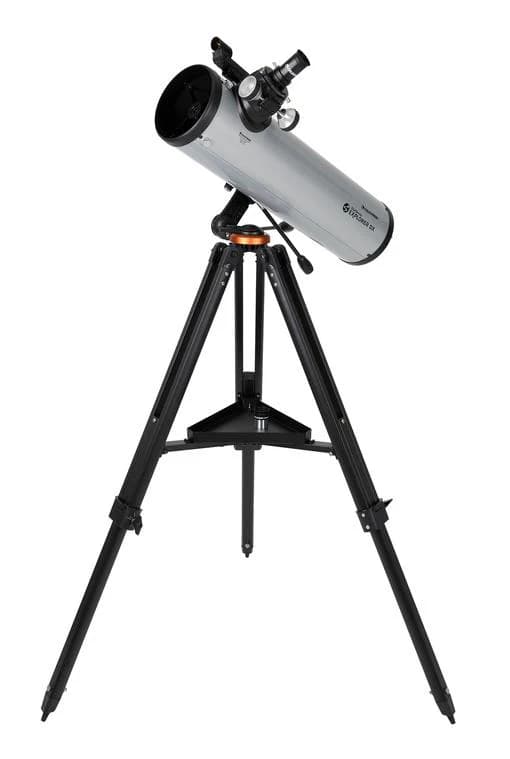
Constructed primarily from steel tubing offering durability where it counts—the optical tube assembly—the overall build mixes solid elements with some cost-saving plastics used in focusers and mounting hardware which impacts perceived robustness. The sleek silver-black finish complements practical design choices focused on portability rather than ruggedness; however experts caution that occasional collimation adjustments reflect typical Newtonian maintenance needs tied closely to mechanical tolerances inherent at this price point.
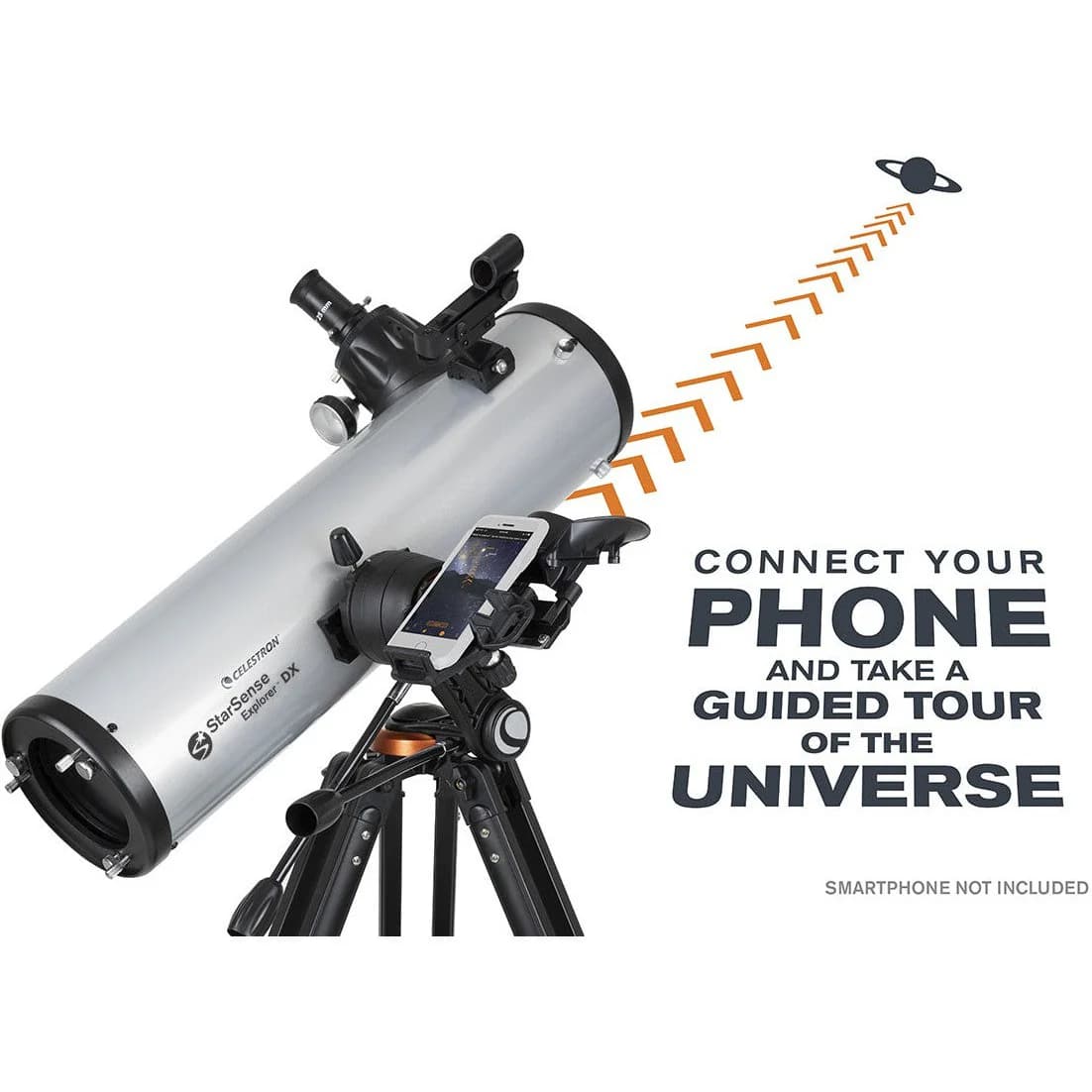
Optical performance (aperture & coatings)
Boasting a generous 130mm aperture combined with highly reflective coatings on both mirrors, this Newtonian reflector provides bright, crisp views rich in detail—from lunar craters to planetary rings and deep-sky gems like nebulae clusters. Its f/5 focal ratio favors wide-field observation but limits extreme high-magnification use without accessory enhancements such as Barlow lenses. Overall optical quality meets expectations well above entry-level scopes but remains within beginner-friendly parameters.
Conclusion
Navigating the night sky gets a genuine boost from its StarSense plate-solving accuracy, turning complex star hunting into an accessible adventure. Yet, this ease is tempered by the mount and tripod stability, which can introduce unwelcome shakes during delicate observations. The generous 130mm aperture paired with high-reflectivity coatings ensures bright, detailed views that reward patient observers. While the included focuser and eyepieces cover basics, their modest quality nudges users toward upgrades for sharper focus and clarity. The blend of solid build quality with some plastic components reflects smart compromises in design, balancing durability against cost-efficiency. Its lightweight frame invites quick setup and portability but demands mindful handling to avoid instability. This telescope suits beginners craving guided exploration without motorized complexity—though those seeking precision or astrophotography might look elsewhere. In sum, it offers a thoughtfully engineered package where innovation meets approachable stargazing charm wrapped in practical trade-offs worth understanding before purchase.

Feature Scores
This reflects reviews and ratings from established critics, journalists, and users who have evaluated the item. Their opinions provide a comprehensive assessment.
Performance
Aperture Size
4/5
Focal Ratio Versatility
4/5
Optical Surface Quality
4/5
Collimation Stability
4/5
Contrast and Resolution
4/5
Thermal Performance
TBD
Mechanical Stability
3/5
Value
Price to Quality Ratio
4/5
Included Accessories
4/5
Long Term Resale Value
3/5
Design
Portability
4/5
Ease of Setup
5/5
Build Quality
3/5
Ergonomics
4/5
Aesthetic Appeal
4/5
Health
Material Toxicity
TBD
Dust and Particle Exposure
TBD
Safety
Eye Safety Guidance
4/5
Tip Over Risk
3/5
Mechanical Fail Safes
3/5
Sustainability
Repairability and Durability
3/5
Recyclability
TBD
Production Energy Footprint
TBD
Experience Style
Customizability
4/5
Beginner Friendliness
5/5
Community Support
4/5

Specifications
This section outlines the product's key facts, covering essential features, details, dimensions, materials, and any unique characteristics that define its functionality and usability.
Performance
Value
Design
Safety
Sustainability
Experience Style

Frequently Asked Questions
9 Questions
Find Yours
What celestial objects do you primarily wish to observe?
Answer to find your best matches.