
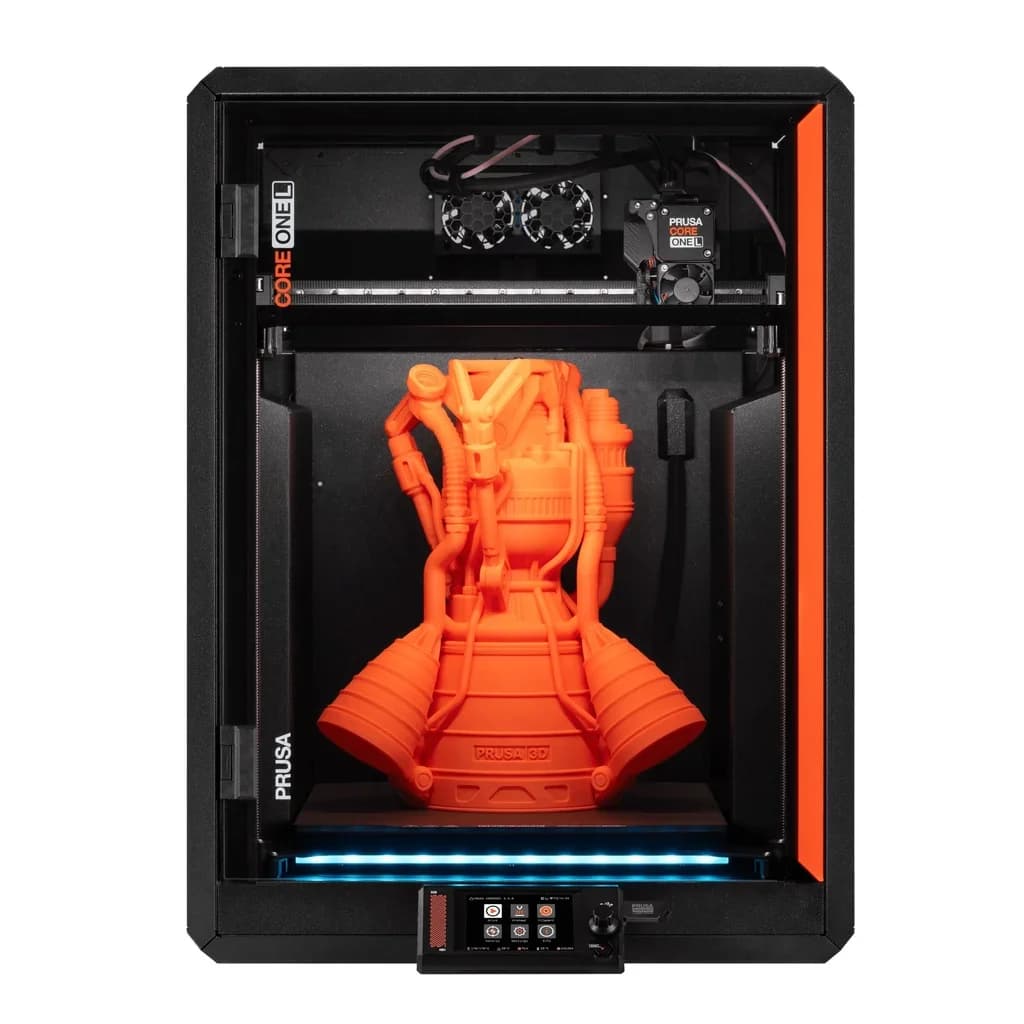
Prusa CORE One
Robust steel frame and precise CoreXY speed deliver reliable, high-quality prints with minor setup quirks.
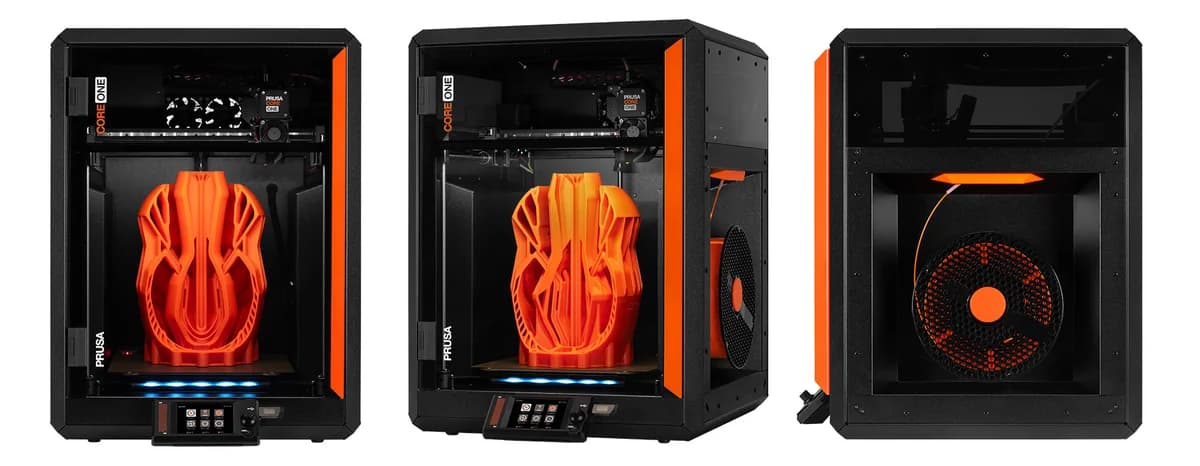
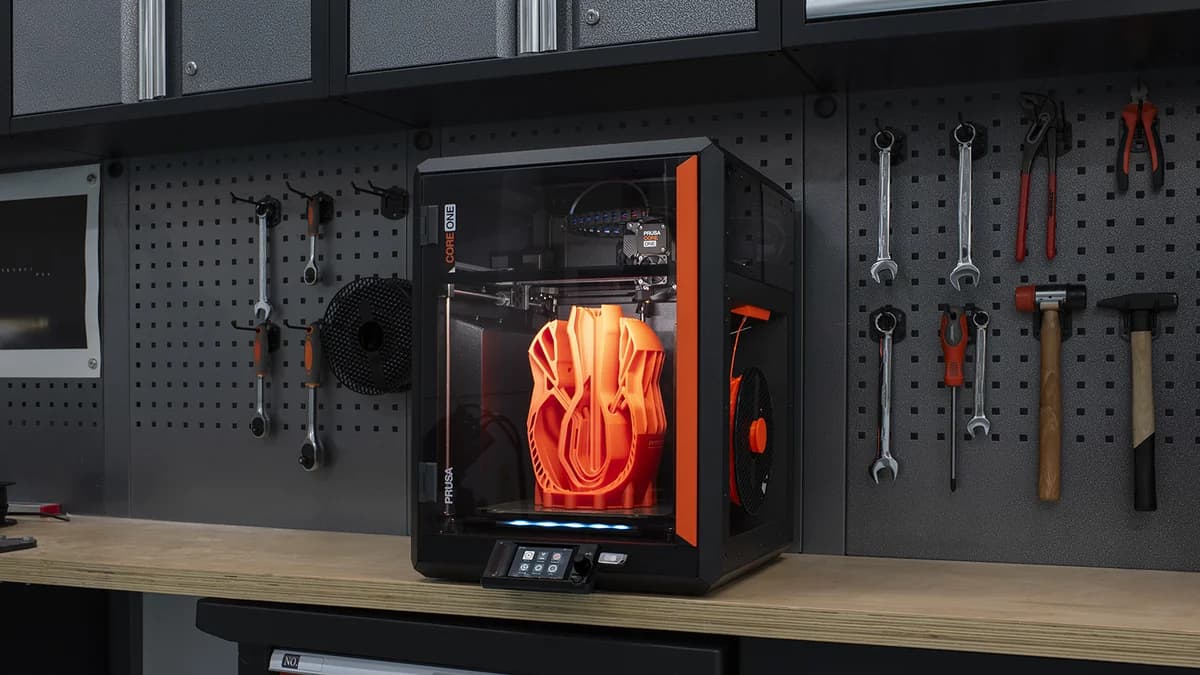
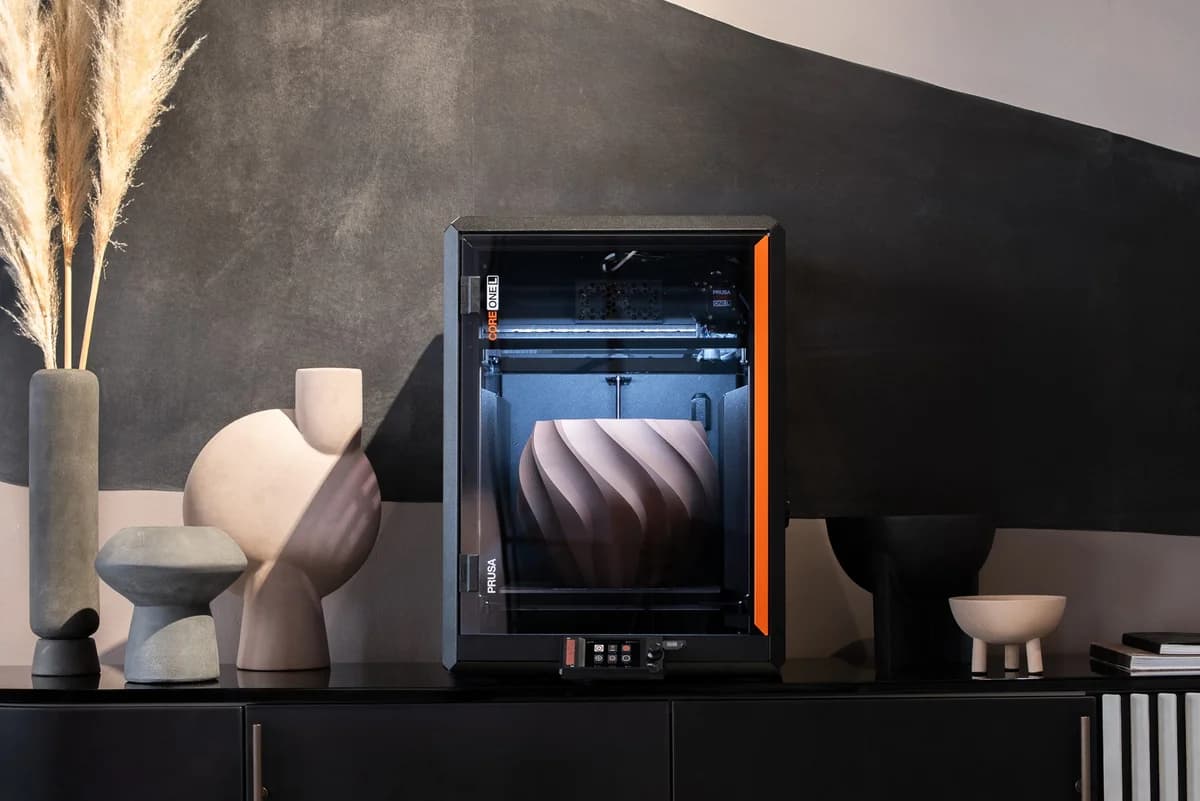
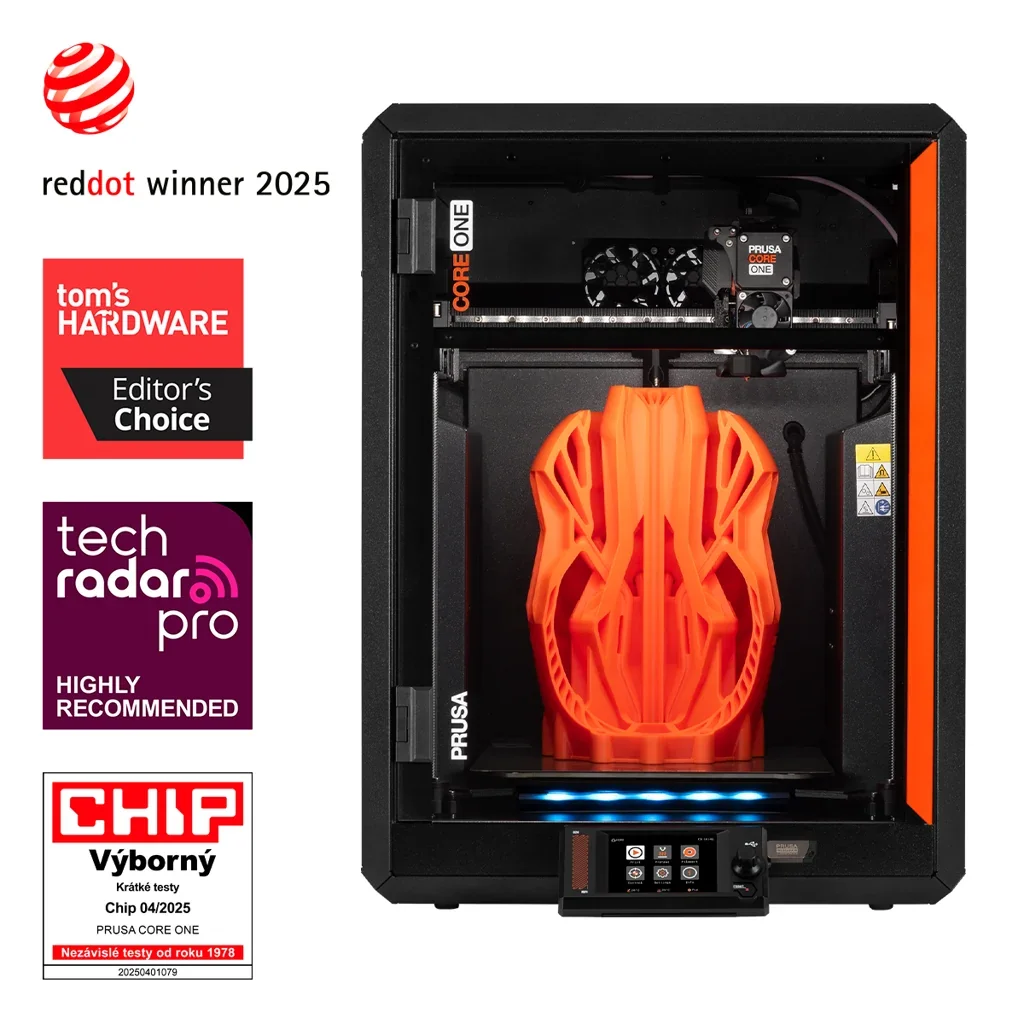
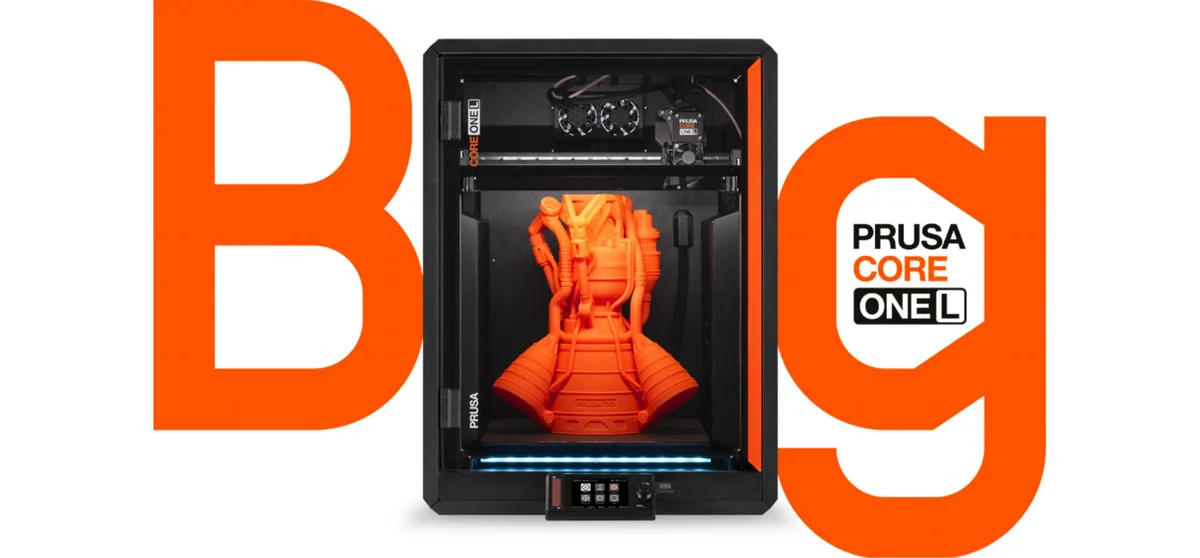
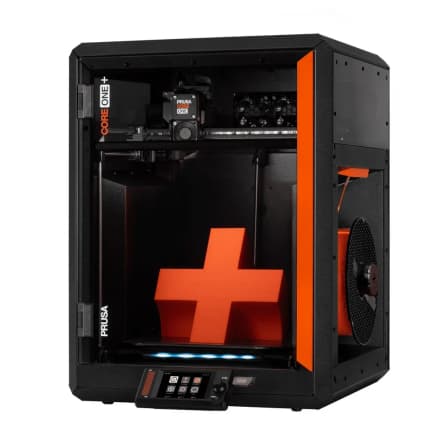
The Prusa CORE One is a robust CoreXY powerhouse engineered for makers who demand speed without sacrificing precision. Its all-steel exoskeleton keeps vibrations in check, delivering consistently sharp prints—even on tricky filaments like ASA and Nylon thanks to its clever temperature-controlled enclosure. Users applaud the smooth Nextruder direct-drive extruder, though some grumble over minor calibration quirks and a premium price tag. Experts echo the praise for its repairability and open-source roots but note missing modern perks like an integrated camera. Overall, it’s a solid investment blending durability with finesse—perfect for enthusiasts ready to embrace both power and polish in their workflow.
Find Yours
What is your primary use for a 3D printer?
Answer to find your best matches.

The Field
Browse top contenders, or compare all options ranked by score and key attributes.
5 Options

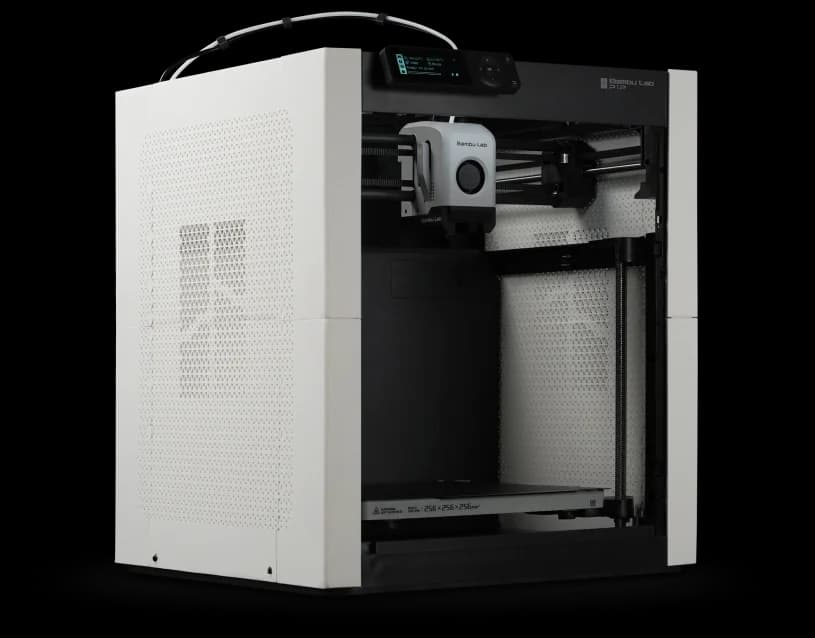

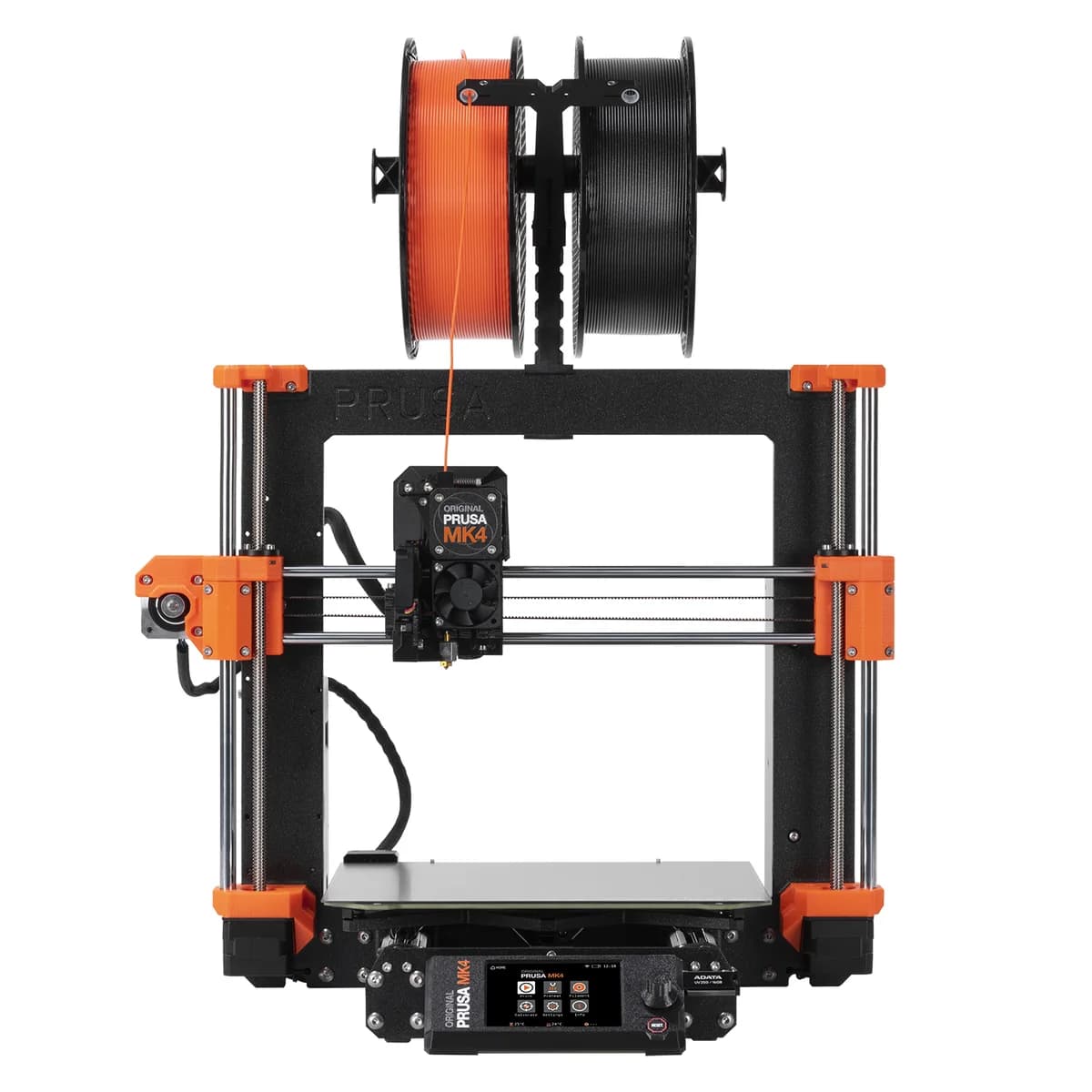

The Scoreboard
Does this improve your life? Considers, health, habits, and environmental impact.
Benefits
Heated bed plus active airflow (no dedicated heater) reduces warping for ABS/PC/Nylon.
Modular steel frame and open firmware extend lifespan, cutting hardware waste and frustration.
Nextruder, 360° cooling, and enclosure enable printing flexible and engineering-grade filaments reliably.
Automatic bed leveling and consistent first layers reduce setup frustration and cognitive load.
Smooth linear rails and quiet motors lower noise, preserving concentration and calmer environments.
Trade-Offs
High-temperature thermoplastics emit VOCs/UFPs; enclosure lacks built-in filtration, unlike some competitors.
Most filaments are petroleum-based; printing scraps and failed parts contribute to plastic waste.
Active chamber control and faster CoreXY motion raise electricity use, increasing operational emissions.
Standard brass nozzle limits reinforced filaments and wears faster, causing swaps and material waste.
 Alternatives


Join the Circle
Where real meets deal
Know what's worth buying-and when.
Tips, special offers, and rewards for buying and sharing.

Publications
9 LEADING PUBLICATION REVIEWS

Shawn Frey from All3DP highlights the Prusa Core One as a thoughtfully engineered, consumer-grade CoreXY 3D printer that excels in chamber temperature management without a dedicated heater. Praising its effective heat retention via the heated bed and innovative airflow design, Frey emphasizes the printer’s ability to handle challenging, warp-prone materials like ASA, PC, and Nylon even in cold environments. The review conveys a measured enthusiasm, noting the Core One’s speed advantage over predecessors and its open-source firmware that appeals to tinkerers and print farm operators alike. While the printer delivers excellent print quality and a smooth user experience, minor criticisms include slightly imperfect 75º overhangs with PLA and the need for manual vent adjustments. Unique insights include the potential for GPIO-based automation and the balance between appliance-like ease and modifiability. Overall, Frey positions the Core One as a compelling, versatile choice for enthusiasts seeking both performance and customization in a fully enclosed printer.
By Shawn Frey
Orville Wright from 3DPrint.com highlights the Prusa Core One as a robust, thoughtfully engineered next-generation CoreXY 3D printer that builds on the MK4’s foundation with notable improvements in build volume, enclosure, and modularity. Praising its tank-like steel frame, high-quality Prusament PC-CF parts, and innovative side cutouts that enhance high-temperature printing consistency, Wright emphasizes the printer’s quiet operation and strong TPU capabilities. The review appreciates Prusa’s open-source PrusaSlicer software leadership and the Core One’s excellent repairability, with accessible replacement parts and responsive support. However, Wright notes some drawbacks, including the dated scroll-wheel UI compared to touchscreen competitors, the standard brass nozzle limiting reinforced filament use, and a premium price point. Despite these, the overall tone is positive and measured, valuing the Core One’s reliability, offline usability, and user-friendly design, making it a compelling choice for hobbyists and professionals who prioritize quality and maintainability.
By Orville Wright
Michael Lydick from PCMag highlights the Prusa Core One as a reliable, well-built 3D printer that excels within the ecosystem of Prusa’s open-source community, filament offerings, and support network. While the Core One impresses with consistent print quality, a smooth production-line workflow, and strong integration with Prusa’s branded materials, it falls short in some areas expected at its premium price point—such as build volume, enclosure heating, and certain design choices like cheap plastic panels and a quirky dial on the touchscreen. Lydick appreciates the responsive customer support and the printer’s upgradability but notes setup challenges and occasional filament jams that may deter beginners. The review conveys a cautiously positive tone, emphasizing that the Core One is best suited for serious makers who value Prusa’s legacy and ecosystem rather than those seeking plug-and-play ease or cutting-edge features found in competitors. Ultimately, the Core One remains relevant but is not class-leading in a rapidly evolving market.
By Michael Lydick
Denise Bertacchi from Tom’s Hardware highlights the Prusa CORE One as a thoughtfully engineered Core XY 3D printer that successfully blends Prusa’s hallmark reliability with increased speed and a compact, enclosed design. She praises its robust steel exoskeleton, easy maintenance, and fully automatic bed leveling, noting the printer’s suitability for beginners, schools, and print farms alike. The review emphasizes the CORE One’s compatibility with existing Prusa parts and upgrades, as well as its ability to handle a variety of filaments with good print quality. While Bertacchi appreciates the machine’s quiet operation and clever features like the reversible door hinge and safety sensors, she points out some drawbacks, including the lack of a built-in camera, a chamber heated solely by the bed (which can slow preheating), and a somewhat static-prone enclosure. Overall, she regards the CORE One as a premium, reliable choice that fills a niche for enclosed Core XY printers, though its price and some missing “creature comforts” may give budget-conscious buyers pause.
By Denise Bertacchi
Alastair Jennings from TechRadar Pro highlights the Original Prusa CORE One as a groundbreaking fully enclosed CoreXY 3D printer that sets a new standard in speed, precision, and versatility. Praising its rapid setup, robust steel frame, and temperature-controlled chamber, Jennings emphasizes the machine’s exceptional print quality—comparable to resin printers—and its adaptability for professionals, educators, and enthusiasts alike. He notes the CORE One’s smaller footprint yet larger build volume compared to its predecessor, the MK4S, and lauds its extensive upgrade options, including multifilament support and GPIO expansion. While acknowledging its higher price point and increased noise level relative to quieter models, Jennings underscores the printer’s long-term value, maintainability, and strong community support. Unique insights include the machine’s offline operation capability and the seamless integration with PrusaSlicer, which optimizes print profiles for various materials. Minor criticisms focus on the open filament cavity and the MMU3’s less refined multifilament experience, but overall, the review conveys enthusiastic confidence in the CORE One as a top-tier professional 3D printer.
By Alastair Jennings
Tom (Thomas Sanladerer) highlights the Prusa CORE One as a thoughtfully engineered CoreXY 3D printer that successfully addresses many common critiques of its predecessor, the MK4S, while directly challenging the Bambu X1C. He praises its reliable, high-quality prints, effective temperature-controlled enclosure, and practical design improvements like side-mounted filament spools and robust linear rails. The review emphasizes the CORE One’s balanced speed and print quality, noting its consistent glossy finishes and superior chamber temperature management for advanced materials like ABS. While acknowledging minor issues such as a loose ventilation grill and slower ABS chamber warm-up in cooler environments, Tom appreciates Prusa’s open firmware policy and strong ecosystem integration. He also contrasts the CORE One’s more utilitarian, “old-school” aesthetic with Bambu’s consumer-friendly design, suggesting Prusa is beginning to recognize the importance of emotional connection in product appeal. Overall, Tom regards the CORE One as a compelling, well-rounded printer that offers excellent value, especially with its kit option, though it may feel intimidating to new users.
By Tom (Thomas Sanladerer)
3Druck.com highlights the Prusa CORE One as a thoughtfully engineered CoreXY 3D printer that bridges beginner-friendliness with professional-grade features. Praising its robust modular steel “exoskeleton” frame, compact footprint, and innovative temperature management system that uses waste heat to maintain a stable build chamber, the review emphasizes the printer’s exceptional ability to handle challenging materials like ABS, ASA, PC, and nylon with minimal warping. The Nextruder’s precise load cell calibration and 360° cooling further enhance print quality and speed, making it suitable for both functional prototypes and creative projects. The integrated Prusa software ecosystem and connectivity options add to its ease of use and versatility. While the optional camera is seen as underwhelming and somewhat out of sync with the otherwise cohesive system, this minor flaw does not detract from the CORE One’s overall appeal. Positioned as a cost-effective alternative to higher-priced machines, the review regards the CORE One as an underestimated contender in the semi-professional 3D printing market.
By David
Brendan Frye from CGMagazine highlights the Prusa CORE One as a standout entry into the CoreXY 3D printer market, praising its blend of speed, reliability, and thoughtful design. He emphasizes the printer’s sturdy, user-serviceable steel frame and compact footprint, which make maintenance approachable without sacrificing durability. The CoreXY architecture delivers noticeably faster print speeds—15 to 20 percent quicker than many bedslinger models—while maintaining Prusa’s signature print quality. Frye appreciates the intuitive setup, automatic bed leveling, and versatile filament compatibility, noting the enclosure’s stable printing environment and quiet operation. While he acknowledges a few minor drawbacks, such as the lack of multi-color printing out of the box and some missing premium features like enhanced lighting and camera hardware, these do not detract from the overall experience. He concludes that the CORE One offers a practical, adaptable package ideal for tinkerers, educators, and small workshops, marking a significant evolution in desktop 3D printing without losing its creative spirit.
By Brendan Frye
3Printr.com highlights the Prusa CORE One as a thoughtfully engineered CoreXY 3D printer that bridges the gap between entry-level and professional-grade machines. Praising its robust “exoskeleton” steel frame combined with modular polymer panels, the review emphasizes the printer’s durability, serviceability, and compact footprint. Unique features like the actively controlled airflow system enable stable chamber temperatures up to 55°C, allowing reliable printing of challenging materials such as ABS, ASA, PC, and Nylon with minimal warping—an area where many enclosed printers struggle. The well-proven Nextruder extruder ensures precise first-layer calibration and excellent handling of flexible filaments. Integration with Prusa’s ecosystem, including PrusaSlicer, Prusa Connect, and mobile apps, enhances usability and workflow efficiency. While minor shortcomings exist, they are seen as addressable through updates. Overall, the CORE One impresses as a versatile, semi-professional printer offering high-quality, warp-resistant prints out of the box, making it a compelling, cost-effective alternative to pricier competitors.

YouTube
11 LEADING EXPERT & INFLUENCER REVIEWS
 CNC Kitchen
CNC Kitchen praises the Prusa CORE One for its robust CoreXY design, premium enclosure, and versatile material support, highlighting its excellent ecosystem and print reliability. While noting minor surface texture issues and higher price with optional accessories, the reviewer values its repairability, active chamber control, and potential for future improvements.
Made with Layers (Thomas Sanladerer)Thomas Sanladerer praises the Prusa CORE One for its robust CoreXY design, excellent enclosure temperature control, and reliable MK4S toolhead, delivering high-quality, consistent prints comparable to the Bambu X1C. He highlights thoughtful features like side-mounted filament spools and open firmware, while noting minor quirks in assembly and user experience.
Frankly BuiltFrank from Frankly Built praises the Prusa CORE One for its solid build, excellent auto-calibration, and strong community support, highlighting its heated chamber and versatile material compatibility. However, he notes issues with filament jams, occasional errors, and inconsistent PETG print quality, making it a good but hard-to-recommend choice versus competitors like Bambu.
Aurora TechAurora Tech praises the Prusa CORE One as a reliable, future-proof CoreXY printer with a robust steel frame, excellent print quality, and quiet operation. Highlights include its modular design, advanced cooling, and seamless Prusa Connect integration. Minor drawbacks are Marlin-based firmware limitations, nozzle cleaning quirks, and premium pricing.
ShortCircuitJake from ShortCircuit praises the Prusa CORE One for its robust steel enclosure, CoreXY design, and larger build volume, highlighting quieter operation and excellent print quality with advanced filaments. He notes some drawbacks like slow Wi-Fi, a separate camera add-on, and a complex DIY assembly, but values its repairability, modding potential, and strong community support.
FauxHammerFauxHammer praises the Prusa CORE One for its solid print quality, premium build, and reliability, highlighting its appeal to “proumers” and print farm workflows rather than casual home users. He notes missing modern conveniences like a purge chute and webcam, a smaller build volume, and some temperature control quirks, but values its repairability and strong ecosystem.
3DJake3DJake reports a mostly positive experience with the Prusa CORE One after three months of frequent use, praising its print quality and reliability across PLA, TPU, ABS, and PETG. They note minor issues with belt tensioning, lack of a fan grill and nozzle wiper, and limited build plate suitability for flexible filaments, but overall find it a durable, enjoyable printer worth keeping.
3D Maker Noob3D Maker Noob enthusiastically showcases a clever community-driven mod that compacts the Prusa CORE One’s MMU3 unit onto the printer’s top, saving valuable space and filament. While praising its functionality and ease of installation, he candidly notes minor design flaws like spool stability and protrusion, offering practical tweaks to optimize performance.
Butter Pockets PrintsButter Pockets Prints praises the Prusa CORE One for its robust steel build, easy setup, and excellent print quality across diverse materials like PLA, PETG, ASA, and TPU. They highlight its superior enclosure temperature control and nozzle visibility but note minor issues with the top vent and nozzle swaps. Despite a smaller build volume compared to competitors, the reviewer enthusiastically recommends it for reliable, precise printing and seamless integration with Prusa Connect.
Rad Dad's Print LabRad Dad’s Print Lab praises the Prusa CORE One for its solid steel enclosure, wide-opening door, heated chamber, and excellent print quality across various materials. He values the upgrade path and repairability but notes drawbacks like the lack of a hardened nozzle, built-in filtration, and included camera. Overall, he finds it a reliable, user-friendly CoreXY printer worth the investment.
CowabungaCreationCowabungaCreation praises the Prusa CORE One for its premium build, reliable CoreXY motion, and advanced active chamber control, highlighting its excellent print quality and upgradability. While slower than some competitors, its open-source ecosystem and modular design stand out. Minor critiques include the optional camera add-on and desire for higher nozzle temperatures.

Social
4 INFLUENCER REVIEWS
 KiraKreates
KiraKreates highlights the Prusa CORE One as a nearly perfect compact 3D printer, praising its reliability, build quality, and ease of use straight out of the box. She appreciates its ability to print most materials and fit into tight spaces, making it ideal for cosplayers. However, she notes it lacks some features found in similarly priced competitors. Overall, KiraKreates recommends the Prusa CORE One for those prioritizing dependable performance and quality over extra bells and whistles, especially cosplayers seeking a trustworthy printer. She suggests Black Friday as a great time to buy and encourages viewers to check her full YouTube review for more details.
 Hartley_Printing
Hartley_Printing highlights the Prusa CORE One’s impressive speed advantage—about 20% faster than the Mark IV S—and praises its XY architecture, which benefits tall or large prints by keeping the bed stationary. They note the convenient spool peg but prefer larger spool setups. Some tradeoffs include slightly increased noise and more challenging maintenance access. Overall, Hartley_Printing offers a measured but positive view, appreciating the CORE One’s performance gains while acknowledging minor drawbacks. They remain undecided about fully switching their extensive print farm, suggesting the printer is a strong contender but not an unequivocal replacement yet.
Control 3DControl 3D highlights the Prusa CORE One’s robust CoreXY design, praising its unique closed-frame structure with effective ventilation that enables PLA printing. They emphasize its fast printing speed, solid build quality with linear guides, and impressive initial print results, noting it stands out compared to competitors like Bambulab. Overall, Control 3D expresses strong enthusiasm and curiosity about the printer’s potential, tentatively considering it one of the best 3D printers of 2025. While still exploring its full capabilities, they lean toward recommending the Prusa CORE One, especially given its competitive pricing and innovative features.
FilamentstoriesFilamentstories highlights the Prusa CORE One as an impressive, fast, and versatile 3D printer with active chamber cooling up to 55°C, excellent temperature management, and thoughtful design features like side spool holders that can convert into filament dry boxes. They emphasize its ease of modification and upgrade path from previous models, showing genuine enthusiasm for its potential. Overall, Filamentstories views the CORE One as a strong addition to Prusa’s lineup, praising its innovation and user-friendly design while acknowledging the Mark 4S remains a solid choice. They recommend checking out the CORE One, especially for those invested in the Prusa ecosystem, and plan further hands-on content to explore its capabilities.

Store Reviews
CUSTOMER REVIEWS FROM 3 STORES
Users on Amazon praise the Prusa CORE One for its impressive speed, quiet operation, and reliable print quality. Many highlight the printer’s smooth and silent linear rails, as well as the sturdy all-steel frame that enhances rigidity compared to aluminum extrusion models. Reviewers admire the sensorless homing and the automatic bed leveling using the nozzle, which contribute to a hassle-free setup and consistent results. Several users note the printer handles a wide range of filaments well, including flexible and engineering-grade materials like PC and carbon-fiber blends, especially when paired with specialized nozzles. Some customers emphasize the importance of placing the printer on a solid, heavy surface to prevent vibrations at high speeds that can affect calibration. While many find the accuracy dependable, a few report occasional calibration challenges, particularly if the printer shifts during operation. Users also mention that the heat block’s aluminum construction limits performance with very high-temperature filaments, suggesting that a nickel-plated copper block would better support advanced materials. The assembled version receives mixed feedback due to minor assembly issues and firmware update glitches, prompting some to recommend the kit version for better control over build quality. Unique details from Amazon reviewers include the difficulty removing protective plastic from the transparent screens without damaging rivets and the inclusion of a free 1 kg spool of Prusament PLA Galaxy Black filament. Overall, the Prusa CORE One stands out as a fast, quiet, and robust CoreXY printer that delivers excellent print quality with thoughtful design features tailored for both beginners and experienced users.
3.9 Stars / Few reviews
Users on Prusa3D praise the Prusa CORE One for its solid build and impressive print quality, highlighting its quiet operation and clean results. Many emphasize the printer’s ability to handle complex and larger projects with remarkable speed, enabling them to tackle designs they previously found intimidating. Reviewers frequently recommend the Satin sheet accessory for enhanced print adhesion. The CORE One’s enclosed chamber and CoreXY design deliver consistent high-speed printing, while the all-steel exoskeleton ensures exceptional rigidity and durability. Customers appreciate the plug-and-print setup that gets them printing within minutes, supported by factory-tuned profiles for over 200 filaments and advanced features like fully automatic first-layer calibration and filament runout sensors. The Nextruder’s 360° cooling impresses users by flawlessly managing steep overhangs, and the active temperature control reaching up to 55 °C expands material compatibility to include demanding filaments such as ASA, PC, and Nylon. Overall, Prusa3D reviewers find the CORE One a reliable, versatile machine that elevates their 3D printing experience with thoughtful engineering and robust performance.
4.3 Stars / Few reviews
Users on Printed Solid praise the Prusa CORE One for its robust all-steel frame, enclosed chamber with active temperature control, and impressive print speed combined with high-quality output. Many highlight the intuitive assembly guide and appreciate the printer’s large build volume and advanced features like the Load Cell sensor for automatic first-layer calibration and the quick-swap nozzle system. Reviewers enjoy the seamless integration with Prusa Connect and the flexibility of USB and LAN printing options. Some users note initial calibration challenges, particularly with the X and Y axes and the slow pre-print homing and bed probing routines, but they acknowledge the strong community support and anticipate software improvements. A few customers report issues with defective components and mixed experiences with Printed Solid’s customer service, contrasting it with Prusa’s direct support, which they find more responsive. Enthusiasts value the printer’s speed and precision, especially compared to earlier Prusa models, and look forward to exploring diverse materials thanks to the chamber’s ability to maintain temperatures up to 55 °C. Overall, Printed Solid reviewers recognize the CORE One as a reliable, high-performance 3D printer that balances advanced engineering with user-friendly operation.
4.4 Stars / Few reviews

Forum Reviews
CUSTOMER REVIEWS FROM 1 FORUM
Reddit users generally view the Prusa CORE One positively, praising its print quality, reliability, and open-source, repairable design. Many appreciate its heated enclosure, which enables successful printing of warp-prone materials like ASA and ABS. Users upgrading from previous Prusa models highlight significant speed improvements and sturdiness, though some note issues with belt tensioning and chamber warm-up times. Criticisms include occasional manufacturing defects, noise levels compared to other models, and challenges with the multi-material unit’s size and complexity. Overall, the CORE One is favored for its precision and long-term support, appealing especially to those valuing serviceability over turnkey convenience.
Many comments

In-Depth Review

Highlights
- •Enclosed chamber temperature controlreduces warping for high‑temp filaments
- •CoreXY high‑speed kinematicsenables much faster travel and prints
- •Nextruder direct‑drive extrudergeared feed and 360° cooling for overhangs
- •Automatic load‑cell first‑layer calibrationnozzle‑mounted probing for consistent first layers
- •All‑steel exoskeleton framerigid chassis minimizing frame flex and drift
- •PrusaSlicer profiles & ecosystem200+ factory profiles and cloud management

Considerations
- •Assembly and initial setup timekit takes hours; assembled units may need tweaks
- •Early‑unit QC and belt issuesreports of out‑of‑square frames, belt tension tuning
- •Vertical fine artifacts at max speedVFA visible on glossy/silk filaments at top speeds
- •Accessory omissions and extrascamera, filtration, hardened nozzle sold separately
- •Wi‑Fi and file transfer limitsslow module and intermittent large‑file transfers
- •High dynamic forces require solid basevibration at max speed needs heavy table or dampers
Prusa’s CORE One arrives as a bold entry into the compact CoreXY 3D printer market, blending the brand’s legacy of reliability with modern demands for speed and material versatility. Engineered to tackle both hobbyist projects and small-batch professional runs, it boasts an enclosed chamber capable of reaching 55 °C, ideal for warp-prone engineering filaments. The heart of its performance is the Nextruder direct-drive system paired with a high-flow brass CHT nozzle, designed for precise extrusion and steep overhangs. Encased in an all-steel exoskeleton frame, this machine minimizes vibrations while delivering consistent print quality bolstered by automatic load-cell calibration. Its motion system promises impressive speeds without sacrificing stability or accuracy across larger build volumes than prior models. Ideal for makers craving robust hardware that doesn’t compromise on finesse, the CORE One sets itself apart through thoughtful engineering and upgradeability—making it well worth exploring these standout features before making your pick.
Frame & Build Rigidity
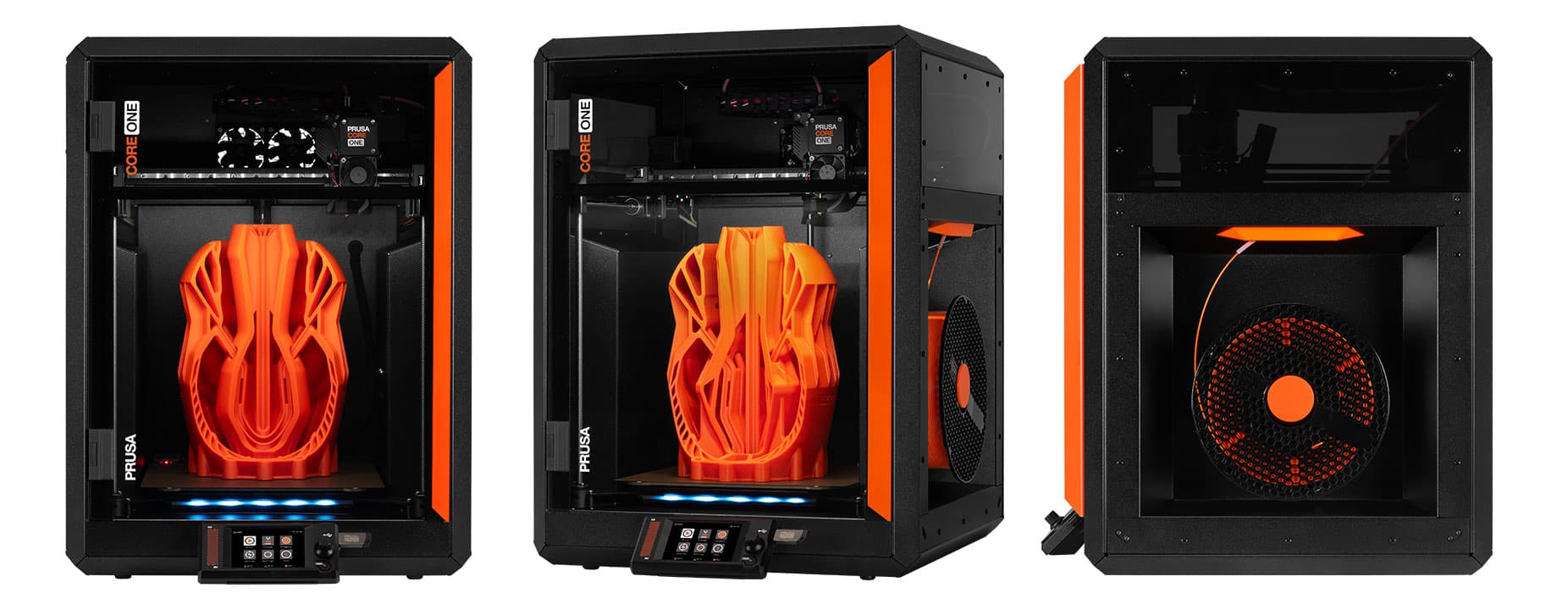
Built around an all-steel exoskeleton frame, this printer boasts impressive rigidity which translates into reduced vibrations during fast moves—a key factor in sharp print quality. Users appreciate how the steel chassis feels sturdy yet refined compared to aluminum alternatives, though some mention minor assembly quirks related to panel rivets. This robust construction not only underpins precision but also enhances longevity by resisting wear—solidifying its reputation as a tough workhorse fit for continuous operation.
Printhead & Extruder Performance
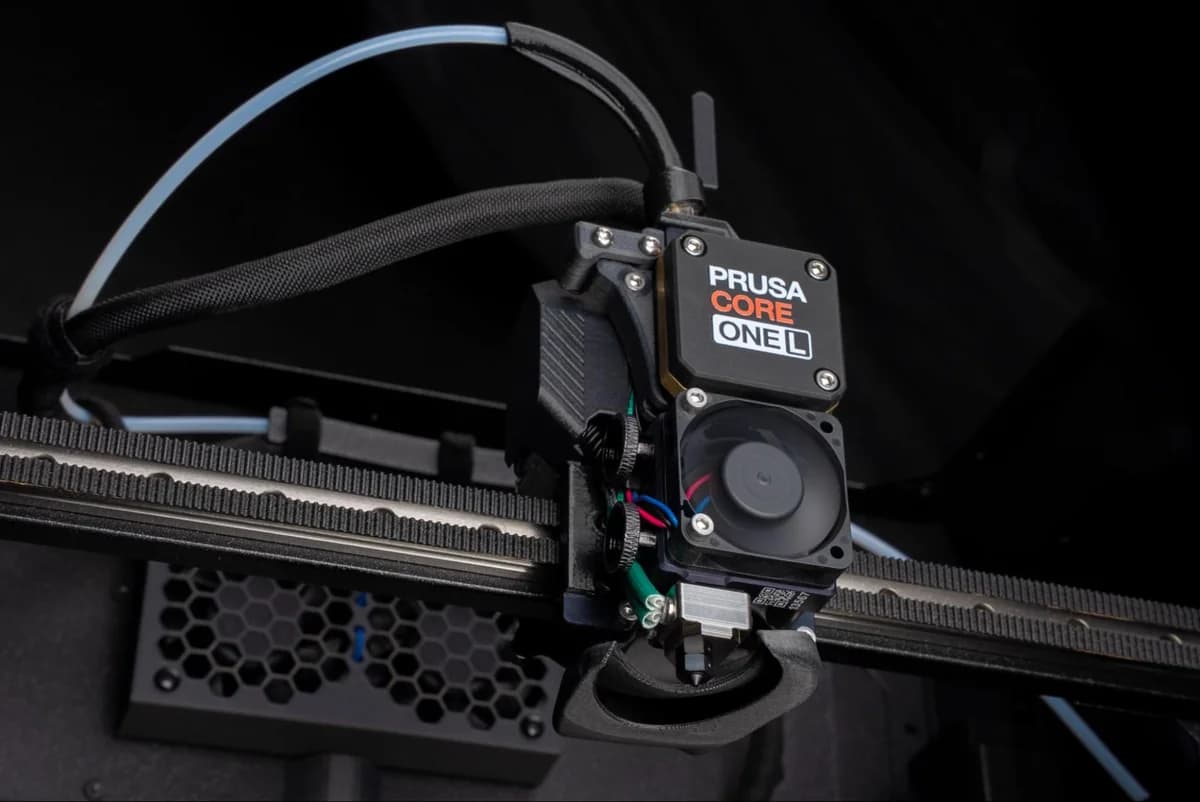
At the heart of performance lies the Nextruder direct-drive extruder paired with a high-flow brass CHT nozzle, engineered for smooth filament feed and consistent extrusion even at higher speeds. Experts laud its 10:1 planetary gear ratio and 360° cooling that supports steep overhangs up to 75°. While the standard brass nozzle limits abrasive filament use unless upgraded, user feedback praises reliable handling of flexible filaments like TPU—making this printhead combo both versatile and solidly dependable.
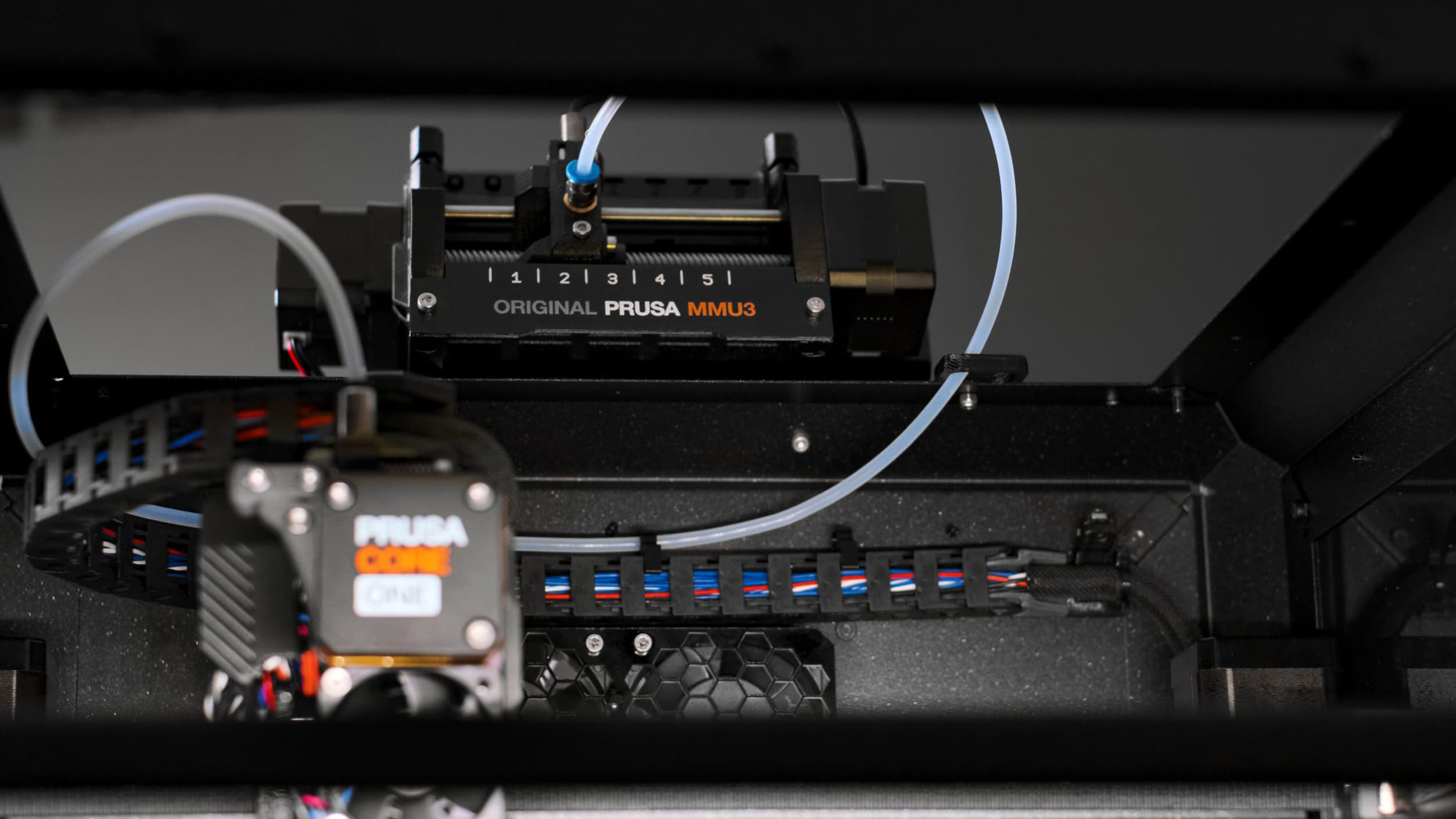
Enclosed Chamber Temperature Control
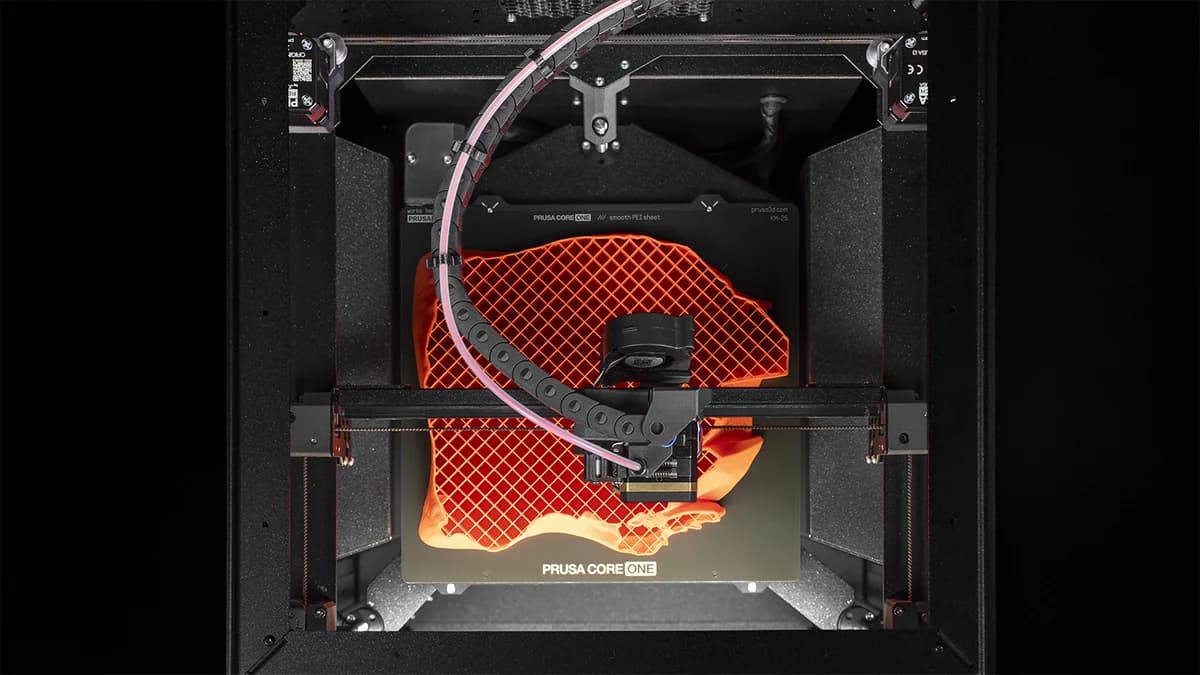
The enclosed chamber temperature control is the secret sauce for printing tricky materials like ASA and PC, using a heated bed-driven system capped at 55 °C. This setup recycles heat cleverly while powerful exhaust fans maintain airflow, balancing warmth without overheating. Reviewers note that it might take some time to warm up but praise its effectiveness in reducing warping on high-temp filaments. The adjustable top vent lets users fine-tune conditions for PLA or ABS prints alike, proving this design goes beyond mere enclosure hype with real-world benefits.
Print Quality & Dimensional Accuracy
The CORE One delivers consistently clean prints with excellent dimensional accuracy thanks to factory-tuned profiles covering over 200 filaments combined with precise load-cell-based first-layer calibration via nozzle probing. Observers highlight very good surface finish across complex geometries; however, subtle vertical fine artifacts sometimes appear during maximum speed runs—a quibble dwarfed by overall crispness and detail retention that meets professional expectations remarkably well.
Motion System Speed and Stability
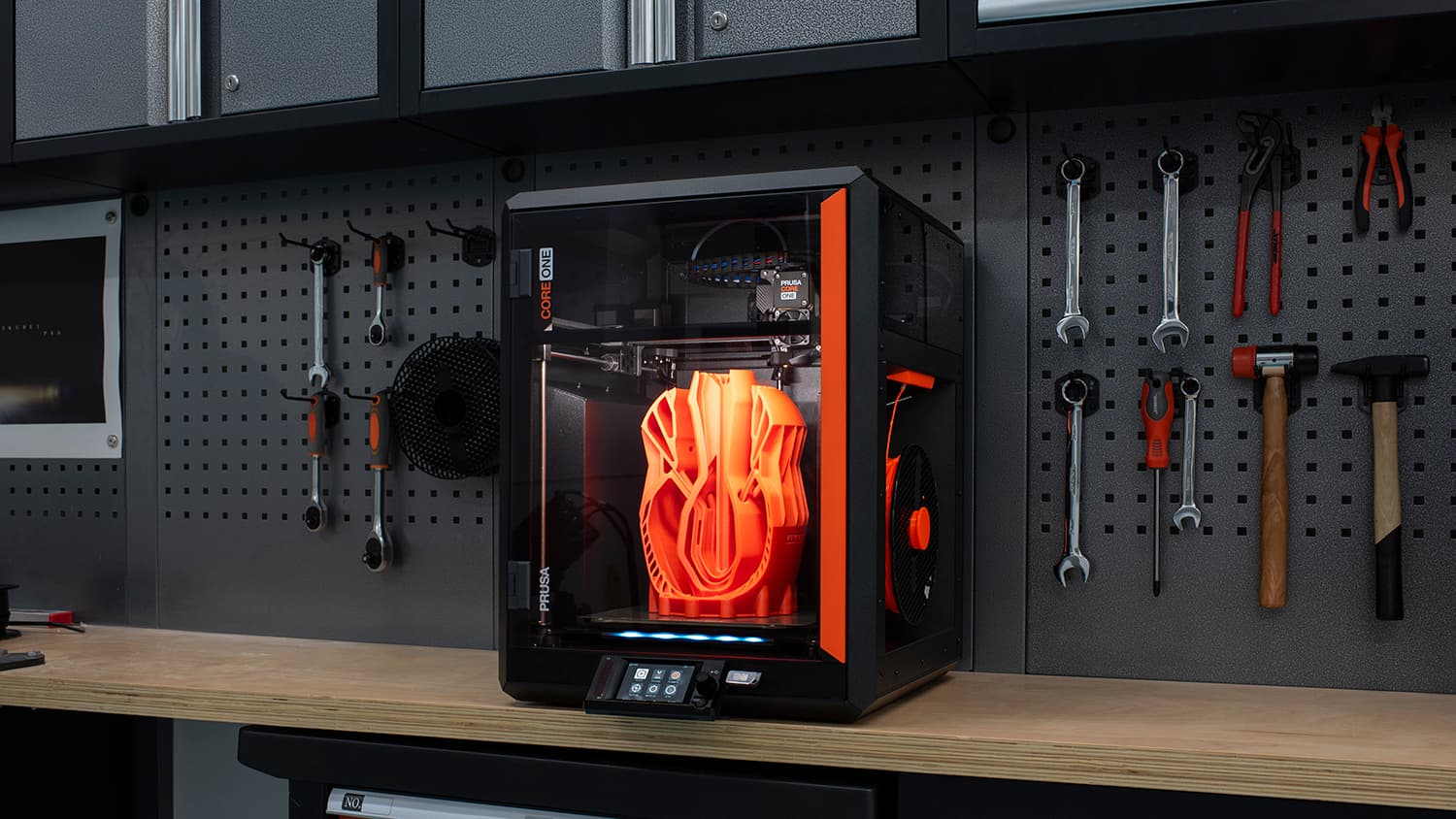
CoreXY motion technology shines here by slashing moving mass—the bed lifts vertically while X/Y axes remain fixed—to enable faster travel speeds around 320 mm/s without sacrificing stability. Input Shaper integration further tames vibrations ensuring smoother surfaces even at pace. While increased noise relative to prior models is noted due partly to enhanced fans needed for enclosure ventilation, this trade-off wins points among enthusiasts craving quicker turnaround times balanced against precise mechanical control.
Conclusion
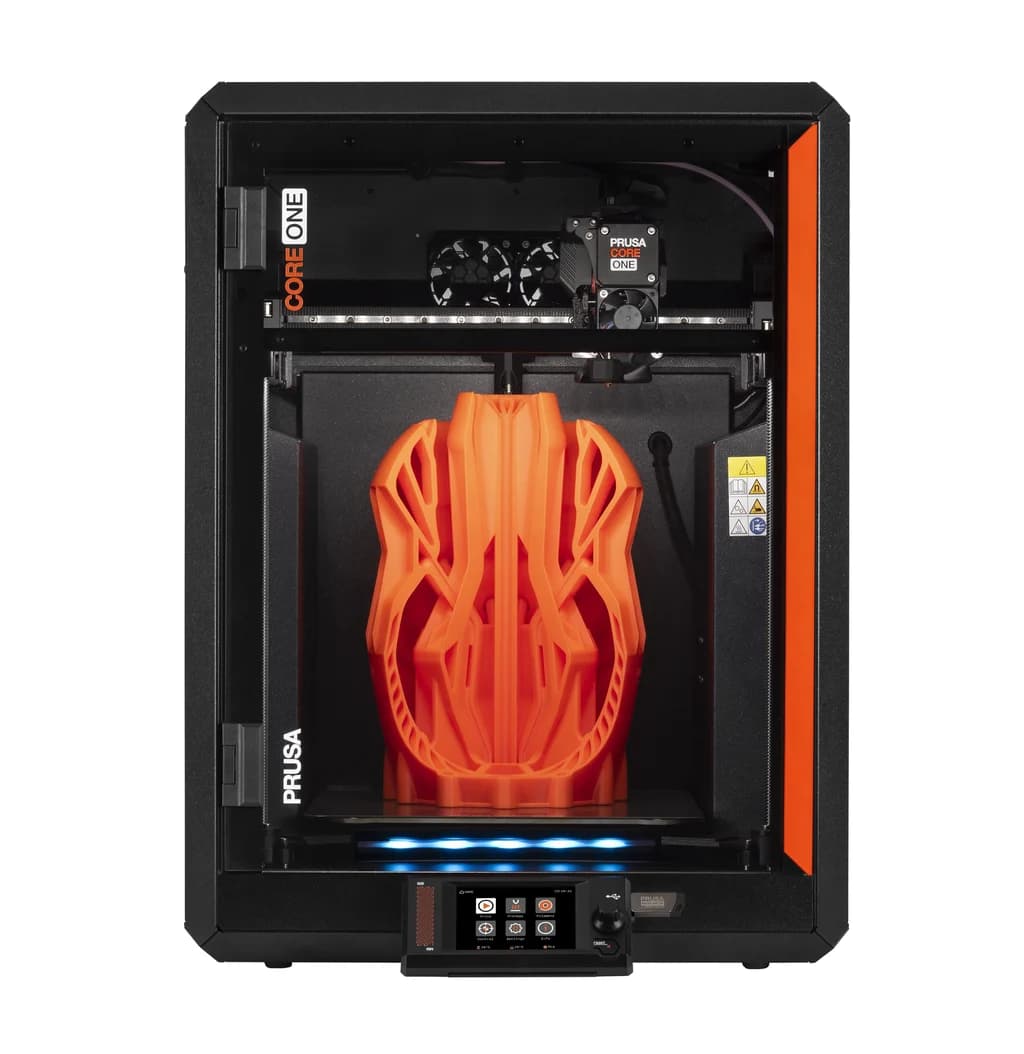
The core truths about this machine reveal a temperature-controlled enclosed chamber that truly tames tricky filaments, while the Nextruder’s direct-drive performance delivers smooth, precise extrusion even at speed. Its steel exoskeleton frame provides unwavering rigidity, curbing vibrations to bolster both stability and print fidelity. Though the print quality and dimensional accuracy shine, slight quirks like subtle layer artifacts remind us perfection is elusive. The motion system balances rapid travel with steady control, elevating throughput without sacrificing detail. Complementing these strengths is an intuitive bed leveling system using load-cell calibration, ensuring first layers land just right every time. This blend of robust engineering and thoughtful features suits those craving durability with finesse but may test newcomers’ patience during setup or tuning phases. For users who prize reliability paired with upgrade paths over plug-and-play simplicity, this printer makes a compelling case—delivering solid precision wrapped in practical innovation for discerning makers willing to engage deeply with their craft.

Feature Scores
This reflects reviews and ratings from established critics, journalists, and users who have evaluated the item. Their opinions provide a comprehensive assessment.
Performance
Print Quality
4/5
Print Speed
4/5
Reliability
4/5
Build Volume
4/5
Dimensional Accuracy
4/5
Material Compatibility
4/5
Value
Price-to-Quality Ratio
4/5
Consumable Cost
4/5
Maintenance Cost
4/5
Total Cost of Ownership
4/5
Design
Physical Build Quality
5/5
Compactness
4/5
Ergonomics
4/5
Health
Emissions Control
4/5
Material Toxicity Transparency
4/5
Enclosure Availability
5/5
Safety
Thermal Safety Protections
4/5
Electrical Safety Certifications
TBD
Moving Parts Guards
4/5
Emergency Shutdown
4/5
Sustainability
Energy Efficiency
TBD
Recyclability
TBD
Recycled Materials Usage
TBD
Consumable Waste Management
TBD
Experience Style
Ease of Setup
4/5
Software Ecosystem
5/5
Customization
5/5
Community Support
5/5

Specifications
This section outlines the product's key facts, covering essential features, details, dimensions, materials, and any unique characteristics that define its functionality and usability.
Performance
Value
Design
Safety
Sustainability
Experience Style

Frequently Asked Questions
13 Questions
Find Yours
What is your primary use for a 3D printer?
Answer to find your best matches.