
Lenovo Legion Go Gen 2
Stunning 8.8-inch OLED and powerful Ryzen Z2 deliver premium gaming, but bulky and pricey.
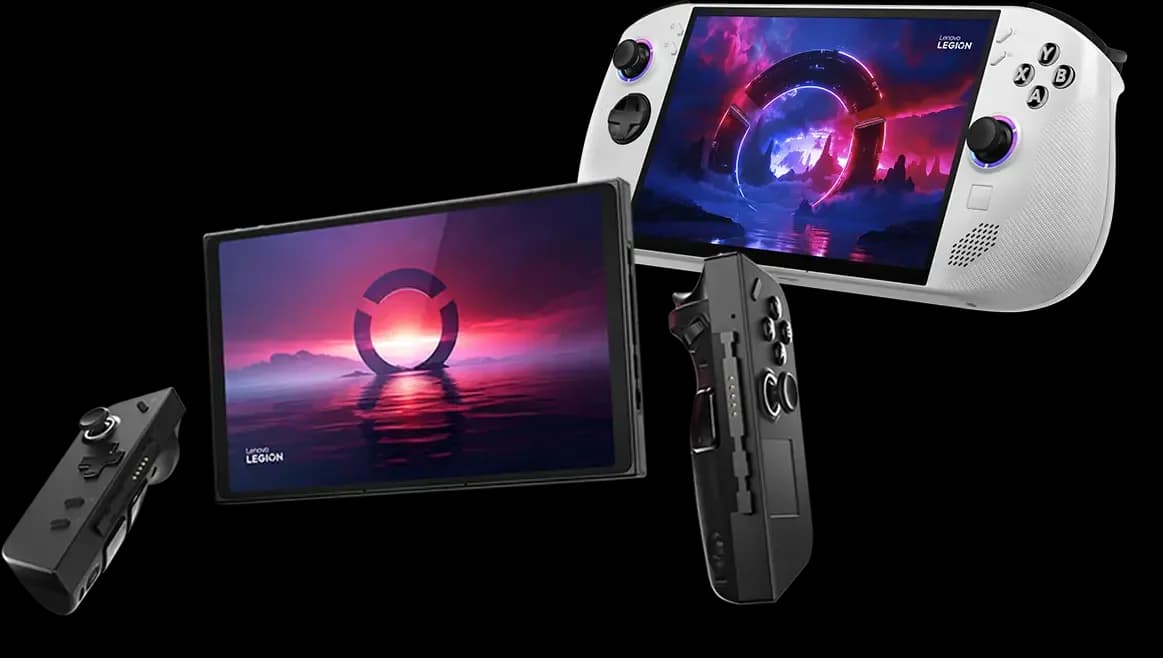
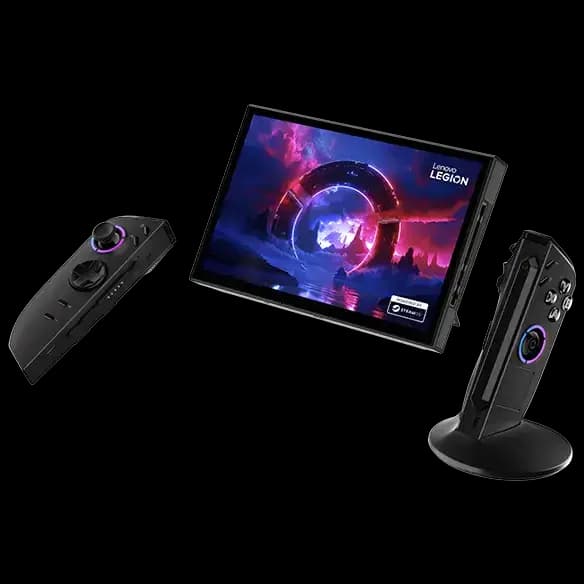
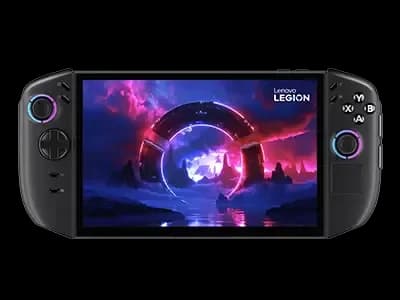
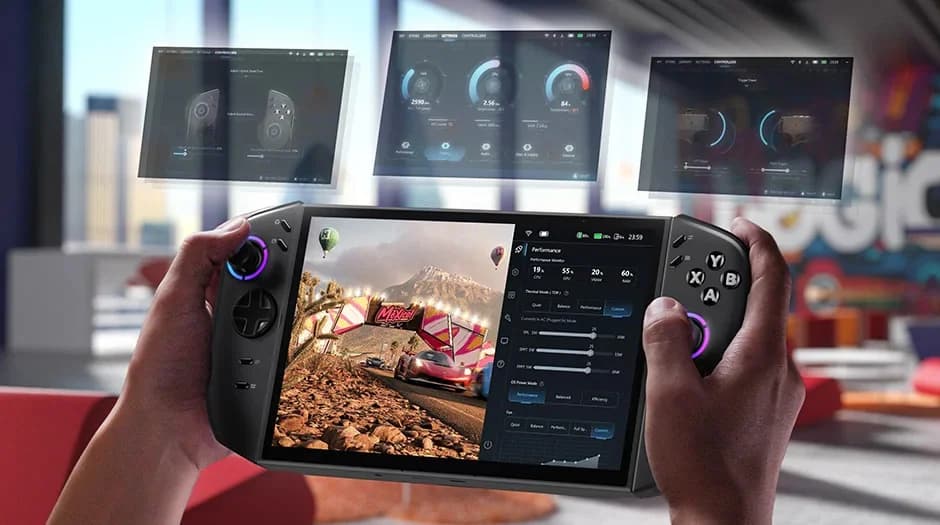
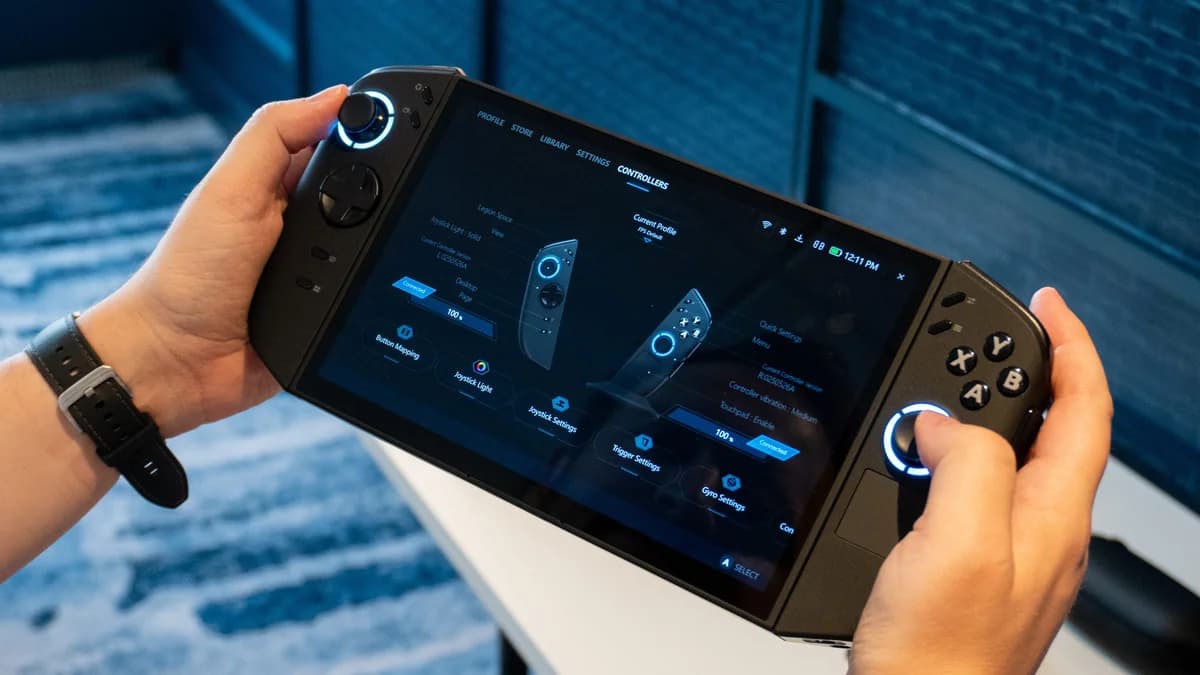
The Lenovo Legion Go Gen 2 is a portable powerhouse designed for gamers craving desktop-level thrills on the go. With its stunning 8.8-inch 144Hz OLED display, buttery-smooth visuals steal the show, while the AMD Ryzen Z2 Extreme processor flexes solid muscle in demanding titles. Enthusiasts love the detachable TrueStrike controllers, though some grumble over their fiddly attachment and bulkier form factor that leans more tabletop than pocket-friendly. Battery life impresses with a hefty 74Wh cell and rapid charging, but Windows 11’s quirks and steep price temper excitement. A true treat for those prioritizing raw power and stunning visuals over lightness or budget savvy—this device demands both patience and passion to shine.
Find Yours
What type of device best suits your needs?
Answer to find your best matches.

The Field
Browse top contenders, or compare all options ranked by score and key attributes.
1 Option


The Scoreboard
Does this improve your life? Considers, health, habits, and environmental impact.
Benefits
8.8-inch 144Hz OLED with VRR reduces motion blur and eye strain versus IPS alternatives.
74Wh battery and rapid charging reduce interruptions, lowering stress from frequent charging and planning.
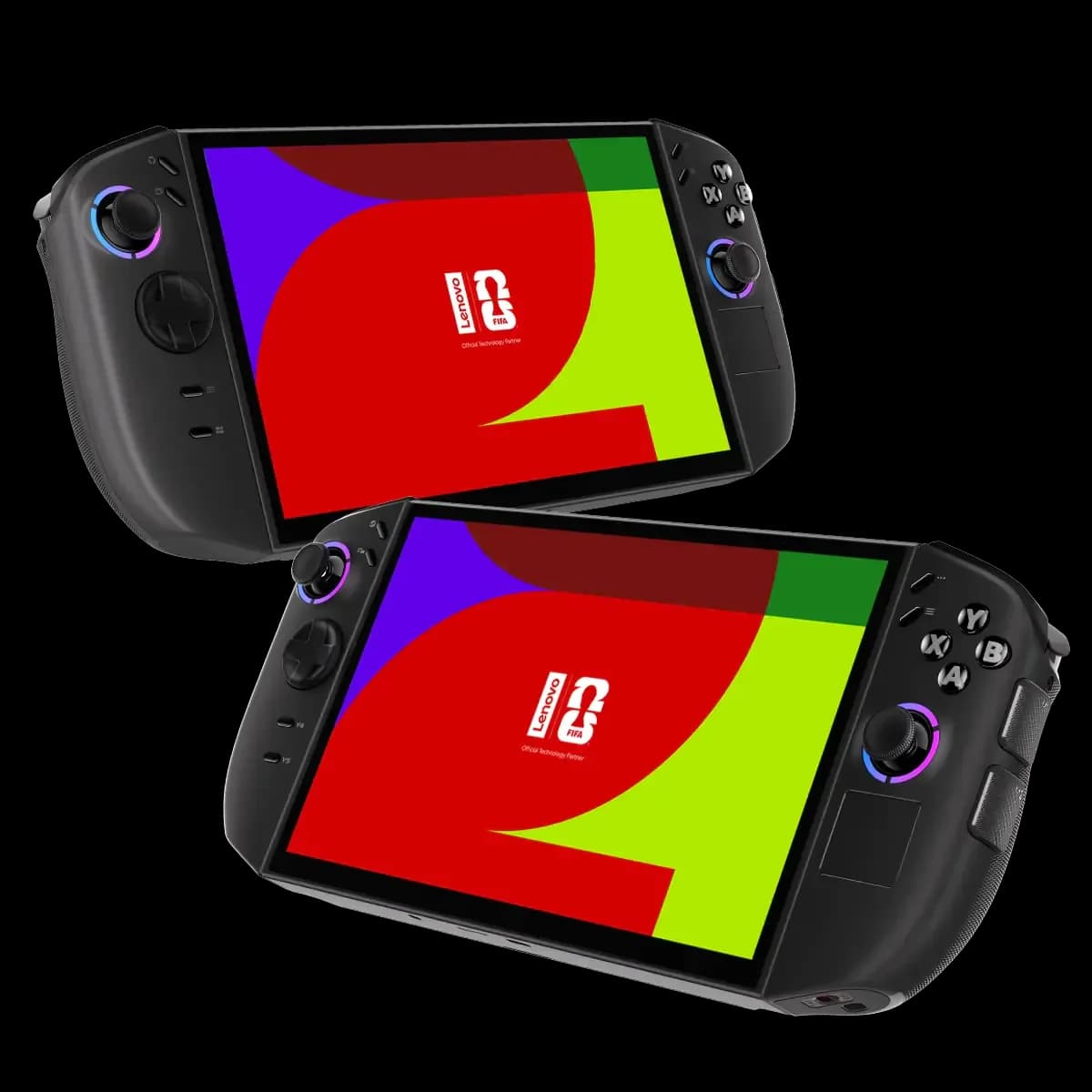
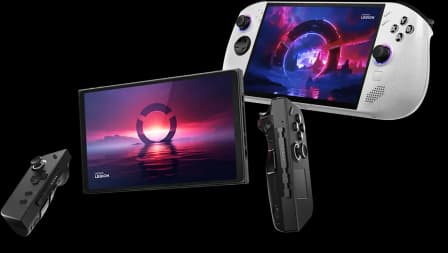
Detachable TrueStrike controllers with Hall-effect sticks reduce drift and improve comfortable, precise hand movements.
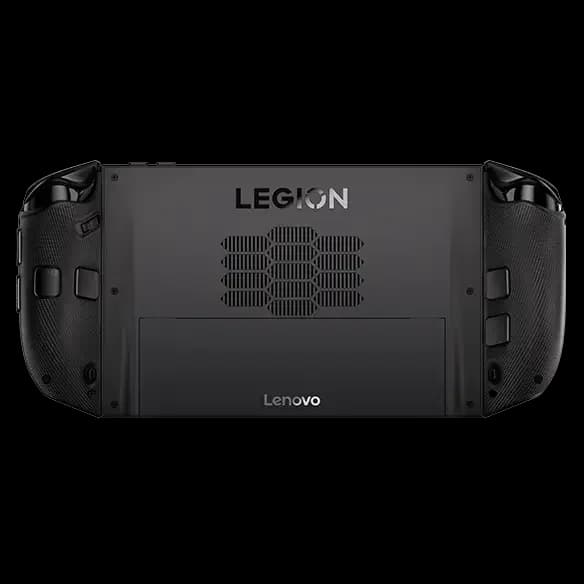
Built-in kickstand plus USB4/DisplayPort docking lets you play seated, easing arm and neck strain.
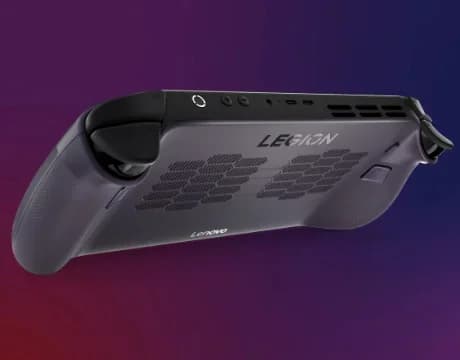
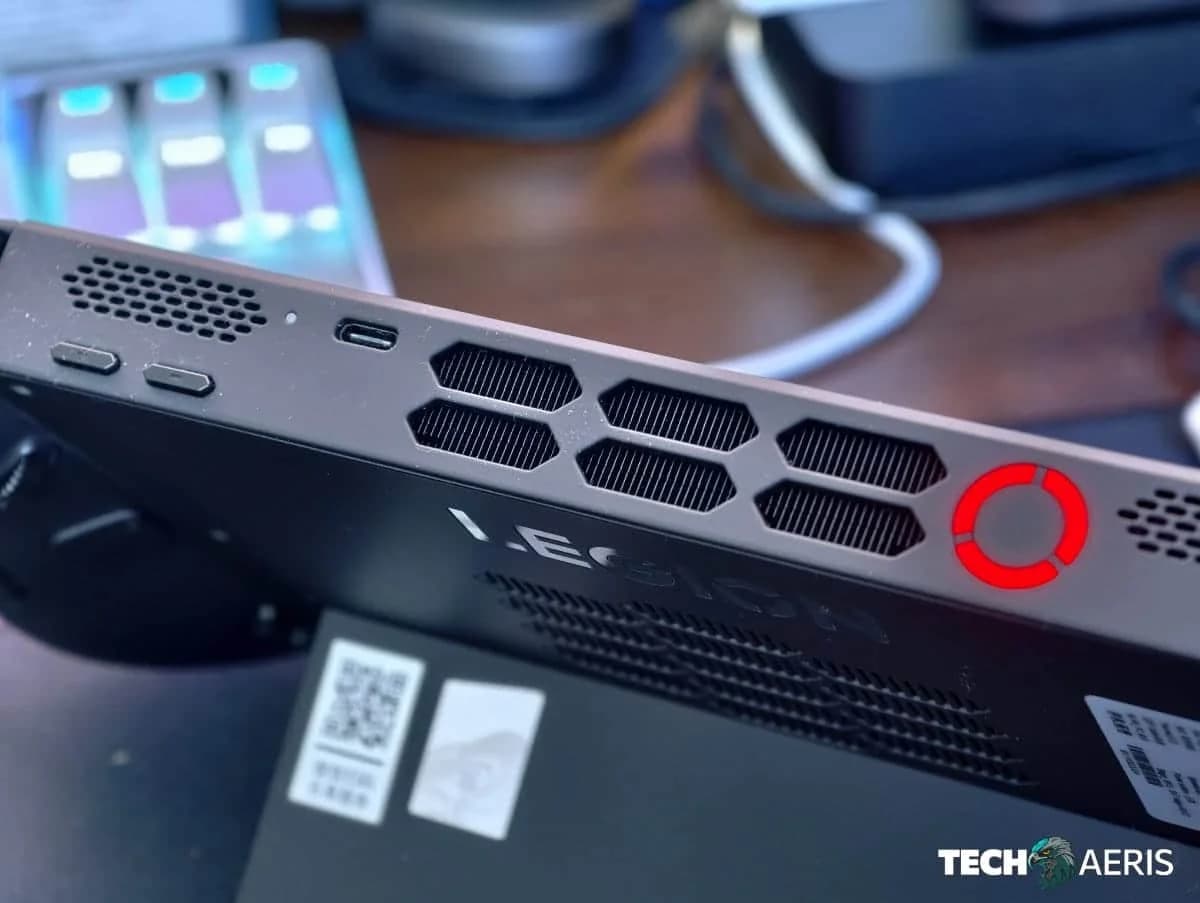
Legion Coldfront cooling keeps surface temperatures and fan noise lower, reducing discomfort and distraction.
Strong Z2 APU and Windows compatibility enable wide emulation and game libraries, boosting nostalgic wellbeing.
Trade-Offs
Large size and weight cause hand fatigue; better suited for tabletop than long handheld sessions.
Windows 11 overhead and immature handheld UX increase setup complexity and cognitive load, causing frustration.
Soldered RAM and fiddly SSD access reduce upgradeability, shortening lifespan versus modular, repairable designs.
Large 74Wh lithium pack increases embodied emissions and resource extraction impacts during manufacturing.
Under sustained high-power gaming, fans and surface temperatures spike, causing discomfort and ambient disturbance.
Attachment system can be fiddly; awkward detaches may create awkward grips and intermittent strain.
 Alternatives


Join the Circle
Where real meets deal
Know what's worth buying-and when.
Tips, special offers, and rewards for buying and sharing.

Publications
14 LEADING PUBLICATION REVIEWS

Zackery Cuevas from PCMag highlights the Lenovo Legion Go 2 as a powerful and visually stunning Windows-based gaming handheld, featuring a gorgeous 8.8-inch 1200p OLED display with excellent color and HDR support. The review praises the device’s improved design, detachable controllers, and the AMD Ryzen Z2 Extreme CPU, which delivers solid performance gains over previous models, especially in GPU-intensive games like Guardians of the Galaxy. However, the reviewer expresses tempered enthusiasm, noting that the Windows 11 OS somewhat hampers performance compared to SteamOS alternatives and that the overall improvements feel incremental rather than revolutionary. Battery life is decent but varies widely by use case, and some design choices, like the awkward headphone jack placement, detract from the experience. While the Legion Go 2 is a premium, capable machine ideal for those wanting a Windows handheld, the reviewer suggests that SteamOS users or owners of earlier models may find limited incentive to upgrade until a SteamOS version arrives.
By Zackery Cuevas
Andrew E. Freedman from Tom’s Hardware highlights the Lenovo Legion Go Gen 2 as a powerful and feature-rich gaming handheld, driven by AMD’s Ryzen Z2 Extreme processor and boasting a vivid OLED display that delivers striking colors and excellent color coverage. He praises the improved ergonomics and Hall-effect joysticks, as well as the detachable “TrueStrike” controllers that offer unique versatility. However, Freedman tempers enthusiasm with critiques of the device’s bulk and weight, which can cause hand fatigue during extended play, and its high price point of $1,349.99, which positions it as a premium option amid strong, more affordable competitors. Battery life is another concern, with only modest endurance even at reduced settings. The review also notes Windows 11’s current limitations for handheld gaming and some software glitches in Lenovo’s Legion Space app. Overall, Freedman sees the Legion Go 2 as the most full-featured Windows handheld available but suggests that potential buyers consider less expensive alternatives before committing.
By Andrew E. Freedman
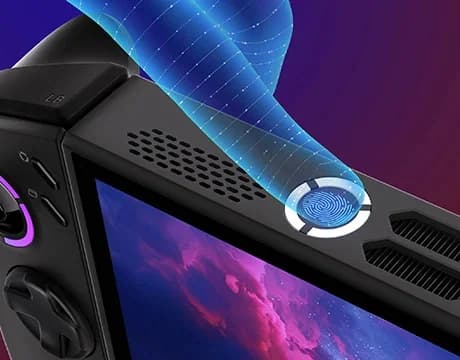
Chris Hoffman from PCWorld highlights the Lenovo Legion Go Gen 2 as a premium handheld gaming PC that impresses with its stunning 8.8-inch OLED display, solid AMD Ryzen Z2 Extreme performance, and thoughtful hardware design including detachable controllers and a built-in kickstand. He praises the device’s quiet cooling, excellent speakers, and fingerprint reader integration, emphasizing the luxurious feel and flexibility it offers. However, Hoffman is measured in his enthusiasm due to significant drawbacks: the high price point ($1,349 tested) which challenges its value proposition compared to gaming laptops and the Steam Deck, and the immature Windows 11 handheld experience that hampers usability with confusing settings and delayed software improvements expected only by spring 2026. While the Legion Go 2 delivers a substantial hardware upgrade over its predecessor and excels in display quality and build, its weight and software quirks temper the overall appeal. Enthusiasts seeking top-tier handheld hardware and willing to accept Windows 11’s current limitations will find much to enjoy here.
By Chris Hoffman
Andreas Osthoff from Notebookcheck highlights the Lenovo Legion Go Gen 2 as a premium gaming handheld that impresses primarily with its vibrant 144 Hz OLED display, delivering excellent image quality and HDR brightness that make games visually stunning. The inclusion of detachable controllers and an integrated kickstand adds practical versatility, though the device’s large size and weight may affect comfort during extended play. Powered by the solid AMD Ryzen Z2 Extreme, performance is stable and responsive, with useful features like a touchpad and FPS mode enhancing usability. However, the review expresses clear reservations about the steep price—around €1,499—positioning it well above comparable handhelds, and criticizes the absence of Wi-Fi 7 and SD Express support. Additional drawbacks include PWM flickering at lower brightness, weaker speaker orientation, and a slightly smaller battery. Overall, the review balances praise for the display and build quality with measured concerns about cost and some design compromises, offering a thoughtful, moderately positive assessment.
By Andreas Osthoff
Rebecca Spear from Windows Central highlights the Lenovo Legion Go Gen 2 as a significant improvement over its predecessor, praising its status as the most versatile Windows handheld gaming PC to date. She emphasizes the device’s standout features, including the best OLED display in handheld gaming, a more ergonomic rounded design, detachable controllers with an innovative FPS mode, and Hall Effect joysticks that prevent drift. The inclusion of VRR enhances motion clarity, and the kickstand adds to its versatility beyond gaming. However, Spear notes some drawbacks, such as the challenging SSD upgrade process and awkward placement of a USB4 port. Battery life remains comparable to the original despite a larger battery, and while performance gains over competitors like the Steam Deck and Xbox Ally X are modest, the Legion Go 2 delivers smooth gameplay and efficient cooling. Overall, she conveys measured enthusiasm, recommending the Legion Go 2 as a premium, flexible handheld ideal for gamers seeking a high-quality screen and multi-use device.
By Rebecca Spear
Tony Polanco from Tom’s Guide highlights the Lenovo Legion Go Gen 2 as a visually stunning and ergonomically improved handheld gaming device, chiefly praised for its vibrant 8.8-inch OLED display, smooth 144Hz refresh rate, and responsive detachable controllers. Powered by the AMD Ryzen Z2 Extreme chip, it delivers strong gaming performance, especially when users tweak settings and enable AMD’s FSR technology. However, Polanco tempers enthusiasm with notable criticisms: the device’s steep price—significantly higher than competitors like the Steam Deck OLED and Asus ROG Ally—along with middling battery life and the clunky Windows 11 OS, which hampers handheld usability and performance. While the Legion Go 2 offers a unique design and solid gaming experience, these drawbacks make it a tough recommendation for most buyers. Polanco suggests that with a leaner OS and price adjustments, the Legion Go 2 could become a more compelling choice, but as it stands, it’s a great device that falls short of being the best handheld on the market.
By Tony Polanco
Engadget’s Sam Rutherford highlights the Lenovo Legion Go Gen 2 as a versatile, feature-rich gaming handheld that stands out for its massive 8.8-inch OLED display, detachable controllers with a built-in touchpad, and included accessories like a case and a unique FPS-mode controller puck. While the device commands a premium price starting at $1,100 and is notably large and bulky, it delivers strong performance and adaptability that appeal to enthusiasts seeking a portable PC gaming experience beyond typical handhelds. Rutherford appreciates Lenovo’s retention of useful features such as the kickstand and the ability to use the device as a mini desktop, though he notes some design quirks like a finicky fingerprint sensor and less smooth controller detachment compared to competitors. Performance is excellent but slightly trails rivals like the ROG Xbox Ally X, especially at native resolution. Overall, the Legion Go 2 is praised as a “utility gaming handheld” that offers unmatched versatility, albeit at a high cost and with some trade-offs in size and value.
By Sam Rutherford
Kyle Barr from Gizmodo highlights the Lenovo Legion Go Gen 2 as a visually stunning handheld gaming device, primarily praised for its gorgeous 8.8-inch 1200p OLED display with a 144Hz refresh rate and VRR, which makes 2D and less demanding games look spectacular. While the device offers improved ergonomics and better low-wattage performance compared to its predecessor, it remains bulky and heavy, making extended handheld use uncomfortable for many. The removable controllers are cumbersome, and the FPS mode feels outdated and impractical. Performance gains with the Ryzen Z2 Extreme chip are modest, delivering playable frame rates on AAA titles only at reduced settings. Battery life is limited to around two hours under heavy use, and Windows 11’s usability issues detract from the experience, with hopes pinned on future OS improvements like Microsoft’s Full Screen Experience or SteamOS. Despite its steep $1,350 price tag and some frustrating design choices, Barr finds the Legion Go 2 surprisingly enjoyable, especially for fans of visually rich indie and 2D games.
By Kyle Barr
Brad Bourque from WIRED highlights Lenovo’s Legion Go Gen 2 as a uniquely adaptable but demanding Windows-based gaming handheld. While praising its improved performance, vibrant OLED screen, and versatile input options—including a novel FPS mode mouse sensor—the review conveys a cautiously positive tone tempered by significant usability challenges. The device’s bulky form factor and complex, sometimes frustrating Windows setup and interface detract from its appeal for casual gamers seeking a plug-and-play experience. Battery life is limited, and the steep price positions it as a niche product for enthusiasts willing to invest time troubleshooting and customizing. Bourque emphasizes that the Legion Go 2 excels as a powerful, flexible “project” device with strong hardware credentials, but it requires patience and technical savvy to unlock its full potential. Overall, the review balances admiration for the device’s capabilities with clear warnings about its learning curve and practical limitations.
By Brad Bourque
Joshua Goldman assesses the Lenovo Legion Go Gen 2 as a significant upgrade over its predecessor, highlighting notable improvements in design, comfort, and hardware. He emphasizes the shift to a vibrant 8.8-inch OLED display with a variable refresh rate, improved controller ergonomics with Hall Effect sticks, and a much larger 74Wh battery that supports rapid charging. The inclusion of dual USB-C ports with DisplayPort 2.0 and a fingerprint reader adds to its versatility and security. However, Goldman tempers enthusiasm with practical concerns: the device’s increased size and weight make it better suited for tabletop gaming, and the resolution downgrade to 1080p may disappoint some, though it aligns with realistic performance expectations. The steep starting price of $1,049 places it in budget gaming laptop territory, raising questions about value. Overall, the review conveys cautious optimism, recognizing the Legion Go 2’s potential as a powerful Windows handheld while acknowledging trade-offs in portability and cost.
By Joshua Goldman
Jacqueline Thomas from IGN highlights the Lenovo Legion Go Gen 2 as a significant upgrade over its predecessor, particularly praising its vibrant 144Hz OLED display and improved button layout inspired by the Legion Go S. The review emphasizes the device’s standout battery life, which surpasses competitors thanks to efficient hardware and the OLED panel. However, Thomas expresses clear reservations about the steep price increase, noting that the starting cost of $1,099—and even higher for top configurations—makes it a tough sell compared to rivals like the Xbox Ally X. Performance gains over the original Legion Go are notable but less impressive when compared to similarly specced competitors, and the device’s large size and weight may limit comfort during extended play. Unique insights include the innovative “First Person Mode” controller mouse feature and detailed thermal management analysis. Overall, the Legion Go 2 is recommended mainly for OLED enthusiasts willing to invest heavily, while more budget-conscious gamers might find better value elsewhere.
By Jacqueline Thomas
Madeline Ricchiuto from XDA Developers highlights the Lenovo Legion Go Gen 2 as a significant improvement over its predecessor, particularly praising its vivid 8.8-inch 144Hz OLED display, powerful AMD Ryzen Z2 Extreme APU, and enhanced ergonomics with customizable controls. The review conveys a generally positive but measured enthusiasm, noting that while the Legion Go 2 delivers strong performance capable of handling demanding games with some tweaking, it falls short of outperforming competitors in efficiency and raw power. Ricchiuto points out the device’s considerable weight and high price as notable drawbacks, especially for users with smaller hands or tighter budgets. The inclusion of robust audio, a sturdy kickstand, and thoughtful software features like Legion Space settings add to its appeal. However, the review cautions that Windows 11’s overhead impacts battery life and performance, suggesting potential gains with a more streamlined OS. Overall, the Legion Go 2 is recommended for gamers seeking a premium handheld experience with a large OLED screen, despite its cost and ergonomic compromises.
By Madeline Ricchiuto
Alex Perry from Mashable highlights the Lenovo Legion Go Gen 2 as a powerful and feature-rich handheld gaming PC, boasting a robust AMD Ryzen Z2 Extreme processor, a large 8.8-inch OLED display, detachable controllers, and broad compatibility with PC gaming marketplaces thanks to Windows 11. While impressed by its raw performance—especially compared to devices like the Steam Deck OLED—Perry expresses reservations about the device’s bulkiness, complex button layout, and less intuitive software experience relative to more streamlined competitors like the Nintendo Switch 2. The Legion Go 2’s extensive features and customization options may appeal to enthusiasts, but its size and occasional usability quirks make it feel overwhelming and less elegant. Perry’s early impressions suggest that despite its technical strengths and versatility, the Legion Go 2 might not suit those who prioritize simplicity and form factor over horsepower and feature density. A fuller review is forthcoming, but for now, the device seems targeted at a niche audience rather than mainstream handheld gamers.
By Alex Perry
Tanisha Aria from NoobFeed highlights the Lenovo Legion Go Gen 2 as a powerful handheld gaming device that impresses with its Ryzen Z2 Extreme processor, vibrant 8.8-inch 144Hz OLED screen, and versatile detachable controllers. The review emphasizes the device’s premium build quality, improved sound system, and customizable performance modes, making it comfortable for extended play sessions. However, Aria points out notable drawbacks, including the high $1,350 price tag, software quirks like a problematic app store and fan control difficulties, and a less-than-ideal headphone jack placement. While gaming benchmarks show strong performance comparable to competitors like the Xbox ROG Ally X, battery life under full load is limited. The review offers a balanced perspective, suggesting the Legion Go 2 is best suited for serious gamers seeking cutting-edge hardware and display technology, but cautions that more affordable alternatives or older Lenovo models may offer better value for most users.
By Tanisha Aria

YouTube
15 LEADING EXPERT & INFLUENCER REVIEWS
 Dave2D
Dave2D praises the Lenovo Legion Go Gen 2 as the most powerful and premium Windows handheld gaming device, highlighting its OLED display, improved ergonomics, and versatile FPS mouse mode. However, he critiques its increased size, weight, fan noise, and especially its steep $1,500 price, calling the performance gains modest relative to cost.
The Tech ChapThe Tech Chap praises the Lenovo Legion Go Gen 2 for its stunning 8.8-inch 144Hz OLED display, powerful Ryzen Z2 Extreme chip, improved cooling, and 50% larger battery, delivering notable performance and versatility. However, he critiques its heavy, bulky design and clunky detachable controllers, noting the high price and some software rough edges.
ETA PRIMEETA Prime praises the Lenovo Legion Go Gen 2 for its stunning 8.8-inch 144Hz OLED display, balanced ergonomics, and versatile detachable controllers with smooth FPS mode. While impressed by real-world gaming performance and battery life across modes, he notes the high price as the main drawback, tempering his strong overall enthusiasm.
Tech FowlerTech Fowler praises the Lenovo Legion Go Gen 2 as a nearly perfect, top-tier handheld with a stunning 8.8-inch 144Hz OLED display, strong Ryzen Z2 Extreme performance, and improved ergonomics. However, he notes its hefty price, Windows 11’s clunky interface, limited battery life, and some controller quirks, offering a balanced yet enthusiastic recommendation.
Cyber DopamineCyber Dopamine praises the Lenovo Legion Go Gen 2’s stunning 8.8-inch 144Hz OLED display and immersive gaming experience, highlighting improved battery life, quiet cooling, and upgraded speakers. While performance is solid, especially at 1200p, he notes the device’s heavy build and steep $1,400 price as significant drawbacks.
Jon ValiagasJon Valiagas praises the Lenovo Legion Go 2’s premium build, vibrant 8.8-inch 144Hz OLED display, and versatile detachable controllers, calling it a “peak handheld” for PC gaming. He highlights strong performance and customization but warns of a steep $1,350 price, initial setup quirks, and a bulky form factor that may not suit all users.
Retro Game CorpsRuss from Metro Gamecore praises the Lenovo Legion Go Gen 2 for its stunning 8.8-inch 144Hz OLED display and significantly improved detachable controllers, calling them a “massive improvement” over the original. He notes a solid 15-20% performance boost but criticizes the steep price hike and only iterative upgrades, recommending the original Legion Go with new controllers as a better value for most.
Digital MausDigital Maus praises the Lenovo Legion Go Gen 2’s vibrant 8.8-inch OLED display, improved battery life, and ergonomic rounded grips, highlighting meaningful upgrades over the original. Despite initial sticker shock and a smaller-than-expected SSD, the reviewer’s hands-on experience with hardware mods, benchmarks, and usability reveals a well-rounded, premium handheld worth the price.
Baldly RudyBaldly Rudy praises the Lenovo Legion Go Gen 2 for its stunning OLED display, improved ergonomics, and solid mid-range performance, especially unplugged. While acknowledging the steep price and only modest audio upgrades, he values the refined controls and battery life, ultimately recommending it for serious PC handheld gamers seeking premium craftsmanship.
GameTechPlanetGameTechPlanet praises the Lenovo Legion Go 2 Z2 Extreme for its premium build, improved controllers, and stunning 144Hz OLED display, highlighting solid performance and efficiency gains from the Z2 Extreme chip. While appreciating software improvements and daily usability, he notes concerns about the high price, device bulk, and slow GPU driver updates.
TechXReviewsTechXReviews enthusiastically praises the Lenovo Legion Go Gen 2 for its refined modular design, drift-free Hall effect joysticks, and stunning 8.8-inch 144Hz OLED display with vibrant colors and deep blacks. The AMD Ryzen Z2 Extreme delivers a notable 30% performance boost, while the large 74Wh battery and fast charging enhance portability. Though fan noise can be loud at full power, overall cooling and multitasking improvements make it a versatile, premium handheld ideal for AAA gaming and varied use cases.
PAOLO PLAYS GAMESPAOLO PLAYS GAMES praises the Lenovo Legion Go Gen 2 for its immersive 8.8-inch 144Hz OLED display, powerful AMD Ryzen Z2 Extreme hardware, and versatile detachable controllers, evoking nostalgic handheld gaming fun. While impressed by performance on less demanding titles, he notes software quirks, limited battery life, and a high price, recommending it mainly as a portable extension for PC gamers rather than a primary gaming device.
Chris MizoChris Mizo praises the Lenovo Legion Go Gen 2’s stunning 8.8-inch 144Hz OLED display, powerful Ryzen Z2 Extreme CPU, and precise Hall Effect controllers, highlighting its strong gaming performance and versatile dock. However, he notes its hefty weight, tighter-than-expected controls, finicky USB-C port, and limited battery life, making it a premium but niche handheld for on-the-go PC gamers.
Jared ConyersJared Conyers praises the Lenovo Legion Go Gen 2 for its stunning 8.8-inch 144Hz OLED display, solid build, and powerful AMD Ryzen Z2 Extreme hardware. He highlights improved battery life and versatile detachable TrueStrike controllers but notes its hefty weight, high price, and only modest performance gains over the original model.
Miles AheadMiles Ahead praises the Lenovo Legion Go Gen 2 as possibly the best handheld gaming device available, highlighting its stunning 8.8-inch OLED display, strong AMD Ryzen Z2 Extreme performance, improved battery life, and solid cooling. However, he critiques its bulky size, cumbersome detachable controller mechanism, limited USB-C ports, and high price, recommending waiting for competitors like the ASUS ROG Ally before buying.

Social
6 INFLUENCER REVIEWS
 ogeh
ogehOgeh Ezeonu highlights the Lenovo Legion Go Gen 2’s impressive specs, including an 8.8-inch OLED screen, 144Hz refresh rate, and larger battery, positioning it as a premium handheld gaming device. While intrigued by its capabilities, he questions the value of its high price compared to budget gaming PCs or consoles. Overall, Ogeh offers a cautiously positive view, appreciating the device’s potential but hesitating to fully endorse it without hands-on experience. He suggests the Legion Go 2 may appeal to enthusiasts but prompts viewers to consider whether the cost justifies the convenience and features.
Vimal ChintapatlaVimal Chintapatla highlights the Lenovo Legion Go Gen 2 as a flagship-level handheld gaming console with impressive specs, including an 8.8" 144Hz PureSight OLED display and AMD Zen 5 Z2 Extreme chipset delivering smooth 100+ fps gameplay at 1200p. He praises its detachable controllers and portability, showing genuine excitement. Overall, Vimal finds the Legion Go 2 promising for on-the-go AAA gaming and plans a thorough follow-up review covering benchmarks, thermals, and battery life. His initial enthusiasm suggests a strong recommendation, tempered by a desire to test real-world performance in detail.
 SuperSaf
SuperSaf highlights the Lenovo Legion Go Gen 2’s powerful AMD Ryzen Z2 Extreme processor, vibrant 8.8-inch 144Hz OLED display, and significantly improved 70.4Wh battery for longer gaming sessions. He notes the tradeoff of a lower resolution but appreciates the wider game compatibility via Windows and potential SteamOS support. The ergonomic detachable controllers and backward compatibility add to its appeal. Overall, SuperSaf presents the Legion Go Gen 2 as one of the most powerful handheld gaming PCs available, recommending it especially for gamers seeking high performance and versatility, while acknowledging minor compromises like the resolution drop and Windows OS preference.
Daniel SinDaniel Sin highlights the Lenovo Legion Go Gen 2’s improved comfort and vibrant OLED screen, praising its less blocky design and better controller ergonomics compared to the previous model. He notes the upgraded AMD Ryzen Z2 Extreme processor and accessory compatibility, while expressing mild disappointment over the lack of a SteamOS version. Overall, Daniel Sin’s review is cautiously positive, appreciating key enhancements but stopping short of a full endorsement. He invites viewers to weigh in on whether the upgrade from Legion Go 1 is worthwhile, reflecting a balanced and thoughtful perspective rather than outright enthusiasm.
HeyMarkLHeyMarkL highlights the Lenovo Legion Go Gen 2’s impressive specs, including an 8.8-inch OLED display, 32GB RAM, 2TB SSD, and the powerful Z2 Extreme processor. They praise the improved cooling, enhanced controls, and overall performance, calling it a fun upgrade over the previous model. However, they note the device is quite heavy and question whether the steep $1,400 price tag is justified. Overall, HeyMarkL views the Legion Go 2 as a solid, high-performance gaming handheld with meaningful improvements but tempered enthusiasm due to its heft and cost. They leave the recommendation open-ended, inviting viewers to consider if it’s worth choosing over alternatives like the Steam Deck OLED.
MullyMully highlights the Lenovo Legion Go Gen 2 as a groundbreaking handheld gaming PC, praising its large 8.8-inch OLED screen, Ryzen Z2 processor, and smooth 144Hz refresh rate. They emphasize its portability and impressive graphics, sharing personal experiences playing top titles on the go, even outdoors. Overall, Mully’s enthusiasm is unmistakable, describing the device as “nuts” and a game-changer for mobile gaming. While no drawbacks are mentioned, the vivid firsthand excitement and detailed praise strongly recommend the Legion Go 2 for gamers seeking powerful, portable performance.

Store Reviews
CUSTOMER REVIEWS FROM 1 STORE
Users on Lenovo’s platform praise the Legion Go Gen 2 for its stunning 8.8-inch OLED display, which delivers vibrant colors and smooth visuals thanks to VRR technology. Gamers highlight its strong performance, noting that it handles demanding AAA titles on high settings without overheating or lag. Many appreciate the detachable controllers and built-in kickstand, which enhance comfort and versatility, especially when using the device in docked mode. Reviewers also value the premium build quality and the device’s capability to run smoothly with alternative operating systems like SteamOS, which some find improves the overall experience compared to Windows 11 on the handheld’s smaller screen. Several users mention the device’s weight as a trade-off for its power and screen size, but they find it manageable, especially when using the kickstand. Battery life receives mixed feedback; while some report it lasts sufficiently for typical gaming sessions, others wish for longer endurance given the device’s premium price. A few users express frustration with Lenovo’s software, particularly the RGB lighting customization and update process, which they find less refined than expected. Overall, Lenovo reviewers consider the Legion Go Gen 2 a top-tier handheld gaming PC that excels in display quality and performance, making it a compelling choice for those willing to invest in a powerful, portable gaming experience despite some software quirks and battery limitations.
4.7 Stars / Few reviews

Forum Reviews
CUSTOMER REVIEWS FROM 1 FORUM
Reddit users generally appreciate the Lenovo Legion Go Gen 2 for its impressive OLED display, solid build quality, and improved performance, especially noting smoother gameplay and better battery efficiency at moderate power settings. Many praise its ergonomic design and premium feel, though some find it bulky and less portable compared to smaller handhelds. Performance gains over previous models are seen as incremental rather than revolutionary, leading some upgraders to question the value for the price, while new buyers often view it as a compelling option if budget allows. Criticisms focus on Windows 11’s occasional sluggishness, software glitches, and the high cost relative to performance, with mixed opinions on the usefulness of certain design features like side buttons. Overall, the device is favored for its display and versatility but debated in terms of price-to-performance ratio.
Many comments

In-Depth Review

Highlights
- •8.8-inch 144Hz OLED displayMarketed as 8.8" 144Hz PureSight OLED
- •High-end AMD Z2 Extreme APUDesigned to boost 1200p gaming performance
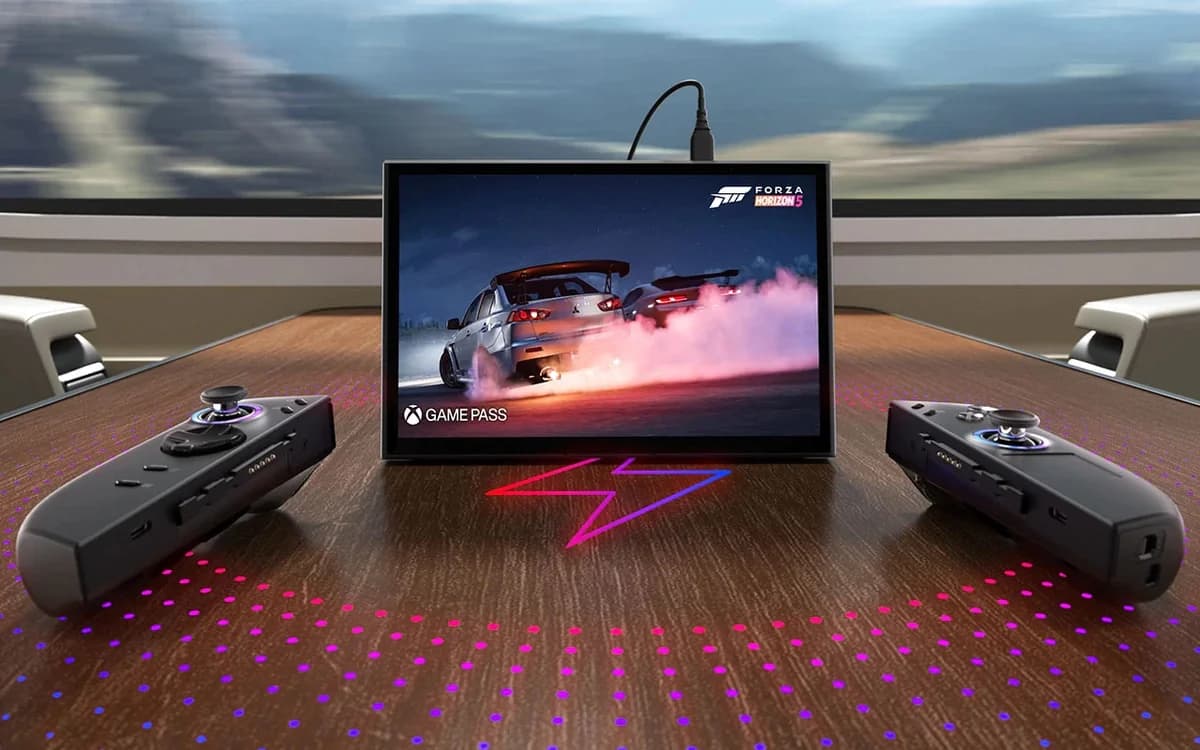
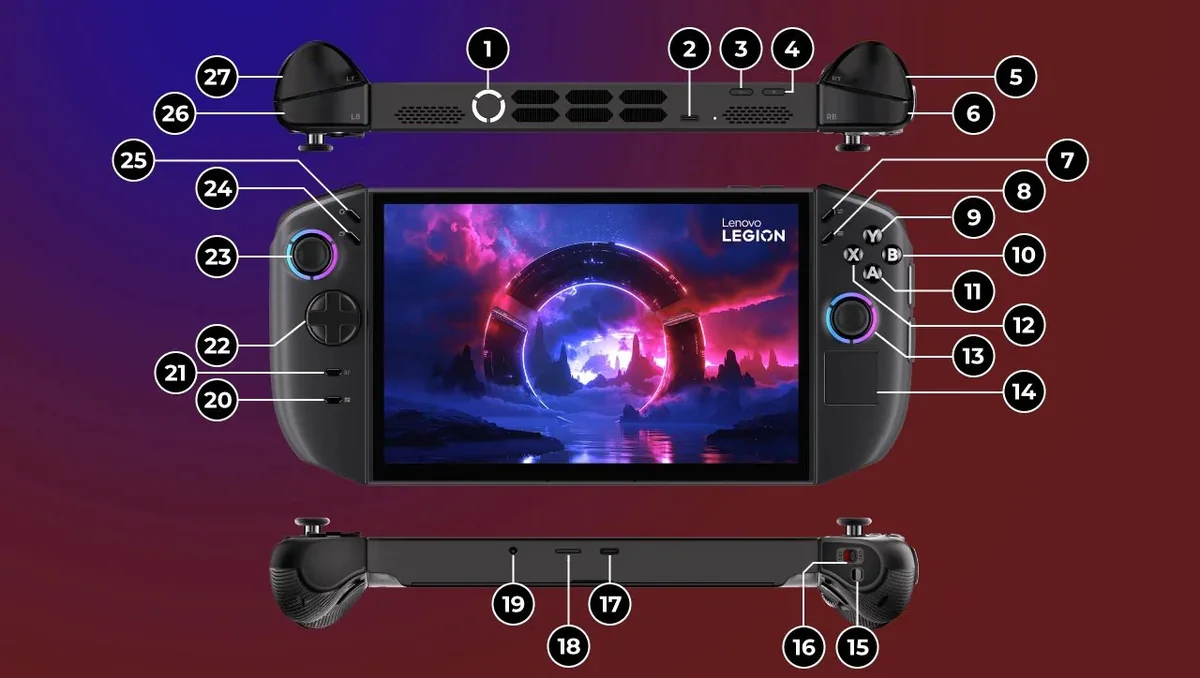
- •Detachable TrueStrike controllersPromoted as Hall-effect sticks, drift-free
- •Large 74Wh battery with fast chargePromoted as Super Rapid Charge support
- •Modular design with built-in kickstandAdvertised to enable tabletop and docked use
- •Generous memory and upgradeabilityPromoted as 32GB LPDDR5X; 2280 SSD support

Considerations
- •Premium pricingSteep cost relative to competitors
- •Bulky form factorHeavy and large for handheld use
- •Windows 11 handheld usabilityWindows overhead and clunky interface
- •Reduced endurance at high settingsRuntime drops under heavy gaming
- •Controller attachment and ergonomicsDetachment can be fiddly; some quirks
- •Fan noise and thermal peaksLoud fans and warmer surfaces under load
Lenovo’s latest handheld stakes its claim as a premium powerhouse for on-the-go PC gaming, targeting enthusiasts who crave an 8.8-inch OLED screen with buttery-smooth 144Hz refresh—a vivid canvas that outshines most rivals. Powered by the formidable AMD Ryzen Z2 Extreme APU paired with RDNA 3.5 graphics, it promises solid frame rates even in demanding AAA titles, though performance gains feel more evolutionary than revolutionary. Battery life benefits from a generous 74Wh cell with Super Rapid Charge, balancing endurance and quick top-ups to keep marathon sessions rolling. The detachable TrueStrike controllers feature precision-tuned Hall-effect sticks and innovative FPS mode controls, offering versatility but inviting some ergonomic debate due to fiddly attachments. Lenovo’s revamped cooling system keeps things cool under pressure, while ample memory and SSD upgrade options cater to future-proofing needs. This device suits gamers prioritizing stunning visuals and raw power over pocket-friendly portability—so buckle up for a closer look at what sets this contender apart in an increasingly crowded field of handhelds.
Display (8.8" OLED, 144Hz, 1920×1200)
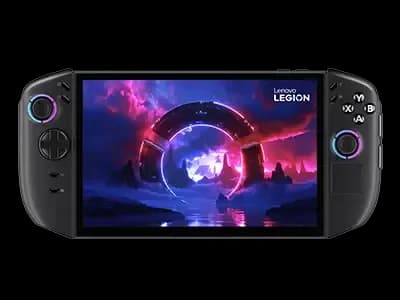
The Legion Go Gen 2 dazzles with its stunning 8.8-inch OLED display, boasting a crisp 1920×1200 resolution and buttery-smooth 144Hz refresh rate that makes games pop like never before. This vibrant screen offers deep blacks and rich colors thanks to the high contrast of OLED tech paired with VRR support, which minimizes motion blur for immersive play. Both users and experts rave about this visual feast as the device’s crown jewel, cementing it as a top contender in handheld gaming displays—definitely not just eye candy but real gameplay enhancement.
Battery Capacity and Charging (74Whr, Super Rapid Charge)
Lenovo steps up battery game with an ample 74Wh cell coupled with fast-charging magic dubbed Super Rapid Charge — perfect for marathon sessions sans panic over juice depletion. While endurance varies by workload and Windows overhead eats some runtime, users note appreciable unplugged freedom relative to competitors despite mixed feelings on longevity under heavy use cases. Quick top-ups mean downtime is minimal between bouts of gaming bliss: Lenovo balances capacity versus portability well enough that battery life rarely steals the spotlight but still earns respect among power-hungry handheld fans craving extended adventures.
Controls and Input Hardware (detachable controllers, Hall sticks, triggers, touchpads, FPS puck)
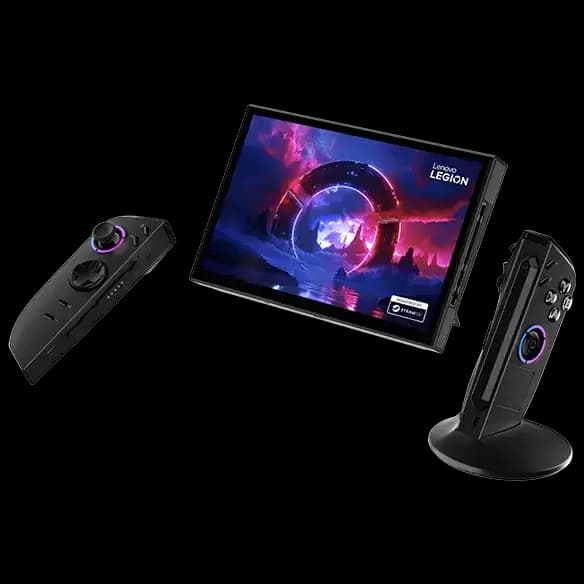
TrueStrike detachable controllers shine bright with precision-tuned Hall-effect joysticks eliminating drift woes common in handhelds while analog triggers add nuanced control depth vital for shooters or racing sims alike. Bonus points go to integrated gyro sensors plus handy touchpads enabling desktop-style navigation—a boon when switching from couch co-op battles to multitasking workflows—and the quirky yet functional FPS mode puck enhances mouse-like accuracy during frantic first-person moments without lugging external gear around.The ergonomic redesign garners praise though some find detachment fiddly; overall these inputs elevate comfort alongside versatility impressively.
CPU/GPU Performance (Z2 Extreme APU, RDNA 3.5)
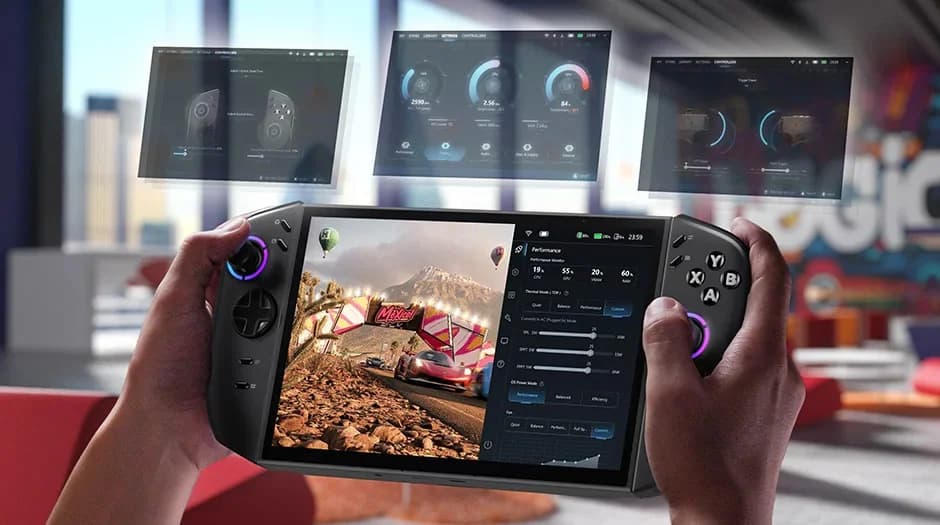
Power gamers will appreciate the beefy AMD Ryzen Z2 Extreme APU combined with integrated RDNA 3.5 graphics delivering smooth frame rates even on demanding AAA titles at respectable settings. The chipset's eight cores plus sixteen threads flex serious muscle while staying relatively cool thanks to improved thermal design; however, performance gains feel incremental rather than revolutionary compared to last gen—a subtle reminder that raw power meets diminishing returns here. Still, enthusiasts laud its ability to tackle modern games without stutter or lag making it a compelling powerhouse for portable PC gaming.
Conclusion
Peering through the 8.8-inch OLED display’s vibrant 144Hz clarity, it’s clear this handheld courts those who crave visual splendor over pocket-sized subtlety. The Z2 Extreme APU paired with RDNA 3.5 graphics delivers solid muscle, though its gains tread familiar ground rather than shattering ceilings. Lenovo’s hefty 74Wh battery and Super Rapid Charge offer respectable endurance, yet intense sessions still demand strategic breaks. The detachable TrueStrike controllers, complete with Hall-effect sticks and an FPS puck, redefine precision but invite a love-it-or-hate-it ergonomic debate—fiddly for some, flawless for others. Underneath, the revamped cooling system tempers heat without drowning out gameplay in fan noise, preserving comfort during marathon runs. With 32GB LPDDR5X memory and flexible M.2 storage upgrades, future-proofing feels within reach despite soldered limitations. This is a powerhouse crafted less for quick grabs and more for immersive marathons—a premium proposition that rewards those prioritizing raw performance and stunning visuals over lightweight convenience or budget frugality.

Feature Scores
This reflects reviews and ratings from established critics, journalists, and users who have evaluated the item. Their opinions provide a comprehensive assessment.
Performance
Processing Performance
5/5
Graphics Capability
4/5
Memory and Multitasking
5/5
Storage Speed
4/5
Battery Life
4/5
Thermal Management
4/5
Value
Price Competitiveness
3/5
Warranty and Support Value
4/5
Resale Value
4/5
Design
Visual Appeal
5/5
Ergonomics
4/5
Portability
3/5
Display Quality
5/5
Health
Display Comfort
4/5
Acoustic Noise Levels
4/5
Surface Temperature Exposure
4/5
Safety
Data Protection Features
4/5
Battery Safety
4/5
Regulatory Compliance
4/5
Sustainability
Energy Efficiency
4/5
Repairability
3/5
Recyclability
3/5
Packaging Sustainability
3/5
Experience Style
Software Experience Smoothness
3/5
Customization Flexibility
4/5
Ecosystem Integration
5/5

Specifications
This section outlines the product's key facts, covering essential features, details, dimensions, materials, and any unique characteristics that define its functionality and usability.
Performance
Value
Design
Safety
Sustainability
Experience Style

Frequently Asked Questions
5 Questions

Also Consider
1 Option

Find Yours
What type of device best suits your needs?
Answer to find your best matches.