


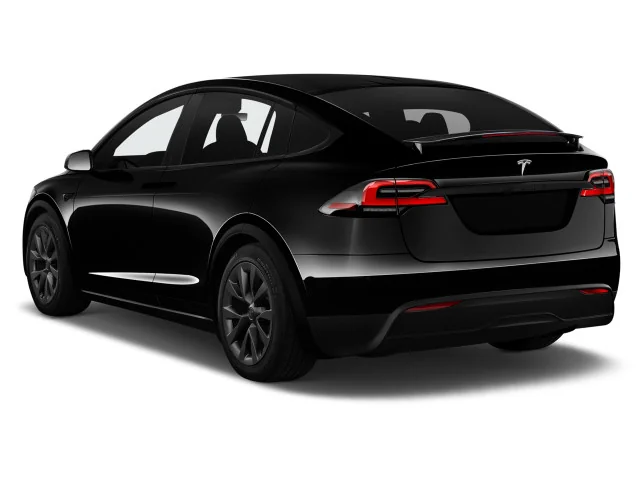
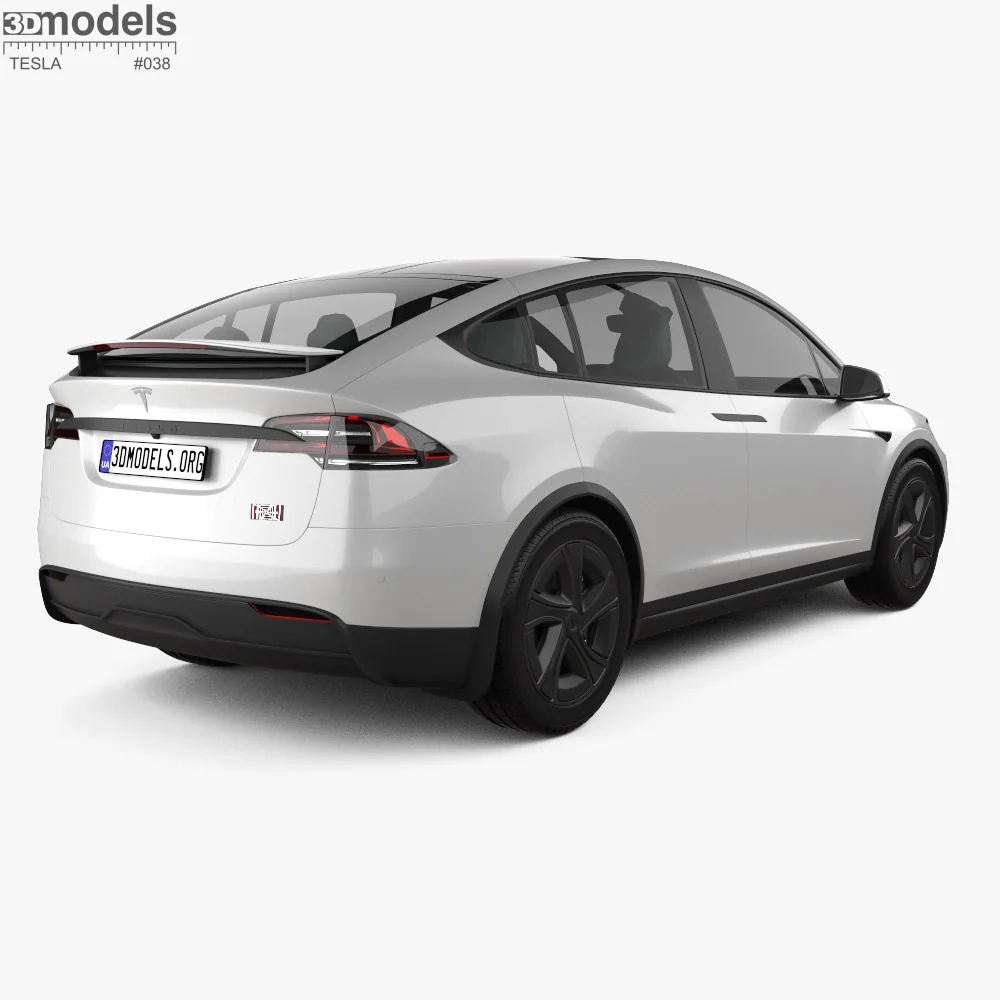
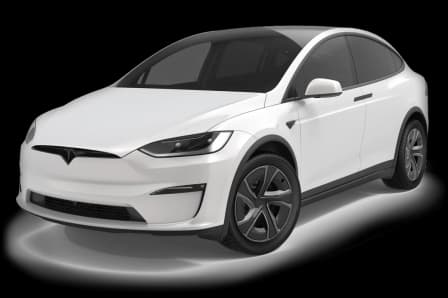
Tesla Model X (2025)
Supercar acceleration, long range and family-ready doors — thrilling but pricey with some quality trade-offs.
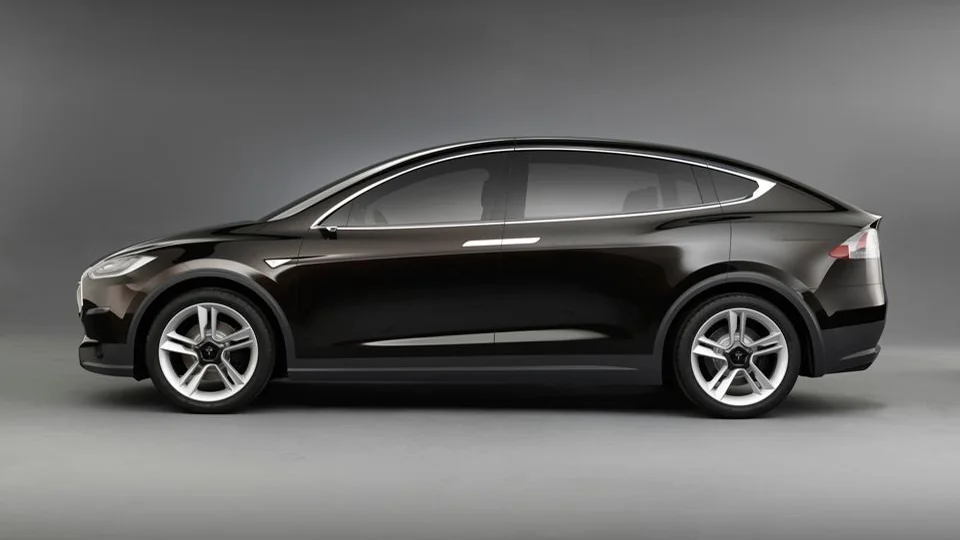
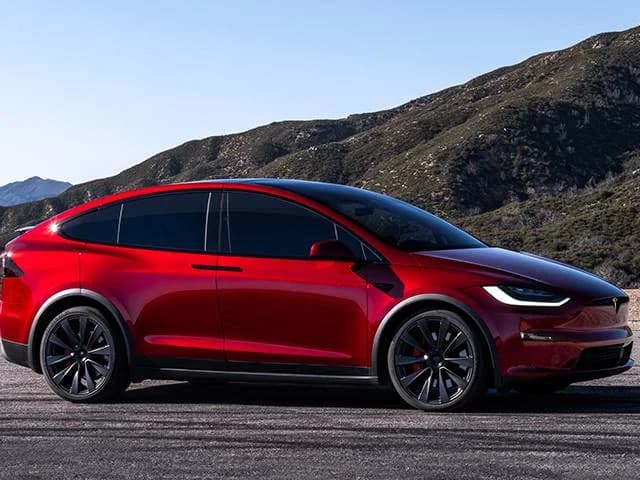
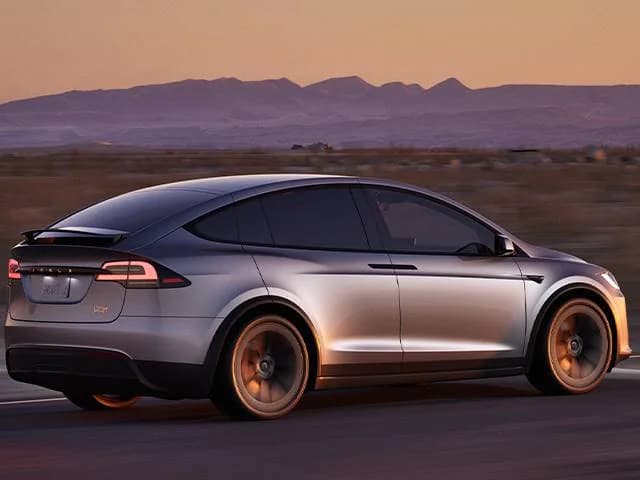
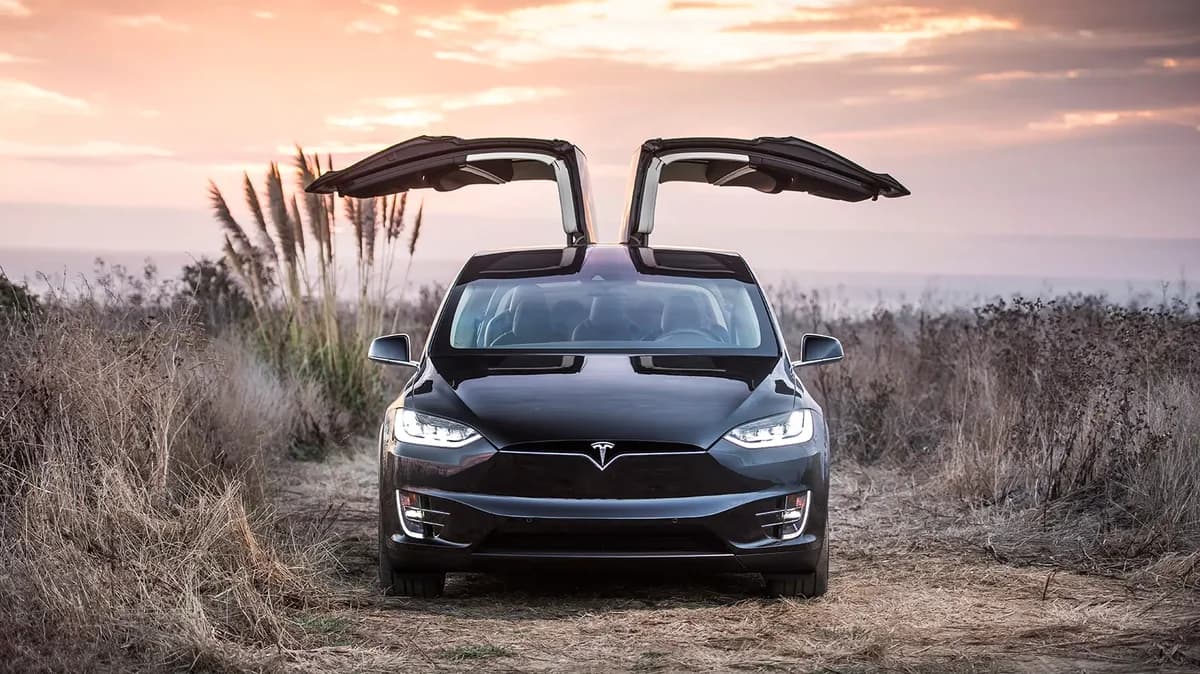
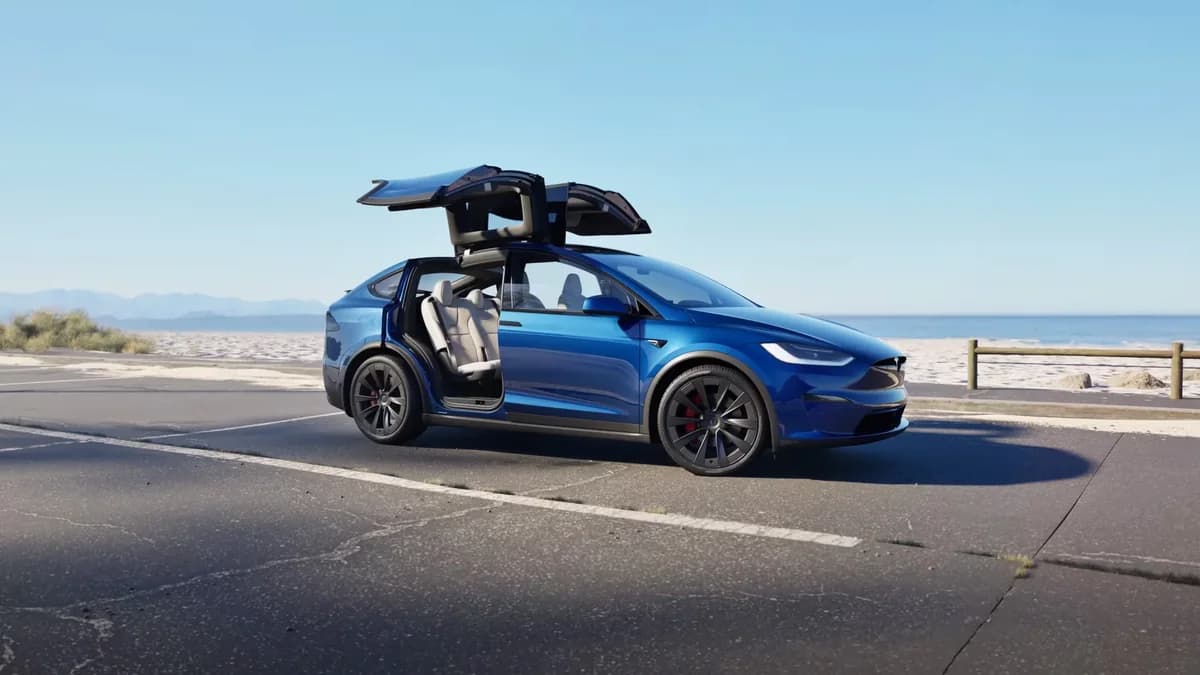
The 2025 Tesla Model X is a flamboyant family SUV that doubles as a weekend supercar, aimed at affluent buyers who want space, speed and tech in one package. Reviewers applaud its Plaid 2.5s 0–60, up to 352 miles EPA range, falcon‑wing doors, and Tesla Supercharger access, while pointing to patchy build quality, a yoke steering learning curve and a firmer ride on big wheels; real‑world tests largely back Tesla’s range and acceleration claims but surface reliability gripes. Pricier than rivals, it rewards thrill‑seekers and gadget lovers—more owner data will help settle its long‑term value.
Find Yours
What is your top priority for an Electric SUV's battery performance?
Answer to find your best matches.

The Field
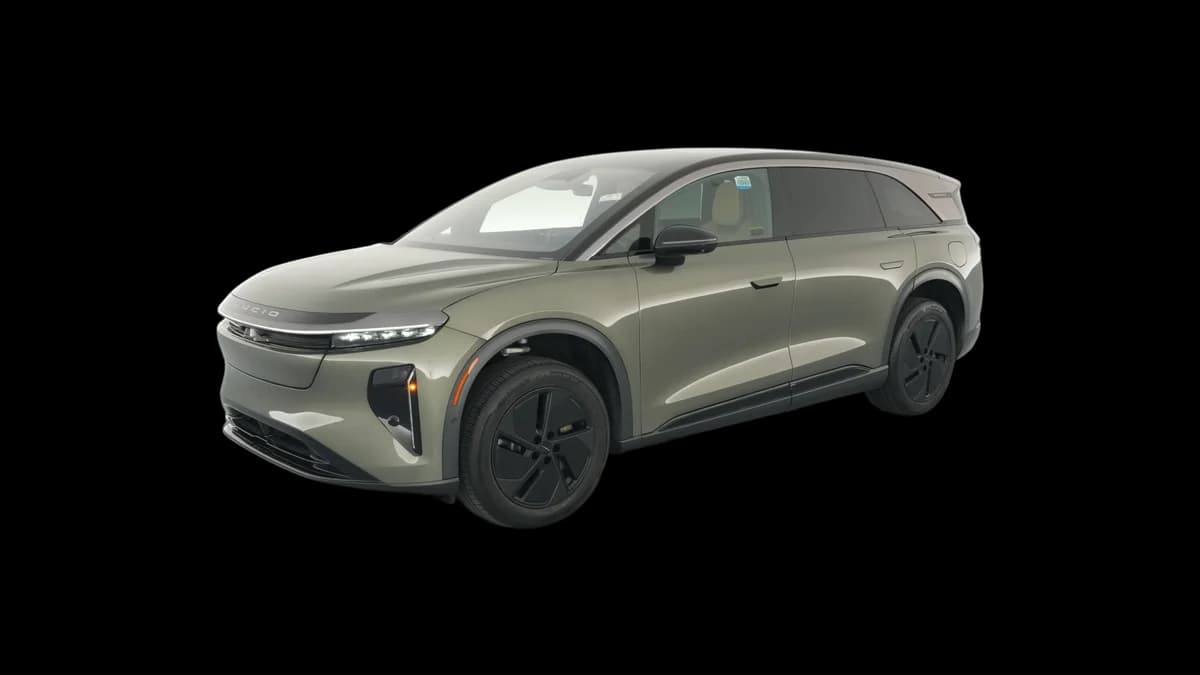
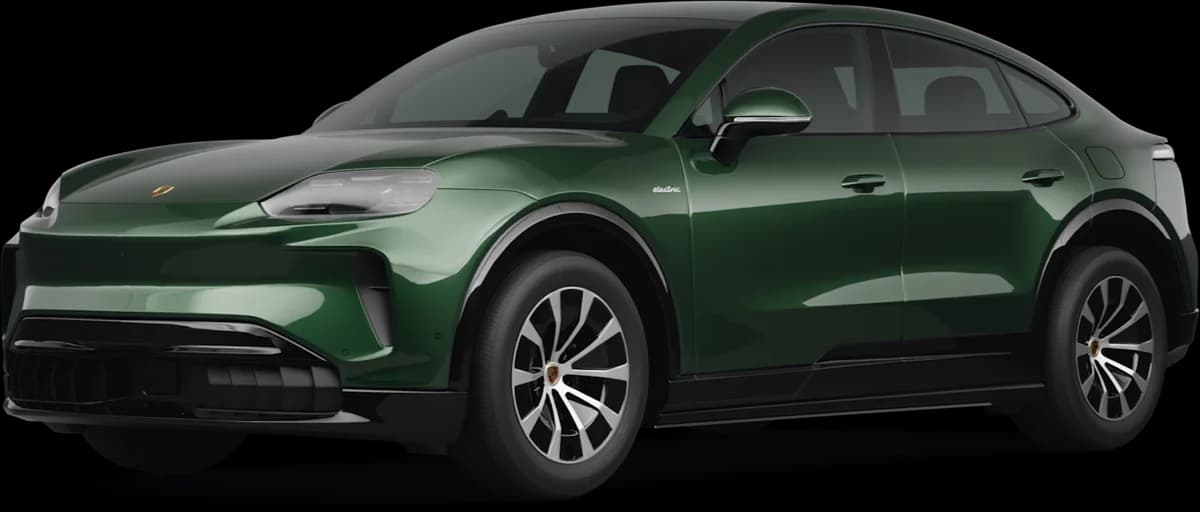
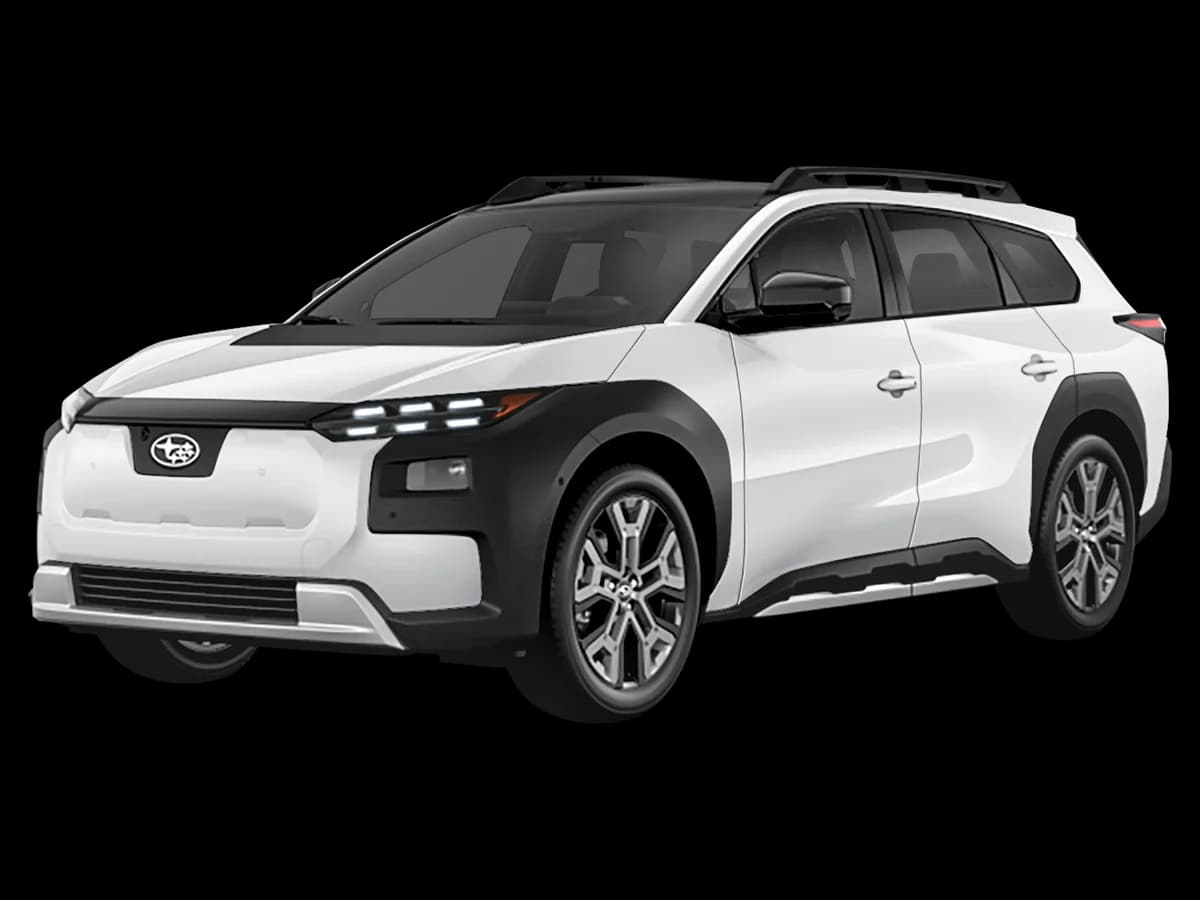
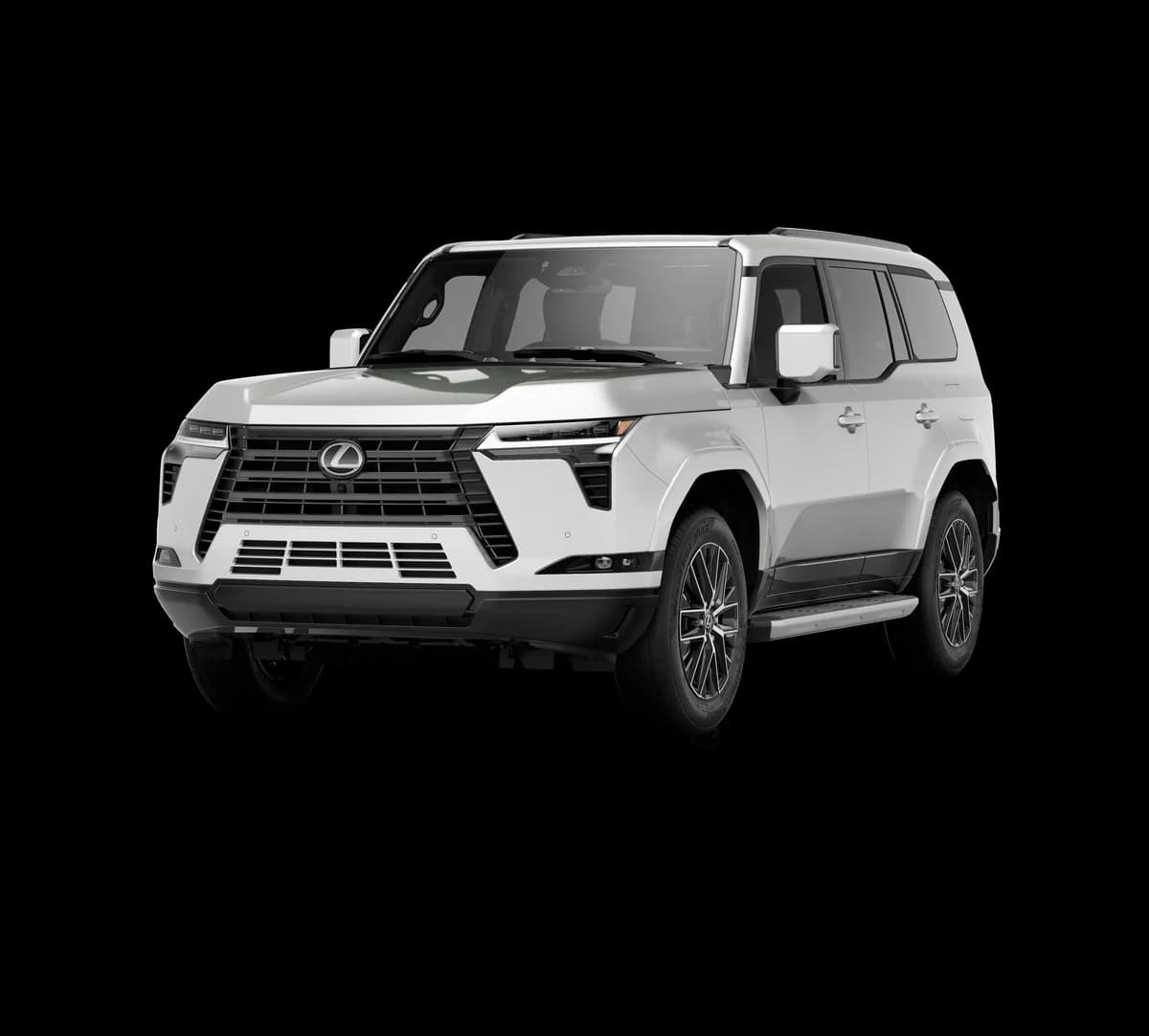
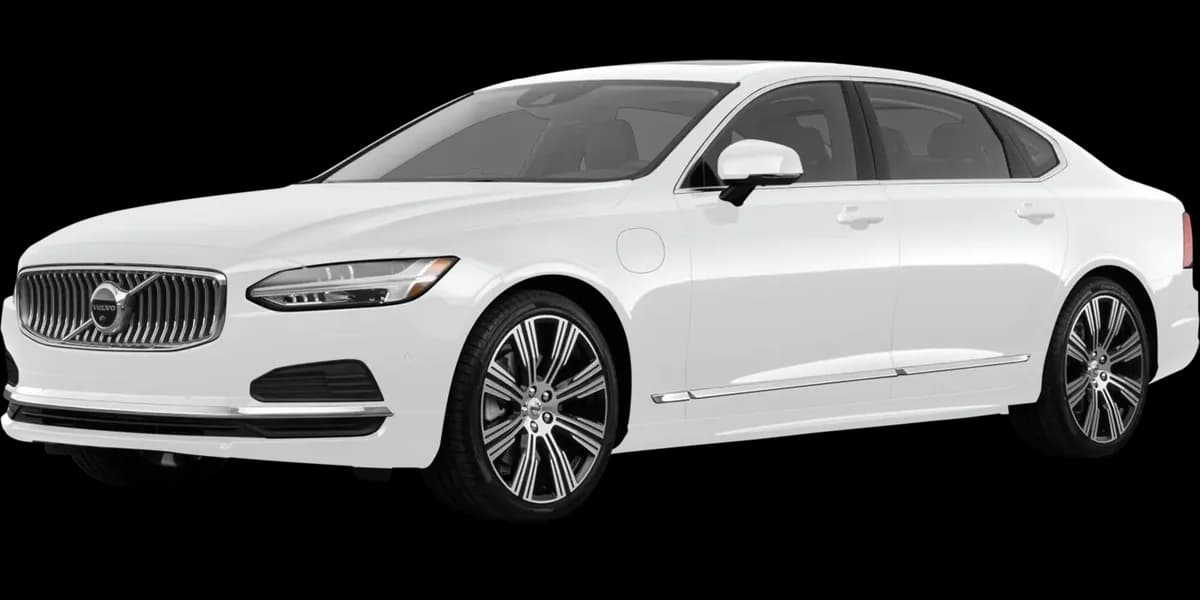
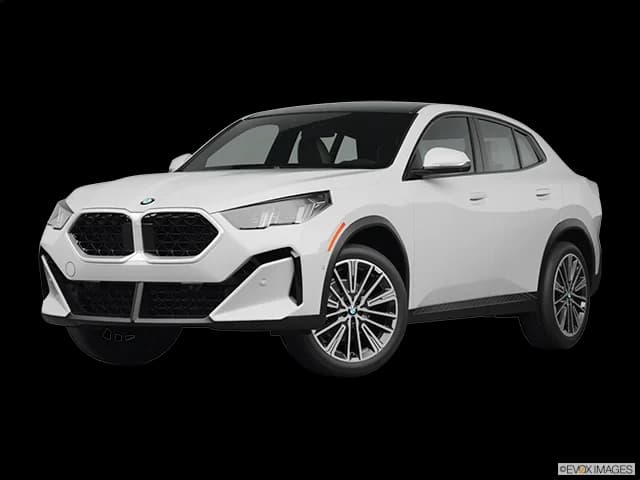
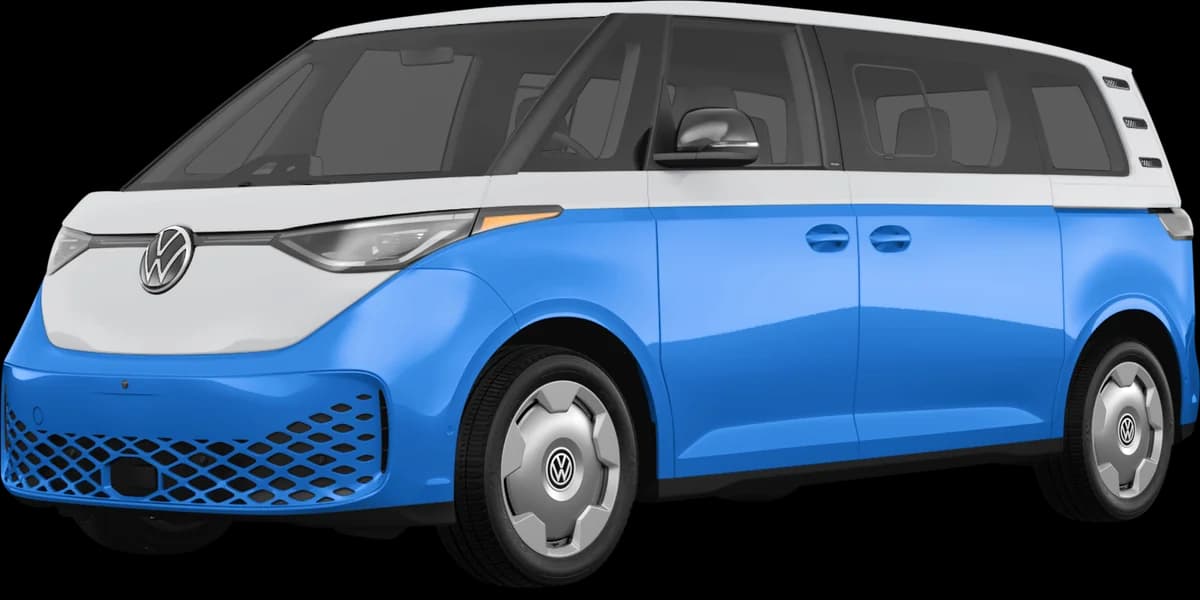
Browse top contenders, or compare all options ranked by score and key attributes.
5 Options


The Scoreboard
Does this improve your life? Considers, health, habits, and environmental impact.
Benefits
Supercar-level acceleration turns everyday drives into thrilling, attention-grabbing experiences for driver and passengers.
352-mile real-world range and Supercharger access reduce range anxiety on long family trips.
Falcon-wing doors and roomy openings make loading car seats and kids noticeably easier.
Generous cargo, flat floor, and seating flexibility simplify long trips and multi-passenger packing.
Large screens, rear entertainment, and OTA updates keep passengers engaged and software fresh.
Trade-Offs
Firm suspension transmits bumps on long drives, leaving you with a sore back or stiffness.
Yoke steering feels awkward during slow maneuvers, making tight parking and U-turns fiddly.
No CarPlay/Android Auto forces reliance on Tesla UI, complicating familiar phone apps while driving.
Essential controls live on the central screen, causing extra glances and distraction when adjusting settings.
 Alternatives


Join the Circle
Where real meets deal
Know what's worth buying-and when.
Tips, special offers, and rewards for buying and sharing.

Publications
3 LEADING PUBLICATION REVIEWS

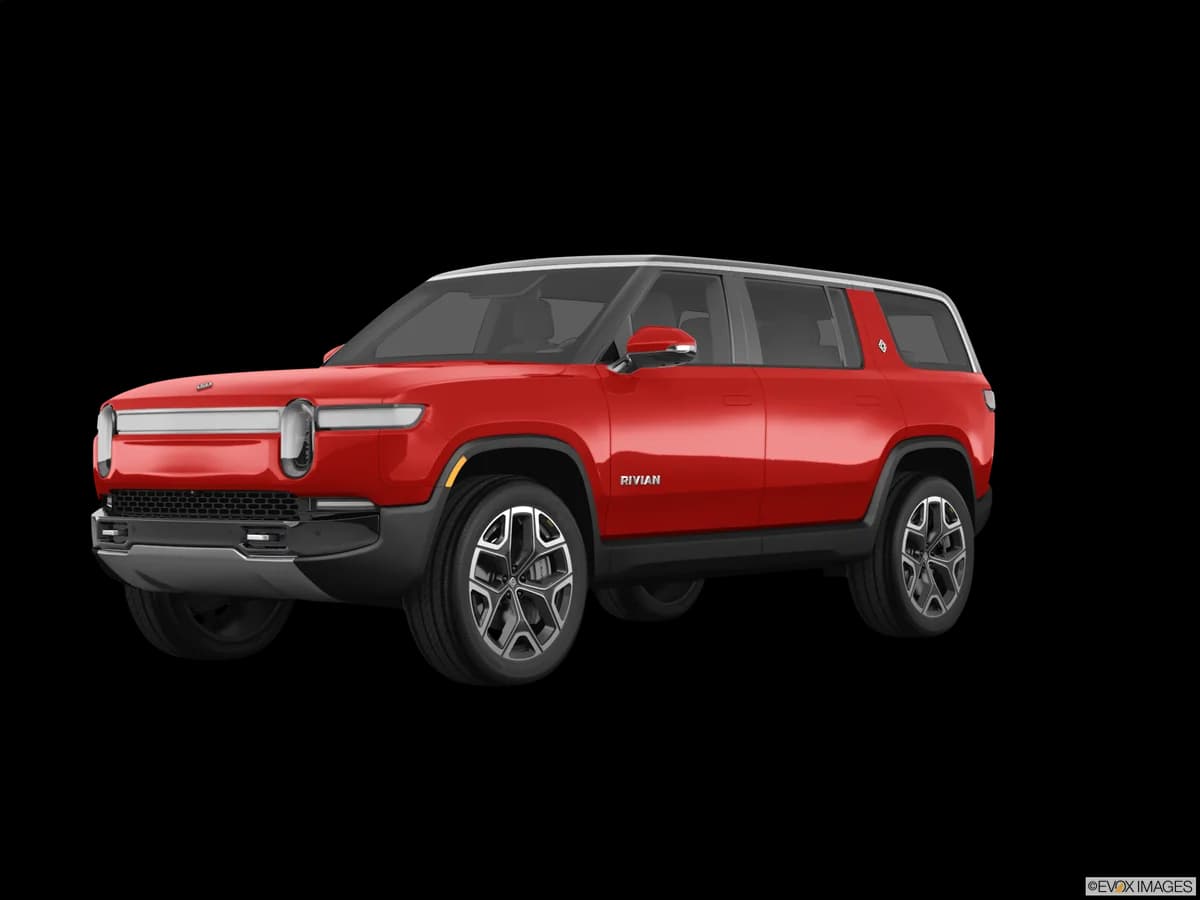
Kelley Blue Book praises the 2025 Tesla Model X as a capable, high-performance luxury EV that still stands out for range, acceleration, and distinctive features like Falcon Wing doors and optional three-row seating. The review is enthusiastic about the Plaid’s blistering 2.5s 0–60 sprint, strong MPGe efficiency, fast charging on the Supercharger network, and roomy, uncluttered cabin, noting useful semi-autonomous features and practical towing capability. At the same time, it flags recurring concerns: inconsistent build quality (panel and paint gaps), service and parts delays, fading free Supercharger perks, and stiffer range competition from Rivian and Lucid. Overall the tone is positive but measured—admiring Tesla’s tech and driving dynamics while urging buyers to weigh resale, service access, and quality-control trade-offs.
By Nelson Ireson
Car and Driver’s Andrew Wendler highlights the 2026 Tesla Model X as a thrilling, still-impressive three-row EV that pairs ferocious acceleration with genuinely useful range, but he tempers enthusiasm with concerns about aging design and inconsistent interior build quality. He praises the lineup’s speedy AWD powertrains (3.6 s to 60 mph for the base dual-motor), strong real-world highway range (about 300 miles in testing for the base model), expansive Supercharger access, and useful cargo versatility, while calling out a nondescript, buttonless cabin, flat seats, misaligned panels, and a price that pushes into six-figure territory for Plaid. Unique insights include measured range test results, practical cargo measurements, and clear comparisons between AWD and Plaid trade-offs (range vs. performance). Overall, the review is admiring but measured — impressed by Tesla’s core strengths while urging buyers to weigh value and refinements.
By Andrew Wendler
Mat Watson assesses the Tesla Model X (2025) as a thrilling, highly practical electric seven-seater that blends supercar-level acceleration, advanced tech and airy interior space with some notable shortcomings. The review is upbeat about performance, range, cabin space, Falcon Wing access, Supercharger convenience and comprehensive safety/driver-assist features, praising its everyday family usability and head-turning style. However, it consistently flags build-quality issues, fiddly touchscreen controls, a firm ride that can feel harsh over bumps, and the recent shift to left‑hand‑drive only (a major drawback for UK buyers). Unique insights include detailed packaging advantages (flat floor, large frunk, adjustable second row), concrete charging and performance figures, and clear comparisons to rivals like the BMW iX and Mercedes EQS SUV. Overall the tone is positive but measured: impressed and enthusiastic about capabilities, yet cautious because of quality, comfort, and regional usability concerns.
By Mat Watson

YouTube
8 LEADING EXPERT & INFLUENCER REVIEWS
 Out of Spec Reviews
Kyle Conner finds the 2025 Tesla Model X impressive in acceleration, software, and Supercharger integration but disappointed overall—calling it his least favorite Tesla after 6,000+ miles due to middling range/charging, frequent reliability hiccups (HVAC, suspension, cameras), dated design, and questionable value versus the Model Y.
Tesla FlexBrandon (Tesla Flex) is cautiously positive about the 2026 Tesla Model X—he admires the falcon‑wing doors, improved quietness, new bumper camera and multicolor ambient lights, but is disappointed the refresh is minor (no Cybertruck tech, power folding seats, or steer‑by‑wire), making the update feel underwhelming.
Everyday ChrisEveryday Chris gives a mixed, candid verdict on the 2025 Tesla Model X: he praises falcon-wing doors, adaptive suspension, ventilated seats and performance, but criticizes high cost, poor third-row space, dated interior (non-touch passenger screen), and weak value versus refreshed Model 3/Y or competitors—ultimately hesitant to recommend it.
Gold PonyGold Pony praises the 2025 Tesla Model X as an unbelievably fast, tech-packed luxury SUV—calling it the “fastest car” they've driven—with rave reactions to Plaid acceleration, falcon‑wing doors, 17‑inch touchscreen features, and the 22‑speaker sound system; minor quibbles include the yoke steering learning curve, firmer ride on 22‑inch wheels, and desire for a redesign and faster charging.
DÆrikDÆrik praises the Model X for its spacious, premium feel, falcon-wing doors, air suspension, and road-trip comfort, while acknowledging the Model Y’s excellent value, improved soundproofing, and practicality. Enthusiastic but measured—he favors the X if budget isn’t an issue, yet repeatedly highlights the Y’s compelling affordability and daily-driver strengths.
Bearded Tesla GuyBearded Tesla Guy praises the 2025 Model X refresh as a mostly positive, hands-on update—calling it smoother, quieter, and more customizable—while noting it’s essentially the same car underneath, pricier with the required Lux package, and only a modest “iPhone 6s”-style refresh rather than a full redesign.
AUTO TVAUTO TV praises the 2025 Tesla Model X as a jaw-dropping family SUV that blends supercar-level Plaid performance (1,020 hp, 2.5s 0–60) with practical range and falcon‑wing access, while noting interior fit-and-finish issues, the controversial steering yoke, and some costly compromises in luxury despite strong Supercharger support.
RecurrentRobert Rosenfeld from Recurrent praises the Model X's blistering performance, cavernous space, and genuinely useful falcon‑wing doors for families, while sounding measured about its high price, aging design, and limited luxury upgrades versus rivals. Enthusiastic but balanced — excited about driving and practicality, cautious about value.

Social
1 INFLUENCER REVIEW
 itskimjava
Kim Java 🧿 highlights the Model X’s surprisingly massive 92 cu ft of storage, three-row captain seats, hidden under-seat compartments and a handy front trunk — all shown with playful, family-road‑trip energy and a warm, enthusiastic tone despite a brief note that the packed trunk “closes with some help.” Overall, Kim clearly recommends the 2025 Model X for family road trips: she’s excited about the space and convenience, frames small hassles as minor, and conveys an upbeat, personal endorsement rather than a reserved or critical review.

Forum Reviews
CUSTOMER REVIEWS FROM 1 FORUM
Reddit users express mixed but mostly positive views of the 2025 Tesla Model X: owners praise its range, efficiency, FSD progress, spacious seating options (notably 6-seat layouts) and impressive performance, while critics cite high price, rapid depreciation, confusing promotional tactics, and occasional suspension, vibration, and noise issues. Design refresh expectations are cautious—many expect incremental updates rather than a major overhaul—and some worry hardware/FSD future-proofing. Potential upgraders debate whether to buy discounted 2025 inventory now or wait for a refresh; current owners generally value the driving experience but question long-term value and Tesla’s pricing decisions.
Many comments

In-Depth Review

Highlights
- •Plaid-level accelerationSupercar-like 0–60 mph performance.
- •Long EPA driving rangeUp to 352 miles (AWD) EPA.
- •Tesla Supercharger accessFast DC charging on Tesla network.
- •Falcon-wing doors and spacious cabinEasy third-row access, large cargo.
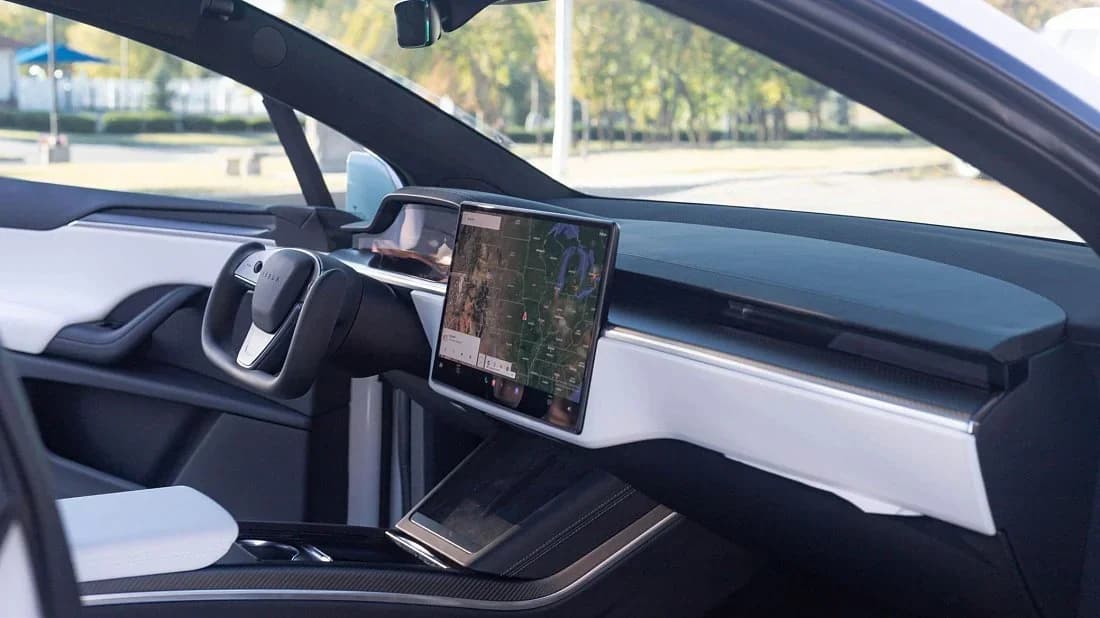
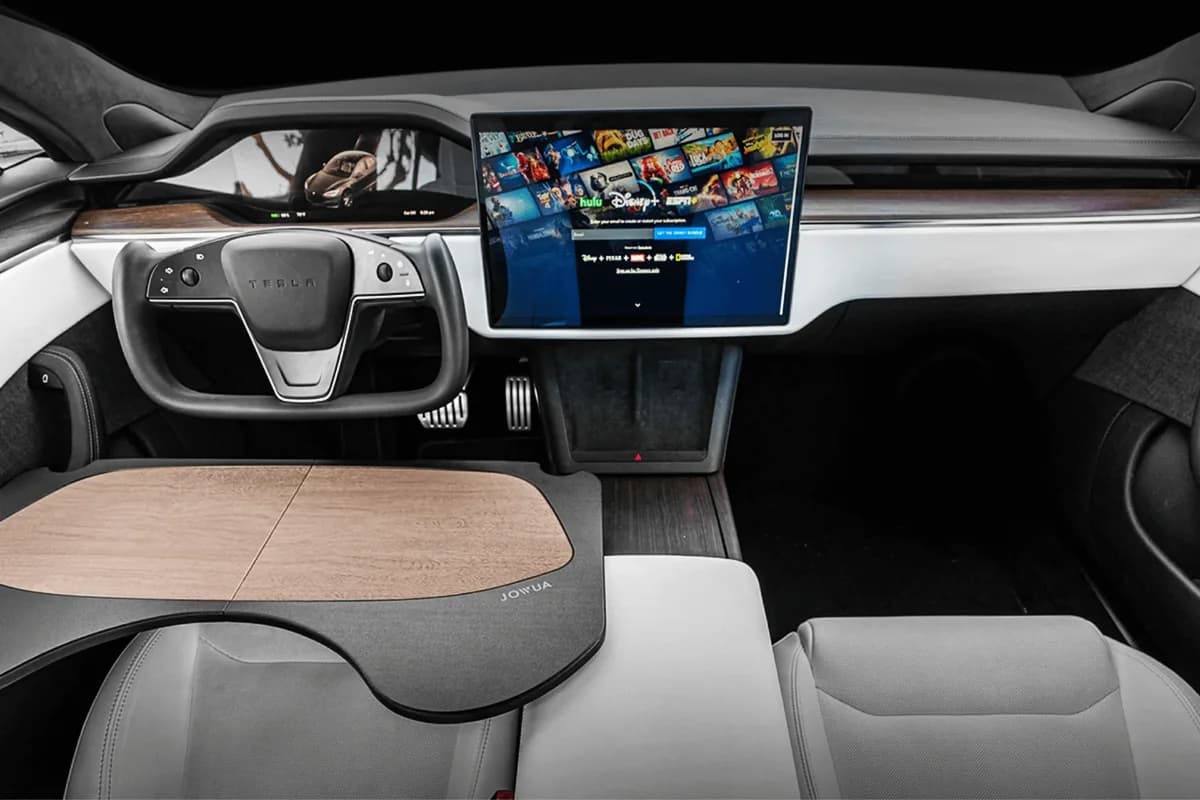
- •Infotainment and over-the-air updates17-inch screen, rear entertainment, OTA.
- •Full Self‑Driving (optional)Company highlights supervised autonomy feature.

Considerations
- •Inconsistent build quality and reliabilityPanel gaps, hardware hiccups reported.
- •High purchase cost and depreciationExpensive initial cost; rapid value loss.
- •Aging interior and fit-and-finishDated cabin, misaligned panels noted.
- •Yoke steering usability issuesAwkward at low speeds and parking.
- •Firm ride and suspension noiseStiff on large wheels; occasional vibration.
- •Limited phone integration and touchscreen relianceNo CarPlay/Android Auto; central controls.
Real-world owner feedback is still thin, so treat early impressions as provisional—but expert tests and hands‑on reviews paint a clear picture: Tesla’s luxury SUV aims to blend family utility with supercar theatrics. Built on a reputation for rapid software innovation, it promises up to 352 miles EPA range, Plaid’s 2.5s 0–60 mph, and access to 250 kW Supercharging—all wrapped in falcon‑wing practicality and a tech‑heavy cabin. It’s pitched at affluent families and tech‑minded drivers who want towing capability without sacrificing acceleration, trading some cabin refinement for OTA updates and Tesla’s infotainment ecosystem. Compared with rivals, the refresh nudges comfort and cameras forward rather than reinventing the wheel; that makes it compelling for buyers who value speed, space and charging convenience. Read on: we’ll examine performance, real‑world efficiency, charging, packaging, ride feel and towing so you can decide whether thrill and utility outweigh a few ergonomic trade‑offs.
Towing capacity and utility
With a rated 5,000‑lb towing capacity, the Model X is genuinely useful for boats or trailers, combining electric torque with practical hitching hardware and a flat load floor for gear. Real‑world towing cuts range significantly, a pattern corroborated by testers, so haulers should budget for reduced usable range and longer charge stops. For families who tow and want tech plus convenience, it’s a rare blend, albeit with predictable EV towing compromises around range and charge planning.
Driving performance and acceleration
If you crave drama, the Model X delivers: dual‑motor AWD feels brisk, while Plaid’s tri‑motor launches to 60 mph in about 2.5 seconds, a real‑world gut‑punch that reviewers call “supercar‑fast.” Acceleration is consistent across drives and preserved in long tests, showcasing Tesla’s high‑output motor tech, instant torque and precise traction control; trade‑offs include firmer ride settings when chasing lap‑like times. Experts and owners largely confirm the claim, though enthusiasts should temper expectations around long‑term maintenance of peak performance.
Electric range and real-world efficiency
Tesla’s stated 352‑mile EPA range for the AWD Model X holds up as a strong baseline, with real‑world highway tests often returning around 300 miles under mixed conditions; Plaid trims fall short a bit at roughly 335 miles. Efficiency benefits from a low center of gravity and regen tuning, but heavy loads, towing or high‑speed runs reduce range noticeably—user reports and tests align on that nuance, so plan trips around realistic usable range rather than sticker claims.
Charging system and battery capacity
The Model X’s ≈100 kWh battery supports supercharging up to 250 kW, so fast top‑ups on Tesla’s network are convenient and often faster than public DC options; home charging on 240V takes around 14 hours. Real users praise the Supercharger ecosystem, though slow sessions and station crowding can erode convenience. Tesla’s charging claims are generally supported in tests, but expect variable rates as state‑of‑charge and thermal management affect peak charging speeds.
Handling, steering, and ride quality
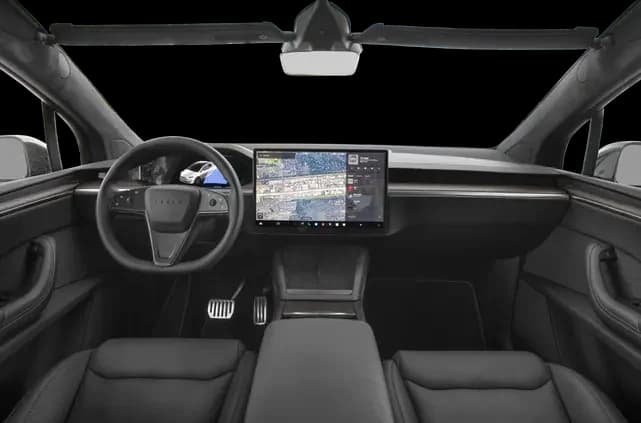
The Model X balances SUV heft with surprising agility thanks to adaptive air suspension and instant EV torque, but the yoke steering polarizes drivers—nimble at speed yet awkward in tight maneuvers—while larger wheels make the ride firmer over imperfect roads. Owners and critics both cite occasional suspension noises and vibration, so expect composed highway manners but a trade‑off in urban comfort and slow‑speed finesse that affects daily usability near the steering interface.
Interior space, seating, and cargo access
Falcon‑wing doors and a flat floor make family logistics effortless, with flexible 6–7 seat layouts and a cavernous up to 94.5 cu ft cargo area praised in hands‑on reviews. Third‑row access and hidden storage score high for road trips, though some reviewers note the third row is tighter than expected—practical for kids but snug for adults. Overall, Tesla’s packaging wins for utility and kid‑friendly features while raising minor ergonomic caveats toward the rear.
Conclusion
Early impressions are still thin, but the evidence points clearly: this SUV is built to thrill and carry. It delivers supercar acceleration and a surprisingly usable 352‑mile EPA range, backed by 250 kW Supercharging that keeps road trips realistic. The cabin’s clever packaging—falcon‑wing access, up to 94.5 cu ft cargo, and flexible 6–7 seat layouts—makes family duties simple, though the third row is best for kids. Steering and urban maneuvers are colored by the yoke steering choice and a firmer ride on larger wheels; expect occasional suspension fuss in rough city driving. With a genuine 5,000‑lb towing rating, it’s rare among EVs for utility plus speed. If you prize brisk performance, long range, and Tesla’s ecosystem—and accept some refinement compromises—this is a compelling, if pricey, package. Consider it a specialist: thrilling and useful, not universally forgiving.

Feature Scores
This reflects reviews and ratings from established critics, journalists, and users who have evaluated the item. Their opinions provide a comprehensive assessment.
Performance
Driving Range
4/5
Charging Speed
4/5
Acceleration
5/5
Handling and Ride Comfort
4/5
Energy Efficiency
4/5
Battery Durability
4/5
Value
Purchase Price Competitiveness
2/5
Total Cost of Ownership
4/5
Resale Value
4/5
Design
Exterior Styling
4/5
Interior Space and Packaging
5/5
Ergonomics and Controls
3/5
Health
Cabin Air Quality
3/5
Low-Toxicity Materials
3/5
Safety
Crashworthiness
4/5
Active Safety Systems
5/5
Battery Safety Systems
4/5
Sustainability
Lifecycle Emissions
3/5
Battery Recyclability
3/5
Use of Recycled Materials
3/5
Experience Style
Infotainment and Connectivity
5/5
Charging Ecosystem Integration
5/5
Customization and Driving Modes
4/5

Specifications
This section outlines the product's key facts, covering essential features, details, dimensions, materials, and any unique characteristics that define its functionality and usability.
Performance
Value
Design
Safety
Sustainability
Experience Style

Frequently Asked Questions
12 Questions

Find Yours
What is your top priority for an Electric SUV's battery performance?
Answer to find your best matches.