
Garmin Montana 700i
Rugged, feature-packed GPS with large touchscreen and satellite messaging, but software quirks persist.
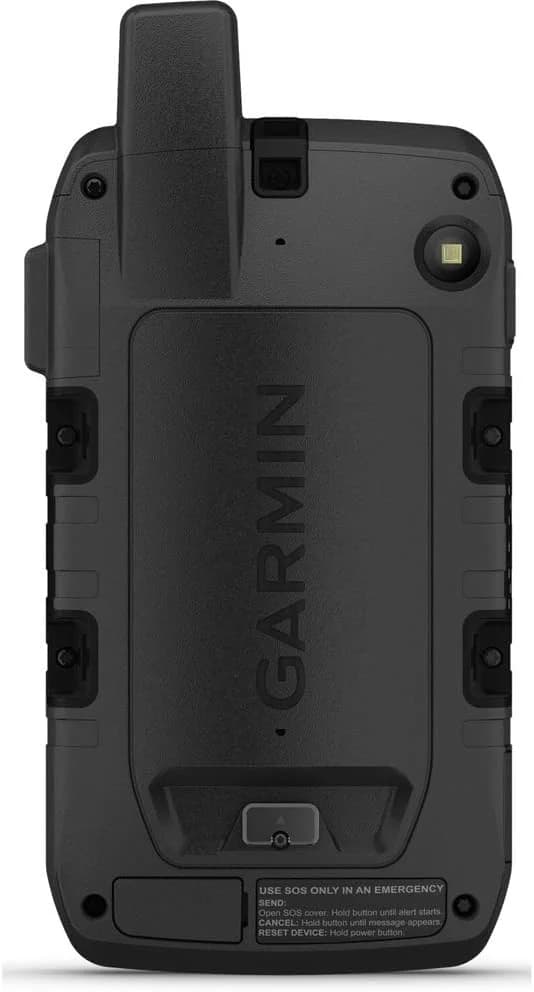
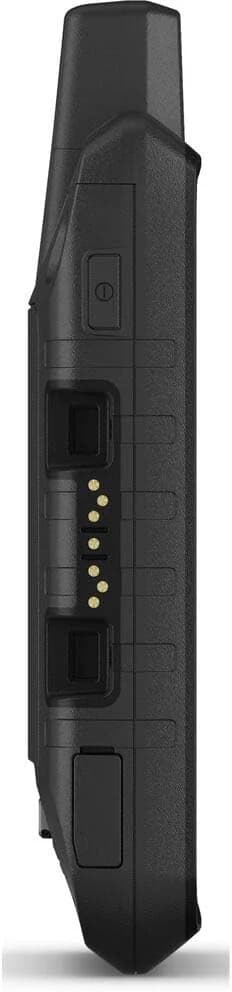
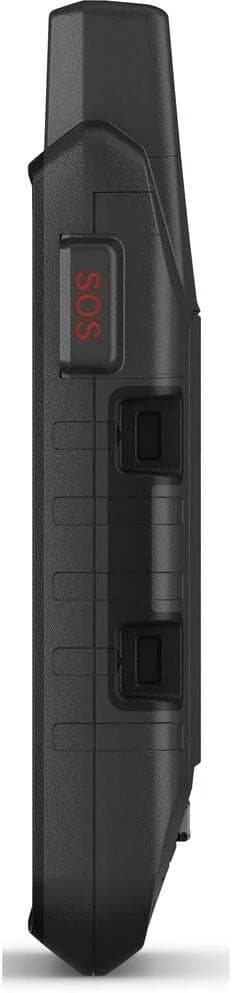
The Garmin Montana 700i is a rugged GPS powerhouse built for adventurers who demand pinpoint multi-GNSS accuracy and military-grade durability on every trail, track, or backcountry road. Its massive 5-inch glove-friendly touchscreen dazzles in sunlight, earning praise from experts and users alike, though some grumble over occasional software freezes and update headaches. Packed with inReach two-way satellite messaging, it’s a lifeline off the grid but comes with subscription costs to consider. At roughly $520, it balances hefty build and feature depth against usability quirks—rewarding those ready to embrace its bold design and reliable emergency comms for serious exploration thrills.
Find Yours
What is your primary use for a handheld GPS unit?
Answer to find your best matches.

The Field
Browse top contenders, or compare all options ranked by score and key attributes.
4 Options




The Scoreboard
Does this improve your life? Considers, health, habits, and environmental impact.
Benefits
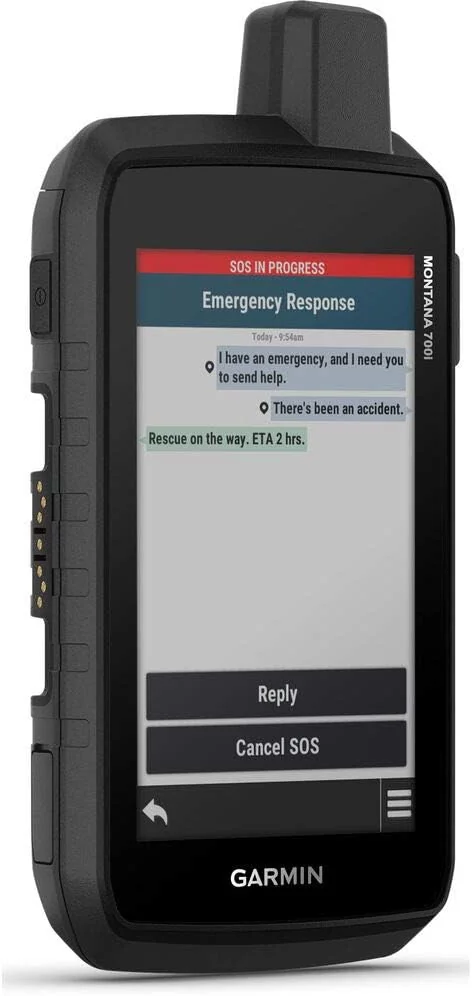
Built-in inReach satellite two-way SOS provides rescue coverage independent of cell networks, easing anxiety.
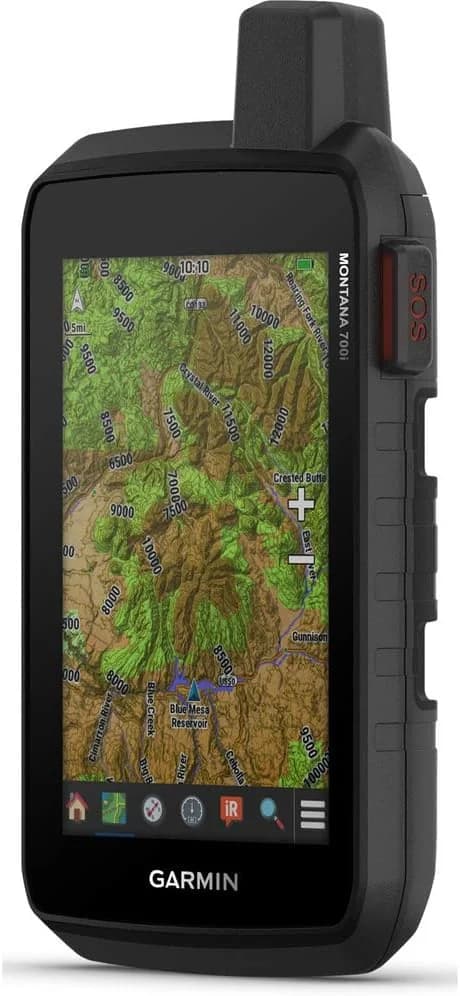
Multi‑GNSS positioning plus routable topo maps reduces route errors and physical risk from getting lost.
Big 5" transreflective touchscreen improves map reading, reducing eye strain and navigation mistakes outdoors.
MIL‑STD chassis and IPX7 water resistance cut gear-failure anxiety versus fragile phone reliance outdoors.
Up to 18‑hour GPS and ultralow Expedition mode extend tracking, reducing exposure and recharge needs.
Trade-Offs
Integrated lithium‑ion battery and complex electronics increase e‑waste and recycling difficulty compared with modular designs.
Heavier, bulkier MIL‑spec chassis can increase fatigue and shoulder strain on long treks compared with ultralights.
Bugs, freezing, and failed updates raise stress in critical moments; may suit cautious users instead.
Built‑in inReach safety can encourage riskier choices, creating behavioral reliance despite technological limits.
 Alternatives


Join the Circle
Where real meets deal
Know what's worth buying-and when.
Tips, special offers, and rewards for buying and sharing.

Publications
7 LEADING PUBLICATION REVIEWS

Cris Hazzard from HikingGuy.com provides a detailed and balanced assessment of the Garmin Montana 700i and its sibling models, highlighting the device’s rugged build, bright transflective touchscreen, and extensive preloaded maps as standout features. The review conveys a cautiously positive tone, appreciating the Montana’s smartphone-like interface, solid GPS accuracy, and versatile InReach satellite communication, while candidly addressing usability challenges such as the bulky size, touchscreen sensitivity issues in wet or gloved conditions, and a somewhat convoluted setup process involving multiple Garmin apps. Hazzard offers practical insights into battery management and navigation functions, noting the device’s suitability for hikers, hunters, and off-road users who value durability and comprehensive mapping but may find the camera and wet-weather touchscreen performance less impressive. Overall, the review is thoughtful and measured, emphasizing that the Montana 700i is a powerful, if somewhat niche, tool best suited for users who prioritize ruggedness and integrated satellite communication over sleekness or ease of use.
By Cris Hazzard
Ross Collicutt from PackandTrail highlights the Garmin Montana 700i as a versatile and robust handheld GPS unit that excels for hiking, overlanding, and motorcycle use. He praises its large 5-inch touchscreen for providing expansive, easy-to-read maps and the seamless integration of inReach satellite communication, which offers reliable two-way messaging and SOS capabilities worldwide. The review emphasizes the device’s durability, backed by MIL-STD 810 and IPX7 ratings, making it suitable for rugged outdoor conditions. While the 700i’s size and weight may be a drawback for ultralight hikers, it fits well for users who prioritize screen visibility and multi-use functionality. Collicutt also notes the value of routable topo maps and BirdsEye satellite imagery for navigation, though he points out limitations like the cumbersome track management and the need for a subscription to activate inReach features. Overall, he regards the Montana 700i as a solid, feature-rich GPS solution for those needing dependable communication and navigation in remote environments.
By Ross Collicutt
Neil Wyenn from Ultimate Motorcycling highlights the Garmin Montana 700i as a rugged, feature-rich GPS device tailored for adventure motorcyclists and outdoor enthusiasts. He praises its robust build, long battery life, and comprehensive satellite communication capabilities via the built-in inReach system, emphasizing its value for safety and off-grid connectivity. The review conveys genuine enthusiasm for the device’s versatility across multiple activities, from motorcycling to hiking and boating. Wyenn notes the intuitive yet complex interface, acknowledging a learning curve but ultimately finding route planning and navigation straightforward. He also appreciates the detailed turn-by-turn directions and reliable satellite SOS features, though he points out some limitations, such as the lack of glove-friendly phone call functionality and the additional cost of proprietary mounting accessories. Overall, the review balances excitement about the Montana 700i’s advanced capabilities with practical insights into its usability and subscription costs, making it a compelling choice for serious adventurers seeking dependable navigation and communication tools.
By Neil Wyenn
Navigation-Professionell highlights the Garmin Montana 700i as a robust and versatile outdoor GPS device, particularly praising its large 5-inch display that offers excellent readability and sharp, fast-moving raster maps—enabling users to leave paper maps behind on many shorter tours. The review emphasizes the device’s suitability for motorized outdoor activities like 4x4 driving, motorcycling, and marine use, while noting that hikers and cyclists may find its size and weight less ideal but manageable with proper carrying solutions. The Montana 700i impresses with super-accurate GPS tracking, extensive connectivity options including inReach satellite communication, ANT+, Bluetooth, and Wi-Fi, and a highly customizable user interface. Criticisms focus on the lack of a dedicated user button for quick page changes and some minor usability quirks like the display lock behavior during navigation. Overall, the review conveys genuine enthusiasm for the Montana 700i’s unique combination of ruggedness, advanced features, and mapping capabilities, positioning it as a strong contender for serious outdoor and motorized adventure users.
By Joachim Bardua
Tim Skelton from SA Adventure highlights the Garmin Montana 700i as a rugged, feature-rich handheld GPS unit with valuable tools like Garmin inReach satellite communication and customizable navigation options. Tested extensively over 28,572 km in real-world off-road conditions, the review praises its large, clear screen, robust design, and useful apps such as geocaching and sun/moon tracking. However, Skelton expresses significant frustration with critical flaws, notably the unit’s failure to properly recognize and announce imported waypoints—a major drawback for serious navigators. Additional issues include an unreliable altimeter, battery thermal protection limiting charging in hot climates, and occasional unexpected shutdowns. While the inReach functionality is lauded for enhancing safety in remote areas, other usability aspects like screen brightness, touchscreen responsiveness, and missing features (speed warnings, Birdseye maps) detract from the experience. Overall, the review conveys a cautiously negative tone, emphasizing the Montana 700i’s potential but underscoring serious shortcomings that Garmin must urgently address.
By Tim Skelton
Tracks4Africa Blog highlights the Garmin Montana 700i as a robust and versatile handheld GPS unit well-suited for overland travel and outdoor adventures. Tested extensively in harsh Namibian conditions, the device impresses with its durable build, improved 5-inch touchscreen, and compatibility with custom maps like Tracks4Africa. The reviewer appreciates the seamless integration with Basecamp for trip planning and the ability to import and manage GPX tracks easily. While praising the Montana 700i’s rugged mounting options and inReach satellite communication features, the review also notes some limitations, such as the absence of a built-in speaker and the need to purchase mounts separately. The reviewer values the unit’s balance of outdoor functionality and form factor, favoring it over larger Garmin models for multi-activity use. Overall, the Garmin Montana 700i is recommended as a reliable, feature-rich GPS for serious overlanders, with thoughtful insights on model differences and practical usage scenarios.
By Johann Groenewald
Rick from Hiking Emergency Beacon highlights the Garmin Montana 700i as one of Garmin’s most powerful handheld GPS devices, second only to the GPSMAP 67i. He praises its extensive feature set, including off-road navigation, global 2-way messaging, an easy-to-access SOS button, and robust mapping options like Birdseye Satellite Imagery and Topoactive Maps. Rick appreciates the customizable menu and the convenience of messaging for emergencies, despite initial reservations about distractions. He notes the device’s rugged MIL-STD 810 certification and detailed weather services, though some features require Wi-Fi or cell service. While impressed by its capabilities, Rick points out the Montana 700i’s large size, recommending it primarily for vehicle use rather than backpacking, suggesting the smaller GPSMAP 67i for hikers. His review combines practical field testing insights with thoughtful usability observations, offering a balanced perspective on the device’s strengths and limitations.
By Rick

YouTube
10 LEADING EXPERT & INFLUENCER REVIEWS
 GetOutThereGear
Brad from Get Out There Gear praises the Garmin Montana 700i for its robust build, large glove-friendly touchscreen, and versatile navigation profiles, highlighting features like proximity alarms and BirdsEye satellite imagery. He notes solid battery life and reliable inReach satellite communication but cautions about touchscreen issues in wet conditions and occasional GPS drift under dense canopy. Overall, he finds it a fast, feature-rich all-in-one GPS ideal for serious outdoor use despite its larger size.
Wholly OutdoorWholly Outdoor praises the Garmin Montana 700i for its large, easy-to-read 5-inch touchscreen, rugged MIL-STD-810 durability, and built-in inReach satellite messaging and SOS features, making it ideal for vehicle-based and remote adventures. However, they note its heavier weight, modest battery life, occasional touchscreen issues in heavy rain, and cumbersome track management as drawbacks.
Greg VillalobosGreg Villalobos praises the Garmin Montana 700i’s ruggedness, large bright touchscreen, and reliable motorbike mounting, highlighting its strong navigation and inReach satellite features. He notes the device’s slower speed versus smartphones, costly UK maps, and some frustrating UI quirks but values its durability and focused GPS functionality for trail and adventure riding.
GPS TrainingJohn from GPS Training praises the Garmin Montana 700i for its large, glove-friendly touchscreen that performs well in harsh weather, and its versatile two-way inReach satellite communication. He highlights its ease of use, durable design, and interchangeable battery, while noting the relatively short 15-hour battery life and the need for UK users to add Ordnance Survey maps. Overall, he considers it a reliable, feature-rich outdoor GPS ideal for serious adventurers.
Be Gone For GoodChad from Be Gone For Good enthusiastically recommends the Garmin Montana 700i as essential gear for adventure riders, praising its large touchscreen, native keyboard, and reliable inReach two-way SOS messaging for safety and peace of mind. He notes the device’s fragility, battery drain, and learning curve but finds its connectivity and navigation features invaluable for remote trips.
Avoiding ChoresJim Cyr from Avoiding Chores provides a clear, practical walkthrough of the Garmin Montana 700i’s route planner, highlighting its flexibility for different navigation types like direct routing and hiking. He emphasizes how routes can be customized with waypoints and how the device adapts routes to roads or trails, offering useful insights for outdoor and off-road users.
SA4x4SA4x4 praises the Garmin Montana 700i as a rugged, reliable GPS that combines advanced navigation with lifesaving inReach satellite communication. Highlighting its responsive touchscreen, MIL-STD-810 durability, and long battery life, the reviewer values its dual-device functionality despite its bulk and higher price, calling it ideal for serious outdoor adventurers.
Mountain ModeMountain Mode praises the Garmin Montana 700i for its large, sunlight-readable 5” touchscreen, rugged MIL-STD-810 durability, and versatile inReach two-way satellite messaging. The reviewer highlights its excellent battery life, detailed topo and BirdsEye maps, and seamless profile customization for hiking, driving, and flying. While acknowledging the device’s premium build and reliability, they emphasize its value for remote outdoor use where phones fall short.
gozamiteGozamite highlights the Garmin Montana 700i’s simpler menu system and better map detail visibility compared to the Garmin Zumo XT2, despite its less bright screen. He appreciates Montana’s clear track display and ease of use but notes XT2’s adjustable track thickness and higher resolution, offering a balanced, practical comparison for adventure riders.
OCD MotoOCD Moto praises the Garmin Montana 700i’s rugged design and clean mounting solution, appreciating its large touchscreen and inReach satellite features like message notifications. While noting it feels like an “old school” GPS and requires some adjustment, the reviewer finds sunlight readability good and overall gives a cautious thumbs-up despite limited trail use so far.

Store Reviews
CUSTOMER REVIEWS FROM 1 STORE
Amazon users praise the Garmin Montana 700i for its rugged design, accurate GPS tracking, and versatile outdoor features like dog tracking, heart rate monitoring, and cadence sensors for biking. Many highlight the large, bright 5-inch touchscreen with a responsive dual-orientation display that enhances navigation and topo map viewing, especially during hiking and backpacking trips. Reviewers appreciate the swappable battery and the seamless integration with the Garmin Explore app, which supports off-grid route planning. Some users share unique insights about the device’s ability to display detailed 24K topo maps across multiple states, aiding in both backcountry navigation and even challenging vehicle routes—though a few caution about the need to disable certain maps when driving to avoid problematic trails. On the downside, several Amazon customers express frustration with the software ecosystem, particularly difficulties updating the device via Mac and occasional freezing or shutdown issues. The interface receives mixed reactions; while some find it intuitive after familiarization, others describe it as complicated and clunky. Additionally, users note the device’s weight and bulk compared to previous models, and many agree the built-in camera delivers poor image quality, which they consider a minor drawback given the product’s primary focus. Overall, Amazon reviewers value the Montana 700i’s robust performance and comprehensive outdoor capabilities despite some software and usability challenges.
4.1 Stars / Many verified reviews

Forum Reviews
CUSTOMER REVIEWS FROM 1 FORUM
Reddit users express mixed feelings about the Garmin Montana 700i, praising its rugged build, versatile use for biking and hiking, and integrated satellite messaging. Many appreciate its large screen and durability, especially for off-road navigation, but criticize the bulky design and outdated micro-USB port. Software issues are a common complaint, with users describing it as buggy, unintuitive, and prone to freezing, which undermines reliability during critical moments. Long-term users tend to acknowledge early software problems that have improved, while new shoppers often find the interface clunky and question its value given the high price and subscription costs. Overall, the device is seen as functional but flawed, with a steep learning curve and inconsistent performance.
Many comments

In-Depth Review

Highlights
- •Accurate multi‑GNSS positioningTypical ~25 ft horizontal accuracy.
- •Built‑in two‑way satellite messaginginReach SOS and messaging off‑grid.
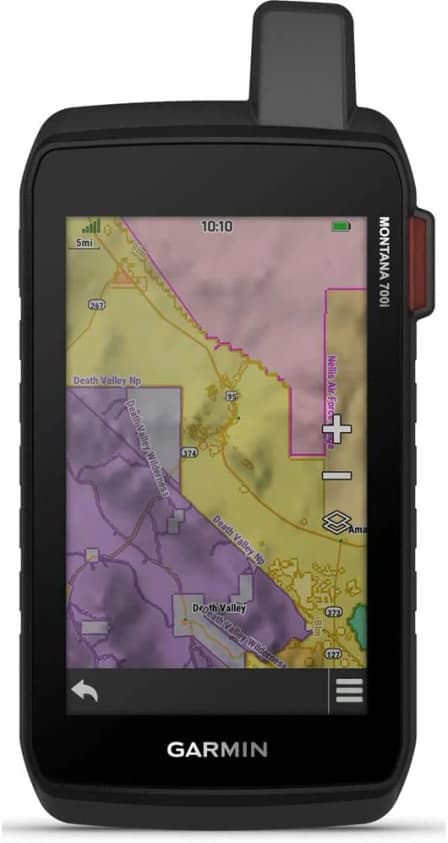
- •Large glove‑friendly touchscreen5” transreflective display, sunlight readable.
- •Rugged military‑grade constructionMIL‑STD‑810 tested and IPX7 rated.
- •Preloaded topo maps and imageryTopoActive, City Navigator, BirdsEye downloads.
- •Manufacturer claims extended expedition modeClaims up to 330 hours low‑power.

Considerations
- •Software stability and update failuresFrequent freezes, shutdowns, and failed updates.
- •Touchscreen responsiveness in wet conditionsOccasional unresponsive behavior when wet.
- •Bulky size and weightHeavier and larger than many handhelds.
- •Map downloads and update reliabilityLarge files time out or stall.
- •inReach subscription requirement and limitsSatellite features need paid subscription.
- •Power and charging limitationsThermal charging pauses above 35°C.
Real-world impressions of this rugged Garmin newcomer are still emerging, but early signs point to a serious contender for outdoor adventurers craving dependable navigation and satellite communication. Sporting a glove-friendly 5-inch transreflective touchscreen that shines even under harsh sunlight, it stakes its claim with military-grade durability and an impressive up to 18 hours of GPS battery life, extendable via expedition mode. Its dual GNSS support—GPS plus Galileo—promises pinpoint accuracy around 25 feet, making lost trails less likely nightmares. While software stability remains a work in progress, the device’s extensive mapping options—including BirdsEye imagery—and versatile routing profiles set it apart from smaller rivals like the GPSMAP 66i. Designed for hikers, overlanders, and motorcyclists who value toughness over sleekness, this unit invites users to weigh up performance quirks against real-world resilience. Stick around—the details ahead might just convince you that bigger screens sometimes do mean better adventures.
Software Stability and Reliability
The software side is a mixed bag: despite boasting seamless syncing through Connect IQ apps and Garmin Express, users report frequent freezes, shutdowns, and update hiccups that test patience during critical moments. The interface's learning curve combined with buggy behavior makes it less intuitive than expected from a premium device. So while Garmin promises robust firmware integration for enhanced navigation experiences, real-world feedback suggests software quirks remain an Achilles' heel impacting overall trustworthiness when it counts most.
Build Quality and Durability
Built like a tank with MIL-STD-810 certification paired with IPX7 water resistance, the Montana 700i withstands drops, shocks, heat extremes—and even unexpected downpours—with aplomb. Users applaud its military-grade construction as essential armor for outdoor escapades where gear failure isn’t an option; however bulky size does make it feel more beast than beauty compared to sleeker competitors. Still worth every gram if durability ranks high on your checklist because this device truly earns its stripes as a rugged workhorse designed to survive tough terrain.
Battery Life and Power Modes
Boasting up to 18 hours of standard GPS life plus an ultralow-powered expedition mode stretching battery use into days (330+ hours), this handheld excels at keeping adventurers powered through extended trips. Yet thermal protection pausing charging above 35°C complicates hot-climate usage—a notable caveat if you’re dashboard-mounting in the sunbelt. The flexibility between rechargeable Li-ion packs or optional AA batteries adds versatility but balancing power needs against weight remains key for those chasing serious backcountry endurance without sacrificing longevity.
GNSS Positioning Accuracy
When it comes to pinpoint precision, the Montana 700i delivers with its GPS and Galileo multi-GNSS support, offering typical accuracy around 25 feet. This means whether you're navigating rugged trails or off-road paths, you can trust its TopoActive maps and satellite signals to keep you on track. While Garmin’s claims align well with user experience of solid positioning, occasional GPS drift under dense canopy has been noted—nothing perfect in the wild but still a dependable companion for remote adventures.
Display and Touchscreen Usability
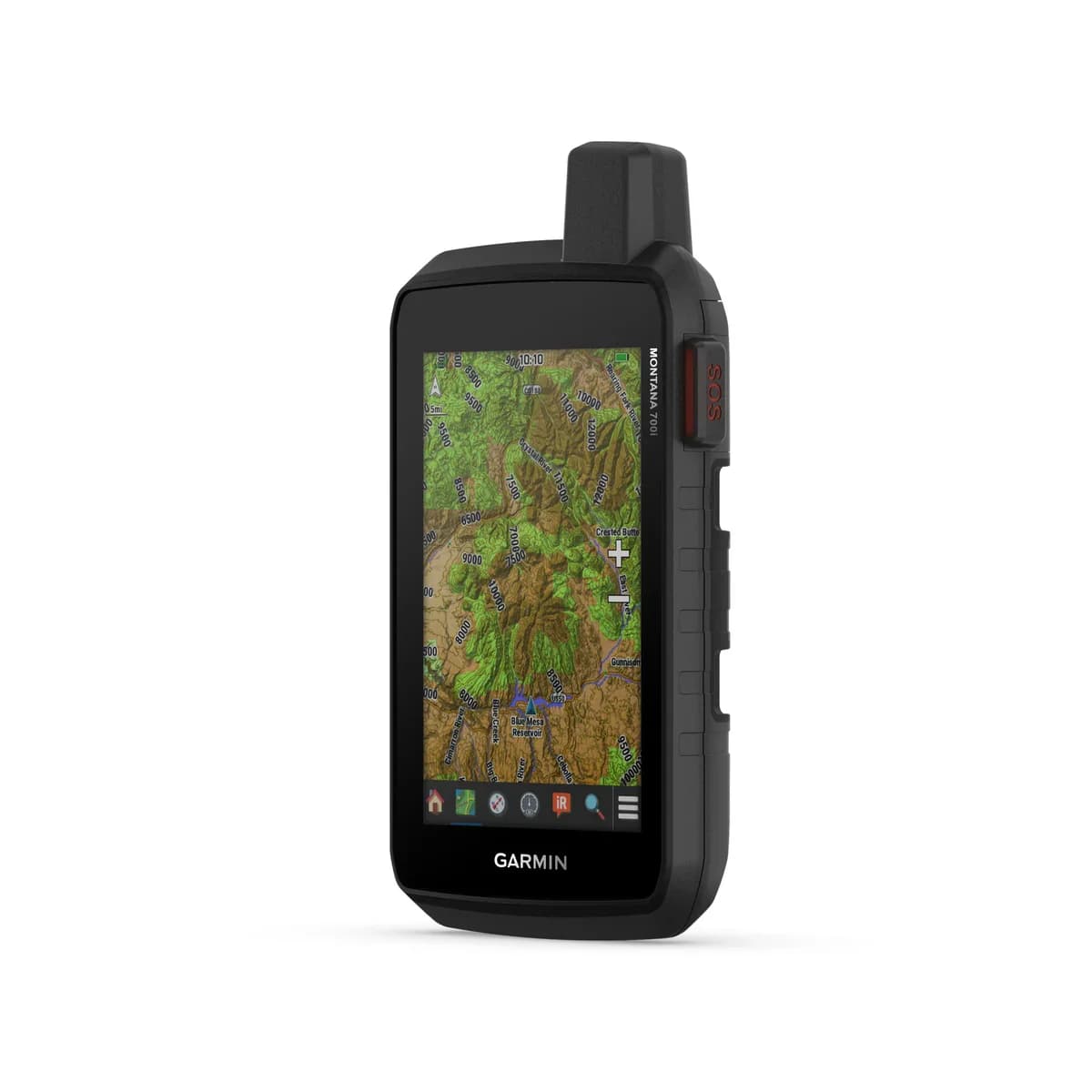
Its standout feature: a massive glove-friendly 5-inch transreflective touchscreen readable even under blazing sunlight—a rare treat outdoors where visibility matters most! However quirks abound; wet conditions sometimes frustrate responsiveness while some find the interface clunky until acclimated. Backlit night viewing rounds out usability nicely though slower UI reactions occasionally clash with expectations set by slick smartphones. Overall it's clear Garmin aimed big here—delivering both screen size and durability—but remember that bold display demands some patience mastering tactile finesse in diverse weather.
Conclusion
Navigating the rugged terrain of handheld GPS, this device stakes its claim with pinpoint GNSS accuracy that rarely strays beyond 25 feet—a solid compass in wild places. Yet, its software stability walks a tightrope between promising and precarious; expect occasional freezes and update headaches that demand patience. Battery life impresses with an 18-hour stretch plus expedition mode, though heat-induced charging pauses remind you it’s no magic wand. Built like a fortress, the military-grade durability earns respect but adds heft—this isn’t for pocket-slim minimalists. The expansive 5-inch glove-friendly touchscreen dazzles in sunlight, though wet-weather quirks invite some fumbling fingers. Maps load richly detailed routes, yet managing tracks can feel fiddly rather than fluid. This gear rewards those who prioritize steadfastness over sleek simplicity: if resilience is your mantra and satellite safety non-negotiable, you’ll find much to admire in this tough navigator’s bold package—just brace for a learning curve wrapped in raw power.

Feature Scores
This reflects reviews and ratings from established critics, journalists, and users who have evaluated the item. Their opinions provide a comprehensive assessment.
Performance
GPS Accuracy and Precision
4/5
Satellite Connectivity
4/5
Battery Life
4/5
Durability and Ruggedness
5/5
Altimeter and Barometer Accuracy
4/5
Compass Reliability
4/5
Mapping and Storage Capacity
4/5
Firmware Update Support
3/5
Value
Price-to-Feature Ratio
4/5
Accessories Ecosystem
4/5
Design
Ergonomics and Ease of Use
3/5
Display Readability
4/5
Weight and Portability
3/5
Button and Control Quality
4/5
Aesthetics and Finish
4/5
Health
Material Safety
TBD
RF Exposure Levels
TBD
Safety
Emergency Communication Features
5/5
Water and Ingress Protection
4/5
Fail-safe and Redundancy Systems
3/5
Sustainability
Battery Replaceability
4/5
Repairability and Serviceability
3/5
Recyclability and Materials Transparency
TBD
Experience Style
Advanced Feature Availability
5/5
User Interface Simplicity
3/5
Smartphone Connectivity Integration
4/5
Customizability and Profiles
4/5

Specifications
This section outlines the product's key facts, covering essential features, details, dimensions, materials, and any unique characteristics that define its functionality and usability.
Performance
Value
Design
Safety
Sustainability
Experience Style

Frequently Asked Questions
10 Questions
Find Yours
What is your primary use for a handheld GPS unit?
Answer to find your best matches.