
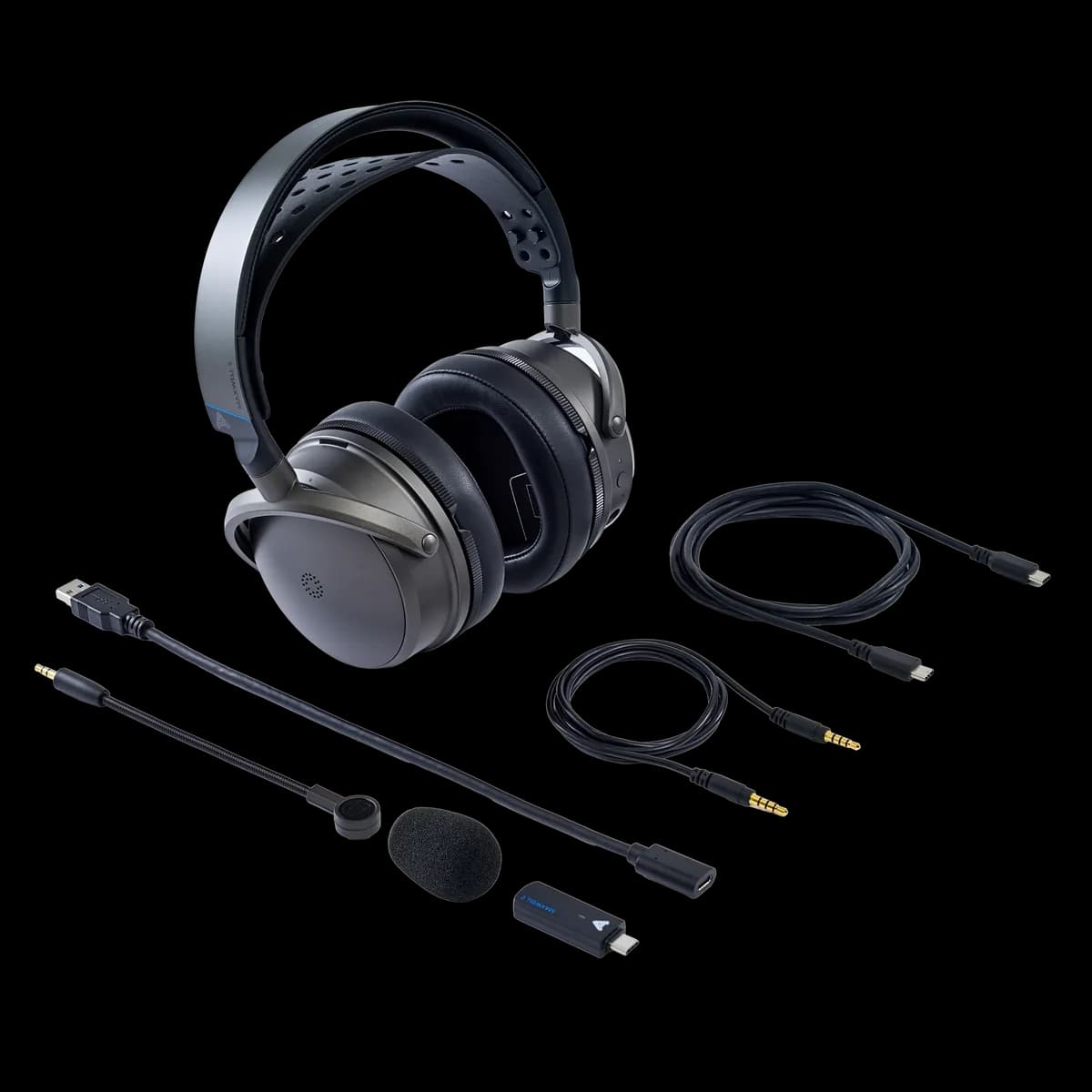
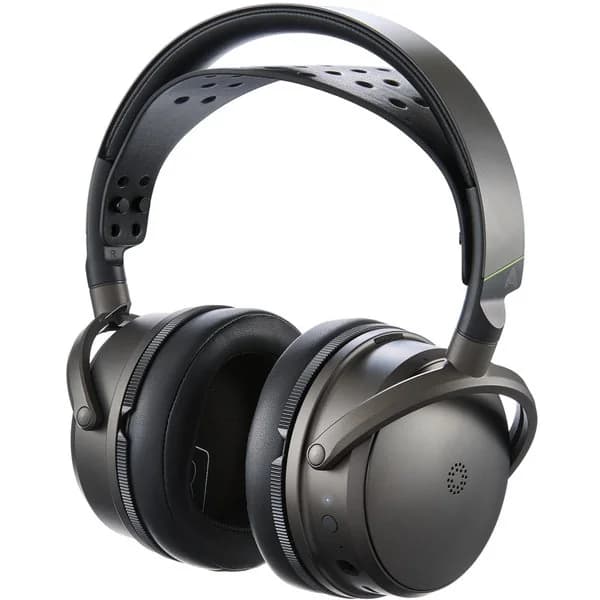
Audeze Maxwell 2
Audiophile-grade planar sound, 80hr battery and metal build, but heavy with some connectivity quirks.
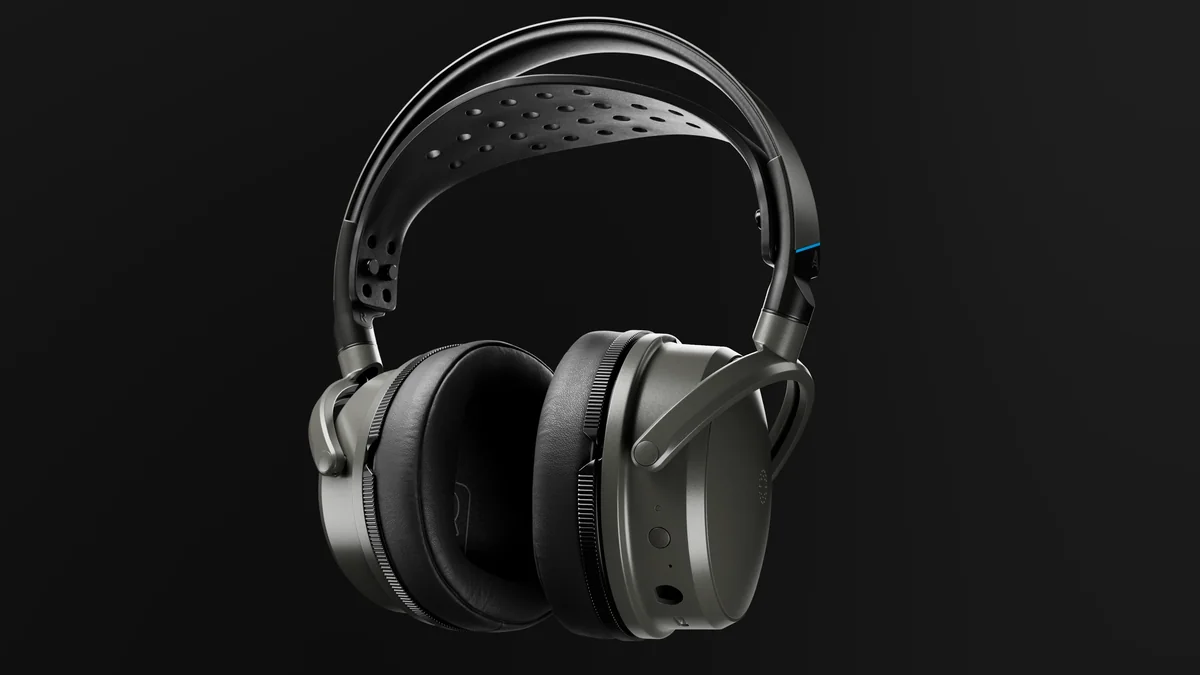
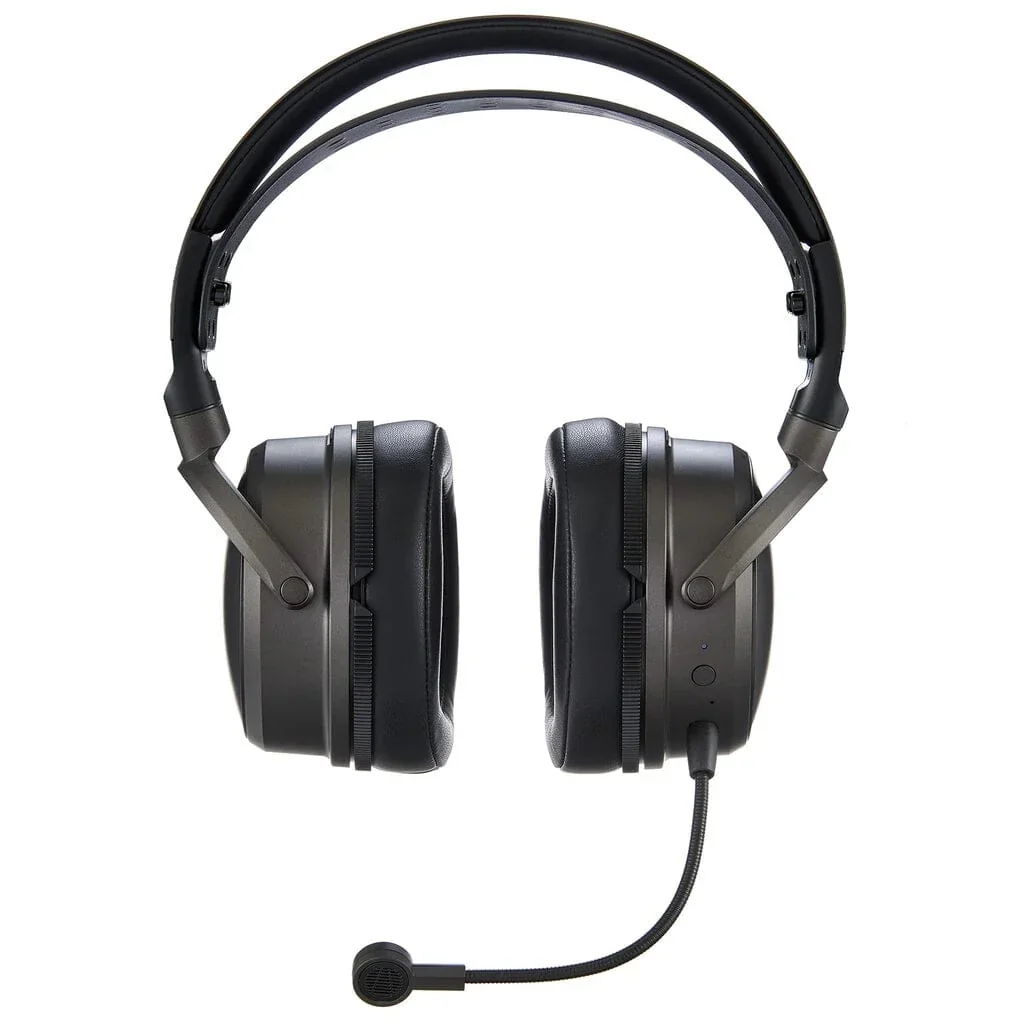
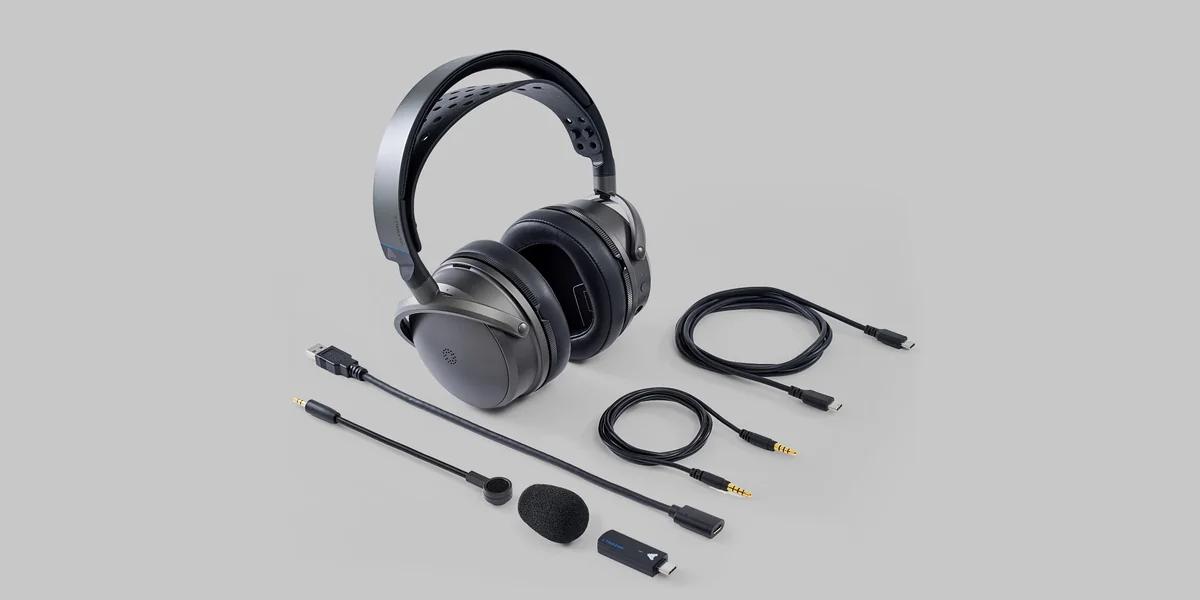
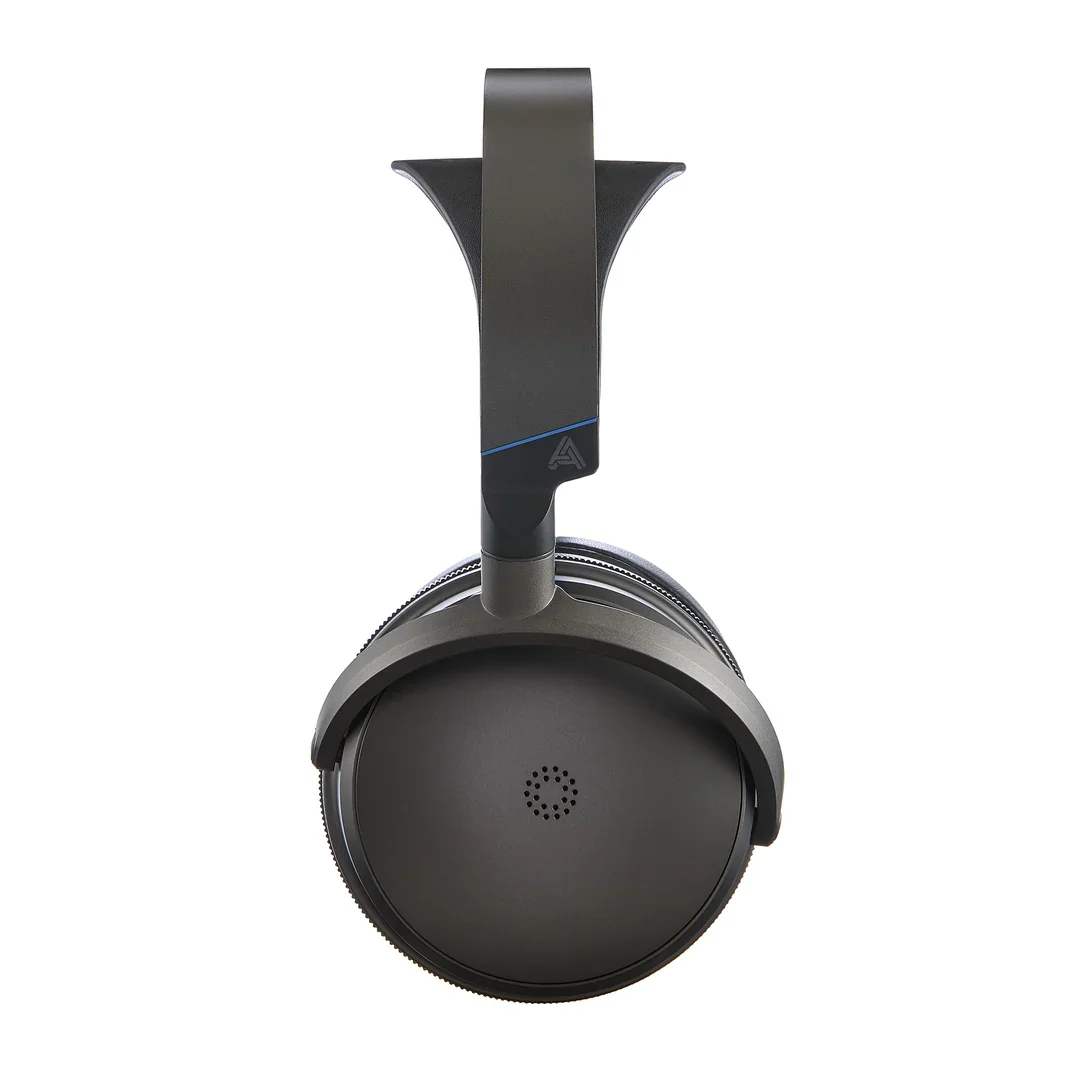
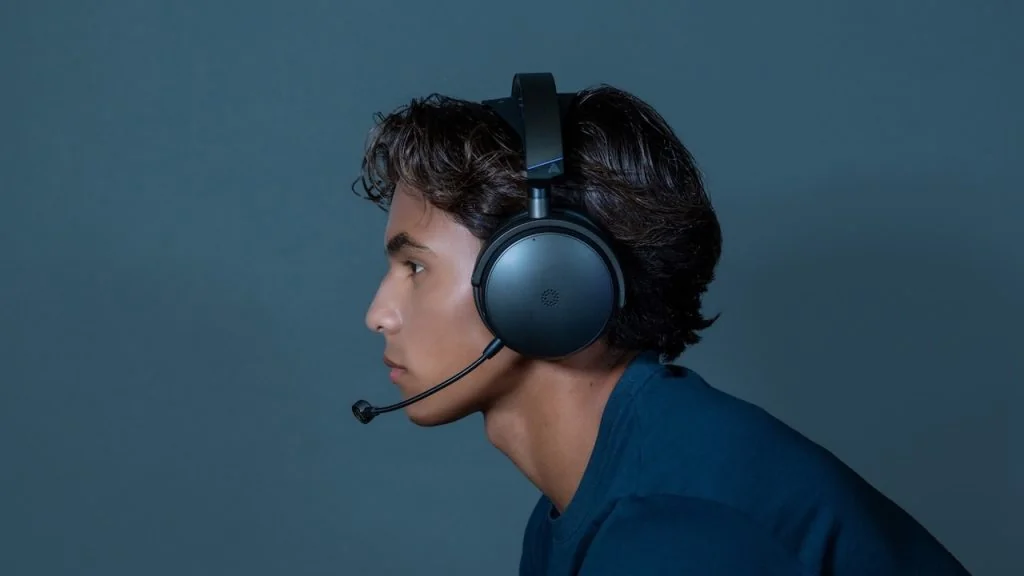
The Audeze Maxwell 2 is the headset that aims to marry studio-grade planar clarity with gaming practicality, a heavy but handsome choice for listeners who need surgical spatial imaging and long 80‑hour battery life more than featherlight comfort. It targets competitive gamers and content creators who want to pick out footsteps and dialog with precision, and experts generally applaud its airy, detailed sound while users report that the brand’s claims about punchier bass and flawless wireless behavior are sometimes optimistic in real use. Build quality and modern codecs like Bluetooth 5.3 with LDAC feel premium, yet recurring notes about weight and sidetone or hiss temper enthusiasm and affect value against the sub‑$350 price. If you prioritize fidelity and battery over effortless ergonomics, this headset is a defensible buy, though reliability and comfort will shape whether it truly pays off.
Find Yours
What kind of sound profile do you prefer in your over-ear headphones?
Answer to find your best matches.

The Field
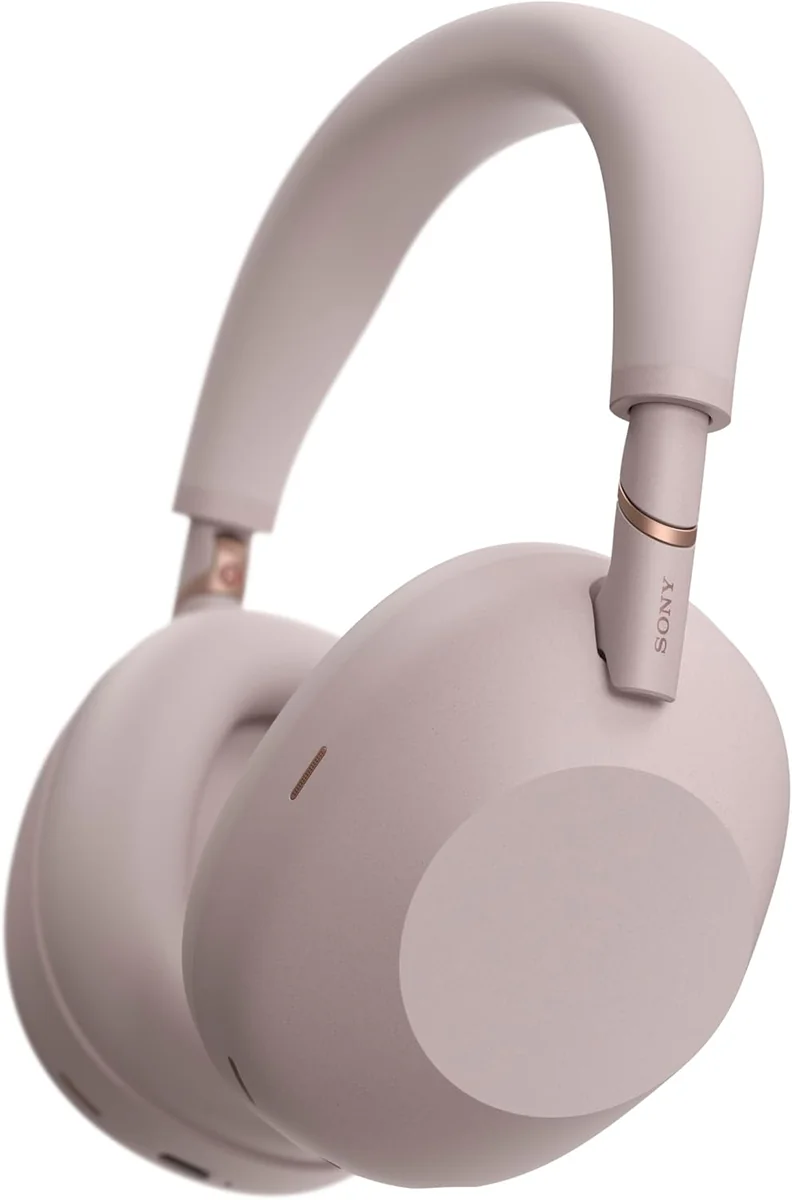
Browse top contenders, or compare all options ranked by score and key attributes.
5 Options




The Scoreboard
Does this improve your life? Considers, health, habits, and environmental impact.
Benefits
Pinpoint audio lets you hear footsteps and gunfire clearly in games and movies.
Around 80 hours between charges reduces mid-session power interruptions and charging fuss.
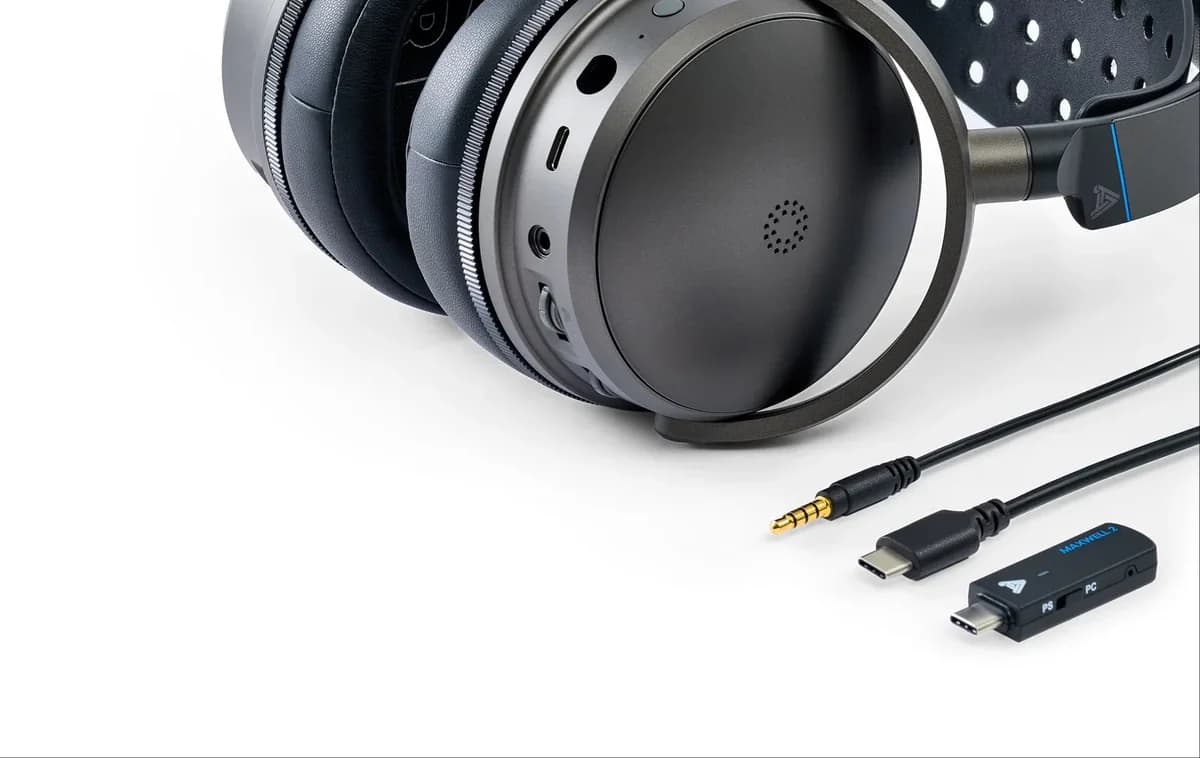
USB dongle, Bluetooth, and aux let you switch devices without swapping headsets.
Improved mic processing and AI FILTER reduce background noise for clearer chat.
Metal frame and sturdy materials give confidence in durability and everyday handling.
Trade-Offs
Feels noticeably heavy after hours, causing neck strain or soreness during long sessions.
Sibilant or tinny sidetone makes speaking sound harsh, distracting during voice chats.
Low-level hiss/beeps audible in quiet scenes, breaking immersion and masking subtle sounds.
Random USB dongle or wireless drops interrupt games or calls, forcing reconnection.
 Alternatives


Join the Circle
Where real meets deal
Know what's worth buying-and when.
Tips, special offers, and rewards for buying and sharing.

Publications
10 LEADING PUBLICATION REVIEWS

RTINGS comes away mildly positive about the Audeze Maxwell 2. Their review praises a superb microphone, class-leading battery life (around 77 hours), accurate, balanced sound, and low latency for gaming, but repeatedly flags serious downsides: the cans are heavy, fit and seal are inconsistent (especially for glasses wearers), and they offer poor low‑frequency isolation. The tone is measured—enthusiastic about voice quality and long runtimes, cautious about everyday comfort and use outside quiet spaces—so the recommendation is conditional: excellent if you prioritize mic performance and sound accuracy for gaming or calls, less so if you need lightweight comfort, reliable bass consistency, or good noise isolation for travel or noisy environments.
By Dagobiet Morales Alfaro
SoundGuys’ Jhaycee Calvez is generally positive but measured about the Audeze Maxwell 2. They call it a meaningful upgrade over the original—especially for competitive FPS play, with strong separation, precise spatial width, and long battery life—yet caution that it’s firmly a gaming headset, not a comfort-first or critical-listening option. The review praises the planar drivers and app-based EQ while flagging practical issues: heavy 567g weight, sticky pleather earcups that get uncomfortable after ~4 hours, a fiddly headband, a rattling mute switch, audible noise floor and a treble peak that can be fatiguing, plus quirky app/USB behavior and imperfect AI mic processing. Recommendation: worth buying if you don’t already own the original Maxwell, but Calvez suggests waiting for the announced ANC model if you own the first version or need quieter, longer-wear comfort.
By Jhaycee Calvez
IGN’s Michael Higham is broadly impressed and cautiously enthusiastic about the Audeze Maxwell 2. He treats it as a confident refresh rather than a reinvention: sound quality remains excellent thanks to 90mm planar drivers, battery life is stellar, and comfort holds up for long sessions, while subtle tweaks—wider headstrap, slimmer earpads, cleaner mids/highs—improve fit and clarity. He’s disappointed there aren’t dramatic changes: the headset is heavier, controls shifted awkwardly, Bluetooth can’t truly run simultaneously with the dongle, and the app stays intentionally minimal. Real-world testing across PC and PS5, plus side-by-side listening, leaves him convinced it outperforms most rivals in audio fidelity; but for owners of the original Maxwell the upgrade feels incremental. Overall, he recommends the Maxwell 2 as a top-tier pick if you’re buying above the $300 range, even if it’s not a must-upgrade.
By Michael Higham
TechRadar’s Phil Iwaniuk is impressed but measured: he loves the Maxwell 2’s sound yet stops short of an outright recommendation. He gushes over the 90mm drivers, calling the audio emotive, detailed and bassy without bloat, and praises build quality and an 80‑hour battery — real audiophile-level wins in a gaming headset. But enthusiasm cools when he compares it to the original Maxwell: Gen 1 often matches performance for less cash, and the Gen 2’s modest feature upgrades (Bluetooth, SLAM tuning, nicer controls) and added weight don’t justify the price hike for many buyers. Mic performance and limited simultaneous Bluetooth/2.4GHz behavior are notable disappointments, especially at this tier. Bottom line: outstanding sound that excites the reviewer, tempered by pragmatic reservations about value and a few practical flaws.
By Phil Iwaniuk
Tom's Guide’s Peter Wolinski is clearly impressed overall. He praises the Maxwell 2 for its superb 90mm planar drivers, spacious soundstage, excellent mic and battery life, calling it one of the best gaming headsets—especially for gamers who also love music—while also warning that it isn’t an upgrade-worthy jump from the original. He balances enthusiasm with practical gripes: the headset remains bulky and heavy, uses an awkward three-position headband adjustment, lacks simultaneous wireless audio, and its planar design sacrifices the chest-thumping bass some players want (and can exhibit a minor driver tick). The new SLAM plates and revamped app/EQ help, and the AI noise reduction works but can thin vocals, so overall Wolinski recommends the Maxwell 2 for fidelity and comfort despite a few usability and size trade-offs.
By Peter Wolinski
Tom's Hardware's Sarah Jacobsson Purewal is overall positive but restrained about the Maxwell 2. She praises its excellent, detailed planar-magnetic sound, roomy comfort, long battery life, and decent boom mic—calling it one of the best-sounding gaming headsets—yet repeatedly frames the headset as more of a modest refresh than a true second generation. Key gripes include extra weight, loss of flat-swivel earcups, a fiddly recessed mute switch, and an infuriating automatic Bluetooth/2.4GHz switching behavior that prevents manual control; promised “punchier” bass feels underwhelming despite a firmware fix. The verdict: if you value top-tier audio and comfort and don’t mind a heavier, pricey headset with annoying connectivity quirks (and little advantage over the original Maxwell), the Maxwell 2 is easy to recommend on sound alone—but it’s not the big leap many buyers might expect.
By Sarah Jacobsson Purewal
Harish Jonnalagadda at Android Central is impressed overall. He praises the Maxwell 2’s class-leading planar sound — roomy tonality, quick transients, clean bass and a wide soundstage that make it the best-sounding gaming headset in its price tier — and applauds the tough build, battery life, and flexible connectivity. At the same time he’s measured about real drawbacks: it’s very heavy and awkward to adjust, and the built-in mic is only serviceable rather than broadcast-ready, problems carried over from the previous model. He calls the Maxwell 2 a niche buy for gamers whose top priority is audio fidelity, noting sensible software EQ and customization, and suggests lighter headsets with better mics for those who value comfort or streaming. Overall the tone is admiring but balanced — enthusiastic about sound, pragmatic about ergonomics and mic performance.
By Harish Jonnalagadda
PC Gamer’s Nick Evanson is cautiously positive about the Maxwell 2. He praises its majestic planar sound—clear, well-defined lows and excellent spatial detail that make games and movies sing—but he’s lukewarm about Audeze’s design choices: added SLAM plates slightly improve bass and reduce a “claustrophobic” feel, yet they increase weight and worsen long-term comfort, make earcups non-rotatable, and introduce fiddly controls and awkward mic ergonomics. Battery life, passive isolation, and quick dongle pairing remain strong points, and the reviewer appreciates that Audeze avoided gaudy RGB. Overall Evanson recommends the Maxwell 2 for its sound quality while warning it’s not a clear upgrade over the original; it’s an impressive headset hampered by regressions in comfort and usability, so it’s a worthwhile buy only if you prioritize audiophile-grade gaming audio and can tolerate the trade-offs.
By Nick Evanson
GamesRadar+'s Tabitha Baker is positively impressed overall. She praises the Maxwell 2 for delivering the clearest, most articulate in-game and music performance among gaming headsets she’s tested, with superb mids and highs, excellent staging, and much-improved comfort over the original; battery life is strong and the planar drivers stay true to an audiophile sensibility. Her enthusiasm is tempered, though: the bass is lean compared with bass-forward rivals, the claimed SLAM tweaks feel incremental, the mic is merely adequate, and higher-end convenience features are missing—no simultaneous Bluetooth/2.4GHz pairing, no hot-swap batteries or charging dock, and thinner software features than some competitors. In short, Baker recommends the Maxwell 2 for buyers who prioritize balanced, high-fidelity sound and improved wearability, but warns casual gamers wanting bass, extra features, or an easy upgrade path to consider alternatives.
By Tabitha Baker
GameRevolution’s Mack Ashworth comes away positively impressed. He praises the Maxwell 2 as a careful, effective refinement of Audeze’s original—planar magnetic drivers and SLAM tuning give clear, tightly controlled bass and excellent soundstage, the wireless options and claimed 80‑hour battery impress, and the metal build feels genuinely premium. He appreciates the 10‑band EQ and app controls but flags real weaknesses too: the headset is heavier than most and the detachable microphone feels like an afterthought, good for in‑game chat but not for streaming. Overall the review is upbeat and confident—this is a high‑quality, thoughtfully evolved gaming headset with a pricey but justified focus on sound and construction, tempered by a middling mic and extra weight.
By Mack Ashworth

YouTube
11 LEADING EXPERT & INFLUENCER REVIEWS
 BadIntent Stream Tech Reviews
BadIntent Stream Tech Reviews is cautiously positive about the Maxwell 2. He praises its planar drivers, revealing detail, improved mic after firmware, and better pads/headband, but calls it a sidegrade—heavier than before, thinner on sub-bass despite SLAM, and plagued by constant white noise and limited simultaneous dongle+Bluetooth behavior; battery and software fixes are solid. Overall he recommends it for competitive players who prioritize clarity and separation, but warns music lovers and long-session users about weight and lacking low-end punch.
GadgetryTechJoe from GadgetryTech is cautiously positive about the Maxwell 2. He praises Audeze’s detailed, airy planar sound, SLAM porting, improved pads/headband, magnetic cups, FILTER™ mic noise removal, and a much better app, but flags heavier weight, non-ideal simultaneous Bluetooth behavior, recessed mute button, slightly reduced bass and some robotic sidetone; firmware and EQ fixes can mitigate many issues. Overall he sees Maxwell 2 as a thoughtful “1.5” upgrade—excellent audio and useful QoL improvements, worthwhile if you value clarity and features, but not a must-upgrade for Maxwell One owners.
GearUP with AaronAaron from GearUP with Aaron is cautiously positive about the Audeze Maxwell 2. He praises its class-leading planar sound, SLAM acoustic ring impact, long battery life, improved app and mic AI, and solid build, but repeatedly warns the headset is much heavier (564 g) and fiddly to adjust; small recessed controls and limited headband tabs frustrate him. His tone is appreciative yet wary: audio and features remain top‑tier, but the substantial weight and ergonomics make it a conditional buy—great if you value SQ and immersion, less so for long sessions or anyone prioritizing comfort.
The TechneThe Techne is cautiously positive about the Audeze Maxwell 2. He praises its jaw‑dropping directional detail for FPS and solid build, but says the firmware update only made mild improvements — bass remains restrained and the core microphone still has staticky background noise despite reduced gain. He emphasizes he tested a retail unit on the current firmware, defends reviewing what he received, and urges Audeze to add mic EQ/gain controls; overall he still prefers the original Maxwell for punchier sound unless you prioritize surgical spatial accuracy.
GGChronoCrono is clearly positive about the Maxwell 2. He says it fixes the original’s biggest flaw—comfort—thanks to a better suspension strap and reduced clamp, while retaining the Maxwell’s excellent imaging, layering, and passive isolation. He praises the Audeze app and useful EQ presets, but flags a slightly reduced bass level (which he likes) and a bit of sharpness around 6 kHz that can cause mild sibilance; he suggests a firmware EQ tweak could smooth it. Overall Crono calls it a meaningful, recommendable refresh—especially if you value long sessions and sonic detail.
Gamer HeavenGamer Heaven says he prefers the original Maxwell despite the Maxwell 2’s tweaks. He praises the Maxwells’ planar sound and long-term comfort for his racing rig use, but finds the 2 heavier, looser on the head, less satisfying out of the box (notably weaker bass), and inconveniently switched to magnetic earcups that break accessory compatibility. He acknowledges improved mic processing and small refinements, but calls the sequel more of a 1.5 than a real upgrade, flags reported white noise, and recommends the OG if you want better comfort, sound, and aftermarket options.
Dan’s Tech HouseDan’s Tech House is clearly impressed and enthusiastic. He calls the Audeze Maxwell 2 the best-sounding gaming headset he’s heard at this price, praising its detailed, airy planar presentation, wide soundstage, solid metal build, long battery, and useful app presets; he warns the headset is heavy, a bit bright/sibilant up top for some tracks, and only has “okay” mic quality and limited swivel/fit adjustability. His tone is excited but measured—he loves the sonic fidelity and urges trying the default EQ first, while flagging comfort and mic caveats for extended competitive play.
SilencedTech Mark from SilencedTech is cautiously positive. He praises the Maxwell 2’s build, massive 90mm planar drivers, long battery and excellent positional audio for FPS, but is underwhelmed by a flat, non-punchy sound out of the box and the headset’s hefty 560g weight; setup and firmware fixes have improved the mic, though the EQ felt necessary to get life from the drivers. He recommends them for directional gaming if you value imaging, but questions whether their price and weight justify the trade-offs for music and long sessions.
LATE KNIGHT TALKSLate Knight Talks is frustrated but impressed. He praises the Maxwell 2’s planar soundstage, clarity and low‑volume detail—calling it more holographic and revealing than the originals—yet he’s sharply critical of Audeze’s software, missing simultaneous Bluetooth, damaged packaging, poor customer service, and EQ/app glitches that prevent custom tuning; these issues make him consider returning both pairs despite loving the audio. He also warns that many reviewers may be using special review units, so buyers should beware and weigh the excellent sound against reliability, support, and feature shortcomings before buying.
AimAdaptLiam is positive overall. He praises the Maxwell 2’s planar clarity, separation, and premium build, calling it the best closed-back wireless sound he’s used around the $300 mark, while noting heavy weight (577 g with the mic), hot/pleather earpads, and some missing conveniences like simultaneous Bluetooth with the dongle and a dedicated BT button. He likes the simple button layout, reliable app, and onboard AI noise removal for mic work, and prefers these for bass-heavy, chaotic game scenes, though he still favors his open-back Catharas for long comfort—he’ll keep using the Maxwell 2 as a wireless go-to.
Sound ApproachTrevor from Sound Approach is positive but cautious. He praises the Maxwell 2’s superb planar sound, improved mic/AI noise removal, SLAM imaging, and huge battery life, yet repeatedly warns the headset is noticeably heavier and less comfortable than the original—making long sessions fatiguing. He calls the 2s more of an update than a true upgrade, recommending them to buyers without the original Maxwell but advising existing Maxwell owners to skip this $350 refresh until Audeze trims weight or refines comfort. Overall upbeat about sound, frustrated by the tradeoff in wearability.

Social
2 INFLUENCER REVIEWS
 Čeda 🎮🕹️
Čeda is upbeat about the Maxwell 2 and calls it a confident refinement of the original. He says the planar drivers keep their punch but tuning sharpens imaging—especially in games—while a wider ventilated head strap and larger ear pads cut pressure for longer sessions; mic clarity improves thanks to better AI noise filtering, Bluetooth 5.3 with LE Audio and LDAC add flexible, high-quality wireless, and battery life remains ~80+ hours. He concedes it’s a bit heavier but argues the comfort changes offset that, framing the Maxwell 2 as a sensible, worthwhile upgrade rather than a radical redesign.
Anthony | Gaming Room ContentAnthony | Gaming Room Content is clearly enthusiastic about the Audeze Maxwell 2. He says the 90mm magnetic drivers and ultra-low latency let him pick up footsteps and in-game cues with precision, praising SLAM technology for deep, powerful bass and reliable timing for sim racing and PS5 use. His tone is confident and upbeat, framing the headphones as a one-pair solution for multiple devices via USB-C dongle and Bluetooth, with no explicit complaints—overall a strong, gamer-focused endorsement based on sonic clarity and low latency.

Forum Reviews
CUSTOMER REVIEWS FROM 1 FORUM
Redditors are mixed but leaning critical overall. Many praise Maxwell 2’s sound clarity, build quality, battery life and sidetone, calling it a standout for gaming audio; others report persistent issues — hiss/white noise, crackling or popping, poor bass punch for some ears, heavy weight and high clamping force causing discomfort, and flaky firmware/dongle behavior. Buyers who never owned the original often like the product; owners considering an upgrade are more disappointed, feeling it’s a minor revision that missed expected features (simultaneous Bluetooth, ANC) and needs software fixes and comfort improvements.
Many comments

In-Depth Review

Highlights
- •Exceptional spatial clarityClear, detailed spatial imaging for games.
- •Premium metal constructionSturdy aluminum and stainless-steel frame.
- •Versatile modern connectivityUSB dongle, Bluetooth 5.3, LDAC support.
- •Very long batteryAround 80 hours per charge.

Considerations
- •Heavy for longwearWeight causes neck and head soreness.
- •Sibilant mic sidetoneSibilant or harsh sidetone reported.
- •Intermittent dongle disconnectsOccasional USB dongle drops and reconnections.
- •Lean bass out‑of‑boxSub‑bass can feel weak without EQ.
User feedback is still coming in, so treat early impressions with reasonable caution. Audeze brings its audiophile pedigree to a gaming-focused headset positioned as a premium alternative to mainstream wireless cans, pairing 90mm planar magnetic drivers and patent‑pending SLAM tuning for surgical spatial accuracy with features aimed at streamers and competitive players. Designed for PC, PlayStation and mobile use, it targets gamers, content creators and audiophile listeners who prioritize pinpoint imaging, flexible multi‑device wireless (including Bluetooth 5.3/LDAC) and extended uptime over ultralight ergonomics. Compared with the original Maxwell and rival premium models, this version leans harder into sound fidelity and battery life while trading off weight and some convenience features, so expect tradeoffs across comfort and connectivity. The sections ahead unpack the headset’s sonic signature, metal‑first construction, wireless reliability, wearability, mic behavior and long battery life—read the parts that match your priorities, because what sells this headset is its precision, not its subtle compromises.
Build quality
This headset feels solid and premium, with a sturdier frame than typical gaming cans and metal components that support long‑term handling; the construction matches Audeze’s claim of a durable design thanks to aluminum and stainless steel elements, and reviewers consistently note a premium tactile impression. That said, the heavier, more rigid build ties directly to comfort trade‑offs, and isolated reports of packaging damage or rattles suggest quality control variability rather than a systemic failure.
Sound quality
The Maxwell 2 delivers exceptionally detailed, spacious imaging that helps you locate in-game cues and pick up subtle music detail; reviewers and users broadly praise the 90mm planar drivers for clarity, though some report a slightly lean sub‑bass response that benefits from EQ tweaking. Audeze’s SLAM acoustic tuning is credited with enhancing punch and spatial weight, but experts note the marketed bass improvements are modest in practice, and a few listeners hear a treble peak that can feel bright on certain tracks.
Comfort and fit
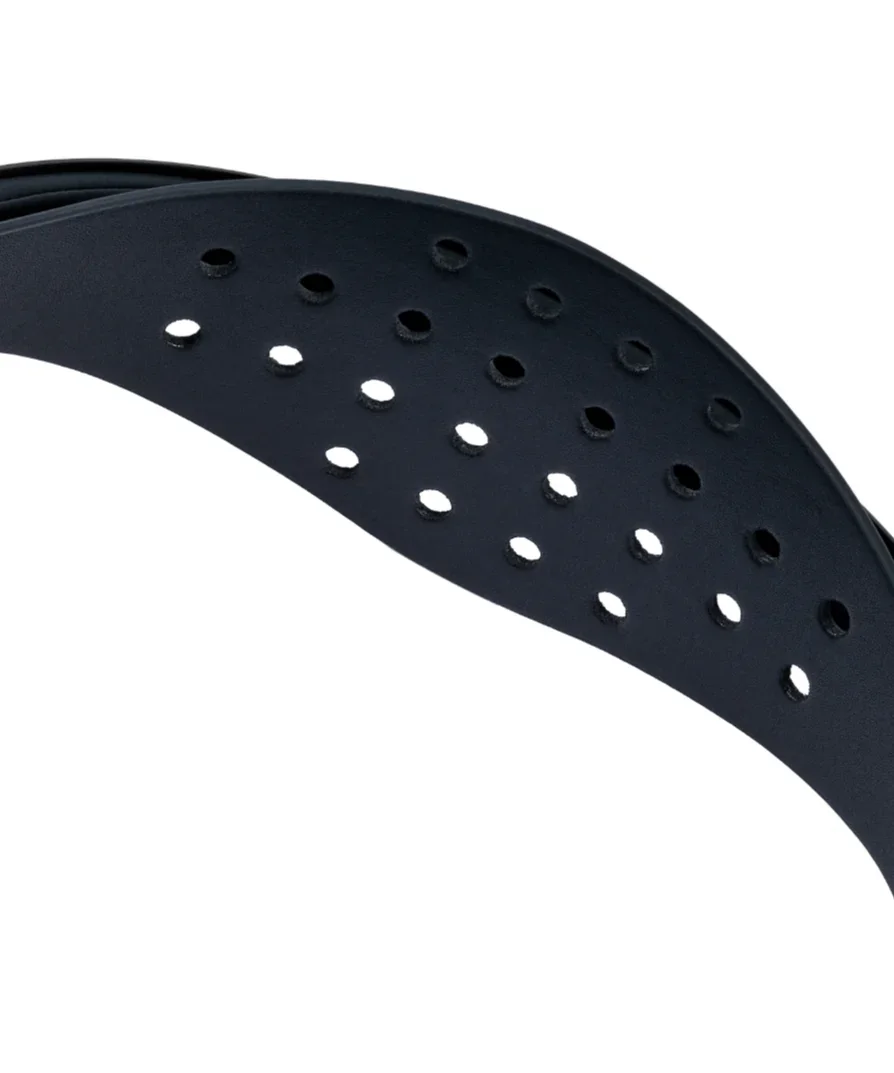
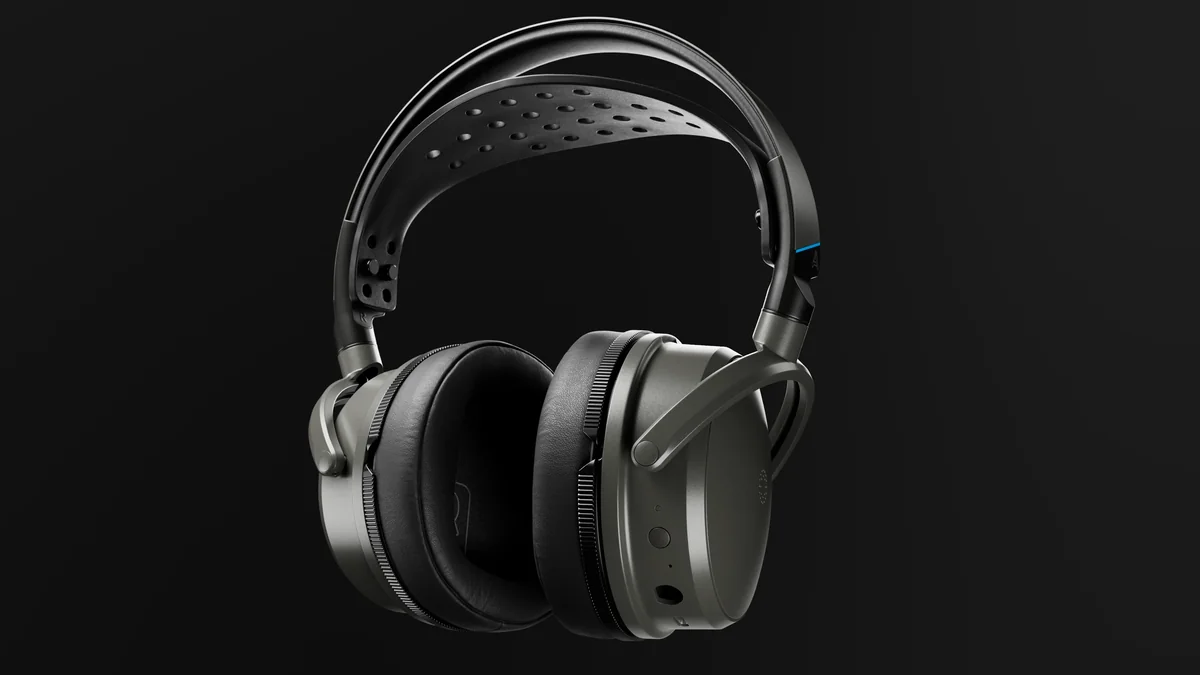
The Maxwell 2 is comfortable for many short sessions, but its substantial mass often causes neck or head soreness during extended play, reflecting the trade‑off between rigid build and ergonomics; updated pads and a wider suspension strap improve fit, yet the 490–560g weight range remains a frequent complaint. Adjustability choices like magnetic earcups and limited swivel reduce aftermarket flexibility, so the physical design choices that enable premium materials also limit long‑session wearability for some users.
Battery and charging
Battery life is a clear strength, delivering the advertised ~80 hours on a single charge and useful fast‑charge behaviour that restores many hours from a short top‑up, which reviewers consistently confirm as excellent for multi‑day use. The non‑removable battery and USB‑C charging meet expectations for convenience, but the headset’s power longevity doesn’t offset other practical issues like weight or occasional firmware‑related quirks affecting daily usability.
Microphone and noise
Audeze upgraded mic processing with AI FILTER and wider bandwidth to improve clarity, and that reduces background noise in noisy rooms while supporting a usable boom mic for game chat, but several reviewers note sibilant sidetone and persistent hissing/static on some units that undermine comfort and trust. The company’s mic claims are partly validated by improved software‑based removal, yet real‑world reports of occasional static or beeping noises mean potential buyers should factor warranty and returns into their decision.
Connectivity and latency
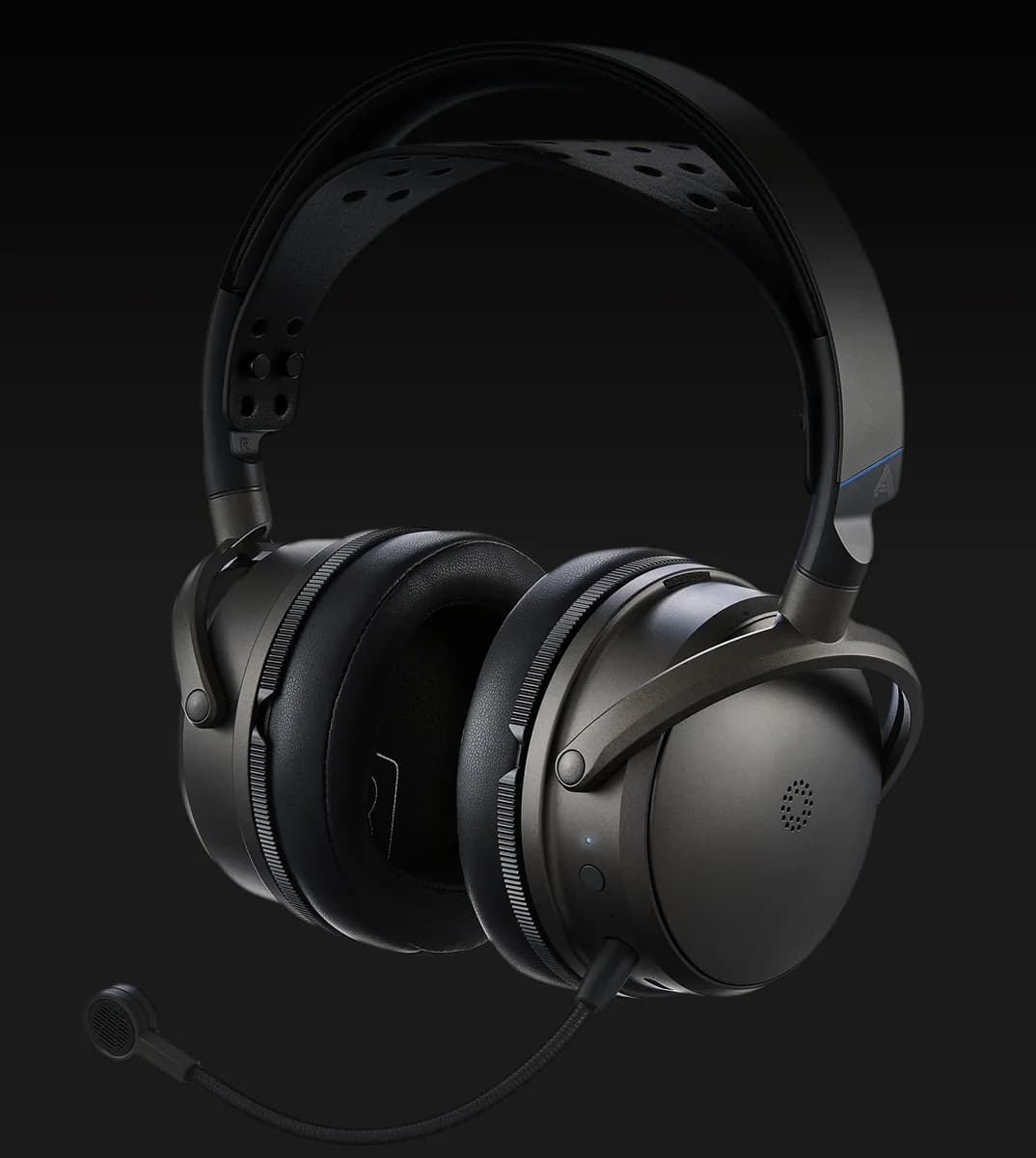
Maxwell 2 offers versatile wired and wireless options, including USB low‑latency dongle support for up to 24‑bit/96kHz gaming, plus Bluetooth 5.3 with LDAC and LE Audio for high‑res mobile audio, which aligns with Audeze’s multi‑platform pitch. Real‑world feedback tempers enthusiasm—users report occasional dongle disconnects and flaky simultaneous Bluetooth behavior, so while latency and codecs are class‑leading on paper, reliability can vary until firmware or dongle resets are applied.
Conclusion
Wrapping up after digging through tests, forums, and reviews: the Maxwell 2 is a clear choice if you prize spatial imaging and detailed planar sound quality, backed by a genuinely premium metal build and class-leading battery life that removes charging anxiety; however, expect trade-offs—its substantial mass and ergonomics make extended sessions uncomfortable for some, and real-world connectivity and mic quirks (hissing, sidetone oddities, occasional dongle drops) mean reliability can vary until firmware or support fixes land. Experts praise its surgical staging and endurance while users split over comfort and noise issues, so recommend it for audiophile-focused gamers and streamers who accept heavier hardware and potential troubleshooting, but not for those wanting lightweight, plug‑and‑play convenience—a defensible, conditional buy rather than an across‑the‑board slam dunk.

Feature Scores
This reflects reviews and ratings from established critics, journalists, and users who have evaluated the item. Their opinions provide a comprehensive assessment.
Performance
Sound Quality
4/5
Noise Cancellation Effectiveness
1/5
Battery Life
5/5
Value
Price-to-Performance
4/5
Warranty
3/5
Included Accessories
4/5
Design
Comfort
3/5
Build Quality
4/5
Controls
3/5
Health
Hearing Protection
3/5
Material Safety
3/5
Hygiene
3/5
Safety
Battery Safety
3/5
Regulatory Compliance
4/5
Physical Hazards
3/5
Sustainability
Recyclability
2/5
Sustainable Materials Use
2/5
Packaging Sustainability
2/5
Experience Style
Customization
4/5
Multi-Device Pairing
3/5
Ease of Use
4/5

Specifications
This section outlines the product's key facts, covering essential features, details, dimensions, materials, and any unique characteristics that define its functionality and usability.
Performance
Value
Design
Safety
Sustainability
Experience Style

Frequently Asked Questions
8 Questions



Find Yours
What kind of sound profile do you prefer in your over-ear headphones?
Answer to find your best matches.