
Find Yours

The Scoreboard
Does this improve your life? Considers, health, habits, and environmental impact.
Benefits
Trade-Offs
Feels like a sweet treat while keeping macros in check and satisfying cravings.
Sugar alcohols and high fiber can cause bloating or gas after regular consumption.
Delivers ~20g protein per bar to curb hunger and aid muscle recovery.
Bars can arrive rock-hard or gummy, making bites unpleasant or hard to chew.
High fiber content keeps you full longer, reducing snacking between meals.
Erythritol/stevia/sucralose often leave a cooling or artificial aftertaste that lingers.
Shelf-stable, portable snack for travel, workouts, or quick meal replacement moments.
Benefits
Feels like a sweet treat while keeping macros in check and satisfying cravings.
Delivers ~20g protein per bar to curb hunger and aid muscle recovery.
High fiber content keeps you full longer, reducing snacking between meals.
Shelf-stable, portable snack for travel, workouts, or quick meal replacement moments.
Trade-Offs
Sugar alcohols and high fiber can cause bloating or gas after regular consumption.
Bars can arrive rock-hard or gummy, making bites unpleasant or hard to chew.
Erythritol/stevia/sucralose often leave a cooling or artificial aftertaste that lingers.
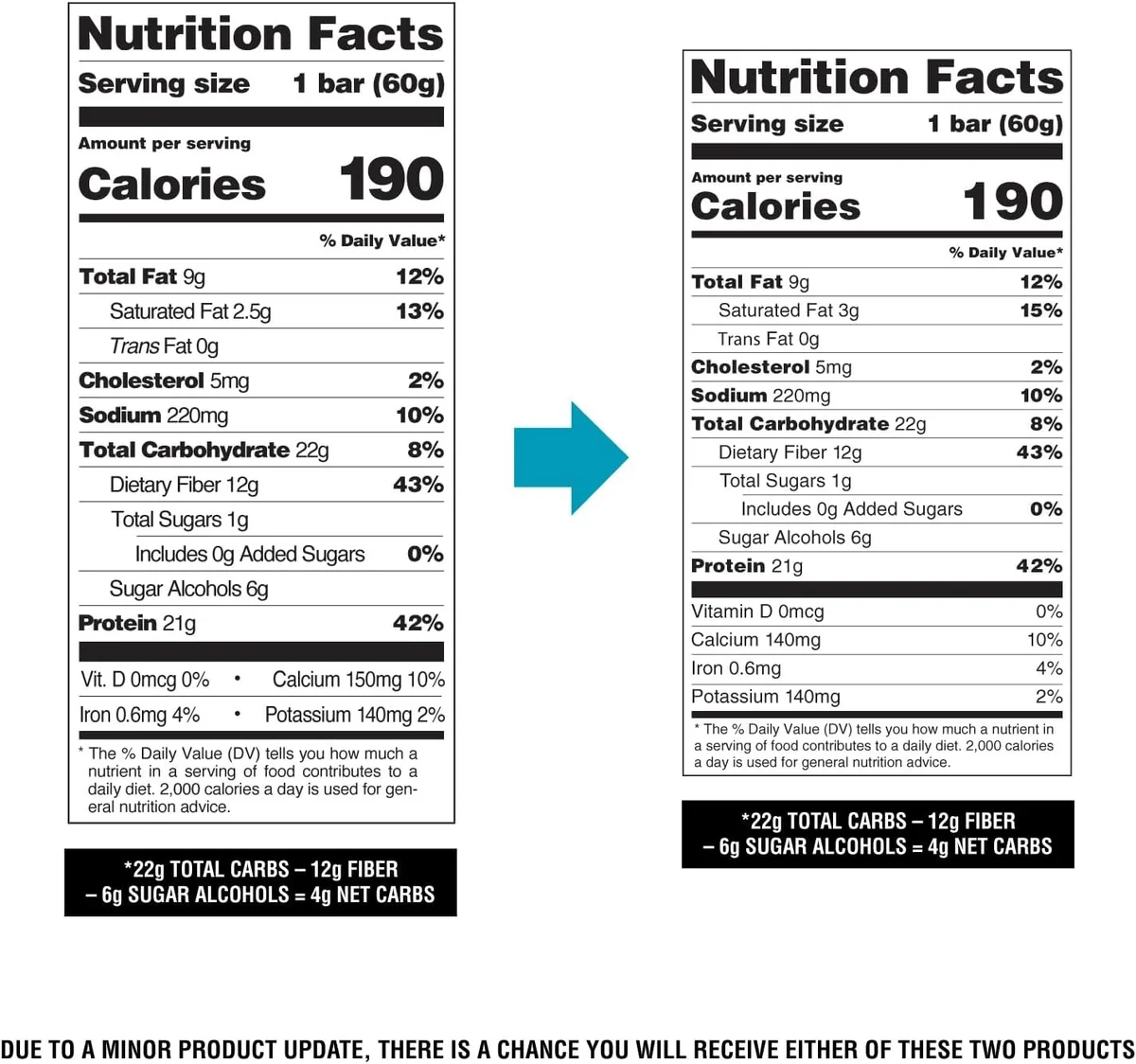
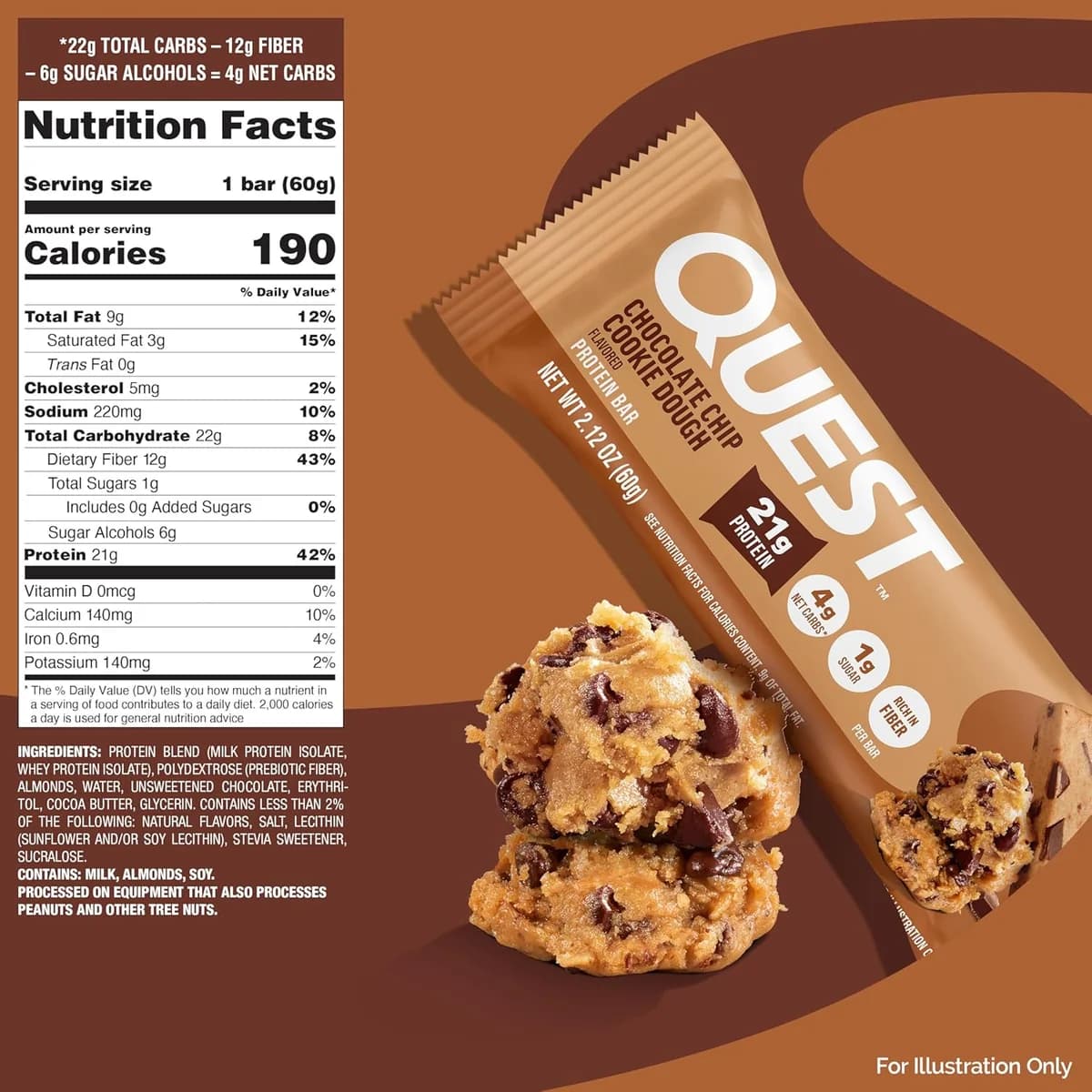
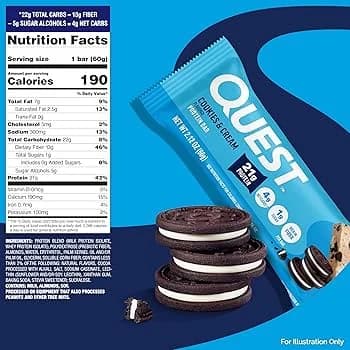
Nutrition Facts
Amount per serving
* The % Daily Value (DV) tells you how much a nutrient in a serving of food contributes to a daily diet. 2,000 calories a day is used for general nutrition advice.

Ingredient Insights
 Alternatives

Join the Circle
Where real meets deal
Know what's worth buying-and when.
Tips, special offers, and rewards for buying and sharing.


Publications
11 LEADING PUBLICATION REVIEWS

Jamie N, a registered dietitian at The Balanced Nutritionist, explains that Quest Protein Bars are a convenient, high-protein, low-sugar snack that can support satiety and post-workout recovery while noting clear caveats. She praises their 20–21 g protein, high fiber, variety of flavors, and use of sugar alcohols and nonnutritive sweeteners to keep net carbs low, making them useful for busy adults, active people, and those managing sugar intake. At the same time she flags processed ingredients (sucralose, erythritol, polydextrose), potential digestive issues from high fiber and sugar alcohols, limited micronutrient content, and a dense, chewy texture some may dislike. The review is balanced and practical: the bars are recommended as supplemental, on-the-go protein options for many, but not ideal for people wanting whole-foods-only snacks or those sensitive to alternative sweeteners or high-fiber products.
BarBend praises Quest Protein Bars for their standout variety and solid macronutrient profile, calling out an impressive 20 flavors (we sampled 13) and 18–21 g of protein per bar that make them a convenient, affordable protein boost. Reviewers and expert contributors enthusiastically endorse the taste and inventive flavors—Cookies & Cream, Oatmeal Chocolate Chip, Chocolate Brownie, and Birthday Cake earn special mention—while noting textures are generally complementary though some bars are dense and chewy. The review is upbeat but measured: it flags consistent use of artificial sweeteners (erythritol, sucralose) and high fiber (12–14 g) as potential drawbacks for those with sensitivities or who prefer all‑natural ingredients. Overall, the tone is positive and confident: Quest is recommended for flavor seekers and protein-focused athletes, with the caveat that those sensitive to sugar alcohols or seeking whole‑food ingredients should consider alternatives.
Jamie N, a registered dietitian at The Balanced Nutritionist, explains that Quest Protein Bars are a convenient, high-protein, low-sugar snack that can support satiety and post-workout recovery while noting clear caveats. She praises their 20–21 g protein, high fiber, variety of flavors, and use of sugar alcohols and nonnutritive sweeteners to keep net carbs low, making them useful for busy adults, active people, and those managing sugar intake. At the same time she flags processed ingredients (sucralose, erythritol, polydextrose), potential digestive issues from high fiber and sugar alcohols, limited micronutrient content, and a dense, chewy texture some may dislike. The review is balanced and practical: the bars are recommended as supplemental, on-the-go protein options for many, but not ideal for people wanting whole-foods-only snacks or those sensitive to alternative sweeteners or high-fiber products.
BarBend praises Quest Protein Bars for their standout variety and solid macronutrient profile, calling out an impressive 20 flavors (we sampled 13) and 18–21 g of protein per bar that make them a convenient, affordable protein boost. Reviewers and expert contributors enthusiastically endorse the taste and inventive flavors—Cookies & Cream, Oatmeal Chocolate Chip, Chocolate Brownie, and Birthday Cake earn special mention—while noting textures are generally complementary though some bars are dense and chewy. The review is upbeat but measured: it flags consistent use of artificial sweeteners (erythritol, sucralose) and high fiber (12–14 g) as potential drawbacks for those with sensitivities or who prefer all‑natural ingredients. Overall, the tone is positive and confident: Quest is recommended for flavor seekers and protein-focused athletes, with the caveat that those sensitive to sugar alcohols or seeking whole‑food ingredients should consider alternatives.
Jamie N, a registered dietitian at The Balanced Nutritionist, explains that Quest Protein Bars are a convenient, high-protein, low-sugar snack that can support satiety and post-workout recovery while noting clear caveats. She praises their 20–21 g protein, high fiber, variety of flavors, and use of sugar alcohols and nonnutritive sweeteners to keep net carbs low, making them useful for busy adults, active people, and those managing sugar intake. At the same time she flags processed ingredients (sucralose, erythritol, polydextrose), potential digestive issues from high fiber and sugar alcohols, limited micronutrient content, and a dense, chewy texture some may dislike. The review is balanced and practical: the bars are recommended as supplemental, on-the-go protein options for many, but not ideal for people wanting whole-foods-only snacks or those sensitive to alternative sweeteners or high-fiber products.
BarBend praises Quest Protein Bars for their standout variety and solid macronutrient profile, calling out an impressive 20 flavors (we sampled 13) and 18–21 g of protein per bar that make them a convenient, affordable protein boost. Reviewers and expert contributors enthusiastically endorse the taste and inventive flavors—Cookies & Cream, Oatmeal Chocolate Chip, Chocolate Brownie, and Birthday Cake earn special mention—while noting textures are generally complementary though some bars are dense and chewy. The review is upbeat but measured: it flags consistent use of artificial sweeteners (erythritol, sucralose) and high fiber (12–14 g) as potential drawbacks for those with sensitivities or who prefer all‑natural ingredients. Overall, the tone is positive and confident: Quest is recommended for flavor seekers and protein-focused athletes, with the caveat that those sensitive to sugar alcohols or seeking whole‑food ingredients should consider alternatives.
Jamie N, a registered dietitian at The Balanced Nutritionist, explains that Quest Protein Bars are a convenient, high-protein, low-sugar snack that can support satiety and post-workout recovery while noting clear caveats. She praises their 20–21 g protein, high fiber, variety of flavors, and use of sugar alcohols and nonnutritive sweeteners to keep net carbs low, making them useful for busy adults, active people, and those managing sugar intake. At the same time she flags processed ingredients (sucralose, erythritol, polydextrose), potential digestive issues from high fiber and sugar alcohols, limited micronutrient content, and a dense, chewy texture some may dislike. The review is balanced and practical: the bars are recommended as supplemental, on-the-go protein options for many, but not ideal for people wanting whole-foods-only snacks or those sensitive to alternative sweeteners or high-fiber products.
BarBend praises Quest Protein Bars for their standout variety and solid macronutrient profile, calling out an impressive 20 flavors (we sampled 13) and 18–21 g of protein per bar that make them a convenient, affordable protein boost. Reviewers and expert contributors enthusiastically endorse the taste and inventive flavors—Cookies & Cream, Oatmeal Chocolate Chip, Chocolate Brownie, and Birthday Cake earn special mention—while noting textures are generally complementary though some bars are dense and chewy. The review is upbeat but measured: it flags consistent use of artificial sweeteners (erythritol, sucralose) and high fiber (12–14 g) as potential drawbacks for those with sensitivities or who prefer all‑natural ingredients. Overall, the tone is positive and confident: Quest is recommended for flavor seekers and protein-focused athletes, with the caveat that those sensitive to sugar alcohols or seeking whole‑food ingredients should consider alternatives.
Jamie N, a registered dietitian at The Balanced Nutritionist, explains that Quest Protein Bars are a convenient, high-protein, low-sugar snack that can support satiety and post-workout recovery while noting clear caveats. She praises their 20–21 g protein, high fiber, variety of flavors, and use of sugar alcohols and nonnutritive sweeteners to keep net carbs low, making them useful for busy adults, active people, and those managing sugar intake. At the same time she flags processed ingredients (sucralose, erythritol, polydextrose), potential digestive issues from high fiber and sugar alcohols, limited micronutrient content, and a dense, chewy texture some may dislike. The review is balanced and practical: the bars are recommended as supplemental, on-the-go protein options for many, but not ideal for people wanting whole-foods-only snacks or those sensitive to alternative sweeteners or high-fiber products.
BarBend praises Quest Protein Bars for their standout variety and solid macronutrient profile, calling out an impressive 20 flavors (we sampled 13) and 18–21 g of protein per bar that make them a convenient, affordable protein boost. Reviewers and expert contributors enthusiastically endorse the taste and inventive flavors—Cookies & Cream, Oatmeal Chocolate Chip, Chocolate Brownie, and Birthday Cake earn special mention—while noting textures are generally complementary though some bars are dense and chewy. The review is upbeat but measured: it flags consistent use of artificial sweeteners (erythritol, sucralose) and high fiber (12–14 g) as potential drawbacks for those with sensitivities or who prefer all‑natural ingredients. Overall, the tone is positive and confident: Quest is recommended for flavor seekers and protein-focused athletes, with the caveat that those sensitive to sugar alcohols or seeking whole‑food ingredients should consider alternatives.
Jamie N, a registered dietitian at The Balanced Nutritionist, explains that Quest Protein Bars are a convenient, high-protein, low-sugar snack that can support satiety and post-workout recovery while noting clear caveats. She praises their 20–21 g protein, high fiber, variety of flavors, and use of sugar alcohols and nonnutritive sweeteners to keep net carbs low, making them useful for busy adults, active people, and those managing sugar intake. At the same time she flags processed ingredients (sucralose, erythritol, polydextrose), potential digestive issues from high fiber and sugar alcohols, limited micronutrient content, and a dense, chewy texture some may dislike. The review is balanced and practical: the bars are recommended as supplemental, on-the-go protein options for many, but not ideal for people wanting whole-foods-only snacks or those sensitive to alternative sweeteners or high-fiber products.
BarBend praises Quest Protein Bars for their standout variety and solid macronutrient profile, calling out an impressive 20 flavors (we sampled 13) and 18–21 g of protein per bar that make them a convenient, affordable protein boost. Reviewers and expert contributors enthusiastically endorse the taste and inventive flavors—Cookies & Cream, Oatmeal Chocolate Chip, Chocolate Brownie, and Birthday Cake earn special mention—while noting textures are generally complementary though some bars are dense and chewy. The review is upbeat but measured: it flags consistent use of artificial sweeteners (erythritol, sucralose) and high fiber (12–14 g) as potential drawbacks for those with sensitivities or who prefer all‑natural ingredients. Overall, the tone is positive and confident: Quest is recommended for flavor seekers and protein-focused athletes, with the caveat that those sensitive to sugar alcohols or seeking whole‑food ingredients should consider alternatives.

YouTube
13 LEADING EXPERT & INFLUENCER REVIEWS
 Greg Doucette
Greg Doucette gives Quest Protein Bars a generally positive, pragmatic endorsement—he likes the macros (around 20g protein / ~200 calories) and some flavors’ taste and texture, but flags inconsistent sweetness, stickiness, and that certain varieties are too caloric or bland; overall upbeat but measured approval.
Serious KetoSerious Keto praises Quest Protein Bars as solid, grab-and-go keto-friendly snacks—liking the protein (21g), low net carbs (4g), and modest glucose impact—while noting protein-bar texture, sweetness, and minor ingredient concerns (sucralose, soy lecithin/palm kernel oil). Verdict: practical and acceptable rather than crave-worthy.
Greg DoucetteGreg Doucette gives Quest Protein Bars a generally positive, pragmatic endorsement—he likes the macros (around 20g protein / ~200 calories) and some flavors’ taste and texture, but flags inconsistent sweetness, stickiness, and that certain varieties are too caloric or bland; overall upbeat but measured approval.
Serious KetoSerious Keto praises Quest Protein Bars as solid, grab-and-go keto-friendly snacks—liking the protein (21g), low net carbs (4g), and modest glucose impact—while noting protein-bar texture, sweetness, and minor ingredient concerns (sucralose, soy lecithin/palm kernel oil). Verdict: practical and acceptable rather than crave-worthy.
Greg DoucetteGreg Doucette gives Quest Protein Bars a generally positive, pragmatic endorsement—he likes the macros (around 20g protein / ~200 calories) and some flavors’ taste and texture, but flags inconsistent sweetness, stickiness, and that certain varieties are too caloric or bland; overall upbeat but measured approval.
Serious KetoSerious Keto praises Quest Protein Bars as solid, grab-and-go keto-friendly snacks—liking the protein (21g), low net carbs (4g), and modest glucose impact—while noting protein-bar texture, sweetness, and minor ingredient concerns (sucralose, soy lecithin/palm kernel oil). Verdict: practical and acceptable rather than crave-worthy.
Greg DoucetteGreg Doucette gives Quest Protein Bars a generally positive, pragmatic endorsement—he likes the macros (around 20g protein / ~200 calories) and some flavors’ taste and texture, but flags inconsistent sweetness, stickiness, and that certain varieties are too caloric or bland; overall upbeat but measured approval.
Serious KetoSerious Keto praises Quest Protein Bars as solid, grab-and-go keto-friendly snacks—liking the protein (21g), low net carbs (4g), and modest glucose impact—while noting protein-bar texture, sweetness, and minor ingredient concerns (sucralose, soy lecithin/palm kernel oil). Verdict: practical and acceptable rather than crave-worthy.
Greg DoucetteGreg Doucette gives Quest Protein Bars a generally positive, pragmatic endorsement—he likes the macros (around 20g protein / ~200 calories) and some flavors’ taste and texture, but flags inconsistent sweetness, stickiness, and that certain varieties are too caloric or bland; overall upbeat but measured approval.
Serious KetoSerious Keto praises Quest Protein Bars as solid, grab-and-go keto-friendly snacks—liking the protein (21g), low net carbs (4g), and modest glucose impact—while noting protein-bar texture, sweetness, and minor ingredient concerns (sucralose, soy lecithin/palm kernel oil). Verdict: practical and acceptable rather than crave-worthy.
Greg DoucetteGreg Doucette gives Quest Protein Bars a generally positive, pragmatic endorsement—he likes the macros (around 20g protein / ~200 calories) and some flavors’ taste and texture, but flags inconsistent sweetness, stickiness, and that certain varieties are too caloric or bland; overall upbeat but measured approval.
Serious KetoSerious Keto praises Quest Protein Bars as solid, grab-and-go keto-friendly snacks—liking the protein (21g), low net carbs (4g), and modest glucose impact—while noting protein-bar texture, sweetness, and minor ingredient concerns (sucralose, soy lecithin/palm kernel oil). Verdict: practical and acceptable rather than crave-worthy.
Greg DoucetteGreg Doucette gives Quest Protein Bars a generally positive, pragmatic endorsement—he likes the macros (around 20g protein / ~200 calories) and some flavors’ taste and texture, but flags inconsistent sweetness, stickiness, and that certain varieties are too caloric or bland; overall upbeat but measured approval.
Serious KetoSerious Keto praises Quest Protein Bars as solid, grab-and-go keto-friendly snacks—liking the protein (21g), low net carbs (4g), and modest glucose impact—while noting protein-bar texture, sweetness, and minor ingredient concerns (sucralose, soy lecithin/palm kernel oil). Verdict: practical and acceptable rather than crave-worthy.

Social
7 INFLUENCER REVIEWS
 Justin Richard
Justin Richard shares his hands-on glucose test of a Quest White Chocolate Raspberry protein bar, noting its macro breakdown (5g net carbs, 20g protein) and that it produced no blood-sugar spike — a “nice flat line” compared with a prior Kirkland bar that spiked 25 mg. Overall recommendation: cautiously positive — he finds Quest a convenient, low-spike option for occasional use, praising its better glycemic response while reminding viewers individual results may vary.
Josh NewJosh New calls out mixed feelings: praising macros and ingredients on some bars (Built Bar, Quest) while criticizing artificial flavors, sugar alcohols, high fiber, and poor macros in others; he uses blunt, sensory words (“chewy,” “aftertaste,” “dessert,” “artificial”). Overall verdict: selectively recommended—pick bars with strong macros/clean protein (Built Bar), avoid ones with heavy sugar alcohols, high fiber, or misleading “protein dessert” profiles.
Justin RichardJustin Richard shares his hands-on glucose test of a Quest White Chocolate Raspberry protein bar, noting its macro breakdown (5g net carbs, 20g protein) and that it produced no blood-sugar spike — a “nice flat line” compared with a prior Kirkland bar that spiked 25 mg. Overall recommendation: cautiously positive — he finds Quest a convenient, low-spike option for occasional use, praising its better glycemic response while reminding viewers individual results may vary.
Josh NewJosh New calls out mixed feelings: praising macros and ingredients on some bars (Built Bar, Quest) while criticizing artificial flavors, sugar alcohols, high fiber, and poor macros in others; he uses blunt, sensory words (“chewy,” “aftertaste,” “dessert,” “artificial”). Overall verdict: selectively recommended—pick bars with strong macros/clean protein (Built Bar), avoid ones with heavy sugar alcohols, high fiber, or misleading “protein dessert” profiles.
Justin RichardJustin Richard shares his hands-on glucose test of a Quest White Chocolate Raspberry protein bar, noting its macro breakdown (5g net carbs, 20g protein) and that it produced no blood-sugar spike — a “nice flat line” compared with a prior Kirkland bar that spiked 25 mg. Overall recommendation: cautiously positive — he finds Quest a convenient, low-spike option for occasional use, praising its better glycemic response while reminding viewers individual results may vary.
Josh NewJosh New calls out mixed feelings: praising macros and ingredients on some bars (Built Bar, Quest) while criticizing artificial flavors, sugar alcohols, high fiber, and poor macros in others; he uses blunt, sensory words (“chewy,” “aftertaste,” “dessert,” “artificial”). Overall verdict: selectively recommended—pick bars with strong macros/clean protein (Built Bar), avoid ones with heavy sugar alcohols, high fiber, or misleading “protein dessert” profiles.
Justin RichardJustin Richard shares his hands-on glucose test of a Quest White Chocolate Raspberry protein bar, noting its macro breakdown (5g net carbs, 20g protein) and that it produced no blood-sugar spike — a “nice flat line” compared with a prior Kirkland bar that spiked 25 mg. Overall recommendation: cautiously positive — he finds Quest a convenient, low-spike option for occasional use, praising its better glycemic response while reminding viewers individual results may vary.
Josh NewJosh New calls out mixed feelings: praising macros and ingredients on some bars (Built Bar, Quest) while criticizing artificial flavors, sugar alcohols, high fiber, and poor macros in others; he uses blunt, sensory words (“chewy,” “aftertaste,” “dessert,” “artificial”). Overall verdict: selectively recommended—pick bars with strong macros/clean protein (Built Bar), avoid ones with heavy sugar alcohols, high fiber, or misleading “protein dessert” profiles.

Store Reviews
CUSTOMER REVIEWS FROM 2 STORES
Amazon reviewers overwhelmingly praise Quest Chocolate Chip Cookie Dough bars for delivering a dessert-like taste while keeping macros tight. Fans frequently call the bars soft, chewy, and rich in chocolate chips, and they cite the high protein, high fiber, and low sugar profile as reasons they use the bars for snacks, post-workout fuel, or quick meal replacements. Many reviewers highlight that the bars curb appetite for hours and fit keto or gluten-free needs, and some note they work well for post-bariatric nutrition. Customers also point out less obvious details: the bars rely on sugar alcohols (some describe a noticeable “fake sugar” or cooling aftertaste), and the fiber content means you should drink extra water. Opinions on texture and freshness vary—some buyers enjoy a moist, creamy bite while others report occasional boxes with rock-hard or stale bars—so reviewers advise checking batch freshness if texture matters. Finally, reviewers express mixed views on price: several find Amazon packs a better deal, while others still consider Quest bars pricey.
4.4 Stars / Many verified reviews
Target shoppers split sharply over the Quest Chocolate Chip Cookie Dough protein bar. Many praise the bar’s cookie-dough-like flavor, generous chocolate chunks, and high protein/low-carb profile, calling it a convenient breakfast or post-workout staple and recommending warming or briefly microwaving to improve texture. Others criticize a chalky, dry or gummy texture, an artificial or lingering sweetener aftertaste, and occasional batches that arrive powdery or overly hard; a few reviewers also link whey to acne or stomach upset. Several fans describe creative uses—baking or air-frying the bar to make it gooey or crisp—and note it works well for keto or low-carb diets, while detractors advise trying other brands if you’re sensitive to artificial sweeteners or texture issues. Overall, Target reviewers either consider this a go-to protein treat when prepared warm or reject it for its mouthfeel and synthetic aftertaste.
3.6 Stars / Some verified reviews

Forum Reviews
CUSTOMER REVIEWS FROM 1 FORUM
Reddit users have mixed but mostly mild opinions on Quest Protein Bars: many praise their macros, high protein and fiber, and convenience for travel or quick snacks, while others criticize chalky or gummy textures, strong sugar‑alcohol aftertaste, and occasional GI issues. Value is debated—some find them worth buying on sale or via bulk retailers, while others prefer cheaper Kirkland knockoffs. Flavor hits vary widely; hero/crispy and certain flavors (blueberry, cookies & cream, s’mores) get favorable notes. Upgraders often recommend trying newer Hero/crispy formats, whereas new shoppers are advised to sample singles first.
Many comments

In-Depth Review

Highlights
- •Delivers ~20–21 g complete proteinHigh dairy-based protein per bar
- •Marketed as low net‑carb/low‑sugarTypically ~4 g net carbs, <2 g sugar
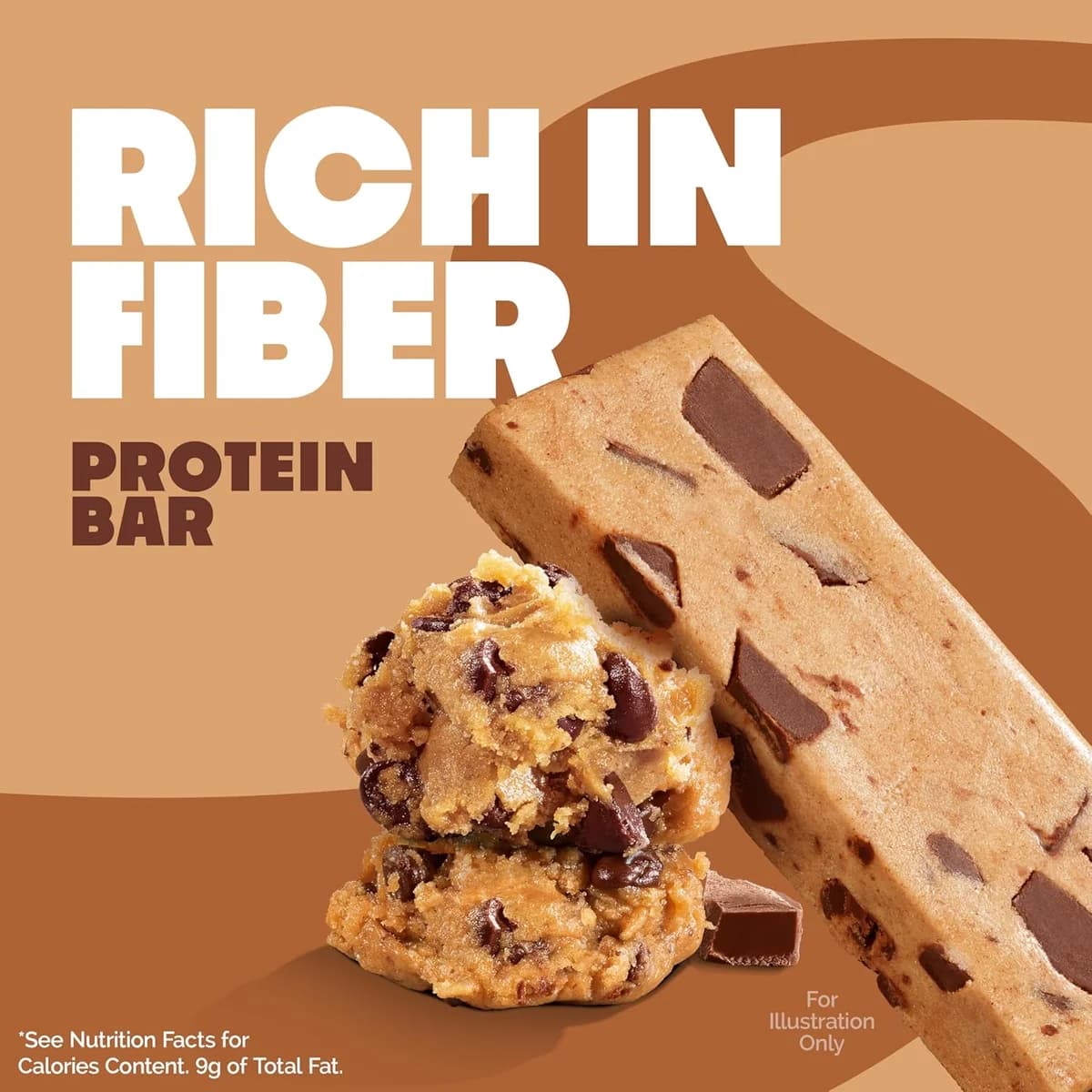
- •Promoted as high‑fiber for fullnessAbout 12 g fiber supports satiety
- •Dessert-like flavor profileMany reviewers praise cookie‑dough taste
- •Wide flavor lineup and availabilityMultiple flavors and retail channels
- •Designed for grab‑and‑go convenienceIndividually wrapped, shelf‑stable snack

Considerations
- •Texture and consistency variabilityBatches range soft to rock‑hard
- •Sweetener aftertaste and toleranceErythritol/stevia/sucralose produce cooling aftertaste
- •Freshness and shipment sensitivityShipping/warehouse conditions can affect quality
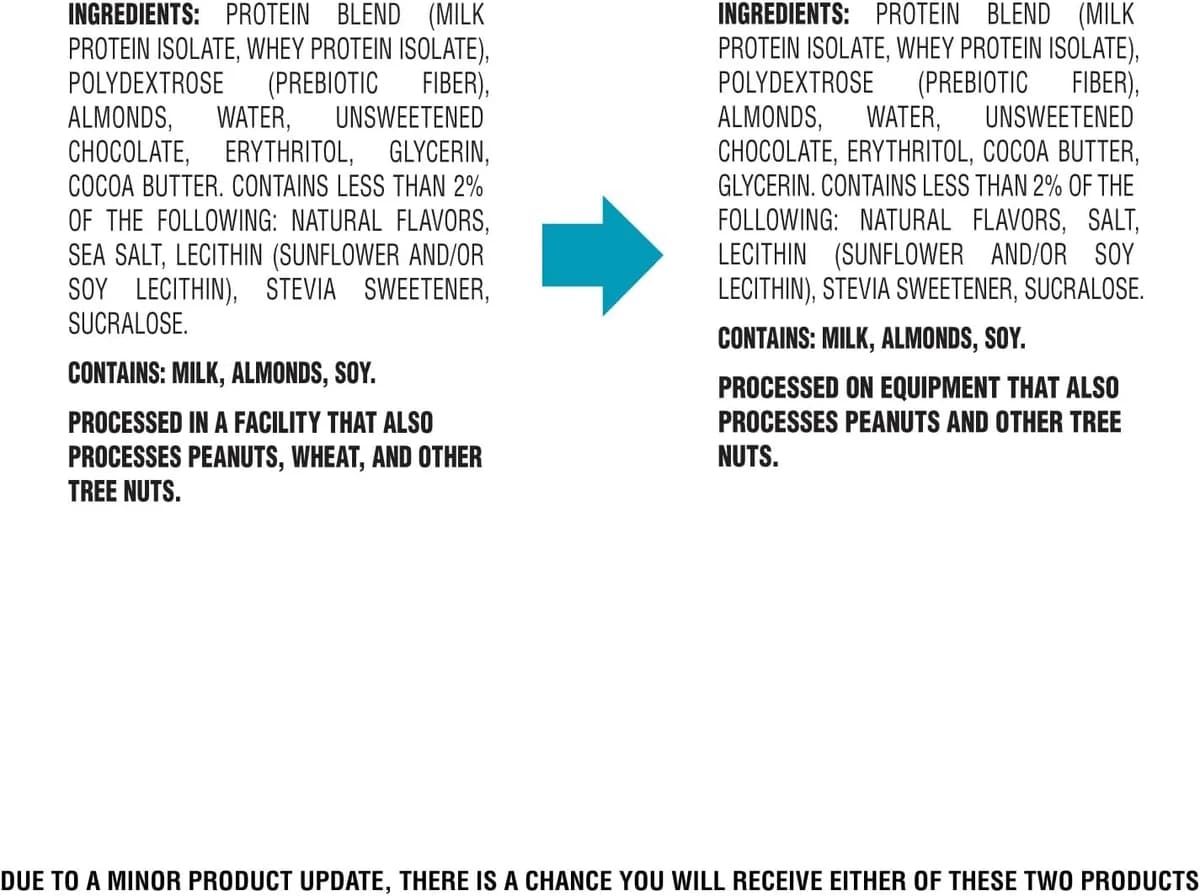
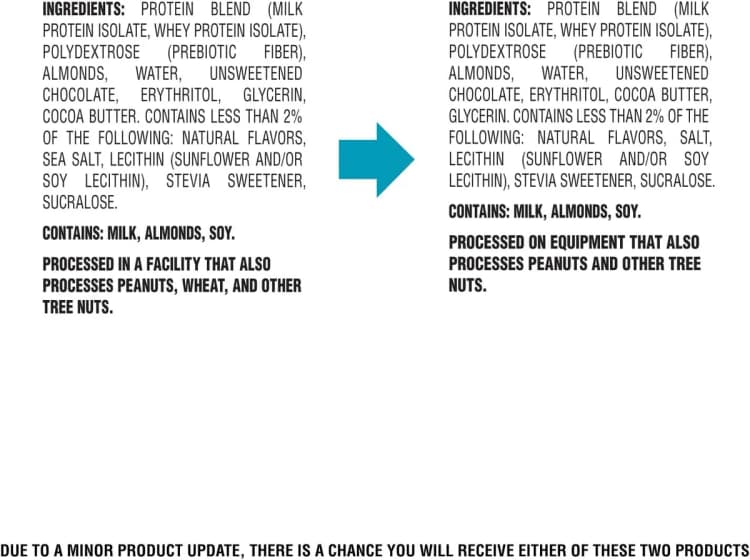
- •Processed ingredients and allergen risksContains dairy, almonds; reformulation may include soy
- •Mixed value perceptionSome find price high versus alternatives
- •Not a complete meal replacementLimited micronutrients compared with whole foods
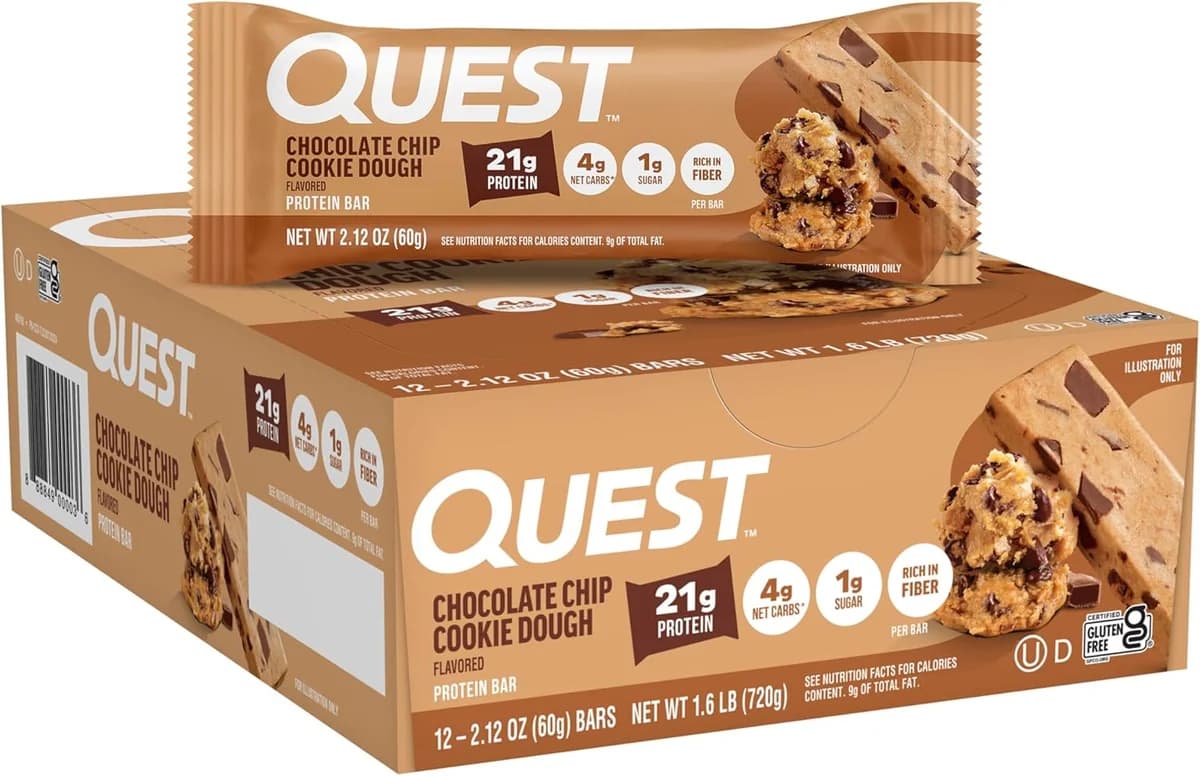
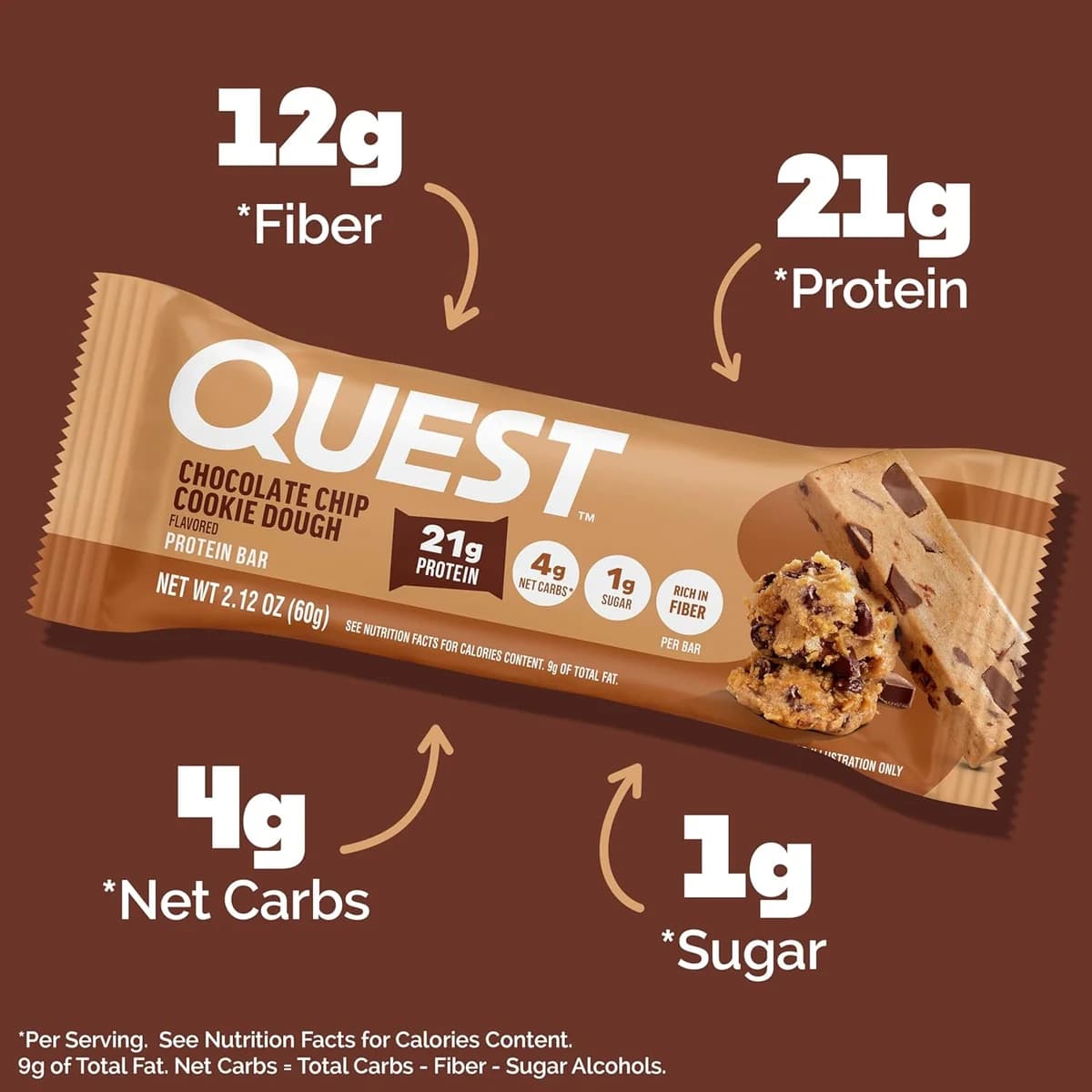
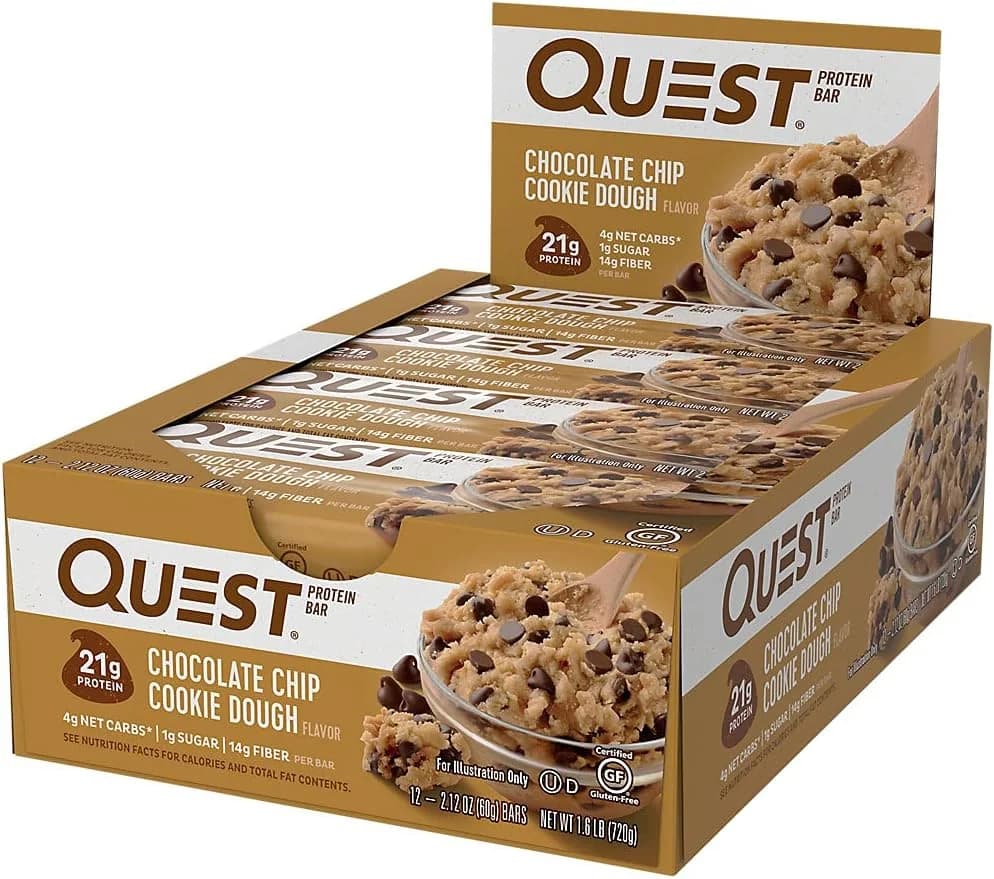
Quest’s signature high‑protein snack arrives as a candy‑bar‑meets‑nutrition‑bar: a mainstream favorite from a brand known for targeting low‑carb and fitness‑minded shoppers. Designed for post‑workout recovery, between‑meal satiety, or a quick keto‑friendly treat, it touts ~20–21 g complete dairy protein, ~4 g net carbs, and ~12 g fiber—macros that set it apart from sugar‑heavy bars and cheaper knockoffs. Reviewers and dietitians praise the flavor lineup and portability but flag texture and ingredient trade‑offs, especially the use of erythritol/stevia/sucralose, polydextrose (prebiotic fiber), and occasional soy lecithin/soybean oil reformulations. If you’re a gym regular, low‑carb eater, or busy professional chasing macro targets, this is built for you—just check batch freshness and sweetener tolerance. Read on for a measured look at chew, protein quality, carb math, fiber effects, allergens and storage quirks—because taste and tolerance matter as much as the label.
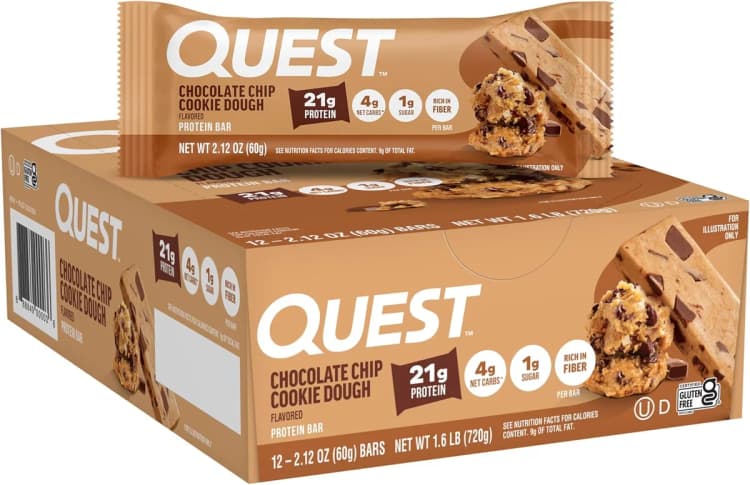
Freshness and shelf/storage stability
Shelf-stable on paper but fickle in practice: many get moist, fresh bars, yet complaints about stale or hard boxes pop up—warehouse temperature, shipping, and age appear to influence outcomes. Reviewer remedies (microwave/air-fry) often revive texture, but returns and inconsistent batches dent confidence. The packaging and best-by dates matter; buy from reputable sellers or multi-packs on sale, and consider the brand's reformulation notes if you’re sensitive to subtle flavor shifts near the end of the ingredient list.
Fiber content and prebiotic source
Quest stacks bars with ~12 g fiber using polydextrose and soluble fibers to blunt carbs and boost fullness, which reviewers say curbs appetite for hours. The prebiotic fiber helps net-carb math, but clinicians and users warn about bloating and gas for sensitive stomachs or heavy consumption; some keto testers note ketone dips are modest. It's a high-fiber advantage for satiety and blood-glucose control, with a clear digestive trade-off to consider before daily use.
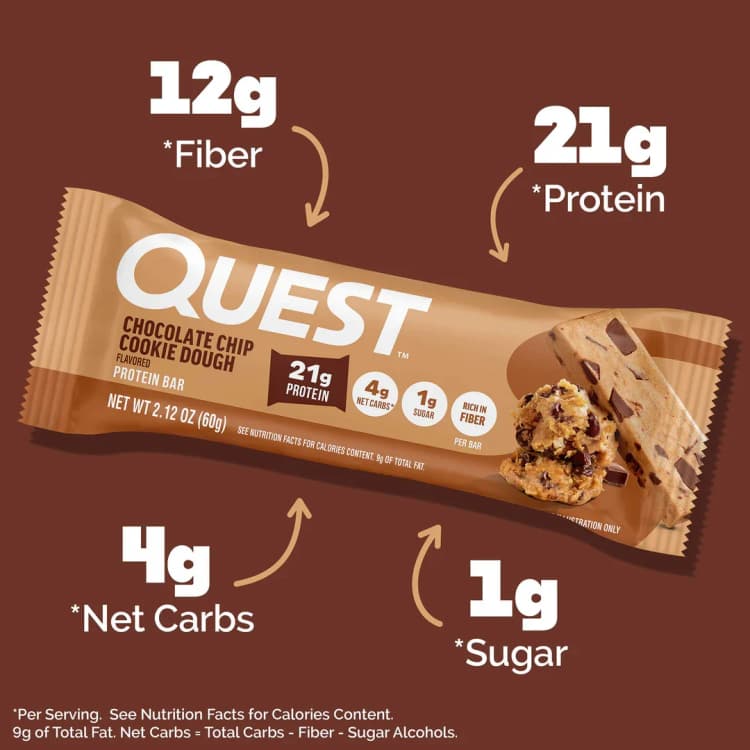
Protein content and quality
Quest delivers the headline: about 20–21 g of complete dairy-based protein per bar from whey and milk protein isolates, which genuinely supports post-workout repair and satiety claims. Lab-style macro checks and expert reviews back the protein numbers, making these bars reliable compared with sugar-forward alternatives. If you're tracking muscle-repair math, the protein blend performs; if you need plant-based or low-dairy, note the milk-derived sources and allergen caveats near the end of the label.
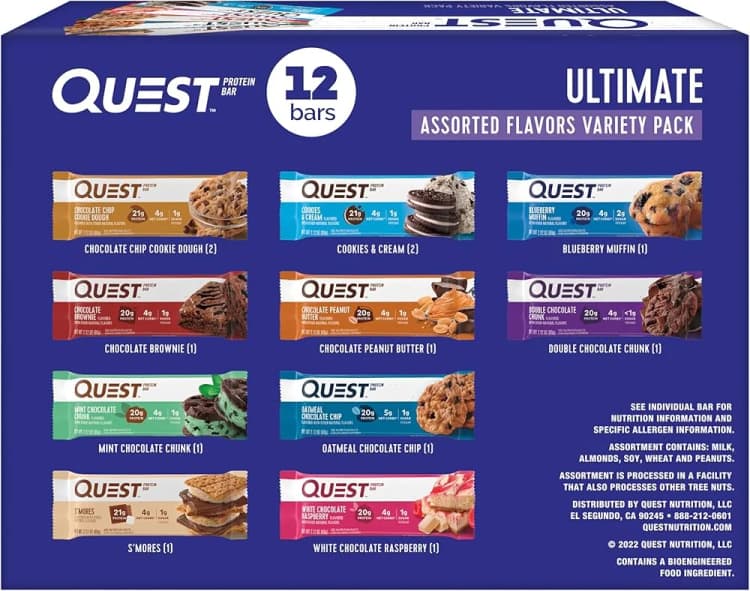
Ingredient composition and allergen presence
Labels read like a practical science project: milk protein isolate, whey isolate, polydextrose, erythritol, stevia, sucralose and nut pieces—effective but processed. Reformulations may add soy lecithin/soybean oil, and packaging flags almonds, milk, and potential peanut/tree-nut cross-contact, so allergy-aware shoppers should be cautious. Experts applaud the macro-driven choices; critics prefer whole-food snacks. Bottom line: great for protein-first diets, less ideal for ingredient-purity purists or strict allergen avoidance.
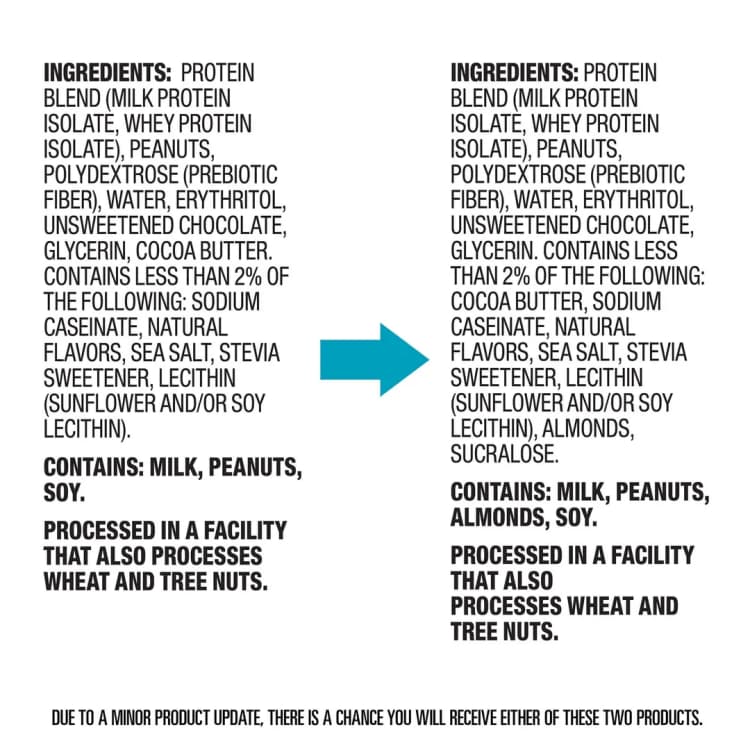
Net carbs and sugar (macronutrient profile)
These bars hit keto-friendly targets: roughly 4 g net carbs and under 1–2 g sugar, achieved by pairing fiber with sugar alcohols like erythritol and sweeteners such as stevia and sucralose. That combo keeps blood-sugar spikes low in practical tests, earning praise from glucose-focused reviewers, though some users report a cooling, sugar-alcohol aftertaste and digestive trade-offs if eaten daily. For carb control and macro tracking, the label aligns with real-world results—taste and tolerance vary.
Texture and consistency
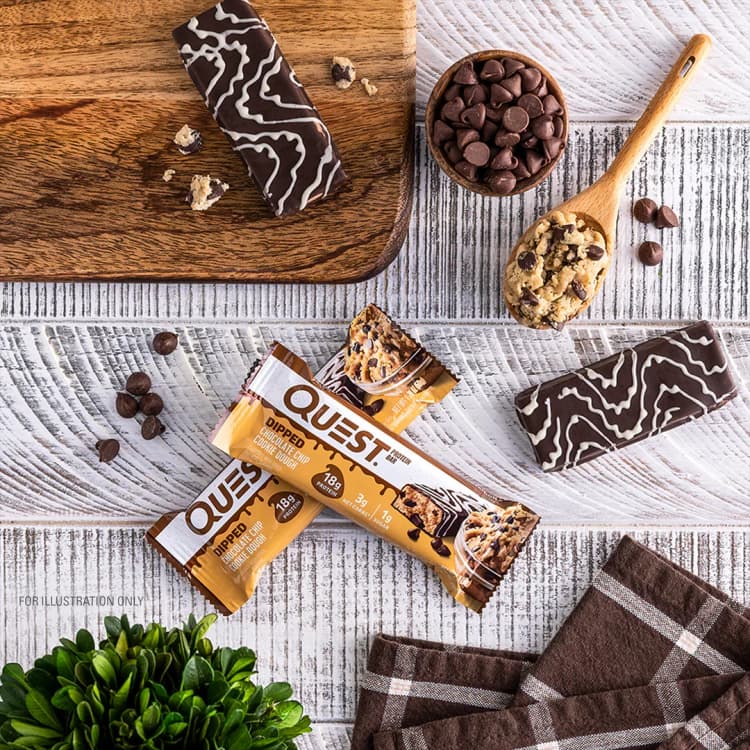
These bars court controversy: Quest markets a soft, chewy bite studded with chips, and reviewers confirm a pleasingly dessert-like mouthfeel—until a shipment lands that's rock-hard, chalky, or crumbly. The culprit seems storage, batch variation, and reformulation ingredients like polydextrose and glycerin that affect moisture; warming 10–15s often rescues the chew. Experts praise the intended texture, users flag inconsistency, and the simple fix (microwave or warm) is a legit lifehack for restoring freshness and a palatable chewy finish.
Conclusion
Think of this as a trade‑off: you get serious macros with a few caveats worth remembering. The bars deliver 20–21 g complete dairy protein that genuinely helps recovery, and their very low net‑carb, low‑sugar profile keeps blood sugar calm. The hefty ~12 g fiber (polydextrose) doubles as appetite control and a digestive wildcard for sensitive stomachs. Texture can swing from pillowy to problematic—store and ship conditions matter—so expect batch-to-batch consistency to be hit or miss. Ingredient-wise, the label reads functional: isolates, erythritol, stevia, and occasional soy additions—clear wins for macros but not for ingredient purists, so note the allergen flags. If you prize portable protein and keto-friendly math, these are a smart grab; if you prioritize whole foods or zero sweeteners, pass. Overall: dependable protein utility with occasional mouthfeel and freshness trade‑offs—worth buying thoughtfully. Microwave tip: warm 10–15s. Best for: gym-goers and low‑carb snackers.

Feature Scores
This reflects reviews and ratings from established critics, journalists, and users who have evaluated the item. Their opinions provide a comprehensive assessment.
Performance
Protein Content
5/5
Satiety
4/5
Taste Consistency
3/5
Shelf Life
3/5
Texture Quality
3/5
Value
Price Per Serving
4/5
Nutrient Density Value
4/5
Pack Quantity Options
4/5
Design
Packaging Convenience
5/5
Portability
5/5
Brand Aesthetic
4/5
Health
Ingredient Quality
3/5
Added Sugar
5/5
Allergen Information
4/5
Fiber Content
5/5
Micronutrient Fortification
2/5
Safety
Food Safety Compliance
4/5
Allergen Cross-Contact Controls
3/5
Expiration Labeling Accuracy
4/5
Sustainability
Packaging Recyclability
2/5
Sustainable Ingredient Sourcing
1/5
Waste Minimization
2/5
Experience Style
Flavor Variety
5/5
Dietary Specialty Options
4/5
Convenience of Use
5/5

Specifications
This section outlines the product's key facts, covering essential features, details, dimensions, materials, and any unique characteristics that define its functionality and usability.
Performance
Value
Design
Safety
Experience Style

Frequently Asked Questions
4 Questions

Also Consider
10 Options