Razer BlackShark V3 Pro
Competitive-grade low-latency wireless, strong spatial sound and long battery—mic and ANC may need tweaks.
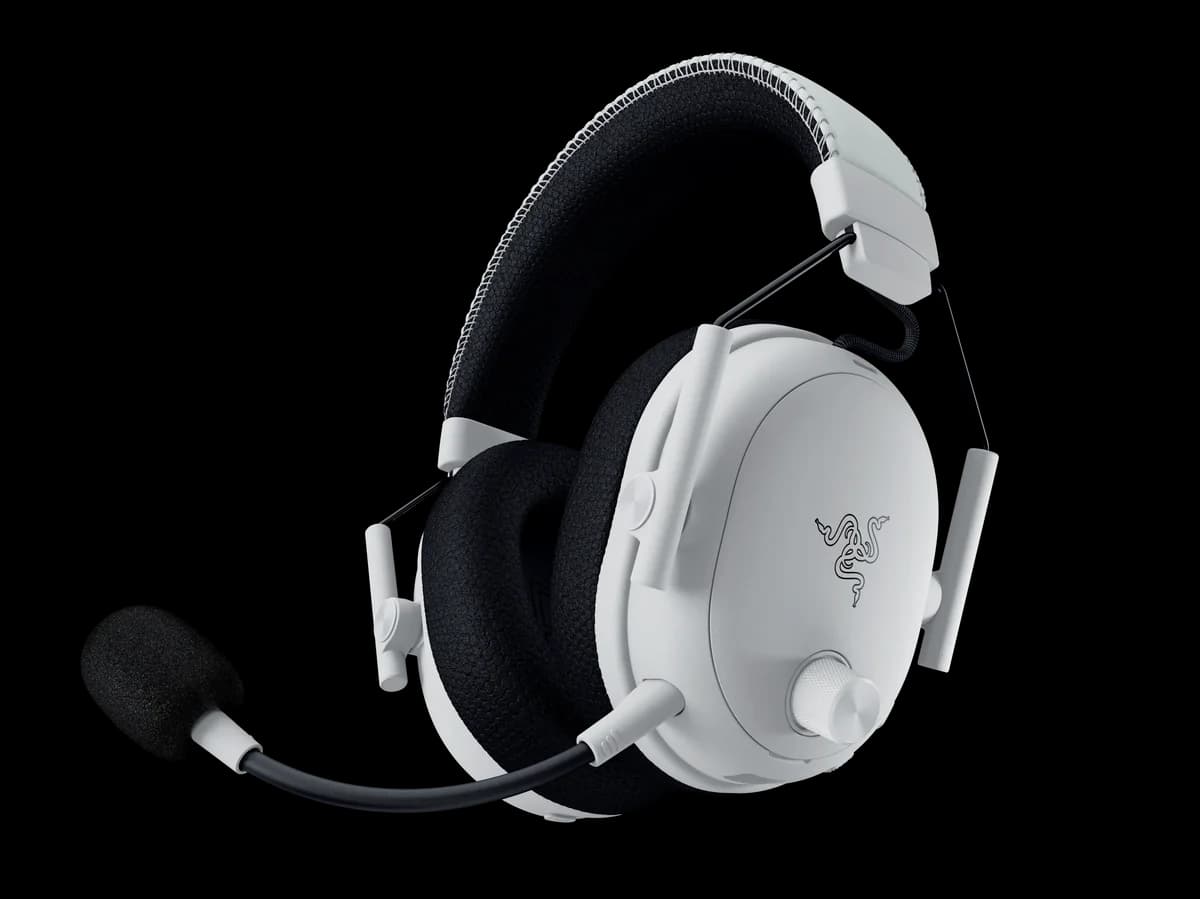
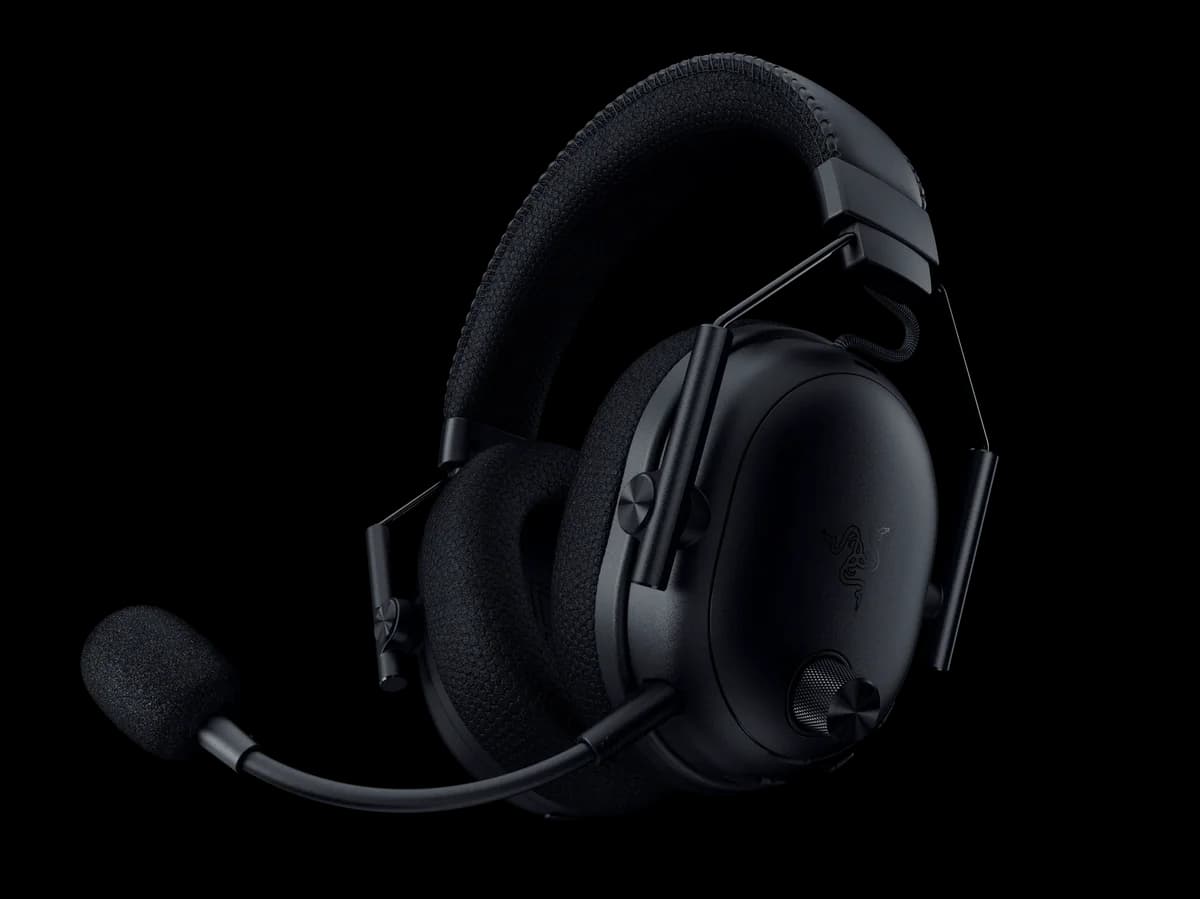
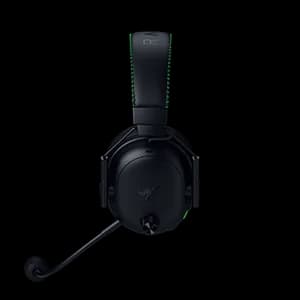
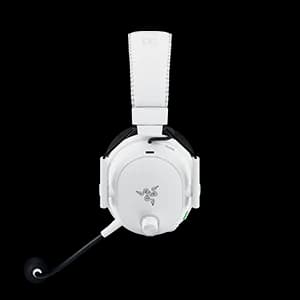
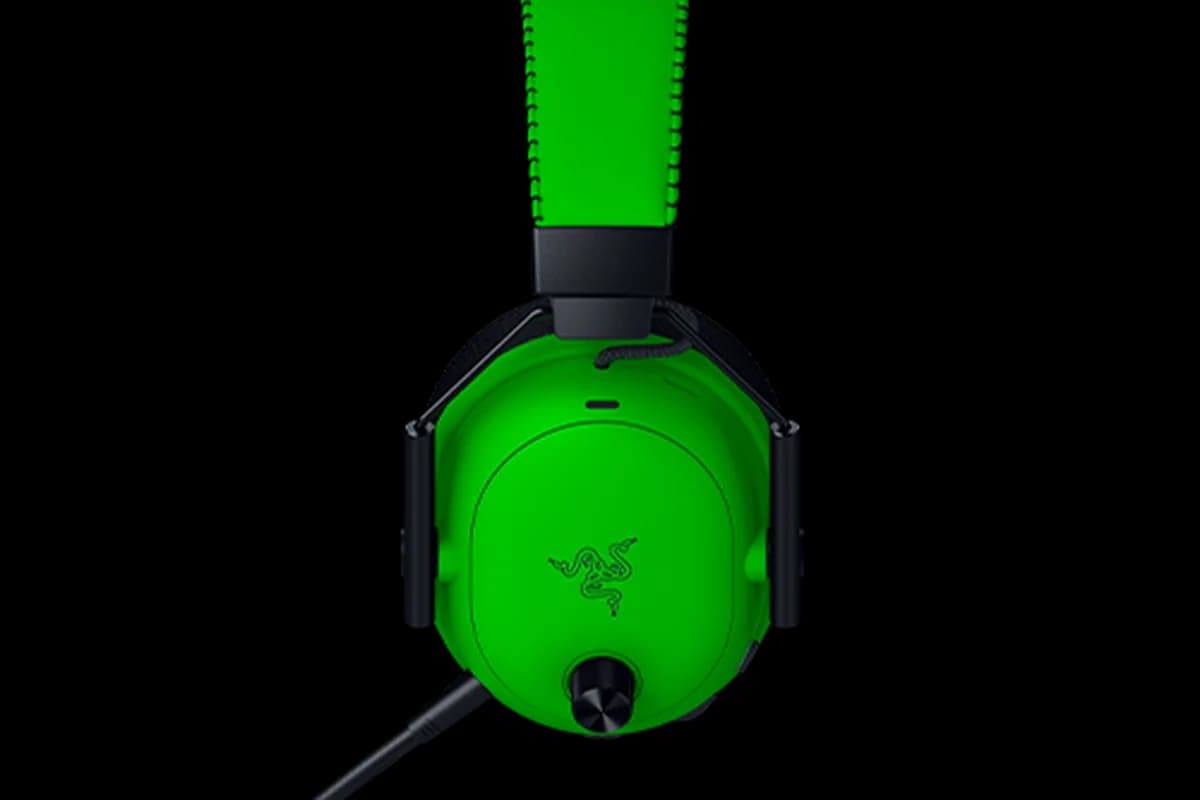
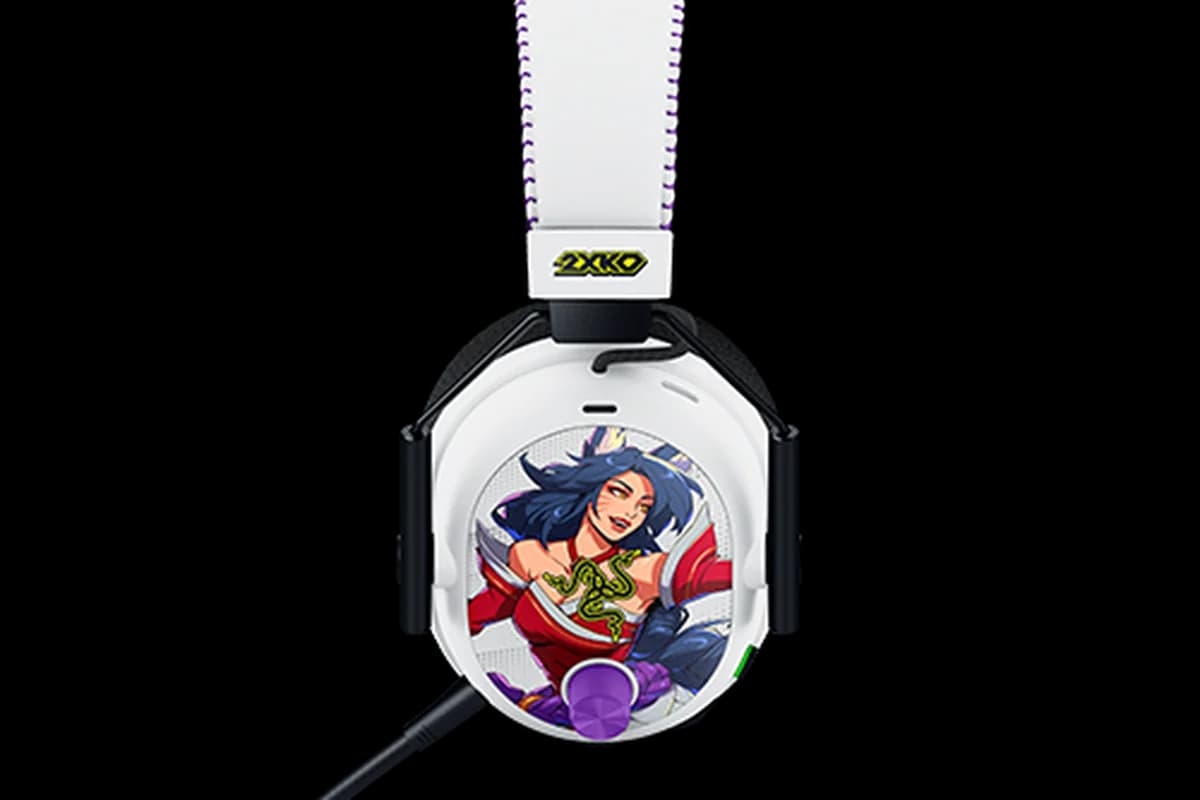
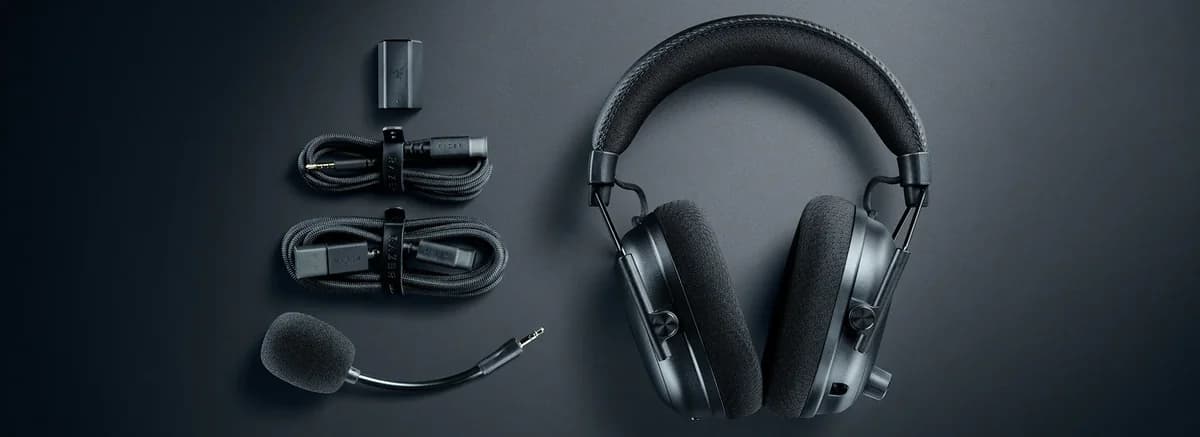
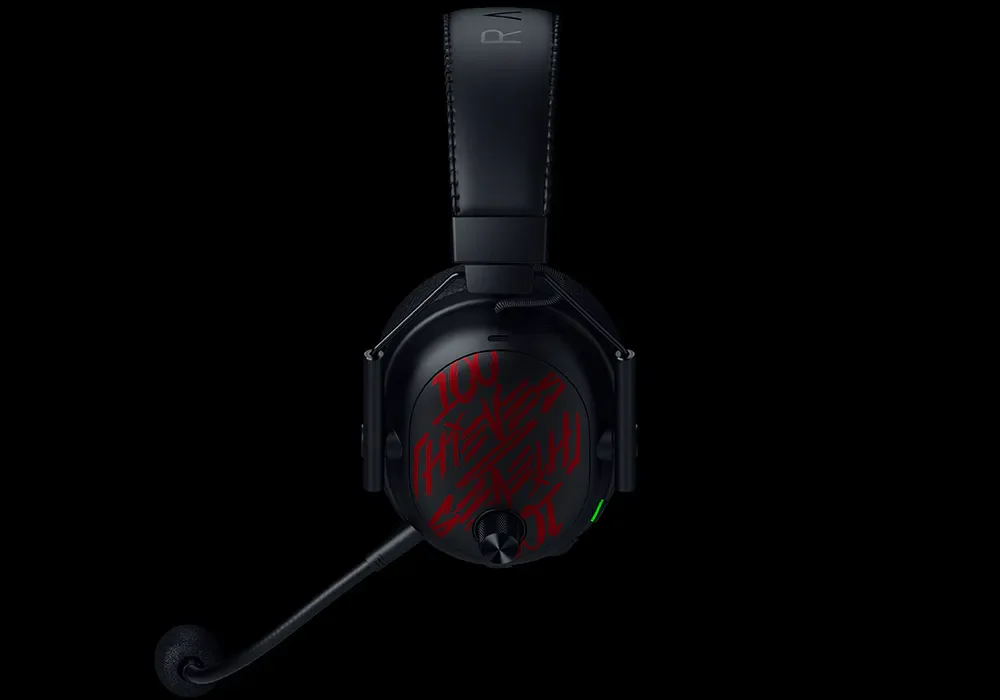
The Razer BlackShark V3 Pro is the gaming headset that tries to be your competitive edge, packing ultra-low latency HyperSpeed wireless and TriForce Bio‑Cellulose 50mm drivers to make footsteps and directionality satisfyingly precise for esports players and serious streamers who need tight audio timing. Experts praise its battery life and spatial tuning while some users and reviewers flag that the HyperClear full‑band mic can sound uneven without Synapse processing and that the advertised hybrid ANC depends on a good seal, so brand claims are partially supported but not guaranteed for every setup. It costs premium money, but if you value low lag, long runtime and multipoint convenience the headset can be worth it, though intermittent connectivity and mic quirks temper the overall recommendation.
Find Yours
What kind of sound profile do you prefer in your over-ear headphones?
Answer to find your best matches.

The Field
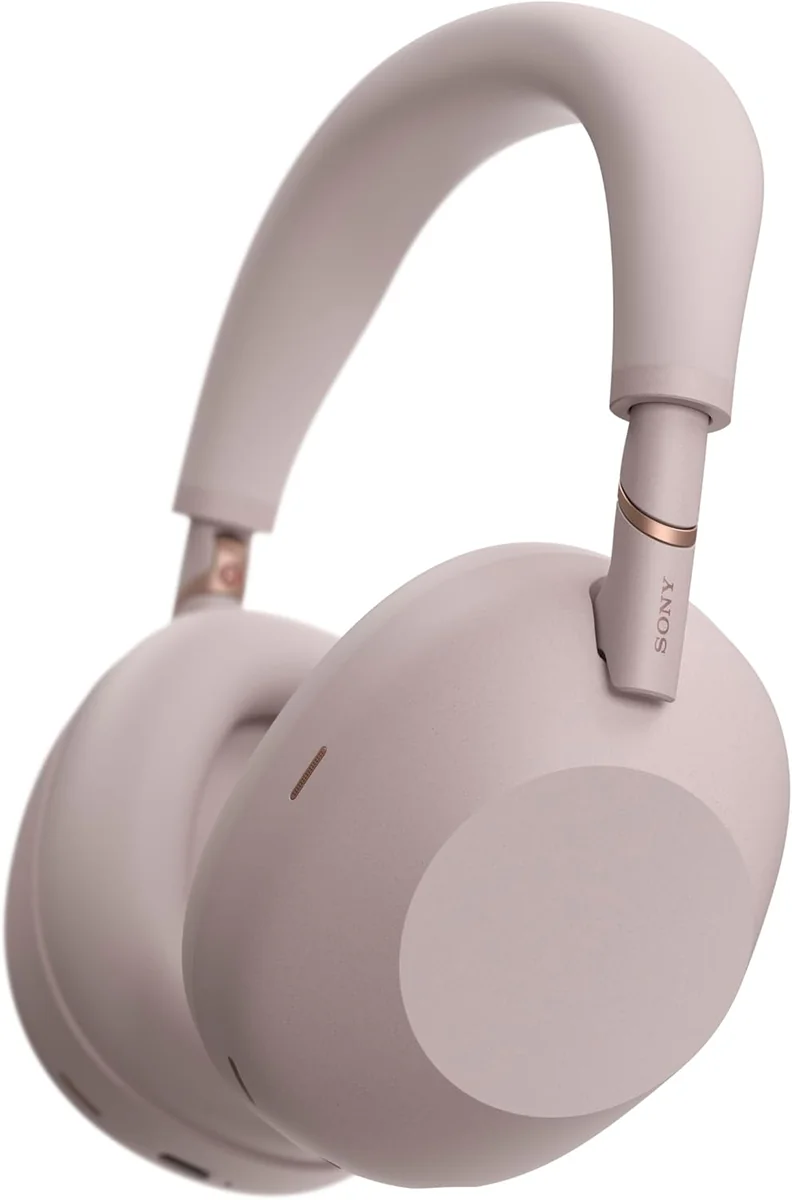
Browse top contenders, or compare all options ranked by score and key attributes.
5 Options




The Scoreboard
Does this improve your life? Considers, health, habits, and environmental impact.
Benefits
10 ms HyperSpeed wireless keeps in-game sounds tightly synced for competitive reactions.
Dual-layer FlowKnit memory foam cushions stay breathable and soft during long gaming sessions.
Up to 70 hours reduces charging interruptions so sessions and travel go uninterrupted.
Simultaneous 2.4GHz and Bluetooth lets you game and take phone calls without switching.
Hybrid ANC and snug earcups help block household noise so you can concentrate.
Large 12mm microphone captures clear shotcalls and is removable for streaming flexibility.
Trade-Offs
Headset weight presses on ears/head during long sessions, causing soreness and warmth.
Mic sometimes sounds muffled or inconsistent on voice chats, making teammates miss details.
2.4GHz/Bluetooth glitches cause brief audio cuts mid-game or during calls, breaking flow.
ANC effectiveness drops with glasses, long hair, or loose fit, letting distractions through.
 Alternatives


Join the Circle
Where real meets deal
Know what's worth buying-and when.
Tips, special offers, and rewards for buying and sharing.

Publications
10 LEADING PUBLICATION REVIEWS

Adam Birney at SoundGuys is cautiously positive about the BlackShark V3 Pro. He praises its class-leading 10ms wireless latency, precise positional audio, THX spatial features, long battery life, and useful customization (removable battery, pro EQs), making it a strong pick for competitive FPS players. But he’s reserved: persistent fit problems from the yoke design, annoying treble distortion and sibilance out of the box, and uneven ANC performance (partly due to seal issues) keep it from being a broadly great premium headset. The mic is improved on paper but sounded muffled without EQ tweaks, and several music/movie presets actually worsen distortion. In short, Birney recommends this as a specialized competitive tool for esports enthusiasts who are willing to tweak EQ and tolerate fit quirks, rather than a one-size-fits-all premium headphone.
By Adam Birney
RTINGS' review is overall positive but measured. The BlackShark V3 Pro impresses with long battery life, low-latency wireless, a very good boom mic, and usable ANC, making it a strong pick for gaming, office calls, and casual travel; the V-shaped tuning and well-matched drivers give punchy, immersive game audio and reliable stereo imaging. However, the reviewer repeatedly cautions about inconsistent bass and sound shifts for people with long hair, larger heads, or glasses, and calls the cups too bulky for strenuous workouts and not class-leading for ANC versus top noise-cancelling rivals. Comparisons place it competitively against SteelSeries and Audeze—better battery and stereo matching, but a bit behind in build consistency and mic on some rivals—so the tone is approving yet balanced: a capable, value-oriented premium gaming headset with a few real-world caveats.
By Dagobiet Morales Alfaro
TechRadar’s Phil Iwaniuk is clearly impressed overall. He calls the BlackShark V3 Pro an easy recommendation: it keeps the V2’s comfort, build and sound, adds useful hardware like a chat-mix wheel and smoother hinges, and (crucially) brings ANC without wrecking the package. The reviewer praises booming but precise audio, excellent battery life, and a reliable mic, while flagging realistic caveats — cloth earcups slightly limit ANC potency and the HyperSpeed dongle’s wired setup is awkward. Testing across PC, consoles and mobile, including commutes and long sessions, Phil frames the V3 Pro as a versatile, premium gaming headset that’s worth the roughly $50 ANC premium if you need noise isolation, but not essential for V2 owners or bargain hunters.
By Phil Iwaniuk
Tom's Guide’s Nikita Achanta is clearly impressed and enthusiastic about the BlackShark V3 Pro. She praises its cinematic, detailed sound, industry-leading low latency, effective ANC, long battery life and exceptional comfort—calling it the best mid-range/pro-level gaming headset she’s tested—while only grumbling about a slightly annoying dongle and the premium price. Her testing across multiple games (stealth, racing, and orchestral titles), hands-on mic recordings, and app-based EQ tweaks give the praise weight: the headset shines in real gaming scenarios, offers useful customization (including a footstep-boosting roller), and justifies its cost compared with pricier rivals. Overall the review reads as a strong, confident recommendation for gamers who want top-tier audio, comfort, and features and are willing to pay for them.
By Nikita Achanta
WIRED’s Brad Bourque is genuinely impressed overall. He praises the BlackShark V3 Pro for its exceptional spatial audio, top-tier boom mic, strong ANC and long battery life, calling it a pro-level headset that also works for serious casuals — especially when positional precision matters. He flags trade-offs: it’s bulky and heavier than rivals, a little overkill for low-key games or outdoor use, and its gaming-focused design and sharper mic won’t suit everyone. He also appreciates the deep Synapse app controls but notes the software’s extra virtual audio outputs can be fiddly. At $250 it’s a premium pick aimed at competitive players who want detailed, isolating sound and configurable mic processing; Bourque likes them enough to keep using them, even if they won’t magically improve his rank.
By Brad Bourque
PCMag’s Aubrey Jowers is clearly impressed. The review praises the Blackshark V3 Pro as a top-tier wireless gaming headset that upgrades the series with effective ANC, excellent audio (once you tweak the EQ), and a very clear detachable mic—while undercutting pricier rivals. Jowers applauds comfort, build quality, clever controls, dual wireless connections (Bluetooth + 2.4GHz), and robust software customization, and gives concrete impressions from music and game tests that show strong bass, clear highs, and accurate spatial cues. Criticisms are mild and measured: default EQ is hollow until adjusted, some spatial-audio presets clash with Esports modes, and it lacks premium extras like dual batteries or an OLED base. Overall the tone is enthusiastic and confident: this is the best Blackshark yet and an easy Editors’ Choice at its price.
By Aubrey Jowers
Trusted Reviews' Reece Bithrey is cautiously positive about the BlackShark V3 Pro. He praises its lightweight comfort, superb directionality and wide soundstage—making it especially strong for FPS games—and likes the new TriForce drivers, improved connectivity (Bluetooth 5.3 and low‑latency HyperSpeed Gen‑2), and easy Synapse software. Criticisms are measured: ANC is only modest compared with rivals, battery life hasn’t improved over the previous model (and drops with ANC/low‑latency enabled), and treble can get harsh at high volumes without EQ tweaks. Overall he views it as a meaningful upgrade over the V2 Pro that’s pricey but compelling for players who prioritize precision and immersion rather than class‑leading noise cancellation or dramatic battery gains.
By Reece Bithrey
Tom's Hardware's Sarah Jacobsson Purewal is cautiously positive about the BlackShark V3 Pro. She likes the comfortable, familiar BlackShark design and praises the headset’s standout connectivity—simultaneous 2.4GHz and Bluetooth, USB-C and analog, plus useful dual-audio mixing and solid battery life—but the enthusiasm is tempered: audio highs can distort (making it a poor music choice), and the new boom mic underperforms compared with the V2 Pro, sounding muffled even after firmware tweaks. She appreciates ANC and fine Synapse software controls, but notes quirky physical details (sliding earcups, confusing mute switch) and the $250 price, arguing many gamers might prefer the older V2 Pro for better sound and value. Overall, it’s a capable, feature-packed flagship that falls short where it matters most: clean audio reproduction and mic quality.
By Sarah Jacobsson Purewal
Windows Central’s Zachary Boddy is clearly enthusiastic about the BlackShark V3 Pro and calls it an easy, well-earned recommendation. He praises Razer for addressing past faults—improved TriForce drivers, HyperSpeed Wireless Gen‑2, a bigger mic, refined ergonomics, ANC, and cross‑platform support—calling it the best wireless gaming headset for PC, Xbox, and PlayStation and worth the $50 price hike. He balances that with measured caveats: it’s heavier, battery life can shrink if you use all features, occasional high‑frequency distortion with ANC on, and brief audio glitches when switching profiles. Unique takeaways are the competitive focus (10 ms latency claim), useful onboard memory for profiles, and swappable magnetic faceplates. Overall the tone is raving but grounded: this is a near‑complete refinement of the BlackShark line that’s excellent for competitive gamers and broadly appealing, even if not perfect.
By Zachary Boddy
PC Gamer’s Dave James is broadly positive about the BlackShark V3 Pro. He praises Razer’s upgraded Gen‑2 TriForce drivers for markedly clearer, more separated audio and stronger bass, calling the sound a real step up from earlier BlackShark models, but tempers that enthusiasm with clear reservations about the headset’s hybrid ANC and value proposition. The ANC, heavier memory‑foam cups, and a shift toward a more closed, slightly fatiguing sound make long sessions less comfortable, and James repeatedly argues the non‑Pro BlackShark V3 offers nearly the same great audio, lower weight, and better bang for your buck — so unless you really need ANC, he leans toward recommending the cheaper model over the Pro.
By Dave James

YouTube
18 LEADING EXPERT & INFLUENCER REVIEWS
 Hardware Canucks
Dimitri is cautiously disappointed. He praises the V3 Pro’s improved sound, comfort, ANC, battery and simultaneous 2.4GHz+Bluetooth, but says the new 12mm HyperClear mic—despite higher bandwidth—sounds worse than the V2 Pro and needs aggressive EQ/firmware tweaks; he also reports intermittent connection, USB/dongle quirks, and unintuitive controls. He likes build upgrades and on-headset EQ/footstep presets, but recurring reliability and tuning issues leave him unable to recommend it at $249 yet, especially with strong alternatives like the Pro X 2 and ROG Delta II available.
BadSeed TechBadSeed Tech is cautiously positive about the BlackShark V3 Pro. He praises comfort, Hybrid ANC, Gen‑2 HyperSpeed low‑latency wireless, simultaneous Bluetooth, and flexible connectivity, calling the feature set impressive for the price, but flags heavier weight, dongle placement, occasional Synapse/connectivity hiccups, and tuning that’s very V‑shaped. He found the new 12mm mic cleaner but “stuffy” compared with the V2’s character, and recommends EQ tweaks for competitive play; overall he sees strong potential if Razer smooths firmware, but suggests waiting for updates before treating it as a finished, flawless package.
GadgetryTechJoe from GadgetryTech is clearly enthusiastic about the BlackShark V3 Pro. He praises its exhaustive feature set—HyperSpeed Gen‑2 low‑latency dongle, TriForce Bio‑Cellulose 50mm drivers, hybrid ANC, simultaneous Bluetooth, onboard EQ, swappable plates and user‑serviceable battery—calling it comfortable, well‑built, and impressively versatile for both competitive and immersive gaming. He flags a few real caveats: ANC hiss/thumpy sensation in dead silence, mic tone differences versus the V2 Pro, and slightly optimistic battery figures, but overall says it’s one of the most well‑rounded $250 headsets and a frontrunner he’s enjoyed using.
The TechneThe Techne is clearly impressed and enthusiastic about the BlackShark V3 Pro. He praises the improved build (metal brackets, dampeners, swivel), comfort, extensive features (simultaneous 2.4 GHz + Bluetooth 5.3, THX, app control, ANC, game/chat wheel) and tunable Gen‑2 TriForce drivers—calling sound fuller, tweakable, and great for both immersive console play and PC FPS with EQ tweaks. Criticisms are minor: heavier than V2, dongle form factor, wish the game/chat wheel could control Bluetooth volume, and ANC is good but not industry-leading; overall he recommends it as a worthwhile premium upgrade.
IGNIGN is clearly impressed and recommends the BlackShark V3 Pro. The review praises its refined Gen‑2 50mm drivers, strong Hybrid ANC, long battery life, comfortable FlowKnit memory‑foam pads, and very low 2.4 GHz latency, calling it one of Razer’s best headsets, while noting Synapse is finicky and the boom mic is slightly degraded versus prior models; overall IGN frames it as a premium, well‑crafted esports headset worth the $250 if you value positional sound and comfort despite a few minor tradeoffs.
randomfrankpRandomFrankP is lukewarm about the BlackShark V3 Pro. He praises the new Gen‑2 50mm drivers, improved imaging, THX surround and flexible connectivity, but criticizes weaker ANC and a surprising mic downgrade versus the V2 Pro; Synapse customization helps, yet he doesn't value simultaneous Bluetooth/2.4GHz. Visually and comfort-wise it’s solid with useful hinge and plate changes, but reliability and a $100 upgrade premium don't justify it for him—he’d stick with the V2 Pro or cheaper alternatives. Overall honest, measured skepticism from long-term BlackShark experience.
CJKnowsTECHCJKnowsTECH comes away clearly impressed. He praises the BlackShark V3 Pro’s mic, Gen‑2 50mm drivers, THX spatial modes, simultaneous 2.4GHz/Bluetooth, ANC, comfort, and competitive low‑latency feel—saying audio cues and sidetone are standout features—and would pay the $249.99 price. He discloses limited long‑term testing and wants further comparisons, but otherwise describes a very positive, enthusiastic hands‑on experience with only mild caveats about needing more time and broader testing.
Digital CynicsBlake is cautiously positive about the Razer BlackShark V3 Pro. He’s used it daily for a month and praises comfort, battery life, and the handy dual-audio (2.4 GHz + Bluetooth) feature, but criticizes the practically non-existent ANC and questions whether the mic truly bests the V2 Pro. His mic side-by-side testing finds both mics very similar after updates, making the V3’s other perks—longer battery and connectivity—its main selling points; he recommends V2 for value or simplicity, and V3 for bells-and-whistles buyers who want better battery and multipoint convenience.
GivemChillsGivemChills is enthusiastic — he calls the BlackShark V3 Pro a clear upgrade over the V2 and recommends it for serious gamers. He praises the sturdier build, improved FlowKnit memory-foam comfort, Gen‑2 TriForce/50mm driver clarity, THX 7.1.4 spatial improvements, detachable 12mm HyperClear mic, effective hybrid ANC, dual 2.4GHz+Bluetooth connectivity, on-headset EQ storage, and long battery life. He notes it’s slightly heavier and pricier at $249, but argues the feature set justifies the cost for competitive play and streaming, framing the headset as Razer’s best BlackShark yet.
TechteamGBTechteamGB liked the BlackShark V3 Pro overall and found it a strong, esports-focused headset with a few caveats. He praised the plush comfort, THX spatial audio and 10ms HyperSpeed performance for competitive games, and liked the customizable Synapse profiles and long battery life, but called the audio “good, not exceptional” for music/video and criticized some awkward controls, limited dial customization, non-folding earcups, occasional mic quirks (he preferred the broadcast EQ), and higher price. His tone is positive but measured: impressed for gaming, less convinced for general listening or buyers prioritizing flawless mic/reliability.
WasabiWasabi says he’s underwhelmed. After a month with the BlackShark V3 Pro he praises battery life, versatile 2.4 GHz + Bluetooth simultaneous connectivity, and improved bass/clarity, but calls the headset heavy, warm, and plagued by intermittent 2.4 GHz dropouts; he also finds the Hybrid ANC weak, THX spatial audio fatiguing, magnetic covers gimmicky, and the HyperClear full-band mic only marginally different from the V2 Pro. His verdict: not worth the $250 MSRP unless deeply discounted, and owners of recent V2 variants should skip the upgrade.
ECPUECPU is broadly positive about the BlackShark V3 Pro. He praises the sturdy, esports-focused build, plush dual-layer cushions, Gen‑2 TriForce bio‑cellulose 50mm drivers, clean THX Spatial Audio, effective hybrid ANC, long battery life, and versatile multi‑connectivity, and says it gives a real competitive edge for FPS positional audio. He flags heat buildup from leatherette, above‑300g weight, overly bassy Synapse EQ presets, a bulky dongle and modest wireless bit-depth claims, but still calls it a “beast” worth switching to for gaming and everyday use. Overall enthusiastic with measured caveats.
Frame CountingFrame Counting is overall positive about the Razer BlackShark V3 Pro. He praises its comfort, clean 50mm-driven sound, long battery life, ultra-low 10ms HyperSpeed wireless, and handy simultaneous 2.4GHz + Bluetooth feature (calling it his “daily driver”), but flags annoyances: a split-second audio pause with the dongle, underwhelming ANC due to fabric earcups, loose adjustment rails, and loss of features in wired mode. His tone is enthusiastic but measured — he recommends it for gamers who value low latency, comfort, and multipoint audio while noting a few practical reliability and seal/ANC trade-offs.
CKidCKid is clearly impressed and upbeat about the BlackShark V3 Pro. He praises the sound—especially THX 7.1.4 spatial audio and positional cues for FPS—comfortable dual-layer cushions, useful on-headset EQ and customization, lightweight feel, and solid ANC for gaming noise. He flags ANC as good but not Apple-level and notes the headset is a bit heavy compared with very light alternatives; otherwise controls, replaceable plates, and low-latency HyperSpeed 2.4GHz shine. Overall CKid recommends the V3 Pro after 24 hours and plans a week follow-up, calling it worth the money so far.
Brandon TaylorBrandon Taylor is generally positive about the BlackShark V3 Pro. He praises comfort, strong positional audio for competitive shooters, effective hybrid ANC for desk noise, long battery life, and flexible Synapse EQ, and says the updated HyperClear mic firmware improved clarity; he flags the dongle necessity and slightly airy, less booming bass that makes it better for FPS than cinematic games. Overall he sees it as a worthy $250 esports-focused headset with a few trade-offs—excellent for competitive play, less ideal if you want punchy closed-back bass or a truly world-class ANC/mic for non-gaming use.
Tech Done CasualTech Done Casual is positive about the BlackShark V3 Pro. He praises build, long-session comfort, Gen‑2 TriForce 50mm drivers, excellent ANC, 7.1.4 positional audio, Synapse EQ and dual-device pairing, and calls the mic better than most headsets. He flags real downsides too: it’s heavier, detachable mic is less convenient than retractable designs, macOS Bluetooth sounds poor, and multi‑channel switching can be fiddly. Overall he thinks it’s a pro-grade, feature-packed $250 headset worth it for serious gamers, but overkill for casual players.
Mekel KasanovaMekel Kasanova is generally positive about the BlackShark V3 Pro. He praises its comfort, durable build, low-latency HyperSpeed wireless, strong positional sound, long battery life, and a very good detachable HyperClear mic; he calls it a practical, versatile headset across PC and consoles. His main caveats are that the hybrid ANC is weaker than premium noise-cancelling headphones and the headset is noticeably heavier than ultra-light esports models. Overall he recommends it for competitive gamers who want solid performance and features, while warning buyers who prioritize top-tier ANC or ultra-light weight.
The Amazing Content Lab - TACLabBen from TACLab is broadly positive about the BlackShark V3 Pro. He praises comfort, sound quality (including THX spatial), long battery and low‑latency dongle use, and finds the mic “pretty good” when using Synapse’s broadcast profile and mic-enhancements; he even records the video using the headset mic to demonstrate. He notes color/options and ease of controls, walks through Synapse tuning, and compares mics to other headsets. Overall tone is approving and practical—enthusiastic but measured—while acknowledging earlier criticisms of default mic presets and encouraging users to tweak settings for best results.

Social
3 INFLUENCER REVIEWS
 madelyn
Madelyn really liked the BlackShark V3 Pro and sounds genuinely impressed. She admits she usually prefers open-back headsets for FPS but the closed-back V3 Pro—especially its THX spatial/7.1-ish processing—let her pinpoint enemy footsteps in Fortnite, and she appreciated simultaneous 2.4 GHz and Bluetooth connections for phone calls while gaming. She still loves open-back sound in principle, but the comfort, looks (matches her white setup), and practical features shifted her opinion and left her open to more closed-back options.
NaksuNaksu is clearly hyped about the BlackShark V3 Pro and calls it a near-instant upgrade. They rave about the active noise cancellation, low 10ms latency, cross-platform wireless for PS5 and PC, and long-session comfort, even joking it replaced their old headset; they also lean into aesthetics like swappable front panels. Tone is enthusiastic and playful rather than technical, with no real downsides mentioned, so the clip reads like a personal endorsement from someone impressed by responsiveness, comfort, and convenience.
AyraTheAlpaca🦙AyraTheAlpaca sounds positive about the Razer BlackShark V3 Pro. She frames it as an upgrade over the V2 Pro, emphasizes immersive THX Spatial Audio (7.1.4) and wireless ANC, and demonstrates the mic briefly, giving an overall upbeat, impression-driven thumbs up. The short clip is more enthusiastic teaser than deep test—Ayra highlights clarity and performance but skips sustained comparisons, detailed measurements, or noted drawbacks. For viewers wanting a quick, favorable first look at the BlackShark V3 Pro’s sound and mic, her take is concise and encouraging.

Forum Reviews
CUSTOMER REVIEWS FROM 1 FORUM
Redditors are mostly mixed-to-positive about the BlackShark V3 Pro. Many praise comfort, low latency, battery life, and flexible wireless features (phone + PC, dongle), and some find the sound excellent for gaming and media once EQ'd. Criticisms are consistent: buggy Synapse/THX spatial audio, flaky ANC (level 4), coarse headset volume control tied to Windows, and complaints about mic quality and build durability from previous Razer models. Upgraders from V2/V2 Pro are split—some see modest improvements, others say the mic and software regressions make the jump hard to justify.
Many comments

In-Depth Review

Highlights
- •Precise positional soundClear, punchy drivers for FPS.
- •Ultra-low wireless latency≈10 ms RF responsiveness.
- •Marathon battery lifeUp to 70 hours per charge.
- •Dual wireless multipointPromoted as having simultaneous 2.4GHz and Bluetooth.

Considerations
- •Inconsistent microphone qualityTone and clarity vary without processing.
- •Connectivity reliability issuesBluetooth and dongle dropouts reported intermittently.
- •Seal-dependent ANCEffectiveness drops with glasses or loose fit.
- •Heavier than predecessorsNotable weight can cause warmth or soreness.
Razer’s BlackShark V3 Pro arrives as a refined esports headset from a brand known for gaming-first design and broad accessory ecosystems. Built to serve competitive players and serious streamers, its primary role is delivering razor‑sharp positional audio, near‑instant wireless responsiveness, and usable noise control across long sessions. In the pages that follow we’ll unpack how the TriForce Bio‑Cellulose 50mm drivers shape imaging and tonal balance, why the HyperSpeed 2.4 GHz ~10 ms link matters for twitch shooters, and what real-world users report about the HyperClear Full‑Band 12mm mic versus prior models. We’ll also examine the hybrid ANC and the seal‑dependent passive isolation, the tradeoffs of the plush FlowKnit memory‑foam pads and overall weight, and the practical reliability of simultaneous 2.4 GHz + Bluetooth multipoint connectivity. If you’re a competitive PC/console player, streamer, or someone who values long battery life and flexible wireless, these are the features that will decide the purchase—so read on to see which strengths hold up under scrutiny and which need tinkering.
Wireless latency
The wireless link is impressively responsive, offering around 10 ms HyperSpeed 2.4 GHz latency in RF mode for near‑instant in‑game feedback. Experts confirm this low latency gives a measurable edge in fast shooters and the dongle maintains priority audio over Bluetooth, yet a few users report occasional brief pauses or dongle quirks under some setups. For competitive gamers the RF dongle remains the recommended connection, and using wired USB‑C or the dongle will minimize lag compared with Bluetooth multipoint use.
Comfort and build
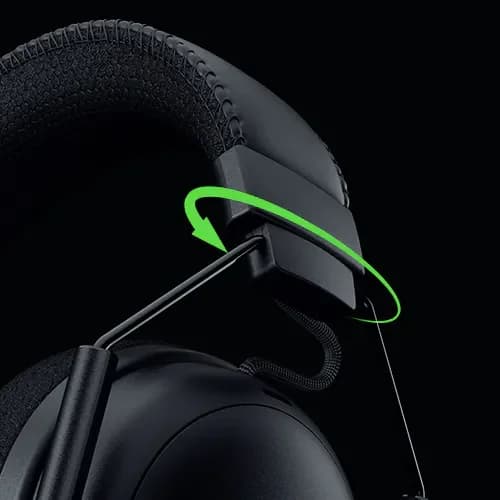
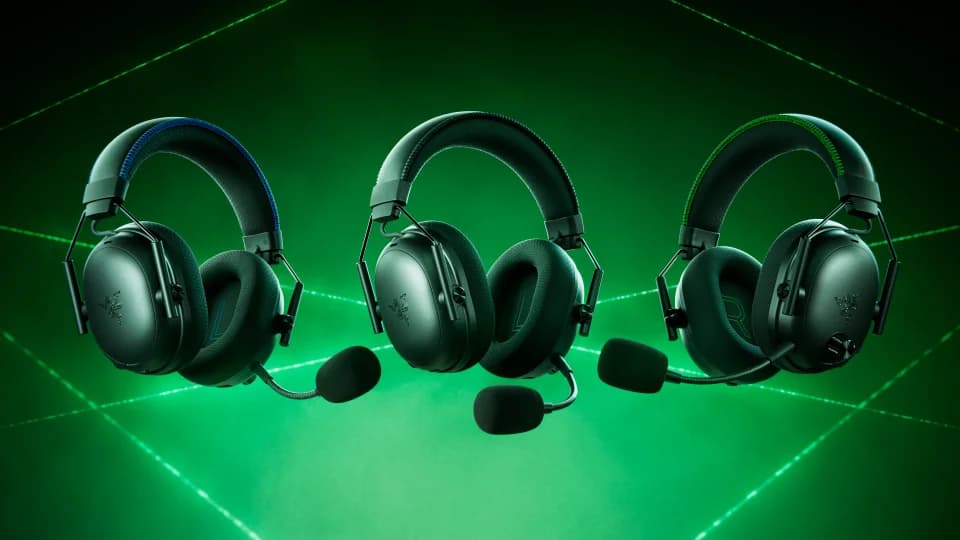
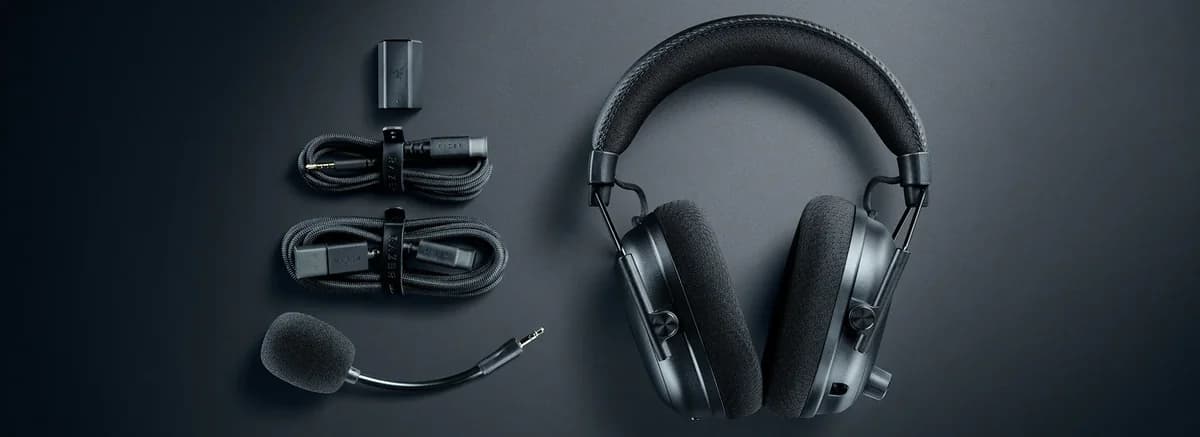
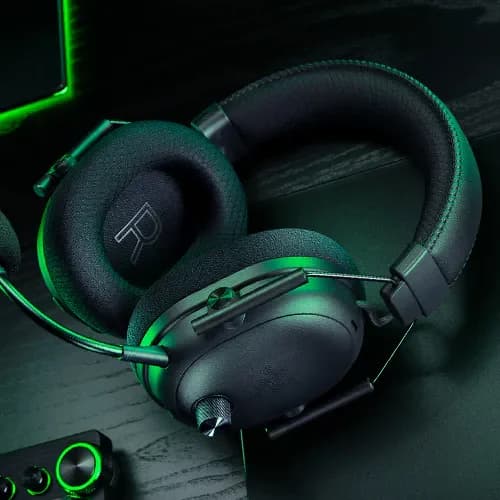
The BlackShark V3 Pro is built for long sessions with dual‑layer FlowKnit memory foam pads and reinforced yokes that feel sturdy and plush at first. Multiple reviewers note the headset weighs noticeably more than prior models so it can feel warm or heavy after extended wear, and fit quirks from the yoke design can affect seal and comfort for some head shapes. You get solid longevity and practical features like detachable plates and a removable battery, but expect a tradeoff between durability and extra weight for extended comfort.
Noise cancellation
Hybrid ANC pairs software processing with the snug earcup seal to reduce desk and household noise, and users often praise the headset’s ability to quiet ambient distractions for focused play. Brand claims about Hybrid ANC hold up in many tests, but experts and owners caution that the cloth‑back FlowKnit cups limit absolute ANC depth and effectiveness can drop with glasses or loose fit. For blocked‑out concentration the ANC plus passive isolation is useful, though it won’t match flagship noise‑cancelling headphones without tradeoffs in seal and fit.
Microphone performance
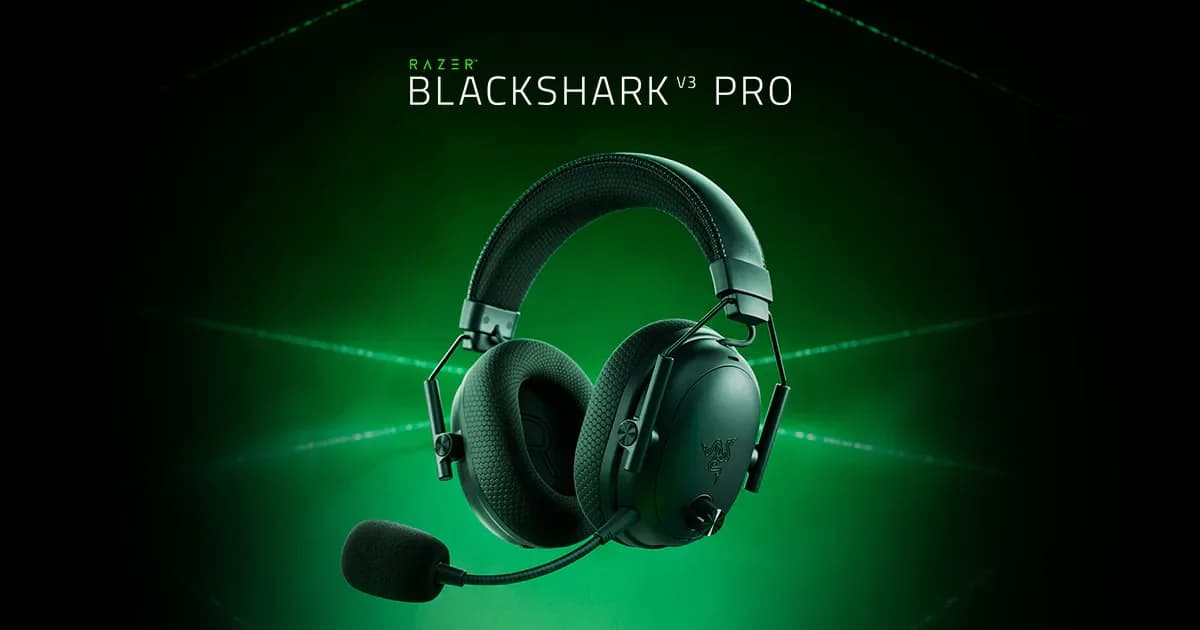
The detachable boom uses a HyperClear Full‑Band 12mm mic aimed at clear shotcalls, but real‑world impressions are mixed between crisp captures and a slightly muffled tone without processing. Several authoritative reviews found the mic improved on paper yet sometimes needs Synapse broadcast profiles or firmware tweaks to match older models, and forum reports highlight intermittent Discord cutouts for a subset of users. If voice clarity is critical rely on the headset with Synapse processing enabled or consider a standalone microphone for streaming.
Connectivity stability
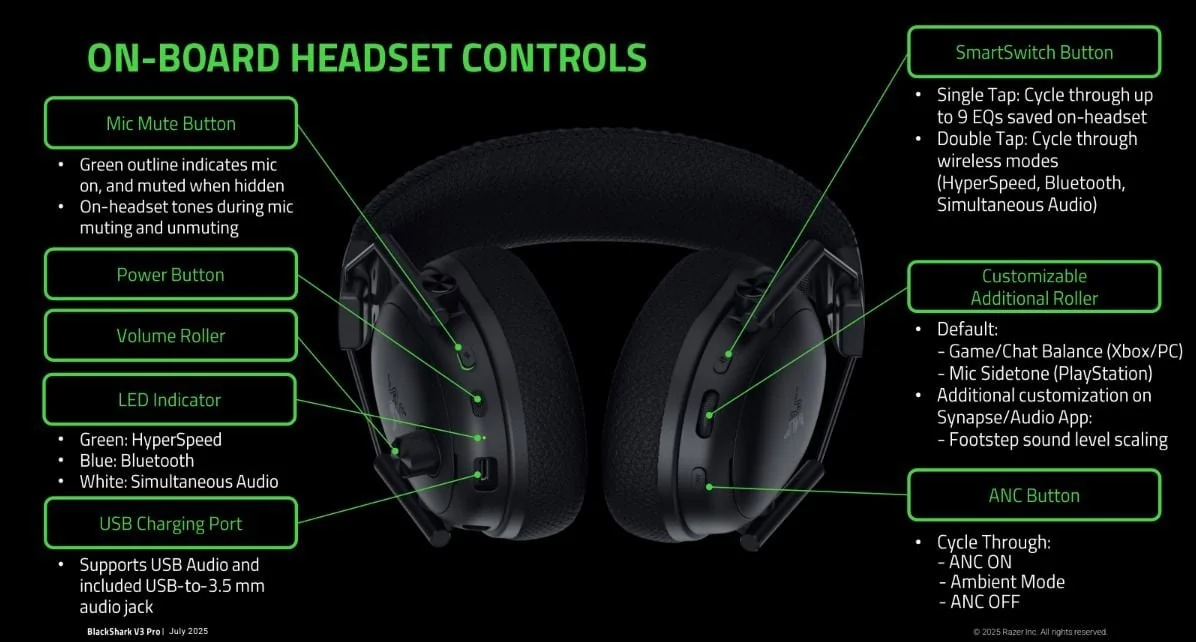
Connectivity is versatile with simultaneous 2.4 GHz and Bluetooth 5.3 pairing for gaming plus phone calls, but real‑world reports show mixed reliability depending on environment and firmware. Many users appreciate the multipoint convenience while several experienced intermittent Bluetooth drops or dongle pairing hiccups that required resets or Synapse restarts; experts typically advise keeping the HyperSpeed dongle in for critical sessions. If stable wireless is essential, plan to use the dongle or wired USB‑C as the most consistent options.
Sound reproduction
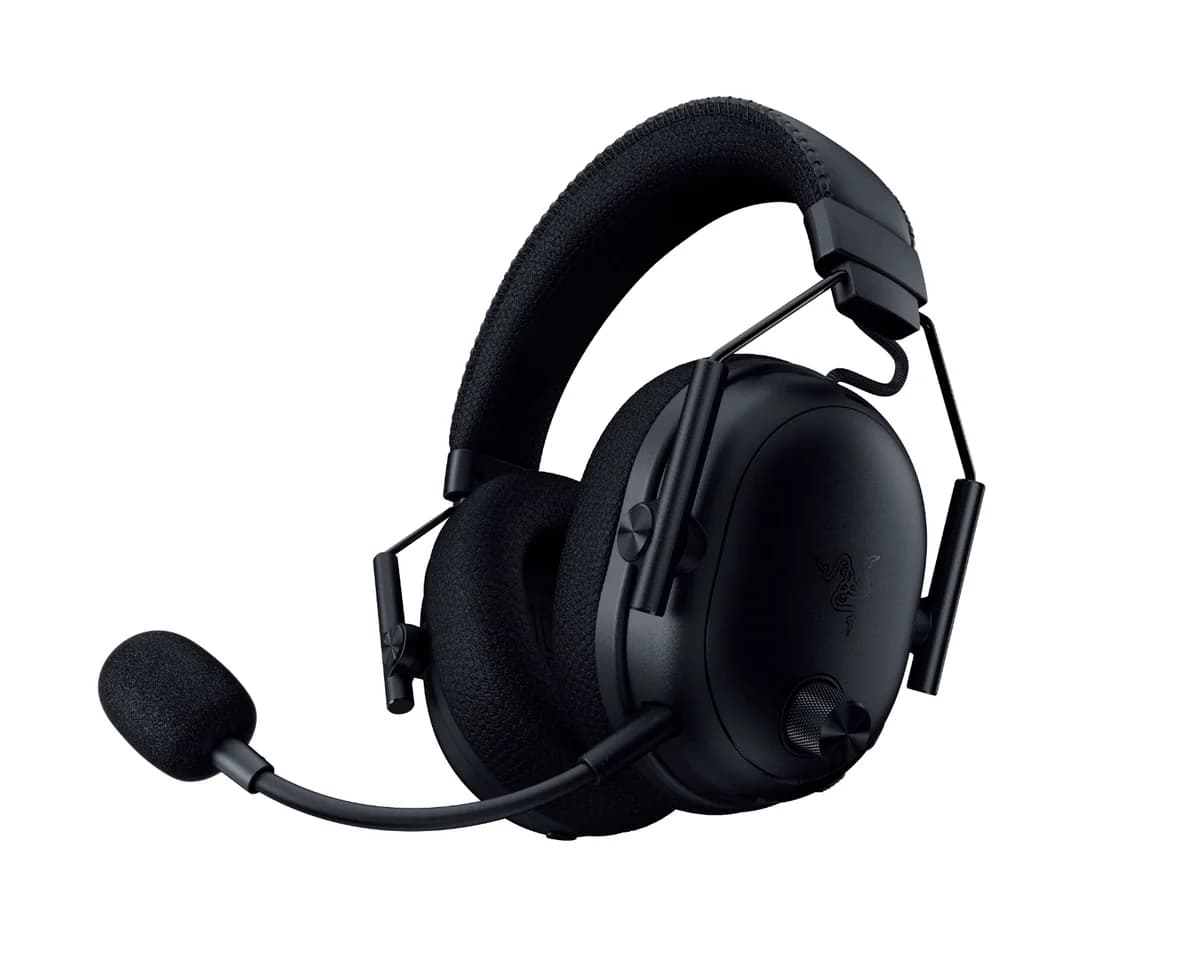
The sound signature is tuned for competitive clarity and punch, with TriForce Bio‑Cellulose 50mm drivers delivering distinct lows, mids, and highs that emphasize positional cues. Reviewers and tests note the Gen‑2 drivers reduce harmonic distortion and improve footstep clarity, though the default V‑shaped EQ can make vocals and some music sound recessed until you tweak settings. Overall this is a headset that excels at spatial accuracy for FPS play thanks to THX Spatial Audio and a refined driver design, but it benefits from on‑headset or Synapse EQ adjustments for balanced music listening.
Conclusion
Here’s the bottom line after weighing the evidence: if you prize razor‑sharp in‑game cues and next‑level wireless responsiveness, the BlackShark V3 Pro delivers—its TriForce Bio‑Cellulose 50mm drivers and THX spatial tuning give standout positional clarity while the HyperSpeed 2.4 GHz (~10 ms) link keeps audio tightly synced for competitive play; however, the HyperClear Full‑Band 12mm mic is inconsistent without Synapse processing and the hybrid ANC/passive isolation depends heavily on seal and fit, so don’t expect noise‑cancelling parity with flagship ANC headphones. Comfort is plush but the heavier build trades off long‑wear coolness, and wireless multipoint is convenient yet occasionally flaky unless you stick with the dongle—making this a smart, feature‑rich pick for serious gamers and streamers who are willing to tweak firmware/EQ, but less ideal for listeners needing flawless mic/ANC out of the box.

Feature Scores
This reflects reviews and ratings from established critics, journalists, and users who have evaluated the item. Their opinions provide a comprehensive assessment.
Performance
Sound Quality
4/5
Noise Cancellation Effectiveness
4/5
Battery Life
5/5
Value
Price-to-Performance
4/5
Warranty
4/5
Included Accessories
4/5
Design
Comfort
4/5
Build Quality
4/5
Controls
4/5
Health
Hearing Protection
3/5
Material Safety
4/5
Hygiene
3/5
Safety
Battery Safety
4/5
Regulatory Compliance
4/5
Physical Hazards
4/5
Sustainability
Recyclability
3/5
Sustainable Materials Use
4/5
Packaging Sustainability
3/5
Experience Style
Customization
4/5
Multi-Device Pairing
5/5
Ease of Use
4/5

Specifications
This section outlines the product's key facts, covering essential features, details, dimensions, materials, and any unique characteristics that define its functionality and usability.
Performance
Value
Design
Safety
Sustainability
Experience Style

Frequently Asked Questions
5 Questions



Find Yours
What kind of sound profile do you prefer in your over-ear headphones?
Answer to find your best matches.