Nothing Phone (2a)
Stylish mid‑range phone: vivid 120Hz display, long battery, playful Glyphs — solid value with camera and build trade‑offs.
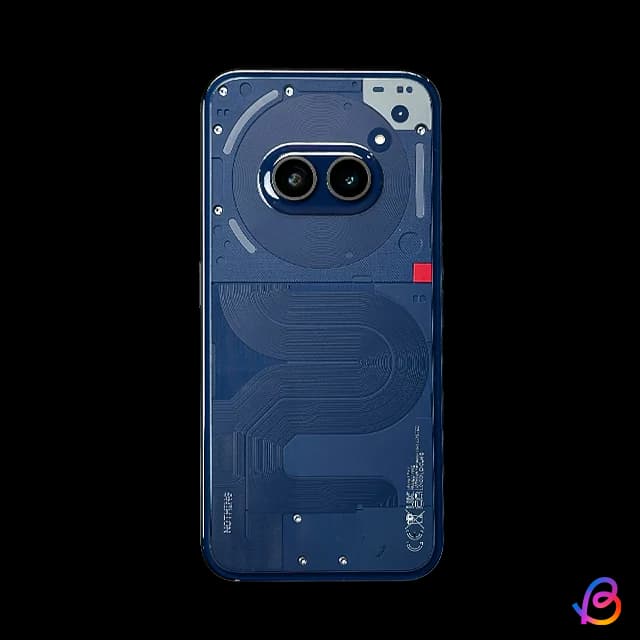
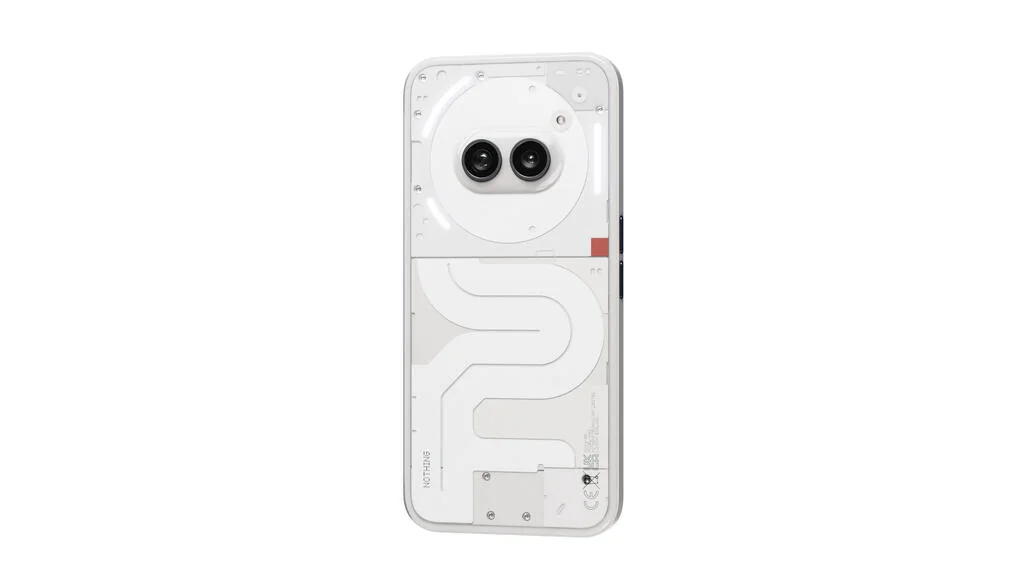
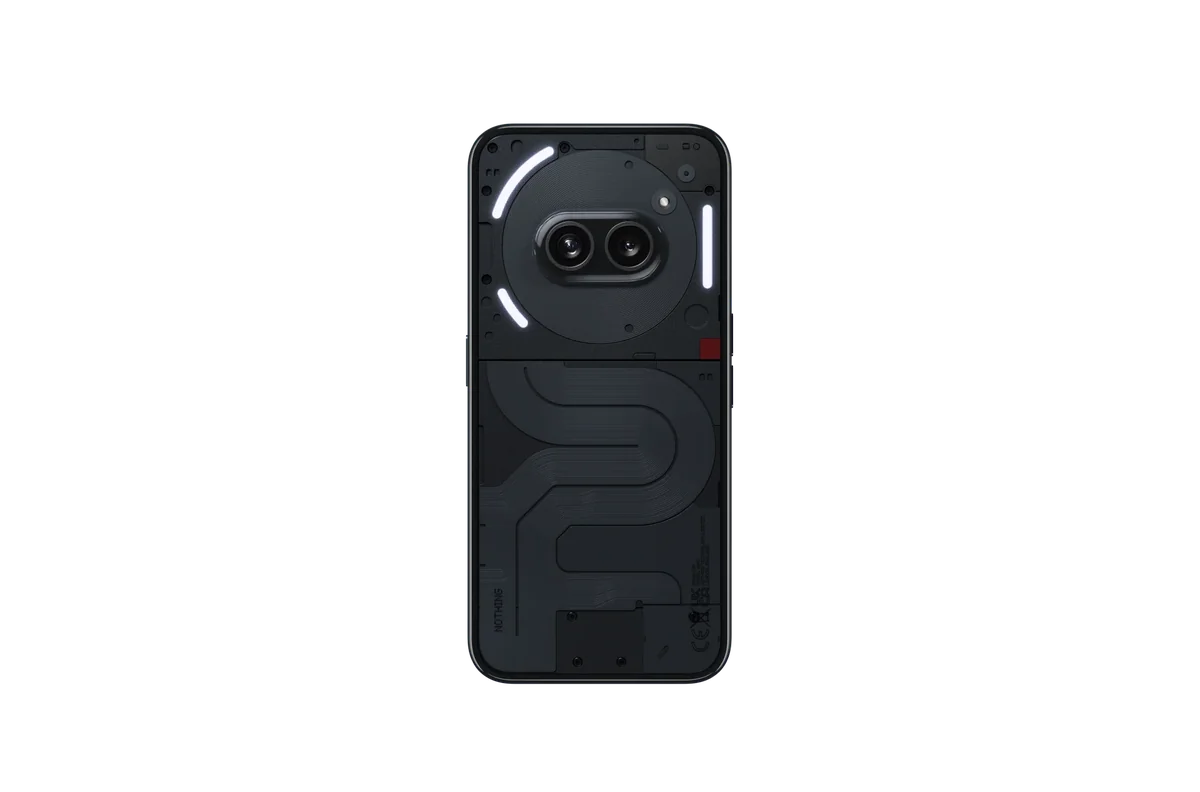
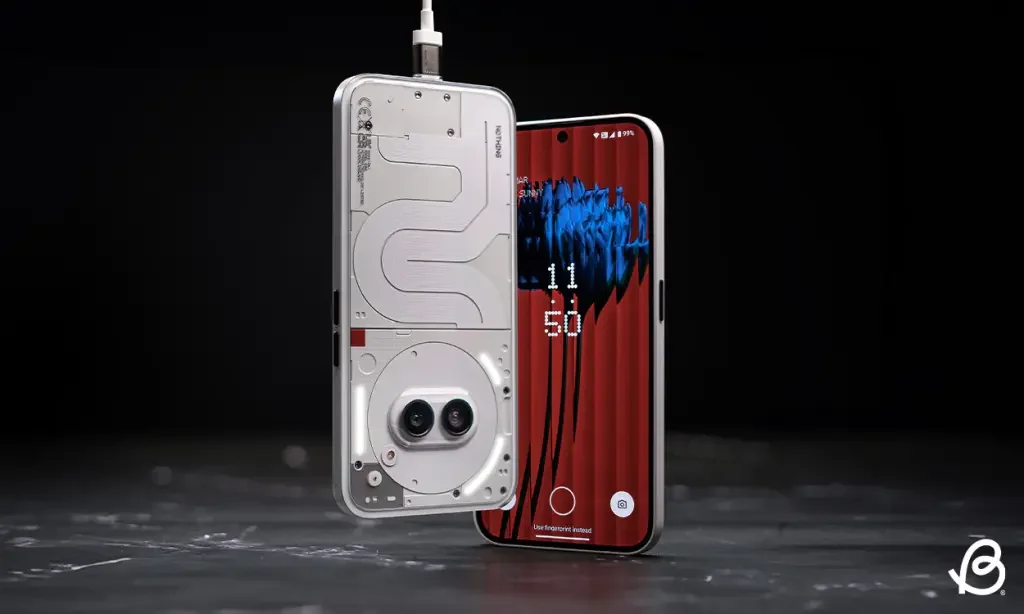
The Nothing Phone (2a) is a cheeky mid‑range showboat that doubles as a sensible daily driver for style‑minded buyers who want personality over flagship price. Reviewers praise its 6.7‑inch 120Hz AMOLED, 5000mAh battery, and Nothing OS polish for smooth scrolling and multi‑day use, while users flag panel consistency issues, middling low‑light cameras, and a plastic, smudge‑prone back that undercuts premium vibes. Brand claims about fast wired charging and lively Glyph LEDs largely hold up in tests, though real‑world quirks temper the hype — consider the spec-to-price balance and lingering data gaps before you commit to the culty charm.
Find Yours
What's your top priority when choosing a smartphone?
Answer to find your best matches.

The Field
Browse top contenders, or compare all options ranked by score and key attributes.
5 Options



The Scoreboard
Does this improve your life? Considers, health, habits, and environmental impact.
Benefits
Keeps you going for one to two days of normal mixed use.
See notifications without waking the screen; quick glances preserve attention and privacy.
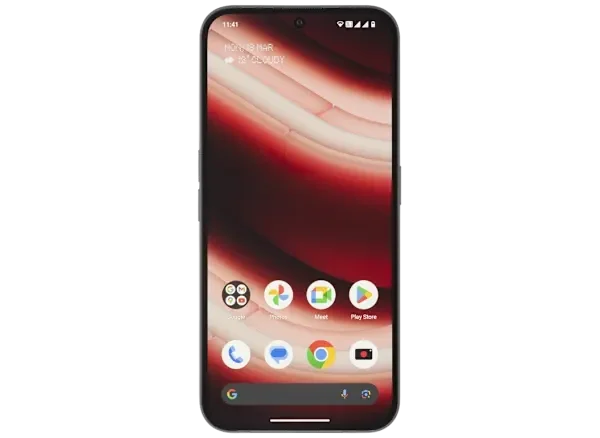
Smooth, bright 6.7-inch AMOLED makes videos, photos and scrolling feel noticeably nicer.
Fluid day-to-day use, responsive UI and capable gaming at medium settings.
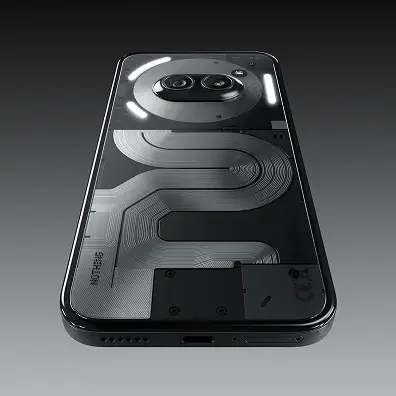
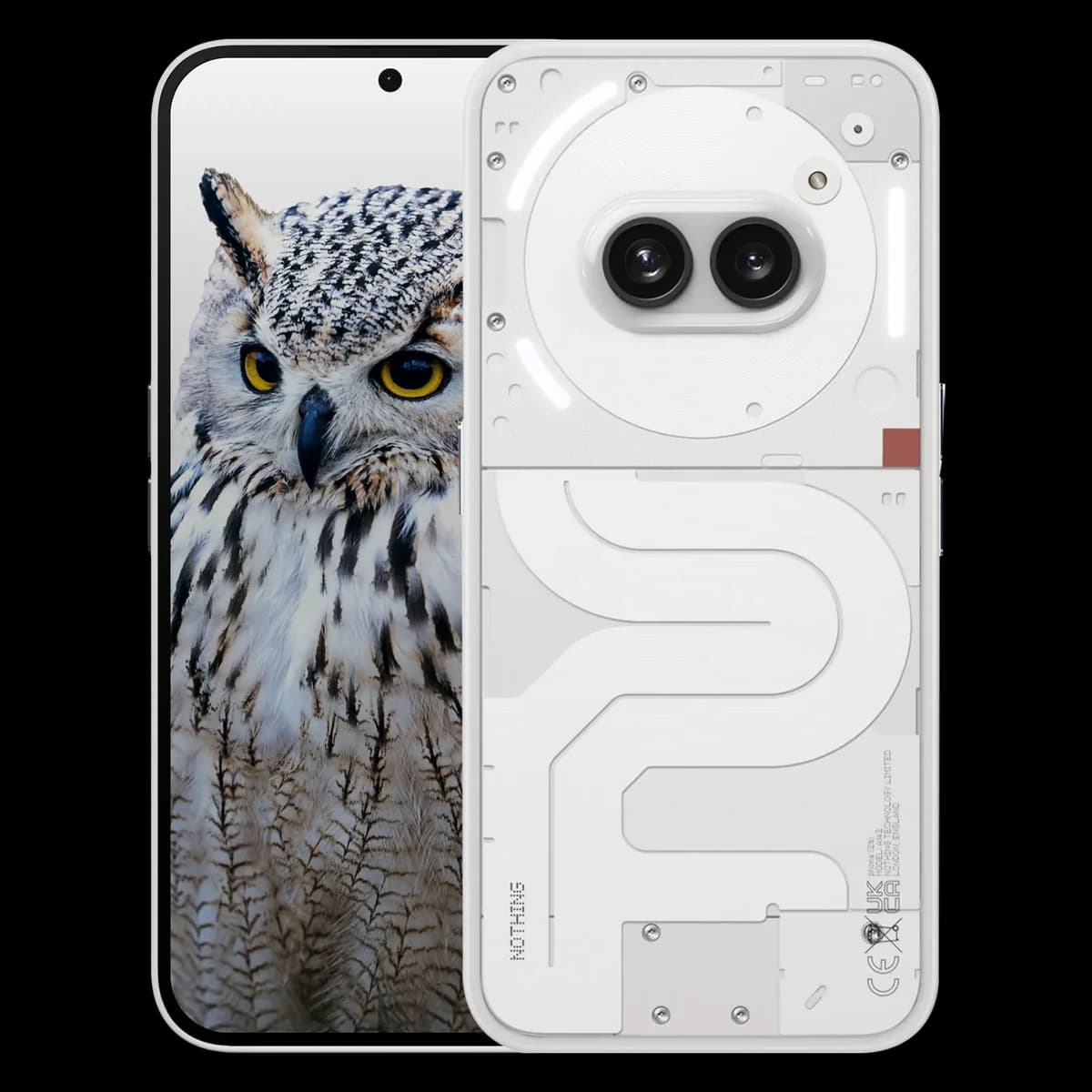
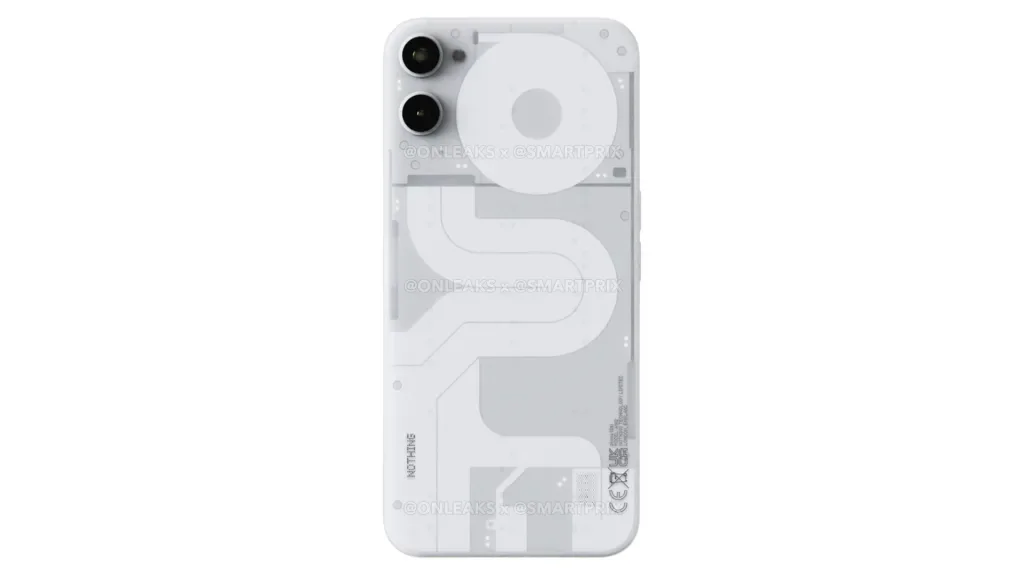
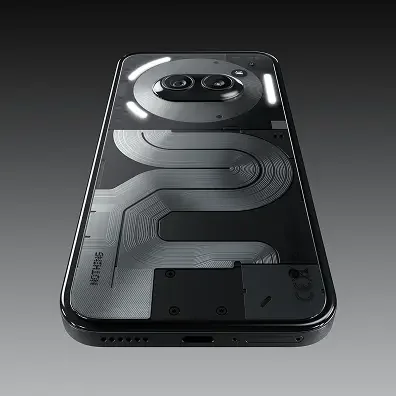
Unique transparent look and Glyphs start conversations and signal personality.
Trade-Offs
Low-light shots often need editing—noise and oversharpening make social photos less reliable.
Glossy plastic attracts fingerprints and scratches, so you'll likely keep it in a case.
Rare stutters, hotspot or charging glitches interrupt scrolling or sharing connections.
Glyph LEDs can draw attention or blink unexpectedly in quiet settings, awkward during meetings.
 Alternatives


Join the Circle
Where real meets deal
Know what's worth buying-and when.
Tips, special offers, and rewards for buying and sharing.

Publications
9 LEADING PUBLICATION REVIEWS

Android Central's Harish Jonnalagadda celebrates the Nothing Phone (2a) as the standout budget phone of 2024, praising its striking, see-through design, polished 6.7-inch 120Hz AMOLED, and surprisingly class-leading software in Nothing OS 2.5. After two weeks of use he found the Dimensity 7200 Pro–based hardware exceptionally well optimized, delivering smooth daily performance, strong sustained gaming, excellent battery life (5,000mAh) and competent cameras—especially in low light—while Glyph LEDs add fun utility. Criticisms are minor: a glossy plastic back that attracts smudges and dust, no charger in the box, a low-set fingerprint sensor, and limited availability (not sold in the U.S.). Overall the tone is enthusiastic and confidently recommends the Phone 2a as the best-looking, most polished value option in the budget segment, arguing its software and timely updates set it apart from rivals.
By Harish Jonnalagadda
Ryan Haines from Android Authority praises the Nothing Phone (2a) as a standout budget phone that keeps Nothing’s quirky, eye-catching design while delivering performance and features that out-punch its $349 price. He highlights a crisp 6.7-inch 120Hz AMOLED, strong battery life (5,000mAh), solid speakers, competent dual 50MP cameras in everyday shooting, and a smooth Nothing OS 2.5 with a reassuring update promise. Criticisms are clear but measured: the phone drops wireless charging, has limited IP54 protection, weak long-range zoom, and most crucially poor compatibility with major US carriers (notably Verizon). Tested over 10 days with vendor-supplied hardware and benchmark/stress tests, the review frames the 2a as a no-brainer outside the US but a risky, limited choice for American buyers.
By Ryan Haines
PCMag's Iyaz Akhtar praises the Nothing Phone (2a) for its striking design, smooth performance, and strong camera output at an affordable $349 price, calling its Glyph LEDs and clear polycarbonate back distinctive and its MediaTek 7200 Pro–powered performance surprisingly good for gaming. He highlights solid battery life, fast wired charging, a bright 6.7-inch AMOLED, and competent imaging with effective OIS, while noting occasional color inconsistencies, portrait-mode quirks, and brief processing delays. However, Akhtar cautions that US buyers face real drawbacks: limited availability via Nothing’s developer program, lack of Verizon support, and consistently slow cellular speed test results on T-Mobile, which undercut the phone’s otherwise compelling value compared with more practical options like the OnePlus Nord N30 and the more capable-but-less-flashy Galaxy A54. Overall, the review is favorable but measured, enthusiastic about design and cameras while realistic about network and availability limits.
By Iyaz Akhtar
Julian Chokkattu from WIRED praises the Nothing Phone (2a) as a surprisingly polished $349 Android that blends striking design, solid performance, and long battery life into a value-packed package. After two weeks and heavy use covering Mobile World Congress, he found the Dimensity 7200 Pro chipset snappy with almost no stutter, a bright 120 Hz 2K AMOLED, and a 5,000‑mAh battery that comfortably lasted a full day—sometimes longer. Nothing’s distinctive software, Glyph lights, and playful UI add character, though the Glyph remains somewhat gimmicky. Cameras are competent but behind the Pixel 7A in low light and selfies. Limitations include IP54 splash resistance, no wireless charging or headphone jack, and potential US carrier quirks requiring a developer purchase route. Overall, Chokkattu views the Phone (2a) as a charming, well-rounded bargain with reasonable compromises for its price.
By Julian Chokkattu
Trusted Reviews' Jon Mundy praises the Nothing Phone (2a) as a well-balanced, design-forward mid-range phone that delivers surprising polish for its £319 price. He highlights solid build quality, a strong 6.7-inch AMOLED display, dependable battery life from a 5,000mAh cell, and smooth everyday performance from the MediaTek Dimensity 7200 Pro, while noting it trails flagship-level chips and the Poco X6 Pro in raw GPU benchmarks. Mundy appreciates the distinctive semi‑transparent design, Glyph lights, and Nothing OS 2.5’s stylish touches, but calls the three‑LED Glyph implementation more gimmicky than indispensable and criticizes the plastic rear’s tendency to show smudges, the lack of wireless charging, and only IP54 water resistance. Overall, the review conveys genuine enthusiasm for the phone’s poise and value, tempered by measured caveats about camera and performance compromises versus pricier rivals.
By Jon Mundy
James Ide from TechRadar praises the Nothing Phone (2a) as a stylish, sensible mid-range phone that nails the essentials: a vivid 6.7-inch AMOLED display, long-lasting 5,000mAh battery with 45W charging, a clean Nothing OS, and competent day-to-day performance powered by a custom MediaTek chip. He admires the refreshed design and retained Glyph features (albeit reduced), and highlights surprisingly good low-light camera shots and solid gaming at medium settings. At the same time, Ide is measured—criticizing the polycarbonate build for scratches and fingerprints, the pared-down Glyph and lack of microSD or wireless charging, and cameras that trail premium rivals like the Pixel 7a in image finesse. Testing over ten days with benchmarks and varied usage informs his balanced view: the Phone 2a is not a flagship but a compelling, affordable way to join the Nothing ecosystem if you value design and battery life over top-tier imaging or heavy-duty performance.
By James Ide
Sam Rutherford from Engadget highlights the Nothing Phone (2a) as a standout budget smartphone that pairs unique, retro‑inspired design with genuinely useful hardware — a 6.5‑inch 120Hz OLED, a 5,000 mAh battery, and responsive everyday performance — all for $349. Rutherford is upbeat about its personality, light polycarbonate build, excellent battery life (23:47 on a video rundown), and surprisingly capable cameras for the price, noting warm, saturated images that are good for social sharing. He tempers enthusiasm with practical caveats: slightly lower benchmark scores than rivals, occasional scrolling stutters, no wireless charging, storage capped at 256GB, and limited 5G support in the US (only T‑Mobile). Overall the tone is appreciative and recommending — the Phone 2a is praised as a refreshing, well‑rounded budget option that sacrifices little while retaining distinctive style, though US buyers should weigh carrier and feature limits.
By Sam Rutherford
Samuel Gibbs from The Guardian highlights the Nothing Phone (2a) as a standout budget Android that pairs striking, semi‑transparent design and playful “glyph” LEDs with a big, bright OLED, solid mid‑range performance, and exceptional battery life. He praises the phone’s smooth, snappy software (Nothing OS 2.5), responsive in‑screen fingerprint reader, and generally well‑made feel despite a plastic back that attracts dust and scratches. Cameras are competent for the price but over‑sharpen in bright light, struggle in low light, and lack optical zoom — trailing Pixel alternatives — while gaming heats the phone and battery drains faster. A major criticism is limited software support (three years of updates, four years of security patches), which Gibbs argues undermines longevity and sustainability. Overall he recommends the Phone 2a for buyers who value design, battery life and value, while warning cautious buyers about camera limits and short update support.
By Samuel Gibbs
Haider Ali Khan from The Hindu praises the Nothing Phone (2a) as a strong mid-range contender that brings Nothing’s distinctive design language and a polished software experience to a more affordable price point. He highlights the standout 6.7-inch HDR10+ AMOLED with high brightness and 120Hz smoothness, a useful 2,160Hz PWM dimming frequency, solid real-world performance from the Dimensity 7200 Pro (with benchmark figures cited), dependable battery life from a 5,000mAh cell plus 45W charging, and a capable dual 50MP camera system that performs well across lighting conditions. Criticisms are measured—occasional frame drops in the most demanding games, slightly muted ultra-wide colors, and a fingerprint-prone PCB plus no charger in-box—but overall the tone is approving: the Phone 2a is presented as a well-rounded, value-packed 2024 mid-ranger that “delivers bang for the buck.”
By Haider Ali Khan

YouTube
17 LEADING EXPERT & INFLUENCER REVIEWS
 Geekyranjit
Ranit praises the Nothing Phone (2a) as an "almost practical" mid‑range phone—enthusiastic about its clean, Pixel‑like Nothing OS, very fluid 120Hz AMOLED, strong battery life, surprisingly good camera, and excellent speakers; he flags missing charger/case, fingerprint‑magnet plastic back, minor volume bug on speakerphone, and lukewarm feelings about the Glyph.
Marques BrownleeMarques Brownlee praises the Nothing Phone (2a) as a stylish, smooth $350 mid‑ranger—highlighting the Glyph lights, 6.7" 120Hz AMOLED, 5000mAh battery, and clean Nothing OS—while noting plastic build, weaker low‑light cameras, no wireless charging, and occasional performance limits during heavy gaming.
GSMArena OfficialWill from GSM Marina praises the Nothing Phone (2a) as a charming, practical mid-ranger—highlighting its unique Glyph interface, vibrant 6.7" 120Hz OLED, solid Dimensity 7200 Pro performance, and class‑leading 5000 mAh battery—while noting tradeoffs like plastic back, no wireless charging, and slightly aggressive camera sharpening.
MrMobile [Michael Fisher]Michael Fisher praises the Nothing Phone (2a) as a spirited, design-forward mid‑ranger that delivers surprising utility from the Glyph Interface, Nothing OS polish, solid Dimensity performance, large 5000 mAh battery, and capable cameras—while noting tradeoffs like a plastic glossy back, limited US 5G bands/IP54 rating, no wireless charging, and minor camera/processing quirks.
JerryRigEverythingJerryRigEverything praises the Nothing Phone (2a) enthusiastically, calling it a memorable, design-forward budget phone—highlighting the Glyph Interface, 6.7" 120Hz AMOLED, removable 5000mAh battery, and thoughtful teardown-friendly build—while noting plastic construction, weaker IP54 water resistance, and finicky under‑screen fingerprint unlocking.
BeebomDevinder Maheshwari praises the Nothing Phone (2a) as the best phone under Rs.25,000, highlighting its lightweight 6.7" 120Hz AMOLED, clean Nothing OS, efficient Dimensity 7200 Pro, 50MP dual cameras, and excellent battery life; he notes plastic build, reduced Glyph LEDs, and no charger in-box as the main trade-offs.
Tech SpurtTech Spurt praises the Nothing Phone (2a) as a stylish, well-rounded mid‑ranger—liking the Glyph Interface, smooth Nothing OS, 6.7" AMOLED, Dimensity 7200 Pro performance (great for Genshin), and strong 5,000 mAh battery—while noting plastic back durability, reduced Glyphs, no wireless charging, and slightly uneven low‑light camera/4K hiccups.
MrwhosethebossMrwhosetheboss praises the Nothing Phone (2a) as a playful, well‑priced mid‑ranger that nails a bright 6.7" 120Hz AMOLED, long 5,000mAh battery with 45W charging, and thoughtful Nothing OS tweaks—while applauding the distinctive Glyph Interface—but he’s measured: cameras are middling, LEDs can create notification noise/false positives, and some software polish is still needed.
ShortCircuitShortCircuit praises the Nothing Phone (2a) as a stylish, affordable mid‑ranger with standout Glyph lighting, strong battery life, bright 120Hz AMOLED, and solid real‑world performance—while noting Mediatek limits, average low‑light camera, IP54 rating, no wireless charging, USB‑2 speeds, and regional availability quirks.
Sam BeckmanSam Beckman finds the Nothing Phone (2a) impressively stylish and practical for the price—praising its standout design, 120Hz bright AMOLED, Nothing OS parity, and excellent battery life—while calling out noticeable compromises: MediTek Dimensity performance quirks, removed wireless charging, and underwhelming cameras that may push photo-focused buyers toward pricier rivals.
SillycornsRupes from Silicon praises the Nothing Phone (2a) as a stylish, well‑rounded mid‑ranger—calling it a "jack of all trades" with standout Glyph LEDs, smooth Nothing OS, good battery life, and strong everyday performance—while noting plastic build durability, occasional software bugs, and camera quirks that keep it from being perfect.
Mark LinsanganMark Linsangan finds the Nothing Phone (2a) impressively polished after updates—enthusiastic about the Glyph-led design, smooth Nothing OS optimization with the MediaTek Dimensity 7200 Pro, and stellar 5000 mAh battery life—while noting cameras and video need finer tuning (white balance/HDR) and flagship-level gaming/processing limits.
Adam Lobo TVAdam Lobo praises the Nothing Phone (2a) for aging gracefully—its standout transparent design, reliable Glyph Interface, clean Nothing OS 4.0, long battery life, and dependable daily performance remain compelling—while noting mellowing haptics, middling sunlight visibility, and weaker gaming/headless AI features make it a cautious but favorable buy in 2026.
Lim ReviewsLim Reviews praises the Nothing Phone (2a) as a stylish, well-priced mid‑range value—excited about the unique Glyph design, clean Nothing OS, snappy Dimensity 7200 Pro performance, solid battery life, and good daylight cameras—while noting the display could be brighter and low‑light imaging is average.
Jesse Does TechJesse Does Tech praises the Nothing Phone (2a) as an outstanding £200 bargain in 2025, celebrating its distinctive Glyph Interface, symmetrical bezels, clean Nothing UI, long battery life, and surprisingly capable cameras, while noting the plastic back, IP54 splash resistance, modest peak brightness, and middling gaming performance.
Drew LippsDrew Lipps praises the Nothing Phone (2a) as the best budget smartphone of 2024, highlighting its striking milk colorway, durable build, efficient MediaTek Dimensity 7200 Pro performance, 5,000 mAh battery, smooth Nothing OS and customizable Glyph Interface; he notes missing eSIM in some regions and modest low‑light camera limits but remains strongly enthusiastic.
Simple AlpacaSimple Alpaca finds the Nothing Phone (2a) is a competent, stylish mid‑ranger—praising its 6.7" 120Hz AMOLED, Glyph Interface, USB‑C, large 5000mAh battery and decent everyday performance—while sounding measured and lukewarm about its plastic build, average cameras, MediaTek Dimensity 7200 Pro performance and uncertain long‑term software support.

Social
8 INFLUENCER REVIEWS
 Tyler
Tylerhitomidocameraroll highlights impressive two-day-ish battery life — 60% after 48 hours with mixed use — praising the Phone (2a) as a great budget pick while calling the camera and its beautifying filter disappointing. Overall, Tyler rates it 8.5: recommended for media consumption and battery longevity, but camera quality may push some to consider the regular Nothing Phone 2.
isaaccanoopsy raves about the Nothing Phone (2a), praising its attention to design details—from packaging and typography to the light-up back—and calling it one of the most interesting Android phones of 2024. They highlight a big, attractive 6.7-inch display, solid-feeling plastic build, decent dual cameras, and a clean, simple Android skin, while noting the MediaTek chip as a mild compromise for a budget device. Overall consensus: enthusiastic recommendation for buyers who value design and uniqueness on a budget—canoopsy is genuinely impressed and recommends the 2a as an exciting, stylish value pick despite modest performance trade-offs.
 Parker Burton
Parker Burton finds the Nothing Phone (2a) visually striking—praising the transparent back, signature lights, and premium look despite plastic—and calls the software one of his favorites for its custom icons, widgets, near-stock feel, and lack of bloat. He’s upbeat about day-to-day performance, a smooth 120Hz AMOLED screen, ~8 hours screen-on battery, and “decent” cameras (rear 4K/30, selfie 1080p); overall recommendation is positive and enthusiastic—great value at $350 with minor camera limits, and a full review available for deeper details.
Allround-PC.comallroundpc highlights the Nothing Phone (2a) as a strong value play — praising its stylish transparent back with Glyph lighting, 50MP dual camera, big 5,000 mAh battery, 6.7" 120Hz OLED, and clean Nothing OS 2.5, while noting compromises like plastic frame/back, loss of wireless charging, and IP54 dust/water protection. Overall, the reviewer leans positive and tentatively recommends the Phone (2a) as a potential "price-performance king" around €330 for buyers prioritizing design, software cleanness, battery life, and display, though those wanting premium materials or wireless charging should weigh the tradeoffs.
Joseph Tan || Tech and LifeJoseph Tan || Tech and Life highlights the Nothing Phone (2a)’s standout design (transparent back, glyphs) and software, calling the OS his favorite—close to stock Android with tasteful Nothing touches—and praises the 6.7" 120Hz AMOLED, large 5,000mAh battery, and usable dual 50MP cameras while noting plastic build, limited glyphs, and occasional oversharpening/oversaturation. Overall, Joseph’s tone is warmly positive and measured: he’s clearly impressed and recommends the 2a as a great budget alternative to flagship phones (especially for its software and screen), advises a case for the plastic frame, and frames the camera as “good enough” rather than top-tier.
iKarusKun 🇰🇼ikaruskun 🇰🇼 highlights Nothing Phone (2a)’s recognizable Nothing design, large 6.7" 120Hz AMOLED, solid 5000mAh battery, and decent camera specs for a $350 budget phone, while noting the midrange Dimensity 7200 Pro and need for hands-on testing. Overall, the reviewer is tentatively positive—appreciative but measured—recommending cautious interest until a full review confirms real-world performance.
Wiser MYWiser MY highlights that the Nothing Phone (2a) strongly channels Pixel DNA—performance, feel, and camera quirks evoke a Pixel-like experience—while noting its divisive design (some call it “nostril”-like) and positioning as a practical Pixel alternative with official warranty in Malaysia. Overall, Wiser MY leans positive and recommends the 2a for users who want Pixel vibes without warranty worries, praising its feel and camera familiarity while acknowledging the polarizing looks.
Dariusz TechDariuszTech notes the Phone 3a adds a telephoto and stronger low-light performance, but the Phone 2a still shines with a superior 50MP ultra-wide for wider shots. The post compares selfies, landscapes, portraits, and night shots with side‑by‑side examples. Overall, DariuszTech leans positive about both—praising 3a’s telephoto and low‑light gains while calling out 2a’s ultra‑wide as a standout—suggesting choice depends on shooting priorities rather than declaring a clear winner.

Forum Reviews
CUSTOMER REVIEWS FROM 1 FORUM
Redditors are broadly split but leaning positive about the Nothing Phone (2a): many praise its clean Nothing OS, smooth performance, long battery life, distinctive design and the Glyph interface, calling it great value for the price. Recurring criticisms focus on inconsistent display quality (green tint, black crush, burn-in reports), uneven camera processing and occasional software hiccups or instability. Some users report flawless long-term use while others experienced lag, hotspot or charging bugs. Upgraders tend to note modest gains over prior midrange phones and worry about durability, whereas new shoppers often highlight value and software appeal.
Many comments

In-Depth Review

Highlights
- •Smooth, bright 120Hz AMOLEDVibrant 6.7-inch FHD+ panel, high peak brightness
- •Long battery life with fast wired charging5000mAh endurance and rapid 45W charging
- •Polished Nothing OS and update promiseCompany highlights its 3 OS + 4 security years
- •Efficient everyday performanceDimensity 7200 Pro delivers smooth daily use
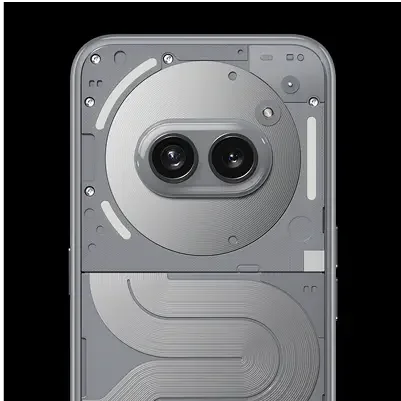
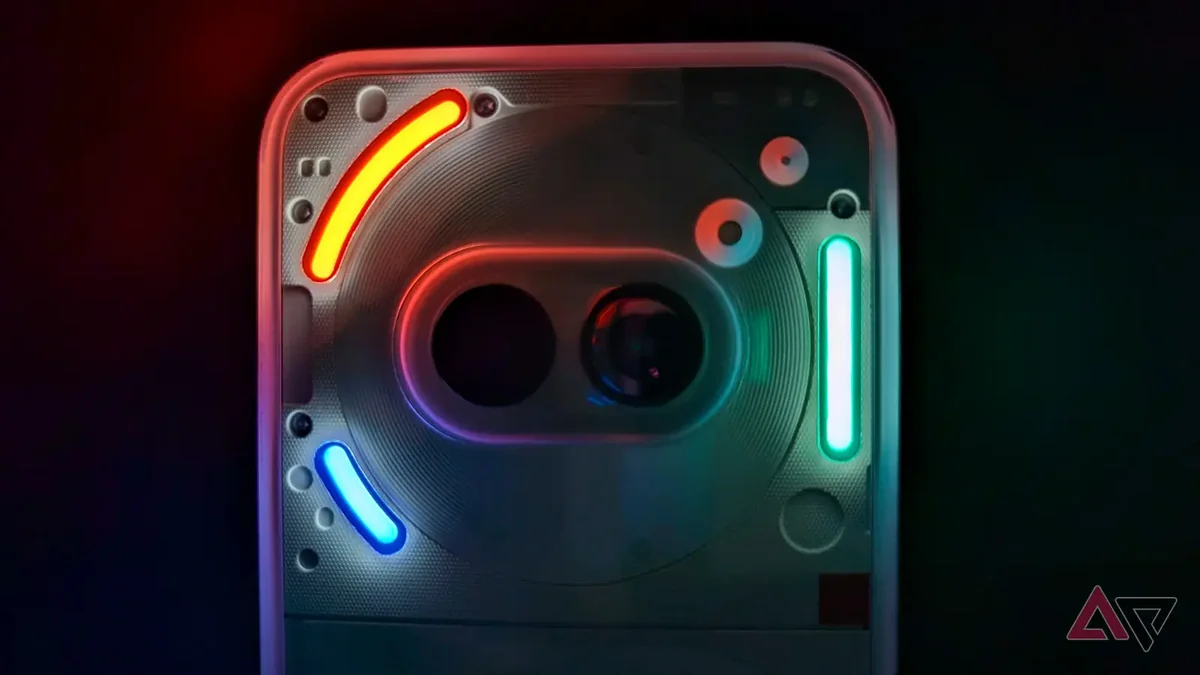
- •Distinctive Glyph LED interfaceRear LEDs for glanceable notifications and status
- •Standout transparent design and valueEye-catching look at mid-range price point

Considerations
- •Panel consistency issuesSome units show tint, black crush, burn‑in
- •Weak low‑light imagingNight shots noisy and often oversharpened
- •Smudge‑prone plastic rearGlossy plastic attracts fingerprints and scratches
- •No wireless charging supportWireless charging capability removed from this model
- •Charger not included in boxRequires separate purchase for fast charging adapter
- •Limited water resistanceIP54 splash protection, not full waterproofing
Early hands‑on chatter is still limited, so treat early praise as promising rather than definitive—yet Nothing’s reputation for playful design and clean software shines through in this practical mid‑ranger. Aimed at style‑minded users who want a reliable daily driver for streaming, social snaps and light gaming, it pairs a 6.7‑inch 120Hz AMOLED with a power‑sipping 5000 mAh battery and an efficient MediaTek Dimensity 7200 Pro. The phone leans into personality with the rear Glyph LED arrays and keeps software lean via Nothing OS (Android 14) with an official 3 OS + 4 years security promise. Expect crisp daytime photos from the 50MP dual cameras, but be cautious about low‑light quirks and panel variance. If you value design, battery life and a polished UI over flagship glass and top‑tier night photos, read on — these sections will help you decide which tradeoffs matter.
Performance (SoC & GPU)
The MediaTek Dimensity 7200 Pro on a 4nm node offers smooth everyday performance—fluid UI, reliable multitasking with LPDDR5 RAM, and solid medium‑setting gaming—benchmarks (Geekbench 6 S1132/M2579) back that up, though flagship‑level sustained GPU power lags (3DMark scores reflect limits). Thermals and occasional frame drops appear under heavy loads, so it’s a great daily driver rather than a mobile‑gaming workhorse; optimizations in Nothing OS deliver notable system polish that punches above the silicon. Efficient, not invincible
Glyph Interface
The Glyph rear LEDs are the phone’s personality trick: clever, tactile notification cues that can show calls, timers and charging status and genuinely delight users who prefer glanceable feedback, though some find the reduced LED array noisy or distracting in meetings. Reviewers crown it memorable and useful in practice, but it’s more charming than essential—valuable for identity and quick glances rather than a productivity revolution. Playful, utilitarian, occasionally attention‑seeking
Cameras
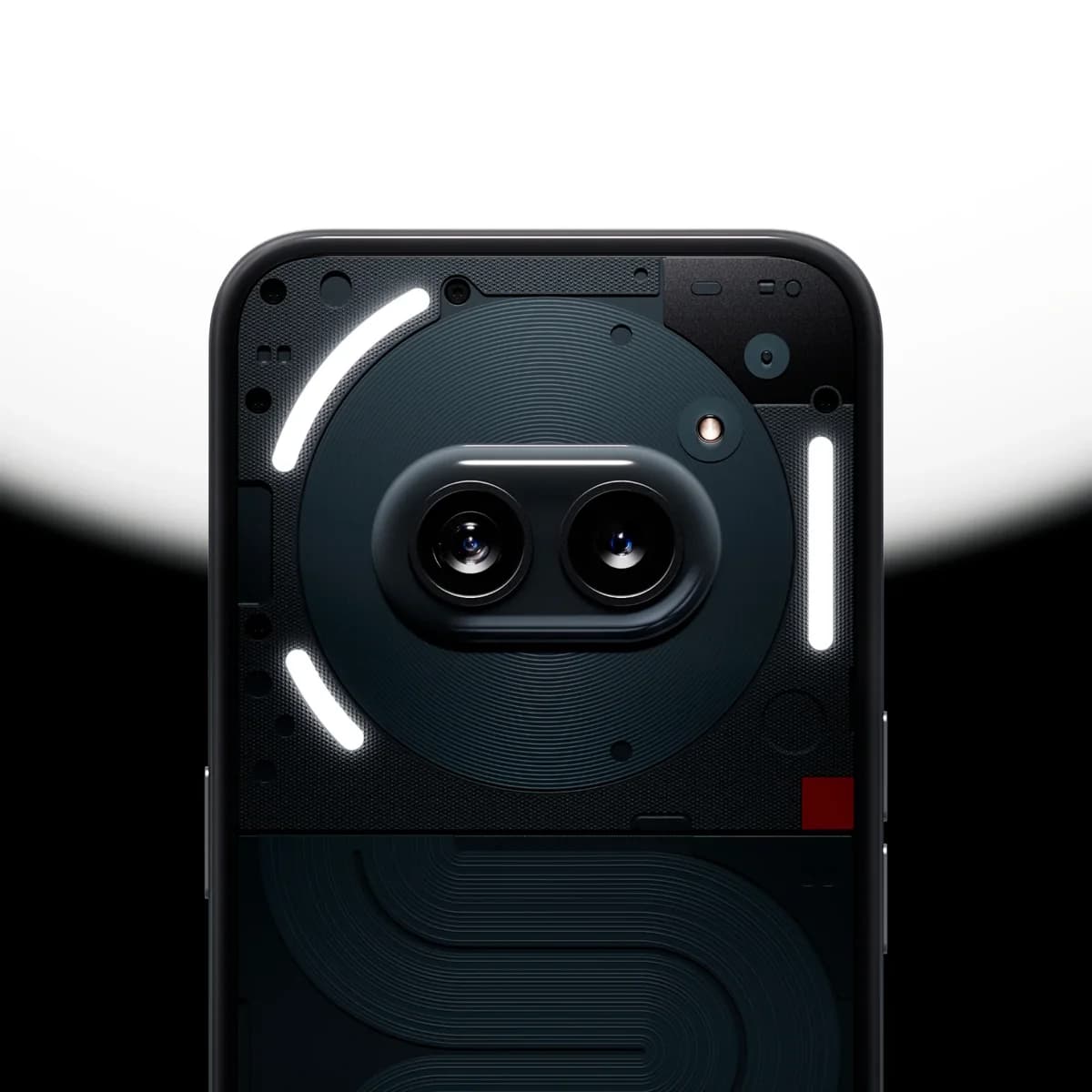
Dual 50MP shooters (main + ultrawide) and a 32MP selfie deliver confident daylight shots and usable 4K@30fps video, with reviewers praising detail and social‑ready results, but low‑light performance shows noise and oversharpening and processing quirks betray its mid‑range roots; PhoneArena and others rate it solid but not class‑leading. OIS and software tweaks help in many scenes, yet comparisons to Pixel A rivals reveal a noticeable gap in night and portrait finesse, so expect great daytime snaps and workmanlike after‑dark photos. Good in sun, cautious at night
Build & Durability
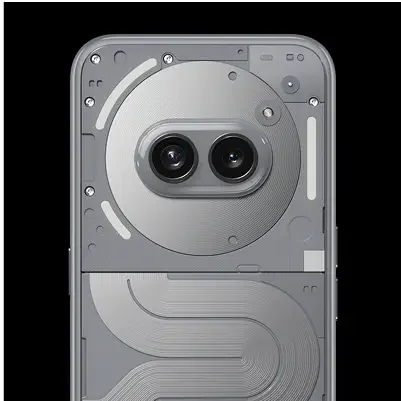
The Phone (2a) leans design over brute strength: a lightweight 190g frame with a plastic back and Gorilla Glass 5 front keeps costs down but attracts fingerprints and scratches, and the IP54 rating offers splash protection—not full waterproofing. Teardown and reviewer notes praise thoughtful assembly and removable‑feeling serviceability in some demos, yet forums flag occasional screen issues like burn‑in and inconsistent panel QC; use a case if you value longevity. Stylish but needs careful handling
Battery & Charging
Battery life is a genuine win: the 5000mAh cell routinely reaches one‑to‑two day use and realistic tests show long browsing and video runtimes, while 45W wired charging hits 0–50% in ~23 minutes and full in about an hour (charger sold separately). Sustained gaming shortens that lead but the Dimensity 7200 Pro’s efficiency helps; trade‑offs include no wireless charging and user reports that environmental conditions sometimes affect real‑world charging speeds. Excellent endurance, pragmatic charging
Display
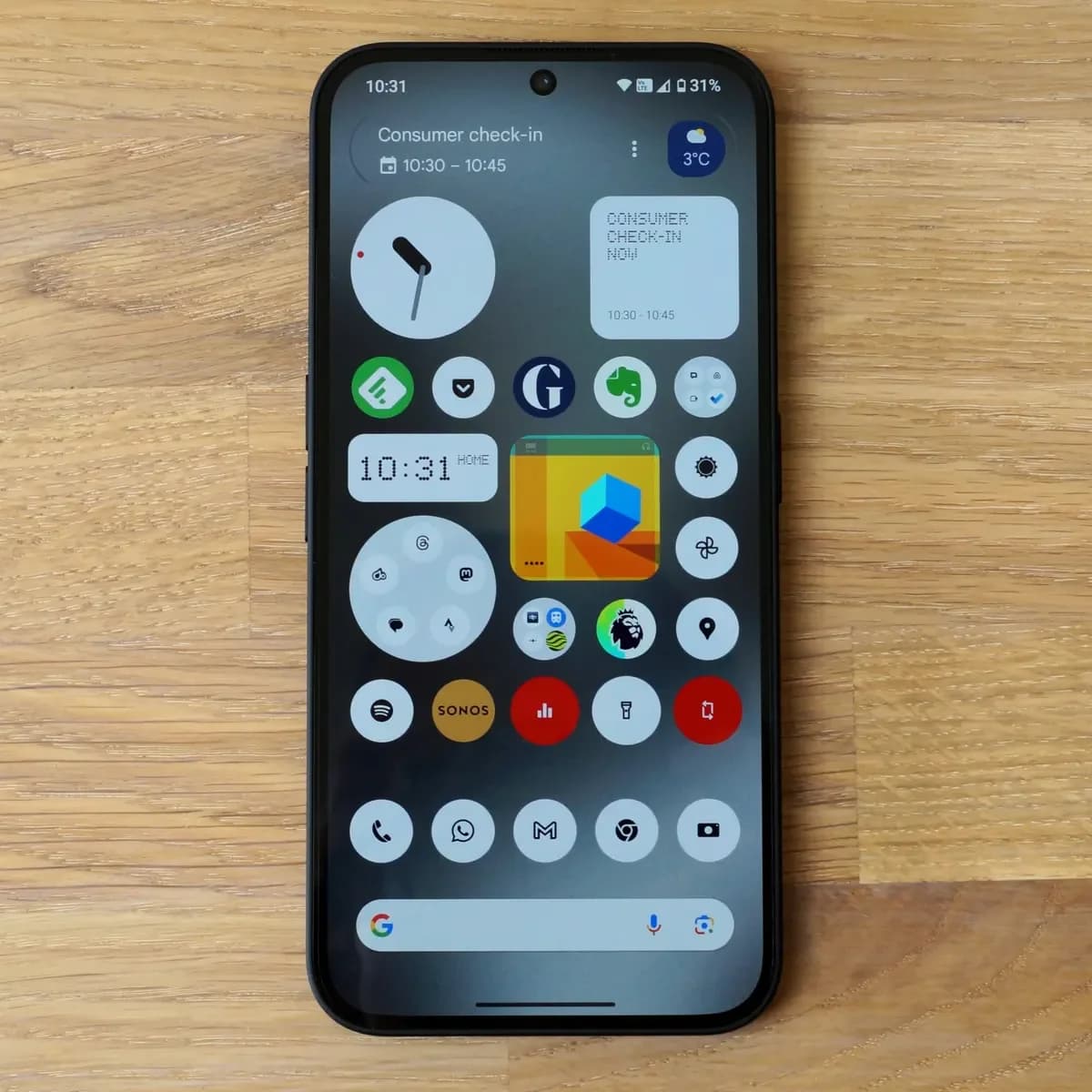
The 6.7-inch flexible AMOLED is the Phone (2a)’s showpiece: a bright, smooth 120Hz adaptive panel with HDR10+ and a quoted 1300 nits peak that makes streaming and scrolling sing, though spot checks and forum posts flag occasional green tint and black‑crush on some units. Color depth (1 billion colors) and 2160Hz PWM dimming help low‑light comfort but may bother sensitive users; overall it delivers flagship‑feeling fluidity while reminding you that panel consistency can vary in real use, not just on spec sheets. Vibrant yet occasionally finicky
Conclusion
Early signals are promising but not gospel—this phone excels where it counts and concedes where it must. The 120Hz AMOLED is gloriously smooth for movies and scrolling, while the 1300‑nit peak makes HDR pop. Battery life is a standout: 5000mAh endurance with 45W fast wired charging keeps you off the outlet. The Dimensity chip delivers polished everyday performance, though heavy gaming exposes GPU limits. Cameras shoot excellent daytime snaps, but expect noisy low‑light results and occasional processing quirks. The plastic back keeps weight down but invites smudges and scratches; IP54 protects against splashes, not puddles. The Glyph remains the phone’s personality—useful, playful, and occasionally attention‑seeking. For style‑minded users who prize battery, display, and software polish over flagship cameras or premium materials, this is a clever, well‑priced choice that earns a strong thumbs‑up.

Feature Scores
This reflects reviews and ratings from established critics, journalists, and users who have evaluated the item. Their opinions provide a comprehensive assessment.
Performance
Processor Performance
4/5
Battery Life
5/5
Software Stability & Updates
4/5
Camera System Performance
4/5
Network Connectivity
3/5
Value
Price-to-Performance Ratio
4/5
Resale Value
3/5
Design
Display Quality
4/5
Ergonomics & Comfort
4/5
Materials & Fit/Finish
4/5
Health
RF Emissions
3/5
Blue Light Management
3/5
Safety
Biometric Security
4/5
Data Privacy & Security
4/5
Physical Safety Features
3/5
Sustainability
Repairability & Modular Design
3/5
Energy Efficiency
4/5
Responsible Sourcing
2/5
Experience Style
Customizability
4/5
Ease of Use
4/5
Accessibility Features
3/5

Specifications
This section outlines the product's key facts, covering essential features, details, dimensions, materials, and any unique characteristics that define its functionality and usability.
Performance
Value
Design
Safety
Sustainability
Experience Style

Frequently Asked Questions
8 Questions

Also Consider
1 Option

Find Yours
What's your top priority when choosing a smartphone?
Answer to find your best matches.