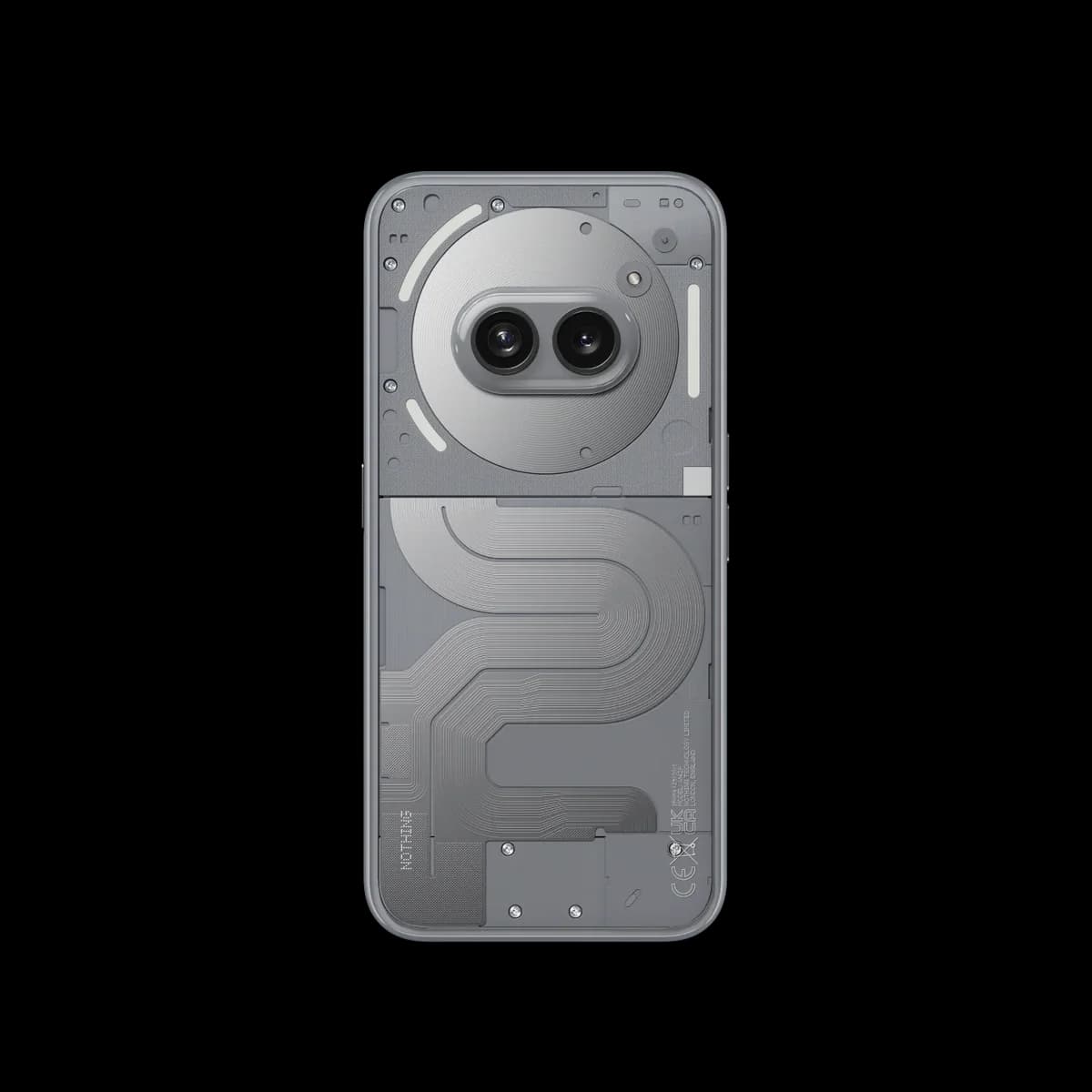

Nothing Phone (2)
Distinctive Glyph design, bright LTPO display, strong battery and performance—great style with trade-offs.
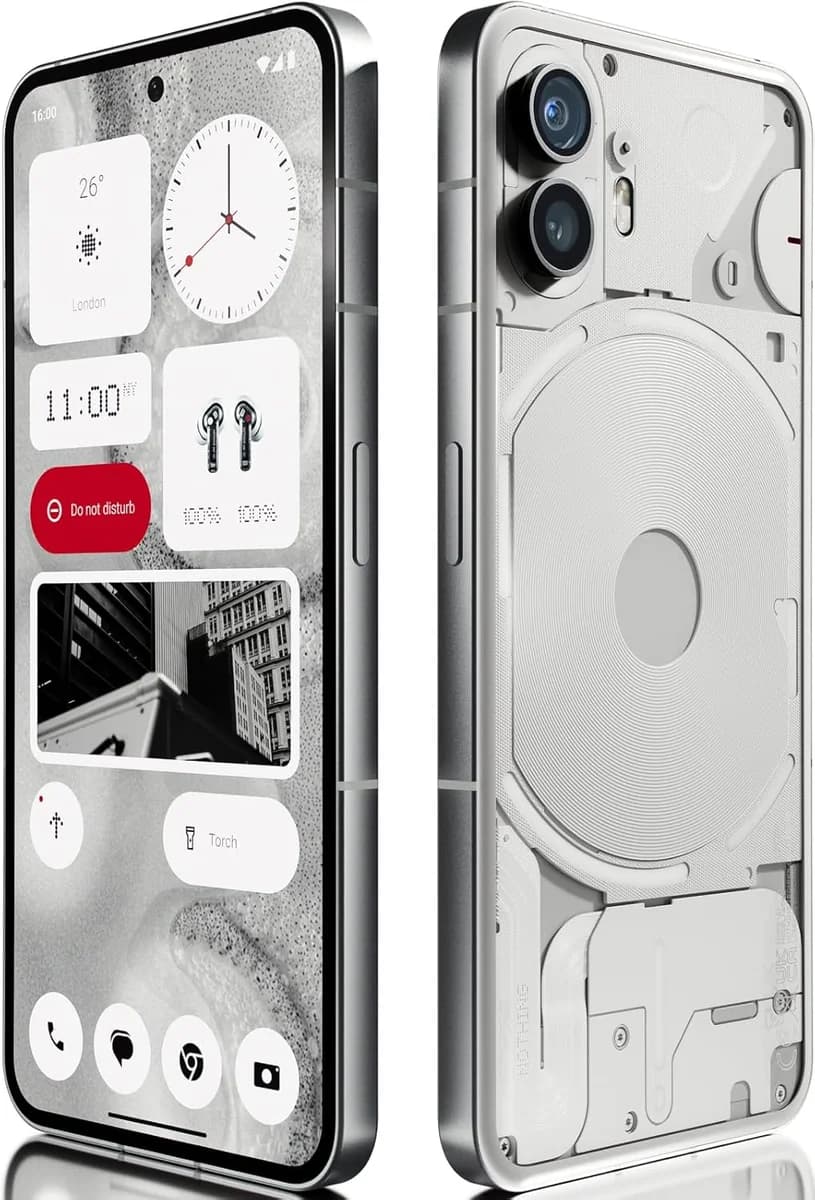
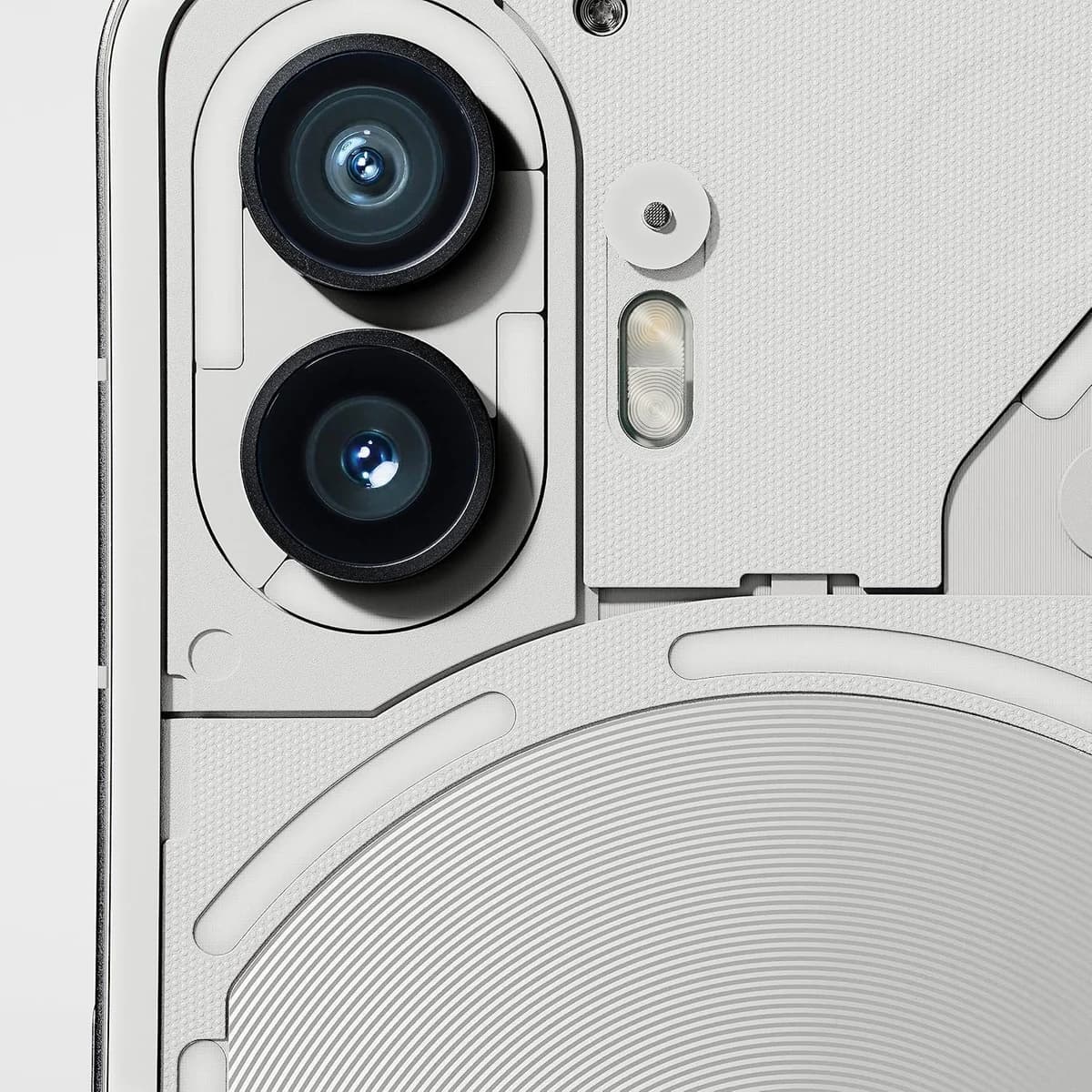
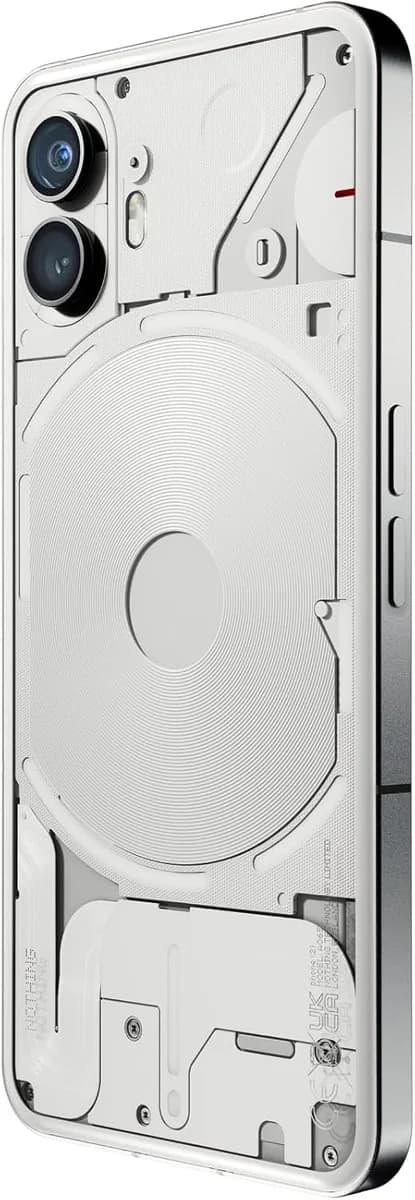
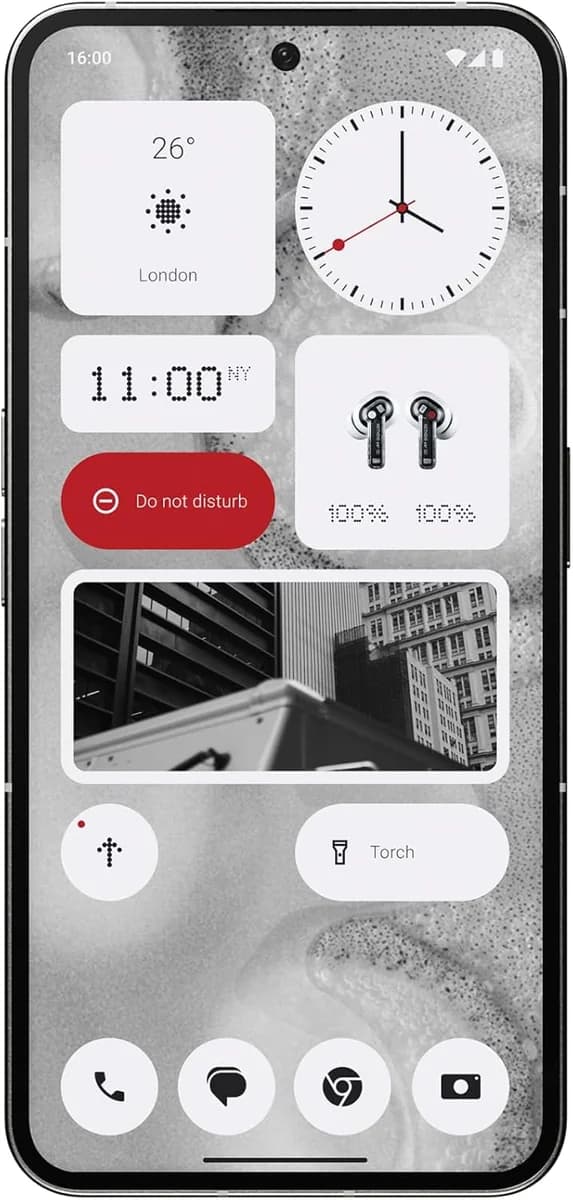
The Nothing Phone (2) is a personality-packed mid‑ranger that dresses like a designer toy and behaves like a sensible daily driver, aimed at users who want style without flagship sticker shock. Reviewers and owners praise its 6.7” LTPO OLED, Snapdragon 8+ Gen 1 speed, and 4,700mAh battery for real-world endurance, and the playful Glyph LED system which fans use as alerts and a handy fill light; experts note the dual 50MP daytime cameras are solid but fall short at night, and repair/compatibility limits temper long‑term value—overall, cost feels fair given the polish, battery, and quirky charm that drive buying decisions.
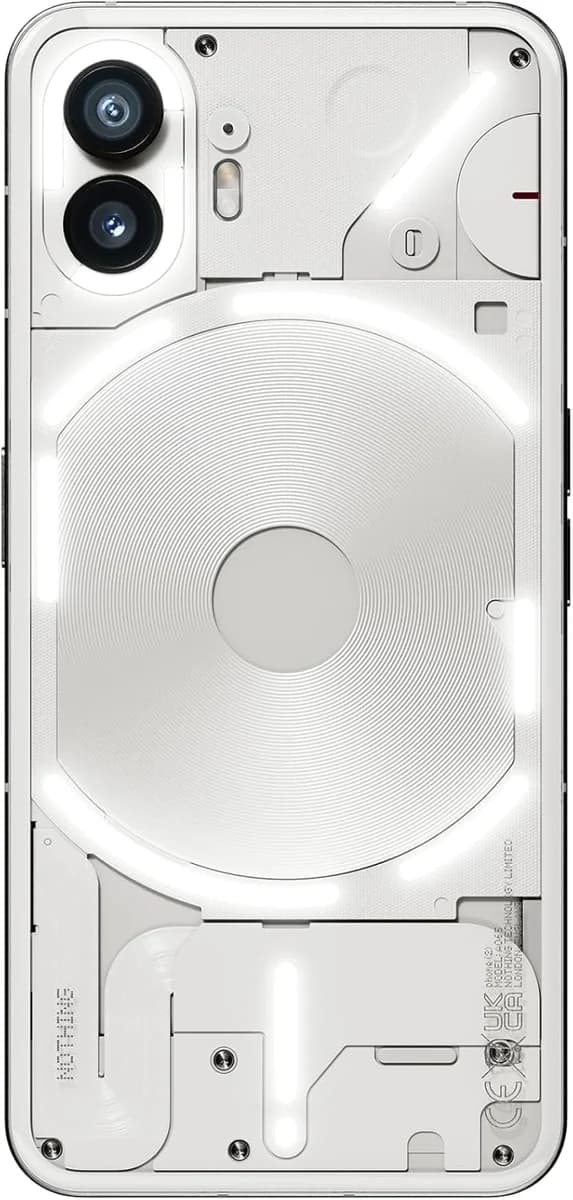
Find Yours
What's your top priority when choosing a smartphone?
Answer to find your best matches.

The Field
Browse top contenders, or compare all options ranked by score and key attributes.
5 Options



The Scoreboard
Does this improve your life? Considers, health, habits, and environmental impact.
Benefits
Glanceable visual alerts without waking the screen, reducing interruptions and quick checks.
Long 4,700mAh life keeps you through heavy days, fewer mid-day charging stops.
Gently curved back and textures feel nice to hold for long browsing sessions.
Nothing OS makes widgets, themes and layouts personal, so phone feels less cluttered.
50MP main sensor produces sharable photos and smooth 4K video for everyday moments.
Transparent rear and Glyphs attract compliments, making social situations feel more playful.
Trade-Offs
Curved glass feels slippery and bulky, making one-handed taps and pocketing awkward.
After drops, finding timely US repairs or replacement parts can be slow or impossible.
Prolonged gaming or navigation warms the phone, causing slowdowns and uncomfortable holding.
Selfies and ultrawide photos in dim light often lose detail or look over-smoothed.
 Alternatives


Join the Circle
Where real meets deal
Know what's worth buying-and when.
Tips, special offers, and rewards for buying and sharing.

Publications
10 LEADING PUBLICATION REVIEWS

Oliver Cragg from Android Authority highlights the Nothing Phone 2 as an exciting, stylish affordable-flagship that combines flagship peak performance, a brighter OLED, improved battery and fun Glyph branding with generally strong value. The review is upbeat and enthusiastic—urging readers to "follow the light"—while still noting meaningful caveats: an underwhelming ultrawide, tinny speakers, IP54 (not full waterproofing), Gorilla Glass 5, capped selfie video at 1080p, and GPU throttling under sustained load. Unique insights include detailed Glyph improvements (more LEDs and useful Essential Glyph features), real-world battery and charging numbers, hands-on benchmark throttling data, measured camera trade-offs (IMX890 main sensor gains but persistent ultrawide issues), and a balanced comparison with Pixel and Samsung alternatives. Overall the tone is positive and recommending but measured about durability and niche feature limitations.
By Oliver Cragg
Dan Seifert from The Verge highlights that the Nothing Phone (2) is a stylish, well-equipped midrange phone that nails many practical upgrades over its predecessor while trading off some durability and broad carrier compatibility. The reviewer’s tone is warm and appreciative—enthused about the phone’s “vibe,” improved battery life, snappy Snapdragon 8+ Gen 1 performance, excellent 6.7-inch LTPO display, and thoughtful Glyph-led focus features—yet measured and realistic about limitations: slippery ergonomics, only IP54 splash resistance, no Verizon certification, and features that may not meaningfully change users’ phone habits. Unique insights include praise for motion-aware HDR shutter boosts that reduce blur, a genuinely useful always-on display, and clever Glyph progress integrations; overall the verdict is that Nothing Phone (2) is a fun, distinctive, and competent midranger that will click strongly for those aligned with its design philosophy but won’t be transformative for everyone.
By Allison Johnson
Andrew Lanxon from CNET highlights the Nothing Phone (2) as a bold, stylish midranger that stands out with its glyph LED lights, recycled aluminum frame, large 6.7-inch adaptive display, strong Snapdragon 8+ Gen 1 performance and solid battery life — but he sounds measured, not ecstatic. He praises the phone’s design flair, polished minimal UI options, and capable speed, and notes camera improvements over the original; however, he repeatedly questions the $599–$699 pricing versus sharper rivals (notably the Pixel 7A and OnePlus options), criticizes overzealous image processing and some exposure issues, and calls the glyphs more of a novelty than lasting utility. The review’s tone is positive but cautious: Lanxon finds it a good phone that’s roughly $100 too expensive at launch, recommending it mainly for buyers who truly value its unique design.
By Andrew Lanxon
Tom’s Guide’s John Velasco highlights the Nothing Phone (2) as a stylish, design-forward midranger that earns praise for its standout transparent look, expanded Glyph Interface, polished Nothing OS 2.0, snappy Snapdragon 8+ Gen 1 performance, and strong battery life. He’s enthusiastic about the phone’s visual identity and fluid day‑to‑day performance, and notes useful Glyph integrations and improved charging. However, the tone is measured—Velasco critiques the higher $599 starting price, shorter software support than some rivals, and most notably the camera’s weak low‑light performance that leaves it trailing the cheaper Pixel 7a. The review balances excitement about aesthetics and speed with clear reservations about value and imaging, concluding that style and smoothness make the Phone (2) appealing, but its camera and price keep it from being a full recommendation.
By John Velasco
Lewis Painter assesses the Nothing Phone (2) as a stylish, much-improved mid‑ranger that finally fixes the original’s biggest flaws while delivering near-flagship performance. The review is upbeat and approving: the Snapdragon 8 Plus Gen 1, LTPO 120Hz OLED, 4700mAh battery and improved twin 50MP cameras earn repeated praise for smooth performance, strong battery life, and reliable daytime photos, while the signature transparent rear and upgraded Glyph LEDs offer distinctive, fun extras. Criticisms are measured — the price jump, middling low‑light camera performance versus Pixel-class rivals, occasional heat under prolonged gaming, and lack of a bundled high‑watt charger — but these caveats don’t outweigh the reviewer’s clear enthusiasm; overall the Phone (2) is recommended for buyers who want flagship-class speed and a unique design without flagship cost.
By Lewis Painter
GSMArena Team praises the Nothing Phone (2) as a confident, well-rounded sequel that upgrades the original in meaningful ways — a larger 6.7" LTPO OLED, Snapdragon 8+ Gen 1 flagship-class performance, improved cameras with smarter ISP-driven processing, faster 45W wired charging, a bigger 4,700mAh battery, and IP54 splash resistance. The review sounds upbeat and approving while staying measured: it celebrates the expanded Glyph UI and competitive pricing for flagship specs, yet flags missed opportunities — no Snapdragon 8 Gen 2, only modest IP protection (not IP67/68), and a likely Quad-Bayer 32MP selfie sensor that may underwhelm. Practical details (benchmarked display specs, charging figures, camera configurations) and an honest comparison to the Phone (1) give the piece useful context for buyers deciding between a premium upgrade or the more affordable predecessor.
By GSMArena Team
TechRadar's Philip Berne praises the Nothing Phone (2) as a stylish, refreshingly different Android handset that delivers flagship-class performance and strong battery life for its price, while warning that its headline glyph lights are mostly gimmick and the camera lags behind competitors. He’s enthusiastic about the phone’s distinctive design, bright LTPO display, smooth Snapdragon 8+ Gen 1 performance, and minimalist NothingOS touches like oversized app icons and a useful always-on display, but repeatedly notes software rough edges, fragile curved glass, limited repair options, and inconsistent glyph integration. Overall the tone is positive-but-measured: Berne recommends the Phone (2) for buyers who value unique design and snappy performance, but advises those prioritizing imaging or long-term polish to look elsewhere.
By Philip Berne
Julian Chokkattu from WIRED praises the Nothing Phone (2) as a flashy, stylish midrange Android that stands out with its unique Glyph LED system, elegant Nothing OS 2.0 widgets, and very smooth performance. He’s enthusiastic about the design, battery life, snappy Snapdragon 8+ Gen 1 performance, wireless charging, and creative features like Essential Glyph notifications and Glyph Composer. However, his tone is measured—he flags real downsides: inconsistent camera results compared with the cheaper Pixel 7A, only IP54 water resistance, limited carrier support (no Verizon), and slightly shorter update promises. He finds the monochrome interface less effective than intended and notes some usability friction with the Glyph workflow. Overall the review is upbeat and appreciative of Nothing’s personality and value proposition, while pragmatically recommending buyers weigh camera, durability, and carrier needs against the Phone (2)’s distinct style and polish.
By Julian Chokkattu
Samuel Gibbs from The Guardian highlights the Nothing Phone (2) as a stylish, well-priced mid‑range handset that delivers a fun, distinctive experience without sacrificing core performance. He praises the improved premium feel, bright 6.7in OLED, faster Snapdragon 8+ Gen 1 chip (noting it’s last year’s flagship), solid battery life, clever Glyph‑style LEDs and thoughtful Nothing OS tweaks that add playful but practical touches. Criticisms center on an only‑so camera system (no telephoto, soft detail and aggressive smoothing), subpar future‑proofing with just three years of Android updates/four years of security fixes, and limited water resistance. Overall Gibbs sees the Phone 2 as a confident, value‑focused sequel that’s more charming than revolutionary — a compelling alternative for buyers who prize design and battery life over top‑tier cameras or the longest software support.
By Samuel Gibbs
Henry Burrell from Tech Advisor praises the Nothing Phone (2) for its distinctive design, engaging Nothing OS 2.0, excellent battery life, and clever Glyph lighting, calling the OS the device’s highlight and praising thoughtful features like customizable notifications and reliable battery performance. He tempers that enthusiasm with clear reservations: the Phone (2) feels largely iterative versus the Phone (1), its camera and daytime display brightness are disappointing for the price, haptics and IP54 durability feel below class expectations, and the phone is bulky for one-handed use. Overall the tone is measured and mildly positive—impressed by style, software, and value, but not convinced it breaks through competitively given stronger options like the Pixel 7a or OnePlus 10T.
By Henry Burrell

YouTube
13 LEADING EXPERT & INFLUENCER REVIEWS
 Marques Brownlee
Marques Brownlee praises the Nothing Phone (2) for its refined design, bright 6.7” LTPO OLED, characterful Nothing OS 2.0 and improved battery life, while noting Snapdragon 8+ Gen 1 is last-gen, camera low-light/ghosting bugs, occasional thermal/haptic quirks, and higher starting price—enthusiastic but measured.
BeebomBeebom praises the Nothing Phone (2) for its premium feel, bright LTPO 120Hz display, snappy Snapdragon 8+ Gen 1 performance, refined Nothing OS 2.0, solid speakers and enjoyable Glyph features, while noting camera parity with rivals (better video stabilization but uneven stills and occasional “oil painting” processing), IP54 rating, charging speed, and a serious camera app crash on one unit.
MrMobile [Michael Fisher]Michael Fisher praises the Nothing Phone (2) as a design-first, fun midrange alternative—loving Nothing OS customizations and the Glyph Interface—while noting camera limitations vs. Pixel, minor bugs, and unclear long-term repair/support. Enthusiastic but measured: stylish, distinctive, and enjoyable for the right buyer, not a pragmatic utility-first phone.
Tech SpurtTech Spurt's reviewer praises the Nothing Phone (2) as a distinctive, well-built midrange standout—calling the Glyph Interface, refined Nothing OS 2.5.5, long-lasting 4,700mAh battery, and improved camera/video processing genuinely gratifying—while noting slip-prone finish, limited eSIM support, modest charging speed, and no telephoto as its main caveats.
MrwhosethebossMrwhosetheboss praises the Nothing Phone (2) as a confident, design-forward "budget flagship"—loved for its symmetrical 6.7” LTPO OLED, Glyph Interface, strong battery (4,700 mAh) and enjoyable audio—while noting camera limits, 1080p front video, haptics, and chipset trade-offs; overall enthusiastic, easily recommendable.
The Tech ChapDonald Tech Chap praises the Nothing Phone (2) as a big, confident upgrade—excited about the refined Glyph Interface, brighter 6.7” LTPO display, improved Snapdragon 8+ Gen 1 performance, and notably better 50MP/32MP cameras—while acknowledging modest battery regression versus Phone (1), lack of eSIM/headphone jack, and some feature trade-offs.
Sam BeckmanSam Beckman praises the Nothing Phone (2) for ongoing Nothing OS updates, strong battery, flagship-level Snapdragon 8+ Gen 1 performance, and distinctive design/Glyphs, but hesitantly recommends against buying now due to middling cameras, camera app jank, weak haptics, low fingerprint placement, and value overlap with the Phone (2a).
6 Months LaterJosh Teder praises the Nothing Phone (2)’s standout Glyph Interface, sleek pillow‑glass design, LTPO 6.7” display, smooth Nothing OS, and strong battery, while noting limited Glyph integrations, uneven camera processing (improved by updates), coarse volume steps, and frustrating Nothing support—overall a stylish, respectable mid‑range pick.
ORBITORBIT praises the Nothing Phone (2) for its striking design, improved Glyph Interface, fluid Nothing OS, strong Snapdragon 8+ Gen 1 performance, bright 6.7” LTPO OLED, and solid battery life — but criticizes IP54 water resistance, screen-scratch issues, and an average camera that won’t beat Pixel-level photos.
ToolsplitToolsplit argues the Nothing Phone (2) is the better buy—valuing its iconic Glyph Interface, LTPO AMOLED power efficiency, and striking transparent design over Phone (3)’s higher specs and dot-matrix rear display. Praise is enthusiastic but measured; main criticism: Nothing abandoned its unique identity and overpriced the Phone (3).
Drew LippsDrew Lipps praises the Nothing Phone (2) as a long-term favorite—enthusiastic about the Glyph Interface, buttery-smooth Nothing OS, solid battery and immersive display/audio—while noting the older Snapdragon 8+ Gen 1, modest camera relative to true flagships, and concerns about pricing and US market positioning.
Simple AlpacaSimple Alpaca says the Nothing Phone (2) looks good and its Glyph Interface and clean Nothing OS are appealing, but he’s lukewarm—preferring older Pixels, Samsungs, or iPhones for better cameras, build impression, and overall value. Thoughtful but cautious: stylish, not a definitive buy.
KNOWLEDGE TREND KNOWLEDGE TREND praises the Nothing Phone (2) as a stylish, creator-friendly mid-range flagship, highlighting its Glyph Interface, 6.7" LTPO 120Hz OLED, Snapdragon 8+ Gen 1 performance, dual 50MP cameras with solid stabilization, 4,700mAh battery with 45W fast charging, and clean Nothing OS 2.0—enthusiastically recommended for standout design and smooth daily use, with a brief caveat to compare if you prioritize the absolute best camera or peak brightness.

Social
4 INFLUENCER REVIEWS
 Isa Marcial
isa_marcial highlights eco-friendly materials, the unique Glyph design, and a bright LTPO 120Hz OLED; she praises video capture (4K/60, 4K slow-mo, strong HDR) and fast wired/wireless charging, plus a rare Snapdragon 8+ Gen 1 and a 512GB option. Criticisms include online-only sales, limited waterproofing, middling battery life, no 4K front video, weaker selfie portrait detection, fewer security features, and no charger in-box. Overall, Isa’s tone is measuredly positive—impressed by design, camera/video capabilities, and performance, but cautious about practical drawbacks; she recommends it for users who prioritize camera/video, design, and performance, while advising others to weigh battery, security features, and availability before buying.
No es Brujería, es Tecnologíabrujeriatech praises the Nothing Phone (2)'s main and ultrawide cameras for realistic colors and strong low‑light performance on the primary sensor, while calling out weaker macro detail and a front camera that loses color and detail at night. They note useful glyph lighting and flexible video (4K60 on rear, limited night‑video to 1080p30). Overall, brujeriatech's tone is positive but measured — impressed by day and primary low‑light results, cautious about front/macro shortcomings. Recommendation: a solid camera phone for most users, especially for natural color and video, though not flawless for selfies or close‑ups.
Beerdanay29beerdanay29 raves about the Nothing Phone (2), praising its clean Nothing OS, 120Hz display, strong 50MP camera, long-lasting 5,000mAh battery, generous 512GB/12GB spec, and the playful Glyph interface — calling it a great bang for the buck after eight months of daily use. Overall, they enthusiastically recommend it for Android converts or anyone wanting iPhone-like polish at a lower price, while warning iPhone switchers about missing iMessage/AirDrop conveniences; tone is positively excited and personally convinced.
VideoWaliSarkarbilalmunir1995 (VideoWaliSarkar) raves about the Nothing Phone (2), calling it an exciting, personality-packed Android with a standout glowing rear display and thoughtfully crafted software that feels premium and fun. He caveats the price — noting better raw hardware exists elsewhere — but still recommends it highly for anyone wanting a distinctive, thrilling Android.

Store Reviews
CUSTOMER REVIEWS FROM 1 STORE
Amazon reviewers praise the Nothing Phone (2) for its standout design, long-lasting battery, and smooth performance. Many buyers celebrate the Glyph lights and customizable UI—users personalize widgets, disable animations for snappier responses, and call the interface refreshingly minimal and bloat-free. Multiple reviewers highlight excellent value compared with flagship rivals, noting that build quality and day‑to‑day speed rival much more expensive phones. Reviewers report consistently good cameras for everyday shots and clear audio, though a few callouts mention the cameras don’t outclass top-tier flagships. Several users credit Nothing’s frequent software updates with resolving early Bluetooth, notification, and stability issues, improving reliability over time. Unique points include owners using the Glyph as a practical fill light and drivers praising the phone’s endurance during long GPS sessions. Common hardware gripes focus on the lack of a headphone jack, no expandable storage, and limited U.S. repair/parts support. Overall, Amazon customers regard the Phone (2) as a polished, personality-driven alternative that balances performance, battery life, and customization at a competitive price.
4.6 Stars / Some verified reviews

Forum Reviews
CUSTOMER REVIEWS FROM 1 FORUM
Reddit conversations about the Nothing Phone (2) are mixed: users praise its clean Nothing OS, distinctive design, Glyphs, and generally smooth day-to-day performance and battery life, especially early on. Criticisms focus on inconsistent camera quality, underwhelming image processing, heating and throttling during gaming, buggy software behavior (notifications, widgets, audio quirks), and limited long-term OS support. Many recommend the Phone (2) for the unique experience rather than flagship-level cameras or sustained performance. Upgraders worry about aging support and throttling; new buyers are advised to weigh novelty and UI against camera/software limitations.
Many comments

In-Depth Review

Highlights
- •Long battery lifeDesigned to deliver all‑day (often multi‑day) use
- •Bright adaptive LTPO displayMarketed as a 1–120Hz, 1600‑nit OLED
- •Capable daytime camerasPromoted as dual 50MP system for daytime
- •Premium materials and sustainabilityCompany highlights recycled aluminum and packaging
- •Smooth performance and responsive UIDesigned for flagship‑class speed and fluid OS
- •Glyph programmable LED interfacePromoted as 33 programmable rear LEDs

Considerations
- •Inconsistent low‑light and ultrawide imagingNight shots and ultrawide often lack detail
- •Limited repair and parts supportUS repair parts and service can be scarce
- •Modest water resistanceIP54 splash rating; not immersion‑safe
- •Thermal throttling during heavy useProlonged gaming/navigation causes warmth and slowdowns
- •Limited carrier compatibilityNot certified for many CDMA carriers (e.g., Verizon)
- •Shorter update window and early bugsThree years Android updates; some early bugs
Nothing’s follow-up swaps gimmicks for polish: a design‑first maker known for playful hardware brings a refined, personality-packed mid‑range handset aimed at style‑minded Android users who want flagship feel without flagship price. Built for daily life — portrait-ready shots, multi‑day use, and distraction‑free notifications — it leans on a few standout wins: Snapdragon 8+ Gen 1 performance, a 4,700 mAh battery that routinely stretches past a day, and a bright 6.7” LTPO OLED (1–120 Hz, 1600 nit) for crisp outdoor viewing. The phone adds a 33‑LED Glyph system that’s equal parts fun and useful, plus 45W wired / 15W wireless charging for practical fast‑tops. Compared with its predecessor and rivals like Pixel and OnePlus, it trades the absolute best camera and IP rating for personality, sustainability, and polish. If you value design flair, long runtime, and a snappy UI, read on — the sections ahead unpack battery, display, camera, build, thermal behavior and the Glyph magic.
Display and touch responsiveness
The 6.7″ LTPO OLED is a showpiece: bright 1600‑nits peak highlights HDR content and the 1–120Hz adaptive refresh balances smooth motion with battery savings, while a 240Hz touch sampling rate keeps games feeling snappy. Reviewers praise its punchy colors and readable outdoors performance, though curved pillow‑glass edges can be slippery and pick up scratches more easily than flatter rivals. Overall, the screen is a standout for media and UI polish, with SGS Low Blue Light certification easing long sessions.
Battery life and charging
If you’re tired of hunting for outlets, the Phone (2)’s 4,700mAh pack and adaptive LTPO display deliver genuinely all‑day endurance that often stretches into a second day with light use; wired 45W PPS charging hits a fast top‑up in roughly 55 minutes while 15W Qi wireless and 5W reverse wireless add convenient topping‑ups. Real‑world user reports and reviews back the marketing claim about longevity, though heavy gaming exposes thermal throttling that trims worst‑case runtime—still, it’s a reliable daily driver and practical for road trips.
Camera performance
Daylight photos from the 50MP main sensor are solid, with Advanced HDR and Motion Capture 2.0 producing shareable shots and stable 4K@60 video, but the ultrawide and low‑light selfies remain uneven—reviewers flag over‑smoothing and detail loss at night. Firmware updates have noticeably improved processing, matching real user praise for daytime reliability, yet camera tests still put it shy of Pixel‑class edges; in short: great for everyday snaps, not for pixel‑peeping or low‑light heroics, and software updates matter.
Performance and thermal management
Packed with Snapdragon 8+ Gen 1 and up to 12GB LPDDR5, the Phone (2) delivers flagship‑class daily speed and smooth multitasking, living up to expert praise for responsiveness. Sustained heavy loads expose GPU throttling and warmth that can nudge frame‑rates down, so prolonged gaming or benchmarking shows thermal compromises versus newer silicon. For most users the performance is more than enough, but power users should note the real‑world trade‑off between peak speed and extended thermal headroom.
Build quality and materials
The Phone (2) feels premium with its pillow‑glass back and recycled aluminum mid‑frame, and Gorilla Glass 5 front/back lends a polished sheen; sustainability creds (recycled components and plastic‑free packaging) are bona fide extras. That said, IP54 splash resistance and a curved, somewhat slippery finish temper durability expectations—drops and immersion aren’t its friends, and several owners note limited US repair support for replacements. It’s stylish and responsibly built, but not the toughest pick for rough use.
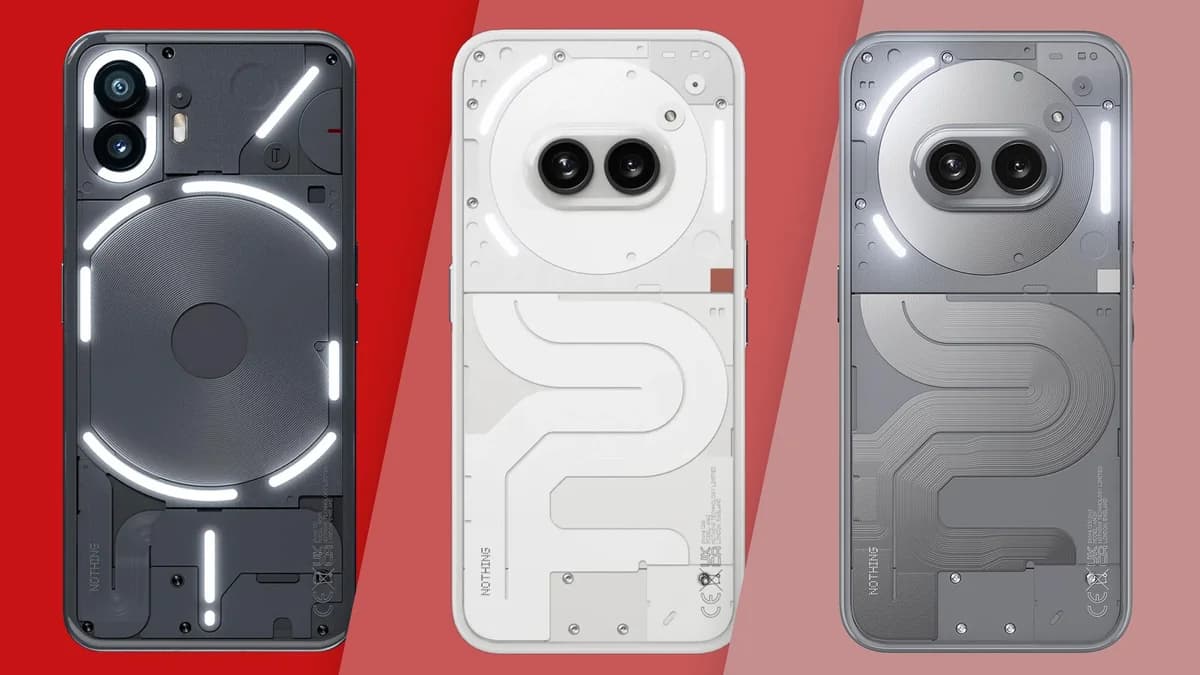
Glyph LED interface
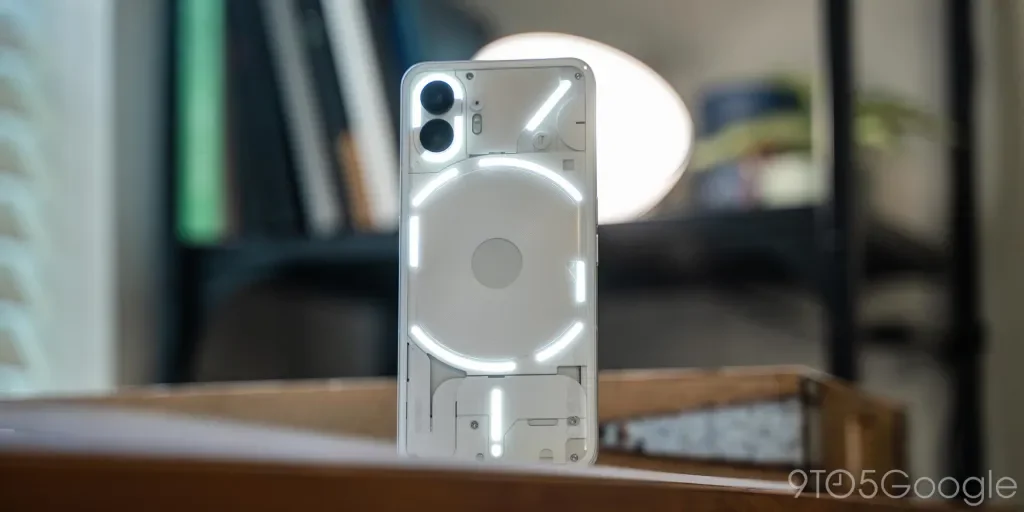
The Glyph is the phone’s personality engine: 33 programmable LEDs enable contact‑specific cues, progress meters, timers, and even custom Glyph ringtones via Composer, turning notifications into glanceable, screen‑free signals. Users and critics both celebrate the novelty and practical uses—drivers using it as a fill light is a recurring anecdote—but some integrations feel limited and the novelty may fade for utility‑first buyers. Still, it’s a bold, well‑executed differentiator and an effective social conversation piece that’s fun and useful.
Conclusion
Think of this as a stylish toolkit: it gives you multi‑day battery confidence, a bright LTPO 1–120Hz display that feels buttery under the thumb, and a camera that nails daytime shots while asking forgiveness after sunset. The chassis pairs pillow‑glass polish with responsibly recycled metal, though the IP54 rating and slippery edges temper ruggedness. Under the hood, Snapdragon 8+ Gen 1 delivers brisk everyday speed, but prolonged loads reveal thermal throttling that gamers should note. The Glyph remains the phone’s personality engine — genuinely useful for glanceable alerts and quirky enough to spark conversations — highlighted by programmable LED utility and playful Composer options. If you prize design, battery longevity, and a distinctive UI, this is a compelling pick; if you demand best‑in‑class low‑light photos or immersion‑grade water protection, look elsewhere. Overall: confident character with sensible trade‑offs.

Feature Scores
This reflects reviews and ratings from established critics, journalists, and users who have evaluated the item. Their opinions provide a comprehensive assessment.
Performance
Processor Performance
4/5
Battery Life
4/5
Software Stability & Updates
4/5
Camera System Performance
4/5
Network Connectivity
4/5
Value
Price-to-Performance Ratio
4/5
Resale Value
3/5
Design
Display Quality
5/5
Ergonomics & Comfort
4/5
Materials & Fit/Finish
4/5
Health
RF Emissions
TBD
Blue Light Management
4/5
Safety
Biometric Security
4/5
Data Privacy & Security
4/5
Physical Safety Features
3/5
Sustainability
Repairability & Modular Design
2/5
Energy Efficiency
4/5
Responsible Sourcing
5/5
Experience Style
Customizability
5/5
Ease of Use
4/5
Accessibility Features
3/5

Specifications
This section outlines the product's key facts, covering essential features, details, dimensions, materials, and any unique characteristics that define its functionality and usability.
Performance
Value
Design
Safety
Sustainability
Experience Style

Frequently Asked Questions
7 Questions

Also Consider
1 Option

Find Yours
What's your top priority when choosing a smartphone?
Answer to find your best matches.