
Nothing Phone (4a) Pro
Brilliant 144Hz display, pro zoom & metal build—playful OS and great value with a few trade-offs.
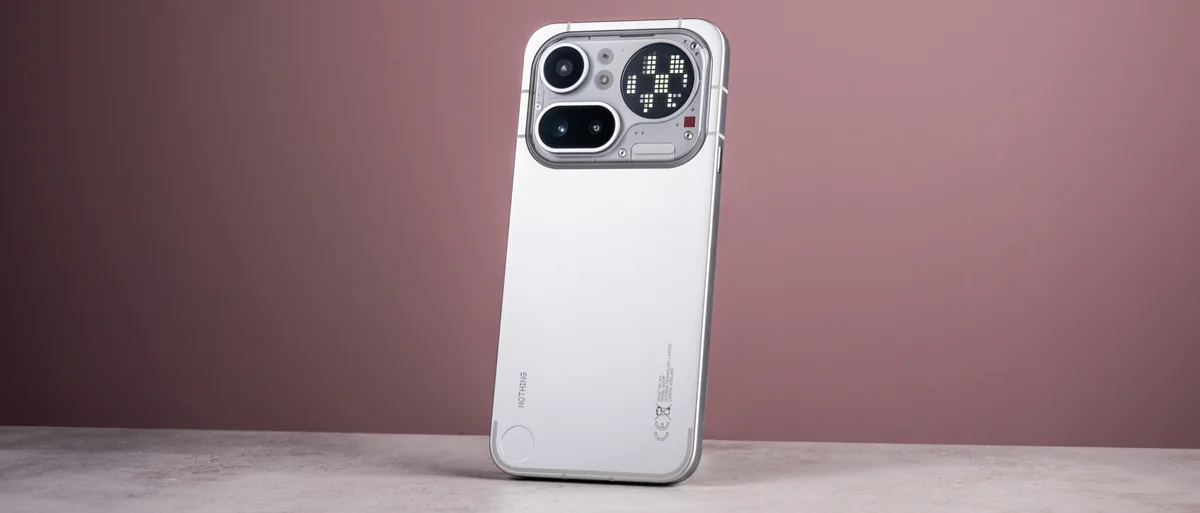
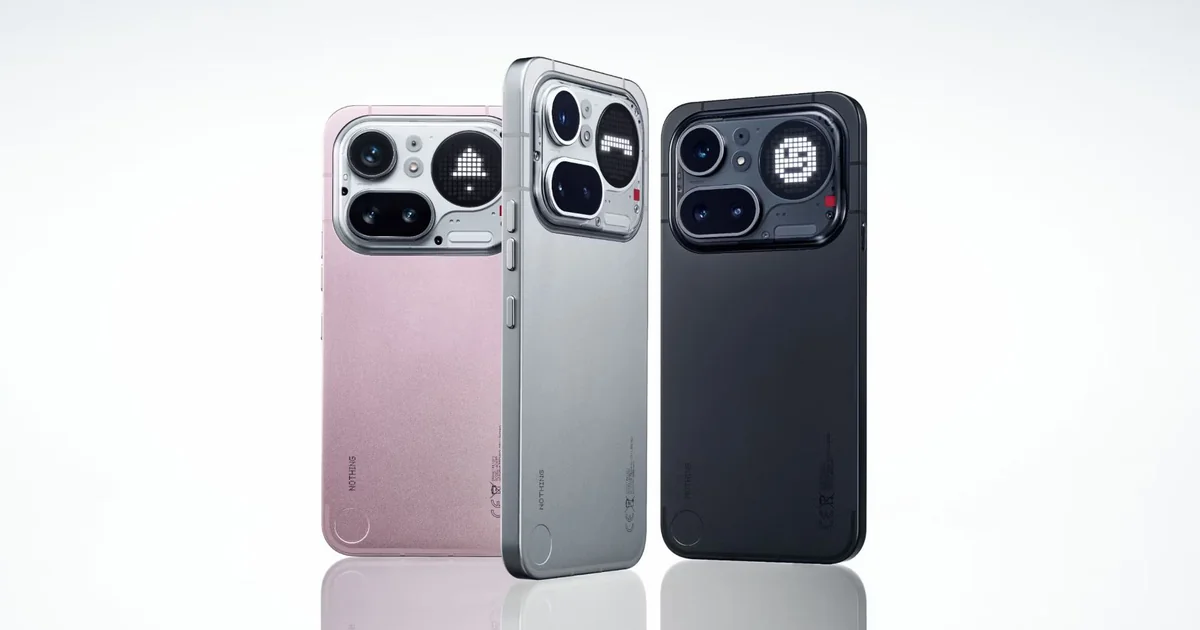
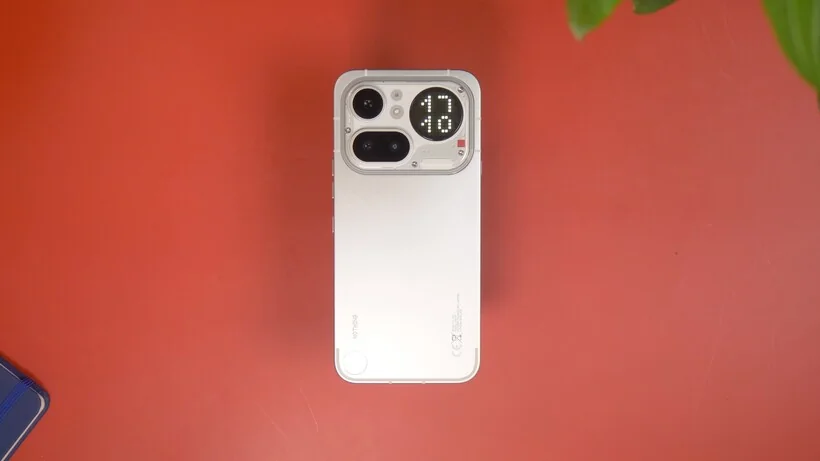
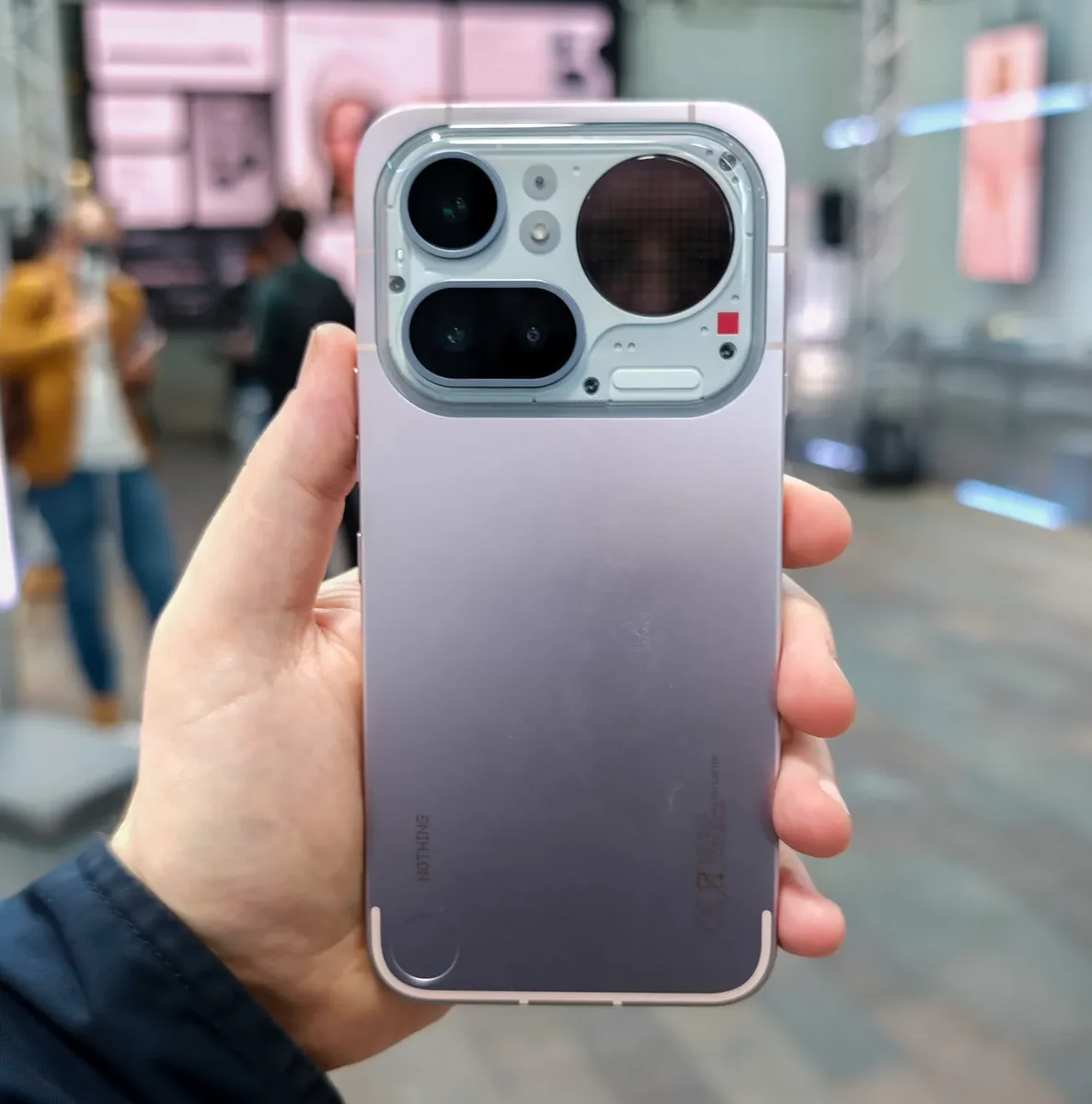
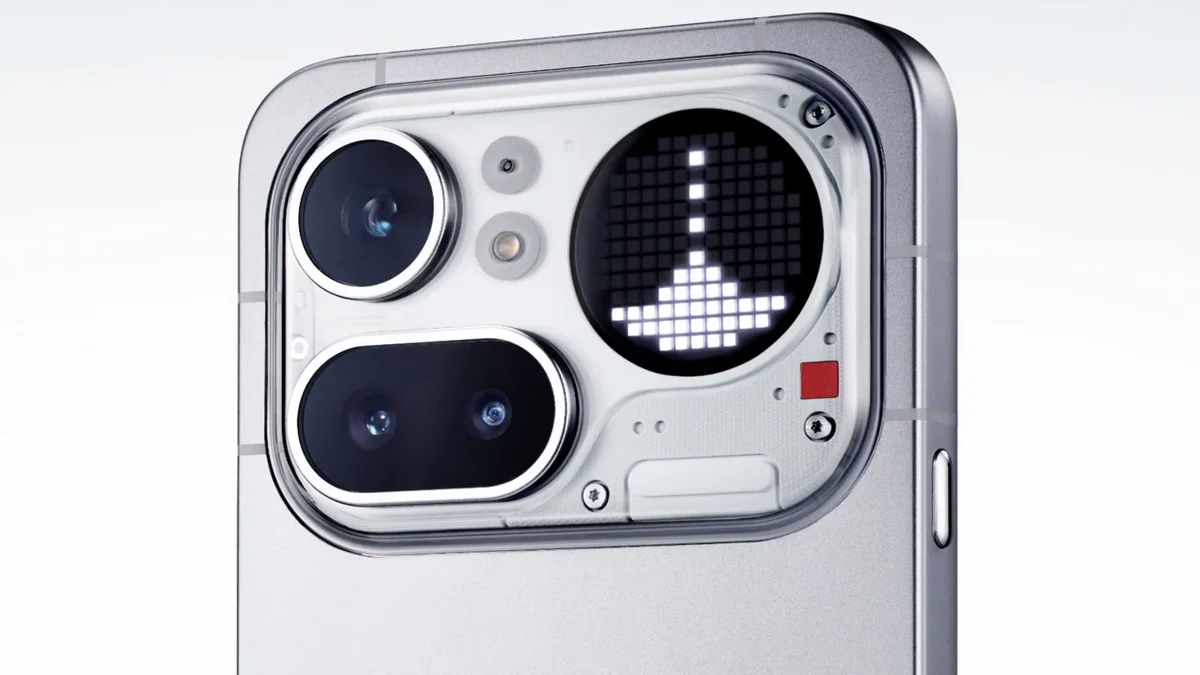
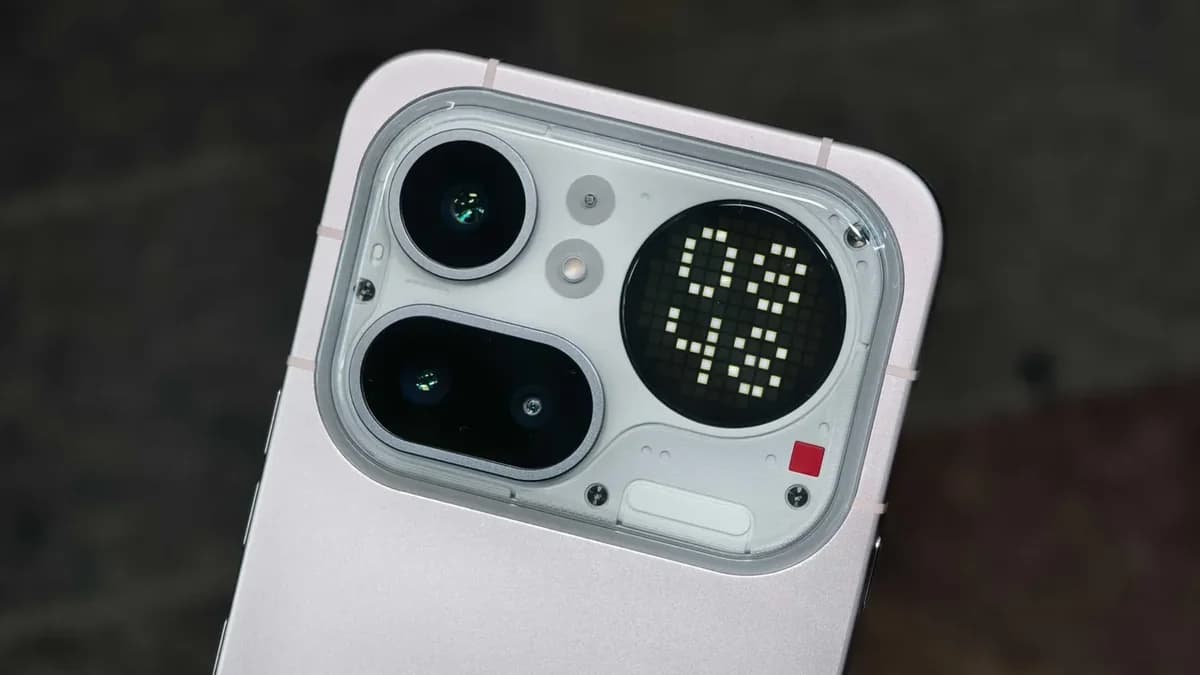
The Nothing Phone (4a) Pro is a cheeky mid‑range stunner that packages personality and practical power for style‑minded users who want flagship vibes without flagship prices. Reviews praise its 6.83" 1.5K 144Hz AMOLED, aluminum unibody, and the playful Glyph Matrix mini‑LED for notification flair; photographers get a 50MP Sony main and a useful 3.5x periscope (up to 140x ultra‑zoom) that experts call fun rather than flawless. Battery life and Snapdragon 7 Gen 4 performance earn real‑world thumbs up, though omissions like no wireless charging are noted; early impressions are promising, but more user data is needed before a definitive verdict.
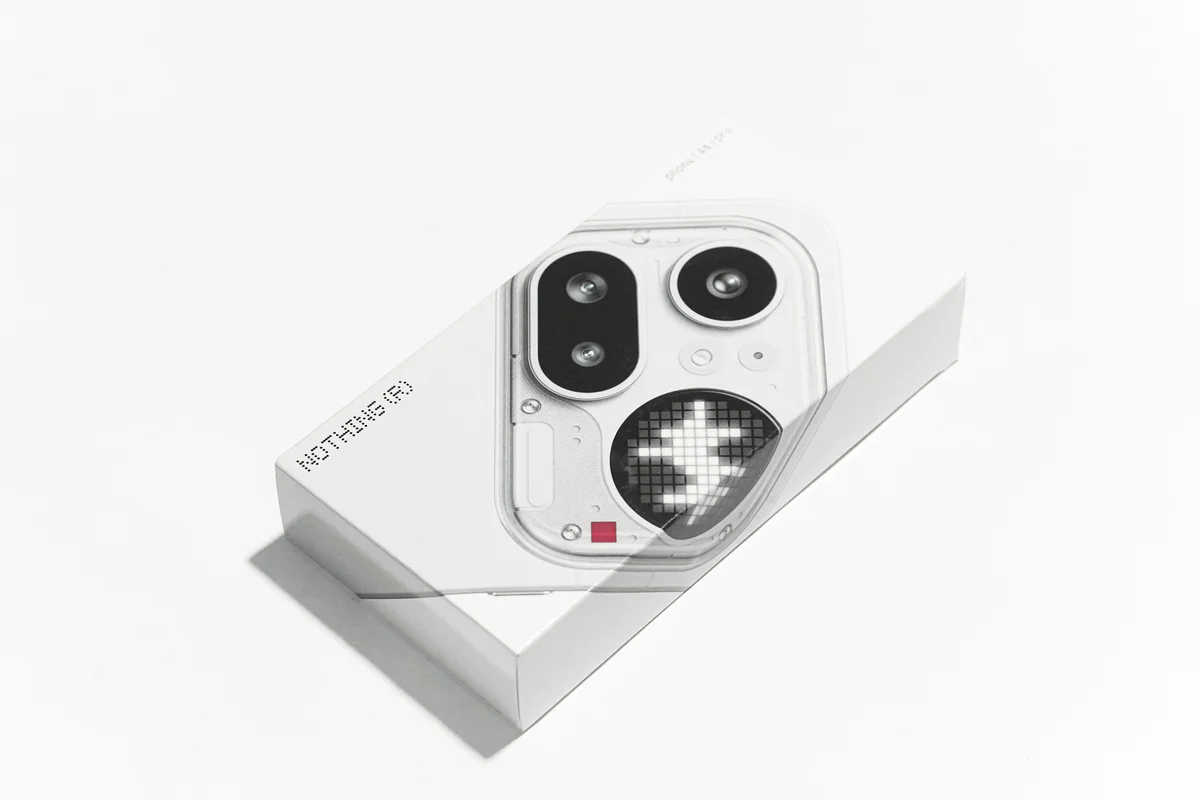
Find Yours
What's your top priority when choosing a smartphone?
Answer to find your best matches.

The Field
Browse top contenders, or compare all options ranked by score and key attributes.
5 Options



The Scoreboard
Does this improve your life? Considers, health, habits, and environmental impact.
Benefits
Feels solid and premium in hand, boosting confidence and satisfying daily handling.
Extremely bright 144Hz AMOLED reduces squinting outdoors and smooths scrolling for readability.
Large 5,080mAh plus fast charge keeps you going through long days without panic-charging.
Customizable Glyph gives glanceable alerts and playful social flair that spark conversations.
Snapdragon 7 Gen 4 keeps apps and media responsive, minimizing common lag interruptions.
Trade-Offs
Heavy, wide body makes one-handed use awkward and creates a bulky pocket presence.
Can't use wireless pads—you have to plug in, adding cable fuss at desk or nightstand.
Selfies and group shots look soft or noisy indoors, leading to retakes or edited posts.

 Alternatives


Join the Circle
Where real meets deal
Know what's worth buying-and when.
Tips, special offers, and rewards for buying and sharing.

Publications
7 LEADING PUBLICATION REVIEWS

Stuff praises the Nothing Phone (4a) Pro as a grown-up, well-rounded mid-ranger that keeps the brand’s playful spirit. The reviewer is clearly enthusiastic: they applaud the slim aluminium unibody, oversized — and impressively bright — Glyph Matrix, and what they call the best Nothing screen yet (6.83-inch flexible AMOLED, 144Hz). Camera upgrades (Sony main sensor, 3.5x periscope) bring modest but tangible benefits, while performance and battery life are solid for the class. Criticisms are measured: IP65 is only adequate, software update promises lag behind Pixel, low-light ultrawide shots disappoint, and there’s no wireless charging. Still, the positive tone dominates — stylish design choices, fun software features like Essential Space, and strong real-world polish leave the reviewer calling it their favourite left-field choice in this price bracket.
By Tom Morgan-Freelander
Cam Bunton at Trusted Reviews praises the Nothing Phone (4a) Pro as a refreshingly original mid‑range phone that pairs a rare all‑metal build with playful, well‑integrated software touches. He’s enthusiastic about the solid aluminium unibody, oversized 6.8‑inch AMOLED (noting its 5000‑nit HDR peak and 144Hz capability), and the customizable Glyph Matrix, which—while less interactive than the Phone 3’s toys—offers useful notification rules and personalization. Criticisms are measured: the phone is heavy, lacks full IP68 protection (IP65 only), and the in‑display optical fingerprint and Snapdragon 7 Gen 4 won’t satisfy power users or hardcore gamers. Camera performance is capable in daylight but shows ultrawide and low‑light weaknesses and occasional focus/motion blur; battery life and software polish are reliable. Overall, he recommends it for users wanting distinct design and everyday smoothness rather than flagship performance.
By Cam Bunton
Jon Mundy from Tech Advisor highlights Nothing’s Phone (4a) Pro as a bold, mature mid‑ranger that pushes the brand’s distinctive design and software further while testing the limits of its value proposition. He praises a thinner metal unibody, a hugely improved 6.83‑inch 1.5K/144Hz AMOLED (with very high peak brightness), a dependable Snapdragon 7 Gen 4 experience, and a versatile camera set that includes a useful periscope telephoto most rivals lack. Mundy also applauds the refreshed Glyph Matrix and inventive Nothing OS widgets but flags the Glyph’s limited real‑world usefulness, an interior plastic rim that feels cheap, middling low‑light shots, capped 4K/30 video, no wireless charging, and only three years of Android updates. Overall the tone is measured and mildly positive: impressed by design, display and polish, yet cautious about the Pro’s premium pricing versus the standard Phone (4a).
By Jon Mundy
Sheldon Pinto assesses the Nothing Phone (4a) Pro as a confident, mostly successful pivot into the premium segment: the phone’s new metal unibody, distinctive domed camera module, brighter 120Hz AMOLED, improved image processing and a useful telephoto make it feel more mature and valuable than its predecessor, while battery life is notably strong. Pinto praises the unique Nothing OS touches (the revamped Glyph Matrix and playful widgets) and solid everyday performance, but keeps a measured tone—criticisms include only-average raw performance for the price, inconsistent HDR/app support, jittery video stabilization, some sharp inner frame edges on the review unit, and middling selfies. Overall the review is upbeat yet balanced: it recommends the 4a Pro for buyers who prioritize design and camera capability over pure flagship-level speed, and positions it favorably against similarly priced competitors with stronger raw performance but weaker imaging.
By Sheldon Pinto
Tom Pritchard from Tom's Guide reports that the Nothing Phone (4a) Pro impresses on value and design: for $499 you get flagship-style touches — an all‑metal slim body, enlarged Glyph Matrix, solid triple‑lens camera hardware (two 50MP sensors plus telephoto), a 6.83" 144Hz AMOLED, and a 5,080 mAh battery — making it a compelling contender against the iPhone 17e and Pixel 10a. His tone is optimistic and enthusiastic about the phone’s mix of premium features at a mid‑range price, though measured: he flags unresolved questions (real-world brightness, camera and zoom quality, gaming performance) and criticizes the 8MP ultrawide, modest 3‑year Android update promise, lack of wireless charging, and some loss of Nothing’s quirky visual identity. Overall, Pritchard conveys confident expectation tempered by the need for full hands‑on testing before a definitive verdict.
By Tom Pritchard
Prakhar Khanna from ZDNET praises the Nothing Phone 4a Pro as the company’s most premium-looking, characterful midrange phone, calling its metal build, playful Glyph Matrix, and vibrant 6.83-inch 144Hz AMOLED display standout touches in the sub-$500 segment. He’s clearly fond of the pink finish, Nothing OS 4.1’s widgets and Essential Space productivity features, and the phone’s fast Snapdragon 7 Gen 4 performance and long battery life—practical strengths that make daily use enjoyable. Yet his tone is measured rather than gushing: he flags the Matrix’s limited interactivity, an IP65 water-resistance downgrade versus rivals, a sluggish camera UI, and a shorter OS update promise than Pixel’s. Overall he conveys upbeat appreciation—enthusiastic about design and user experience but candid about practical trade-offs that temper an unconditional recommendation.
By Prakhar Khanna
Popular Mechanics praises the Nothing Phone (4a) Pro as an exciting, design-forward contender in the sub-$500 Android market, calling it the best choice today for Android enthusiasts after a week of primary use. The reviewer is upbeat about its upmarket aluminum unibody, distinctive LED matrix and translucent accents, and a standout triple-camera array that uniquely includes a robust 3.5x optical telephoto and versatile high-res cropping; performance and battery life also impress thanks to the Snapdragon 7 Gen 4, 144 Hz display, and 50 W wired charging. Criticisms are relatively mild: no wireless charging, slightly shorter software support than Google/Samsung, and an uncustomizable side button tied to Nothing’s Essential Space app. Overall the tone is positive and confident, emphasizing characterful design and camera value as decisive differentiators for buyers prioritizing style and capable imaging at this price.
By Stefan Vazharov

YouTube
10 LEADING EXPERT & INFLUENCER REVIEWS
 Marques Brownlee
Marques Brownlee finds the Nothing Phone (4a) Pro stylish, snappy, and fun—praised for Nothing OS 4.1, Glyph Matrix flair, solid Snapdragon 7 Gen 4 performance, and great value—but calls its cameras merely serviceable, criticizes limited AI/features, no wireless charging, and says the Pro is only a modest upgrade over the 4a.
Android AuthorityPaul Jones praises the Nothing Phone (4a) Pro's distinctive design and Nothing OS, calling the phone fun and great value for $499, though he's ambivalent—liking the Glyph Matrix less than Phone 3, finding camera detail soft (especially beyond 3.5x/140x zoom), and wishing for longer OS updates and more true transparency.
GadgetMatchMichael Josh praises the Nothing Phone (4a) Pro as a surprising, culture-forward mid-range contender—loved for its aluminum unibody, brighter Glyph Matrix, clean Nothing OS 4.1, and standout periscope zoom—while noting minor caveats: modest ultra-wide, no wireless charging, and cameras that impress for the price but won't replace flagships.
ProductNationProductNation’s reviewer praises the Nothing Phone (4a) Pro enthusiastically, calling its aeronautical aluminum unibody, upgraded 137‑LED Glyph Matrix, Sony LYT‑700C main sensor, 144Hz/5,000‑nit display, and stronger low‑light and zoom processing genuinely premium for the price, while acknowledging slower processing on the base 4a, limited stabilization, and no wireless charging.
Gadget EvolutionGadget Evolution argues the Nothing Phone (4a) Pro underwhelms at $499—praising its metal unibody, Glyph Matrix, and periscope zoom but warning its Snapdragon 7 Gen 4, 3-year updates, no wireless charging, and middling front/ultrawide cameras lose out to Pixel, Samsung, OnePlus, and others offering better battery, AI, or performance.
Now & Then TechNow & Then Tech praises the Nothing Phone (4a) Pro’s striking metal unibody, 6.83" 144Hz bright display, natural 50MP main photos, efficient Snapdragon 7 Gen 4 performance, long 5,080mAh battery, and customizable Glyph Matrix—while warning the 140x zoom is gimmicky and the 4a offers near-identical cameras, undercutting Pro value.
Nick KendallNick Kendall praises the Nothing Phone (4a) Pro as a surprisingly flagship-feeling mid‑ranger—calling out clean Nothing OS, snappy 144Hz UI, excellent battery life, and sharper photos versus the Phone 3—while noting quirks like an iffy ambient light sensor, a plasticky in‑box clear case, lack of wireless charging, and noisier low‑light RAW shots.
The Mark Ellis Tech DiaryMark Ellis praises the Nothing Phone (4a) Pro as a pleasantly premium, speedy mid‑ranger with a brilliant 1.5K 144Hz display, strong 0.6–3.5x camera range and refined Glyph Matrix—calling it great value—while noting the Glyph is gimmicky and Nothing’s crowded lineup complicates clear recommendations.
Spencer Scott PughSpencer Scott Pugh praises the Nothing Phone (4a) Pro’s flagship feel and playful Glyph Matrix, calling the aluminum finish, clear case, and 144Hz display design-forward and engaging, while noting issues like a large exposed camera bump, corner-radius mismatch, camera wobble, Google onboarding friction, and preloaded apps—enthusiastic but measured.
Decent Reviews By CamDecent Reviews By Cam praises the Nothing Phone (4a) Pro’s striking transparent design, Glyph Matrix, 144Hz 1.5K display, Snapdragon 7 Gen 4 upgrades, and flagship-like periscope 140x zoom—while cautiously noting a smaller 32MP selfie sensor, no wireless charging, limited US 4a availability, and awaiting real-world camera samples.

Social
5 INFLUENCER REVIEWS
 Rafeez Ahmed
Rafeez Ahmed highlights the Nothing Phone 4a Pro’s striking, slim design, brighter Glyph matrix, strong 50MP main and periscope cameras, high-refresh 144Hz display, Snapdragon 7 Gen 4 performance, and long battery life—praising the Nothing software while noting low-light camera limits and lack of 4K60 video. Overall consensus: he’s genuinely impressed and prefers this mid-range pick over rivals at AED 2,299, recommending it enthusiastically for style, performance, and value, while flagging a couple of trade-offs for photographers.
Tom HitchinsTom Hitchins highlights a playful, well-rounded mid-range pick: he praises the metal-backed design, vivid 6.8" 144Hz OLED, fluid Snapdragon 7S Gen 4 performance, and the clever Glyph Matrix 2 and customizable AI widgets—calling Nothing's software his favorite part. Overall, he recommends the 4A Pro for users who want fun, strong value, and great daytime cameras, while warning the ultra-wide, low-light photos, and jittery 4K video hold it back from flagship-level imaging.
will bowersWill Bowers highlights the Nothing Phone (4a) Pro as a playful, personality-driven midranger — excited about its “one of one” aluminum design, new window with Glyph matrix and recording light, and how the Glyph timer helps him focus; he praises daytime camera results but admits losing wireless charging is a trade-off. Overall, he warmly recommends it for anyone who wants a premium-feeling, distinctive phone that encourages mindful use — not the absolute best camera or every flagship feature, but a uniquely fun, well-built pick worth considering.
 Parker Burton
imparkerburton highlights that the Nothing Phone (4a) Pro’s headline 140x zoom is impressive for a $500 phone, but the clip conveys measured enthusiasm — excited about the value and AI upscaling, yet clear that image quality trails the Galaxy S26 Ultra’s superior optical zoom. Overall, Parker recommends the 4a Pro as a standout budget option for extreme zoom curiosity and great value, while cautioning viewers that its higher zoom number isn’t a straight substitute for the S26 Ultra’s optical-quality results.
TechKamitechkami highlights the Nothing Phone (4a) Pro’s striking design and strong specs — 6.8" 144Hz AMOLED, Snapdragon 7 Gen 4, 5080mAh with 50W charging, and a 50MP triple camera with 3.5x optical zoom — presented enthusiastically with brief, promotional flair. Overall, techkami leans positive and recommends the phone for users valuing looks and performance, though the post feels more product-forward than deeply critical or hands-on.

Forum Reviews
CUSTOMER REVIEWS FROM 1 FORUM
Reddit discussions about the Nothing Phone (4a) Pro are mixed but generally positive: users praise its distinctive design, premium metal feel, bright display, loud speakers, clean Nothing OS, and decent battery life, with many enjoying the aesthetic and day-to-day experience. Criticisms focus on middling performance for a “Pro” device (Snapdragon 7-series limits, occasional stutters), camera constraints like 4K/60 absence tied to the sensor/ISP, inconsistent US carrier band support, and regional price/value concerns. Upgraders often appreciate design and OS improvements over prior models, while new shoppers debate value versus competing phones before buying.
Many comments

In-Depth Review

Highlights
- •Ultra‑bright 144Hz AMOLEDExtremely bright, smooth 1.5K display
- •Pro main sensor and periscope telephoto50MP main with 3.5x optical reach
- •Fluid Snapdragon performance and UISnappy daily performance and gaming
- •Long battery and fast wired charging5,080mAh life; 50W wired top‑ups
- •Marketed as offering up to 140x ultra zoomHeadline ultra‑zoom claim for creative use
- •Distinctive Glyph Matrix mini‑LED arrayCustomizable notification lighting and status

Considerations
- •No wireless charging supportCannot charge on wireless pads
- •Weak ultrawide and selfie low‑lightNoise and softness indoors
- •140x zoom is largely noveltyImage quality drops at extreme magnification
- •Shorter OS update promiseThree years Android updates only
- •Not flagship‑class for heavy usersOccasional stutters and mid‑range limits
- •Carrier bands and SKU inconsistenciesRegional eSIM/band support varies
Early reports are still thin, so take first impressions as informed glimpses rather than gospel — but Nothing’s latest mid‑ranger arrives with clear intent: to mix playful design with practical power. From a brand known for minimalist flair, this Pro model targets style‑minded Android fans and mobile photographers who want flagship touches without flagship prices. Expect a showy 6.83" 1.5K AMOLED, a periscope that delivers 3.5x optical reach (and a headline 140x ultra‑zoom for creative crops), and a responsive Snapdragon 7 Gen 4 that keeps everyday apps smooth. Battery life leans long with a 5,080 mAh cell and 50W wired charging, while an aluminum unibody and Gorilla Glass 7i add polish. The Glyph Matrix returns as a playful status bar with upgraded mini‑LEDs. If you care about bright displays, zoom tricks, and personality over raw flagship specs, this is for you — read on to judge which trade‑offs matter.
Display
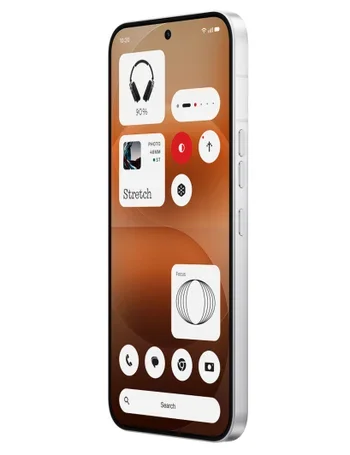
This is a show-off screen: the 6.83" 1.5K AMOLED hits a silky 144Hz adaptive refresh for buttery scrolling, and its claim of 5,000‑nit peak HDR translates to seriously legible outdoor use in testing. Color is rich with 10‑bit, 1.07 billion tones for accurate media, while Gorilla Glass 7i helps durability without feeling fragile. Minor quibbles: ambient sensor tuning can be jittery and some apps don’t respect HDR, so real‑world brightness sometimes undercuts the spec—still, it’s a standout daily display for the price.
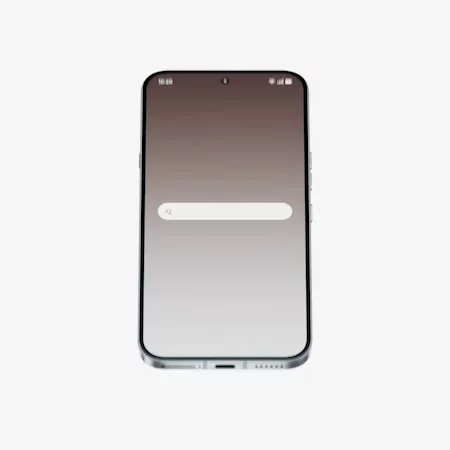
Glyph Matrix mini-LED array
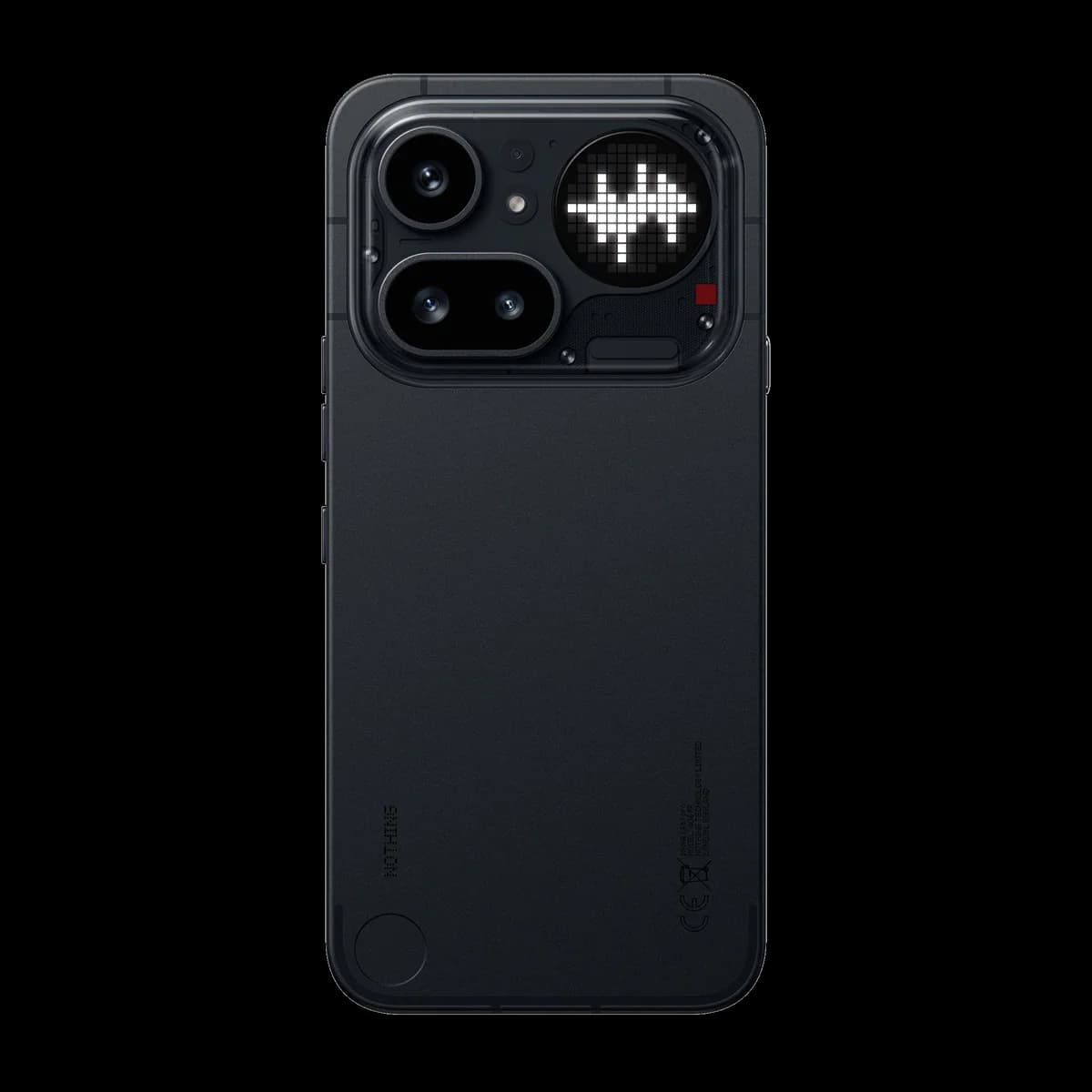
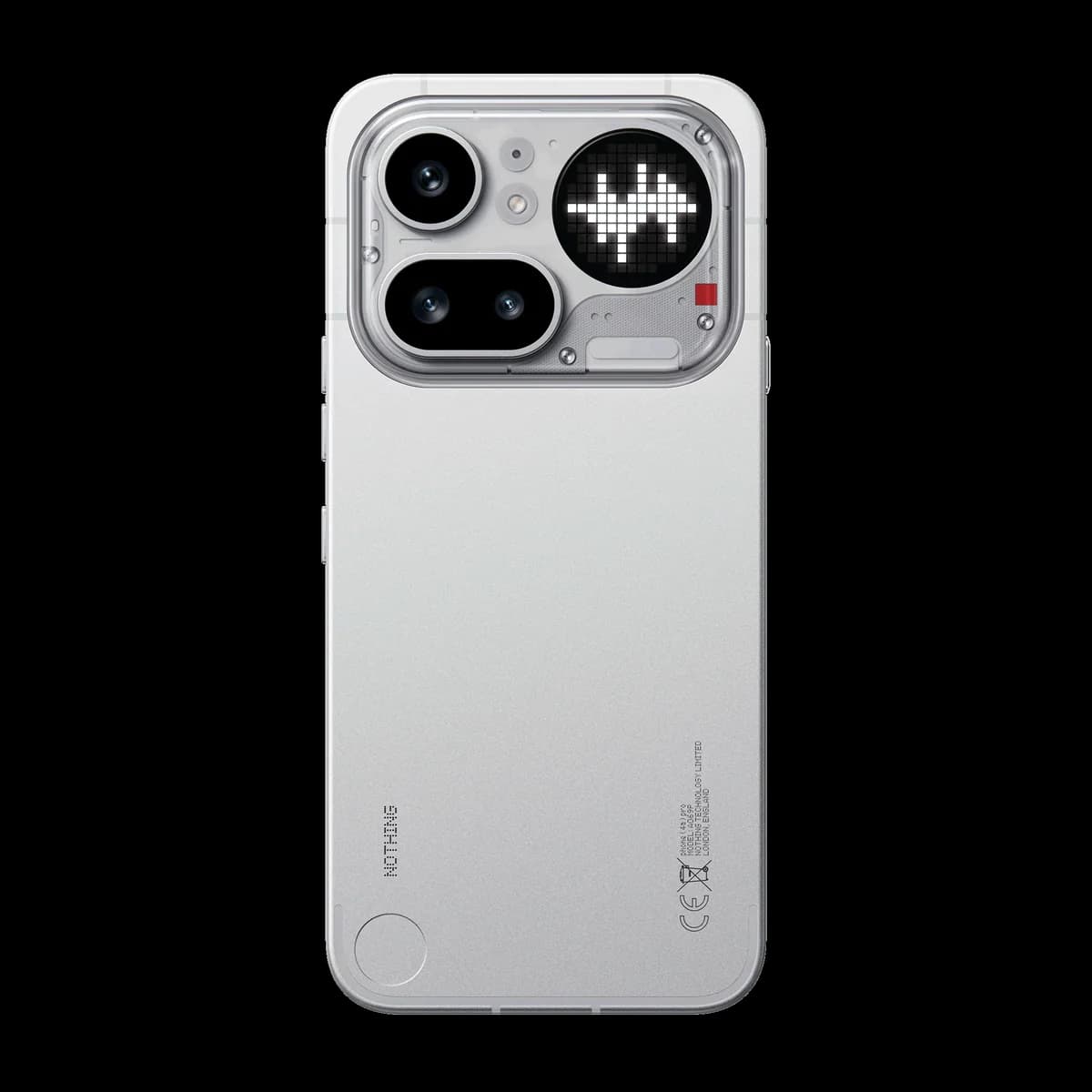
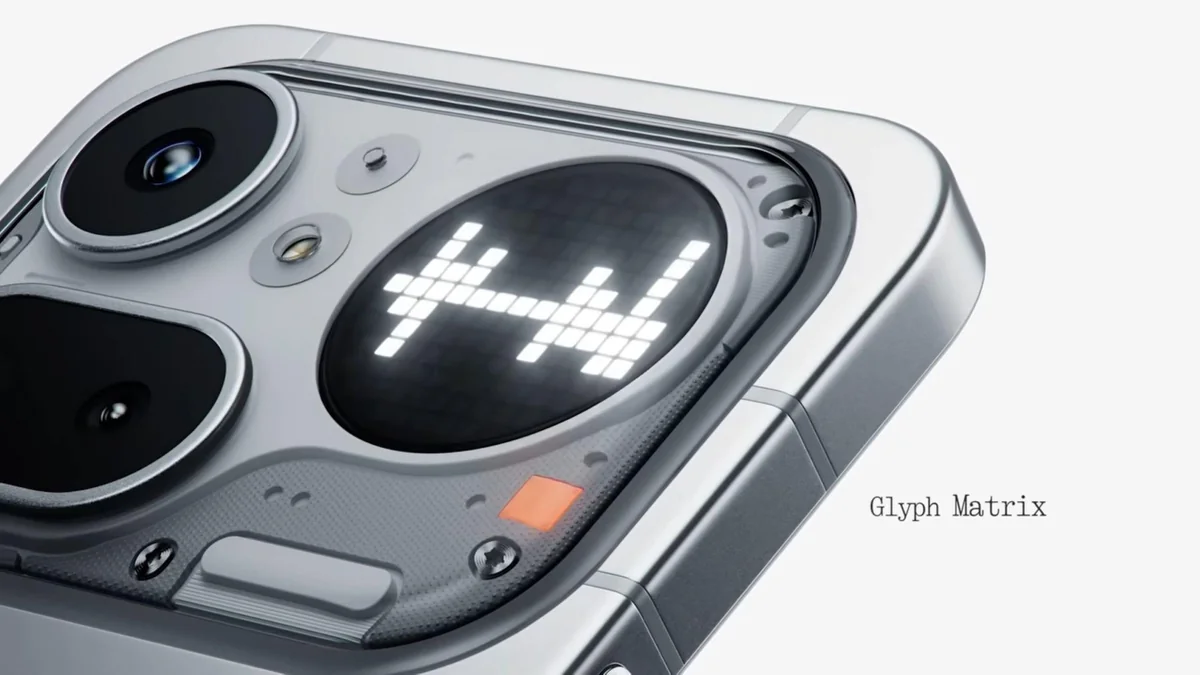
The Glyph Matrix is back and brighter: an expanded 137‑LED (or 63‑zone) mini‑LED array provides playful notifications, timers, and a recording indicator that actually gets attention without draining battery. It’s more useful than gimmickry for glanceable status and creative wallpapers, though some find its practical value limited day‑to‑day and prefer deeper software hooks; still, as a signature personality touch the Glyph reliably elevates the phone’s charm in social settings.
Performance
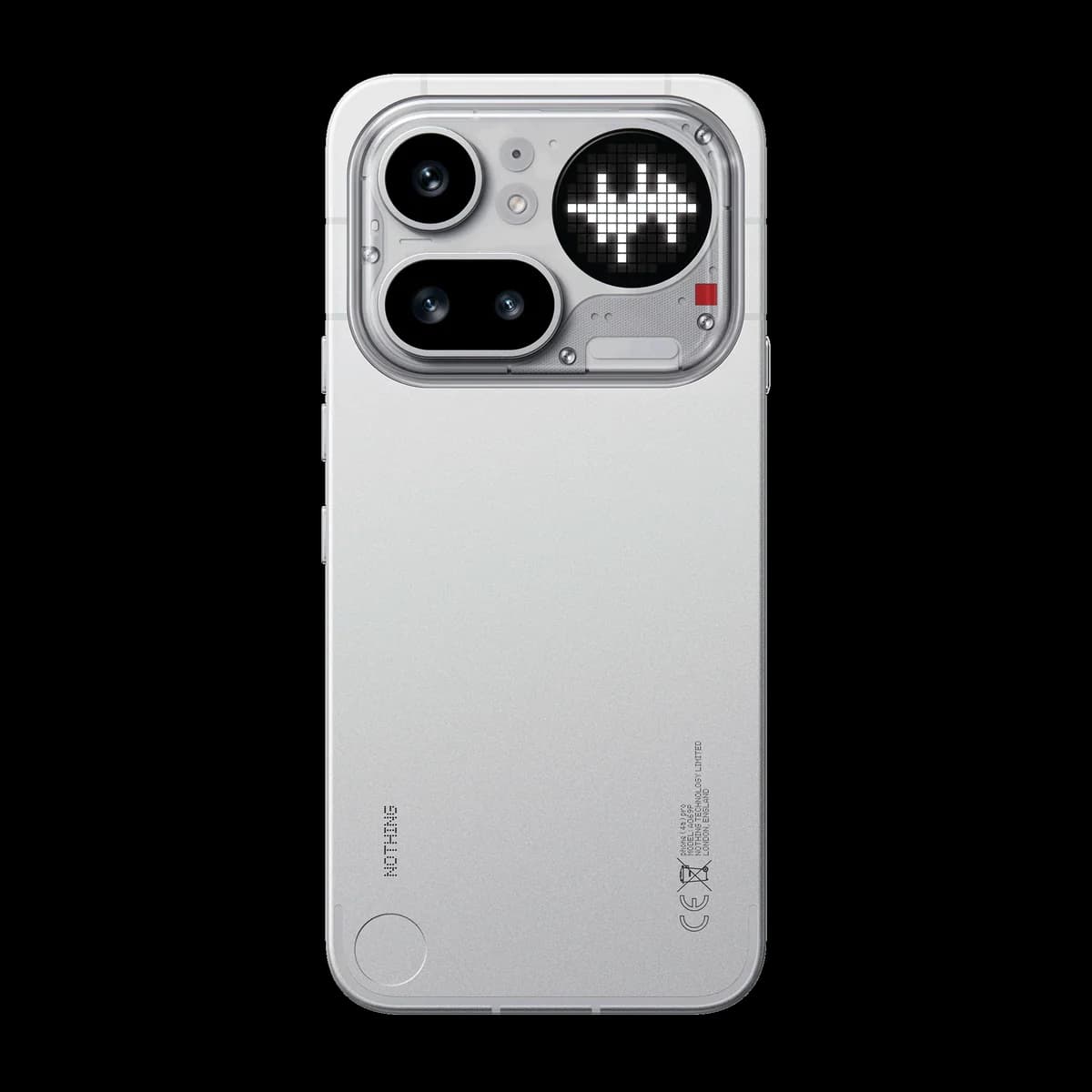
Nothing’s choice of Snapdragon 7 Gen 4 with up to 12GB LPDDR5X strikes a smart mid‑range balance: daily UI, gaming, and 4K edits feel snappy and efficient, and the Adreno 735 GPU even brings some advanced rendering perks. Benchmarks sit below flagship silicon, so heavy multitaskers or pro gamers may spot limits, and a few users report occasional stutters—nevertheless, the phone delivers confident everyday speed and solid battery efficiency for its class.
Battery & Charging
The 5,080 mAh cell is a quiet hero: real‑world use easily spans a full day and often more, matching Nothing’s long‑life messaging, and 50W wired charging tops up quickly (≈60% in ~30 minutes by company figures). There’s no true wireless charging on many SKUs, which surprised some reviewers, and reverse wired charging is modest—so if a wireless bedside pad is your ritual, plan accordingly; otherwise it’s dependable longevity with fast wired recovery.
Build & Durability
The aluminium unibody and domed camera module feel premium and distinct—this is a phone that announces itself in the hand with metal heft and Gorilla Glass 7i protection. IP65 dust/water resistance is decent but not flagship‑grade, and reviewers flagged a plasticky inner rim and a soft in‑box case that undercut the luxe vibe; overall it balances tactile charm and everyday resilience, though the finish won't satisfy perfectionists seeking full IP68 ruggedness.
Camera System
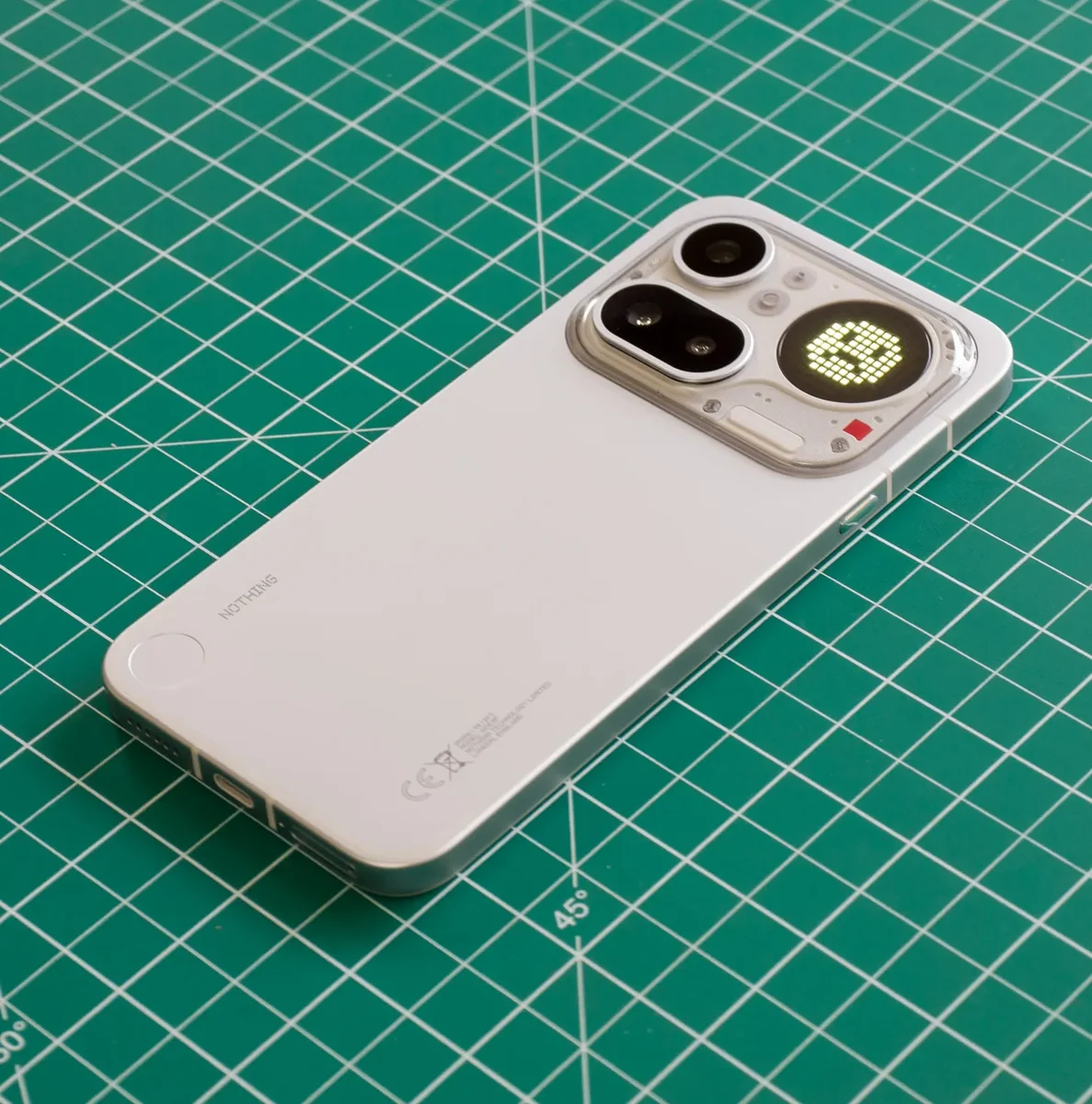
The camera package is ambitious: a 50MP Sony LYT‑700 main with OIS handles daylight and portraits with pleasing detail, while the 50MP periscope 3.5x delivers real optical reach and up to 140x ultra-zoom as a novelty for cropping and social shots. The ultra‑wide (8MP) and selfies are serviceable but show noise and softness in low light, and some reviewers note shaky stabilization and capped 4K/60 options—so it’s a versatile, fun set that trades flagship consistency for clever zoom theatrics in real use.
Conclusion
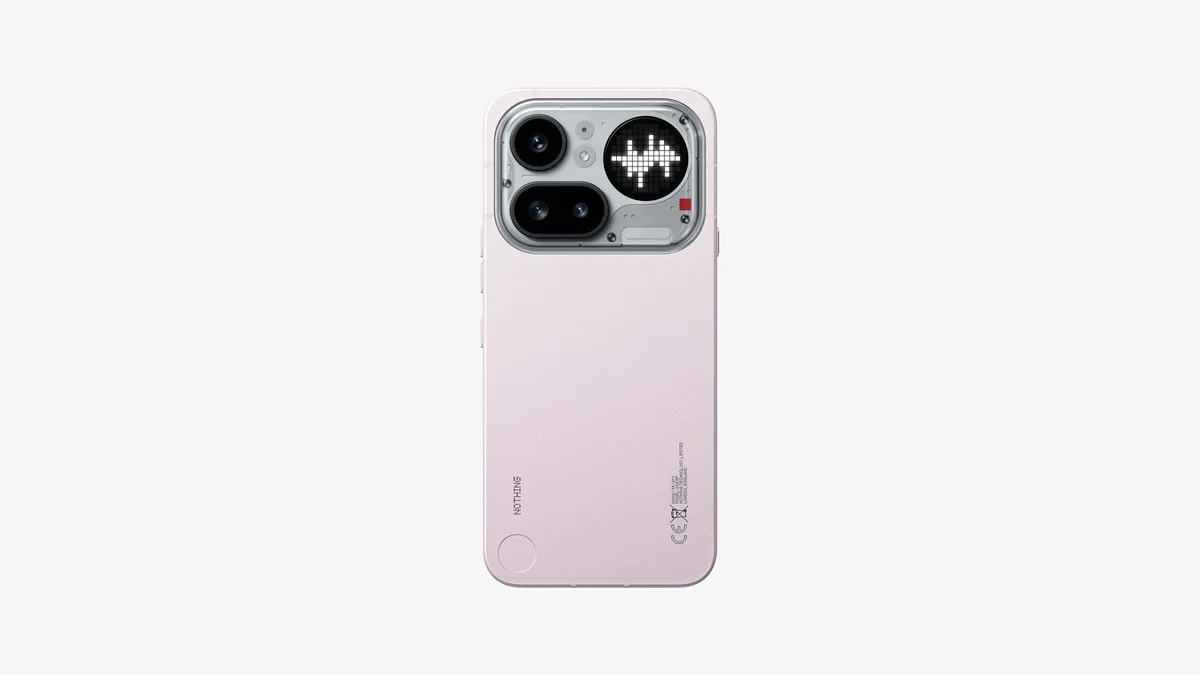
Early impressions coalesce into a clear pitch: this phone serves up a showy screen and playful personality with credible substance. The 6.83" 1.5K AMOLED is legitimately bright and silky-smooth, while the 50MP Sony main sensor and 3.5x periscope telephoto give you practical reach and social‑ready crops (that headline 140x ultra‑zoom is best treated as creative fun). Everyday snappiness from the Snapdragon 7 Gen 4 pairs with a 5,080 mAh cell and 50W wired charging for dependable all‑day use. The aluminum unibody and Gorilla Glass 7i feel premium, though IP65 and a soft in‑box case remind you this isn’t flagship ruggedness. The Glyph Matrix mini‑LED array adds genuine charm more than utility. If you want personality, bright visuals, and smart zoom trade‑offs over flagship completeness, this is a persuasive mid‑range pick.

Feature Scores
This reflects reviews and ratings from established critics, journalists, and users who have evaluated the item. Their opinions provide a comprehensive assessment.
Performance
Processor Performance
4/5
Battery Life
4/5
Software Stability & Updates
4/5
Camera System Performance
4/5
Network Connectivity
4/5
Value
Price-to-Performance Ratio
4/5
Resale Value
3/5
Design
Display Quality
5/5
Ergonomics & Comfort
4/5
Materials & Fit/Finish
4/5
Health
RF Emissions
TBD
Blue Light Management
3/5
Safety
Biometric Security
4/5
Data Privacy & Security
4/5
Physical Safety Features
4/5
Sustainability
Repairability & Modular Design
2/5
Energy Efficiency
4/5
Responsible Sourcing
TBD
Experience Style
Customizability
4/5
Ease of Use
4/5
Accessibility Features
3/5

Specifications
This section outlines the product's key facts, covering essential features, details, dimensions, materials, and any unique characteristics that define its functionality and usability.
Performance
Value
Design
Safety
Sustainability
Experience Style

Frequently Asked Questions
8 Questions

Also Consider
1 Option

Find Yours
What's your top priority when choosing a smartphone?
Answer to find your best matches.