
Nothing Phone (4a)
Bright 1.5K 120Hz display, playful Glyph Bar and solid mid‑range cameras—great style, some tradeoffs.
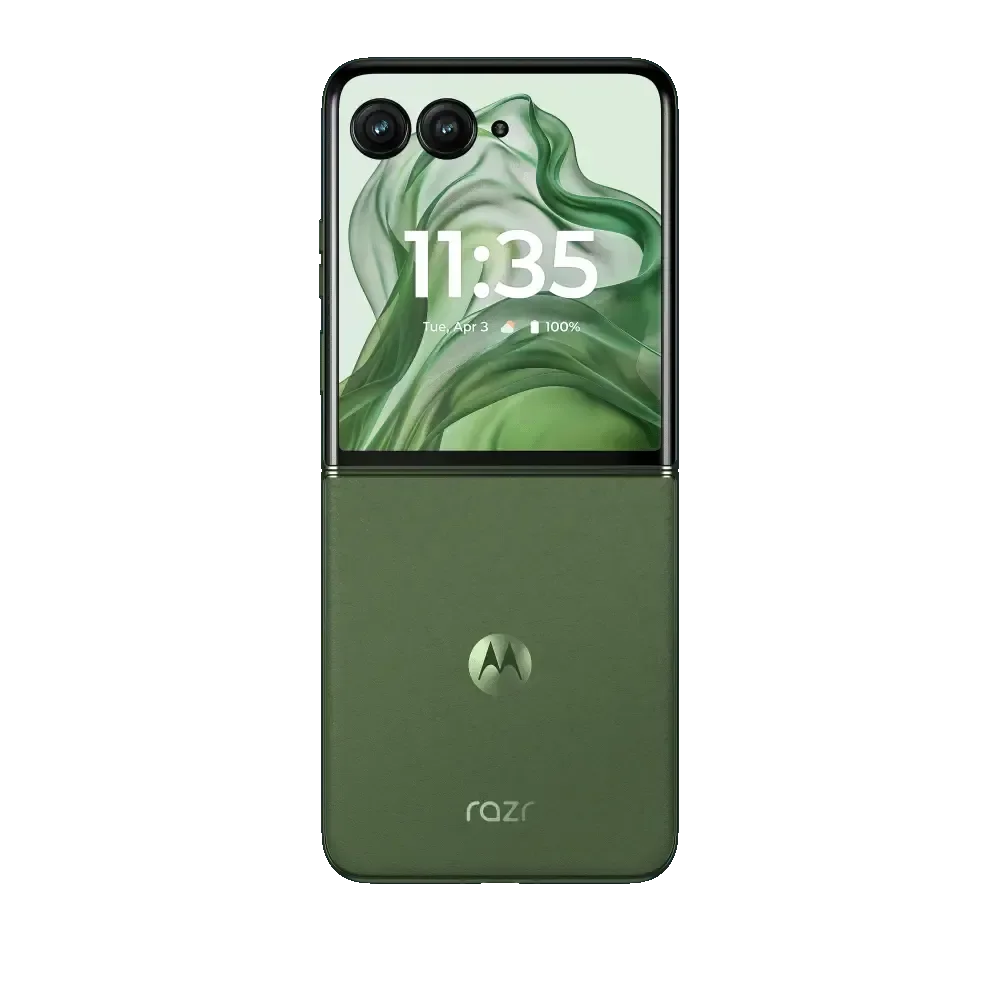
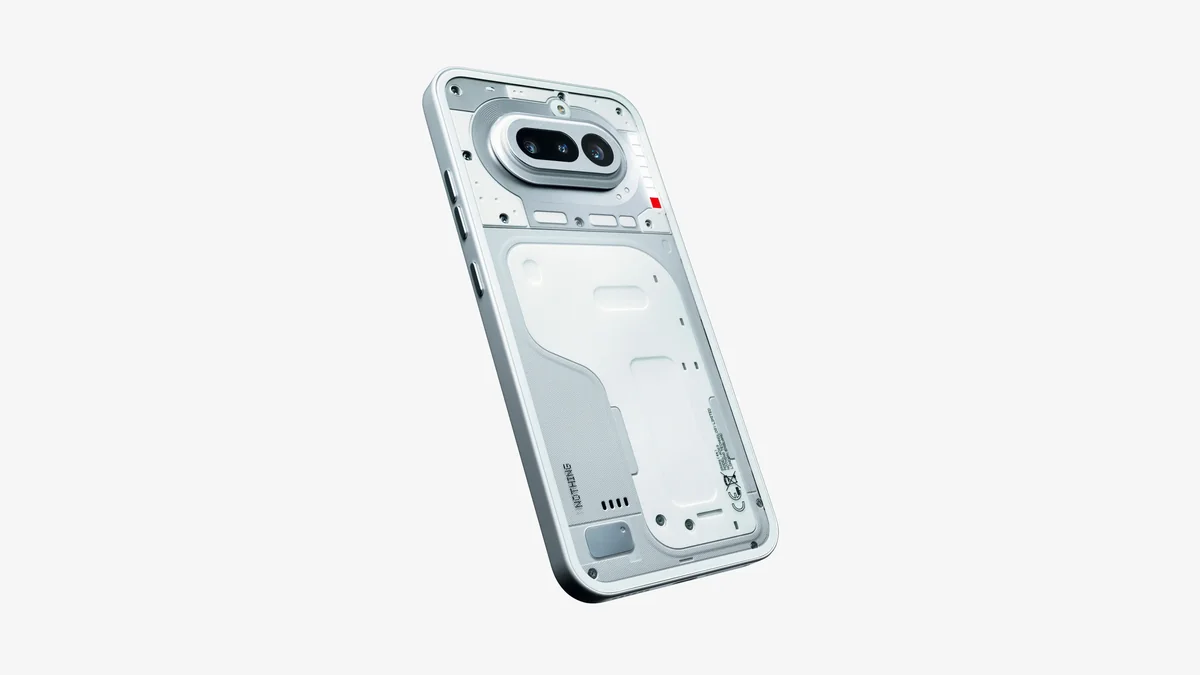
The Nothing Phone (4a) is a cheeky mid‑range showpiece that outfits budget buyers who crave standout design and sensible specs; think fashion‑forward commuters and travel shooters who want flair without flagship bills. Experts and users praise its 6.78" 120Hz LTPS AMOLED, Snapdragon 7s Gen 4 snappiness, and playful 63‑LED Glyph Bar, while noting the 5,080mAh battery and 50W wired charging usually deliver all‑day life but adaptive brightness can be erratic. The camera’s 50MP main and tetraprism periscope give genuine reach yet lack flagship fine detail; claimed peak brightness sometimes reads as marketing puff. Good value for £349, but more long‑term user data will refine the verdict—purchase depends on prioritizing style over camera perfection.
Find Yours
What's your top priority when choosing a smartphone?
Answer to find your best matches.

The Field
Browse top contenders, or compare all options ranked by score and key attributes.
5 Options



The Scoreboard
Does this improve your life? Considers, health, habits, and environmental impact.
Benefits
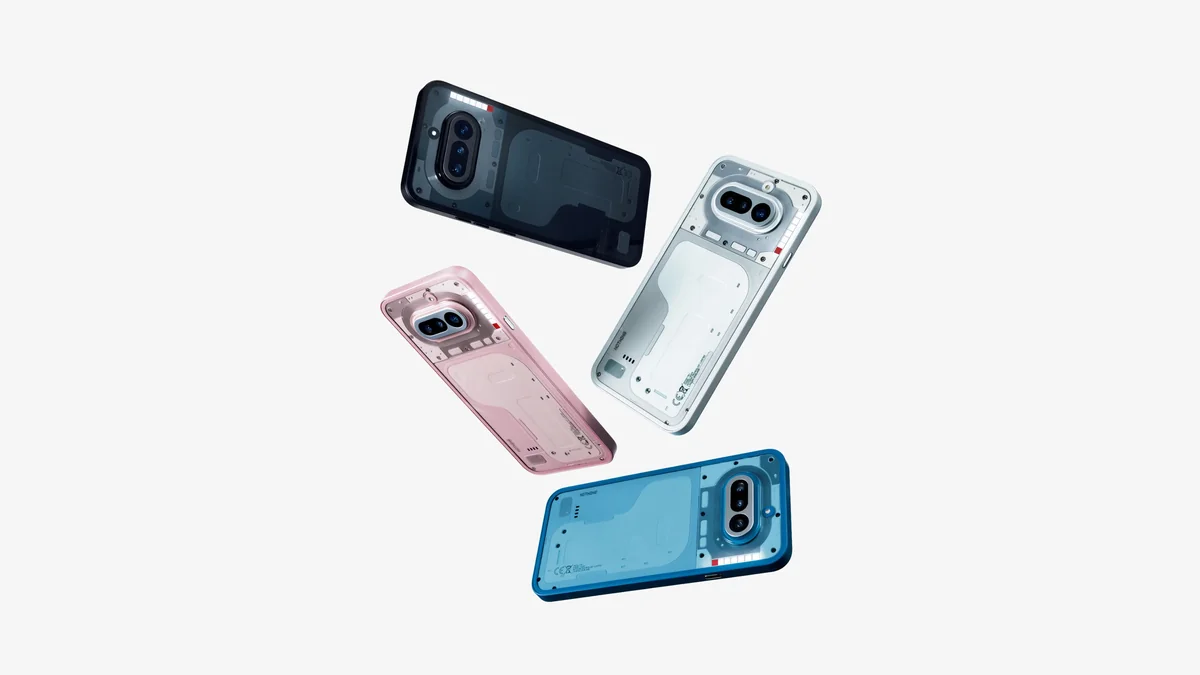
Transparent design and Glyph Bar make the phone feel fun and socially noticeable.
Very bright 6.78" AMOLED keeps text and tickets readable under harsh sunlight.
Large 5,080mAh battery typically lasts a full day of browsing and media.
120Hz display and tuned OS make scrolling, apps, and multitasking feel effortless.
Periscope telephoto gives real distant framing for travel photos without hauling extra gear.
Trade-Offs
At ~204g and wide size, single‑hand use feels tiring; pockets bulge noticeably.
You must plug in nightly; awkward if you prefer dropping it on a bedside mat.
Adaptive brightness can suddenly dim or surge, making reading or quick photo checks annoying.
Ultra‑wide/selfie video caps and shaky stabilization make casual group videos look soft and jittery.
 Alternatives


Join the Circle
Where real meets deal
Know what's worth buying-and when.
Tips, special offers, and rewards for buying and sharing.

Publications
7 LEADING PUBLICATION REVIEWS

Harry Padoan from TechRadar praises the Nothing Phone (4a) as a stylish, well-rounded budget phone that delivers standout design, a sharp 6.8-inch 120Hz AMOLED, long battery life, and smooth real-world performance for everyday use. He enthusiastically highlights the unique see-through aesthetic and updated Glyph Bar, a largely bloat-free Nothing OS 4.1, and competent Snapdragon 7s Gen 4 performance (especially on the 12GB model). Criticisms are measured: the camera system—despite upgraded sensors and useful zoom—falls short on fine detail and colour fidelity compared with mid-range Samsung phones, and there’s no wireless charging. Overall the tone is positive and mildly excited: Padoan recommends the 4a as a competitively priced, style-forward choice for buyers willing to trade top-tier photography for design, battery life, and a clean software experience.
By Harry Padoan
Tech Advisor contributor Alex Walker-Todd praises the Nothing Phone (4a) as a refined, confident mid‑ranger that leans into the brand’s distinctive design and community‑driven software while delivering meaningful upgrades — notably a sharper, very bright 1.5K display, much faster UFS 3.1 storage, improved gaming touch response, and a standout tetraprism telephoto camera that brings true zoom parity to the A-series. He balances enthusiasm with reservations: the Glyph Bar feels more iterative than revolutionary and Live Notifications lack app support at launch, the phone is a bit thicker/heavier with only IP64 water protection, and software‑update commitments lag top rivals. Overall, Walker‑Todd finds the Phone (4a) greater than the sum of its parts — a tasteful, practical evolution that offers real camera and storage wins, solid battery life, and a clean, ad‑free Nothing OS, even if it’s not the bold reinvention that heralds a new era.
By Alex Walker-Todd
GSMArena's Ivan assesses the Nothing Phone (4a) as a compelling midrange pick that nails design and everyday polish more than headline-busting specs. He’s clearly upbeat about the phone’s standout 6.78-inch 120Hz, very bright display, thoughtful semi‑transparent styling, improved battery and storage options, and the novel Glyph Bar with useful extras like an Essential Key—calling the handset “all the phone you could need in your pocket.” Criticisms are mild and measured: the non‑Pro’s plastic frame, wired‑only 50W charging, and incremental SoC gains versus last year mean it’s evolutionary rather than revolutionary. The review highlights strong software support (three OS updates, six years of security patches) and sensible trade-offs for the price, recommending the 4a for buyers who value design, daily usability, and unique features over flagship performance.
By Ivan
Ben Johnston from Expert Reviews praises the Nothing Phone (4a) for its bold, distinctive design, improved telephoto camera (now a 3.5x periscope), bright 6.78in AMOLED display, polished NothingOS features like Essential Space AI, and an appealing price that keeps the phone a standout in the mid-range market. He balances that enthusiasm with clear reservations: real-world CPU and GPU performance barely improve over last year and lag rivals, battery life is noticeably worse than the predecessor, the ultrawide camera remains weak, and IP64 splash protection trails competitors’ IP68 ratings. Unique positives include the refined Glyph Bar lighting and impressive mid-range telephoto results up to ~30x. Overall, Johnston’s tone is appreciative and fond but measured — he finds the Phone (4a) charming and characterful, ideal for buyers who value style and distinctive features over raw performance or top-tier durability.
By Ben Johnston
Andy Boxall from Android Police praises the Nothing Phone (4a) for bringing standout design and strong mid-range value, calling its transparent glass back, textured chassis, and bright new Glyph Bar “brilliant” and uniquely fun. He highlights a capable camera setup—especially the compact tetraprism periscope telephoto that delivers sharp, colorful 3.5x shots—and notes solid core specs: a 6.78" AMOLED 120Hz display, Snapdragon 7S Gen 4, large 5,080mAh battery with 50W charging, and lengthy update support. Criticisms are mild and practical: no US release and no wireless charging, but neither undermines the Phone (4a)’s appeal at its £350 starting price. Overall the tone is approving and reasonably enthusiastic, emphasizing that while it’s not a flagship rival to top-tier Galaxies or iPhones, it’s a stylish, well-rounded mid-ranger worth close consideration.
By Andy Boxall
Jason England from Tom's Guide praises the Nothing Phone (4a) as a surprisingly capable budget contender that could unsettle the iPhone 17e — calling it a standout for 2026 thanks to premium design and strong everyday performance. He admires the refreshed, colorful take on Nothing’s signature transparent aesthetic and an impressively vivid 6.78-inch OLED with rumored 120Hz smoothness, while noting the downsized Glyph Bar feels less flashy. Early impressions report a snappy experience with the Snapdragon 7s Gen 4 and up to 12GB RAM, plus a useful low-light boost from a slightly wider-aperture telephoto; full benchmarks and battery tests are still pending. Overall, England sounds optimistic and impressed, framing the 4a as excellent value for money with modest upgrades over last year — compelling for new buyers but not enough to tempt recent Nothing 3a owners.
By Jason England
Digital Camera World’s Gareth Bevan praises the Nothing Phone (4a) for its standout transparent design, improved durability, bright 6.78-inch AMOLED display, smooth day-to-day performance, and genuinely useful Glyph Bar notifications. He’s enthusiastic about the built-in LUT presets and creative camera tools—calling the in-camera LUT support a “gamechanger” for phone photographers wanting film-like looks—but flags the actual camera hardware as only middling: inconsistent HDR previews, muted default colors, motion blur, and limited usefulness past ~10x zoom. Battery life reliably lasts a day with fast 50W charging, and Nothing OS feels clean and snappy, though some AI editing tools are hit-or-miss. Overall, Bevan’s tone is appreciative and moderately positive: he recommends the Phone (4a) chiefly for its style and creative software strengths, while cautioning that it’s not the best mid-range camera performer.
By Gareth Bevan

YouTube
11 LEADING EXPERT & INFLUENCER REVIEWS
 Marques Brownlee
Marques Brownlee praises the Nothing Phone (4a) lineup as stylish, smooth, and great value—especially the £/€349 4a—highlighting Nothing OS 4.1 snappiness, bright LTPS AMOLEDs, Glyph Bar/Matrix novelty, and solid mid-range cameras; he calls the Pro a mild upgrade, useful but not worth the premium.
BeebomBeebom praises the Nothing Phone (4a) for confident redesign, a bright 1.5K 120Hz LTPS AMOLED, UFS 3.1 storage, smooth Nothing OS 4.1, and a surprisingly capable 3.5x periscope telephoto—while noting higher pricing, no wireless charging, NFC removal in India, and occasional camera processing lag.
Mobiscrubmobiscrub praises the Nothing Phone (4a) for its distinctive design, smooth Nothing OS 4.1, bright 120Hz 1.5K display, and snappy Snapdragon 7s Gen 4 performance, but voices measured reservations about comfort, downgraded Glyph Bar, middling low-light cameras, missing NFC/water resistance, and real-world pricing.
ShortCircuitShortCircuit (Linus Media Group) finds the Nothing Phone (4a) is a compelling budget option—enthusiastic about its Glyph Bar, bright 6.78" 120Hz LTPS AMOLED, stable 50MP cameras, and long 5,080mAh battery—while calling out underwhelming speakers, finicky peak brightness claims, and a few minor hardware quirks.
GadgetMatchMichael Josh praises the Nothing Phone (4a) and 4a Pro, calling them joyful, culture-forward devices that punch above their mid-range price with standout design, a useful Glyph Bar/Matrix, and periscope zooms; he’s genuinely enthused but notes the Pro’s aluminum finish scratches, the ultrawide’s limits, and that cameras won’t replace flagships.
Tech SpurtTech Spurt praises the Nothing Phone 4a as a spirited, value-packed mid‑ranger: nimble Snapdragon 7s Gen 4 performance, excellent battery life, crisp 1.5K 6.78" AMOLED, distinctive Glyph Bar, and a versatile triple camera (notably 3.5x periscope). Minor quirks: limited eSIM, occasional gestures bug, and mixed ultra‑wide tones.
Flossy CarterFlossy Carter praises the Nothing Phone 4A Pro enthusiastically, calling it a mid-range “glow-up” with flagship feel—aluminum unibody, 6.83" AMOLED, 144Hz/5,000 nits, Snapdragon 7 Gen 4, 50W charging, impressive Glyph Matrix and 140x zoom. He loves the design and UI; main gripe: no wireless charging.
Adam Lobo TVAdam Lobo praises the Nothing Phone (4a) as a refreshing, well-rounded mid-ranger—liking the balanced heft, matte frame, useful Glyph Bar, clean Nothing OS 4.1 with Essential AI, bright 4,500‑nit AMOLED, solid Snapdragon 7s Gen 4 performance, periscope zoom and day/night photos—while noting 1080p ultra‑wide/selfie video, aggressive auto‑brightness, and no wireless charging.
TotallydubbedHDTotallydubbedHD praises the Nothing Phone 4a for its standout design, excellent battery life, clean Nothing OS 4.1, and surprisingly better everyday camera output versus the pricier 4a Pro, while criticizing both models’ rear video stabilization, limited selfie/ultra-wide video (no 4K), and the Pro’s weak value compared with alternatives.
Waveform ClipsMarques Brownlee praises the Nothing Phone (4a/4a Pro) for strong design, smooth Nothing OS, bright 120Hz display, and good value—while noting chipset/name quirks, no wireless charging, and marketing gimicks (140x/70x claims). Tone is upbeat, impressed but pragmatically critical about longevity and missing features.
Drew LippsDrew Lipps praises the Nothing Phone (4a) for its striking design, bright 6.78" 120Hz AMOLED, snappy Snapdragon 7s Gen 4 performance, redesigned 63‑LED Glyph Bar, and enjoyable camera filters; he notes stellar battery/fast charging claims, a plasticky textured Essential Button that micro-scratches, and pending long-term durability tests.

Social
6 INFLUENCER REVIEWS
 Gadgets 360
Gadgets 360 finds the Nothing Phone 4A stylish and solid for everyday use, praising its signature design update (glyph bar), sharp symmetrical display, smooth Snapdragon 7S Gen 4 multitasking, and huge 5,400mAh battery with 50W charging; they note caveats like gaming-related heating/minor lag, occasional ultrawide detail loss, and slightly saturated selfies. Overall, the reviewer leans positive—recommending the 4A as a good option for non-gamers who want a fashionable phone with strong battery life and a good screen, while directing viewers to a full review for deeper testing.
DaanTalksDaanesh K notes three clear shortcomings with the Nothing Phone 4a despite liking it: Essential Space feels clunky and unfinished, the camera delivers inconsistent colors, and the processor is fine for daily tasks but shows limits for power users. He frames these as fixable rather than dealbreakers. Overall, Daanesh finds the 4a a "stunning mid-range device" for the price—recommended if you want strong value and can tolerate some rough edges; not the best pick for camera obsessives or heavy multitaskers.
Joe Cirillo (Rillo)Joe Cirillo notes the Nothing Phone 4a’s rear glyph as a smart, well-executed idea — a 1x7 LED stack that gives progress bars, timers, and distinct notifications, with a standout flashing red square to indicate recording for both convenience and privacy. Overall, he leans strongly positive and intrigued: praising the design and the recording-indicator as “one of the most important features” lately, while inviting debate on whether every phone needs it — an enthusiastic endorsement with a single, thoughtful caveat.
Sadhiq | Travel Photographer 🇮🇳Sadhiq | Travel Photographer finds the Nothing Phone (4a) refreshingly different—praising its transparent design, useful Glyph lights, bright premium display, clean Nothing OS, and surprisingly capable main camera and 3.5x optical zoom; he notes weaker ultrawide/selfie cams, occasional auto‑brightness quirks, and no NFC (India) or charger included. Overall, he recommends the 4a as a well‑balanced mid‑range pick if you want a distinctive, premium-feeling phone with reliable battery and daily performance, but advises hesitation over the slightly high price and a few camera and convenience tradeoffs.
Satya Manidhar | Travel PhotographerSatya Manidhar | Travel Photographer finds the Nothing Phone (4a) an impressive first encounter with the brand, praising its striking design, intentional details (even the SIM ejector), and solid camera colors/low-light performance for the price; he also notes snappy, reliable performance. He flags the telephoto lens as the main shortfall but otherwise recommends the Phone 4a as a strong, design-forward midranger—especially appealing to photographers who value style and competent imaging on a budget.
 ZONEofTECH
ZONEofTECH highlights the Phone (4a)'s refined design, bright new Glyph bar, thinner bezels, improved display and fast touch/PWM specs, solid battery (5080mAh, 60% in 30 min), clean NothingOS, and a useful telephoto despite softness. Overall, they recommend it—calling the £350 Phone 4a "absolutely worth considering" for its value and polish.

Forum Reviews
CUSTOMER REVIEWS FROM 1 FORUM
Reddit users generally applaud the Nothing Phone (4a) for its standout industrial design, improved screen, and satisfying day-to-day performance, calling it the brand’s best-looking device yet and good value at its price point. Praise centers on Nothing OS polish and the Glyph aesthetic, while criticisms focus on inconsistent battery life, midrange Snapdragon behavior that may prioritize peak benchmarks over sustained stability, and camera/video limitations (notably framerate caps). Some upgrade-minded commenters say 4a is a clear affordable step up from older Nothing models, whereas 3a owners find the gains less compelling unless priced competitively.
Many comments

In-Depth Review

Highlights
- •Bright 6.78" 120Hz AMOLEDVery high outdoor legibility
- •Periscope telephoto zoomReal reach for distant shots
- •Smooth Nothing OS 4.1 experienceFluid scrolling and multitasking
- •Distinctive Glyph Bar notificationsGlanceable lights and recording indicator
- •Long‑day battery with 50W chargingLarge cell and fast wired top-ups
- •Fast UFS 3.1 storage and flexible RAMSnappier app loads; virtual RAM option

Considerations
- •Camera detail and colour limitsNot flagship-level in fine detail
- •Ultra-wide and selfie video restrictionsOnly 1080p and capped framerates
- •No wireless chargingWired charging only, no mat support
- •Adaptive brightness inconsistenciesSudden dimming or brightness surges
- •Bulky size and weightLarge footprint; tiring one‑hand use
- •Sustained performance thermal trade-offsThrottling and frame dips under stress
Real-world feedback is still thin, so treat early impressions as promising but provisional: Nothing’s latest mid‑range offering leans on the brand’s cult design and clean software to punch above its price. Aimed at style‑minded buyers who want flagship flair without flagship cost, it pairs a jewel‑bright 6.78" LTPS AMOLED and a speedy Snapdragon 7s Gen 4 with a playful Glyph Bar for glanceable cues. Expect solid everyday performance for browsing and gaming, a sizeable 5,080mAh battery with 50W wired charging, and an unusual 50MP tetraprism periscope that brings true zoom to this tier. Storage is generous with UFS 3.1 and virtual RAM up to 20GB, while build choices keep weight and thickness on the noticeable side. If you care about daylight legibility, creative zoom shots, or OS polish, read the sections below — they’ll tell you where the tradeoffs actually land.
Display (brightness, resolution, refresh rate)
The 6.78" LTPS AMOLED is a showstopper for outdoor reading and ticket-checking, with a 1.5K panel and a claimed 4500 nits peak brightness that mostly delivers in direct sun while sometimes peaking only briefly under test. The 120Hz refresh makes scrolling buttery-smooth and pairs well with Nothing OS 4.1’s touch tuning, though PWM behavior can be picky for sensitive eyes. Color and detail feel a step above typical mid-rangers thanks to high resolution (2720×1224) and solid calibration, even if real-world peak claims are occasionally optimistic. Excellent daylight legibility
Camera system (main sensor, periscope zoom, ultra-wide, video)
The triple camera is a pragmatic remix: the 50MP Samsung main with OIS delivers crisp daytime detail, the 50MP tetraprism periscope gives genuine reach (great for travel shots but soft past ~10x), and the 8MP ultra-wide struggles with fine detail and color consistency. Video is fine on the main shooter at 4K@30fps but ultra-wide and selfie video cap at 1080p, and stabilization leans on AI smoothing that helps but can introduce artefacts. The result: fun, usable photos, not flagship-grade fidelity, with noticeable ultrawide limits near the end.
Battery and charging (capacity, runtime, charging speed)
The 5,080mAh cell is a dependable workhorse—lab runs show ~18h browsing and respectable gaming runtimes—so you’ll usually finish a day comfortably. Wired 50W fast charging tops it up quickly (60%-ish in 30 minutes reported), but there’s no wireless option and real-world battery consistency can vary with aggressive auto‑brightness. For most users it’s all‑day reliable, though power users who game heavily should expect more frequent plugs and watch for adaptive brightness quirks toward the end.
Storage and memory (UFS 3.1 storage, RAM configurations, virtual RAM)
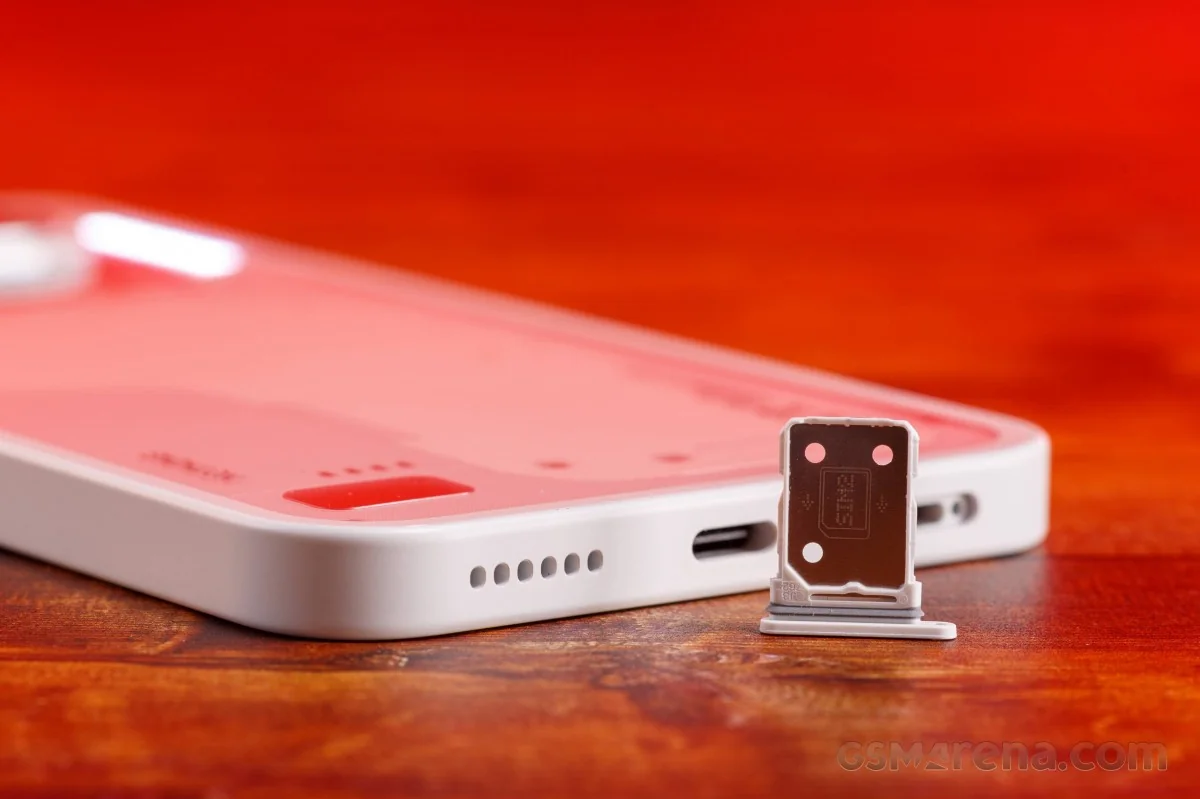
UFS 3.1 storage across 128/256/512GB options makes app installs and load times snappier than rivals still on slower flash, and the 12GB RAM option plus virtual RAM expansion to 20GB gives sensible headroom for multitasking. No microSD slot means you should choose wisely at purchase, and the benefit of virtual RAM is real but should be treated as a convenience rather than a replacement for physical memory. In short: fast storage, flexible RAM, pick the right trim up front.
Build and Glyph Bar (dimensions, weight, notification LEDs)
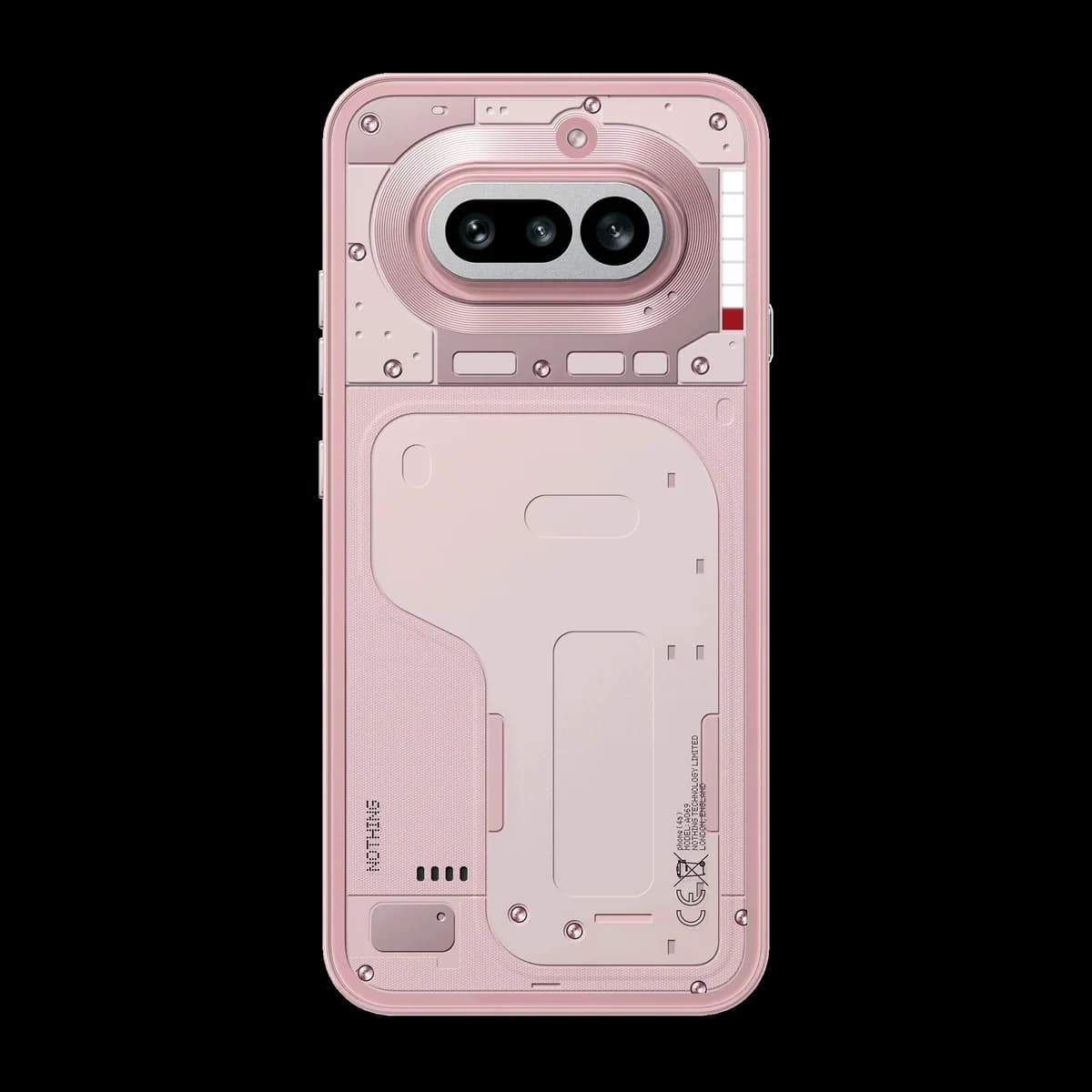
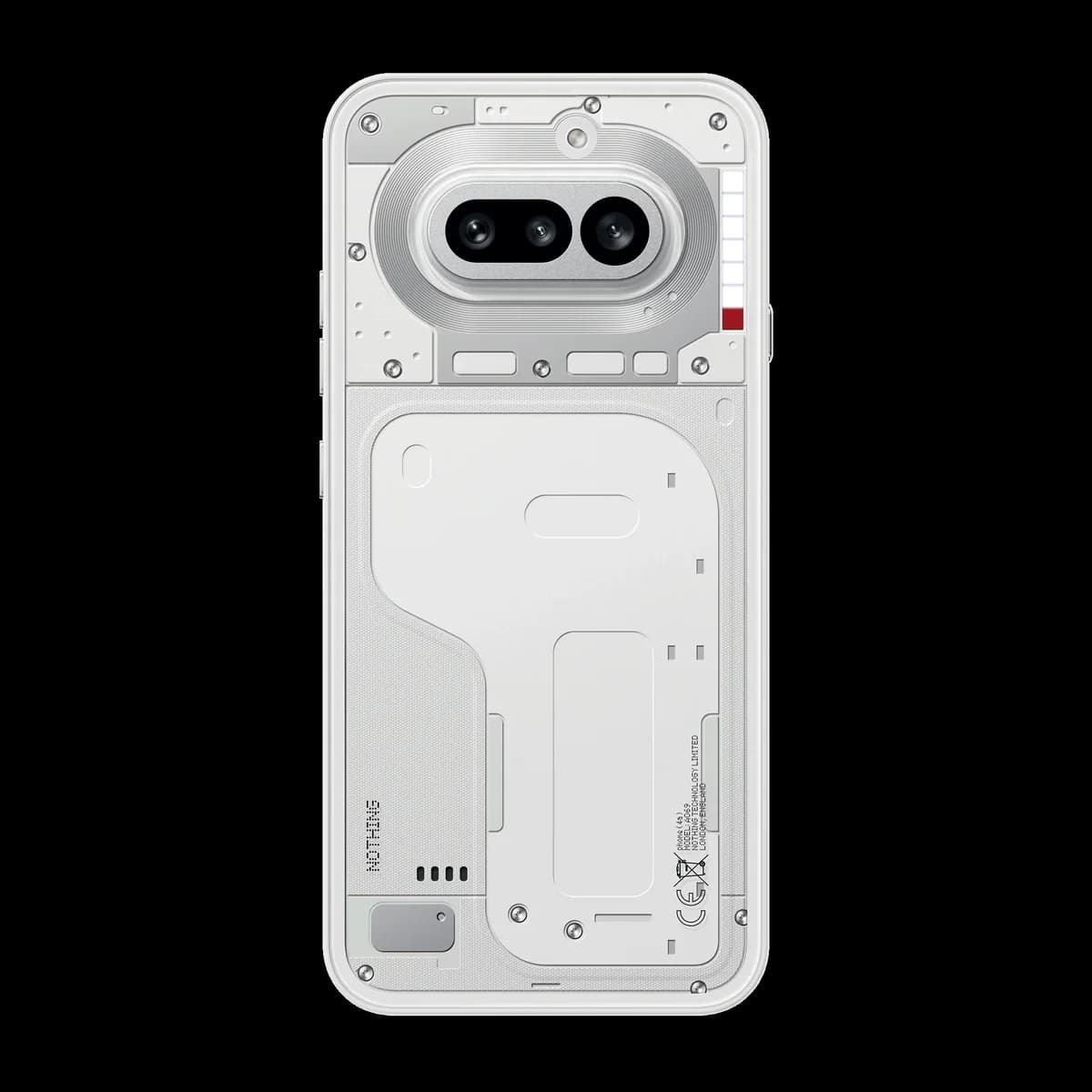
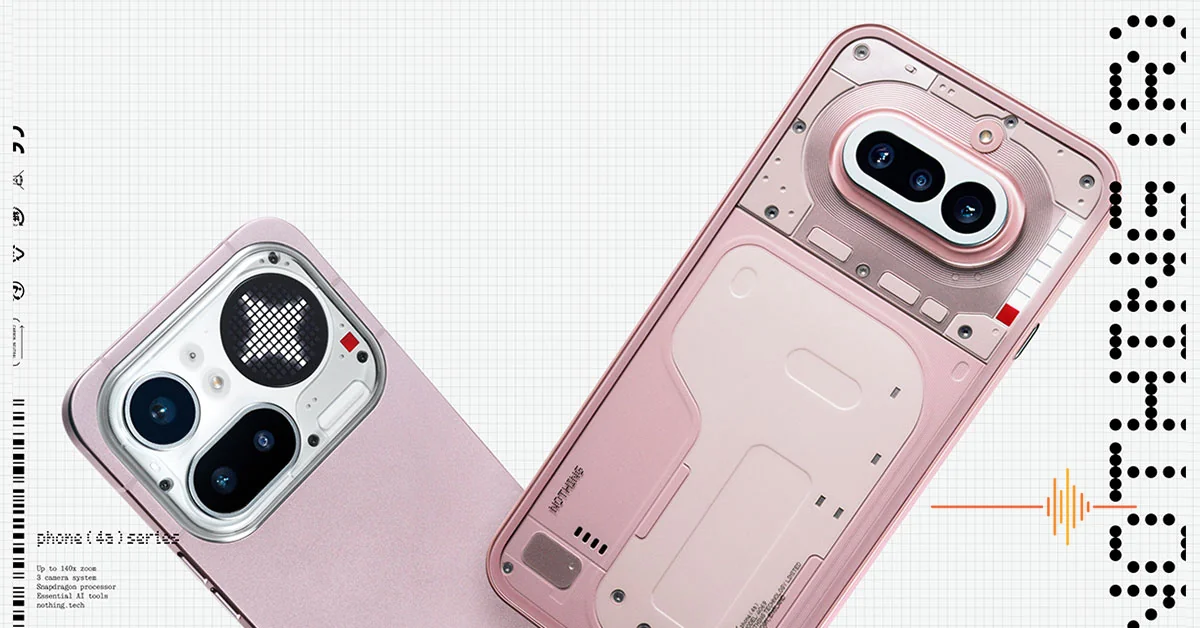
The refreshed Glyph Bar—seven squares with 63 mini‑LEDs—is the 4a’s personality badge, offering recording indicators and glanceable progress lights that reviewers love, even if it’s less showy than before; the semi‑transparent aesthetic and textured frame feel premium. At 204.5g and 164×77.6×8.6mm it’s noticeable in pockets and one‑hand use, and the plastic frame on non‑Pro models keeps costs down. Overall: distinctive design with practical quirks and a truly useful recording indicator near the end.
Performance (SoC, RAM, benchmarks, sustained performance)
Snapdragon 7s Gen 4 plus 8/12GB LPDDR4X makes the Phone 4a feel sprightly—Geekbench numbers show strong burst performance (S1247/M3322) and Nothing OS 4.1 keeps animations snappy—but sustained heavy loads reveal the usual mid‑range trade-offs as clocks mellow for thermals. Virtual RAM up to 20GB is handy for multitasking, and gaming at high frame rates is solid for casual players, though power users may notice throttling and occasional frame dips. Real-world: very fluid day-to-day, tempered under prolonged stress.
Conclusion
Real-world impressions are still emerging, so read this as a cautious verdict: the display is the headline — a 6.78" 1.5K LTPS AMOLED that makes outdoor reading effortless and scrolling delightful. The camera package mixes wins and compromises: a 50MP main with OIS and a tetraprism periscope that genuinely reaches, paired with an 8MP ultra‑wide that lags in detail and video capped at 1080p on secondary lenses. Performance feels sprightly thanks to the Snapdragon 7s Gen 4, though sustained loads expose thermal trade‑offs. Battery life and charging are pragmatic: a 5,080mAh cell with quick 50W wired top‑ups, but no wireless convenience. The chassis and Glyph Bar give the phone personality — 63‑LED Glyph Bar — at the cost of heft. Fast UFS 3.1 storage and virtual RAM sweeten multitasking. Pick this if you value design, daylight legibility, and playful features over top‑tier cameras or flagship endurance.

Feature Scores
This reflects reviews and ratings from established critics, journalists, and users who have evaluated the item. Their opinions provide a comprehensive assessment.
Performance
Processor Performance
4/5
Battery Life
4/5
Software Stability & Updates
4/5
Camera System Performance
4/5
Network Connectivity
4/5
Value
Price-to-Performance Ratio
4/5
Resale Value
3/5
Design
Display Quality
5/5
Ergonomics & Comfort
4/5
Materials & Fit/Finish
4/5
Health
RF Emissions
TBD
Blue Light Management
3/5
Safety
Biometric Security
4/5
Data Privacy & Security
4/5
Physical Safety Features
3/5
Sustainability
Repairability & Modular Design
2/5
Energy Efficiency
3/5
Responsible Sourcing
TBD
Experience Style
Customizability
4/5
Ease of Use
4/5
Accessibility Features
3/5

Specifications
This section outlines the product's key facts, covering essential features, details, dimensions, materials, and any unique characteristics that define its functionality and usability.
Performance
Value
Design
Safety
Sustainability
Experience Style

Frequently Asked Questions
6 Questions

Also Consider
1 Option

Find Yours
What's your top priority when choosing a smartphone?
Answer to find your best matches.