
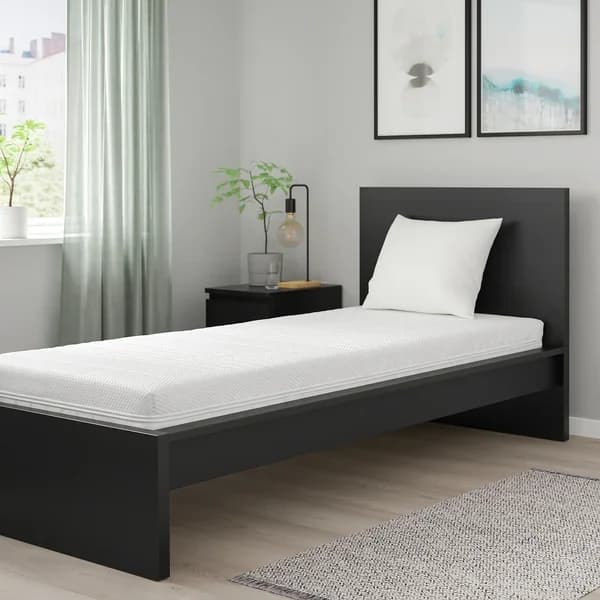
IKEA ÅNNELAND
Budget-friendly 9½" hybrid with zoned support and strong motion isolation, but variable edge life and warmth.
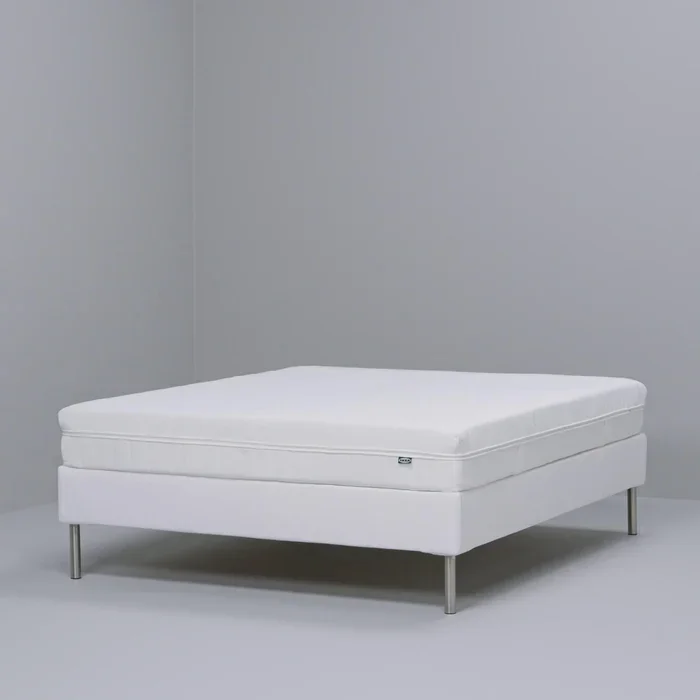
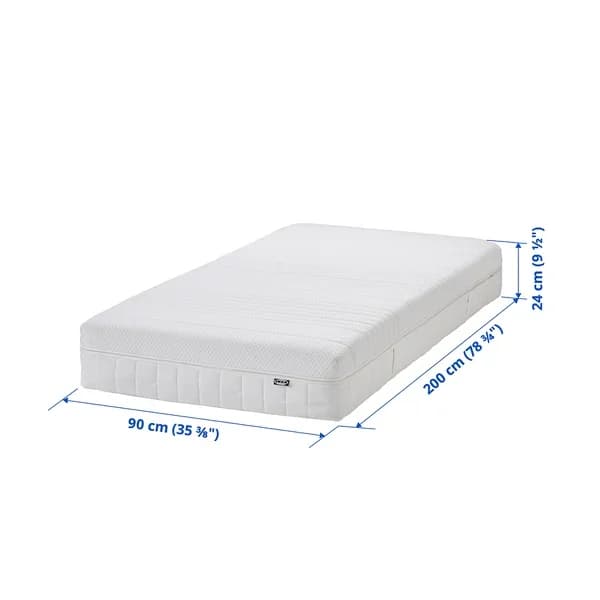
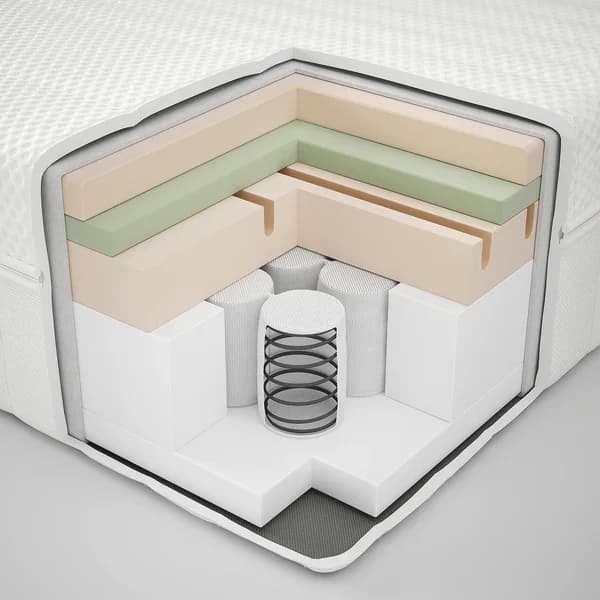
The IKEA ÅNNELAND is a cheap‑chic 9½" hybrid that reads like a clever compromise: memory‑foam top, pocket‑spring core and 5 comfort zones aiming to keep spines happy without bankrupting you. It’s best for apartment dwellers, back/combo sleepers and guest rooms seeking tidy support and easy transport—reviewers praise strong motion isolation and a washable cover, yet both experts and shoppers flag thin foams and reports of early sagging and patchy expansion that undercut showroom claims. At its price it’s pragmatic value, but longevity and edge resilience drive how wise the buy really is.

Find Yours
What mattress firmness do you prefer for optimal comfort?
Answer to find your best matches.

The Field
Browse top contenders, or compare all options ranked by score and key attributes.
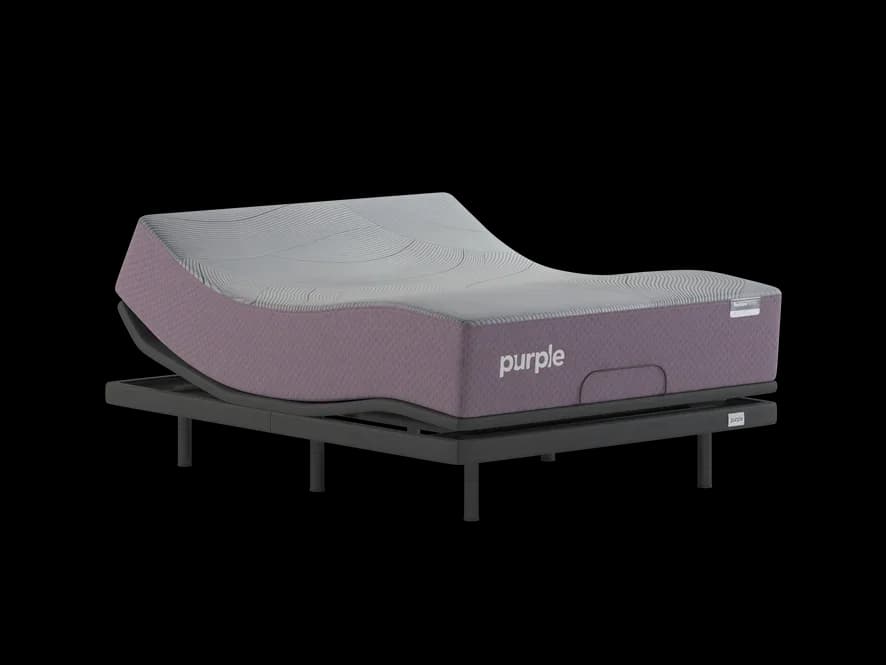
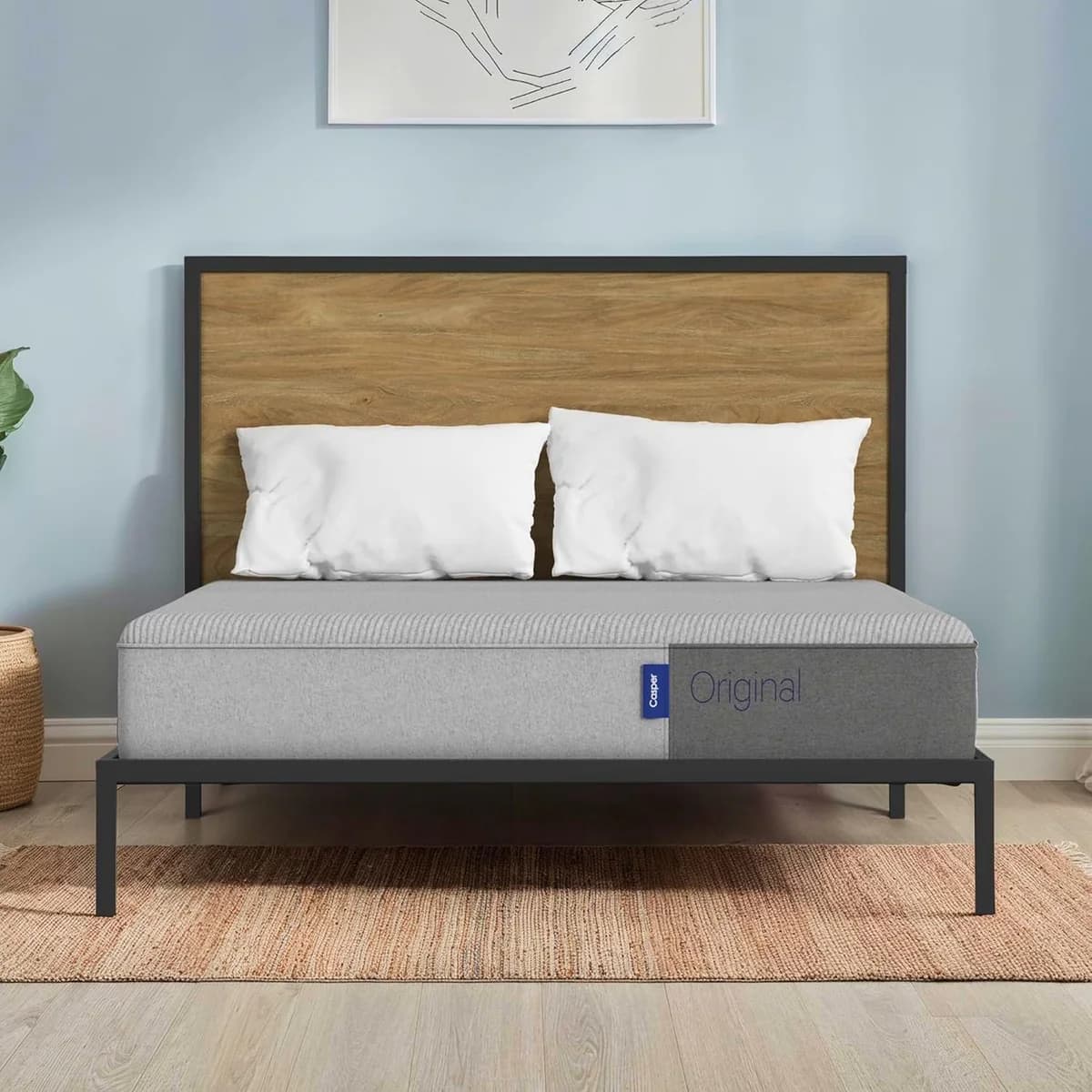
5 Options



The Scoreboard
Does this improve your life? Considers, health, habits, and environmental impact.
Benefits
Reduces partner disturbances so you wake less from rolls and nighttime shifts.
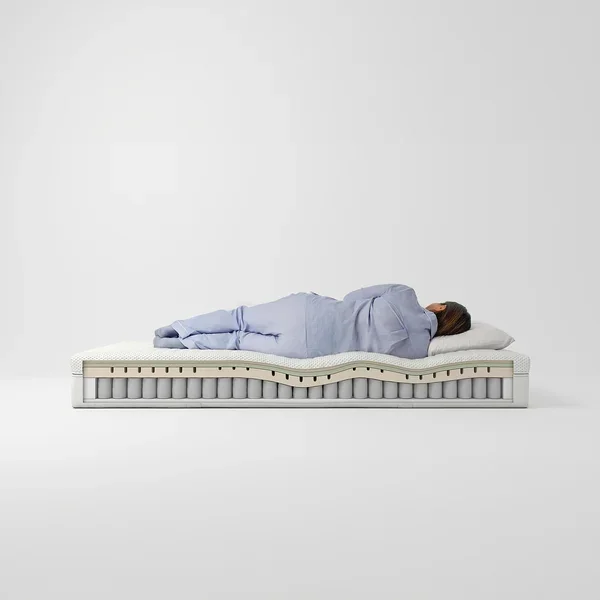
Targets hips and shoulders for steadier spine alignment and refreshed morning comfort.
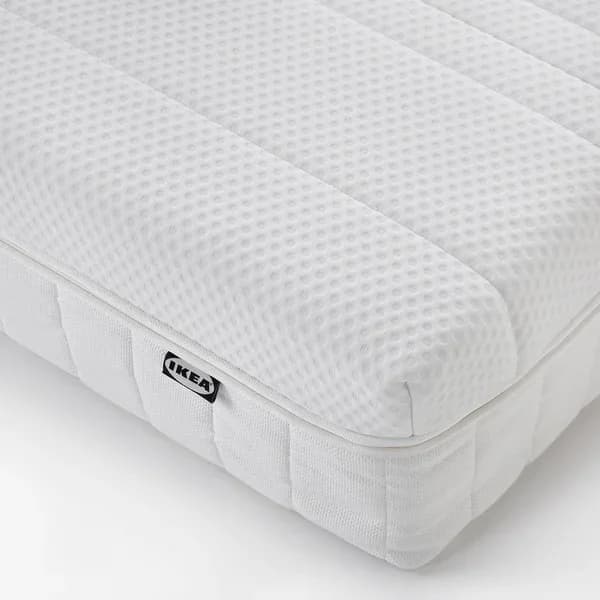
Easy to clean cover keeps sweat, allergens, and spills from lingering on mattress.
Compresses for car-friendly pickup and stairs-free moves—convenient for apartment living.
Delivers hybrid feel and warranty at a much lower price than many competitors.
Trade-Offs
Memory foam traps heat, making nights sweaty for hot sleepers or warm rooms.
Thin foams don't cradle hips well, causing sore hips or shoulders for side sleepers.
Edges compress when sitting or getting out, feeling like you roll toward the middle.
 Alternatives


Join the Circle
Where real meets deal
Know what's worth buying-and when.
Tips, special offers, and rewards for buying and sharing.

Publications
5 LEADING PUBLICATION REVIEWS

NapLab’s Derek Hales finds the IKEA ÅNNELAND to be a very budget-friendly hybrid that delivers predictable trade-offs: excellent value for a $599 queen but notably below-average overall performance. He reports a balanced, slightly bouncy feel with moderate sinkage, fast off-gassing, and decent sex performance, yet calls out thin, low-quality foams that produce mediocre pressure relief, fair cooling, weak long-term support, and limited edge and motion performance. Test data (overall score 6.92, detailed temperature, sinkage, and responsiveness metrics) underpin his measured, somewhat disappointed tone: the mattress can work as a temporary or cash-conscious option, but it’s not recommended as a first choice for most sleepers.
By Derek Hales
Lisa Galliers from Which? highlights the most-visited IKEA mattress reviews of 2025, praising Ånneland for striking a sensible balance between hybrid comfort and affordability. The reviewer notes the Ånneland’s pocket-spring core paired with multiple foam layers — including a 3 cm memory-foam top — gives modest contouring without an overpowering memory effect, so sleepers can move easily; in lab tests the firm version scored a 5 on the 1–10 firmness scale and felt not overly warm. Criticisms are practical: it’s one of IKEA’s pricier standard doubles and fairly heavy, though its removable cover and mid-range price relative to other brands are seen as positives. Overall the tone is measured and mildly favorable, framing Ånneland as a good-value hybrid for many shoppers rather than an exceptional luxury pick.
By Lisa Galliers
Bedbuyer praises the IKEA ÅNNELAND as a competent, no-frills hybrid mattress that delivers adequate comfort and reliable support but doesn’t stand out for the price. The review’s tone is measured and mildly critical: the mattress gets credit for practical points — a medium-firm 7.5/10 feel, responsive pocket-spring support, removable washable cover, roll-packed convenience, and a 10-year warranty — but the reviewer repeatedly calls the build and materials “basic” and rates overall value as middling (3/5). Noted drawbacks include limited edge support, noticeable partner disturbance, modest height (24 cm), and better alternatives at similar prices. The summary emphasizes tested firmness/responsiveness data and practical compatibility advice (recommended bed bases, not for adjustable frames), giving a balanced, slightly reserved recommendation for buyers seeking a straightforward, affordable innerspring mattress rather than a standout performer.
Sleepiverse’s Dom Abraham assesses the IKEA ÅNNELAND as a competent, budget-minded hybrid that delivers solid basics without inspiring enthusiasm. He praises its balanced foam-plus-pocket-spring construction, five comfort zones, strong motion isolation, quiet performance, washable cover, and convenient roll-packed delivery—features that make it a sensible pick for back sleepers, couples, and guest rooms. Criticisms focus on noticeable off-gassing, modest cooling, variable edge support and responsiveness, limited 9.5-inch height, and firmness inconsistencies across sleepers; testing (pressure maps, heat and responsiveness checks, motion isolation trials) supports these practical observations. Priced competitively with a 90-day trial and 10-year warranty, the ÅNNELAND is framed as good value for restrained needs but not a standout compared with higher-end hybrids or specialized cooling or high-support options.
By Dom Abraham
Dweva praises the IKEA ÅNNELAND Hybrid Mattress as a practical, value-oriented medium-firm hybrid that delivers steady mid-body support, respectable motion control, and an easy-to-maintain, washable cover. The reviewer is measured and generally positive: after a short break-in the bed stayed reliably supportive for back and combo sleepers, kept hips from dropping, and handled everyday partner movement well, but it never offered deep pressure relief, a notably cool surface, or the heftier feel of thicker hybrids. Unique insights include specific testing methods (hip drop, heat buildup, drop tests, edge sit/scoot) and clear scenarios where the mattress shines (guest rooms, budget primary bedrooms) versus where it falls short (sensitive side sleepers, hot sleepers, heavier users who sit on edges). The tone is balanced and practical— approving for value-focused shoppers but cautious for buyers seeking plush cushioning or advanced cooling.
By Chris Miller

YouTube
1 LEADING EXPERT & INFLUENCER REVIEW
 Tool Junkie
Tool Junkie praises the ÅNNELAND hybrid as the top pick—balanced medium-firm support, 5-zone pocket springs with memory and high-resilience foam, strong motion isolation, breathability, washable cover, and durable build. Tone is upbeat and confident, noting warmth for some sleepers and higher price vs. basic IKEA models.

Store Reviews
CUSTOMER REVIEWS FROM 1 STORE
IKEA reviewers mostly criticize the ÅNNELAND hybrid mattress for inconsistent firmness, rapid sagging, and poor edge support. Many shoppers say the mattress feels different at home than in the showroom—some versions arrive curled or under-expanded and never fully flatten—while others complain the advertised thickness and dimensions come up short. Dozens of customers report noticeable dips or “liegekuhlen” within months, leading to hip, shoulder or back pain and the sensation of rolling toward the center. Multiple reviewers call out weak motion isolation and noisy or floppy construction around the edges and mini-spring layer. At the same time, a number of buyers praise specific firmness options: some people—especially heavier sleepers and back sleepers—find the firm or plush variants supportive and restful, and several reviewers say a topper or switching firmness solved their issues. A few users also note chemical odors on arrival that fade after airing. Uncommon but recurring details: reviewers observe that ÅNNELAND replaced older IKEA lines (like Haugsvär), and many compare the two, asserting the newer model feels thinner and lower-quality; several mention that the mattress sometimes measures smaller than advertised (shorter/narrower by a few centimeters or inches). Others describe a packaging problem—tight rolling that causes curled ends and poor expansion—and advise rotating the mattress or adding a topper to mitigate initial firmness or localized sinking. Overall, IKEA customers either find ÅNNELAND comfortable when the chosen firmness matches their body type (or when they add a topper) or call it a disappointing, short-lived upgrade that sags and loses support unusually fast.
4 Stars / Many verified reviews

Forum Reviews
CUSTOMER REVIEWS FROM 1 FORUM
Overall sentiment about the IKEA ÅNNELAND is mixed but leans mildly positive: many users praise its firmness, durability, and ability to relieve back pain after a break-in, with several owners reporting long-term satisfaction. Critics report issues with initial stiffness, “hammocking” or lack of hip support as it breaks in, inconsistent expansion from vacuum packaging, and feeling partner movement due to softer coils—problems some attribute to defective units or unsuitable bed bases. Consensus: try it in-store and allow several weeks to adjust; shoppers warn heavier sleepers may need firmer support or alternatives if hip sinking occurs.
Many comments

In-Depth Review

Highlights
- •Zoned supporttargets hips and shoulders for alignment
- •Strong motion isolationreduces partner disturbance effectively
- •Budget-friendly hybrid valuecompetitive price for hybrid features
- •Washable coverremovable, easy-to-clean surface
- •Roll-packed conveniencecompact for pickup and transport
- •Balanced medium-firm feelsuited to back and combo sleepers

Considerations
- •Early sagging and localized dipsusers report hip and center sinking
- •Inconsistent expansion and firmnesssome units arrive under‑expanded or curled
- •Weak or variable edge supportedges compress under heavier loads
- •Sleeps warm for some usersmemory foam traps body heat
- •Limited deep pressure reliefthin foams don't cradle hips well
- •Variable build quality and noisesome units feel floppy or noisy
IKEA’s budget-conscious reputation meets hybrid engineering in the ÅNNELAND: a slim, roll-packed mattress that aims to deliver pocket-spring support with foam comfort at an everyday price. Built for apartments, guest rooms and value-minded primary beds, it pairs a 9½-inch profile with 5 comfort zones, a memory-foam top layer, and a washable cover—all designed to offer balanced support for back and combo sleepers without luxe pricing. Compared with older IKEA lines and budget rivals, it stands out for pocket springs (better motion control than basic foam beds) but trades off thinner foams and variable edge resilience. If you’re after steady spinal alignment, fuss-free maintenance, and easy transport—especially couples or shift-changing sleepers—this could fit. Read on to judge firmness, zoned support, heat behavior, motion isolation and edge performance; these are the features that will make or break your nights. Consider this your shortlist for where to focus.
Firmness
ÅNNELAND’s three options aim to please: firm, medium-firm, and plush deliver noticeably different sink—firm suits heavier back sleepers while plush helps lighter side sleepers—but users report inconsistent expansion and variable firmness after break-in. Expert tests rate the feel as balanced, medium-firm, roughly a 7–7.5/10, offering dependable spinal alignment but limited deep pressure relief for strict side sleepers; swapping firmness or adding a topper is a common fix toward the mattress edge.
Comfort zoning
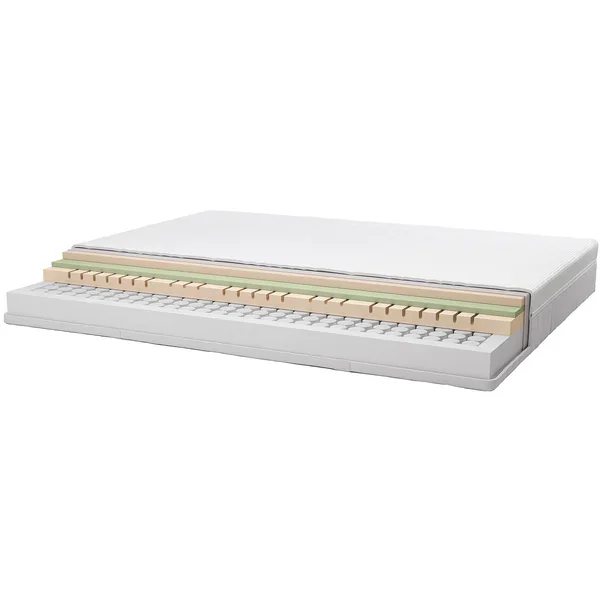
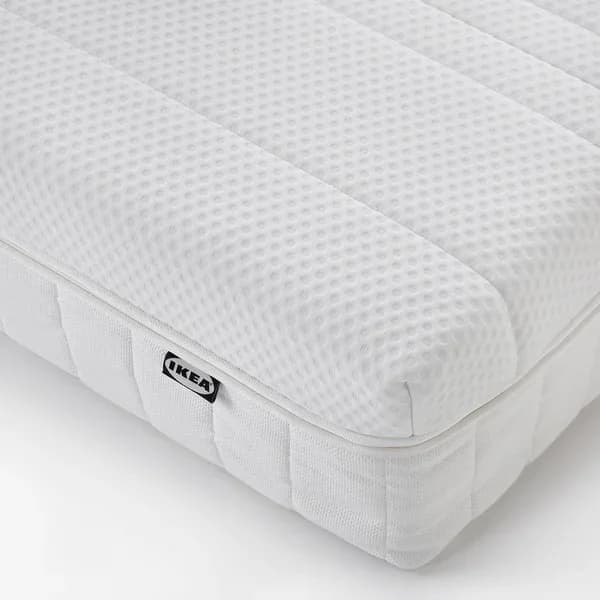
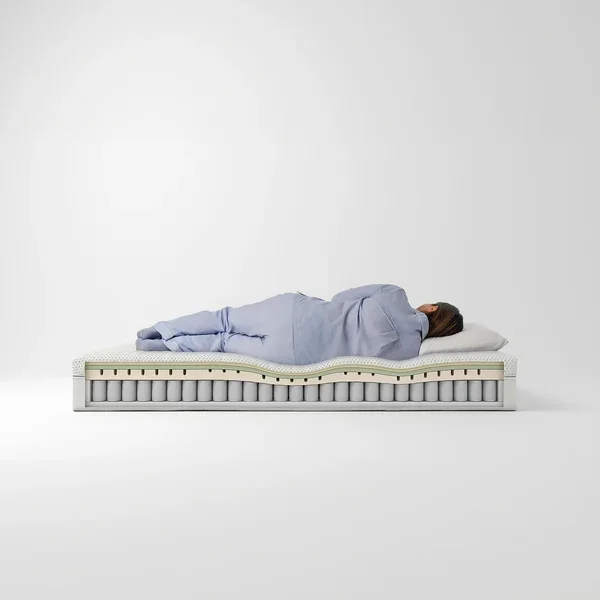
The mattress’s 5 comfort zones are a clear selling point—targeted firmer coils under hips and softer zones at shoulders aim for neutral spine alignment—and both reviewers and users credit the zones with improved morning back comfort after break-in. However, the effect is blunted by thin foam layers and occasional localized sagging, so zoned support helps if the unit is well-expanded and matched to body weight, but it’s not a miracle for heavy sleepers by the center line.
Thermal regulation
The memory foam gives comfort but also traps heat: reviewers and tests note modest cooling rather than active temperature control, so hot sleepers may find nights warmer than expected. The hybrid's pocket springs aid airflow versus all-foam beds, and the washable cover helps surface cooling, but overall the mattress lacks dedicated cooling tech, leaving it a decent choice for cooler rooms or occasional sleepers, not for hot, restless nights.
Motion isolation
Thanks to the memory-foam top layers and individually wrapped pocket springs, ÅNNELAND delivers impressively low partner disturbance for the price, with reviewers calling its motion isolation a standout feature—good for couples and guest rooms. Some store reports contradict this, citing softer coils and partner wobble on flawed units, so while lab tests and several expert reviews back the quiet, steady performance, expect variability depending on build consistency at the seams.
Edge support
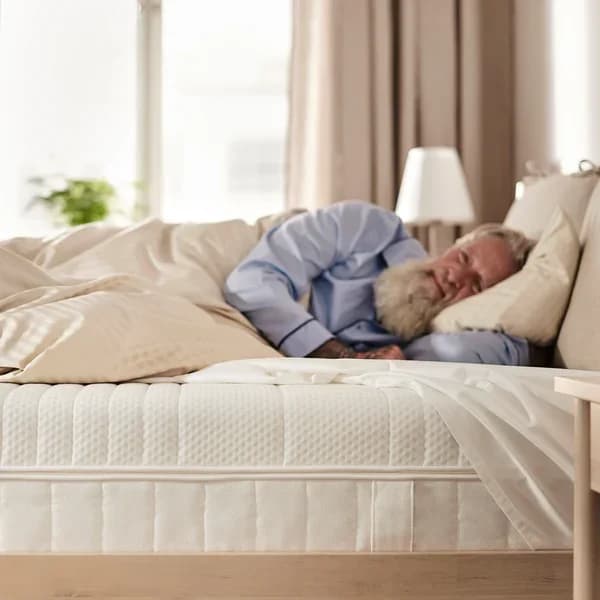
Pocket springs boost the advertised edge resilience, but real-world feedback flags edge compression under heavier loads and occasional floppy sides after months of use; experts describe support as fair-to-middling rather than robust. If you sit or sleep near the perimeter, expect some sink and a feeling of rolling inward unless you opt for the firmer variant or add a perimeter-support topper—so edge claims are supported in part, yet inconsistent in practice.
Construction and materials
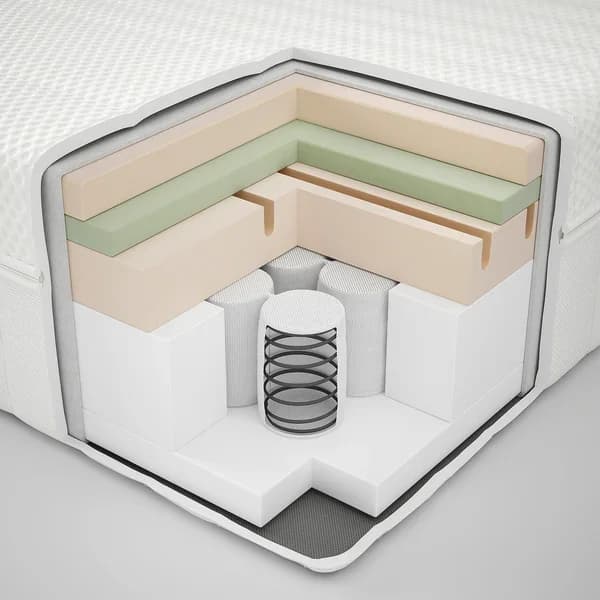
Think of ÅNNELAND as IKEA’s budget-friendly hybrid recipe: a memory-foam comfort layer, a choice of high-resilience or plush transition foam, and a pocket-spring core with five zoned sections. Lab and review notes flag thin, basic foams that limit long-term contouring even though the pocket springs help with support and motion control. Packaging and roll-compression sometimes leave curled ends or under-expanded areas, so real-world units occasionally deviate from showroom feel—yet the washable cover and Swedish manufacture add practical value and durability near the end of the day.
Conclusion
Think of this as a tidy verdict: the hybrid build gives a pocket‑spring backbone with a memory‑foam top that’s economical and sensible, not sumptuous. The three firmness options mean you can chase a fit, but expect variable expansion and some post‑delivery unpredictability. The five zones do real work for spinal alignment, offering targeted hip support more often than not, while the foam thickness limits true cradling. For couples, excellent motion isolation is a genuine win; for hot sleepers, the mattress’s modest cooling won’t be enough. Edge performance sits in the middle—serviceable perimeter support that can soften under heavier use. Best for budget‑minded back and combo sleepers or guest rooms; skip it if you need plush pressure relief or hardcore edge durability. A pragmatic, value‑led pick that delivers expected trade‑offs.

Feature Scores
This reflects reviews and ratings from established critics, journalists, and users who have evaluated the item. Their opinions provide a comprehensive assessment.
Performance
Support
4/5
Pressure Relief
3/5
Motion Isolation
4/5
Temperature Regulation
3/5
Durability
3/5
Edge Support
3/5
Responsiveness
4/5
Noise Control
4/5
Value
Price To Quality Ratio
4/5
Warranty And Trial Value
4/5
Shipping And Setup Convenience
4/5
Design
Visual Aesthetics
4/5
Cover Material Quality
4/5
Edge Comfort
3/5
Size And Thickness Options
3/5
Health
Low VOC Emissions
3/5
Hypoallergenic Materials
3/5
Antimicrobial Treatments
TBD
Safety
Flammability Compliance
4/5
Structural Integrity
3/5
Weight Capacity Safety
3/5
Sustainability
Recyclability
2/5
Use Of Organic Materials
1/5
Supply Chain Transparency
3/5
Manufacturing Emissions
TBD
Experience Style
Setup Simplicity
4/5
Customizability
3/5
Sleep Style Flexibility
4/5

Specifications
This section outlines the product's key facts, covering essential features, details, dimensions, materials, and any unique characteristics that define its functionality and usability.
Performance
Value
Design
Safety
Sustainability
Experience Style

Frequently Asked Questions
8 Questions
Find Yours
What mattress firmness do you prefer for optimal comfort?
Answer to find your best matches.