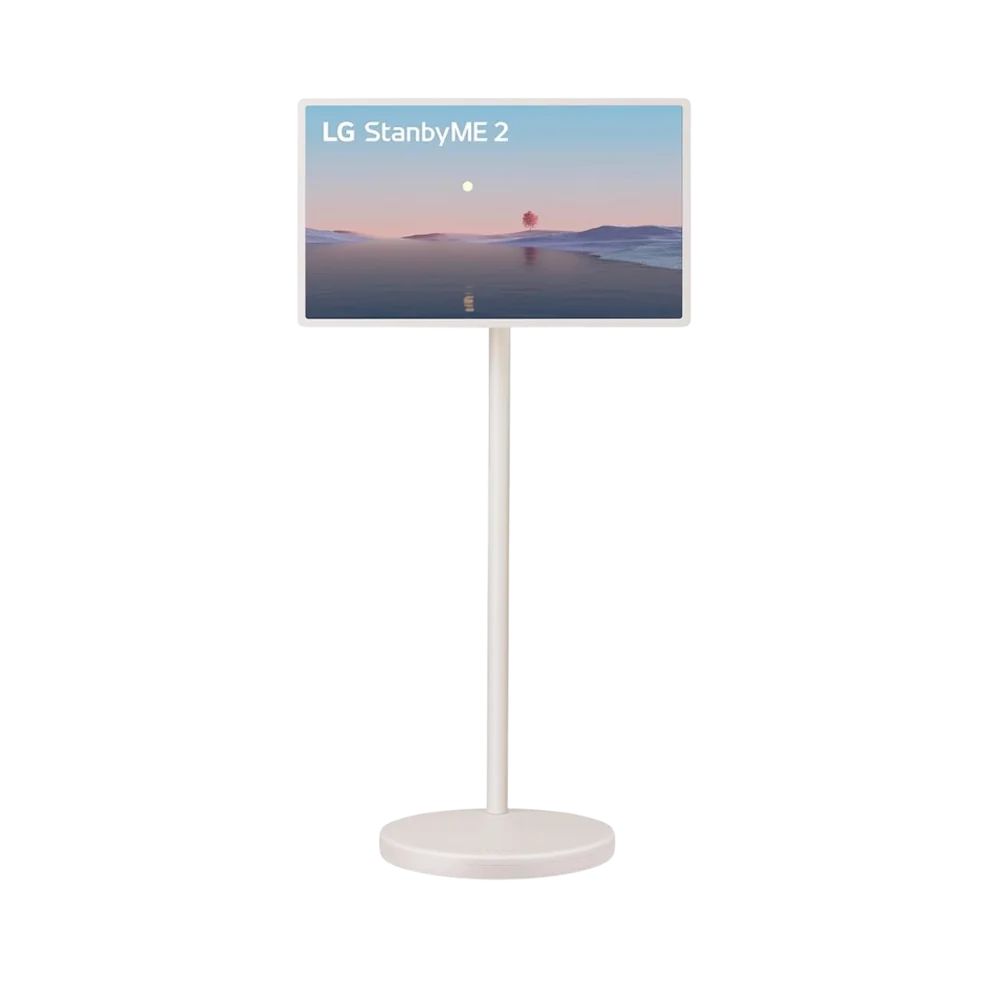
LG StanbyME 2
Portable 27" QHD touchscreen with detachable wheeled stand, ~4h battery; great for mobility, trade-offs in picture/audio and touch lag.
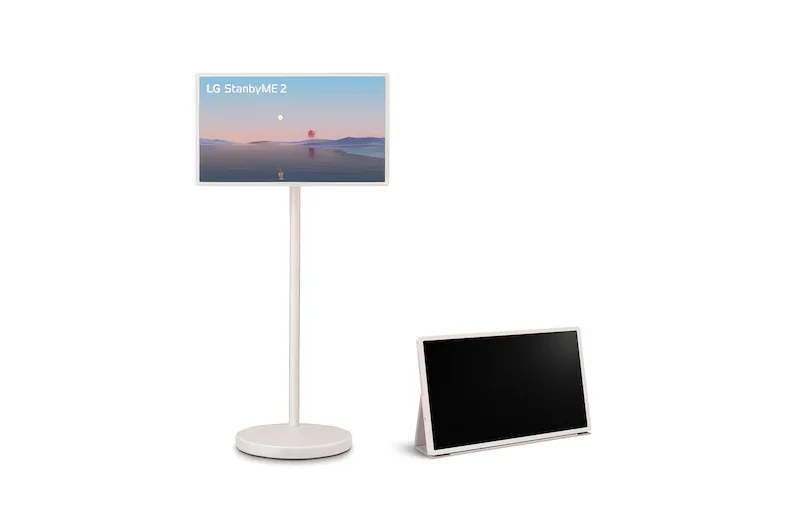
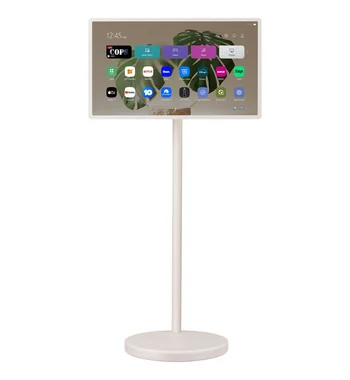
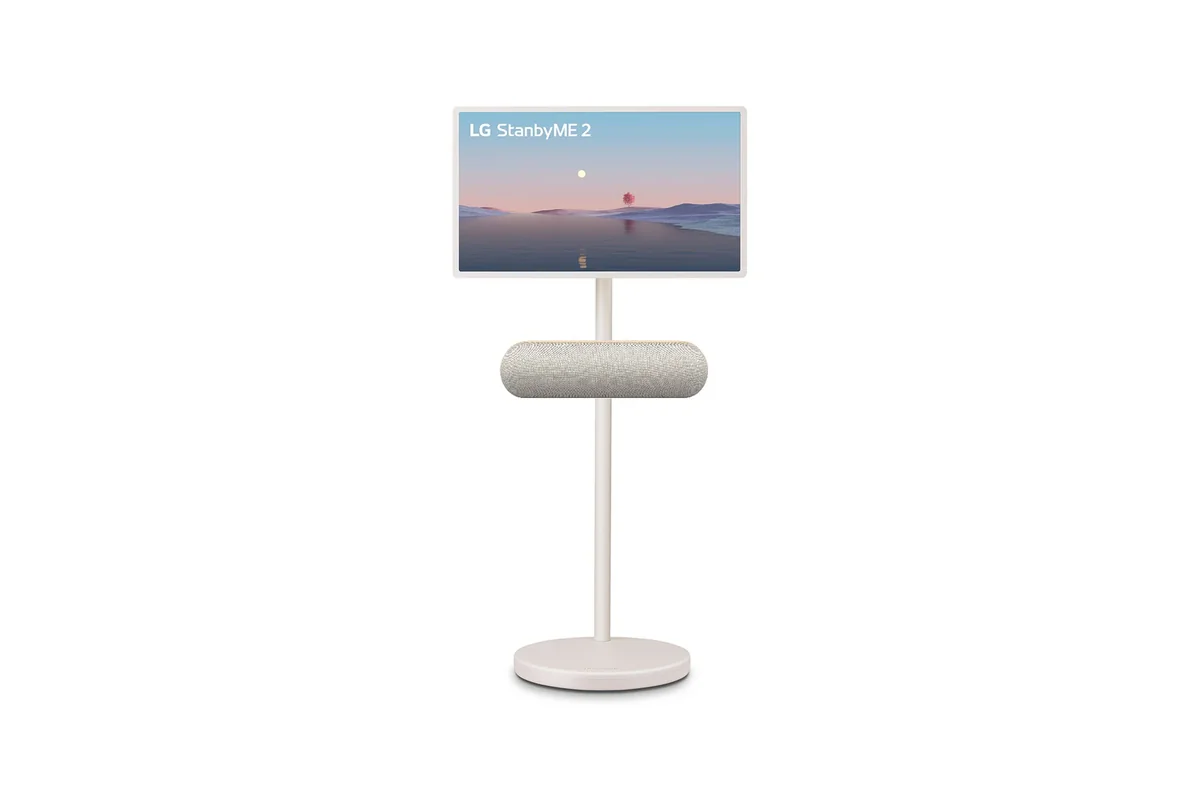
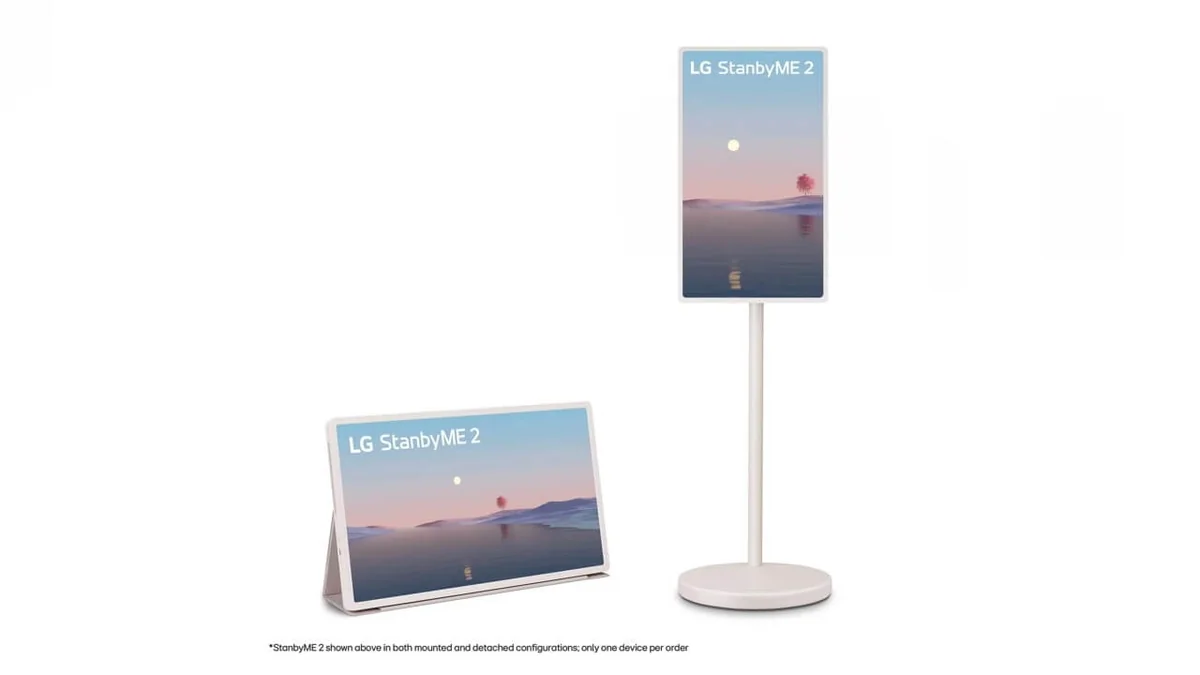
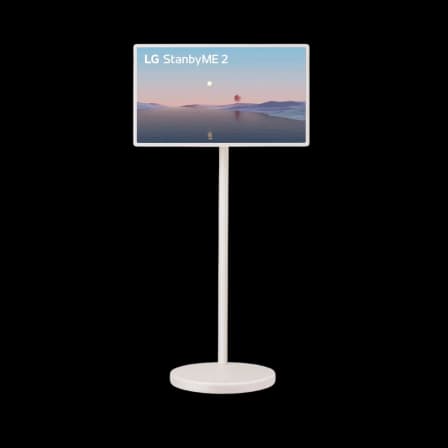
The LG StanbyME 2 is the portable 27-inch lifestyle screen that follows you around the house, designed to solve the hassle of juggling stationary TVs and small tablets by offering a detachable touchscreen on a wheeled stand with a built-in battery for cordless bursts. It’s aimed at people who want a flexible second screen for kitchens, bedrooms, home offices, and casual sharing, and experts praise the sharper QHD panel and thoughtful accessories while users confirm real-world convenience and occasional software quirks. Brand claims of roughly four hours battery and smooth mobility line up with hands-on feedback, though reviewers note muted HDR, modest speakers, and touch lag under heavy use. For its premium price you buy portability and novelty rather than flagship picture or sound, so weigh how much mobility matters to your day-to-day before deciding, factors that also shape its overall recommendation standing.
Find Yours
What is your primary use case for a portable TV?
Answer to find your best matches.

The Scoreboard
Does this improve your life? Considers, health, habits, and environmental impact.
Benefits
Rolls and detaches so you can move entertainment between rooms effortlessly.
Lift off the screen to use it like a big tablet for casual tasks.
Easy to park in kitchen or bedroom so everyone can gather and watch.
Touchscreen plus drawing app makes casual gaming, kids' doodles, and quick notes fun.
QHD panel and AI processing deliver clearer streaming and video calls than 1080p.
Trade-Offs
Around three-to-four hours; mid-movie or long sessions require plugging in or pausing.
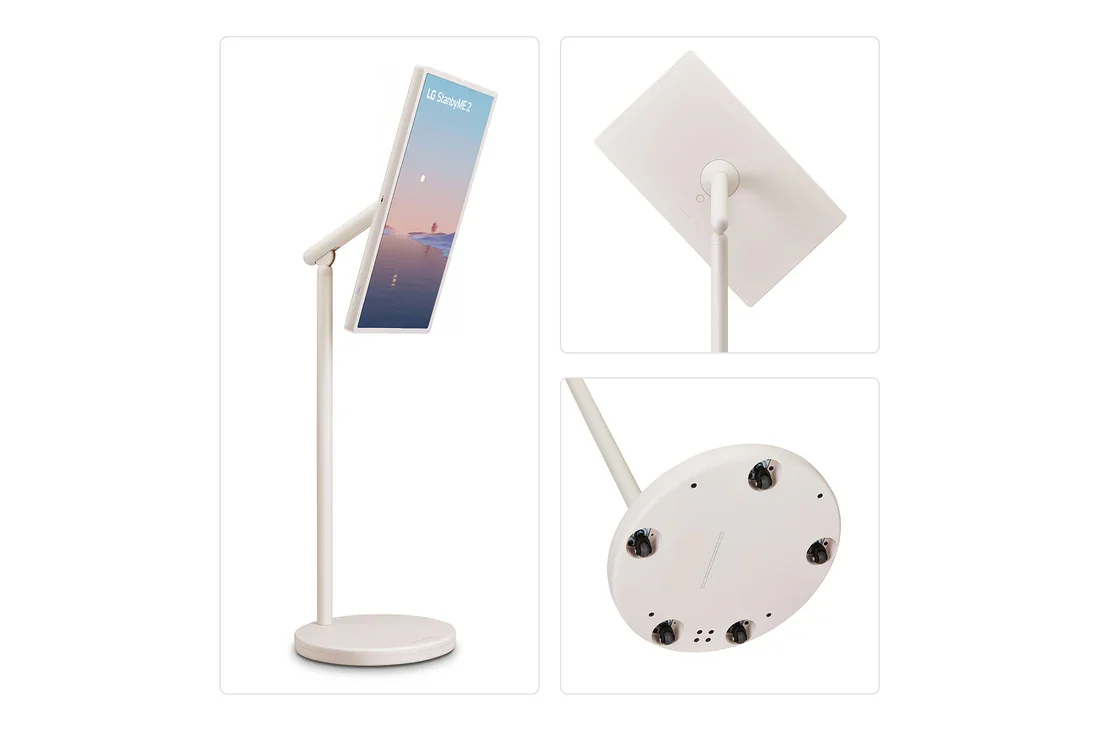
Wheeled base moves smoothly on hardwood but jerks or sticks on carpets, needing lifting.
Occasional input delay makes drawing, scrolling, or quick taps feel sluggish and frustrating.
Sit off to the side and colors fade; HDR punch and deep blacks lessen noticeably.
 Alternatives


Join the Circle
Where real meets deal
Know what's worth buying-and when.
Tips, special offers, and rewards for buying and sharing.

Publications
6 LEADING PUBLICATION REVIEWS

Xataka’s Alejandro Alcolea is clearly impressed and mostly positive about the LG StanbyMe 2. He praises its build, smooth wheels, clever removable battery-in-screen design, tactile controls and flexible mounting options, calling its mobility genuinely game-changing for multiroom use; the battery life and fast auto-brightness also earn praise. Criticisms are measured: the plastic arm feels less premium, the matte IPS QHD panel mutes colors (an OLED would be preferable), virtual Atmos is no substitute for a multi-speaker bar, and the remote lacks modern charging. Software quirks (some apps misbehave in vertical mode) and the premium price are noted, but Alejandro frames those as trade-offs against exceptional versatility—concluding that for users who value portability and multiroom convenience, the StanbyMe 2 largely delivers.
By Alejandro Alcolea
TechRadar’s Max Langridge is positively sold on the StanByMe 2 after three weeks. He’s pleasantly surprised by its playful versatility—easy rolling, tabletop and hanging modes, touchscreen interaction and solid webOS features make it genuinely useful around the home—but remains measured about its compromises: the 27-inch QHD edge-lit panel and matte coating limit HDR contrast and cinematic punch, battery life is short unless you use eco modes, and the price is high compared with much larger, better-performing TVs. Langridge praises color, sound clarity, connectivity and the thoughtful design (magnetic remote, detachable stand), and calls it a great lifestyle screen rather than a main TV; however he deducts for value, advising it’s most compelling at discounted prices or for buyers who value portability and novelty over top-tier picture performance.
By Max Langridge
PCMag Middle East’s Mufaddal Fakhruddin comes away cautiously positive about the StanbyME 2. He appreciates its rare versatility—the detachable 27-inch touchscreen, multiple mounting options, decent webOS app support and portable use cases make it genuinely useful around the home—but tempers enthusiasm with clear reservations about price, dated-looking bezels, middling IPS picture quality (matte touch coating mutes color and blacks), weak viewing angles, and only modest battery life unless you throttle brightness. He praises build quality, smooth rolling stand, and practical use with devices like the Steam Deck, yet criticizes sluggish UI moments, lack of a headphone jack, and speakers that don’t fully satisfy. In short, it’s an impressive, one-of-a-kind novelty that’s compelling if you truly need mobility and flexibility, but hard to justify at AED 4,499 for most buyers.
By Mufaddal Fakhruddin
Tom’s Guide’s Kate Kozuch sounds genuinely enthusiastic about the StanbyME 2. She calls it “fun” and appreciates LG’s playful, portable direction—praising the detachable 27-inch screen, improved 1440p resolution, magnetic remote hub, USB-C webcam support, and extra hour of battery life that make it genuinely useful on the go. Kozuch frames it as an intriguing hybrid of LG’s previous lifestyle devices and values the accessories and carrying options that expand real-world use (bathtub TV vibes included). She’s clear that this isn’t a picture-quality flagship—so if stellar image fidelity is your priority, look elsewhere—but otherwise the reviewer treats the StanbyME 2 as a well-executed, practical, and appealing lifestyle gadget she’d consider buying. Overall the tone is warm, upbeat, and mildly measured: impressed and entertained, with a reasonable caveat about display priorities.
By Kate Kozuch
Pocket-lint’s Craig Donaldson sounds amused and broadly positive about the StanbyME 2. He likes the playful but practical upgrades — a sharper 1440p display, marginally longer battery life, added USB-C ports, a magnetic remote spot and clever accessories like a carrying strap and folio cover — and finds the new ideas (hanging it like art or using it as a menu board) endearing rather than silly. He flags lingering limitations (still only one HDMI port) and notes LG hasn’t shared price or release details, so value is uncertain, but his tone is upbeat and mildly delighted rather than critical. Overall the review treats the StanbyME 2 as a fun, improved follow-up that leans toward “worth watching,” especially if you appreciate quirky, portable home-tech with sensible refinements.
By Craig Donaldson
ZDNet’s Kerry Wan is upbeat about the StanbyMe 2 and comes away genuinely impressed. She frames the 27‑inch lifestyle TV as a playful, confident evolution of the viral original—praising sensible upgrades like a longer‑lasting battery, magnetic remote storage, a folio kickstand, a top USB‑C for webcams and a sharper 1440p touchscreen that makes menus and images noticeably crisper. Her enthusiasm is measured: she admires the concept’s portability and productivity potential but flags real shortcomings too, chiefly middling viewing angles that tint colors as you move side to side, and the fact it’s still a concept you can’t buy. Overall the tone is positive and intrigued rather than gushing — Wan thinks LG fixed key omissions and added smart conveniences, and suspects the StanbyMe 2 could be a hit if it ever reaches retail.
By Kerry Wan

YouTube
3 LEADING EXPERT & INFLUENCER REVIEWS
 Techmoan
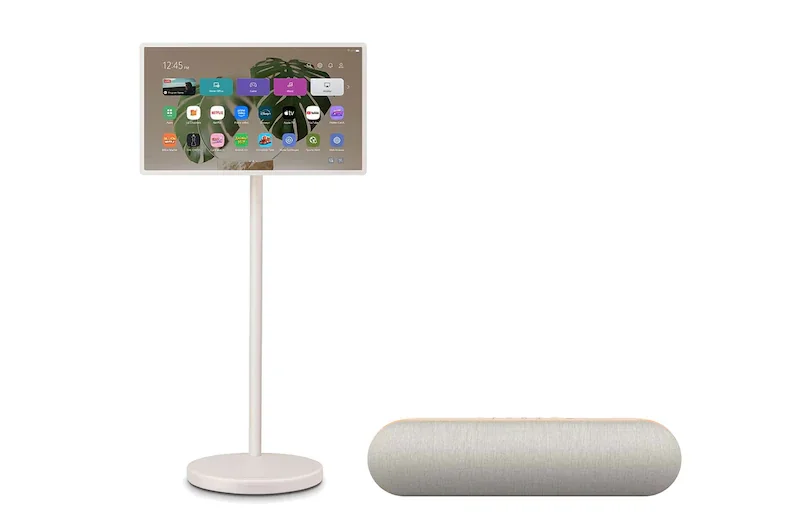
Techmoan is disappointed overall. He appreciates the clever StanbyME 2 concept—the detachable 27" QHD touchscreen, magnetic remote, decent built‑in speakers and optional Bluetooth speaker—but finds execution sloppy: webOS 24 lacks key UK apps, touch support is inconsistent, the folio and speaker feel fiddly, the heavy stand inflates cost, and Bluetooth pairing/automation is unreliable. He patched it with a Chromecast and power tweaks, but concludes the all‑in‑one was overpriced compared with a DIY monitor+stand solution; he’s keeping it but wouldn’t buy it again.
Is It Worth It?Is It Worth It? is generally positive about the StanbyME 2. He likes the detachable 27" QHD screen, thinner lighter design, USB‑C and improved mounting/release mechanism, and rolling portability, calling the new model worth the upgrade for those who want easy detachment. He finds picture/audio fine for casual use (better with external speakers), praises touchscreen and remote compatibility, and demonstrates real-world handling. Criticisms are mild: differences versus gen‑1 aren’t huge, wired gives steadier charge, and onboard audio isn’t stellar. Overall tone is upbeat and practical—an enthusiastic, hands‑on thumbs‑up for the 2 if you value mobility.
MinistryTechMinistryTech sounds cautiously optimistic about the LG StanbyME 2. They praise meaningful refinements—QHD resolution, longer ~4‑hour battery, magnetic remote hub, and new mounting/folio accessories—framing it as a smarter, more versatile evolution rather than a radical overhaul. The tone is positive but measured, noting usefulness depends on final pricing and real‑world performance; it’s compelling for portability-minded buyers but not a must‑buy until hands‑on reviews and price are clear. Overall, MinistryTech views it as a thoughtful, practical upgrade that strengthens the StanbyME concept.

Social
3 INFLUENCER REVIEWS
 The Verge
The Verge’s host sounds genuinely amused and upbeat about the StanbyME 2. They call it “silly” in a fond way, appreciating the practical upgrades—1440p instead of 1080p, roughly four hours of battery, a folio cover, dual USB‑C ports, webcam support, a magnetic remote, and now a shoulder strap—while acknowledging it’s quirky. Their tone is positive but measured: a fan of the line who’s glad LG kept improving portability and versatility, not wildly hyped but clearly pleased with the iterative refinements.
 🌿 JO & KIN | HOME + DIARY
Ourfookinhouse is genuinely delighted by the LG StanbyME 2 and calls it the kind of TV that “follows” your life. They emphasize its wireless, wheeled design as the reason it gets used everywhere—living room gaming, background music, a portable outdoor screen, even rolled outside the bathroom—turning a normal TV into a flexible second screen that adapts to how they live. The tone is warm and surprised rather than technical, focused on practical delight and everyday use; no major complaints are mentioned, just an amused appreciation for how much more useful a movable screen became for them.
UptinUptin is upbeat about the LG StandbyME 2 and calls it one of the week's winners. He likes that the monitor is now removable because the battery lives inside the screen, giving about four hours versus the original's three, and he highlights portability—bathroom, kitchen, even car—and vertical viewing for TikToks and Reels. He admits he’s not sure how often people will actually detach it, so enthusiasm is tempered with a bit of skepticism, but overall his tone is positive and amused, framing the moveable, battery-powered screen as a fun, practical upgrade.

Forum Reviews
CUSTOMER REVIEWS FROM 1 FORUM
Redditors mostly like the StanbyME 2 for its portability and flexible design. Users praise the rolling stand, touchscreen, and how it fits varied roles—kitchen display, second monitor, or portable TV—calling it genuinely useful in day-to-day life. Criticisms focus on price, modest battery life (around 3–4 hours), lack of OLED/4K and higher refresh rates for gaming, and occasional sluggishness or software quirks. Some say it’s a niche, worth it if you value the form factor and mobility; others feel you can replicate features cheaper. Upgraders are excited by bigger screens and refinements, while new buyers weigh cost versus utility.
Many comments

In-Depth Review

Highlights
- •Sharp QHD displayMarketed as 27‑inch QHD clarity.
- •Detachable mobile designPromoted as movable screen with wheels.
- •Cordless battery runtimeManufacturer tests claim up to 4 hours.
- •Large touch surfaceDesigned to enable drawing and touch.

Considerations
- •Muted HDR punchMatte IPS mutes HDR impact.
- •Mobility on carpetsWheeled base struggles on carpet.
- •Limited battery runtimeOften three‑to‑four hours only.
- •Touch input lagNoticeable input lag reported.
Early real-world feedback is still limited, so treat initial impressions as promising but provisional. From a trusted consumer electronics maker known for thoughtful design, this lifestyle display aims to redefine where and how a screen gets used: it’s pitched as a portable, detachable 27‑inch QHD touchscreen that blends monitor, tablet, and smart‑TV behaviors for multiroom living, kitchens, bedrooms, and hybrid workspaces. Expect to weigh its standout strengths—the QHD 2560×1440 panel and α8 AI upscaling, the signature detachable wheeled stand, and a built‑in battery good for roughly 3–4 hours of cordless use—against trade‑offs such as the matte IPS finish and modest audio. Compared with the original StanbyME and conventional monitors, its mobility, magnetic remote/folio conveniences, and USB‑C webcam support set it apart for apartment dwellers, families sharing communal screens, and creative users who want a big, touchable canvas. Scan the sections that follow to match those specifics to your priorities—because if you prize movement over maximum picture punch, this could be the gadget that actually leaves the living room.
Display performance
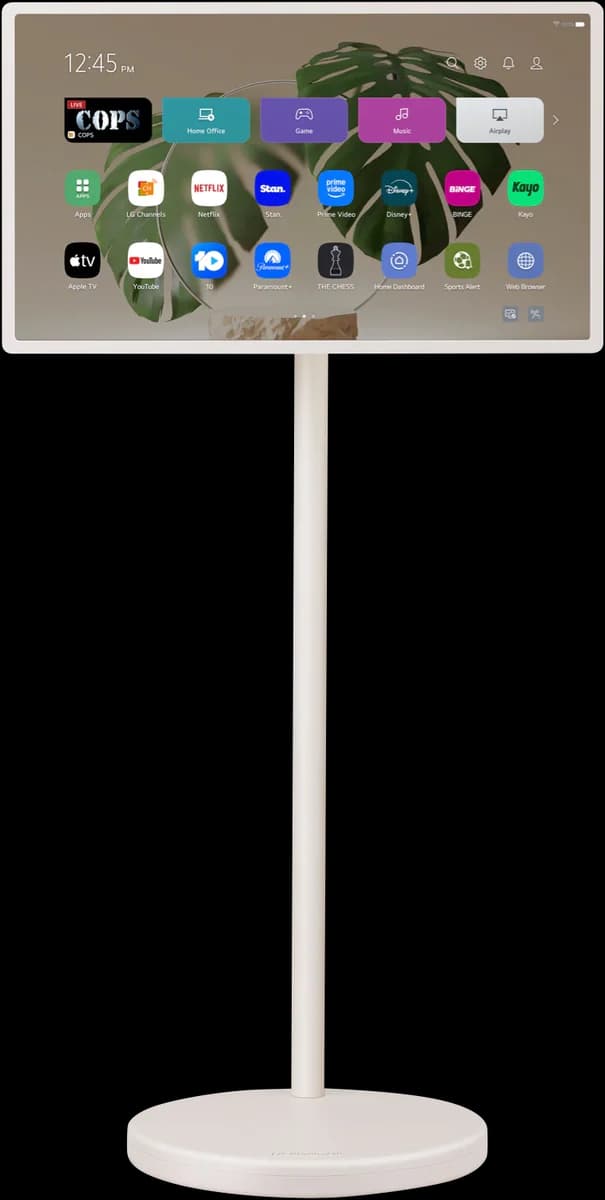
This screen looks sharper than the original thanks to a QHD 2560×1440 panel, and LG’s α8 AI Processor helps upscale and tune color and contrast in real time. Experts and users note the matte IPS finish mutes HDR punch and off‑axis colors compared with OLED, so while Dolby Vision and HDR10 are supported, actual HDR impact is modest rather than cinematic. In short, picture clarity and app UI are noticeably improved, but don’t expect flagship TV-level contrast or deep blacks.
Touch responsiveness
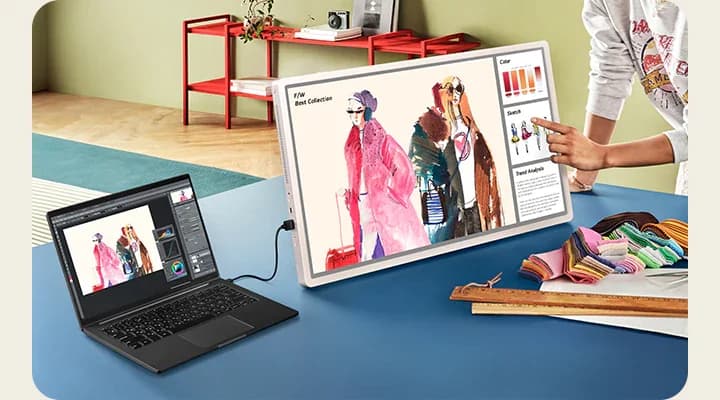
The full 27‑inch capacitive touchscreen enables drawing and casual touch interaction, and many users enjoy the drawing app and large touch surface, but some report noticeable latency and occasional UI sluggishness compared with premium tablets. Software quirks and app compatibility in webOS can amplify perceived lag, so while the touch works well for menus and light drawing, it’s less reliable for fast-paced drawing or precision input without tempering expectations.

Battery and power
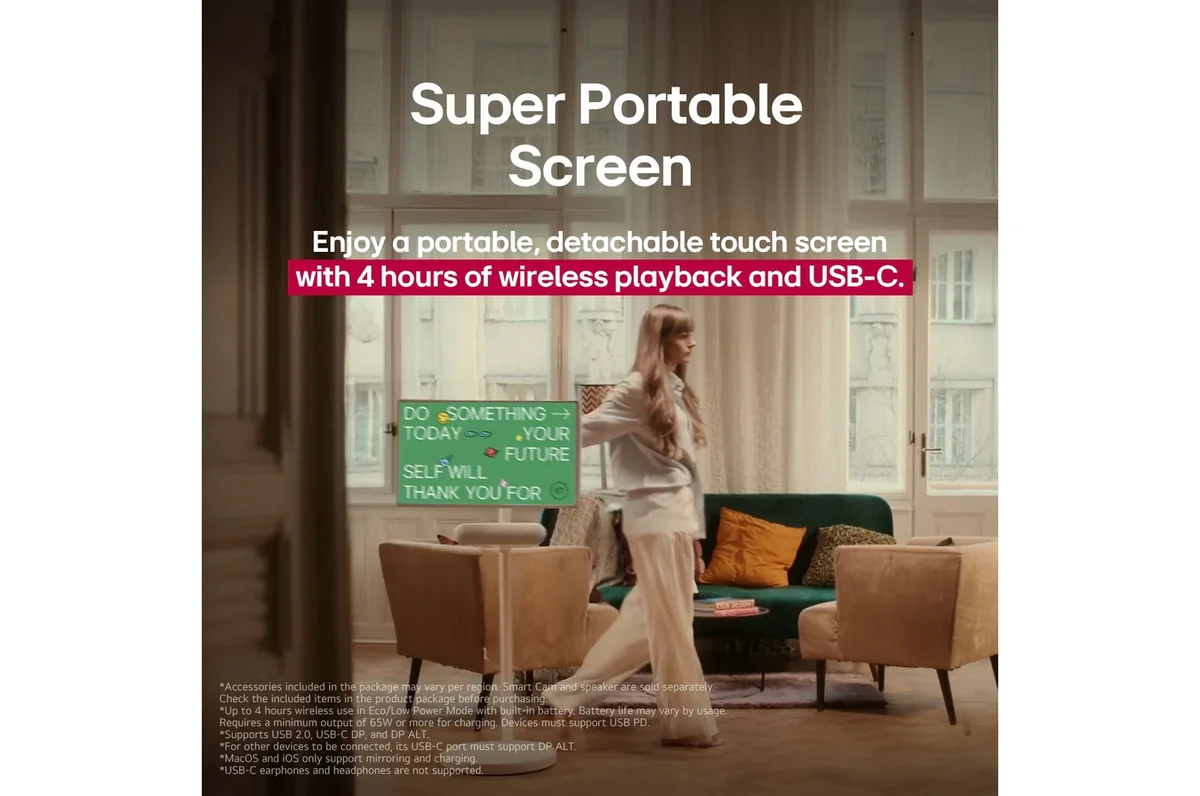
LG quotes up to 4 hours of runtime and that figure lines up with hands-on tests showing about three to four hours depending on brightness and apps, so plan to plug in for long sessions or lower brightness to extend use. Reviewers point out that wired use gives steadier performance and charging, while the internal battery is best for short, cordless bursts such as cooking or quick viewing; battery life is a clear trade-off for portability rather than a replacement for a main TV.
Audio performance
The built-in speakers use side-firing drivers with Dolby Atmos processing and AI Sound Pro to widen and clarify playback, which works well for dialogue and casual viewing but lacks the depth and punch of a dedicated soundbar. Reviewers often recommend pairing via Bluetooth or external speakers for movie nights or richer music, because the onboard audio is serviceable and convenient but not a true substitute for higher-end audio setups.
Build and mechanics
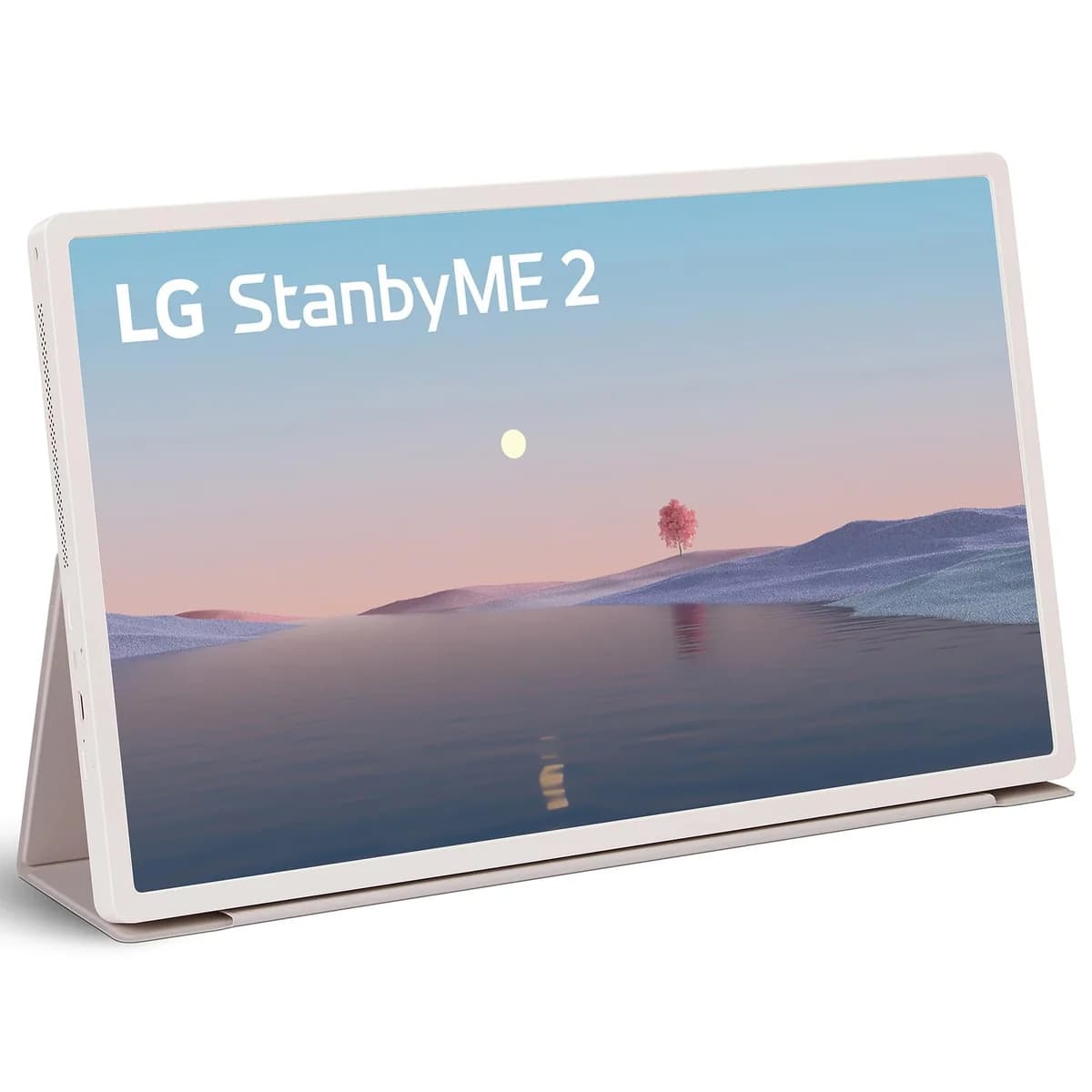
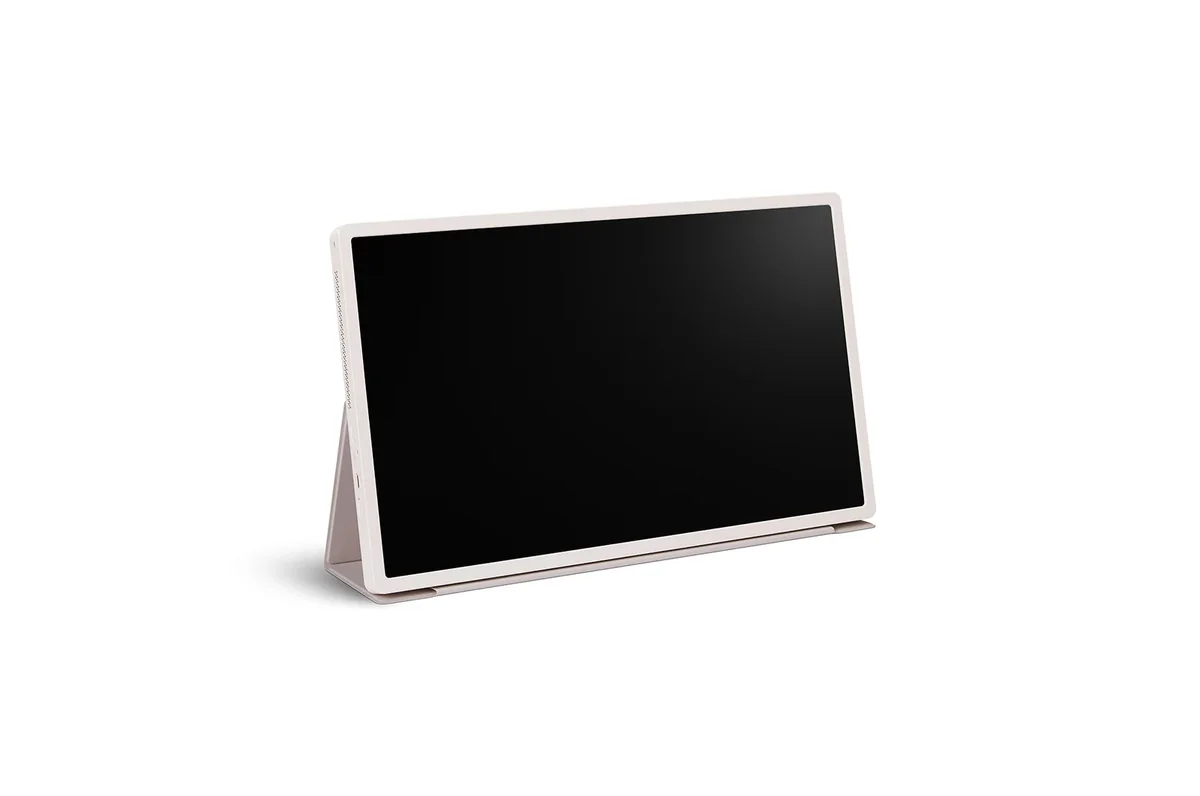
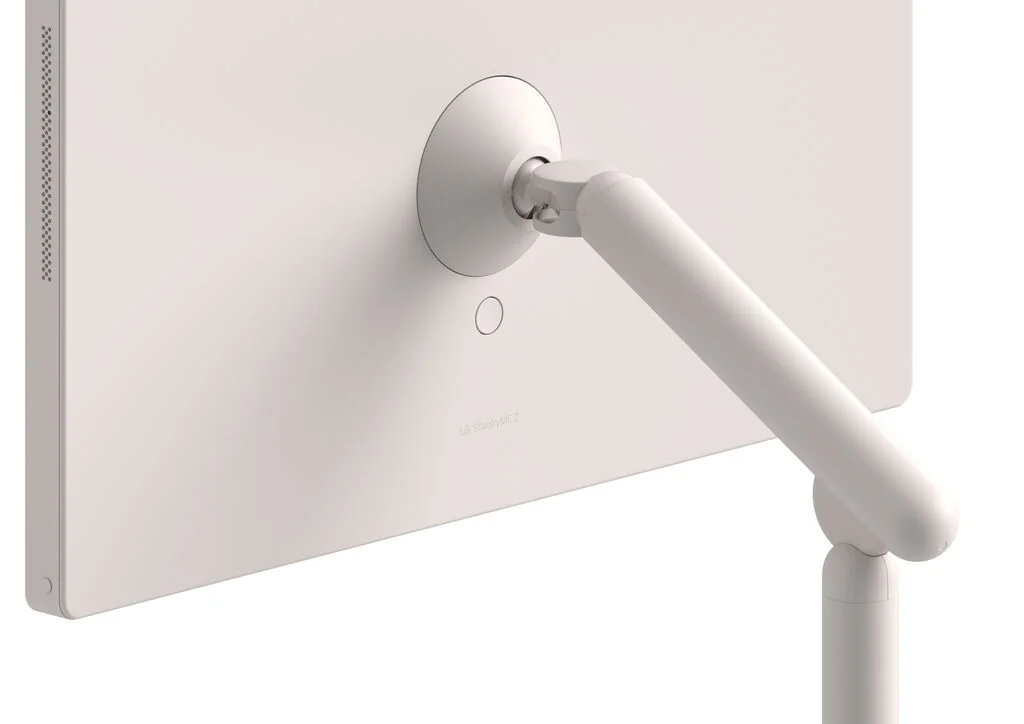
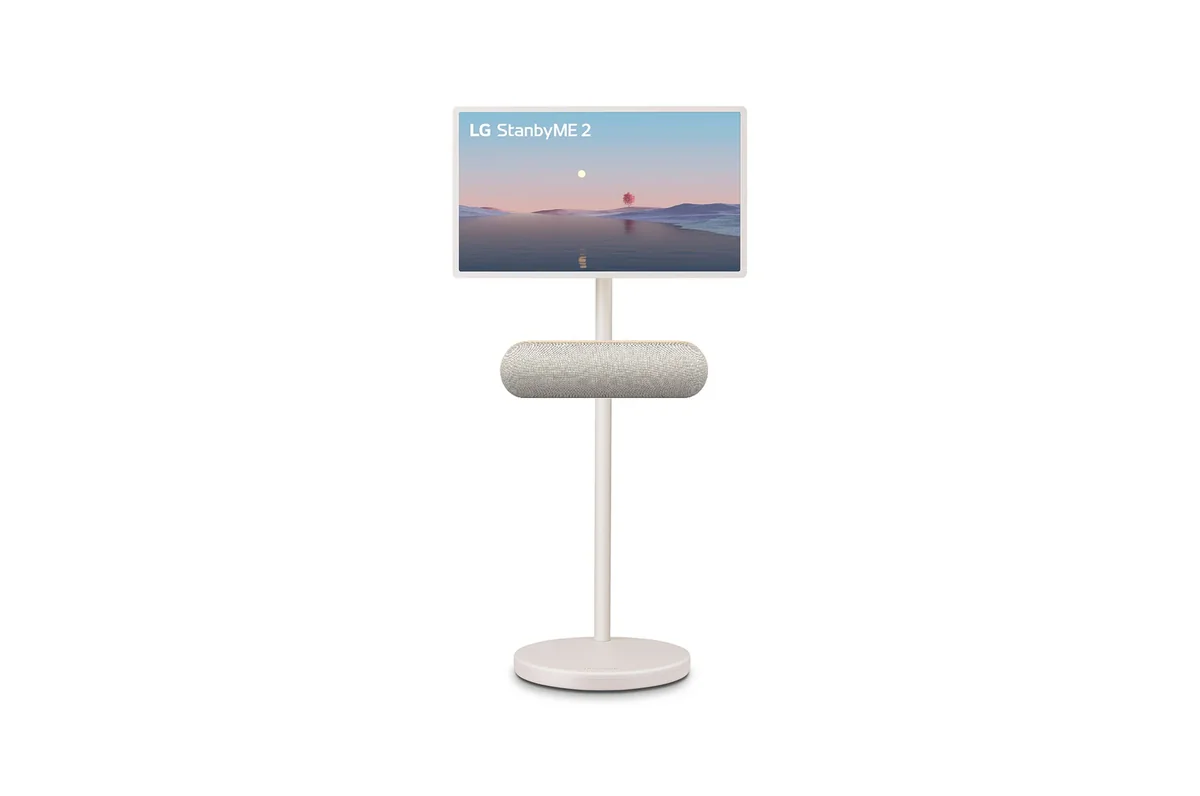
LG refined the detachment mechanism and added a magnetic remote hub plus a detachable folio cover that doubles as a kickstand, which reviewers say improves day-to-day handling and storage. The materials feel mostly solid though some critics note a plastic arm and trim that are less premium than the display itself, and a few units experienced setup hiccups or power issues out of the box. Overall the mechanical design prioritizes flexibility and convenience, with small durability and finish trade-offs.
Portability and mobility
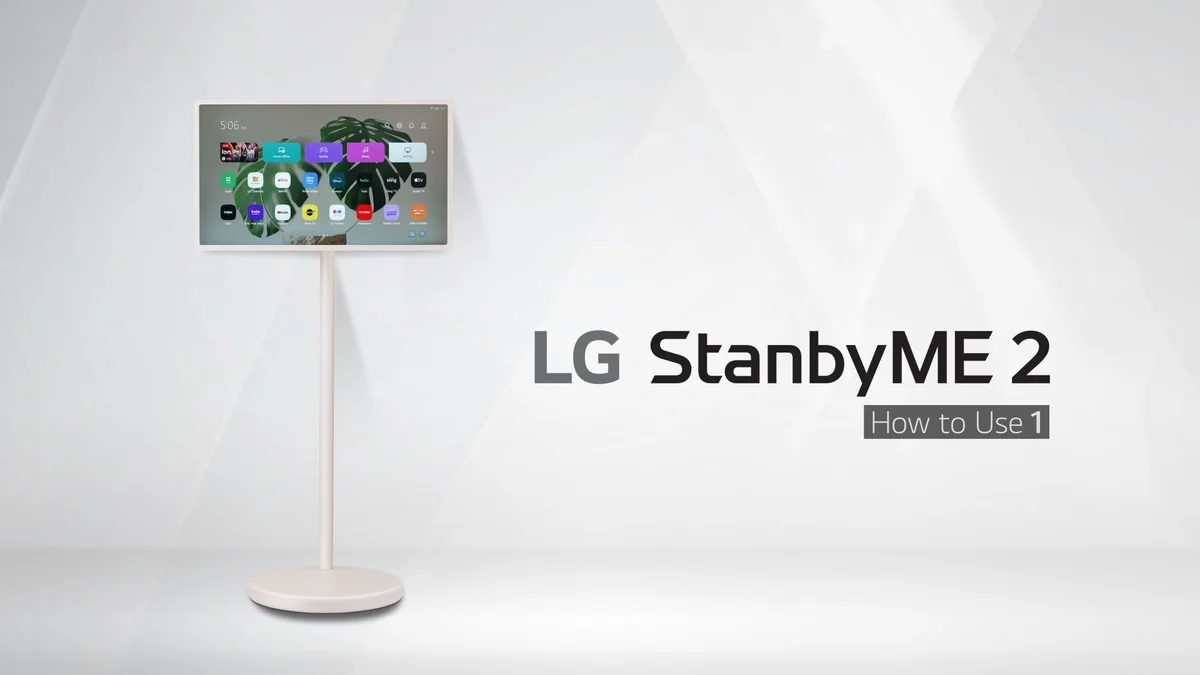
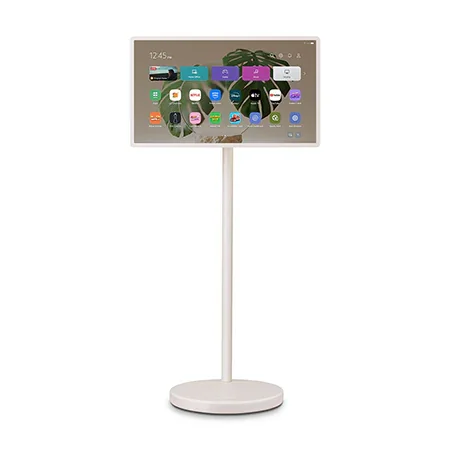
The defining feature is the detachable display that sits on a wheeled docking stand, giving genuine room-to-room flexibility with a removable screen you can carry and a rolling stand for easy relocation. Real-world feedback praises the smooth movement on hard floors but flags that the wheels struggle on carpet, and the overall package is heavier with the stand attached than a typical tablet or monitor. If you value moving a single screen around the house frequently, this design delivers a rare, practical convenience.
Conclusion
Treating early impressions as promising but provisional, here's the practical verdict: the StanbyME 2 shines where mobility matters — its QHD 2560×1440 panel and α8 upscaling deliver a noticeably sharper image for everyday viewing even if the matte IPS finish mutes HDR punch and off‑axis contrast, the detachable wheeled stand and refined detachment mechanics genuinely change how a screen gets used around the home, and the built‑in battery offers useful cordless bursts (about three–four hours) though you’ll want to keep it plugged in for long sessions; the full‑size touchscreen is terrific for casual drawing and sharing but shows occasional input lag that limits pro‑level precision, while the magnetic folio and remote storage attest to solid practical build thinking even as some trims feel plasticky; onboard Dolby Atmos processing is clear for dialogue but not a substitute for a proper soundbar. If you prize mobility and convenience over flagship picture and audio fidelity, this is a well‑executed niche buy that justifies a premium for the right user.

Feature Scores
This reflects reviews and ratings from established critics, journalists, and users who have evaluated the item. Their opinions provide a comprehensive assessment.
Performance
Display Quality
4/5
Brightness for Outdoor Use
3/5
Resolution
5/5
Battery Life
3/5
Connectivity Options
4/5
Audio Quality
3/5
Value
Price Competitiveness
2/5
Warranty and Support
4/5
Included Accessories
4/5
Design
Portability and Weight
4/5
Ergonomics and Controls
4/5
Aesthetic Fit and Finish
4/5
Health
Blue Light Emission
3/5
Materials Toxicity
3/5
Safety
Battery Safety
3/5
Electrical Safety and Certifications
3/5
Stability and Mounting Safety
4/5
Sustainability
Energy Consumption
3/5
Recyclability and End-of-Life
3/5
Sustainable Materials Use
3/5
Experience Style
Smart Features and Streaming Support
4/5
Customization and Settings
4/5
Setup and Ease of Use
4/5

Specifications
This section outlines the product's key facts, covering essential features, details, dimensions, materials, and any unique characteristics that define its functionality and usability.
Performance
Value
Design
Safety
Sustainability
Experience Style

Frequently Asked Questions
12 Questions
Find Yours
What is your primary use case for a portable TV?
Answer to find your best matches.