Libre Computer Le Potato AML-S905X-CC
Affordable Raspberry Pi alternative with strong 4K media support and solid performance, but lacks built-in WiFi.
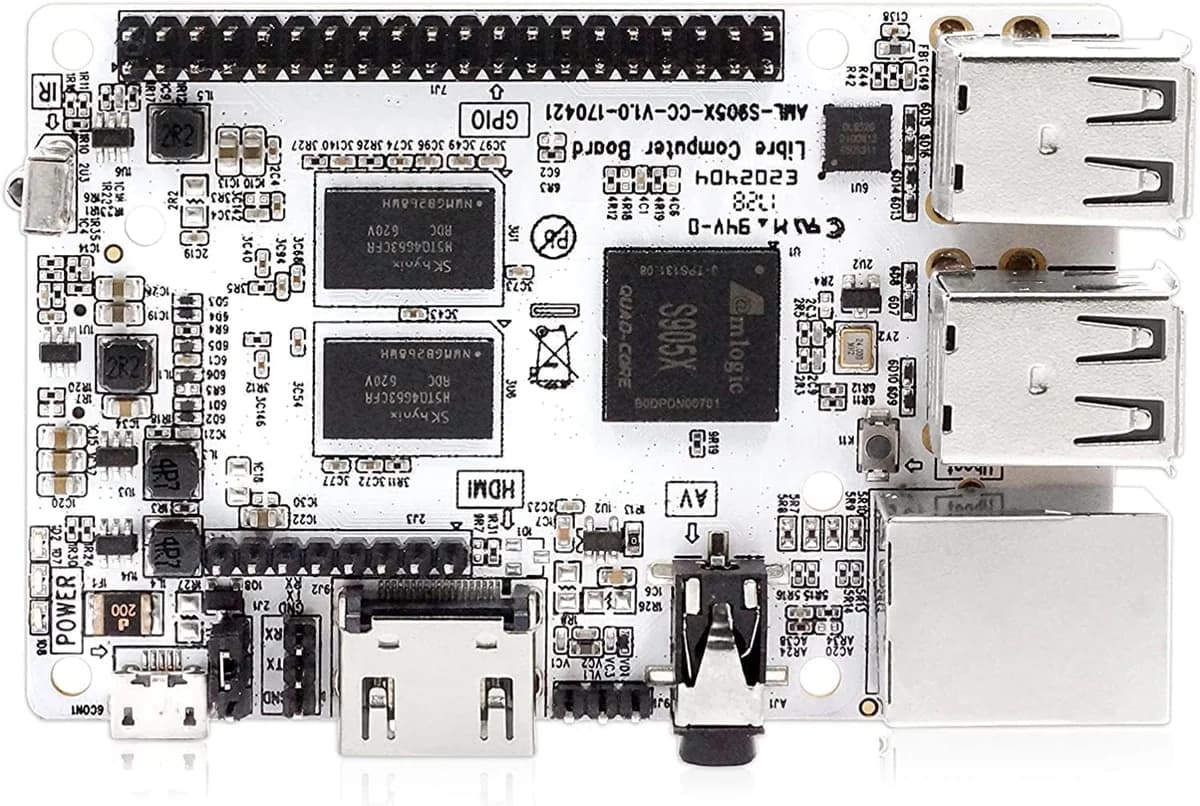
The Libre Computer Le Potato AML-S905X-CC is a savvy Raspberry Pi alternative designed for tinkerers craving 4K HDR media playback without breaking the bank. Its quad-core Cortex-A53 and 2GB DDR3 RAM deliver solid punch for retro gaming and lightweight servers, though experts note its lack of built-in WiFi or Bluetooth forces reliance on USB adapters. Users love the familiar Pi-compatible form factor, making accessory swaps painless, but setup quirks and mixed software support keep it from being plug-and-play perfection. With its power-efficient design sipping about half the energy of similar boards, this little potato offers impressive value—especially if you can stomach some wireless workarounds.
Find Yours
What is the primary purpose for your Single Board Computer?
Answer to find your best matches.

The Field
Browse top contenders, or compare all options ranked by score and key attributes.
3 Options
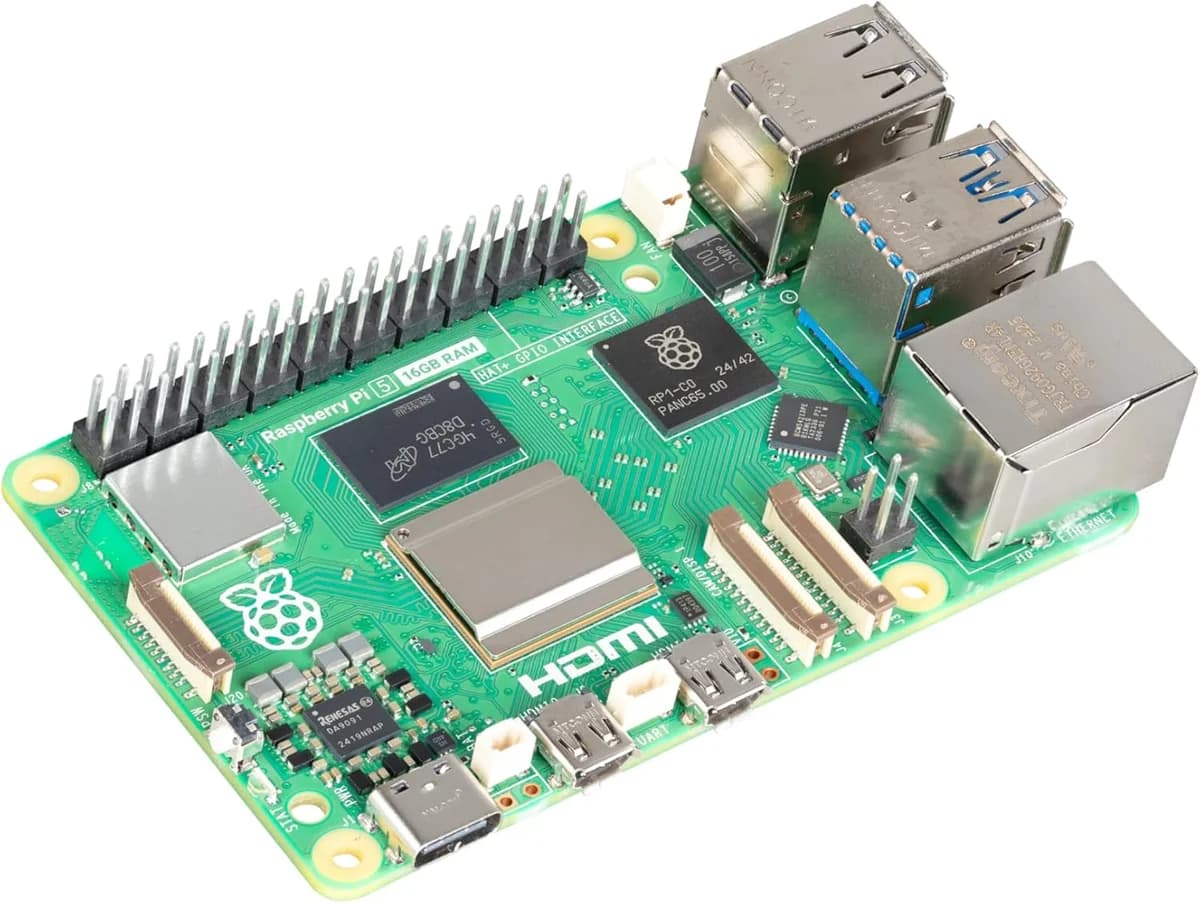
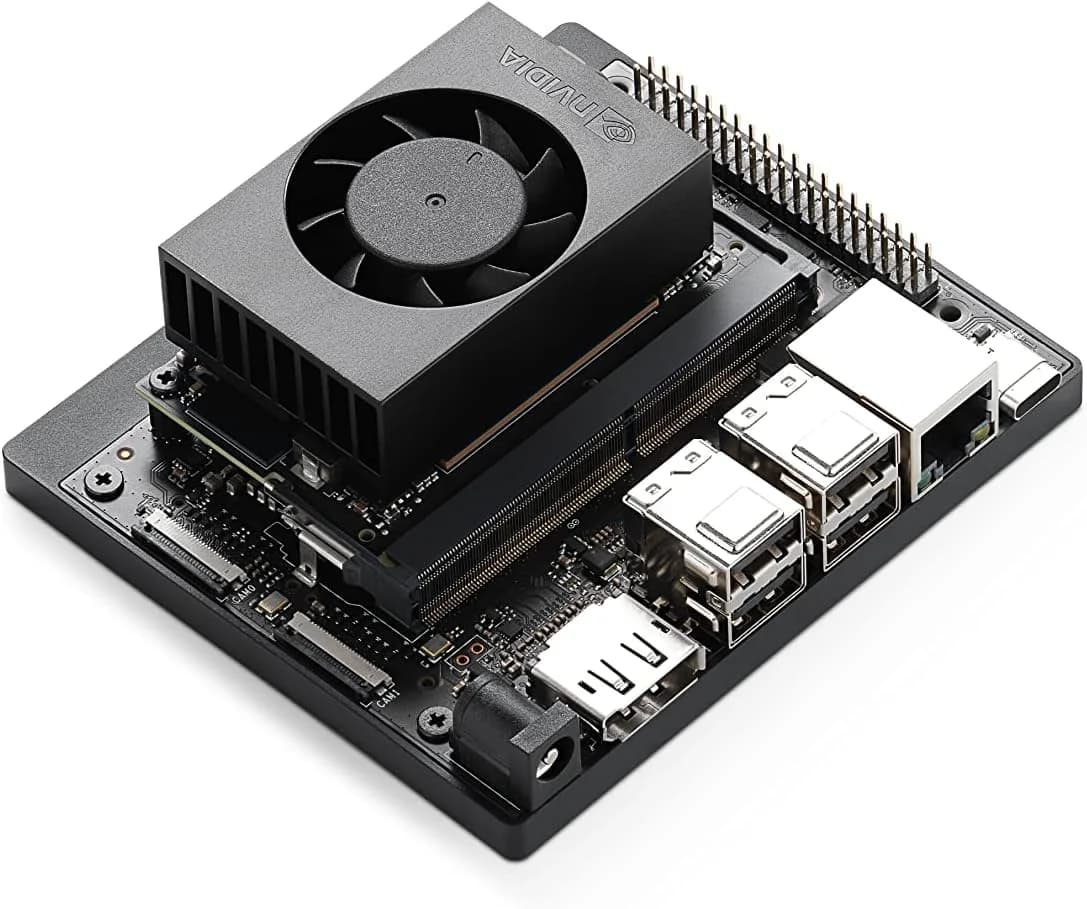
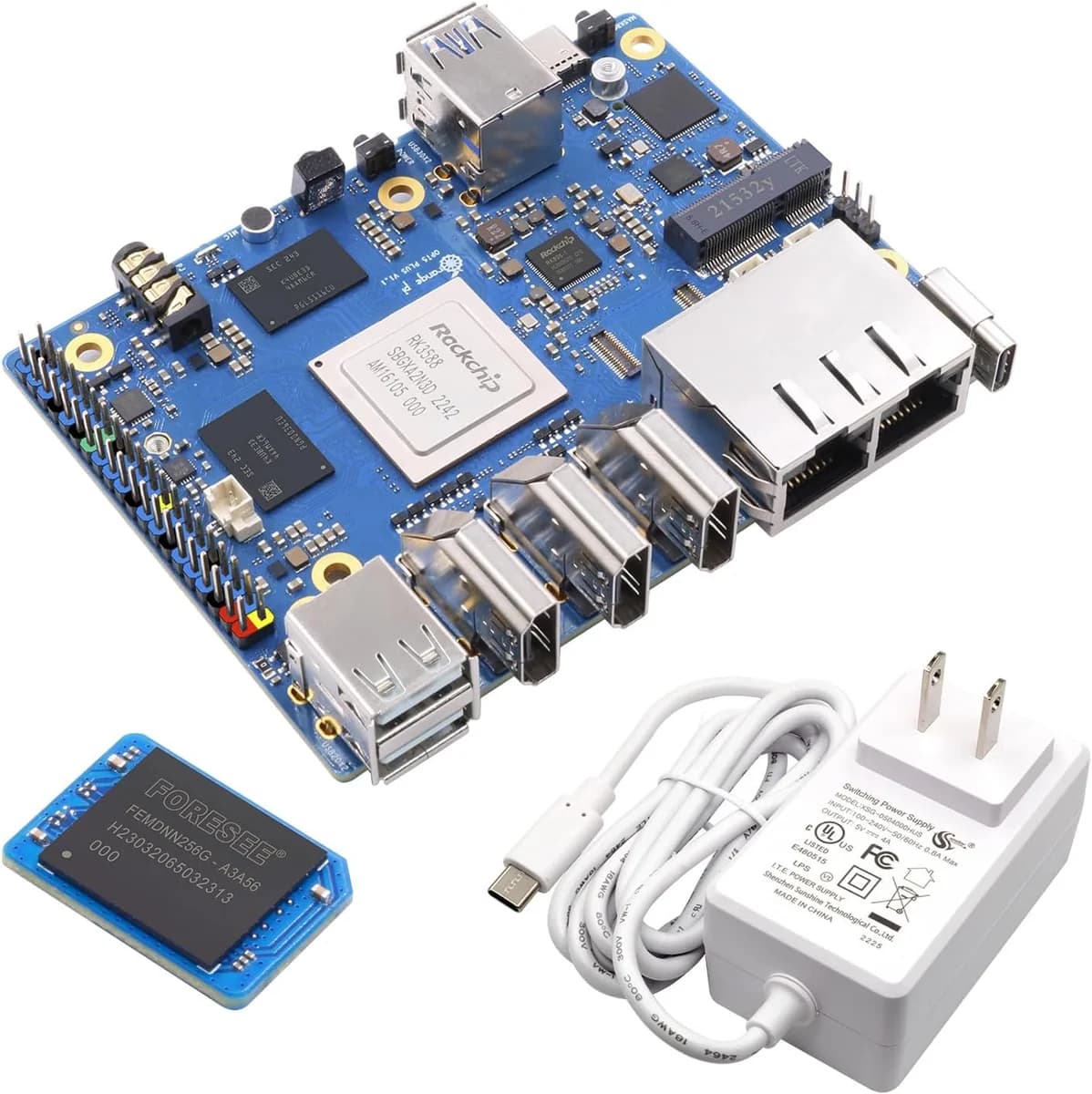

The Scoreboard
Does this improve your life? Considers, health, habits, and environmental impact.
Benefits
Amlogic low-power cores use ~half Pi3 power, cutting heat and home energy use.
Pi-3 form factor lets you reuse cases and power supplies, lowering material waste.
Libre upstream driver work improves long-term security and transparency for ethical device use.
Hardware 4K decode and optional eMMC reduce CPU load, stutters, and storage failures.
Trade-Offs
Board lacks onboard Wi‑Fi/Bluetooth, requiring USB adapters that add power draw and clutter.
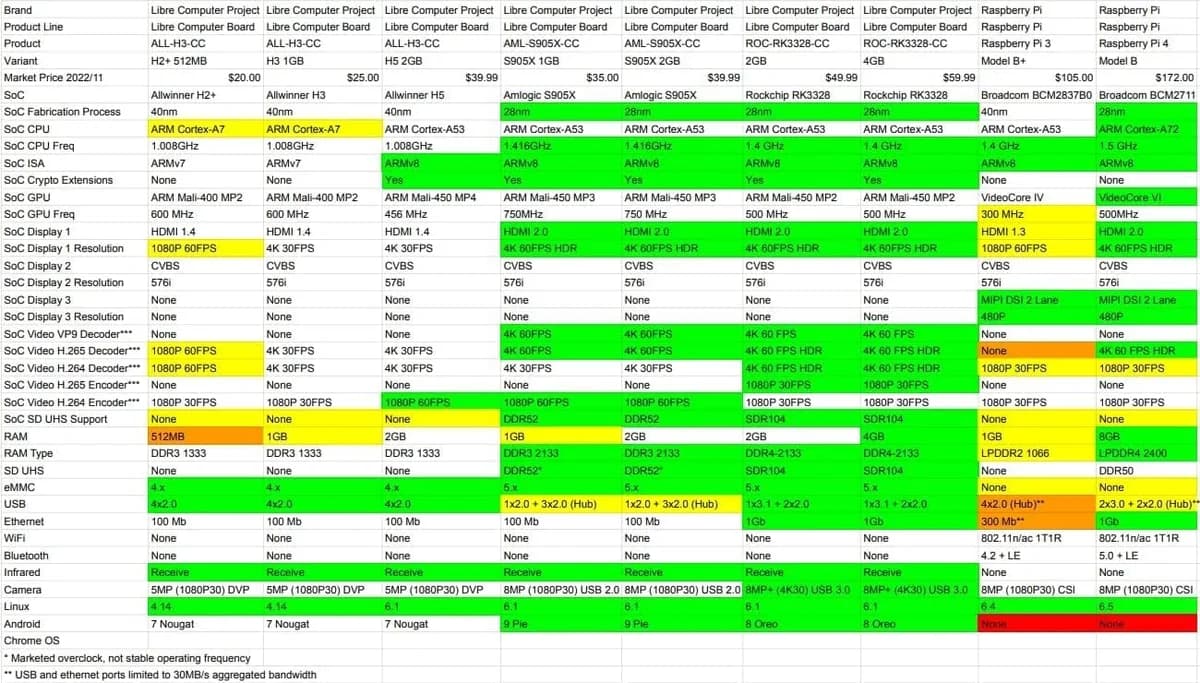
Design limits to USB2.0 and 100Mbps Ethernet (vs Pi4 gigabit/USB3), increasing wait times.
Software and peripheral compatibility gaps often demand troubleshooting, causing frustration and time loss.
Needing USB dongles or SATA-like modules increases accessory purchases and potential electronic waste.
 Alternatives


Join the Circle
Where real meets deal
Know what's worth buying-and when.
Tips, special offers, and rewards for buying and sharing.

Publications
4 LEADING PUBLICATION REVIEWS

Jean-Luc Aufranc from CNX Software highlights the Libre Computer Le Potato AML-S905X-CC as a thoughtfully designed single board computer with practical hardware and accessory features. He appreciates the well-ventilated, accessible case that accommodates external hardware connections and wall mounting, as well as the inclusion of a small heatsink and a quiet cooling fan, though he notes the fan noise might bother some users. The review conveys a measured enthusiasm, emphasizing the board’s competitive Kickstarter pricing and global shipping updates. While the initial boot to Android 7.1 is smooth, Jean-Luc is awaiting updated Linux images for further testing, signaling a cautious but optimistic outlook on software support. His detailed observations on assembly, hardware layout, and accessory compatibility provide valuable insights for developers and hobbyists considering this board. Overall, the tone is balanced and informative, with a focus on hardware strengths and practical setup considerations rather than exuberant praise.
By Jean-Luc Aufranc
Richard Elliot from Electromaker highlights the Libre Computer Le Potato AML-S905X-CC as a promising single-board computer that aims to be a more powerful drop-in replacement for the Raspberry Pi. He praises its familiar layout, faster processor, and eMMC storage option, noting a smooth and responsive desktop experience with Ubuntu and XFCE that could serve well as a basic desktop replacement. However, the review is measured in tone, pointing out significant drawbacks such as the absence of GPIO libraries and pinout references, which limit its appeal for maker projects. The lack of built-in WiFi and Bluetooth, along with a 100M Ethernet cap, also detracts from its potential as a home server. While the board shows solid performance and low power consumption, the reviewer emphasizes that it currently lacks the community support and ecosystem that make the Raspberry Pi so versatile. Overall, Le Potato is seen as a capable device with room to grow, especially if a developer community embraces it.
By Richard Elliot
Bret praises the Libre Computer Le Potato AML-S905X-CC as a compelling, well-supported single board computer that offers excellent value and low power consumption, making it a strong alternative to the Raspberry Pi 3. He highlights the board’s solid software ecosystem, including official Ubuntu, Raspberry Pi OS, and other Linux builds, as well as helpful tools like the Raspbian Portability Script and Wiring Tool, which ease the transition for Raspberry Pi users. The review enthusiastically notes the effective official heatsink and case with fan, which maintain good thermal performance without throttling. While the Le Potato’s compute power is about half that of a Raspberry Pi 4, it excels in specific benchmarks like WireGuard encryption and offers ample availability amid Raspberry Pi shortages. The main drawbacks are the lack of onboard WiFi and Bluetooth, requiring external adapters. Overall, Bret’s tone is warm and confident, recommending the Le Potato for users seeking a capable, affordable SBC backed by strong community and developer support.
By Bret
LoveRPi provides an informative and measured first look at the Libre Computer Le Potato AML-S905X-CC, emphasizing its hardware strengths and key differences from the Raspberry Pi 3 Model B. The review highlights the board’s competitive $35 price point combined with notable upgrades such as a faster 1.5GHz CPU with crypto extensions, doubled RAM speed and capacity, and superior storage options including UHS MicroSD and eMMC support. Unique insights include the dedicated Ethernet bandwidth and dual USB channels that improve data transfer speeds, as well as the inclusion of an IR receiver and HDMI 2.0 output supporting true 4K60 HDR video. However, the review also clearly notes limitations like the lack of onboard Wi-Fi, Bluetooth, camera, and DSI touchscreen interfaces, framing these as trade-offs rather than dealbreakers. The tone is balanced and factual, with enthusiasm for the hardware’s potential tempered by practical caveats, making it a useful primer for those considering alternatives to the Raspberry Pi ecosystem.

YouTube
8 LEADING EXPERT & INFLUENCER REVIEWS
 ETA PRIME
ETA Prime praises the Libre Computer Le Potato AML-S905X-CC for solid performance running Lakka OS and classic emulators like PlayStation 1, SNES, and Game Boy Advance. While PSP and Nintendo 64 emulation show issues, the board’s affordability, 2GB RAM, and open-source support make it a promising choice for retro gaming enthusiasts willing to accept early software limitations.
FamilyGeekeryChris from FamilyGeekery praises the Libre Computer Le Potato as an affordable, readily available Raspberry Pi 3B alternative with a familiar form factor, 2GB RAM, and a built-in IR receiver. While media playback on Linux images like Raspbian and Ubuntu was underwhelming, he highlights its excellent ease of use and performance for retro gaming with Batocera, making it ideal for hobbyist projects and lightweight server tasks.
ShotokuTechShotokuTech praises the Libre Computer Le Potato as a reasonable Raspberry Pi 3 alternative with a matching form factor and added IR receiver, highlighting its $50 price and media center potential. However, they express frustration over outdated documentation, limited community support, and difficulties using the eMMC module, tempering enthusiasm with practical setup challenges.
Raid OwlRaid Owl praises the Libre Computer Le Potato as a rare, affordable Raspberry Pi 3 alternative with double the RAM and slightly better CPU, emphasizing its availability amid Pi shortages. While noting its lack of built-in Wi-Fi, USB 3.0, and gigabit Ethernet, he recommends it for low-power tasks and maker projects but cautions against heavy media or gaming use due to performance and software limitations.
Inglebard GamingInglebard Gaming finds the Libre Computer Le Potato AML-S905X-CC a mixed retro gaming SBC: it runs many classic systems well, especially NES, GBA, and some PSP titles, but struggles with newer or more demanding games due to outdated software support and inconsistent emulator performance. While affordable and Pi 3-compatible, limited OS updates and input lag dampen enthusiasm.
Michael JillianMichael Jillian praises the Libre Computer Le Potato AML-S905X-CC as a cost-effective, reliable Raspberry Pi 3 alternative with strong 4K media support and broad OS compatibility. He highlights its IR receiver and eMMC slot but notes limitations like lack of USB 3.0, no native Android support, and occasional Wi-Fi issues, recommending it especially over the Renegade for value and smoother CoreELEC performance.
MakerMind NexusMakerMind Nexus provides a practical, hands-on walkthrough of setting up Raspbian OS on the Libre Computer Le Potato, highlighting its Raspberry Pi compatibility, 2GB DDR3 RAM, IR receiver, and eMMC slot. While noting the lack of WiFi and camera support, the reviewer’s tone is measured and helpful, emphasizing ease of use and community support for 3D printing projects.
Low Orbit FluxLow Orbit Flux offers a measured and curious take on the Libre Computer Le Potato AML-S905X-CC, highlighting its Raspberry Pi–compatible form factor, 4K-capable Mali-450 GPU, and unique IR receiver. While noting its affordable price and solid hardware features, he remains cautiously optimistic, planning a follow-up with hands-on OS testing to explore real-world performance and software support.

Social
1 INFLUENCER REVIEW
 Carlos Volt
Carlos Volt highlights the Libre Computer Le Potato AML-S905X-CC as a surprisingly capable single board computer with a quad-core ARM Cortex A53, 4K@60fps HDMI output, and versatile OS support. He notes its compatibility with Raspberry Pi GPIO pins and strong community backing, while pointing out the lack of built-in Wi-Fi as a drawback. Overall, Carlos presents the Le Potato as a powerful, budget-friendly option ideal for embedded projects, media centers, or home servers. His tone is measured and informative, recommending it especially for users who value versatility and affordability but are willing to add Wi-Fi separately.

Store Reviews
CUSTOMER REVIEWS FROM 1 STORE
Users on Amazon praise the Libre Computer Le Potato AML-S905X-CC as a compelling Raspberry Pi alternative that delivers solid performance at an attractive price point. Many highlight its compatibility with Raspberry Pi form factors, including matching GPIO layouts and mounting holes, which allows users to repurpose existing cases and accessories. Reviewers appreciate its lower heat output compared to older Raspberry Pi models and note that it runs efficiently at or below 5 volts, eliminating common undervoltage issues experienced with Pis. Several users successfully deploy the board for 3D printing applications, particularly with Klipper and Mainsail, often relying on community tools like KIAUH to complete setup. While the board lacks built-in WiFi and Bluetooth, customers find USB WiFi dongles a straightforward workaround, though they caution that not all adapters are supported out of the box. Some users mention the absence of a DSI connector for HDMI touchscreens, requiring alternative display solutions via HDMI and USB. The board’s software compatibility receives mixed feedback: it works well with Armbian and certain Linux distributions, but users encounter challenges with Raspberry Pi OS images and proprietary Pi hardware drivers. GPIO functionality sometimes demands additional tinkering or alternative hardware, such as using a secondary microcontroller for sensor integration. Setup experiences vary widely, with some users quickly getting the system running, while others face hurdles enabling SSH or achieving stable video output. Performance impressions also differ; many find the Le Potato faster and more responsive than a Raspberry Pi 3, yet a few describe sluggish behavior depending on the OS and workload. Overall, Amazon reviewers value the board’s affordability, solid build quality, and versatility for projects that do not require native wireless connectivity, making it a practical choice for tinkerers willing to navigate occasional software and hardware quirks.
4.2 Stars / Many verified reviews

Forum Reviews
CUSTOMER REVIEWS FROM 1 FORUM
Reddit users generally view the Libre Computer Le Potato AML-S905X-CC as a cost-effective alternative to Raspberry Pi boards, praising its performance for tasks like running Pi-hole and Klipper firmware despite some initial setup challenges. The board is appreciated for its Linux compatibility and value, though users frequently note issues with power supply sensitivity, SD card compatibility, and occasional network instability. Documentation and community support are considered limited compared to Raspberry Pi, leading to a steeper learning curve, especially for newcomers. While some experienced users successfully run advanced setups, others report reliability concerns and software compatibility hurdles, reflecting a mixed but cautiously optimistic sentiment.
Many comments

In-Depth Review

Highlights
- •Hardware 4K video decoding4K60 HDR playback with hardware acceleration
- •Upgraded memory and CPU2GB DDR3 and quad-core Cortex-A53
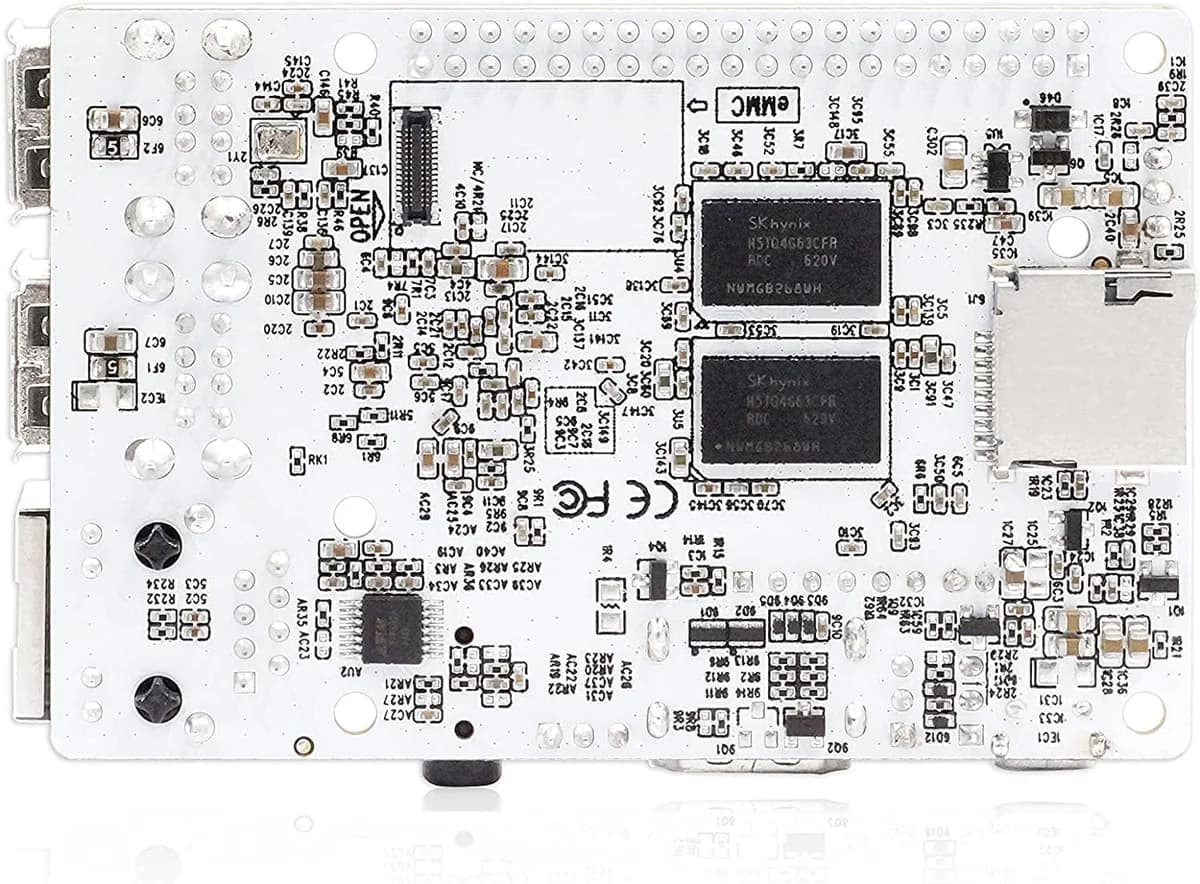
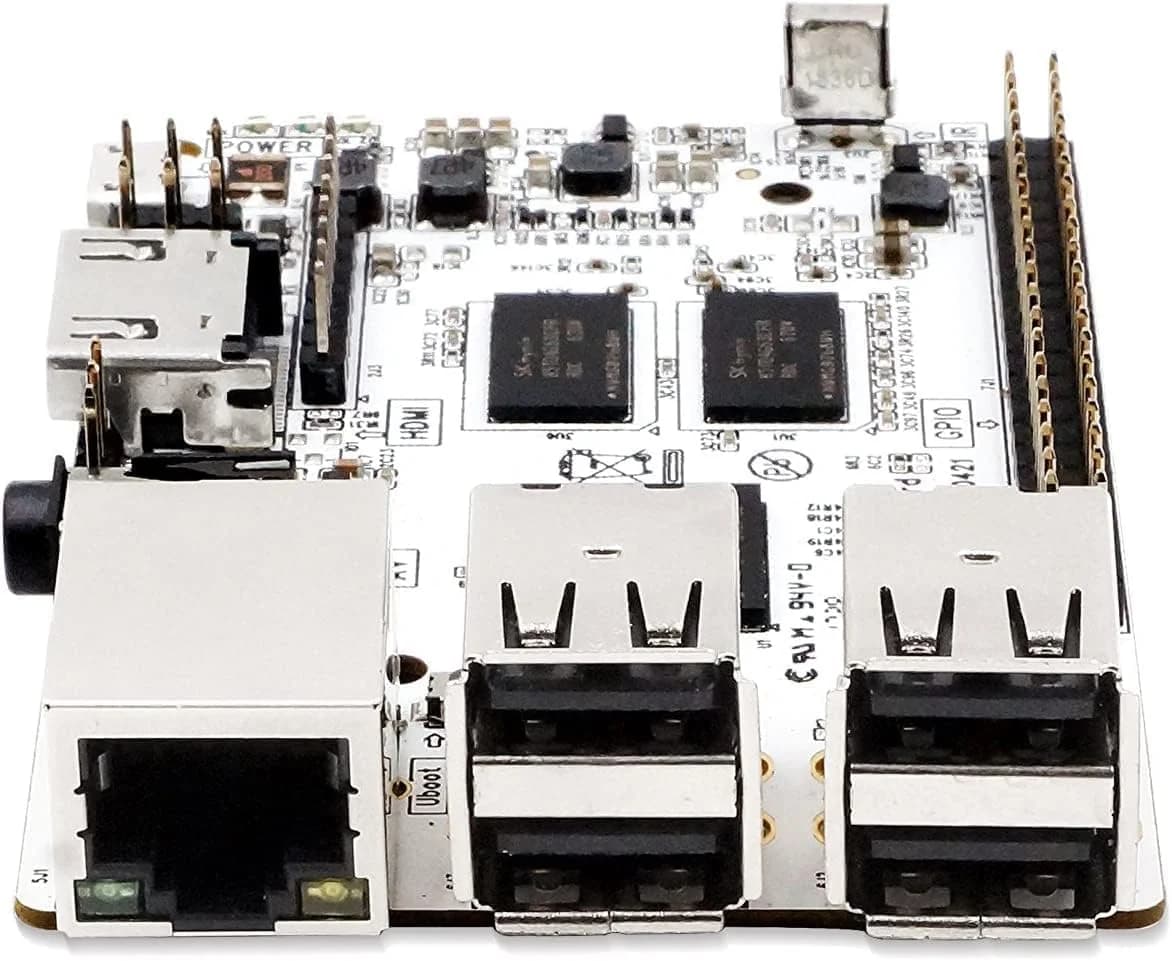
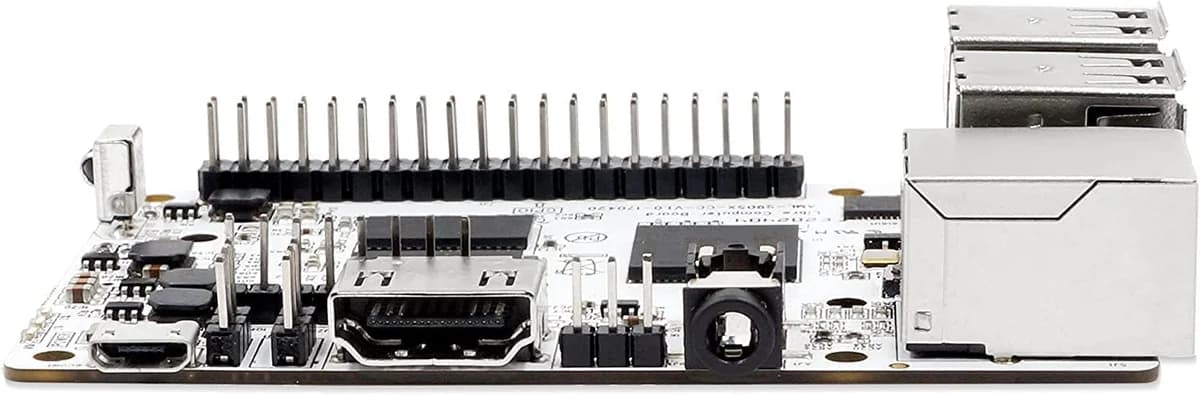
- •Pi-compatible form factor40-pin header and Raspberry Pi 2/3 dimensions
- •Low power consumptionAbout half the Raspberry Pi 3 power
- •Broad Linux and media OS supportRuns Armbian, Ubuntu, LibreELEC and similar images
- •Includes eMMC interface and IROptional eMMC storage slot and built-in IR receiver

Considerations
- •No built-in Wi‑Fi or BluetoothRequires external USB adapters for wireless
- •Limited I/O bandwidthUSB 2.0 and 100Mbps Ethernet limit transfers
- •Patchy OS and peripheral compatibilitySome Raspberry Pi images and accessories need workarounds
- •Sparse documentation and setup frictionTutorials and community support are less comprehensive
- •Inconsistent video or performance behaviorSome users report video glitches under certain OSes
- •Power supply and SD/eMMC sensitivitySensitive to poor power sources and card compatibility
Real-world feedback on this Libre Computer board is still emerging, but early impressions highlight its savvy blend of affordability and capability. Positioned as a Raspberry Pi 3 alternative with a quad-core ARM Cortex-A53 at 1.5GHz and 2GB DDR3 RAM, it aims to please hobbyists craving smooth media playback and solid general performance without breaking the bank. Its standout feature—hardware-accelerated 4K60 HDR video decoding via HDMI 2.0—makes it an attractive pick for home theaters and lightweight servers alike. The familiar Raspberry Pi–compatible form factor means you can reuse your favorite cases and accessories, while power-conscious design keeps heat—and electric bills—in check with about half the power draw of comparable boards. Yet, potential buyers should weigh trade-offs like USB 2.0 ports, capped Ethernet speeds, and no built-in WiFi or Bluetooth before committing. If you’re intrigued by budget-friendly versatility that punches above its weight class, keep reading—the details are where this little potato truly earns its salt.
4K Video Decoding and HDMI Output
When it comes to visual flair, this board truly shines with its hardware-accelerated 4K60 HDR decoding of H.265, VP9, and H.264 formats. The HDMI 2.0 output promises crisp Ultra HD streaming that most users find impressive for the price point. However, some real-world feedback notes occasional video glitches under certain OS setups — a reminder that hardware prowess meets software polish halfway here. Still, it's a solid pick for those craving buttery-smooth media playback without burning out their budget or CPU.
CPU and System Performance
Powered by a quad-core ARM Cortex-A53 at 1.5GHz coupled with 2GB DDR3 RAM, the board offers respectable grunt suitable for retro gaming and lightweight desktop tasks alike. Experts praise its ability to handle Pi-hole servers or Klipper firmware smoothly but caution about mixed experiences on heavier loads or newer games due to varied software support. It's no speed demon compared to latest SBCs but carves out a niche as an affordable workhorse with enough juice for many projects—especially when raw power isn't king.
Board Build Quality and Form Factor Compatibility
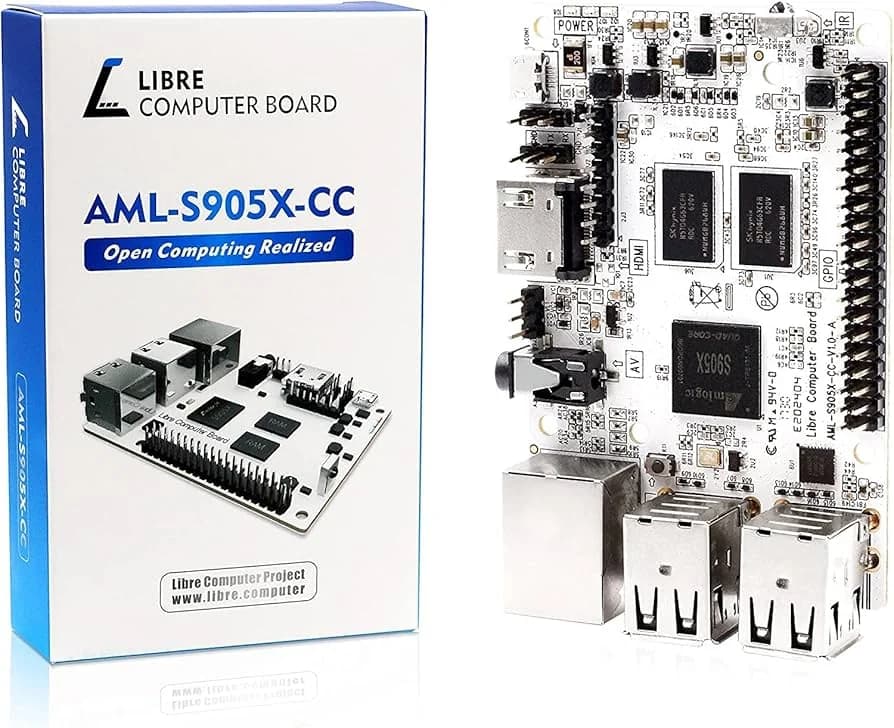
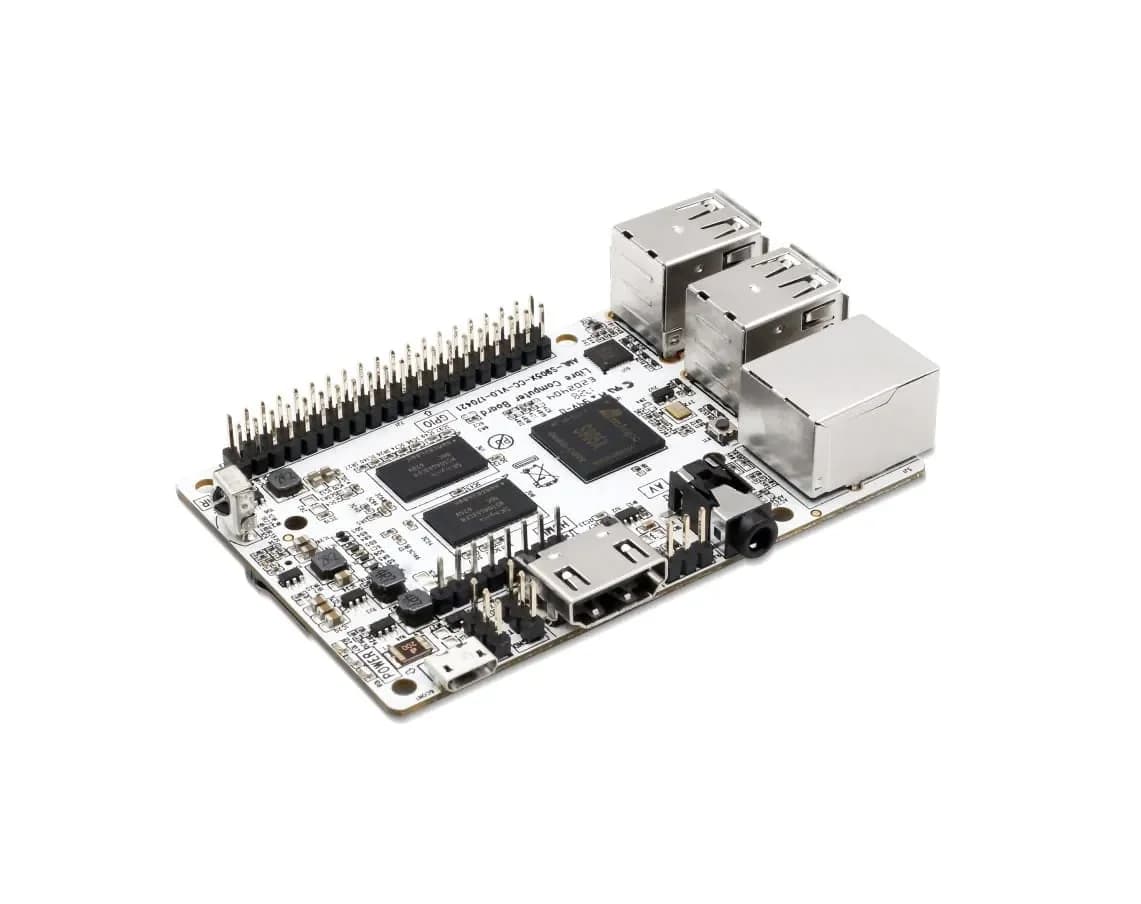
Crafted in the familiar Raspberry Pi form factor (86.9×58.5 mm), this SBC scores high marks for accessory compatibility—reuse your cases and power supplies without missing a beat! Its thoughtful layout includes handy extras like an IR receiver alongside standard GPIO pins supporting SPI/I2C/UART interfaces which makers appreciate dearly. Though some note setup can be tricky initially due to patchy documentation, overall build quality is sturdy enough for hobbyist tinkering while maintaining sleek compactness that's easy on desk space.
Power Consumption and Thermal Management
This board impresses by sipping roughly half the energy of comparable models like the Raspberry Pi 3 B+, translating into cooler operation and longer runs sans fan noise annoyance—though it does include quiet cooling options if needed! This efficient design not only trims electricity bills but also reduces thermal throttling risks during extended use cases such as media centers or clusters where stability matters most—a smart choice balancing performance with sensible heat management worthy of eco-conscious enthusiasts’ nods.
Conclusion
While hands-on impressions remain limited, early signs point to a board that shines in 4K video decoding and HDMI output, delivering crisp media playback without taxing the CPU. Its quad-core ARM Cortex-A53 and 2GB RAM provide enough muscle for lightweight tasks but won’t satisfy power users craving speed demons. The Pi-compatible form factor scores big on accessory reuse, though setup quirks hint at a learning curve beneath its sturdy surface. Efficiency fans will appreciate the thoughtful power consumption and thermal management, keeping heat low and wallets happy. However, those needing snappy data transfers should brace for bottlenecks in Ethernet and USB throughput, while the glaring absence of onboard wireless demands external fixes that add clutter and cost. This little potato is best suited for tinkerers who prize flexibility over convenience—a modest powerhouse with clear compromises yet plenty of charm tucked inside its compact frame.

Feature Scores
This reflects reviews and ratings from established critics, journalists, and users who have evaluated the item. Their opinions provide a comprehensive assessment.
Performance
CPU Performance
4/5
GPU Performance
3/5
Memory Capacity
4/5
Thermal Management
4/5
I/O Throughput
2/5
Durability
3/5
Value
Price
4/5
Availability
5/5
Long-term Software Support
4/5
Bundled Accessories
3/5
Design
Form Factor Versatility
5/5
Build Quality
4/5
Cooling Options
4/5
Port Layout Ergonomics
4/5
Health
Material Safety Compliance
TBD
Surface Temperature
4/5
Noise Emissions
3/5
Safety
Electrical Protection
3/5
ESD Protection
3/5
Regulatory Certifications
TBD
Power Supply Safety
4/5
Sustainability
Energy Efficiency
4/5
Repairability
3/5
Recyclability
3/5
Experience Style
Out of the Box Ease of Use
3/5
Customizability
4/5
Community Documentation
3/5
Peripheral Ecosystem
4/5

Specifications
This section outlines the product's key facts, covering essential features, details, dimensions, materials, and any unique characteristics that define its functionality and usability.
Performance
Value
Design
Safety
Sustainability
Experience Style

Frequently Asked Questions
10 Questions
Find Yours
What is the primary purpose for your Single Board Computer?
Answer to find your best matches.