
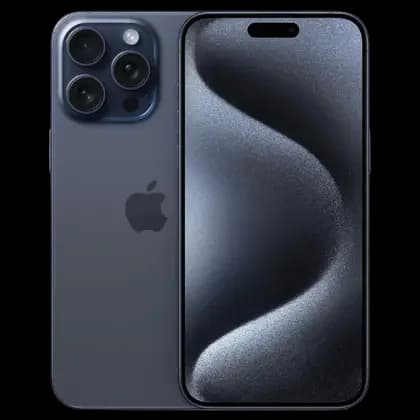
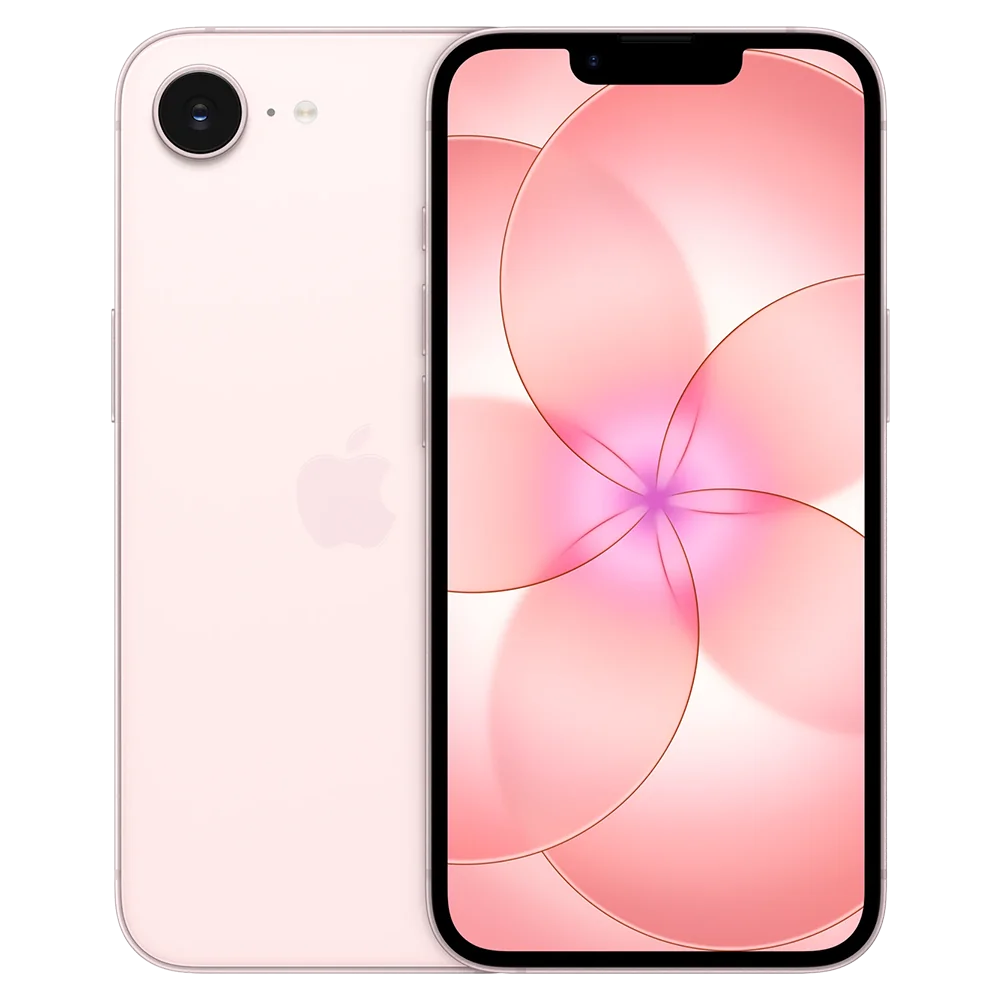
Apple iPhone 17e
A durable, speedy daily phone with A19 power, 256GB and MagSafe—best for practical upgraders.
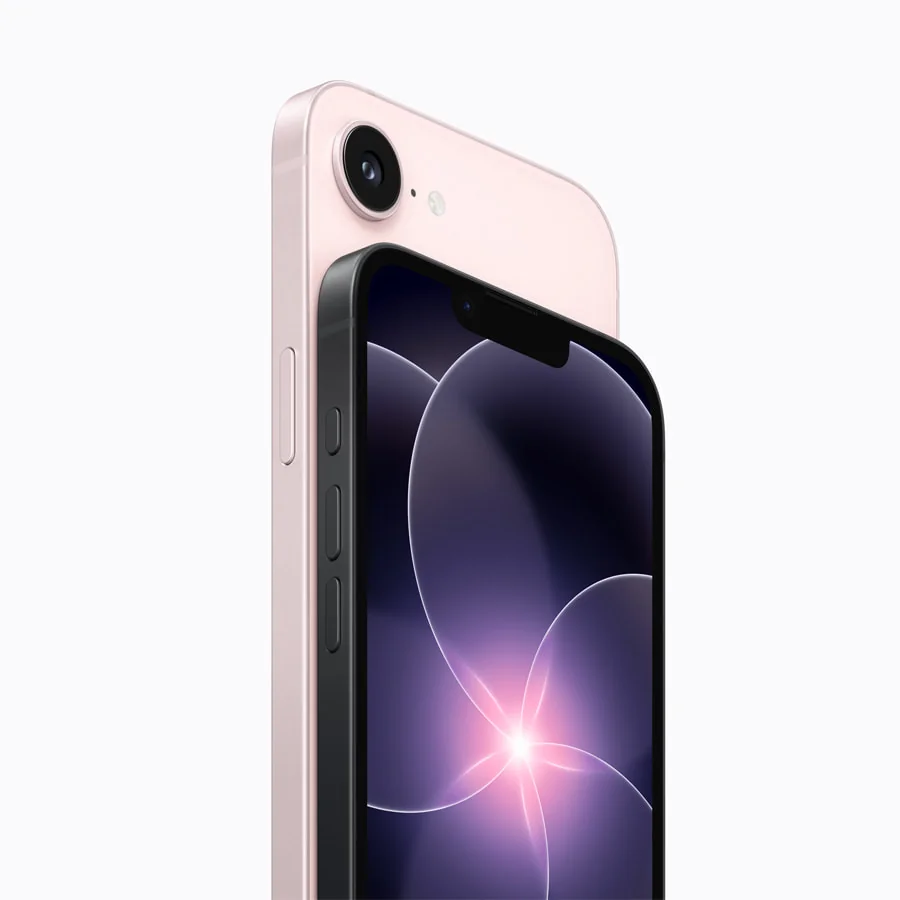
The iPhone 17e is Apple’s cheeky “everyday flagship” — a no-nonsense pockettool that courts sensible upgraders who want speed and storage without paying Pro tax. Reviewers applaud its A19 chip snappiness, 256GB base storage, and MagSafe return, and note the 48MP main camera delivers reliably sharp shots even if reviewers miss extra lenses. Critics say the 60Hz OLED and chunky notch make animations feel dated, a claim borne out in hands‑on comparisons. Battery and charging gains earn repeated praise, positioning this as strong value for the pragmatic buyer — buy if you prize speed, storage and stamina over flash.

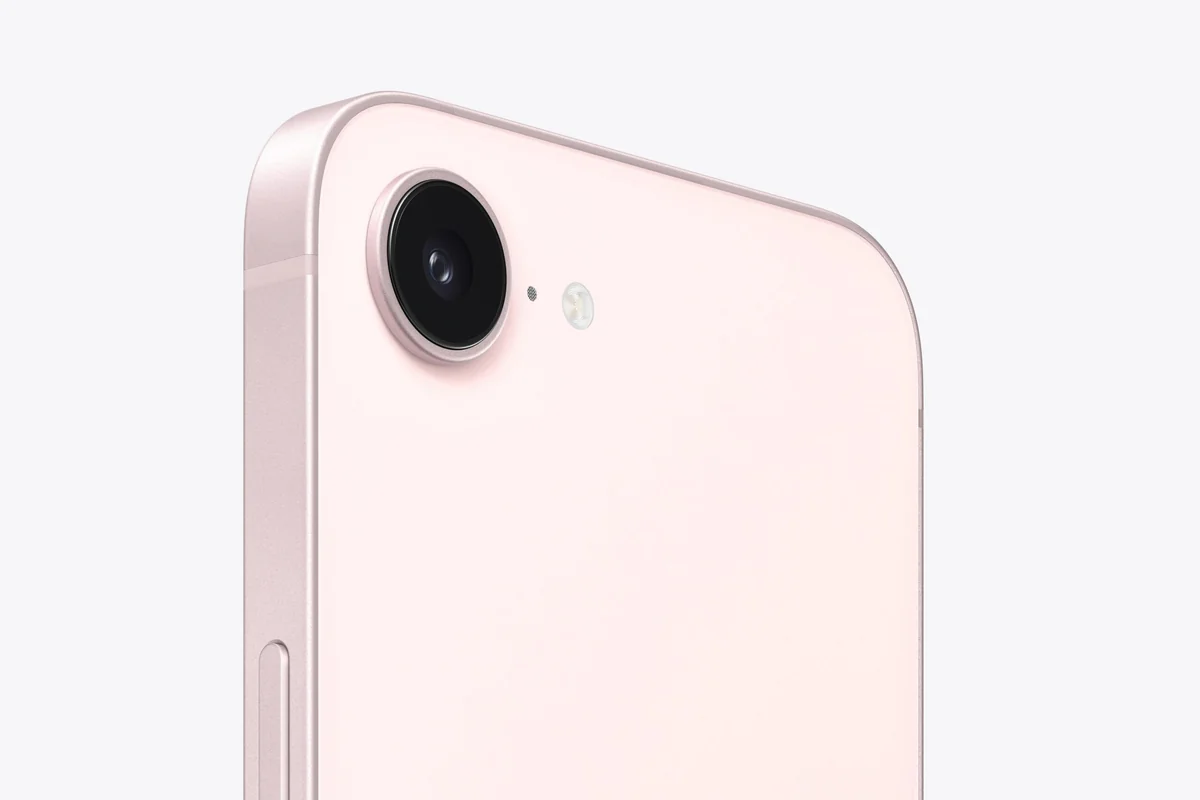
Find Yours
What's your top priority when choosing a smartphone?
Answer to find your best matches.

The Field
Browse top contenders, or compare all options ranked by score and key attributes.
5 Options

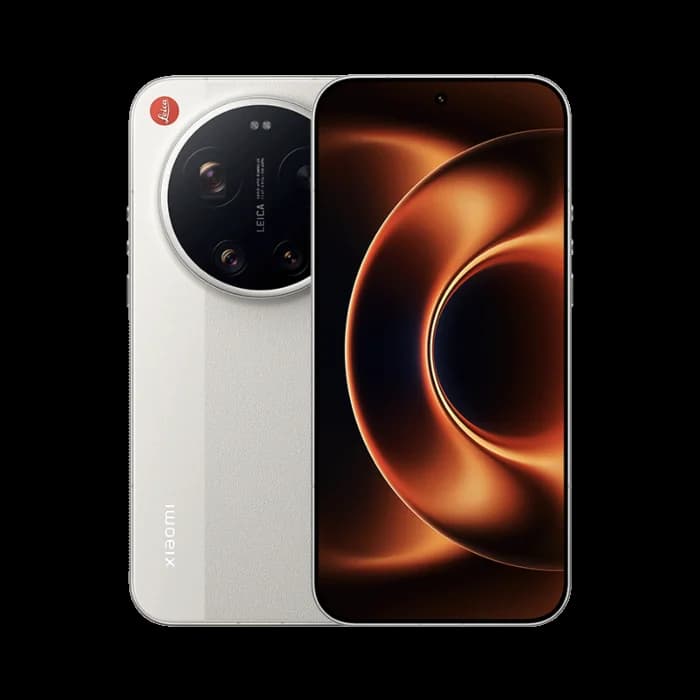


The Scoreboard
Does this improve your life? Considers, health, habits, and environmental impact.
Benefits
Apps and multitasking feel instant, reducing waiting and friction during routine use.
256GB base keeps photos, apps and downloads without constant deleting or cloud juggling.
Snap-on chargers and accessories make one-handed top-ups and hands-free setups effortless.
Regular use lasts through a busy day without hunting for chargers or power banks.
Sharp daytime photos and reliable low-light shots for social posts and quick memories.
Trade-Offs
Scrolling social feeds and fast games feel noticeably less smooth than modern 120Hz phones.
Wide group shots or quick zooms force you to step back or compromise the framing.
In bright sun the screen can wash out, making maps and messages harder to read.
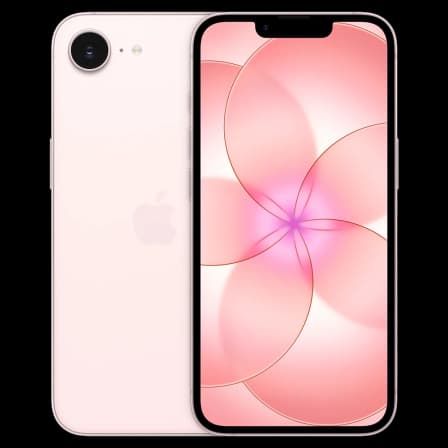
 Alternatives


Join the Circle
Where real meets deal
Know what's worth buying-and when.
Tips, special offers, and rewards for buying and sharing.

Publications
13 LEADING PUBLICATION REVIEWS

GSMArena Team highlights the iPhone 17e as a pragmatic, iterative update: battery life and charging curves see meaningful gains thanks to the A19 chipset and tuned charging, and the new MagSafe and strong stereo speakers (with spatial audio/Dolby Atmos) stand out in its price bracket. However, the review’s tone is restrained—critical of the unchanged 60Hz OLED inherited from older models, the large notch, thick bezels, and middling brightness that make the design feel dated in 2026. Benchmarks and measured figures (15:30h active use, ~800 nits tests, 1:34 full charge, sustained ~25W peak) are cited repeatedly, lending an evidence-based, measured praise: better than the 16e in key tests and competitive with midrange peers like the Pixel 10a, but still short of flagship rivals such as the iPhone 17 or Galaxy S26. Overall, the review is cautiously positive yet unsparing on visible compromises.
By GSMArena Team
Abrar Al-Heeti from CNET highlights a largely positive, measured enthusiasm for the iPhone 17E: she praises its premium feel, satisfying MagSafe haptics, A19 performance parity with pricier models, improved base storage, solid battery life, and a capable 48MP main camera that produces sharp, pleasing shots. Her tone is upbeat but balanced—she repeatedly notes trade-offs (thicker bezels, a notch instead of Dynamic Island, fixed 60Hz display, no ultrawide or Camera Control button) and calls the $599 price borderline for a “budget” phone. Unique insights include hands-on battery logs, specific benchmark comparisons (Geekbench 6, 3DMark), fast wired/wireless charge timings, and personal workflow impacts (missing always‑on display and Camera Control). Overall, she recommends the 17E as a compelling, compact choice for most buyers while cautioning that upgrades from last year’s 16E aren’t justified.
By Abrar Al-Heeti
PCMag praises the Apple iPhone 17e as an excellent midrange iPhone that delivers core iPhone polish with meaningful upgrades for $599. Eric Zeman highlights faster A19 performance, doubled base storage (256GB), quicker MagSafe charging, better camera processing, and improved 5G efficiency as standout wins, calling the handset "refined" rather than flashy. He emphasizes solid real-world speeds, long battery life in testing (22:02), sharp 48MP photos for everyday use, and reliable Face ID and audio. Criticisms are measured: a single rear camera limits flexibility, the 60Hz display and Wi‑Fi/Bluetooth radios lag flagship specs, and battery and display remain behind the pricier iPhone 17. Overall the tone is positive but pragmatic—enthusiastic about value and usability while clearly recommending the $799 iPhone 17 only for those who need extra camera, display, or battery headroom.
By Eric Zeman
Engadget’s Cherlynn Low highlights the iPhone 17e as a pragmatic, timely entry in Apple’s renewed focus on midrange phones: affordable at $599, it brings welcome upgrades — A19 chip, doubled base storage, improved Portraits and MagSafe with faster wireless charging — that make it a competent, modern starter iPhone. Her tone is measured and mostly positive: she praises the next‑gen portrait processing and clearly faster MagSafe top‑ups, but calls out hit‑or‑miss AI speed gains, an unchanged (and outdated) display, and the limitations of a single‑camera system. She repeatedly frames the 17e as a budget-conscious choice as opposed to a flagship replacement, noting the iPhone 17’s superior cameras, display and features for $200 more, and reminding readers that some Android rivals undercut Apple on screens and camera capability. Overall, the review feels balanced and practical: the 17e is “solid” for newcomers and dependents, but not transformative.
By Cherlynn Low
TechRadar praises the iPhone 17e as a thoughtful, value-focused refinement of Apple’s budget line — not a revolution but a clearly improved package. The reviewer is upbeat about the A19 chip’s snappy performance, doubled 256GB base storage, and the long-awaited addition of MagSafe, all at the same starting price; camera updates (notably better single-lens Portrait Mode) and a useful OLED display further cement its appeal. Criticisms are measured: no ultra‑wide or high-refresh-rate panel, the return of the notch, and a single rear lens limit flexibility compared with pricier 17-series models. Unique insights include concrete Geekbench scores, real-world 5G throughput tests, MagSafe-enabled StandBy use, and practical battery/charging observations from a week of hands-on testing. Overall, the tone is approving and mildly enthusiastic — recommending the 17e especially for upgraders from older iPhones or anyone wanting a modern iPhone without the premium price.
By Jacob Krol
Trusted Reviews' Max Parker assesses the Apple iPhone 17e as a sensible, well‑rounded budget iPhone rather than a headline‑grabbing upgrade. He praises meaningful wins—A19 performance that rivals pricier phones, 256GB as the new base storage, MagSafe inclusion, Ceramic Shield 2 and solid battery life—while noting clear compromises versus the full iPhone 17: a single 48MP rear camera, a 60Hz notched display (no Dynamic Island or ProMotion), limited wireless standards, and missing UWB/Thread. Parker highlights useful, specific details (750 nits measured peak, Dolby Vision 4K video, 0–50% charging in under 30 minutes) and practical verdicts: excellent value if you want an affordable, future‑proof iPhone, but not worth upgrading from last year’s 16e or choosing over the standard 17 if you need top cameras or display features. Overall tone is measured and mildly approving.
By Max Parker
Dan Seifert from The Verge highlights a cautiously positive take: the iPhone 17E is finally a "minimum viable" member of the current iPhone lineup—now with MagSafe and 256GB base storage—making it an acceptable, affordable new iPhone for people who prioritize price and basic functionality. The reviewer is pleased with solid battery life and reliable wireless performance, and praises MagSafe’s return, but expresses clear frustration that key features from the full iPhone 17—ProMotion/always-on display, a larger main sensor, ultrawide and upgraded selfie cameras, and Dynamic Island benefits—are missing or diminished, making the $200 gap to the iPhone 17 feel more consequential than the price implies. Overall the tone is measured and mildly approving: the 17E is recommended for budget-minded or undemanding buyers, but the regular iPhone 17 remains the stronger, more future-proof pick.
By Allison Johnson
Samuel Gibbs from The Guardian highlights that the iPhone 17e thoughtfully brings core iPhone features to Apple’s most affordable new model, delivering notable upgrades — a faster A19-derived chip, doubled base storage (256GB), MagSafe, improved Ceramic Shield 2 glass with excellent anti‑glare, and long battery life — all at a lower entry price. The tone is appreciative but measured: the phone is praised for speed, ergonomics and everyday reliability, yet criticized for retaining an older iPhone 14–style design, a slower 6.1in OLED with a large notch, and only a single 48MP rear camera (no ultrawide, telephoto or macro), plus missing connectivity extras like Wi‑Fi 7, Thread and UWB. Gibbs frames the 17e as a sensible, value‑focused choice for buyers who want the essential iPhone experience cheaply, while warning photographers and feature-seekers to consider other models.
By Samuel Gibbs
Julian Chokkattu from WIRED praises the iPhone 17e as a solid, practical entry-level iPhone that meaningfully improves value with MagSafe, higher base storage, Ceramic Shield 2, and reliable all-day battery life. The tone is approving but measured: he likes the A19 performance and video capabilities, and calls camera results generally sharp, yet repeatedly flags important compromises — a lone rear camera, no ultra-wideband, and a 60-Hz display when competitors offer 120 Hz — that make the phone feel slightly overpriced versus rivals like the Pixel 10a. Unique insights include how MagSafe restores a useful ecosystem and the practical annoyance of missing UWB for AirTag precision; battery and real-world gaming hold up well, but low-light and motion photos expose the camera’s limits. Overall, Chokkattu recommends the 17e to buyers committed to iOS who want a dependable, upgraded budget iPhone, while noting clearer value exists elsewhere.
By Julian Chokkattu
John Velasco from Tom's Guide praises the iPhone 17e as a surprisingly capable budget iPhone that “has more than proven its value” after a week of testing. He’s enthusiastic about welcome additions like built‑in MagSafe and the A19 chip, which delivers snappy real‑world gaming and graphics performance comparable to pricier models; he specifically notes smooth play in Diablo Immortal and benchmark-backed responsiveness. The single 48MP camera “just works,” producing sharp landscapes and natural portraits that even beat some rivals in low light, though he remains critical that Apple stuck with one lens. His reservations are measured: the lack of 120Hz, shorter battery life, and no secondary rear camera make the standard iPhone 17 a better value for some buyers. Overall, Velasco recommends the 17e chiefly for users upgrading from much older iPhones who want modern features at a lower price.
By John Velasco
Mike Andronico from CNN Underscored praises the iPhone 17e as an unexpectedly strong value: a $599 handset that delivers near‑flagship performance, long battery life, MagSafe, and useful camera software upgrades while shaving off a few premium niceties. He’s clearly enthusiastic about the phone’s A19 speed, solid OLED screen, 256GB base storage, and everyday photo quality, backing claims with benchmark and battery-test numbers and real-world testing (concerts, parks, work). That said, his tone is measured—he repeatedly flags compromises that may matter to enthusiasts, notably the lack of ProMotion 120Hz, limited zoom capability, weaker low‑light selfies, and fewer color options. Overall he recommends the 17e as an excellent choice for first-time iPhone buyers or those upgrading from much older models, while advising power users or camera/screen snobs to consider pricier alternatives.
By Mike Andronico
Britta O'Boyle from The Telegraph praises the iPhone 17e as a sensational budget entry that delivers core iPhone strengths—compact, lightweight design, strong A19 performance, excellent battery life, good single-camera results, MagSafe, doubled base storage and useful iOS 26/Apple Intelligence features—while acknowledging clear trade-offs. She sounds upbeat but measured: enthusiastic about day-to-day speed, handling, and value, yet candid that the 17e omits the secondary ultra‑wide camera, Dynamic Island/Always‑On display, the new front Centre Stage camera and a Camera Control button. Unique insights include real-world testing as a daily handset, direct comparisons to iPhone 17 and 16e, and practical notes on 60Hz vs 120Hz perceptibility and improved scratch resistance. Overall, the tone is favorably pragmatic—strong recommendation for budget-conscious or upgrading users, with a qualified caveat that spenders should opt for the iPhone 17.
By Britta O'Boyle
David Price from Macworld praises the iPhone 17e as a surprisingly likable mid-market pick despite clear compromises. He expresses mild frustration with the $599 price and limits like a binned A19 chip, single rear camera, and 15W MagSafe, but frames those flaws as reasonable trade-offs—especially since MagSafe’s convenience, doubled base storage, and Ceramic Shield feel like meaningful upgrades. Tone is warm and measured rather than ecstatic: the reviewer’s initial skepticism softens into “indulgent fondness,” acknowledging the 17e isn’t a flagship but arguing it delivers practical value for most users. Notable insights: the author prefers practical compromises (slower MagSafe over no MagSafe), warns that portrait and macro photography lag behind flagships, and reminds readers that refurbished higher-tier models can still be better budget options. Overall, the piece is optimistic but balanced.
By David Price

YouTube
15 LEADING EXPERT & INFLUENCER REVIEWS
 AppleInsider
AppleInsider finds the iPhone 17e a terrific value—upgrading storage, adding MagSafe and the A19—yet ultimately recommends spending the extra $200 for the iPhone 17 due to ProMotion (Always‑On), a superior selfie camera, dual rear lenses (ultra‑wide/macro), UWB/Thread, faster charging, and 4K QuickTake.
MacRumorsDan Barbera from MacRumors praises the iPhone 17e as a strong value upgrade—flagship A19 performance, returning MagSafe, and 256GB base storage—while noting measured reservations about the single 48MP Fusion camera, missing ultrawide/telephoto, 60Hz display, and chunkier bezels; overall enthusiastic but pragmatic.
Tech SpurtTech Spurt criticizes the iPhone 17e as a limp, mildly improved follow-up—praising 256GB base storage, MagSafe, solid battery, and reliable speakers, but blasting the 60Hz display, aging A19 performance feel, tiny 48MP sensor without telephoto, limited connectivity, and “Apple Intelligence” shortcomings; tone is sarcastic and sharply negative.
iJustineiJustine praises the iPhone 17e as a pleasantly approachable, well-rounded phone—excited about MagSafe finally working, solid A19 performance, 48MP Fusion camera with Photonic Engine, and audio mix; she notes the 60Hz OLED (no ProMotion), single main camera, and lack of ProRes/extra GPU cores as reasonable trade-offs for a $599 entry.
Nick AckermanNick Ackerman calls the iPhone 17e the "value pick," praising its A19 performance, larger base storage, and improved battery life while warning it's a compromise—60Hz notch display, weaker brightness/Wi‑Fi, single rear camera and slower charging—best for buyers prioritizing performance-per-dollar.
ShortCircuitLinus Sebastian finds the iPhone 17e a well‑balanced, consumer‑friendly phone that “cuts the right corners” — praised for excellent battery life, solid A19 performance, 48MP camera quality, 256GB base storage, and MagSafe, yet criticized for a 60Hz display, USB‑2 wired speeds, and a conspicuous notch; overall warmly positive and practical.
9to5MacFernando praises the iPhone 17e as a surprising, near-default iPhone at $599, highlighting MagSafe, the A19 chip, 256GB base storage, and a 48MP Fusion main camera as standout upgrades. He’s enthusiastic about battery life and overall value, while noting compromises like a 60Hz notch display and a 12MP selfie—still recommending it for most buyers.
91TechJosh from 91Tech gives a measured, mostly positive take on the iPhone 17e: he appreciates MagSafe, the A19 chip, and doubled 256GB storage, calling it a solid, fast daily phone—but criticizes the unchanged 6.1" notch display, mediocre single 48MP camera, and its $599 price versus the much more compelling iPhone 17.
JSL ReviewJason praises the iPhone 17e as a "deceptively good" budget iPhone—comfortably smooth with the A19 chip, Ceramic Shield 2, improved 256GB base storage, MagSafe, and flagship-caliber 48MP Fusion camera and 4K Dolby Vision video—while noting its 60Hz Super Retina XDR display and notch feel dated for some buyers.
Andru EdwardsAndru Edwards praises the iPhone 17e as a surprising value — enthusiastic about the A19, doubled 256GB base storage, MagSafe, C1X modem, Ceramic Shield 2, and a capable 48MP Fusion camera — while noting a 4‑core GPU (vs. iPhone 17) and the absence of Camera Control as the main remaining drawbacks.
iDeviceHelpiDeviceHelp praises the iPhone 17e as an affordable, durable upgrade—highlighting MagSafe support, Ceramic Shield, and A19-level performance (3,628 single, 9,088 multi). Enthusiastic recommendation for iPhone 11–13 upgraders or teens; tone is upbeat and personal, with clear hands-on endorsement despite promo interruptions.
Spencer Scott PughSpencer Scott Pugh finds the iPhone 17e a solid, well‑made everyday phone—praising its design, stereo speakers, smooth Call of Duty performance, and suitability as an “essential” device—while cautioning that the 60Hz refresh and single 48MP camera (no zoom/wide) make it a conditional, measured recommendation.
Jon Adams Jon Adams finds the iPhone 17e a likable, pragmatic pick—solid build, MagSafe, USB‑C, 48MP camera, long battery, and 256GB for $599—best for non‑techy users wanting “good enough.” He criticizes the single camera, 60Hz notch display, and marginal upgrades over the 16e.
Nikias MolinaNikias Molina praises the iPhone 17e as a value-packed upgrade—cheaper, faster (A19), larger 256GB base, and notably better battery—while acknowledging the iPhone 16’s strengths: brighter 2000‑nit display, Dynamic Island, ultrawide/macro camera, camera control, and faster MagSafe. Tone is upbeat and practical, favoring 17e for most buyers but conceding 16 for enthusiasts.
Everyday LegendsEveryday Legends finds the iPhone 17e a pragmatic, mildly restrained pick—praised for flagship-like performance, dependable battery, and solid video, but criticized for a dated notch, 60 Hz display, and single rear camera that limit versatility; best for buyers who value Apple’s ecosystem over enthusiast-grade features.

Social
11 INFLUENCER REVIEWS
 Tyler
Tylerhitomidocameraroll (Tyler Morgan) admits he was wrong about the iPhone 17e, praising its main camera and chipset as essentially the same as higher models while calling the single lens “fucking good”; he criticizes the lack of 120Hz refresh and reduced brightness but accepts trade-offs like no ultra-wide or macro for most users. Overall, Tyler’s tone is upbeat and pragmatic—surprised enthusiasm tempered by clear caveats—and he leans toward recommending the 17e as a smart, value-focused pick (especially with double storage), while noting power users who want 120Hz or wide/bright displays should opt for the 17.
 Andrew Bond
Andrew Bond highlights the iPhone 17e’s standout value — a $599 256GB model, 6.1" XDR Super Retina OLED, 48MP single-lens camera, A19 6-core chip, MagSafe, Ceramic Shield 2, and ~26-hour video playback. He’s upbeat about the soft pink color and the price but notes clear compromises versus the iPhone 17: fewer lenses, lower GPU cores, reduced battery life, and no dedicated capture button. Overall, his tone is measured-positive: he frames the 17e as “a pretty good deal” for budget-minded buyers who want core Apple features and durability, while cautioning that power users who prioritize camera versatility or top-tier performance should opt for the higher-tier model.
Min PohMin Poh finds the iPhone 17e to be a straightforward, kid-friendly unboxing: light on detail but upbeat about basics like the 48MP camera, the A819 chip mention, and included extras—while clearly implying it’s more suited as a simple daily or backup phone than a flagship for heavy users. Overall recommendation: Min Poh portrays the 17e as a solid, entry-level choice—good for parents, teens, or spare-phone use—without deep performance claims; the tone is casual and mildly approving but not enthusiastic or technical, so the post reads like a friendly thumbs-up rather than a strong buy endorsement.
Katarina Mogus 🤍katamogz highlights the iPhone 17e’s standout upgrades—48MP fusion camera with 2x telephoto, A19 chip performance (about twice as fast as an iPhone 11), MagSafe, USB‑C, Ceramic Shield 2, doubled base storage (256 GB), and solid ~26‑hour video playback—while noting limits like no ultra‑wide, only 2x zoom, the persistent notch, and a 60Hz display. Overall, Katarina’s tone is measured‑positive: she appreciates value and meaningful spec boosts for $599 (notably $200 cheaper than the iPhone 17) and treats it as a smart, practical upgrade for most users, though not for those who need ultra‑wide shots or higher refresh rates.
FT ReviewFT Review highlights the iPhone 17e as a surprisingly value-packed budget model after a week of daily use, praising its 48MP camera and 4K60 video, long all-day battery life, and good heat management—while clearly annoyed by the persistent notch and the disappointing 60Hz display that softens the experience for heavier tasks. FT Review’s overall take: recommended for everyday users, existing Apple-device owners, or casual social creators who want a stylish, affordable upgrade (especially the soft pink); not ideal for power users who need a smoother high-refresh display or sustained heavy video editing.
Lio CastroVliocastrov argues the iPhone 17e isn’t bad — it’s an iPhone and feels noticeably fresher than models like the 11–13 — but Apple mispositioned it by keeping 60Hz, a single camera, and a price that pushes many toward refurbished 15 Pro value. The reviewer frames reactions as generational: perceived value depends on your current phone and whether you’ve experienced 120Hz or Pro features. Overall, liocastrov’s take is measured and conditional: they don’t dismiss the 17e but stop short of a full endorsement, recommending buyers judge against their own baseline (upgrade from an older iPhone → likely worth it; choosing between 17e and a refurbished 15 Pro → lean Pro).
Tech.black01tech.black01 highlights Apple’s pragmatic choices with the iPhone 17e—praising the A19 chip parity with the main lineup, solid 48MP camera, and improved efficiency, while criticizing the unchanged 60Hz display and premium price tag. Overall, they’re cautiously positive: impressed by performance/value balance but hesitant to fully recommend given the $1,000-ish cost and lack of display upgrades.
Tech Top Clipstoptech_clips notes the iPhone 17e is a sensible, incremental upgrade—new MagSafe, a pink color, C1X modem, improved chip, and 256GB option at the same $599 price—while still keeping a single camera and 60Hz display. Overall, they view it as the 16e “what it should’ve been”: worthwhile for budget-minded buyers, but not exciting for power users.
Emmanuel Sandovalesandotech highlights the iPhone 17E’s strong value: A19 3nm chip with 16-core Neural Engine, 8GB RAM, C1X modem (30% less battery draw), 256GB base storage, 26‑hour video life, 15W MagSafe and fast charging, plus 48MP hardware portrait processing. Overall, Emmanuel frames it as a compelling, budget‑friendly gateway into Apple’s ecosystem—highly recommended for value seekers despite retained notch and 60Hz display.
RuNewsDailyRuNewsDaily calls the iPhone 17e a "weird" and almost archaic phone — amused and baffled that Apple shipped minimal changes (same body, one camera) but added an A19 chip, new modem and MagSafe; the reviewer is incredulous that this modest update outsold every Android flagship and frames buyers as swept up in hype. Overall, RuNewsDaily’s tone is bemused skepticism rather than anger: they mock the product’s minimalism but acknowledge its appeal and likely success, offering a sideways warning—interesting if you want a cheap, recognizable iPhone, but not a device-driven reason to choose it over stronger Android flagships.
pennythewisepennythewise highlights that the iPhone 17e's MagSafe return and compact white color make it a practical, underrated travel pick; they show excitement about accessories (pink crossbody strap) and plan further testing, while noting they might want a different case. Tone is upbeat but measured—curious and positive rather than gushing. Overall consensus: pennythewise leans toward recommending the 17e for travelers who value portability and accessory compatibility, offering a tentative thumbs-up pending hands‑on follow-up once they've used it more and tested cases.

Forum Reviews
CUSTOMER REVIEWS FROM 1 FORUM
Reddit discussion around the iPhone 17e is cautiously positive: many users praise its strong value proposition—A19 chip, 256GB base, MagSafe, improved battery and solid everyday performance—positioning it as a practical, no-frills iPhone for users who don’t need Pro features. Critics call out compromises like a 60Hz display on some models, smaller camera sensor versus higher-tier phones, and the omission of UWB, arguing those gaps matter to enthusiasts. Upgraders tend to appreciate battery and storage boosts and see it as a sensible replacement, while new buyers weigh the tradeoffs against slightly higher-tier options.
Many comments

In-Depth Review

Highlights
- •A19 chip performanceSnappy app launches and gaming
- •256GB base storageDoubles default capacity to 256GB
- •All-day battery and quicker top-upsReliable endurance with faster charging
- •48MP main cameraSharp daytime photos and 4K video
- •MagSafe support and ecosystemSnap-on charging and accessory compatibility
- •Ceramic Shield 2 front cover (scratch claim)Manufacturer testing claims ~3x scratch resistance

Considerations
- •No high-refresh displayRetains 60Hz, lacks 120Hz ProMotion
- •Single rear camera limits framingNo ultrawide or telephoto options
- •Dated front designLarge notch and chunky bezels
- •Dim screen in bright sunlightDisplay can wash out outdoors
- •Limited wireless and local networkingMissing UWB/Thread; Wi‑Fi/Bluetooth lagging
- •Launch price seen as borderlinePrice judged high for midrange buyers
Apple’s budget-minded refresh arrives with familiar polish from a brand that’s made premium feel easy—positioned as the sensible step-up for users who want flagship smarts without flagship price. Built for everyday power users, it pairs A19 3nm performance and 256GB base storage with a capable 48MP main sensor, promising smooth multitasking, roomy media storage, and sharp everyday photos. Expect long runtimes and quicker top-ups thanks to improved battery tuning, while the handset trades some flash for durability with Ceramic Shield 2 and MagSafe return. Where it trims costs—60Hz OLED and a single rear camera—matters to photographers and screen snobs, and wireless limits may irk connectivity-focused buyers. If you’re upgrading from an older iPhone or want reliable iOS speed without Pro-level bells, read on: the sections that follow unpack display feel, chip and GPU chops, imaging trade-offs, endurance, build, and networking so you can pick what truly matters to you.
Rear and Front Camera System
Apple leans pragmatic with a single 48MP Fusion main sensor that delivers sharp, reliable daytime shots and improved Portraits thanks to the updated ISP and software Photonic Engine, while the selfie setup lags behind the 17’s Center Stage improvements. Lack of an ultra‑wide or telephoto limits framing flexibility and creative zoom, a frequent user gripe, yet image quality and 4K video punch above the segment’s average—proof that solid hardware plus strong computational imaging can still win days.

SoC and Graphics Performance
The A19 chip is a surprise pick-me-up: third‑gen 3nm silicon yields snappy app launches, strong single‑core scores, and GPU gains that make mobile gaming smooth with some ray tracing chops and solid thermal control. Benchmarks back Apple’s speed claims, with the 16‑core Neural Engine boosting on‑device AI and photo processing; downsides are a slightly trimmed GPU core count versus the Pro, but real‑world play and multitasking remain impressively buttery.
Wireless and Network Performance
Wireless performance is mixed: the C1X modem and support for sub‑6 and mmWave 5G deliver dependable speeds and better battery draw, while Wi‑Fi and Bluetooth specs feel behind flagships—real‑world throughput sits below cutting‑edge models—prompting expert notes about missing UWB/Thread in some variants. For most users the cellular and MagSafe ecosystem work seamlessly, but power users chasing the fastest local networking may notice the connectivity ceiling sooner.
Battery Life and Charging Speed
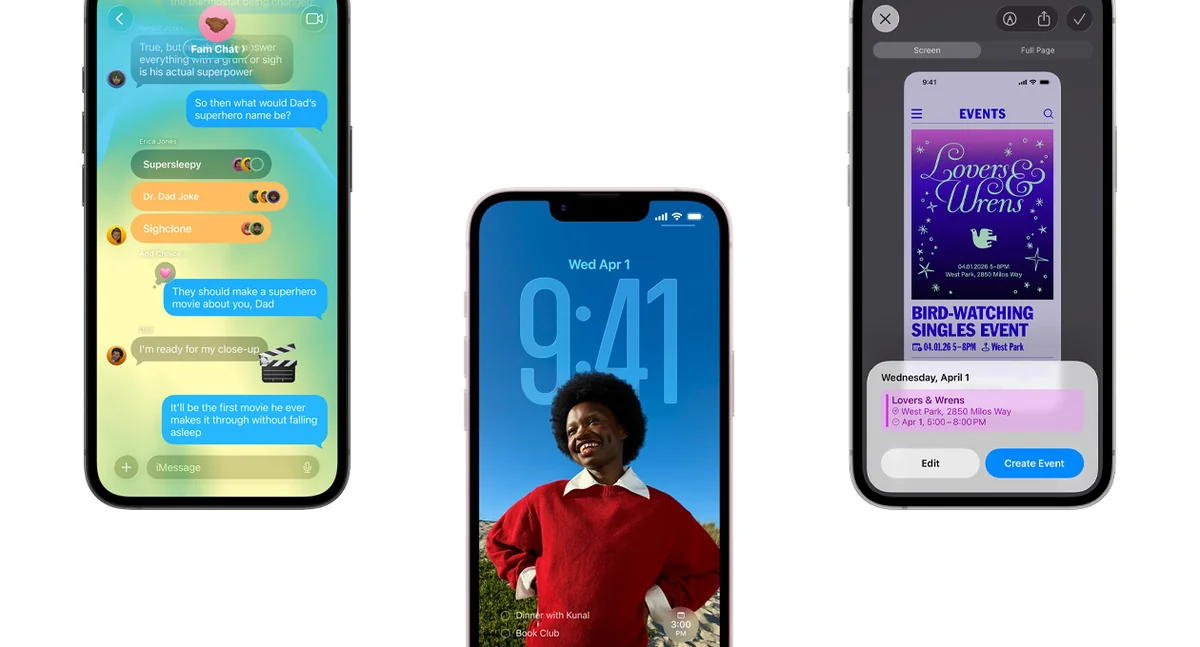
Battery life is a clear win: tuned A19 efficiency and optimized charging curves give genuine all‑day endurance in tests and upbeat user reports, with realistic figures near the advertised 26‑hour video marks; wired and MagSafe top‑ups are faster than past entry models, hitting practical 0–50% times with an optional 40W adapter. Charging is sensible rather than headline‑grabbing, but the combination of efficiency and MagSafe convenience makes daily life easier.
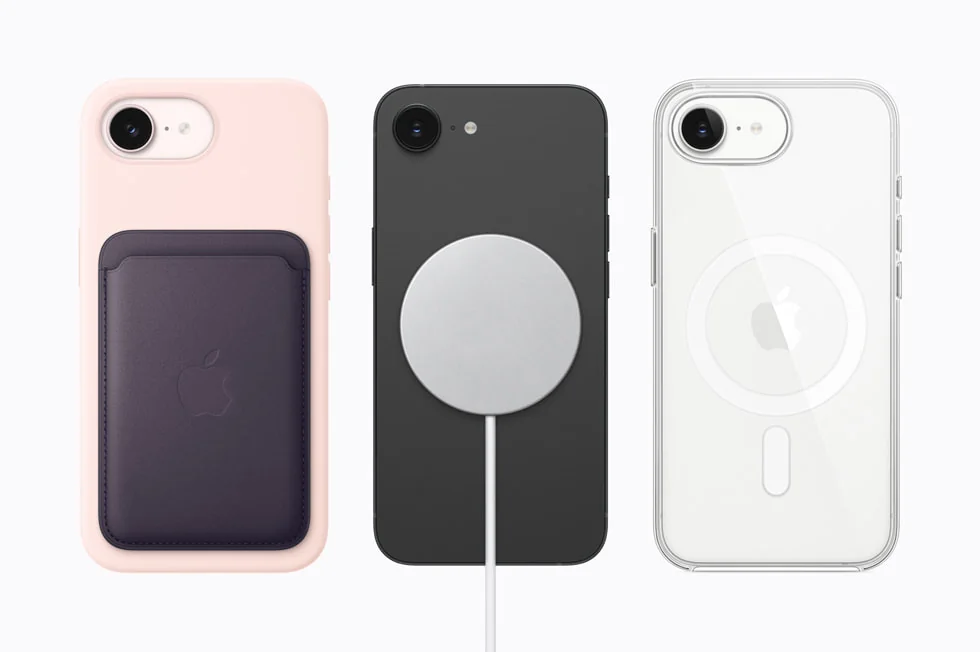
Build Quality and Scratch Resistance
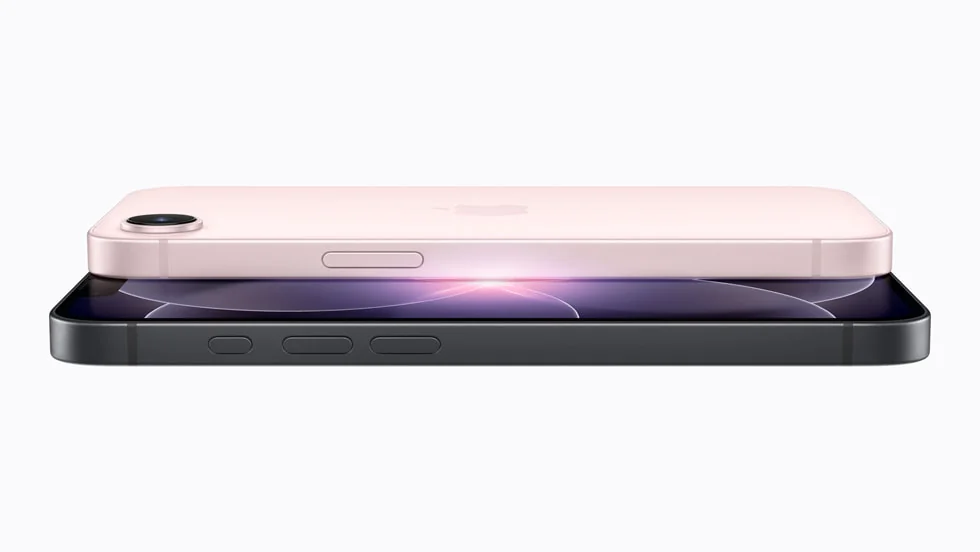
The 17e leans into durability with an aluminum frame and Ceramic Shield 2 that Apple rates for 3x better scratch resistance, and hands‑on impressions confirm a reassuringly solid, pocket‑proof feel. Chunkier bezels and a classic notch give it a less futuristic look, but the color‑infused glass and return of MagSafe elevate practical value; overall it trades swoop for stamina, a neat compromise if you prize longevity over flash.
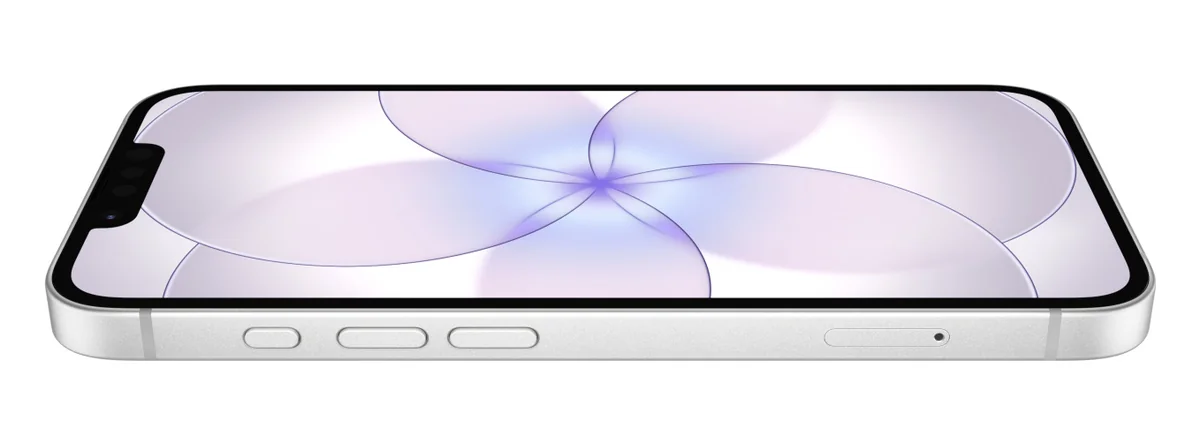
Display and Refresh Performance
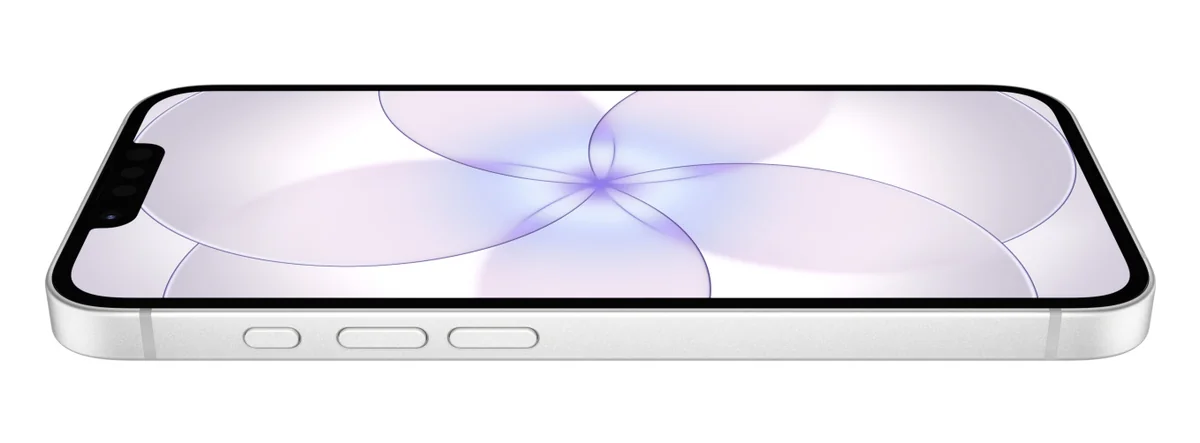
The iPhone 17e’s OLED is pleasant but polarizing: its Super Retina XDR panel serves punchy color and solid contrast, yet the retained 60Hz refresh rate and large notch make animations feel comparatively sluggish against ProMotion rivals; tests show adequate peak brightness but noticeable washout in direct sun. Apple’s claim of OLED quality holds for everyday viewing, but experts and users both flag the missing 120Hz ProMotion, Always‑On benefits, and LTPO efficiency trade-offs, leaving the screen as competent but not cutting‑edge for the price.

Conclusion
Think of this as a finely trimmed toolkit: the screen won’t dazzle with fluid motion, but the OLED panel still serves color and contrast cleanly; the real lift comes from the A19 silicon and its brisk GPU performance, which make apps and games feel immediate. The camera is pragmatic—48MP main sensor delivers sharp, dependable shots while the single‑lens setup limits creative framing. Battery life and charging are genuine wins: all‑day endurance and quicker MagSafe top‑ups ease everyday worry. Build choices favor longevity—Ceramic Shield 2 and aluminum feel reassuringly tough. Networking is solid but not cutting‑edge; expect reliable 5G yet notice the missing UWB/advanced Wi‑Fi if you push connectivity. For upgraders from much older iPhones or buyers who want speed, storage and stamina over razzle‑dazzle, this is a confident, sensible pick.

Feature Scores
This reflects reviews and ratings from established critics, journalists, and users who have evaluated the item. Their opinions provide a comprehensive assessment.
Performance
Processor Performance
4/5
Battery Life
4/5
Software Stability & Updates
5/5
Camera System Performance
4/5
Network Connectivity
4/5
Value
Price-to-Performance Ratio
4/5
Resale Value
4/5
Design
Display Quality
3/5
Ergonomics & Comfort
4/5
Materials & Fit/Finish
4/5
Health
RF Emissions
4/5
Blue Light Management
4/5
Safety
Biometric Security
5/5
Data Privacy & Security
4/5
Physical Safety Features
4/5
Sustainability
Repairability & Modular Design
2/5
Energy Efficiency
4/5
Responsible Sourcing
4/5
Experience Style
Customizability
4/5
Ease of Use
5/5
Accessibility Features
5/5

Specifications
This section outlines the product's key facts, covering essential features, details, dimensions, materials, and any unique characteristics that define its functionality and usability.
Performance
Value
Design
Safety
Sustainability
Experience Style

Frequently Asked Questions
7 Questions
Find Yours
What's your top priority when choosing a smartphone?
Answer to find your best matches.