
Samsung Galaxy Z Flip7
Pocketable AI foldable with a useful 4.1" FlexWindow, 50MP FlexCam, and refined hinge—modest battery and performance trade-offs.
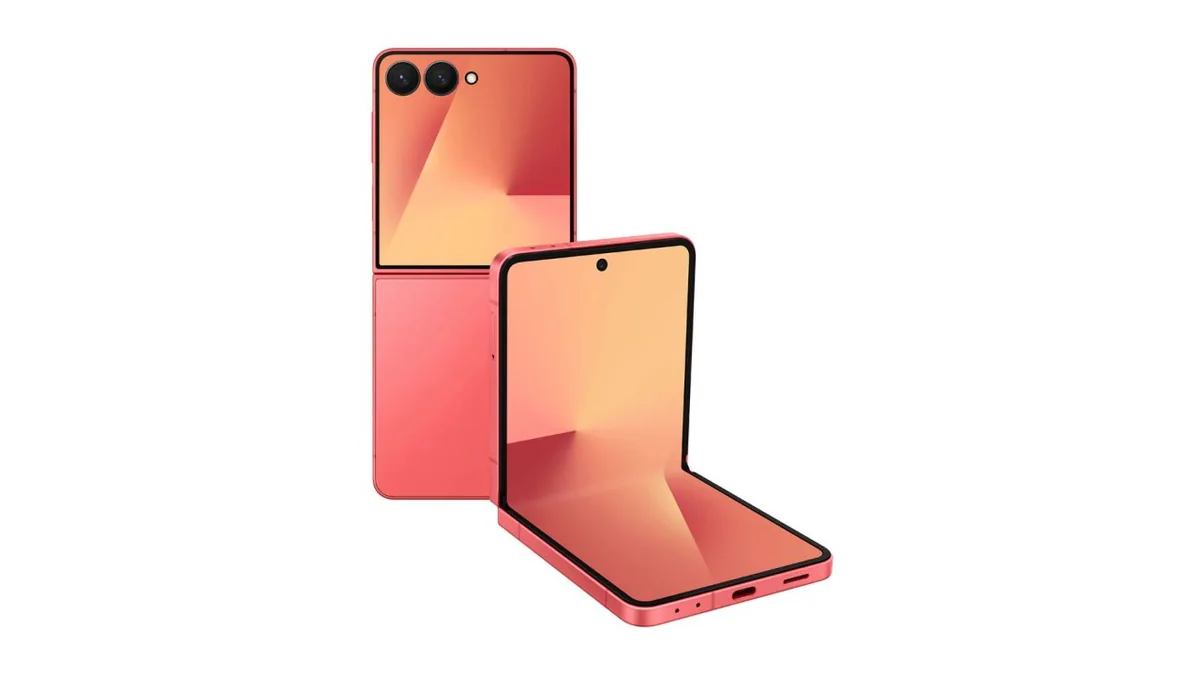
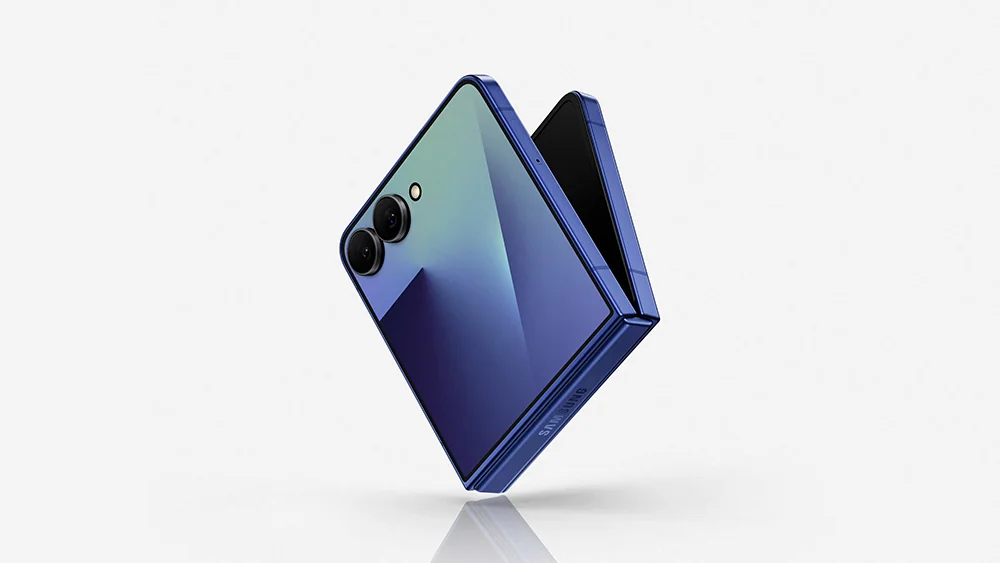
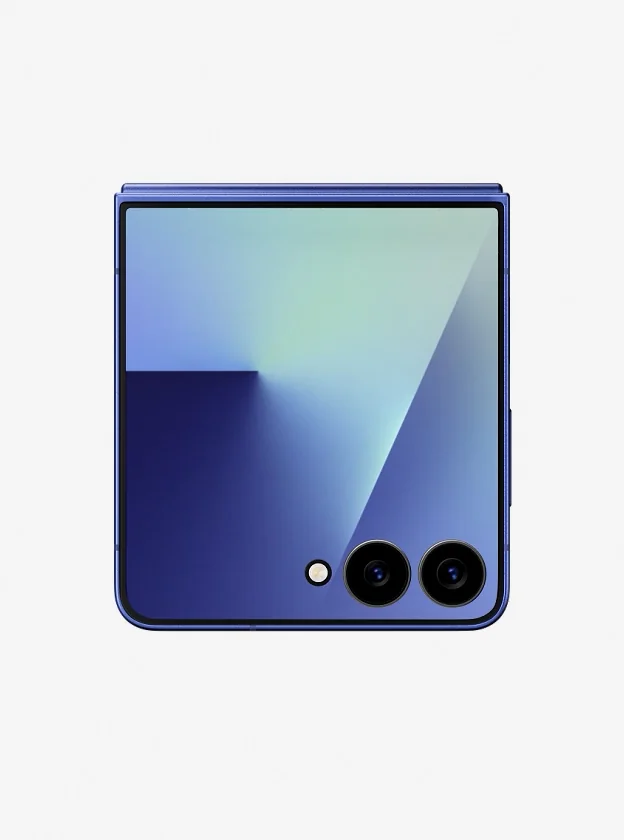
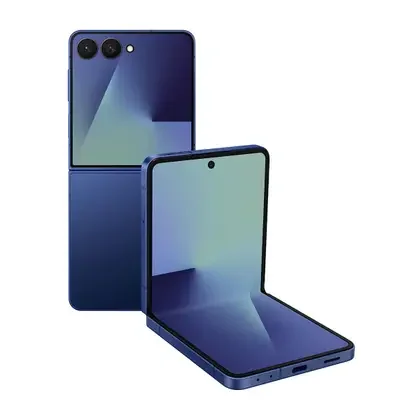
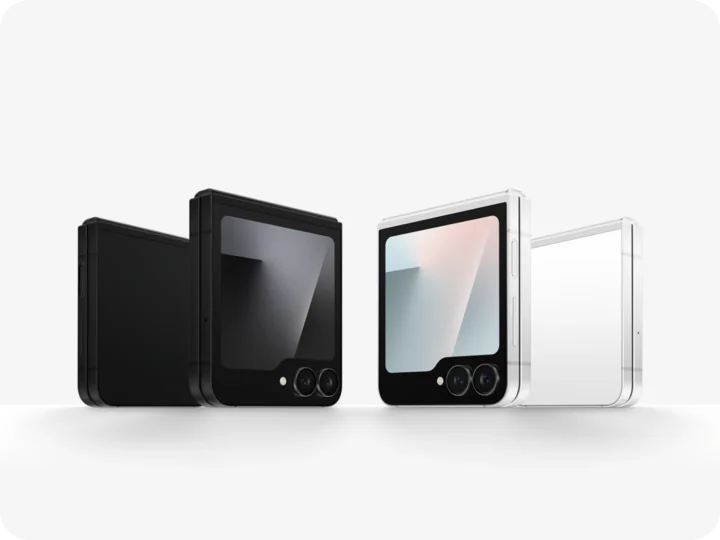
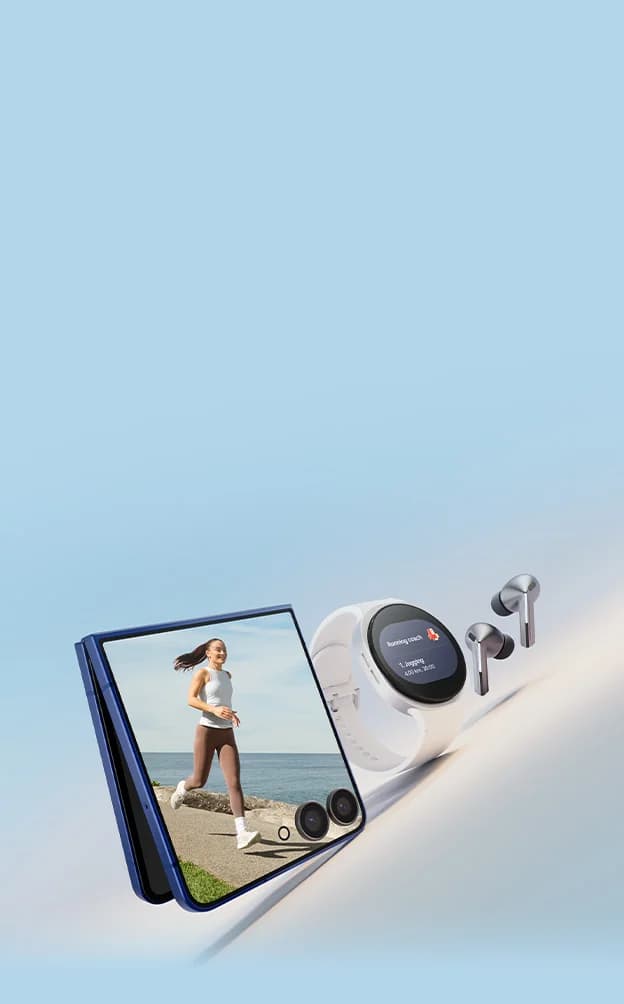
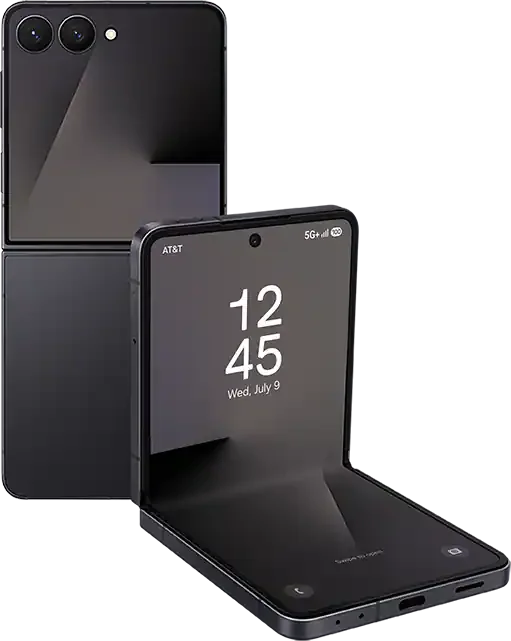
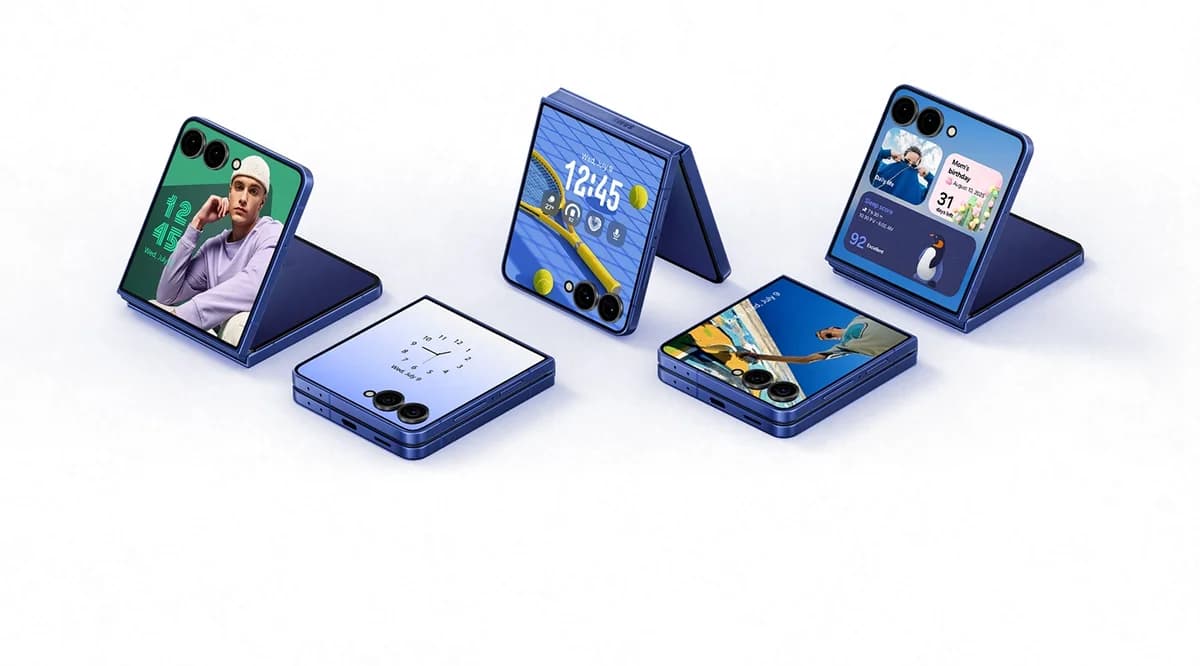
The Samsung Galaxy Z Flip7 is the pocketable AI foldable that wants to make your closed phone actually useful, with a 4.1" edge-to-edge FlexWindow and a 50MP FlexCam that turn the rear cameras into a real selfie and creator tool. Aimed at style-minded commuters and social creators who need big-screen capability without a big slab, it delivers a roomy 6.9" 120Hz main display and a refined Armor FlexHinge that reviewers praise for feel and durability, while experts and owners both note the brand’s battery and performance claims are only partly borne out in everyday use. For the price, it balances novelty and practical gains against slower charging and limited zoom, so value depends on whether cover-screen workflows and compact design matter most to you, and that trade-off drives its overall recommendation.
Find Yours
What's your top priority when choosing a smartphone?
Answer to find your best matches.

The Field
Browse top contenders, or compare all options ranked by score and key attributes.
5 Options



The Scoreboard
Does this improve your life? Considers, health, habits, and environmental impact.
Benefits
Fits easily in pockets and small bags; reduces carrying bulk and fumbling.
Do quick tasks without opening phone—messages, music, and maps at a glance.
Use main 50MP cameras for hands‑free selfies and clearer creator-focused shots.
Smooth multitasking and responsive apps make daily use feel effortless and reliable.
Seven years of updates plus DeX support ease longevity and mobile productivity.
Trade-Offs
Heavy use or gaming makes the phone noticeably warm, uncomfortable when carried in pockets.
Opening one-handed can feel stiff or awkward, often forcing two hands for quick checks.
Some apps or features require unfolding or deep settings, interrupting quick cover-screen tasks.
 Alternatives


Join the Circle
Where real meets deal
Know what's worth buying-and when.
Tips, special offers, and rewards for buying and sharing.

Publications
21 LEADING PUBLICATION REVIEWS

Joe Maring at Android Authority comes away mixed but broadly positive. After a week with the Z Flip 7 he praises Samsung’s best-ever cover screen, thinner design, larger main display, and reliable everyday performance, but he’s frustrated—especially by restrictive cover-screen software, the disappointing Exynos 2500 instead of a Snapdragon flagship, slower hotter charging, and middling low-light camera behavior. He admires hardware strides that finally make the Flip feel like a modern compact phone and values Samsung’s seven years of updates and repair support, yet stresses those perks don’t fully justify the compromises at this price; in his view the Flip 7 is a very good flip phone for Samsung loyalists, but not the outright best foldable this year, with Motorola’s Razr Ultra remaining his preferred buy.
By Joe Maring
TechRadar’s Philip Berne is clearly impressed and mostly enthusiastic about the Galaxy Z Flip7. After two weeks he calls it an excellent, polished flip that finally delivers a genuinely useful cover display, a gorgeous inner screen, strong software features like DeX, and good cameras—making a compelling case that flip phones are the best form factor today. He tempers that enthusiasm with concrete gripes: the Exynos 2500 chip lags Snapdragon rivals and likely hurts battery life, there’s no telephoto zoom, dust ingress remains a worry, and Samsung’s software feels fiddly and sometimes overpromised on AI. Overall his tone is positive and persuasive—he’s a fan who still points out clear trade-offs, recommending the Flip7 for serious users who want versatility and style but warning photographers, heavy gamers, and dust-prone users to consider the compromises.
By Philip Berne
Patrick Holland of CNET is clearly impressed overall. He praises the Flip 7’s huge 6.9-inch inner display, thinner build, improved cover screen and thoughtful hinge as meaningful, delightful upgrades that make the phone feel like the most refined Galaxy Z Flip yet, calling daily use “a blast” and applauding multimedia, multitasking and camera versatility; his enthusiasm is tempered by consistent caveats about battery life that only marginally improved, occasional warmth under heavy use, and middling benchmark and gaming performance tied to the Exynos 2500—plus the lack of a telephoto lens for serious zoom work. He frames the price as steep but fair for the value added, recommends upgrades for older Flip owners (less so for Flip 6 owners), and balances vivid firsthand anecdotes with measured, practical reservations.
By Patrick Holland
PCMag’s Eric Zeman is generally positive about the Galaxy Z Flip 7. He calls it the best flip phone for most people, praising the smarter, flatter design, bigger brighter screens, solid cameras with new image processing, reliable radios, and fun Gemini Live AI—while also noting meaningful trade-offs like the middling Exynos processor that runs hot, only modest battery gains, and some outer-screen limitations. Zeman likes the refined hinge, build quality, and day-to-day performance, and he ran benchmarks, battery tests, and real-world use over two weeks to back up his take; the phone charges slowly versus rivals and can feel warm in pockets or under camera use. In short, it’s a well-rounded, user-friendly flip with strong software support and AI appeal, just not the best pick if you prize long battery life or peak performance.
By Eric Zeman
Android Central’s Brady Snyder is cautiously positive about the Galaxy Z Flip 7. After a week with the phone he calls it an incremental but worthwhile upgrade—beautifully built, more durable, and finally offering a main display that feels like a true S-series-sized screen—yet he tempers enthusiasm with clear reservations about the cover screen software, lukewarm battery gains (likely tied to the new Exynos chip), and unchanged camera hardware. He praises the wider Flex Window, solid connectivity, long seven-year software support, and practical foldable tricks, and prefers the Flip 7 over Motorola’s Razr for durability and updates. Overall the review feels measured and mildly enthusiastic: not raving, but recommending the Flip 7 to clamshell fans who value build quality and long-term support while warning power users who prioritize raw performance, battery life, or a fully capable cover screen.
By Brady Snyder
Allison Johnson at The Verge is clearly positive about the Flip 7. She calls the bigger, edge-to-edge cover screen a real game-changer—useful for quick tasks, notifications, and avoiding reflexive phone-openings—and says the phone is the best Flip Samsung has made so far. Her enthusiasm is measured: she praises the improved cover and inner screens, better battery, solid cameras, and seven years of updates, and she shares concrete daily-use wins like checking maps, replying to texts, and taking candid photos without opening the phone. At the same time she flags annoyances—Samsung’s awkward hoops to run full apps on the cover, occasional performance warmth under heavy gaming, middling battery compared with slabs, and continued dust vulnerability—and compares Motorola’s Razr as more playful and flexible. Overall it’s a favorable, thoughtful recommendation tempered by practical caveats and clear suggestions for improvement.
By Allison Johnson
Andy Boxall at Android Police is broadly positive but measured about the Galaxy Z Flip 7. He praises its stylish, well-built foldable design, much improved 4.1-inch cover screen, fun and capable camera features (especially Flex Cam and AI editing), and smooth One UI 8 experience, calling it a polished, characterful phone that’s a joy to open and pocket-friendly; however, he criticizes the cover screen’s limited practical usefulness, the noisy, snappy hinge and fiddly grip, middling battery life and gaming heat from the Exynos 2500, and relatively slow charging—concluding the Flip 7 is excellent for casual users who value convenience and novelty but less compelling for power users or those prioritizing battery and performance.
By Andy Boxall
Trusted Reviews’ Cam Bunton is clearly upbeat about the Galaxy Z Flip7. He praises the much larger 4.1-inch cover screen, the wider 21:9 internal display, improved cameras, solid battery life and snappy Exynos-powered performance, calling it the best Flip yet and a genuine contender to Motorola’s Razr. He balances that enthusiasm with practical caveats: cover-screen software needs polish, Samsung’s One UI ships redundant apps and there’s no dedicated zoom camera. Bunton highlights real-world wins—better typing, reduced crease, reliable fingerprint setup, good low-light shots and respectable thermal behavior—while acknowledging the Flip won’t match flagship camera or charging extremes. Overall, the review sounds positive and mildly measured: this is a joyful, largely mature pocketable foldable that trims many of the Flip’s past compromises but still leaves room for software and zoom improvements.
By Cam Bunton
Engadget’s Mat Smith is mildly impressed but ultimately underwhelmed by the Galaxy Z Flip 7. He praises the engineering — a much larger, brighter 4.1-inch Flex Window, a thinner chassis, a bigger battery and notably longer real-world battery life — yet criticizes the lack of camera updates, only modest software improvements for the front display, and slow 25W charging. Smith admires the tactile hinge and practical screen ratio tweaks, and he calls out genuinely useful additions like 10-bit HDR video and the Now Bar, but he repeatedly frames these as incremental rather than category-defining. The tone is measured: appreciative of Samsung’s hardware refinements and surprising endurance gains, but skeptical that the Flip 7 pushes foldables forward or justifies an enthusiastic upgrade for most owners.
By Mat Smith
PhoneArena's Victor Hristov is broadly positive about the Galaxy Z Flip7. He calls it the Flip "in its prime," praising the much-improved 4.1" 120Hz cover screen, modest battery gains, cleaner cameras, new DeX support, and overall polish and color options, while acknowledging the phone remains slim and nicely finished. But he’s not gushing: the Exynos 2500 chipset is a clear performance compromise versus Snapdragon rivals, Samsung still cages the cover screen behind widgets, and speakers and charging speeds are merely average. The tone is upbeat but measured — enthusiastic about the usability and software longevity (seven years of updates) yet realistic about trade-offs, so the Flip7 comes across as a compelling, stylish choice for most buyers who prioritize design and features over raw performance.
By Victor Hristov
Samuel Gibbs at The Guardian is broadly positive but measured about the Galaxy Z Flip7. He likes its bigger outer screen, attractive design, sturdy hinge and improved large internal display, calling the software one of Samsung’s best with useful Flex-mode tricks and seven years of updates; battery life and everyday speed are fine, though it runs warmer and drains faster on 5G. His enthusiasm is tempered by practical caveats: the internal foldable surface is delicate, it’s harder to open one-handed, cameras lag behind regular flagship phones (especially in low light and lacking telephoto), there’s no dust resistance, and repairs are costly. Overall Gibbs presents the Flip7 as a fun, stylish, and iterative refinement—still the best way to get a big screen in a small pocket, but not the transformational leap some buyers might want.
By Samuel Gibbs
Tech Advisor’s Anyron Copeman is broadly positive about the Galaxy Z Flip 7. He likes the bigger, modern cover screen and larger internal display, praises the sturdy hinge, classy finish, reliable fingerprint sensor and excellent main camera, and calls Samsung’s software and seven years of updates a major plus; overall he thinks it’s the best flip phone right now. That enthusiasm is tempered by clear reservations: middling battery life, painfully slow 25W wired charging, no telephoto lens (hurting zoom and concert shots), and unimpressive speakers and gaming thermal performance. Copeman values the real-world improvements that matter day-to-day but stops short of raving—he recommends the Flip 7 for buyers who want a premium, future-proof foldable while warning power users and mobile gamers to consider alternatives.
By Anyron Copeman
Mike Lowe of T3 comes away generally positive but measured about the Galaxy Z Flip7. He praises Samsung’s ambitious re-engineering—especially the expansive 4.1-inch Flex Window, slimmer bezels, brighter 120Hz exterior panel, and slightly bigger battery—calling the device a clear step up in hardware that keeps the same price. At the same time he’s reserved: the exterior display feels underutilized because of restrictive app support, the folding screen attracts fingerprints and glare, and the hinge can interfere with gestures; swapping to an Exynos chip also feels like a pragmatic compromise rather than a pure upgrade. Real-world performance, battery life, cameras, and One UI polish are solid, but Lowe stresses these improvements may not sway everyone and suggests the older discounted Flip 6 or Motorola’s Razr alternatives could suit some buyers better. Overall, an impressive flip that’s exciting yet pragmatically critiqued.
By Mike Lowe
Sanket Vijayasarathy at 91mobiles comes away positively impressed but cautiously measured. He calls the Flip7 Samsung’s most polished clamshell yet—praising a much larger, bright 4.1‑inch cover display, refined design, good day‑long battery, solid daylight cameras and a smooth One UI experience—while warning that software support for the cover screen feels incomplete, charging remains slow, and the Exynos chipset shows throttling under heavy loads. The review reads enthusiastic about the lifestyle benefits (less doomscrolling, handy cover‑screen video and Gemini interactions) but balanced by practical annoyances like forced “open phone to continue” steps, limited third‑party app support on the Flex Window, and middling fast‑charge speeds. Overall it’s a confident recommendation for buyers who prioritise style, portability and cover‑screen utility, tempered by the sense that a few software updates and better charging would make it truly stand out.
By Sanket Vijayasarathy
Mashable’s Adam Doud is broadly positive about the Galaxy Z Flip7. He enjoys the big 4.1-inch Cover Screen, solid hinge and pocketable form factor, and calls the main screens, cameras in good light, One UI 8 features (like Flex Mode and Dex), and overall handset build real strengths—making the phone fun to use and a compelling option for flip fans. He’s frustrated by clunky Cover Screen software (awkward setup, forced Samsung keyboard, and odd app behavior), disappointed that Samsung ships the Exynos 2500 everywhere instead of Snapdragon, and notes occasional camera and performance hiccups in low light or heavy multitasking. The tone is upbeat but measured: Doud likes the Flip7 a lot for its design and usability, flags some software and chipset trade-offs, and ultimately recommends it for fans of the form factor at its $1,099 price.
By Adam Doud
Joe Fedewa at How-To Geek is cautiously positive about the Galaxy Z Flip 7. He admires Samsung’s hardware refinements—the roomy 6.9-inch inner display, a much-improved 4.1-inch edge-to-edge Cover Screen, slimmer folded profile, solid build and better battery—but his enthusiasm is tempered by the software experience and practical everyday use. Fedewa finds the hinge a bit stiff, the crease mostly unobtrusive, and performance smooth, yet the Cover Screen’s potential is hamstrung by Samsung’s restrictive software and buried settings compared with Motorola’s more flexible approach. Cameras are competent but not groundbreaking, and battery life is decent but behind some rivals. Overall he respects the engineering and long-term support, but he’s not ready to switch to a flip full-time—he’d pick a phone with a more capable external display despite the Flip 7’s clear hardware wins.
By Joe Fedewa
Dean Daley at MobileSyrup comes away mildly positive but ultimately underwhelmed by the Galaxy Z Flip 7. He praises Samsung’s much-improved 4.1-inch Cover Screen, thinner lighter chassis, and bigger battery that delivers solid day‑to‑day endurance, but criticizes the choice of an Exynos 2500 (even in Canada) for poorer benchmarks and heat under load, and finds the cameras inconsistent compared with rivals. Daley frames the Flip 7 as a usable, more affordable flip option than Motorola’s Razr Ultra, yet not the clear best in its class—good for someone trying a foldable who values battery life and a premium cover display, but not for mobile gamers or photographers seeking top-tier performance or image quality.
By Dean Daley
Henry T. Casey at CNN Underscored is cautiously underwhelmed. After two weeks he praises the Z Flip 7’s fun, pocketable folding design, excellent battery life, satisfying hinge action, and a charming FlexWindow media experience, but he’s reserved overall: performance and benchmark results trail top rivals, low-light and zoom photography often fall short of similarly priced phones, and the cover screen’s usefulness feels limited and hard to unlock without digging into obscure Samsung software. He admires the weight, colors, and everyday usability, and notes thoughtful touches like DeX support, yet camera inconsistencies, awkward typing on the half-open display, and a cramped unfolded form keep him from enthusiastically recommending it at $1,100. The review reads like a tech-savvy friend who wants the Flip to be a winner but ultimately finds it more delightful than indispensable.
By Henry T. Casey
The Telegraph's Jon Mundy is cautiously positive about the Galaxy Z Flip7. He praises Samsung’s steady refinement—its slimmer, lighter build, bigger cover screen, strong color and clarity, and useful AI features—calling it the company’s best compact foldable yet, but he’s measured rather than rapturous. Mundy flags real drawbacks: a stiff hinge that can be hard to open, middling brightness, no zoom camera, a smaller battery and slower Exynos chip versus Qualcomm rivals, and only 25W charging. In real-world use the phone performs smoothly, takes vibrant photos, and easily lasts a day, yet it often trails the Motorola Razr 60 Ultra on resolution, refresh rate and raw speed. Bottom line: appealing if you prioritise pocketable design and selfies, but not a clear-cut upgrade over rivals or non‑folding flagships.
By Jon Mundy
Tech Guide’s Stephen Fenech is clearly upbeat about the Galaxy Z Flip7. He frames it as a stylish, fun alternative to conventional phones — especially praising the much larger 4.1-inch front cover display, flexible hands‑free photo options, and solid main cameras that outperform expectations in low light — while acknowledging trade-offs like the lack of a telephoto zoom and only average all‑day battery endurance. He emphasizes the Flip7’s pocketable fold, One UI 8 with Gemini and Galaxy AI features, and slick everyday performance from the Exynos 2500, portraying the phone as a joyful, practical choice for people who value creativity and design more than top-tier telephoto or exceptional battery headroom. Overall the tone is positive and mildly enthusiastic: a measured recommendation for buyers wanting a distinctive, camera‑friendly flip experience rather than the most pro‑grade specs.
By Stephen Fenech
Image Matrix Tech’s Phil Tann comes away positively impressed. He praises the Z Flip7’s refined, pocketable design—especially the much larger, bright FlexWindow—and the improved durability, battery life, and Exynos 2500 performance, calling the phone a practical “AI powerhouse” that finally makes useful Galaxy AI features accessible without unfolding. He admires the 6.9-inch main display, smoother 120Hz experience, and enhanced selfie workflow via the cover screen, while noting the camera hardware is largely carried over and charging speeds remain modest for the price. Overall the review is upbeat and confident about Samsung’s iterative gains—the FlexWindow and AI integration are real differentiators—yet measured about a few conservative choices, so the tone reads enthusiastic but not uncritical.
By Phil Tann

YouTube
16 LEADING EXPERT & INFLUENCER REVIEWS
 GSMArena Official
Will of GSMArena is cautiously positive about the Galaxy Z Flip7. He praises its thinner, refined design, bigger 6.9" main screen and edge‑to‑edge 4.1" FlexWindow, improved battery life, solid stereo sound, and flagship-level camera selfies via FlexCam, but calls out limited cover‑screen app support, middling charging speeds, thermal throttling under stress, and only incremental upgrades over the Flip6. Overall he presents the Flip7 as an elegant, well‑made pocket flagship worth considering—especially for selfie creators and style‑minded buyers—but not a must‑upgrade for owners of the previous model.
Marques BrownleeMarques Brownlee is broadly positive and impressed. He calls the Z Flip7 a meaningful, well-rounded upgrade—bigger, more usable both closed and open thanks to a 6.9" main screen and a bright 4.1" edge‑to‑edge FlexWindow, better battery (4,300 mAh), and solid performance—while flagging the shift to Exynos (potential efficiency concerns) and noting tradeoffs like size creep and platform choices; overall he’s enthusiastic about the hardware wins but measured about price and chipset implications.
MrMobile [Michael Fisher]Michael Fisher (MrMobile) is positive and upbeat about the Galaxy Z Flip7. He calls it the most important and "funnest" flip phone, praising the larger main screen, edge-to-edge 4.1" FlexWindow, sturdier hinge, improved cameras (FlexCam benefits), stronger battery life in typical use, and Samsung DeX arriving on a Flip. He criticizes cover-screen software quirks, limited ultrawide low-light, slow charging, and some missed customization opportunities versus competitors like the Razr Ultra. Overall his tone is enthusiastic but measured: he sees the Flip7 as a meaningful, mainstream-forward step that keeps the clamshell category healthy.
Gadgets 360Manik Berry is broadly positive about the Galaxy Z Flip7. He praises the bigger edge-to-edge FlexWindow cover, premium build, flagship-grade 50MP cameras and smooth 6.9" main display, calling it a polished, practical flip that handles gaming, multitasking, and day‑long use well. He flags modest battery and the ongoing Exynos vs Snapdragon split but says the Exynos 2500 performs efficiently. Minor wishes (fingerprint gesture return, visible crease) don’t dampen his verdict: it’s a refined, reliable pocketable flagship for selfie‑centric and style‑minded users.
The Tech ChapTom the Tech Chap is cautiously positive about the Galaxy Z Flip7. He praises the much-improved edge-to-edge FlexWindow, handy FlexCam selfie workflows, subtle camera refinements, thinner closed profile, and modest battery gains, calling it the best Flip yet for everyday fun. However he’s disappointed by Samsung’s Exynos (XNOS) choice versus Snapdragon, only marginal performance uplifts over the Flip6, lack of a telephoto/200MP upgrade, and unchanged charging speeds. Overall he recommends upgrading if you have a Flip5 or earlier, but warns it’s an incremental evolution rather than a radical leap.
TechWiserPratik from TechWiser is mostly upbeat about the Flip7. He praises the bigger 4.1" FlexWindow, reduced crease, thinner/lighter feel, larger 4,300 mAh battery, improved hinge, and the new Exynos 2500 for staying cool under load, calling the cover-screen a genuinely useful upgrade. He tempers enthusiasm with practical notes: camera hardware is largely unchanged from Flip6, gaming headroom is limited (stability over peak performance), and real-world battery and long-term durability need more time. Overall, a confident recommendation to try it in-store—great incremental refinement rather than a radical overhaul.
Flossy CarterFlossy Carter is clearly enthusiastic — he gives the Flip7 a strong endorsement. He raves about the new edge-to-edge FlexWindow, compact build, reliable Exynos performance, Samsung DeX, and practical cover‑screen workflows, calling it a “major go.” He tempers that with consistent, lively critiques: middling battery and slow 25W charging, dim outer always‑on brightness, limited task switching on the cover, fewer color choices, and expected throttling under long gaming. Overall Flossy sees it as a stylish, useful pocket AI fold that’s worth upgrading for the improved outer display and day‑to‑day polish, even if it’s not perfect.
Created by EllaCreated by Ella is cautiously positive about the Z Flip7. She praises the much improved hinge, less noticeable crease, bigger 6.9" main screen and genuinely useful 4.1" FlexWindow cover screen, calling the device thinner, more refined, and fun to use; but she’s disappointed by the Exynos 2500’s thermal throttling, underwhelming battery gains despite a larger cell, and unchanged camera hardware (no telephoto). Her tone is upbeat but measured—she loves the cover-screen improvements and everyday practicality, yet warns buyers the performance and battery trade-offs keep it from being a full, unqualified upgrade.
Tech FowlerSeth Fowler is cautiously positive about the Galaxy Z Flip7. He likes the brighter, larger 6.9" inner screen and much-improved 4.1" edge-to-edge FlexWindow, better battery life, and the handy FlexCam/viewfinder workflow for vlogging, but calls it a modest, mid‑tier upgrade — middling Exynos performance, a visible crease, delicate foldable screen quirks, average cameras, and limited dust resistance temper enthusiasm. His verdict: fun, pocketable, and worth it if you want a latest flip with practical cover‑screen gains; skip it if you already have a recent Flip or want flagship raw power and top cameras.
Mary BautistaMary Bautista is clearly positive about the Z Flip7. She calls it the best Flip yet, praising the much more useful FlexWindow (now 120 Hz), stronger hinge, improved battery (4,300 mAh → about 13 hours in her use), Gemini Live/AI features, and the 50MP FlexCam workflow for hands‑free selfies and videos. She flags annoyances—some app setup friction for the cover screen, missing niche video options, and that some edits require unfolding—but overall celebrates practical day‑to‑day gains and says it finally checks her flip‑phone criteria, especially for selfie creators and style‑minded users.
Brian MacDuffBrian MacDuff is overall positive and impressed. He calls the Z Flip7 a refined, “best‑ever” Flip with a beautiful edge‑to‑edge 4.1" FlexWindow, brighter 6.9" main display, stronger battery, and competent Exynos performance, but stresses it’s an incremental upgrade rather than a redesign; Flip6 owners likely won’t need to switch. He praises the improved cover‑screen usefulness, seamless crease, and camera quality in good light, flags PWM dimming (flicker) and lack of autofocus on the ultra‑wide as drawbacks, and candidly recommends it mainly to users on Flip5 or older models.
Dion SchuddeboomDion Schuddeboom is generally positive about the Z Flip7. He enjoys the much-improved FlexWindow cover screen, smaller hinge, reduced crease, and pocketable design, calling it fun and practical, especially for cover-screen selfies and quick tasks. He flags real concerns—no telephoto, the Exynos 2500 chip that blunts performance and efficiency gains, and folding‑phone durability unknown long term—plus battery parity with the Flip6. Overall Dion recommends the Flip7 for first‑time flippers or older Flip owners who value size and cover‑screen utility, but cautions power users and those worried about longevity.
Mark's TechMark from Mark's Tech is clearly positive about the Galaxy Z Flip7. He’s been daily-driving it for six months and praises the pocketable comfort, improved cover FlexWindow usefulness, reliable performance, good cameras (especially FlexCam selfies), and solid battery life after optimization. He acknowledges a faint crease, some light internal marks/scratches from delicate foldable glass, and minor exterior hinge marks from case-free use, but doesn’t see them as deal-breakers. Overall he finds the Flip7 a practical, well-refined foldable that fits his lifestyle rather than a fleeting novelty.
Chilled FossilChilled Fossil likes the Z Flip7 overall but has mixed feelings. After nine months he praises tank-like build quality, an unchanged crease, and a genuinely useful FlexWindow update that opens apps, yet he’s frustrated by severe battery degradation and flaky biometrics; the camera is fine for casual shots but lags behind current flagship standards and leans on AI fixes. He recommends it as the best flip for reliability and value around $600, but warns buyers to expect middling battery and navigation quirks on the cover screen unless Samsung improves software and power management.
Everyday LegendsEveryday Legends is upbeat about the Galaxy Z Flip7 and calls it a genuinely fun, refined flip that mostly feels like a no‑compromise flagship. They praise the new full‑size FlexWindow cover display, gorgeous 6.9" inner panel, snappy hinge, solid performance with the Exynos 2500, and improved battery life, while criticizing unchanged charging speeds and largely carryover camera hardware (though main‑sensor selfies shine). Practical, experienced, and balanced, the review recommends the Flip7 for users coming from older devices or who prioritize pocketable style and cover‑screen utility, but suggests slab phones for top cameras or fastest charging.
SoulOfTechSoulOfTech is cautiously positive about the Galaxy Z Flip7. He praises its pocketable 6.9" main display, much-improved edge-to-edge FlexWindow cover screen, clever semi-fold tricks and excellent rear-camera-as-selfie workflows for vloggers, and says day‑long battery life feels solid. He tempers enthusiasm with measured caveats: durability tradeoffs from the hinge, a less versatile dual-camera (no telephoto), a Full HD+ main panel versus top-tier flagships, and the Exynos 2500’s weaker ceiling vs Snapdragon—though it doesn’t hurt everyday use. Overall he frames the Flip7 as a stylish, practical choice for the right user, not a universal upgrade.

Social
6 INFLUENCER REVIEWS
 Tom's Guide
Tom’s Guide is upbeat about the Z Flip7 overall. They like the bigger 4.1-inch cover screen, slimmer build, new hinge, and larger internal display, saying those upgrades justify the roughly $200 premium over the Flip7 FE; meanwhile the Flip7 FE feels like a budget clone of the Flip6. The tone is comparative and confident rather than fawning—clear endorsement of the Flip7 for people who value the improved cover screen and refined design, coupled with a practical note that the cheaper FE option still exists for buyers who don’t need those upgrades.
Elly AwesomeElly Awesome really likes the Galaxy Z Flip7 and sounds genuinely excited. She gushes about the camera quality, especially filming with the back cameras while using the cover screen to see herself, and praises the fold’s hands-free “stand” for easy filming. She’s enthusiastic about deep customization—resizable apps, GIF/video wallpapers, keyboard colors and effects—calls it fun and nostalgic, though admits a small learning curve for people used to more automatic phones. Overall her tone is upbeat and personal: she values compact portability, playful customization, and practical camera tricks that make the Flip7 feel fresh.
 Kenzie 👾✨️
Kenzie is generally positive but a bit frustrated. She likes the Flip7’s customization, pocketable size, and using the high-quality rear cameras as a folded “selfie” cam, calling that feature adorable, but she’s clearly annoyed by the front-facing camera’s yellow tint and poor performance in the TikTok app, and finds the fingerprint and face unlock just okay compared with other phones. Overall her tone is fond and practical—she enjoys the form factor and playful camera tricks while pointing out real usability drawbacks that keep this from being an unreserved recommendation.
Mark Ellis ReviewsMark Ellis Reviews likes the Z Flip7 and is upbeat about it. He emphasizes the bigger 4.1-inch Flex Window, bright 2600‑nit peak and smooth 120Hz panel, plus a roomy 6.9‑inch internal display and 4300mAh battery, calling it a very handy, pocketable camera phone for selfies and creators. He admits the crease remains visible and tactile in some lights, so it’s best for people who value compact convenience over a perfectly seamless screen. Overall his tone is positive and approving, recommending it for fans of small, foldable phones who can live with the crease.
jpgIamjohnpau24 is pleasantly surprised and mostly positive about the Galaxy Z Flip7. He says the flip form factor won him over, praising its compact ergonomics, durability, and how it helps with browsing, CRM, and content apps like TikTok and YouTube. He still keeps his iPhone and calls out that Android took time to get used to, and that the Flip7 lags behind his iPhone 16 Pro Max for processing and rendering after editing. He also values quick access to Gemini/Google Assistant and now treats the Flip7 as a handy second “fidget” phone he enjoys using.
llamalover1123456llamalover1123456 is clearly thrilled with the Z Flip7. She gushes about the tiny cover screen for selfies and tripod-style shots, the nearly invisible crease, pocket- and purse-friendly compactness, playful widget customization, and “gas” battery life, and even bristles at using cases. Her tone is exuberant and personal—fun, confident, and mildly defensive—while offering few concrete negatives beyond a brief nod to sometimes using cases under parental pressure; overall this reads as a very enthusiastic, hands-on endorsement focused on lifestyle convenience and camera-first fun.

Forum Reviews
CUSTOMER REVIEWS FROM 1 FORUM
Redditors are generally positive but cautiously split about the Galaxy Z Flip7. Many praise its pocketable design, improved cover screen, and satisfying hinge, calling it fun and practical for everyday use; others warn about middling cameras, battery quirks, Exynos performance concerns, and durability risks (creases, hinge noise, occasional screen failures). Upgraders and long‑term users tend to emphasize cover‑screen improvements and portability, while hesitant buyers focus on camera tradeoffs, warranty worries, and potential heat/battery issues. In short: it’s a charming, well‑refined flip for fans of the form factor, but not without real caveats to consider.
Many comments

In-Depth Review

Highlights
- •Flagship-grade cameraDesigned for 50MP FlexCam selfies
- •Useful FlexWindow coverMarketed as a 4.1" cover display
- •Large main displayAdvertised to offer 6.9" 120Hz viewing
- •Refined hinge designCompany highlights its Armor FlexHinge

Considerations
- •Mixed performance ceilingExynos 2500 shows throttling and warmth
- •Cover-screen software frictionRestrictive app support and setup hoops
- •Modest battery gainsBetter endurance but slow 25W charging
- •Limited camera versatilityNo telephoto; low-light relies on AI
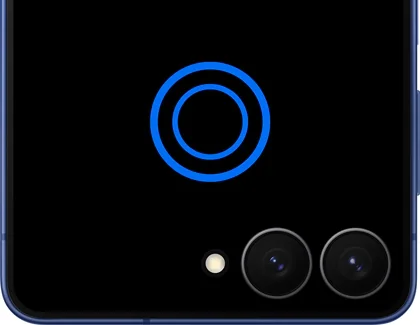
Samsung’s latest foldable arrives from a brand known for polishing practical hardware into stylish everyday tools. Built as a compact, pocket-first flagship, this model aims to marry a truly useful outer screen with flagship camera chops and a roomy inner display—so it’s meant for people who value portability without surrendering creative or productivity features. In the sections ahead we’ll unpack how the 50MP main sensor and FlexCam workflows change selfie and creator habits, why the 4.1" edge‑to‑edge FlexWindow shifts quick‑task behavior, and what the 6.9" 120Hz Dynamic AMOLED means for media and multitasking; we’ll also assess the reworked Armor FlexHinge for durability, the practical gains from a 4,300 mAh battery, and how Armor Aluminum plus Gorilla Glass Victus 2 and IP48 balance feel with protection. If you care about selfie quality, cover‑screen practicality, or pocketable design, read on—this phone rewards some compromises, but only if those compromises match your priorities.
Camera system
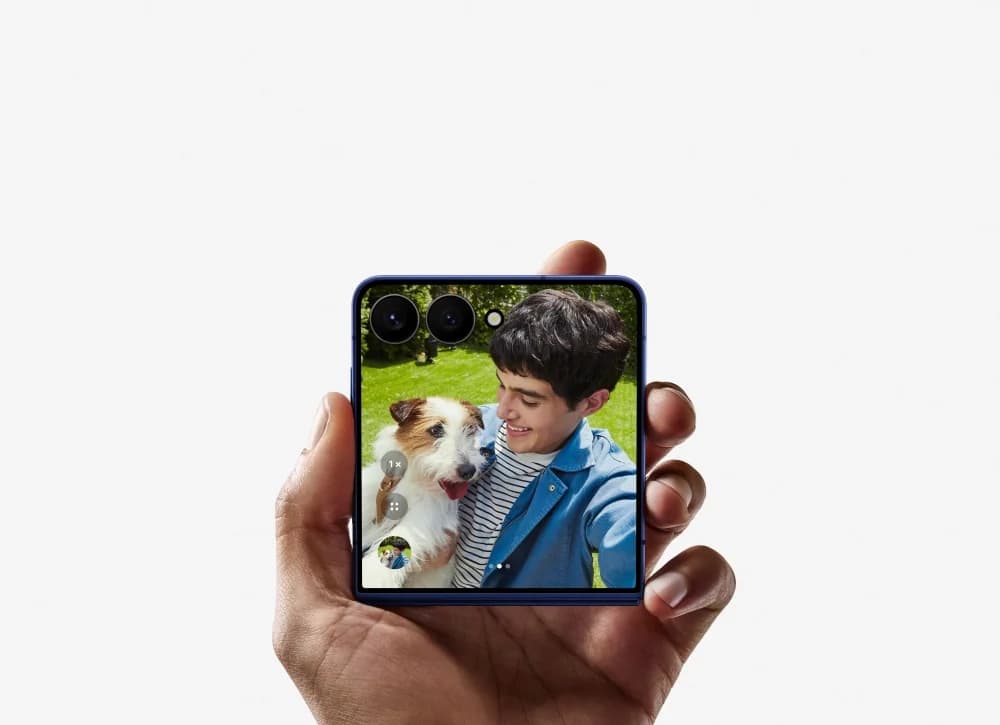
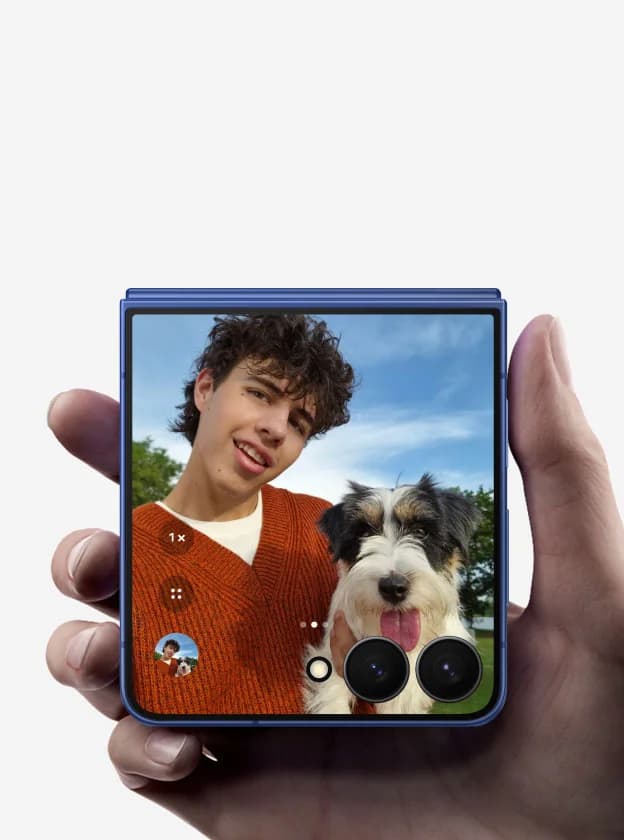
The Galaxy Z Flip7 aims to deliver flagship-level photos without bulking up, and the 50MP main sensor, 12MP ultrawide lens, and FlexCam hands-free workflows are central to that pitch. In real‑world use the main sensor produces sharp daytime shots and lets you use the rear cameras as a true selfie system via the FlexWindow viewfinder, but reviewers and users note the package lacks a telephoto zoom and sometimes leans on AI processing for low‑light fixes, which limits versatility for serious zoom or night‑time photographers.
Hinge durability and mechanism
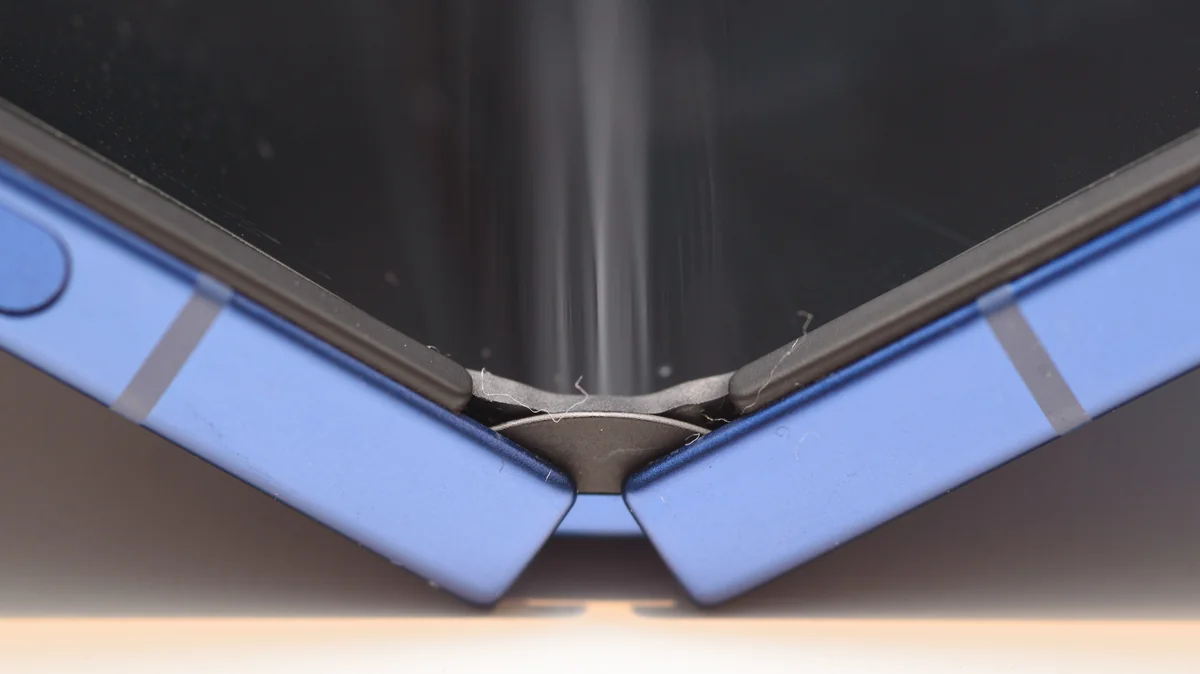
Samsung refined the hinge with an Armor FlexHinge and slimmer profile so the Flip7 folds flatter and feels more refined in hand. Hands‑on testing and long‑term reports praise reduced crease visibility and a sturdier feel, yet forum posts and a few reviewers still mention hinge noise or light marks over months of case‑free use, so durability looks improved but not immune to real‑world wear.
Battery capacity and endurance
Samsung increased the cell to 4,300 mAh aiming for all‑day use while keeping the phone compact, and combined with software optimizations the Flip7 often outlasts prior flips in normal use. That said, reviewers call out only modest gains versus the Flip6, persistent 25W slow charging and occasional warmth under heavy loads, so stamina is better but not transformational for power users.
Main display
Opening the phone gives you a roomy, smooth viewing surface thanks to the 6.9‑inch Dynamic AMOLED 2X, 120Hz refresh, and brighter panel that improves media and multitasking. Reviewers consistently say the main screen makes the Flip7 feel closer to a full flagship in daily use, while noting its Full HD+ resolution is sensible for battery and thermal trade‑offs but not class‑leading for pixel density compared with some slab flagships.
FlexWindow cover display
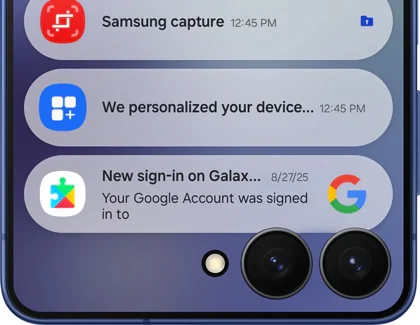
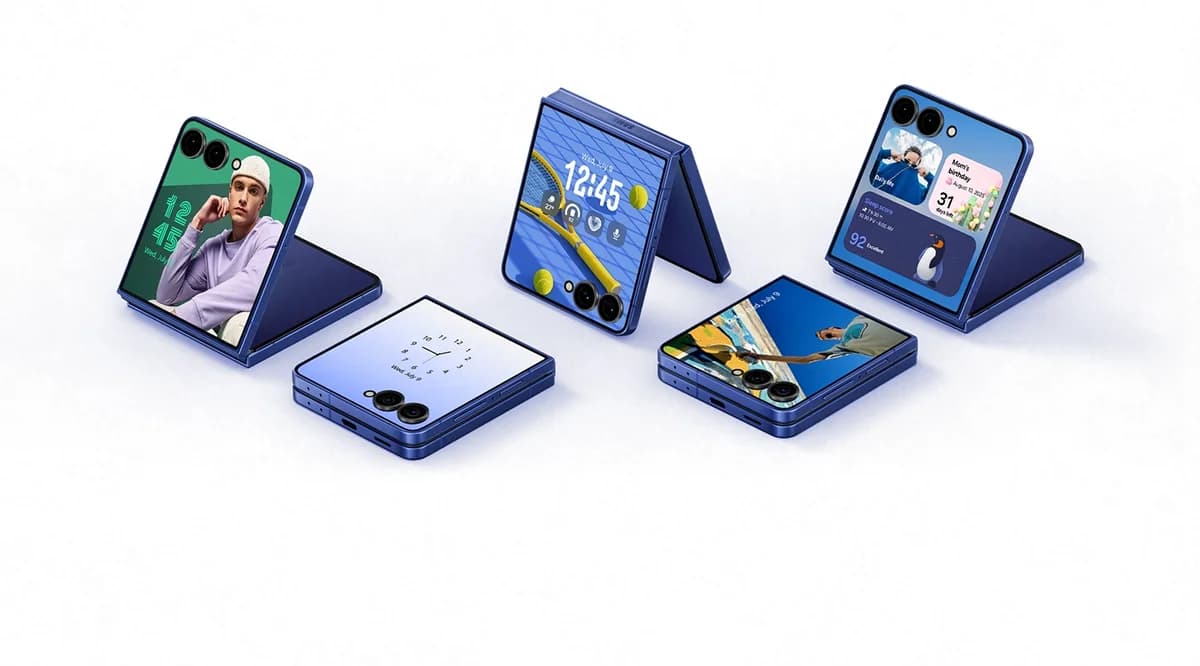
The redesigned outer display finally feels useful, with a 4.1‑inch edge‑to‑edge FlexWindow, Gemini Live and Now Bar integrations for voice and live app snippets, and app shortcuts that reduce folding for quick tasks. Experts praise the utility and call it a meaningful upgrade, though they also flag restrictive third‑party support and occasional setup friction that stop the cover screen from matching Samsung’s idealized workflows in practice.
Build materials and ingress protection
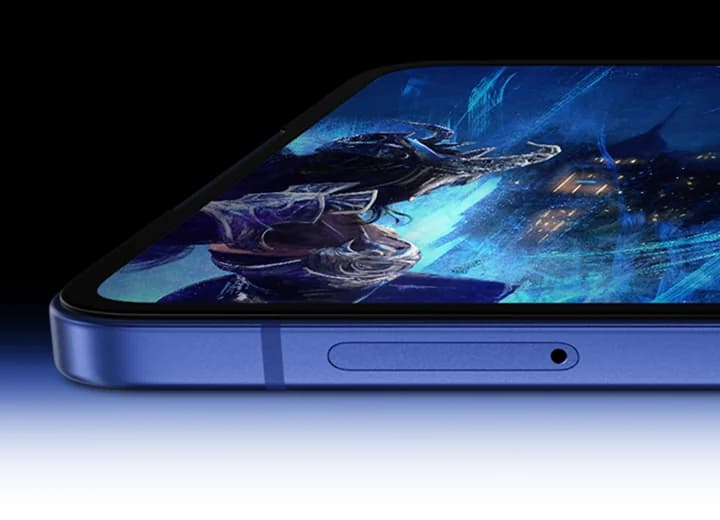
The phone uses Armor Aluminum, Gorilla Glass Victus 2, and an IP48 rating to balance sleekness with protection for a foldable form factor. Experts and users appreciate the premium feel and improved resilience, but warnings about foldable glass fragility and limited dust resistance mean you should still expect delicate handling and possible long‑term cosmetic wear despite the tougher materials.
Conclusion
Here's the final take: after weighing camera chops, cover convenience, screen real estate, hinge work, battery trade-offs, and ruggedness, the Flip7 emerges as a smartly balanced pocket flagship for creators and style-minded users who prize a 50MP main sensor and truly useful FlexWindow cover display for hands‑free selfies and quick tasks, plus a roomy 6.9" 120Hz main display that makes media and multitasking feel modern. Experts praise the refined Armor FlexHinge and reviewers note improved durability, yet real-world voices also warn about modest battery gains and heat under load despite the larger 4,300 mAh cell, and the foldable glass still requires careful handling. If you want an elegant, fun phone that favors portability and cover‑screen workflows over telephoto zoom or peak sustained performance, this is a confident, well‑rounded choice that justifies a cautious buy.

Feature Scores
This reflects reviews and ratings from established critics, journalists, and users who have evaluated the item. Their opinions provide a comprehensive assessment.
Performance
Processor Performance
4/5
Battery Life
4/5
Software Stability & Updates
4/5
Camera System Performance
4/5
Network Connectivity
4/5
Value
Price-to-Performance Ratio
4/5
Resale Value
4/5
Design
Display Quality
5/5
Ergonomics & Comfort
4/5
Materials & Fit/Finish
4/5
Health
RF Emissions
4/5
Blue Light Management
4/5
Safety
Biometric Security
4/5
Data Privacy & Security
4/5
Physical Safety Features
4/5
Sustainability
Repairability & Modular Design
3/5
Energy Efficiency
4/5
Responsible Sourcing
3/5
Experience Style
Customizability
4/5
Ease of Use
4/5
Accessibility Features
4/5

Specifications
This section outlines the product's key facts, covering essential features, details, dimensions, materials, and any unique characteristics that define its functionality and usability.
Performance
Value
Design
Safety
Sustainability
Experience Style

Frequently Asked Questions
2 Questions

Also Consider
1 Option

Find Yours
What's your top priority when choosing a smartphone?
Answer to find your best matches.