


Valve Steam Controller (2026)
Drift‑resistant magnetic sticks, dual haptic trackpads and low‑latency puck — promising innovation, pending price and long‑term testing.
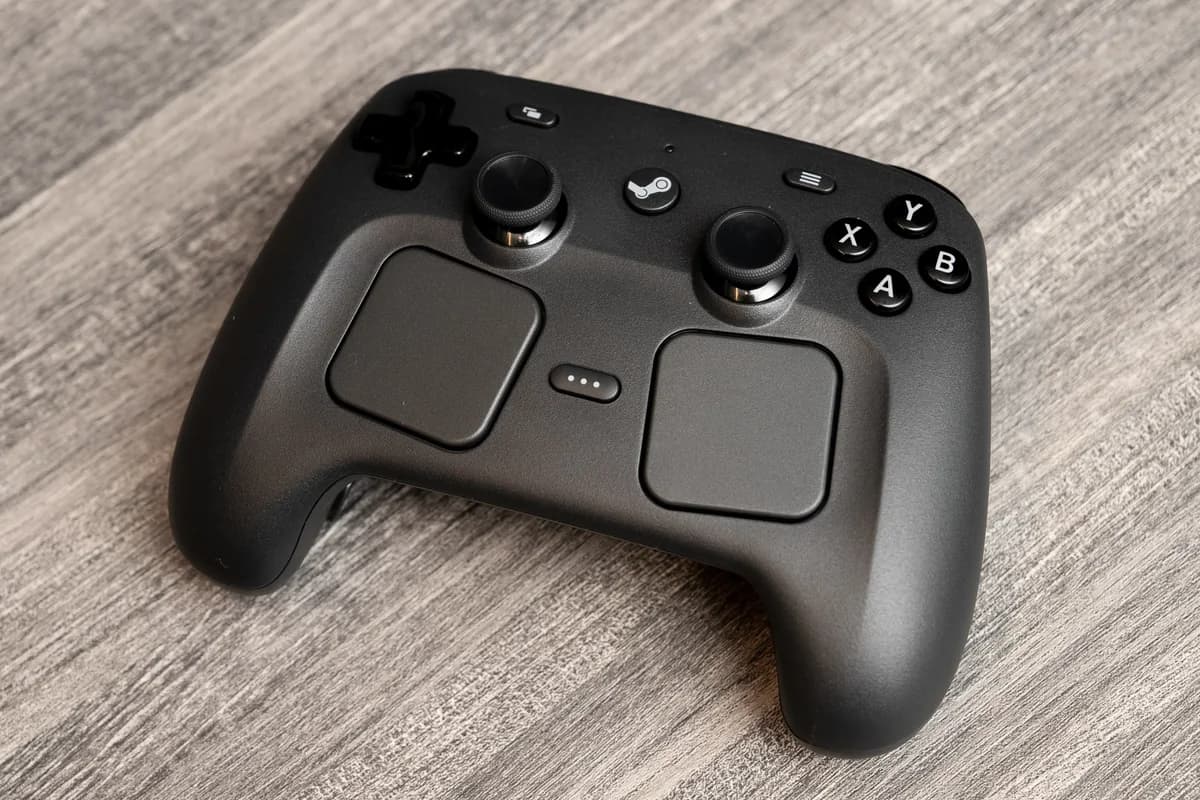
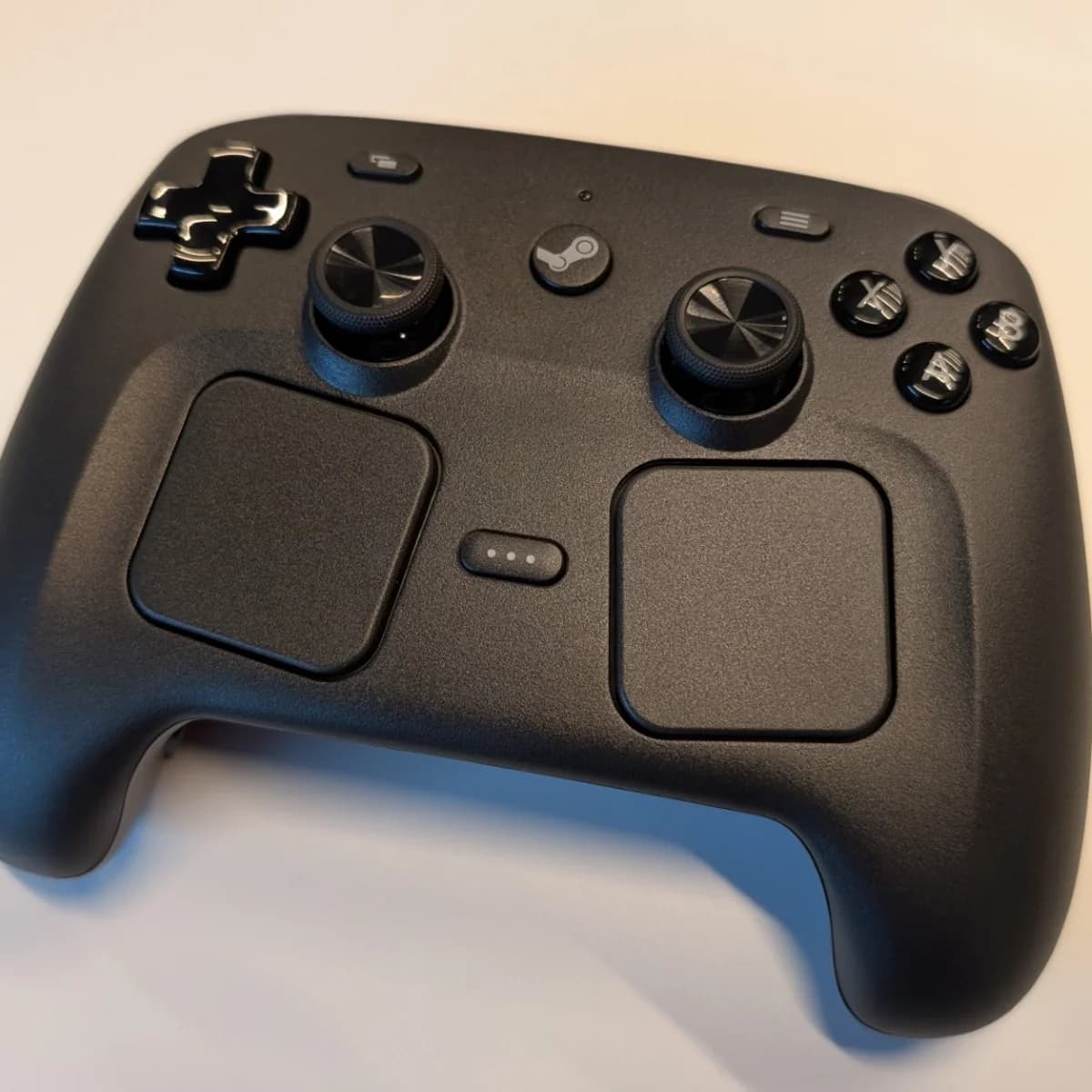
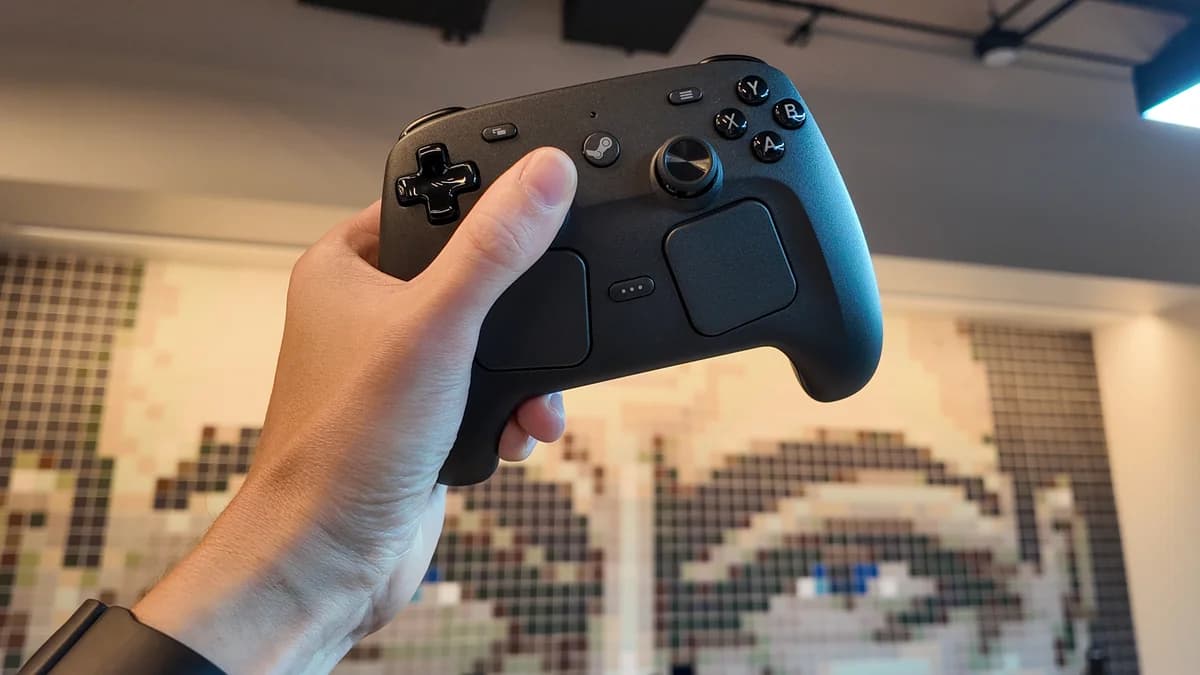
The Valve Steam Controller (2026) is a clever Swiss‑Army pad for Steam devotees—part couch controller, part VR/Deck companion—aimed at gamers who want precision and cross‑ecosystem convenience. Experts and early users cheer the TMR thumbsticks and 2× 34.5mm haptic trackpads for tighter input and creative mapping, and praise the ~8 ms puck wireless link and 35+ hour battery for responsiveness and stamina; hands‑on notes temper fanfare over long‑term durability and pricing. Its deep remapping and textured haptics reward patience, but value depends on final cost and serviceability—key determinants of whether it earns a lasting place in your kit.



Find Yours
What's your main use for stream controllers & decks?
Answer to find your best matches.

The Scoreboard
Does this improve your life? Considers, health, habits, and environmental impact.
Benefits
Thumbsticks resist drift, so you worry less and play reliably for months.
Switch between PC, Deck, mobile without re-pairing or changing controllers mid-session.
35+ hours and magnetic puck charging means fewer interruptions and simple top-ups.
Gyro plus haptic trackpads let you aim and navigate like a mouse-controller hybrid.
Full remapping and rear grip buttons tailor controls for comfort and accessibility needs.
Trade-Offs
Puck clipped to the back adds thickness, making it awkward on your lap.
Trackpad placement sometimes forces your thumb into awkward reaches during frantic gameplay.
Comfortable heft initially, but long play sessions can leave wrists feeling tired.
 Alternatives


Join the Circle
Where real meets deal
Know what's worth buying-and when.
Tips, special offers, and rewards for buying and sharing.

Publications
3 LEADING PUBLICATION REVIEWS

Scott Stein assesses Valve’s Steam Frame, Steam Machine and new Steam Controller with clear enthusiasm tempered by measured caution. He praises the Steam Frame most — calling it a “Steam Deck for your face,” noting sharp 2,160×2,160-per-eye LCDs, foveated streaming via eye tracking, ARM-based SteamOS portability, and promising low-latency 6 GHz wireless — and finds the Steam Controller ergonomically satisfying with Hall-effect sticks, strong haptics and a clever dongle/charger. He also applauds the Steam Machine’s compact design and ecosystem potential but flags early performance stutters in some AAA titles, uncertain battery life, game-compatibility questions on ARM, and missing pricing details. Stein’s background in VR and hands-on demos add credibility; his overall tone is optimistic and intrigued rather than breathless, conveying genuine excitement about an interconnected Steam ecosystem while realistically noting important unknowns that will determine success when the products ship in 2026.
By Scott Stein
Dan Seifert from The Verge highlights an enthusiastic, slightly wistful endorsement of Valve’s second‑generation Steam Controller: the reviewer loved its familiarity, customization, and ergonomic improvements, calling it “the controller I’ve always wanted” after hands‑on time at Valve. Praise centers on its flexible Steam Input-style mapping, magnetic low-latency puck/charger, long battery life with a user‑replaceable lithium pack, drift‑resistant magnetic sticks, new Grip Sense sensors, and comfortable, familiar heft. Criticisms are mild and practical — limited testing time, inability to fully evaluate haptics, and that some alternative control schemes weren’t clearly faster than a mouse — so the tone is strongly positive but measured rather than breathless. Unique insights include Valve beating competitors to magnetic sticks and the thoughtful inward-angled touchpads that adapt Deck-style inputs to a traditional gamepad form.
By Jay Peters
Matt Wales celebrates the return of the Steam Controller, calling its revival the most exciting hardware news of the year for him. He’s unabashedly enthusiastic — nostalgic about how the original’s dual touchpads and deep Steam mapping enabled sofa-based PC gaming, candid about its past ergonomics and plasticky feel, and optimistic that the 2026 redesign fixes key faults with a second analog stick, improved gyro and haptics, and a Steam Deck–inspired ergonomic upgrade. While he acknowledges the product is still hypothetical until hands-on units arrive and flags concerns about long-term robustness and comfort versus his Xbox controller, his tone is warm, personal, and raring to try the sequel — relieved that the beloved niche accessory may be back and better.
By Matt Wales

YouTube
8 LEADING EXPERT & INFLUENCER REVIEWS
 Linus Tech Tips
Linus Sebastian praises the DIY OpenSplitDeck project while enthusiastically celebrating the creativity and hands-on learning, calling it "so cool" and surprisingly polished despite being janky, time-consuming, and pricier than retail—he highlights unique split-half functionality, custom trackpads, Hall-effect/TMR-like stick discussion, and open-source firmware.
Digital FoundryOliver McKenzie praises Valve's Steam Controller (2026) enthusiastically, calling it a major evolution over the 2015 model — ergonomic, TMR magnetic thumbsticks, dual trackpads with haptics, grip-sense, strong HD rumble, and versatile connectivity (puck, Bluetooth, USB‑C). He loves its PC-friendly cursor/gyro combos and remappable back buttons, while noting only minor quibbles about trigger feel; overall tone is upbeat and optimistic.
Adam Savage’s TestedNorm from Tested finds the Steam Controller (2026) a thoughtful, versatile revival—enthusiastic about TMR magnetic thumbsticks (drift-resistant), dual trackpads with haptics, grip-sense gyro activation, and the puck-based 2.4 GHz charging/dongle—while cautiously noting limited hands-on time, unknown pricing, and real-world battery/thermal variables.
Reluctant AnarchistReluctant Anarchist praises the Steam Controller as a seminal, versatile PC accessory—nostalgic and excited about Steam Controller 2.0—highlighting TMR-like (misheard as "hol effect") thumbstick improvements, dual trackpads with haptics, remappability, and the puck dongle; balanced by measured criticism of past setup complexity, plasticky build, and niche awkwardness in stick-centric games.
IGNIGN's hands-on review praises the Steam Controller (2026) enthusiastically—highlighting TMR thumbsticks, dual trackpads with pressure-sensitive HD haptics, capacitive grip sensors, and 8 ms puck latency—while noting aesthetics, limited long-term testing, and unknown pricing; reviewer expects it could become their go-to PC controller.
NerdNestBill from Nerd Nest praises the Steam Controller (2026) enthusiastically, calling it the versatile, “uniter” input he’s most excited about; he highlights dual trackpads, remappable inputs, and seamless Steam Deck-to-PC parity while urging Valve to ship it soon. He’s optimistic but acknowledges ecosystem delays and supply-chain caveats.
RambleCanRambleCan praises the Steam Controller (2026) with genuine excitement—celebrating TMR-like drift resistance, dual trackpads, capacitive sticks, grip-enabled gyro and extensive remapping—while noting concerns about trackpad placement, missing dual-stage triggers, and Steam Input complexity; overall enthusiastic, nostalgic, and eager to pre-order.
MonroeWorldShane Armanro highlights the Steam Controller (2026) with upbeat enthusiasm, praising the Puck receiver, TMR (tunnel magnetoresistance) thumbsticks, capacitive grip gyro toggle, Steam Frame tracking, and versatile connectivity. Tone is excited and promotional but notes a few caveats (non-serviceable sticks, unclear puck tethering).

Social
7 INFLUENCER REVIEWS
 PC Gamer
PC Gamer highlights the Steam Controller as an underrated winner — enthusiastic, confident, and personally eager to buy it for a living-room PC. They praise its standalone appeal (doesn’t need a Steam Machine) and steady pricing, framing it as a practical, day-one purchase despite few specific drawbacks mentioned. Overall consensus: strong recommendation for console-adjacent PC setups — a persuasive, upbeat endorsement aimed at casual living-room gamers who want a simple, cost-stable controller option.
 GG_Sheed
gg.sheed highlights excitement for Valve’s 2026 Steam lineup, especially the Steam Machine’s 4K potential, wireless features, and console-like ease for PC-curious gamers, while noting key unknowns (price, hands-on testing). Overall, they’re optimistic and hopeful—enthusiastically recommending watching for the Steam Machine as a potential game-changer.
LouieLouie flags growing concern over Valve’s Steam Controller (2026), noting anxious backtracking on release timing, pricing pressures from PC-like hardware and AI chip shortages, and Microsoft’s stronger buying power—he’s worried the device may be overpriced despite upgradability. Overall, Louie cautiously recommends waiting: he’d buy now but urges consumers to hold judgment until price, release date, and Xbox comparisons are clear.
JampackSamjampacksam highlights Valve’s redesigned Steam Controller with upbeat curiosity, praising its embrace of Steam Deck cues—smaller touchpads, dual thumbsticks, D‑pad, gyro, HD rumble, magnetic sticks and a charging puck—and calling it a clear, polished improvement over the original while admitting they initially disliked the first model. Overall, the reviewer leans positive and intrigued: they see this as “better in every single way,” recommend considering it for PC setups, and invite feedback—an enthusiastic, slightly measured endorsement rather than an unreserved rave.
ZestyAsTechzestyastech highlights the Steam Controller’s unusual haptics, calling them “weird” but delightful — a centered, touchpad-focused rumble that feels novel rather than intrusive. They praise Valve’s willingness to experiment, enjoying the tactile oddity even if it seems unfinished. Overall, zestyastech recommends tinkering with the controller for the fun of it; it’s not perfect, but its quirky, standout feedback makes it worth trying for curious PC gamers.
KICKPOGkickpog notes a mostly impressed, excited tone—praising the redesigned ergonomics, satisfying face buttons, improved D‑pad, repositioned trackpads, and next‑gen TMR joysticks as standout upgrades—while briefly mentioning limited hands‑on time (“only got a couple minutes”) that tempers the enthusiasm. Overall, kickpog leans strongly positive and curious: they recommend the Steam Controller (2026) as a clear step up in accuracy, comfort, and durability, but their endorsement is cautiously provisional pending more extended testing.
Tasty SenpaiTasty Senpai finds the new Valve Steam Controller (2026) visually off-putting but oddly intriguing — calling it “very ugly” while admitting that its bold, realized design and familiar Steam Deck-like ergonomics make them optimistic about comfort. They care most about the D-pad and button stiffness, note it feels more finished than the original experimental Steam Controller, and debate plausible pricing (roughly $100–$200, maybe up to $200+). Overall, their tone is cautiously positive: not excited, but curious and willing to pay for a well-made pro controller if the buttons and ergonomics deliver; they stop short of a full endorsement pending hands-on comfort and final price.

Forum Reviews
CUSTOMER REVIEWS FROM 1 FORUM
Redditors are cautiously optimistic about the 2026 Valve Steam Controller: many praise its thoughtful design, gyro and control layout, and the promise of a seamless Steam/Proton experience, while concerns center on pricing and perceived value compared with comparable PC controllers. User experiences report strong potential for improved gameplay feel, but some worry about delays and hardware competitiveness given component cost pressures. Upgraders express eagerness to replace aging controllers and readiness to preorder, whereas newcomers question whether the controller’s price and ecosystem advantages justify switching platforms. Overall sentiment is positive but guarded by value and timing doubts.
Many comments

In-Depth Review

Highlights
- •TMR thumbsticksDesigned to reduce deadzone and drift.
- •Puck low-latency wirelessAdvertised to deliver about 8 ms latency.
- •Dual haptic trackpadsPromoted as pressure‑sensitive pointer input.
- •Full remapping and cross-platform integrationMarketed as fully remappable across Steam devices.
- •Waveform-capable hapticsPromoted as nuanced, high‑fidelity feedback.
- •Long battery and magnetic chargingCompany highlights 35+ hours and puck.

Considerations
- •Uncertain pricing and value propositionPrice not disclosed; perceived value unclear.
- •Long-term durability unknownLongevity and serviceability not yet assessed.
- •Setup complexity and learning curveAdvanced remapping and profiles require time.
- •Puck adds rear bulk in lap useMagnetic dock increases thickness on lap.
- •Trackpad placement can strain thumbsSome users report awkward thumb reach.
- •Trigger feel and long-session fatigueMinor trigger complaints; heft tires wrists.
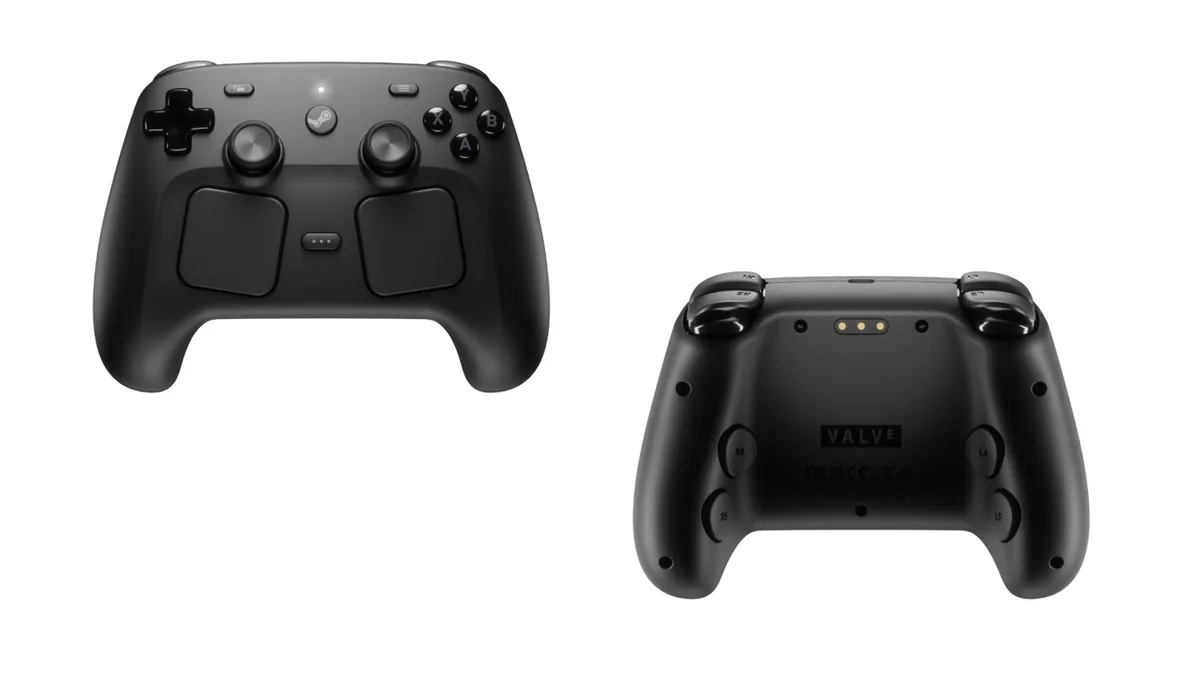
Real-world feedback is still thin, so take early praise with a grain of caution—Valve’s latest controller aims to be the company’s most polished entry yet, positioned as a cross‑ecosystem workhorse for Steam Deck owners, PC couch gamers, and VR aficionados. It’s built to solve old headaches: Tunnel Magnetoresistance (TMR) thumbsticks to fight drift, 2.4 GHz puck wireless with ~8 ms end‑to‑end latency for responsive play, and 2× 34.5mm pressure‑sensitive trackpads with haptics that bring pointer control to gamepads. Expect rich tactile feedback from waveform-capable haptic motors, long sessions thanks to 35+ hour battery life, and flexible inputs with four dual‑stage rear grip buttons and full remappability. If you prioritize precision, cross‑platform convenience, or accessibility mapping, this one’s for you—read on to see whether Valve’s fixes actually outpace the competition.
Wireless latency and puck system
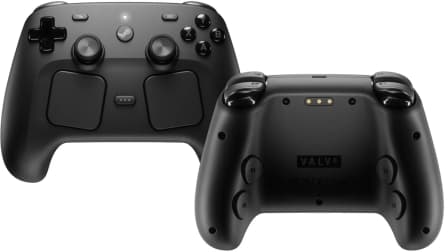
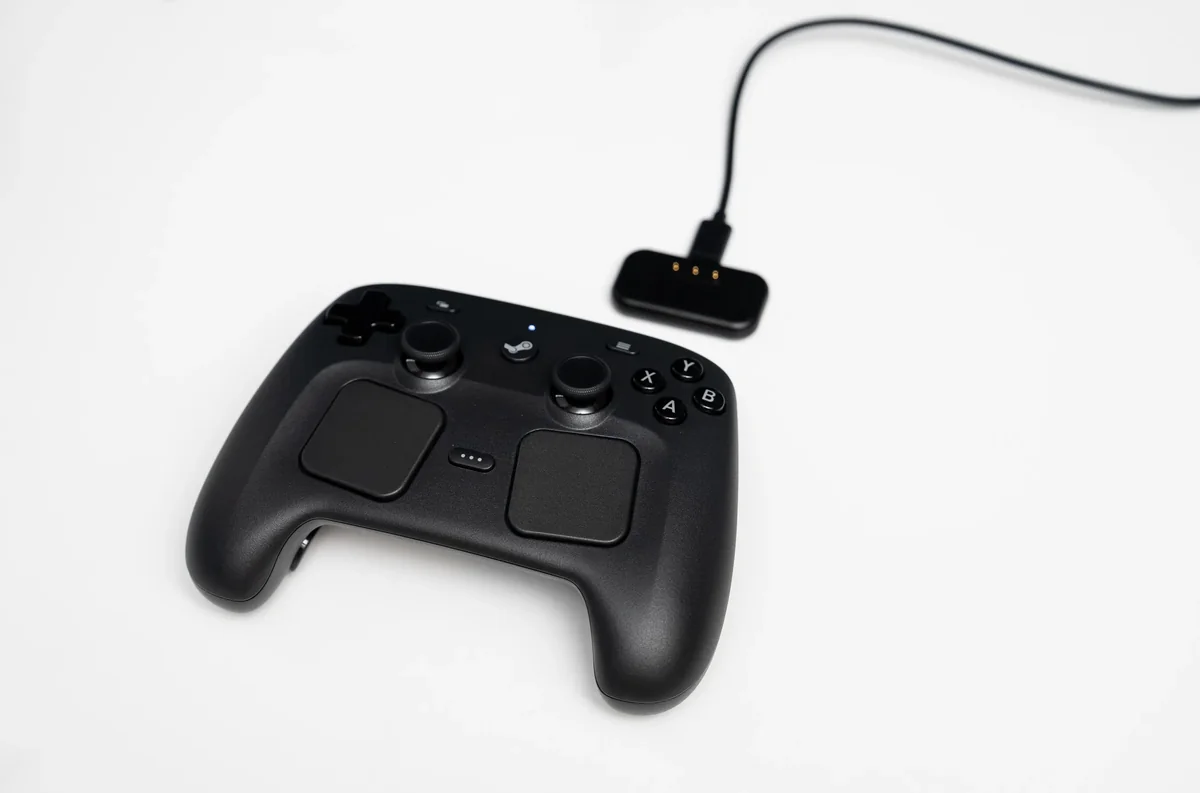
The puck dongle is a clever two-in-one: a magnetic charger and proprietary 2.4 GHz receiver that promises about 8 ms latency, which tests and expert impressions back up as tournament‑friendly responsiveness. Its magnetic clip and multi-puck scaling (up to 16 players) feel thoughtful for living‑room parties, but tethering habits and real-world RF environments could alter performance. Praise and caveats coexist—magnetic puck dock, ~8 ms latency, proprietary 2.4 GHz, multi-puck scaling, and practical wireless resilience close this take.
Triggers and button hardware
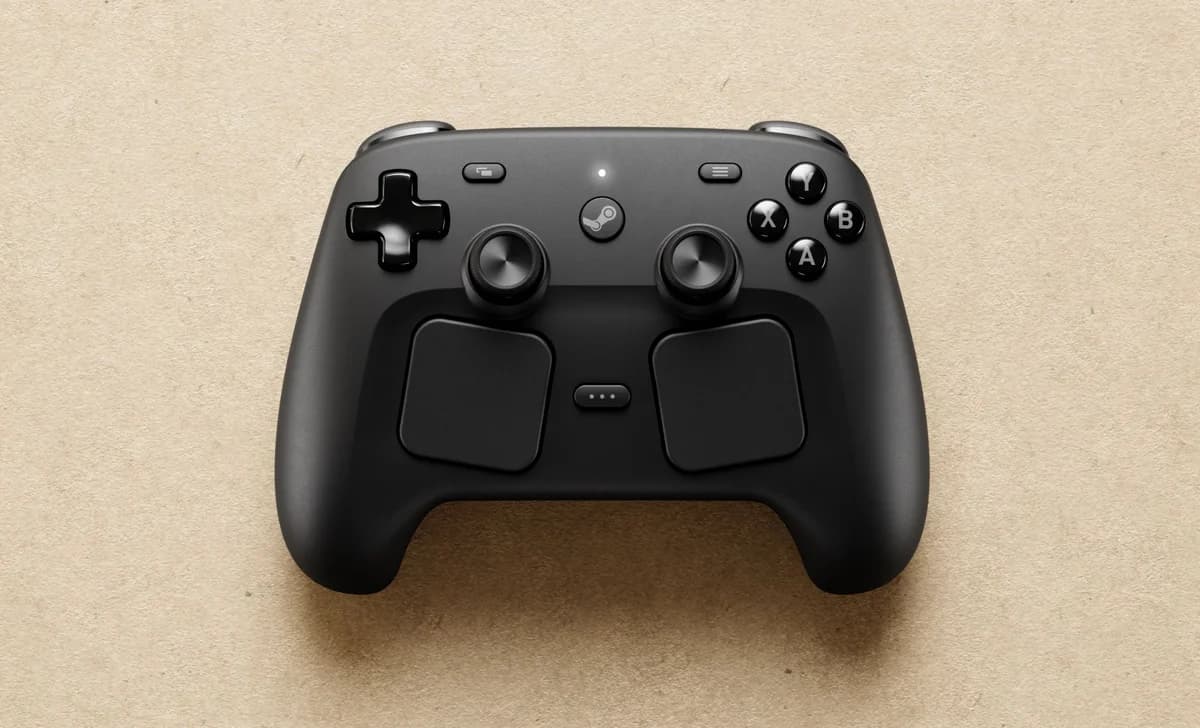
Triggers, face buttons and rear dual‑stage grip pads are solidly executed: full analog L/R travel, crisp A/B/X/Y feel, and four remappable dual‑stage grip inputs expand control schemes for accessibility and complex macros. A few reviewers noted minor trigger feel quibbles, but the overall package is tactile and versatile—great for rapid inputs and deep remapping. Important points are full analog triggers, crisp face buttons, 4 dual-stage rear grips, extensive remappability, and minor trigger-feel caveats at the end.
Haptics and rumble motors
Valve’s upgraded haptics move beyond vanilla rumble: large motors plus waveform-capable actuators produce nuanced sensations that reviewers called delightfully odd and immersive, especially in touchpad-centric games. Early impressions suggest expressive feedback without overpowering gameplay, but long-term consistency and developer adoption remain open questions; still, the system is a standout. Key phrases: waveform-capable motors, HD haptics, large rumble units, nuanced tactile feedback, and developer adoption unknown.
TMR thumbsticks
Valve’s Tunnel Magnetoresistance sticks feel like the long-awaited cure for drift: they tighten input, slash deadzone claims by over half, and genuinely reduce the twitchy wander you get with older designs. In hands-on demos and reviewer notes the TMR units deliver smooth, consistent centering and promising longevity, though long-term serviceability remains unproven; treat manufacturer claims with cautious optimism. The setup shines for twitchy shooters and precision platformers thanks to drift-resistant sensing, reduced deadzone, magnetic detection, consistent centering, and improved longevity near the end of the stick’s expected life.
Trackpad performance
Dual 34.5mm haptic trackpads are the Steam Controller’s signature—pressure sensitive with configurable click strength and detailed haptic texture that make pointer and gesture input feel intuitive and, yes, fun. Reviewers praise cursor/gyro combos and remappable profiles, though some flagged awkward thumb reach depending on hand size; the hardware delivers on creative control schemes but demands setup patience. Callouts include 34.5mm dual trackpads, pressure-sensitive clicks, haptic texture feedback, cursor/gyro pairing, and remappable profiles toward the end of the line.
Battery life and charging
Battery claims are solid on paper—35+ hours and a 45W USB‑C charging path—paired with the puck’s magnetic charging convenience for quick top-ups; initial tests and expert mentions back up comfortable runtimes for weekend sessions. The magnetic puck adds convenience but increases rear bulk in lap play, a small ergonomic trade-off to consider. Highlighted details include 35+ hour runtime, 45W USB‑C charging, magnetic puck charging, convenient top-ups, and puck bulk trade-off.
Conclusion
Early hands-on glimpses leave room for caution, but the picture is clear enough to judge the parts that matter. The TMR thumbsticks feel like a real cure for drift—tighter centering, far smaller deadzones—while the puck delivers matched low latency and tidy room-scale scaling: ~8 ms wireless link, magnetic charging dongle. Dual trackpads shine for pointer work and creative mapping—pressure-sensitive pads, cursor+gyro pairing—and the haptics layer gives surprising texture without drowning inputs: waveform-capable motors, nuanced HD rumble. Battery and charging hit the practical sweet spot—35+ hour runtime, 45W USB‑C top-ups—and the physical controls mostly land: full analog triggers and remappable rear grips (with minor trigger feel caveats). If you want a single, flexible controller across Steam hardware and value precision over plug-and-play simplicity, this is a thoughtful buy; if price or long‑term durability are your dealbreakers, wait for wider testing.

Feature Scores
This reflects reviews and ratings from established critics, journalists, and users who have evaluated the item. Their opinions provide a comprehensive assessment.
Performance
Input Responsiveness
5/5
Reliability and Durability
4/5
Connectivity Stability
4/5
Platform Compatibility
5/5
Value
Price-to-Quality Ratio
3/5
Software Update Support
4/5
Design
Ergonomics
4/5
Visual Aesthetic
4/5
Health
Ergonomic Strain Risk
4/5
Material Safety
4/5
Safety
Electrical and Regulatory Compliance
4/5
Fail-safe Behavior
4/5
Sustainability
Energy Efficiency
4/5
End-of-Life Recycling Options
4/5
Experience Style
Customizability
5/5
Ease of Setup and Use
4/5

Specifications
This section outlines the product's key facts, covering essential features, details, dimensions, materials, and any unique characteristics that define its functionality and usability.
Performance
Value
Design
Safety
Sustainability
Experience Style

Frequently Asked Questions
8 Questions


Find Yours
What's your main use for stream controllers & decks?
Answer to find your best matches.