Pimax Crystal Light
Ultra-high resolution and vivid QLED visuals deliver immersive sim experiences, with some comfort trade-offs.
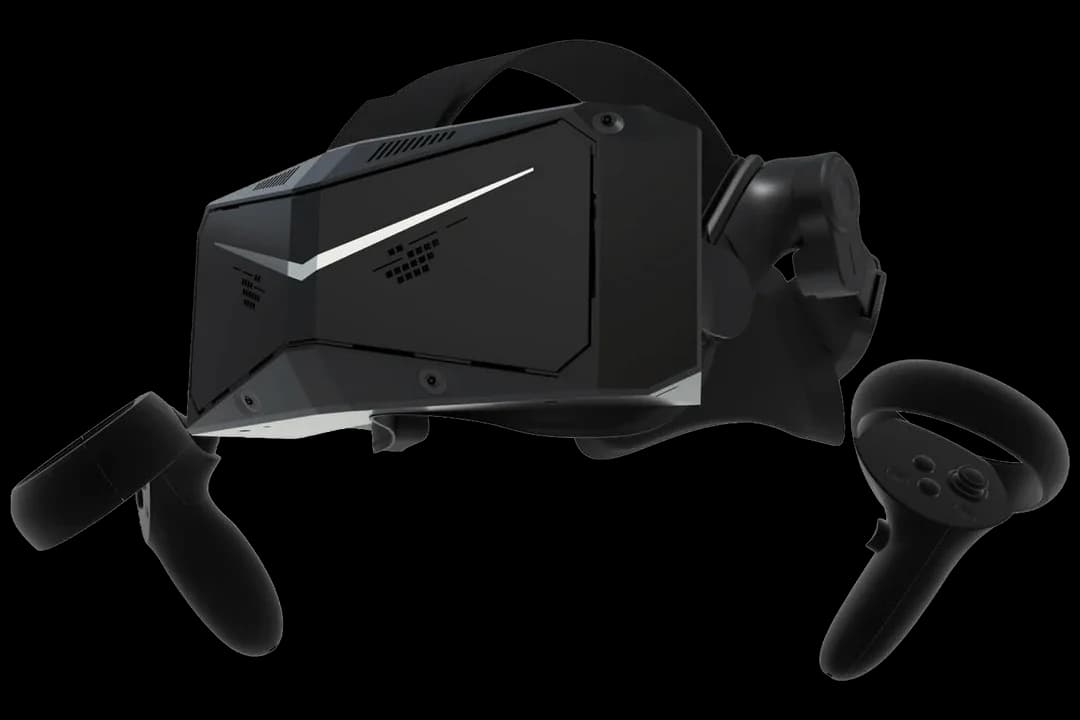
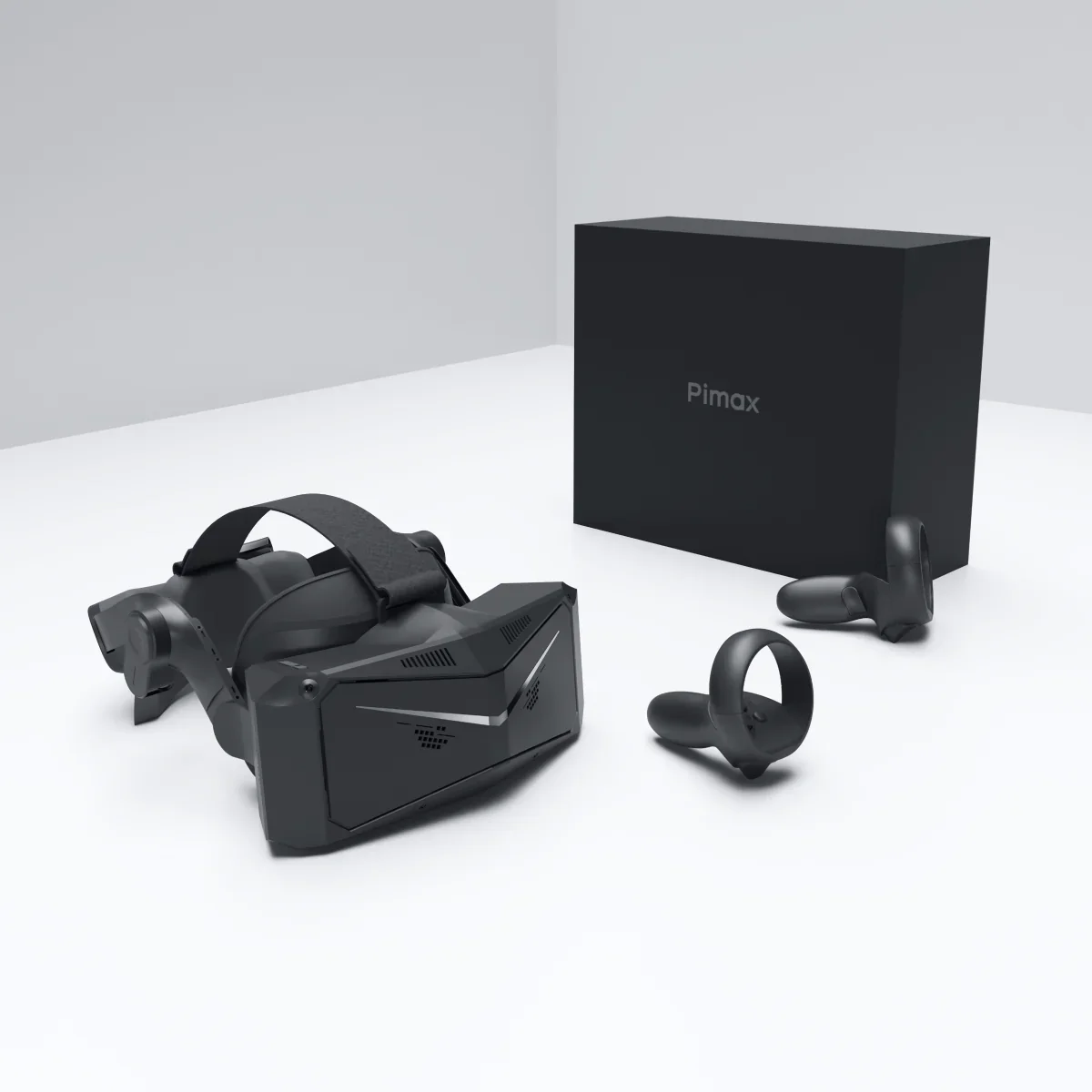
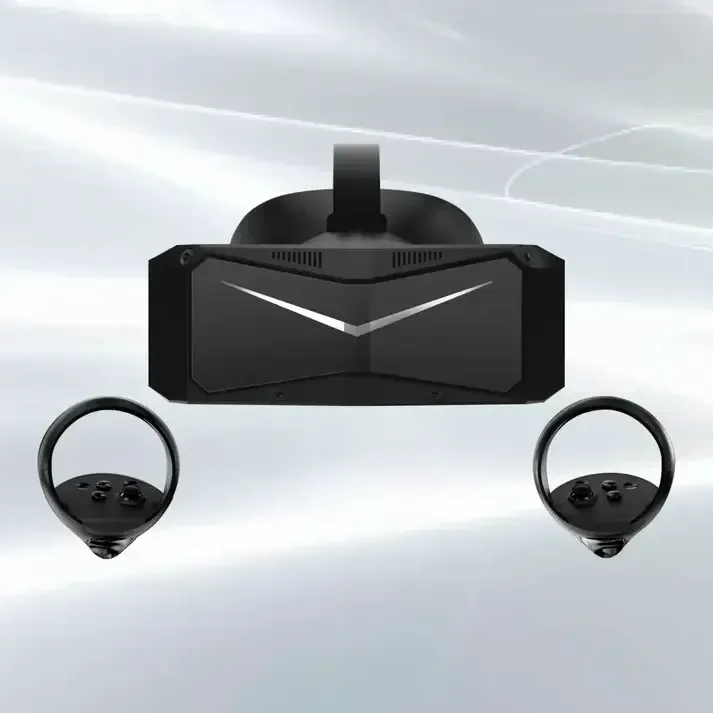
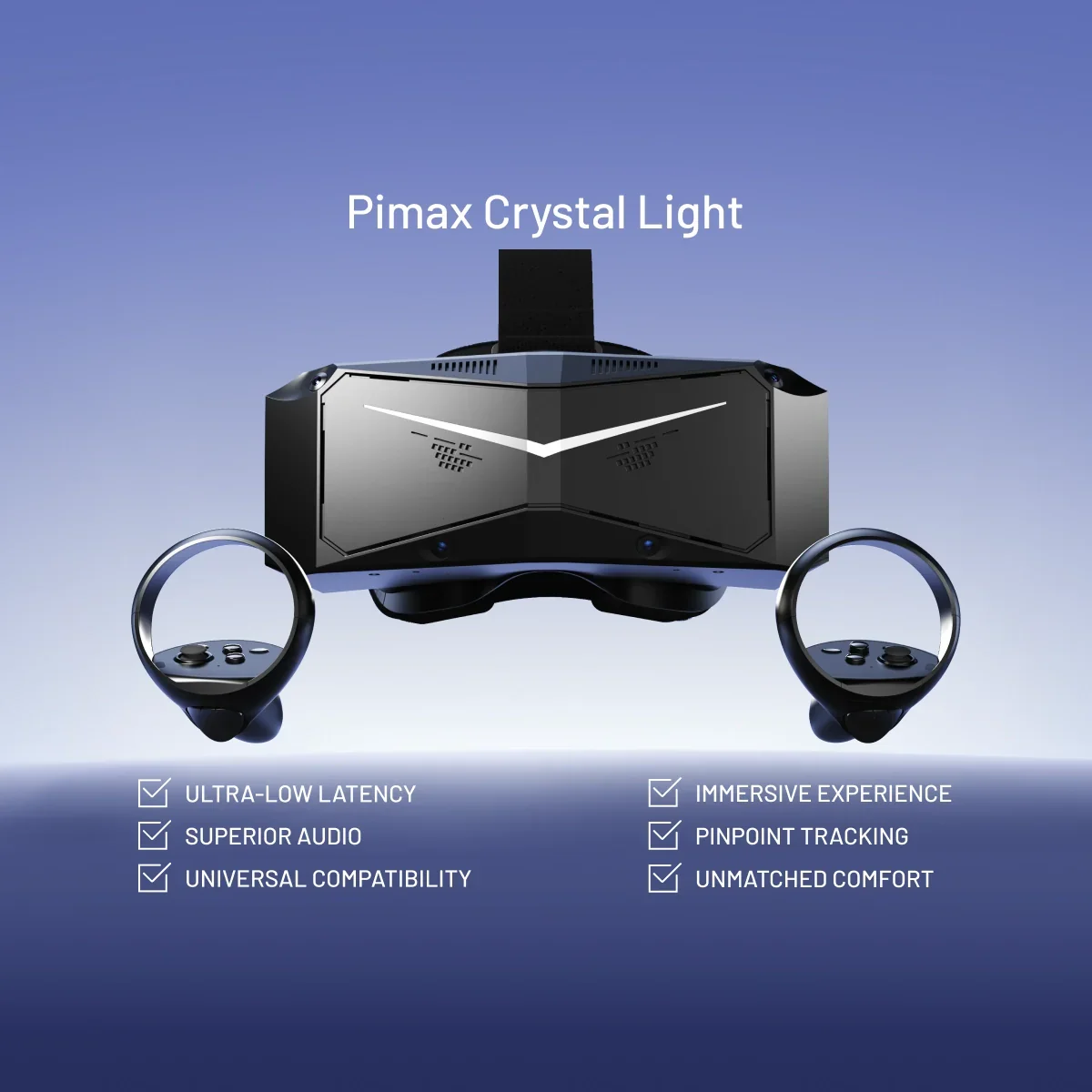
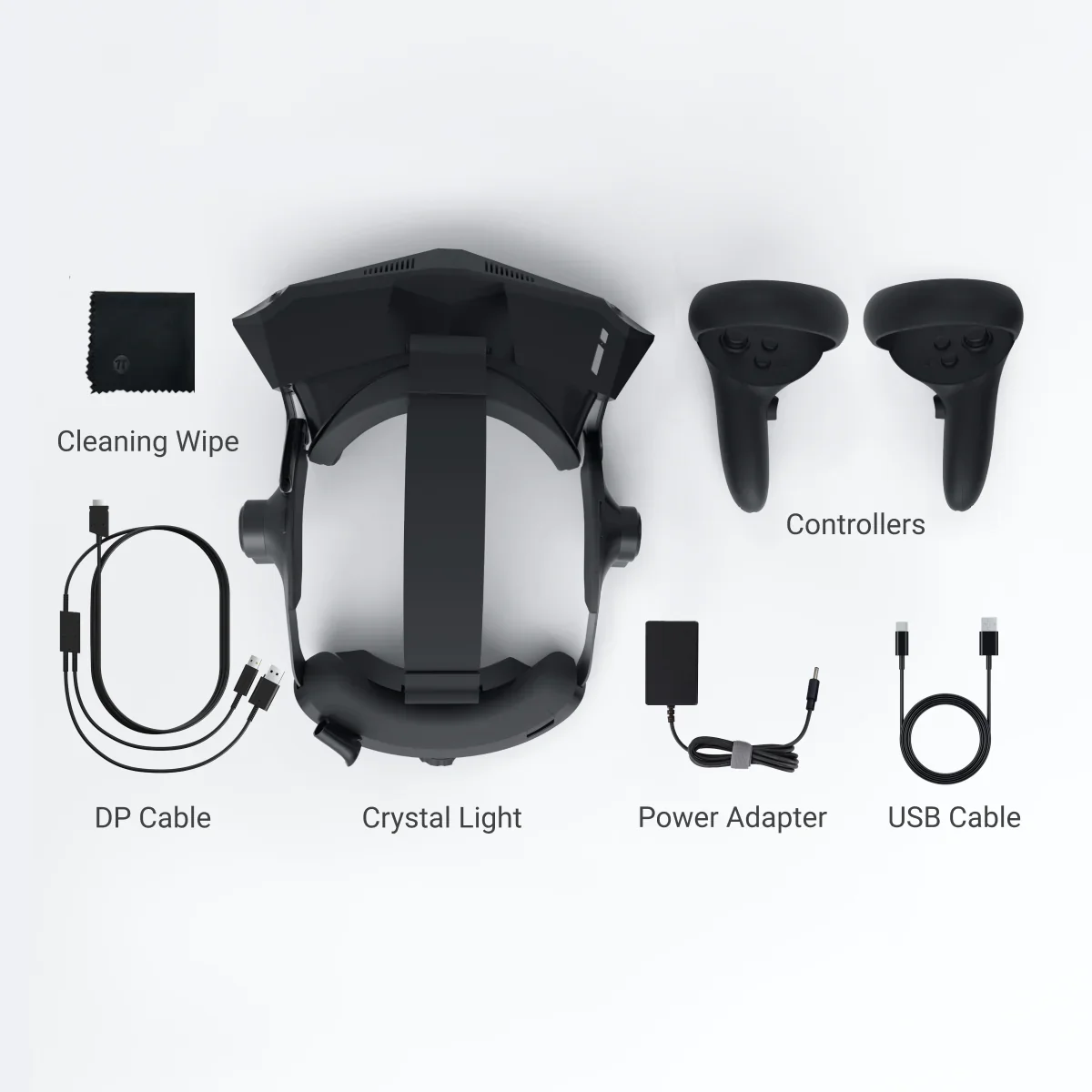
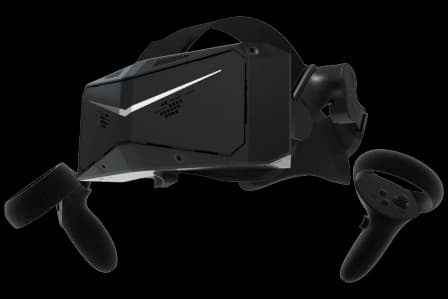
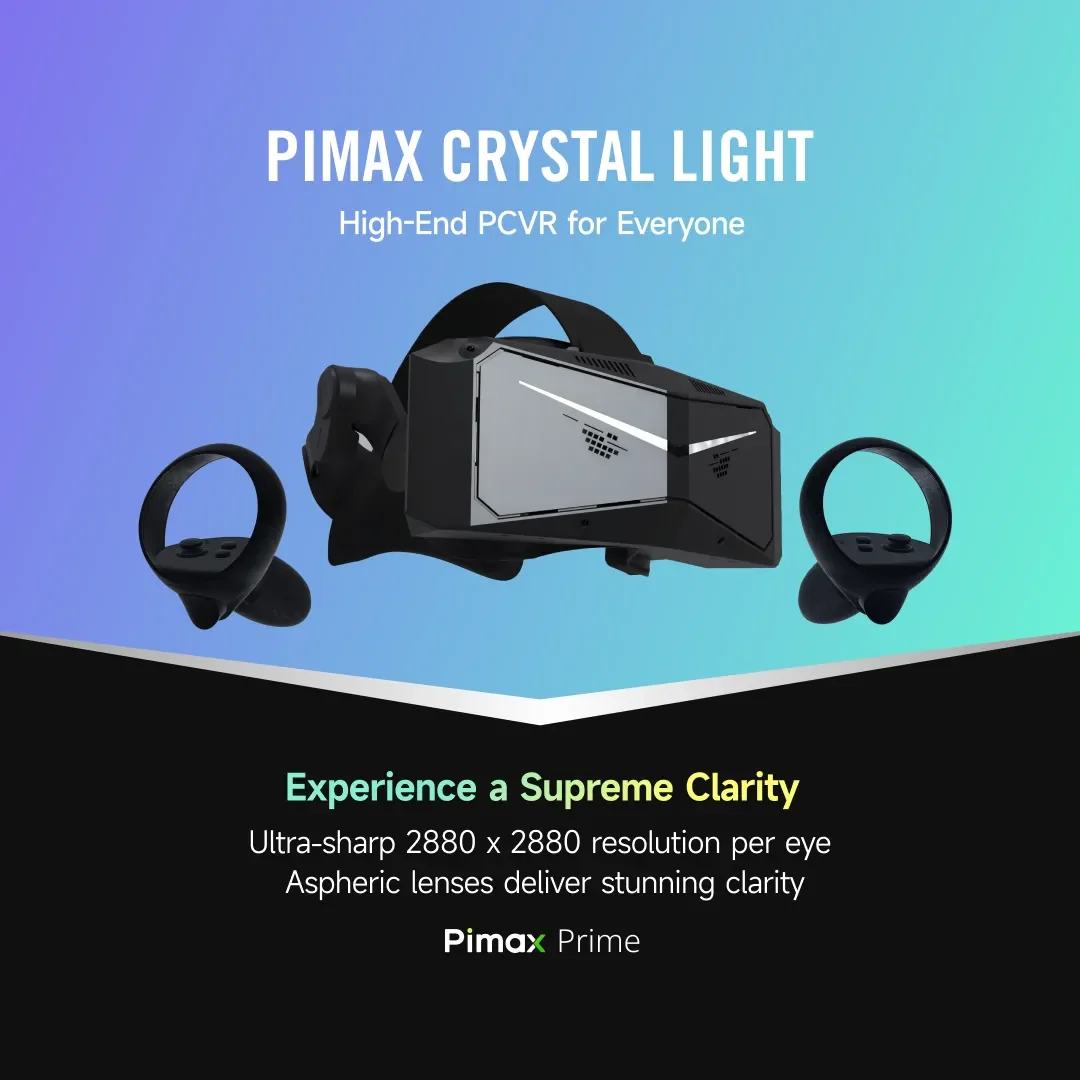
The Pimax Crystal Light is a sharp-as-a-tack PCVR headset designed for sim racers and flight sim fanatics craving ultra-real cockpit clarity. Boasting an eye-popping 2880x2880 resolution per eye and vivid QLED + Mini-LED displays, it delivers visuals that practically erase the screen-door effect. Experts applaud its glass aspheric lenses with manual IPD adjustment, though many note its bulky, front-heavy design can weigh on comfort during long sessions. Its hassle-free inside-out 6DoF tracking impresses but occasionally stumbles under fast motion. Priced near $887, it offers premium optics without breaking the bank, yet wired tethering and mixed audio quality temper its all-around appeal—making immersion king in this wired package.
Find Yours
What is your primary use for a VR headset?
Answer to find your best matches.

The Field
Browse top contenders, or compare all options ranked by score and key attributes.
1 Option

The Scoreboard
Does this improve your life? Considers, health, habits, and environmental impact.
Benefits
Ultra‑high 2880×2880 per‑eye QLED+Mini‑LED displays reduce pixel strain and improve visual comfort.
Glass aspheric lenses (vs. Fresnel) enlarge sweet spot, lowering eye fatigue and distortion.
Wide 105° FOV and high pixel density deepen presence, aiding focus and flow in sims.
Variable 60–120Hz and fixed foveation 2.0 improve frame stability, reducing motion‑sickness risk.
Integrated spatial sound reduces extra gear, improving immersion and lowering setup‑related stress.
Trade-Offs
Heavy 815g and front‑loaded balance can cause neck strain and shorter comfortable sessions.
Permanent DisplayPort/USB tether restricts movement and active play, reducing incidental physical activity.
Mini‑LED arrays and glass optics increase material complexity, likely raising embodied carbon versus plastics.
2880×2880 per‑eye demands powerful GPUs, increasing ongoing electricity use and heat generation.
 Alternatives


Join the Circle
Where real meets deal
Know what's worth buying-and when.
Tips, special offers, and rewards for buying and sharing.

Publications
8 LEADING PUBLICATION REVIEWS

Digital Trends’ Alan Truly highlights the Pimax Crystal Light as a standout affordable PC VR headset, delivering impressive visual clarity and comfort at a significantly lower price than the flagship Pimax Crystal. Praising its high-density 2880-by-2880 QLED displays with mini-LED local dimming and aspheric lenses, Truly emphasizes the headset’s sharp, bright image quality and customizable settings, including adjustable foveated rendering. While noting the absence of eye-tracking, standalone mode, and wireless options, he finds these trade-offs reasonable given the $899 price point and the headset’s reduced weight and solid build. Truly underscores the Crystal Light’s suitability for SteamVR gamers and sim racers with mid- to high-end gaming PCs, offering visually lossless DisplayPort connectivity and strong performance. Although not ideal for VRChat or mixed reality, the review positions the Crystal Light as a compelling upgrade over older PC VR headsets and a practical choice for users seeking premium visuals without the ultra-premium price tag.
By Alan Truly
James Bentley from PC Gamer delivers a cautiously critical yet insightful assessment of the Pimax Crystal Light VR headset. While praising its ultra-high resolution (2880 x 2880 per eye) and bright aspheric Mini-LED lenses that deliver exceptional clarity and a wide 115-degree field of view, Bentley highlights significant drawbacks that temper enthusiasm. The headset’s bulky, front-heavy design and proprietary, cumbersome cabling make it uncomfortable and restrictive, especially for active VR gaming. Setup complexity and the need for a powerful PC further narrow its appeal. However, Bentley identifies a clear niche strength: sim racing and cockpit-style games, where the immersive visuals and wide FOV shine while the headset’s weight and tethering are less problematic. Overall, the review conveys a mixed but thoughtful tone—admiring the visual fidelity and specific use cases but warning that the Pimax Crystal Light’s compromises in comfort, portability, and ease of use limit its broader appeal.
By James Bentley
Luke Baker from Trusted Reviews highlights the Pimax Crystal Light as a focused, high-end tethered PC VR headset that delivers exceptional visual fidelity without the complexity of its predecessor’s standalone mode. Praising its stunning dual QLED MiniLED displays, large sweet spot, and minimal optical artifacts, he emphasizes the headset’s suitability for seated experiences like sim racing rather than active games due to its size and weight. The review appreciates the simplified design, improved comfort, and modular audio upgrade, while noting trade-offs such as the loss of eye tracking, a non-removable heavy cable, and somewhat uninspired controllers. Baker also points out a minor Steam VR menu glitch and a confusing pricing model involving upfront payment plus optional financing. Despite these drawbacks, he considers the Crystal Light a solid value for PC VR enthusiasts prioritizing image quality, especially compared to pricier competitors, making it a logical and well-executed refinement of the original Crystal headset.
By Luke Baker
Alex Berry from GamesRadar+ delivers a cautiously critical yet insightful assessment of the Pimax Crystal Light VR headset. While praising its standout feature—the stunning 2880x2880 per eye QLED displays that offer exceptional clarity and color depth—Berry highlights significant drawbacks that temper enthusiasm. The headset’s bulky, industrial design and front-heavy weight distribution undermine comfort, and the build quality feels surprisingly cheap for its steep $899/£729 price. Wired-only connectivity, a cumbersome cable, and inconsistent controller tracking further limit usability, especially for active or casual gamers. Performance issues on a solid mid-range PC setup reveal the headset’s demanding hardware requirements, making it unsuitable for most users. Berry positions the Crystal Light as a niche, high-end device best suited for static, precision-focused simulations rather than general gaming, noting its potential as a tech showcase rather than a polished consumer product. Overall, the review conveys a tone of guarded disappointment mixed with respect for Pimax’s display technology innovation.
By Alex Berry
John Yan from Gaming Nexus highlights the Pimax Crystal Light as a compelling VR headset, especially for simulation enthusiasts seeking high resolution and a wide field of view at a more accessible price than the flagship Pimax Crystal. He praises its glass aspheric lenses combined with QLED mini-LED displays for delivering vibrant colors, excellent clarity, and minimal screen door effect, elevating immersion in detailed sim games like Microsoft Flight Simulator and Half-Life Alyx. The local dimming feature enhances black levels impressively, though its effectiveness varies by game and scene. Yan notes solid build quality and comfort for longer sessions, despite the headset’s larger size and front-heavy balance. He points out some drawbacks, including finicky IPD adjustment, somewhat average controllers, a thick tethered cable, and the need for game-specific visual tuning due to high resolution demands. While less suited for fast-paced action games due to headset wobble and weight, the Crystal Light stands out as a strong, well-rounded choice for sim gamers looking to upgrade from the HP Reverb G2.
By John Yan
Ron Burke from GamingTrend highlights the Pimax Crystal Light as a specialized, enthusiast-focused PCVR headset that excels in delivering exceptional visual clarity, particularly for sim racing and flight simulation fans. Praising its QLED panels with quantum dot technology, aspheric lenses, and local dimming, Burke emphasizes the headset’s sharp resolution (2880x2880 per eye) and superior pixel density, which together create breathtaking detail and immersive realism unmatched by mainstream options like the Meta Quest 3. He notes the headset’s rock-solid inside-out tracking and innovative fixed foveated rendering that boosts performance without eye tracking hardware. However, Burke also points out notable drawbacks, including an uncomfortable facial interface without an add-on cushion, poor passthru camera quality, and limited suitability for active VR gaming due to weight and tethering. The review balances enthusiasm for the Crystal Light’s visual fidelity and niche appeal with measured critiques on comfort, passthru, and usability, ultimately recommending it as a high-end, purpose-built device for dedicated PCVR enthusiasts rather than casual users.
By Ron Burke
Vasco Ferreira from MSFS Addons highlights the Pimax Crystal Light as a compelling mid-range PCVR headset that excels in delivering exceptional visual clarity and immersion, particularly for simulation enthusiasts like Microsoft Flight Simulator users. Praising its high-resolution QLED displays (2880×2880 per eye) and wide 115-degree field of view, Ferreira emphasizes the headset’s ability to reduce screen door effect and provide sharp, detailed imagery that enhances cockpit realism. Comfort improvements, including significant weight reduction and better strap design, make extended sessions more feasible despite the headset’s large form factor. While the review acknowledges the absence of advanced features such as eye tracking and standalone capability, it frames these omissions as deliberate trade-offs to achieve affordability and focus on core VR performance. Ferreira also notes the basic built-in audio but appreciates the optional premium upgrade. Overall, the review conveys a very positive, enthusiastic tone, recommending the Crystal Light as an excellent upgrade for PCVR users prioritizing visual fidelity and immersion over extra features.
By Vasco Ferreira
Daan from FSElite highlights the Pimax Crystal Light as a thoughtfully refined VR headset tailored especially for flight simulation enthusiasts. Building on the original Crystal’s impressive display technology, the Crystal Light retains the same high-resolution QLED panels and wide field of view, delivering vibrant colors and immersive visuals that truly enhance the flight sim experience. Notably, Pimax has removed features like eye tracking, onboard processing, and battery packs, resulting in a lighter, smaller, and more affordable headset without sacrificing core visual quality. The review praises improved ergonomics and the integration of OpenXR runtime for easier setup, though some software quirks like persistent login prompts remain. Performance is generally strong, with flexible rendering options and fixed foveated rendering providing good frame rates, albeit with occasional peripheral artifacts. While a powerful PC is still required, the Crystal Light’s balance of display excellence, comfort, and price makes it a compelling choice for serious simmers seeking premium VR immersion.
By Daan

YouTube
18 LEADING EXPERT & INFLUENCER REVIEWS
 optimum
Optimum praises the Pimax Crystal Light for its impressive 6K resolution, large optical sweet spot, and superior image crispness, making it ideal for seated sim racing. However, he criticizes its heavy weight, narrow effective FOV, and poor inside-out tracking, recommending a Lighthouse setup for best performance.
MRTV - MIXED REALITY TVSebastian from MRTV praises the Pimax Crystal Light as a highly comfortable, visually stunning PCVR headset with superior QLED + Mini-LED displays and fixed aspheric lenses that improve clarity and sweet spot consistency. He highlights its excellent inside-out tracking and software ease, while noting minor issues like headset bulk and occasional play area recalibration.
SimHanger Flight SimulationMark from SimHanger praises the Pimax Crystal Light for delivering outstanding visual clarity and immersive VR simulation at a mid-range price. He highlights its sharp 2880x2880 QLED + Mini-LED display, lightweight comfort, and solid tracking, while noting the lack of eye tracking and basic default audio. Overall, he strongly recommends it for sim enthusiasts seeking high-end PCVR performance without extra bells and whistles.
VR Flight Sim GuyVR Flight Sim Guy praises the Pimax Crystal Light for its superb clarity, vivid colors, and integrated audio, calling it the best value PCVR headset for flight sim enthusiasts. However, he warns of frustrating quality control and inconsistent customer service, advising potential buyers to wait for upcoming models before purchasing.
Sim Racing CornerSim Racing Corner praises the Pimax Crystal Light for its stunning dual 2880x2880 mini-LED displays, expansive 115°x105° field of view, and innovative aspheric glass lenses delivering edge-to-edge sharpness with minimal distortion. While noting its bulk and basic foam padding, the reviewer highlights excellent sim racing immersion, solid inside-out tracking, and effective performance optimizations via Pimax software.
OverTake_ggMichell from OverTake_gg praises the Pimax Crystal Light for its impressive 2880x2880 per-eye resolution, sharp glass aspheric lenses, and fixed foveated rendering that boosts performance for sim racing. While noting minor ergonomic issues, a hardwired cable, and a complex subscription model, he finds it excellent value for high-fidelity PCVR enthusiasts.
VR ManCaveVR ManCave praises the Pimax Crystal Light for its outstanding visuals, thanks to QLED + Mini-LED panels and custom glass aspheric lenses, delivering sharp clarity and deep blacks. After 9 months, he highlights improved inside-out tracking and significant software updates boosting performance and stability. While noting no eye tracking and a somewhat complex pricing model, he strongly recommends it as a future-proof, high-value PCVR headset for 2025 and beyond.
The Display GuyThe Display Guy praises the Pimax Crystal Light for its exceptional 2880x2880 per eye resolution, 120Hz refresh rate, and vivid Mini-LED contrast, offering unmatched visual clarity under $1,000. He highlights its comfort and easy setup but criticizes inconsistent controller tracking, limited FOV, and software bugs, recommending it mainly for sim racers and flight sim enthusiasts.
BOGEY DOPEBogey Dope praises the Pimax Crystal Light for its crystal-clear 2880x2880 per eye resolution, wide 115° horizontal FOV, vivid colors, and easy SteamVR compatibility. He highlights the plug-and-play setup and long controller battery life but notes drawbacks like headset bulk, weak built-in audio, and intermittent inside-out tracking issues resolved only via custom SLAM files.
MartydudeVRMartydudeVR praises the Pimax Crystal Light for its stunning 2880x2880 QLED visuals, wide FOV, and sim racing focus, calling it the best-looking headset under $1,000 for high-end PC VR. However, he notes its heavy, front-loaded design, poor built-in audio, and wired-only use. In contrast, the Meta Quest 3 offers superior comfort, wireless freedom, and more consistent tracking, making it better for general VR and longer sessions. The reviewer recommends the Crystal Light for visual fidelity and sim enthusiasts, while the Quest 3 suits those valuing mobility and ease of use.
MYSHMYSH praises the Pimax Crystal Light for its stunning visual fidelity, thanks to precision aspheric glass lenses and QLED + Mini-LED displays with local dimming. While impressed by crispness and wide refresh rate options, he notes drawbacks like weight, front heaviness, some blue fringing, and software quirks. Overall, he recommends it for sim enthusiasts with powerful PCs, emphasizing improved QA and strong support.
CButters TechCameron Butterfield praises the Pimax Crystal Light for its exceptional edge-to-edge clarity, high 2880x2880 resolution per eye, and versatile tracking options—including solid inside-out tracking and excellent Lighthouse compatibility. He highlights its comfort for sim racing and desktop use, but notes firmware update glitches, camera tracking quirks, and a short cable as drawbacks. Overall, he finds it a surprisingly strong, competitively priced PCVR headset that balances premium visuals with practical features.
GameList+GameList+ praises the Pimax Crystal Light for its stunning ultra-high resolution and vivid visuals, especially in sim games like Flight Simulator and Half-Life: Alyx. However, they note a steep setup learning curve, occasional tracking wobble, and the wired design as drawbacks. Ideal for experienced PC VR users seeking premium immersion.
FilledWithChillVRFilledWithChillVR praises the Pimax Crystal Light for its stunning QLED + Mini-LED panels, natural color accuracy, and sharp glass aspheric lenses that deliver photorealistic visuals and a wide FOV. While the headset is very comfortable and offers reliable tracking, the reviewer criticizes the noisy, jittery controllers, modest local dimming zones, and underpowered headphone jack, yet still recommends it as a strong value for PCVR enthusiasts.
Reload Gaming VideosReload Gaming Videos enthusiastically praises the Pimax Crystal Light for its stunning clarity, vibrant QLED panels, and superior glass aspheric lenses, highlighting its excellent performance in flight sims like DCS. He notes minor tracking quirks tied to lighting and fit issues for narrow faces but values its DisplayPort connection, large sweet spot, and price-performance balance.
LegacyPixlLegacyPixl praises the Pimax Crystal Light for its exceptional 2880x2880 per-eye resolution, wide 105° FOV, and vivid Mini-LED local dimming, delivering stunning clarity especially for sim racing and flight sims. While setup issues and occasional tracking hiccups temper enthusiasm, the headset’s high-fidelity visuals and competitive price make it a strong choice for hardcore PCVR enthusiasts with powerful rigs.
Sim It Studios!Sim It Studios! praises the Pimax Crystal Light for its exceptional distance clarity, wide 105° field of view, and immersive cockpit feel, making it ideal for sim racing. While setup is more involved and it demands stronger PC hardware than the Meta Quest 3, its superior visual confidence and comfort during long sessions stand out.
Fix My OculusFix My Oculus praises the Pimax Crystal Light for its exceptional visual clarity, vivid QLED displays, and immersive audio, making it an excellent choice for sim racing and flight simulation enthusiasts. However, they note its bulky design, weight, and inconsistent inside-out tracking, recommending lighthouse tracking for precision and highlighting its niche focus rather than general VR use.

Social
2 INFLUENCER REVIEWS
 Cameron Das
Cameron Das raves about the Pimax Crystal Light VR headset, praising its expansive field of view and unique full-lens focus that eliminates tunnel vision, allowing eye movement instead of head movement for a more realistic sim racing experience. He highlights the smooth 120fps refresh rate as a game changer and values its affordability compared to ultra-wide monitors. Overall, Cameron strongly recommends the Crystal Light as a monitor replacement for sim racing, noting only a minor downside with the default audio setup, which can be upgraded. His enthusiasm and detailed firsthand insights make this headset a standout choice for serious sim racers.
 Nafis A
techknowbiz highlights the Pimax Crystal Lite as a significant upgrade for sim racing, praising its sharper visuals, wider field of view, and improved sound quality compared to the Meta Quest 3. They note its heavier build but emphasize comfort and durability for extended sessions, offering a detailed, firsthand perspective. Overall, techknowbiz views the Crystal Lite as a worthwhile investment for PC VR users focused on immersive sim racing, recommending it for those seeking enhanced performance and comfort, while inviting feedback on the upgrade decision to engage the community.

Forum Reviews
CUSTOMER REVIEWS FROM 1 FORUM
Reddit users generally acknowledge the Pimax Crystal Light for its high resolution, impressive image clarity, and inside-out tracking, which offers a solid PCVR experience without base stations. Many appreciate its superior color and black levels compared to competitors, though some note a smaller sweet spot and occasional lens quality inconsistencies. Performance is praised when paired with powerful GPUs, but the headset is often described as bulky and less comfortable for extended use. While new shoppers see it as a worthwhile upgrade from older headsets, those already owning devices like the Quest 3 find the improvements marginal and question its value given the price and comfort trade-offs.
Many comments

In-Depth Review

Highlights
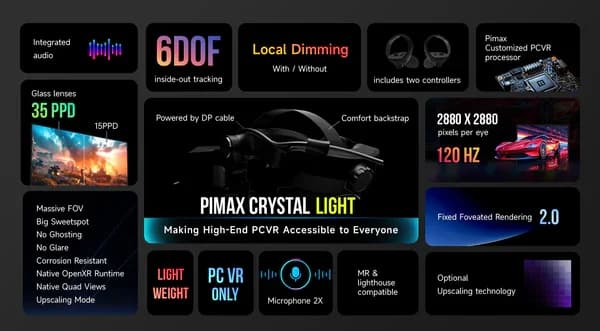
- •Ultra‑high resolution and pixel densityExtremely sharp 2880×2880 per eye
- •QLED + Mini‑LED displays with local dimmingVivid colors and deeper blacks
- •Glass aspheric lenses and manual IPDLarge sweet spot; 58–72mm adjustment
- •Generous field of viewAround 105° horizontal peripheral vision
- •Designed for inside‑out 6DoF trackingNo external base stations required
- •Marketed as strong value for PCVRHigh-end visuals near $887 price

Considerations
- •Front‑heavy, bulky ergonomicsCan cause wobble and discomfort
- •Inconsistent tracking and controller jitterOccasional positional and controller instability
- •Tethered design and proprietary cableWired connection limits mobility
- •High GPU and PC demands6K-equivalent needs powerful hardware
- •No eye‑tracking hardwareUses fixed foveation instead
- •Underwhelming built‑in audio and passthroughBasic speakers; weak passthrough camera
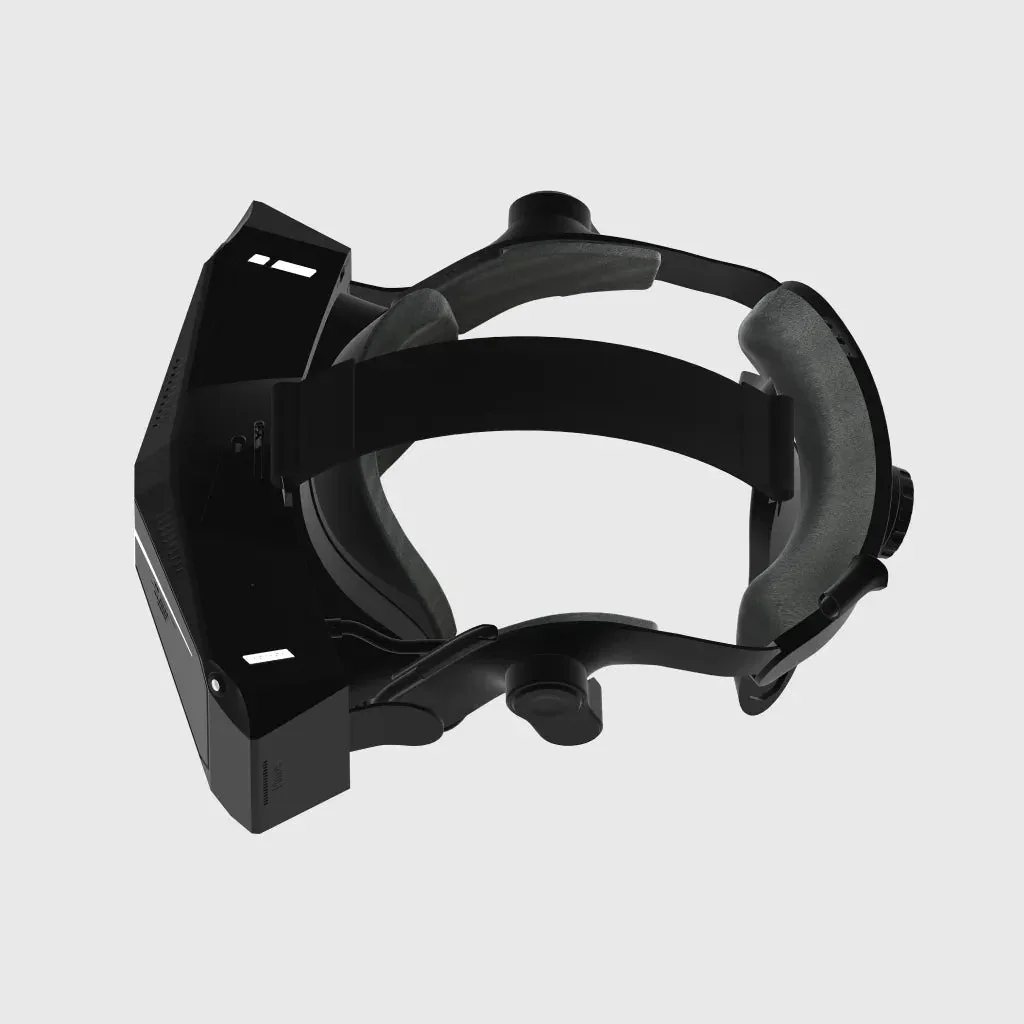
Real-world feedback on this headset is still emerging, but early impressions highlight a device that stakes its claim with an astonishing 2880x2880 resolution per eye, delivering visuals so crisp they practically erase the screen-door effect. Built for sim racers and flight sim enthusiasts craving immersion, it pairs vibrant QLED + Mini-LED displays with local dimming to conjure rich colors and true blacks rarely seen at this price point. The premium glass aspheric lenses come with a handy manual IPD adjustment wheel (58–72mm) ensuring tailored clarity, while inside-out 6DoF tracking liberates users from base stations—though not without occasional quirks. A generous 105° horizontal field of view widens your virtual horizons beyond many rivals like Quest 3, enhancing situational awareness in cockpit-focused experiences. Weighing in at just over 800 grams with an ergonomic strap, its front-heavy bulk demands consideration if comfort tops your list. If you’re chasing sharpness and immersion without wireless frills, these features are where you’ll find the magic—and some trade-offs worth knowing about.
Lenses and IPD Adjustment
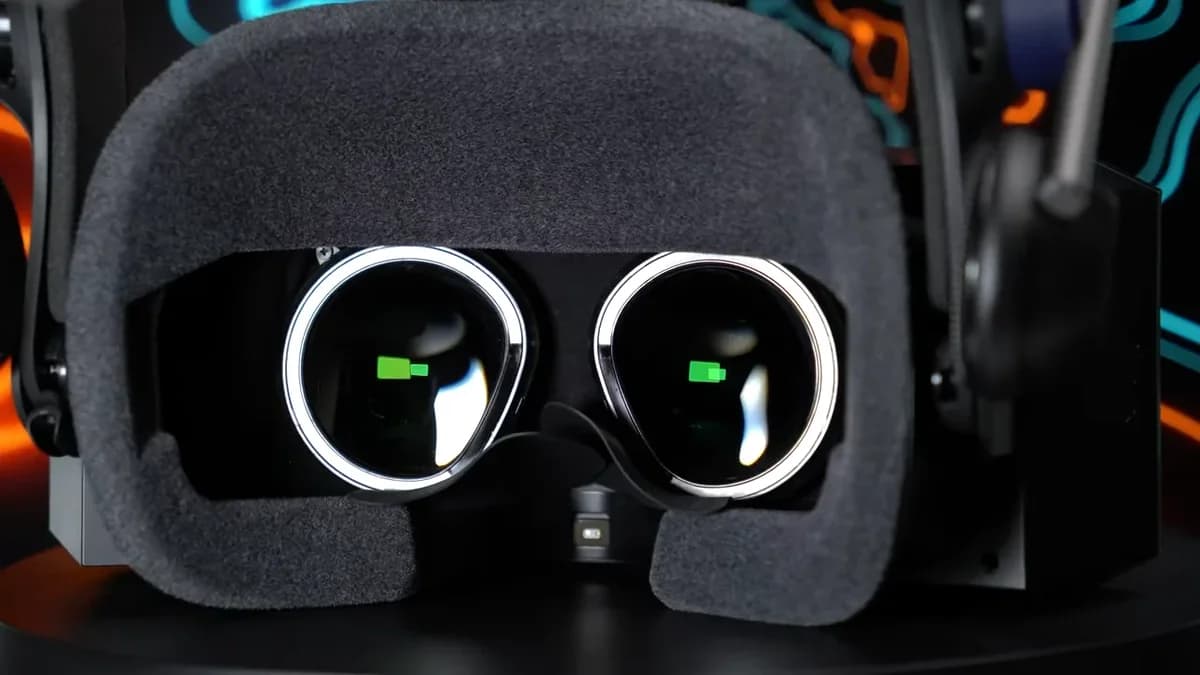
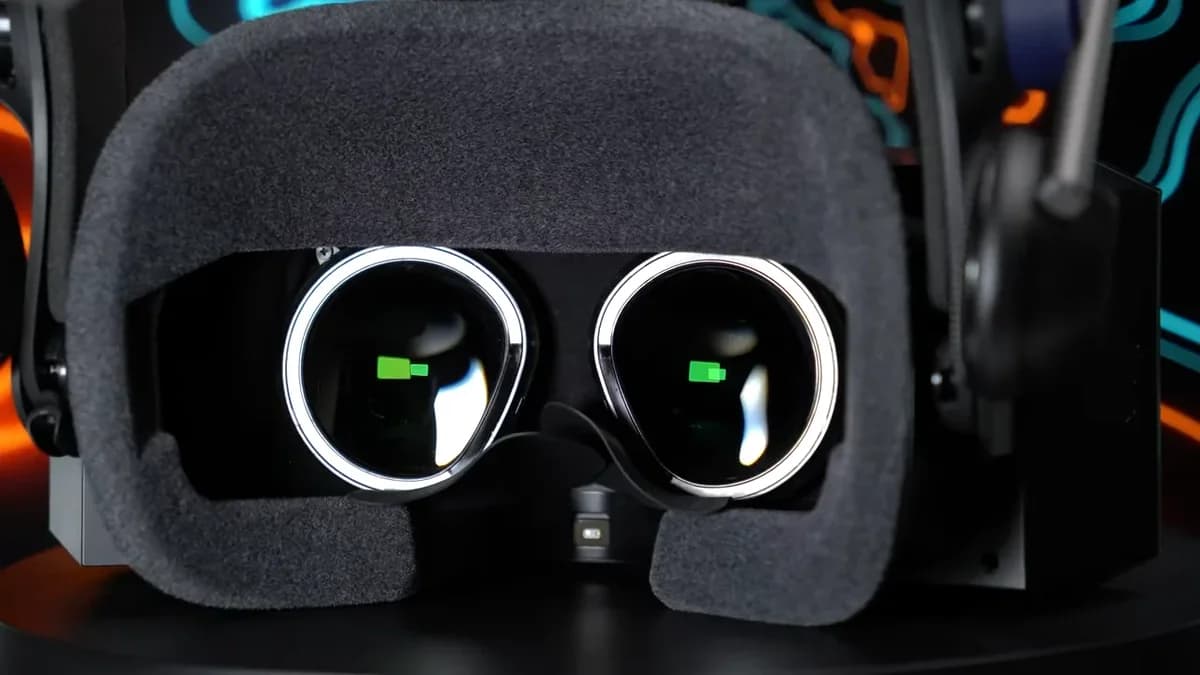
Equipped with premium glass aspheric lenses, the headset offers a wide sweet spot minimizing distortion—a clear upgrade over typical Fresnel designs prone to glare artifacts. The manual IPD adjustment via scroll wheel allows precise alignment between 58–72mm ensuring tailored comfort without fiddly software tweaks. Though praised for optical quality by experts, some users report occasional finicky calibration quirks requiring patience during setup but ultimately rewarding them with crisp visuals free from common blurriness or ghosting issues.
Resolution and Pixel Density
When it comes to visual fidelity, the headset pushes boundaries with a staggering 2880x2880 resolution per eye, boasting an ultra-fine 35 PPD pixel density that practically erases screen-door effects. This means crisp, detailed images that delight sim racers and flight sim fans craving immersion. While brand claims of perfect clarity hold up well in real-world use, some users note minor lens inconsistencies affecting edge sharpness. Still, the razor-sharp visuals firmly position this as a premium pick for those chasing top-tier VR precision.
Tracking System (Inside-Out 6DoF)
The integrated inside-out 6DoF tracking system liberates players from base station hassle while maintaining respectable positional accuracy—perfect for seated sims though less consistent during active movement due to occasional jitter noted by reviewers. Its compatibility with optional Lighthouse faceplates caters to purists seeking enhanced precision on demand. Users appreciate the freedom offered yet acknowledge tracking is not flawless; expect solid performance in controlled environments but be wary if your gameplay demands lightning-fast responsiveness.
Field of View
With a generous horizontal FOV of around 105°, this headset surpasses many rivals like Quest 3’s sub-104°, granting wider peripheral vision crucial for immersive simulation cockpits where situational awareness matters deeply. Reviewers laud how this broader window reduces tunnel vision effects enhancing presence especially in racing or flying scenarios demanding quick glances beyond central focus—the sweet spot where high-res meets wide view creates truly compelling virtual expanses worth savoring every frame.
Display Technology (QLED + Mini-LED, Local Dimming)
The fusion of QLED and Mini-LED displays with local dimming delivers vivid colors alongside deep blacks rarely seen at this price point. This combo enhances contrast dramatically compared to standard LCD panels, enriching cockpit realism and game worlds alike. Expert reviews praise its vibrant color gamut and dynamic range; however, modest local dimming zones slightly temper black-level perfection under certain scenes—yet overall it's a showstopper that elevates immersion through stunning luminance control.
Conclusion
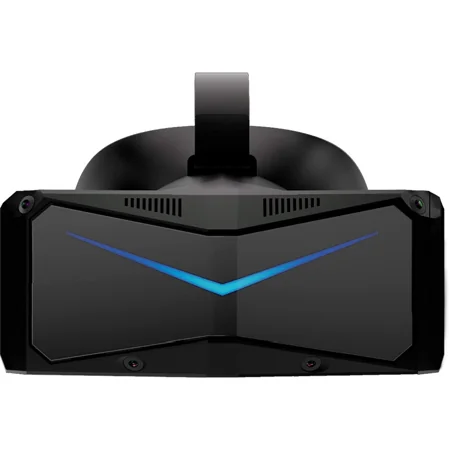
Sharp-eyed enthusiasts will appreciate how 2880x2880 resolution per eye and a dense 35 PPD pixel density push visual fidelity to new heights, practically banishing the screen-door effect. The marriage of QLED + Mini-LED with local dimming serves up vibrant colors and deep blacks that turn cockpit sims into breathtaking vistas. Thanks to glass aspheric lenses paired with manual IPD adjustment, clarity remains crisp across a comfortably wide sweet spot—though setup patience pays off. The inside-out 6DoF tracking system frees users from base stations but occasionally stumbles under fast motion, making it best suited for seated or precision play. A broad 105° field of view enhances peripheral awareness without overwhelming your senses, while the headset’s near-kilogram weight leans front-heavy enough to invite some neck fatigue during longer sessions. This is a tool crafted for sim racers and flight aficionados who prioritize immersive detail over wireless freedom—a sharp investment where premium optics meet focused ergonomics in one wired package.

Feature Scores
This reflects reviews and ratings from established critics, journalists, and users who have evaluated the item. Their opinions provide a comprehensive assessment.
Performance
Display Resolution
5/5
Refresh Rate
4/5
Field of View
4/5
Tracking Accuracy
4/5
Processing Power
3/5
Latency
4/5
Wireless Connectivity
5/5
Value
Price-to-Performance
4/5
Included Accessories
4/5
Software Ecosystem Value
4/5
Design
Ergonomics and Comfort
4/5
Weight Distribution
3/5
Ease of Setup
4/5
Health
Eye Strain Mitigation
4/5
Motion Sickness Reduction
4/5
Materials Biocompatibility
3/5
Safety
Overheating Protection
3/5
Regulatory Compliance
4/5
Privacy and Security Controls
3/5
Sustainability
Recyclability
3/5
Energy Efficiency
3/5
Repairability
3/5
Experience Style
Content Richness
4/5
Customization Options
4/5
User Interface Intuitiveness
4/5

Specifications
This section outlines the product's key facts, covering essential features, details, dimensions, materials, and any unique characteristics that define its functionality and usability.
Performance
Value
Design
Safety
Sustainability
Experience Style

Frequently Asked Questions
8 Questions
Find Yours
What is your primary use for a VR headset?
Answer to find your best matches.