
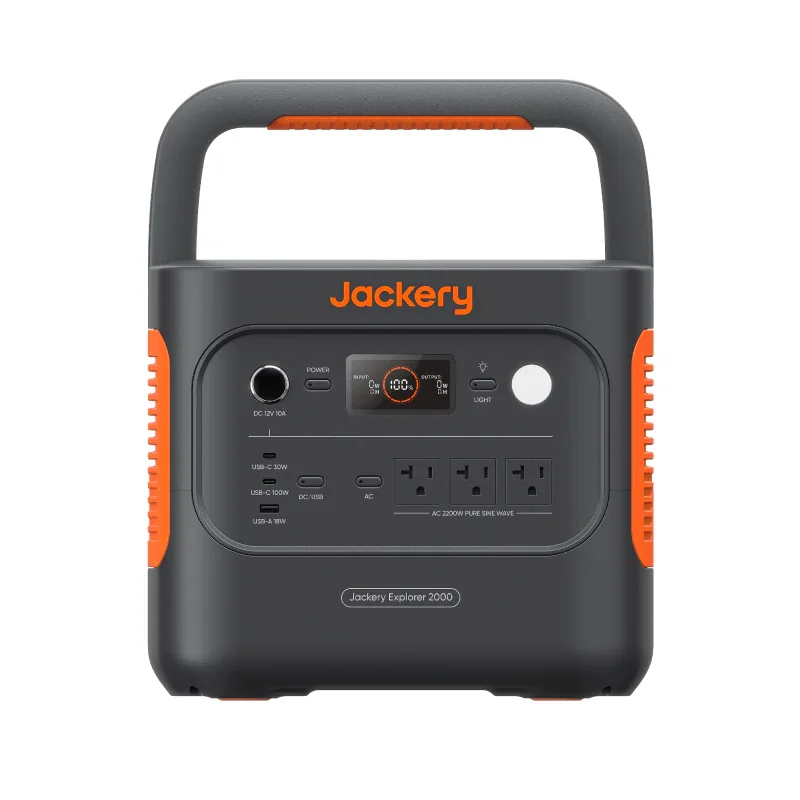
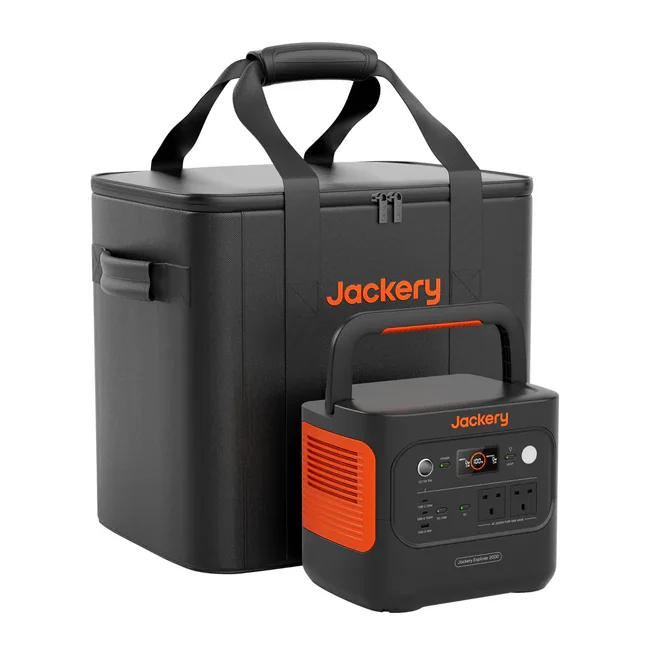
Jackery Explorer 2000 v2 Portable Power Station
Compact 2kWh LiFePO4 backup with 2,200W output, fast charging and <20ms UPS—great for camping and outages.
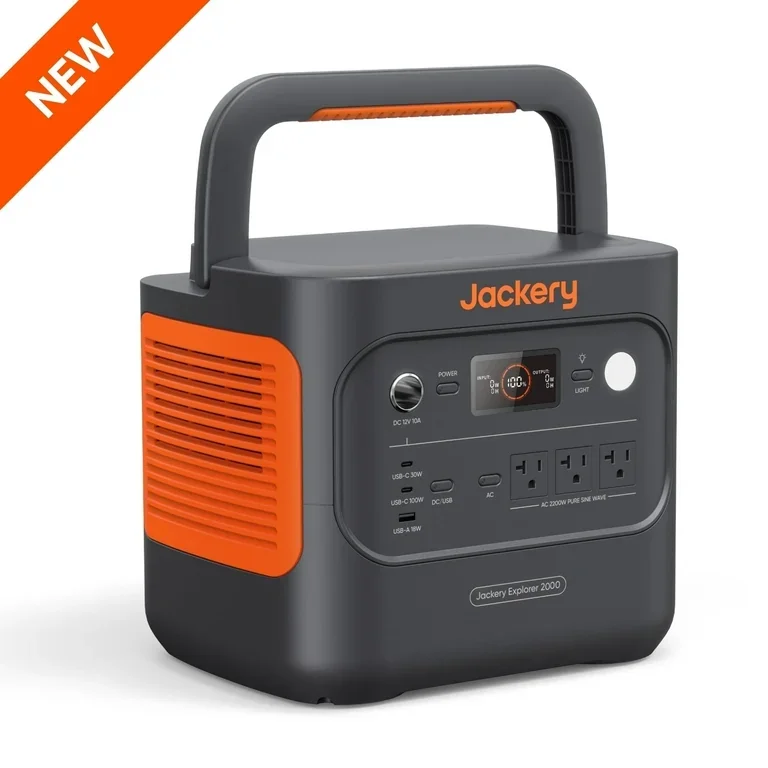
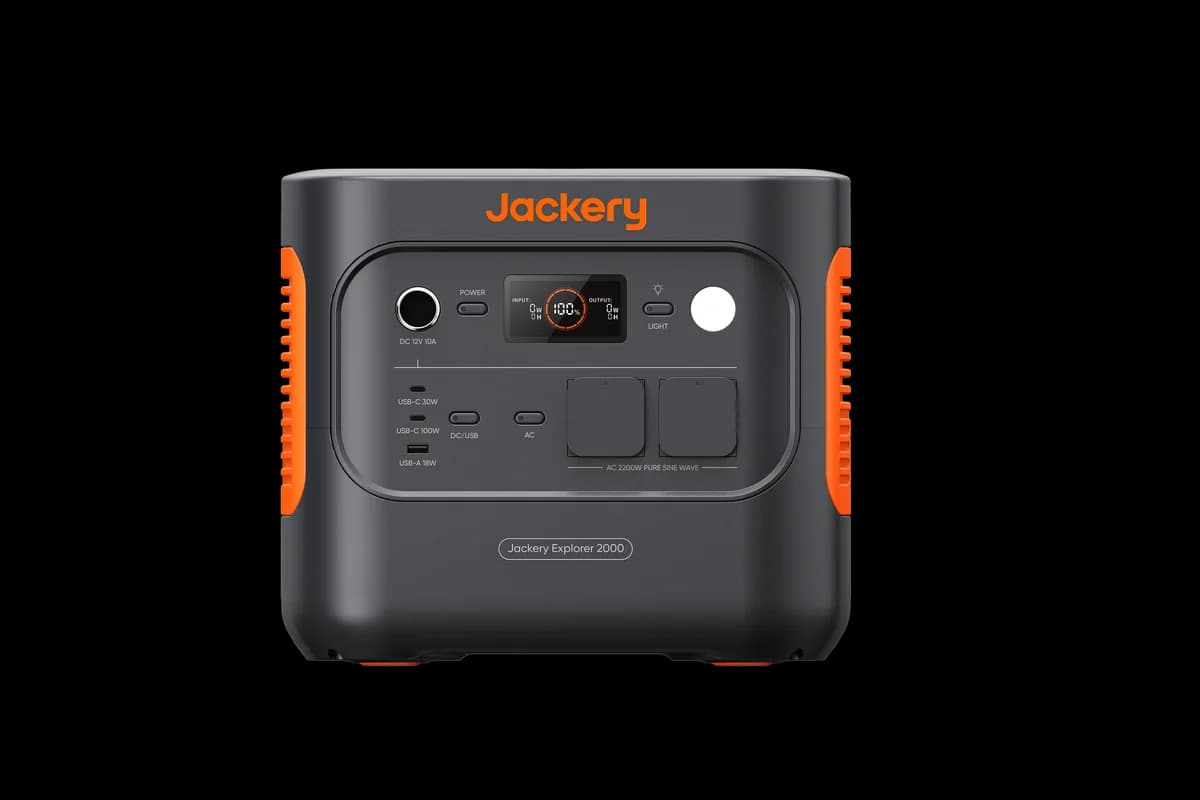
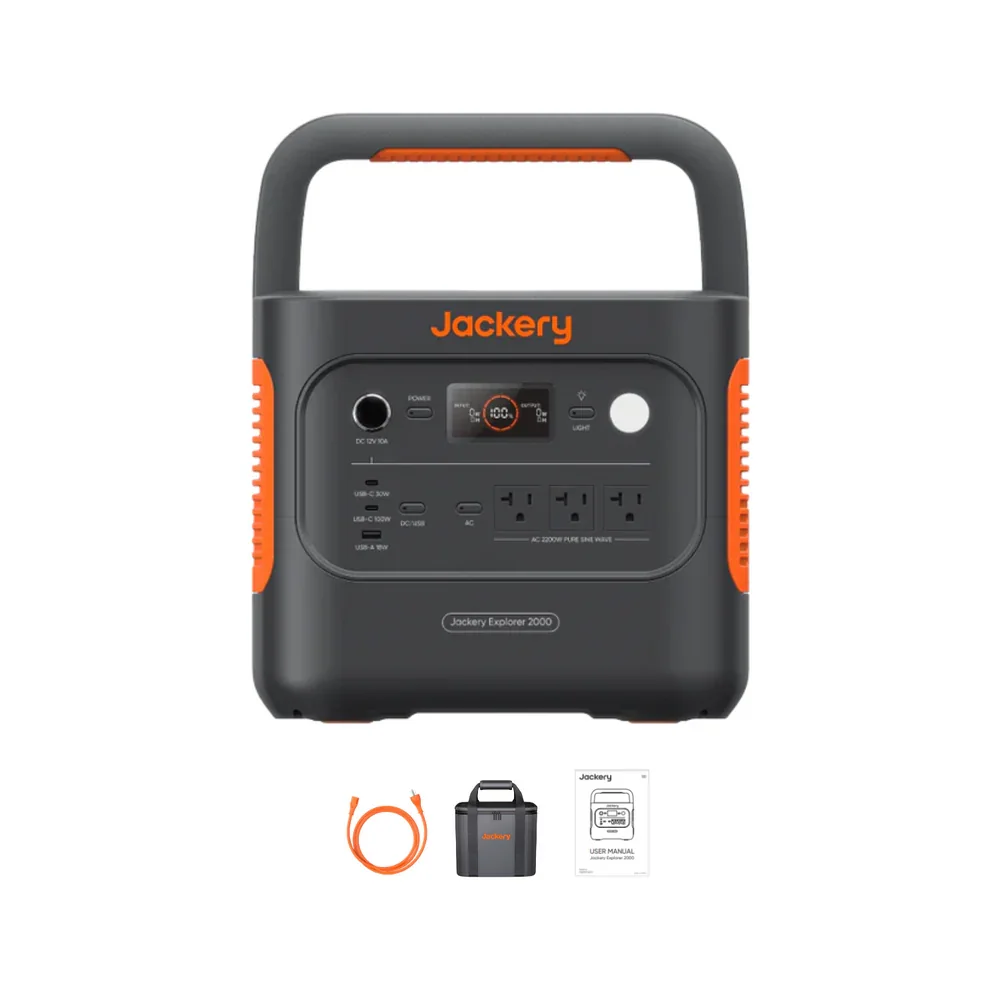
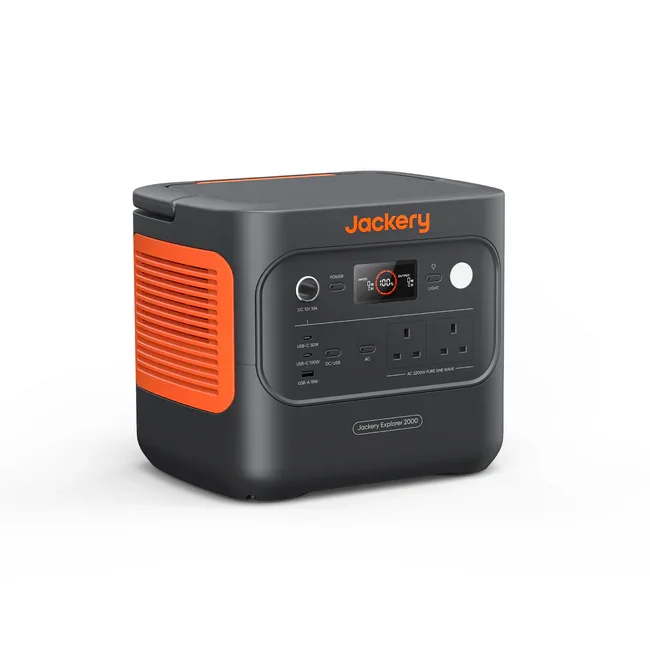
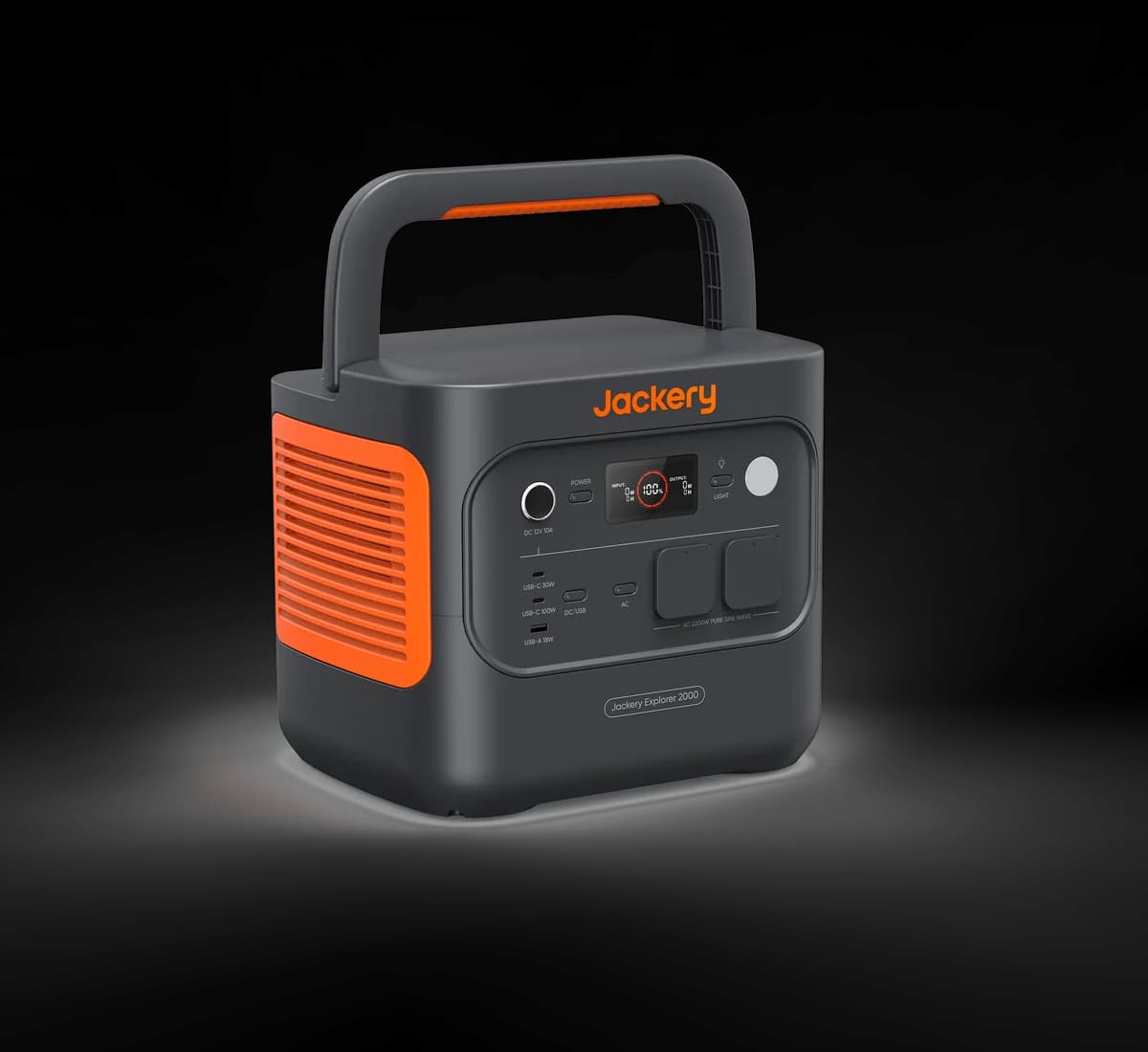
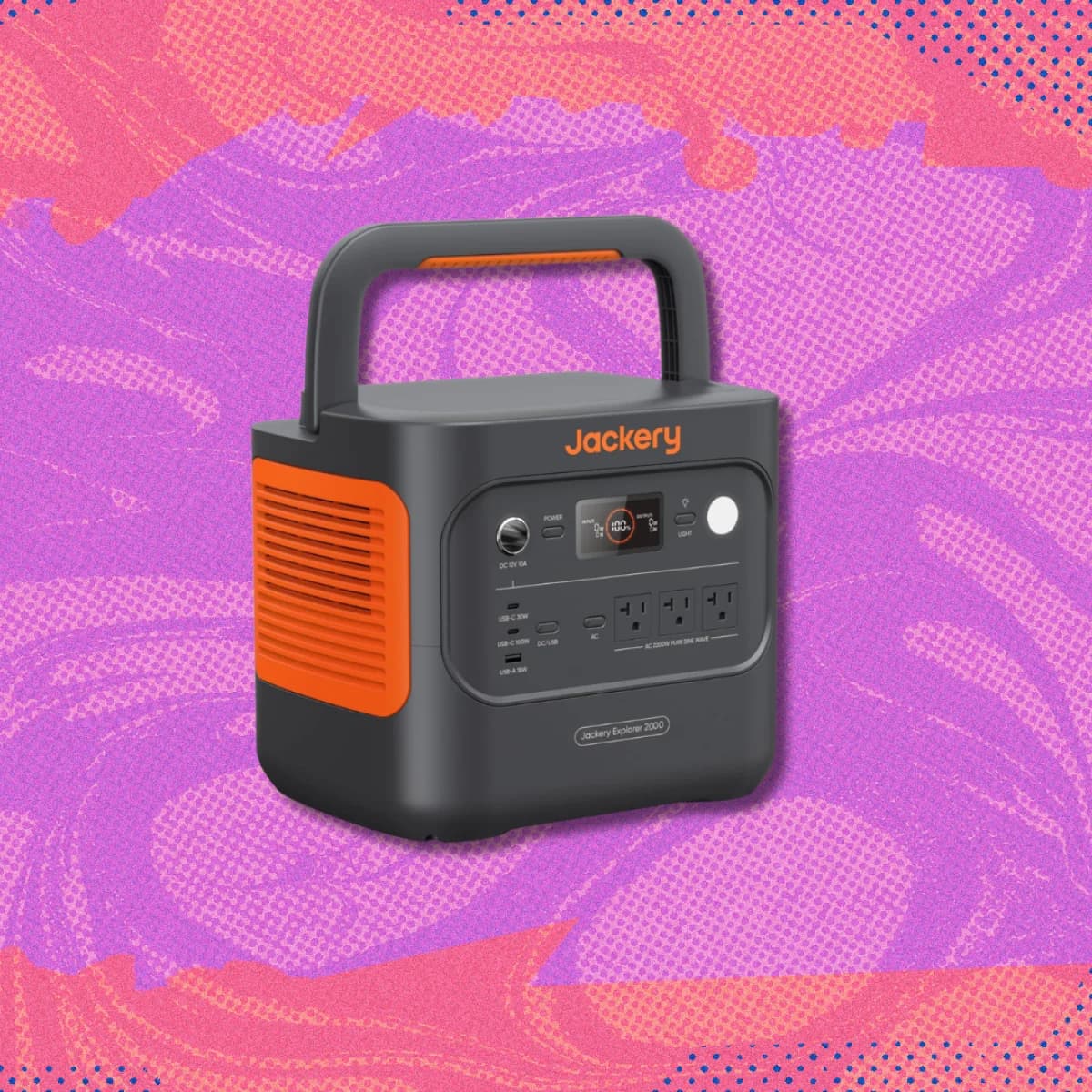
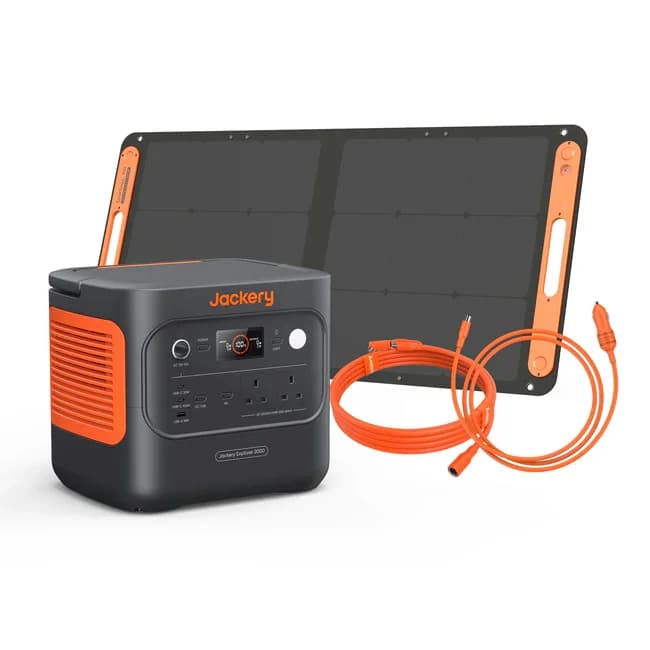
The Jackery Explorer 2000 v2 is the portable power station that aims to be a compact, high‑output lifeline for campers and households facing short outages, delivering a practical mix of size and muscle rather than a fully fledged home battery. Reviewers and owners praise its 2,042 Wh LiFePO4 pack and 2,200 W continuous inverter for reliably running fridges, CPAPs, and typical campsite gear, and brand claims of rapid AC charging are backed by hands‑on tests though solar recharge is slower unless you pair 400 W panels as recommended. It is lighter and quieter than many rivals, yet the proprietary solar connectors and lack of expansion are real tradeoffs to consider against the sale price, so weigh portability, recharge needs, and long‑term use when deciding if this practical, well‑rounded option fits your kit.

Find Yours
What type of power solution are you primarily looking for?
Answer to find your best matches.

The Field
Browse top contenders, or compare all options ranked by score and key attributes.
1 Option

The Scoreboard
Does this improve your life? Considers, health, habits, and environmental impact.
Benefits
Large 2kWh capacity but manageable to move for one person when needed.
Goes from low to useful charge quickly so downtime between uses is brief.
Sub-20ms switchover keeps routers and sensitive gear running without interruption.
Silent charging and low fan noise let you run it indoors at night.
LiFePO4 chemistry promises many cycles, lowering replacement worry over years.
App control and pass-through charging make monitoring and continuous use effortless.
Trade-Offs
Carrying this forty-pound unit into a car or upstairs leaves arms and back sore.
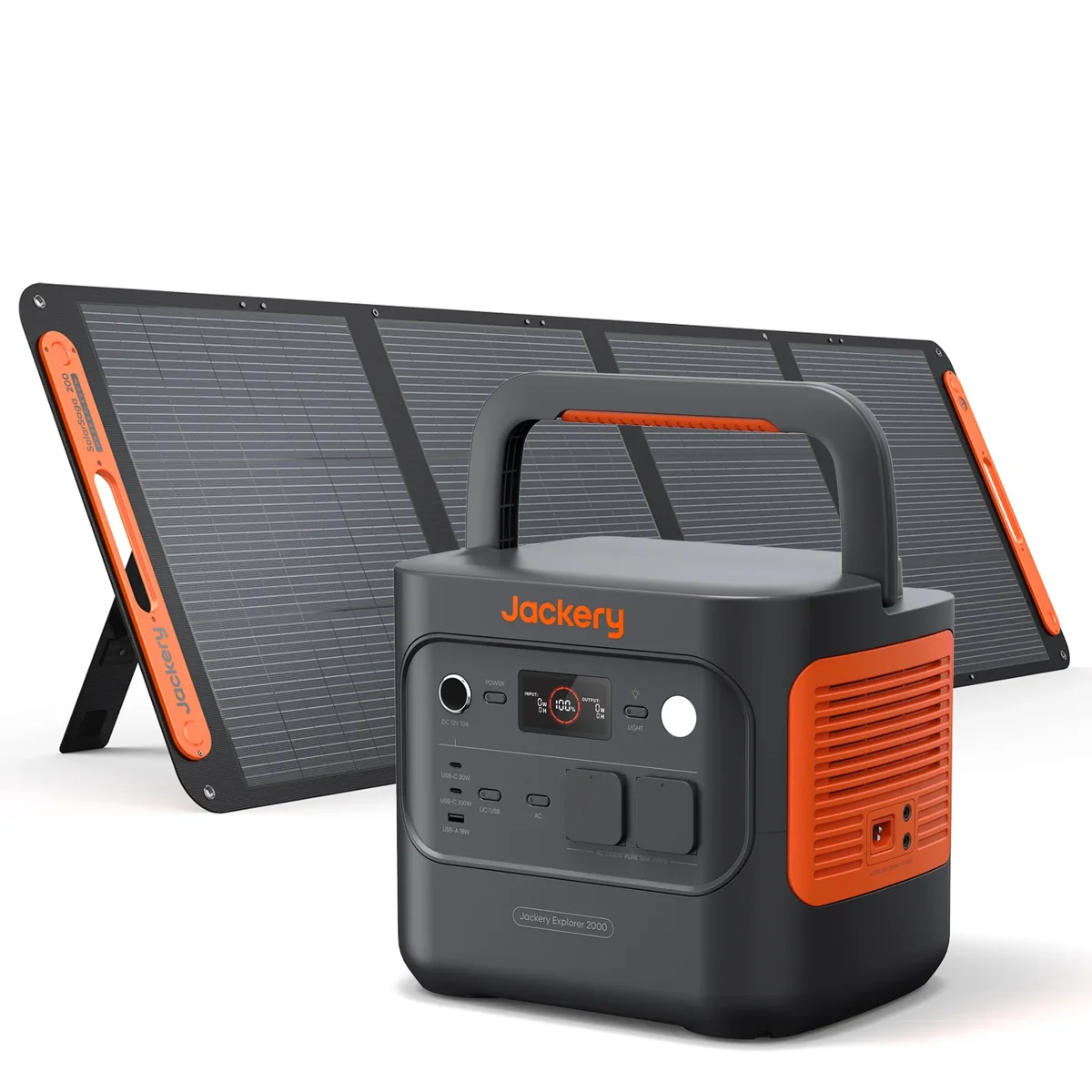
Using only small 200W panels can leave you waiting hours for a usable charge.
Needing Jackery adapters means fumbling with extra parts and incompatible panels on trips.
Running heavy appliances often makes the unit warm and fans louder, noticeable indoors.
 Alternatives


Join the Circle
Where real meets deal
Know what's worth buying-and when.
Tips, special offers, and rewards for buying and sharing.

Publications
2 LEADING PUBLICATION REVIEWS

GearLab’s Chris McNamara is clearly enthusiastic about the Explorer 2000 v2. He praises it as the best practical pick for most campers—powerful, fast-charging, and unusually portable for its output—calling it an Editor’s Choice and noting real-world reliability across months of trips and office backup use. He gives specific kudos for the simple, durable design, quiet fan, impressive sustained AC wattage, and strong price-per-Wh, while acknowledging trade-offs: it’s still heavy (~39 lb), lacks battery expansion and some outlet variety, and needs an adapter for many third‑party solar panels. Measured capacity and charging benchmarks are provided, and comparisons to larger Jackery and competing models frame it as the sweet spot for off‑grid cooking, eBikes, and Starlink—solidly recommended for most users who value straightforward, dependable power over bells and whistles.
By Chris McNamara
TechRadar’s Jack Laurent is broadly positive about the Jackery Explorer 2000 v2 but measured in his praise. He thinks it’s a solid, practical emergency and home-use power station—quiet, well-built, easy to move thanks to a great handle, and generous on capacity and high-output AC power—yet he’s careful to call out real-world trade-offs: only two AC sockets, no IP ingress protection or port covers, a proprietary solar cable that locks you into Jackery accessories, and a sometimes laggy app. Laurent backs up his impressions with hands-on tests (air fryer, iron, and multi-hour solar charging), practical measurements, and usage notes, so his overall feeling is approving and pragmatic—recommended for most home scenarios, but not without a few annoyances to consider.
By Jack Laurent

YouTube
7 LEADING EXPERT & INFLUENCER REVIEWS
 Revere Overland
Revere Overland is clearly impressed and upbeat about the Jackery Explorer 2000 v2. He praises its portability for a 2 kWh-class unit, durable LFP chemistry, fast charging, fold-flat handle, versatile ports (including 100W USB‑C), and reliable UPS/pass-through behavior, and demonstrates heavy loads from vacuums, heat guns, Starlink, and fridges. He tempers enthusiasm with practical limits—weight, realistic run times for AC/heaters, slower solar charge without extra panels, and cigarette-lighter charging being very slow—and discloses the video is sponsored while still offering hands‑on, scenario-based testing and clear real-world guidance.
Minute Man SolarBen is cautiously positive about the Jackery Explorer 2000 V2. He praises its compact, high‑output design, portable bifacial 100W panels, quiet UPS capability, and overall value, but flags confusing solar voltage specs, weak onboard solar inputs (takes days with small panels), proprietary 8mm connectors, and inconsistent customer-support answers; he also demonstrates fast AC/emergency charging. In short, Minute Man Solar regards it as a solid, portable 2 kWh option for camping and basic backup if you accept limited solar flexibility and check which panel bundle you’re actually buying.
The Solar LabThe Solar Lab is cautiously positive. They praise the Explorer 2000 V2’s portability, clean design, excellent ~90% efficiency, long idle life, useful light and app, and fast charging—yet call out weak 400W solar input, squishy plastic areas, and limited feature set versus the Explorer 2000 Plus. Their view: it’s a well-performing, honest 2 kWh option and a solid buy on a budget, but if you can afford the extra ~$500 the Plus delivers more expandability and ports, so the V2 feels like a competent but somewhat redundant midstep.
Better Together HomesteadBeau from Better Together Homestead is clearly enthusiastic and impressed. He raves about the Explorer 2000 v2’s portability, fast charging, app features (notably battery-saving 15–85% mode), and real-world punch—running a milk machine and briefly handling a 2,600 W peak before a safe shutdown—while praising the handle and simple Jackery solar panels. He notes minor limits: heat under heavy load, proprietary solar connectors, and wishes for faster/third‑party solar options, but frames those as tolerable trade-offs for a compact, reliable entry‑level home backup and camping power station.
Tiny House ExpeditionAlexis and Christian are upbeat about the Jackery Explorer 2000 v2. They praise its compact 2,042 Wh capacity, 2,200 W inverter, quiet operation, fast emergency charging, and real-world ability to run their tiny house for a day with careful use. Their main critique is limited solar input (400 W max) versus competitors and the 2000 Plus, which reduces daytime charging flexibility on wooded sites. Overall they call it a solid, portable short-term home-backup and camping solution—versatile and well-built, but consider the 2000 Plus or extra panels if you need longer full-time off-grid runtime.
Fer's ReviewsFer’s Reviews is clearly impressed overall and recommends the Explorer 2000 V2 as a reliable, fast‑charging 2 kWh option. He praises its relatively light, compact design, solid real‑world efficiency, useful ports (including 100W USB‑C), quiet modes, and UPS/bypass capability, and shares hands‑on camping and tool tests. He flags limits candidly—weight still noticeable, no official battery expansion, and trouble with heavy inductive spikes (saws) despite 2,200 W output—but finds it dependable for fridges, fans, devices, and multi‑day camping when paired with proper solar input.
Tommy CallawayTommy Callaway is generally positive about the Explorer 2000 v2. He praises its balance of high output, manageable 40 lb portability, quiet operation, LFP longevity, and useful USB-C/lighting features, calling it a practical choice for camping or weekend backup; he contrasts it sensibly with the larger HomePower 3000 for heavier, RV, or transfer-switch needs. Tommy’s tone is measured—enthusiastic about fast solar charging and real-world usability but pragmatic about trade-offs (no 30A/RV plug, lower solar input than the 3,000 Wh model), and he recommends the Explorer if you value portability and cost over maximum runtime.

Forum Reviews
CUSTOMER REVIEWS FROM 1 FORUM
Redditors generally like the Jackery Explorer 2000 v2 but with measured enthusiasm. Many praise its fast charging, LiFePO4 durability, portability and reliable real-world performance (CPAPs, fridges, long runtimes), yet users frequently flag limits: per-port current/connector limits for high‑watt solar panels, lack of expandability/RV port compared with the Plus, and concerns about weather resistance and regional AC voltage compatibility. Owners report solid value in sales and dependable emergency use, while power‑users considering upgrades lean toward larger, expandable models; new buyers often favor the v2 for its size, speed and lifespan despite a few pragmatic caveats.
Many comments

In-Depth Review

Highlights
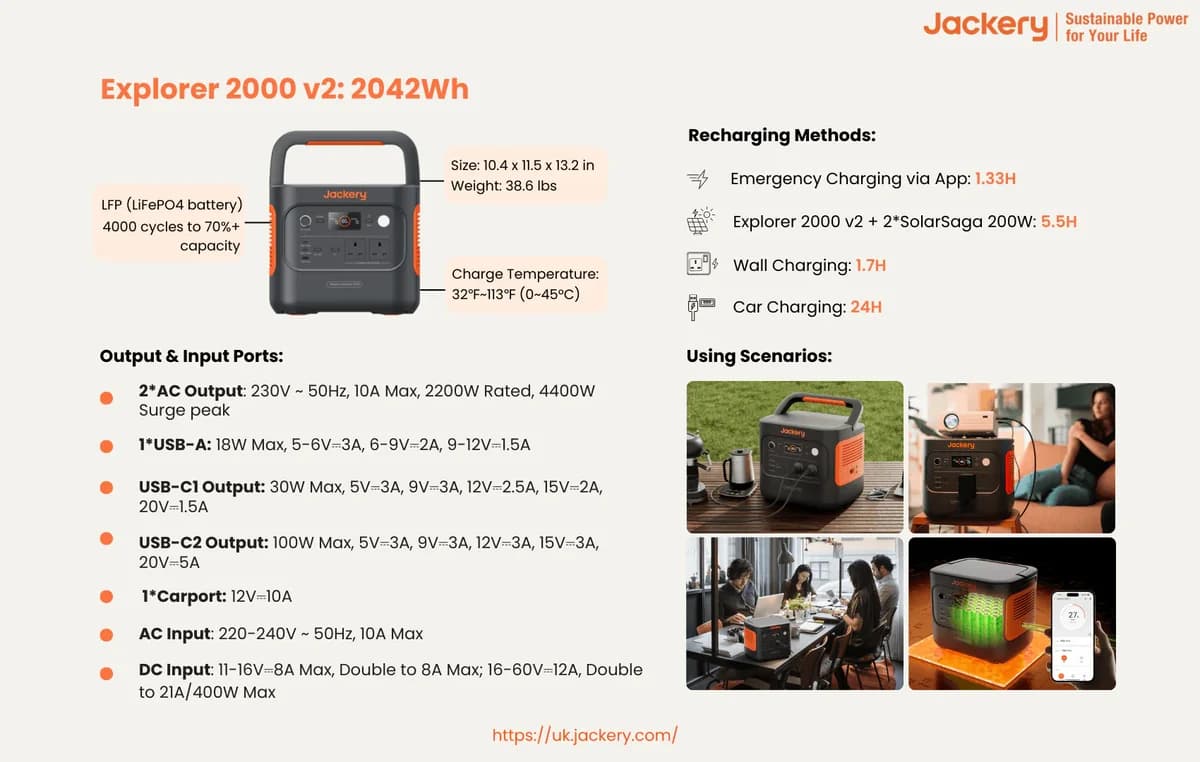
- •2 kWh capacityMarketed as 2,042 Wh storage
- •High AC outputDesigned to deliver 2,200 W
- •Fast rechargeAdvertised to 0–80% in 66 minutes
- •Rapid UPS switchingCompany highlights its <20 ms transfer

Considerations
- •Weak solar inputLimited to 400 W max
- •Proprietary connectorsRequires Jackery-specific adapters
- •Heavy to liftAbout 39.5 lb weight
- •Non-expandable packNo external battery expansion option
Early real‑world feedback is still limited, so treat early impressions as promising but provisional. From a well‑known brand that’s carved out a niche for user‑friendly portable energy, this unit is pitched as a compact yet powerful solution for weekend adventures, RVs, and short‑term home backup. It aims to bridge the gap between small day‑packs and bulky home systems by pairing a 2,042 Wh battery with a 2,200 W continuous inverter, fast multi‑input charging (including an 0–80% in 66 minutes claim), and UPS‑style protection with <20 ms switchover—features reviewers single out as its defining strengths. Compared with larger expandable models, it trades modularity for a lighter footprint and simpler ownership, which suits campers, overlanders, and households that want quiet, reliable short‑term backup without a generator. Read on to weigh battery life, sustained AC performance, charging behavior, transfer reliability, portability, and the LFP cycle claims—each could be the deciding factor for your use case, so pick the few that matter most and judge accordingly.
Portability
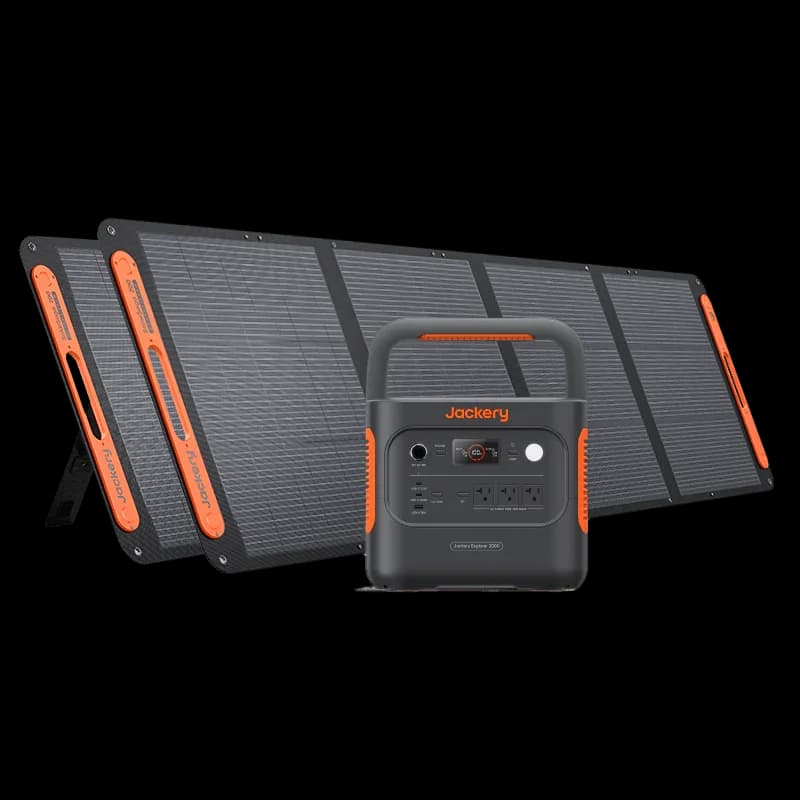
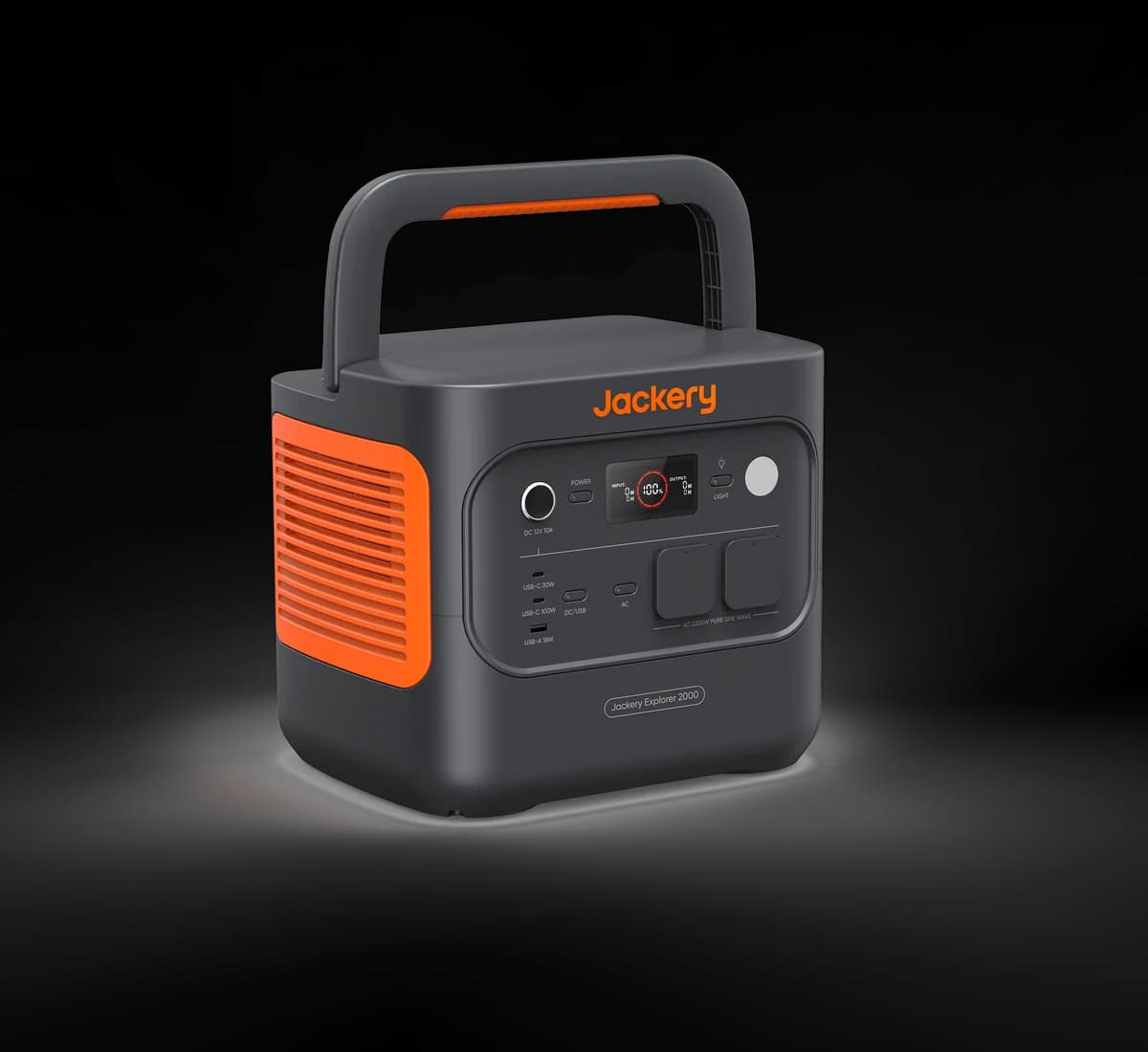
At about 39.5 pounds it’s notably lighter than many 2 kWh systems while still requiring a deliberate lift. The ≈39.5 lb weight and fold‑flat handle make it one‑person transportable for camping or moving around the house, a point experts and video reviewers praise, but real users caution that the unit still feels heavy to lift for stairs or long carries. The compact CTB (Cell‑to‑Body) construction helps keep the footprint small, which is handy for trunk space and tent setups.
Battery chemistry
The LiFePO4 cells inside are the reason Jackery emphasizes longevity and safety over time. The LiFePO4 chemistry supports the manufacturer’s 4,000 cycle / ~10‑year life claims in ideal conditions, and reviewers point to low idle draw and stable thermal behavior as practical benefits. That said, independent long‑term data is limited so treat cycle numbers as manufacturer projections, while appreciating the clear short‑to‑midterm advantages in durability and safety reported by users and experts.
AC output
You get a solid 2,200 W continuous inverter that handles power‑hungry appliances better than most similarly sized batteries. The 2,200 W continuous output and three AC outlets let you run things like refrigerators, power tools (with limits), and air fryers for short to moderate periods, and reviewers verified strong sustained output under realistic loads. Be aware of limitations with heavy inductive starts and per‑appliance peaks, so the inverter performance is excellent for most use cases but not a substitute for a full generator on prolonged heavy loads.
Battery capacity
This unit packs a substantial 2,042 Wh battery that’s meant to sit between small day‑trip packs and bulky home systems. The 2,042 Wh figure is Jackery’s nominal capacity claim and translates into useful runtimes for fridges, CPAPs, and multiple device charges, while third‑party testing showing about ~1,740 Wh usable output supports realistic expectations. Users and reviewers generally confirm the long‑run potential tied to its LiFePO4 chemistry, but treat cycle claims conservatively until longer‑term ownership evidence accumulates.
UPS switching
The sub‑20 ms transfer behavior makes this unit practical for protecting sensitive electronics during outages. Jackery advertises <20 ms switching and UL1778 UPS testing appears to support seamless handover for routers and many medical devices, with reviewers noting reliable bypass/pass‑through operation in real use. Still, test runs suggest verifying specific loads like certain well pumps or motor startups, since margin and wiring setup can affect perceived seamlessness.
Recharge speed
Fast recharge is one of the clearer wins here, cutting downtime between uses when wall power is available. Jackery’s headline 0–80% in 66 minutes (AC Fast Charge) and the app’s Emergency Super Charging delivering full charges in roughly 102 minutes are backed by reviewer experiences showing rapid top‑ups, while solar recharge is much slower without a 400 W panel setup, which reviewers advise pairing for the claimed solar times.
Conclusion
Wrapping up with some clear takeaways: treat the Explorer 2000 v2 as a thoughtfully balanced option that pairs a sizable 2042 Wh battery and durable LiFePO4 chemistry with a stout 2200 W continuous inverter that reviewers and users found reliable for fridges, CPAPs, and common camping loads; its standout fast recharge options cut downtime when wall power is available (solar is fine but limited by the 400 W input), and the sub‑20 ms UPS switching makes it a safe choice for sensitive electronics—while the roughly 40‑pound package and non‑expandable design mean it’s best for a single‑unit, portable backup rather than a scalable home system. For buyers valuing portability, quiet operation, and long cycle life over maximum solar throughput or modular growth, this unit is a pragmatic, well‑rounded pick that justifies a strong recommendation.

Feature Scores
This reflects reviews and ratings from established critics, journalists, and users who have evaluated the item. Their opinions provide a comprehensive assessment.
Performance
Energy Capacity
5/5
Charge Speed
5/5
Cycle Life
4/5
Compatibility
4/5
Reliability
5/5
Value
Price-to-Capacity
5/5
Warranty and Support
4/5
Included Accessories
3/5
Design
Form Factor
5/5
Portability
4/5
User Interface
4/5
Aesthetics
4/5
Health
Material Toxicity
3/5
Off-gassing
4/5
Safety
Overcharge Protection
4/5
Thermal Management
4/5
Short Circuit Protection
4/5
Certification Compliance
5/5
Sustainability
Recyclability
3/5
Sustainable Materials Use
3/5
Energy Efficiency
4/5
End-of-Life Programs
2/5
Experience Style
Ease of Use
4/5
Ecosystem Integration
4/5
Customizability
2/5

Specifications
This section outlines the product's key facts, covering essential features, details, dimensions, materials, and any unique characteristics that define its functionality and usability.
Performance
Value
Design
Safety
Sustainability
Experience Style

Frequently Asked Questions
8 Questions

Also Consider
4 Options
Find Yours
What type of power solution are you primarily looking for?
Answer to find your best matches.