DJI Power 1000 V2
1,024Wh LFP with 2,600W output, ultra-fast charging and quiet operation, great for creators and campers.
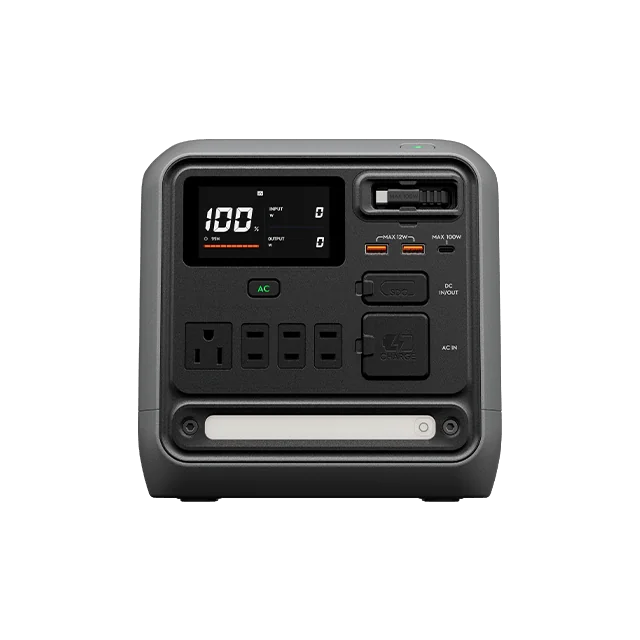
The DJI Power 1000 V2 is the portable powerhouse that aims to shrink generator hassles into a quiet, grab‑and‑go box, and it’s built for creators, campers, and anyone needing fast, high‑wattage backup when outages or shoots disrupt plans. Reviewers and users praise its 2,600W continuous output and very fast AC charging which the brand claims as 0–80% in 37 minutes, while hands‑on feedback generally supports the speed though real‑world top‑ups slow above 80% and some firmware quirks show up. Its LFP battery longevity and sturdy safety features make it appealing versus cheaper rivals, yet expect extra expense for DJI’s proprietary adapters and certain workflows. At sale price it looks like strong value for power density and quiet operation, and your final call should weigh reliability, accessory cost, and UPS behavior as the main factors that shape long‑term satisfaction.
Find Yours
What type of power solution are you primarily looking for?
Answer to find your best matches.

The Field
Browse top contenders, or compare all options ranked by score and key attributes.
1 Option
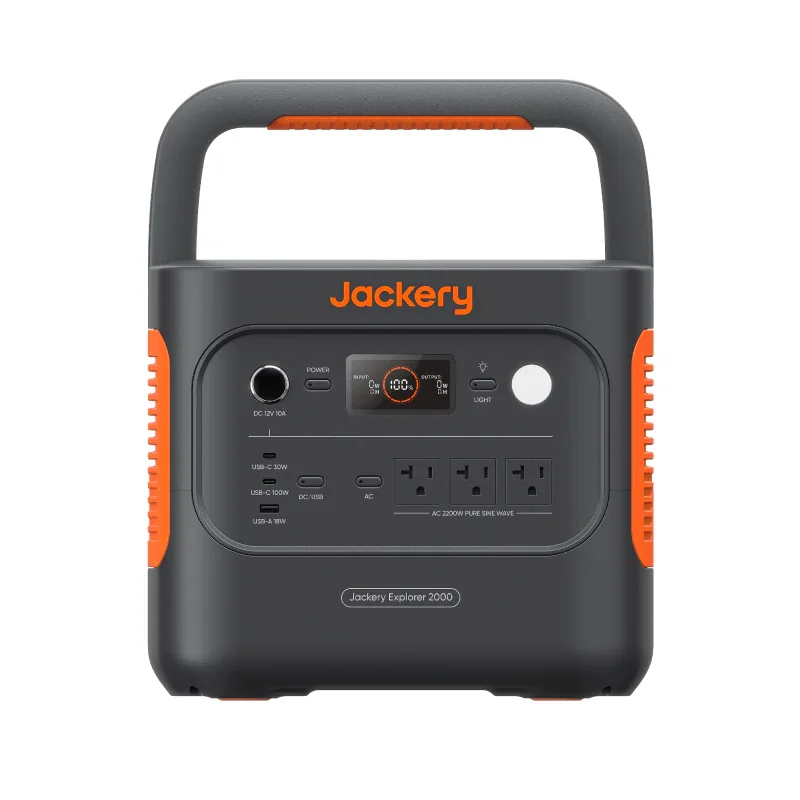

The Scoreboard
Does this improve your life? Considers, health, habits, and environmental impact.
Benefits
Recharges to 80% fast (~37 minutes), cutting downtime between outings and shoots.
Runs high-draw appliances and multiple devices without hiccups for practical on-site work.
Low noise (as low as 26 dB) keeps campsites and studios peaceful.
Dual 140W USB-C ports charge laptops and cameras quickly on location.
Link optional batteries to reach multi‑kWh backup for longer outages or shoots.
Trade-Offs
At ~31 lbs, awkward to lift and tiring to carry for long walks.
Solar/car charging and expansion need separate DJI dongles, slowing setup and increasing gear.
App or firmware glitches can cause shutdowns or brief power interruptions during use.
Moderate idle draw shortens standby time, so you’ll recharge more often than expected.
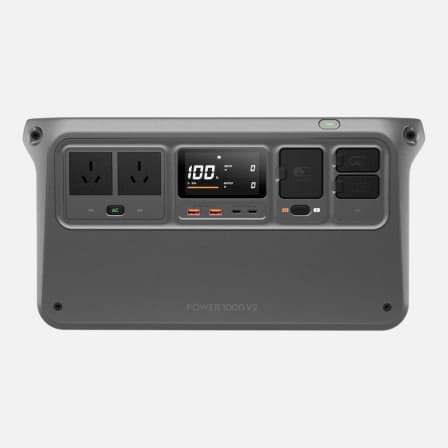
 Alternatives


Join the Circle
Where real meets deal
Know what's worth buying-and when.
Tips, special offers, and rewards for buying and sharing.

Publications
4 LEADING PUBLICATION REVIEWS

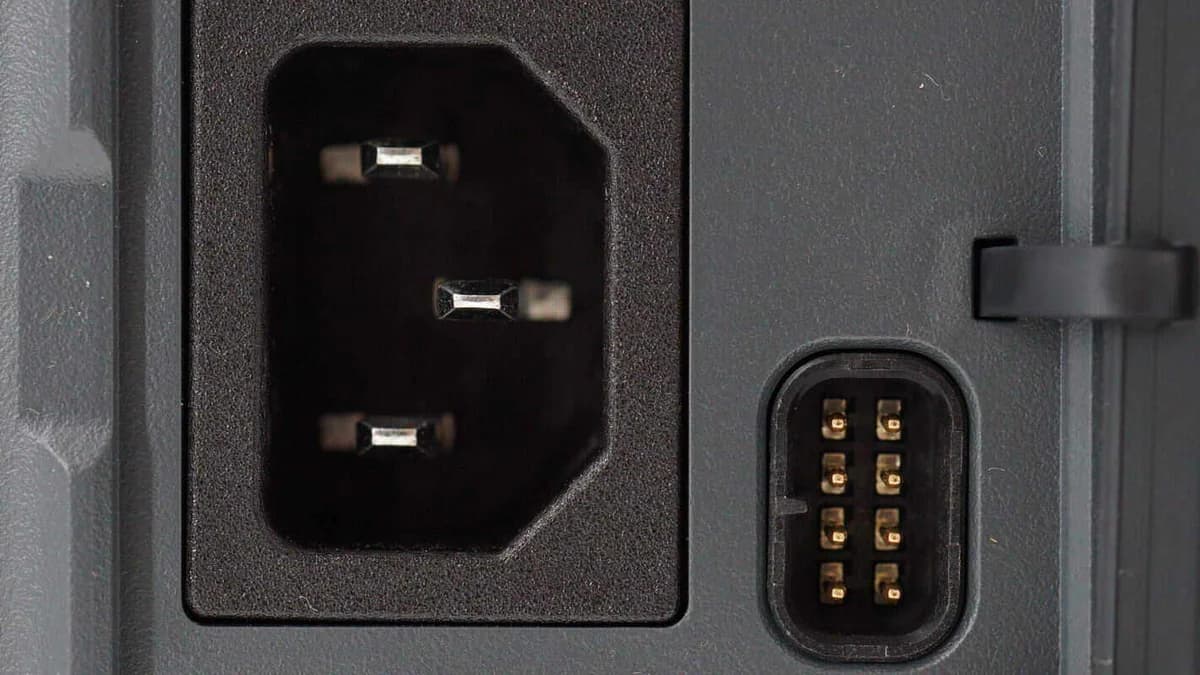
Android Authority’s Stephen Schenck is overall positive about the DJI Power 1000 V2. He likes its solid 1,024Wh capacity, 2,600W output, thoughtful port layout, app monitoring, and especially the SDC support for fast-charging DJI drone batteries, calling it a well-executed, no-nonsense power station that feels versatile for camping, outages, or drone ops. He flags a few practical gripes—DJI’s choice of a less common C19 charging cable (instead of the ubiquitous C13), solar input that needs an optional adaptor, and slightly awkward side handles for one-handed carrying—but treats those as small trade-offs against long battery life, LFP chemistry, and a convenient duffle with a centered handle. Tone is appreciative and measured: enthusiastic about its DJI-focused strengths and everyday usability, while clear about a handful of avoidable inconveniences.
By Stephen Schenck
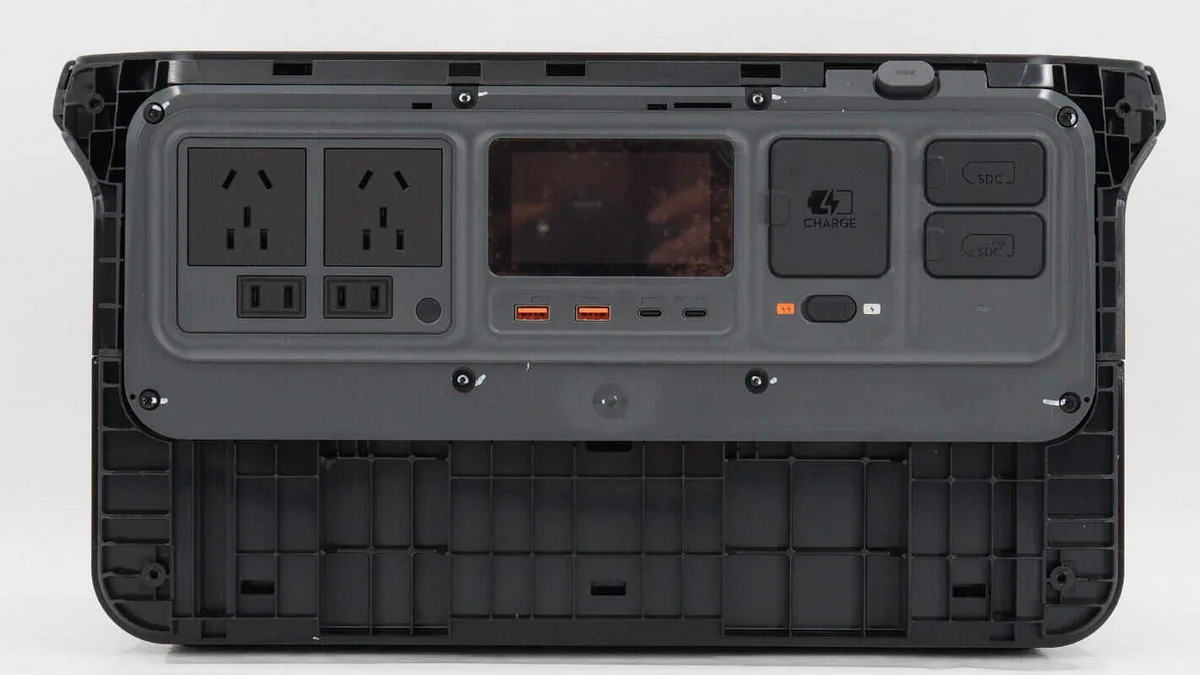
T3’s Matt Kollat is broadly positive about the DJI Power 1000 v2. He praises its clear improvements over the original—faster charging, higher continuous output, quiet operation, and useful software controls—calling it a dependable mid‑size station that handled heavy loads (a kettle plus laptop and phone) without issue during a month of real‑world use. He flags a few downsides without drama: it’s slightly heavier than before, the port selection is conservative (two ACs and DJ‑only SDC sockets limit versatility), and he couldn’t verify solar claims firsthand. Overall his tone is approving and practical rather than gushing: he recommends the v2 as the better choice for travellers or anyone needing reliable backup power, but suggests existing Power 1000 owners only upgrade if they need the new refinements.
By Matt Kollat
Adrian Kingsley‑Hughes is clearly impressed and upbeat about the DJI Power 1000 V2. He calls it a genuine upgrade—tougher, better-cooled, and with longer-lasting cells—while praising its quiet operation, practical port layout, and real-world durability after a year of heavy use with the original model. He emphasizes value too, noting the V2’s improved cycle life and the original Power 1000’s exceptional bargain price, though he flags limited U.S. availability as the main drawback. Overall the tone is enthusiastic and confident: the reviewer repeatedly stresses that both the V2 and its predecessor are dependable workhorses built for content creators and outdoor users, recommending them based on hands-on abuse testing and practical experience rather than marketing claims.
By Adrian Kingsley-Hughes
Mashable’s Lauren Allain is clearly impressed and recommends the DJI Power 1000 V2 as a smart, creator-friendly portable power station. She praises its quiet operation, compact yet manageable weight, faster recharge times, higher continuous output, and thoughtful expandability for drone users, calling it especially useful for content creators who need low noise and fast drone charging; she also likes the protective bag and hand-truck accessory. Her criticisms are measured: the lack of built-in solar ports (requiring a $59 adapter), no onboard light, and a fairly standard port count compared with a few competitors. Overall her tone is upbeat and confident—she sees the V2 as a meaningful upgrade over the original and good value at $699, recommending it for creators, campers, and anyone who wants a low-noise, reliable power source while noting a few practical trade-offs.
By Lauren Allain

YouTube
13 LEADING EXPERT & INFLUENCER REVIEWS
 51 Drones
51 Drones is clearly positive about the Power 1000 V2. He praises its quiet, well‑designed hardware, fast AC charging, 2,600W output and durable LFP battery while calling the UI and physical controls nicely user‑friendly. He tempers enthusiasm with pragmatic caveats about DJI’s proprietary accessory approach, the need for external solar adapters, lack of native DC ports, and typical inverter efficiency under light loads. Overall he recommends it for creators, light home backup, and DJI users who value fast charging, low noise, and long lifespan—but warns solar‑focused buyers to consider the added adapters and costs.
The Solar LabThe Solar Lab is clearly impressed and leans positive. They praise the Power 1000 V2’s quiet operation, 2,600W inverter, very fast AC/solar charging, useful 4x AC outlets and app features, and strong ~82% efficiency; they see it as a great, creative-focused option or entry-level home backup. Their caveats are practical: pricey proprietary SDC accessories and DJI solar panels, limited direct ports forcing adapters, no onboard light, and some workflow quirks when using expansion batteries. Overall recommendation: recommend it—especially for DJI users and creatives—while warning buyers to budget for extras.
Tiny House ExpeditionTiny House Expedition is broadly positive about the DJI Power 1000 V2. They praise the much faster 0–100 charging (56 minutes), quieter operation, four front-facing AC outlets, dual 140W USB‑C ports, and the boosted 2,600W output—calling it a meaningful fix over the V1 for camping, RV, and light home‑backup use. They also value LFP safety, robust internals, and expandability to ~11.3 kWh. Criticisms are practical: no included extra cables, no built‑in MPPT solar controller (requires a DJI accessory), and real-world runtime limits when running heavy loads—useful caveats rather than dealbreakers.
Minute Man SolarBen is generally positive but measured about the DJI Power 1000 V2. He praises its quiet, lightweight design, massive 2,600W inverter, fast AC charging and 140W USB‑C ports, calling it great for grab‑and‑go backup or studio use; however he flags significant caveats—poor inverter efficiency in some tests, no built‑in solar input (requiring an expensive external SDC charge controller), and the quirky proprietary SDC expansion approach—so he recommends it for wall‑charging, noise‑sensitive, portable use but suggests solar‑focused buyers consider alternatives.
Jeven DoveyJeven Dovey is upbeat about the Power 1000 V2. He praises its faster 56‑minute full charge, built‑in Wi‑Fi/Bluetooth and DJI Home app monitoring, extra ports, and portability for shoots and camping, calling it a very usable midweight option. He also frames it pragmatically—recommending the 500 for light tasks and the 2000 for heavy needs—and flags real‑world tradeoffs like weight, port differences versus other models, and accessory quirks. Overall his tone is positive and experienced: enthusiastic about the V2’s practical improvements without glossing over when a bigger or smaller unit makes more sense.
JSL ReviewJason is clearly impressed and enthusiastic. He calls the DJI Power 1000 V2 a meaningful, practical upgrade—praising its louder-capacity design, 2,600W output, four AC outlets, dual 140W USB‑C ports, fast 0–80% in 37‑minute charging, LFP safety, and real-world reliability on trips. He recounts hands‑on tests (laptop, heater, kettle, camera/drone batteries) and emphasizes quiet, sturdy build and useful app monitoring. He discloses DJI sponsorship but still gives concrete, firsthand examples rather than fluffy praise, making his overall sentiment strongly positive and confidently recommending it for creators, campers, and backup use.
Chuck KososkyChuck Kososky is clearly positive about the DJI Power 1000 V2. He praises the faster 0–80%/0–100% charging, extra AC outlets, quiet fans, strong 2,600W sustained output (he stress-tested two heaters), and handy app/SDC ecosystem, calling it a solid upgrade over the original. He demonstrates real-world use (solar at an off-grid cabin) and notes UPS/pass-through utility for routers. Minor caveats are implicit—battery longevity claims and accessory purchases—but overall his tone is impressed and confidently recommending the V2 for camping, content work, and home backup.
The Technology ManThe Technology Man is clearly impressed. He praises the Power 1000 V2’s punchy 2,600W output, very fast AC charging, quiet operation, and useful 140W USB‑C ports, and he backs those claims with oscilloscope and efficiency measurements and real‑world tool and appliance tests. He flags practical limits—weight, proprietary SDC dongles for car/solar/DC use, only two USB‑C ports, and the usual runtime constraint without expansion batteries—but treats those as manageable tradeoffs. Overall his tone is enthusiastic but measured: a strong recommendation for users who want high power density and modular expansion, provided you budget for accessories.
David ManningDavid Manning is upbeat about the Power 1000 V2. He likes the faster 0–80% charging, higher 2,600W output, and two extra AC ports and built-in wireless—calling those practical, worthwhile upgrades over the V1 for about $50. He frames both units as solid (LFP chemistry, expandability, UPS use), criticizes leftover USB‑A ports and minor cord incompatibilities, and notes only small weight and altitude differences. Overall his tone is positive and pragmatic: V2 feels like a sensible, convenience-focused refresh rather than a must-have overhaul.
FlytPathAlsdio with FlytPath is upbeat about the Power 1000 V2 and calls it a sweet spot for road trips and home backup. He praises the quieter fan, faster ~60‑minute AC charging, four AC outlets, 2×140W USB‑C, built‑in DJI Home app support, and the bumped 2,600W continuous output, saying it’s ideal if you want one versatile unit. He flags practical caveats—different power cord from V1, proprietary SDC adapters for solar/expansion and drone fast‑chargers, and missing niceties like wireless charging or an integrated light—and discloses DJI sent the units for review.
Fenchel & JanischFenchel & Janisch are clearly positive about the DJI Power 1000 V2. They praise its exceptional 2,600W continuous output, very fast 0–80% charging, quiet operation, rugged build, and DJI-specific perks like SDC drone charging and expansion to ~11kWh—calling it ideal for filmmakers and drone operators. They contrast it favorably with the EcoFlow Delta 3 Plus on power, charging speed, noise, and ecosystem integration, while acknowledging the Delta’s lighter weight and extra AC outlets. Overall the tone is upbeat and recommending, especially for on-location production where power density, fast recharge, and drone workflow matter.
Get Camping OzGet Camping Oz is clearly impressed and upbeat about the DJI Power 1000 V2. He praises its speedy charging, high 2,600W output, quiet operation, robust safety design, and real-world capability—demonstrating it running a caravan AC and kitchen gear—while noting practical limits (overload when exceeding 2,600W). He also highlights useful DJI ecosystem features like drone fast-charging, app control, and expansion to multi-kWh setups. Overall the tone is enthusiastic and confident: he frames the unit as a durable, versatile choice for camping, van life, and backup power, with a practical, measured caveat about respecting its rated load.
Casey 250Casey thinks the Power 1000 V2 is a confident, well-built upgrade and overall recommends it. He praises the quiet, portable design, robust safety engineering, LFP longevity, added AC ports, 2,600W continuous output, fast AC charging and built‑in wireless/app features, and likes the expansion battery option for serious backup. He flags a few practical caveats—new proprietary AC cable, slower top‑up above 80%, no native 12V barrel, and that heavy charging/accessories are sold separately—but his tone is upbeat and hands‑on, positioning the unit as a durable, performance‑first choice for creators, campers, and light home‑backup use.

Social
2 INFLUENCER REVIEWS
 Overland Travel Family | DIY Expedition Trucks
the.out.fit sounds positively practical about the Power 1000 V2. They say its 1,024Wh capacity and 2,600W inverter make it a compact, lightweight choice ideal for short one- to two-day camping trips, while noting the Power 2000’s larger 2,048Wh/3,000W setup better suits multi-day or vehicle-mounted use. The tone is measured and favorable: portability and sufficient power are praised, and the trade-off—less capacity versus the bulkier Power 2000—is clearly highlighted so buyers can pick by trip length and mounting needs.
 Bahay Jeep ni Antet
Bahay Jeep ni Antet sounds impressed and upbeat about the DJI Power 1000 V2. He emphasizes its expandable capacity—starting at 1,024Wh and linkable to five 2,000Wh expansion batteries for over 11,000Wh—and walks through clear runtime math for phones (about 4.7 days) and a 36W fan (~28 hours), framing it as a practical home or van-life backup you can scale by adding batteries. The tone is practical and optimistic rather than hyped; he focuses on concrete examples and usability, with a subtle caveat that you may need extra expansion packs if your power needs are higher.

Forum Reviews
CUSTOMER REVIEWS FROM 1 FORUM
Redditors generally like the DJI Power 1000 V2. Users praise its fast charging, high sustained output, compact build and useful USB-C power, saying it’s a real step up from cheaper rivals and excellent for extended field use. Criticisms focus on firmware quirks (random shutdowns, error codes, dongle/ Wi‑Fi glitches), limited simultaneous solar/12V functionality, and accessory availability—or whether the V2 differences justify upgrading from V1. In short: buyers appreciate performance and design but warn about software reliability and an ecosystem that still feels slightly unfinished.
Many comments

In-Depth Review

Highlights
- •Fast AC chargingRecharges 0–80% in ~37 minutes.
- •High continuous output2,600W inverter runs heavy loads.
- •LFP battery longevityDesigned for ~4,000 cycle life.
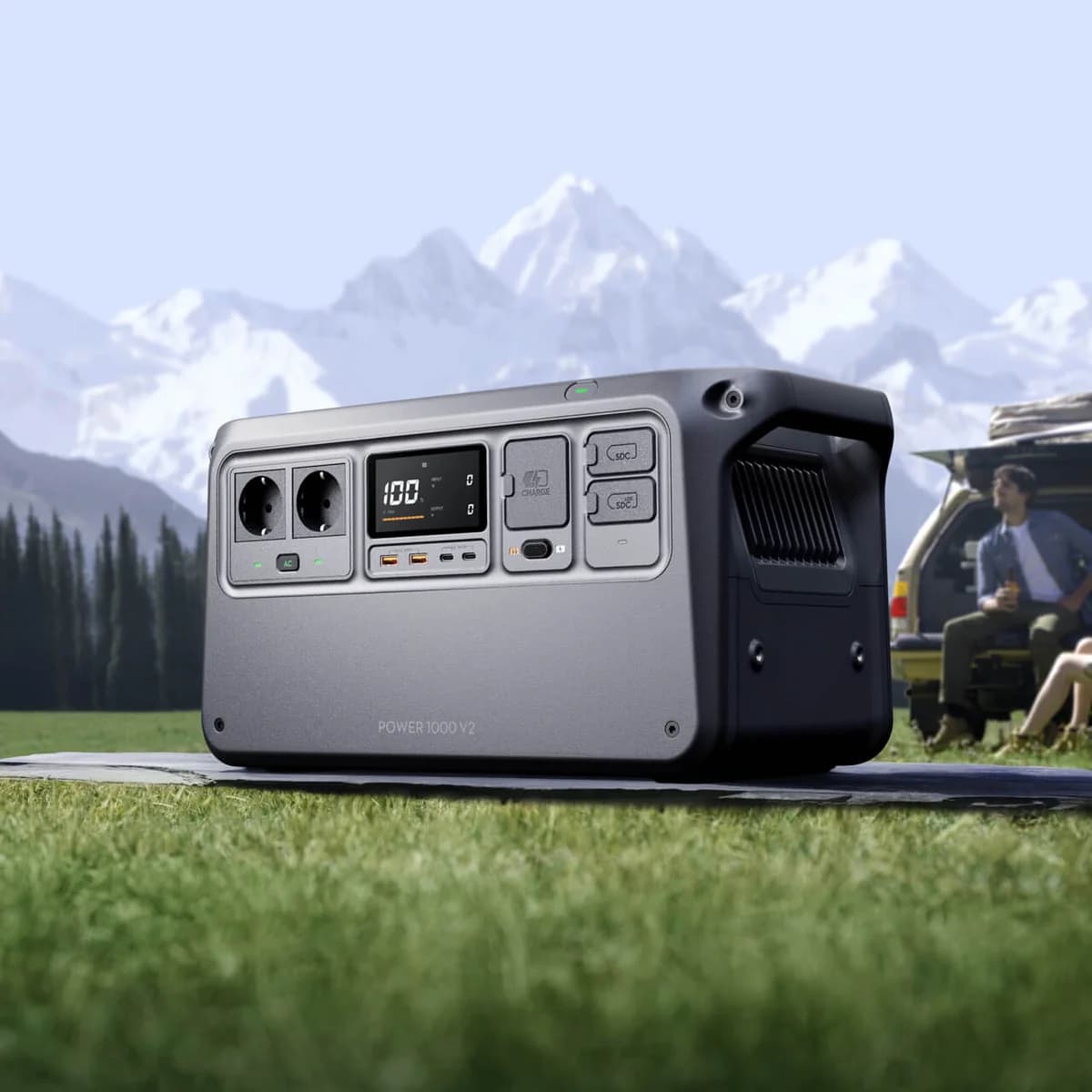
- •High-power USB‑CTwo 140W ports for fast charging.

Considerations
- •Firmware and reliabilityReports of shutdowns, bootloops, errors.
- •Accessory and adaptersSolar/car/SDC adapters sold separately.
- •UPS switchover limitsSome devices hiccup on switchover.
- •Limited runtime at full load1,024Wh drains quickly under heavy loads.
DJI’s latest mid‑capacity station steps up power density and charging speed without pretending to be a full house generator. Known for making reliable gear for creators and pros, DJI positions this model between lightweight campers and heavier home‑backup systems—its primary job is to give photographers, van‑lifers, and small‑business users a portable, quiet source of high‑wattage power for shoots, appliances, and quick turnarounds. In the sections that follow we’ll look at what really sets it apart: the 2,600W continuous inverter and short‑burst 4,400W peak surge that let you run demanding kit, the unusually fast 0–80% in 37 minutes AC charging that shrinks downtime, and the LFP chemistry behind an advertised ≈4,000 cycles to 80% lifespan. We’ll also cover the practical side—why the twin 140W USB‑C ports and port layout matter for creators, how UPS switchover behaves with sensitive gear, and how the quiet fan and thermal design perform in real use; read the parts that match your priorities, because trusting the right feature can save a shoot (and a headache).
AC Recharge Speed
Charging is unusually fast, with DJI advertising 0–80% in 37 minutes and a full charge in about 56 minutes, which reviewers consistently praise for reducing downtime on shoots. Real-world tests also showed strong AC charging rates, though top‑up above 80% slows as with most lithium packs, and users warn that you must use compatible cables and the right wall input for those times to match claims. The fast recharge is a clear convenience when paired with the unit’s expandable battery options for multi‑shift workflows.
Noise and Thermal
Noise and cooling are a big win for field work, with the fan running as low as 26 dB in light use and reviewers frequently praising the quiet operation during shoots. Thermal management is generally solid under heavy loads, with the upgraded cooling design noted in authoritative reviews, though sustained high draws will still trigger fans and heat‑related cutbacks. Combined with the intelligent BMS the system balances heat and safety well, but expect audible fan activity under prolonged heavy use and monitor ambient conditions in hot environments.
UPS Switch Performance
The unit offers a roughly 10ms UPS switch that DJI advertises as seamless for home backup and sensitive gear, and many tests show it performs well for routers and cameras. A subset of users, however, say their specific compute equipment experienced hiccups during switchover, so the perceived UPS quality can depend on device tolerance and firmware state. If you need guaranteed zero‑interrupt uptime for mission‑critical servers, validate your setup with a short controlled test and keep the DJI Home app and firmware current.
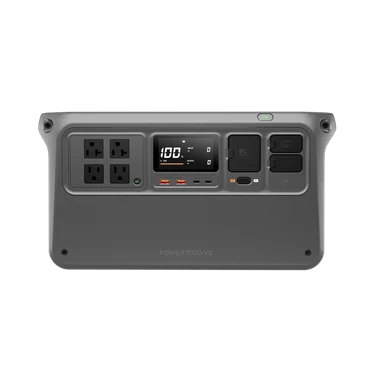
Battery Chemistry
The Power 1000 V2 uses LFP (LiFePO4) cells, which are chosen for thermal stability and longer cycle life compared with typical NMC packs. DJI markets an approximate 4,000 cycles to 80% and a long service life, which aligns with expert praise for longevity, though real owners sometimes report mixed standby behavior and software-related battery drain. The built‑in intelligent BMS and flame‑retardant housing support safety claims, but occasional firmware hiccups reported in forums mean you should keep firmware updated and monitor behavior closely.
Port Power Layout
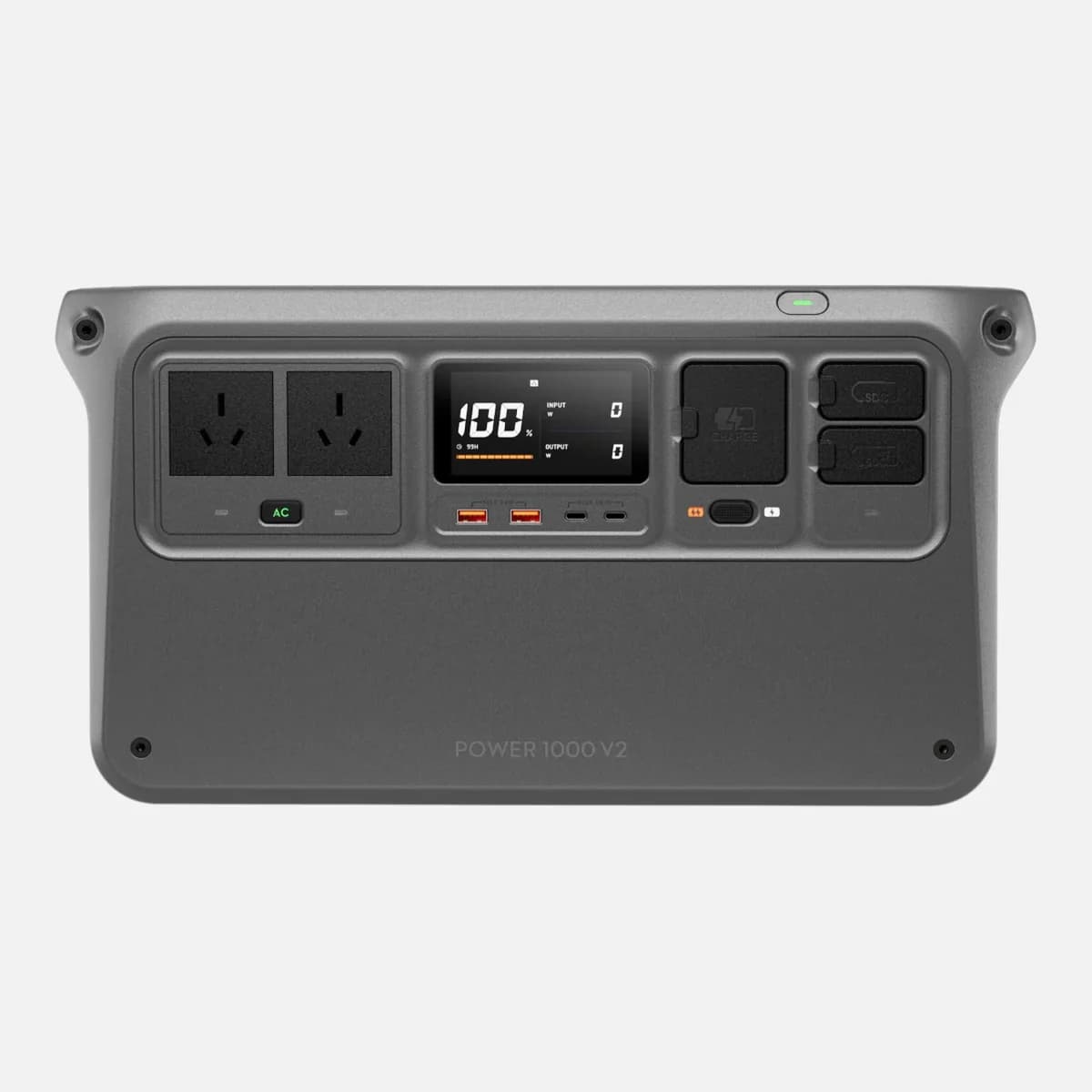
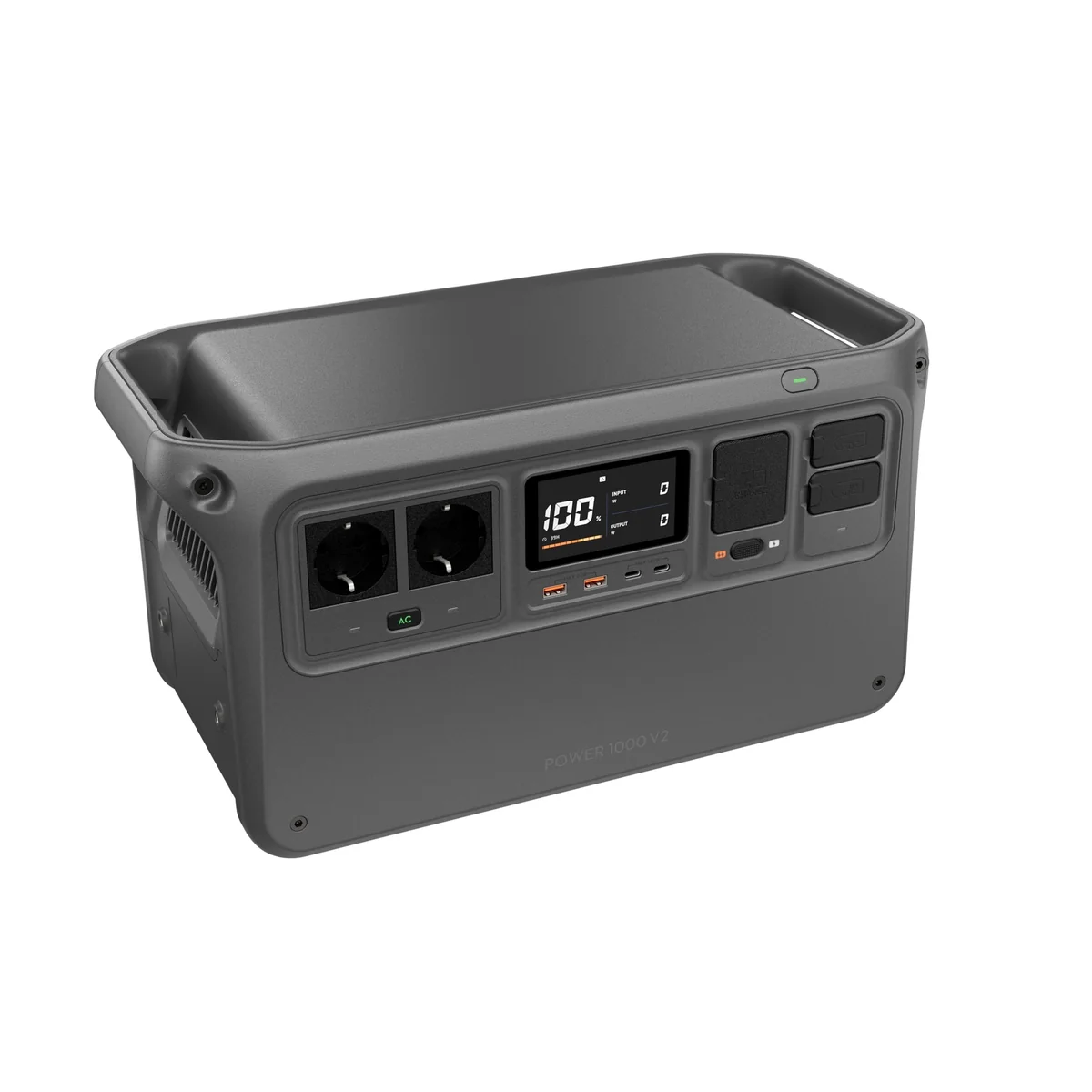
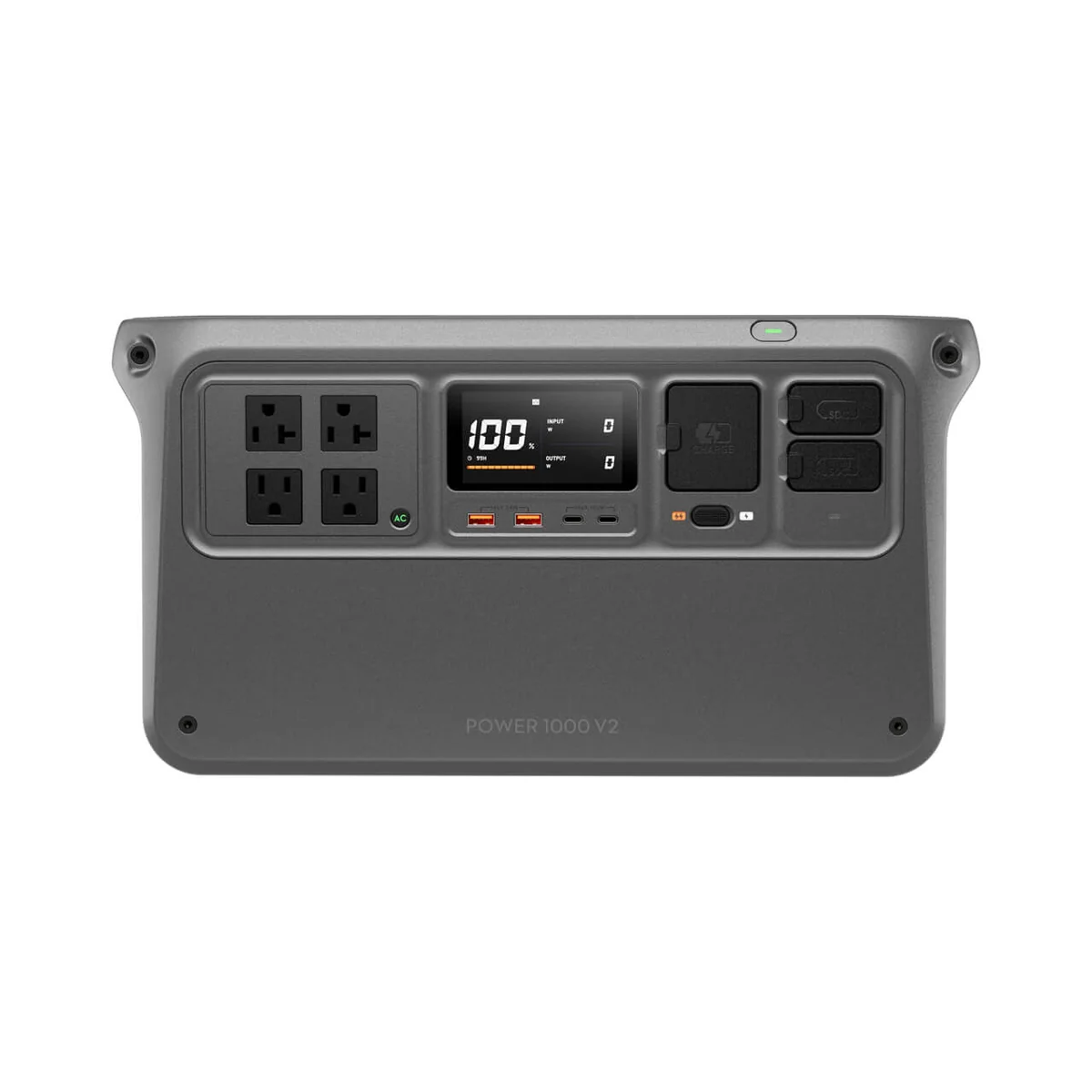
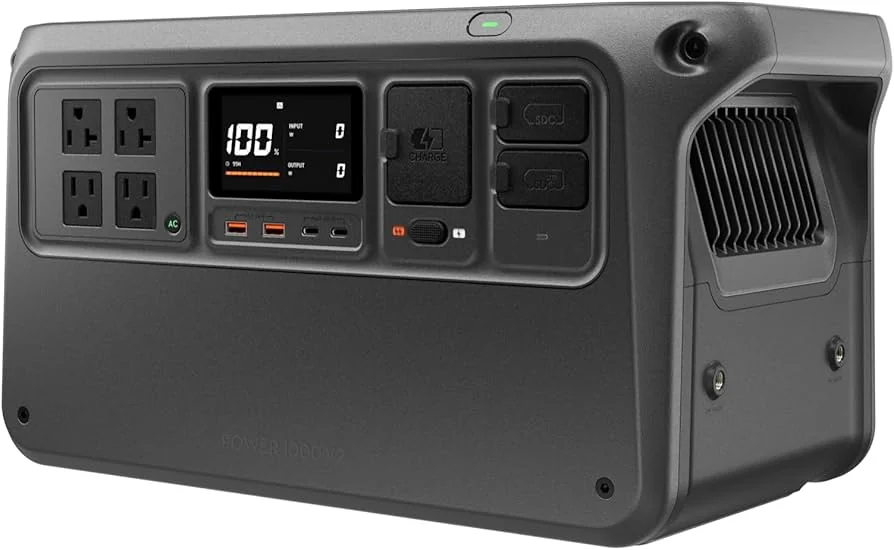
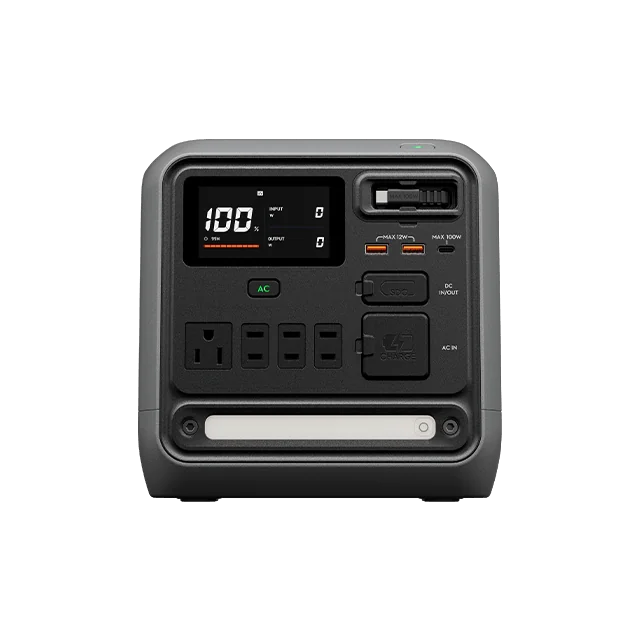
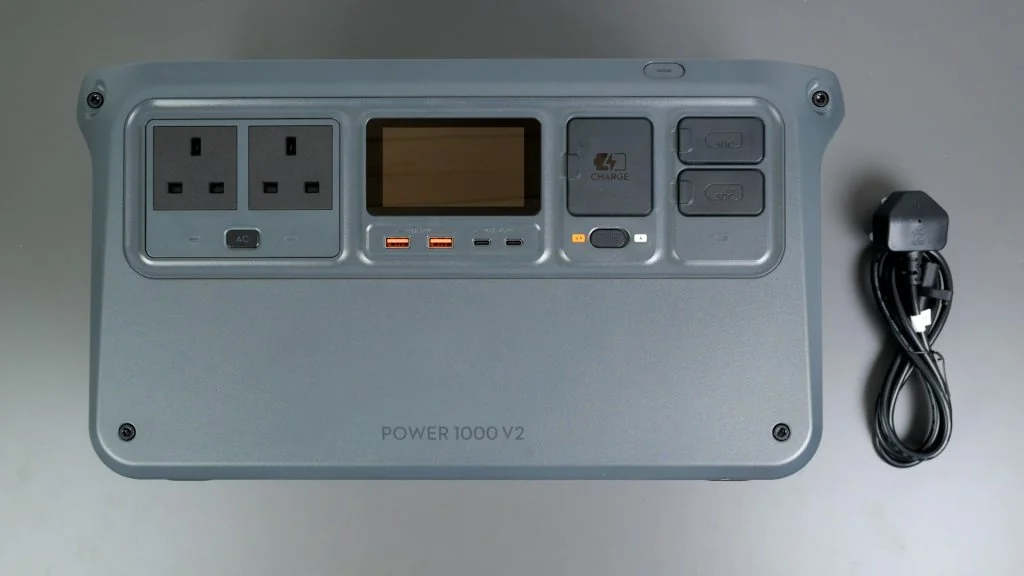
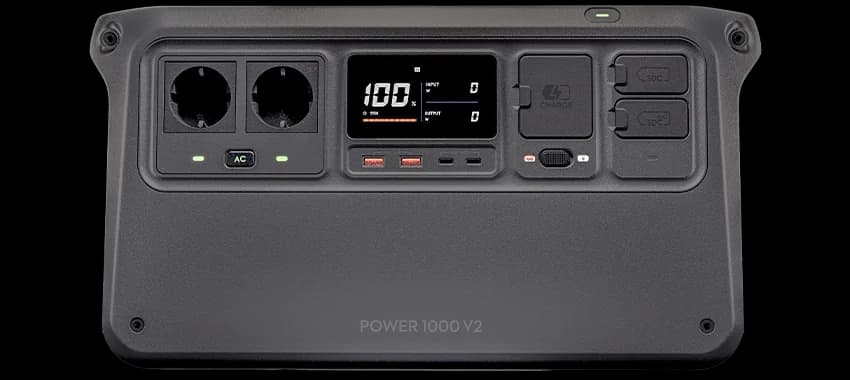
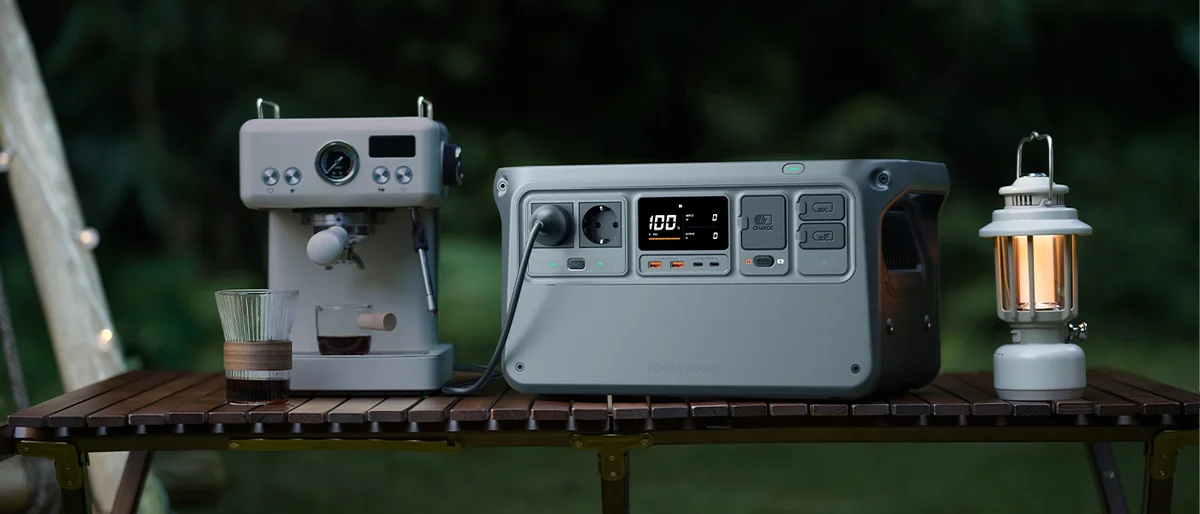
The front layout focuses on creator needs with 2× 140W USB‑C ports for high‑power laptops, four AC outlets for multiple appliances, and SDC ports for DJI drone fast charging. Experts like the high‑watt USB‑C outputs and the practical AC count, yet some reviewers find the overall port mix conservative and note SDC accessories or adapters are required for solar/car charging, adding cost and adapters to the workflow. The physical layout and app monitoring make it easy to manage loads, but plan for extra dongles if you need broader connectivity.
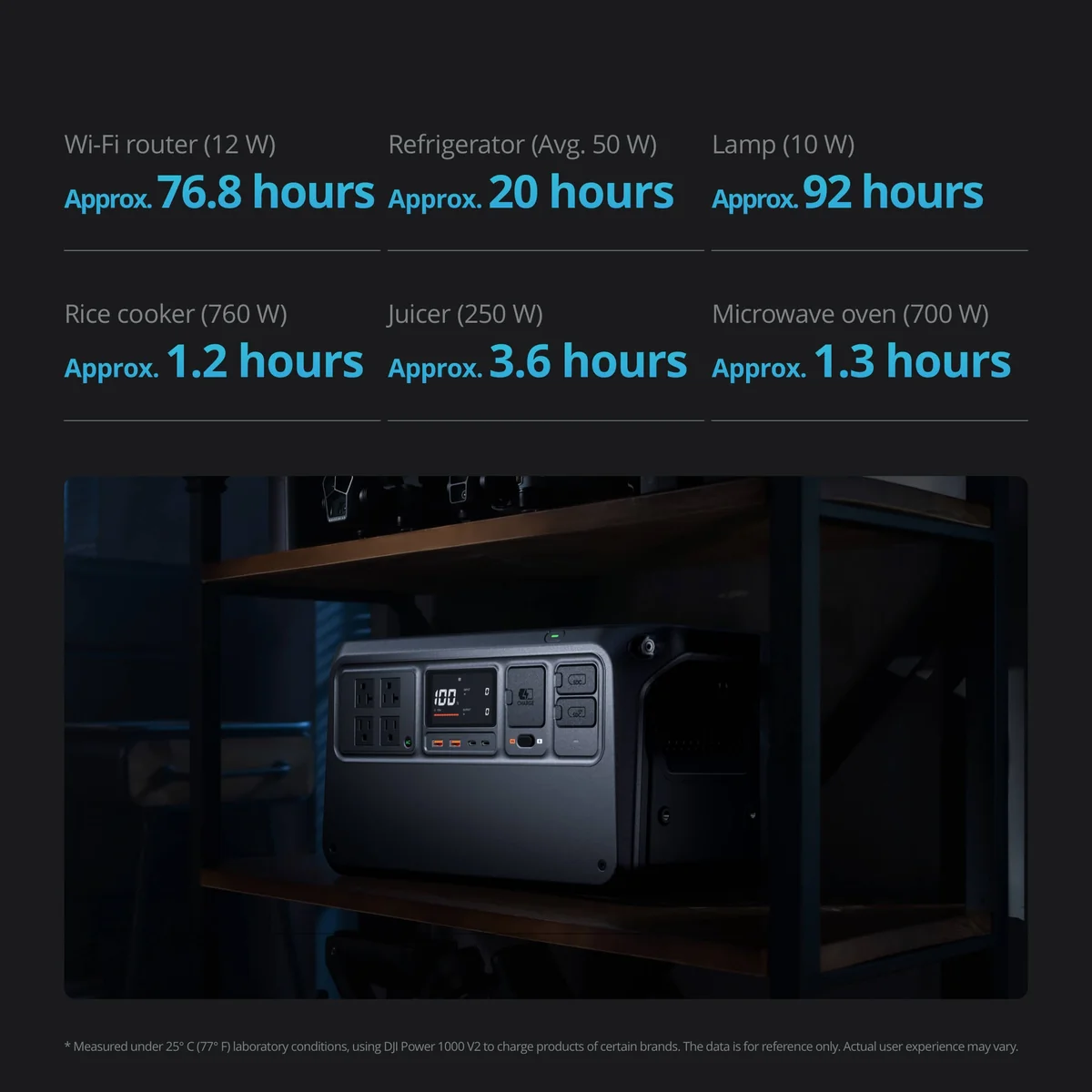
Continuous AC Output
The unit delivers serious sustained power for its size with a 2,600W continuous inverter, which handles heavy loads like heaters, kettles, and power tools without flinching. Reviewers and tests back up DJI’s claim about high sustained output, though some users note that runtime under continuous heavy draw is limited by the 1,024Wh battery capacity, so expect short runtimes at peak loads. For short motor starts the 4,400W peak surge helps appliances spin up, but don’t rely on it for long-duration high-wattage use.
Conclusion
Here's the bottom-line take: after weighing sustained power, recharge, chemistry, ports, UPS behavior, and noise, the Power 1000 V2 reads like a pragmatic specialist — its 2,600W continuous inverter and 4,400W peak surge genuinely let you run demanding kit, while the 0–80% in 37 minutes AC charging materially reduces downtime on shoots; the LFP cells promise long cycle life and safety, and the front-facing 2×140W USB‑C plus multiple AC outlets make it creator-friendly, but expect to budget for DJI’s adapters and test your most sensitive gear against the roughly 10ms UPS switchover since some setups hiccup. Reviewers praise the whisper-quiet fan and robust thermal design, so it’s a strong pick for creative professionals, campers, or light home‑backup users who prize power density and fast top-ups — a practical, well-engineered choice that justifies a confident recommendation.

Feature Scores
This reflects reviews and ratings from established critics, journalists, and users who have evaluated the item. Their opinions provide a comprehensive assessment.
Performance
Energy Capacity
4/5
Charge Speed
5/5
Cycle Life
5/5
Compatibility
4/5
Reliability
4/5
Value
Price-to-Capacity
4/5
Warranty and Support
4/5
Included Accessories
2/5
Design
Form Factor
4/5
Portability
4/5
User Interface
4/5
Aesthetics
4/5
Health
Material Toxicity
4/5
Off-gassing
3/5
Safety
Overcharge Protection
5/5
Thermal Management
4/5
Short Circuit Protection
5/5
Certification Compliance
3/5
Sustainability
Recyclability
3/5
Sustainable Materials Use
3/5
Energy Efficiency
4/5
End-of-Life Programs
2/5
Experience Style
Ease of Use
4/5
Ecosystem Integration
4/5
Customizability
4/5

Specifications
This section outlines the product's key facts, covering essential features, details, dimensions, materials, and any unique characteristics that define its functionality and usability.
Performance
Value
Design
Safety
Sustainability
Experience Style

Frequently Asked Questions
10 Questions

Also Consider
4 Options
Find Yours
What type of power solution are you primarily looking for?
Answer to find your best matches.