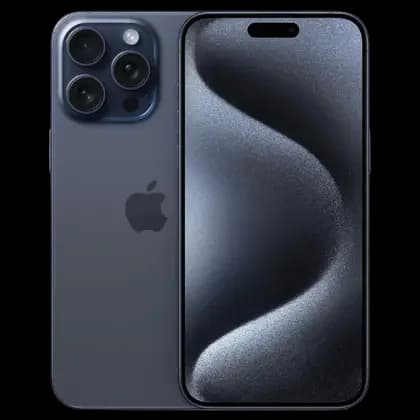

Samsung Galaxy S25
Compact, powerful, and long-supported, though cameras and charging lag behind rivals.
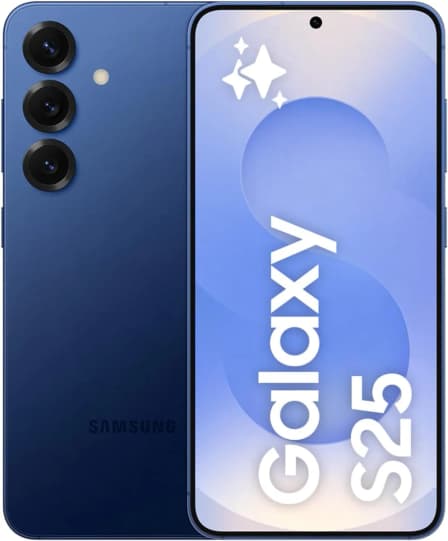
The Samsung Galaxy S25 is a pocket-sized powerhouse for people who want flagship speed without a bulky phone. Its 162g compact design and bright, fluid display make one-handed use genuinely easy, while the Snapdragon chip delivers the smooth performance Samsung promises, with some sustained gaming heat and throttling reported. Experts and owners generally praise its reliability, seven years of updates, and all-day battery, but the 4,000mAh cell may need an evening recharge for heavy users. The camera system is versatile, though aging ultrawide hardware and softer low-light results trail rivals. At around $799, it is strong value for new buyers, especially on sale, but a modest upgrade from the S24. Overall appeal rests on comfort, performance, longevity, and how much you can tolerate 25W charging and dated cameras.





Find Yours
What's your top priority when choosing a smartphone?
Answer to find your best matches.

The Field
Browse top contenders, or compare all options ranked by score and key attributes.
5 Options



The Scoreboard
Does this improve your life? Considers, health, habits, and environmental impact.
Benefits
The compact, lightweight design feels comfortable in one hand and fits easily into smaller pockets.
Apps, camera switching, and games stay responsive without the sluggishness common on older phones.
The bright, smooth display makes scrolling, reading, and outdoor viewing comfortable throughout the day.
Seven years of updates means fewer disruptive phone changes and reliable security over time.
Trade-Offs
Long navigation, gaming, or camera-heavy days can require a top-up before bedtime.
A low battery takes longer to recover, so quick coffee-break top-ups are less useful.
In dim rooms or moving scenes, photos can look softer and less dependable than rivals.
 Alternatives


Join the Circle
Where real meets deal
Know what's worth buying-and when.
Tips, special offers, and rewards for buying and sharing.

Publications
9 LEADING PUBLICATION REVIEWS

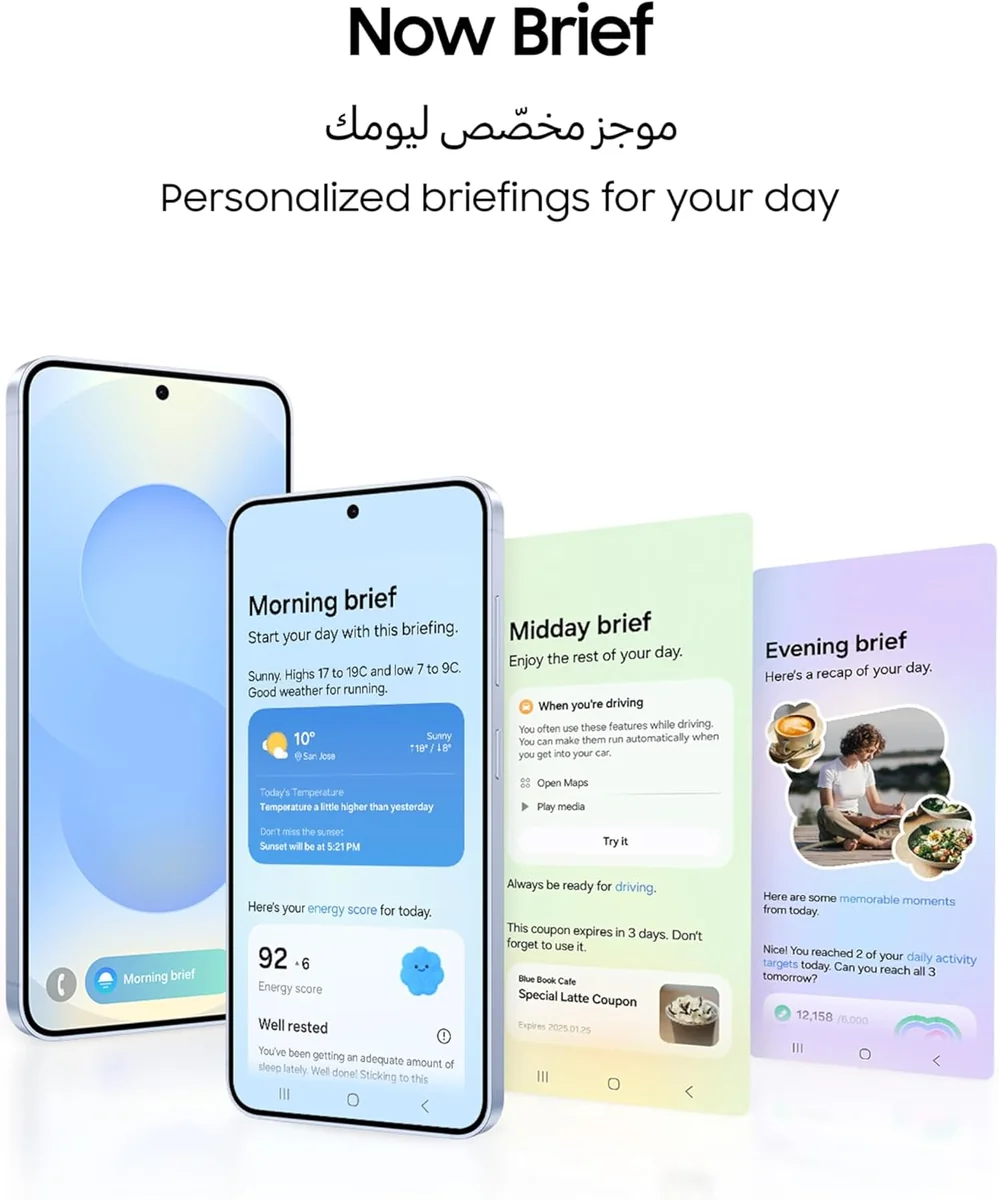
Abrar Al-Heeti from CNET highlights the Samsung Galaxy S25 and S25 Plus as reliable, practical smartphones that prioritize consistency over radical innovation. While the design closely mirrors last year’s models, the reviewer appreciates the subtle yet effective AI enhancements, such as AI Select for text actions, conversational search in the Gallery, and the Google Gemini assistant, which pleasantly surprised her despite initial AI fatigue. The phones excel in core areas like camera quality—with impressive portrait mode and AI-powered editing tools—and battery life, delivering solid all-day performance and fast charging. However, some AI features like Portrait Studio and Now Brief feel more gimmicky or underdeveloped. The reviewer recommends the baseline S25 for most users, noting the Plus offers little extra beyond size and faster charging, and suggests the Ultra model for those wanting more advanced camera perks. Overall, the Galaxy S25 series offers a balanced blend of familiar strengths and thoughtful AI integration without overwhelming users.
By Abrar Al-Heeti
Iyaz Akhtar from PCMag highlights the Samsung Galaxy S25 as a compact yet powerful entry in the S25 series, offering exceptional performance and advanced AI features typically reserved for its larger siblings. Praising its bright 6.2-inch AMOLED display, solid battery life, and excellent build quality, Akhtar notes the phone’s comfortable size and premium materials make it an appealing choice for those seeking a smaller Android device under $1,000. However, the review points out some drawbacks, including a dated design unchanged since the Galaxy S22, limited storage options starting at 128GB, and the absence of an S Pen or 5x optical zoom camera found on the Ultra model. The S25’s camera system delivers bright, detailed photos with some oversaturation, while video stabilization excels at 4K. Overall, Akhtar presents the Galaxy S25 as a compelling, well-rounded smartphone that balances performance and portability, though it lacks some premium features and design innovation seen in competitors and Samsung’s own flagship Ultra.
By Iyaz Akhtar
Philip Berne from TechRadar highlights the Samsung Galaxy S25 as a polished, high-performance smartphone that excels in speed and battery life, outperforming competitors like the iPhone 16 in key areas. The phone’s sleek, compact design and vibrant display continue Samsung’s tradition of quality, making it a solid all-around choice for users seeking reliability and power. However, Berne notes that the S25 feels more evolutionary than revolutionary, with minimal design changes and camera improvements that lag behind rivals such as the OnePlus 13 and Pixel 9 Pro. A significant disappointment lies in the underwhelming Galaxy AI integration, which falls short of Samsung’s ambitious promises, creating confusion between Bixby and Google’s Gemini assistants and offering limited practical benefits. Despite these AI shortcomings and some software bloat, the Galaxy S25 remains a satisfying flagship for those prioritizing performance and battery life, though existing Galaxy S24 owners might consider waiting for a more exciting upgrade.
By Philip Berne
Dan Seifert from WIRED highlights that the Samsung Galaxy S25 series offers solid, reliable performance with notable improvements in thermal management and battery life, making it a worthwhile upgrade for users with older devices. However, the review conveys a tempered enthusiasm, emphasizing that the phones lack significant innovation or excitement, especially in design and camera advancements outside the Ultra model. While the Snapdragon 8 Elite chipset and improved cooling deliver smooth gaming experiences, the AI features feel underwhelming and inconsistent, and the new Qi2 wireless charging support is hindered by Samsung’s decision not to integrate magnets directly into the phones. The Ultra’s camera improvements, including a sharper 50MP ultrawide sensor, are appreciated but don’t fully justify its premium price, especially given the absence of a 10X optical zoom. Overall, the Galaxy S25 series is technically competent but somewhat uninspired, leaving the reviewer wanting more innovation for the high cost.
By Julian Chokkattu
Nadeem Sarwar from Digital Trends highlights the Samsung Galaxy S25 as a compact, well-built smartphone with a beautiful 120Hz OLED display and strong performance powered by the Snapdragon 8 Elite chipset and 12GB RAM. The phone’s smaller footprint and lightweight design make it a standout for users seeking a truly pocketable flagship. Battery life impresses with a full day of use despite a modest 4,000mAh capacity, though charging speeds remain disappointingly slow and lack a charging brick. Sarwar criticizes Samsung’s stagnant design, which closely resembles older models, and the camera system, which feels underwhelming compared to competitors like the OnePlus 13. The new AI features in One UI 7 show promise but often fall short in execution. Ultimately, the Galaxy S25 is recommended mainly for those prioritizing size and build quality, while value-conscious buyers might find better alternatives in Samsung’s own lineup or rival brands.
By Nadeem Sarwar
Britta O’Boyle from Trusted Reviews highlights the Samsung Galaxy S25 as a refined, compact Android phone that excels in delivering smooth performance and a great display within a smaller form factor. While the device offers only incremental upgrades over the Galaxy S24—such as a lighter, slimmer design, a modest hardware boost with the Snapdragon 8 Elite for Galaxy, and subtle camera tweaks—it remains a solid choice, especially for users with older phones. The review praises the consistent camera quality, clever AI features, and a user-friendly OneUI 7 experience, though it notes the camera hardware and battery capacity largely remain unchanged. Charging speeds are average, and the phone can get warm under heavy use but not excessively so. O’Boyle emphasizes that the Galaxy S25’s main appeal lies in its compact size and balanced flagship performance rather than groundbreaking innovation, making it a brilliant option for those seeking a pocket-friendly powerhouse rather than the top-tier features found in the S25 Ultra.
By Britta O'Boyle
Samuel Gibbs from The Guardian highlights the Samsung Galaxy S25 as the standout compact flagship Android phone, combining top-tier performance with the smallest form factor in its class. Praising its powerful Snapdragon 8 Elite chip and solid 6.2-inch display, Gibbs emphasizes the phone’s appeal for users seeking a high-end device without the bulk of larger models. The review applauds Samsung’s latest AI-driven software features, especially Google’s Gemini assistant, which offers impressive automation but remains prone to occasional errors and hallucinations. Battery life is decent for the size, though gaming significantly reduces endurance. The camera system is reliable and versatile, though not revolutionary, with some minor issues like over-brightening and the absence of a macrophotography mode. Sustainability efforts and repairability are noted positively. While the design and hardware have seen little change from previous models, the S25’s combination of compactness, performance, and AI innovation makes it the best small flagship Android currently available, albeit with some software caveats.
By Samuel Gibbs
Antonio Villas-Boas from Business Insider highlights the Samsung Galaxy S25 and S25 Plus as top-tier Android phones, especially compelling for users upgrading from older devices. He praises the series’ stark performance leap, driven by the new Snapdragon 8 Elite Optimized processor and increased RAM, which promises long-term speed and smoothness unmatched by predecessors. The review emphasizes useful new AI features, such as Google’s Gemini chatbot integration and enhanced Gallery search, which add practical value despite some current limitations. Battery life sees slight improvements, though charging speeds remain unchanged and somewhat disappointing. The design and display remain largely unchanged but retain a modern, high-quality feel. Camera performance is solid but not revolutionary, with AI processing occasionally producing odd textures. Biometrics, particularly facial recognition, are noted as an area needing innovation. Overall, Villas-Boas recommends the Galaxy S25 series as a no-brainer upgrade for those with older or budget phones, while users of recent models may find fewer reasons to switch.
By Antonio Villas-Boas
Allison Johnson from The Verge highlights the Samsung Galaxy S25 and S25 Plus as solid, reliable smartphones that continue the brand’s trend of incremental improvements rather than groundbreaking innovation. She emphasizes that these models exemplify the current software-driven phase of smartphone evolution, with seven years of OS upgrades offering excellent long-term value. Johnson praises their polished design, dependable performance, and capable cameras, noting that daily use—whether for photography, gaming, or routine tasks—feels smooth and hassle-free. However, she also points out a sense of familiarity and repetition, suggesting the S25 series closely mirrors its predecessors without delivering major new features. This measured enthusiasm reflects a recognition of quality and consistency, tempered by a desire for more significant innovation. Overall, the review conveys respect for Samsung’s refinement and longevity commitments, while acknowledging the phones’ iterative nature in a mature market.
By Allison Johnson

YouTube
14 LEADING EXPERT & INFLUENCER REVIEWS
 GSMArena Official
GSMArena’s Will is positive about the Galaxy S25, but his recommendation is noticeably guarded. He praises its slim, compact design, excellent display, fast fingerprint reader, dependable performance, seven years of software support, and strong main-camera video. However, prolonged stress testing revealed heavy throttling, battery life is merely solid, charging remains slow, and the cameras—especially the telephoto and ultrawide—feel behind competitors. An apparent ultrawide lens defect on the test unit further complicates results. Overall, it’s a polished, capable compact flagship, but Samsung’s minimal hardware updates make it harder to recommend than last year.
Tech SpurtTech Spurt is clearly positive about the Galaxy S25, largely because its Snapdragon 8 Elite makes gaming dramatically smoother and improves battery life over the S24. He also enjoys the compact, premium design, bright display, strong speakers, and dependable all-day endurance. However, his enthusiasm is tempered by unchanged 25W charging, limited 128GB base storage, no UWB, and cameras that produce noisy, soft images—especially in low light or with moving subjects. Overall, it’s an appealing compact flagship, but a modest upgrade whose performance gains outweigh its frustrating omissions.
Nick AckermanNick Ackerman is strongly positive about the Galaxy S25, calling it the better overall value after six months. He especially enjoys its exceptionally thin, light design, slimmer bezels, brighter display, faster performance, 12GB of RAM, versatile cameras, customization, Galaxy AI, DeX, and superior storage deals. He prefers it for pocketability, speed, and features, while acknowledging that the iPhone 16 offers better battery life, smoother social-media photography, a more polished ecosystem, and slightly better scratch resistance. The S25’s photos can look softer, and heavy users may need an evening charge, but Nick considers it superb for buyers wanting maximum capability and personalization.
Marques BrownleeMarques Brownlee is underwhelmed by the Galaxy S25, calling it a polished but largely uneventful upgrade. The familiar design, unchanged batteries, displays, charging, and most cameras make it feel like an S24S, while the Snapdragon 8 Elite, larger vapor chamber, and Ultra’s improved ultrawide camera offer only modest hardware gains. He finds One UI 7’s redesign more meaningful than the physical changes, and considers features like the Gemini-Bixby assistant, AI Select, natural-language search, and audio cleanup potentially useful but inconsistent reasons to upgrade—especially since many may reach the S24. Overall, it’s a safe, low-risk choice, not an exciting leap.
TechmoMoh views the Galaxy S25 very positively, especially for buyers wanting a compact flagship. His testing found excellent performance, accurate cameras, strong zoom, advanced video features, Expert RAW, an ultrasonic fingerprint reader, and a brighter LTPO display. The trade-off is its relatively small 4,000mAh battery, slower 25W charging, and shorter endurance than the larger S25 FE and A56. Still, Moh presents it as one of the best compact phones available, with premium smoothness and seven years of support, while acknowledging that the S25 FE offers better value for less demanding buyers.
Mike O'BrienMike O’Brien is strongly positive about the Galaxy S25 lineup, especially its unusually small, comfortable base model. He praises the shared Snapdragon 8 Elite processor, 12GB RAM, bright 120Hz displays, long software support, and much closer feature parity across models. However, he criticizes the regular S25’s unchanged 3x telephoto camera, missing ultra-wideband, slower charging, and aluminum construction. The Ultra earns his personal recommendation for its superior cameras, S Pen, titanium body, and anti-reflective display, though the Plus offers a compelling middle ground. Overall, he sees the S25 as excellent value, but wishes Samsung had upgraded its zoom camera.
Naseem SpeachNaseem Speach remains positive about the Galaxy S25, calling it reliable, polished, and easy to live with. After nearly a year, its compact design, durable build, bright 120Hz display, consistent performance, dependable cameras, and stable software still impress him. However, the phone feels increasingly conservative beside rivals offering sharper displays, much faster charging, larger batteries, and more ambitious features. Battery life has become merely adequate for heavy users, and the cameras no longer lead the field. His measured verdict is that the S25 is a safe, long-lasting choice—especially at a discounted price—but not an exciting one.
Created by EllaCreated by Ella views the Galaxy S25 very positively, though she considers it closely matched with the iPhone 17. She appreciates its excellent 120Hz OLED display, Snapdragon 8 Elite performance, telephoto camera, 8K and log video recording, larger battery, and more capable voice recorder. The S25 also delivers strong sustained performance and competitive all-day battery life, despite the iPhone’s greater efficiency. Its older ultrawide camera, fixed focus, 128GB base storage, and weaker anti-reflection coating are notable drawbacks. Overall, Ella sees the S25 as the better choice for zoom photography, video, and peak performance, while leaving the final decision to personal priorities.
VersusOlive views the Galaxy S25 positively, calling it a compelling compact flagship rather than the outright winner. Its exceptionally light, smallest design, strong Snapdragon performance, versatile cameras, polished One UI 8 software, and discounted pricing make it attractive. The S25 beats the Pixel 10 in performance, zoom flexibility, and video, while charging nearly as quickly as the iPhone 17. Still, its display and cameras generally trail the iPhone, low-light shots can be noisy, and One UI 8 brings few major advances. Overall, it is a capable, well-rounded value pick, especially on sale.
JSL ReviewJason is pleasantly surprised by the Galaxy S25, despite initially viewing it as an underwhelming S24 clone. After a week, he praises its exceptionally smooth performance, useful Galaxy AI features, dependable all-day battery, refined design, and noticeably improved, more natural camera processing. The Snapdragon 8 Elite for Galaxy, 12GB of RAM, seven years of updates, and new Log video mode add meaningful appeal, even if some features target niche users. He acknowledges the hardware changes are modest, but considers the $799 S25 Samsung’s best-value Galaxy phone and a highly competitive flagship.
Ultra Value TechUltra Value Tech is strongly positive about the Galaxy S25, calling it the smarter buy at roughly half the iPhone 17’s price. It feels slimmer, lighter, faster, and more responsive, with more polished software, extensive customization, DeX, better file management, and a versatile telephoto camera. The reviewer also praises its vibrant display, reliability, and overall comfort. Its cameras—especially video and selfies—trail the iPhone, speakers are weaker, and 25W charging feels uncompetitive, but updates have improved image quality. For most users, the S25 offers excellent flagship performance and value; only camera-focused buyers should pay more for the iPhone.
TechOdysseyTechOdyssey is highly enthusiastic about the Galaxy S25, calling it the king of small flagship phones. He praises its lightweight, one-handed design, Snapdragon 8 Elite performance, bright 120Hz AMOLED display, versatile cameras, seven years of updates, DeX, and strong gaming capability. He also considers it a better-equipped, cheaper alternative to the iPhone 16 and a compelling Pixel 9 rival, though he concedes the cameras trail Google’s and the 25W charging is modest. The older camera hardware and lack of Gorilla Glass Armor are minor disappointments, but he clearly recommends the S25.
Arran BrownArran Brown is highly positive about the Galaxy S25 after three months of daily use. He praises its ideal compact size, premium build, bright 120Hz display, smooth Snapdragon 8 Elite performance, customizable One UI 7, useful recording and transcription tools, capable cameras, and seven years of updates. Gaming is impressively fast, though hot, while battery life is solid rather than exceptional. He criticizes the slippery design, weak official case, slow charging, limited ultrawide camera focus, gimmicky 30x zoom, and possible future Galaxy AI fees. At a discount below $700, he considers it an easy recommendation.
MTG ProductionsMTG Productions is strongly positive about the Galaxy S25 after a year of use. He especially appreciates its genuinely pocketable design, comfortable one-handed handling, bright 120Hz display, smooth performance, long software support, and versatile triple-camera system. He considers it one of the best compact flagships and a smart value once the S26 arrives. The main drawbacks are more consequential: the 4,000mAh battery can require a recharge during heavy days, 25W charging feels outdated, thermals are merely average, and video trails the iPhone 17 series. Overall, his enthusiasm is clear but sensibly qualified.

Social
2 INFLUENCER REVIEWS
 Лысый из MT
Лысый из MT sharply criticizes the Samsung Galaxy S25, calling it overpriced and underwhelming for 110,000 rubles. He highlights minimal upgrades from the S24—mainly design, chip, and RAM increase—and expresses frustration over throttling and unimpressive AI features. The unboxing reveals a barebones package, adding to his disappointment. Overall, he conveys strong dissatisfaction and skepticism, feeling the phone doesn’t justify its cost. His tone is blunt and dismissive, clearly advising viewers to reconsider before buying.
La chica de las cajas 📦La chica de las cajas 📦 highlights the Samsung Galaxy S25’s compact size paired with a powerful Snapdragon 8 Elite processor, vibrant 6.2-inch AMOLED 2X display, and versatile camera setup. She notes solid specs like 12 GB RAM, fast charging, and IP68 water resistance, presenting a clear overview without overt enthusiasm or critique. Overall, her review is informative and balanced, focusing on key features without strong emotional cues or detailed drawbacks. She offers a straightforward summary that suggests the S25 is a capable, well-rounded smartphone, suitable for users valuing performance in a smaller form factor, but stops short of a passionate recommendation.

Forum Reviews
CUSTOMER REVIEWS FROM 1 FORUM
Reddit users generally view the Samsung Galaxy S25 positively, praising its compact design, solid performance, and efficient thermals, especially appreciating its lightweight build and long software support. The base model is favored for its usability and comfort, though battery life and camera performance, particularly in video, receive mixed reviews with some users finding them underwhelming. AI features are seen as non-intrusive but largely unnecessary. Dual SIM availability varies by region, causing some frustration. Upgraders often debate the value over previous models, with many suggesting the S25 offers modest improvements not always justifying an immediate switch, while new buyers appreciate its balance of size and capability.
Many comments

In-Depth Review

Highlights
- •Bright Smooth DisplayVivid 120Hz AMOLED remains comfortable outdoors.
- •Compact Flagship DesignLightweight body suits one-handed use.
- •Fast Daily PerformanceSnapdragon chip keeps apps and games responsive.
- •Extended Software SupportAdvertised to receive seven years of updates.

Considerations
- •Slow Wired Charging25W charging makes quick top-ups less useful.
- •Aging Camera HardwareLow-light and moving subjects expose weaknesses.
- •Limited Battery StaminaHeavy use may require an evening recharge.
- •Sustained Heat And ThrottlingLong gaming sessions can reduce performance.
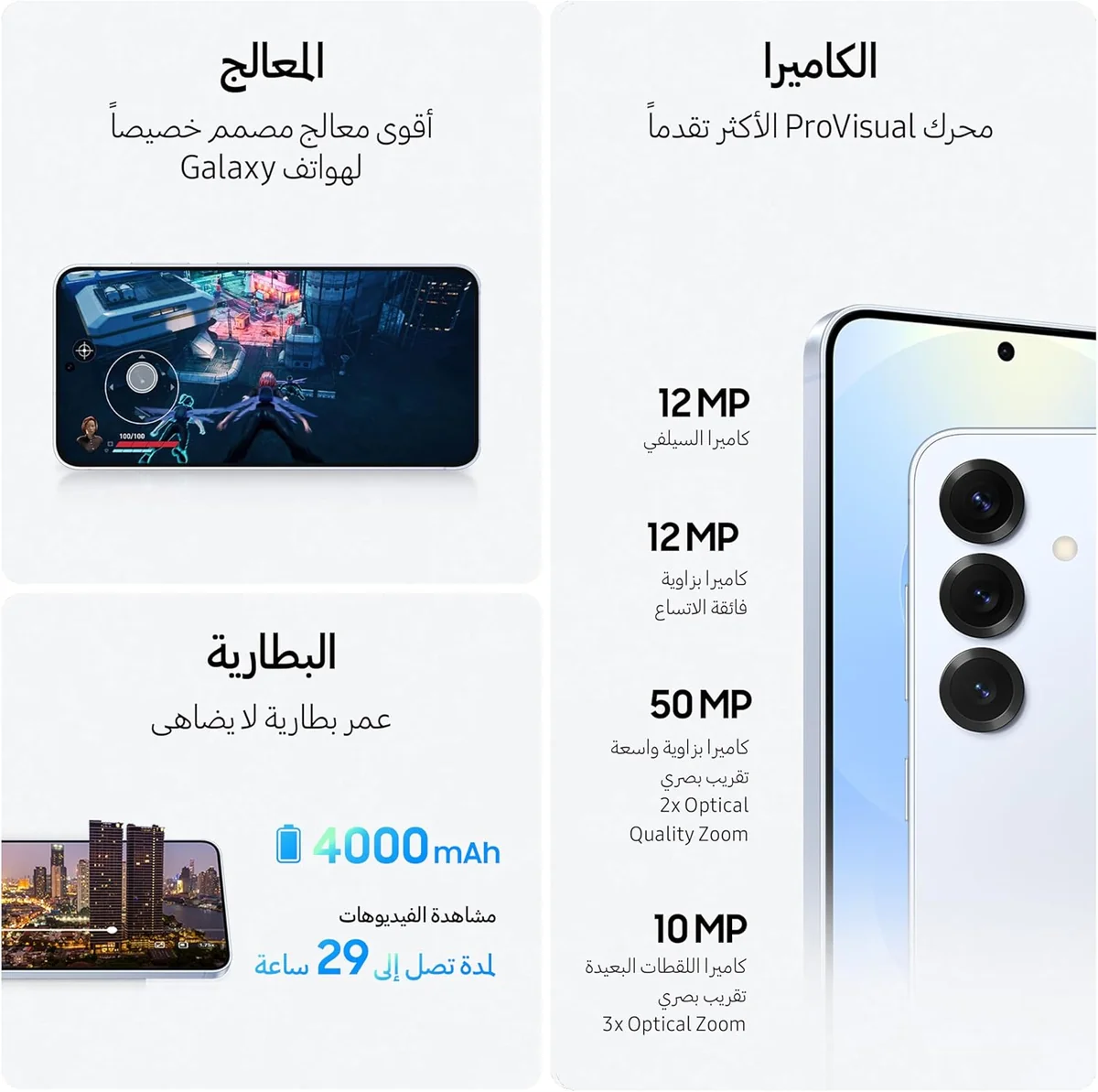
Samsung’s Galaxy S25 is a polished compact flagship for people who want premium performance without a pocket-filling phone. Building on the brand’s reputation for refined hardware and long support, it pairs a 6.2-inch 120Hz AMOLED display with the Snapdragon 8 Elite and a lightweight 162g design—useful for commuters, one-handed users, gamers, and Android fans upgrading from older devices. Compared with the S24, the gains are more about speed and refinement than reinvention, while rivals can offer faster charging or stronger camera hardware. The 50MP stabilized main camera, 4,000mAh battery, and seven years of updates deserve particular scrutiny, as do sustained heat, throttling, and the practical limits of 25W charging. Read on with your priorities in mind: this is a small phone with big ambitions, but its compromises are hiding in plain sight.
Display Performance
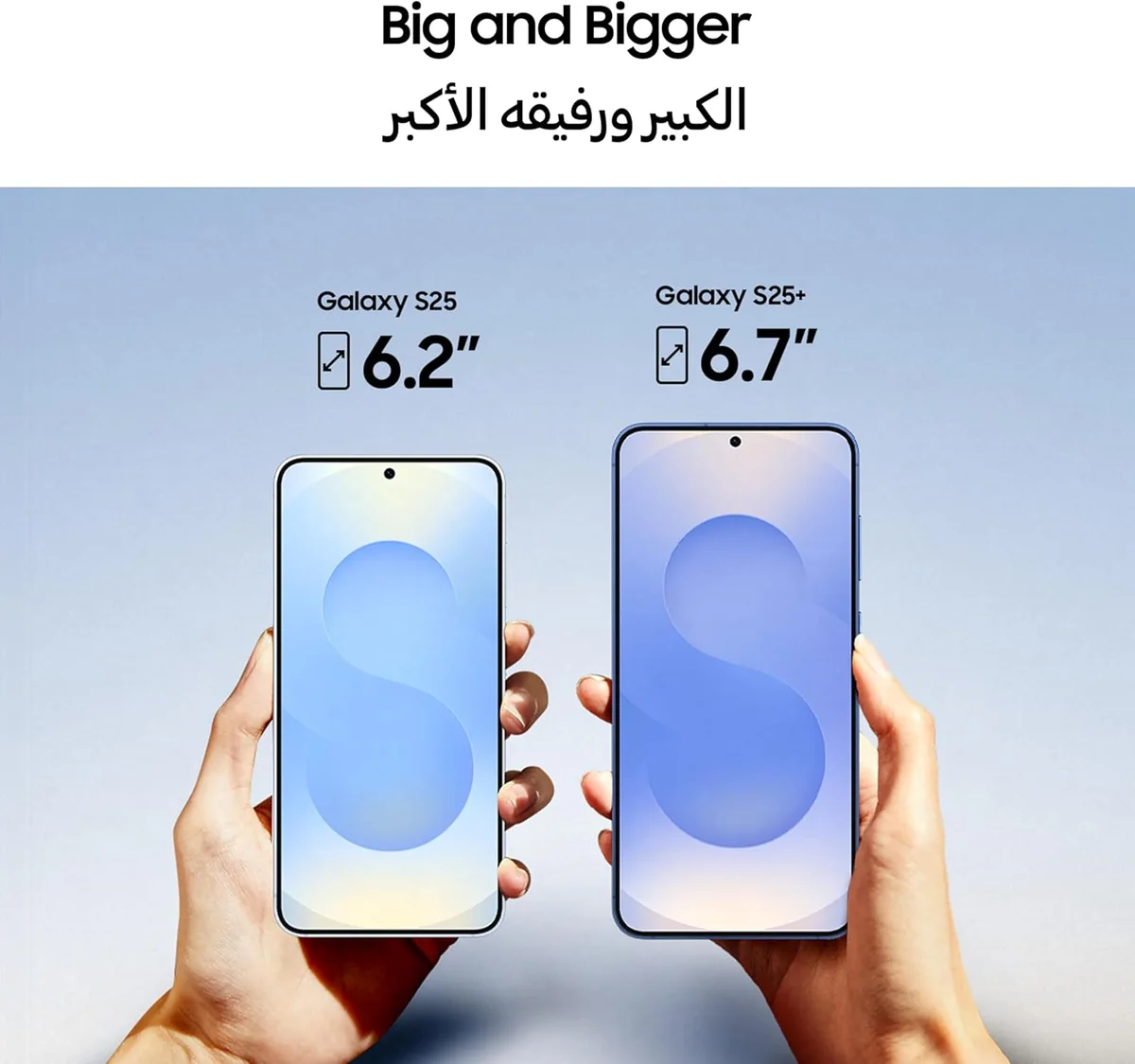
The Galaxy S25’s display is one of its safest strengths for everyday use. Its 6.2-inch AMOLED 2X panel delivers vivid contrast, strong brightness, and comfortable outdoor visibility, while the 120Hz refresh rate keeps scrolling and animations fluid. The FHD+ resolution is sharp enough at this size, though rivals sometimes offer higher-detail panels or better anti-reflection treatment. Expert and user feedback consistently supports Samsung’s polished screen experience, making it particularly appealing if you want flagship quality without a large phone.
Snapdragon Performance
The Galaxy S25 feels fast because Samsung pairs 12GB of RAM with the Snapdragon 8 Elite for Galaxy. Apps open quickly, camera processing is responsive, and demanding games run substantially smoother than on the Galaxy S24 generation. The larger vapor chamber supports sustained workloads, and reviewers generally praise the performance uplift. Still, extended stress tests have revealed thermal throttling, with heavy gaming producing noticeable warmth. For normal use this is rarely disruptive, but the chip’s headline speed is less consistently sustained than benchmark peaks suggest.
Camera System
The camera setup is versatile, but it is no longer class-leading. The 50MP main camera with OIS produces dependable, detailed photos and strong stabilized video, while the dedicated 3x telephoto lens adds useful portrait and zoom flexibility. Samsung also supports features such as 8K and Log video, but the older ultrawide hardware, fixed focus, and limited low-light performance show their age. Reviews frequently mention softer, noisier results with moving subjects, so camera-focused buyers may prefer a Pixel, iPhone, or more ambitious flagship.
Thermal Sustained Performance
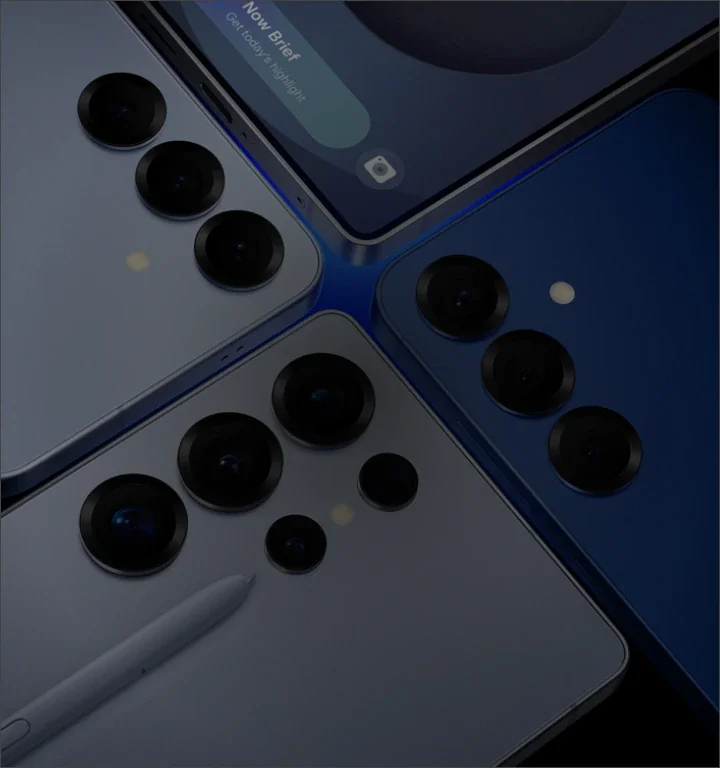
The S25 handles ordinary workloads smoothly, but sustained performance deserves a realistic caveat. Samsung’s larger vapor chamber and Snapdragon 8 Elite platform improve gaming responsiveness and efficiency compared with the S24, with users generally reporting controlled thermals during daily tasks. Under prolonged stress, however, testing has shown heavy throttling, and gaming can make the slim phone noticeably warm. That means excellent short bursts and strong everyday speed, but less confidence for long, demanding sessions than the raw processor specification implies.
Build Quality And Materials
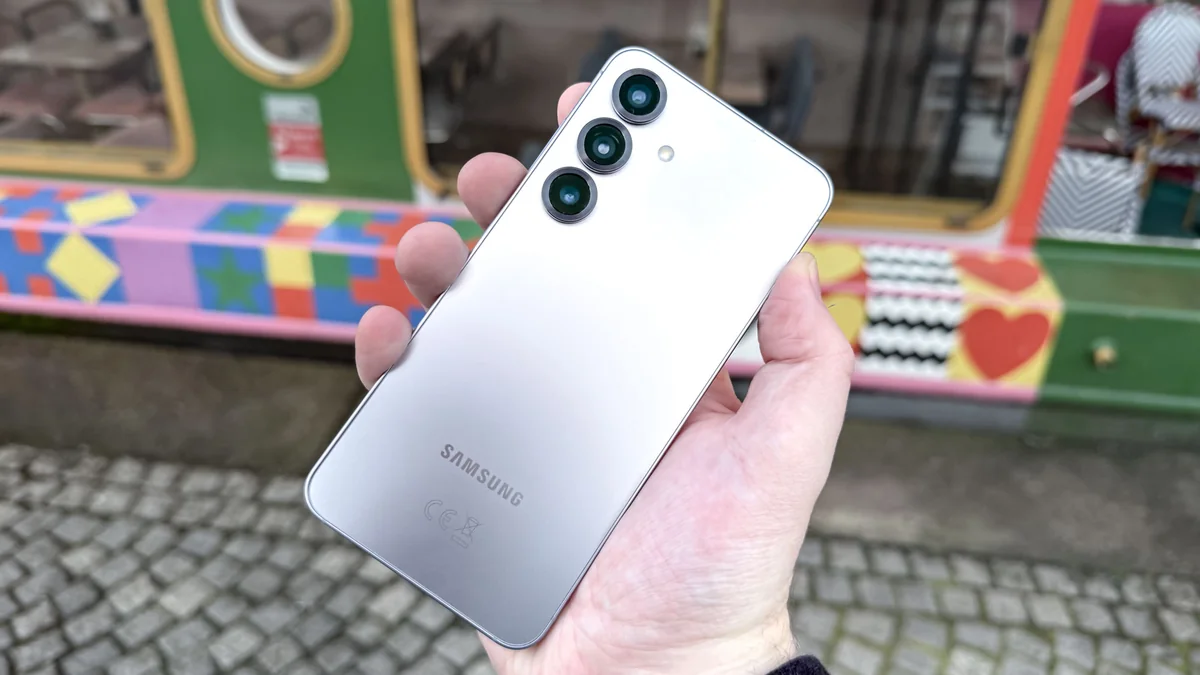
The S25’s design is exceptionally easy to live with, even if it is visually familiar. Its 162g lightweight chassis and slim, compact proportions make one-handed use and pocket carry unusually comfortable for a flagship. The aluminum frame, IP68 water resistance, stereo speakers, and ultrasonic in-display fingerprint reader reinforce its premium practicality. However, the design changes little from recent Galaxy generations, and some reviewers find the finish slippery. It also lacks built-in magnets for full Qi2 alignment, limiting the convenience of magnetic accessories.
Battery And Charging
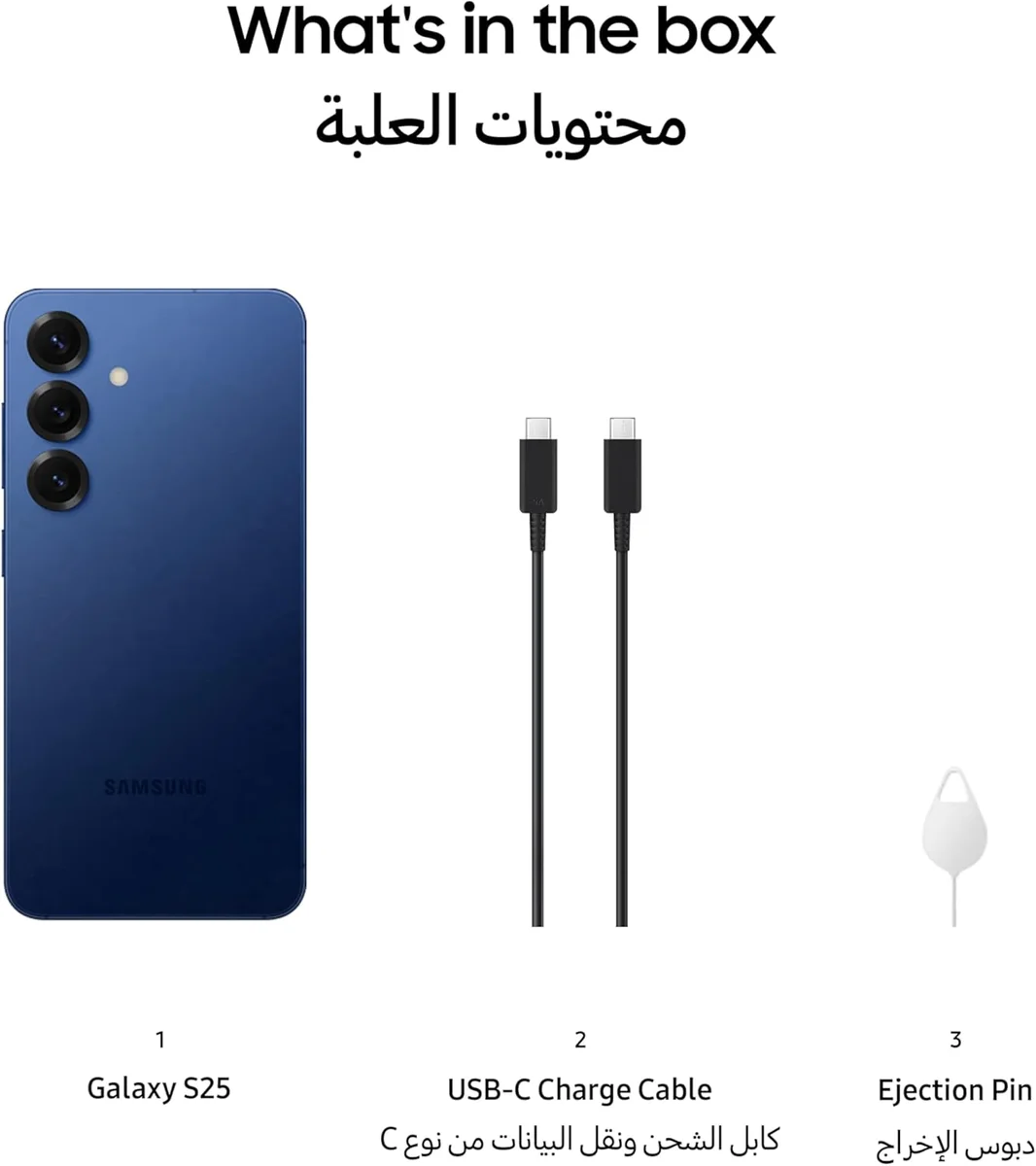
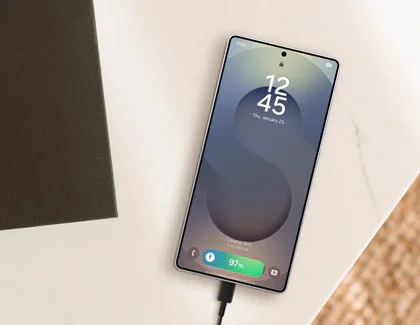
Battery life is generally sufficient for a full day, but the compact body imposes real limits. The 4,000mAh battery benefits from the efficient Snapdragon platform and usually handles routine messaging, browsing, and photography reliably. Heavy gaming, navigation, or camera use can push endurance toward an evening recharge, matching mixed user reports. The bigger issue is 25W wired charging, which feels slow beside faster-charging rivals, and the box includes no adapter. Wireless charging helps, but it does not erase the slow wired top-ups.
Conclusion
The Galaxy S25’s story is clear: it makes compact flagship design feel practical without giving up speed. Its bright, fluid display and Snapdragon 8 Elite deliver the smooth experience users and experts praise, while the lightweight build, stereo speakers, IP68 rating, and long support make daily ownership easy. The camera system is versatile, but aging ultrawide hardware and softer low-light or moving-subject results keep it behind camera-first rivals. Battery life is generally all-day, though the 4,000mAh cell and 25W charging are limiting for heavy users. Sustained gaming can also bring heat and throttling, tempering benchmark-level performance. This is a strong fit for one-handed users, Android fans, and buyers upgrading from older phones—not S24 owners seeking a dramatic leap. Its polished strengths and fair pricing justify a confident recommendation, provided you accept those compromises.

Feature Scores
This reflects reviews and ratings from established critics, journalists, and users who have evaluated the item. Their opinions provide a comprehensive assessment.
Performance
Processor Performance
5/5
Battery Life
4/5
Software Stability & Updates
5/5
Camera System Performance
4/5
Network Connectivity
4/5
Value
Price-to-Performance Ratio
4/5
Resale Value
4/5
Design
Display Quality
4/5
Ergonomics & Comfort
5/5
Materials & Fit/Finish
4/5
Health
RF Emissions
TBD
Blue Light Management
TBD
Safety
Biometric Security
4/5
Data Privacy & Security
4/5
Physical Safety Features
4/5
Sustainability
Repairability & Modular Design
4/5
Energy Efficiency
4/5
Responsible Sourcing
TBD
Experience Style
Customizability
5/5
Ease of Use
4/5
Accessibility Features
3/5

Specifications
This section outlines the product's key facts, covering essential features, details, dimensions, materials, and any unique characteristics that define its functionality and usability.
Performance
Value
Design
Safety
Sustainability
Experience Style

Frequently Asked Questions
6 Questions

Also Consider
1 Option

Find Yours
What's your top priority when choosing a smartphone?
Answer to find your best matches.