




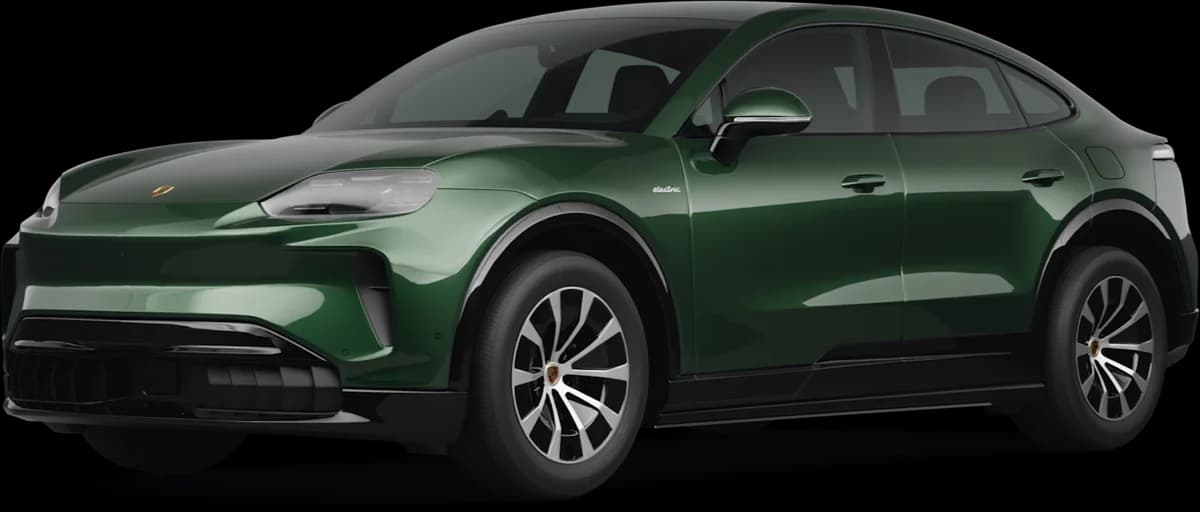
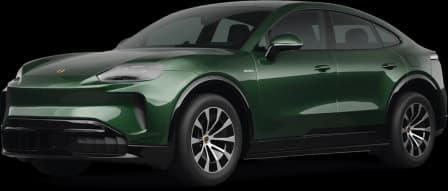
Porsche Cayenne Electric (2026)
Supercar acceleration, rapid charging, and agile comfort, though costly options temper its appeal.
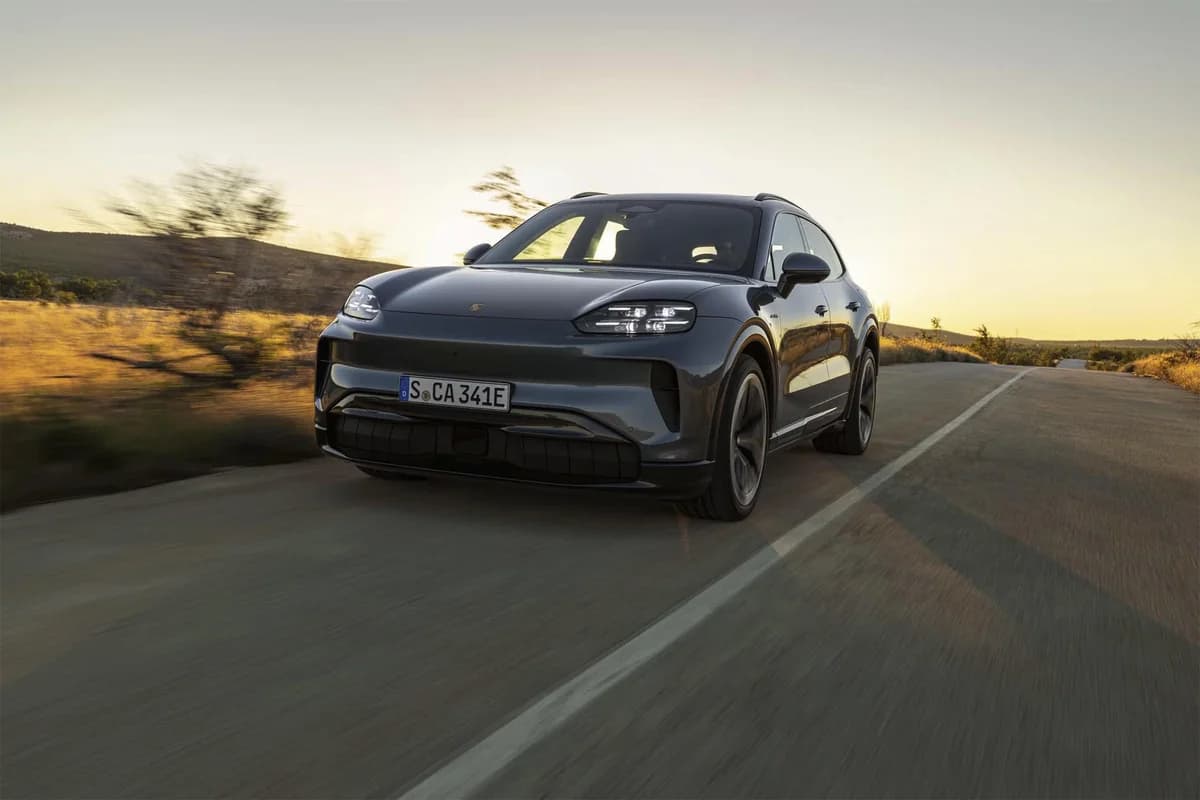
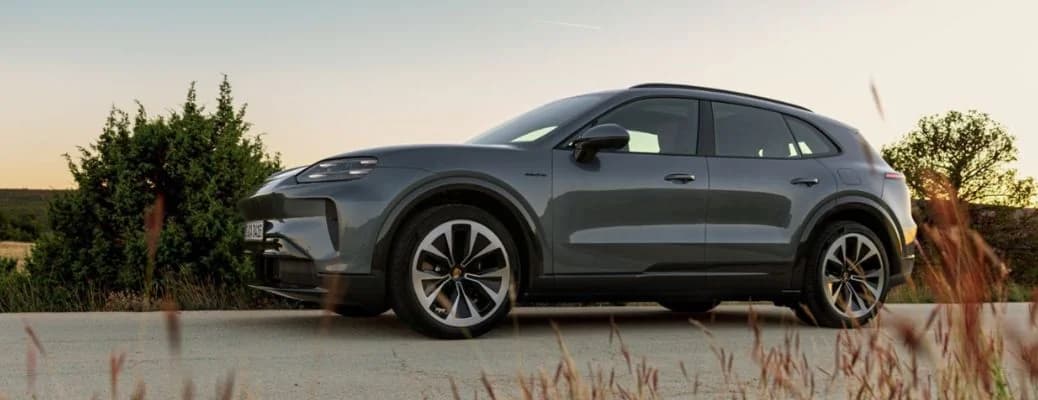
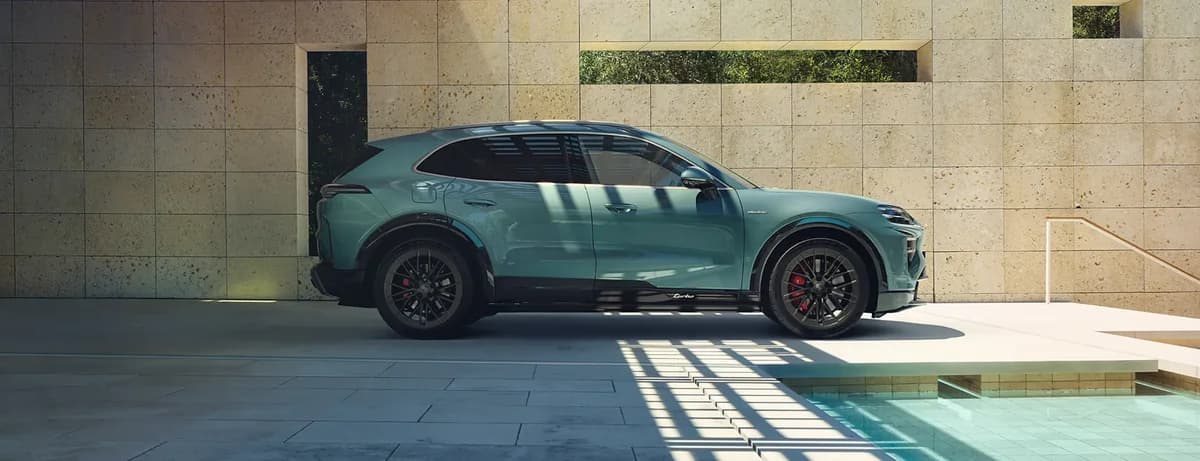
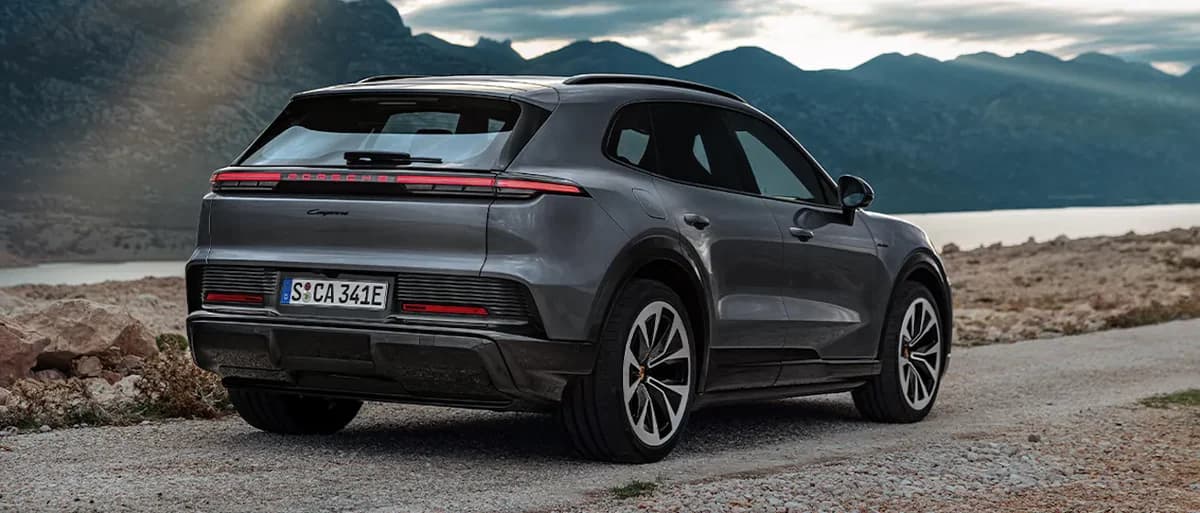
The Porsche Cayenne Electric (2026) is a family SUV with supercar reflexes, built for affluent drivers who want to replace petrol performance without sacrificing space, towing, or long-distance usability. Its up to 1,139 horsepower and remarkably composed Active Ride suspension impressed experts, while early user reaction applauds the instant torque and sharper EV experience. Porsche’s 400-kW charging claim is broadly supported in ideal tests, though real-world range, especially under hard driving or towing, is less impressive than headline figures suggest. Five seats, useful cargo room, and 3,500-kg towing add substance, but tight rear seating, no one-pedal mode, and option-heavy pricing can push a compelling base or S model into questionable territory. Overall appeal rests on performance, charging access, practicality, and how much Porsche polish you are willing to pay for.
Find Yours
What is your top priority for an Electric SUV's battery performance?
Answer to find your best matches.

The Field
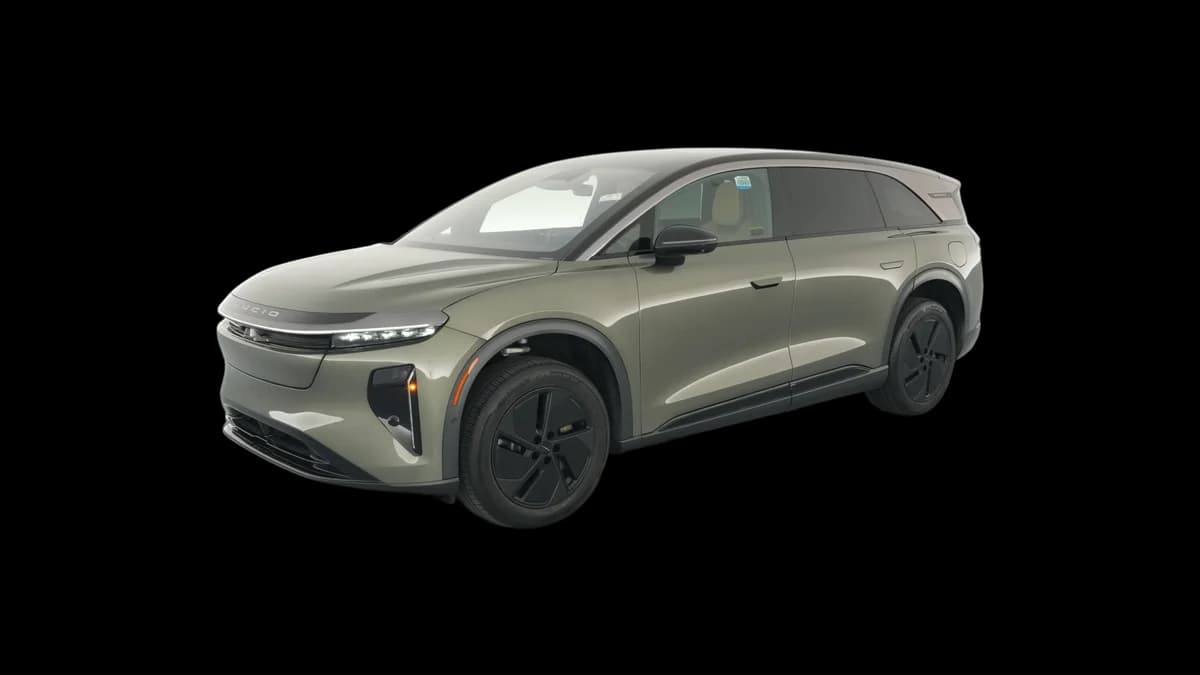
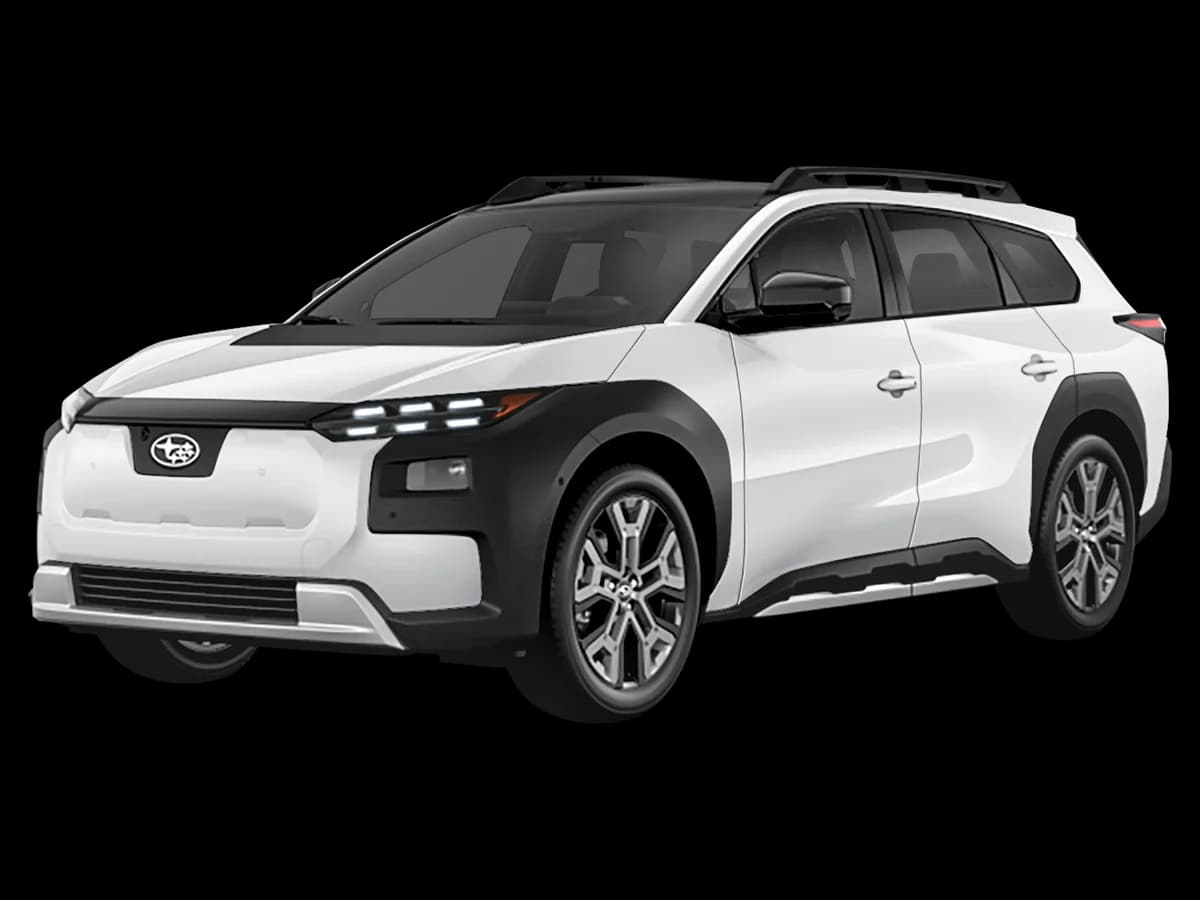
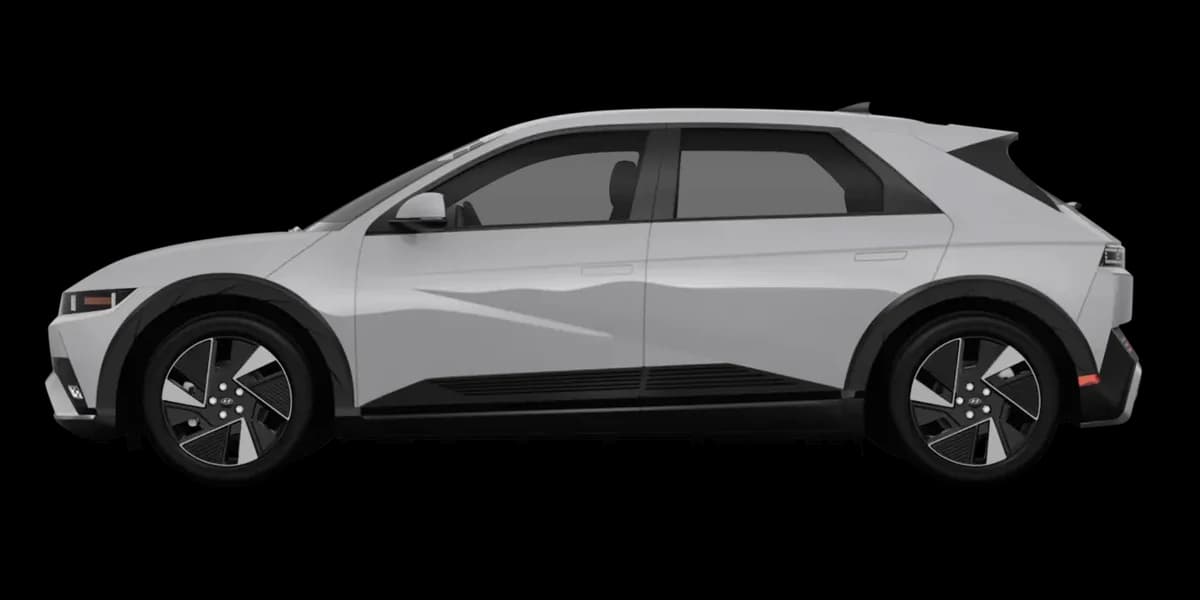
Browse top contenders, or compare all options ranked by score and key attributes.
5 Options


The Scoreboard
Does this improve your life? Considers, health, habits, and environmental impact.
Benefits
Short charging stops make long trips easier to plan and less disruptive.
Quick acceleration makes merging, passing, and carrying passengers feel easy and confident.
Quiet cruising and adaptive suspension keep daily drives relaxed across changing road surfaces.
Five seats, generous cargo space, a frunk, and strong towing support everyday errands.
Trade-Offs
Wide performance tires can make highway drives louder, especially over coarse pavement.
The rear bench can feel restrictive for three adults, limiting comfortable family trips.
Sportier settings and large wheels pass sharper bumps into the cabin during routine driving.
Stop-and-go traffic requires more brake-pedal work than many electric SUVs.
 Alternatives


Join the Circle
Where real meets deal
Know what's worth buying-and when.
Tips, special offers, and rewards for buying and sharing.

Publications
8 LEADING PUBLICATION REVIEWS

Autocar is impressed by the Cayenne Electric but ultimately recommends restraint over the extravagant Turbo. Its immense power, polished controls, serene cruising ability, excellent brakes, premium cabin, strong towing capacity, and genuinely usable practicality make it a remarkably capable luxury EV. The Turbo’s 1,141bhp and 2.5-second 0-62mph sprint are both astonishing and surprisingly approachable, though that performance feels gratuitous and less rewarding on typical British roads, where the Cayenne’s weight, muted steering, and imperfect body control become more apparent. Range is another concern, particularly against cheaper rivals that can travel roughly 100 miles farther, while a highly optioned Turbo can exceed £160,000. The review’s distinctive conclusion is that the S or base model delivers nearly all the usable performance for considerably less money. Overall, Porsche has created an impressive, technically fascinating electric SUV, but the flagship Turbo loses some of the lovable balance that defined earlier Cayennes.
By Matt Saunders & Vicky Parrott
What Car? is strongly positive about the Porsche Cayenne Electric, calling it polished, practical, and exceptionally quick. Its sharp handling, controlled air suspension, high-quality interior, useful storage, roughly 300-mile real-world range, and impressively fast charging make it a convincing premium electric SUV. The Turbo is the headline act, with an astonishing 1,140bhp and 0-62mph in 2.5 seconds, although the reviewer considers it too expensive to recommend outright. More tellingly, the entry-level model is judged the smartest choice, balancing pace, comfort, and equipment better than the pricier versions. Reservations include a slightly fidgety ride on the firmest setting, some tyre noise, fiddly air-vent controls, limited rear-seat practicality for five, expensive options, questionable Porsche reliability, and potentially steep depreciation. Overall, Lawrence Cheung portrays the Cayenne Electric as an accomplished, desirable SUV whose everyday strengths matter more than its spectacular headline performance.
By Lawrence Cheung
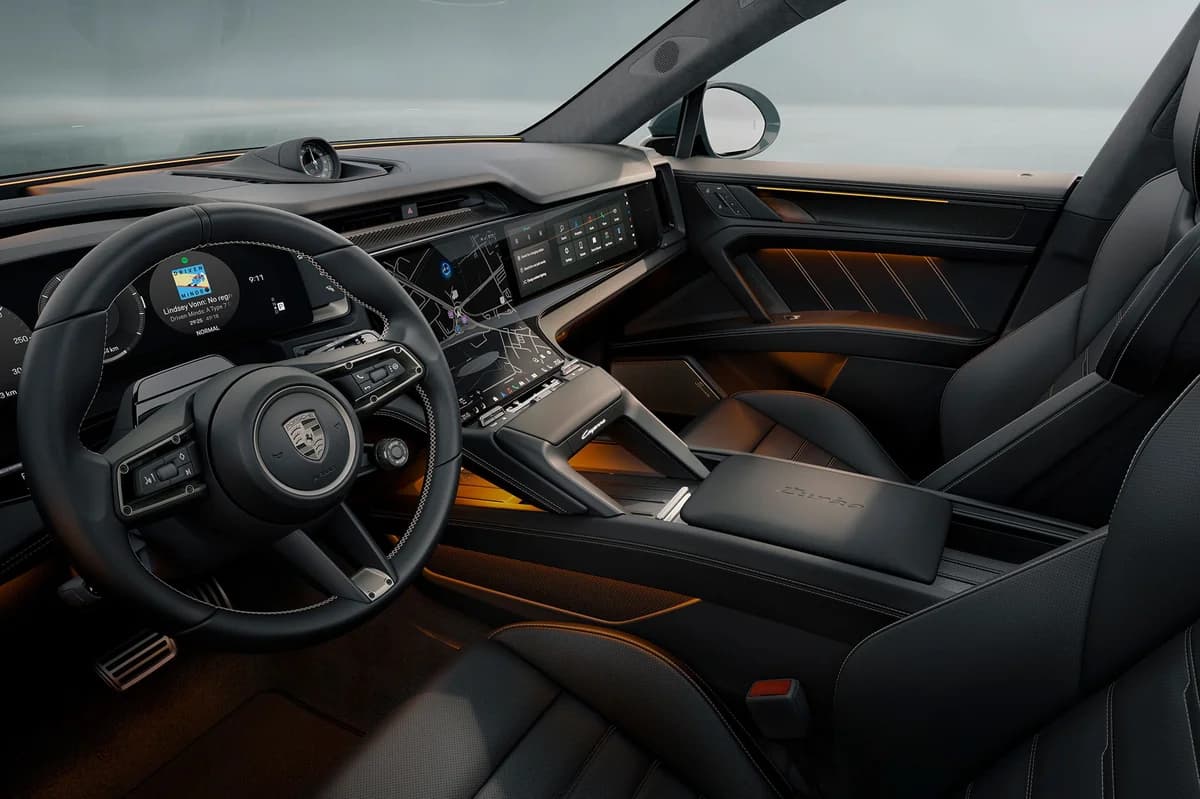
Car and Driver’s Andrew Krok is exuberant about the 2026 Porsche Cayenne Electric, calling it a kinetic tour de force. Even the base model feels startlingly quick, composed, spacious, and polished, with excellent steering, a superb brake pedal, sophisticated air suspension, strong charging capability, and an estimated 340-mile range. The Turbo Electric turns the absurdity up further, delivering 1,139 horsepower in launch mode and near-supercar acceleration while Porsche’s Active Ride suspension keeps its huge body remarkably flat. Krok also appreciates the redesigned cabin, physical controls, and clever touchscreen wrist rest. The criticisms are relatively minor but practical: the bulky center console limits storage, the vehicle is enormous and extravagantly expensive, and its off-road and extreme-performance abilities will matter to few owners. Overall, the review treats the Cayenne Electric as an over-the-top but impressively complete family SUV.
By Andrew Krok
CAR Magazine is highly enthusiastic about the Porsche Cayenne Electric, calling it an impressive all-rounder and an unequivocal buy for premium electric-SUV shoppers. The review praises its sharp handling, strong performance, roomy and polished cabin, long range, rapid charging, 3,500kg towing capacity, and genuinely useful technology. The Cayenne S earns particular approval as the range’s “Goldilocks” choice, balancing exhilarating acceleration with greater everyday usability than the absurdly rapid Turbo. That top model’s 1,140bhp output is entertaining but excessive, potentially uncomfortable, and emblematic of “just because you can, doesn’t mean you should.” Other reservations include derivative styling, thick A-pillars that obstruct visibility, weaker ride quality on 22-inch wheels, limited regenerative braking feel, and some awkward controls. Even so, the overall verdict is emphatically positive: Porsche has successfully translated the Cayenne’s sporting character into a capable, practical, and compelling EV.
By Tim Pollard, Ted Welford and Tom Webster
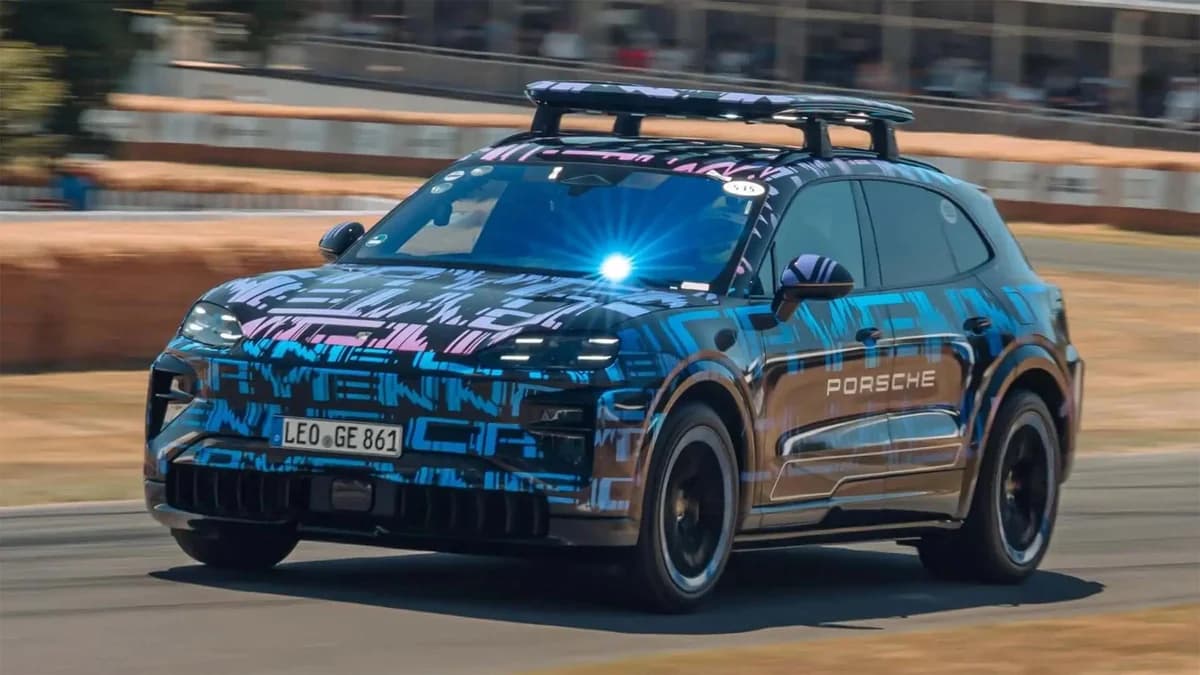
BBC TopGear is highly impressed by the Porsche Cayenne Electric, rating it 8/10 despite a few reservations. Tom Ford presents the Turbo as far more than a straight-line monster: it is quiet, comfortable, spacious, exceptionally practical, and remarkably capable through corners, on motorways, and even off-road. Its huge boot and frunk, 3,500kg towing capacity, sophisticated suspension, and genuinely rapid charging—389kW and roughly 11–12 to 80 percent in 15 minutes—make it a compelling all-rounder. The acceleration is spectacular, yet the car feels nuanced when driven normally. The main criticisms are its bland, soft-edged styling, slightly muted steering feel compared with the electric Macan, and the inevitable compromises of a 2.65-tonne SUV when pushed hard. Ford suspects the cheaper 400bhp standard model may be the smarter choice, but concludes that the Turbo sets an exceptionally high bar.
By Tom Ford
MotorTrend’s Bob Hernandez is strongly impressed by the 2026 Porsche Cayenne Electric, despite meaningful reservations about cost and range. His first drive portrays it as seriously quick, composed, refined, and unmistakably Porsche, with the Cayenne S Electric emerging as the likely sweet spot while the Turbo sounds almost excessive. More importantly, the EV retains the Cayenne’s versatile character: it remains practical, capable off-road, able to tow up to 7,716 pounds, and benefits from fast charging, a useful frunk, and Porsche Active Ride suspension. The review also points to familiar strengths such as premium technology and substantial driver assistance. Still, the anticipated driving range is only average for the class, one-pedal driving is unavailable, and pricing will be steep. Because much of the information remains projected and based on prototype testing, the verdict is promising rather than final—but Hernandez presents it as one of Porsche’s strongest electric efforts yet.
By Bob Hernandez
WIRED’s Alistair Charlton is strongly impressed by the Porsche Cayenne Electric, despite reservations about its timing and strategy. He praises its remarkably agile handling, luxurious ride, polished infotainment, spacious cabin, and genuinely useful off-road ability, arguing that Porsche successfully makes this 5,860-pound SUV feel lighter and more athletic than it should. The Turbo’s 1,139 horsepower and 2.4-second sprint are thrilling but excessive, while its 400-kW charging and roughly 360–380-mile expected EPA range are competitive rather than class-leading. Charlton also criticizes the bland rear styling and Porsche’s refusal to offer one-pedal driving. More significantly, he questions whether buyers should commit now: Porsche’s retreat from an all-electric future makes an upcoming plug-in hybrid potentially cheaper, more practical, and stronger in resale value. The Cayenne Electric is an exceptional luxury-performance SUV, but waiting may be the smarter choice.
By Alistair Charlton
Motor1.com’s Maddox Kay is highly impressed by the 2026 Porsche Cayenne Electric. After driving the 844-hp Turbo, Kay praises its precise throttle, smooth and confidence-inspiring brakes, and especially the optional Active Ride suspension, which makes this 5,400-pound SUV feel remarkably agile while preserving a luxurious ride. He also appreciates its spacious, familiar Cayenne interior, useful towing capacity, intuitive Google-based interface, and subtle performance soundtrack, though he remains wary of the haptic controls and excessive screen dependence. The main drawback is cost: the Turbo tested at $213,190, with nearly $50,000 in options, while even the base model starts well above the gas Cayenne. Still, the review’s enthusiasm is unmistakable. Kay considers it Porsche’s most technically impressive EV yet and compelling enough to convert even skeptical drivers.
By Maddox Kay

YouTube
8 LEADING EXPERT & INFLUENCER REVIEWS
 carwow
Mat finds the Porsche Cayenne Electric exhilarating and exceptionally capable, though clearly excessive. Its 1,156-hp Turbo launches to 60 mph in 2.46 seconds, stops impressively, handles with remarkable agility, and remains comfortable and practical, with adjustable rear seats, useful cargo space, towing ability, and superb visibility aids. He also praises the styling, progressive braking, refined air suspension, and quiet cruising. However, range fell well short of the claim during hard driving, while confusing infotainment, awkward controls, reflective trim, cheap-feeling plastics, and Porsche’s punishing options pricing frustrate him. His verdict: shortlist the regular Cayenne Electric; buy the Turbo only for maximum-performance bragging rights.
Chasing CarsTom Baker is highly impressed by the Porsche Cayenne Electric, calling it an outstanding sports SUV and long-distance EV. He praises its exceptionally quick acceleration, supple air-suspension ride, precise steering, strong brakes, quiet luxury, fast charging, and ability to feel far smaller than its 2.6-ton mass. The review’s most meaningful insight is that Porsche has made the EV feel like a genuine Cayenne rather than a compromised alternative. Criticisms are minor: piano-black trim, limited coupe practicality, occasional lateral wobble, and no artificial gear shifting. Baker still prefers the petrol V8 personally, but enthusiastically recommends the electric Cayenne for buyers choosing EV power.
Auto FocusAuto Focus is highly enthusiastic about the 2026 Porsche Cayenne Electric, calling the Turbo the best-driving performance electric SUV available. The reviewer is especially impressed by its remarkable composure, nonexistent body roll, effortless speed, and Porsche Active Ride suspension, which transforms both comfort and cornering. The standard Cayenne also feels polished and plenty quick, though losing Active Ride makes it noticeably less settled. Criticisms include excessive Turbo performance, loud Pirelli P Zero R road noise, limited rear-seat packaging, an unremarkable synthesized sound, and questionable value at roughly $230,000. Overall, the base model feels like the smarter choice.
Kelley Blue BookKelley Blue Book’s Lynn strongly approves of the 2026 Porsche Cayenne Electric. She’s thrilled by its astonishing acceleration, confidence-inspiring brakes, precise sport-mode handling, and remarkably effective active ride system, which keeps the heavy SUV nimble on roads and composed off-road. The quiet, comfortable cabin, tactile controls, 400-kW charging, wireless charging option, and roughly 7,700-pound towing capacity add real usability. Her reservations are modest: Comfort mode feels too light for spirited driving, regenerative braking lacks a driver-controlled one-pedal setting, and towing’s effect on range remains unknown. Overall, she sees it as a formidable, genuinely fun Porsche for loyalists who want the latest—and fastest—SUV.
CarsGuideJohn Mahoney is highly enthusiastic about the Porsche Cayenne Electric, calling it one of the most entertaining EVs available. He is especially impressed by its hypercar-like acceleration, remarkably agile handling despite its 2.7-ton weight, precise steering and braking, rapid charging, spacious cabin, towing ability, and intuitive physical controls. The Active Ride suspension adds comfort and genuine off-road versatility. Still, he criticizes the lack of regenerative-braking paddles, dislikes the Turbo’s active aero blades, and finds tire noise higher than in some luxury rivals. Overall, he considers it a thrilling, practical performance SUV worth choosing over established alternatives.
MotorWeekMotorWeek is clearly impressed by the 2026 Porsche Cayenne Turbo Electric, especially its astonishing 1,139-hp launch-control bursts and 2.4-second 0–60 performance. The first drive also showcases Porsche Active Ride, precise traction management, rear-wheel steering, capable off-road behavior, and a thoughtfully designed interior with a useful palm rest. The main caveat is that peak power is temporary, with normal output dropping to 844 hp, while the review offers limited real-world road testing. Still, its blend of supercar acceleration, SUV practicality, and distinctive Porsche engineering makes a strong early impression.
AutoTrader CanadaDan Ilika is thoroughly impressed, calling the Cayenne Electric a potential hit for Porsche. His Turbo test showcases startling acceleration, exceptional grip, balanced handling, and virtually no body motion thanks to Porsche Active Ride. He also appreciates its quiet comfort, rear-biased all-wheel-drive layout, fast charging, and Formula E-inspired technology. The review acknowledges the steep price and notes that range figures will likely fall short of Porsche’s generous European estimate, but these are minor caveats. Overall, Ilika views the Cayenne Electric as a remarkable luxury SUV and Porsche’s most convincing EV yet—possibly important enough to reinvigorate the brand.
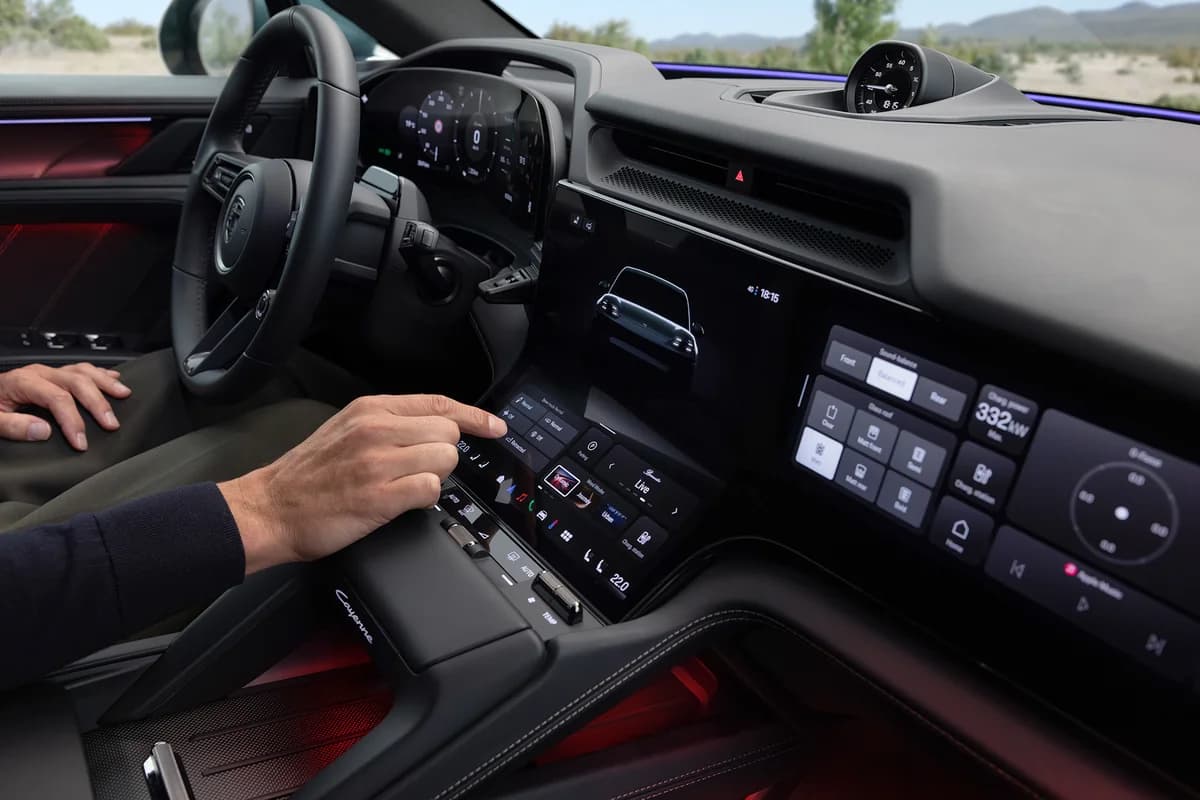
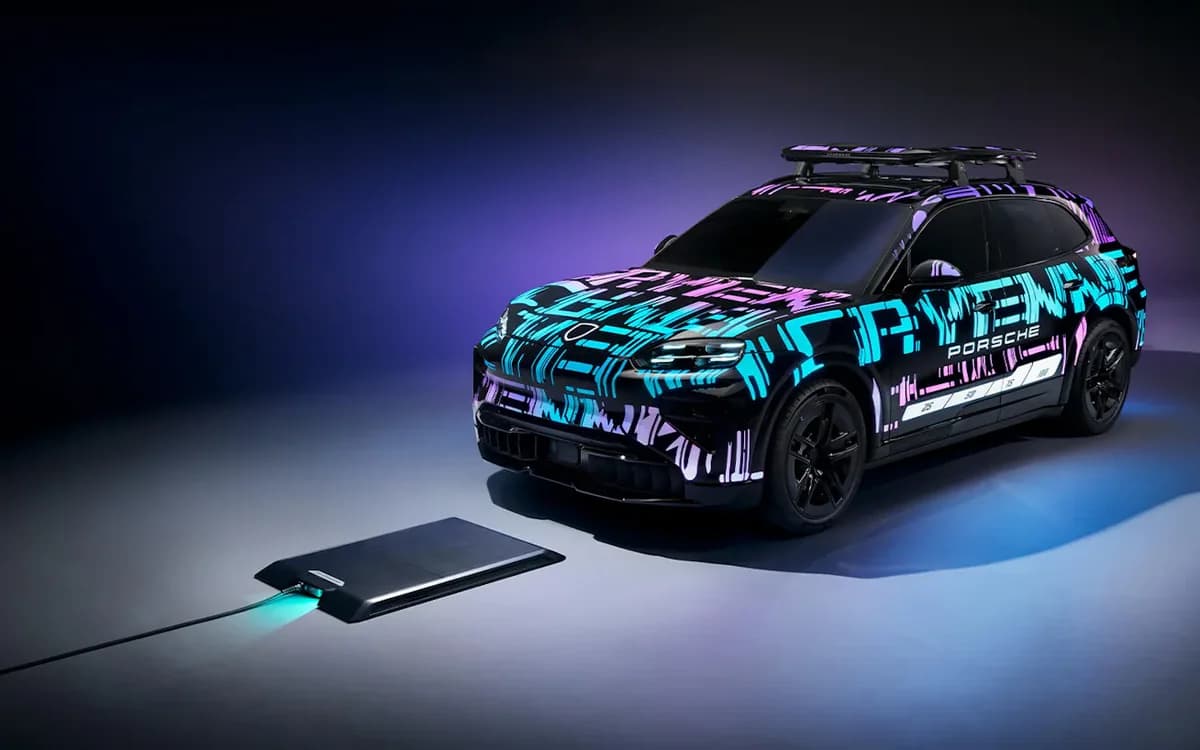
Doug DeMuroDoug DeMuro is highly enthusiastic about the 2026 Porsche Cayenne Electric, calling it an impressive, genuinely new vehicle rather than an electrified gas Cayenne. He is especially excited by its inductive charging pad, active aerodynamic features, 1,139-hp Turbo performance, fast charging, futuristic curved displays, spacious rear seats, and unusually practical cargo and front-trunk storage. His main caveat is that he cannot drive this early-production car yet, while some details—such as range and pricing—remain preliminary. Overall, the tour feels warmly promotional and fascinated by Porsche’s technology and clever quirks.

Social
1 INFLUENCER REVIEW
 Hagerty
Hagerty is clearly excited by the 2026 Porsche Cayenne Electric’s extraordinary performance and technology. The Turbo’s 1,139 horsepower, 2.4-second 0–60 time, 400kW charging, and optional wireless charging make it feel genuinely futuristic, while the base model remains impressively quick. Still, the excitement is tempered by Porsche’s missing range estimate, the wireless system’s modest 11kW rate, and pricing that starts above $109,000. Overall, this is an enthusiastic first look at a technically ambitious, brutally fast electric SUV, not a complete buying recommendation yet.

Forum Reviews
CUSTOMER REVIEWS FROM 1 FORUM
Redditors are impressed by the Cayenne Electric’s performance but remain wary of its price, depreciation, and software reliability. Its immense power, instant torque, sharp handling, rapid charging, and improved EV technology generate genuine excitement, while the SUV’s practicality appeals to some Model Y shoppers. Still, a roughly $109,000 base price and expensive options feel difficult to justify against capable rivals, with fears of Taycan-like resale losses driving many toward leasing or buying used. Design opinions are mixed: the exterior is attractive, but the passenger screen and piano-black alternatives are widely criticized. Experiences with the Macan EV suggest Porsche may have addressed earlier EV weaknesses, though buyers remain cautious about first-year kinks.
Many comments

In-Depth Review

Highlights
- •Supercar AccelerationDelivers astonishing speed with composed control.
- •Active Ride SuspensionKeeps the heavy SUV agile and comfortable.
- •Rapid DC ChargingMarketed as reaching 80% in 16 minutes.
- •Serious Towing AbilityAdvertised to tow up to 7,716 pounds.

Considerations
- •Escalating Purchase CostsOptions can push pricing above $200,000.
- •Variable Real-World RangeHard driving fell well below range claims.
- •No One-Pedal DrivingLacks a driver-controlled one-pedal setting.
- •Restricted Rear SeatingRear bench feels tight for three adults.
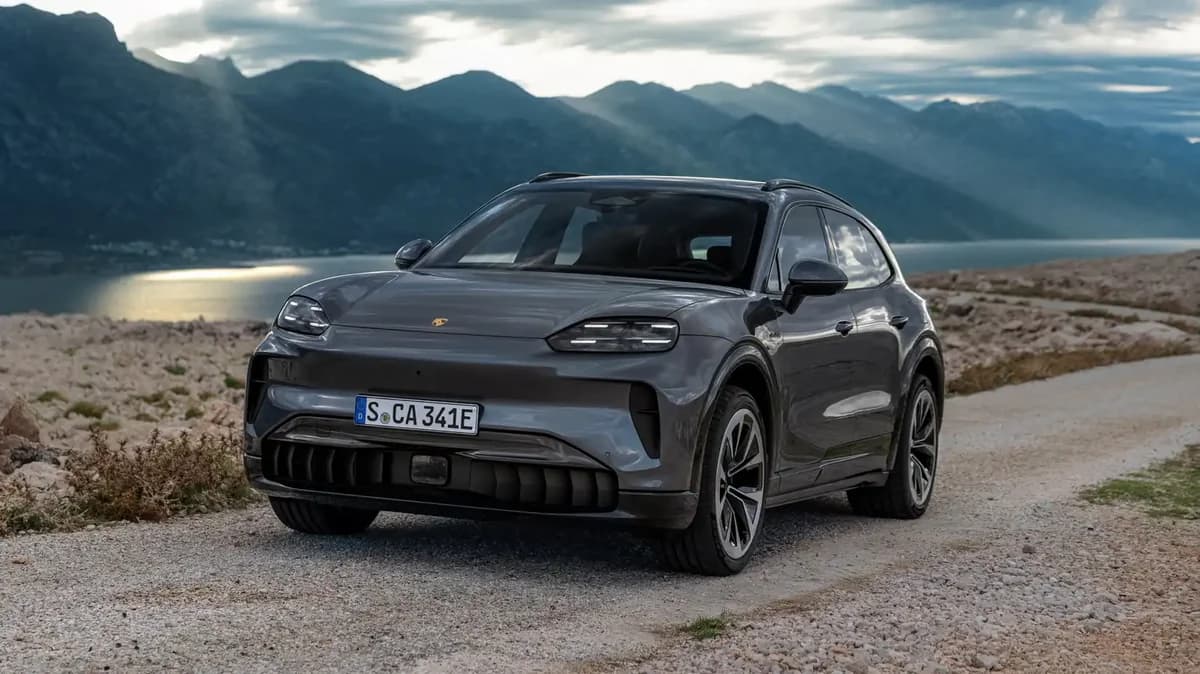
Porsche’s first electric Cayenne carries the brand’s performance reputation into the premium SUV market, pairing family usability with supercar-level acceleration. It is aimed at affluent Porsche loyalists, luxury-EV shoppers, and families who want quiet daily commuting, rapid road-trip charging, and genuine towing ability rather than a merely quick crossover. The key differentiators are its 800-volt architecture, remarkably composed Active Ride suspension, and practical five-seat layout—areas where it seeks to outclass rivals and make the gas Cayenne feel decidedly old-school. Still, buyers should weigh real-world range, charging access, rear-seat comfort, and the cost of options alongside the headline figures. The following sections examine how it performs, rides, charges, travels, tows, and accommodates people and cargo—because this Porsche may be electric, but its biggest shock could be the options sheet.
Range And Efficiency
Range looks competitive, but Porsche’s headline figure needs realistic expectations. The battery offers about 108 kWh usable capacity, with Porsche citing up to 600 km WLTP, while US estimates land around 330–340 miles depending on configuration. Early reviewers generally find roughly 300 miles realistic, and hard driving can reduce that substantially. The Cayenne therefore charges quickly enough to offset some range anxiety, but it is not an efficiency leader, especially against cheaper rivals that may travel about 100 miles farther.
Fast Charging
The Cayenne Electric’s charging system is one of its most useful advantages. Its 800-volt electrical architecture supports up to 400 kW DC charging, and Porsche claims a 10–80% refill in under 16 minutes with suitable equipment. That claim is broadly supported by early testing, including reports of roughly 11–12 minutes to 80% under ideal conditions, though charger availability will determine whether owners can reproduce it. Standard battery preconditioning helps, while optional wireless charging is convenient but limited to a slower 11 kW.
Driving Performance
The Cayenne Electric delivers startling speed without feeling like a blunt instrument. Dual-motor all-wheel drive produces 435 hp in the base model, 657 hp in the S, and up to 1,139 hp in the Turbo, with launch-control 0–60 mph times of roughly 4.5, 3.6, and 2.4 seconds. Reviewers consistently praise its precise steering, strong brake pedal, rear-biased handling, and instant torque. The Turbo’s output is thrilling but excessive for normal roads, making the base version or S the more sensible performance choice.
Adaptive Air Suspension
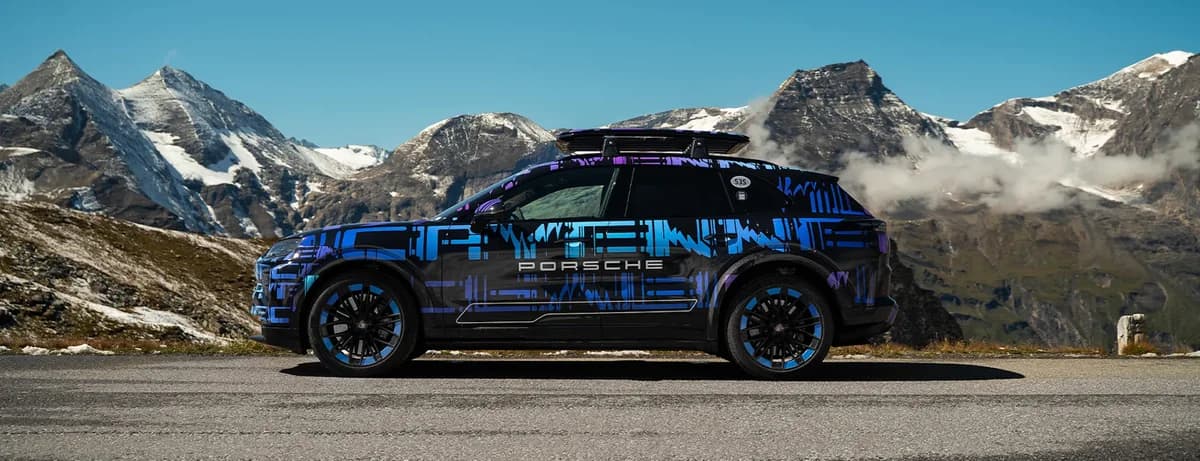
Porsche Active Ride is the feature that makes this heavy SUV feel unusually agile. The adaptive two-chamber, two-valve air suspension controls body motion so effectively that reviewers report almost no roll in corners, while comfort settings keep cruising quiet and composed. Optional Active Ride is especially valuable on the Turbo and S, adding confidence on winding roads and useful off-road composure. The trade-off is that large wheels and firm settings can transmit sharp bumps, and the base model feels less settled without the full system.
Cargo And Passenger Space
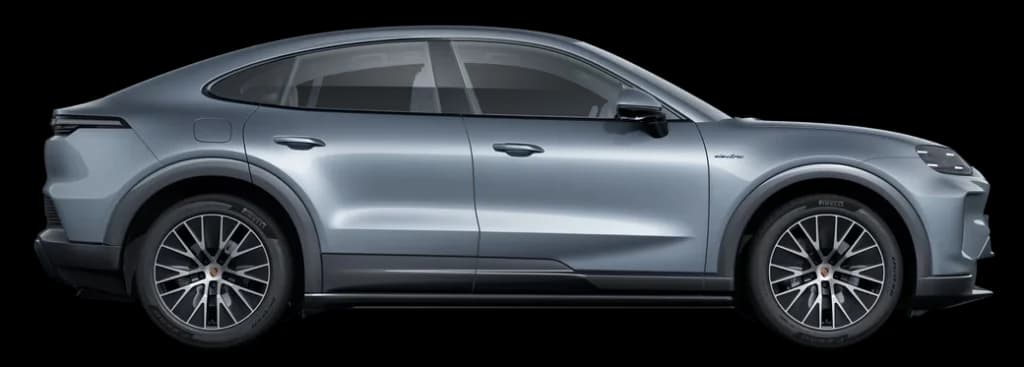
The Cayenne Electric preserves the everyday usability expected from the nameplate. It seats five passengers and provides a useful frunk plus approximately 56.1 cubic feet of maximum cargo volume, with adjustable rear seating adding flexibility. Reviewers find the cabin spacious, polished, and practical for family duties, though the rear bench can feel tight for three adults and coupe versions sacrifice some carrying ease. A bulky center console also limits storage, but the overall package remains more versatile than the spectacular performance figures suggest.
Towing And Utility
This is not merely a fast luxury crossover with a tow rating attached. Properly equipped, it can tow up to 3,500 kg, or about 7,716 pounds, giving it genuine usefulness for trailers, boats, and recreational equipment. Reviewers also praise its stable chassis, strong brakes, all-wheel traction, and off-road capability. The unresolved issue is energy consumption: Porsche and early testers have not established how dramatically towing cuts range, so frequent long-distance towing will require more careful route planning and charging stops.
Conclusion
The Cayenne Electric’s final verdict is surprisingly practical: its supercar acceleration is exciting, but the real achievement is making a heavy SUV feel controlled and usable. Reviewers praise the 800-volt charging system and rapid DC stops, while the adaptive air suspension delivers comfort and agility that help justify Porsche’s premium. Range is competitive rather than exceptional, especially under hard driving or towing, and the lack of one-pedal driving may disappoint some EV shoppers. With strong 3,500-kg towing capability, useful cargo space, and five seats, it suits affluent families and Porsche loyalists who value performance and fast road-trip charging. It is less convincing for buyers prioritizing maximum efficiency, generous rear-seat room, or straightforward value, since options can send pricing soaring. The base model or S makes the clearest case: technically impressive, genuinely versatile, and compelling enough to earn a strong recommendation despite its expensive compromises.

Feature Scores
This reflects reviews and ratings from established critics, journalists, and users who have evaluated the item. Their opinions provide a comprehensive assessment.
Performance
Driving Range
4/5
Charging Speed
5/5
Acceleration
5/5
Handling and Ride Comfort
5/5
Energy Efficiency
3/5
Battery Durability
3/5
Value
Purchase Price Competitiveness
2/5
Total Cost of Ownership
3/5
Resale Value
2/5
Design
Exterior Styling
4/5
Interior Space and Packaging
4/5
Ergonomics and Controls
4/5
Health
Cabin Air Quality
TBD
Low-Toxicity Materials
TBD
Safety
Crashworthiness
TBD
Active Safety Systems
4/5
Battery Safety Systems
4/5
Sustainability
Lifecycle Emissions
3/5
Battery Recyclability
3/5
Use of Recycled Materials
3/5
Experience Style
Infotainment and Connectivity
4/5
Charging Ecosystem Integration
4/5
Customization and Driving Modes
5/5

Specifications
This section outlines the product's key facts, covering essential features, details, dimensions, materials, and any unique characteristics that define its functionality and usability.
Performance
Value
Design
Safety
Sustainability
Experience Style

Frequently Asked Questions
10 Questions


Find Yours
What is your top priority for an Electric SUV's battery performance?
Answer to find your best matches.