

Valve Steam Deck OLED
Vibrant 7.4" HDR OLED display and solid performance with improved battery life, ideal for portable PC gaming.
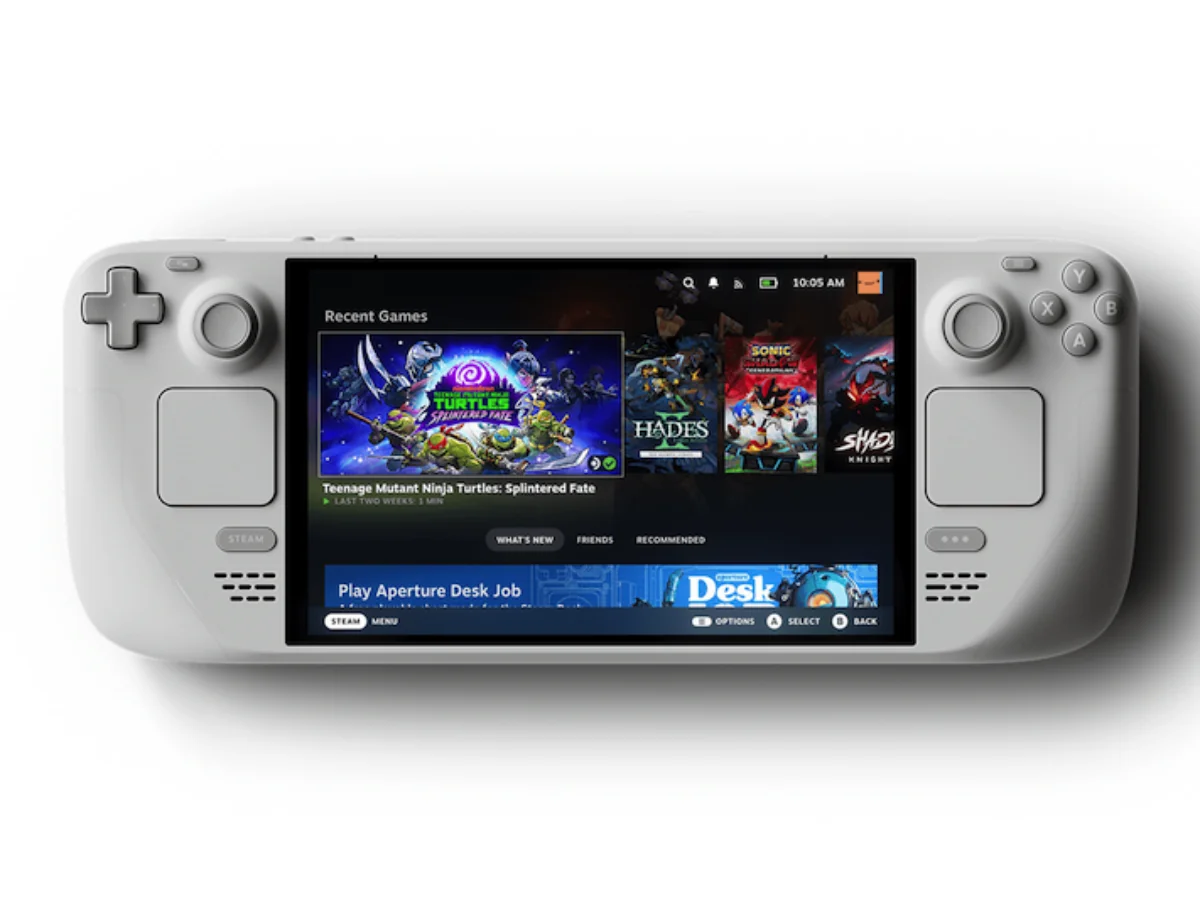
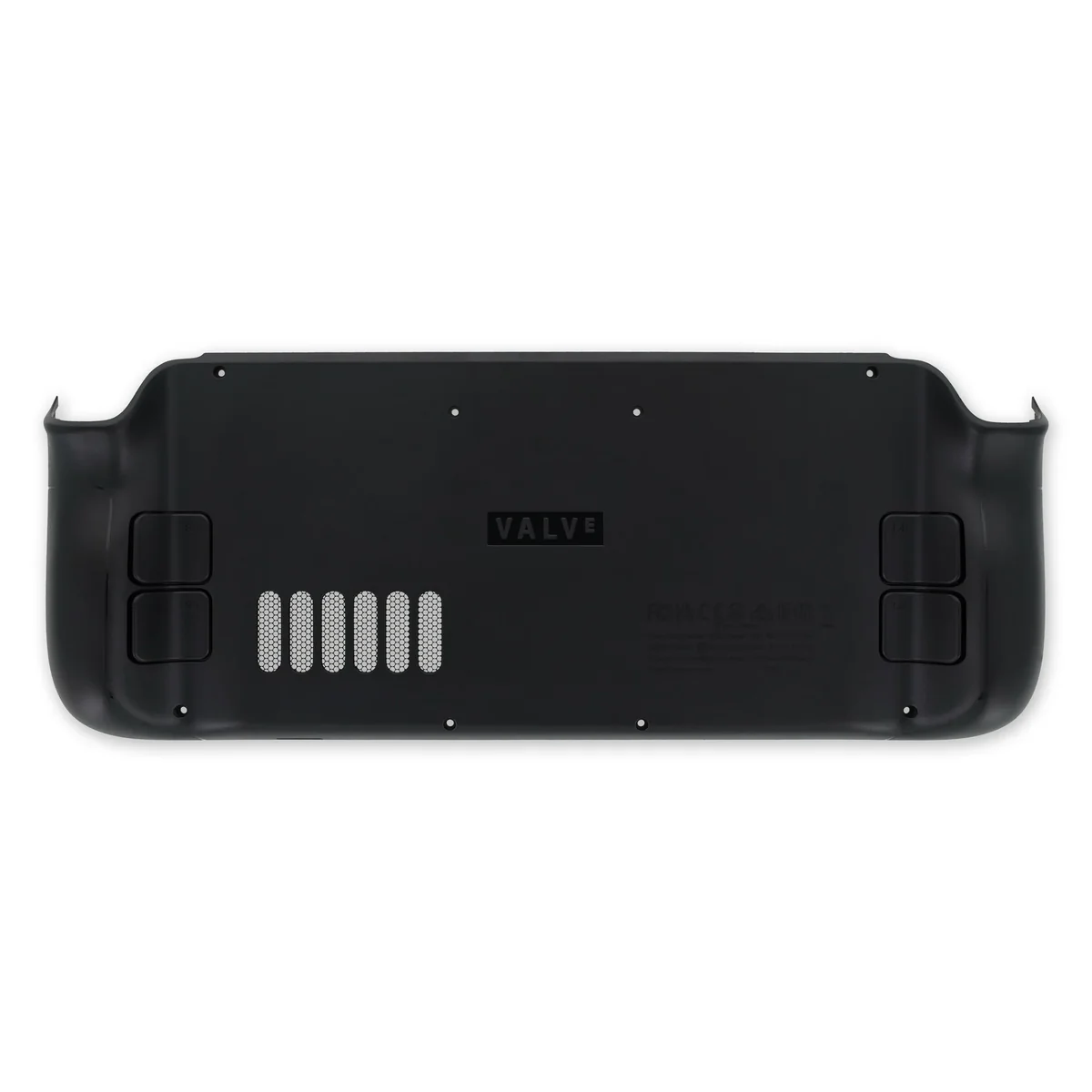
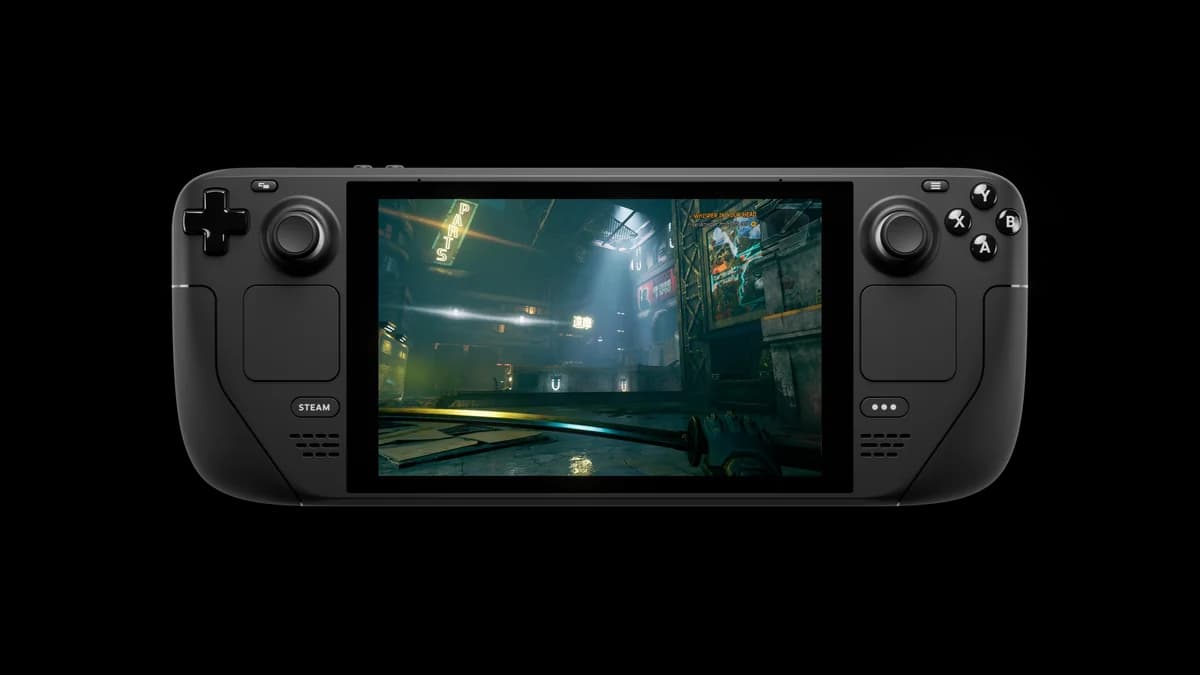
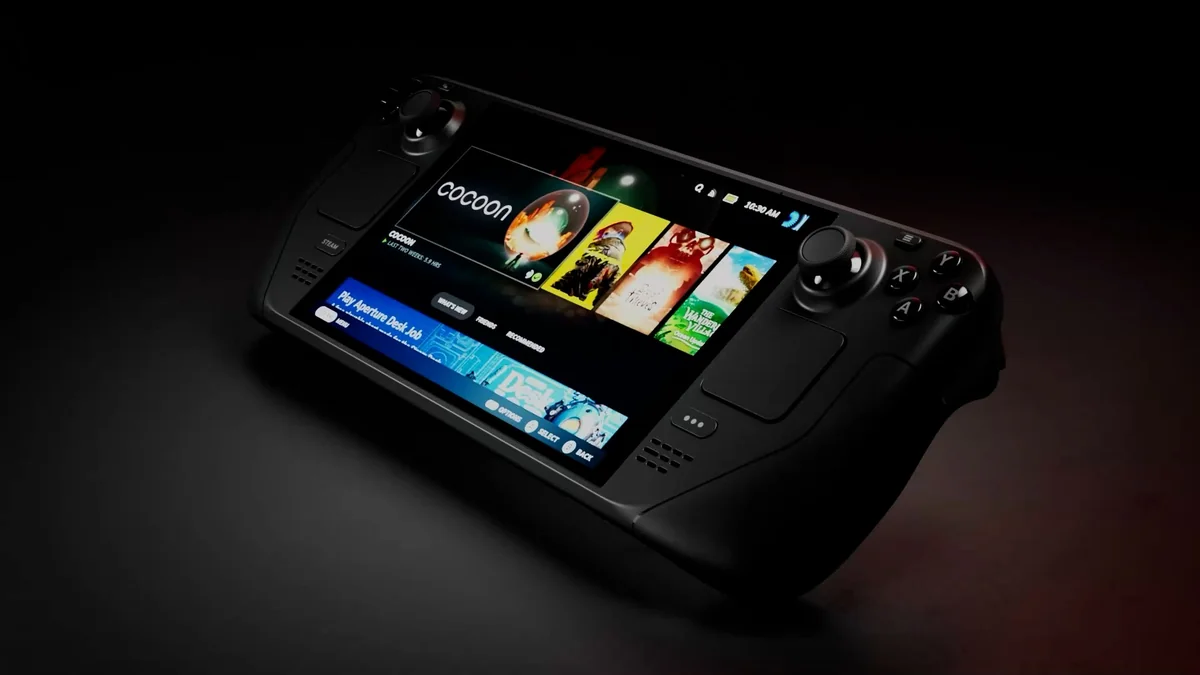
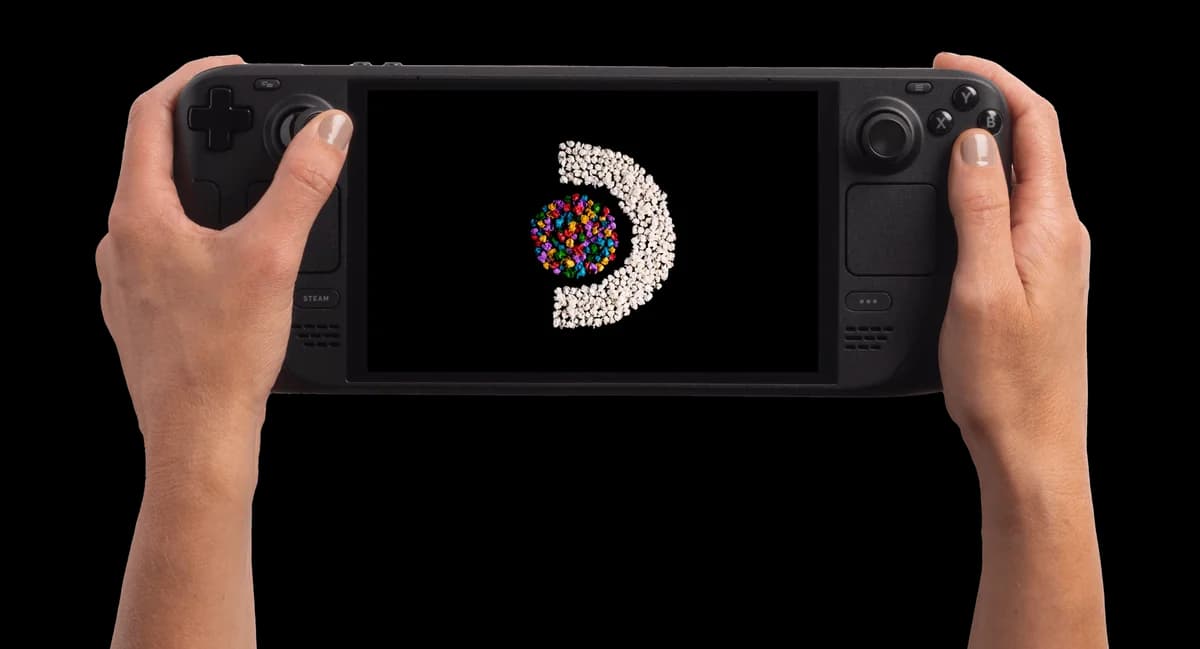
The Valve Steam Deck OLED is a vibrant handheld powerhouse designed for PC gamers craving portable access to their Steam libraries without sacrificing visuals or comfort. Its dazzling 7.4-inch HDR OLED display with 90Hz refresh steals the show, delivering deeper blacks and buttery-smooth motion praised by both experts and users alike. Battery life stretches from a nimble 3 to 12 hours, backed by efficient AMD Zen 2 guts that handle indie hits with ease but wobble under AAA pressure. Ergonomic controls and quieter fans make marathon sessions less taxing, while expanded connectivity adds serious versatility. At its price point, it’s a polished package where display quality meets practical polish, defining modern handheld gaming’s sweet spot.


Find Yours
How do you mainly use a handheld gaming console?
Answer to find your best matches.

The Field
Browse top contenders, or compare all options ranked by score and key attributes.
5 Options
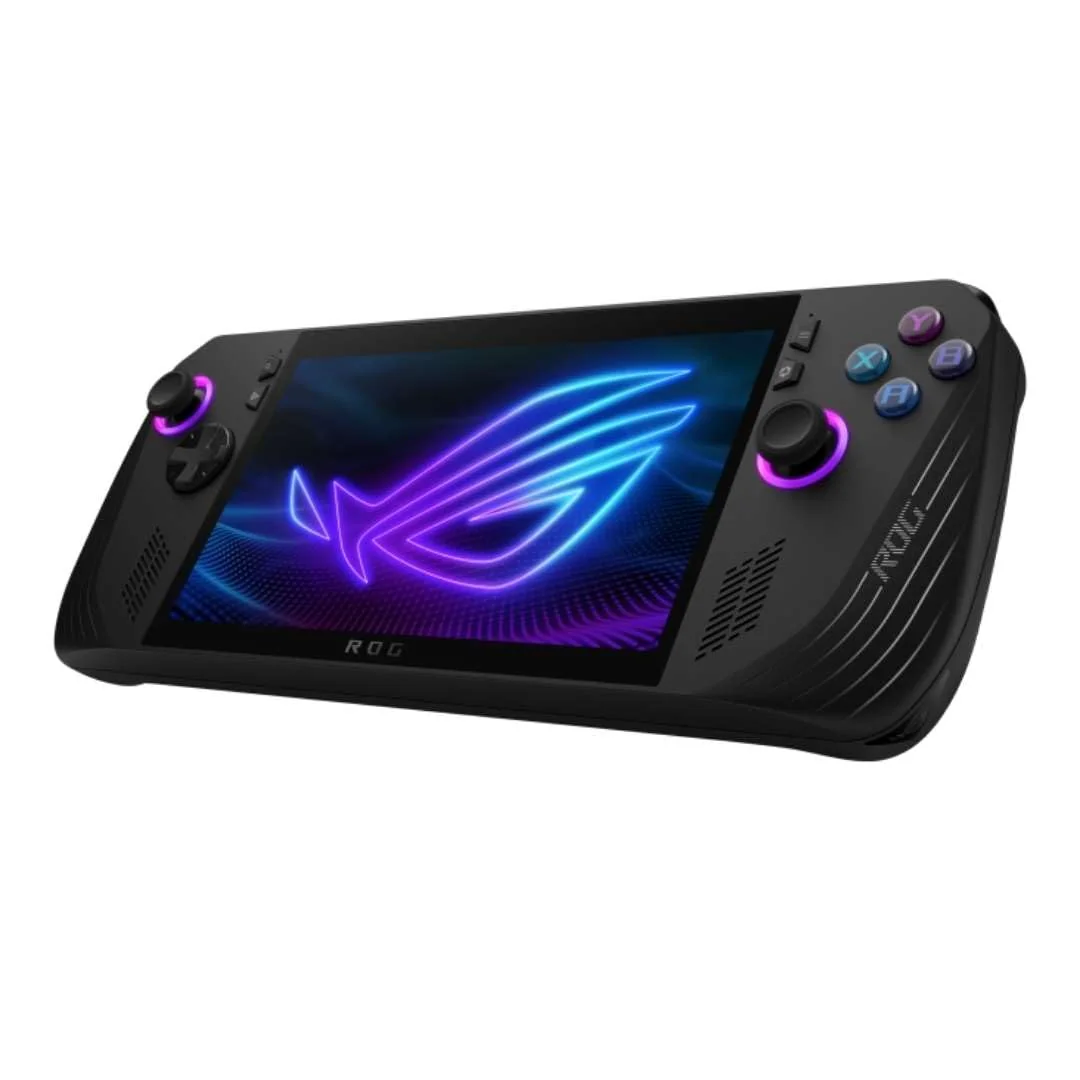


The Scoreboard
Does this improve your life? Considers, health, habits, and environmental impact.
Benefits
7.4″ 90Hz HDR OLED beats LCD with deeper blacks and color, boosting immersion.
50Whr battery vs 40Whr LCD extends play, reducing charging interruptions on trips.
Updated fan and thermal design runs quieter and cooler than original Deck, easing fatigue.
Improved repairability and open SteamOS reduce obsolescence, encouraging longer lifespan versus sealed rivals.
Wi‑Fi 6E tri‑band minimizes downloads and latency, lowering friction compared with older Wi‑Fi generations.
Trade-Offs
OLED panel and larger battery increase critical mineral demand, bigger extraction footprint than eco-leaders.
Peak HDR brightness and 90Hz modes spike power use, accelerating charge cycles and battery wear.
Bright HDR OLED at night emits blue-rich light potentially disrupting circadian rhythms and sleep quality.
Portable accessibility encourages longer sessions, increasing sedentary time and posture strain over time.
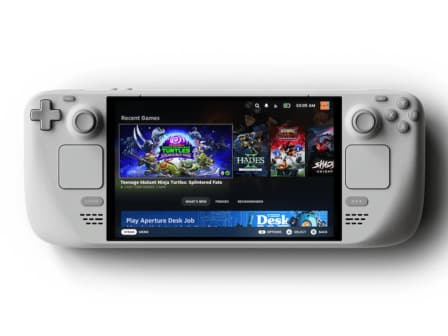
 Alternatives


Join the Circle
Where real meets deal
Know what's worth buying-and when.
Tips, special offers, and rewards for buying and sharing.

Publications
13 LEADING PUBLICATION REVIEWS

Richard Leadbetter from Digital Foundry highlights the Valve Steam Deck OLED as a remarkable and comprehensive mid-generation refresh that goes far beyond just a new display. He praises the stunning 7.4-inch OLED screen with 90Hz refresh rate, HDR support, and superior brightness and color fidelity, calling it the best handheld display he has seen. Beyond visuals, the review emphasizes quieter acoustics, improved battery life boosted by a larger battery and a more efficient 6nm AMD processor, and subtle performance gains. Leadbetter also notes numerous quality-of-life enhancements such as WiFi 6E, faster charging, improved haptics, and better repairability. While he acknowledges minor criticisms like the lack of an additional USB-C port and the current performance limits for demanding games, these do not overshadow the overall enthusiasm. He concludes that the OLED model is the definitive Steam Deck iteration so far, highly recommended for most buyers unless budget constraints apply.
By Richard Leadbetter
Bo Moore from IGN highlights the Steam Deck OLED as a thoughtful and substantial upgrade to Valve’s handheld gaming PC, emphasizing improvements that enhance the overall user experience without altering core performance. The standout feature is the vibrant, larger OLED screen with HDR support and a higher refresh rate, delivering noticeably richer visuals and deeper blacks. Battery life sees a significant boost—up to 66% longer in real-world testing—thanks to a larger battery and more efficient components, making the device genuinely more portable. Additional refinements include better thermals, Wi-Fi 6, improved Bluetooth, and a more responsive touchscreen. While gaming performance remains unchanged from the original, Moore notes the Steam Deck’s smooth SteamOS interface and broad game compatibility as key strengths, despite some ongoing challenges with non-Steam titles and anti-cheat restrictions. Overall, the review conveys a very positive, measured enthusiasm for the OLED model as a compelling choice for handheld PC gaming, especially for those seeking better battery life and display quality without a price increase.
By Bo Moore
Chris Plante from Polygon praises the Valve Steam Deck OLED as a thoughtful and meaningful upgrade over the original Steam Deck, emphasizing that it addresses many prior complaints beyond just the screen. While the device’s raw power remains unchanged, the OLED model impresses with a brighter, larger HDR OLED display, longer battery life (30-50% improvement), faster Wi-Fi 6E, enhanced Bluetooth capabilities, and improved haptics. Plante highlights the real-world impact of these refinements, such as smoother gameplay at 90 Hz and the freedom from constant charging during extended sessions. The review balances enthusiasm for the device’s portability and visual fidelity with measured acknowledgment that the upgrade is incremental rather than revolutionary. Unique insights include the improved touchscreen responsiveness, faster charging power supply, and a more compact carrying case. Overall, Plante regards the Steam Deck OLED as a perfect handheld made better, strongly recommending it especially for new buyers or dedicated users seeking a premium portable PC gaming experience.
By Chris Plante
Sean Hollister from The Verge highlights the Valve Steam Deck OLED as a significant and thoughtful upgrade over the original Steam Deck, emphasizing its well-rounded improvements rather than raw performance boosts. Praising the OLED screen’s vibrant colors, higher brightness, and HDR capabilities, he describes it as a visually stunning experience that elevates game immersion. The review applauds the longer battery life, quieter fan, improved cooling, and enhanced ergonomics, all contributing to a more comfortable and reliable handheld gaming experience. While acknowledging that the Steam Deck OLED isn’t a next-gen powerhouse and struggles with the latest AAA titles, Hollister appreciates Valve’s focus on efficiency and stability, noting subtle but meaningful performance gains and better power management. He also points out ongoing software refinements and Valve’s strong post-launch support. The review balances enthusiasm for the device’s polish and value with candid recognition of its limitations, making it a compelling choice for gamers who prioritize a refined, versatile handheld over cutting-edge specs.
By Sean Hollister
Zackery Cuevas from PCMag Middle East highlights the Valve Steam Deck OLED as a thoughtful and meaningful upgrade over the original Steam Deck, emphasizing its dazzling 7.4-inch OLED screen with deeper blacks, vibrant colors, and a 90Hz refresh rate that significantly enhances visual quality. The review conveys a generally positive and measured enthusiasm, praising improvements in battery life, Wi-Fi 6E speeds, quieter operation, and minor performance gains due to a more efficient AMD APU and faster RAM. Cuevas provides detailed real-world gaming tests across a variety of titles, noting solid playability with some graphical compromises and frame rate fluctuations, especially on demanding games. The SteamOS interface is lauded for its intuitive design and superior user experience compared to competitors, though the Linux-based system may pose a learning curve. While the OLED model is a premium option and may not justify an upgrade for existing owners, it stands out as the best handheld PC gaming entry point, balancing innovation with practical enhancements.
By Zackery Cuevas
GamesRadar+ praises the Valve Steam Deck OLED as the definitive iteration of Valve’s handheld gaming PC, highlighting its standout 90Hz OLED display that delivers vibrant colors, deeper blacks, and impressive brightness. Reviewer Phil Hayton expresses genuine enthusiasm for the device’s refined design tweaks, improved battery life, and subtle performance gains, which collectively elevate the Steam Deck closer to portable perfection. While acknowledging that more powerful rivals like the Asus ROG Ally offer higher frame rates, Hayton emphasizes that the Steam Deck OLED balances performance, usability, and software experience exceptionally well, especially with SteamOS’s continued maturation. The review uniquely notes the thoughtful hardware refinements—from lighter weight and improved thumbsticks to a clever dual-layer carrying case—that enhance the overall user experience. Despite some limitations in raw performance and battery endurance compared to competitors, the Steam Deck OLED’s combination of display quality, build improvements, and software polish convinces the reviewer that it remains the top choice for handheld PC gaming enthusiasts.
By Phil Hayton
Tony Polanco from Tom’s Guide highlights the Valve Steam Deck OLED as a refined and compelling upgrade to an already impressive handheld gaming console. While not revolutionary, the OLED display’s vibrant colors, higher brightness, and HDR support significantly enhance the visual experience, making games like Cyberpunk 2077 and Doom Eternal truly pop. The lighter build, improved cooling, and faster Wi-Fi add meaningful practical benefits without altering the beloved original design. Performance remains consistent with the prior model, delivering solid frame rates at 720p, which the reviewer finds satisfactory given the device’s specs. Battery life improvements and cooler operation further elevate the user experience. Polanco notes that the OLED model is a no-brainer for new buyers or dedicated users, though occasional players with the original Steam Deck may not need to upgrade. Overall, the review conveys genuine enthusiasm for the Steam Deck OLED’s polish and incremental enhancements, positioning it as the definitive version that sets a new standard for handheld gaming.
By Tony Polanco
Andrew E. Freedman from Tom’s Hardware highlights the Steam Deck OLED as a refined, thoughtful mid-cycle upgrade rather than a full generational leap. Praising its bigger, brighter 7.4-inch OLED screen with HDR support, improved battery life, grippier thumbsticks, and enhanced haptics, Freedman finds the device noticeably lighter and more comfortable than its predecessor. He emphasizes the OLED display’s vivid colors and higher brightness as the standout improvement, though he notes the trade-off in battery consumption when using HDR at peak brightness. Performance remains largely unchanged due to the same APU targets, making the upgrade less compelling for current Steam Deck owners with ample storage. Freedman also appreciates Valve’s software polish with SteamOS and repairability improvements but points out the lack of additional ports and some minor ergonomic quirks. Overall, he views the Steam Deck OLED as the best version yet, ideal for new buyers or those prioritizing display quality and battery life, but not a must-have upgrade for existing users.
By Andrew E. Freedman
Brendan Nystedt from WIRED highlights the Valve Steam Deck OLED as a thoughtful, polished evolution of Valve’s original handheld gaming PC, emphasizing its brilliant HDR OLED screen and improved battery life as standout upgrades. While the device retains the same comfortable, if somewhat bulky, design and controller layout, the new display offers vivid colors, deeper blacks, and better brightness, significantly enhancing the gaming experience. Performance remains largely unchanged, favoring efficiency over raw power, which means it lags behind some competitors in graphics but excels in battery longevity. The review praises Valve’s ongoing software support and game validation system, making the Deck especially appealing for newcomers seeking a plug-and-play experience. However, tinkerers may face challenges with legacy games and control mapping, and the hardware improvements mainly benefit mid- and top-tier models, making the OLED less compelling as an upgrade for existing owners. Overall, the Steam Deck OLED is recommended as the best value for new users entering PC handheld gaming.
By Brendan Nystedt
James Archer from Rock Paper Shotgun highlights the Valve Steam Deck OLED as a thoughtful and substantial upgrade over the original Steam Deck, focusing on meaningful improvements rather than a full generational leap. Praising the vibrant 7.4-inch OLED display with superior color accuracy, infinite contrast, and HDR support, Archer emphasizes how these enhancements significantly elevate the gaming experience. The review also notes the benefits of a higher 90Hz refresh rate, improved battery life—up to 50% longer—and quieter, cooler operation thanks to a more efficient APU. Additional refinements like lighter weight, better thumbsticks, Wi-Fi 6E, and faster charging contribute to a more polished handheld. While Archer points out minor drawbacks, such as the lack of a budget model and some feature disparities between storage variants, the overall tone is enthusiastic and appreciative. He concludes that the Steam Deck OLED is a compelling choice for prospective buyers seeking a refined SteamOS handheld that addresses key original Deck shortcomings.
By James Archer
Ryan Jones from Trusted Reviews praises the Valve Steam Deck OLED as a refined and well-rounded handheld gaming PC, highlighting its standout OLED screen with vibrant colors, improved brightness, and a smoother 90Hz refresh rate. He appreciates the longer battery life, enhanced joystick grip, and upgraded storage options, which address key limitations of the original model. The review conveys genuine enthusiasm for the polished SteamOS software and the device’s thermal efficiency during extended play. However, Jones tempers his excitement by noting the lack of a meaningful performance boost over the original Steam Deck, making the upgrade less compelling for existing owners. He also points out minor drawbacks such as the fiddly process for running non-Steam games and the dulled button lettering. Despite these caveats and the higher price positioning against more powerful rivals, the Steam Deck OLED is ultimately recommended as the best all-around portable PC gaming device, especially for newcomers or those valuing display quality and battery improvements.
By Ryan Jones
Scott Stein from CNET highlights the Valve Steam Deck OLED as a standout handheld gaming device in 2023, praising its vibrant 7.4-inch HDR OLED display, improved battery life, and refined hardware features like enhanced touchscreen responsiveness and better haptics. While acknowledging that the OLED model is not a radical overhaul but rather a thoughtful “Steam Deck 1.5” upgrade, Stein emphasizes the value proposition with increased storage options and a sleeker design at a competitive price. He appreciates the Steam Deck’s polished console-like experience and extensive game library, though he notes its bulkiness and lack of detachable controllers or built-in kickstand compared to the Nintendo Switch. Stein also contrasts it favorably against Windows-based competitors like the Lenovo Legion Go, citing better portability and software optimization. Overall, he conveys genuine enthusiasm for the Steam Deck OLED’s improvements and its role in advancing PC handheld gaming, while offering measured critiques about portability and hardware flexibility.
By Scott Stein
Samuel Willetts from PCGamesN praises the Valve Steam Deck OLED as the best handheld PC currently available, highlighting its transformative OLED screen that significantly enhances game visuals with vibrant colors, deep blacks, and a smooth 90Hz refresh rate. He emphasizes the improved battery life—nearly doubling that of the original Steam Deck LCD—and quieter, cooler operation thanks to upgraded internals and cooling. While acknowledging the Steam Deck OLED’s performance remains largely unchanged from its predecessor, Willetts finds the value compelling given its price point and superior display quality, which outshines competitors like the Asus ROG Ally. He notes some ongoing software quirks with SteamOS and game compatibility but regards it as the most convenient handheld PC experience. Overall, the review conveys strong enthusiasm tempered by measured recognition of limitations, concluding that the Steam Deck OLED is a major success and a worthy upgrade for fans, eagerly anticipating future iterations.
By Samuel Willetts

YouTube
23 LEADING EXPERT & INFLUENCER REVIEWS
 Retro Game Corps
Russ from Metro Gamecore enthusiastically praises the Valve Steam Deck OLED for its versatile performance, excellent controls, and strong Steam ecosystem, highlighting its comfort and emulation capabilities. He notes the vibrant 7.4" OLED display and flexible storage options but candidly discusses its size, weight, limited battery life on demanding games, and SteamOS limitations, offering a balanced, insightful perspective.
Dave2DDave2D praises the Valve Steam Deck OLED for its vibrant 7.4" HDR OLED display with 90Hz refresh rate, improved battery life, quieter fans, and refined controls. He highlights the thoughtful hardware refresh and fair pricing but notes the anti-glare etched glass reduces OLED vibrancy and that it’s less powerful than some Windows handhelds.
Adam Savage’s TestedNorm from Tested praises the Valve Steam Deck OLED for its vibrant 7.4" HDR OLED display, improved 90Hz refresh rate, and significantly better battery life and thermals compared to the original. He highlights the device’s refined touchscreen responsiveness and quieter fan, while noting the same performance profile and thoughtful design trade-offs, positioning it as a polished mid-generation upgrade rather than a full Steam Deck 2.0.
Austin EvansAustin Evans praises the Steam Deck OLED for its vibrant 7.4" HDR OLED display, improved battery life, and refined design tweaks, calling it a meaningful mid-cycle upgrade. While performance gains are modest and some games still struggle, he values the smoother 90Hz refresh and SteamOS experience over Windows alternatives, ultimately recommending it for handheld PC gamers.
Skill UpSkill Up praises the Valve Steam Deck OLED as a surprisingly extensive mid-generation upgrade, highlighting its vibrant 7.4" HDR OLED display with 90Hz refresh, improved battery life, quieter operation, enhanced haptics, and better ergonomics. While noting minor trade-offs like the anti-glare glass option, he strongly recommends it for power users and new buyers.
The Tech ChapThe Tech Chap praises the Steam Deck OLED as a reliable, user-friendly starter PC handheld with a vibrant 7.4" 90Hz HDR OLED display, solid SteamOS integration, and consistent performance. While noting its lower resolution and limited game compatibility compared to newer Windows devices, he highlights its comfort, battery life improvements, and ease of use as key strengths.
Linus Tech TipsLinus Tech Tips enthusiastically praises the Valve Steam Deck OLED for its stunning 7.4" HDR OLED display, improved battery life, and faster Wi-Fi 6E downloads, highlighting subtle yet meaningful hardware refinements. While noting the unchanged 800p resolution and lack of variable refresh rate, the review offers deep insights into internal upgrades and accessory compatibility, balancing excitement with thoughtful critique.
Switch and ClickSwitch and Click enthusiastically explores the Valve Steam Deck OLED’s full potential beyond Steam gaming, praising its vibrant 7.4" HDR OLED display and versatile Linux-based PC mode. Despite initial setup challenges with emulators and mods, the reviewer celebrates seamless retro gaming, smooth TV docking, and effective PC game streaming, highlighting the device’s flexibility and immersive experience.
gameranxJake Baldino from Gameranx praises the Valve Steam Deck OLED for its vibrant 7.4-inch HDR OLED display, improved battery life, and refined controls, calling the screen a “hell of a difference” over the original. While noting no major hardware upgrades, he highlights subtle but meaningful enhancements, recommending it mainly for those seeking a better visual experience rather than a full upgrade.
Tech FowlerTech Fowler praises the Steam Deck OLED’s simplicity, ergonomic design, and seamless SteamOS experience, highlighting its vibrant 7.4" HDR OLED display and unique dual haptic touchpads. While acknowledging its aging hardware limits AAA performance and game compatibility, he values its unmatched sleep mode and competitive price, recommending it if your favorite games run well.
Toasty BrosToasty Bros praise the Valve Steam Deck OLED for its vibrant 7.4" HDR OLED display, smooth 90Hz refresh rate, and solid performance on older and mid-tier PC games, highlighting excellent value especially via Steam’s refurbished program. They note some limitations with demanding titles and SteamOS compatibility but emphasize its appeal as an affordable, portable PC gaming entry point.
Andres VidozaAndres Vidoza praises the Valve Steam Deck OLED for its vibrant 7.4" HDR OLED display, excellent battery life, and seamless emulation capabilities, highlighting its portability and comfort during travel. While noting minor issues like fingerprint smudges and occasional bugs, he emphasizes the device’s ease of use, sleep mode convenience, and superior SteamOS experience compared to competitors.
Patrick RamblesPatrick Rambles praises the Valve Steam Deck OLED as his ideal handheld gaming device, highlighting its smooth SteamOS experience, vibrant OLED display, and seamless pick-up-and-play usability. While acknowledging hardware limits and game compatibility issues, he values its portability and game library, contrasting it favorably against Windows-based handhelds and Nintendo Switch models.
Sam.Alexander.ReviewsSam Alexander praises the Valve Steam Deck OLED for its superior performance, vibrant 7.4" HDR OLED display, efficient SteamOS software, and longer battery life compared to the Xbox Ally. He highlights its excellent ergonomics and trackpads, while noting the Xbox’s software glitches and poorer optimization. The review is enthusiastic, emphasizing the Steam Deck OLED’s value and real-world gaming advantages.
Garrett CrespoGarrett Crespo praises the Valve Steam Deck OLED as the most well-rounded handheld gaming device in 2026, highlighting its balanced design, solid battery life, and seamless SteamOS experience. He values its thoughtful integration of display, chipset, and ergonomics, while noting it avoids extremes in favor of overall practicality and reliability.
Cyber DopamineCyber Dopamine praises the Steam Deck OLED for making gaming more casual, accessible, and healthy, highlighting its vibrant OLED display and seamless SteamOS experience. While acknowledging its performance limits versus newer handhelds, he values its optimization, backlog-friendly appeal, and excellent bang-for-buck, calling it a humble yet essential device.
Zach TechfieldZach Mayfield praises the Valve Steam Deck OLED for its cozy ergonomics, vibrant 7.4" HDR OLED display, and seamless SteamOS 3.0 experience. He highlights its strong standalone performance and excellent PC streaming capabilities, while noting minor frame rate issues on demanding games. The device helped him replace doom scrolling with immersive gaming, making it a highly enjoyable, intentional tech companion.
PlayFeverPlayFever highlights the Steam Deck OLED as a calm, reliable handheld with a console-like simplicity, excelling in consistent performance, ergonomics, and battery efficiency for older and indie games. While praising its durable build and eye-friendly OLED screen, the reviewer notes occasional software hiccups but values its frictionless, predictable experience over raw power or flexibility.
Aleem ShakoorAleem Shakoor praises the Steam Deck OLED for its stunning HDR OLED display, solid gaming performance, and open SteamOS ecosystem, highlighting its excellent value even in 2025. While noting some bulkiness, fan noise, and variable battery life, he emphasizes the strong community support and customization options that make it a reliable, versatile handheld gaming device.
Spencer Scott PughSpencer Scott Pugh praises the Valve Steam Deck OLED for its vibrant 7.4" HDR OLED display, smooth 90Hz refresh rate, and solid performance running AAA titles natively. He highlights its ergonomic design and versatile storage options, while noting the device’s weight and 720p resolution as minor drawbacks. Overall, he finds it a compelling, well-designed handheld gaming experience.
Gamer4FunGamer4Fun enthusiastically highlights the Valve Steam Deck OLED’s versatility beyond gaming, praising tools like Decky Loader, EmuDeck, and Heroic Game Launcher for expanding game libraries and deep customization. The review emphasizes seamless integration of non-Steam titles, retro gaming support, and UI personalization, portraying the device as a powerful, highly customizable handheld console.
The Comic Book GamerThe Comic Book Gamer praises the Valve Steam Deck OLED as an economical, versatile handheld console ideal for casual and indie gamers, highlighting its vibrant OLED display, solid performance in older and many modern titles, and seamless handheld-to-docked experience. While not suited for competitive, high-frame-rate gaming, its extensive game library and cost savings over traditional consoles make it a smart 2026 choice.
NerdNestNerdNest and fellow creators enthusiastically praise the Valve Steam Deck OLED for its ergonomic design, seamless SteamOS experience, and versatile gaming capabilities. They highlight its comfortable form, excellent software integration, and trackpads as standout features, while noting power limitations and occasional setup quirks. Overall, it remains the definitive handheld for PC gaming.

Social
10 INFLUENCER REVIEWS
 Engadget
Engadget highlights the Steam Deck OLED’s vivid, brighter screen with deeper blacks and a smoother 90 Hz refresh rate, alongside a notably improved battery life lasting over 60% longer than the original. They appreciate the better balance and comfort despite the device’s unchanged large size, which remains a challenge for small hands. Overall, Engadget finds the Steam Deck OLED a meaningful mid-cycle upgrade with clear enhancements in display and endurance, recommending it especially for those who value screen quality and battery life, while cautioning that its bulky form factor may not suit everyone.
 Matt Kahla, Jr.
Matt Kahla, Jr. highlights the subtle but meaningful differences between the Steam Deck OLED and LCD models, noting thinner bezels and an orange power button on the OLED, along with slightly better battery life. He emphasizes that visually, the average user might struggle to tell them apart, offering a clear, hands-on comparison. Overall, Matt recommends the LCD model if available, suggesting it still delivers solid value despite the OLED’s minor improvements. His balanced, approachable tone encourages viewers to weigh the differences themselves, making this a practical and thoughtful overview rather than an outright endorsement.
FollipopFollipop highlights their personal experience repurchasing a Steam Deck OLED used, emphasizing its unmatched portability, size, and convenience for gaming on the go compared to alternatives like the Lenovo Legion Go. They note the value of the limited white edition with upgraded storage but acknowledge some tradeoffs with game compatibility. Overall, Follipop expresses a fond attachment to the Steam Deck OLED, recommending it for travel and competitive gaming despite minor limitations. They invite community input on whether waiting for the Xbox Rogue might be wiser, showing a thoughtful but positive stance toward the device.
PC GamerPC Gamer highlights the Steam Deck OLED’s standout upgrade: a vibrant HDR OLED screen paired with a bigger battery and a more efficient 6nm APU. While performance remains consistent with the original Steam Deck, the improved display offers a noticeably richer visual experience. The reviewer clarifies this is an incremental update, not a full new generation. Overall, PC Gamer views the Steam Deck OLED as a solid refinement rather than a revolution, recommending it especially for those who value enhanced screen quality and battery life. The review balances excitement about the display with measured expectations about performance, making it a thoughtful endorsement for fans and newcomers alike.
TecnoProjectTecnoProject highlights the Steam Deck OLED as a versatile handheld PC gaming console with a standout 8-inch OLED screen offering vibrant visuals and a smooth 90Hz refresh rate. They praise its ability to run most PC games via SteamOS and note solid battery life varying by game type, plus emulation capabilities for retro consoles. Overall, TecnoProject views the Steam Deck OLED as an excellent portable gaming device ideal for travel or casual play, balancing performance and convenience. While not the most powerful handheld PC, its unique combination of features and flexibility earns a positive recommendation for gamers seeking mobility and broad game compatibility.
All Out GamingAll Out Gaming clarifies the Steam Deck OLED isn’t a full upgrade but a thoughtful mid-generation refresh, highlighting its superior OLED screen, 30-50% better battery life, faster Wi-Fi, and easier repairability. They emphasize Valve’s transparency and the imminent November 16 release, balancing excitement with realistic expectations. Overall, All Out Gaming views the Steam Deck OLED as a meaningful improvement rather than a new generation, recommending it to those wanting enhanced visuals and connectivity without waiting for a full sequel.
Renz SadiwaRenz Sadiwa highlights the Steam Deck OLED’s stunning, bright OLED screen and impressive battery life, praising its smooth performance with indie games and user-friendly SteamOS. While AAA titles require some settings adjustments, the device delivers a premium portable gaming experience that’s easy to take anywhere. Overall, Renz recommends the Steam Deck OLED enthusiastically for gamers seeking portability and solid everyday play, though those prioritizing top-tier graphics might consider other options.
darkmysticrosedarkmysticrose 🕯️🎮📖 highlights the Steam Deck OLED’s impressive OLED screen quality, which surpasses both the Nintendo Switch OLED and the ROG Ally, making it a strong choice for cozy gamers interested in the Steam library. They note the Ally’s slight edge in raw performance but emphasize the Steam Deck’s value for handheld Steam gaming without needing a PC investment. While praising its customization and design, darkmysticrose also recommends beginners start with the more affordable and accessible Nintendo Switch to explore cozy gaming first. Overall, darkmysticrose 🕯️🎮📖 views the Steam Deck OLED as a worthwhile purchase for dedicated Steam gamers seeking a handheld experience, especially those who want access to unique titles not on Nintendo. However, they advise newcomers to consider the Switch initially due to ease of use and cost, making the Steam Deck a confident but conditional recommendation.
Liamfantastic_tek highlights that while Valve’s new Steam Deck OLED model offers a vibrant screen upgrade, the original LCD Steam Deck remains a strong value-packed device, especially with recent software improvements. They emphasize that the OLED release doesn’t render the older model obsolete or less desirable. Overall, fantastic_tek’s sentiment is balanced and measured, appreciating the OLED’s enhancements but reassuring current owners that their devices still hold significant worth. They recommend the Steam Deck as a solid choice regardless of the OLED update, encouraging gamers to value both versions.
Matt Scroll TechMatt Scroll Tech highlights the Steam Deck OLED’s strong optimization, demonstrating consistent 60+ FPS performance while playing Skyrim, his preferred classic game on the device. He emphasizes smooth gameplay without drops and expresses confusion over negative opinions, focusing on practical, on-the-go use for story-driven titles rather than cutting-edge games. Overall, Matt’s review is clearly positive and confident, recommending the Steam Deck OLED for gamers who value reliable performance with classic games. His firsthand experience and specific FPS demonstration provide a convincing endorsement, though he acknowledges the device’s niche appeal rather than broad high-end gaming.

Store Reviews
CUSTOMER REVIEWS FROM 1 STORE
Amazon users enthusiastically embrace the Valve Steam Deck OLED for its powerful performance and versatility, praising it as a handheld console that rivals a full gaming setup. Gamers highlight its ability to run a vast array of titles—from indie and retro games to demanding AAA RPGs like Skyrim and Mass Effect—often without needing complex configuration. Reviewers appreciate the device’s seamless integration with Steam libraries and the option to access other platforms like Epic and GoG through desktop mode, expanding playability beyond Steam’s ecosystem. The OLED screen earns consistent acclaim for its vibrant, beautiful display that enhances game visuals, with several users noting how titles like Resident Evil 4 Remake look stunning on it. Customers find the Steam Deck comfortable to hold during long sessions, and some mention the added precision from trackpads, which benefit games requiring fine aiming. Battery life generally satisfies users, lasting several hours depending on game intensity, and charges quickly enough to support portable gaming on the go. Many reviewers value the Steam Deck’s customization potential, including user-upgradable storage and controller components, which appeals to tech-savvy players who want to tailor their experience. The device’s build quality impresses most users, who describe it as durable and high-quality, though a few report issues such as cracked screens or speaker failures, reflecting some variability in durability. Despite this, the overall consensus on Amazon confirms the Steam Deck OLED delivers excellent value, with users calling it “totally worth it” and a superior alternative to other handheld consoles like the Nintendo Switch. In summary, Amazon customers celebrate the Steam Deck OLED as a robust, flexible, and visually striking portable gaming device that satisfies both casual and hardcore gamers, especially those invested in the Steam ecosystem and PC gaming.
4.7 Stars / Many verified reviews

Forum Reviews
CUSTOMER REVIEWS FROM 1 FORUM
Reddit users generally view the Valve Steam Deck OLED positively, praising its vibrant 90Hz OLED display, improved battery life, and comfortable design, which enhance the overall gaming experience. Many appreciate its versatility and ease of use, especially for playing indie and older games, while acknowledging its limitations with newer AAA titles due to aging hardware. Some users highlight the minimal performance gains over the original model but value the display and thermal improvements. Upgraders often debate whether the OLED’s enhancements justify switching from the original, whereas new buyers see it as a solid entry point into handheld PC gaming despite some performance trade-offs.
Many comments

In-Depth Review

Highlights
- •Vivid OLED displayVivid 7.4-inch HDR OLED at 90Hz
- •Extended battery life3–12 hours gameplay depending on load
- •Balanced performance and efficiencyEfficient APU tuning for steadier gameplay
- •Precise controls and low input lagHall-effect sticks, trackpads, 180Hz touch
- •Improved thermals and quieter fansUpdated cooling reduces heat and noise
- •Open ecosystem and repairabilitySteamOS, community tools, user serviceable

Considerations
- •Limited headroom for demanding AAA gamesStruggles at high settings and framerates
- •HDR restricted in desktop modeHDR only fully supported in game mode
- •Large footprint may challenge small handsLarge size can strain smaller hands
- •High HDR brightness increases power drawPeak HDR reduces runtime in practice
- •Compatibility limits for some non‑Steam titlesAnti‑cheat and DRM may block games
- •Aspect-ratio letterboxing on legacy titles16:10 display causes black bars
Valve’s latest handheld steps up the game with a vibrant 7.4-inch HDR OLED display boasting a buttery smooth 90Hz refresh rate, setting a new visual benchmark for portable PC gaming. Designed for Steam enthusiasts craving mobility without compromise, this device balances solid AMD Zen 2 processing power and RDNA 2 graphics to handle indie hits and retro classics with ease—though don’t expect it to steamroll the newest AAA blockbusters. Battery life has been seriously amped, offering anywhere from 3 to 12 hours of play depending on intensity, while refined controls featuring Hall-effect sticks and an ultra-responsive touchscreen ensure every input feels crisp and precise. Cooler thermals paired with quieter fans mean less distraction during marathon sessions, and enhanced connectivity options open doors for seamless big-screen setups. Whether you’re a seasoned traveler or just dipping toes into handheld PC waters, these features define what makes this model stand out—so buckle up; there’s plenty here worth your attention beyond just its dazzling screen glow.
Display (7.4-inch HDR OLED, 90Hz)
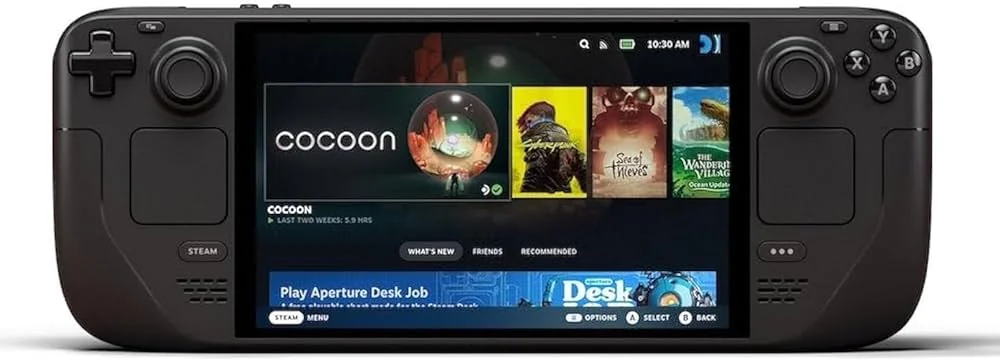
The Steam Deck OLED's 7.4-inch HDR OLED display dazzles with vibrant colors and deep blacks that truly pop against the 1280×800 resolution canvas. With a buttery smooth 90Hz refresh rate, gaming visuals glide effortlessly, reducing motion blur thanks to its sub-0.1 ms response time. Users and experts alike laud this as a transformative upgrade over LCD predecessors, offering brighter peak luminance at 1000 nits for HDR content that elevates immersion without draining battery life excessively—making it the true star of Valve’s handheld show.
Processing and graphics performance
Powered by a 6nm AMD APU sporting Zen 2 cores and an RDNA 2 GPU delivering up to 1.6 TFlops FP32, the Steam Deck OLED balances respectable horsepower with energy efficiency rather than raw muscle flexing. While it won’t shatter frame rate records on AAA blockbusters, it handles indie gems and retro emulation smoothly—a fact echoed in user feedback praising consistent gameplay despite modest hardware gains over prior models. This sweet spot ensures solid performance within Valve’s curated ecosystem without turning into a power-hungry beast.
Controls and input latency
Valve continues its commitment to tactile excellence via Hall-effect analog sticks coupled with dual trackpads featuring ultra-responsive haptics—the kind that make every thumb flick count when precision matters most in fast-paced games or subtle UI navigation alike. The enhanced touchscreen polling rate at an impressive 180 Hz further slashes input lag, ensuring your commands land snappy enough for both casual exploration and competitive edge scenarios, earning plaudits among users who prize responsiveness alongside ergonomic comfort during marathon sessions.
Battery life and power efficiency
With an upgraded 50Whr battery paired to efficient internals, expect generous playtimes spanning from three hours under intense load up to twelve hours during lighter sessions—impressive leaps beyond previous iterations praised across reviews for their endurance improvements. The integration of Wi-Fi 6E complements this by speeding downloads while maintaining lean power consumption, letting gamers unplug longer without hunting outlets constantly; though brightness-heavy HDR modes can nibble runtime more aggressively, overall longevity makes this device worthy of extended adventures away from plugs.
Conclusion
When a handheld’s heart is its screen, the 7.4-inch HDR OLED at 90Hz sets a dazzling stage with vivid colors and silky motion that redefine portable play. The AMD Zen 2 processor delivers steady, if not groundbreaking, graphics performance, perfect for indie gems rather than AAA showstoppers. Battery life impresses with an adaptive range—3 to 12 hours depending on workload—while smart power efficiency keeps sessions unplugged longer without sacrifice. Controls remain tactile champions thanks to Hall-effect sticks and ultra-responsive input latency, giving players confident command in every flick and tap. Valve’s refined cooling system tames heat and noise into near silence, turning up comfort during marathon runs. Connectivity perks like Wi-Fi 6E and robust DisplayPort support unlock flexible setups beyond handheld mode. This blend of brilliance suits gamers who prize immersive visuals and versatility over raw horsepower—a compelling package where display quality meets practical polish for those seeking rich PC gaming on the go without fuss or flashbulbs stealing focus.

Feature Scores
This reflects reviews and ratings from established critics, journalists, and users who have evaluated the item. Their opinions provide a comprehensive assessment.
Performance
CPU/GPU Performance
4/5
Battery Life
4/5
Thermal Management
4/5
Storage Capacity
4/5
Connectivity
5/5
Durability and Reliability
4/5
Input Responsiveness
5/5
Value
Price-to-Performance Ratio
4/5
Bundle Value
4/5
Warranty and Support
4/5
Design
Ergonomics
4/5
Display Quality
5/5
Portability
4/5
Weight and Size
4/5
Health
Material Safety
TBD
Ergonomic Strain Risk
4/5
Eye Comfort
4/5
Safety
Battery Safety
3/5
Overheat Protection
4/5
Regulatory Compliance
4/5
Sustainability
Energy Efficiency
4/5
Repairability
5/5
Recyclability
3/5
Sustainable Packaging
3/5
Experience Style
Software Ecosystem
5/5
Customizability
5/5
User Interface Simplicity
4/5
Social and Multiplayer Features
4/5

Specifications
This section outlines the product's key facts, covering essential features, details, dimensions, materials, and any unique characteristics that define its functionality and usability.
Performance
Value
Design
Safety
Sustainability
Experience Style

Frequently Asked Questions
5 Questions




Find Yours
How do you mainly use a handheld gaming console?
Answer to find your best matches.