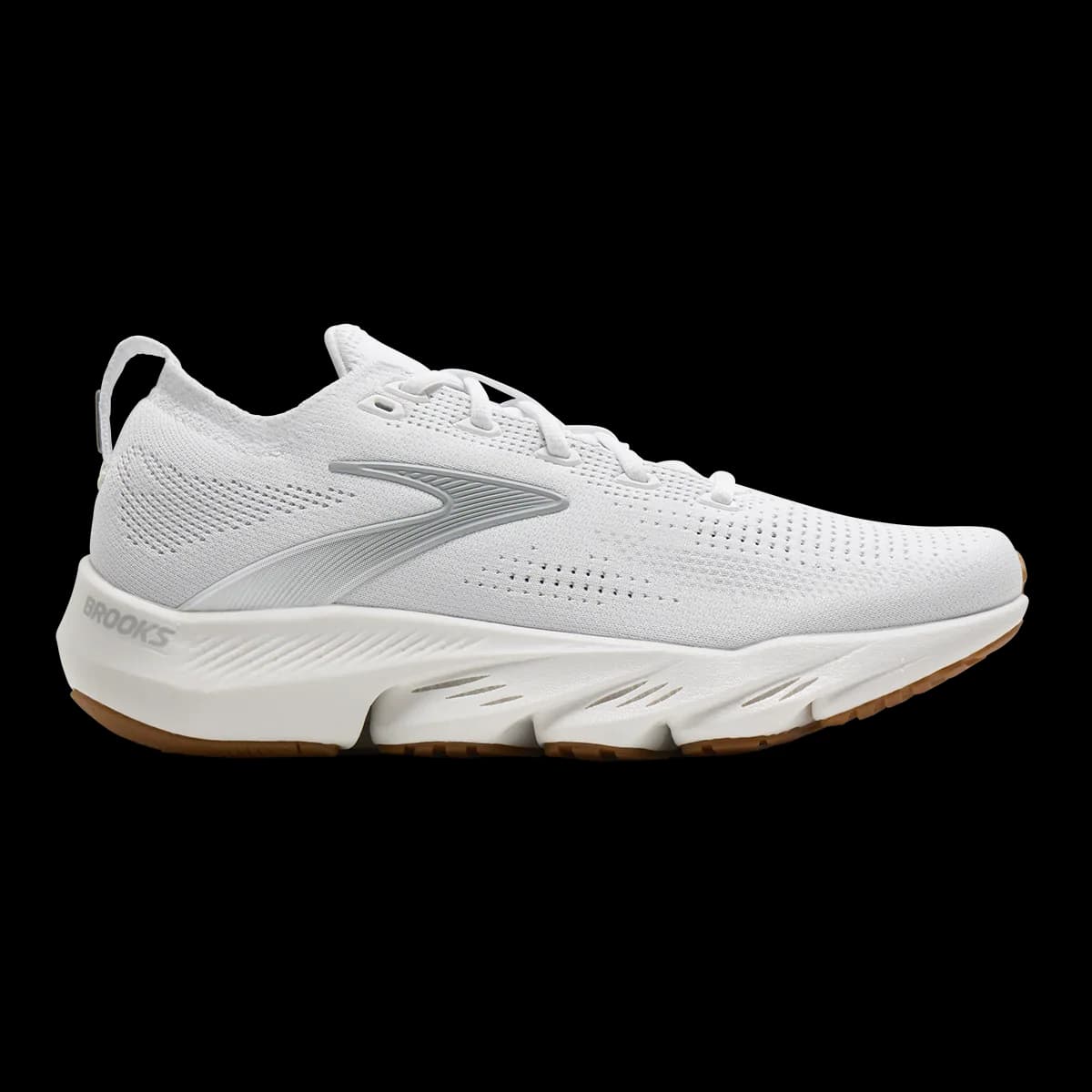
Brooks Glycerin Flex
Plush nitrogen‑infused cushioning with flexible FlexZone for natural, stable daily miles — promising but try for fit and forefoot feel.
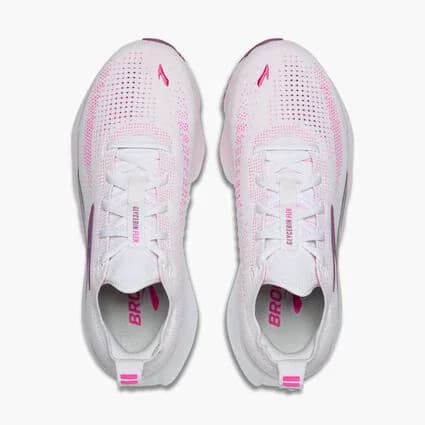
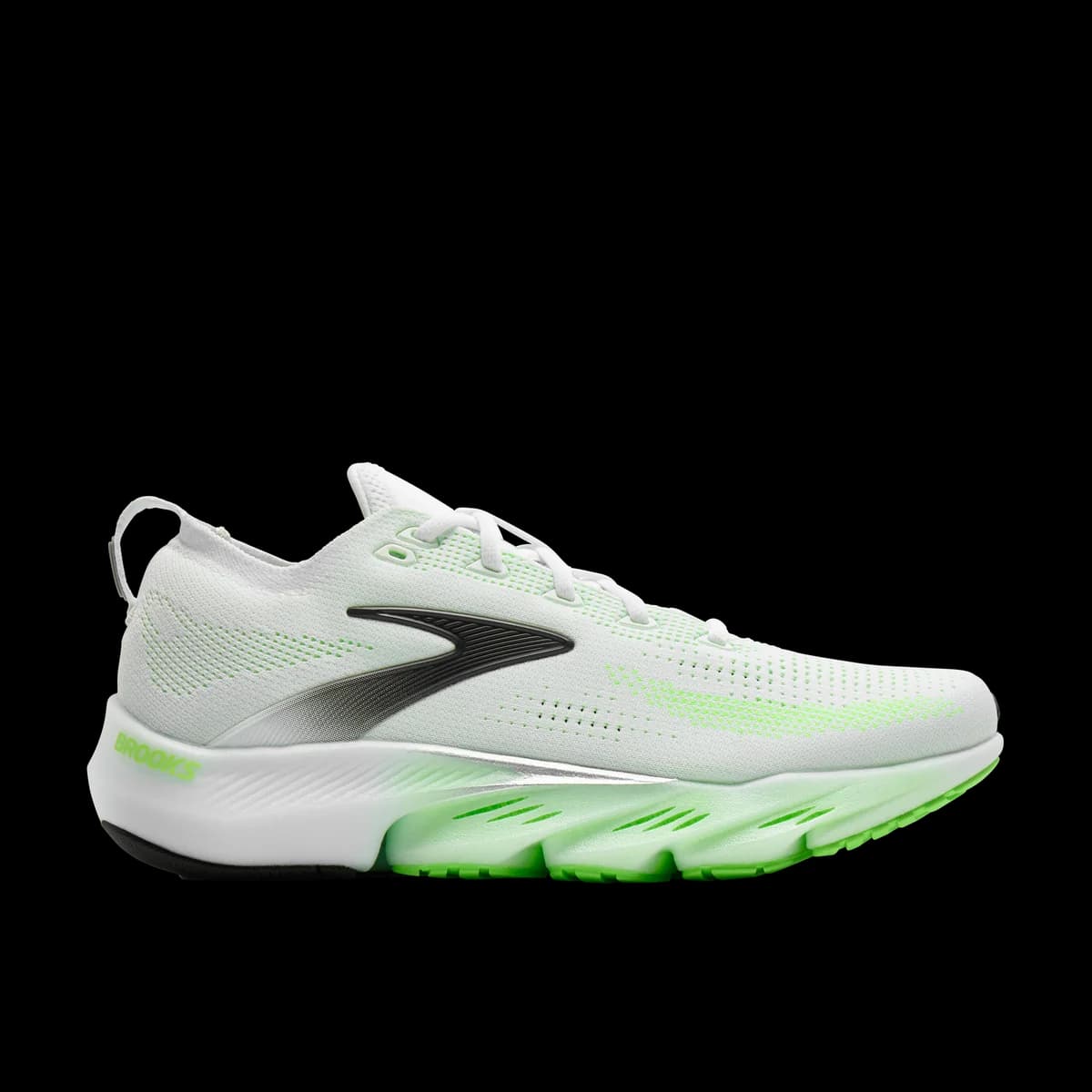
The Brooks Glycerin Flex is a plush-but-playful daily trainer that aims to let your foot do the talking: a high‑stack neutral shoe for runners who want cushioning without the rocker. Experts praise its nitrogen‑infused DNA Tuned dual‑cell foam and reviewers like the grounded toe‑off from the diagonal FlexZone groove, though some users flag a narrow toe box and firmer forefoot/medial pod hotspots. It’s versatile for easy miles, gym work and travel, and sits at a premium price that reflects solid build and novelty. More long‑term user data is needed, but fit, forefoot feel and durability will decide its ultimate worth.
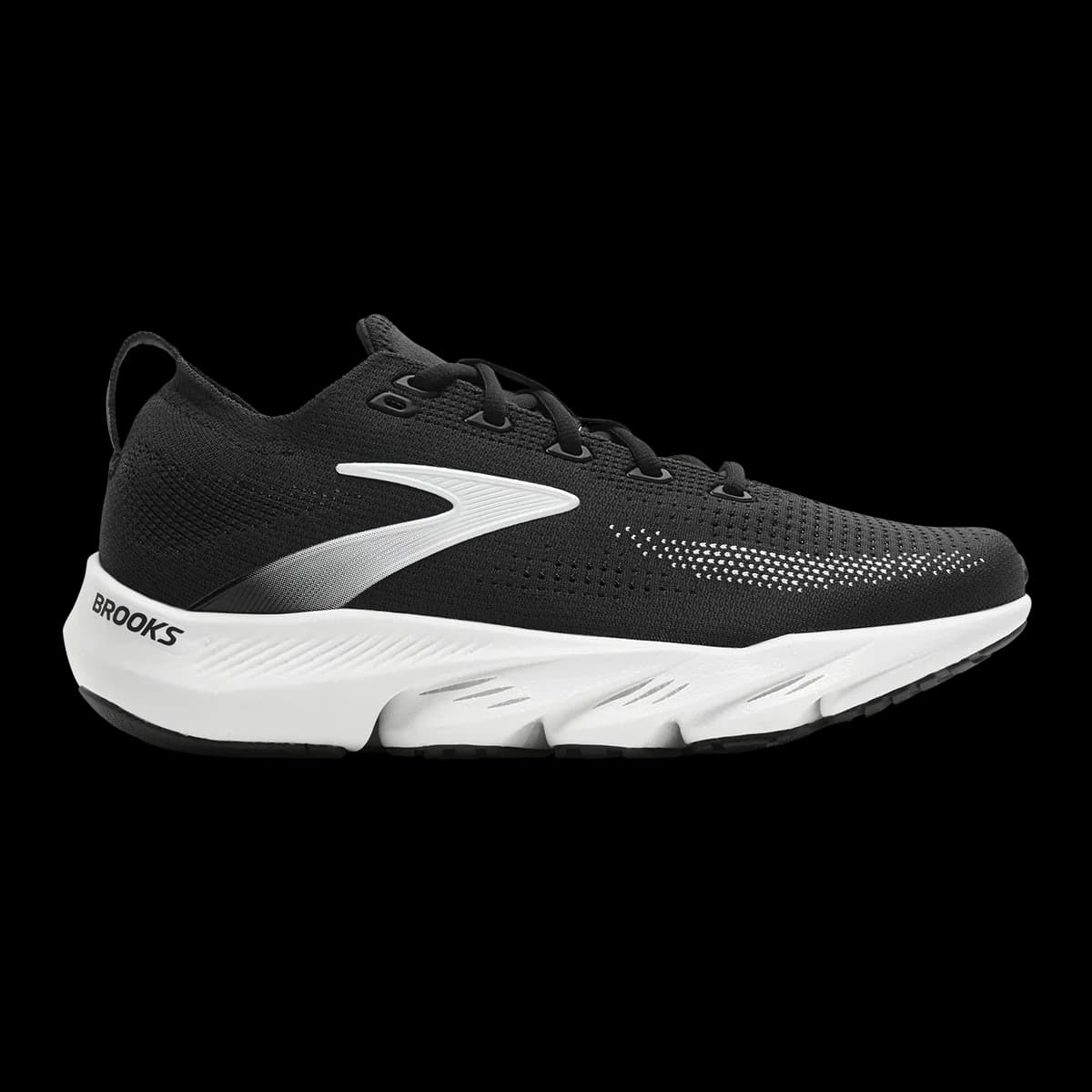
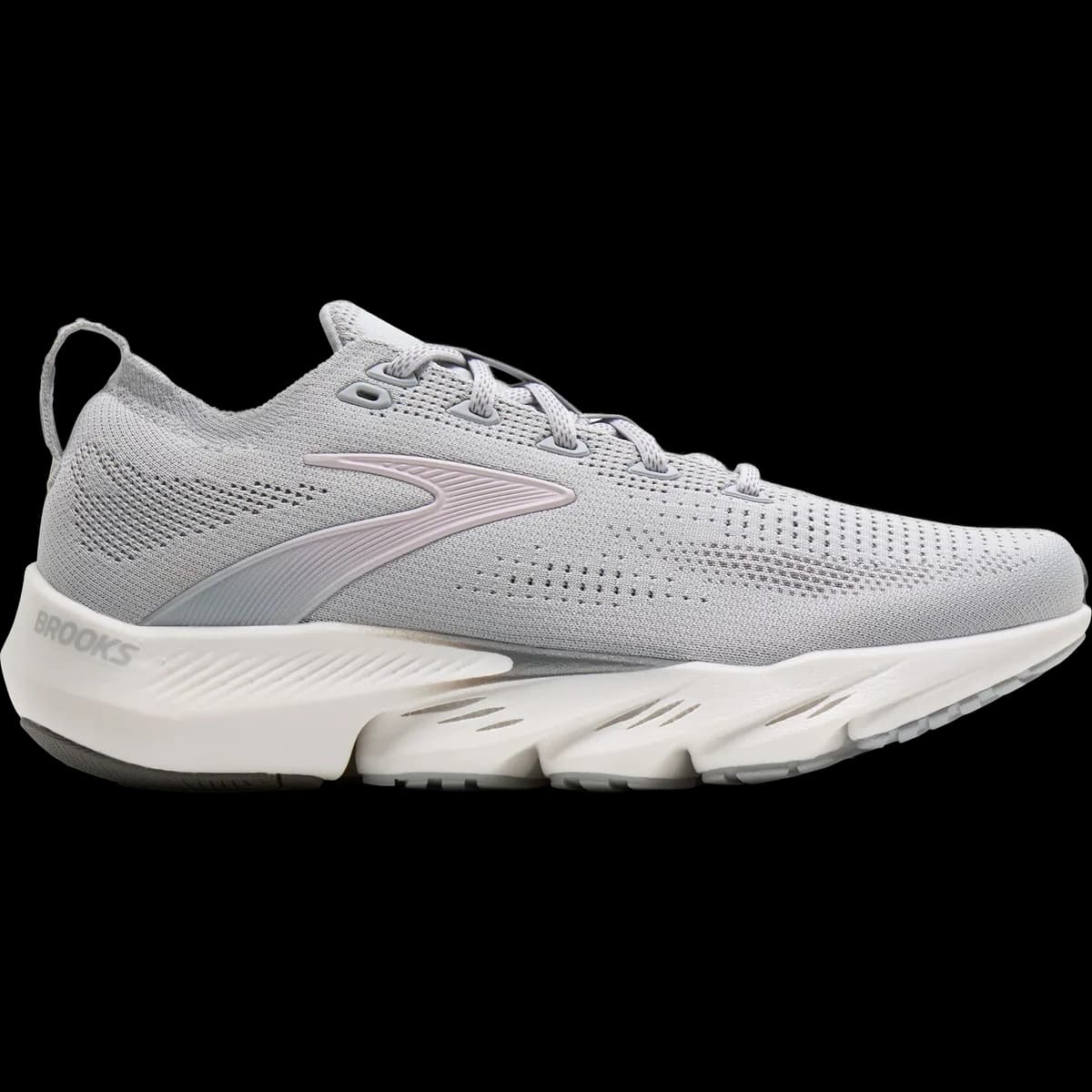
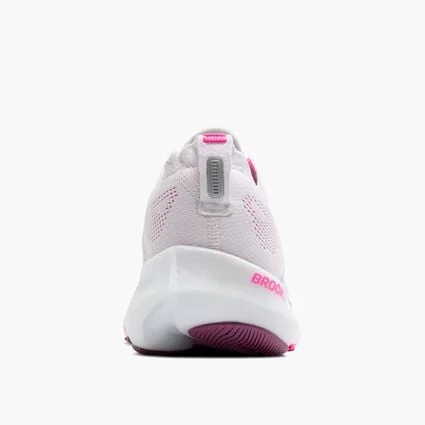
Find Yours
What type of running do you mostly do?
Answer to find your best matches.

The Field
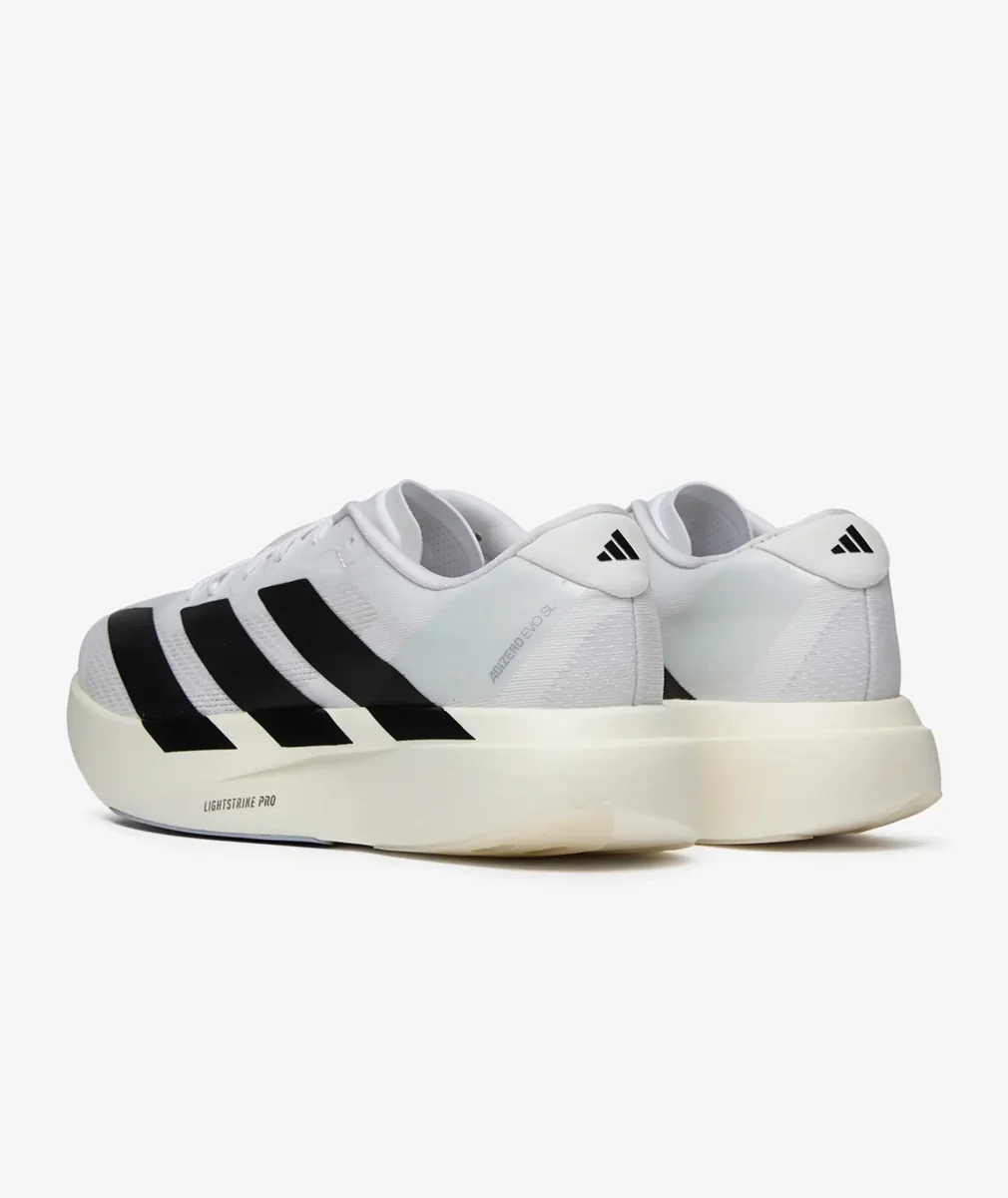
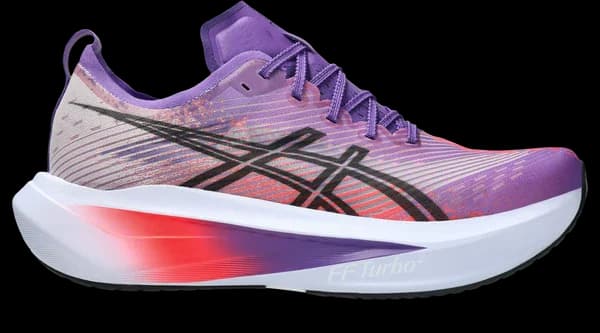
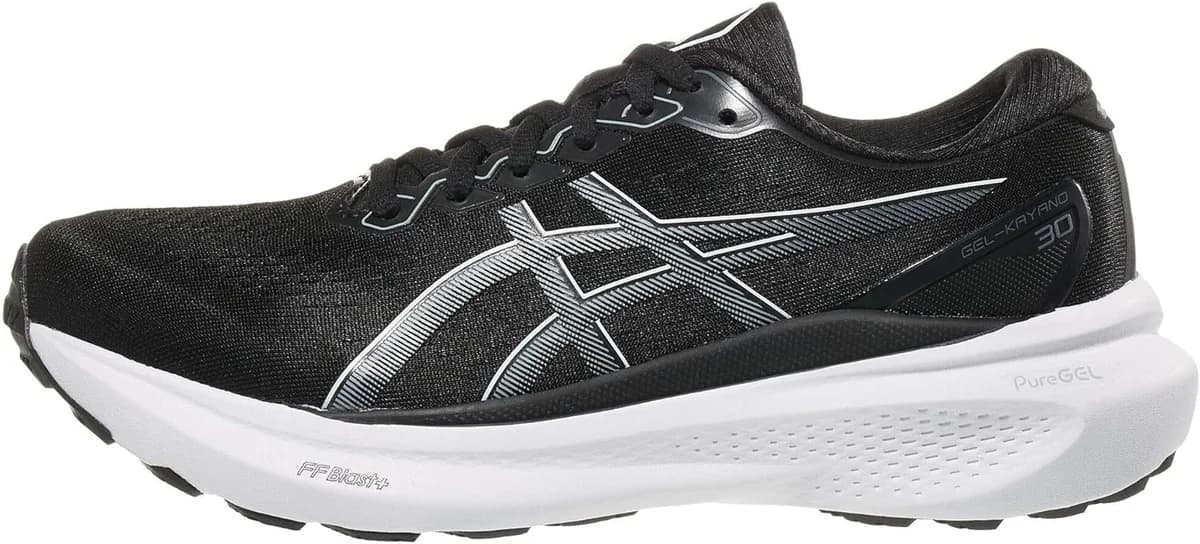
Browse top contenders, or compare all options ranked by score and key attributes.
5 Options

The Scoreboard
Does this improve your life? Considers, health, habits, and environmental impact.
Benefits
Soft heel landings and consistent toe-offs for long miles without midsole collapse.
FlexZone grooves let the foot bend naturally, improving ground feel and transitions.
Sock-like engineered knit breathes, fits varied feet and eases entry for everyday use.
Wide base and firm forefoot give solid side-to-side control on regular runs.
Light-for-cushioning weight plus sticky outsole suits runs, gym sessions, and travel days.
Trade-Offs
Firm forefoot pods or narrow fit can cause hot spots under the big toe.
Flexible, decoupled midsole asks more from calves and feet during repeated uphill or long runs.
Occasional tongue/lockdown issues and slight heel slip can rub, causing blisters or soreness.
 Alternatives


Join the Circle
Where real meets deal
Know what's worth buying-and when.
Tips, special offers, and rewards for buying and sharing.

Publications
10 LEADING PUBLICATION REVIEWS

Runner’s World praises the Brooks Glycerin Flex as a thoughtful evolution that blends plush DNA Tuned foam with a novel diagonal Flex Zone to give runners more control without sacrificing cushioning. Amanda Furrer writes with clear enthusiasm—calling it paradigm-shifting—while staying measured about who it suits: not a maximalist replacement but a versatile trainer for short, faster days or long runs when you want more ground feel. She highlights concrete details (36/30 mm stack, podular outsole, flat knit upper, separate tongue) and real-world testing across paces and conditions, including colleague feedback that it grew on them after initial skepticism. Criticisms are mild and situational: it’s less ideal as an all-day maximal-cushion choice or the top pick for long runs. Overall the tone is upbeat and confident, emphasizing unique design intent and practical performance rather than marketing hyperbole.
By Amanda Furrer
RTINGS praises the Brooks Glycerin Flex as a distinctive daily trainer that prioritizes natural bend and platform stability through a segmented, decoupled midsole, delivering a grounded, flexible ride with good heel cushioning and a premium knit upper. The review’s tone is measured—appreciative of the shoe’s unique engineering and reliable side-to-side stability, but clear and repeatedly critical about its low energy return, heavy weight, firm forefoot, and lack of propulsion, which make it feel dull for fast efforts or racers and can create uncomfortable friction for some forefoot landings. Overall, the reviewer recommends the Flex mainly for runners who value a natural, stable daily trainer over lively responsiveness, noting it’s competent for easy miles but won’t satisfy those seeking springy, race-ready performance.
By John Cole; Robin Bonneau Patry; Yannick Khong
Brett Williams from Men's Health highlights the Brooks Glycerin Flex as a thoughtful, slightly adventurous daily trainer that favors control and comfort over modern propulsive feel. Williams praises the novel segmented FlexZone sole and nitrogen-infused midsole for delivering responsive, stable cushioning—calling it durable and surprisingly capable in cold, slushy NYC conditions—while noting it lacks the forward momentum of rockered, ultra-responsive racers. He enjoyed the fit and lockdown but flags limitations for speedwork, lateral gym use under load, and the basic, dirt-prone knit colorways; price ($170) is also on the higher side. Overall the tone is appreciative and measured: intrigued by Brooks’ decade-long experimentation and the shoe’s unique ride, he recommends it as a reliable, novel everyday option for runners who prioritize comfort and control.
By Brett Williams
Laura Fountain from Women’s Running praises the Brooks Glycerin Flex for blending the Glycerin line’s signature plush cushioning with markedly improved forefoot flexibility. She sounds warmly positive and mildly enthusiastic—impressed by the premium, breathable upper, roomy fit, and the FlexZone™ midfoot that lets the shoe bend easily while preserving shock-absorbing comfort. Her hands-on testing (4–6 mile runs) finds smoother transitions and a forgiving ride that’s ideal for easy runs and daily training, though she notes reservations about using it for long-distance efforts. Unique insights include the “bend test” anecdote and clear emphasis on the shoe’s step-in comfort and natural toe-off; overall the tone is approving and measured, recommending the Glycerin Flex primarily to neutral runners who want plush cushioning with more adaptability.
By Laura Fountain
Dan Salas from DOCTORS OF RUNNING highlights a measured, largely positive view of the Brooks Glycerin Flex: he praises its rare combination of high stack cushioning (38/32 mm) with pronounced forefoot flexibility via deep flex grooves and DNA Tuned foam, calling it a useful neutral daily trainer for runners who want a more natural-feeling gait. He notes clear strengths—comfortable cushioning that still feels structured, versatility for uptempo paces, and a unique flexible high-stack niche—while also flagging meaningful caveats: a slightly snug, warmer upper with limited volume that produced a medial forefoot hot spot for him, increased muscular demand (notably calves) from the flexible platform, and modest stability concerns for some runners. Overall the tone is balanced and approving for the right runner: technically insightful, practical, and cautious rather than exuberant.
By David Salas
The Run Testers praises the Brooks Glycerin Flex for delivering a distinct, more natural-feeling ride thanks to its segmented midsole and flexible S‑groove that lets the foot move from midfoot to forefoot. Testers liked the comfortable heel wedge, durable DNA Tuned foam, and relatively light weight, noting it returns solid energy for steady or tempo efforts and should hold up well. However, enthusiasm is measured: the shoe isn’t as lively or responsive as top cushioned trainers, has a lower forefoot stack that reduces plushness, and feels limited mostly to easy runs rather than being a versatile daily trainer. The review highlights the Flex’s unique design and potential appeal to runners seeking flexibility, but ultimately recommends other livelier or more cushioned alternatives for overall performance and value.
Believe in the Run praises the Brooks Glycerin Flex as a successful, pleasantly surprising evolution for Brooks: a max-cushion trainer that actually feels more dynamic and engaging underfoot. The reviewers highlight a very thoughtful engineered knit upper that fits a range of foot shapes, plus a standout DNA Tuned dual-density midsole with strategic cutouts and flex grooves that give the ride independent suspension-like responsiveness and confident downhill control. Aesthetics, weight, and step-in comfort earn praise, and the shoe’s versatility for both high-stack and more traditional-feel runners is emphasized. Criticisms are mild and specific — slight rubbing under the big-toe ball for this tester and a wish for an integrated tongue — but nothing the reviewers call a dealbreaker for typical daily training. Overall tone is approving and optimistic: an innovative, well-executed Brooks that broadens the brand’s appeal without sacrificing cushioning.
By Thomas Neuberger; Meaghan Murray
Gearlimits praises the Brooks Glycerin Flex as a lively, flexible daily trainer that prioritizes a natural underfoot feel over plush, rocker-driven cushioning. The reviewer is clearly positive and reasonably enthusiastic—calling out a sock-like engineered mesh, true-to-size fit (roomy enough for slightly wider feet), secure heel lockdown, and a smooth, responsive ride driven by Brooks’ DNA Tuned foam. After about 60 km of testing around Munich, they highlight downhill control, consistent cushioning over long runs, and suitability for everyday miles, half-marathons, and mixed training like Hyrox. Criticisms are measured: it’s not the softest or most stability-focused shoe, nor the fastest race pick (the reviewer prefers the Hyperion Max 3 for speed), and the ~€180 price places it at a premium. Overall the tone is favorable and balanced, recommending it for runners who want flexibility and connection rather than maximum plushness or outright speed.
By Dylan Verdoold
Tom’s Guide’s Nick Harris-Fry praises the Brooks Glycerin Flex as a compelling new take on cushioned running shoes: it keeps the Glycerin line’s plush comfort and stability while adding a noticeably more flexible, ground‑aware ride thanks to an S‑shaped midfoot groove and outsole cutouts. After a 10K test run at the launch, he highlights that the shoe still offers high stack height (36/30mm), DNA Tuned dual-density foam, durable rubber outsole, secure padded upper, and surprisingly light weights, making it well suited for easy miles and rotation against rockered maximalists. His tone is optimistic and mildly enthusiastic but measured—he clearly likes the novel, less prescriptive feel while noting it’s neither minimalist nor fully judged yet (he promises a longer-term full review), so his endorsement is encouraging but cautious pending extended testing.
By Nick Harris-Fry
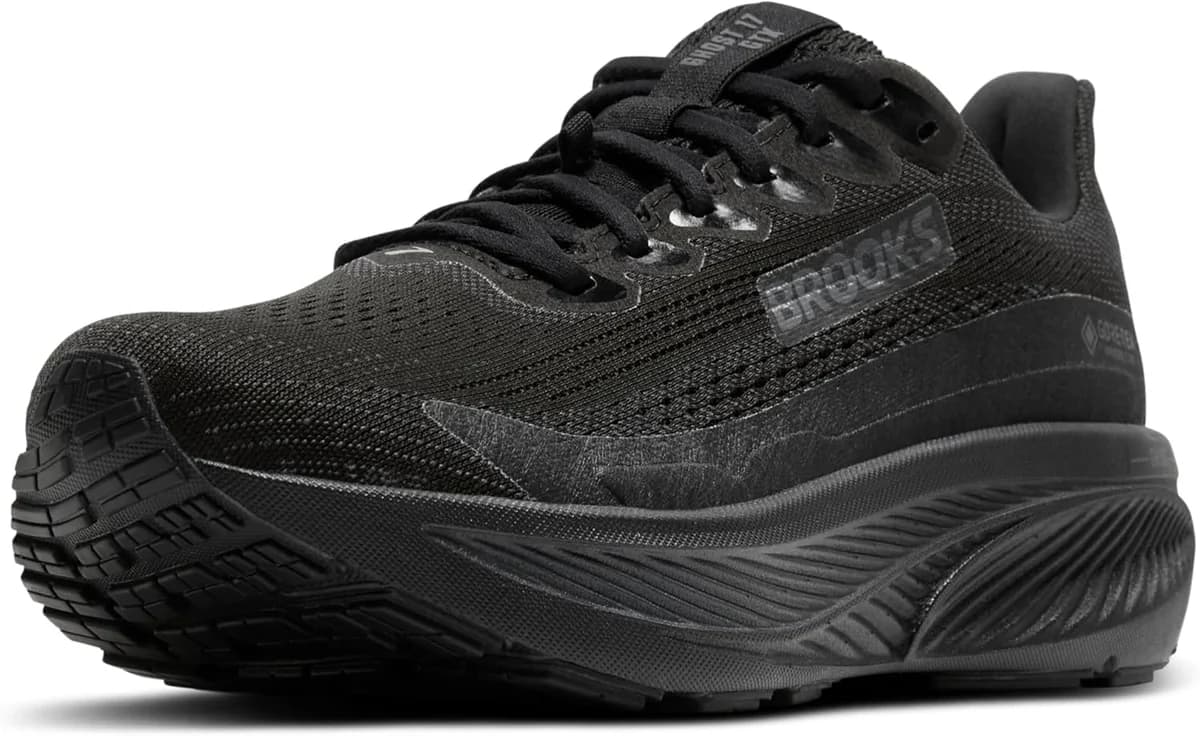
Prevention’s Emily Goldman praises the Brooks Glycerin Flex as a comfortable, well‑cushioned running shoe with standout traction and a springy, responsive ride after more than 50 miles of mixed-surface testing. Enthusiastic about Brooks’ decade‑long design work and the shoe’s segmented footbed that “lets the foot lead,” she highlights the Flex’s lightweight feel, improved lacing length, and stylish options. Her enthusiasm is measured: while she’s added them to her rotation, she warns they’re less supportive than the Adrenaline GTS 25 or Ghost 17 and may not suit new runners without solid form. Unique insights include Brooks’ research-backed development and real-world testing across socks, weather, and surfaces. Overall, Goldman recommends the Glycerin Flex for experienced runners and walkers seeking a connected, cushioned ride, but not as a primary shoe for beginners or those needing max stability.
By Emily Goldman

YouTube
12 LEADING EXPERT & INFLUENCER REVIEWS
 kofuzi
Kofuzi praises the Brooks Glycerin Flex as a lively, non‑gimmicky take on the Glycerin—more nimble, energetic, and flexible thanks to DNA Tuned foam and FlexZone grooves—while noting firmer forefoot cushioning, limited width options, and modest differences from other Glycerin models; overall enthusiastic but measured.
Marathon HandbookAlex Cyr praises the Brooks Glycerin Flex as an unexpected success—lighter and notably more flexible than the Glycerin 23, yet still cushioned by DNA Tuned foam. He’s enthusiastic about its natural stride and durability but notes a slightly narrower toe box, mixed feedback from heavier runners, and that the Flex trails the Glycerin 23 (8.6 vs 8.9).
ROADRUNNINGReviewROADRUNNINGReview praises the Brooks Glycerin Flex as a lighter, more ground‑connected alternative to the Glycerin 23 — ideal for shorter runs, gym use, and for "working" foot muscles — while noting the Glycerin 23 remains preferable for long, cushioned endurance miles.
Sagasu RunningSagasu Running praises the Brooks Glycerin Flex as a surprisingly brilliant, flexible daily trainer: enthusiastic about the DNA Tuned co‑molded midsole, podular FlexZone, and hill-running feel, while noting a heavy, moisture‑absorbing engineered flat knit upper and early outsole wear—overall very positive and impressed.
Ben Parkes - Road Running ReviewsBen Parkes praises the Brooks Glycerin Flex as a comfortable, well-built daily trainer with standout nitrogen-infused DNA Tuned foam and pronounced FlexZone/podular flexibility, but he’s measured—liking durability, fit, and ground feel while criticizing narrowness, muted responsiveness, and limited real-world benefit from the “flex” gimmick.
FORDY RUNSFORDY RUNS finds the Brooks Glycerin Flex a well-intentioned but underwhelming experiment: he praises Brooks’ innovation, knit upper, lighter weight and DNA Tuned foam, but criticizes the outsole grip, lacing/tongue lockdown, and says the Flex decoupling fails to deliver a noticeably natural ride—not worth £165 for him.
Alastair RunningAlastair Running praises the Brooks Glycerin Flex as an innovative, fun, and natural-feeling max-cushion daily trainer—responsive DNA Tuned foam, huge flex groove and podular FlexZone deliver comfort and stability—while calling out a firm medial big-toe pod that can become noticeable after ~10 km for forefoot strikers.
Meta EnduranceAlex from Meta Endurance praises the Brooks Glycerin Flex as a lively, connected daily trainer—enjoyably flexible thanks to FlexZone and nitrogen-infused DNA Tuned midsole—while noting a somewhat minimal upper, possible wet-surface slip reports, and that he'd prefer a lower price versus the Glycerin 23 for pure running value.
It's Matt BMatt V. praises the Brooks Glycerin Flex for its plush DNA Tuned midsole and standout FlexZone/S‑groove flexibility, calling it a well-made, lightweight daily trainer that reconnects you to the road; he notes slippery wet grip and mild medial foot soreness after repeated runs, so recommends it as a rotation/strengthening shoe.
RoadTrailRunSam from Road Trail Run praises the Glycerin Flex as a lively, lighter take on the Glycerin line—enjoyable for runners who want plush DNA Tuned cushioning with FlexZone articulation and a stable medial profile—while noting it’s not as playful as hoped and may feel too stacked/heavy for those seeking ultra-light minimalism.
YowanaYowana praises the Brooks Glycerin Flex as a surprisingly pleasant, versatile daily trainer—comfortable upper, tuned DNA Tuned foam, smooth geometry and nice midfoot-to-forefoot pop—while questioning whether the deep FlexZone grooves are necessary beyond marketing. Overall enthusiastic but measured: solid A‑ minus recommendation.
UltraSershUltraSersh praises the Brooks Glycerin Flex for its unusually flexible, nitrogen‑infused DNA Tuned midsole, sock‑like knit upper, and daily‑trainer versatility, calling it comfy, lightweight‑feeling, and travel‑ready; he notes water absorption, slight heel narrowness/instability for heavy pronators, and the $170 price as mild downsides.

Social
3 INFLUENCER REVIEWS
 careese
careese raves about the Brooks Glycerin Flex’s lightweight, sock-like fit and bunion-friendly, stretchy upper—calling it flexible, breathable, and the “perfect amount of cushion” after a three-mile test run. She contrasts it favorably with the heavier, stiffer Glycerin Max and says she has “no bad things to say” initially. Overall consensus: enthusiastic recommendation—she’d buy it, plans longer testing, and encourages followers to try it; tone is excited and genuinely impressed with immediate comfort and fit.
 Rylee Jade
ryleejade.fit shares their thoughts on the Brooks Glycerin Flex after three weeks of testing across runs, walks, strength sessions, travel, and a tough workout class — upbeat, practical, and pleasantly surprised by its ground feel, DNA-tuned cushion, and surprisingly strong toe-off for a non-speed shoe. Overall recommendation: she likes the Glycerin Flex as a versatile, lightweight, comfortable do-it-all shoe ideal for travel or mixed-activity days — useful addition but not a replacement for her primary running shoes.
Carlos Rojo 🏃🏻♂️ Runningcarlosrojo_running destaca la Glycerin Flex como una sorpresa de Brooks: máxima amortiguación con una sensación bajo el pie más natural y flexible, gracias a la mediasuela DNA Tuned con cortes que permiten movimiento independiente, un upper knit cómodo y buena tracción ligera; menciona datos concretos (36/30 mm, 6 mm drop, 272 g) y el precio con cupón. En conjunto la recomienda como zapatilla diaria para rodajes cómodos que no quieren sentirse “sobre un bloque de espuma”: positiva y práctica, con la salvedad implícita del precio (180 €) y su enfoque en entrenamiento diario.

Forum Reviews
CUSTOMER REVIEWS FROM 1 FORUM
Overall sentiment around the Brooks Glycerin Flex is mixed but leaning positive: many users praise its cushioned yet more connected ride, narrower fit, and suitability for walking, gym work, and relaxed runs, while others find it underwhelming—too flexible, unstable for long high-effort runs, or quirky in fit (tongue and inner-heel issues). Design comments highlight a novel flexible max-cushion approach that appeals to those seeking less “marshmallow” feel, though critics call it gimmicky or poorly suited for wider feet. Upgraders worry about durability and energy return; new shoppers appreciate its comfort and versatility but note limited reviews and fit uncertainty.
Many comments

In-Depth Review

Highlights
- •Nitrogen‑infused DNA Tuned midsolePromoted as plush, durable dual-cell cushioning
- •FlexZone midsole articulationDesigned to enable natural midfoot-to-forefoot bend
- •High stack with controlled transitions38/32mm stack; soft heel, firmer forefoot
- •Engineered knit upperSock-like breathability and adaptable fit
- •Wide platform for lateral stabilityBroad base aids side-to-side control
- •Versatile, light-for-cushioning designWorks for runs, gym sessions and travel

Considerations
- •Narrow toe box and overall fitCan feel snug for wider feet
- •Firm forefoot and medial pod pressureMay cause hotspots under the big toe
- •Low energy return for speedworkNot notably springy or propulsive for fast efforts
- •Tongue and heel lockdown issuesOccasional tongue rub or slight heel slip
- •Wet traction and outsole wear reportsSome reviewers noted slips and early wear
- •Higher muscular demand on longer runsFlexible platform can increase calf and foot load
Early user impressions are still thin, so take initial praise with a polite nod; Brooks is nevertheless pushing a clear agenda with this latest Glycerin variant. Positioned as a premium, neutral daily trainer that favors foot freedom over rocker-driven momentum, it aims to marry plush protection with purposeful articulation. Expect a headline-making nitrogen-infused DNA Tuned foam, an eye-catching diagonal FlexZone groove, and a tall 38/32mm stack with a 6mm drop that softens landings without turning you into a marshmallow. The engineered flat knit upper offers a sock-like fit and handy pull-tab entry, while a thick rubber outsole brings sticky, multi-sport traction. A wide platform supplies reassuring lateral stability. If you’re a neutral runner who values connected ground feel for daily miles, tempos, and gym work, these are the features to watch — read on to see whether the trade-offs are worth it.
FlexZone Technology (diagonal midfoot groove and forefoot pods)
The FlexZone’s diagonal groove and podular forefoot are the Flex’s personality: they let the shoe bend where your foot wants to, creating a grounded, natural stride that some testers loved and a few found underwhelming. It smooths transitions without a rocker, improving midfoot-to-forefoot flow, yet the effect can feel subtle on straighter roads or to runners expecting explosive propulsion. Design intent matches experience: the S‑groove articulation delivers real bend, though its payoff depends on your stride and strength, so results are pleasantly conditional.
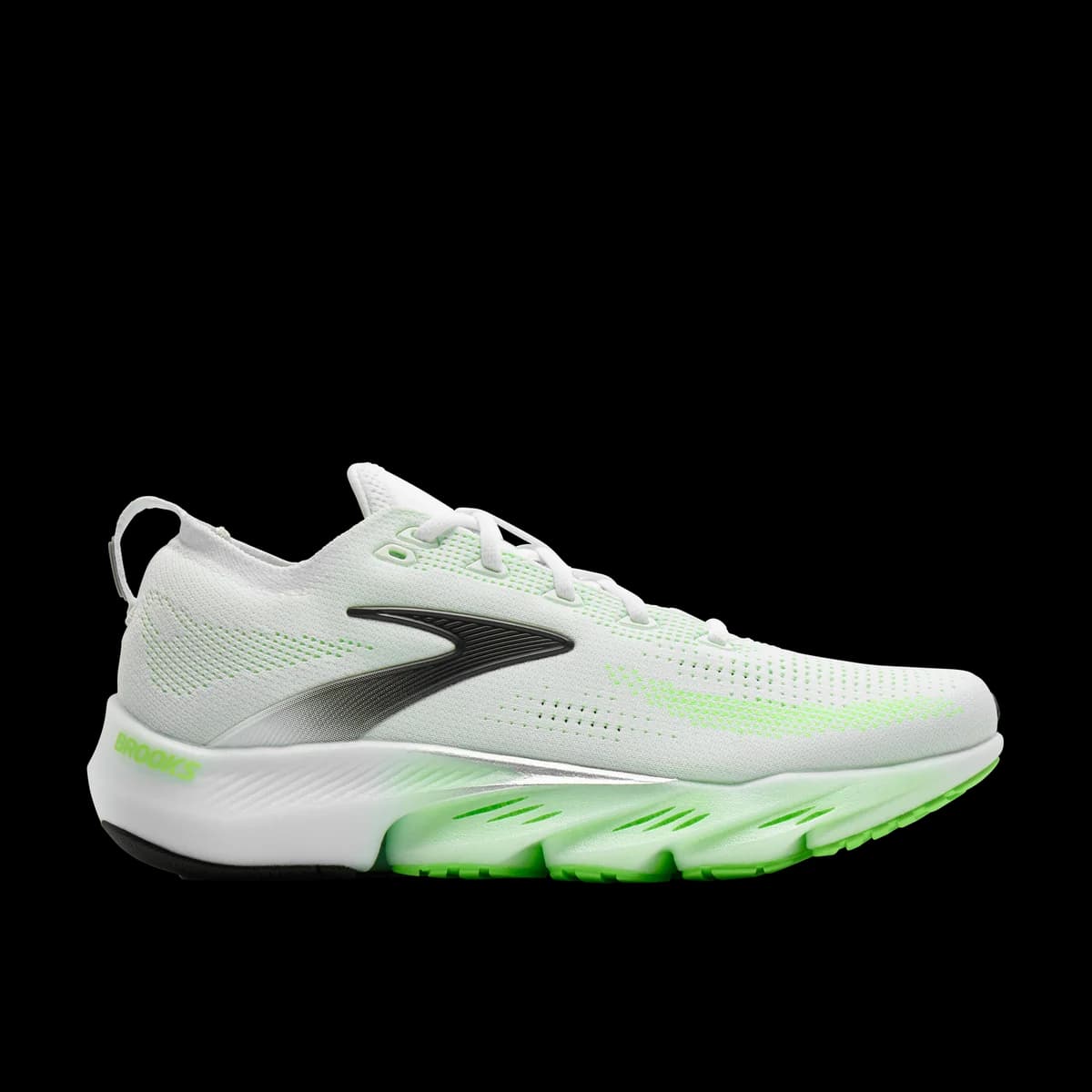
Midsole Material (DNA Tuned nitrogen-infused dual-cell foam)
Brooks’ nitrogen-infused DNA Tuned midsole is the headline act: dual-cell construction gives a soft, airy heel and a firmer forefoot for confident toe-offs, delivering consistent cushioning that resists early collapse. Lab-like claims about sealed foam and durability are largely supported by reviewer mileage notes, though user feedback on energy return is mixed — it’s plush without feeling soggy, but not springy. Expect a dependable, long-lasting feel that balances cushion and control, with the heel-toe tuning proving genuinely useful near the end of runs.
Upper Material and Fit (engineered flat knit, volume and lockdown)
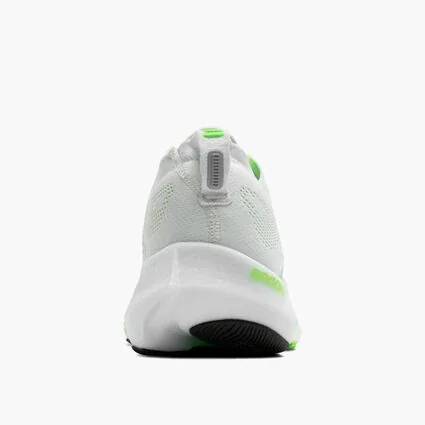
The engineered flat knit upper feels like a soft sock—breathable, stretchy and generally forgiving—yet several testers reported a slightly snug toe box and occasional tongue/heel rub, so fit can be quirky depending on foot shape. It supports secure lockdown with a padded collar and pull tab, but those with wide forefeet should try before buying. Overall the knit balances comfort and structure: sock-like breathability, decent lockdown, and a fit that’s flattering for many but not universally perfect.
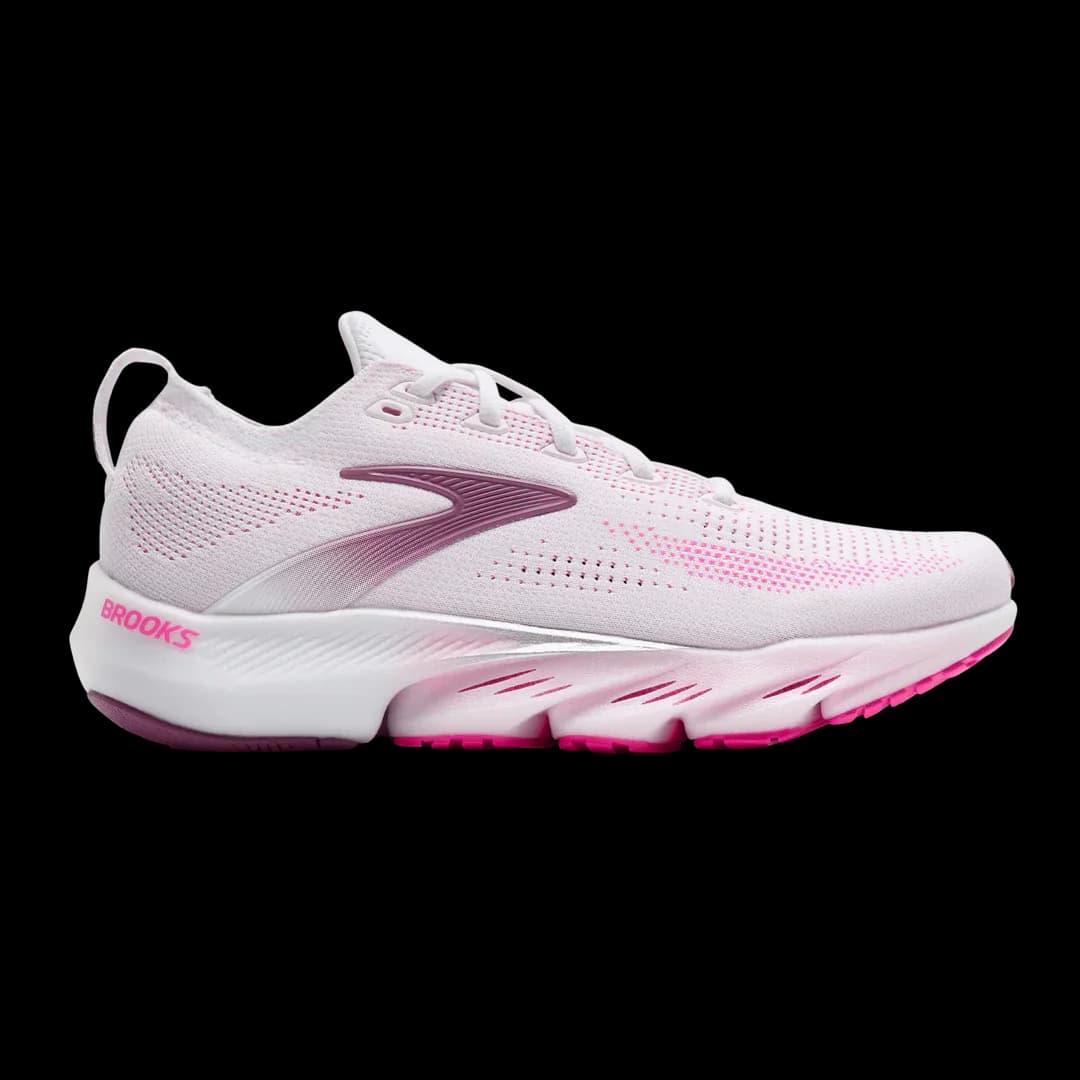
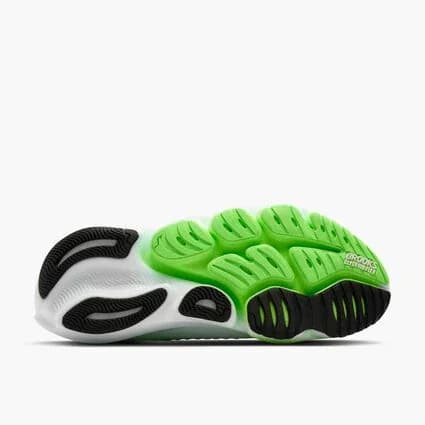
Outsole Material and Traction (thick rubber, sticky compound)
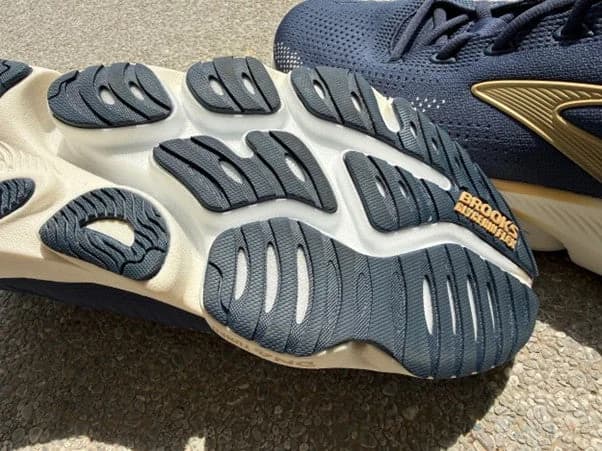
A thick rubber outsole in high-wear zones gives surprising grip and durability, with a somewhat sticky compound that works for road runs and odd multi-sport uses, though a few reviewers warned of early wear and wet-surface slips. The podular tread complements the FlexZone by letting forefoot sections flex independently while still providing durable high-abrasion coverage under heel and toe; in short, it’s tough enough for daily training but keep caution on slick terrain.
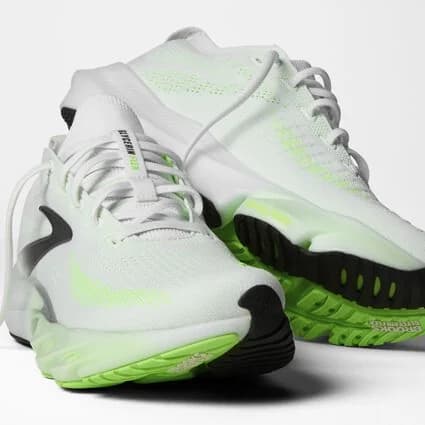
Stack Height and Heel‑to‑Toe Drop
With roughly 38/32mm stack and a 6mm drop, the Flex sits high but avoids rocker-driven momentum, giving plush landings and a fairly neutral foot angle that works for daily miles and tempo efforts. The tall stack provides impact protection on long runs, but reviewers flagged that the lower forefoot relative to the heel reduces toe-box plushness and can expose a firmer feel up front. It’s cushy without being floaty, so expect comfort plus a bit more muscular demand on longer climbs.
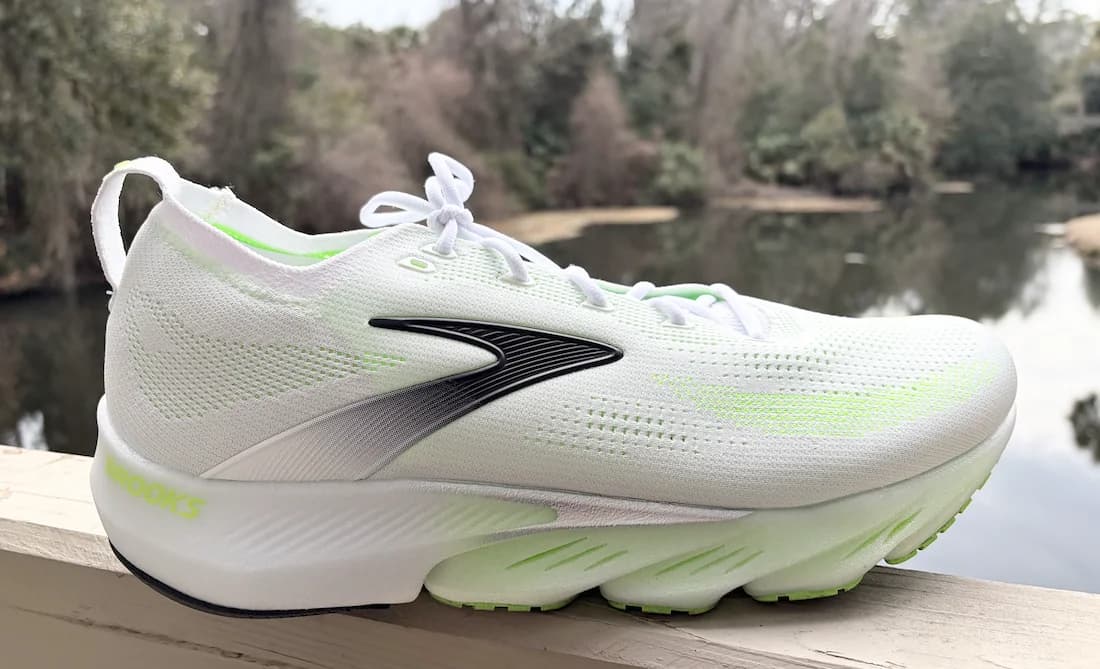
Conclusion
Early impressions are promising but still provisional — this shoe aims to do something specific and mostly succeeds. The nitrogen‑infused DNA Tuned dual‑cell foam delivers plush, consistent landings and dependable durability, while the diagonal FlexZone groove and forefoot pods genuinely let the foot bend where it wants, not where a rocker decides. The tall stack and 6mm drop cushion long miles without feeling floaty, though the firmer forefoot can read as a trade‑off under load. The engineered flat knit is comfy and sock‑like but try the fit if you run wide. A thick, sticky rubber outsole grips everyday surfaces well, and the wide platform gives reassuring lateral stability for steady training. For runners who prize controlled plushness and natural motion over explosive snap, this is a clever, usable addition to rotation — smartly built, with a few fit and feel caveats to test before committing.
Bolded phrases: nitrogen‑infused DNA Tuned dual‑cell foam, diagonal FlexZone groove, forefoot pods, tall stack, 6mm drop, engineered flat knit, thick, sticky rubber outsole, wide platform

Feature Scores
This reflects reviews and ratings from established critics, journalists, and users who have evaluated the item. Their opinions provide a comprehensive assessment.
Performance
Cushioning
5/5
Responsiveness
4/5
Durability
4/5
Traction
4/5
Fit Consistency
3/5
Value
Price to Quality Ratio
4/5
Price Accessibility
3/5
Warranty Support
TBD
Design
Aesthetic Appeal
4/5
Ergonomic Fit
4/5
Upper Craftsmanship
4/5
Health
Breathability
4/5
Arch Support
3/5
Injury Risk Mitigation
3/5
Hypoallergenic Materials
TBD
Safety
Reflective Visibility
TBD
Slip Resistance
4/5
Foot Protection
4/5
Stability Control
4/5
Sustainability
Recycled Materials Use
TBD
Product Longevity
4/5
Packaging Sustainability
TBD
End-of-Life Recyclability
TBD
Experience Style
Ease of Use
4/5
Adjustability
4/5
Customization Options
2/5
Feature Richness
4/5

Specifications
This section outlines the product's key facts, covering essential features, details, dimensions, materials, and any unique characteristics that define its functionality and usability.
Performance
Value
Design
Safety
Sustainability
Experience Style

Frequently Asked Questions
7 Questions
Find Yours
What type of running do you mostly do?
Answer to find your best matches.