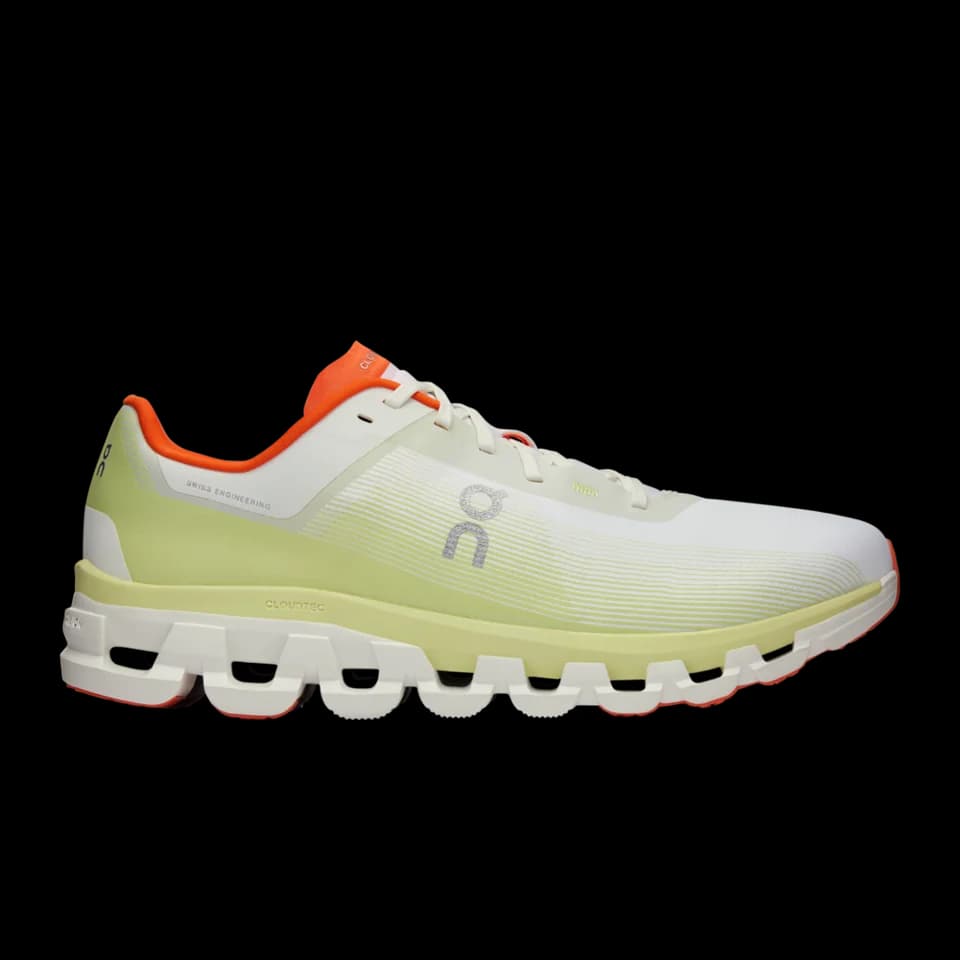
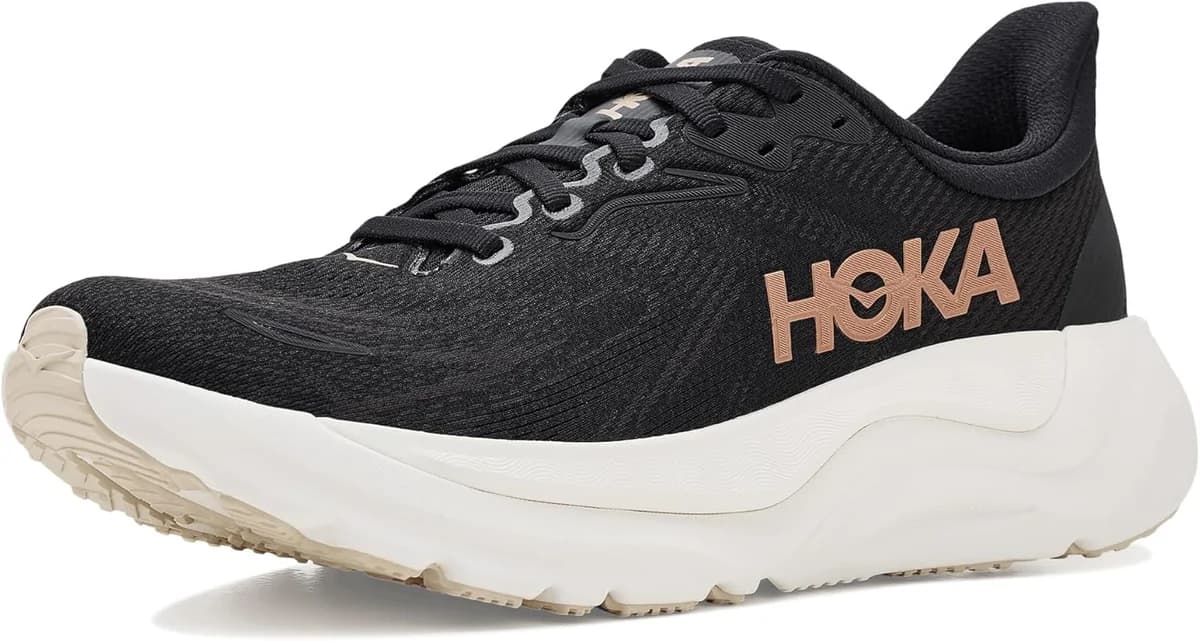
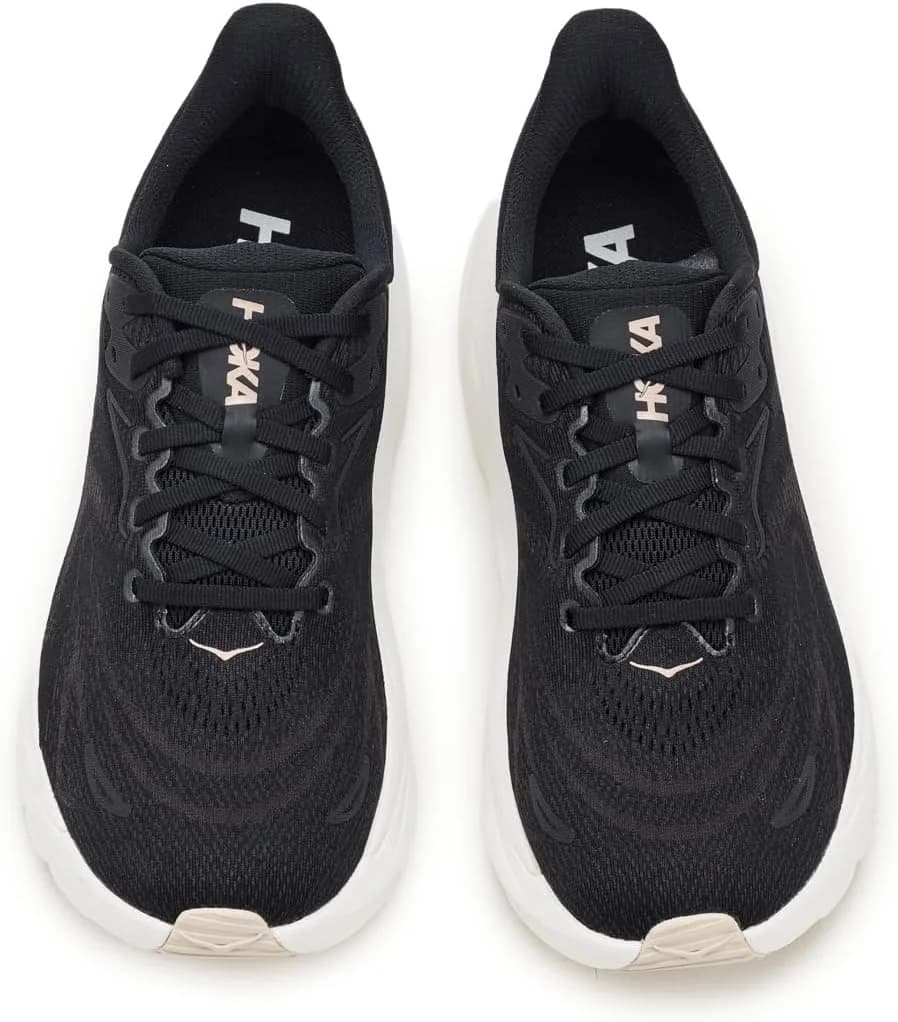
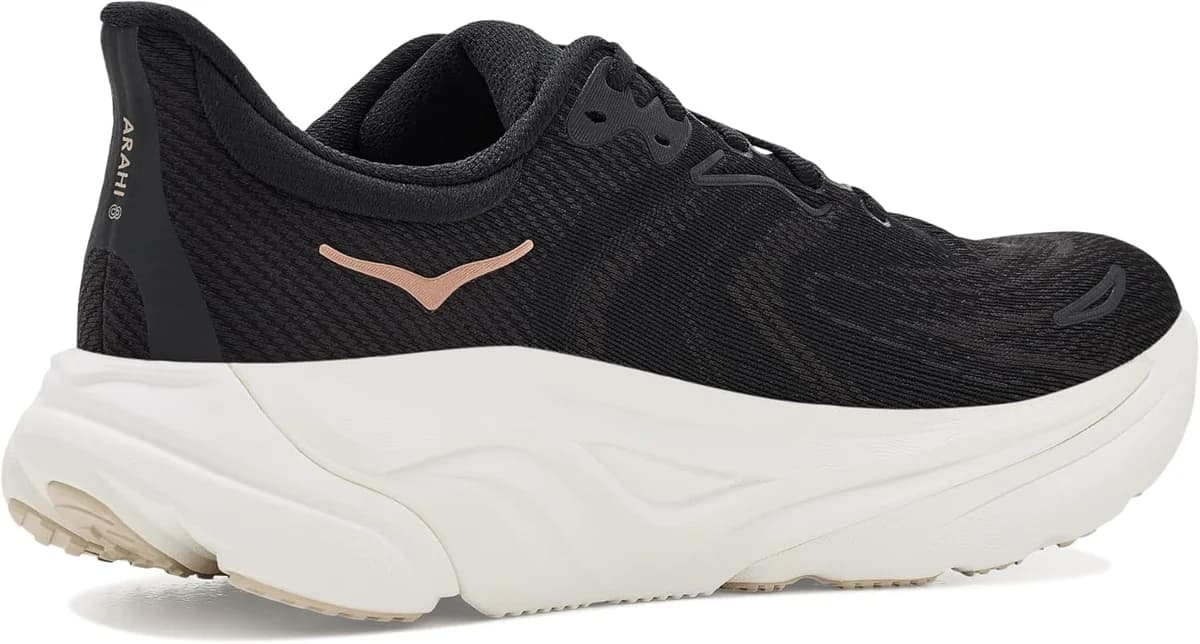
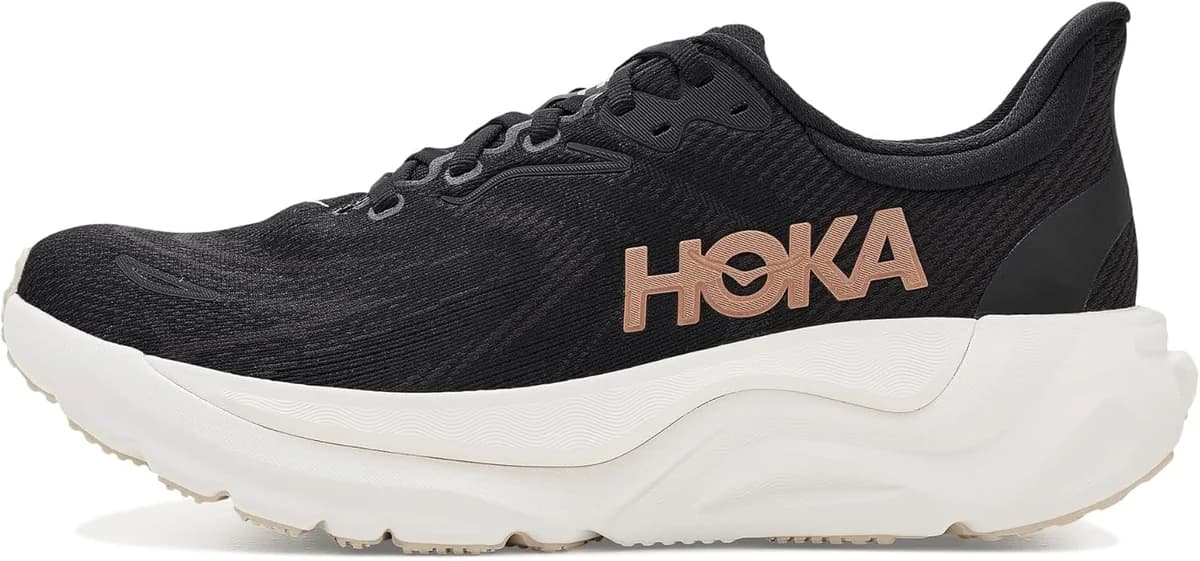
HOKA Arahi 8
Guided H‑Frame stability, plush CMEVA comfort and durable outsole—best for daily miles, not speed.
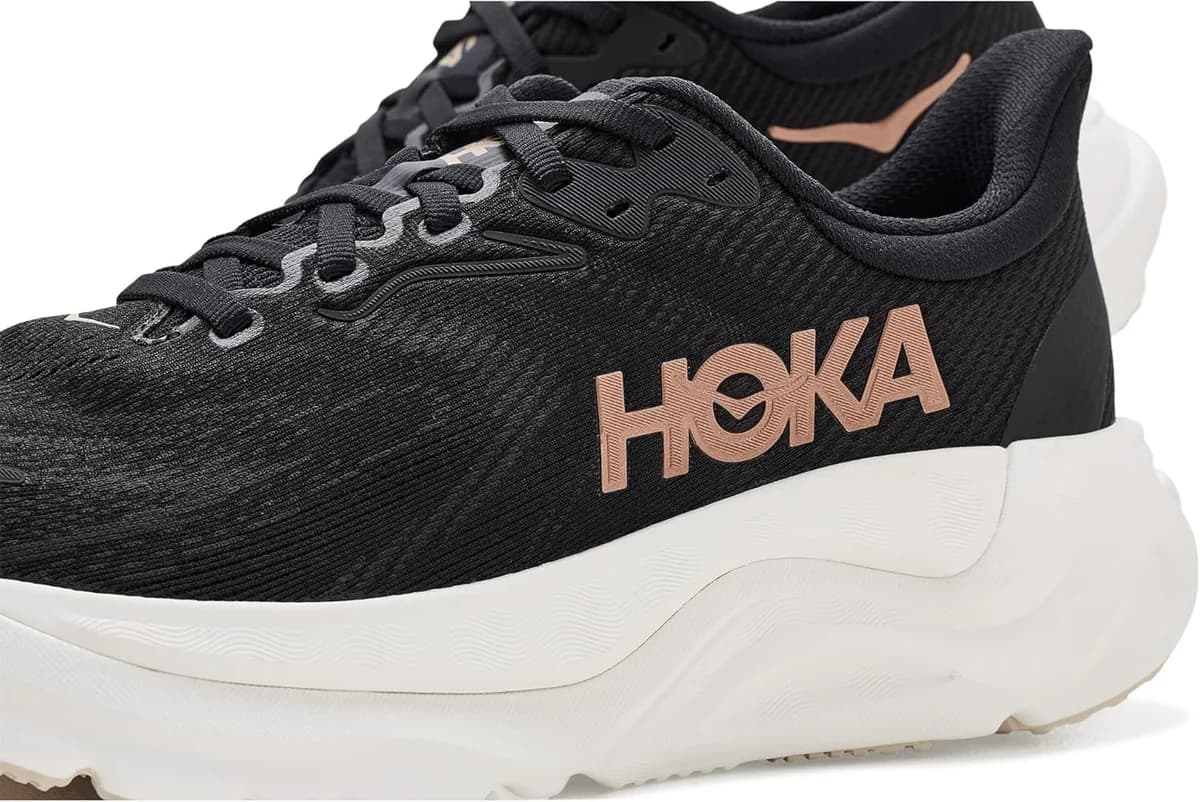
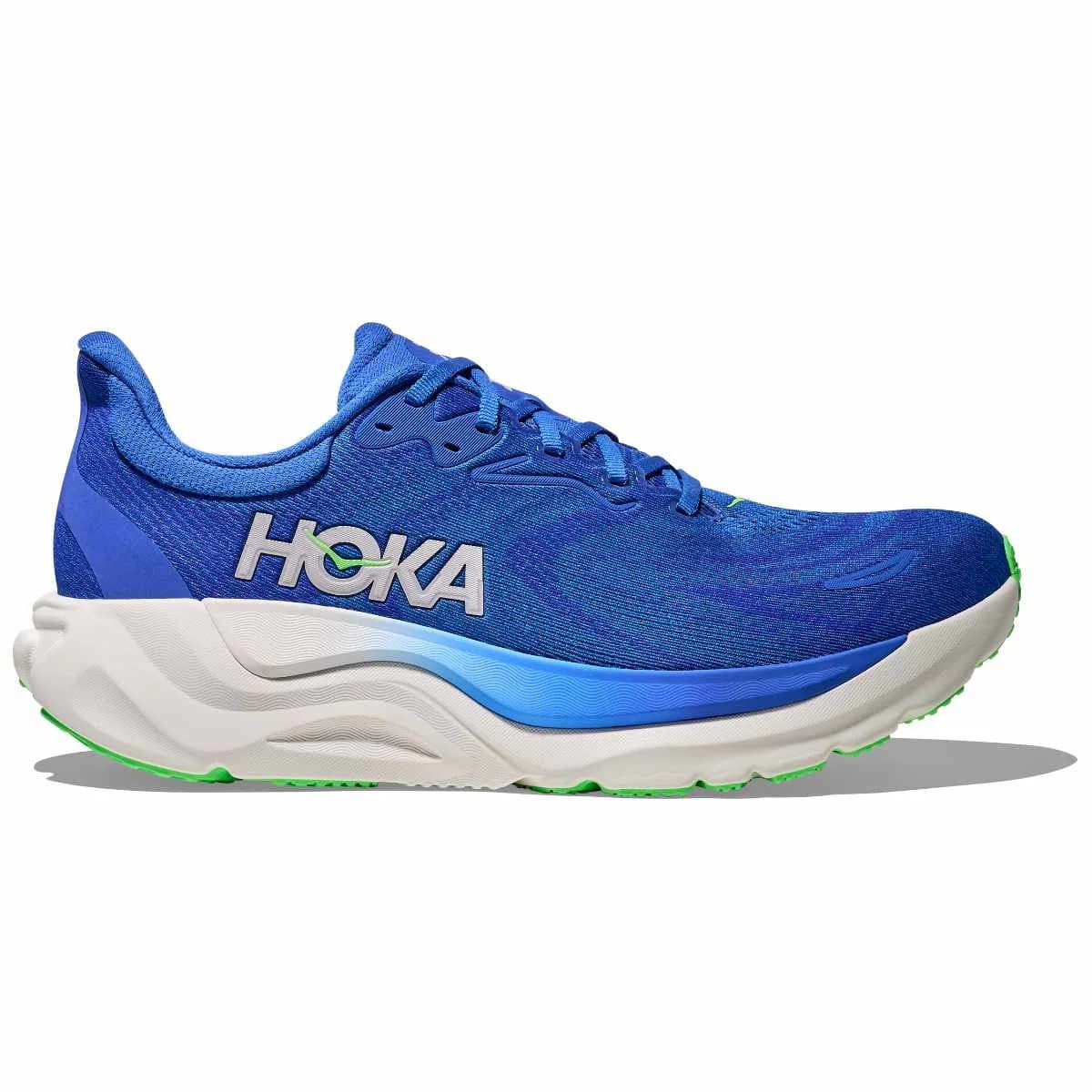
The HOKA Arahi 8 is a comfort‑first stability shoe that feels like a plush coach for mild overpronators and everyday runners. Reviewers praise its H‑Frame guidance for gentle correction, a dual‑density CMEVA midsole that soaks impacts but sacrifices snap, and a meta‑rocker that eases forward roll—users confirm roomy toe comfort yet report medial midfoot pinch and occasional tongue shift. Durable podular outsole rubber and recycled double jacquard mesh justify the mid‑tier price, though experts note modest energy return. Good for daily miles and recovery runs; buyer decisions hinge on fit, pace needs, and long‑term durability.
Find Yours
What type of running do you mostly do?
Answer to find your best matches.

The Field
Browse top contenders, or compare all options ranked by score and key attributes.
5 Options
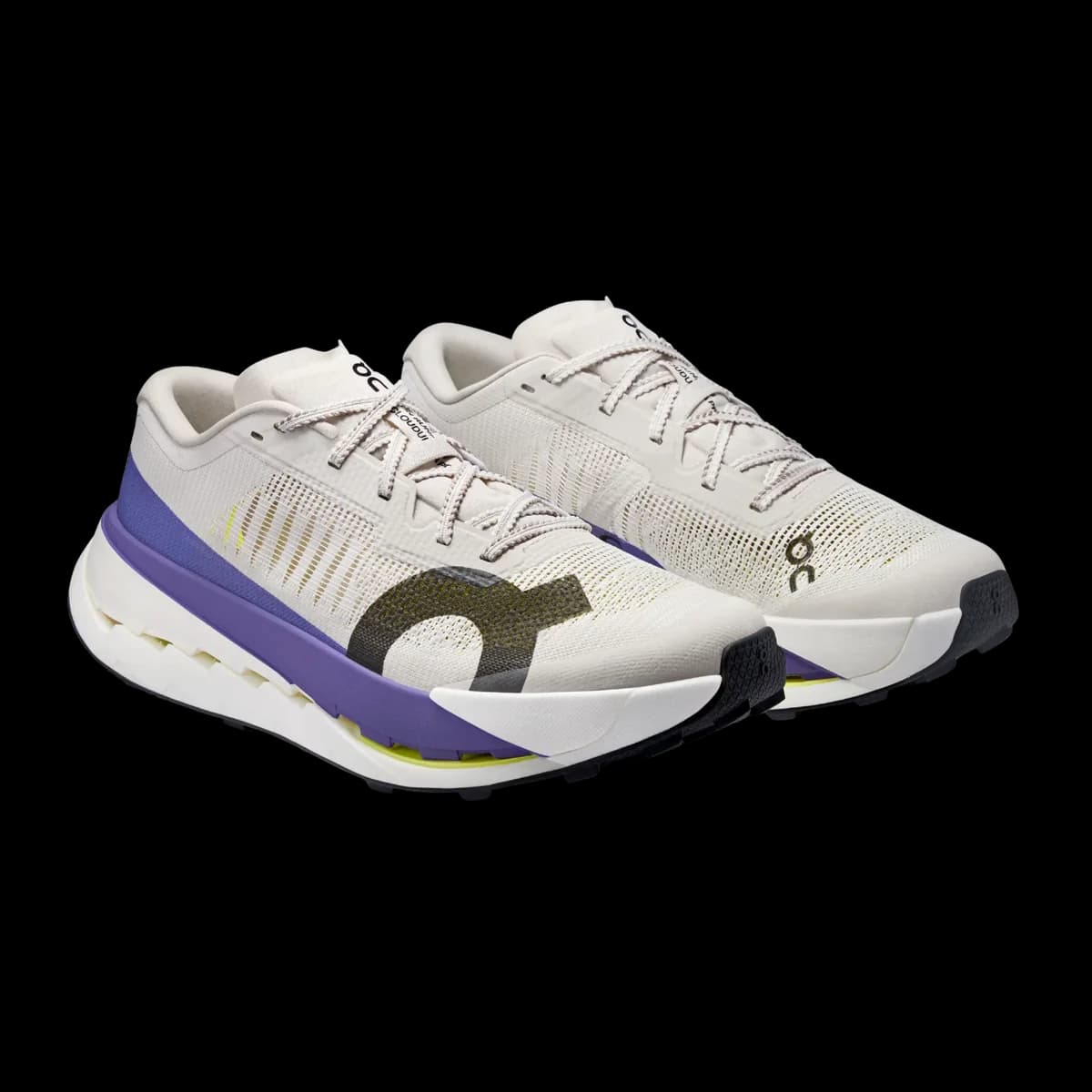
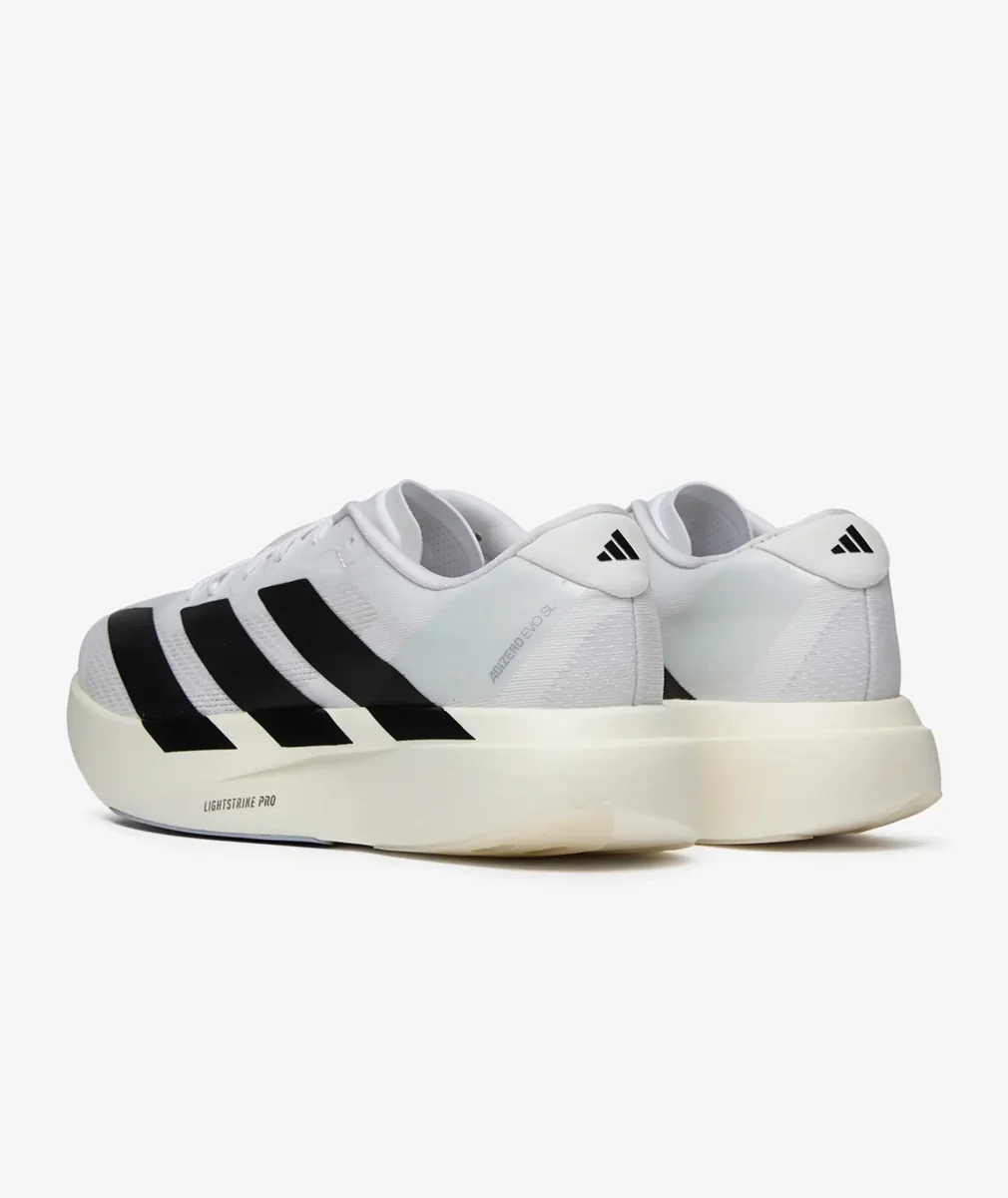
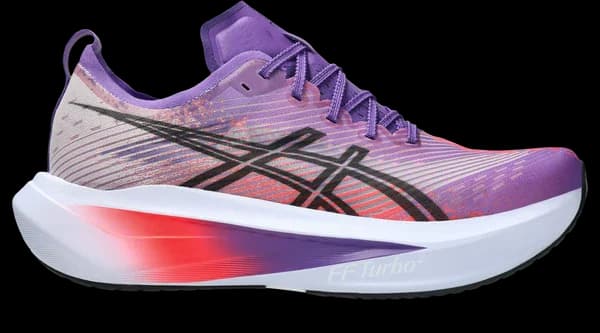
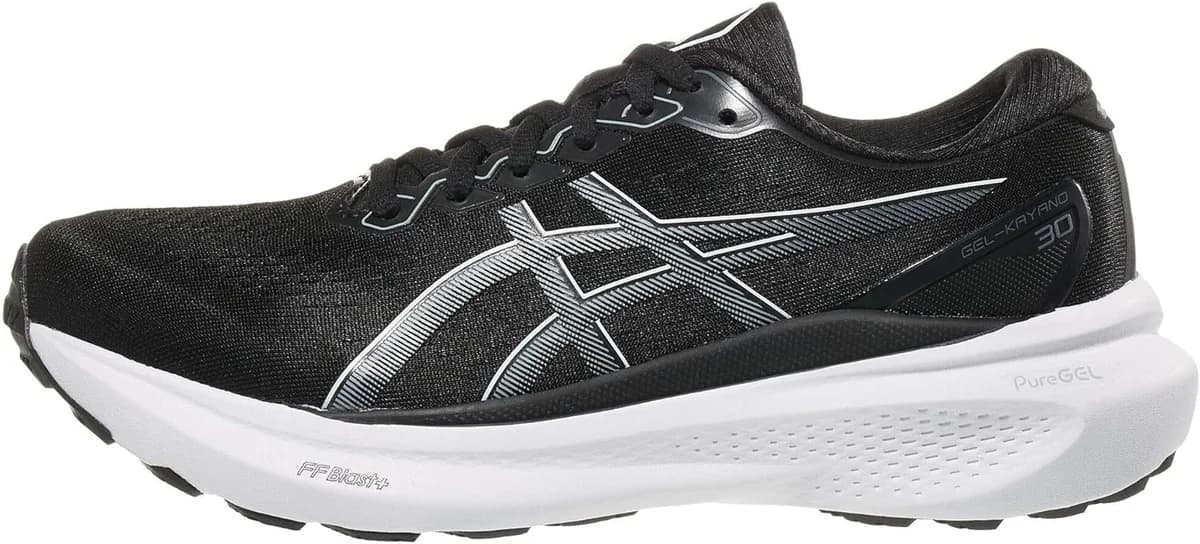

The Scoreboard
Does this improve your life? Considers, health, habits, and environmental impact.
Benefits
Soaks impact and eases joint pain for walking, runs, and all-day standing.
H-Frame gives lateral guidance without feeling stiff, reducing inward rolling during runs.
Wider toe box lets toes splay comfortably for long walks and fitness classes.
Surprisingly low weight keeps legs fresh while still delivering protective cushioning for daily use.
Double jacquard mesh uses recycled fibers, letting you feel better about buying shoes.
Trade-Offs
Narrow medial midfoot can rub during long runs, causing arch ache or blisters.
Very soft CMEVA feels 'sinking' on faster paces, reducing snappy push and rhythm.
Tongue shifting and heel counter irritation can cause blisters or heel discomfort on repeats.
Dense jacquard upper traps heat on hot runs, making feet feel clammy and uncomfortable.
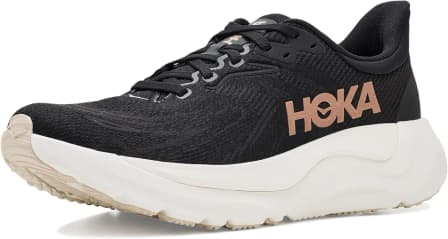
 Alternatives


Join the Circle
Where real meets deal
Know what's worth buying-and when.
Tips, special offers, and rewards for buying and sharing.

Publications
9 LEADING PUBLICATION REVIEWS

Runner's World (UK) praises the HOKA Arahi 8 as a welcome return to form: softer and more comfortable than recent iterations while retaining purposeful stability. The reviewer—an experienced tester and neutral runner—highlights the new H-frame support, added heel foam, wider last, and improved upper as meaningful upgrades that deliver a balanced, agile daily trainer suited to long miles and tempo-ish efforts. Criticisms are mild and practical: it’s not wildly responsive or groundbreaking compared with very peppy models, and narrow-footed runners may find the fit a touch loose. Overall the tone is warm and approving—measured enthusiasm for a polished, fuss-free stability shoe that prioritizes comfort and dependable performance over flash.
By Ali Ball
Running Shoes Guru’s TJ Jones praises the Hoka One One Arahi 8 as the most refined Arahi yet, calling it a dependable, well-cushioned moderate stability trainer that shines on long, easy miles. He highlights meaningful midsole and outsole upgrades—most notably the switch to an adaptive H‑Frame, softer dual-density EVA, thicker rubber, and a slightly higher stack—which together produce a smoother, more balanced ride and improved durability after a ~25-mile break‑in. The double jacquard mesh upper and gusseted tongue fix prior fit issues and lock the heel in securely. Criticisms are measured: a longer-than-usual break‑in period, occasional bulkiness during faster efforts, and initial arch/arch irritation for some. Overall tone is positive and confident: the reviewer clearly likes the Arahi 8 for steady training and recovery miles, recommending it for runners seeking gentle, reliable stability while noting it may feel too structured or heavy for speed-focused users.
By TJ Jones
RunRepeat praises the HOKA Arahi 8 as a meaningful reboot that softens the ride, widens the fit, and raises the stack and drop to better suit heel strikers while retaining dependable mild stability via an H‑Frame. The review is upbeat about improved cushioning (noting quantified heel/forefoot shock absorption and energy‑return numbers), lighter weight, exceptional durability, and a comfortable, roomy toebox, but it flags real drawbacks: poor breathability in hot weather, below‑par wet traction (SATRA TM144 0.36), and continued use of CMEVA rather than bouncier supercritical foam. The reviewer backs claims with lab measurements (stack, drop, foam AC values, torsional rigidity, durability tests) and compares alternatives for breathability and grip, producing a confident, mostly positive recommendation that’s candid about trade‑offs for specific runners.
By Carlos Sánchez
OutdoorGearLab's Nathaniel Bailey assesses the HOKA Arahi 8 as a very supportive, planted stability shoe that ultimately falls short due to an outdated, dull midsole and a problematic upper. The review praises the Arahi’s H‑Frame stability, smooth rocker transition, and road protection for runners who need guidance, but repeatedly criticizes rough heel and upper materials that cause rubbing, a narrow fit that pinches the midfoot and toes, mediocre cushioning that leaves legs feeling beaten after long runs, limited breathability, and slippery wet‑pavement traction. Unique insights include a measured 35 mm stack, clear description of the dual‑density EVA feeling “bordering on hard” under the arch, and practical fit advice (try wide/extra‑wide). The summary recommendation: fine for those who prioritize support and are familiar with Hoka’s fit, but most runners will find more comfortable, better‑cushioned stability alternatives.
By Nathaniel Bailey
Matt Klein of DOCTORS OF RUNNING assesses the HOKA Arahi 8 as a competent, mildly enthusiastic update that leans more toward walking and easy miles than spirited running. He praises the wider, higher-volume upper and softer, lighter midsole compared with version 7, calling the shoe a comfortable, guidance-oriented daily trainer with a moderate stability H-frame. However, he criticizes a clunky, medially angled heel bevel that produces an awkward rearfoot transition, a non‑responsive midsole, slipping tongue, irritating heel counter, and poor outsole durability—issues that limit its running appeal and longevity. Unique insights include a detailed breakdown of the H-frame versus the old J-frame, how bevel geometry affects gait, and measured notes on fit, foam compression, and early outsole wear. Overall, Klein finds the Arahi 8 better for standing, walking, and easy runs than as a true stability running shoe.
By Matthew Klein
RunToTheFinish praises the HOKA Arahi 8 as a redesigned stability shoe that keeps Hoka’s signature cushion while delivering smoother, more balanced support. The reviewer is clearly enthusiastic—calling it a “bombshell” upgrade—highlighting the new H‑Frame stability, added 3 mm stack, lighter flexible ride, roomy toebox (wide/extra‑wide options), and sleek styling; the shoe excels for long training runs, heavier runners, and those wanting plush yet stable daily miles. Criticisms are measured: it’s not built for speed, may run slightly large in the toe box, and some runners who prefer a stiffer, more structured stability platform might opt for alternatives like the Brooks Glycerin GTS. Overall the tone is positive and confident, with practical sizing notes and side‑by‑side comparisons that give useful context for different runner preferences.
By Stevie Lynn Smith
RTINGS (rtings.com) takes a measured, data-driven view of the HOKA Arahi 8, combining lab measurements with miles logged across paces and workouts to produce a cautious recommendation. The review highlights the Arahi 8’s objectively tested properties (weight: 266.7 g; 6.7 mm drop) and a modest overall verdict score (6.5), praising the rigorous methodology and real-world cross-checking while signaling that this model doesn’t stand out enough to earn a strong endorsement. Unique insights include the team’s practice of ordering multiple sizes and using high-end equipment to correlate lab data with on-foot feel; however, the summary tone is restrained, implying the shoe has some merits but likely falls short vs. top competitors or expectations for a top-tier stability trainer.
By John Cole
Prevention’s Jordan Levy praises the HOKA Arahi 8 as a surprisingly strong running shoe that delivers the cushioning and stability longtime Hoka fans expect. Writing from regular walking and new runner experience, Levy highlights the Arahi 8’s roomy toe box, breathable lightweight feel, and a 3 mm balanced cushion plus rocker geometry that helped pick up pace on pavement. The review is upbeat and specific—true-to-size fit, noticeably more supportive than the Clifton 10 for longer runs, and practical color choices for city use—while acknowledging the main drawback: the rocker makes it less ideal for long-distance walking. Overall, Levy recommends the Arahi 8 as a great, stable option for runners seeking comfort and propulsion, and suggests the Bondi 9 if walking is the primary goal.
By Jordan Levy
WearTesters praises the HOKA Arahi 8 as a sleek, high-cushion stability trainer that delivers reliable support without feeling like a heavy, clunky stability shoe. The reviewer, Arune Singh, applauds the enhanced H‑frame and dual-density foam for providing dependable stability even for heavier runners while noting the ride is comfortable but not especially energetic — “kind of in the middle” on responsiveness. Practical strengths include durable outsole rubber, comfortable jacquard upper, and strong mileage potential at a reasonable price; weaknesses are recurring Hoka styling sameness, a narrow medial midfoot that can feel tight after long runs (mitigated by available wide sizes), and a lack of lively energy return. Overall the tone is positive but measured: the Arahi 8 is recommended as a versatile, long-lasting daily trainer for overpronators and everyday runners who prioritize cushioning and stability over snappy responsiveness.
By Arune Singh

YouTube
11 LEADING EXPERT & INFLUENCER REVIEWS
 The Run Testers
Nick from The Run Testers praises the HOKA Arahi 8 as a surprising, smooth, and comfortable stability daily trainer—lightweight, roomy, and stable thanks to the H-Frame and dual-density CMEVA midsole—while noting the foam isn’t the most energetic and it’s not ideal for fast track intervals.
Flawless Physio | Shoe ReviewsFlawless Physio praises the Arahi 8’s softer CMEVA cushioning, lighter weight, improved toe-box fit, and modern H-Frame stability, while noting it’s less responsive and milder in support than the Arahi 6/7—now closer to the Gaviota 5—making it a comfort-first, slightly slower stability shoe.
Run Tall with TimTim from Run Tall praises the HOKA Arahi 8 as a smooth, comfortable, lightweight stability shoe—liking the upgraded H-Frame™, plush double jacquard upper, and durable podular outsole—while noting modest stack-height uncertainty and that it’s a gentler support option best for mild-to-moderate overpronators.
Ben ParkesBen Parkes praises the HOKA lineup, calling the Rocket X and Skyward X his favorites for fun, speed, and max cushioning; he describes the Arahi 8 as a light, responsive daily stability option but notes he hasn’t personally run in stability models, so comments are observational rather than firsthand.
Marathon JournalLety praises the HOKA Arahi 8 as a comfortable, softer, lighter daily trainer with improved H-Frame stability and durable durabrasion rubber, while noting it’s noticeably different from the Arahi 7—higher 8 mm heel‑to‑toe drop, stretchier double‑jacquard mesh upper, and more plush feel—so she wouldn’t call it a straight upgrade.
Road Runner SportsRyan from Ryan's Running Reviews praises the HOKA Arahi 8 as a comfier, well-balanced stability daily trainer—likening it to a stability version of the Clifton—highlighting the new H-Frame™, extra stack (39/31mm, 8mm drop), and softer non‑H‑Frame foam, while noting limited upper breathability and less bouncy foam than some competitors.
Fleet FeetFleet Feet praises the Arahi 8 as a sleeker, softer stability trainer that “melts away” on foot—highlighting H-Frame stability, CMEVA softness, meta-rocker smoothness, and weight-saving outsole geometry—while noting fit variability (some prefer a half size down) and modest energy return compared with performance-focused models.
Alastair RunningAlastair praises the HOKA Arahi 8 as a refined, lighter, and smoother stability trainer—valuing its H-Frame guidance, roomy dual-layer jacquard upper, strong heel lockdown, and versatile ride—while noting modest outsole durability and average breathability; overall enthusiastic recommendation for everyday stability runners at $150.
TrustyShoeGuidesMary Sue with Trusty Shoe Guides praises the HOKA Arahi 8 for soothing joint pain with its marshmallow-like cushioning, lower 8 mm drop, H-Frame guidance, and rocker roll—calling it surprisingly stable and comfortable for errands and flat walks—while noting its bulky look and initial calf adjustment compared with the firmer, more grounded Brooks Adrenaline.
Run MooreSteve Moore praises the HOKA Arahi 8 as a lightweight, wider-fitting stability companion to the Clifton—comfortably cushioned with H-Frame™ support, ideal for mild overpronators and everyday runs. He notes modest midsole updates versus the Bondi’s supercritical CMEVA and wishes for more midsole innovation.
Find My FootwearFind My Footwear praises the HOKA Arahi 8 as a surprisingly nimble, stable daily trainer—softer under the heel with H-Frame stability that gives secure, natural roll without feeling forced—while noting it’s less bouncy than the Bondi 9’s supercritical EVA and trades some plushness for greater responsiveness and versatility.

Social
1 INFLUENCER REVIEW
 Paul Macaulay | Podiatrist 👣 | Singapore 🇸🇬
paulthepodiatrist praises the HOKA Arahi 8 as a genuine step-up for Hoka, excitedly noting the new H‑Frame stability, wider fit, and increased 8 mm drop — practical changes that reduce inward/outward roll, ease Achilles tension, and accommodate orthotics. The reviewer frames these tweaks as clinically relevant for flat/pronated feet and injury-prone runners. Overall recommendation: paulthepodiatrist strongly recommends the Arahi 8 into their stability rotation for runners and patients with ankle instability, plantar fasciitis, or posterior tibial issues — a confident, positive endorsement with clear, experience-based reasons.

Store Reviews
CUSTOMER REVIEWS FROM 2 STORES
Amazon reviewers consistently praise the HOKA Arahi 8 for comfort, stable support, and a lightweight feel. Runners and walkers report that the shoe cushions impact well and eases foot and knee discomfort, with several saying the arch support helps conditions like plantar fasciitis. Multiple users note the wider toe box and improved toe-to-heel flex compared with prior Arahi models, which makes long walks and fitness classes more comfortable. Reviewers applaud the soft upper material and describe the ride as springy or cloud-like, useful for Zumba, strength training, and all-day wear. A few buyers flag sizing and narrow fits—some resolved this by moving up a half size or choosing a wide—and one mentions color photos on Amazon didn’t match the product received. Overall, shoppers highlight dependable support, roomy forefoot comfort, and a noticeably lighter build as the Arahi 8’s standout traits.
4.5 Stars / Some verified reviews
REI reviewers praise the HOKA Arahi 8 for roomy comfort, stable support, and lightweight cushioning that works well for walking, gym workouts, and everyday use. Many runners and walkers report the shoe accommodates custom orthotics and eases foot issues like plantar fasciitis and PTTD, while others note the J‑frame support reduces uneven wear. Several shoppers switched from other HOKA models (or Bondi) and say the Arahi 8 feels more cushioned and supportive than recent versions. A few users call the shoe bulky-looking or say the sole color shows more than they'd like, and a small number mention minor heel slip. Overall, REI customers consistently emphasize comfort, sturdiness, and good arch support, especially for those needing extra orthotic room.
4.8 Stars / Few reviews

Forum Reviews
CUSTOMER REVIEWS FROM 1 FORUM
Overall sentiment toward the HOKA Arahi 8 is mixed: many users praise its stability, supportive H-frame, and cushioning compared with earlier Arahi models, reporting comfort for walking and everyday runs, and relief for issues like hip pain. Criticisms focus on inconsistent sizing and fit (some find it too narrow or oddly wide), reduced perceived stability and arch support versus prior versions, excessive softness or "sinking" feeling, and blistering/arch discomfort for some. Upgraders often compare it unfavorably to Arahi 6, while new shoppers report varied experiences—some love the feel, others return them after short wear.
Many comments

In-Depth Review

Highlights
- •H‑Frame guidance stabilityGuides gait without rigid posts
- •Soft dual‑density CMEVA foamPlush impact protection, modest rebound
- •Meta‑rocker smoothingSmooth forward roll for toe‑off
- •Roomy forefoot and jacquard upperComfortable toe splay with soft fit
- •Durable podular outsoleAbrasion‑resistant rubber for long mileage
- •Lightweight despite stability featuresKeeps legs feeling less fatigued

Considerations
- •Modest responsiveness/energy returnLess snappy at faster paces
- •Inconsistent fit and medial pinch riskMay feel tight in midfoot; size variance
- •Limited breathability in heatDense upper can trap heat
- •Below‑par wet tractionSlippery on wet pavement in tests
- •Tongue shift and heel irritationTongue slip or counter rub can blister
- •Not ideal for speedwork or severe pronationSuited to daily miles, not race paces
HOKA’s latest stability trainer arrives as a comfort-first answer to traditional support shoes, pairing the brand’s renowned cushioning heritage with a guidance-based approach aimed at everyday miles and recovery runs. Designed for runners who want gentle correction without feeling boxed in, it blends an adaptive H‑Frame™ guidance system, a softer dual‑density CMEVA midsole, and a forgiving meta‑rocker geometry for smooth transitions. Compared with earlier Arahi versions and stiffer competitors, this model trades snap for plushness and a roomier forefoot—ideal for heel strikers, mild overpronators, and anyone who stands or walks all day. We’ll unpack how its podular outsole with super‑abrasion rubber holds up, why the double jacquard mesh upper affects fit and breathability, and what to expect for long‑term wear and mileage. If you care about comfort, guided stability, and mileage longevity, these sections will help you decide if this is your next daily go‑to—read on for the nitty‑gritty and one telling trade‑off: softness beats sprint.
Upper construction and fit
A double‑jacquard mesh upper gives a plush, recycled‑content feel with a roomier toe box and improved heel lockdown for many, yet the medial midfoot can feel snug for some foot shapes—experts and forums both flag inconsistent sizing and the occasional tongue shift. The gusseted tongue, extra eyelets, and orthotic‑friendly volume address fit tuning, so try a half‑size up or wide option if you’re between sizes; overall it’s soft, eco‑minded, and mostly user‑friendly. double jacquard mesh
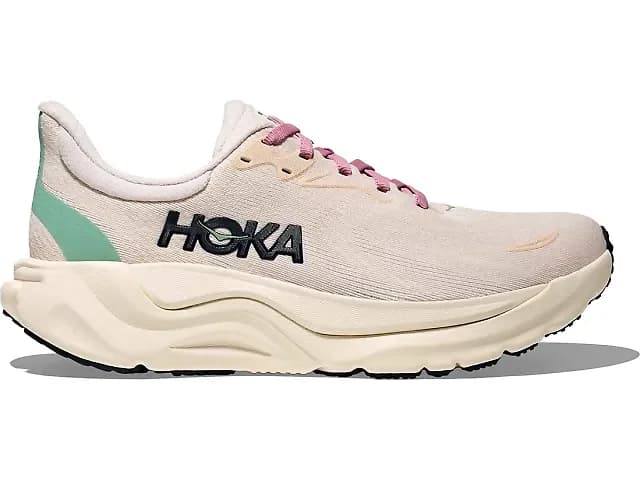
Cushioning profile and comfort
Hoka balances a low‑profile ride with a pillowy top layer—think firm groundwork with a soft top—so toe‑offs feel efficient while landings remain forgiving; the meta‑rocker geometry helps roll you forward smoothly. Reviewers praise the plush tongue and roomy forefoot for all‑day comfort, but some note a sinking sensation at faster paces and occasional heel irritation from tongue shift. For daily training and standing shifts, it’s a cozy choice that trades zest for consistent cushioned comfort. meta‑rocker smoothing
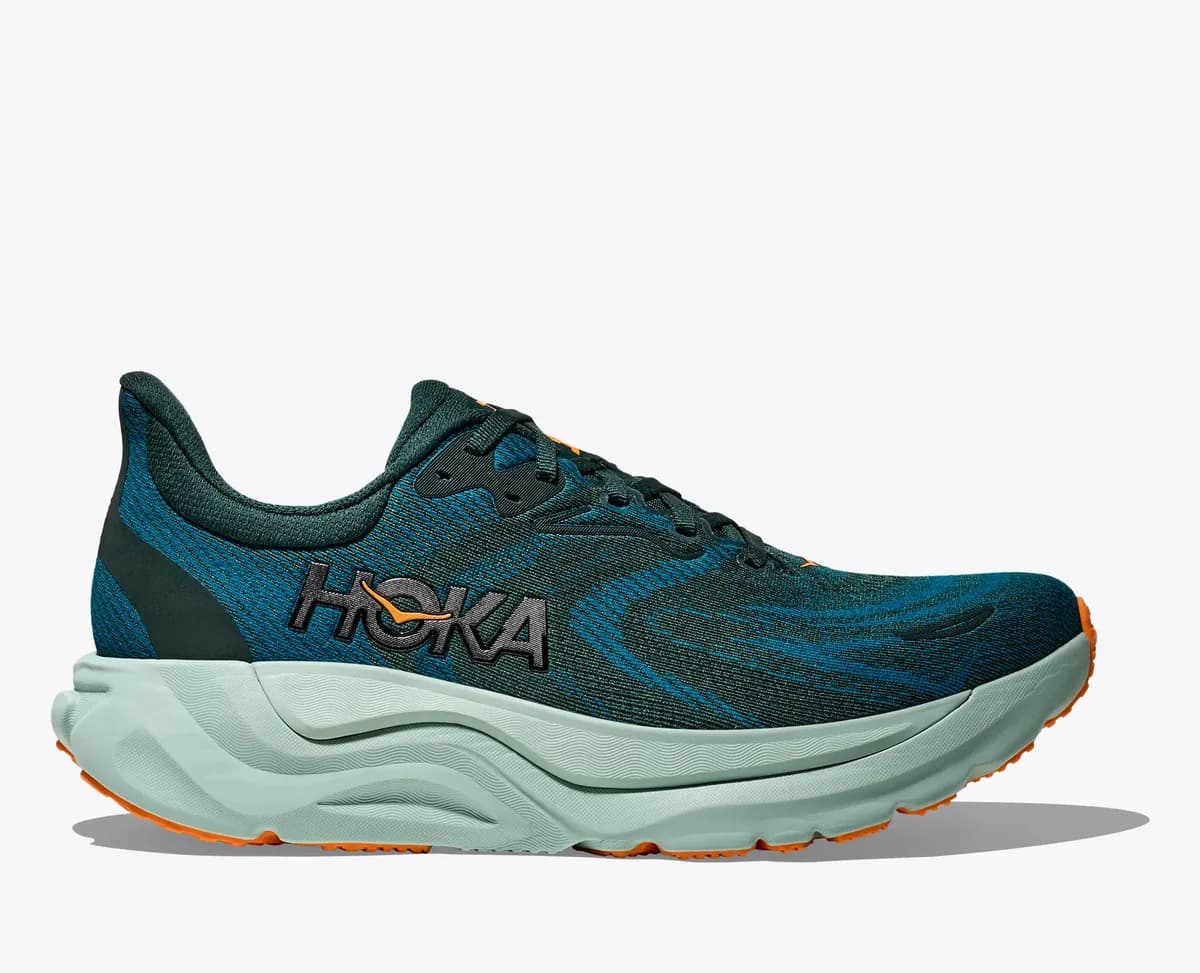
Durability
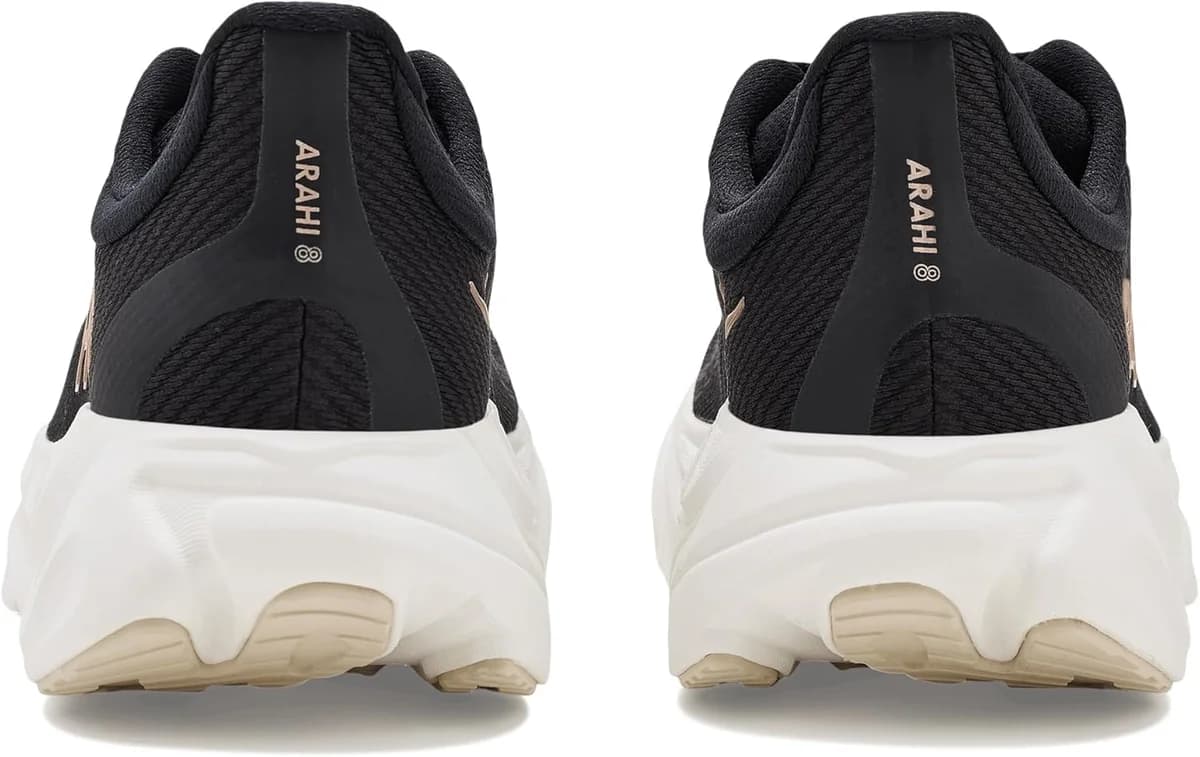
Built to last, the Arahi 8’s reinforced construction and super‑abrasion rubber translate into extended outsole life and a tough upper that resists early wear—store reviews and lab tests both praise mileage resilience. Some reviewers still reported early heel counter irritation and midsole compression on heavy use, but the general theme is longevity: if you prize mileage and steady support over flashy responsiveness, the Arahi 8 delivers dependable long‑mile durability that keeps training costs down. reinforced durability
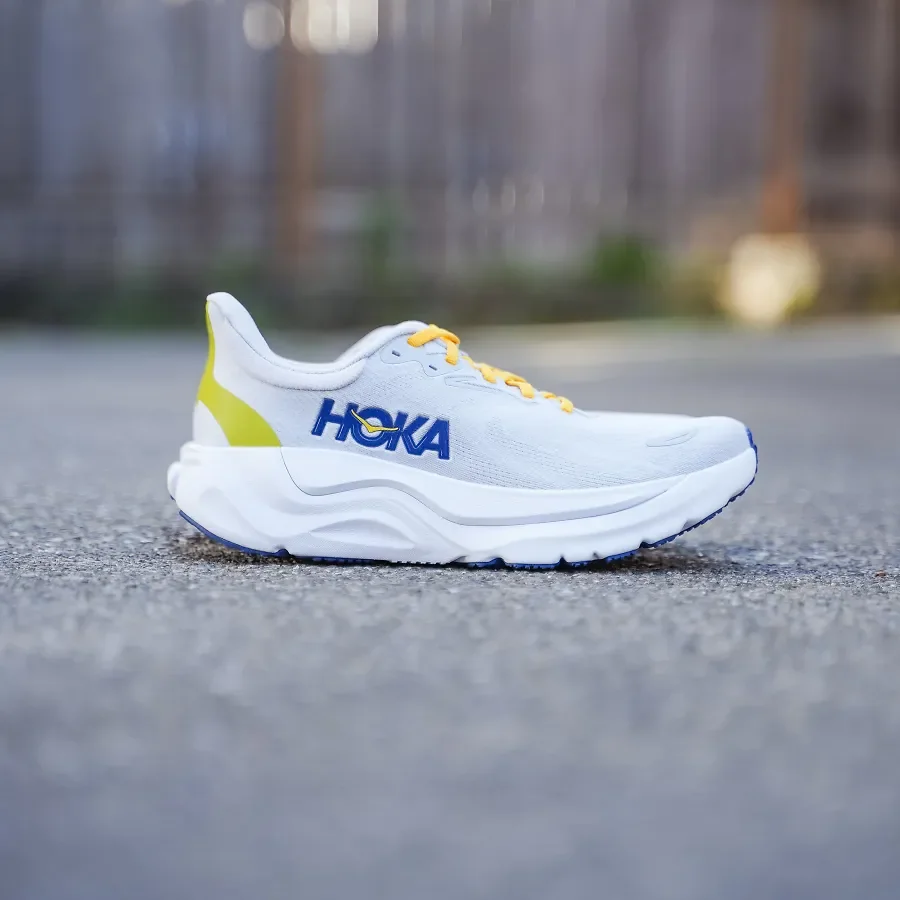
Outsole traction and abrasion resistance
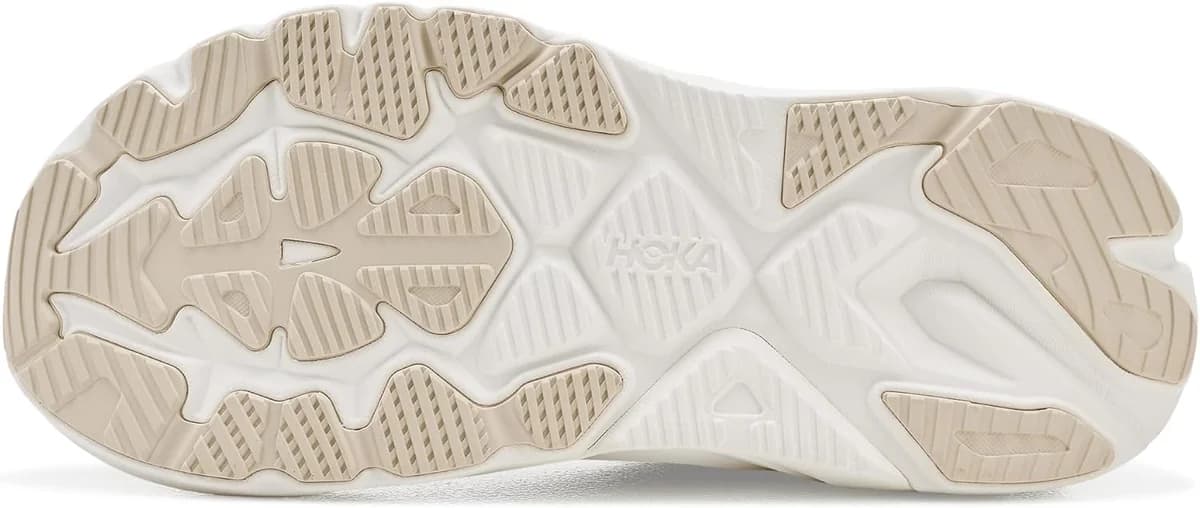
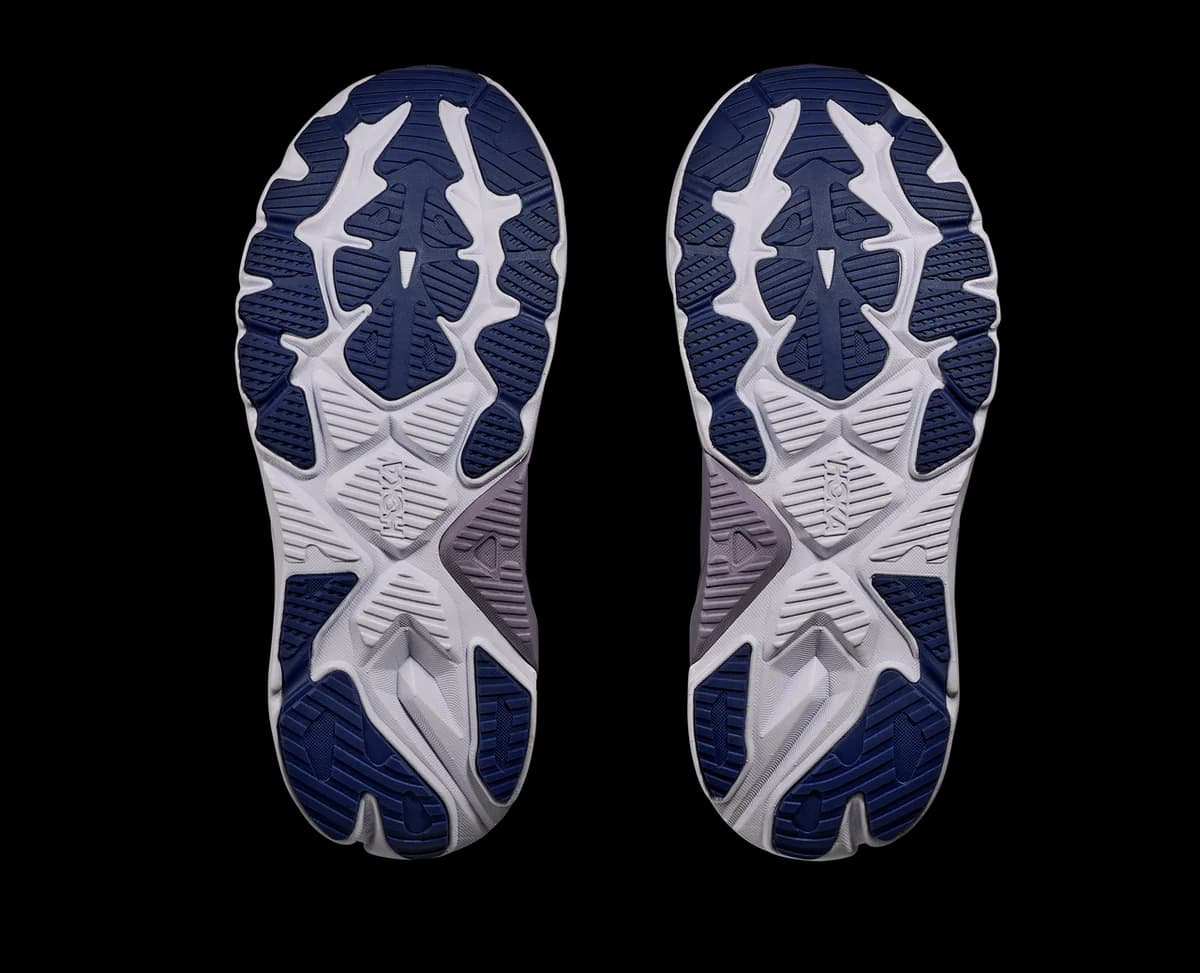
The Arahi 8 uses a podular outsole with super abrasion rubber that holds up well to mileage and urban wear, scoring high on durability tests and many user reports, though wet‑surface grip is middling in some lab measures. The segmented pods save weight and maintain flexibility, while thicker rubber in high‑wear zones extends life; expect confident pavement grip in dry conditions and long mileage resilience, but bring caution on slick streets. durable rubber pods
Midsole cushioning and energy return
The Arahi 8 leans into soft dual‑density CMEVA foam, offering plush impact protection but only modest rebound—tests report about 54–61% energy return—so it soaks shocks well but won’t spring you through interval sessions. Experts and users agree the tradeoff favors durability and comfort over snap, making it ideal for recovery runs and long daily miles rather than race‑pace efforts; the foam’s feel is marshmallow‑soft, predictable under load, and noticeably gentler than supercritical EVA found in Hoka’s speed models. CMEVA cushioning
Stability system
Hoka swapped the old J‑Frame for an adaptive H‑Frame™ guidance system that nudges your stride rather than forcing it, so overpronators get lateral control without a clunky post. Lab and reviewer notes back this up: it smooths roll and keeps gait predictable on easy miles, though it’s milder than traditional medial posts, so extreme pronators may crave stiffer support. The result is a confidence‑building, everyday stability setup that feels like coaching, not correction, and that guidance-first approach is a clear win near the end of long runs. H‑Frame stability
Conclusion
Think of this as a polished daily coach: the H‑Frame gives confident lateral guidance without bossiness, while the dual‑density CMEVA delivers a forgiving ride that won’t fling you through tempo intervals. Ground contact is efficient thanks to the meta‑rocker and soft top layer, though energy return stays modest—great for recovery miles, less so for sharp workouts. The podular outsole resists wear on pavement but ask for caution on wet streets. The double jacquard upper feels plush and roomy up front, yet the medial midfoot can pinch for some feet. Built to last, it rewards mileage with steady structure rather than flashy pep. If you want gentle correction, plush comfort, and dependable longevity—especially for walking, long runs, or orthotic use—this is a smart, practical pick; if you crave snap or aggressive support, look elsewhere. Bold, balanced, and quietly effective.
Bold phrases: H‑Frame, dual‑density CMEVA, forgiving ride, meta‑rocker, energy return, podular outsole, double jacquard upper, dependable longevity

Feature Scores
This reflects reviews and ratings from established critics, journalists, and users who have evaluated the item. Their opinions provide a comprehensive assessment.
Performance
Cushioning
4/5
Responsiveness
3/5
Durability
4/5
Traction
3/5
Fit Consistency
3/5
Value
Price to Quality Ratio
4/5
Price Accessibility
3/5
Warranty Support
3/5
Design
Aesthetic Appeal
4/5
Ergonomic Fit
4/5
Upper Craftsmanship
4/5
Health
Breathability
3/5
Arch Support
4/5
Injury Risk Mitigation
4/5
Hypoallergenic Materials
TBD
Safety
Reflective Visibility
4/5
Slip Resistance
3/5
Foot Protection
4/5
Stability Control
4/5
Sustainability
Recycled Materials Use
4/5
Product Longevity
4/5
Packaging Sustainability
3/5
End-of-Life Recyclability
2/5
Experience Style
Ease of Use
4/5
Adjustability
4/5
Customization Options
3/5
Feature Richness
4/5

Specifications
This section outlines the product's key facts, covering essential features, details, dimensions, materials, and any unique characteristics that define its functionality and usability.
Performance
Value
Design
Safety
Sustainability
Experience Style

Frequently Asked Questions
7 Questions

Also Consider
1 Option
Find Yours
What type of running do you mostly do?
Answer to find your best matches.