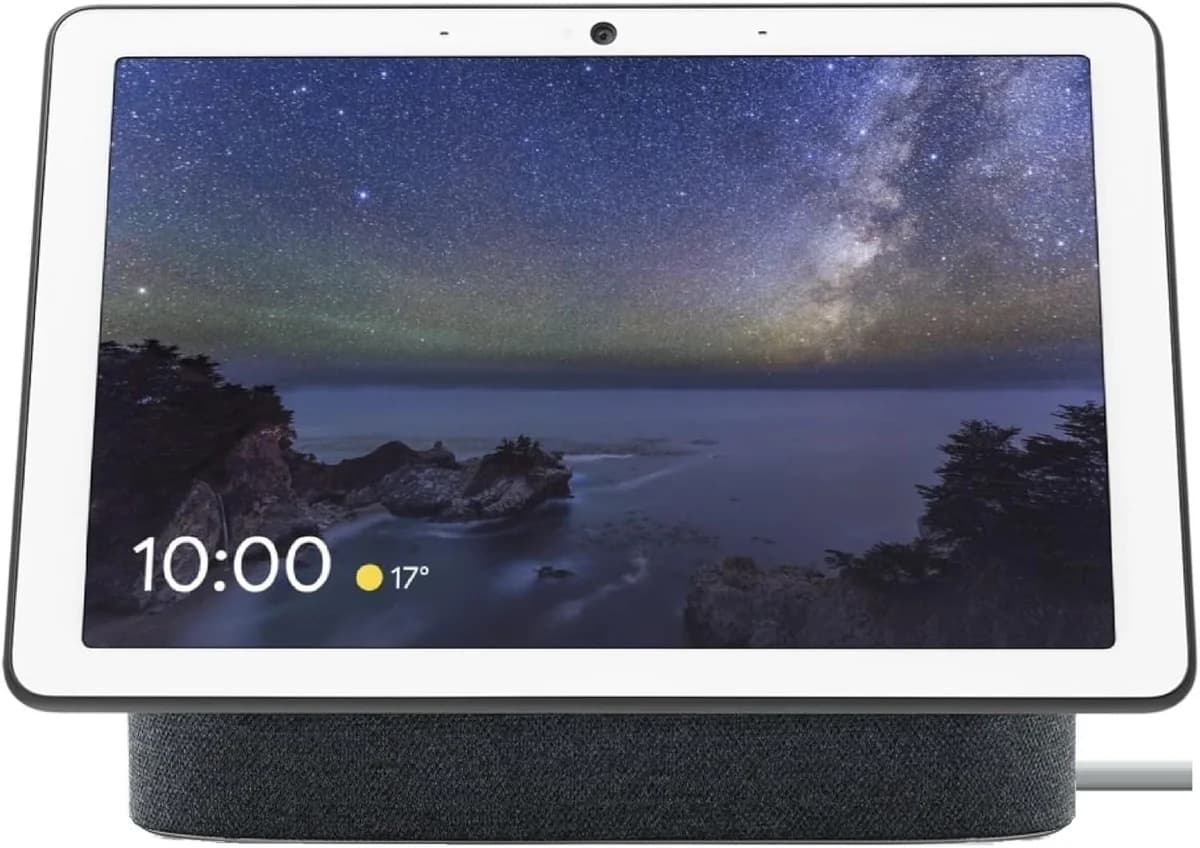
Google Nest Hub Max
10-inch display, rich audio, smart calls, and home control, with privacy and software caveats.
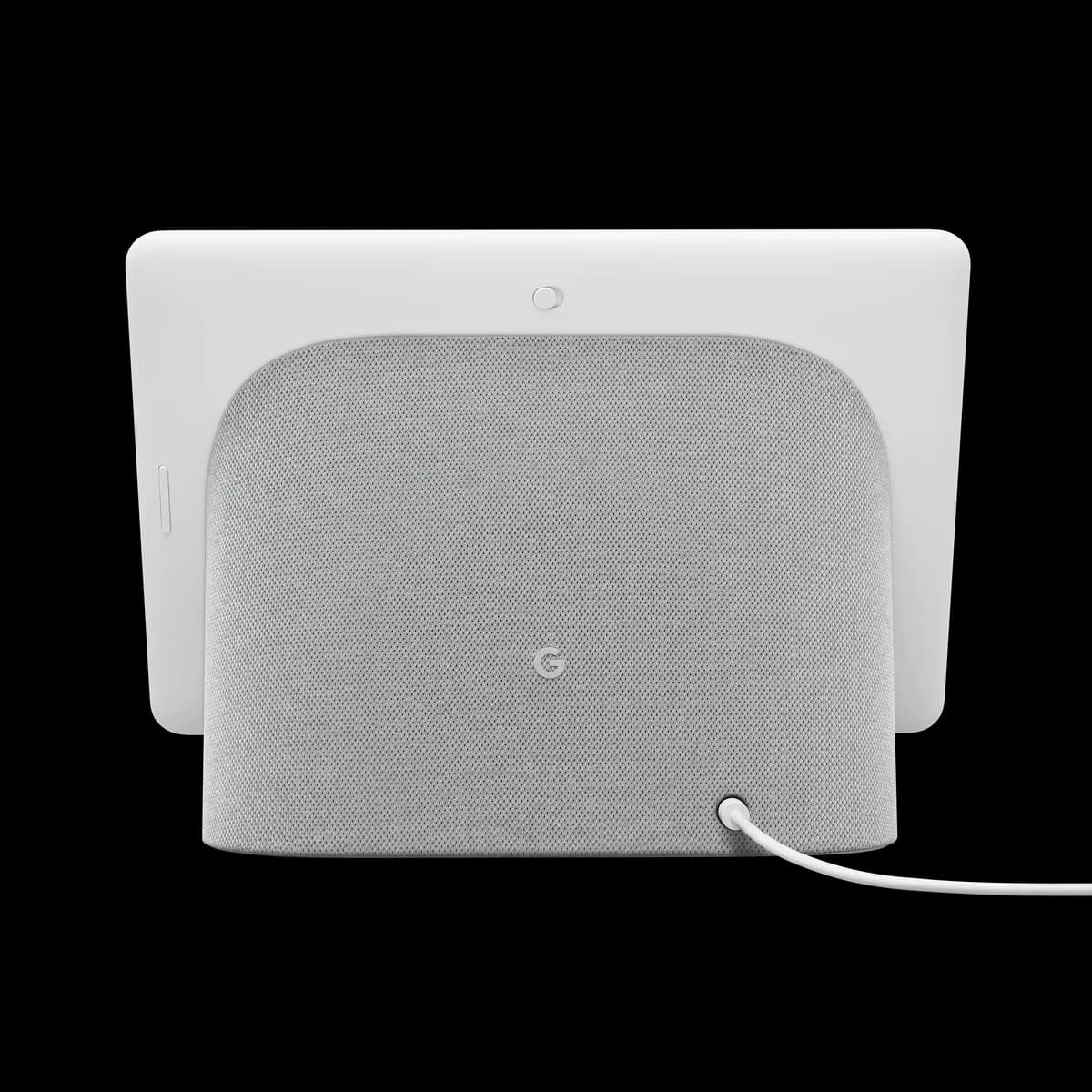
The Google Nest Hub Max is a friendly countertop command center for Google households that want timers, photos, calls, entertainment, and smart-home controls in one place. Its 10-inch adaptive display is easy to see across a kitchen, while reviewers back up Google’s claims of room-filling audio and useful Face Match personalization. The camera makes auto-framed calls and remote check-ins practical, though the missing physical shutter, limited angle, and subscription-gated security weaken its privacy appeal. Users also report occasional lag, timer and casting glitches, plus restricted streaming support. At roughly $300, it is worthwhile for families committed to Google services, but less compelling than a smaller Hub or tablet for casual buyers. Overall, its value rests on balancing rich features against aging software, privacy trade-offs, and ownership cost.


Find Yours
What do you mainly want a smart hub or display for?
Answer to find your best matches.

The Field
Browse top contenders, or compare all options ranked by score and key attributes.
2 Options


The Scoreboard
Does this improve your life? Considers, health, habits, and environmental impact.
Benefits
Large bright screen makes recipes, calendars, videos, and photos easy to see across rooms.
Room-filling speakers make kitchen timers, music, and casual viewing easier to hear.
Face Match and gestures reduce reaching while making household routines feel more personal.
Auto-framing calls and built-in Nest Cam help families connect and check home remotely.
Trade-Offs
Camera needs a physical switch instead of shutter; checking it before private moments adds hassle.
Text and video can look visibly soft up close, making longer viewing less comfortable.
Missing or limited streaming apps can turn simple entertainment into a workaround.
Laggy responses or unreliable timers mean repeating commands and checking whether tasks actually worked.
 Alternatives


Join the Circle
Where real meets deal
Know what's worth buying-and when.
Tips, special offers, and rewards for buying and sharing.

Publications
13 LEADING PUBLICATION REVIEWS

Ry Crist from CNET highlights the Google Nest Hub Max as a capable and feature-rich smart display that builds on the original Nest Hub’s strengths with a larger 10-inch screen, improved sound quality, and a versatile 6.5-megapixel camera offering face recognition, gesture controls, and auto-tracking during video calls. While the device delivers solid performance and a fair price comparable to competitors like the Amazon Echo Show, Crist expresses reservations about its increased size and the inclusion of a camera, which some users may find intrusive—especially given the lack of a physical camera shutter. Privacy concerns around facial recognition and Google’s evolving Nest ecosystem also temper enthusiasm. The review praises the smooth Google Assistant experience and thoughtful features but ultimately suggests the original, smaller Nest Hub remains the better choice for most users seeking a discreet, camera-free smart display. The Nest Hub Max is recommended primarily for those who value video calling and personalized features.
By Ry Crist
TechRadar’s Andrew Williams highlights the Google Nest Hub Max as a compelling smart display and speaker that excels in sound quality, voice recognition, and ambient display features. Praising its large 10-inch screen for casual video viewing and its superior audio compared to smaller smart displays, Williams notes the device’s elegant design and effective integration with Google Assistant. However, he points out notable limitations, including a lower screen resolution with visible pixelation, restricted video streaming options (notably no Netflix support), and some early issues with the Nest camera functionality. The review also critiques the volume control’s coarse increments and the lack of a physical camera cover, though software privacy controls are available. Unique insights include the device’s ambient light-adaptive display and the Auto Framing feature for video calls. Overall, Williams presents a balanced view, emphasizing the Nest Hub Max’s strengths as a smart speaker and digital photo frame while acknowledging software and hardware trade-offs that may affect user experience.
By Andrew Williams
Dan Seifert from The Verge highlights the Google Nest Hub Max as a large, bright smart display with a 10-inch screen and solid audio performance, featuring a trio of drivers that deliver strong sound, though not perfectly balanced or clean. It stands out for its integrated camera, which supports video calls and doubles as a home security camera, and offers gesture and conversational controls via Google Assistant and Gemini Home. The review appreciates the Nest Hub Max as an excellent choice for Google Assistant users seeking a bigger screen for media consumption and smart home control. However, it notes that while the device excels in size and functionality, its sound quality is somewhat less refined compared to competitors like Amazon’s Echo Show 8. The Nest Hub Max’s unique sleep tracking and security features add value, but the review suggests it is best suited for users deeply embedded in the Google ecosystem who prioritize screen size and integrated camera capabilities over audio perfection.
By Will Greenwald
Matt Jancer from WIRED highlights the Google Nest Hub Max as a versatile and smart home companion, especially valuable during extended time at home. Praising its large 10-inch screen, superior speakers, and the unique hands-free gesture control, he finds it particularly useful for cooking, video calls, and personalized routines powered by Google Assistant, which he considers smarter and more accurate than Alexa. However, he points out notable drawbacks, including a limited third-party app ecosystem, lack of a physical privacy shutter on the camera, and the need for a paid Nest Aware subscription to access full security features like video storage. Privacy concerns and the absence of night vision also temper enthusiasm. Overall, Jancer appreciates the device’s capabilities and design but suggests the smaller Nest Hub or a simpler smart speaker might be better choices for those less invested in Google’s ecosystem or uninterested in the camera features.
By Matt Jancer
Nicole Lee from Engadget highlights the Google Nest Hub Max as a compelling upgrade over its smaller predecessor, emphasizing its larger 10-inch display and integrated camera that enhance shared-space usability. She praises the device’s crisp visuals, improved sound quality, and innovative AI-powered features like Face Match, Auto Framing for video calls, and Quick Gestures, which add unique convenience and personalization. The Nest Cam integration is noted as a standout feature, offering security functionality uncommon in similar smart displays. However, Lee tempers enthusiasm with measured critiques: some camera features feel gimmicky or inconsistent, video calling is limited to Google Duo with a cumbersome contact setup, and the lack of a physical camera cover may concern privacy-conscious users. Overall, she finds the Nest Hub Max offers a rich feature set and solid value for its price, especially for those seeking a multifunctional smart display with advanced AI and security capabilities, though some features may not appeal universally.
By Nicole Lee
Russell Holly from Android Central highlights the Google Nest Hub Max as a significant and well-executed upgrade over the original Nest Hub, praising its vivid, well-calibrated display that blends seamlessly into any room and its notably improved, powerful speakers. He emphasizes the clever camera features, such as reliable facial recognition, gesture controls, and an effective video chat experience with smart zooming, which add genuine utility beyond a typical smart display. However, Holly also points out some limitations, including the rear-firing speakers’ bass issues in certain placements, confusing app compatibility—especially Netflix’s lack of support—and the underwhelming “Nest Cam” functionality due to missing night vision and account migration requirements. Despite these caveats, he regards the Nest Hub Max as a “spectacular success” for users already invested in Google’s smart display ecosystem, offering a compelling combination of display quality, audio performance, and innovative features at a reasonable price.
By Russell Holly
Andrew Grush from Android Authority highlights the Google Nest Hub Max as a feature-rich smart display that remains a strong contender in 2025 despite its age. Praising its large 10-inch screen, superior sound quality, and integrated Nest Cam with advanced video calling and security features, Grush emphasizes the device’s seamless smart home integration and useful gesture controls. He notes the convenience of personalized face recognition and the helpful Ambient EQ display technology. However, the review also points out some drawbacks, such as the modest display resolution, limited camera privacy controls, and the need for a Nest Aware subscription to unlock full security camera functionality. While newer alternatives like the Google Pixel Tablet and Amazon Echo Show line offer fresh options, the Nest Hub Max’s combination of smart display and security camera features delivers excellent value. Overall, Grush’s tone is measured but appreciative, recognizing the Hub Max as a versatile and capable smart home hub with some trade-offs.
By Andrew Grush
Rachel Cericola from Wirecutter praises the Google Nest Hub Max for its sharp 10-inch display, impressive video call quality, and vibrant photo presentation, which outshines competitors like Amazon’s Echo Show. She highlights its seamless integration with Google Calendar and broad access to video content, making it a versatile smart display for both productivity and entertainment. The Hub Max’s audio performance is notably powerful compared to smaller Google devices, enhancing its appeal as a central smart home hub. However, Cericola also notes that Google’s evolving AI platform, Gemini, while promising more conversational interactions, still experiences occasional hiccups and is less polished than Amazon’s Alexa+. The review balances enthusiasm for the Nest Hub Max’s multimedia capabilities and smart-home integration with a measured acknowledgment of the platform’s current limitations, offering a thoughtful perspective for users invested in the Google ecosystem.
By Rachel Cericola
Dan Seifert from The Verge highlights the Google Nest Hub Max as a larger, more capable iteration of the original Nest Hub, featuring a 10-inch display, enhanced speakers, and the addition of a camera—an element absent from its smaller counterpart. He praises its sleek, fabric-wrapped design and the smart ambient light adjustment that makes photos appear more natural and paper-like. Seifert emphasizes the Hub Max’s suitability for main living spaces, particularly the kitchen, where its size and features shine best. While the review conveys a positive and confident tone about the device’s improvements and practical use cases, it remains measured, noting that the Hub Max builds on an already excellent foundation rather than revolutionizing it. The overall sentiment is one of appreciation for the device’s thoughtful enhancements and versatility, positioning it as a compelling choice for users seeking a more robust smart display experience.
By Dan Seifert
T3’s David Nield highlights the Google Nest Hub Max as Google’s most advanced smart display yet, praising its polished design, sharp 10-inch touchscreen, and impressive audio quality that fills a room without matching premium speakers like Sonos. He emphasizes the device’s versatility, from seamless Chromecast streaming and personalized face recognition to its dual role as a Nest security camera and Google Duo video calling hub. The review applauds Google Assistant’s integration, making smart home control intuitive and centralizing management of compatible devices. While noting the device’s premium price and suggesting alternatives like the smaller Nest Hub or Nest Audio for those on a budget or without need for a camera, Nield ultimately finds the Nest Hub Max a solid, well-rounded performer ideal for users invested in Google’s ecosystem. The review balances enthusiasm with practical caveats, offering a thoughtful, detailed perspective on the device’s strengths and situational suitability.
By David Nield
Brian Heater from TechCrunch highlights the Google Nest Hub Max as a thoughtfully designed and visually appealing smart display that builds on its predecessor’s strengths while introducing new capabilities. He appreciates the device’s larger screen and improved speaker quality, noting it remains one of the best-looking products in its category. The addition of a camera unlocks personalized features like facial recognition and video calling with dynamic zoom, as well as supplementary security camera functionality, though it raises understandable privacy concerns. Heater critiques Google’s choice to omit a physical camera shutter, relying instead on a rear switch and indicator light, which he finds a puzzling design oversight. While the Nest Hub Max lacks some advanced audio tuning and certain streaming services, it offers a compelling alternative to Amazon’s Echo Show at a competitive price. Overall, the review conveys a balanced but positive tone, emphasizing Google’s integration of hardware and software strengths despite some trade-offs around privacy and feature limitations.
By Brian Heater
Samuel Gibbs from The Guardian highlights the Google Nest Hub Max as the smartest and most useful smart display currently available, praising its large, vibrant 10-inch screen with ambient EQ for lifelike photo display and superior viewing from across the room. He emphasizes the standout Face Match feature, which uses local AI to recognize individual users and proactively show personalized information, setting it apart from competitors. The integration with Google Photos, smart home controls, and Google Assistant routines further enhance its appeal. However, Gibbs notes some drawbacks, including its relatively high price compared to smaller models, occasional difficulty hearing voice commands, and limited support for services like Amazon Prime Video and Ring cameras. The built-in camera’s privacy implications are acknowledged but mitigated by on-device processing and clear indicators when the camera or mic are off. Overall, the review conveys a balanced but positive tone, appreciating the device’s intelligence and versatility while candidly addressing its limitations.
By Samuel Gibbs
Raymond Wong from Mashable highlights the Google Nest Hub Max as a larger, louder smart display with useful features like a 10-inch screen, improved speakers, and a wide-angle camera that supports Google Duo video calls and Nest Cam functionality. He appreciates the device’s Face Match and Quick Gestures, which add convenience and personalization. However, Wong’s tone is measured and somewhat cautious; he questions whether the Max’s enhancements justify its higher price compared to the smaller Nest Hub, especially since the latter lacks a camera but offers excellent value and privacy benefits. He notes the Max’s display resolution could be sharper and criticizes the lack of a physical camera cover, which may concern privacy-conscious users. Video calling quality is solid but limited to Google Duo, which he finds less widely adopted. Overall, Wong suggests the Nest Hub Max is best suited for those who frequently use Google Duo or want a bigger screen, while most users might be better off with the more affordable Nest Hub.
By Raymond Wong

YouTube
8 LEADING EXPERT & INFLUENCER REVIEWS
 6 Months Later
Josh Teder is positive about the Nest Hub Max, especially as an affordable, always-on Google Photos display. Compared with the $499 Pixel Tablet, its larger speakers, wider-angle camera, Nest Cam security monitoring, Quick Gestures, Face Match, and automatic Ambient EQ adjustments remain meaningful advantages. However, he finds its interface noticeably laggy, browsing experience limited, and screen less crisp. His recommendation is practical rather than enthusiastic: choose the $229 Nest Hub Max for passive photo display and smart-home duties, but pay more for the Pixel Tablet if you want apps, recipes, web browsing, portability, and stronger performance.
GetConnected MediaGetConnected Media is positive about the Google Nest Hub Max but ultimately prefers the Echo Show 10. In hands-on tests, the Nest Hub Max loaded Netflix faster, kept kitchen timers visible, controlled smart-home devices reliably, and produced fuller, bassier audio, though the Echo sounded crisper overall. Its microphones performed well but narrowly lost to Amazon’s four-mic array. Video calling through Google Duo proved frustrating to configure, requiring more troubleshooting than Alexa. The Nest Hub Max is presented as a strong, stable smart display, but ecosystem convenience and the Echo’s Zigbee hub, richer sound, and swiveling screen make Amazon the winner.
Tech With BrettTech With Brett is highly enthusiastic about Gemini’s upgrade on the Google Nest Hub Max, especially its conversational follow-ups and camera-history searches. In testing, Gemini handled natural questions, reminders, shopping lists, and contextual home queries better than Google Assistant, with the Nest Hub Max adding useful on-screen footage. The standout feature was identifying when people, packages, and recycling appeared, though it requires Google Home Premium. Responses were sometimes slower or inaccurate, music lyrics remain unavailable, and Gemini Live cannot manage lists. Overall, Brett views it as a genuinely smarter, more capable home assistant, while acknowledging privacy, subscription, and reliability trade-offs.
Automate Your LifeBrian is highly enthusiastic about the Google Nest Hub Max, calling it the best Google Assistant display and an exceptional multimedia device. He praises its beautiful, crisp screen, remarkably clear and powerful speakers, responsive Assistant, accurate Face Match, smooth auto-tracking video calls, and reliable Quick Gestures. Still, his excitement is tempered by meaningful flaws: Nest Cam setup is disjointed and requires account migration, gestures fail at angles or in darkness, ultrasonic sensing seems ineffective, Thread support is underwhelming, and services such as Netflix and YouTube TV are region-limited. He strongly recommends it for newcomers, while existing owners may prefer to wait.
Tech SpurtTech Spurt is strongly impressed by the Google Nest Hub Max, calling it one of the smartest premium displays available. He praises its responsive voice recognition, bright 10-inch screen, notably rich audio, Face Match personalization, auto-framing video calls, and surprisingly reliable Quick Gestures. The built-in Nest Cam adds useful remote monitoring and two-way communication, though its fixed upward angle, lack of night vision, and subscription-dependent features limit its security usefulness. YouTube navigation is awkward, and Netflix and Amazon Prime Video support are missing. Despite the £219 price, he considers it a favorite and a compelling smart-home hub.
9to5Google9to5Google views the Google Nest Hub Max as a worthwhile, upbeat upgrade for many buyers. The 10-inch display improves video viewing and kitchen use, while louder, clearer speakers and a rear woofer add genuinely better entertainment. Its standout is Face Match, which personalizes reminders and content for different household members. Privacy controls are reassuring, though a physical camera cover would be preferable. As a security camera, it disappoints: the limited angle misses the floor and there’s no night vision. Overall, it’s recommended over the smaller Nest Hub when its extra features justify the higher price.
Lens AddictLens Addict is broadly positive about the Google Nest Hub Max, though the enthusiasm is measured. They appreciate its stronger speaker, large display, responsive voice pickup, and especially the practical comparison with the camera-free Nest Hub 2nd Gen. The Max’s Nest Cam is useful for home monitoring, but privacy concerns make it less appealing in bedrooms, while recording requires a subscription. Audio is good but not compelling enough to replace a Google Home Max or headphones, and the Max lacks sleep sensing and radar. Overall, it remains a capable smart display, but the smaller Hub is preferred for privacy and sleep tracking.
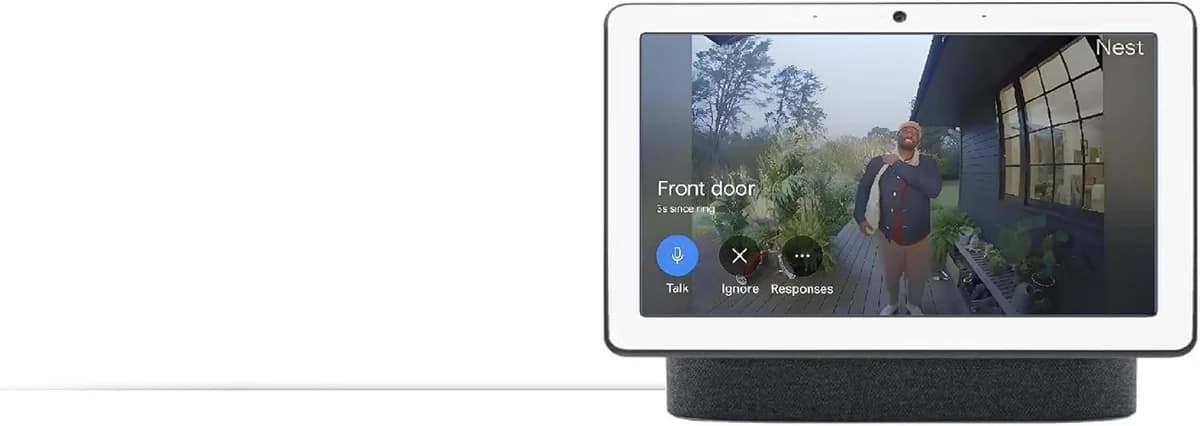
Asher NasirAsher Nasir is moderately positive about the Nest Hub Max, but sees the upgrade as conditional. He values its larger 10-inch display for viewing notifications, weather, videos, and Nest Doorbell alerts from across a room, while the 2.1 speaker system is a welcome improvement, though not especially bass-heavy. The built-in Nest Cam adds remote monitoring, but he remains uneasy about privacy and finds calling functionality limited. His practical conclusion is that upgrading makes sense at the right price, especially for households already invested in Google’s Nest ecosystem; otherwise, the smaller Hub may offer better value.

Forum Reviews
CUSTOMER REVIEWS FROM 1 FORUM
Reddit users generally appreciate the Google Nest Hub Max for its larger screen, improved speakers, and integrated camera, highlighting its usefulness as a digital photo frame and smart home controller. Many praise its video calling and smart home integration capabilities, though some express frustration with inconsistent performance, such as issues with timers, casting, and app functionality. Concerns about the device’s longevity and Google's support, especially with the product being discontinued, temper enthusiasm, particularly among potential upgraders. While longtime users value its features despite quirks, new shoppers are more cautious, weighing the device’s aging hardware and uncertain future support.
Many comments

In-Depth Review

Highlights
- •Large Adaptive DisplayDesigned for clear, across-room viewing.
- •Personalized Video CallsDesigned for face-matched, auto-framed calling.
- •Room-Filling SoundReviewers found audio powerful and punchy.
- •Responsive Hands-Free ControlAdvertised to simplify voice and gesture control.

Considerations
- •Limited Camera PrivacyNo physical shutter; a rear switch disables it.
- •Paid Security FeaturesRecording and advanced alerts require subscription.
- •Software Reliability IssuesOwners report lag, timer, and casting glitches.
- •Restricted Streaming SupportNetflix and Prime Video are unavailable.
Google’s Nest Hub Max is a premium smart display that turns Google Assistant into a more useful household command center. Compared with smaller Nest Hubs and basic smart speakers, it pairs a 10-inch HD touchscreen with stronger stereo sound for kitchen timers, recipes, streaming, calendars, photos, and shared-room control. Its 6.5MP camera adds auto-framed calls, Face Match personalization, and Nest Cam monitoring, making it especially appealing to Google-oriented families and households already using compatible smart-home devices. Far-field voice pickup, Chromecast, Wi‑Fi, Bluetooth, Thread, and touchless gestures round out the experience, though privacy, subscriptions, app support, and occasional software quirks deserve attention. The sections ahead examine its Ambient EQ display, room-filling audio, and hands-free controls closely—because the best smart hub is the one that fits your home, not just your spec sheet.
Connectivity And Smart Home
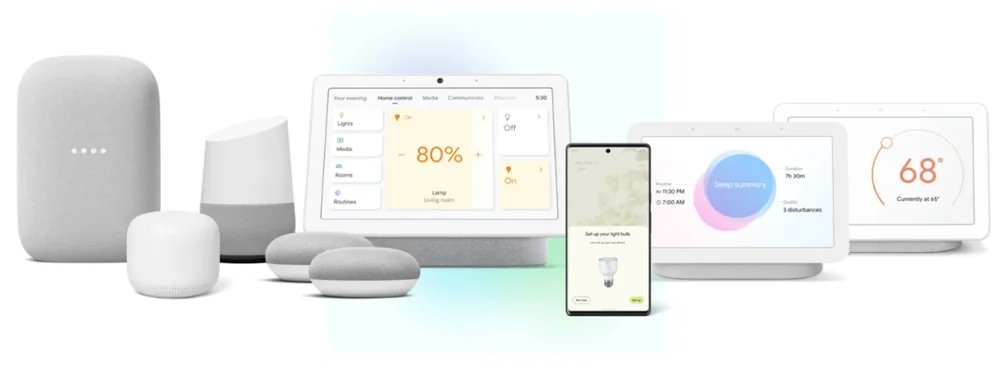
The Hub Max works best as a Google-centered control point rather than a general-purpose tablet. Chromecast built-in makes casting from phones straightforward, while dual-band Wi-Fi and Bluetooth 5.0 support streaming and accessory connections. Its Thread border router can help compatible smart-home devices communicate, although reviewers describe Thread support as underwhelming in practice and app compatibility as uneven. The included 30W adapter supports wall-powered operation, but this is strictly a stationary device with no battery, USB port, or HDMI input.
Camera And Personalization
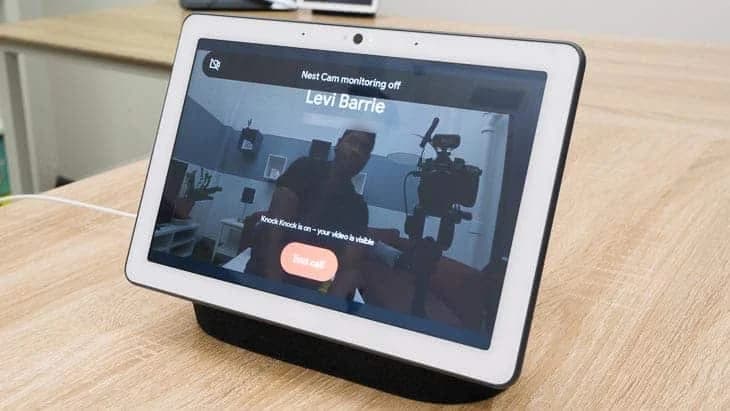
The built-in camera gives this display capabilities smaller, camera-free hubs cannot match. Its 6.5MP camera with 127° field of view supports Duo or Google Meet-style calling, and Auto Framing keeps people centered as they move. Face Match can personalize reminders and information for household members, while Nest Cam enables remote monitoring. Reviews find calls and recognition effective, but the fixed angle, absent night vision, subscription-dependent recording, and lack of a physical shutter weaken the security and privacy story.
Voice Pickup And Assistant
Hands-free control is central to the Nest Hub Max, and its microphones usually make that experience dependable. Far-field microphones pick up “Hey Google” commands across a room, supporting timers, calendars, media, and compatible smart-home controls. Google Assistant is often praised for quick, accurate responses, while newer Gemini features can handle more conversational follow-ups and camera-history questions. Results are not flawless: reported timer glitches, occasional lag, and some slower or inaccurate answers mean important commands still deserve a quick visual check.
Gestures And Sensing
Quick Gestures can make everyday control genuinely convenient when your hands are busy. Quick Gestures let you pause media or silence alarms with a hand motion, and ultrasound sensing helps the display detect proximity and activity. Several reviewers found gestures surprisingly reliable in good lighting and from a suitable angle, but performance drops when the user is off-center or the room is dark. Ultrasound benefits are less convincing, so these features feel like useful extras rather than reasons alone to choose the Nest Hub Max.
10-Inch HD Display
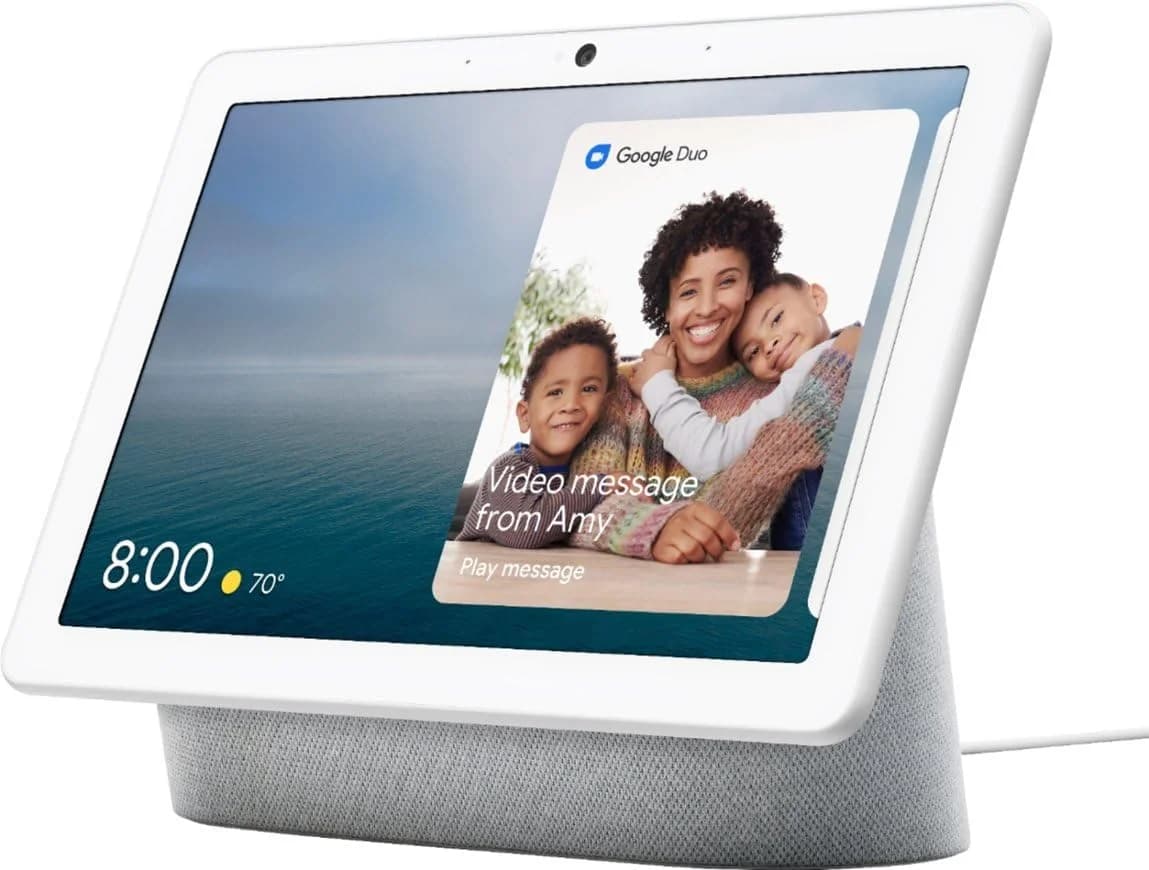
The large screen makes the Nest Hub Max especially useful across a kitchen or living room. Its 10-inch 1280×800 touchscreen shows recipes, calendars, photos, and video clearly from a distance, while Ambient EQ adjusts brightness and color to match the room, making Google Photos Live Albums look unusually natural. Reviewers generally praise its vibrancy and visibility, though several note that the modest resolution can look soft or pixelated up close. It is excellent for shared viewing, less ideal for extended close-range browsing.
Stereo Speaker Performance
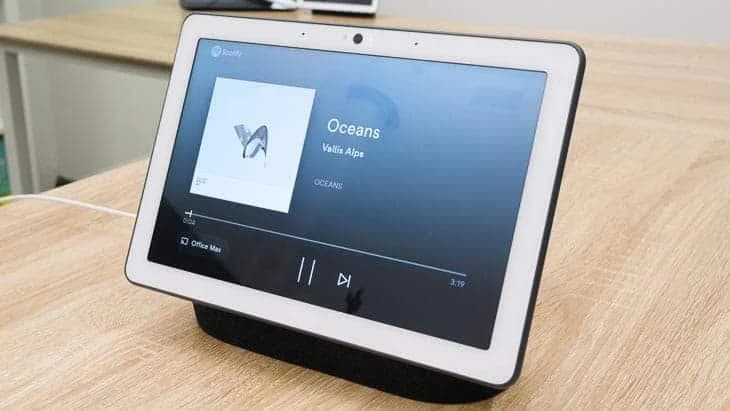
Audio is one of the Nest Hub Max’s clearest upgrades over smaller Google displays. The stereo speaker system combines two 10W tweeters with a 30W woofer, producing fuller, punchier sound for music, podcasts, timers, and casual video. Expert and video reviews generally describe it as room-filling and powerful for its size, though some find the sound less balanced or crisp than Amazon’s alternatives or dedicated speakers. Placement matters too, since rear-firing bass can change noticeably near walls or corners.
Conclusion
The Nest Hub Max earns its counter space by combining a 10-inch HD display with Ambient EQ, punchy stereo audio, and hands-free Google control in a genuinely useful household hub. Its 6.5MP camera adds effective auto-framing, Face Match, and calling, though the absent physical shutter, limited viewing angle, and subscription-based security make privacy-conscious buyers pause. Far-field microphones are generally dependable, while Quick Gestures can be handy when cooking—provided lighting and positioning cooperate. Wi‑Fi, Bluetooth, Thread, Chromecast, and the 30W adapter support a well-connected, stationary setup, but software glitches, aging hardware, and restricted streaming weaken its long-term appeal. This is a smart choice for Google-centric families wanting photos, timers, calls, and home control in one place; it is less convincing as a tablet, security camera, or open entertainment platform. Its strong capabilities justify a positive recommendation, but the compromises keep that recommendation measured rather than automatic.

Feature Scores
This reflects reviews and ratings from established critics, journalists, and users who have evaluated the item. Their opinions provide a comprehensive assessment.
Performance
Voice Recognition Accuracy
4/5
Touchscreen Responsiveness
3/5
Display Quality
4/5
Audio Reproduction
4/5
Processing Speed
3/5
Network Connectivity Reliability
4/5
Software Update Support
2/5
Value
Price Competitiveness
3/5
Feature to Price Ratio
4/5
Subscription Dependency
3/5
Design
Industrial Design Appeal
4/5
Form Factor Flexibility
4/5
User Interface Intuitiveness
4/5
Health
Material Safety
TBD
Blue Light Mitigation
TBD
Hearing Safe Audio Levels
TBD
Safety
Privacy Controls
4/5
Data Security Practices
3/5
Physical Stability
4/5
Sustainability
Energy Efficiency
TBD
Repairability
TBD
Packaging Sustainability
TBD
Experience Style
Voice-First Experience
4/5
Touch-First Experience
4/5
Customization
4/5
Setup Simplicity
3/5

Specifications
This section outlines the product's key facts, covering essential features, details, dimensions, materials, and any unique characteristics that define its functionality and usability.
Performance
Value
Design
Safety
Sustainability
Experience Style

Frequently Asked Questions
9 Questions


Find Yours
What do you mainly want a smart hub or display for?
Answer to find your best matches.