
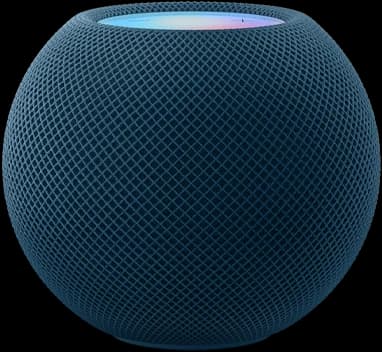
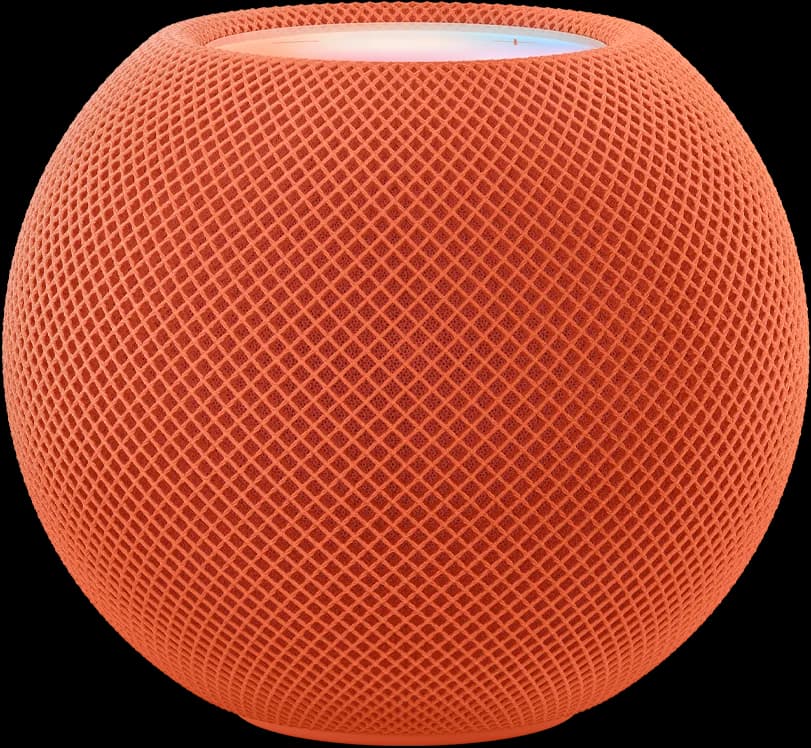
Apple HomePod mini
Compact smart speaker with rich 360-degree sound and seamless Apple integration, best for ecosystem users.
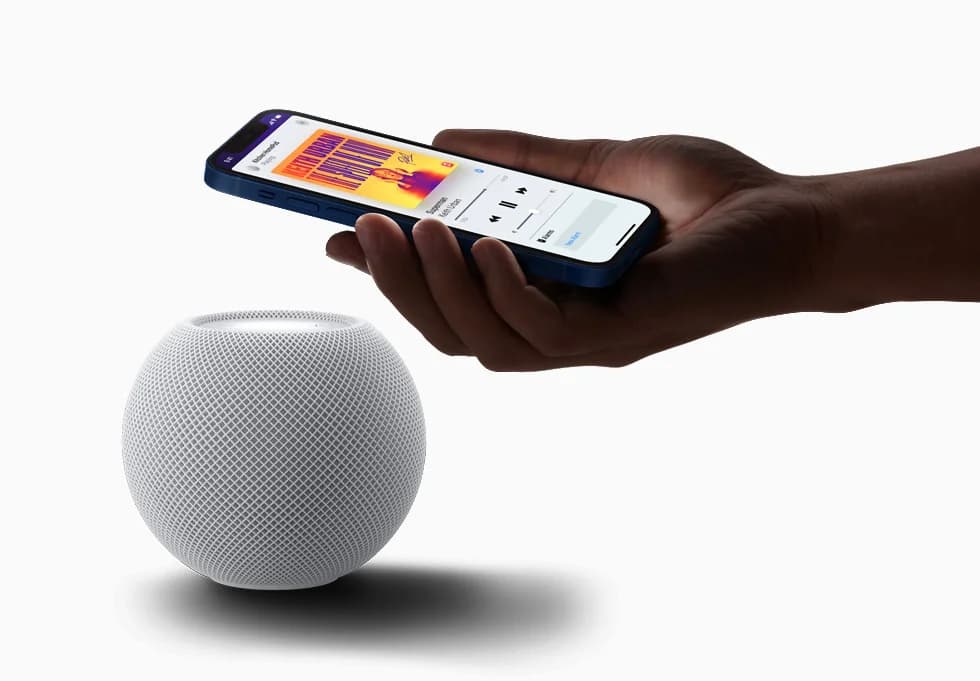
The Apple HomePod mini is a compact smart speaker that packs surprisingly rich 360-degree sound, designed for those deeply woven into the Apple ecosystem craving seamless device synergy. Experts and users alike applaud its real-time computational audio and effortless multiroom syncing, though Siri’s limited smarts often spark playful eye-rolls. Connectivity thrives within Apple's garden but stumbles outside it, with some grumbles over Bluetooth quirks. Priced around $99 refurbished, it delivers strong value for Apple loyalists seeking style, privacy via on-device processing, and handy home-safety sensors—making this petite powerhouse a thoughtful choice for small spaces and smart homes.



Find Yours
What's your main reason for using a smart speaker?
Answer to find your best matches.

The Scoreboard
Does this improve your life? Considers, health, habits, and environmental impact.
Benefits
Processes audio on-device via S5 chip, reducing cloud data sharing and protecting personal information.
HomeKit hub with Thread, temperature/humidity and alarm sound recognition improves safety and comfort at home.
360-degree computational audio and full-range driver deliver mood-boosting music without harsh distortion.
Global Recycled Standard certification means at least 50% recycled materials, reducing virgin resource use.
U1/UWB and AirPlay handoff reduces friction, lowering cognitive load during routine multitasking.
Trade-Offs
Requires iOS setup and HomeKit-centric design, limiting cross-platform control and personal autonomy.
Sealed design, proprietary parts, and non-removable cable hinder repairs, unlike repair-friendly eco-leaders.
Siri's constrained capabilities and older Wi‑Fi/Bluetooth chips cause failed tasks and user annoyance.
Renewed units sometimes arrive linked to previous owners or not factory-reset, creating privacy and usability risks.
 Alternatives


Join the Circle
Where real meets deal
Know what's worth buying-and when.
Tips, special offers, and rewards for buying and sharing.

Publications
10 LEADING PUBLICATION REVIEWS

Dan Seifert from The Verge highlights that Apple’s second-generation HomePod delivers solid sound quality with notable improvements like spatial audio, Matter smart-home protocol support, and temperature and humidity sensors. While it offers richer bass and louder volume than the HomePod mini, its sound signature leans toward a bass-boosted, punchy profile that may not suit all music genres. The HomePod excels as a smart-home hub for Apple users, with quick Siri responses and seamless Apple TV integration, but it remains costly and less versatile compared to competitors like Amazon Echo Studio and Sonos One SL. Setup requires an iOS device, and the lack of Bluetooth or physical mute buttons limits flexibility. The HomePod mini, by contrast, provides most smart features at a fraction of the price, making it the better choice for casual listeners and those less invested in Apple’s ecosystem. Overall, the review balances praise for sound and smart features with clear reservations about price and ecosystem lock-in.
By Nena Farrell; Brent Butterworth
Dan Seifert from The Verge highlights the Apple HomePod Mini as a compact, affordable smart speaker that marks a significant shift from Apple’s original HomePod by focusing on accessibility and price. Praising its pleasant sound quality for its size and seamless integration within Apple’s ecosystem, Seifert notes the Mini excels at casual listening and background music. However, he points out notable limitations, including Siri’s ongoing shortcomings compared to Alexa and Google Assistant, a fiddly touch interface, and the device’s heavy reliance on Apple hardware and services, which restricts its appeal to non-Apple users. While the HomePod Mini offers solid smart home capabilities and privacy advantages, it struggles to match the sound performance and feature set of similarly priced competitors like the Echo and Nest Audio. Seifert appreciates Apple’s improvements but suggests the Mini still lags behind the competition, making it a good but not great choice for those fully invested in Apple’s ecosystem.
By Dan Seifert
What Hi-Fi? highlights the Apple HomePod Mini as a surprisingly powerful and sophisticated smart speaker that outperforms expectations for its compact size and affordable price. The review expresses clear enthusiasm for its rich, balanced sound quality, 360-degree audio projection, and impressive ability to faithfully reproduce music with nuance and clarity, especially when paired in stereo. The HomePod Mini’s design is praised for its stylish fabric mesh and subtle lighting effects, while Siri’s smart features and music discovery capabilities stand out as major strengths. However, the review also notes limitations, particularly the device’s restricted support for third-party streaming services and the lack of a dedicated, comprehensive control app, which can make managing music sources somewhat disjointed. Despite these caveats, What Hi-Fi? regards the HomePod Mini as an excellent choice for users embedded in the Apple ecosystem, offering a compelling blend of sound quality, smart functionality, and value that surpasses many competitors in its class.
RTINGS highlights the Apple HomePod mini as a compact, voice-controlled smart speaker with a 360-degree design that excels in voice assistant performance thanks to built-in Siri and excellent far-field recognition. The review appreciates its accurate mid-range reproduction, making it suitable for podcasts and most music genres, though it notes the speaker’s limited loudness and lack of deep bass, which may disappoint EDM fans and those with larger rooms. While the HomePod mini offers low latency for video playback and a balanced sound profile, it requires pairing for stereo sound and is not designed for outdoor use. Compared to competitors like the Amazon Echo Dot Gen 4, the HomePod mini delivers a more neutral sound and better soundstage but falls short in noisy environments and bass customization. The review provides a measured, balanced perspective, acknowledging the HomePod mini’s strengths in voice control and sound quality while candidly addressing its volume and bass limitations.
By John Panoryios; Stephen Eldon Kerr
Tim Gideon from PCMag highlights the Apple HomePod mini as a compact, attractively designed smart speaker that integrates seamlessly with Apple’s ecosystem, offering solid audio quality and robust Siri voice assistance for $99. While the HomePod mini delivers clean, balanced sound with effective 360-degree dispersion and responsive touch controls, its audio power and bass depth fall short compared to similarly priced competitors like the Amazon Echo (4th Gen). Gideon emphasizes that the HomePod mini excels for users deeply invested in Apple’s HomeKit and Siri, providing smooth smart home control and unique features like intercom messaging and multi-voice recognition. However, limitations include less effective Siri integration with locally stored iTunes music and occasional accidental activations. Overall, the review conveys a measured enthusiasm: the HomePod mini is a strong choice for Apple loyalists seeking smart features and decent sound, but not the best option for those prioritizing audio performance alone.
By Tim Gideon
Molly Price from CNET highlights the Apple HomePod Mini as a well-designed, compact smart speaker that fits seamlessly into the Apple ecosystem, especially for users already invested in iPhones, Apple TV, or HomeKit. She praises its clear, balanced sound quality, noting it outperforms similarly priced competitors like the Nest Mini and Echo Dot in clarity and bass without distortion. Unique features like the effortless Handoff audio transfer and the Intercom function add practical value. However, Price offers a measured view on Siri’s limitations, pointing out its weaker general knowledge responses compared to Alexa and Google Assistant. She also notes HomeKit’s smaller smart home device compatibility as a drawback. While the HomePod Mini is not a revolutionary redesign, it delivers solid performance and smart speaker basics with Apple polish. Ultimately, Price recommends it as a compelling choice for Apple users seeking an affordable, stylish smart speaker, but suggests Android users or those prioritizing broader smart home options consider alternatives.
By Molly Price
Michael A. Prospero from Tom’s Guide highlights the Apple HomePod mini as a compelling smart speaker that delivers impressive audio quality for its compact size and affordable $99 price. He praises its sleek, fabric-wrapped design and seamless integration with the Apple ecosystem, especially the convenient Handoff feature and HomeKit smart home hub capabilities. The review emphasizes the HomePod mini’s superior sound compared to similarly sized competitors like the Amazon Echo Dot, though it falls short of the Sonos One’s richer audio. Prospero notes Siri’s improvements but finds it still lags behind Alexa and Google Assistant in versatility and voice assistant features. Limitations include a lack of native support for popular streaming services like Spotify, no physical microphone mute button, and limited child-friendly controls. Overall, the HomePod mini is seen as the smart speaker Apple fans have been waiting for, balancing strong audio performance and ecosystem benefits with some notable trade-offs.
By Michael A. Prospero
Adrienne So from WIRED highlights the Apple HomePod mini as a compact, convenient smart speaker that excels within the Apple ecosystem. She expresses genuine enthusiasm for its seamless integration with Apple devices, praising features like effortless audio handoff, reliable Siri voice recognition even in noisy environments, and the ability to create stereo pairs or enhance Apple TV sound. However, her excitement is tempered by notable criticisms: the sound quality disappoints, with fuzzy highs and less clarity compared to competitors like the Echo Dot or Sonos speakers. Siri’s intelligence also lags behind Alexa and Google Assistant, limiting its usefulness outside Apple services. The HomePod mini’s non-portable design and fixed power cord add minor annoyances. Ultimately, So sees the HomePod mini as a fun, useful gadget for dedicated Apple users but cautions that others may find better value and smarter assistants elsewhere. The review balances warmth for Apple’s ecosystem with measured reservations about audio performance and broader appeal.
By Adrienne So
Samuel Gibbs from The Guardian highlights Apple’s HomePod mini as a compact, attractively designed smart speaker that impresses with surprisingly rich and clear sound for its size. He praises the improved Siri assistant, noting its growing capabilities and privacy-focused design that leverages data stored on the user’s iPhone. Unique proximity features enabled by Apple’s U1 chip create a seamless, almost magical experience when transferring audio between devices. However, Gibbs points out significant limitations: the HomePod mini is tightly locked into the Apple ecosystem, requiring an iPhone for setup and best functionality, and lacks native support for popular services like Spotify and BBC radio. The absence of Bluetooth streaming and line-in options further restricts compatibility, especially for non-Apple users. While the speaker offers good value at £99 and strong environmental credentials, it ultimately suits only those deeply invested in Apple products, with others better served by more platform-agnostic alternatives.
By Samuel Gibbs
Brad Moon from Forbes highlights the Apple HomePod mini as an impressively capable and affordable smart speaker, especially for those invested in the Apple ecosystem. Praising its compact design, vibrant color options, and seamless integration with Apple Music and Siri, Moon emphasizes the speaker’s surprisingly powerful audio performance for its $99 price point. He notes the HomePod mini’s 360-degree sound, energetic bass, and real-time computational audio as standout features that make it a strong contender in its class, even if it doesn’t match the full-sized HomePod’s more advanced hardware. Setup and customization through the Home app are straightforward, and voice recognition works well even across rooms. While acknowledging the HomePod mini’s limitations—such as the lack of physical audio inputs, non-removable power cable, and no battery—Moon frames these as minor trade-offs given the value offered. Overall, he considers the HomePod mini a near “no-brainer” for whole-home audio setups or anyone seeking an affordable, high-quality smart speaker within Apple’s ecosystem.
By Brad Moon

YouTube
10 LEADING EXPERT & INFLUENCER REVIEWS
 Engadget
Engadget praises the Apple HomePod mini for its surprisingly rich 360-degree sound and improved Siri capabilities, highlighting its ease of setup and seamless integration with Apple Music. While noting it’s not the best audio performer compared to Amazon Echo, the reviewer values its compact design, smart features, and strong appeal for Apple ecosystem users.
Marques BrownleeMarques Brownlee praises the Apple HomePod mini for its compact, premium design and impressive 360-degree sound quality, especially when paired in stereo. He highlights seamless integration with the Apple ecosystem, including the U1 chip’s intuitive music handoff and multiroom audio. However, he notes Siri’s limitations and limited smart home compatibility compared to Alexa and Google alternatives, making it best suited for deeply invested Apple users.
9to5Mac9to5Mac highlights the Apple HomePod mini’s newly activated temperature and humidity sensors via software update 16.3, enabling smart home automations that enhance comfort and save money. While the sensors aren’t perfectly precise, the reviewer offers practical setup tips and emphasizes seamless integration within Apple’s HomeKit ecosystem, praising its value as a smart home hub.
Craig's Tech TalkCraig from Craig’s Tech Talk enthusiastically highlights the Apple HomePod mini’s versatility, praising its seamless Apple ecosystem integration, personalized Siri voice recognition, and smart home control via HomeKit. He details practical everyday uses like timers, alarms, messaging, intercom, and handoff, while noting limitations such as HomeKit device compatibility and lack of Bluetooth audio input.
6 Months LaterJosh Teder praises the Apple HomePod mini for its fast setup, stylish design, clear vocals, and impressive Siri responsiveness, especially highlighting unique features like seamless AirPlay media handoff, intercom, and phone/text integration. However, he notes limitations with music service support, lack of AirTag pinging, and no physical mute button, recommending it mainly for Apple ecosystem users.
Tech DadTech Dad enthusiastically praises the Apple HomePod mini for its powerful 360-degree sound, seamless Siri integration, and smart home hub capabilities. He highlights easy setup, multiroom audio, and useful features like intercom and voice-controlled smart plugs, while noting the need for constant power and some accessory quirks. Overall, he’s excited about transforming his home with these compact, stylish speakers.
Chris WilmshurstChris Wilmshurst offers a cautiously mixed review of the Apple HomePod mini, praising its role as a reliable smart home hub that simplifies device management within the HomeKit ecosystem. However, he criticizes its limited Siri capabilities, lack of EQ controls, and bass issues at higher volumes. Despite initial regret, he values its smart home integration over time.
Tristan Talks TechTristan Talks Tech praises the Apple HomePod mini for its impressive audio quality, seamless Apple ecosystem integration, and affordable $99 price, making it a great smart speaker for iPhone users. He notes limitations like Siri’s restricted functionality, the non-removable USB-C cable, and a minimalistic top display, but finds it a solid, stylish companion for Apple fans.
James ShinJames Shin praises the Apple HomePod mini for its compact design, surprisingly rich 360° sound, and seamless integration with the Apple ecosystem, especially voice recognition and smart home controls. While noting minor inconveniences like Spotify compatibility and lack of portability, he highlights features like Intercom and personalized Siri responses, recommending it as a budget-friendly smart speaker for Apple users.
Arthur BrassartArthur Brassart praises the Apple HomePod mini for its surprisingly rich sound, compact design, and effective smart home hub capabilities, including temperature and humidity sensors. He highlights its excellent value at $99 and seamless HomeKit integration but cautions about Siri’s limited intelligence, Apple ecosystem dependency, and lack of Bluetooth streaming, advising buyers to consider their specific needs.

Social
5 INFLUENCER REVIEWS
 Mac | Apple Enthusiast 🇮🇩
Mac | Apple Enthusiast 🇮🇩 highlights the Apple HomePod mini’s impressive sound quality and sleek, compact design, praising its seamless iPhone connectivity and rich audio despite its small size. While noting the higher local price, they emphasize Apple’s consistent product quality and customer satisfaction. Overall, Mac finds the HomePod mini to be one of the best smart speakers available, enthusiastically recommending it for those seeking a stylish, powerful, and easy-to-use device that integrates well within the Apple ecosystem.
 Tyler
TylerTyler Morgan highlights the Apple HomePod mini as a device best suited for those already deeply invested in the Apple ecosystem, noting some useful features like intercom messaging and seamless music transfer. However, his tone is largely dismissive, expressing confusion over its value and setup, and ultimately finding the product underwhelming. Overall, Tyler’s review conveys disappointment and skepticism, recommending against purchasing the HomePod mini unless it comes free or you are heavily tied to Apple products. His candid, humorous critique suggests the speaker sees limited practical benefit and would not buy it again.
scartek_electronics🇰🇪scartek_electronics highlights the Apple HomePod mini’s seamless integration within the Apple ecosystem, praising its 360-degree sound, smart home controls, and unique features like a temperature sensor and alarm detection. However, they note key drawbacks: it requires constant power and only works with iOS devices, limiting its versatility. Overall, scartek_electronics views the HomePod mini as a compact, feature-rich smart speaker ideal for Apple users but less appealing for those outside the ecosystem. They recommend it primarily to those fully invested in Apple products, emphasizing its strengths while acknowledging its platform restrictions.
kaitlynd!reddnea highlights the HomePod mini’s impressive sound quality but finds the larger HomePod’s richer, louder audio better suited for spacious areas. They note that while smart features like Siri and smart home integration are consistent across both, the bigger model justifies its higher price only in larger rooms. Overall, reddnea appreciates the HomePod mini’s performance but feels it doesn’t fit their personal space needs, leading to a return of the larger HomePod. They recommend considering room size carefully before investing, suggesting the HomePod is worth it for bigger spaces but less so otherwise.
Life and numbersLife and numbers highlights the seamless multi-room syncing feature of the Apple HomePod mini, praising how music transitions smoothly between rooms. They note the $100 price as somewhat pricey but emphasize the device’s reliable performance and suggest a gradual purchase approach. The review balances enthusiasm for functionality with a practical view on cost. Overall, Life and numbers recommends the HomePod mini for users who value synchronized audio across spaces and are willing to invest gradually. The positive tone and personal usage insight make it a favorable choice for music lovers seeking smart speaker convenience despite the higher price point.

Forum Reviews
CUSTOMER REVIEWS FROM 1 FORUM
Reddit users generally acknowledge the Apple HomePod mini as a compact speaker with surprisingly good sound quality for its size, especially when used in stereo pairs or within the Apple ecosystem. Many appreciate its seamless integration with Apple Music and smart home functions, though Siri’s inconsistent performance and limited smart assistant capabilities are frequent points of frustration. Users often highlight issues with reliability, such as connectivity and voice recognition problems, which detract from the overall experience. While new shoppers are advised to consider these limitations, some existing users find value in the device for specific uses like music playback and home automation, though many express disappointment with its software and smart features.
Many comments

In-Depth Review

Highlights
- •360-degree computational audioRoom-filling sound for small spaces
- •Seamless Apple integration and handoffEffortless AirPlay/U1 music handoff
- •HomeKit hub with Thread and sensorsAdds Thread, temperature and humidity
- •On-device privacy processingProcesses voice requests locally
- •Multiroom audio and stereo pairingSupports AirPlay multiroom and stereo
- •Strong value for Apple usersCompelling feature-to-price ratio around $99

Considerations
- •Siri limitationsAssistant less capable than rivals
- •Apple ecosystem dependencyRequires iOS setup and best with Apple
- •Limited bass and loudnessWeak bass and limited volume
- •Connectivity hiccupsOccasional Bluetooth and Wi‑Fi dropouts
- •Refurbished unit variabilityRenewed units sometimes arrive linked
- •Limited third-party streaming and inputsNo Bluetooth line-in and limited services
Real-world feedback on this compact Apple smart speaker is still unfolding, but early impressions highlight its knack for packing surprisingly rich 360-degree sound into a petite frame. Built to shine within the Apple ecosystem, it leverages the powerful S5 chip’s real-time computational audio to adapt effortlessly to your room’s vibe. Voice control rides on a clever four-mic array with support for up to six voices, though Siri’s smarts remain a work in progress compared to rivals. Connectivity leans heavily on Wi-Fi 802.11n and Bluetooth 5.0 while embracing Thread networking and UWB handoff for seamless device interplay—features that truly reward users fully committed to Apple gear. Wrapped in stylish fabric made from over half recycled materials, it doubles as an eco-conscious desk companion with built-in temperature and humidity sensors adding subtle home safety perks. If you’re eyeing small-space audio magic married with privacy-first design—and don’t mind some bass limitations—this might just be your pocket-sized powerhouse worth exploring further.
Build Quality and Materials
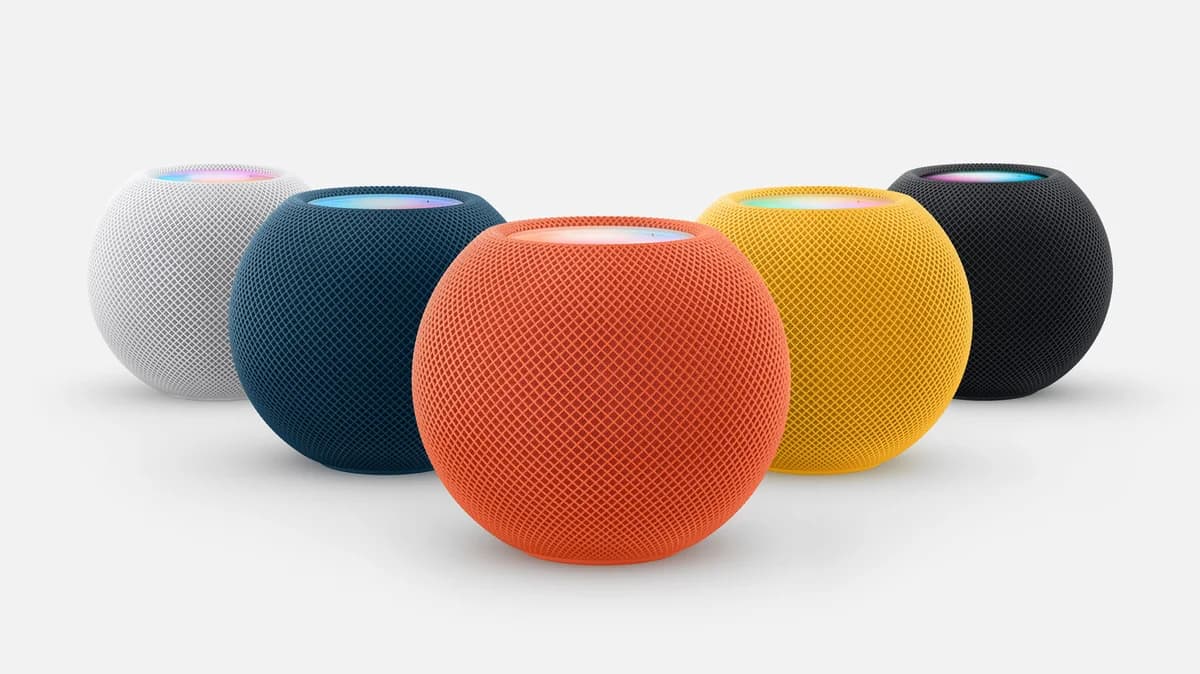
Wrapped in acoustically transparent fabric available in vibrant hues like Space Gray or Yellow, the HomePod mini exudes stylish minimalism matched with solid construction boasting over half recycled materials certified by Global Recycled Standard—a nod toward sustainability without sacrificing aesthetics or function. Its sealed design offers durability but hampers repairability—a common premium trade-off—and while lightweight at just over three inches tall, it feels robust enough as a desk companion keeping form firmly aligned with eco-conscious fashion statements.
Microphone and Voice Recognition
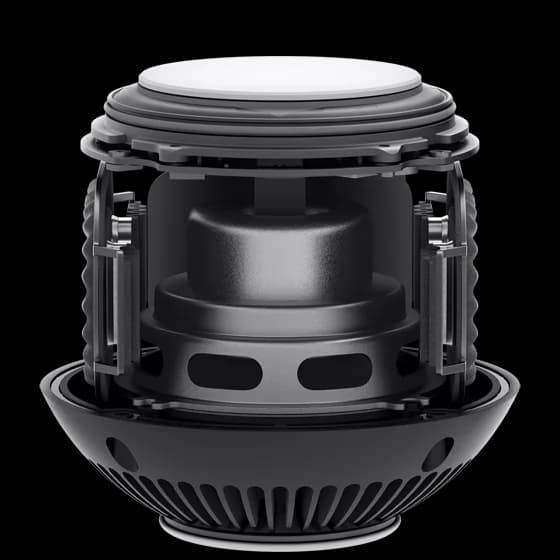
The HomePod mini's four-mic array aims to catch your whispers from across the room, delivering mostly reliable voice commands through Siri—though her smarts remain somewhat behind Alexa’s wit. With support for recognizing up to six voices, personalized responses are possible but occasionally stutter under real-world noise or connectivity glitches. This blend of tech prowess and Siri’s quirks means your digital assistant might charm you sometimes while leaving you raising an eyebrow other times; voice recognition remains good but imperfect.
Connectivity and Wireless Performance
Connectivity dances between seamless integration within Apple’s ecosystem via Wi-Fi 802.11n, Bluetooth 5.0, Thread networking, and UWB precision handoffs—but some users report occasional hiccups in Bluetooth pairing or dropouts beyond ideal conditions. While Apple's proprietary protocols shine in syncing multiroom setups effortlessly, outsiders may find limitations frustrating due to lack of broader platform compatibility or legacy Bluetooth streaming options; overall a wireless suite that dazzles if you're all-in on Apple gear yet tests patience otherwise.
Audio Performance
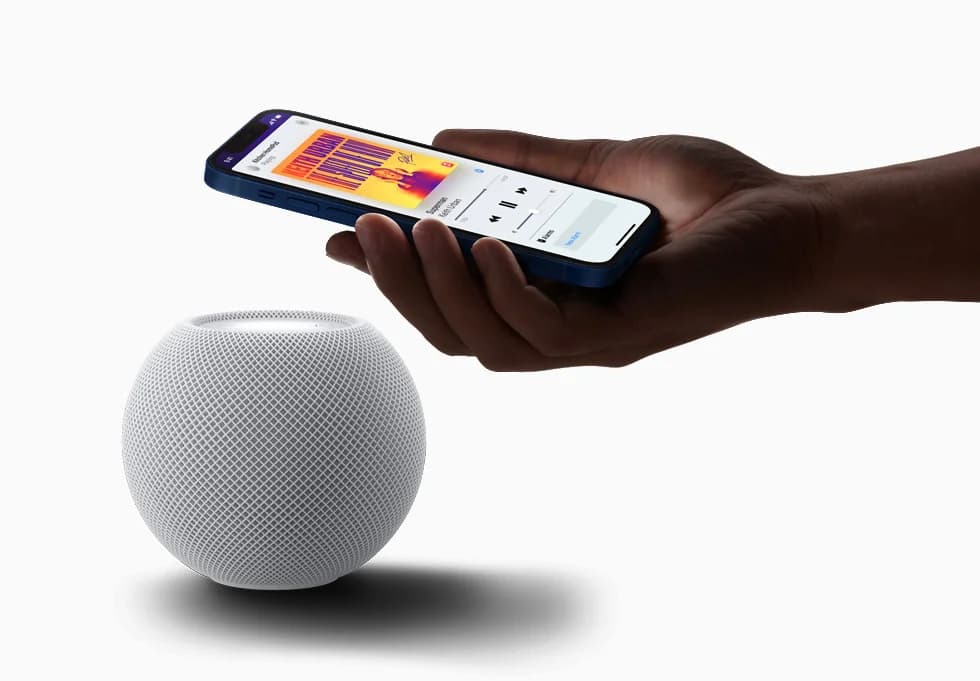
When it comes to audio, this little dynamo surprises with rich 360-degree sound that fills a room despite its compact size. Powered by the Apple S5 chip’s real-time computational audio, it adapts on the fly for balanced output. While not booming enough for bass-heads craving chest-thumping lows, users and experts alike note its clarity and immersive quality punch above expectations. The trade-off is subtle: it's a charming performer best suited to smaller spaces or stereo pairs rather than arenas of bass glory.
Conclusion
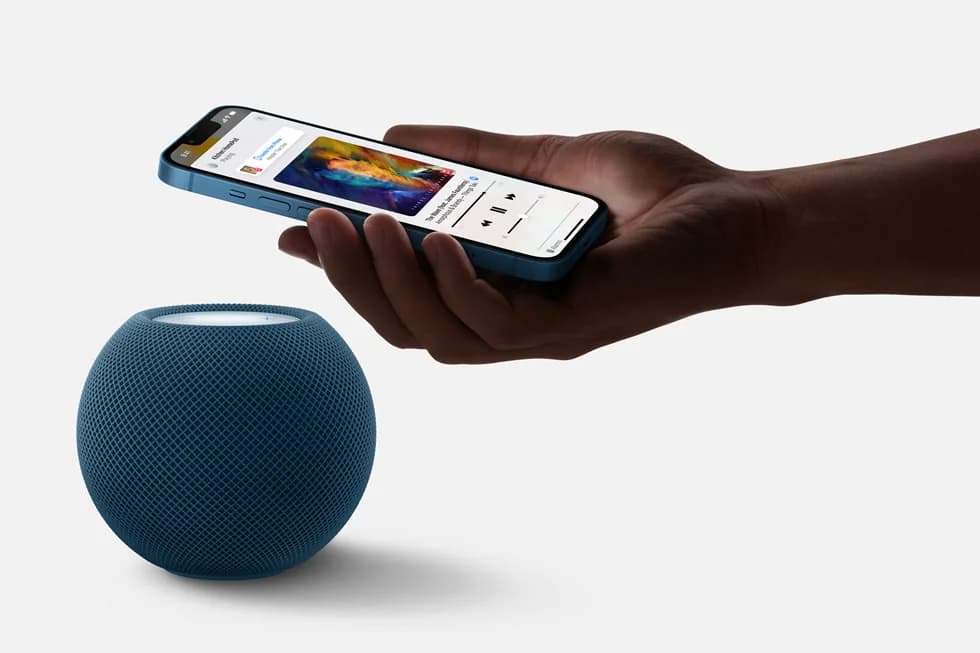
When sound meets smarts in a compact package, the result is 360-degree audio that surprises with clarity rather than sheer muscle. The four-mic array flexes well for voice recognition, though Siri’s charm sometimes fades under pressure—still, it knows its crowd of six voices like an old friend. Connectivity plays favorites with Apple gear, delivering seamless multiroom sync and UWB handoff, but outsiders might feel tethered by limited Bluetooth options. Wrapped in fabric crafted from over half recycled materials, this speaker marries style with sustainability without sacrificing durability. Bass enthusiasts may find themselves wanting more low-end punch; the HomePod mini favors balance over boom. Bonus points go to its hidden arsenal: temperature and humidity sensors plus alarm detection quietly boost home safety while blending into the background. For those embedded in Apple’s ecosystem craving smart-home synergy wrapped around crisp sound—and who don’t need thunderous bass—this petite powerhouse earns its place on your desk or countertop as a thoughtful companion worth considering.

Feature Scores
This reflects reviews and ratings from established critics, journalists, and users who have evaluated the item. Their opinions provide a comprehensive assessment.
Performance
Voice Recognition Accuracy
4/5
Speaker Sound Quality
4/5
Microphone Pickup
4/5
Wireless Connectivity Reliability
4/5
Latency and Response Time
4/5
Multiroom Synchronization
4/5
Firmware Update Reliability
4/5
Device Durability
4/5
Value
Price Competitiveness
4/5
Subscription Dependence
3/5
Bundled Services Value
3/5
Design
Visual Aesthetics
5/5
Size and Form Factor
4/5
Controls Ergonomics
4/5
Material Quality
4/5
Health
Hearing Safety
3/5
Low-Toxicity Materials
4/5
Safety
Data Privacy Controls
5/5
Secure Communication
4/5
Physical Safety
4/5
Sustainability
Energy Efficiency
4/5
Recyclability
4/5
Repairability
2/5
Sustainable Materials Use
4/5
Experience Style
Setup Simplicity
4/5
Customization
3/5
Voice Assistant Naturalness
4/5
Smart Home Integration Depth
5/5

Specifications
This section outlines the product's key facts, covering essential features, details, dimensions, materials, and any unique characteristics that define its functionality and usability.
Performance
Value
Design
Safety
Sustainability
Experience Style

Frequently Asked Questions
7 Questions



Find Yours
What's your main reason for using a smart speaker?
Answer to find your best matches.