

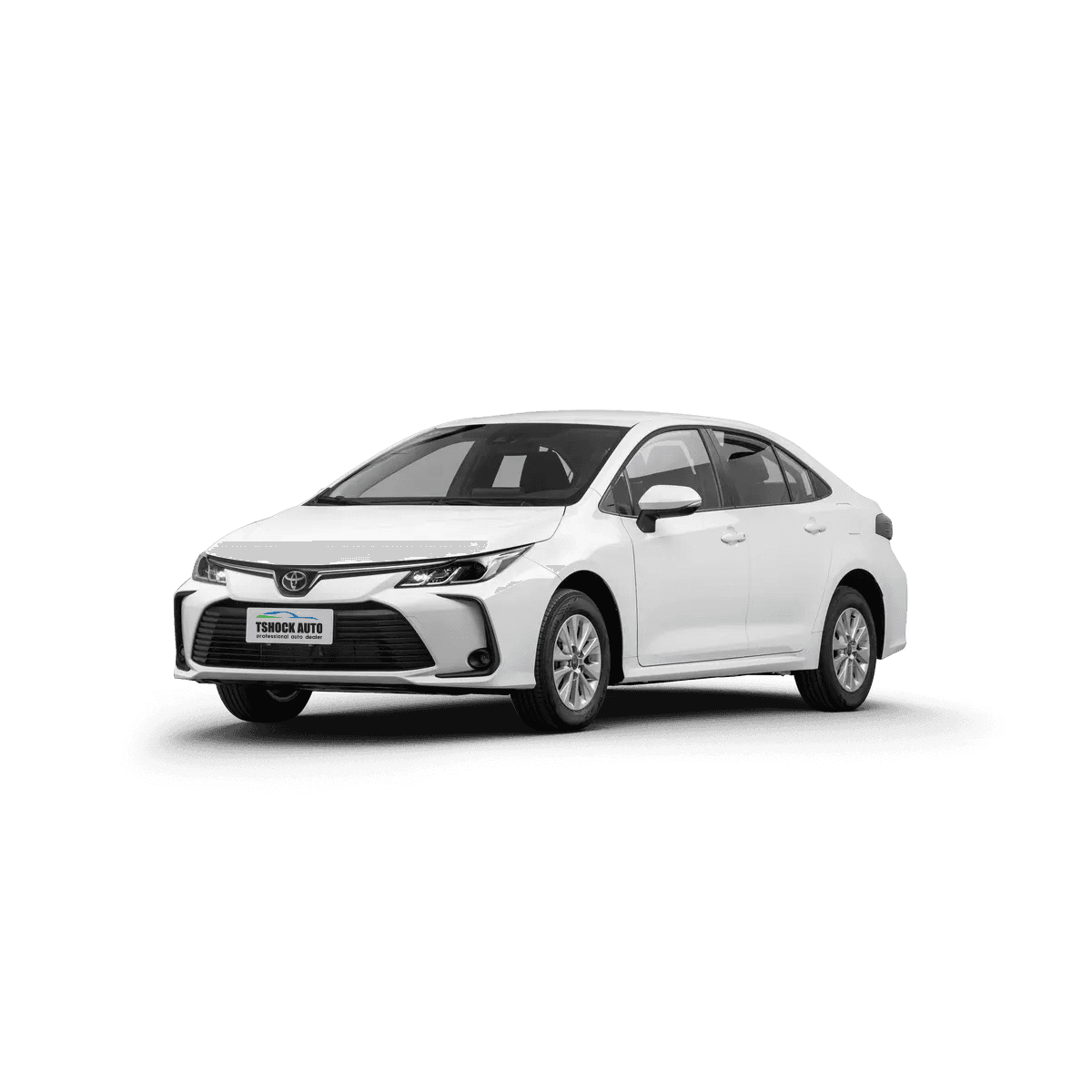
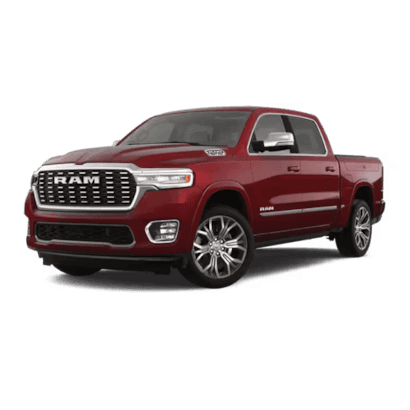
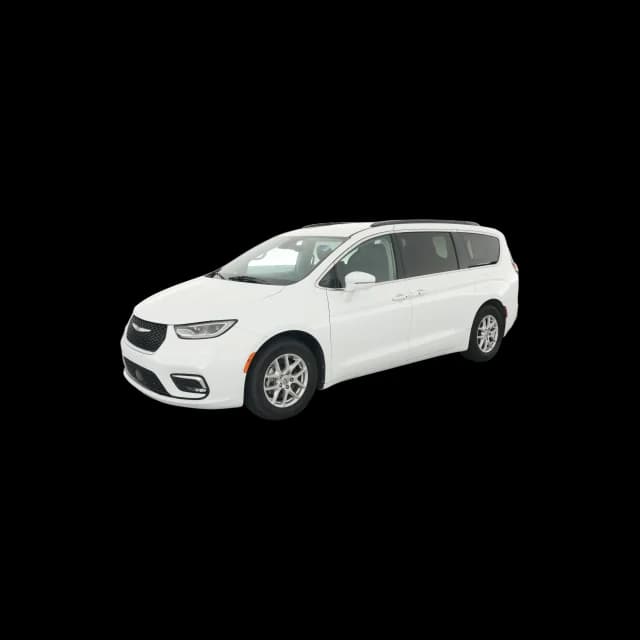
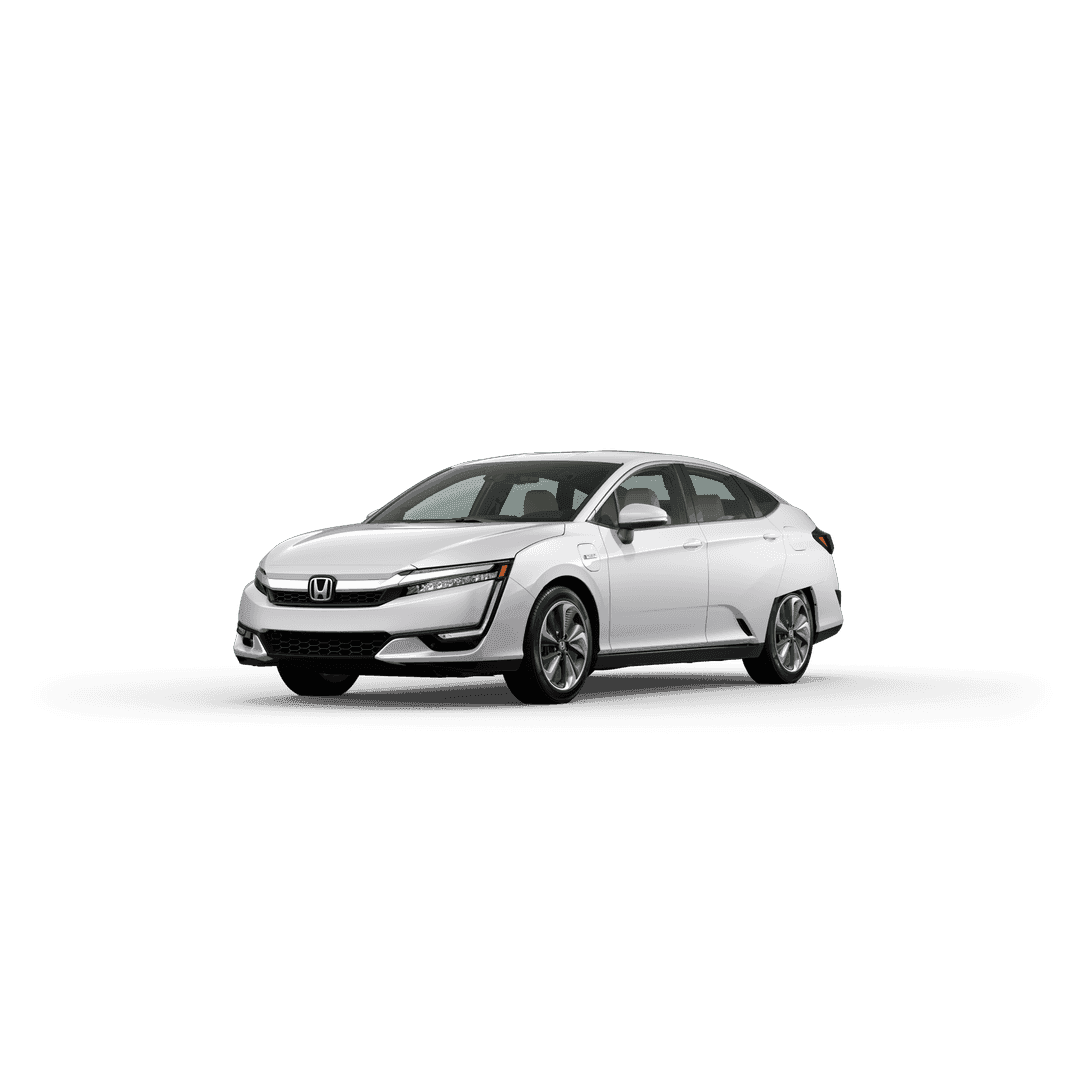

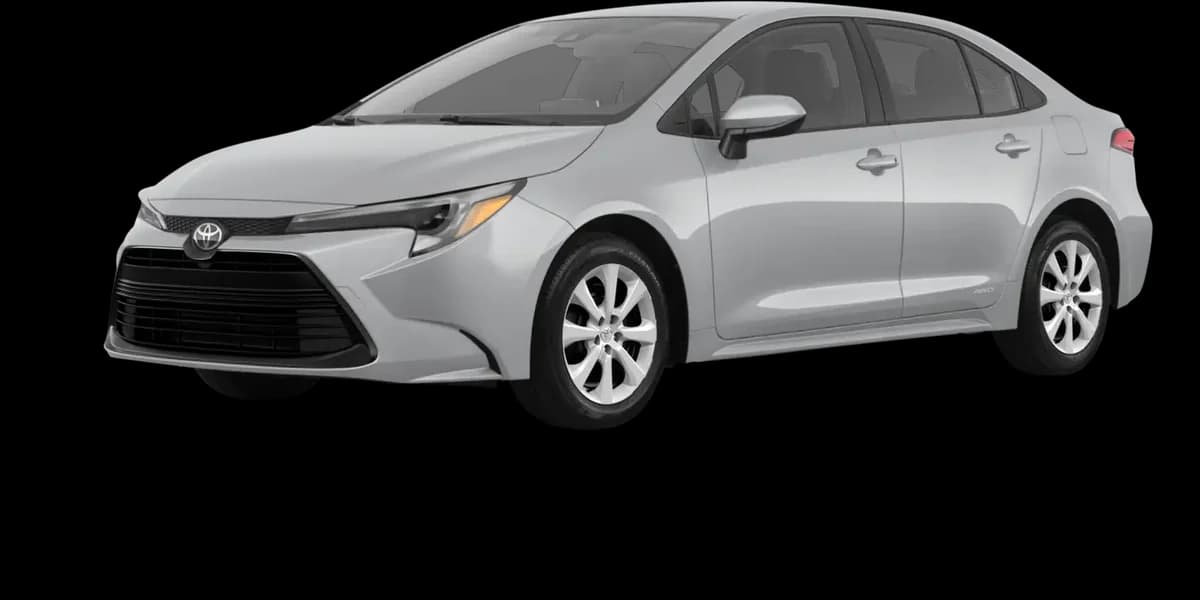
Toyota Corolla (2026)
Efficient, dependable, and easy to drive, though acceleration and rear-seat space are limited.
The 2026 Toyota Corolla is the automotive equivalent of a dependable lunchbox, built for commuters, first-time buyers, and high-mileage drivers who want low-stress transportation without SUV-level costs. Its strongest case is up to 50 mpg combined in hybrid form, with available AWD, and real-world testing broadly supports Toyota’s efficiency claims. Owners and experts also praise its composed ride, clear visibility, intuitive controls, and generous safety technology. The trade-offs are equally clear: acceleration can be slow and noisy, the cabin feels dated, and rear-seat space is tight, especially in the hatchback. Starting around $22,725, the gas LE is compelling, while hybrids make more sense for heavy mileage. Overall value depends on fuel savings, trim pricing, space needs, and refinement expectations, which shape its low ownership-cost appeal.
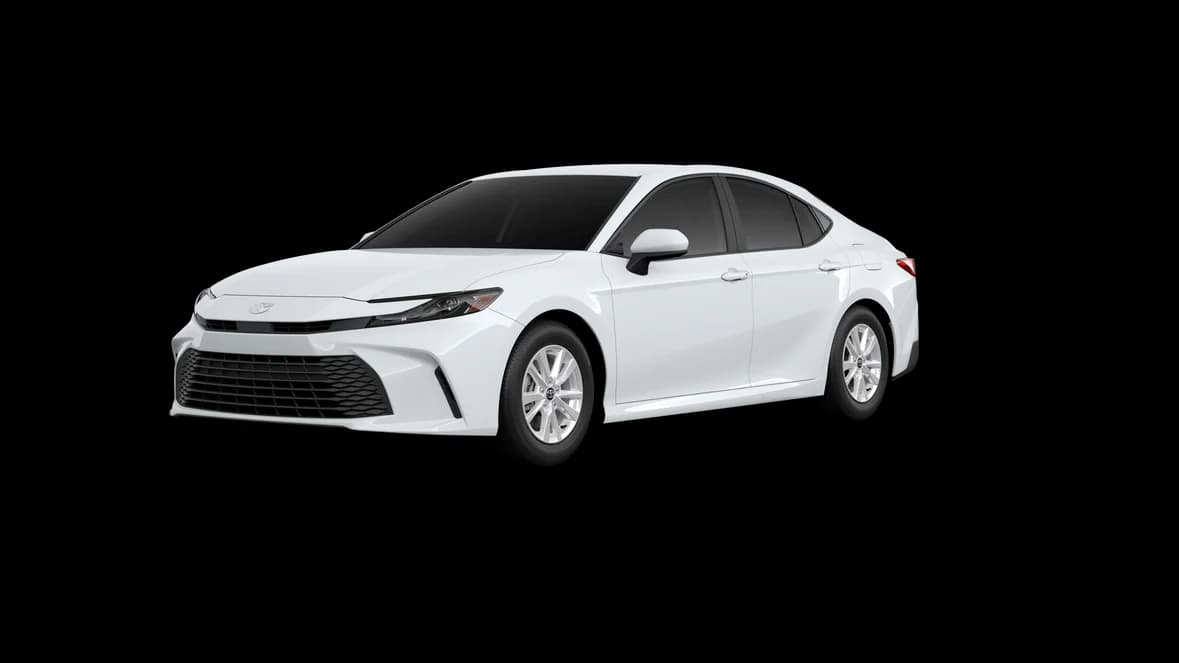
Find Yours
What is your primary use for a gas-powered sedan or compact?
Answer to find your best matches.

The Field
Browse top contenders, or compare all options ranked by score and key attributes.
5 Options
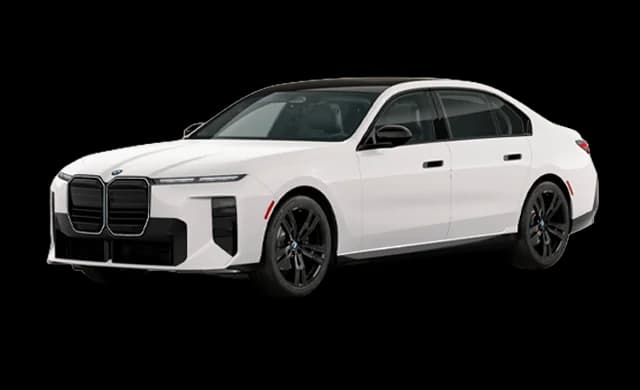
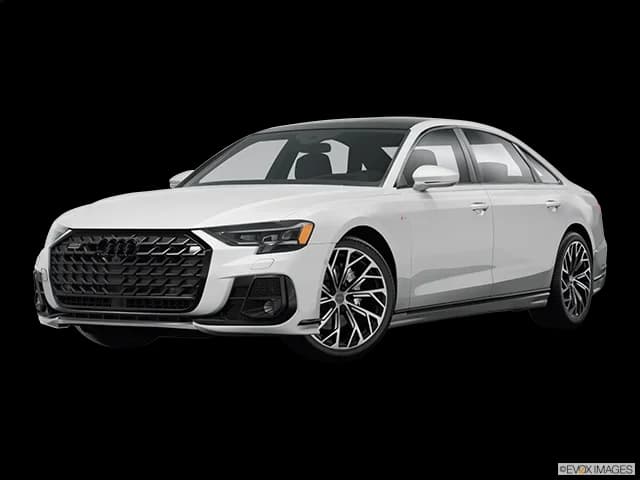

The Scoreboard
Does this improve your life? Considers, health, habits, and environmental impact.
Benefits
The hybrid uses little fuel in stop-and-go traffic, cutting frequent fill-ups and commuting costs.
Light controls, clear visibility, and compact dimensions make parking and city errands straightforward.
The composed ride and intuitive controls keep routine commutes calm without demanding much attention.
Standard driver aids and blind-spot monitoring provide extra support during everyday traffic and lane changes.
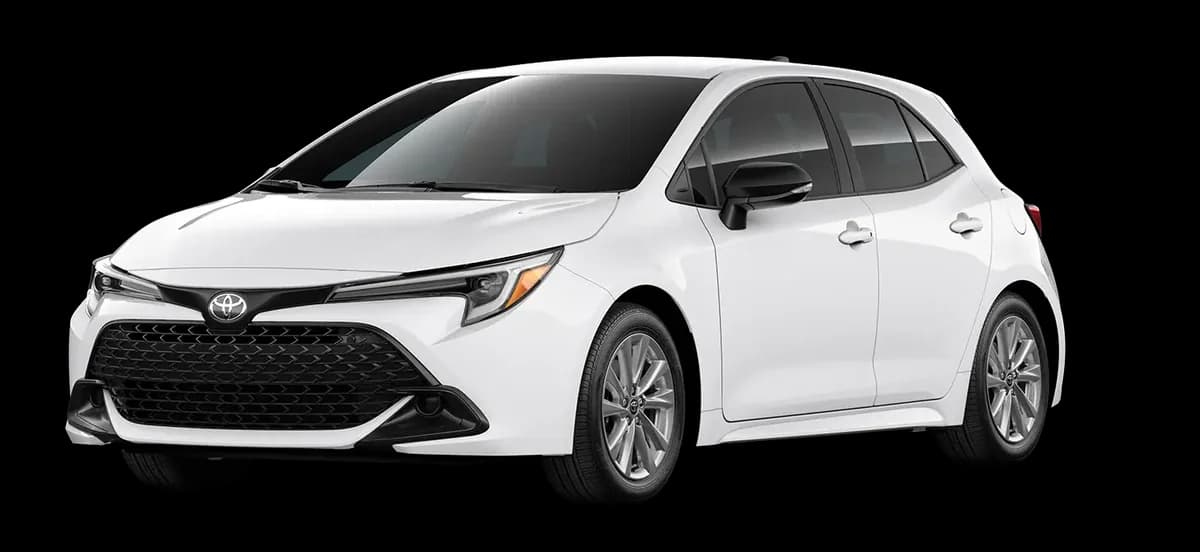
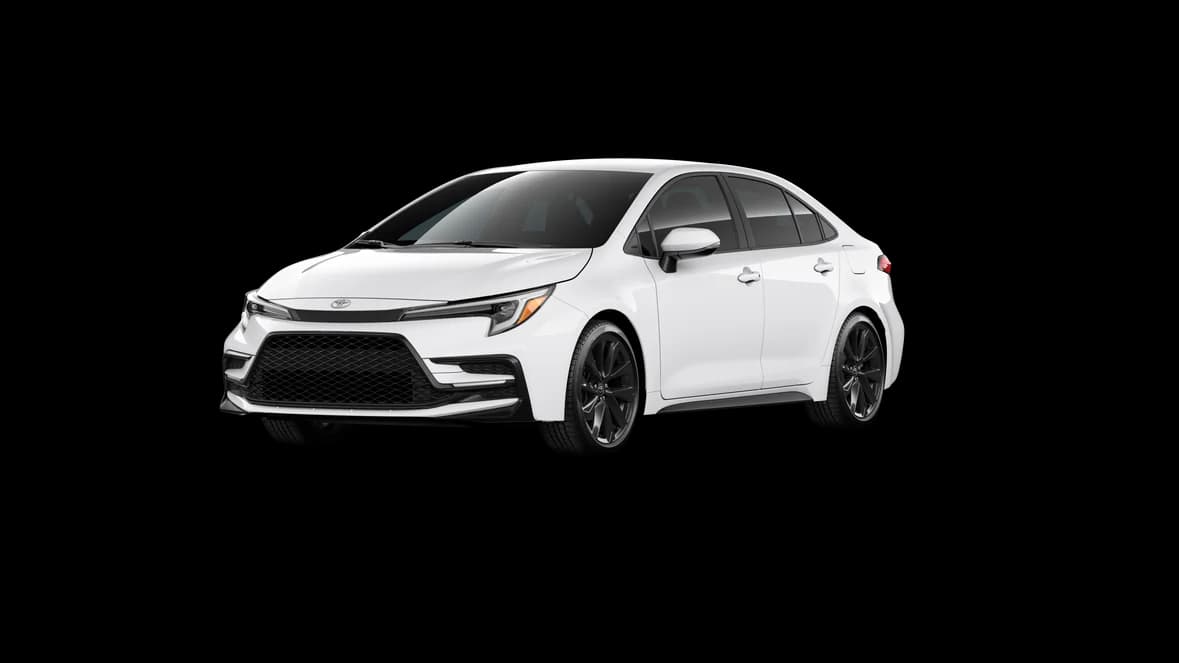
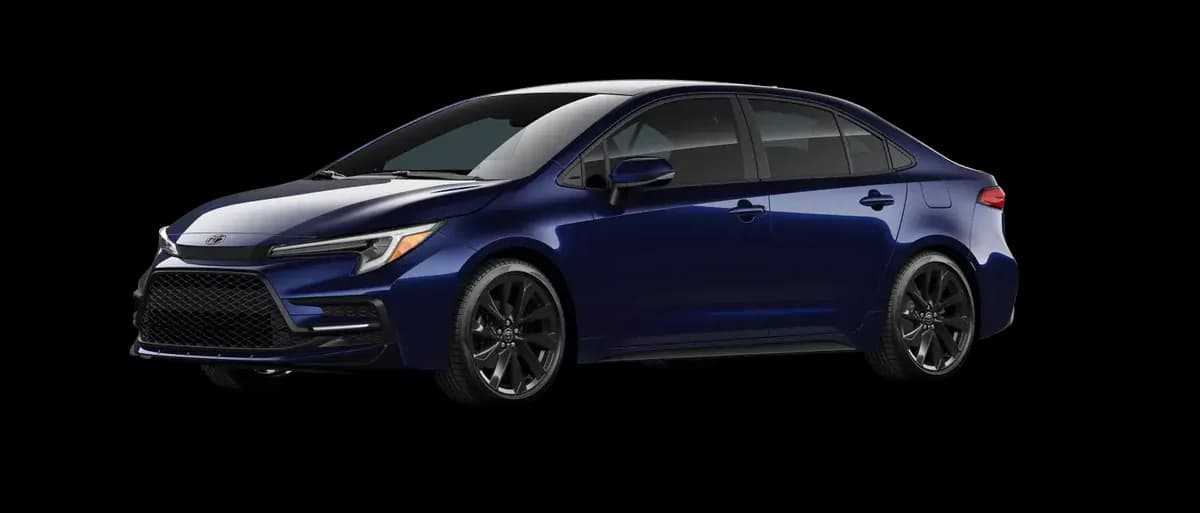
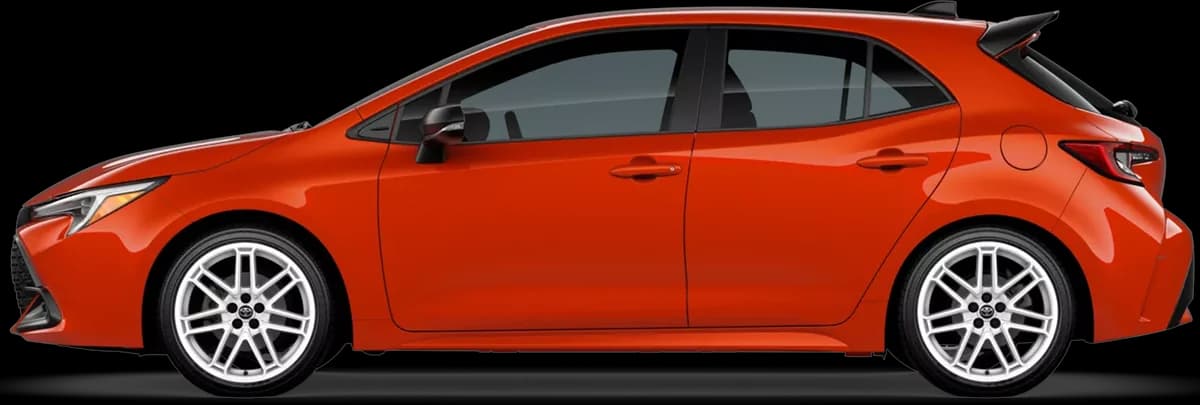
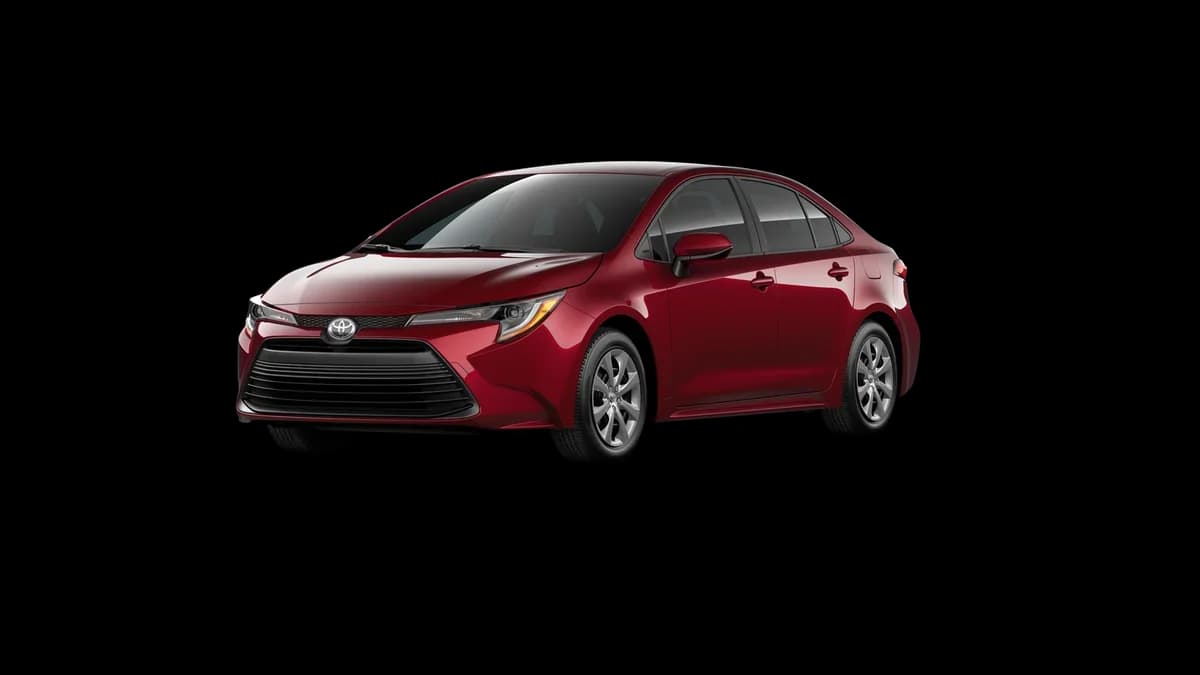
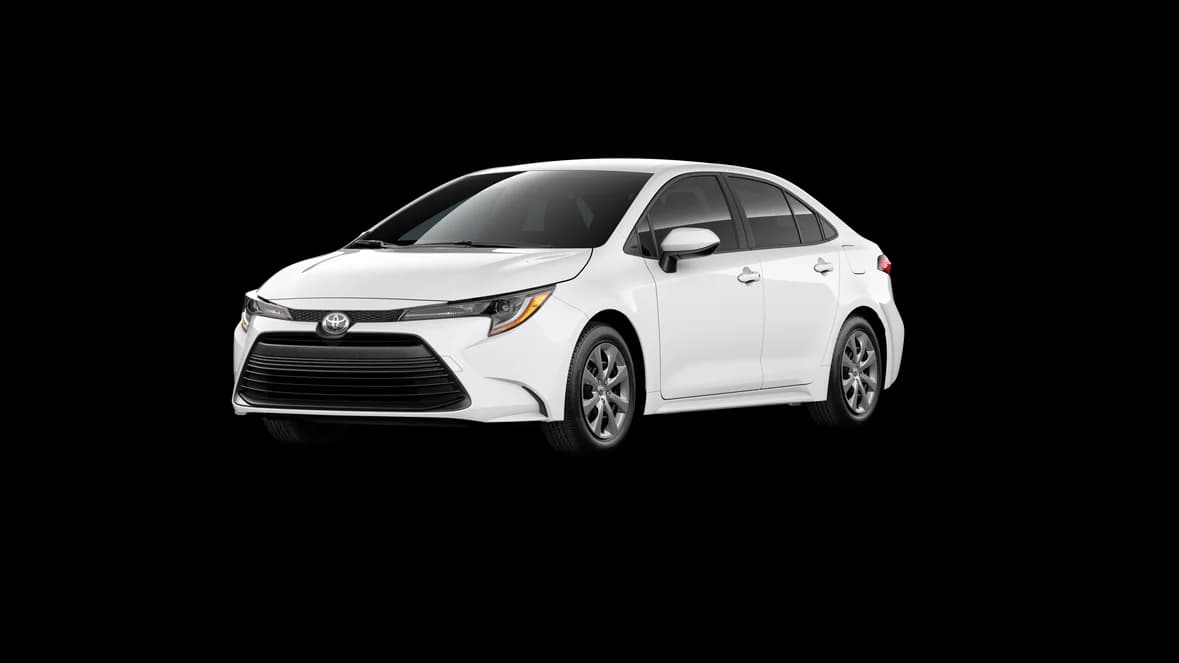
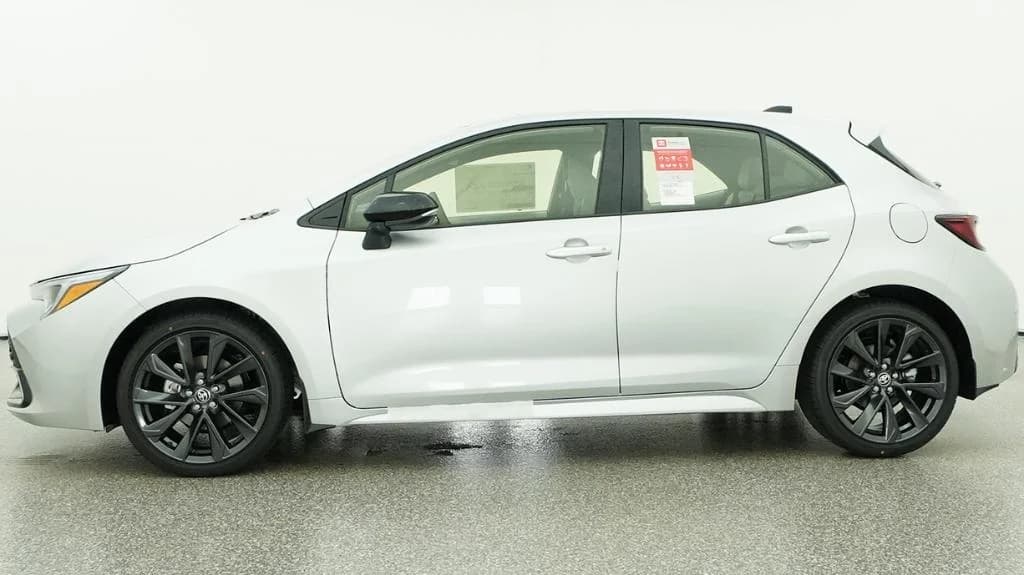
Sedan and hatchback choices let shoppers match rear-seat space, cargo needs, and parking habits.
Trade-Offs
Merging or passing brings coarse engine noise and sluggish response, making highway driving feel less relaxed.
Adults have limited legroom, especially in the hatchback, making longer trips uncomfortable for passengers.
The hatchback’s small cargo area makes groceries, luggage, or bulky everyday items harder to fit.
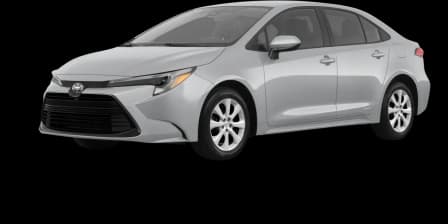
 Alternatives


Join the Circle
Where real meets deal
Know what's worth buying-and when.
Tips, special offers, and rewards for buying and sharing.

Publications
5 LEADING PUBLICATION REVIEWS

Car and Driver views the 2026 Corolla favorably, but not enthusiastically. It praises the compact Toyota’s fuel efficiency, comfortable ride, easy parking, broad sedan-and-hatchback lineup, and generous standard safety technology. The hybrid can achieve up to 50 mpg combined, while real-world testing produced respectable results, and the sporty SE sedan and limited FX hatchback add some welcome personality. Still, the Corolla’s powertrains feel poky and coarse under hard acceleration, its handling is merely adequate, and rivals such as the Honda Civic and Mazda3 are more engaging. The hatchback also gives up practical rear-seat and cargo room compared with the sedan, while Hyundai and Kia offer stronger powertrain warranties. Overall, it’s sensible, dependable A-to-B transportation with strong efficiency and value, but its restrained character makes shopping competitors—or a lightly used Corolla—worth considering.
By Drew Dorian
What Car? reviewer Will Nightingale is strongly impressed by the Toyota Corolla as a sensible, efficient family car. Its hybrid powertrains deliver excellent real-world economy, quiet urban driving, a comfortable ride, decent performance, strong equipment levels, high-quality construction, and an outstanding reliability record. The 1.8-litre hybrid in Icon trim is the clear recommendation, offering enough pace for daily use and returning 50.5mpg in testing. The Corolla is also well equipped and backed by an unusually long warranty. However, it is not especially engaging to drive, and the CVT can sound strained under harder acceleration. Rear-seat space is disappointing, while boot capacity varies significantly by engine and infotainment trails the best rivals. Higher trims add costly styling and equipment without meaningful dynamic benefits. Overall, Nightingale considers the Corolla a fantastic buy for buyers prioritizing comfort, low running costs, and dependability over excitement or maximum practicality.
By Will Nightingale
U.S. News & World Report views the 2026 Toyota Corolla favorably as dependable, comfortable, and exceptionally practical transportation. Its weeklong Washington, D.C.-area test praised the composed ride, easy maneuverability, intuitive infotainment, generous standard safety equipment, and impressive 38.5-mpg real-world economy. The base LE sedan particularly stands out as a smart sub-$23,000 buy, while the 169-hp engine provides adequate—not exciting—acceleration, reaching 60 mph in 8.9 seconds. Still, the Corolla feels increasingly dated inside, rear seating is cramped in the sedan and effectively unusable for adults in the hatchback, and the hatch’s cargo capacity disappoints despite its paper advantage. A fussy CVT shift and murky rear camera are additional blemishes. Overall, the reviewer considers it a fantastic-value basic commuter, though buyers seeking style, space, sportiness, or refinement should compare the Honda Civic, Mazda3, and Kia K4.
By Zach Doell
CarExpert’s Max Davies views the 2026 Toyota Corolla as an excellent, sensible all-rounder with a few important compromises. Its hybrid powertrain is impressively efficient, smooth around town, and surprisingly zippy, while the polished chassis, confident handling, excellent visibility, strong ergonomics, and effective driver aids make it easy to live with. The ZR also adds appealing seats, a classy digital instrument display, and useful premium touches. However, this remains an aging interior with scratchy plastics, small rear quarters, and a particularly cramped 217-litre boot. The 18-inch wheels and sportier seats also make the flagship less comfortable on long, rough highways, while the expired ANCAP rating is worth considering. Davies still regards the Corolla as a segment leader, but believes the cheaper SX is the smarter sweet spot.
By Max Davies
Top Gear is cautiously negative about the Toyota Corolla, rating it 6/10 despite its sharper looks and sensible hybrid setup. The review appreciates its low running costs, comfortable ride, calming character, strong real-world fuel economy, and well-equipped entry-level specification. The 2.0-litre hybrid is preferred over the more efficient 1.8 because it feels more relaxed, while British production adds some appeal. However, the Corolla’s simulated CVT gear changes become coarse when pushed, and its eco-focused powertrain limits driver enjoyment even in sporty trims. It also trails rivals such as the Ford Focus, Honda Civic, and VW Golf for technology, practicality, cabin space, and overall engagement. In short, it is a polished, economical commuter with distinctive styling, but its blandness and compromises keep it from being a class leader.
By Top Gear Team

YouTube
10 LEADING EXPERT & INFLUENCER REVIEWS
 Drive.com.au
Drive’s reviewer is cautiously negative, viewing the 2026 Toyota Corolla as dependable but increasingly poor value. After three months, he praised its excellent 4.9 L/100 km fuel economy, comfortable driving position, predictable controls, capable steering, well-calibrated safety systems, and low maintenance costs. However, the expensive ZR hatchback has cramped rear seating, a tiny 217-liter boot, awkward storage, dated infotainment, and a hybrid system that feels noisier and less refined than newer rivals. He considers it easy, frugal transport, but would personally choose a more spacious, modern EV instead.
Car ConfectionsCar Confections remains strongly positive about the 2026 Toyota Corolla, calling it an affordable, reliable, efficient standout. The review praises the expanded digital displays, standard active-safety features, comfortable ride, quiet cabin, straightforward technology, and available hybrid AWD. The Corolla is easy to recommend for practical commuting, though its acceleration and steering feel uninspiring. Interior storage, rear space, cargo room, and the grainy backup camera trail rivals, while the $32,111 XSE tester offers fewer features than similarly priced Civic and Kia K4 models. Overall, it remains a smart value at base price, with meaningful 2026 tech improvements.
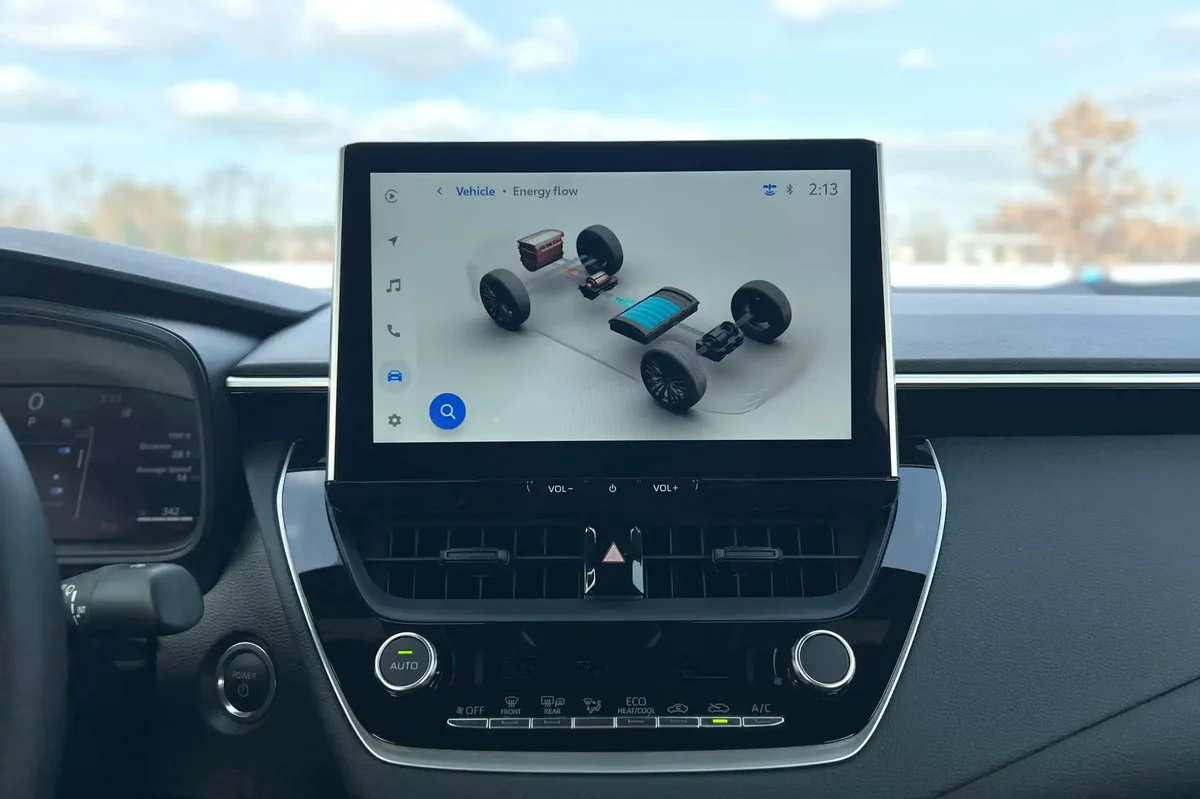
Raiti's RidesJoe Raiti is enthusiastic about the 2026 Toyota Corolla SE, calling it a well-sorted, dependable compact with worthwhile tech upgrades. He especially likes the optional 10.5-inch infotainment display, 12.3-inch digital gauge cluster, balanced suspension, easy driving manners, strong visibility, and practical trunk with a spare tire. The Corolla feels sporty without becoming harsh, though it remains slow and noisy at highway speeds. Raiti also criticizes the hard plastics, cloth armrests, dated horn, fake exterior vents, incomplete LED lighting, grainy backup camera, and limited rear-seat space versus the Honda Civic. Overall, he sees it as a compelling value-focused alternative, though the $28,000 test price deserves consideration.
Know How NowKnow How Now is very pleased with the 2026 Toyota Corolla LE, calling it a dependable, good-value commuter rather than an exciting car. After three months and mixed driving, the owner averaged 38.1 mpg and found the 169-hp engine capable, the CVT smooth, visibility excellent, and Toyota Safety Sense 3.0 unobtrusive. They also managed nearly $2,000 off MSRP through careful dealer comparison. Criticisms include limited storage, no lumbar adjustment, basic interior appointments, and confusing ToyotaCare coverage. Overall, it’s praised as easy to own, practical, efficient, and refreshingly low-tech.
Gold PonyGold Pony is highly enthusiastic about the 2026 Toyota Corolla, calling it an exceptional value for practical drivers. He praises its surprisingly quick acceleration, excellent ride quality, comfortable seats, strong fuel economy, improved 7-inch digital gauges, and newly standard blind-spot monitoring with rear cross-traffic alert. The LE’s basic cabin, steel wheels, loose steering, and lack of drive modes leave room for improvement, while higher trims offer better suspension and equipment. Still, he considers the Corolla reliable, safe, efficient, and easy to recommend.
Gearbox Car ReviewsGearbox Car Reviews is pleasantly impressed by the 2026 Toyota Corolla XSE, calling it an efficient, dependable commuter that’s better to drive than expected. After a week in cold, snowy conditions, the reviewer found the 169-hp engine and CVT responsive enough, with real-world fuel economy around 28 mpg, while Toyota Safety Sense 3.0 and newly standard blind-spot monitoring stood out. The cabin is comfortable and intuitive, but rear-seat and trunk space are tight, road noise is noticeable, and features like a heated steering wheel, ventilated seats, and remote-start access remain limited. The reviewer ultimately favors considering the hybrid XLE for greater efficiency and comfort.
Hawkeye RidesAnthony is strongly positive about the 2026 Corolla Hybrid LE, calling it the smartest value-focused choice. He praises its roughly 50-mpg combined efficiency, surprisingly strong real-world economy even under hard acceleration, comfortable ride, practical cargo space, and reasonable price. Still, the LE sacrifices convenience and upscale features, while taller drivers may find the rear seat and driving position tight. Anthony also questions buying new with a redesigned 2028 Corolla approaching, suggesting shoppers consider a Camry or nearly new example instead. Overall, his enthusiasm is tempered by future-value concerns and limited trim flexibility.
Automotive Anonymous Automotive Anonymous is highly enthusiastic about the 2026 Toyota Corolla LE, calling it an “incredible bargain” and even a car he might buy himself. He praises its roughly $22,000 price, strong safety package, comfortable seats, easy handling, efficient 2.0-liter engine, and respectable 8.74-second 0–60 time. The review also acknowledges compromises: tight rear seating, limited trunk access, basic materials, no proximity key, small mirrors, and modest refinement. Still, he views the Corolla as dependable, practical transportation with unusually strong value and little meaningful sacrifice for budget-conscious commuters.
Auto JoeAuto Joe is strongly positive about the 2026 Toyota Corolla LE, calling it an excellent first car and commuter. After a week of Boston-area commuting, he praised its effortless 41-mpg highway efficiency, usable rear seats and trunk, smooth ride, wireless Apple CarPlay and Android Auto, and reassuring safety features including adaptive cruise control and blind-spot monitoring. He criticized the sluggish CVT, hard-plastic interior, limited base-model amenities, and occasional CarPlay glitch, but considers those acceptable tradeoffs at roughly $23,000. Overall, affordability and low-stress practicality make the Corolla an easy recommendation.
[Culture Snap] Brad Hines is lukewarm on the 2026 Toyota Corolla, appreciating its solid road manners but criticizing everyday annoyances. He praises the LE’s composed highway behavior, decent bump absorption, responsive steering, limited body roll, and tight brakes, while averaging about 35 mpg in mixed driving. However, he strongly dislikes the automatic parking-brake intervention when the door is ajar without a seat belt, finds the cabin noisier than expected, and is bothered by rattles and the infotainment screen. Overall, he sees the Corolla as competent and efficient, but not especially refined or enjoyable.

Social
1 INFLUENCER REVIEW
 Go Auto
Go Auto is clearly positive about the 2026 Toyota Corolla, with a few practical reservations. The review appreciates its well-designed cabin, wireless Apple CarPlay and Android Auto, customizable driver display, and especially the hybrid’s available all-wheel drive and nearly 1,000-kilometer range. Rear seats are considered adult-friendly, though headroom is tight. Go Auto also points to the hatchback as a useful alternative with more headroom and cargo space, while acknowledging the sedan already offers solid trunk capacity. Overall, the Corolla comes across as a smart, efficient, highly practical commuter rather than an especially exciting sedan.

Forum Reviews
CUSTOMER REVIEWS FROM 1 FORUM
Redditors are broadly positive about the 2026 Toyota Corolla, especially its reliability, efficiency, and sensible pricing. Owners describe it as smooth, dependable, easy to live with, and a strong long-term purchase, with hybrids earning particular confidence for their proven drivetrain. The design and technology are generally well received, though some shoppers criticize dealer markups, limited availability, uncomfortable seats, thin paint, harsh rides, and modest performance. FWD is considered adequate in snow with good tires, while AWD improves confidence. Compared with older Corollas, the 2026 feels more modern but less substantial, and buyers are urged to compare trims and financing carefully.
Many comments

In-Depth Review

Highlights
- •Hybrid Fuel SavingsAdvertised to reach 50 mpg combined.
- •Standard Safety SupportDesigned to assist with everyday traffic.
- •Easy City DrivingClear visibility simplifies parking and errands.
- •Hybrid All-Wheel DrivePromoted as efficient traction for snow.

Considerations
- •Loud Highway AccelerationPassing can feel slow and coarse.
- •Cramped Rear SeatingAdult passengers have limited room.
- •Aging Cabin MaterialsHard plastics reduce interior refinement.
- •Small Hatchback CargoThe hatchback boot limits bulky items.
Toyota’s Corolla remains a dependable, affordable commuter in a compact-car market increasingly dominated by crossovers. Built for daily errands, student driving, and high-mileage commutes, the 2026 model stands out with available 50-mpg hybrid efficiency, optional AWD, and generous standard safety technology. Compared with the Honda Civic and Mazda3, it is less engaging and spacious, but typically easier on fuel and ownership costs. The sections ahead examine how its gas and hybrid powertrains perform, how its composed ride and clear visibility handle everyday driving, and whether its slower highway passing response matters to you. We’ll also look at the cabin’s useful sedan trunk versus the hatchback’s tighter cargo area, plus the calibration of Toyota Safety Sense 3.0. Budget-conscious commuters and first-time buyers may find the Corolla especially appealing—just check the details that matter most before deciding whether sensible is your kind of speedy.
Driver Assistance
Toyota gives the Corolla an unusually strong safety foundation for its price. Toyota Safety Sense 3.0 includes lane-departure support, adaptive cruise control, and Proactive Driving Assist, while Blind Spot Monitor with Rear Cross-Traffic Alert is reported as standard across grades. Reviewers generally find the systems well calibrated and unobtrusive, which supports low-stress commuting rather than constant intervention. As always, these aids supplement attentive driving, and some owners note that dealer pricing or availability can affect the overall value.
Acceleration And Passing
Passing performance is acceptable, but it is not a Corolla strength. The gas sedan reached 60 mph in about 8.9 seconds in one test, with another review recording roughly 8.74 seconds, enough for routine driving but hardly brisk. The CVT keeps the engine efficient and smooth at steady speeds, yet can feel sluggish or fussy when merging, while the engine becomes loud under sustained throttle. Drivers who regularly carry passengers or tackle fast highways may prefer a stronger rival.
Powertrain Performance
The Corolla’s powertrains prioritize smooth, predictable transport over excitement. Gas models use a 169-hp 2.0-liter four-cylinder with a CVT, while hybrids pair a 1.8-liter engine with an eCVT and produce 138 combined horsepower. Reviewers generally find both adequate around town, and some describe the hybrid as surprisingly responsive, but hard acceleration brings coarse engine noise. The available hybrid AWD system adds useful traction without sacrificing the Corolla’s efficiency-focused character.
Ride And Handling
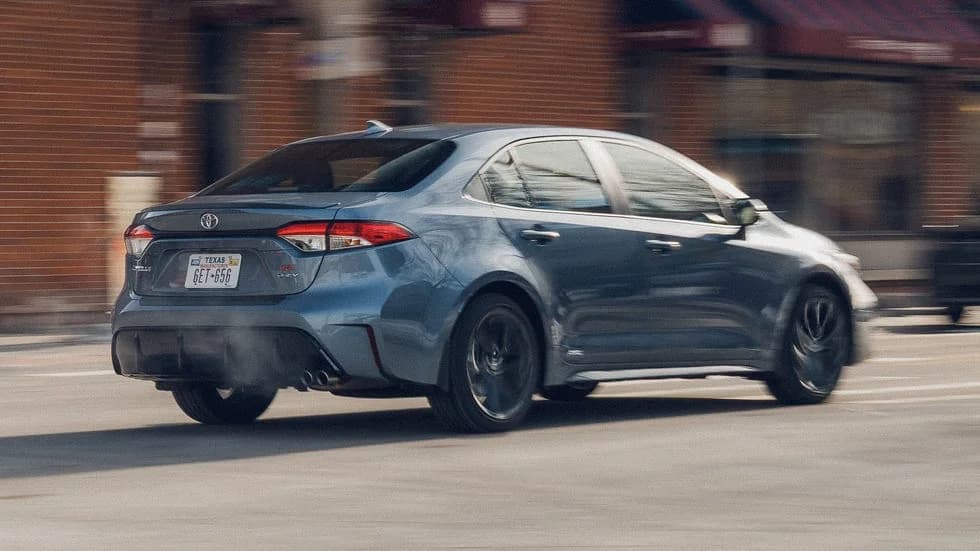
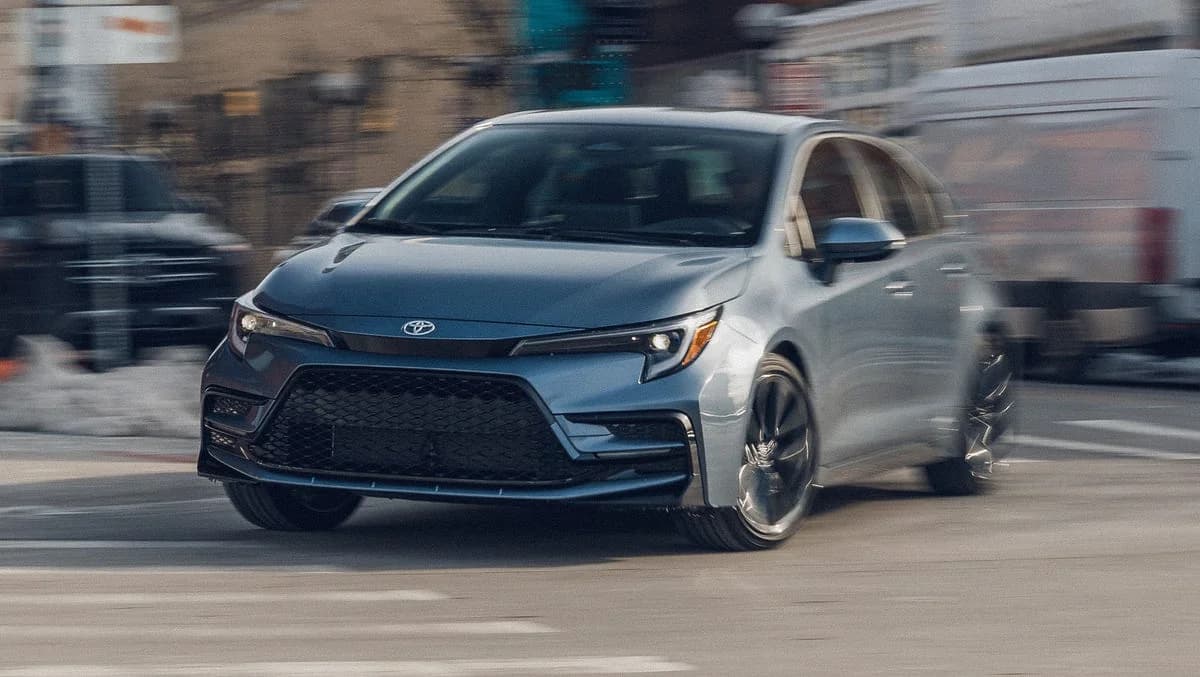
The Corolla feels easy and reassuring rather than genuinely sporty. Its composed ride, clear visibility, light controls, and compact dimensions make city driving and parking simple, while reviewers praise its balanced suspension and predictable steering. SE and XSE trims add sharper responses without becoming harsh, although larger wheels can reduce comfort on rough roads. Some owners report a harsher ride, and road noise is noticeable, but the basic chassis remains one of the car’s strongest daily-use qualities.
Cabin And Cargo
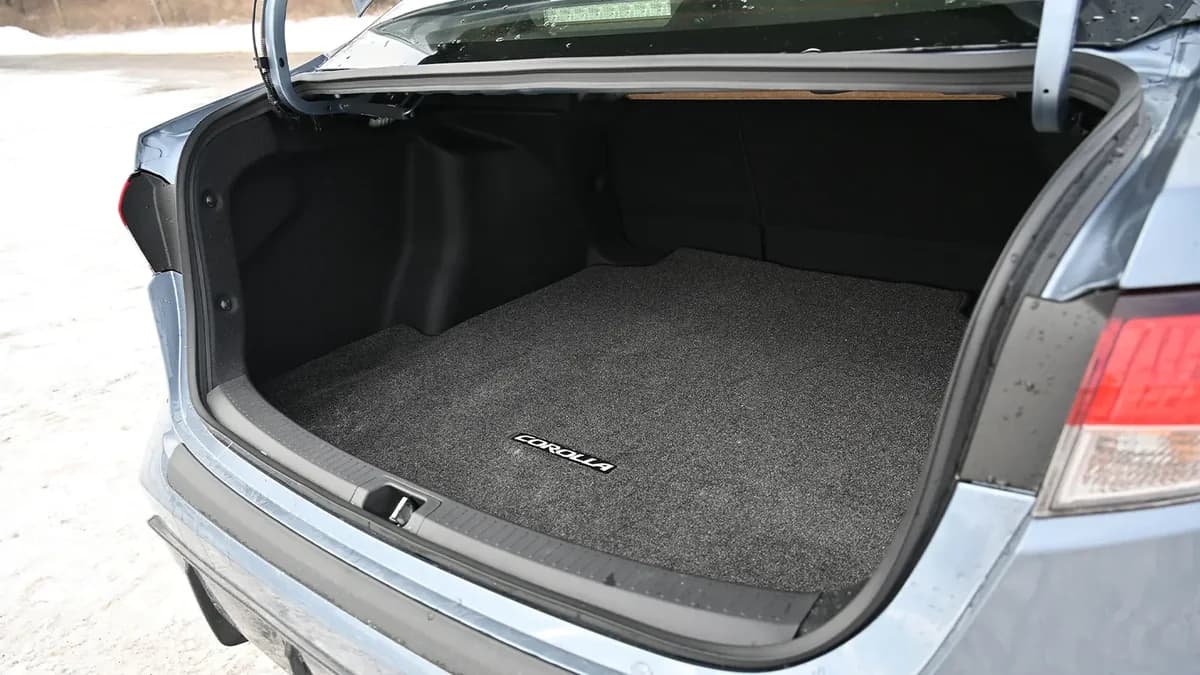
The Corolla’s cabin is practical, but space and material quality reveal its age. Sedan models provide a useful 13.1-cubic-foot trunk, while the hatchback offers more flexible access but substantially less usable cargo room in some markets, including a reported 217-liter boot. Wireless Apple CarPlay and Android Auto are welcome, and higher trims can add a 12.3-inch digital cluster. Hard plastics, limited storage, tight rear seating, and a grainy backup camera keep it behind the Civic and Mazda3 for polish.
Fuel Economy
Fuel savings are the Corolla’s clearest everyday advantage. The gas sedan is rated up to 35 mpg combined, while the hybrid reaches 50 mpg combined in front-wheel-drive form and can add AWD for difficult weather. Real-world reports support the claim, including 38.1 mpg from an LE owner, 38.5 mpg in testing, and roughly 50.5 mpg from a hybrid evaluation. Results vary with temperature and driving style, but the hybrid is especially compelling for high-mileage commuters.
Conclusion
The Corolla’s case is simple: it makes daily driving cheaper and easier, not more thrilling. Its 50-mpg hybrid efficiency—plus available AWD—stands out for commuters, while the gas model remains economical and inexpensive to run. The 169-hp engine and CVT are adequate around town, but experts and owners agree that acceleration becomes noisy and unhurried during merging or passing. Its composed ride, clear visibility, and predictable handling suit city errands, though larger wheels and road noise can reduce comfort. Sedan cargo space is useful; rear seating is tight, and the hatchback’s smaller cargo area limits practicality. Toyota Safety Sense 3.0 and standard blind-spot monitoring add meaningful everyday reassurance. This is a strong fit for budget-focused commuters, first-time buyers, and high-mileage drivers—not shoppers seeking spirited performance, generous passenger room, or polished refinement. Its dependable, efficient, low-stress formula justifies a solid recommendation, provided you compare trims and pricing carefully.

Feature Scores
This reflects reviews and ratings from established critics, journalists, and users who have evaluated the item. Their opinions provide a comprehensive assessment.
Performance
Engine Power
3/5
Acceleration
3/5
Reliability & Durability
5/5
Handling & Ride Comfort
4/5
Braking Performance
4/5
Value
Purchase Price Competitiveness
4/5
Cost of Ownership
4/5
Resale Value
4/5
Feature Value
4/5
Design
Exterior Styling
4/5
Interior Ergonomics
4/5
Cargo Space
3/5
Infotainment Quality
4/5
Health
Cabin Air Quality
TBD
Material Toxicity
TBD
Safety
Crashworthiness
4/5
Active Safety Systems
5/5
Visibility & Lighting
4/5
Child Occupant Protection
4/5
Sustainability
Fuel Efficiency
5/5
Tailpipe Emissions
4/5
Recyclability
3/5
Manufacturing Footprint
TBD
Experience Style
Driver Engagement
3/5
Customization Options
4/5
Ease of Use
4/5
Ownership Convenience
4/5

Specifications
This section outlines the product's key facts, covering essential features, details, dimensions, materials, and any unique characteristics that define its functionality and usability.
Performance
Value
Design
Safety
Experience Style

Frequently Asked Questions
7 Questions


Find Yours
What is your primary use for a gas-powered sedan or compact?
Answer to find your best matches.