



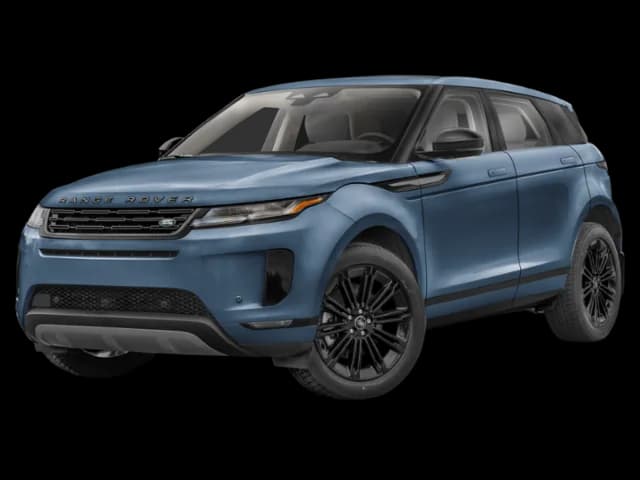
Land Rover Range Rover Evoque (2026)
Stylish, refined, capable, and compact, but cramped and costly to own.
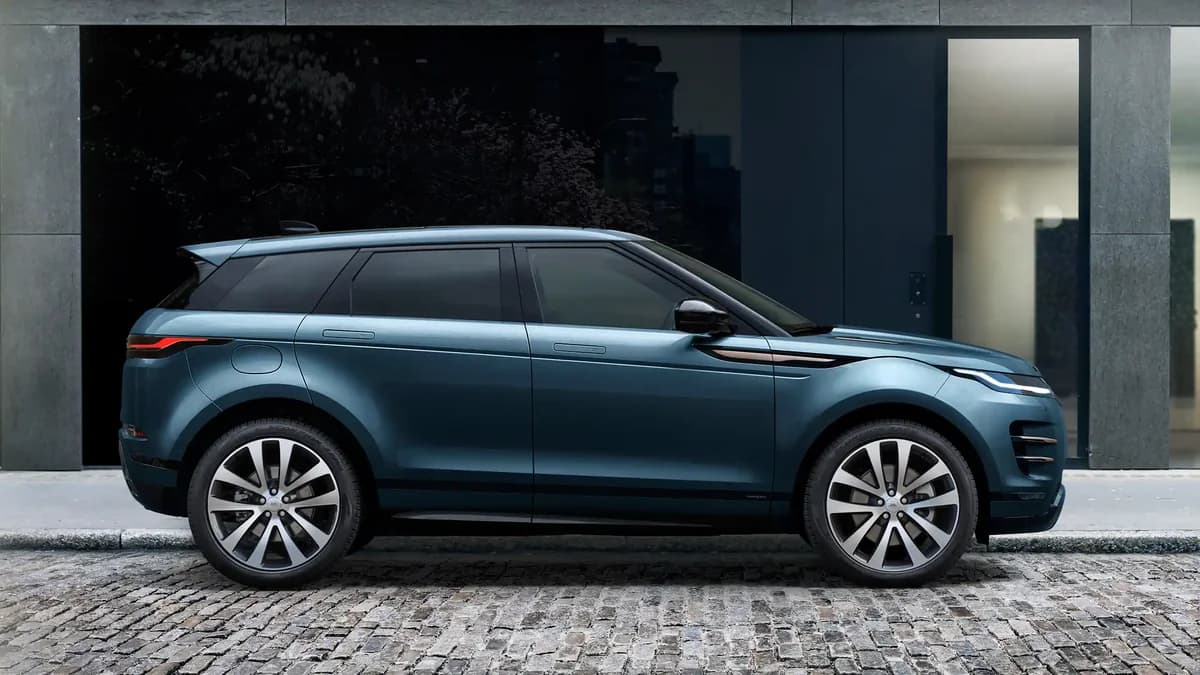
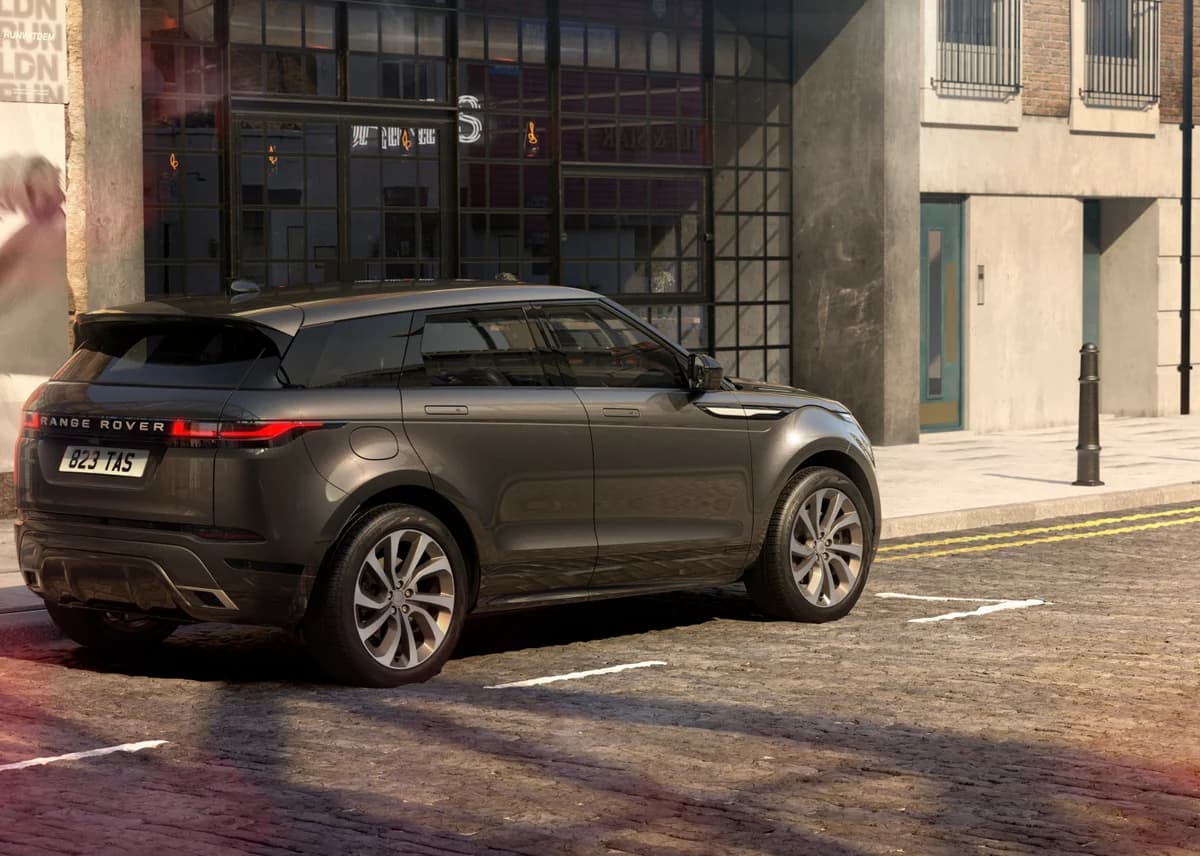
The Land Rover Range Rover Evoque (2026) is a compact luxury SUV that turns tight city parking into a stylish shortcut to the Range Rover experience. It suits design-focused commuters, couples, and small families who want premium comfort and all-weather confidence without a bulky footprint. Experts praise its upscale minimalist cabin, quiet ride, clear cameras, and credible light off-road ability, while drivers appreciate its maneuverability and distinctive presence. The brand’s capability story is supported, but real-world feedback tempers it with cramped rear seating, modest cargo room, merely adequate acceleration, and disappointing fuel economy. At roughly $50,000 to $65,000, it is compelling for style, less so for practicality or uncertain ownership costs. Its overall appeal rests on comfort and character outweighing those compromises.
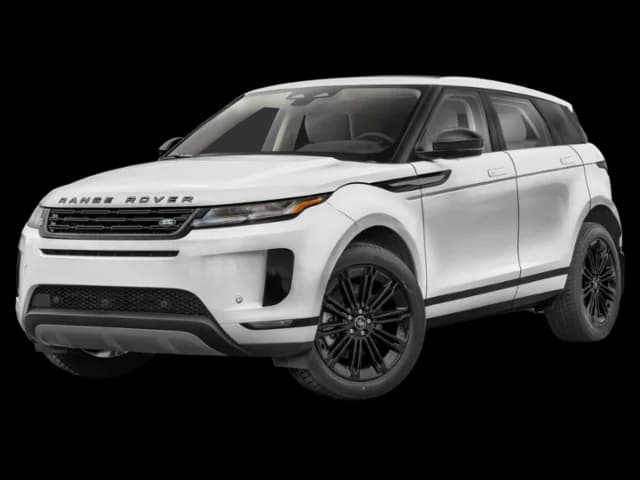
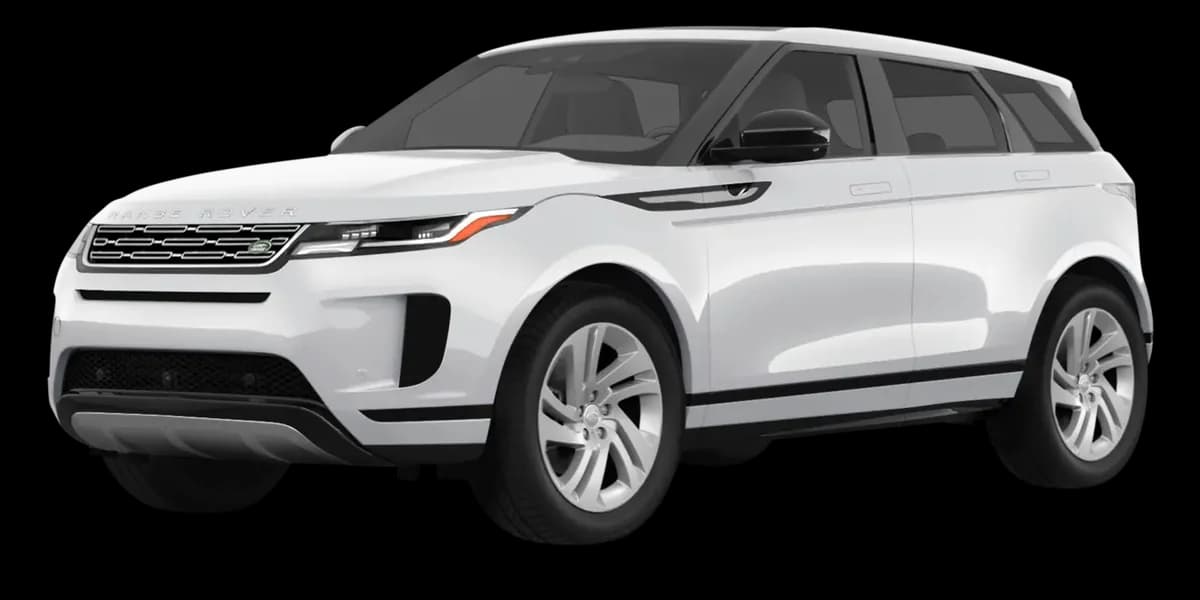
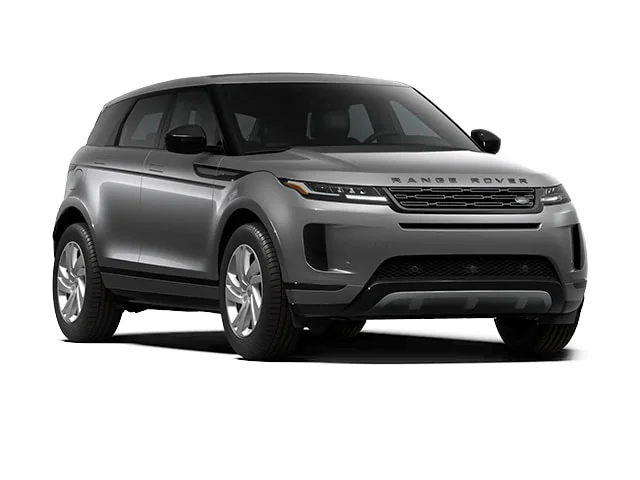
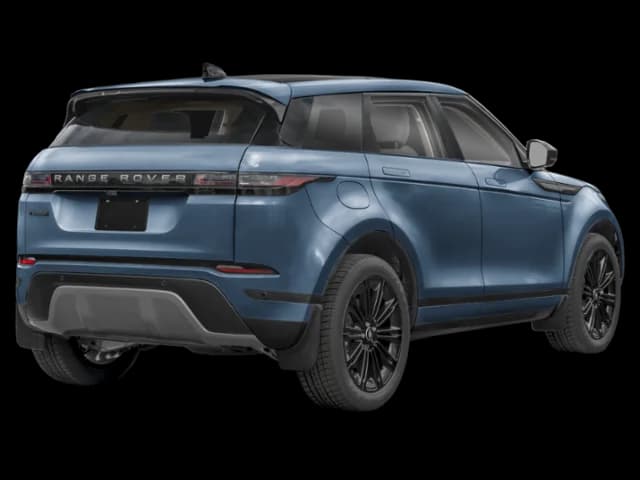
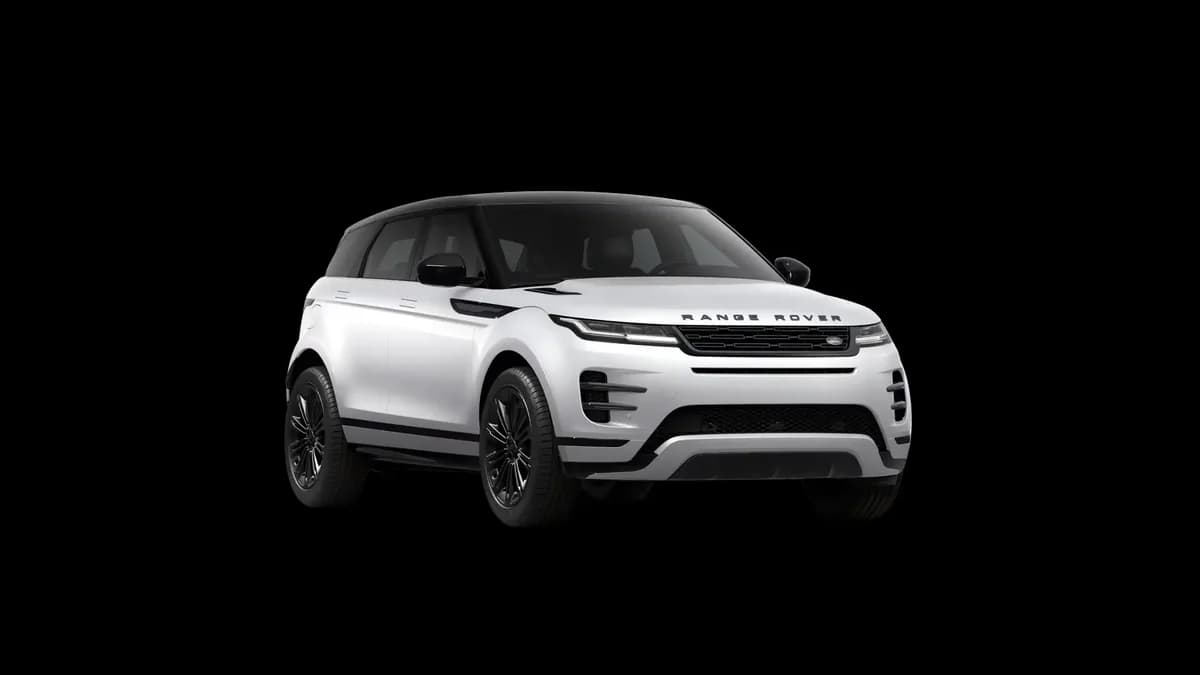
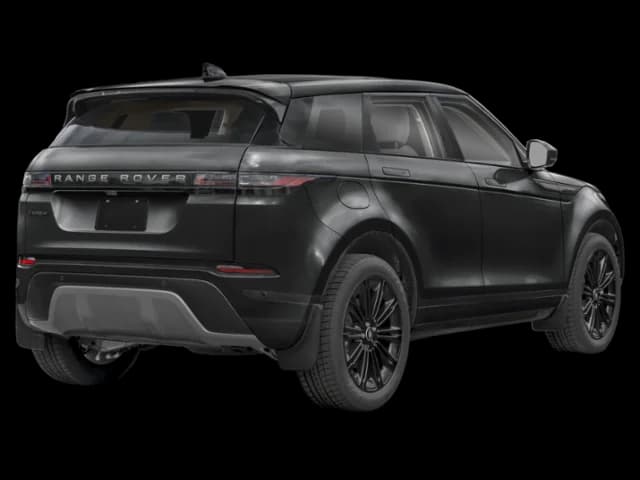
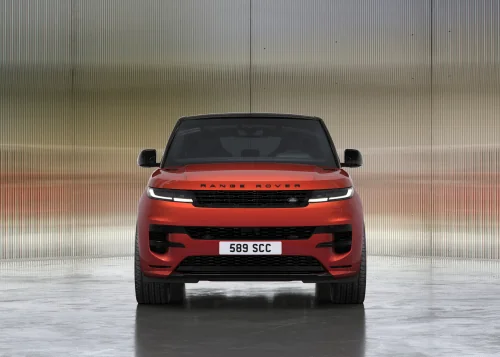
Find Yours
What is your primary use for a Gas-Powered SUV?
Answer to find your best matches.

The Field
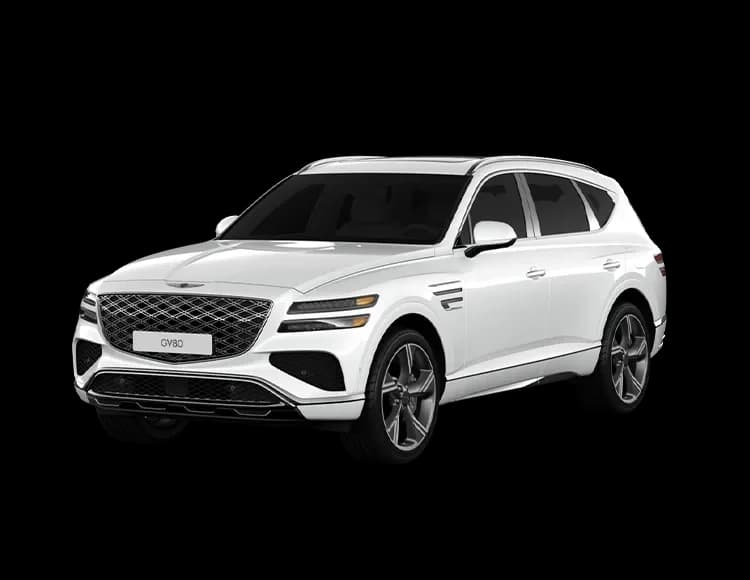
Browse top contenders, or compare all options ranked by score and key attributes.
5 Options
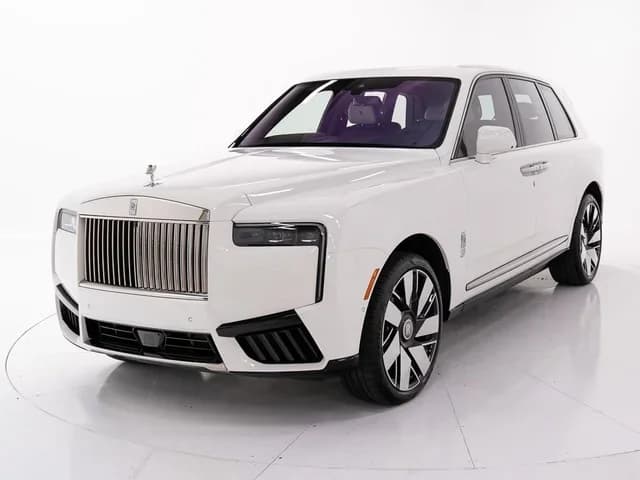
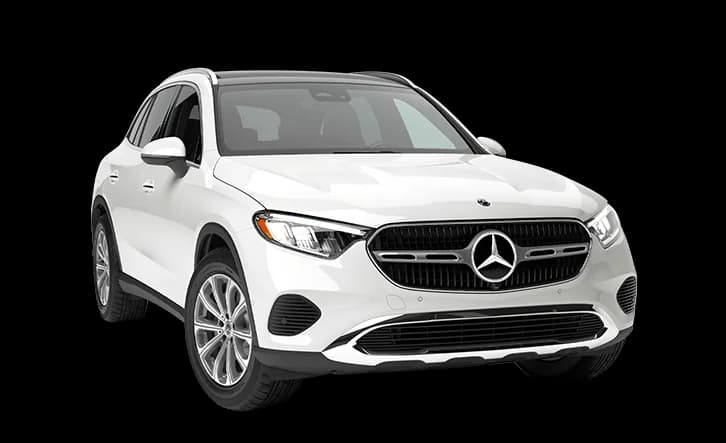
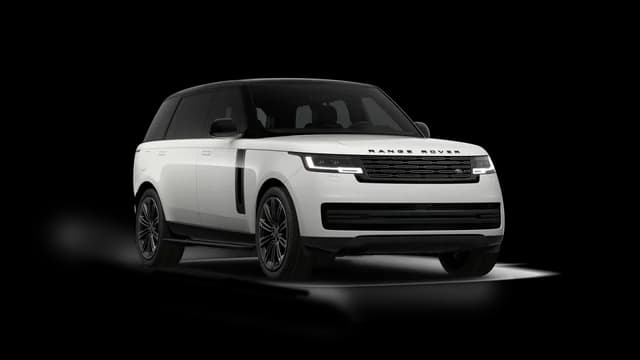
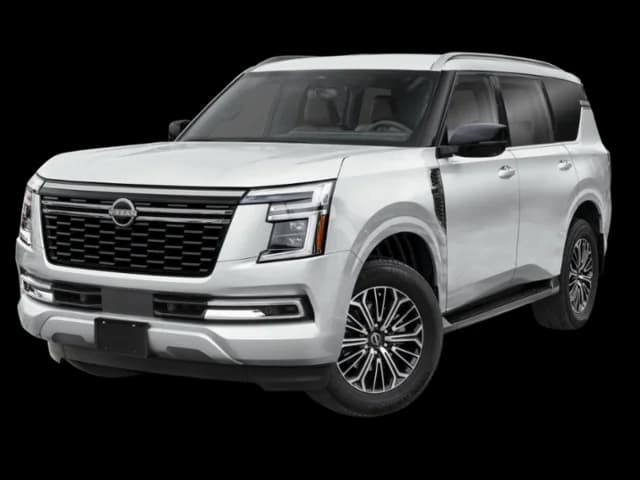

The Scoreboard
Does this improve your life? Considers, health, habits, and environmental impact.
Benefits
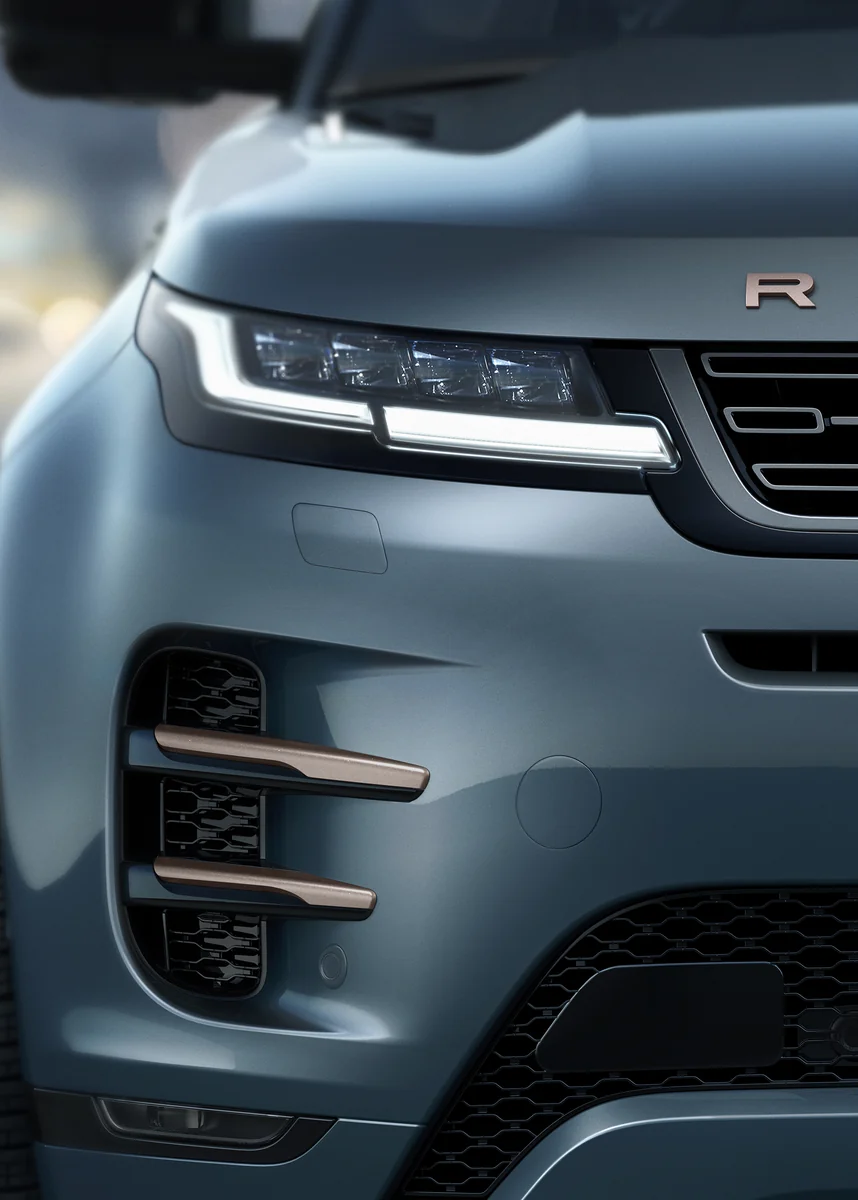
Head-turning Range Rover design makes everyday errands feel more polished and socially distinctive.
Supportive seats, quiet cruising, and a smooth ride make commutes easier on your body.
Compact dimensions, clear cameras, and a tight turning circle simplify parking and narrow streets.
Standard all-wheel drive and Terrain Response add confidence through snow, rain, and rough roads.
Ground-view cameras, useful towing, and real off-road ability expand weekend possibilities beyond city driving.
Trade-Offs
Adults in back can feel cramped on longer trips, making family rides less comfortable.
Groceries and luggage fill the cargo area quickly, forcing more careful packing for trips.
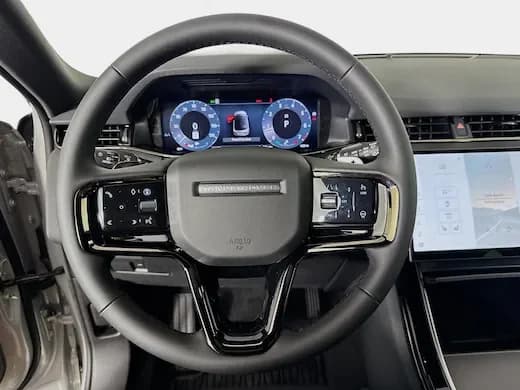
Changing climate settings while driving takes extra screen attention instead of a quick physical adjustment.
Frequent city driving can bring disappointing mileage, meaning more fuel stops during everyday use.
 Alternatives


Join the Circle
Where real meets deal
Know what's worth buying-and when.
Tips, special offers, and rewards for buying and sharing.

Publications
2 LEADING PUBLICATION REVIEWS

Car and Driver views the 2026 Range Rover Evoque as appealing but compromised. Its fashionable styling, upscale minimalist cabin, standard all-wheel drive, and user-friendly technology make it attractive for urban luxury-SUV buyers, while the special Hoxton Edition adds extra visual flair. The Evoque feels substantial on the road, offers respectable acceleration and class-leading towing capacity, and managed six carry-on suitcases in testing. Still, its cramped rear seat and modest cargo area undermine its practicality, and handling is merely adequate beside the BMW X1 or Mercedes-Benz GLA. Fuel economy is also disappointing in real-world testing, and the warranty is unremarkable. Car and Driver recommends the Dynamic SE with the Technology package, but also points out that lightly used examples may offer better value since the 2026 model is largely unchanged.
By Drew Dorian
TopGear.com gives the Range Rover Evoque a clearly favorable, if measured, recommendation. Its appeal remains rooted in distinctive styling, a refined road-going character, and a cabin that feels more luxurious and contemporary than many compact premium crossovers. The 2023 facelift adds a large curved touchscreen and a plug-in hybrid with a useful claimed electric range of up to 39 miles, while the unchanged footprint preserves its suitability for urban driving. The trade-offs are meaningful: rear and cargo space are not class-leading, the near button-free interface can be irritating, driver-assistance systems frustrate, and higher trims become expensive. It is neither the sportiest choice nor the most practical, but TopGear’s central insight is that buyers seeking relaxed, stylish luxury rather than maximum utility will find the Evoque genuinely distinctive and satisfying.

YouTube
11 LEADING EXPERT & INFLUENCER REVIEWS
 Redline Reviews
Redline Reviews is impressed by the Evoque’s style and comfort, but not its value. The compact Range Rover looks distinctive, rides smoothly, feels solid, and offers genuine off-road ability, useful visibility cameras, and respectable towing capacity. However, its sluggish powertrain, mediocre fuel economy, laggy Pivi Pro infotainment, irritating driver aids, tight rear seat, and limited cargo flexibility undermine the experience. With pricing reaching above $60,000, the Evoque feels difficult to justify against quicker, more efficient rivals. It remains appealing for buyers who prioritize Range Rover design, badge prestige, and capability over practicality and performance.
MotorWeekMotorWeek is favorable toward the Range Rover Evoque, though not unreservedly enthusiastic. The updated 249-hp turbocharged four-cylinder feels smooth and adequately quick, handling is confident, braking is strong, and standard AWD with Terrain Response adds useful capability. The cabin looks genuinely upscale, especially with the faster 11.4-inch Pivi Pro touchscreen, while front-seat comfort and cargo flexibility are respectable. Still, the rear seat is cramped, the minimalist interior sacrifices practicality, and acceleration is merely competent. Overall, MotorWeek views the Evoque as a stylish “cheat code” into the Range Rover experience, particularly appealing around the $50,000–$60,000 range.
Faisal KhanFaisal Khan is impressed by the Evoque’s stylish design, premium cabin, and exceptional camera technology. He praises its compact footprint, easy maneuverability, comfortable seats, strong horn, and capable all-wheel-drive system, calling it an appealing style statement. However, the diesel is noisy, low-speed ride quality is stiff, acceleration is merely adequate, and body roll remains noticeable. He strongly criticizes the slow, screen-dependent controls, lack of comprehensive ADAS, limited rear-seat practicality, and smaller spare wheel. Ultimately, the Evoque feels special and beautifully made, but the more practical Discovery Sport is the smarter choice for most buyers.
Raiti's RidesRaiti’s Rides is strongly impressed by the 2026 Range Rover Evoque Hoxton Edition. He praises its elegant styling, distinctive soft-gold detailing, comfortable and supportive seats, quiet ride, easy Pivi Pro interface, excellent visibility tech, and surprisingly spacious rear seat. The turbocharged four-cylinder feels adequately peppy, while the suspension balances handling with comfort and standard all-wheel drive adds confidence. Still, the $59,000 price makes missing ventilated seats, reclining rear seats, a covered cupholder area, aluminum dead pedal, and some faux exterior vents disappointing. Overall, it feels like a stylish, maneuverable, genuinely upscale alternative to an Audi Q3 or BMW X1.
Ben HardyBen Hardy is clearly positive about the 2026 Range Rover Evoque, viewing it as a convincing miniature Range Rover rather than a watered-down luxury SUV. He praises its high-quality materials, comfortable seats, distinctive styling, maneuverability, quick infotainment, and useful 360-degree camera system. The 246-hp turbo four-cylinder feels adequate in this smaller body, though acceleration is somewhat peaky and he wishes Land Rover offered a more powerful inline-six performance version. Hardy’s main caveat is limited rear and cargo space, but he sees the Evoque as an appealing city-friendly way to get the Range Rover experience for less money.
Vehicle VisionaryTom is clearly positive about the 2026 Range Rover Evoque Dynamic SE, calling it enjoyable, comfortable, capable, and easy to drive. He praises its precise steering, smooth ride, strong seating adjustability, standard all-wheel drive, useful 3D camera views, upscale cabin, and surprisingly credible off-road ability. The 246-hp engine feels adequate for everyday passing, though he does not present it as sporty. His main criticism is the touchscreen-heavy climate-control setup, which he finds less convenient than physical buttons. Overall, Tom’s hands-on dealership tour and brief drive leave a warm, favorable impression, with only minor ergonomic reservations.
4 Wheels and a SeatAlex Del Rimple is highly enthusiastic about the Range Rover Evoque, calling it handsome, comfortable, refined, and genuinely enjoyable to drive. He especially appreciates the P300e plug-in hybrid’s seamless power delivery, quick 6.4-second acceleration, composed cornering, plush Windsor-leather cabin, excellent visibility, and intuitive 11-inch infotainment system. The 360-degree camera is impressively clear, while the panoramic roof and Meridian audio add polish. He acknowledges the nearly $100,000 price, a coarse-sounding petrol engine under hard acceleration, overly busy steering-wheel controls, and missing luxuries such as massage seats and automatic parking, but considers the Evoque’s comfort, performance, and finish worth the premium.
The Car CompassSiendu views the 2026 Range Rover Evoque positively as a stylish, comfortable, city-friendly luxury SUV. In his detailed comparison with the larger Velar, he appreciates the Evoque’s nearly identical front-seat room, comfortable rear seating for a six-foot passenger, standard-like premium touches, 360-degree camera availability, and more accessible $49,900 starting price. He also points out meaningful compromises: less rear legroom and cargo space, plastic rather than aluminum sill and scuff plates, a non-locking glovebox, and fewer powertrain choices. Overall, his tone is informative and favorable, presenting the Evoque as a sensible choice for buyers prioritizing compact dimensions and value over maximum space.
Dietrich's Car ChannelDietrich is highly enthusiastic about the 2026 Range Rover Evoque, especially its styling, refinement, and generous standard equipment. He calls it the best-looking Range Rover, praising its smooth 246-hp turbo-four, quiet Efficient Driveline, upscale leather interior, Meridian audio, panoramic roof, and useful camera technology. His main reservations are practicality: cargo space is modest, the rear seat is tight for taller passengers, and it lacks the serious off-road hardware of larger Range Rovers. Still, he considers the compact Evoque a compelling luxury SUV and surprisingly good value for its standard features.
OLT AutomotiveOLT Automotive is highly enthusiastic about the Range Rover Evoque, calling it an excellent daily driver and an easy recommendation. After three years of ownership, the reviewer praises its comfortable ride, strong all-weather traction, practical square cargo area, premium feel, and distinctive Range Rover image. The main criticism is the D200 diesel’s occasionally laggy gearbox and stop-start response, especially when pulling away at junctions; Dynamic mode helps. OLT prefers the petrol P250 or P300 and considers the Evoque a compelling, sophisticated compact SUV, though the review reflects the older model rather than a confirmed 2026 specification.
Tigger LifeTigger Life is genuinely impressed by the 2026 Range Rover Evoque, calling it beautiful, refined, and exceptionally comfortable. After borrowing it for a weekend, he praises its quiet, rattle-free ride, balanced steering, minimalistic touchscreen cabin, strong visibility, and surprisingly controlled handling on rough country lanes, roundabouts, speed bumps, and faster roads. The compact footprint and 3D Surround Camera make parking effortless. His main reservations are limited rear-seat space and a slightly claustrophobic back seat, while acknowledging it is not intended as a sporty SUV. Overall, his enthusiasm is clear: it feels luxurious, easy to drive, and highly appealing for small families.

Forum Reviews
CUSTOMER REVIEWS FROM 1 FORUM
Redditors generally admire the 2026 Range Rover Evoque’s styling but remain wary of its reliability and ownership costs. Its compact size, upscale cabin, comfortable road manners, capable all-wheel drive, and easy city parking appeal to buyers, while owners describe it as fun, distinctive, and surprisingly effective in snow or light off-roading. However, recurring concerns include expensive repairs, timing-chain and diesel-engine issues, leaks, turbo failures, cramped rear seats, and limited cargo space. Newer examples receive some praise, but the consensus is to demand comprehensive service records, secure a strong warranty, and buy only if the design outweighs potentially high maintenance costs.
Many comments

In-Depth Review

Highlights
- •Distinctive Exterior StylingReviewers consistently find its design distinctive.
- •Upscale Minimalist CabinQuality materials and supportive seats elevate comfort.
- •Clear Visibility CamerasDesigned to simplify parking and obstacle awareness.
- •Quiet Comfortable RideReviewers note smooth, refined cruising manners.

Considerations
- •Cramped Rear SeatingTaller adults may feel confined on trips.
- •Limited Cargo FlexibilityCargo room trails more practical compact rivals.
- •Adequate Not SportyTurbo-four acceleration can feel sluggish or peaky.
- •Ownership Cost UncertaintyReported repairs and reliability concerns warrant caution.
The Range Rover Evoque brings distinctive Range Rover styling to the compact luxury-SUV class, pairing city-friendly dimensions with an upscale, capability-minded character. Designed for commuters, couples, and small families who value design and easy parking over maximum utility, it offers standard all-wheel drive, clear camera technology, and a refined cabin that feels more special than most rivals. The trade-off is worth examining: its 33.8-inch rear legroom and modest cargo area limit family practicality, while the 246-hp turbocharged four-cylinder delivers competence rather than thrills. Comfort, maneuverability, fuel use, and the unusually strong 3,968-pound towing capacity help define where it excels—and where competitors may be smarter buys. Explore the details closely; this is a stylish compact Range Rover, not a magic trick that creates extra space.
Ride and Handling
Comfort is the Evoque’s strongest dynamic quality. Its smooth, quiet ride and supportive seats suit commuting, while precise steering and composed cornering keep it confident rather than floaty. Standard AWD and Terrain Response provide credible traction on snow, gravel, and light trails, supported by the 3D Surround Camera and ClearSight Ground View. Direct reviews generally support Land Rover’s refinement claims, though handling is not as agile as a BMW X1, and some testers report stiff low-speed impacts or noticeable body roll.
Exterior Dimensions and Maneuverability
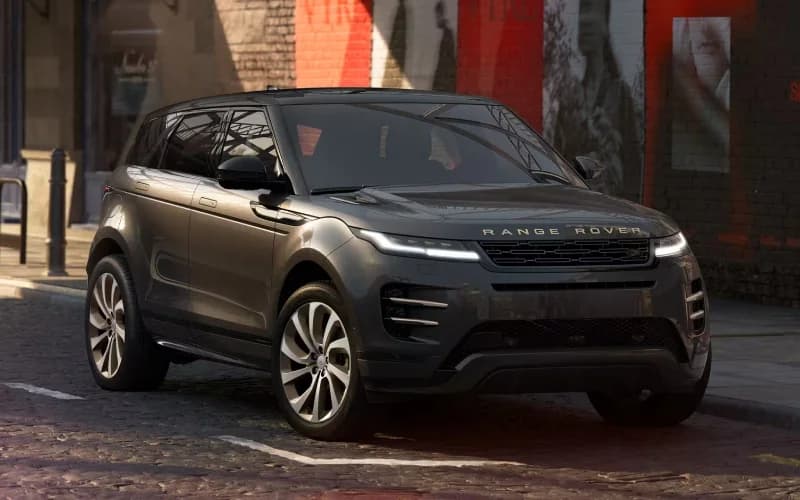
The Evoque makes its Range Rover identity easier to live with in crowded urban spaces. At 172.1 inches long with a 38-foot turning circle, it fits tight parking areas more easily than larger luxury SUVs. The compact footprint, strong outward visibility, and ClearSight Ground View help drivers judge curbs, obstacles, and narrow paths, while the 3D camera adds a clear overhead perspective. Owners and reviewers generally praise this city friendliness, although the sleek styling contributes to restricted rear-seat and cargo space.
Towing Capability
The Evoque can handle more utility work than its compact luxury image suggests. Its 3,968-pound maximum towing capacity is unusually strong for the segment and can cover a small boat, trailer, or recreational equipment when properly equipped. Standard AWD, low-end torque, and Terrain Response support confident launches and traction on variable surfaces, while the square cargo area helps with everyday loading. Still, towing does not transform the Evoque into a family hauler, since rear seating and cargo volume remain limited.
Interior and Cargo Space
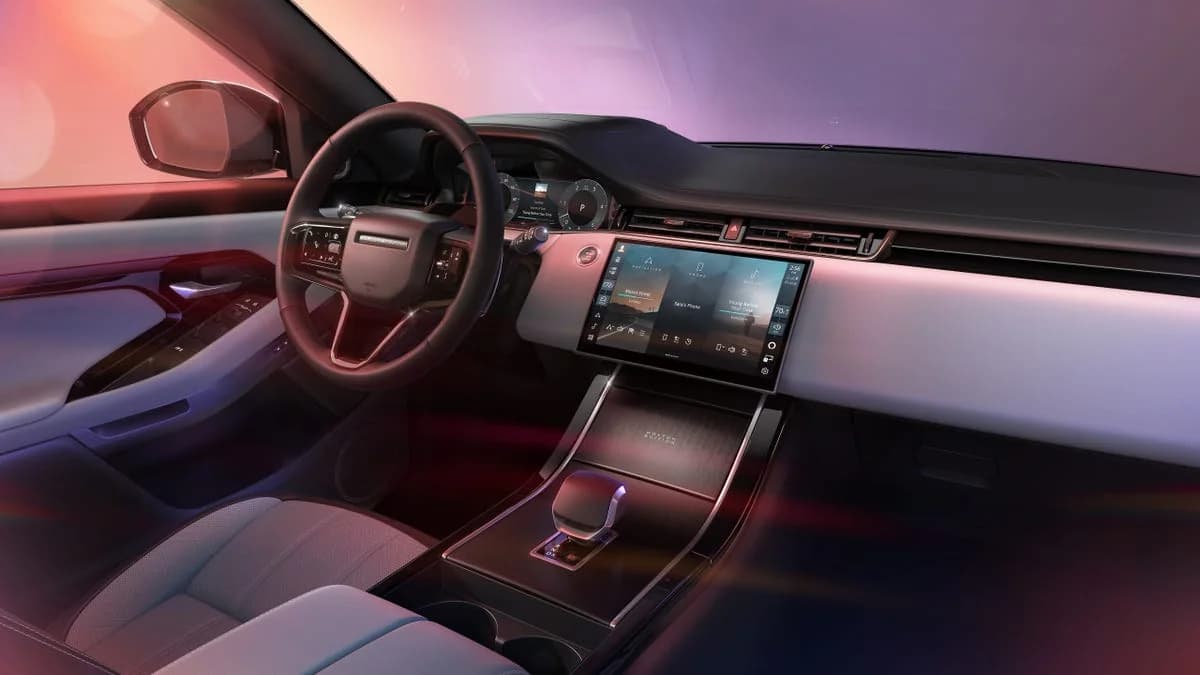
The Evoque’s cabin feels more luxurious than spacious. Its upscale minimalist interior uses quality materials and a large 11.4-inch Pivi Pro touchscreen, while supportive front seats and a quiet ride make daily travel pleasant. Rear legroom measures 33.8 inches, and reviewers disagree somewhat on back-seat comfort, but the consistent caveat is limited room for taller adults. The 21.4-cubic-foot cargo area is usable, though rivals are more practical; folding the seats expands capacity to about 50.5 cubic feet.
Fuel Economy
Fuel economy is acceptable on paper but less convincing in everyday use. The listed rating is 20 mpg city and 27 mpg highway, or 22 mpg combined, with premium gasoline recommended and engine start-stop included. That efficiency is modest for a compact luxury SUV, and Car and Driver’s real-world testing was notably disappointing. The turbo-four’s adequate performance and standard AWD help usability, but frequent urban driving can increase fuel stops and ownership costs. Buyers prioritizing efficiency may find rivals or electrified alternatives more compelling.
Powertrain and Acceleration
The Evoque’s turbocharged four-cylinder is smooth and capable, but it is not a performance standout. The 246-hp 2.0-liter turbocharged inline-four produces 269 lb-ft of torque and works with a nine-speed automatic and standard AWD. Around seven seconds to 60 mph is adequate for commuting and passing, supporting expert descriptions of competent acceleration. Reviewers still note occasional peaky or sluggish responses, while the absent higher-output gasoline option limits appeal for enthusiastic drivers. The plug-in hybrid, where offered in other markets, is quicker and smoother.
Conclusion
The Evoque’s final case is simple: it makes a compact footprint feel genuinely premium, trading family-hauler practicality for easy parking, clear cameras, and distinctive Range Rover character. Its upscale cabin and comfortable ride win praise, but tight rear seating and modest cargo space limit its appeal for frequent passengers or bulky gear. The 246-hp turbo-four is smooth and adequate, not sporty, while standard AWD and confident handling add useful all-weather capability. Fuel economy is merely modest, though the unusually strong 3,968-pound towing capacity gives this small SUV surprising utility. It suits design-focused urban drivers, couples, and small families who value comfort and presence more than maximum space or efficiency. Buyers should still budget carefully for ownership and seek strong warranty coverage. The result is a compelling but conditional luxury choice: memorable and capable, yet not the smartest fit for every budget or lifestyle.

Feature Scores
This reflects reviews and ratings from established critics, journalists, and users who have evaluated the item. Their opinions provide a comprehensive assessment.
Performance
Engine Power
3/5
Acceleration
3/5
Towing Capacity
4/5
Fuel Efficiency
2/5
Reliability
2/5
Durability
2/5
Value
Purchase Price
3/5
Operating Cost
2/5
Resale Value
2/5
Design
Interior Space
2/5
Cargo Capacity
3/5
Ergonomics
3/5
Exterior Styling
5/5
Health
Cabin Air Quality
TBD
Interior Material Toxicity
TBD
Safety
Crashworthiness
TBD
Active Driver Assistance
3/5
Braking Performance
4/5
Visibility and Lighting
4/5
Sustainability
Tailpipe Emissions
2/5
Fuel Lifecycle Emissions
2/5
Use of Recycled Materials
TBD
End-of-Life Recyclability
TBD
Experience Style
Infotainment Features
4/5
Ride Comfort Tuning
4/5
Customization Options
3/5

Specifications
This section outlines the product's key facts, covering essential features, details, dimensions, materials, and any unique characteristics that define its functionality and usability.
Performance
Value
Design
Safety
Sustainability
Experience Style

Frequently Asked Questions
7 Questions

Find Yours
What is your primary use for a Gas-Powered SUV?
Answer to find your best matches.