





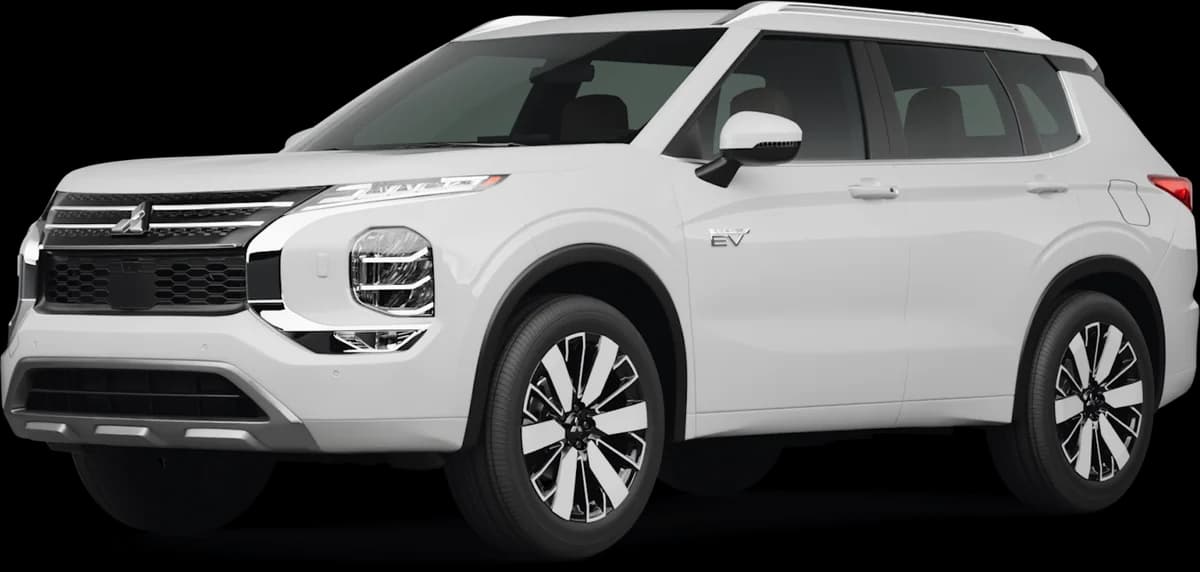
Mitsubishi Outlander Plug-in Hybrid (2026)
Quiet, capable AWD PHEV with useful EV range, but a cramped third row and high price.
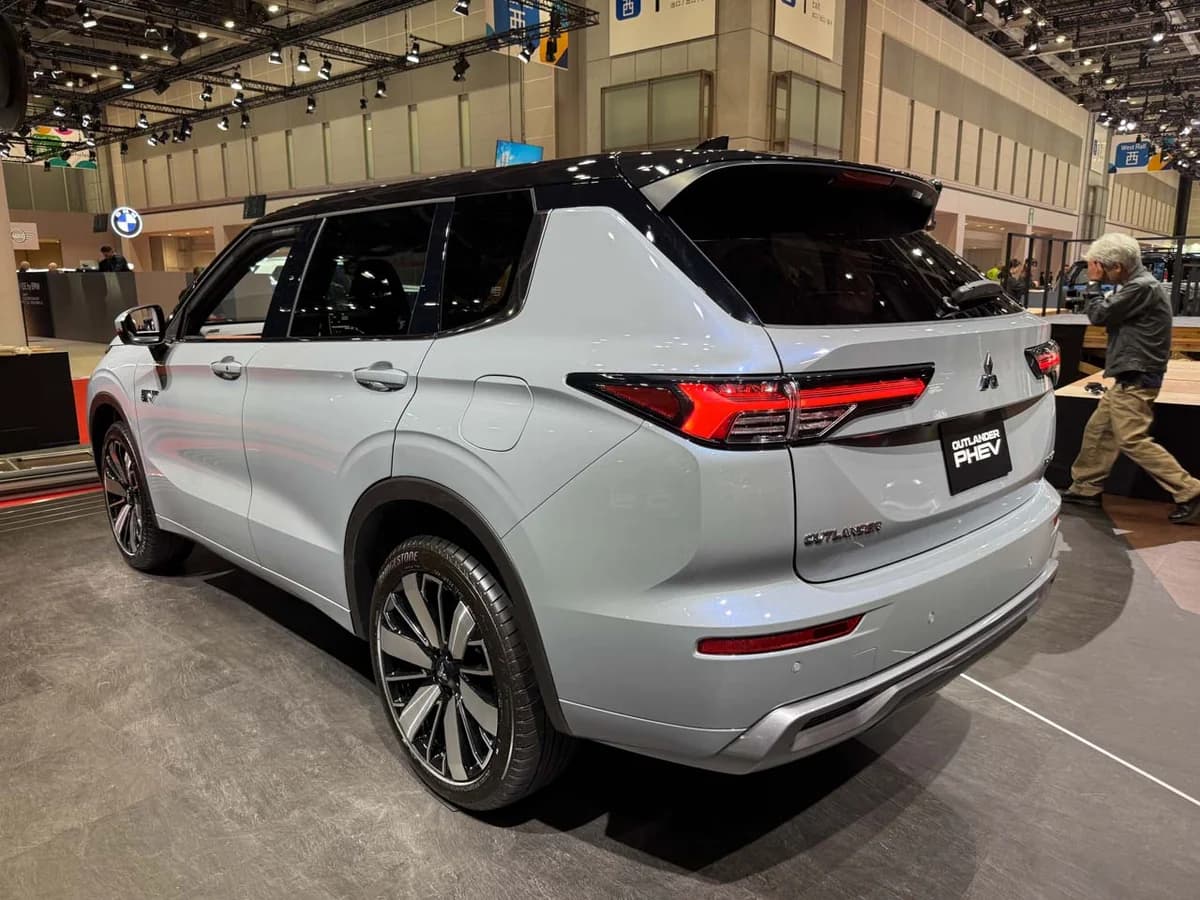
The Mitsubishi Outlander Plug-in Hybrid (2026) is a quiet commuter with a family-SUV escape plan, built for drivers who want EV-like errands without giving up gasoline backup. Its 45-mile electric range is broadly supported by real-world tests, though cold weather and an empty battery reduce efficiency. Reviewers praise the smooth 297-hp powertrain, serene ride, standard AWD, and excellent Yamaha audio, while owners value its comfort and nightly-charge practicality. The catch is cost: at about $43,245 before options, it offers unusual seven-seat flexibility, but the third row is kid-sized, infotainment feels dated, and CHAdeMO fast charging is increasingly awkward. Its overall appeal rests on charging access, AWD needs, and whether refinement outweighs rivals’ stronger value.
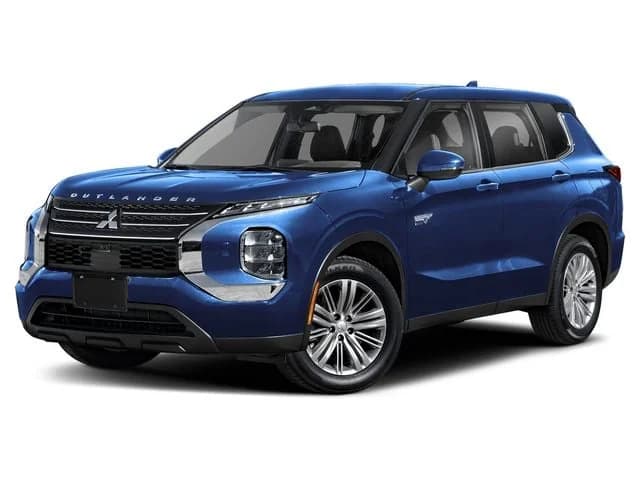
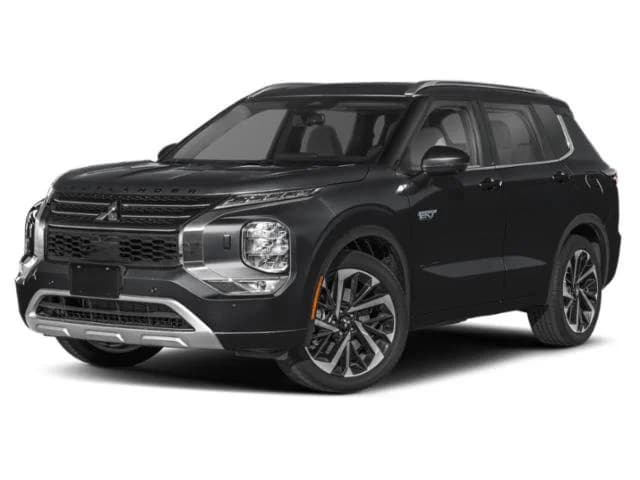
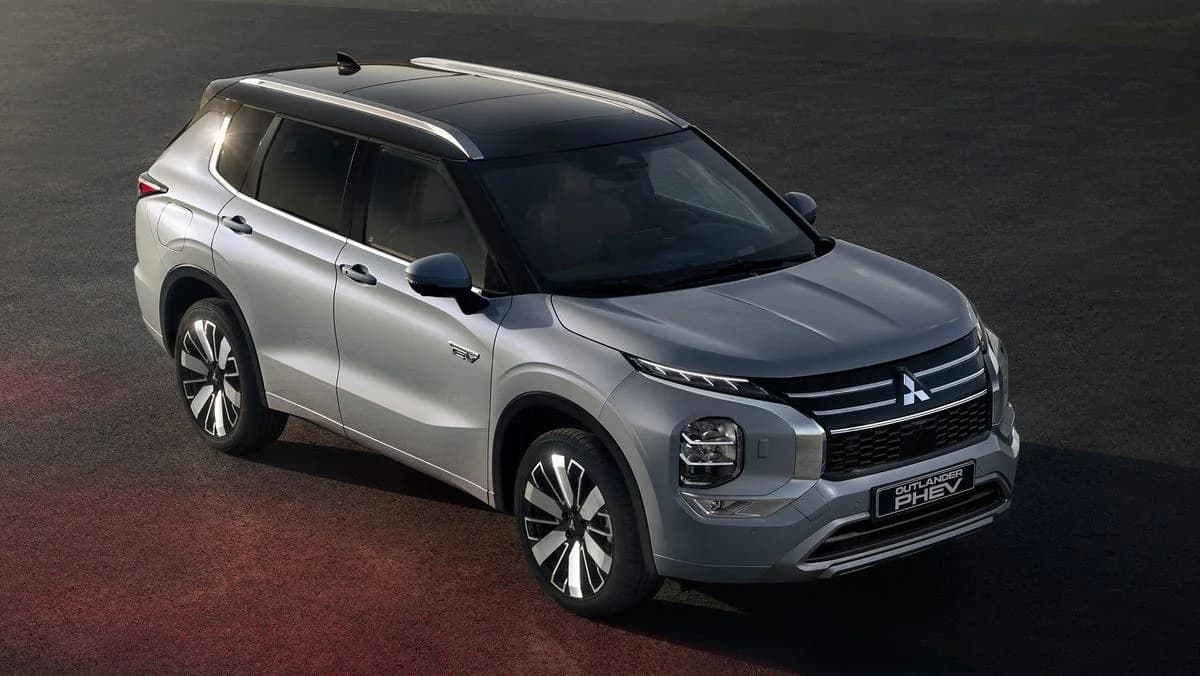
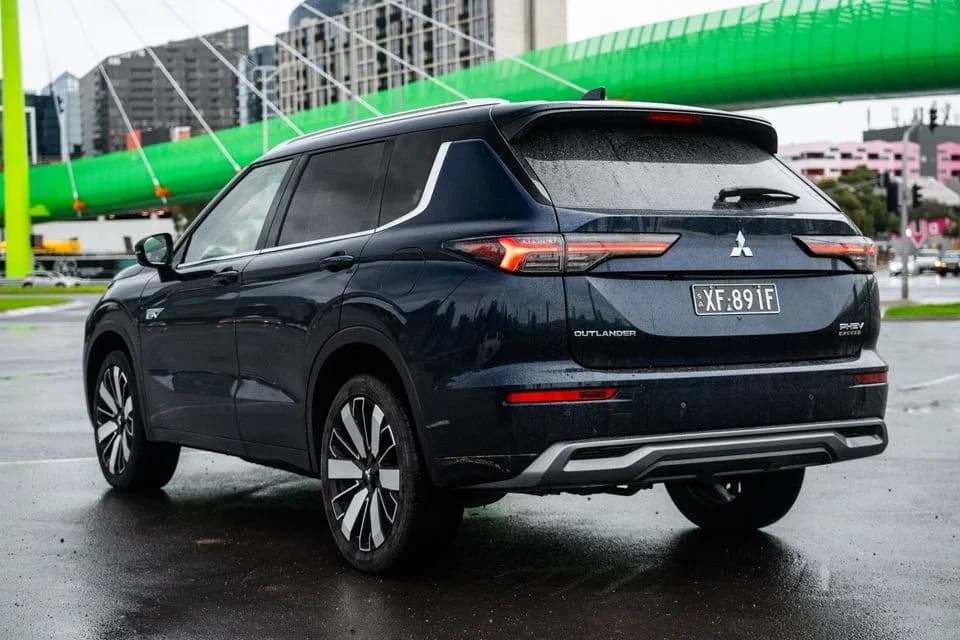

Find Yours
What's your main motivation for choosing a Hybrid SUV?
Answer to find your best matches.

The Field
Browse top contenders, or compare all options ranked by score and key attributes.
5 Options


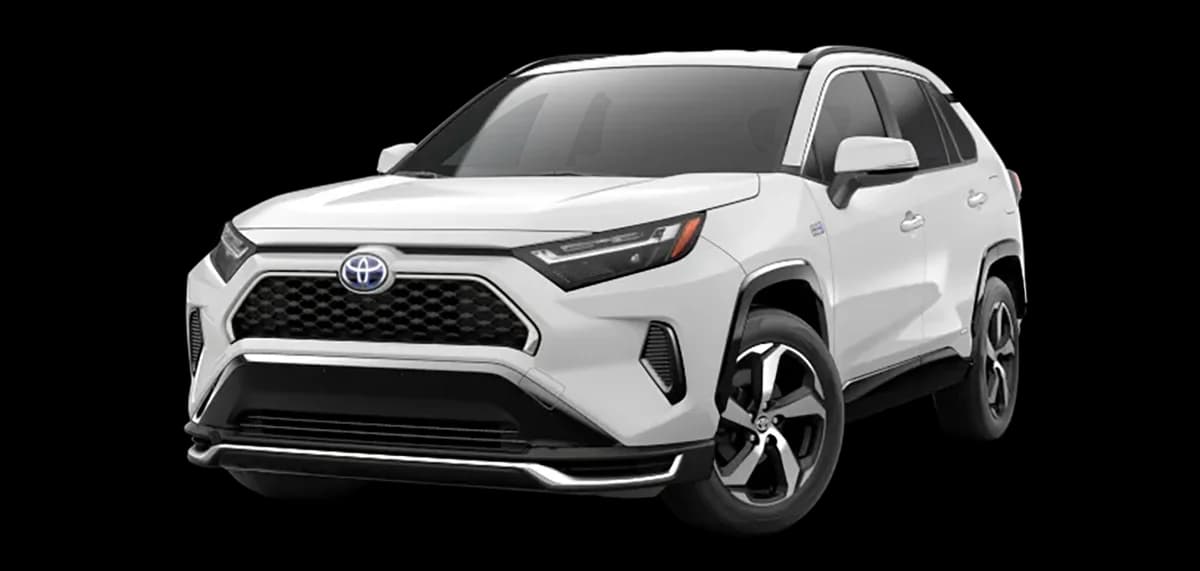

The Scoreboard
Does this improve your life? Considers, health, habits, and environmental impact.
Benefits
Electric-first driving stays quiet and smooth, making everyday traffic feel noticeably more relaxed.
Nightly charging can cover many commutes and errands without using gasoline.
Standard AWD and terrain modes make snowy roads and changing conditions easier to manage.
The optional third row handles occasional passengers while the first two rows remain comfortable.
Trade-Offs
Adults and older kids feel squeezed, making longer rides uncomfortable and access awkward.
A regular outlet can take over sixteen hours, limiting next-day electric driving.
Sensitive alerts regularly beep during ordinary driving, becoming distracting and hard to ignore.
Older-looking screens and occasional glitches make navigation and media changes less straightforward than expected.
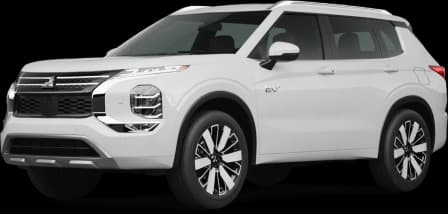
 Alternatives


Join the Circle
Where real meets deal
Know what's worth buying-and when.
Tips, special offers, and rewards for buying and sharing.

Publications
6 LEADING PUBLICATION REVIEWS

Auto Express’s Dean Gibson is strongly impressed by the 2026 Mitsubishi Outlander PHEV. He praises its exceptionally smooth, quiet hybrid system, useful 53-mile electric range, comfortable ride, capable all-wheel-drive performance, generous equipment, and competitive pricing. The sophisticated powertrain intelligently switches between electric, series-hybrid, and parallel-hybrid operation, while features such as hill-descent control and multiple terrain modes give this family SUV surprising off-road ability. Gibson also sees the seven-seat option and lavish Diamond trim as valuable additions, particularly the remarkable 1,500-watt Yamaha audio system. The main reservations are modest: the cabin design feels fussy, the rearmost seats are cramped, and the Outlander is competent rather than exciting on faster roads. Overall, the review views Mitsubishi’s return as well timed, with a polished, practical, well-equipped PHEV backed by an appealing eight-year warranty.
By Dean Gibson
What Car? is positive about the Outlander PHEV’s usefulness, but ultimately considers it an average and imperfect family SUV. Its strongest selling point is the unusual combination of plug-in hybrid power and seven seats, backed by a usable 53-mile electric range, generous standard equipment, an eight-year warranty, and intuitive physical controls. It is easy to drive, practical in five-seat mode, and offers smooth, responsive performance for everyday use. However, the third row is cramped and awkward to access, while the ride is fidgety, the brakes lack polish, and refinement falls behind newer rivals. The cabin looks plush from afar but contains conspicuously cheap materials, and its dated infotainment, mediocre audio, and narrow price advantage further weaken the proposition. The reviewers recommend the entry-level Nativa trim, mainly for its seven-seat flexibility, but rate the Outlander only 3/5 because cheaper, roomier competitors such as the MG S9 and Chery Tiggo 9 offer better overall value.
By Lawrence Cheung; John Howell
Renita Naraine of Driving.ca is clearly enthusiastic about the 2026 Mitsubishi Outlander PHEV, especially as a practical family vehicle. After several months, she describes herself as “loving” it more and more, viewing its plug-in range and gas backup as an appealing middle ground between an EV and a conventional SUV. Real-world testing produced about 90 km of electric driving in ideal conditions—better than its 72-km official rating—and an observed combined consumption of 4.1 Le/100 km after 1,200 km. She also used gas sparingly, filling the tank only twice, reinforcing the PHEV’s potential to reduce fuel costs. Still, the review is grounded rather than promotional: range estimates are overly optimistic, charging from a 120V outlet takes more than 16 hours, winter weather will hurt efficiency, and the PHEV’s roughly $15,000 premium over the regular Outlander could take years to recover through fuel savings. The cramped third row remains another notable compromise.
By Renita Naraine
CarExpert’s Max Davies views the 2026 Outlander PHEV as a polished but difficult-to-justify purchase. The suspension and steering tuning suit Australian roads, the hybrid system is smooth and configurable, and the extra power and 103km claimed EV range make it more capable than before. Davies also appreciates its comfortable, practical cabin, physical climate controls, strong safety equipment, and seven-year-plus warranty potential. However, the interior looks dated beside newer rivals, the battery range fell well short of its claim in testing, braking feel is weak, the one-pedal mode cannot stop the car, and the over-sensitive driver monitor remains infuriating. The bigger issue is value: at $71,640 before on-roads, it costs substantially more than better-equipped Chinese PHEVs that offer greater electric capability. Overall, it is a competent, well-rounded SUV, but Davies recommends considering the cheaper Aspire or alternatives such as the BYD Sealion 6.
By Max Davies
Dan Ilika of AutoTrader.ca is highly positive about the 2026 Mitsubishi Outlander PHEV. He portrays it as a polished, quiet, and unusually comfortable compact crossover, with sharper steering, improved suspension tuning, stronger electric acceleration, and a larger 22.7-kWh battery that increases electric range to 72 km. The updated cabin is more modern thanks to large displays, wireless smartphone integration, ventilated seats, and excellent Yamaha audio, though the built-in navigation feels dated. Practicality is more complicated: the occasional-use third row is cramped and awkward to stow, while cargo capacity trails the Toyota RAV4 PHEV and Kia Sorento PHEV. Still, with improved efficiency, 297 horsepower, available rebates, and a relatively refined driving experience, the Outlander comes across as one of the segment’s most compelling choices, albeit an expensive one in higher trims.
By Dan Ilika
CarBuzz’s Evan Williams is strongly impressed by the 2026 Outlander PHEV, despite two notable driving flaws. The new battery delivers a genuine 45-plus miles of electric range, stronger high-speed capability on paper, and excellent observed efficiency, while added sound insulation, smoother suspension tuning, and reduced motor noise make the cabin exceptionally quiet and relaxing. Williams is particularly enthusiastic about the standard Yamaha audio system, calling it incredible for the price, and appreciates the physical controls, improved storage, spacious first two rows, and restrained styling updates. The infotainment is better but still looks dated, and the cramped third row remains occasional-use only. Acceleration above 40 mph feels slow despite the power increase, while an odd suspension bounce after stopping is a surprising blemish. Still, Williams considers the Outlander a standout value among mainstream PHEVs and a must-drive for shoppers prioritizing comfort, audio quality, and useful electric range.
By Evan Williams

YouTube
8 LEADING EXPERT & INFLUENCER REVIEWS
 Chasing Cars
Chasing Cars’ John Law is impressed by the 2026 Outlander PHEV’s refinement and driving character, but questions its value. The larger battery, smoother powertrain, improved ride, quiet EV operation, practical cabin, and surprisingly playful S-AWC handling make it feel like the Outlander it should have been from launch. However, its electric range still trails class leaders, CHAdeMO charging is inconvenient, cargo space is merely adequate, and intrusive safety systems, trim rattles, and squeaky seats undermine polish. With rivals offering more for less, Law views the Mitsubishi as genuinely capable and enjoyable, but not an obvious buy.
CarSauceJacob from CarSauce is positive about the 2026 Outlander PHEV, but its price makes his recommendation cautious. He praises the stronger 297-hp powertrain, improved EV range, composed Australian-tuned ride, refined cabin, excellent Yamaha audio, ventilated seats, and useful 1,500-watt vehicle-to-load outlets. His testing produced a 7.16-second 0–100 km/h run and impressive real-world efficiency. However, he criticizes the dated infotainment, compromised rear-seat ergonomics, sensitive driver alerts, road noise, CHAdeMO charging, and especially the roughly $75,000 price, arguing newer Chinese rivals offer more range, luxury, and practicality for less.
MotormouthMotormouth is highly impressed, calling the 2026 Outlander PHEV the category’s value leader and perhaps the one to beat overall. They praise its quiet, refined ride, smooth acceleration, improved steering and brakes, upscale cabin, excellent Yamaha audio, standard three-row seating, and real-world electric range that closely matched Mitsubishi’s claim. The larger battery, stronger power, AWD, and generous equipment make it feel unusually compelling for a non-luxury SUV. Criticisms are minor: excessive piano-black trim and a driver’s seat that may not lower enough for taller drivers.
Ben HardyBen Hardy is highly impressed by the 2026 Outlander PHEV, calling it a compelling alternative to the RAV4 Prime. He praises its smooth, powerful electric-assisted acceleration, comfortable ride, quiet cabin, useful 44–45-mile electric range, larger interior, and genuinely practical—if kid-sized—third row. He also likes the strong warranty and the likelihood of negotiating a discount. His reservations are that Toyota inspires more confidence for long-term hybrid reliability, the Outlander is less efficient, and its powertrain makes a strange whirring sound. Still, his enthusiastic verdict is that shoppers should drive both before automatically joining Toyota’s waiting list.
ReDrivenReDriven is cautiously positive about the Mitsubishi Outlander Plug-in Hybrid as a used family SUV. Its comfortable, premium-feeling interior, composed ride, capable S-AWC all-wheel drive, useful electric commuting, and generally strong hybrid reliability make it a sensible all-rounder. However, the PHEV may not repay its substantial price premium if you cannot charge regularly, while battery weight can increase tire wear and reduce efficiency. ReDriven also flags cramped third-row seating, limited cargo space, infotainment glitches, occasional rattles, brake wear, and strict servicing requirements for warranty coverage. Overall, a well-maintained example passing inspection is considered a safe, practical buy rather than an exciting one.
AutomotiveWomanAutomotiveWoman is genuinely enthusiastic about the 2026 Outlander PHEV, calling it a well-rounded family SUV with a “wow factor” up front. She especially appreciates the improved 45-mile EV range, standard S-AWC, seven drive modes, quiet powertrain transitions, flexible seating, strong warranty, and redesigned 12.3-inch infotainment system. Her hands-on impressions are favorable too: the suspension absorbs potholes well, steering feels precise, and cabin noise stays low. Still, she considers the heavily loaded SUV somewhat underpowered and criticizes the third-row headrests for obstructing rear visibility. Overall, her recommendation is strongly positive, particularly for families.
Outsider ReviewsPat is highly enthusiastic about the 2026 Mitsubishi Outlander PHEV, calling it a quiet, comfortable, surprisingly sporty, luxury-feeling SUV with excellent electric-first efficiency and standard S-AWC all-wheel drive. He especially enjoys the refined cabin, Yamaha audio, responsive power, distinct drive modes, and roughly 70 km of practical EV range, arguing it compares favorably with the Toyota RAV4 Prime despite weaker resale value. His main reservation is the third row: it is cramped even for children and lacks proper ventilation, making it suitable only for emergencies. Slow Level 2 charging is another notable frustration.
VICARIOUS MagazineDan Haymon is highly impressed by the 2026 Mitsubishi Outlander PHEV, calling it a quiet, polished, and compelling value. He praises its EV-first powertrain, 72-km electric range, nearly 300 horsepower, smooth ride, strong cabin materials, excellent Yamaha audio, and standard S-AWC all-wheel drive. The clever packaging preserves passenger and cargo space despite the larger battery, while its rare three-row PHEV format and Canadian incentive make it especially attractive. His main reservation is the cramped third row—and somewhat compromised second-row headroom—though he views that as a minor tradeoff in an unusually well-rounded SUV.

Social
1 INFLUENCER REVIEW
 CarsGuide.com.au
CarsGuide.com.au takes a measured, informative view of the 2026 Mitsubishi Outlander PHEV rather than an enthusiastic one. Its key distinction is being Australia’s last new vehicle with a CHAdeMO port, supporting DC fast charging up to 50kW, but that is increasingly inconvenient as public networks shift toward Type 2 CCS. The Outlander still offers Type 2 connectivity for AC charging, though not DC. The video is more of a practical warning about charging compatibility than a broad recommendation or criticism of the SUV.

Forum Reviews
CUSTOMER REVIEWS FROM 1 FORUM
Redditors are broadly positive about the 2026 Mitsubishi Outlander PHEV, especially for EV-first commuting and comfort. Owners praise its larger battery, quicker charging, stronger performance, quiet ride, AWD capability, and upscale cabin, while long-term users describe it as reliable and practical. The main reservations are limited storage with the third row, dated or buggy infotainment in earlier models, occasional driver-assistance and engine-control glitches, and mediocre efficiency once the battery is depleted. It makes the most sense for drivers who can charge nightly; without dependable charging, a conventional hybrid or EV is generally preferable.
Many comments

In-Depth Review

Highlights
- •Electric Commuting RangeAdvertised to deliver 45 miles electric-only.
- •Smooth Hybrid PowerReviewers found acceleration quiet and responsive.
- •Comfortable Quiet RideRefined suspension and insulation reduce cabin noise.
- •All-Weather TractionS-AWC improves confidence across changing surfaces.

Considerations
- •Cramped Third RowRear seats suit children, not adults.
- •Questionable Price PremiumReviewers question its cost against newer rivals.
- •Limited Charging CompatibilityCHAdeMO support is increasingly inconvenient.
- •Sensitive Driver AlertsFrequent warnings can become distracting.
Mitsubishi’s Outlander PHEV has evolved from an overlooked alternative into a polished family SUV with 45 miles of electric range and standard AWD. Its purpose is straightforward: handle daily commuting and errands quietly on battery power, then provide gasoline backup for road trips, appealing to charge-at-home families, snowy-climate drivers, and EV-curious buyers. The 2026 refresh adds a larger 22.7-kWh battery and stronger 297-hp powertrain, sharpening its challenge to the RAV4 Prime while retaining an unusual small third row. The ownership story is more nuanced, however, with real-world efficiency, ride comfort, braking feel, cargo flexibility, terrain control, and CHAdeMO fast charging all worth closer attention—especially since rivals may offer more range or value. Explore those trade-offs carefully; this Mitsubishi may be a smart commuter with family ambitions, but its smallest seats and oldest plug deserve the biggest questions.
Ride Handling Braking
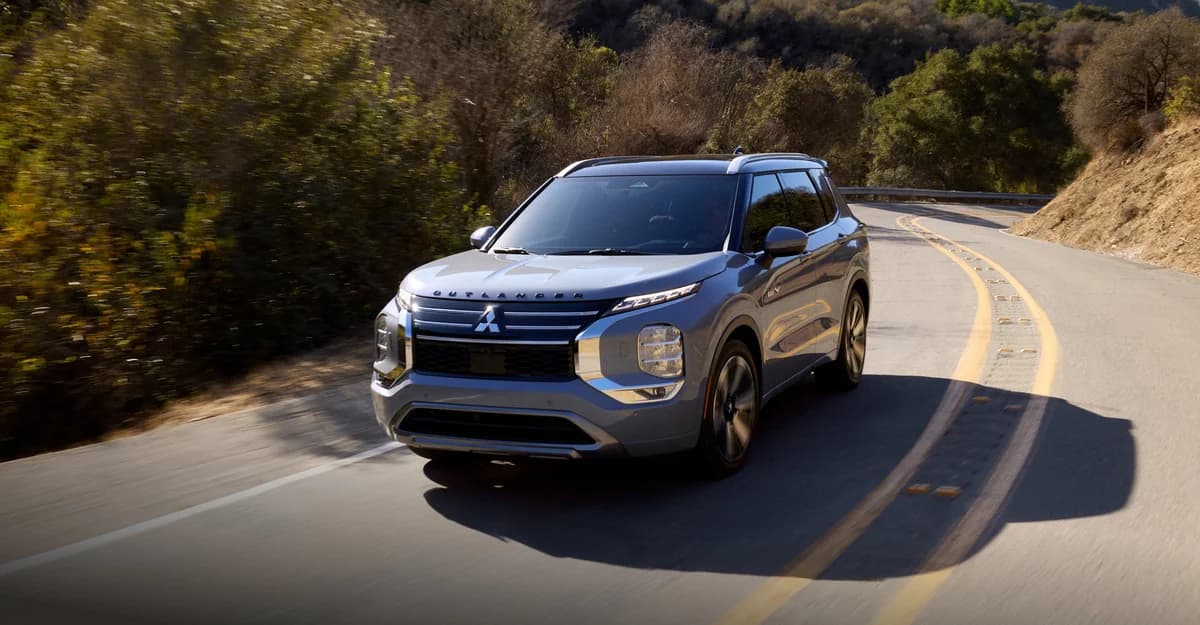
Comfort is one of the Outlander’s most convincing improvements. Revised suspension tuning, added insulation, and precise steering produce a quiet, composed ride that several reviewers found especially well suited to daily roads and potholes. S-AWC torque management also gives it a surprisingly playful feel in corners. Braking is less polished: some tests describe weak or artificial pedal feedback, and one-pedal mode cannot bring the vehicle fully to a stop. Occasional rattles and a strange post-stop suspension bounce further limit the sense of premium refinement.
Hybrid Powertrain Performance
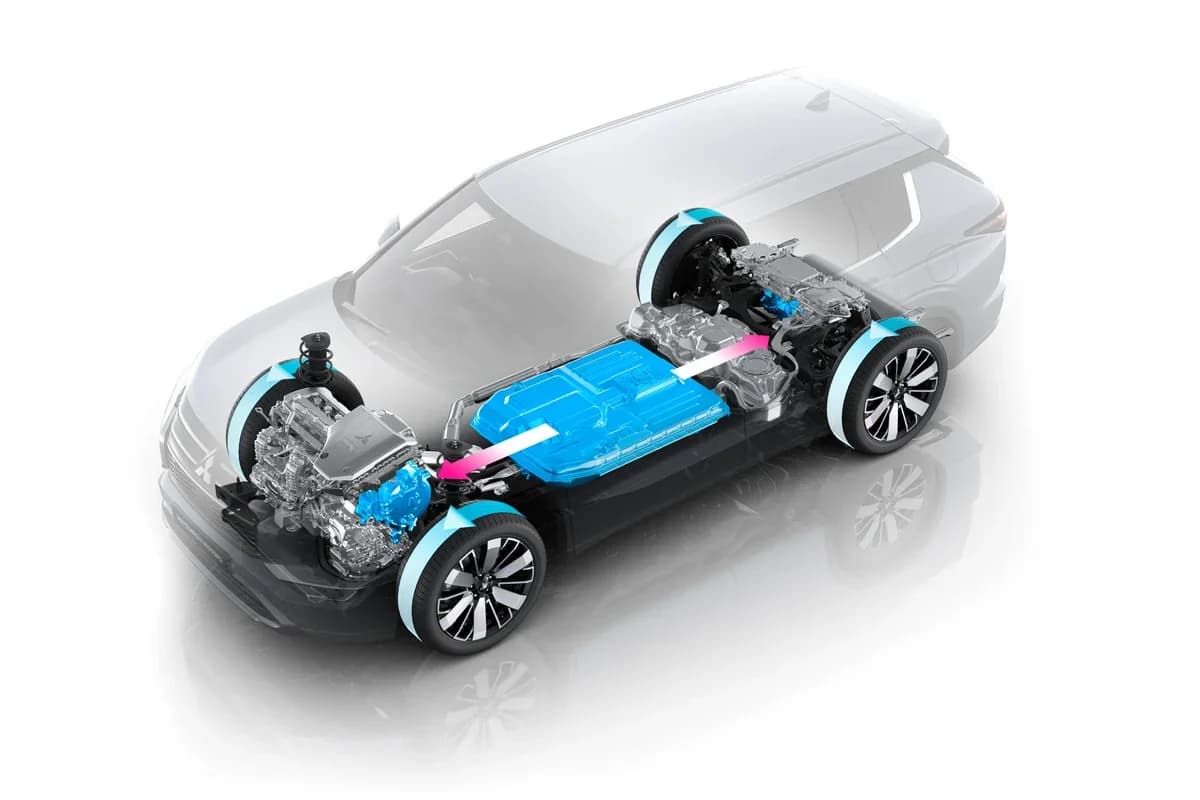
The Outlander feels substantially stronger and smoother than its predecessor. Its 297-hp plug-in hybrid system combines a 2.4-liter engine with front and rear electric motors, delivering quiet, immediate acceleration and confident highway passing when the battery has charge. One test recorded 0–100 km/h in 7.16 seconds, supporting the impression that it is brisk rather than merely economical. Reviewers still report slower responses at higher speeds and an occasional powertrain whir, but the electric-first character is a clear upgrade.
AWD Terrain Capability
Standard all-wheel drive is a meaningful advantage rather than a token feature. Mitsubishi’s Super All-Wheel Control system works with selectable Normal, Eco, Power, Tarmac, Gravel, Snow, and Mud modes to manage traction across changing surfaces. Reviewers praise its confidence in wet and snowy conditions, and hill-descent control adds useful low-speed control on rougher roads. It is not an off-road specialist, but the combination of electric-motor response and terrain programming makes this family SUV unusually capable in poor weather.
Electric Range Efficiency
The larger battery makes electric commuting genuinely practical for drivers who can recharge regularly. Mitsubishi cites 45 miles of EPA-estimated EV range from the 22.7-kWh pack, and several reviewers recorded results close to that, with one long-term test exceeding the official figure in favorable conditions. Owners also praise the quiet, low-fuel-cost routine, while noting that winter weather and depleted-battery driving reduce efficiency noticeably. The 73 MPGe combined rating is compelling, but its benefits depend heavily on nightly charging.
Third Row Cargo Usability
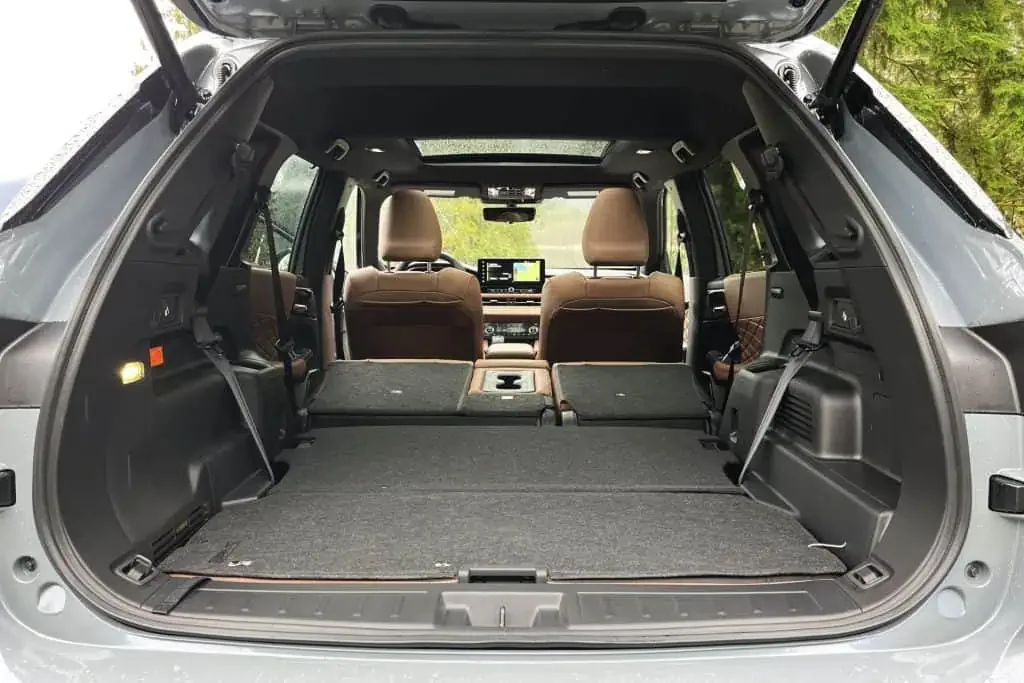
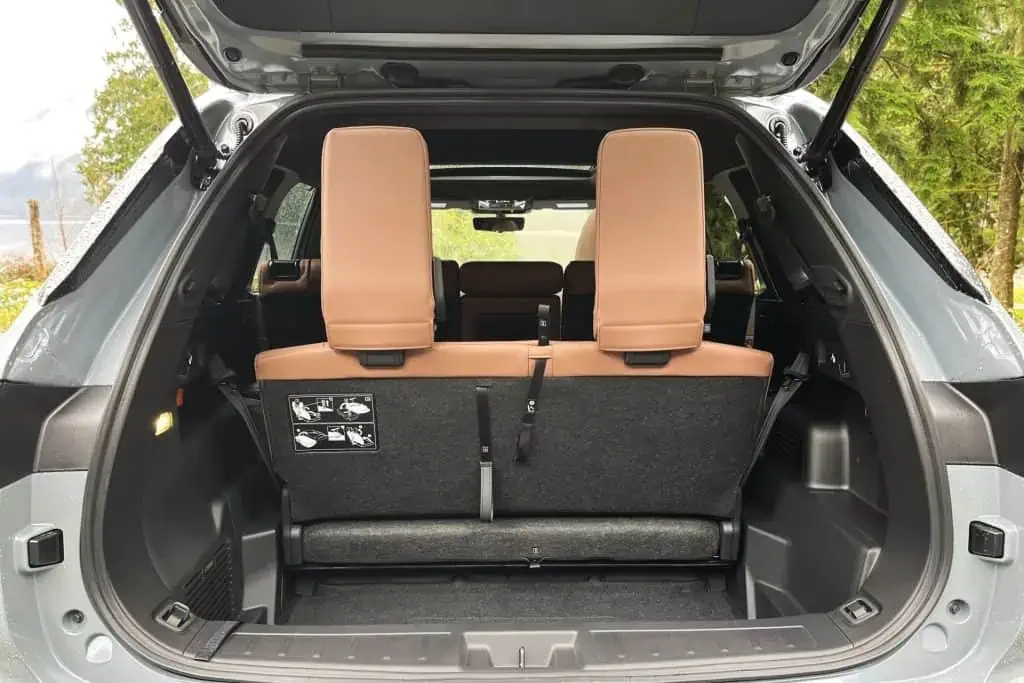
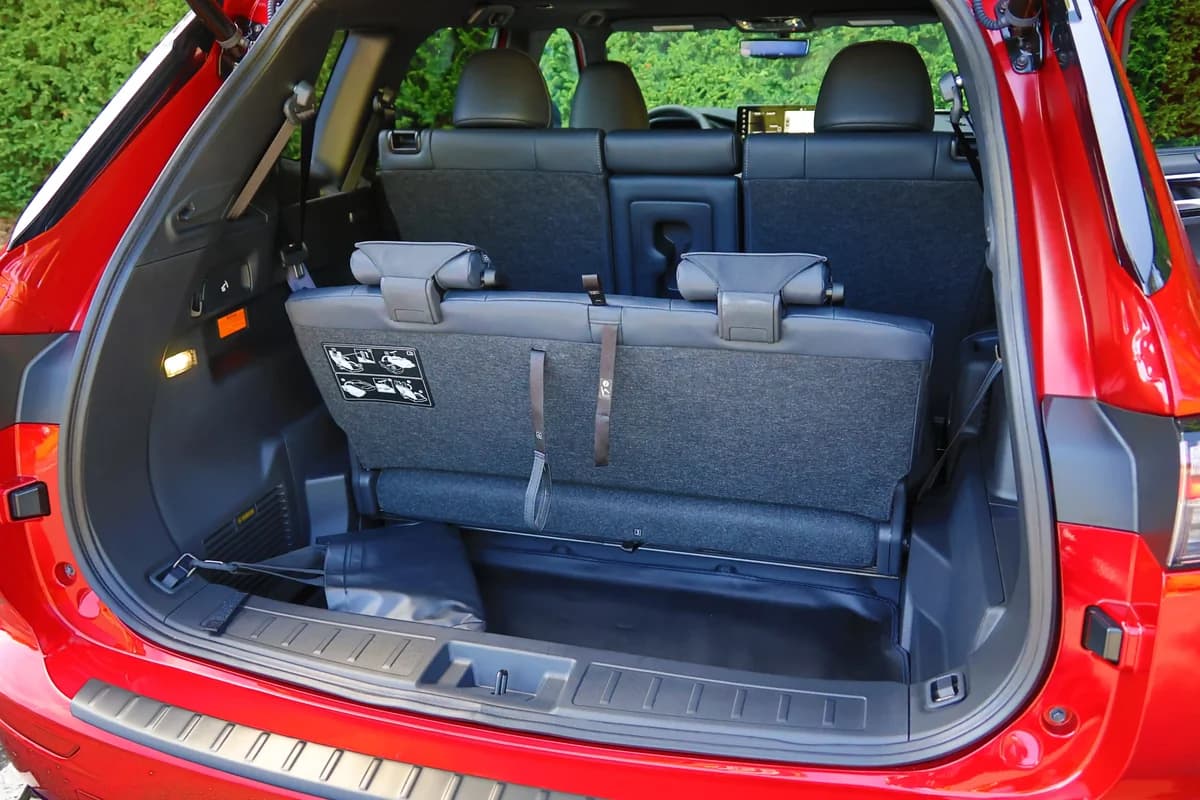
The available third row gives the Outlander a useful niche, but it is best treated as occasional seating. Seven-seat flexibility can help families with children or emergency passengers, while the first two rows remain comfortable and the battery does not eliminate everyday practicality. The rearmost seats are cramped, access is awkward, ventilation is limited, and headrests can obstruct rear visibility. Cargo space is merely adequate, especially with all seats in use, so buyers should prioritize the five-seat layout when carrying luggage matters.
Charging Performance
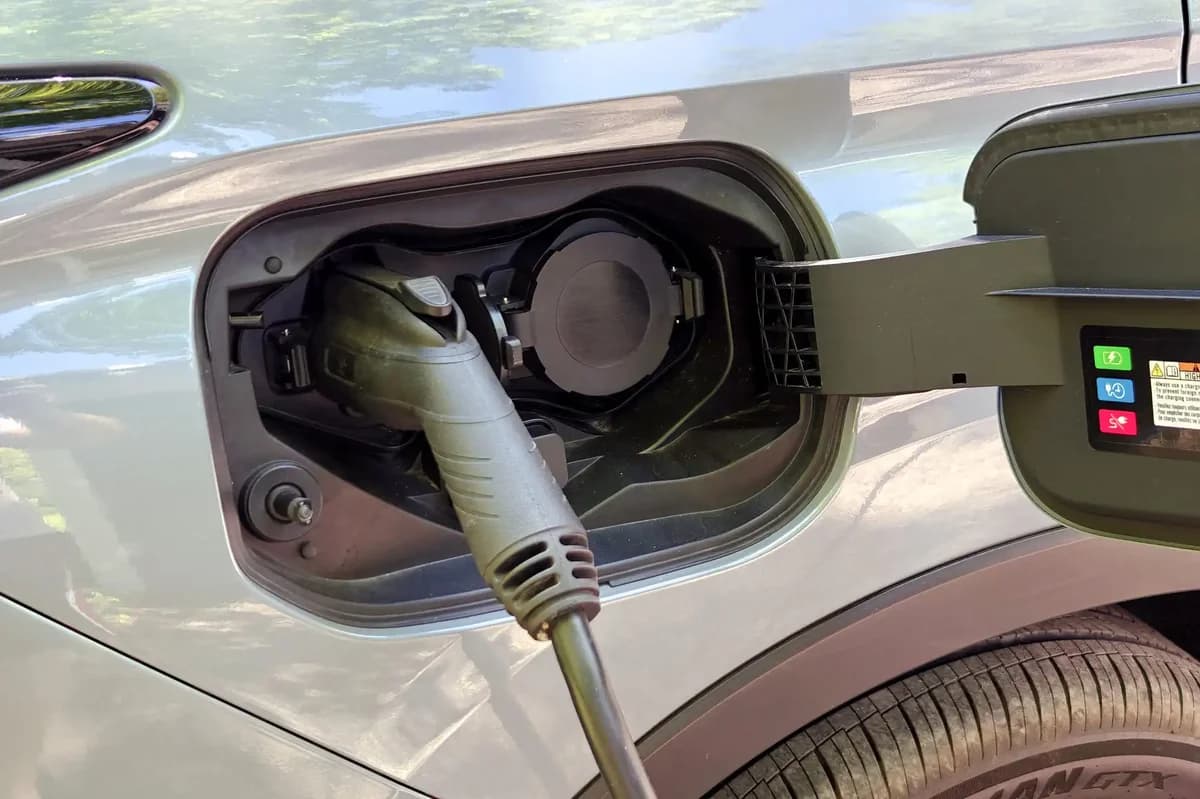
Charging works best as an overnight home routine, especially with a Level 2 connection. A 240-volt charge takes about 6.5 hours, while a standard 120-volt outlet can require more than 16 hours, making spontaneous electric driving difficult after a depleted battery. The available CHAdeMO DC fast charging can reach roughly 80% in about 29–38 minutes, but public-network support is becoming less convenient as CCS expands. That port is a real ownership consideration, not simply a technical footnote.
Conclusion
The Outlander PHEV’s clearest case is a quiet daily commuter that can still handle family road trips: its 45-mile electric range makes nightly charging worthwhile, while the 297-hp system feels smooth and suitably brisk. Reviewers and owners also appreciate the composed ride, confident steering, and standard S-AWC all-wheel drive, though braking feel, occasional rattles, and sensitive alerts dilute the polish. The available third row is useful for children or emergencies, not adults, and cargo space becomes merely adequate when all seats are occupied. Charging is best with home Level 2; a standard outlet is slow, while CHAdeMO fast charging is increasingly inconvenient. This is a sensible choice for households that can charge regularly and value AWD flexibility, but less convincing for buyers seeking maximum space, effortless public charging, or the strongest value. Its capable, refined everyday character earns a favorable recommendation—just not an unquestioned one.

Feature Scores
This reflects reviews and ratings from established critics, journalists, and users who have evaluated the item. Their opinions provide a comprehensive assessment.
Performance
Powertrain Efficiency
4/5
Acceleration and Throttle Response
4/5
Reliability and Durability
4/5
Combined Driving Range
4/5
Charging Convenience
3/5
Value
Purchase Price Competitiveness
3/5
Ownership Cost
4/5
Resale Value
3/5
Feature to Price Ratio
4/5
Design
Interior Space and Packaging
4/5
Exterior Styling Appeal
4/5
Ergonomics and Controls
4/5
Cargo Flexibility
3/5
Ride and Handling Balance
4/5
Health
Cabin Air Quality
TBD
Material Toxicity
TBD
Noise and Vibration
4/5
Safety
Crash Protection
4/5
Active Driver Assistance
3/5
Battery Safety
3/5
Child Safety and Seating Anchors
3/5
Sustainability
Tailpipe Emissions Reduction
4/5
Lifecycle Battery Impact
TBD
Recyclability and End of Life
TBD
Fuel Source Flexibility
5/5
Experience Style
Tech and Connectivity Richness
4/5
Ease of Use and Simplicity
4/5
Comfort and Luxury Appointments
4/5

Specifications
This section outlines the product's key facts, covering essential features, details, dimensions, materials, and any unique characteristics that define its functionality and usability.
Performance
Value
Design
Safety
Sustainability
Experience Style

Frequently Asked Questions
11 Questions



Find Yours
What's your main motivation for choosing a Hybrid SUV?
Answer to find your best matches.