











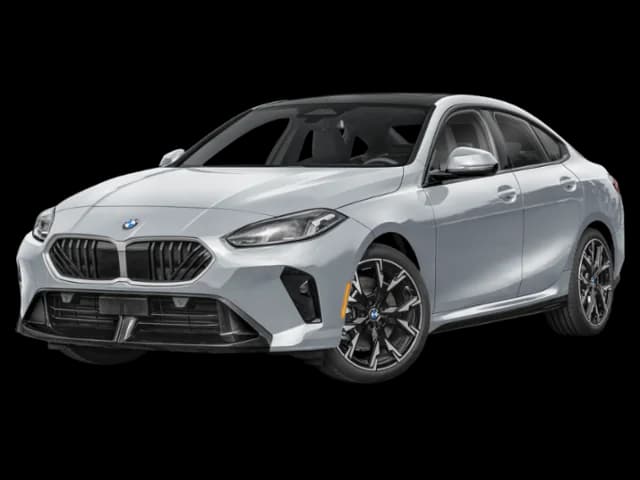
BMW 2 Series (2026)
A thrilling rear-drive coupe with strong performance and premium tech, best for enthusiasts.
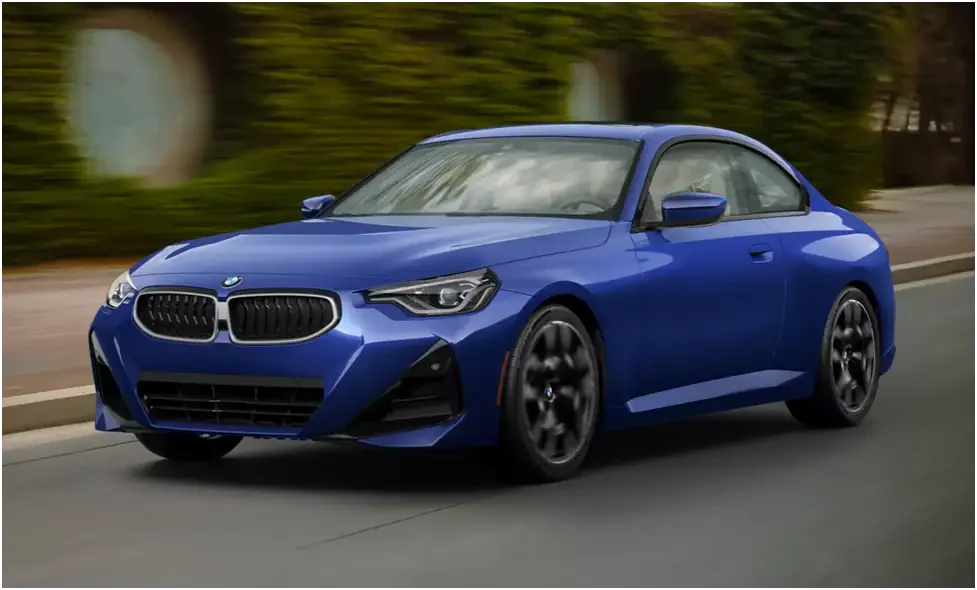
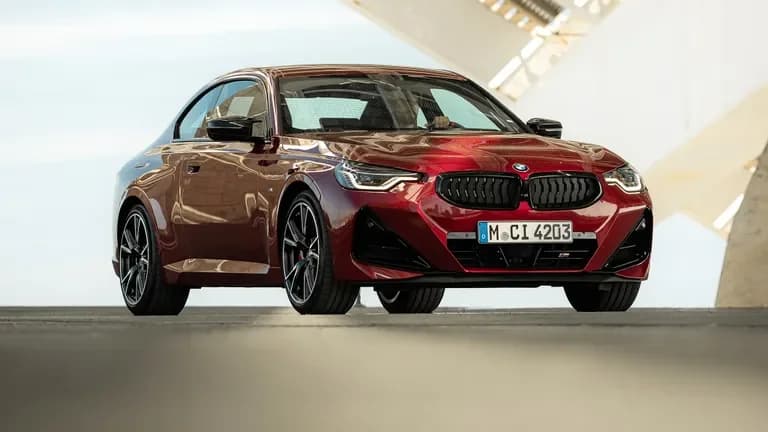
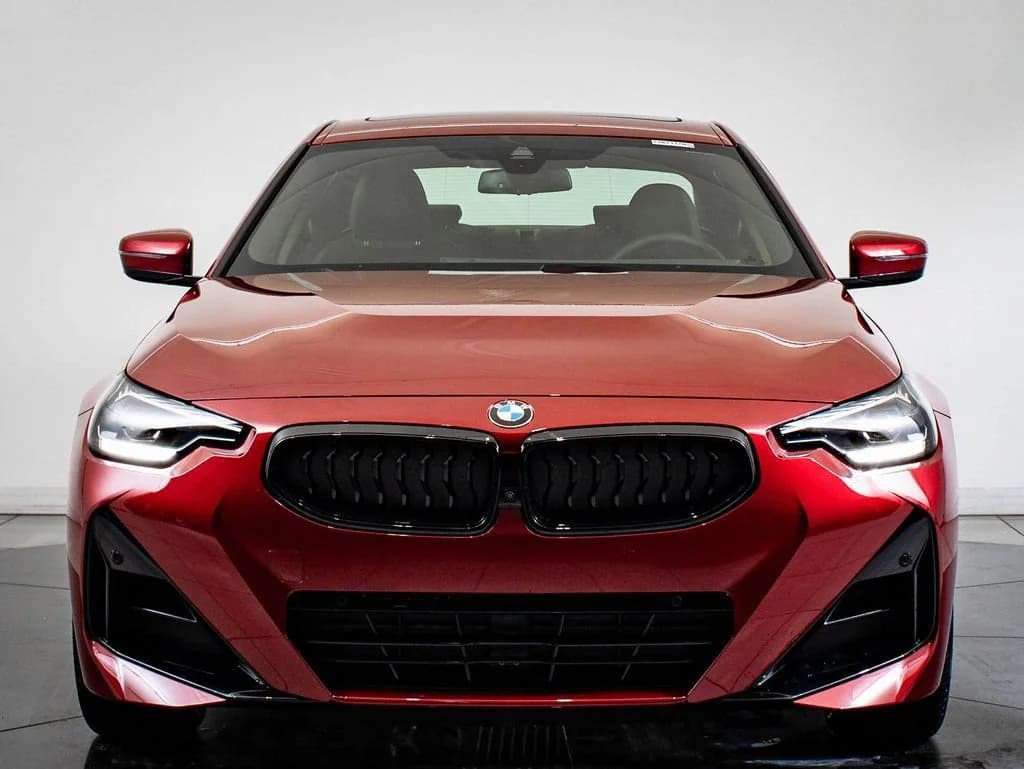
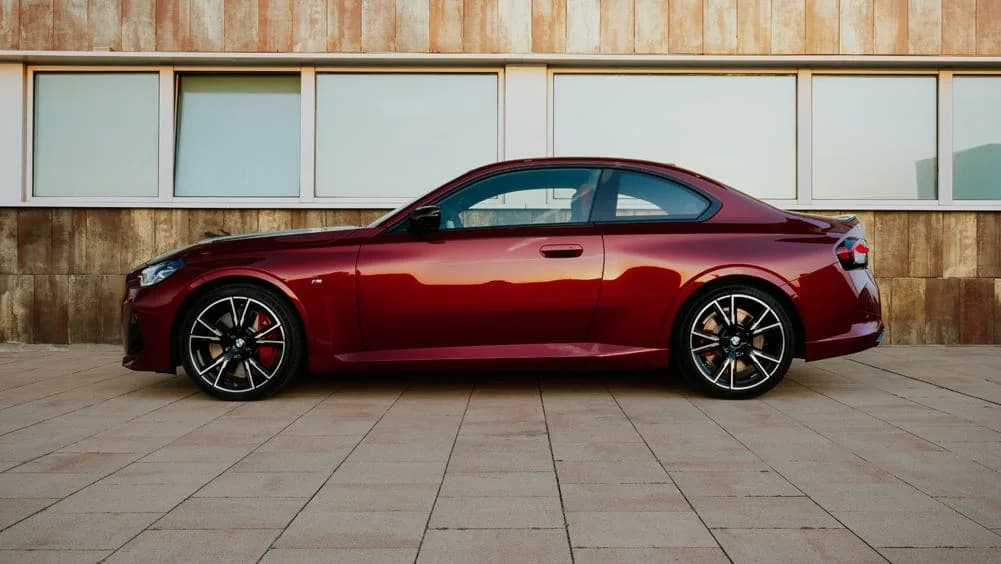
The BMW 2 Series (2026) is a compact driver’s car for commuters and enthusiasts who want excitement without stepping up to a larger BMW. The Coupe’s rear-wheel-drive balance, confident brakes, and lively turbocharged engines support BMW’s sporty claims, while reviewers particularly praise the M240i’s near-M2 pace and daily refinement. Owners appreciate the performance, though firm seats, maintenance costs, and polarizing styling temper the appeal. Its 390-liter trunk is useful, but cramped rear seats make this a 2+2 rather than a family solution. With pricing that can approach larger BMW territory, the 230i offers the clearest value. Overall, driving enjoyment lifts its recommendation, while comfort, practicality, and cost concerns hold it back.
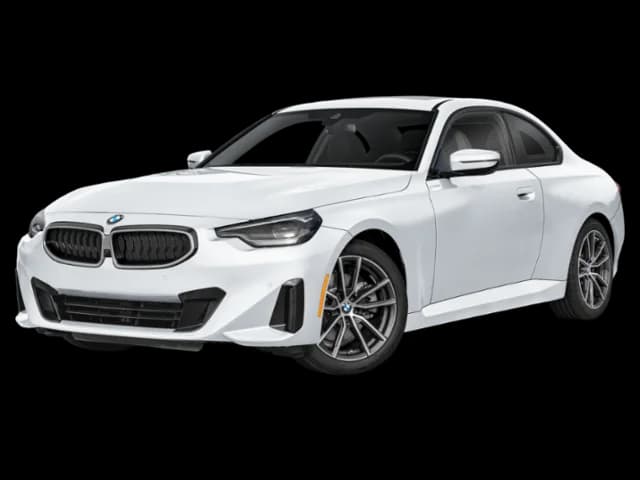
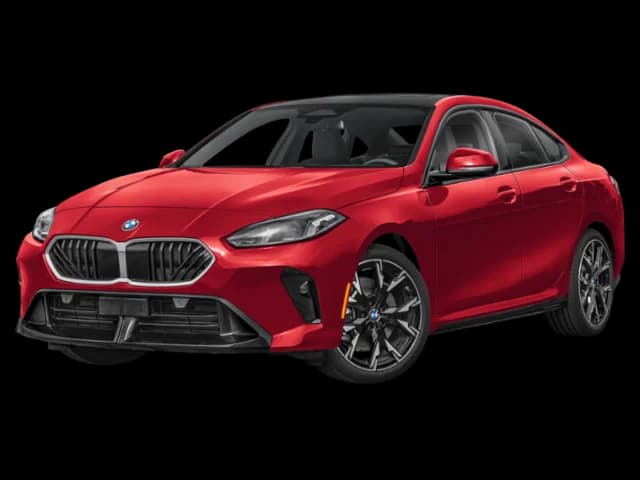
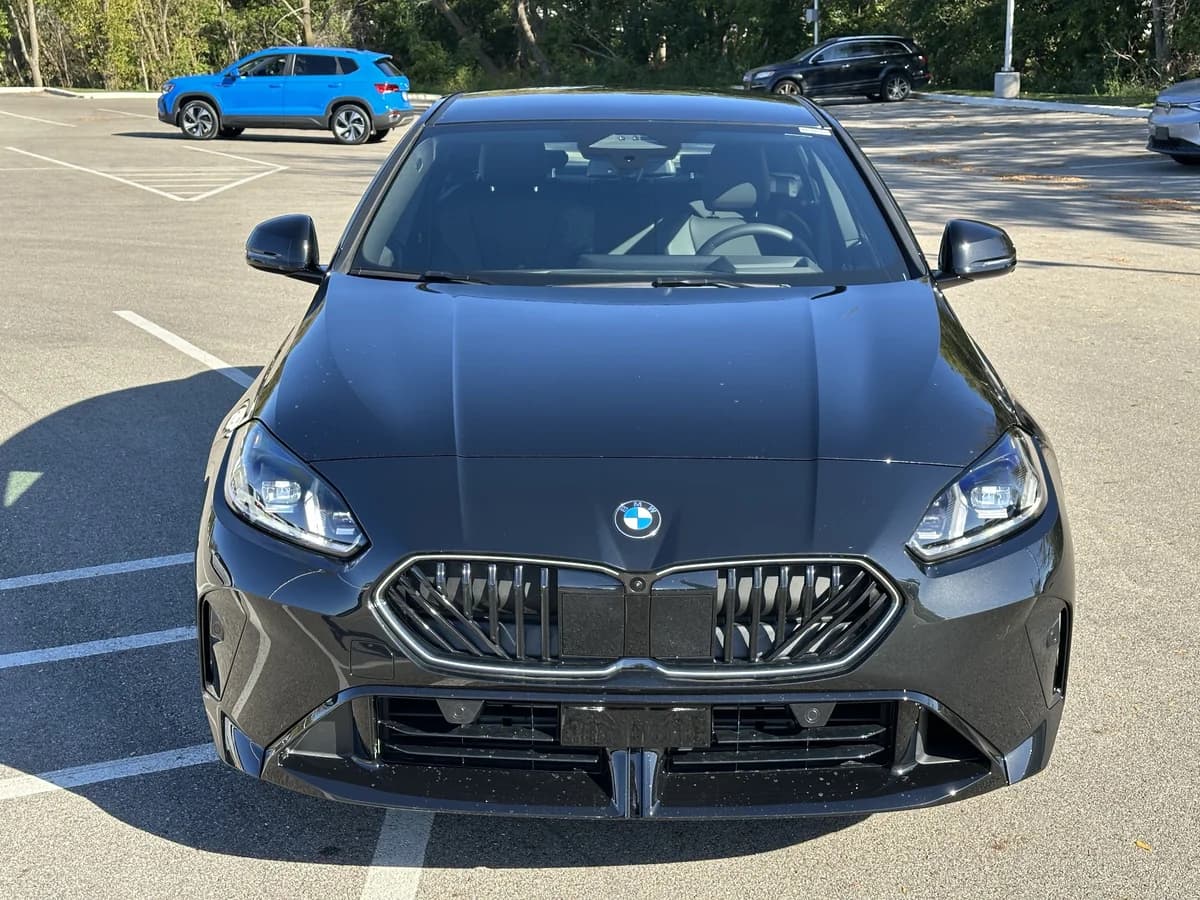
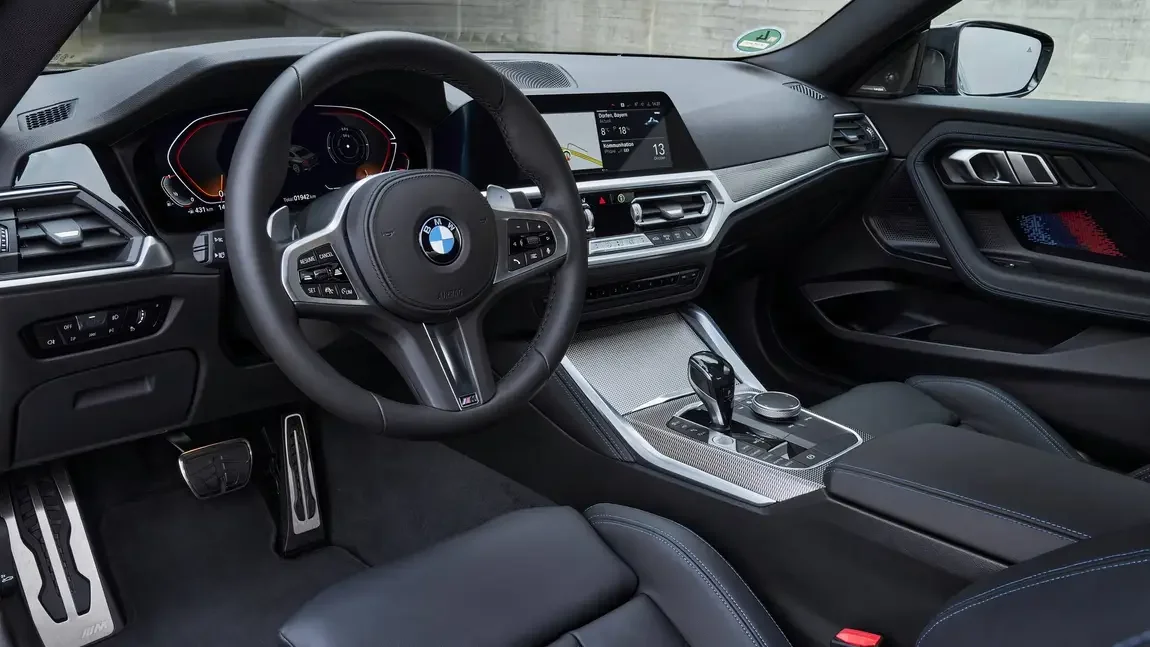
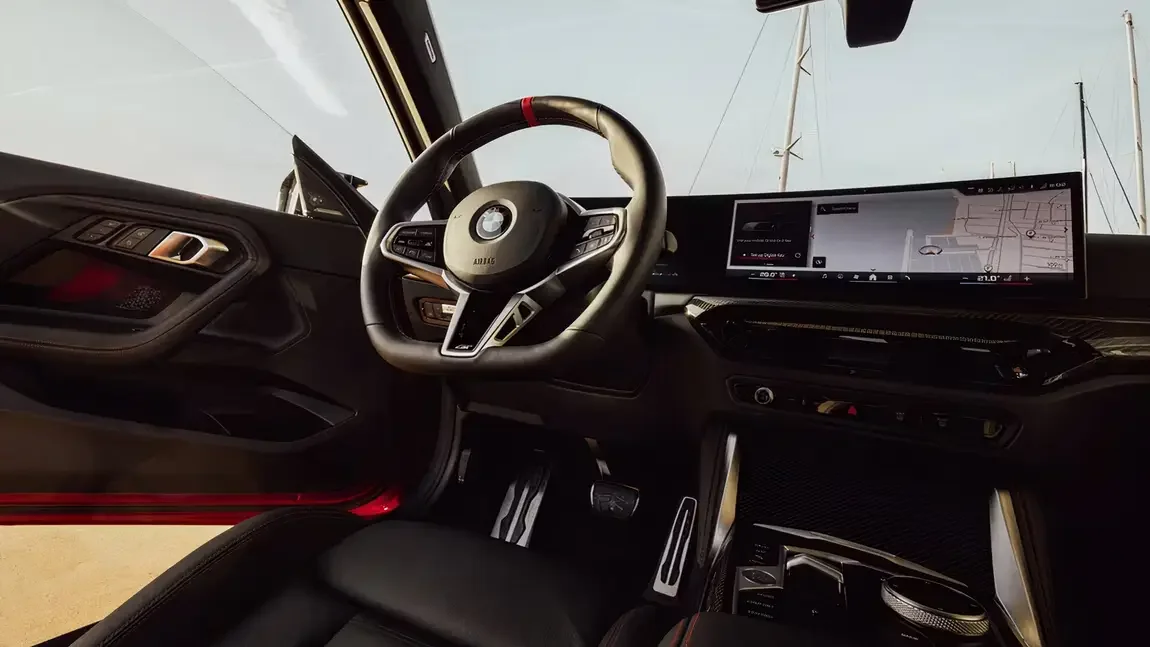
Find Yours
What kind of driving experience are you looking for?
Answer to find your best matches.

The Field
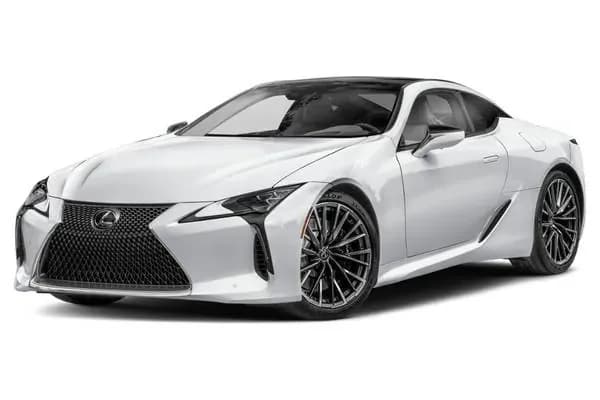
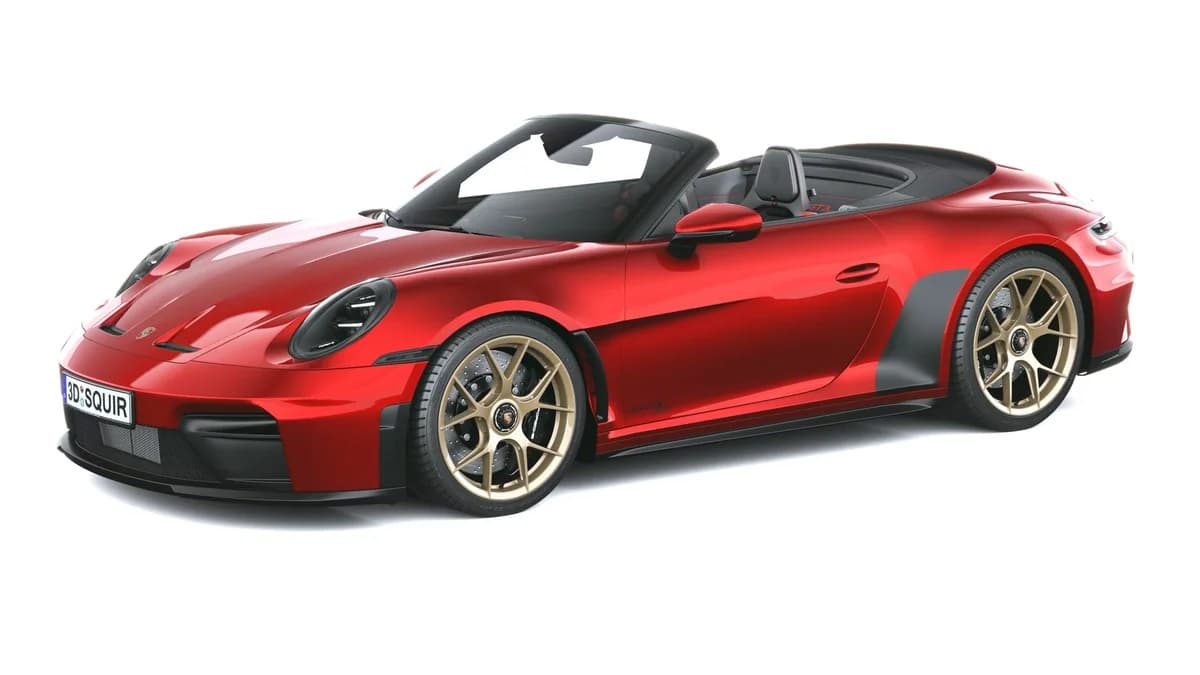
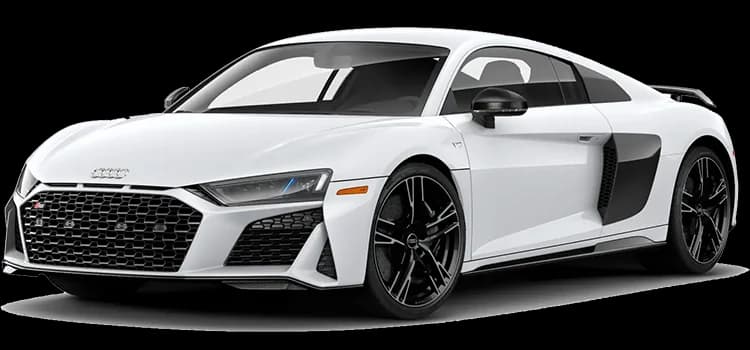
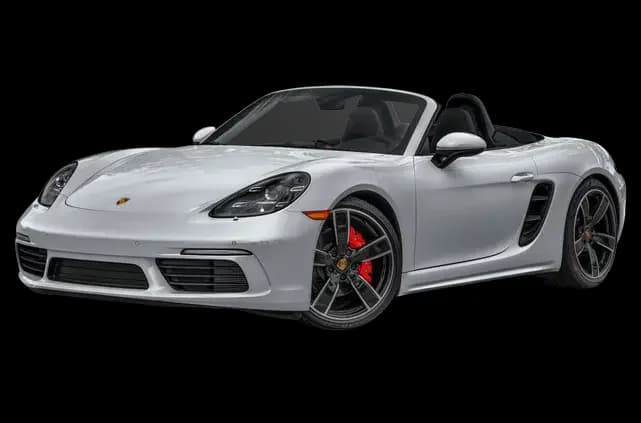
Browse top contenders, or compare all options ranked by score and key attributes.
5 Options

The Scoreboard
Does this improve your life? Considers, health, habits, and environmental impact.
Benefits
Quick, balanced handling makes commutes and weekend drives feel more engaging without demanding expert skills.
Supportive seats, a polished ride, and refined cruising make longer drives easier on your body.
Turbocharged engines deliver quick acceleration while keeping fuel use reasonable for regular commuting.
Clear displays, responsive infotainment, and connected features make navigation and entertainment feel straightforward.
Two body styles and available all-wheel drive match performance with everyday passenger needs.
Trade-Offs
Adult passengers face tight legroom and headroom, making routine rear-seat trips noticeably uncomfortable.
Sportier suspension can jostle occupants over rough streets, making everyday errands feel less settled.
Touchscreen climate adjustments require extra taps, distracting you when changing temperature while driving.
 Alternatives


Join the Circle
Where real meets deal
Know what's worth buying-and when.
Tips, special offers, and rewards for buying and sharing.

Publications
8 LEADING PUBLICATION REVIEWS

Car and Driver’s Beth Nichols is highly positive about the 2026 BMW 2 Series as an affordable driver’s coupe. It is impractical, with a cramped rear seat, small-ish trunk, and an interior that feels more well-built than luxurious, but its reward is excellent road performance. The 230i offers lively acceleration and impressive fuel economy, while the 382-hp M240i is genuinely rapid—reaching 60 mph in 3.6 seconds and approaching M2 territory—without the full M car’s price. The rear-drive M240i is the recommended sweet spot, adding stronger brakes, a limited-slip differential, and sharper suspension. Nichols’ main complaint is weak steering feedback, while the mandatory automatic and lack of a manual outside the M2 may disappoint enthusiasts. Overall, it is a compelling, well-equipped sports coupe for buyers who prioritize fun over practicality.
By Beth Nichols
MotorTrend is highly enthusiastic about the 2026 BMW 2 Series, calling it a true heir to BMW’s classic driver-focused sport sedans. Its compact, relatively light body, lively handling, accurate steering, and strong road connection make it unusually rewarding, while the M240i’s 382-hp inline-six delivers four-second acceleration and near-M2 performance without a major fuel-economy penalty. The coupe is also comfortable in town, reasonably efficient, well equipped, and surprisingly roomy up front. Trade-offs include limited rear-seat space, a minimalist screen-heavy cabin, no manual transmission, and fewer luxury touches than larger BMWs. Still, MotorTrend considers the 2 Series nearly unique in today’s market and strongly favors the M240i as the sweet spot, provided buyers value driving enjoyment over maximum space or opulence.
By Willis Kuelthau
Kelley Blue Book is strongly positive about the 2026 BMW 2 Series. It portrays this smallest, most affordable BMW as a genuinely fun choice, praising its nimble handling, quick and refined engines, confidence-inspiring brakes, comfortable seats, upscale cabin, and impressive technology. The reviewer especially likes the Gran Coupe’s surprisingly pliant adaptive suspension and considers the M240i Coupe an enthusiast-friendly alternative to the more expensive M2. Practicality is respectable, though rear-seat space is tight, Coupe cargo room is limited, and the Acura Integra offers better fuel economy and more versatile hatchback storage. The conservative styling may not excite everyone, and BMW’s touchscreen-based climate controls are less convenient than physical buttons. Still, with multiple body styles, rear- or all-wheel drive, strong performance, and a relatively approachable price, KBB views the 2 Series as an appealing blend of luxury, prestige, and driving enjoyment.
By Colin Ryan
Autocar is strongly positive about the BMW 2 Series Coupé, calling it a rare, compelling everyday sports coupe. Its rear-wheel-drive balance, low seating position, smooth and muscular 230i engine, rapid automatic gearbox, supportive seats, and excellent infotainment give it genuine BMW character without demanding M-car levels of commitment. The review especially values how naturally the chassis feels on winding roads, with the driver pushed through corners rather than simply pulled along. Still, it is not flawless: steering feedback is merely average, the front axle can feel slightly unsettled, and the passive M Sport suspension with wide wheels is jittery and harsh over poor surfaces. Rear-seat space is predictably limited, and the four-cylinder models lack adaptive dampers. Even with those compromises, the mature powertrain, usable efficiency, and increasingly rare traditional layout make the 2 Series an enthusiastic recommendation—worth snapping up while cars like it still exist.
By Illya Verpraet & Murray Scullion
Edmunds is quite positive about the 2026 BMW 2 Series, calling it one of the best small luxury coupes available. It rewards enthusiastic driving with strong turbocharged engines, composed handling, excellent brakes, a polished front cabin, and surprisingly useful trunk space. The 230i is already quick and efficient, while Edmunds particularly favors the 382-hp M240i for its sharper performance and adaptive suspension. The car also feels distinctive in a shrinking segment and offers better value than larger luxury coupes. Still, the praise is qualified: rear-seat space is effectively unusable for adults, the infotainment system feels cluttered, steering feedback is weak, and fuel economy is merely average in the broader assessment. Overall, it is a genuinely enjoyable, well-rounded sports coupe—especially for buyers who prioritize driving fun and rarely carry rear passengers.
By Alex Nishimoto
Top Gear is warmly positive about the BMW 2 Series Coupe, though slightly disappointed by its restrained character. The review celebrates its survival as a traditional, affordable, piston-powered coupe and praises the excellent engines—especially the six-cylinder M240i xDrive—along with its strong grip, refined ride, solid chassis, quality interior, and retained iDrive controller. Rear-wheel drive on the 220i and 230i further distinguishes it from BMW’s front-drive 2 Series models. However, despite its boxy, heritage-inspired styling and quick performance, the car feels too much like the larger 4 Series underneath. Top Gear wanted sharper responses, more feedback, and a more mischievous personality, even if that meant sacrificing some comfort. The verdict is that this is a fast, polished, daily-usable sporting coupe that traditionalists will appreciate, but it does not fully live up to its youthful appearance.
By Top Gear Team
What Car? gives the BMW 2 Series Coupé a warm, four-star recommendation as an engaging yet livable sports car. Lawrence Cheung praises its sharp handling, refined cruising manners, excellent iDrive system, upmarket cabin, and especially the explosive, soulful M240i. The entry-level 220i is presented as the sensible sweet spot, offering strong enough performance and respectable economy, while the M240i adds genuine excitement and compares favorably with pricier rivals. Still, this is not an unqualified endorsement: the standard suspension can feel firm, adaptive dampers are unavailable on the 220i, fuel economy worsens in faster versions, and the rear seats are cramped. The touchscreen climate controls are also fiddly, equipment options add up, and its four-star Euro NCAP result is merely adequate. Overall, it is a compelling choice for buyers who value driving enjoyment over practicality.
By Lawrence Cheung
Carwow’s Darren Cassey is strongly positive about the BMW 2 Series Coupé, especially its style and entertaining handling. The compact rear-wheel-drive coupe feels agile and unintimidating on winding roads, with strong grip, responsive steering, excellent build quality, and one of the best infotainment systems around. The tested 230i offers plenty of performance without becoming difficult to drive daily, while its 390-litre boot is impressively useful for this class. Still, this is a clear 2+2 rather than a practical family car: rear passengers face tight legroom, limited headroom, and a claustrophobic experience, while fitting a child seat is awkward. The firm suspension can be jiggly in town, motorway road noise is noticeable, and the interior design feels plain beside the Audi TT. Safety assistance is another weak spot, reflected in its disappointing four-star Euro NCAP result. Overall, it is a highly appealing fun road car if driving enjoyment matters more than comfort or versatility.
By Darren Cassey

YouTube
5 LEADING EXPERT & INFLUENCER REVIEWS
 Carbuyer
Carbuyer is strongly positive about the BMW 2 Series Coupe, calling it genuinely fun and a proper “mini BMW.” Its rear-wheel-drive platform brings agile handling, well-weighted steering, a great driving position, and impressive refinement, while the 220d combines brisk performance with excellent economy. The 390-litre boot adds surprising practicality, making it a compelling alternative to the larger 4 Series. However, rear-seat access and space are poor, the older infotainment feels dated, and the lack of an electrified version hurts company-car appeal. Overall, it’s a highly capable, distinctive all-rounder with real driver appeal.
MotorOctaneMotorOctane is broadly positive about the BMW 2 Series Gran Coupe, viewing it as a comfortable, tech-rich entry point to BMW ownership. The downsized 1.5-liter turbo remains adequate rather than thrilling, with an 8.5–8.6-second 0–100 km/h time, but lighter steering, improved ride quality, tubeless tires, ADAS, and a more spacious cabin make it better suited to Indian conditions. The reviewer praises its premium interior, Harman Kardon audio, technology, and confident feel, while criticizing touchscreen climate controls, limited rear-seat width, and reduced performance versus the previous model. Its biggest challenge is that buyers may prefer an SUV at this price.
ZygreneZygrene is positive about the BMW 2 Series, especially the M240i’s balance of speed, comfort, and value. The 230i feels nimble, refined, and surprisingly affordable, though its soft suspension, muted engine, and lack of an LSD limit spirited driving. The M240i adds a superb B58 inline-six, adaptive dampers, and better power delivery, but its narrow front tires encourage understeer. While the M2 is dramatically faster and more capable, its stiff ride, vague front end, snappy behavior, and noisy cabin make it less satisfying daily. Overall, the M240i—with wider, square tires—is his clear sweet spot.
Ben HardyBen Hardy is clearly enthusiastic about the 2026 BMW 230i xDrive Coupe, calling it a fun, underappreciated little BMW. He praises its smooth, quiet ride, strong low-end torque, engaging handling, premium cabin, responsive infotainment, and appealing blend of performance, fuel economy, and value versus a similarly equipped 3 Series. The shorter wheelbase makes it slightly bumpier, while the rear seats are essentially occasional-use storage, but neither issue dampens his recommendation. For buyers who do not need four doors, Hardy sees the 2 Series as a sporty, comfortable, and surprisingly practical entry point to BMW ownership.
MotaClarityJonathan Crouch is moderately positive about the 2026 BMW 2 Series Gran Coupe, calling it sharper, more sophisticated, and more appealing than its predecessor. He appreciates the polished cabin, improved styling, efficient mild-hybrid engines, strong performance, and surprisingly usable rear legroom. However, the firm passive suspension may frustrate commuters, rear access remains awkward, and the 220’s 360-liter boot is notably smaller because of the hybrid system. His verdict is conditional: this BMW is a convincing upgrade for buyers already drawn to the compact four-door coupe concept, but unlikely to win over skeptics.

Forum Reviews
CUSTOMER REVIEWS FROM 1 FORUM
Redditors are broadly positive about the 2026 BMW 2 Series, especially its performance and value, though styling and pricing divide opinion. The M2 earns praise for tremendous speed, grip, braking, and powertrain value relative to larger M cars, while some question whether its gains justify prices approaching $80,000 or more. Critics also dislike the polarizing bumpers and find certain models less engaging than BMW’s traditional rear-drive cars. Daily users appreciate the excitement, but mention firm seats, limited comfort, maintenance costs, and, in lower trims, a less distinctive driving experience.
Many comments

In-Depth Review

Highlights
- •Balanced Cornering FeelRear-drive layout supports confident cornering.
- •Strong Engine PerformanceTurbocharged engines deliver brisk acceleration.
- •Refined Daily CruisingComfortable ride suits everyday driving.
- •Connected Cabin TechnologyResponsive infotainment supports easy connectivity.

Considerations
- •Cramped Rear SeatsAdult access and legroom remain limited.
- •Firm Ride QualityPassive setups can feel jittery.
- •Limited Steering FeedbackSteering feels less communicative than expected.
- •Fiddly Climate ControlsTouchscreen adjustments require extra taps.
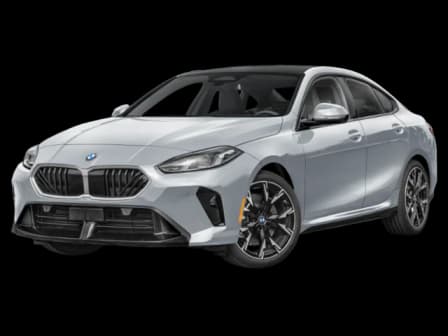
BMW’s smallest coupe keeps the brand’s driver-focused reputation alive in a shrinking luxury market. Positioned below the 3 and 4 Series, it serves enthusiasts and premium commuters who want rear-wheel-drive balance, strong performance, and a compact footprint rather than family-car practicality. The 230i offers lively, efficient pace, while the M240i brings near-M2 acceleration; available all-wheel drive broadens its appeal, though rivals such as the Acura Integra offer more usable space. Up front, turbocharged engine choices, supportive seats, and polished infotainment make it a convincing daily driver, while the chassis, brakes, steering, suspension, and ride quality reveal where its sporting ambitions succeed—or compromise comfort. The 390-liter trunk helps, but the rear seats remain occasional-use territory. If you’re choosing between weekend excitement and everyday flexibility, these details deserve a close look—because this BMW is happiest when the road, not the back seat, gets top billing.
Steering and Braking Response
The 2 Series stops confidently, but its steering communicates less than its chassis deserves. Performance brakes with large ventilated rotors provide strong, reassuring stopping power during spirited driving, and stability and traction control help keep the car composed. Testers praise the accurate response and cornering confidence, yet repeatedly criticize weak steering feedback, especially compared with older BMWs. That means the car is easy to place and enjoyable at speed, but it may not deliver the tactile connection purists expect.
Rear Space and Cargo
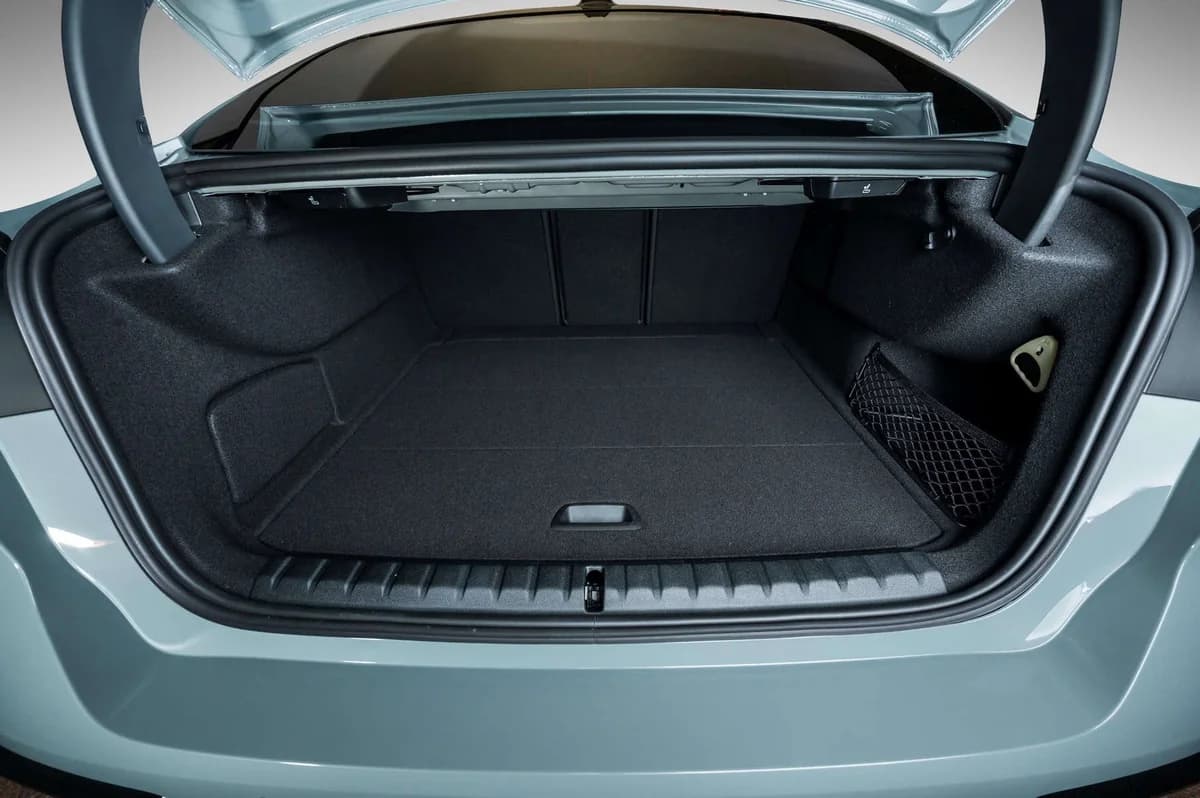
The coupe’s practicality is better than its silhouette suggests, but it remains a clear 2+2. Its 390.5-liter trunk is useful for shopping or weekend luggage, and folding rear seats add flexibility, yet adult passengers face tight legroom, limited headroom, and awkward access. Experts and owners consistently treat the rear seats as occasional-use space rather than family seating. The Gran Coupe improves access and passenger capacity, but buyers seeking maximum versatility will find a hatchback such as the Acura Integra more accommodating.
Interior Build Quality
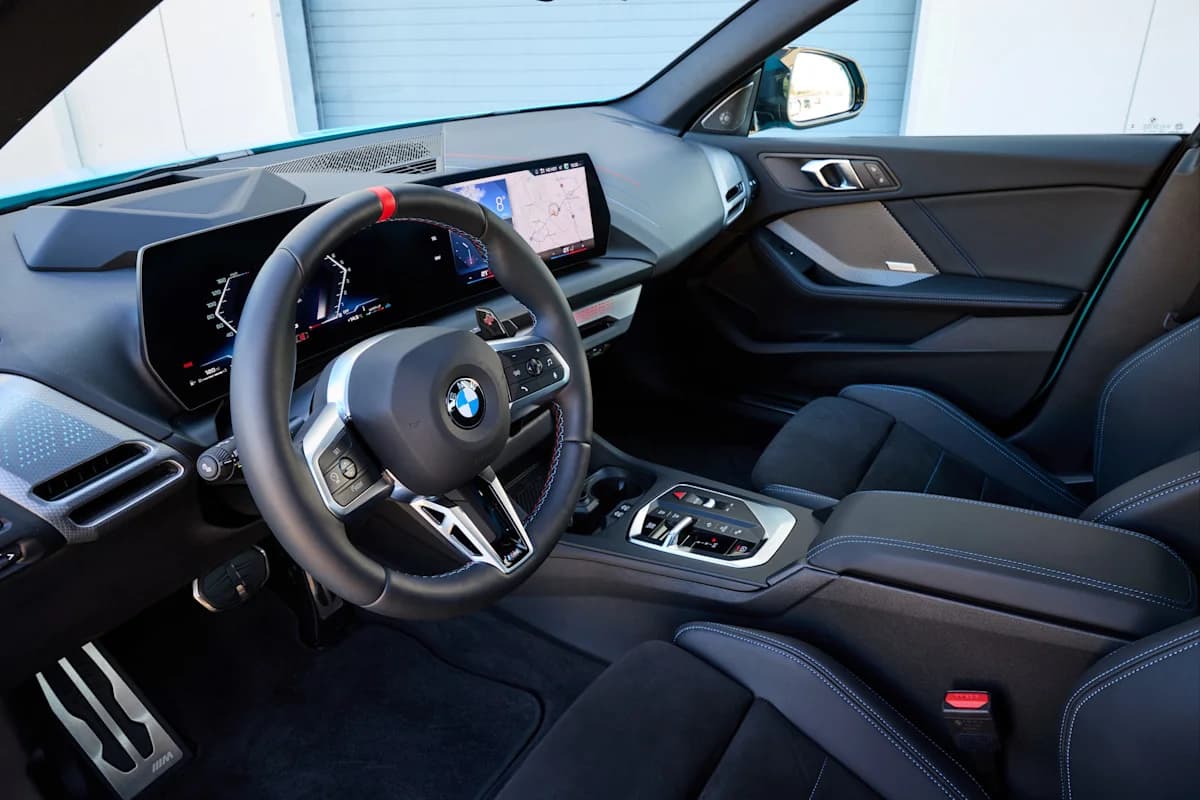
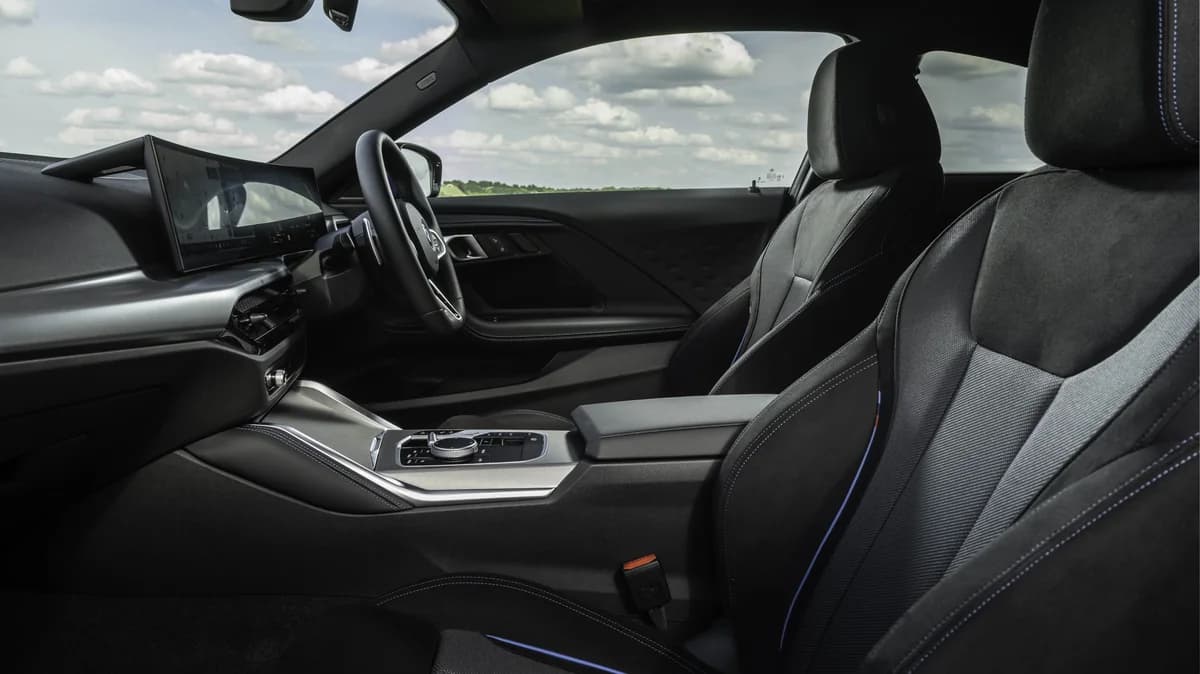
The cabin feels solid, supportive, and technologically current, particularly from the front seats. Heated sport seats provide useful bolstering for enthusiastic driving, while BMW Operating System 8.5, the 14.9-inch touchscreen, wireless smartphone integration, and available connected services create a polished experience. Reviews generally praise build quality and infotainment responsiveness, though the materials are more well-built than genuinely opulent. Touchscreen climate controls also require extra attention, a usability weakness that user impressions tend to reinforce.
Handling and Chassis Balance
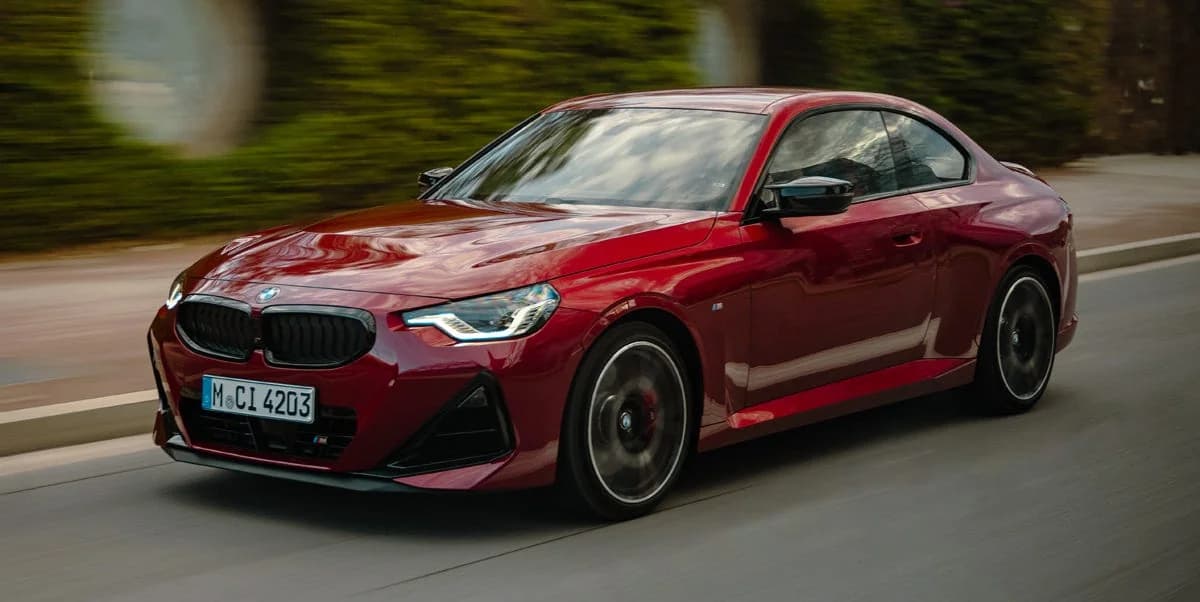
The 2 Series feels genuinely engaging because its rear-wheel-drive layout gives the coupe a balanced, confidence-building attitude through corners. The compact body, low seating position, and accurate chassis make the 230i enjoyable without requiring constant effort, while the M240i adds sharper suspension hardware and a limited-slip differential. Expert testing supports BMW’s driver-focused claims, although some reviewers found the car more polished than playful. The Gran Coupe is more practical, but its front-drive-based architecture feels less traditional.
Ride Comfort and Suspension Tuning
Ride quality is good enough for everyday use, but wheel and suspension choices matter. The passive M Sport dampers can feel firm or jittery over broken pavement, particularly with wide performance tires, while the M240i’s available adaptive dampers provide a more convincing balance between comfort and control. Reviews consistently describe the coupe as polished on smooth roads and slightly unsettled in town. The Gran Coupe may offer a more compliant setup, though commuter comfort still varies by configuration.
Engine Performance and Acceleration
The powertrain range makes the 2 Series easy to tailor from sensible commuter to near-M car. The 255-hp turbocharged four-cylinder in the 230i reaches 60 mph in roughly 5.5 seconds and combines brisk response with reasonable economy. The M240i’s 382-hp B58 inline-six can deliver about 3.6-second 0–60-mph performance, according to Car and Driver, while remaining refined enough for daily use. The standard automatic is quick and smooth, but enthusiasts may miss a manual option.
Conclusion
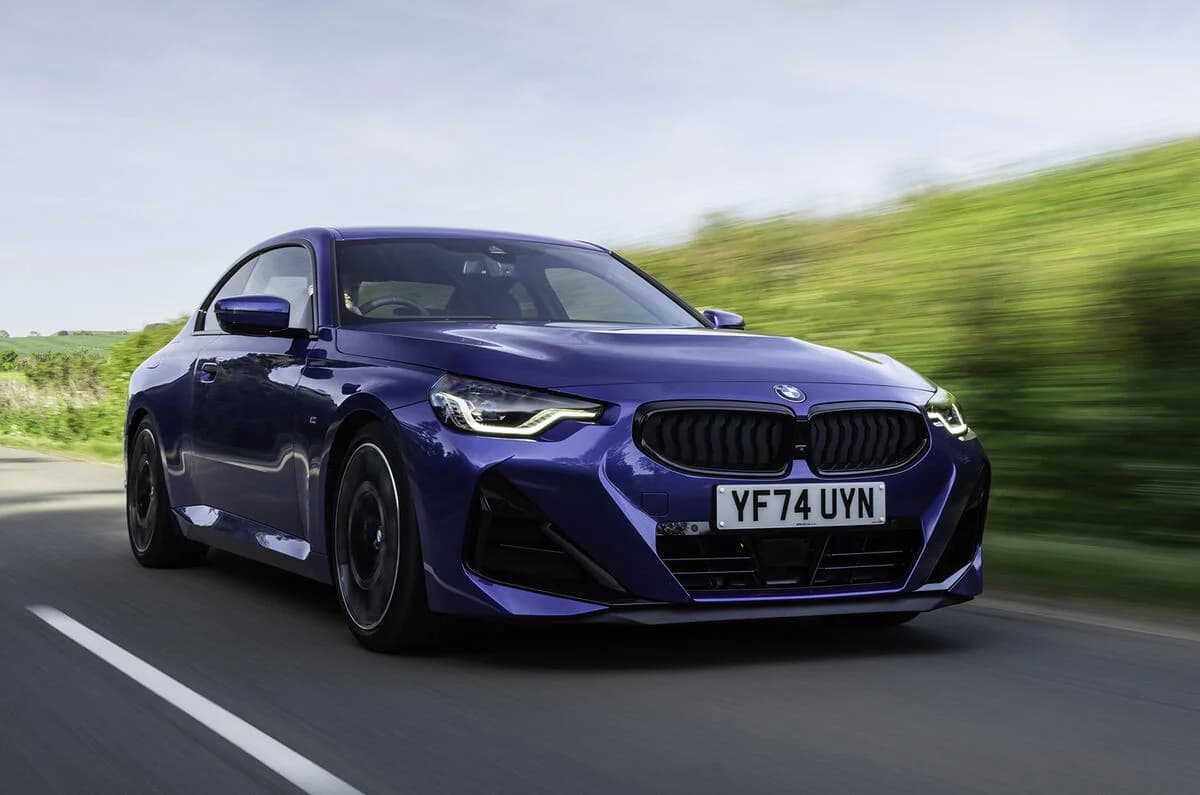
The final picture is refreshingly clear: the 2026 BMW 2 Series puts the road ahead of the passengers behind you. Its rear-wheel-drive balance makes cornering intuitive, while the 230i is brisk and efficient and the M240i delivers startling, near-M2 pace. Strong brakes, supportive front seats, and polished infotainment make it an appealing daily driver, though steering feedback is less vivid than enthusiasts may expect. Ride quality depends heavily on configuration: passive sport suspension and wide tires can feel jittery, while adaptive dampers improve the M240i’s versatility. The useful trunk helps, but cramped rear seats and awkward access confirm this is a 2+2, not a family hauler. Buyers seeking a distinctive, compact driver’s car will find the turbocharged engines and solid cabin compelling; those prioritizing comfort, space, or low ownership costs should look elsewhere. Its strengths are genuine, but the compromises explain why its appeal is enthusiast-specific rather than universal.

Feature Scores
This reflects reviews and ratings from established critics, journalists, and users who have evaluated the item. Their opinions provide a comprehensive assessment.
Performance
Acceleration
5/5
Handling Agility
5/5
Braking Performance
4/5
Ride Quality
4/5
Powertrain Refinement
4/5
Long-Term Reliability
3/5
Cargo Utility
4/5
Value
Performance Value
4/5
Ownership Cost
2/5
Resale Retention
3/5
Design
Exterior Styling
4/5
Interior Ambiance
4/5
Seating Support
4/5
Cabin Ergonomics
3/5
Health
Cabin Air Quality
TBD
Noise Exposure
3/5
Safety
Crash Protection
3/5
Driver Assistance
3/5
High-Speed Control
4/5
Visibility
3/5
Sustainability
Fuel Efficiency
4/5
Emissions Performance
3/5
Material Efficiency
TBD
End-of-Life Recyclability
TBD
Experience Style
Driving Engagement
5/5
Everyday Usability
4/5
Customization Flexibility
4/5

Specifications
This section outlines the product's key facts, covering essential features, details, dimensions, materials, and any unique characteristics that define its functionality and usability.
Performance
Design
Safety
Sustainability
Experience Style

Frequently Asked Questions
6 Questions




Find Yours
What kind of driving experience are you looking for?
Answer to find your best matches.