
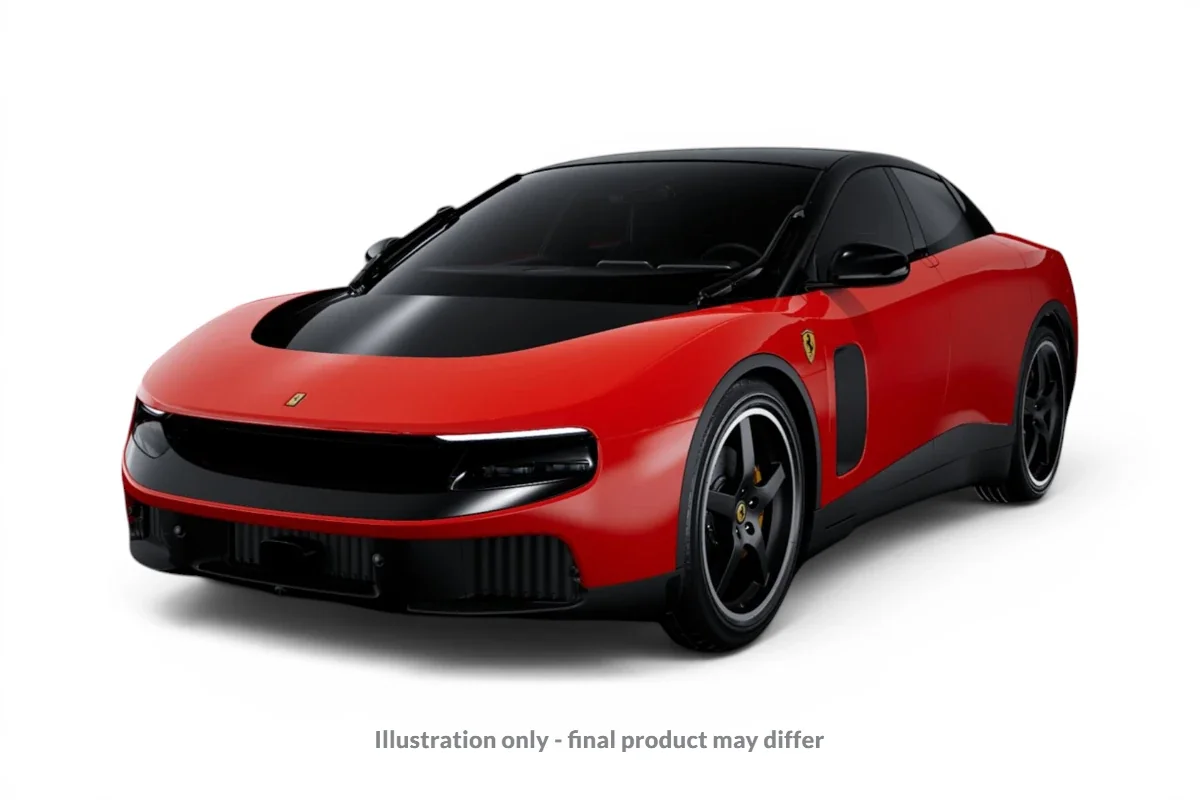
Ferrari Luce
A 1,050-hp electric GT with tactile luxury and five-seat practicality, though styling divides opinion.
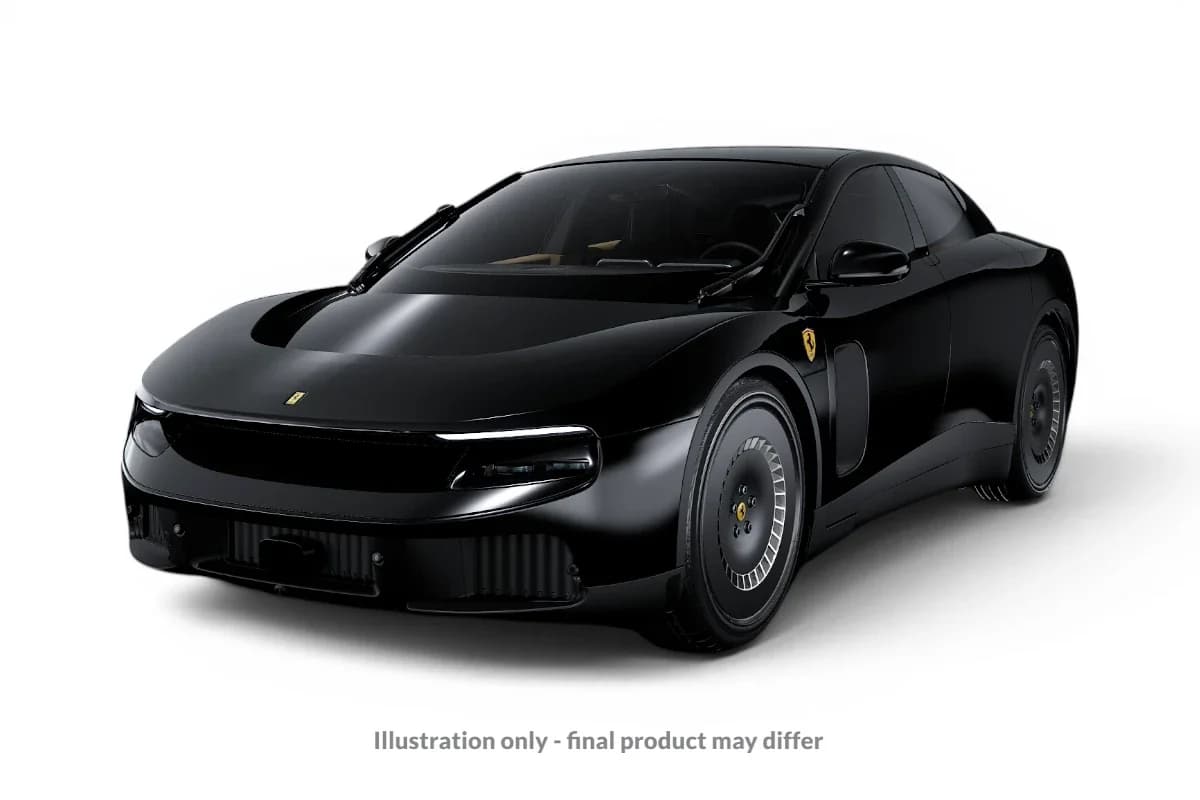
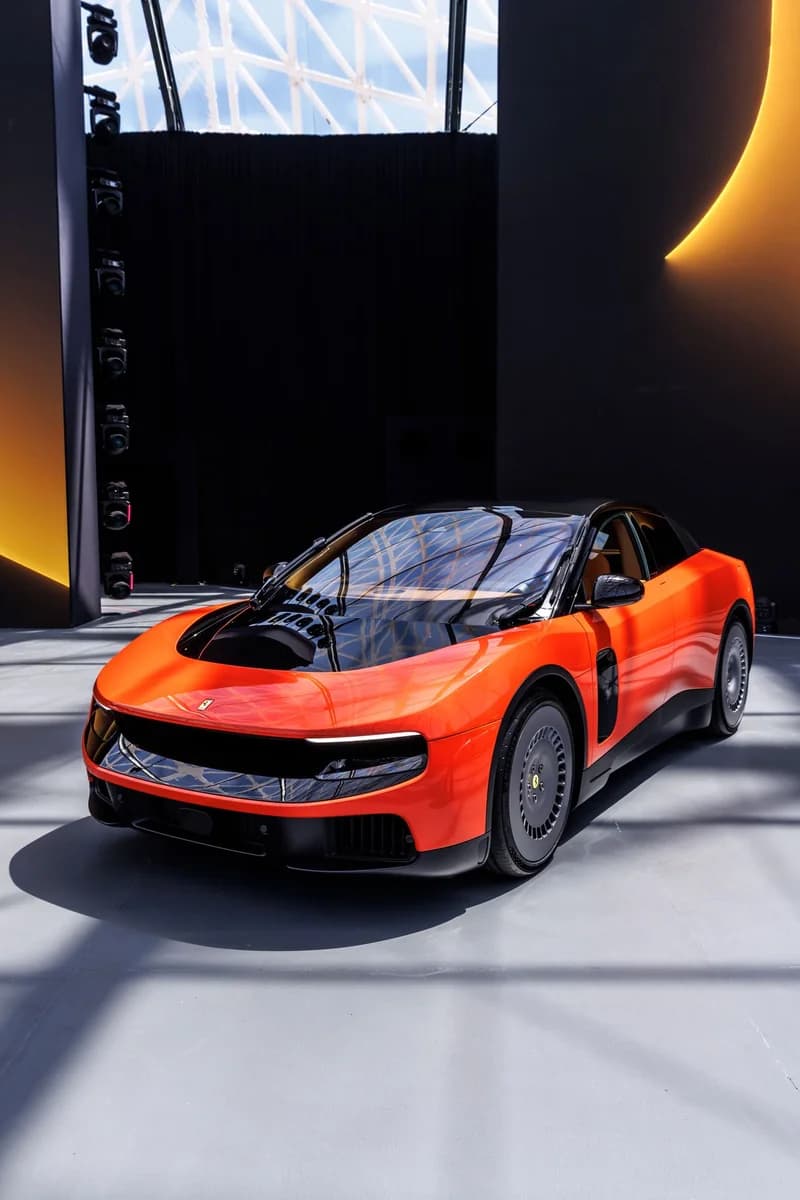
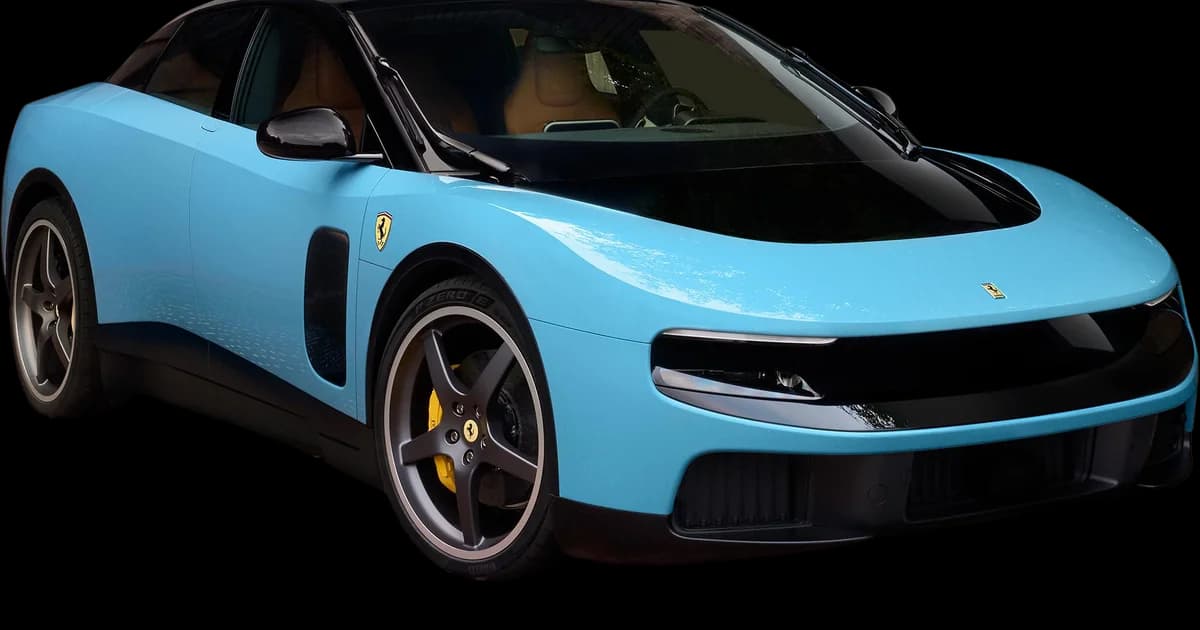
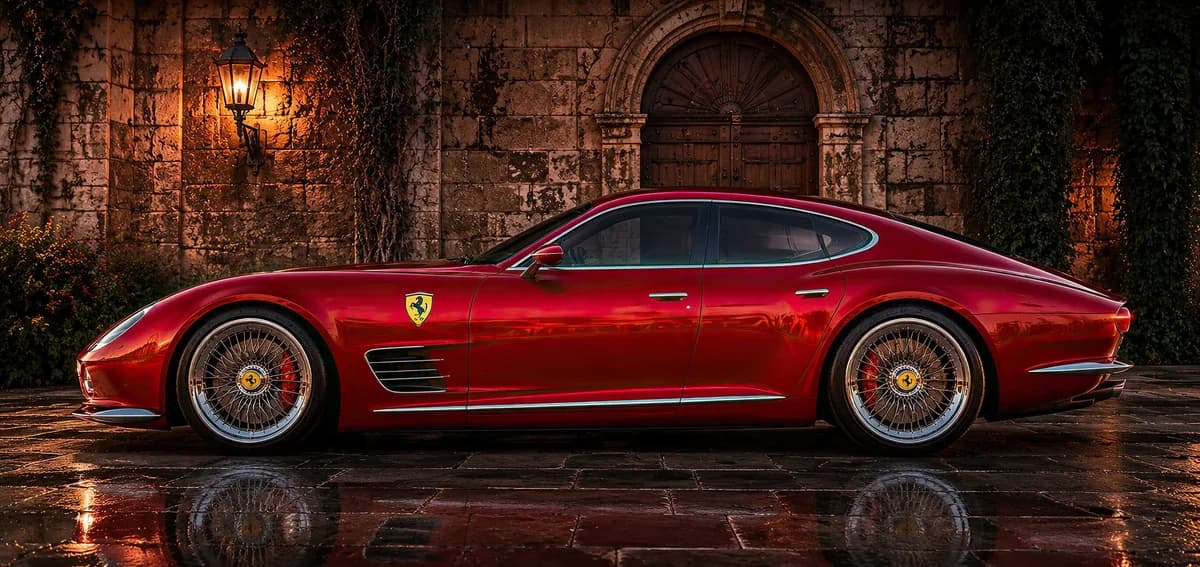
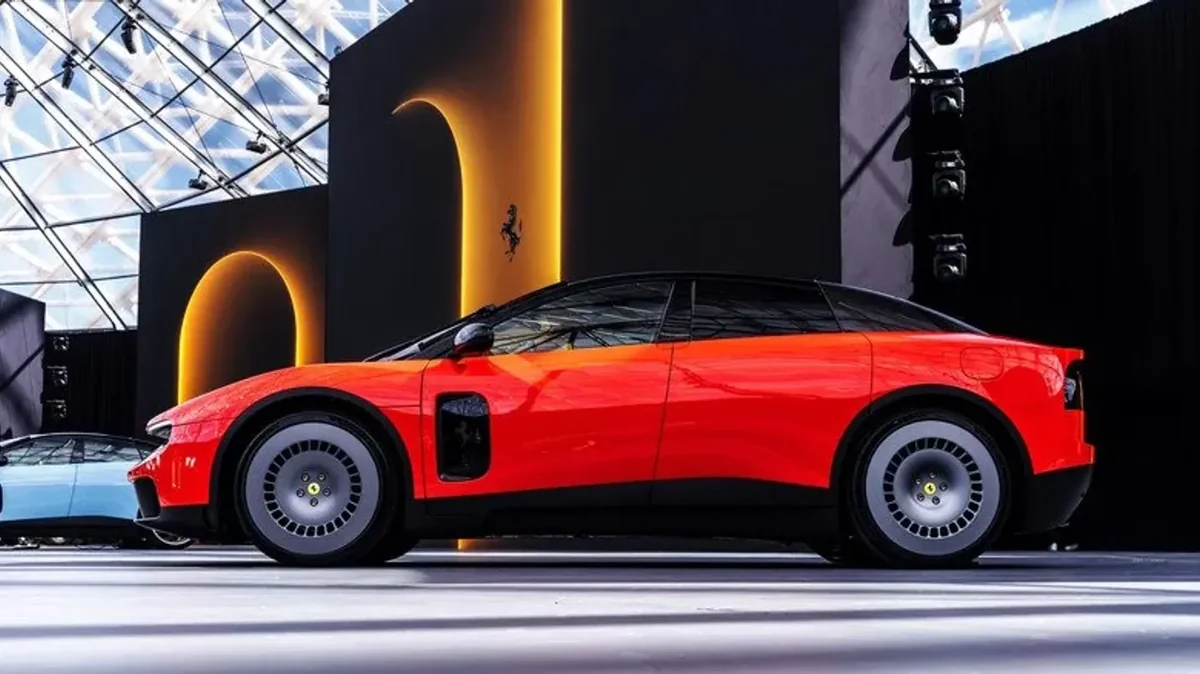
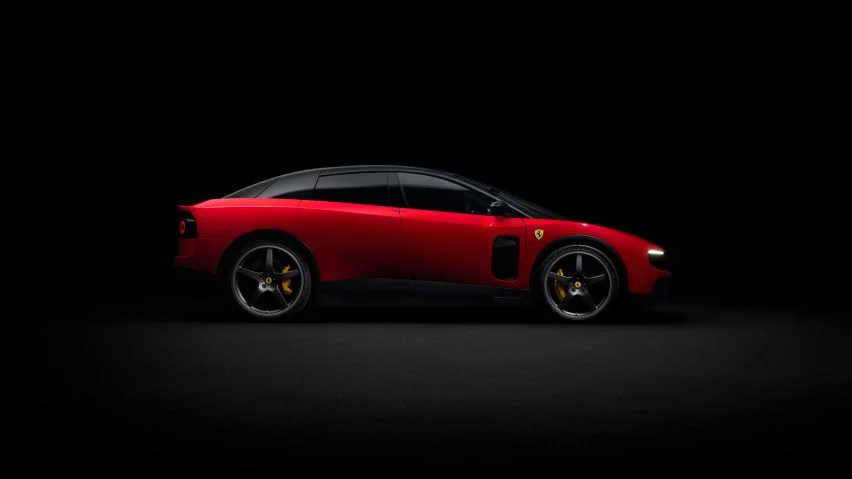
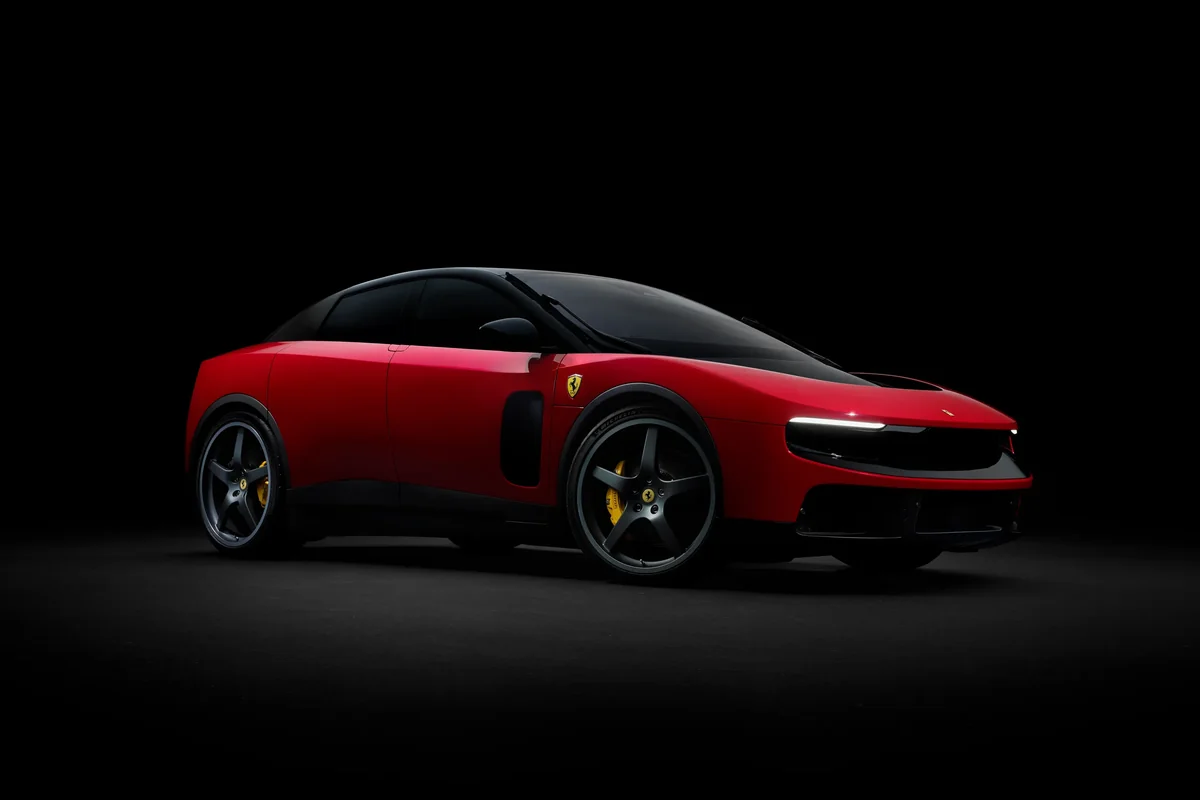
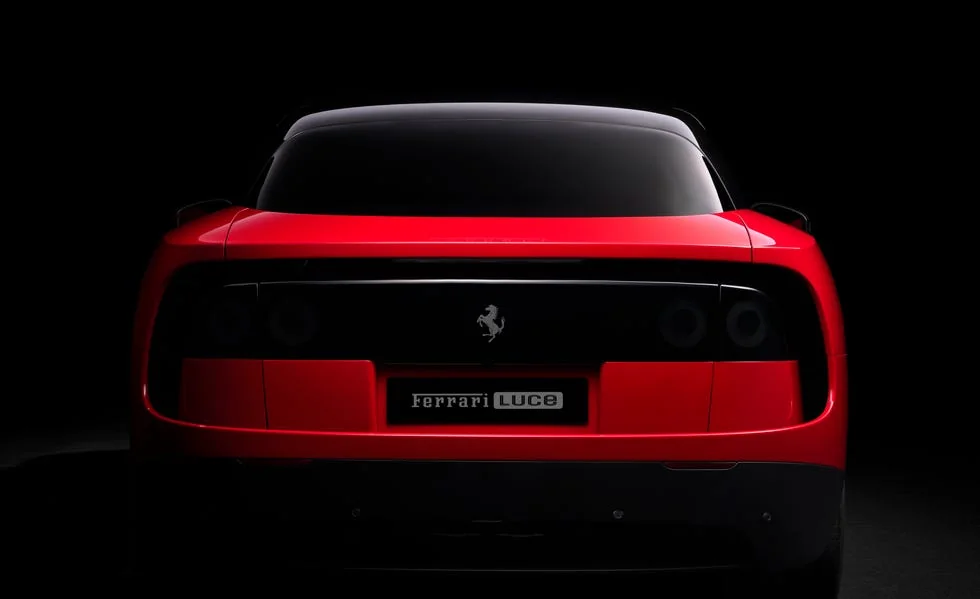
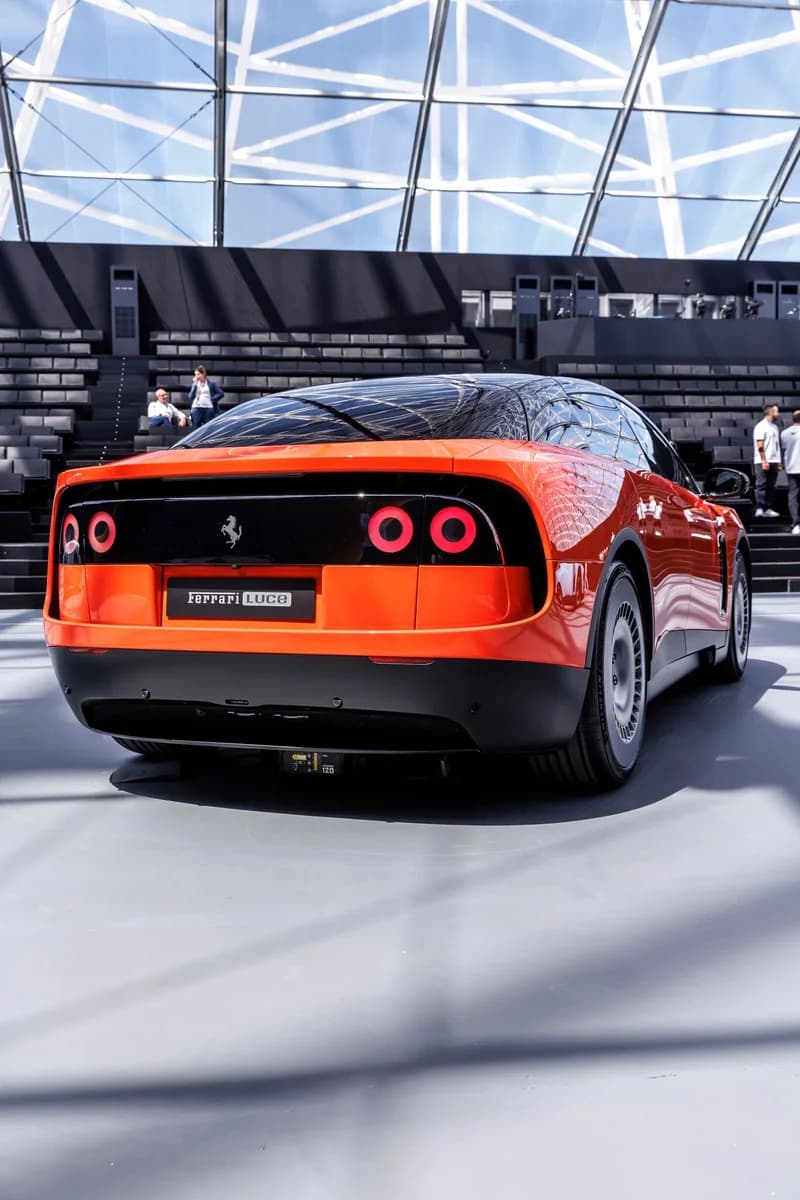
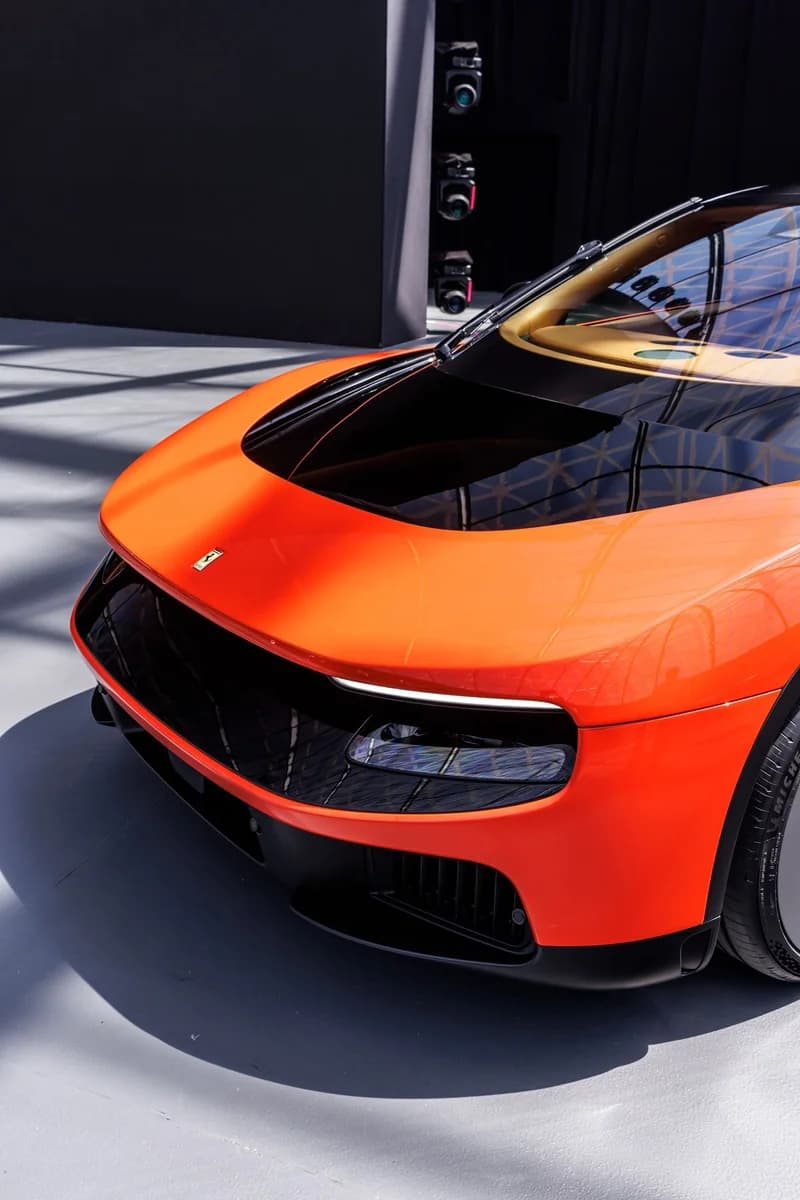
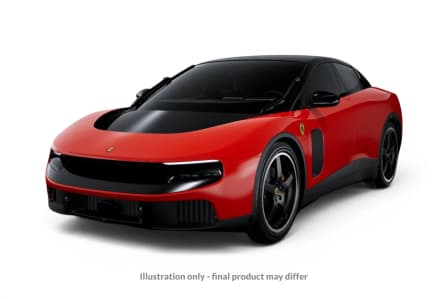
The Ferrari Luce is a 1,050-hp electric grand tourer for Ferrari loyalists who want supercar pace without giving up family-friendly space. Its four-motor AWD, active chassis, and 310-km/h top speed support Ferrari’s promise of an EV that feels genuinely thrilling, and expert drives suggest it is remarkably agile for its weight. The tactile, beautifully engineered cabin also wins praise, although the exterior divides opinion, with some users finding it awkward or emotionally un-Ferrari-like. Five seats and a 597-liter trunk add real usefulness, but roughly €550,000 is difficult to justify against cheaper EVs with comparable numbers, especially since its estimated range remains unverified. Its overall appeal rests on exclusivity, engagement, practicality, and whether the design grows on you.
Find Yours
What kind of driving experience are you looking for?
Answer to find your best matches.

The Field
Browse top contenders, or compare all options ranked by score and key attributes.
5 Options
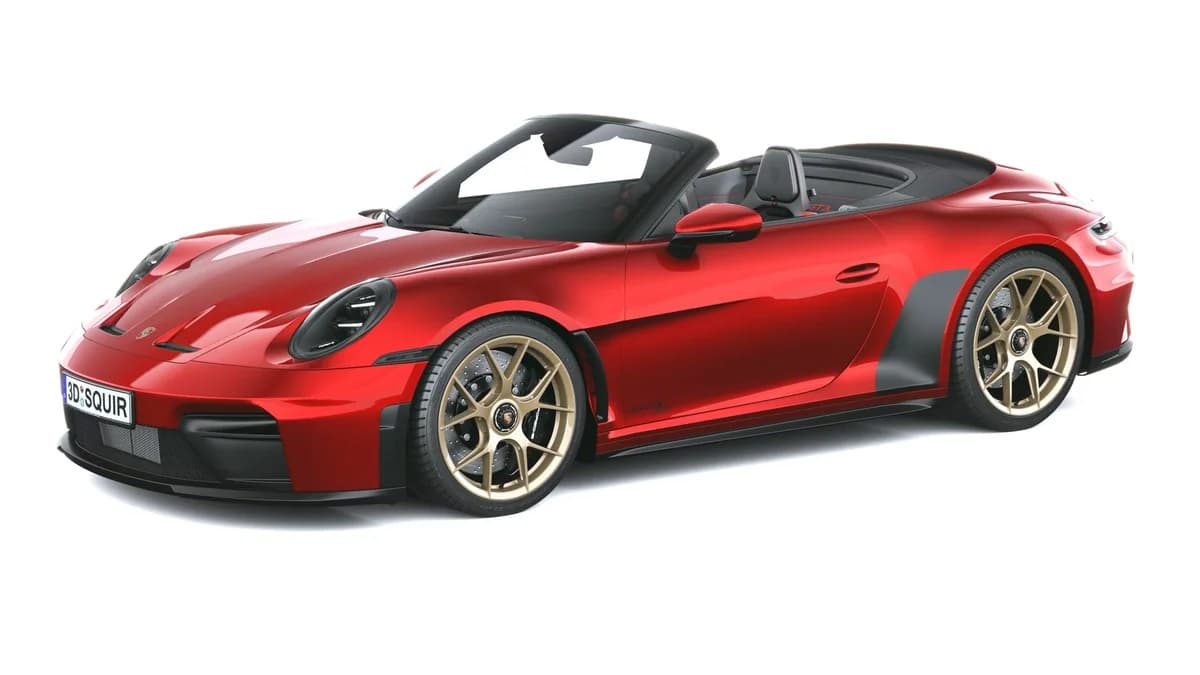
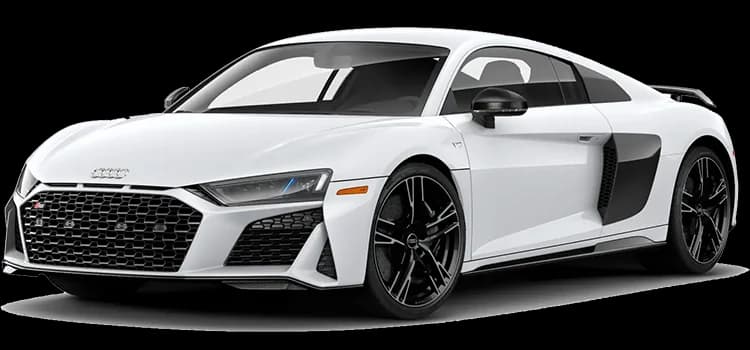

The Scoreboard
Does this improve your life? Considers, health, habits, and environmental impact.
Benefits
Four-wheel drive delivers rapid, controlled acceleration when merging, overtaking, or carrying passengers.
Five seats and a 597-liter trunk make weekend trips easier than typical Ferraris.
Physical switches and paddles reduce touchscreen hunting, making common driving adjustments feel more natural.
High-speed charging can shorten stops during longer journeys, keeping travel plans moving.
Trade-Offs
Its large, heavy body can make tight parking garages and narrow streets feel cumbersome.
Long journeys may require an additional charging stop, interrupting an otherwise smooth travel day.
Its unusual styling may draw unwanted attention or feel awkward in everyday social settings.
 Alternatives


Join the Circle
Where real meets deal
Know what's worth buying-and when.
Tips, special offers, and rewards for buying and sharing.

YouTube
2 LEADING EXPERT & INFLUENCER REVIEWS
 Top Gear
Jason Barlow is highly impressed by the Ferrari Luce, despite its controversial styling and electric powertrain. After driving a late-stage prototype, he finds it genuinely Ferrari-like: extraordinarily fast, remarkably controlled, agile despite its 2.26-tonne weight, and unusually engaging for an EV. Ferrari’s torque-shift system, active suspension, rear-wheel steering, and carefully engineered powertrain sound help recreate the rhythm and emotion of a combustion car without fake audio. Barlow praises the LoveFrom-designed interior as possibly the world’s best, though he acknowledges the exterior is polarizing and the Luce cannot match a 296 Speciale’s intimacy or character.
Mark Ellis ReviewsMark Ellis is highly enthusiastic about the Ferrari Luce, especially its tactile, beautifully engineered interior. He praises the physical switches, paddles, animated interfaces, mechanical details, and amplified mechanical sounds as a welcome antidote to the “Tesla-fication” of EVs. The LoveFrom collaboration gives the car a strong Apple-like design and user-experience identity, which he finds fascinating. He is less convinced by the exterior, calling it initially jarring and not his favorite Ferrari design, while admitting it grows on him. Although he has not driven the Luce, he believes its cockpit and exclusivity could win over wealthy buyers.

Social
1 INFLUENCER REVIEW
 Marouane Bembli
Marouane Bembli is strongly positive about the Ferrari Luce’s distinctive interior direction. He views it as a refreshing retreat from screen-heavy, buttonless modern cabins, comparing its restrained, tactile feel to a contemporary Ferrari F355. His enthusiasm is tempered by specific design reservations, including the movable infotainment screen, its awkward overlap with the surrounding graphics, and the dashboard’s lack of curvature and connection to the doors. Ultimately, he considers the concept nearly spot-on, with the final impression hinging on Ferrari using genuinely premium metal, carbon fiber, and leather.

Forum Reviews
CUSTOMER REVIEWS FROM 1 FORUM

Redditors are overwhelmingly skeptical of the Ferrari Luce, especially its design and value. Many consider it generic, awkward, or fundamentally disconnected from Ferrari’s emotional identity, with some calling it the brand’s ugliest car. The roughly €550,000 price also draws fierce criticism because cheaper EVs reportedly match or exceed its acceleration, range, and efficiency. A minority appreciate the interior, physical controls, or the car’s originality, and some think it looks better in person than in renders. Performance itself receives mixed treatment, though several enthusiasts accept that EVs can be genuinely engaging; their objection is that the Luce feels unremarkable rather than exciting. Purchase interest remains very low.
Many comments

In-Depth Review

Highlights
- •Extraordinary SpeedExperts report remarkable speed and control.
- •Tactile Cabin ControlsPhysical switches resist screen-heavy interaction.
- •Responsive Torque ControlIndependent motors sharpen cornering responses.
- •Five-Seat PracticalityFive seats and 597-liter trunk broaden usability.

Considerations
- •Polarizing Exterior DesignSome viewers find it awkward or un-Ferrari-like.
- •Exceptional PriceRoughly €550,000 makes comparative value contentious.
- •Heavy Road Manners2,260-kg mass limits sports-car intimacy.
- •Unconfirmed Real-World RangeEstimated range awaits homologation and testing.
Ferrari’s first EV brings its performance pedigree into the ultra-luxury electric GT market, with 1,050 hp and a more practical five-seat mission. It is designed for affluent Ferrari loyalists, collectors, and families who want blistering acceleration, long-distance comfort, and a badge few rivals can match. The unusual four-motor AWD system aims to make its 2,260-kg body feel agile, while 350-kW DC charging supports touring rather than occasional driveway posing. Estimated range, energy use, active chassis systems, braking performance, and the usefulness of its 597-liter trunk deserve close attention, especially against faster-looking value alternatives such as the Taycan or Lucid Air Sapphire. The cabin’s tactile controls may also appeal to drivers tired of screen-only interfaces. Performance is headline-grabbing, but the real question is whether Ferrari has made a heavy EV feel genuinely special—so let’s examine where the Luce earns its prancing-horse badge.
Five-Seat Practicality
This is the Ferrari’s clearest usability breakthrough. Five-seat capacity and a 597-liter trunk make the Luce more suitable for family travel, luggage, and everyday errands than the brand’s usual two-seat or limited-seat models. The long 2,961-mm wheelbase should help cabin space, while the tactile controls praised by reviewers make frequent adjustments feel more deliberate than in screen-dominated rivals. Its large footprint can still be awkward in tight garages, and the polarizing exterior may not suit buyers seeking understated luxury.
Acceleration and Speed
The Luce is exceptionally quick, even before its top-speed claim enters the picture. Ferrari quotes 1,050 hp, roughly 2.5 seconds to 100 km/h, and 310 km/h, figures that place it firmly among elite performance EVs. The four-motor traction should make launches repeatable with passengers aboard, while the estimated 6.8-second 0–200 km/h time emphasizes sustained power rather than a brief shove. Expert driving impressions support the claim, describing extraordinary speed and control, although the experience may still lack the intimacy of Ferrari’s lighter combustion cars.
Four-Motor Torque Control
The four-motor layout is more significant than its headline power figure. Each wheel receives power independently, allowing active torque vectoring to adjust the car’s attitude through corners instead of relying only on conventional brakes or a central differential. Ferrari cites 990 Nm at the motors and much higher wheel torque, while its torque-shift system is credited by expert testing with making the 2,260-kg car feel agile. That is a notable engineering strength, though real-world durability and consistency remain unconfirmed before deliveries.
Range and Efficiency
The estimated range is usable, but it is not an obvious efficiency showcase. Ferrari-related specifications point to about 530 km of range from a substantial 122-kWh battery, a respectable figure for a 1,050-hp vehicle but reportedly around average against some less expensive EVs. Four motors, wide performance hardware, and the car’s 2,260-kg mass will likely make high-speed driving especially energy-intensive. This is adequate for touring, yet buyers should wait for homologated and real-world consumption figures before assuming effortless long-distance travel.
DC Charging Performance
Fast charging gives this high-performance EV a better chance of working as a grand tourer rather than a short-trip novelty. Its 800V-class architecture supports up to 350 kW DC charging, potentially making shorter highway stops practical when connected to suitably powerful equipment. The benefit is promising, but peak speed alone does not reveal the charging curve, or how long the car sustains that rate. Until independent testing is available, the hardware looks impressive while actual stop-time usability remains a claim to verify.
Handling and Suspension
The Luce’s chassis technology is intended to disguise how large and heavy it is. Active suspension, rear-wheel steering, adaptive dampers, and torque shifting work together to improve cornering response, while performance brakes support repeated high-speed deceleration. A prototype drive impression found the car remarkably controlled and agile for its 2.26-tonne mass, which strongly supports Ferrari’s engineering direction. Still, that weight cannot disappear, and the Luce is unlikely to deliver the delicate, intimate feel associated with Ferrari’s most focused sports cars.
Conclusion
Ferrari Luce makes the strongest case for itself when it behaves like a grand tourer with supercar reflexes: 1,050 hp, a 310-km/h top speed, and four-motor torque vectoring promise astonishing pace with more control than its 2,260-kg mass suggests. Expert impressions find the suspension, rear steering, and braking remarkably composed, while the 800V system and 350-kW DC charging support serious touring. The catch is that estimated range remains unconfirmed and only broadly competitive, so efficiency is not its headline strength. Five seats and a 597-liter trunk add real usefulness, and the tactile cabin wins praise, but user reactions remain divided over the exterior, weight, and extraordinary price. Luce suits Ferrari loyalists who value engineering theatre, exclusivity, and practicality in one package—not buyers chasing maximum range or straightforward performance value. It earns its recommendation as a compelling, technically ambitious luxury EV, though not an obvious rational bargain.

Feature Scores
This reflects reviews and ratings from established critics, journalists, and users who have evaluated the item. Their opinions provide a comprehensive assessment.
Performance
Acceleration
5/5
Handling Agility
5/5
Braking Performance
4/5
Ride Quality
4/5
Powertrain Refinement
5/5
Long-Term Reliability
3/5
Cargo Utility
4/5
Value
Performance Value
3/5
Ownership Cost
2/5
Resale Retention
4/5
Design
Exterior Styling
3/5
Interior Ambiance
5/5
Seating Support
4/5
Cabin Ergonomics
4/5
Health
Cabin Air Quality
TBD
Noise Exposure
TBD
Safety
Crash Protection
TBD
Driver Assistance
TBD
High-Speed Control
5/5
Visibility
3/5
Sustainability
Fuel Efficiency
4/5
Emissions Performance
5/5
Material Efficiency
2/5
End-of-Life Recyclability
TBD
Experience Style
Driving Engagement
5/5
Everyday Usability
4/5
Customization Flexibility
TBD

Specifications
This section outlines the product's key facts, covering essential features, details, dimensions, materials, and any unique characteristics that define its functionality and usability.
Performance
Design
Safety
Experience Style

Frequently Asked Questions
7 Questions


Find Yours
What kind of driving experience are you looking for?
Answer to find your best matches.