
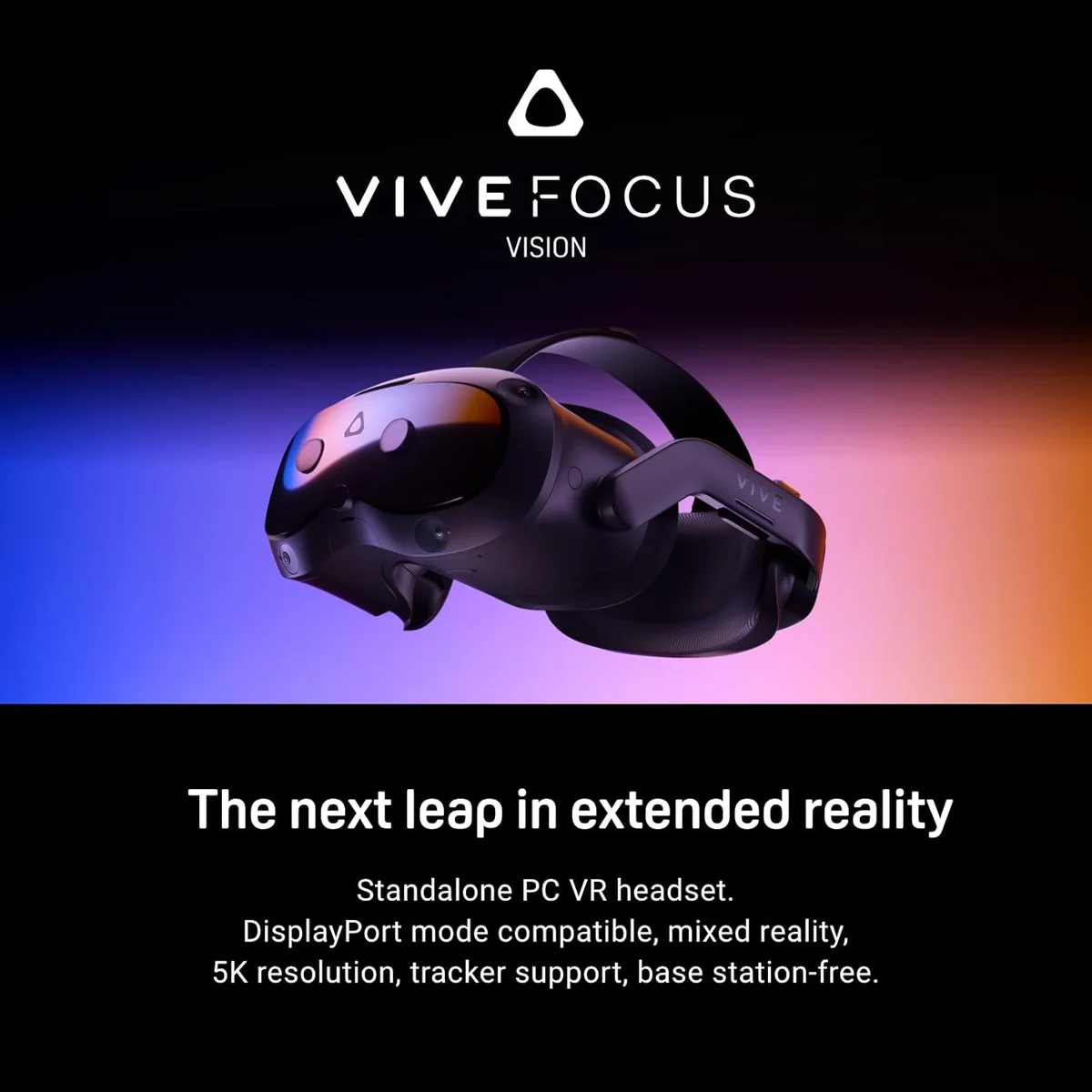
VIVE Focus Vision VR Headset
Sharp 5K display and advanced tracking impress, but lens clarity and software issues limit appeal.
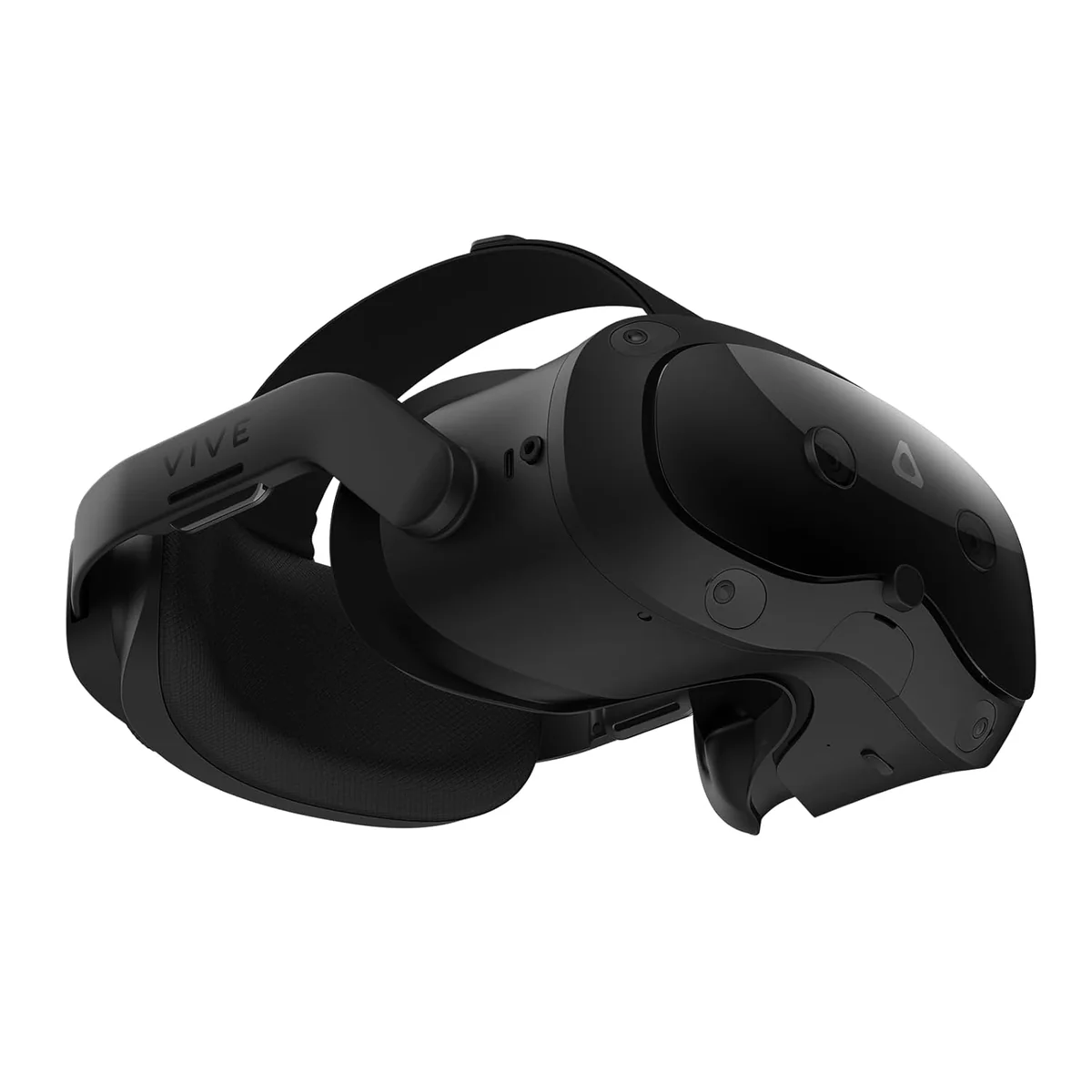
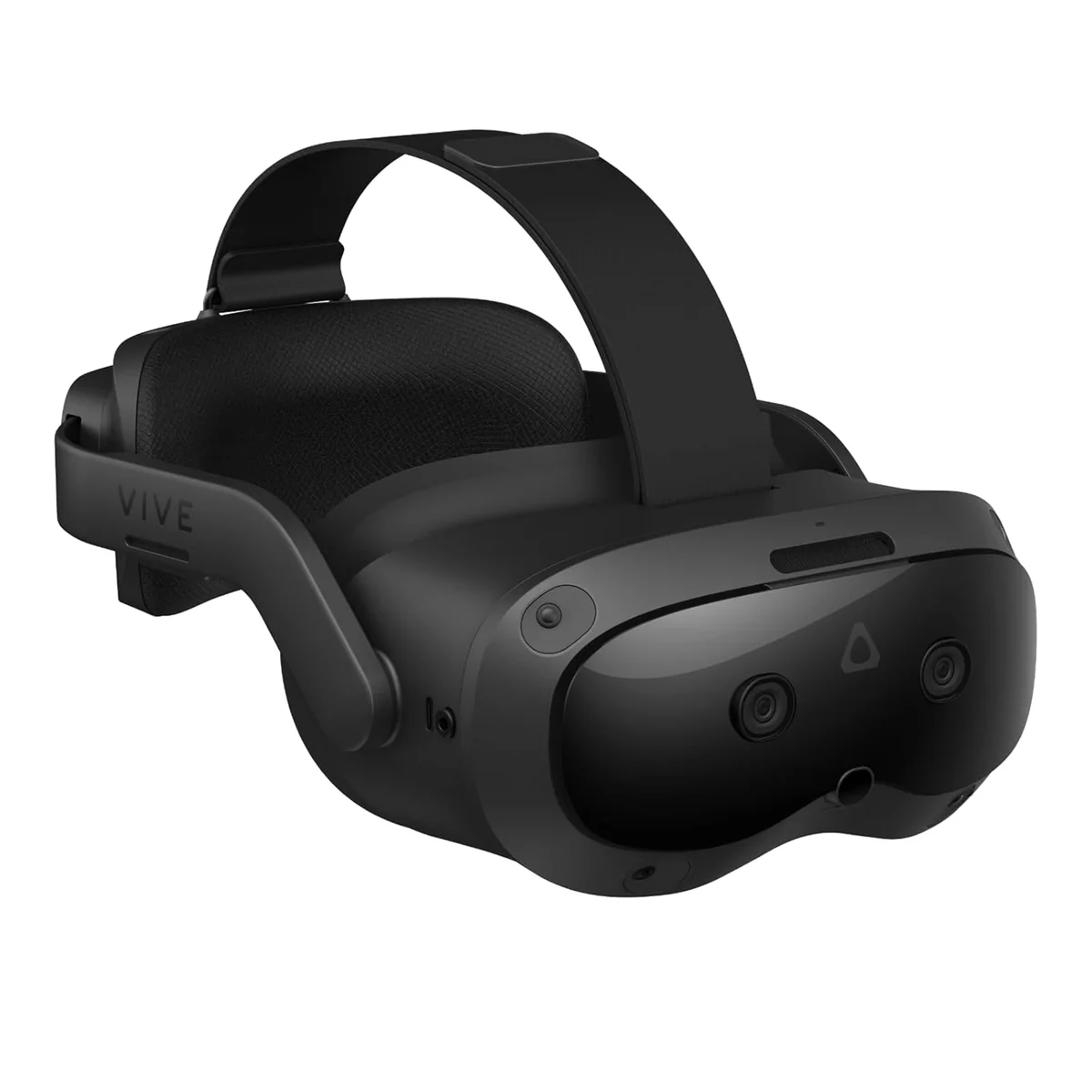
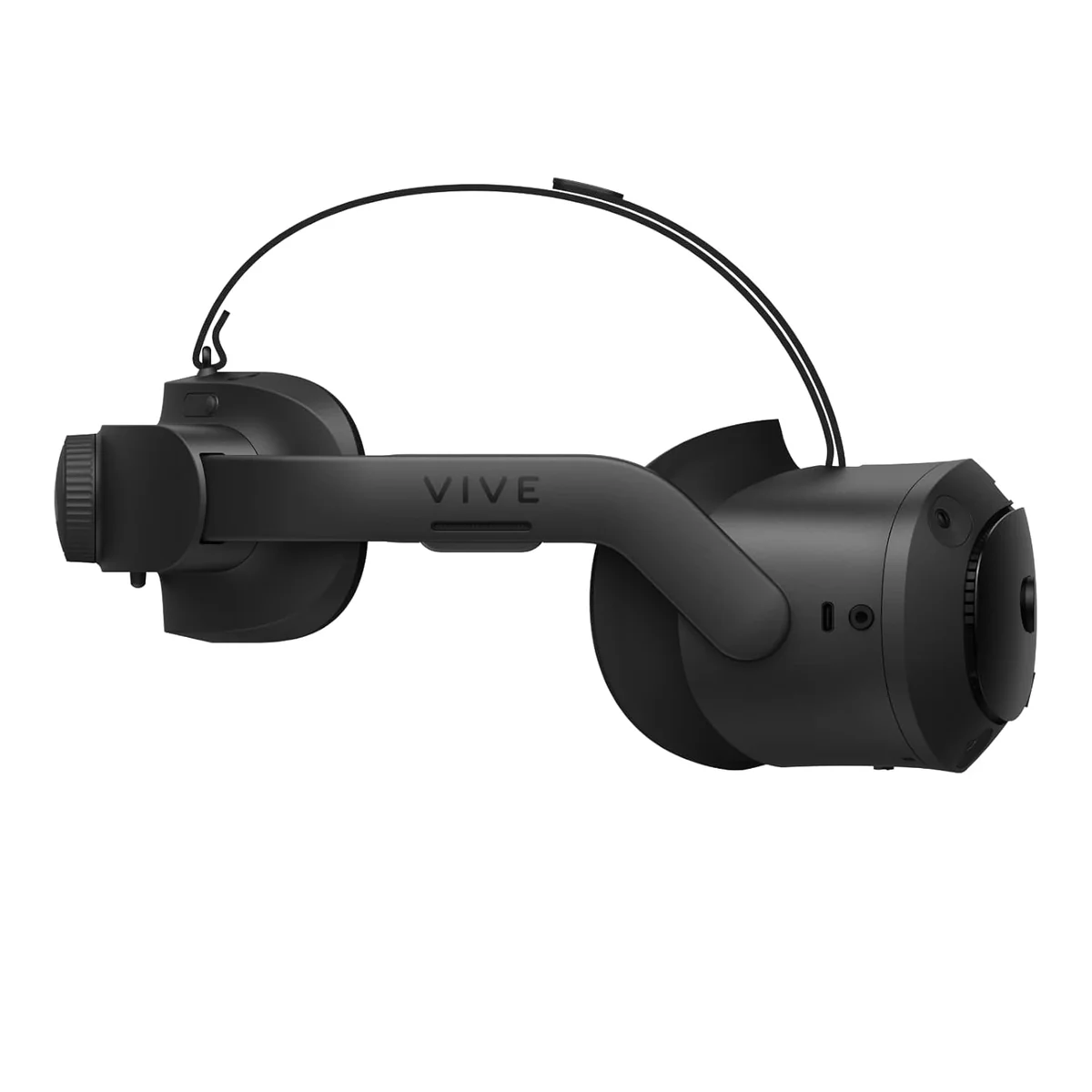
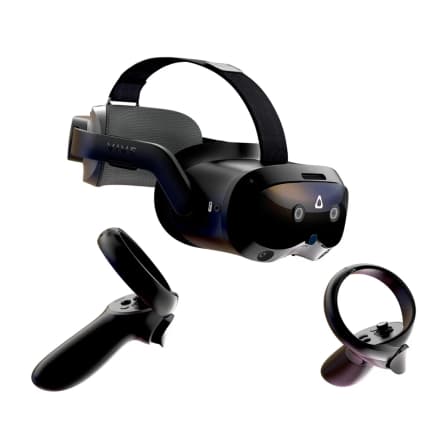
The HTC VIVE Focus Vision is a premium hybrid headset crafted for VR enthusiasts and pros craving crisp 5K visuals and seamless wired DisplayPort streaming that banishes wireless fuzz. It dazzles with advanced eye and hand tracking, plus a comfy, ergonomic magnesium frame topped by a clever hot-swappable battery system. Yet, its promise stumbles over persistent Fresnel lens artifacts, occasional software quirks, and a hefty price tag that demands serious commitment. For those chasing pixel-perfect immersion in PCVR or mixed reality, this rig delivers power but asks you to wrestle with clarity trade-offs—a niche powerhouse worth knowing before diving in.
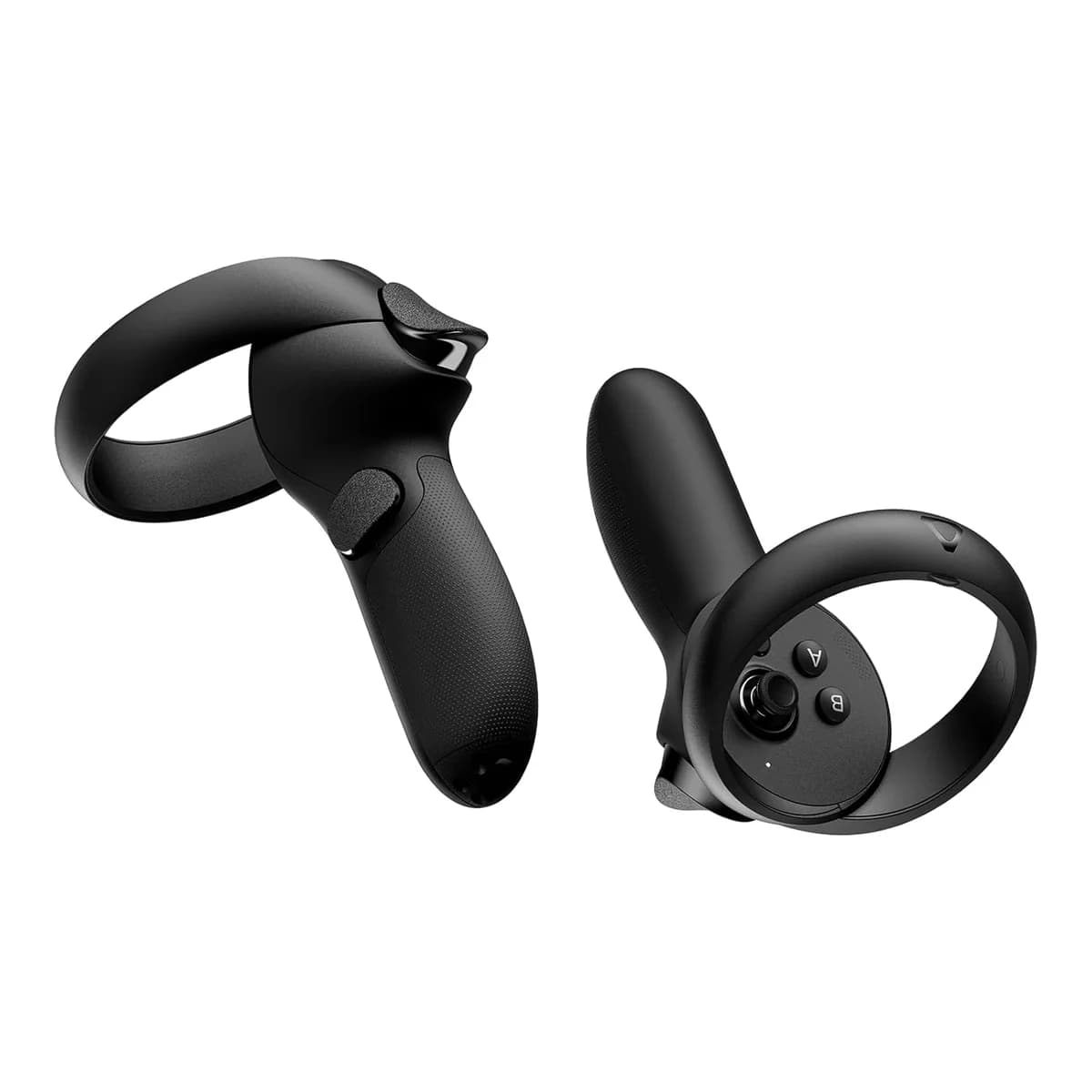
Find Yours
What is your primary intended use for VR gear?
Answer to find your best matches.

The Field
Browse top contenders, or compare all options ranked by score and key attributes.
5 Options
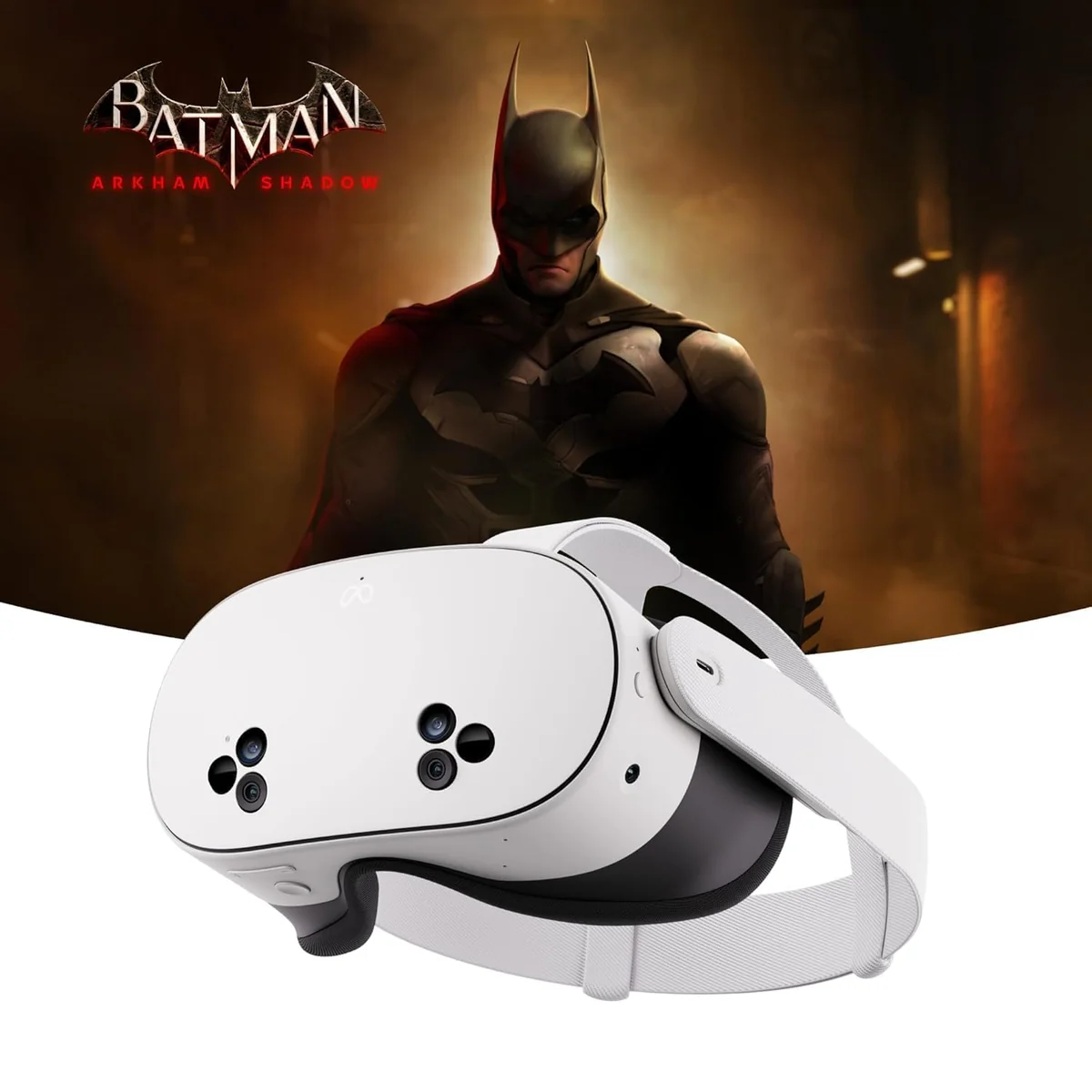

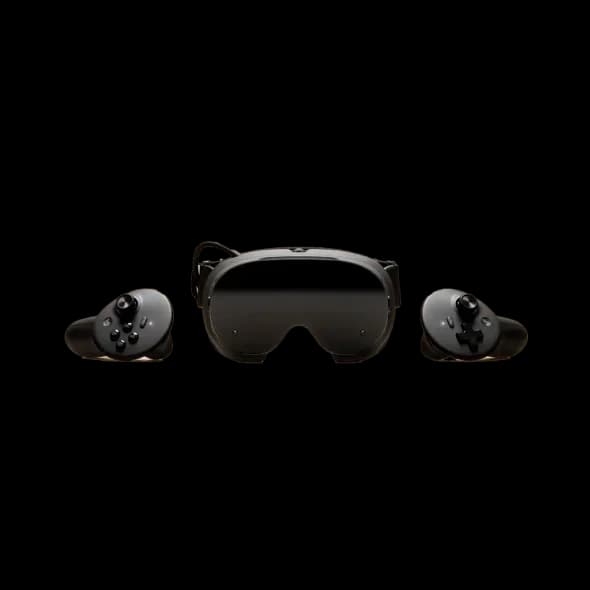

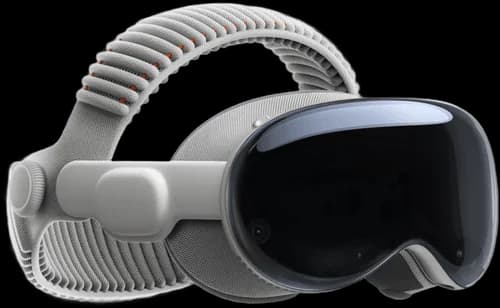

The Scoreboard
Does this improve your life? Considers, health, habits, and environmental impact.
Benefits
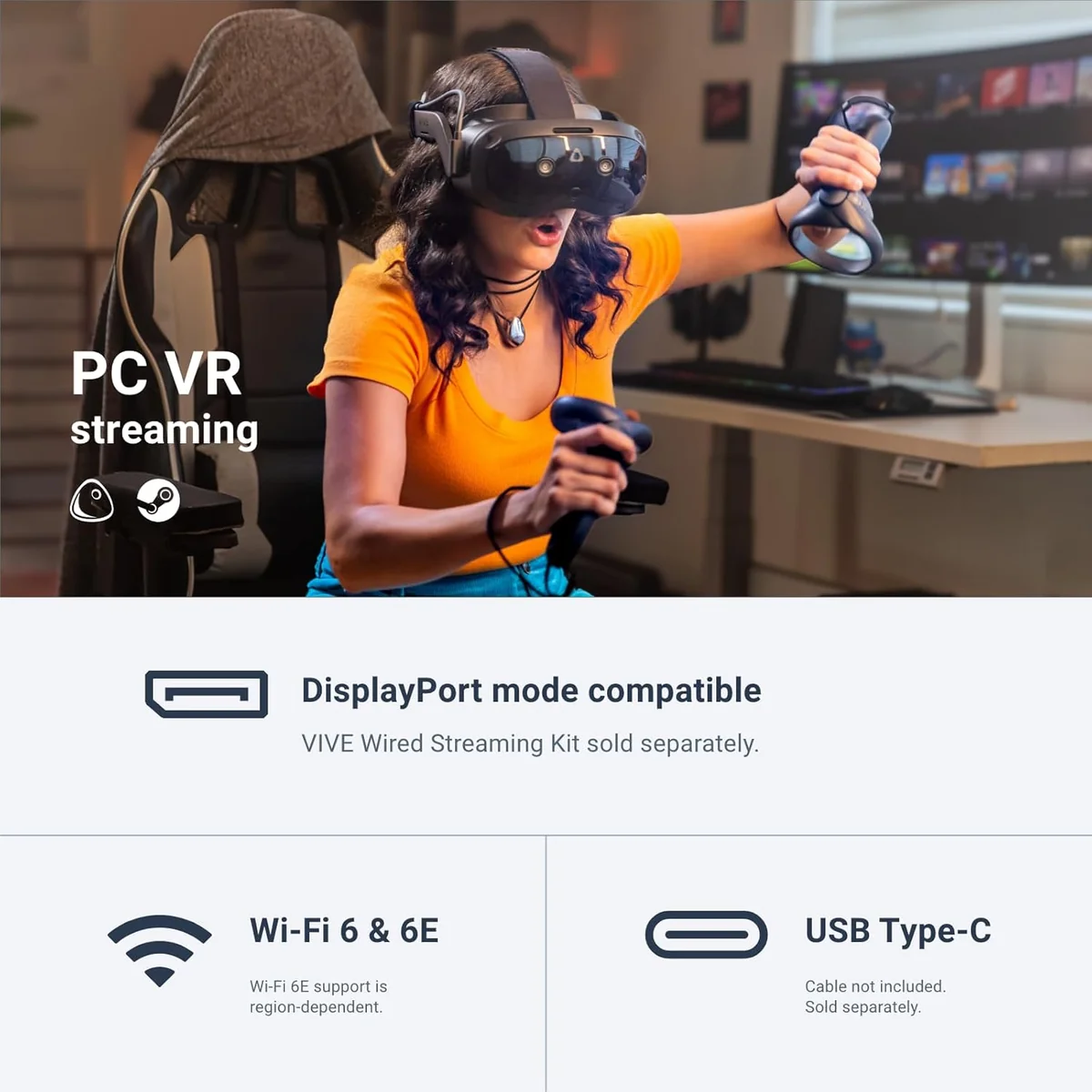
DisplayPort wired streaming provides uncompressed, low-latency imagery versus compressed wireless, reducing eye strain.
Built-in eye and 26-point hand tracking improves avatar expression and lowers cognitive effort during interactions.
Motorized auto‑IPD aligns lenses automatically, easing focus adjustments and lowering eye fatigue between users.
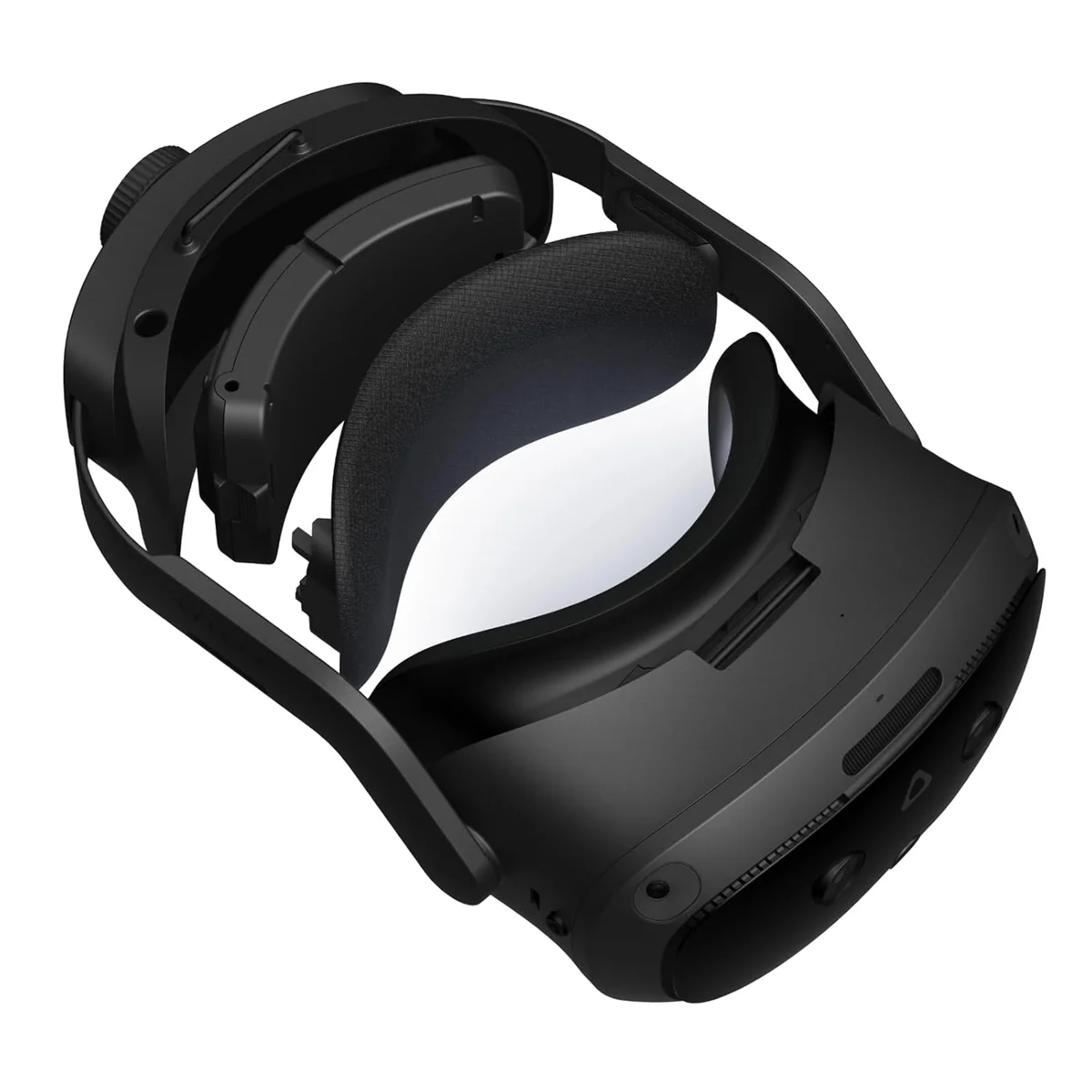
Front hot‑swap battery enables quick swaps for continuous therapy, shared‑use, or extended breaks without pause.
Stereo passthrough and depth sensing allow safe interaction with surroundings, lowering collision and anxiety risk.
Trade-Offs
Fresnel double‑layer lenses create god‑rays and small sweet spots, increasing blur and potential eye strain.
785g headset weight plus battery and cooling can cause neck fatigue during longer sessions.
Removable lithium batteries increase material extraction and recycling burden compared with sealed, serviceable designs.
Active cooling fan reduces heat but adds noise and local thermal discomfort during focused sessions.
Streaming kit power demands and software bugs can cause disconnections, frustration, and interrupted therapeutic flow.
 Alternatives


Join the Circle
Where real meets deal
Know what's worth buying-and when.
Tips, special offers, and rewards for buying and sharing.

Publications
11 LEADING PUBLICATION REVIEWS

Alan Truly from Digital Trends highlights HTC’s Vive Focus Vision as a compelling VR headset that merges the best features of previous Vive models, delivering visually lossless PCVR gaming with a crisp 2448x2448 resolution per eye and low latency via a wired DisplayPort connection. The review praises its strong mixed reality capabilities, improved passthrough cameras, and practical features like hot-swappable batteries and expandable storage. However, the reviewer notes drawbacks such as distracting Fresnel lens artifacts (“god rays”), a bulky design, and a gaze-based input system that still needs refinement. While the Vive Focus Vision excels for PC gamers seeking sharp visuals and eye-tracking, it faces stiff competition from lighter standalone headsets like the Vive XR Elite and Meta Quest 3, which offer wireless freedom and clearer optics. Ultimately, Truly considers the Vive Focus Vision a solid upgrade for Vive Pro 2 owners and location-based entertainment, but a more niche choice for casual standalone users.
By Alan Truly
David Heaney from UploadVR highlights the VIVE Focus Vision as a thoughtfully engineered PC VR headset with standout features like integrated eye tracking, motorized lens alignment, and lossless DisplayPort streaming that deliver impressive center-of-lens detail and optical precision. Heaney appreciates the headset’s well-distributed weight and comfort during moderate use, as well as the enhanced image quality compared to compressed alternatives like Quest 3. However, he notes notable drawbacks including the persistence of fresnel lens artifacts such as blur and glare, and early technical issues like frame drops during head rotation in demos. While the standalone mode is limited by a sparse app store, the headset’s strengths lie in PC VR applications, especially for users valuing eye tracking for avatar expression. Ultimately, Heaney presents Vive Focus Vision as a niche but capable option facing stiff competition from rivals offering higher resolution, better lenses, or richer colors at similar or lower prices, making its appeal conditional on specific user priorities.
By David Heaney
Eric Ravenscraft from WIRED highlights the HTC Vive Focus Vision as a technically ambitious VR headset that blends standalone and PCVR capabilities with innovative features like motorized lens adjustment and eye tracking. He praises its ergonomic design, balanced weight distribution, and high-quality wired streaming performance, which delivers smooth, immersive gameplay on demanding titles like Half-Life: Alyx. However, Ravenscraft’s enthusiasm is tempered by significant drawbacks: the use of outdated Fresnel lenses causes visual distortions and a narrow clear viewing area, frequent lens fogging, and inconsistent wireless streaming plagued by lag. The headset’s $1,000 starting price, plus additional costs for essential accessories, makes these flaws harder to overlook. While the Vive Focus Vision offers a premium experience for users prioritizing display clarity and PC connectivity, its compromises in optics and mixed-reality passthrough quality suggest that more affordable alternatives like the Meta Quest 3S may be better suited for most consumers.
By Eric Ravenscraft
Hamish Hector from TechRadar highlights the HTC Vive Focus Vision as a versatile hybrid VR headset that aims to bridge standalone and PCVR experiences but ultimately falls short of excelling at either. Praising its professional-friendly features—such as eye-tracking for automatic IPD adjustment, easy-to-clean materials, and a stable, adjustable design—the review acknowledges its appeal in shared or workplace environments. However, Hector expresses clear disappointment with the headset’s comfort, outdated Snapdragon XR2 Gen 1 chipset, and relatively heavy weight, which undermine extended use. The Vive Focus Vision’s standout DisplayPort compatibility via the Wired Streaming Kit enhances PCVR visuals beyond many standalone rivals, yet this comes at an extra cost. Most critically, the limited and less compelling standalone software library pales in comparison to Meta Quest’s extensive offerings, making it difficult to justify the $999 price for consumers. Overall, Hector finds the Vive Focus Vision a jack-of-all-trades but master of none, recommending it primarily for hybrid use cases rather than as a top standalone VR headset.
By Hamish Hector
Gabriel Moss from IGN highlights the HTC Vive Focus Vision as a versatile, premium VR headset that excels primarily when tethered to a powerful PC, delivering a sharp 5K resolution and a near-120-degree horizontal field of view that surpasses many competitors. The headset’s modular design, hot-swappable battery, and comfortable fit make it well-suited for extended use and business environments. However, Moss points out significant drawbacks in standalone mode, including an outdated Snapdragon XR2 Gen 1 processor, a limited Viveport content library, and a noisy fan that detracts from immersion. The bulky controllers and occasional connectivity issues further hinder the experience. While the Focus Vision’s mixed-reality and standalone features feel underdeveloped compared to rivals like the Quest 3, its wired PC VR performance, rich spatial audio, and advanced eye-tracking capabilities offer a compelling option for power users and location-based entertainment. Overall, Moss views it as a capable but niche device, best for those prioritizing high-fidelity PC VR over standalone versatility.
By Gabriel Moss
Jason England from Tom’s Guide highlights the HTC Vive Focus Vision as a solid PC VR headset with standout features like a crisp 5K display, wide 120-degree field of view, excellent eye and hand tracking, and a comfortable, well-balanced design with hot-swappable batteries. The reviewer appreciates its strong performance in PCVR gaming, especially with visually demanding titles, and praises the versatile connectivity options. However, enthusiasm is tempered by significant drawbacks: the use of outdated Snapdragon XR2 chipset limits standalone capabilities, the fresnel lenses cause distracting chromatic aberration and edge distortion, and the limited Viveport app library reduces its appeal as a standalone device. At a $999 price point, these compromises make it difficult to recommend broadly, especially given strong competition like the PSVR 2 and Meta Quest 3. Overall, the Vive Focus Vision is best suited for dedicated PCVR enthusiasts who prioritize high-resolution visuals and comfort but can overlook its standalone limitations.
By Jason England
Max Freeman-Mills from T3 highlights the HTC Vive Focus Vision as a premium VR headset that excels in picture and video quality, particularly when paired with a powerful PC via its lossless streaming capability. The review praises its sharp 2,448-by-2,448 resolution per eye, wide 120-degree field of view, sturdy build, comfortable fit, and impressive eye-tracking system. However, the reviewer notes several drawbacks, including the use of an older Snapdragon XR2 processor, fresnel lenses instead of newer pancake lenses, and a relatively limited Viveport app ecosystem compared to competitors. Battery life is adequate but shorter than some rivals, and the additional cost of the Streaming Kit and spare batteries adds up. While the Vive Focus Vision offers a compelling experience for VR enthusiasts with high-end PCs, it feels less essential for casual or standalone users, who might find better value elsewhere. Overall, it’s a well-made, niche headset that impresses in key areas but is held back by some outdated components and a high price.
By Max Freeman-Mills
Kyle Barr from Gizmodo highlights the HTC Vive Focus Vision as a well-crafted VR headset with solid visual and audio quality, offering a wider field of view and comfortable design compared to competitors like the Meta Quest 3 and Vision Pro. However, despite its impressive specs—such as dual 90 Hz 2448x2448 fresnel lenses, eye-tracking cameras, and a Snapdragon XR2 CPU—the headset struggles with software issues, including inconsistent play area tracking, poor hand-tracking, and a lackluster app ecosystem. Barr emphasizes that while the Focus Vision performs adequately for PCVR gaming, it falls short of justifying its $1,000 price tag, especially given Meta’s dominant content library and smoother user experience. The review conveys a cautiously optimistic tone, recognizing the device’s strengths but underscoring its limitations and the broader challenge for non-Meta VR platforms to compete effectively in the current market.
By Kyle Barr
Steve Smith from SlashGear highlights the HTC Vive Focus Vision as a well-crafted VR headset that excels in comfort, battery life, and PCVR performance, particularly when paired with the Wired Streaming Kit. The headset impresses with its sharp 5K resolution, 90Hz refresh rate, and effective eye-tracking with automatic IPD adjustment. However, Smith expresses reservations about the device’s high $999 price, especially given its use of an older Snapdragon XR2 Gen 1 chipset and Fresnel lenses, which fall short compared to competitors like the Meta Quest 3’s newer processor and pancake lenses. The standalone VR experience is notably hindered by a sparse content library, limiting replay value and overall appeal. Setup can be clunky, and wireless PCVR streaming suffers from lag and connectivity issues. While the Vive Focus Vision offers a premium, balanced design and strong PCVR capabilities, its value is diminished by pricing and content limitations, making it a better fit for PCVR enthusiasts than casual standalone users.
By Steve Smith
Patrick Campanale from How-To Geek highlights the HTC VIVE Focus Vision as a premium VR headset that delivers an impressively immersive experience, blurring the lines between virtual and real worlds. He praises its high-resolution displays, comfortable fit (even with glasses), and advanced sensor array—including eye tracking, hand tracking, and automatic IPD adjustment—that contribute to precise and natural interactions. The standout feature for him is the high-res pass-through cameras, enabling seamless real-world interaction without removing the headset. Audio quality also impressed, with directional speakers minimizing sound leakage. While wireless performance was underwhelming and somewhat buggy on his Wi-Fi 6 network, wired connections transformed the experience into a smooth, responsive extension of his PC, enabling flawless gameplay in titles like No Man’s Sky. Despite its $999 price tag, Campanale feels the headset justifies the cost with its cutting-edge features and immersive quality, offering a deeply engaging VR experience that left a lasting impression.
By Patrick Campanale
Christian de Looper from BGR highlights the HTC Vive Focus Vision as a versatile VR headset that excels in offering both standalone and lossless PC VR experiences, making it a solid choice for users seeking flexibility. The headset impresses with its high-resolution dual LCD displays, hot-swappable battery, and effective eye- and hand-tracking features. However, de Looper points out significant drawbacks, including the bulky and somewhat uncomfortable design, older Fresnel lenses that degrade image quality, and a dated Snapdragon XR2 Gen 1 chipset. Despite its premium $999 price tag, the Focus Vision struggles to justify its cost compared to the more affordable Meta Quest 3, which offers better optics, a lighter build, and a richer software ecosystem. While the Focus Vision’s lossless PC VR capability is a unique advantage, standalone users are advised to consider the Quest 3 instead. Overall, the review conveys a cautiously positive but measured tone, recognizing the headset’s strengths while emphasizing its compromises and niche appeal.
By Christian de Looper

YouTube
14 LEADING EXPERT & INFLUENCER REVIEWS
 VR Flight Sim Guy
VR Flight Sim Guy praises the VIVE Focus Vision XR for its solid build quality, rich DisplayPort PC VR visuals, active cooling, and advanced eye and hand tracking. However, he criticizes the small sweet spot and glare caused by the Fresnel lenses, which significantly impact visual clarity. He sees great potential but hesitates to fully recommend it due to these optical drawbacks and the high price.
VoodooDE VR - english version -Thomas from VoodooDE VR delivers a candid review of the HTC VIVE Focus Vision, praising its high-resolution display and excellent PC VR streaming via DisplayPort. However, he criticizes the bulky, outdated controllers, poor standalone performance with stuttering and motion blur, uncomfortable fit, weak mixed reality passthrough, and short battery life. Despite strong hardware potential, software issues and a steep $999 price make it hard to recommend.
Tyriel Wood - VR TechTyriel Wood from VR Tech praises the VIVE Focus Vision for its solid build, hybrid standalone and native PC VR capabilities via DisplayPort, and advanced features like eye tracking, mixed reality passthrough, and full-body tracking support. He highlights the wide 120° FOV, automatic motorized IPD, and hot-swappable battery, while noting limited app availability and moderate passthrough resolution. Overall, he finds it a compelling, versatile headset with strong tracking and integration, ideal for enthusiasts seeking high-fidelity PC VR without streaming compression.
VR ManCaveVR ManCave praises the VIVE Focus Vision for its impressive PC VR streaming via DisplayPort, sharp 5K visuals, and reliable wireless performance. He highlights standout features like infrared hand tracking in darkness, full-color passthrough with excellent depth perception, built-in eye tracking with dynamic foveated rendering, and automatic IPD adjustment. Comfort and balanced design also impress, though battery life requires extra purchases. Overall, he expresses genuine enthusiasm for this well-rounded hybrid headset, especially for VRChat and immersive gaming.
Q2C - VR GAMERTodd from Q2C VR Gamer praises the HTC VIVE Focus Vision for its comfortable, adjustable fit, large lenses, and impressive 5K resolution with a wide 120° field of view. He highlights the seamless auto-IPD adjustment, hot-swappable battery, and versatile standalone plus PC VR modes. While noting occasional crashes and a heavier build, he values its inside-out tracking, built-in spatial audio, and strong SteamVR support, calling it his new favorite PC VR headset.
kirbyisepic_vrKirby Epic praises the VIVE Focus Vision for its stunning 5K resolution, versatile wireless and wired DisplayPort streaming, and impressive full face and eye tracking. He highlights the quick hot-swappable battery and wide 120° FOV as standout features. However, he notes setup complexity, limited standalone game support, controller tracking issues, and headset weight as drawbacks, recommending it primarily for PC VR users seeking high-end performance.
JShodanVRJShodanVR praises the VIVE Focus Vision’s high-resolution 5K display, hot-swappable battery, and advanced eye tracking, highlighting its strong wired PC VR performance and ergonomic design. However, they criticize the outdated Fresnel lenses causing visual artifacts, limited standalone game library, and software quirks, concluding it’s best suited for experienced PCVR users or VR arcades rather than casual gamers.
MeatyMeaty praises the VIVE Focus Vision’s lightweight design, hot-swappable batteries, and versatile tracking options, highlighting its potential for long VRChat sessions and content creation. However, they express significant disappointment with the headset’s uncomfortable fit, small sweet spot in the Fresnel lenses, and inconsistent face tracking, noting these issues dampen the overall experience despite promising hardware.
Jasmine Uniza ☕️Jasmine Uniza praises the HTC VIVE Focus Vision for its impressive hybrid standalone and PC VR capabilities, highlighting the crisp 5K display, smooth 90 Hz refresh rate, and innovative auto-IPD adjustment. She is enthusiastic about the hot-swappable battery, lightweight controllers, and seamless integration with Vive Ultimate Trackers for social VR. While noting minor lens artifacts like god rays, she finds the wired streaming kit dramatically enhances visual clarity, making VRChat experiences immersive and vibrant. Overall, her tone is excited and appreciative, emphasizing comfort, build quality, and the headset’s appeal for social and mixed-reality use.
NaysyNaysy praises the VIVE Focus Vision for its standalone full-body tracking and mixed reality features but finds its high price hard to justify compared to competitors like the Meta Quest 3. She highlights its appeal for users avoiding Meta’s ecosystem but suggests it’s best suited for those needing advanced tracking despite some usability and value concerns.
HardReset.InfoHardReset.Info provides a cautiously positive first impression of the HTC VIVE Focus Vision, praising its lightweight design, eye tracking, and hot-swappable battery system. However, they express reservations about the bulky controllers, dated Fresnel lenses, 90 Hz refresh rate, and somewhat cumbersome battery swapping mechanism, highlighting trade-offs for its premium price.
LunarDudeLunarDude praises the VIVE Focus Vision’s hybrid standalone and PC VR capabilities, highlighting the standout DisplayPort streaming mode, built-in eye tracking, and hot-swappable battery as key strengths. While impressed by comfort, audio, and tracking precision, he notes quirks like a small sweet spot in the Fresnel lenses, occasional software crashes in VRChat, and some controller and hand-tracking limitations. Overall, he finds it a versatile, feature-rich headset with room for improvement, recommending it conditionally based on user needs and budget.
Lothos Helpful SuggestionsLothos Helpful Suggestions praises the VIVE Focus Vision for its hybrid standalone and DisplayPort PC VR streaming capabilities, reliable tracking, and thoughtful hardware design like hot-swappable batteries and modular cushions. While impressed by its versatility and power delivery via cable, he notes minor issues with boundary settings, secondary battery drain, and audio configuration quirks, offering practical setup tips and firmware update hopes.
The Greasy Italian's Tech ReviewThe Greasy Italian's Tech Review praises the HTC Vive Focus Vision for its impressive 5K resolution, wide 120° field of view, standalone functionality, and hot-swappable battery, highlighting its premium build and advanced eye-tracking. However, the reviewer notes comfort issues due to its 785g weight, an aging Snapdragon XR2 chipset, and occasional tracking quirks, positioning it as a high-end choice best suited for serious gamers and enterprise users.

Social
3 INFLUENCER REVIEWS
 TigressX 💠 VR Gaming/Tech
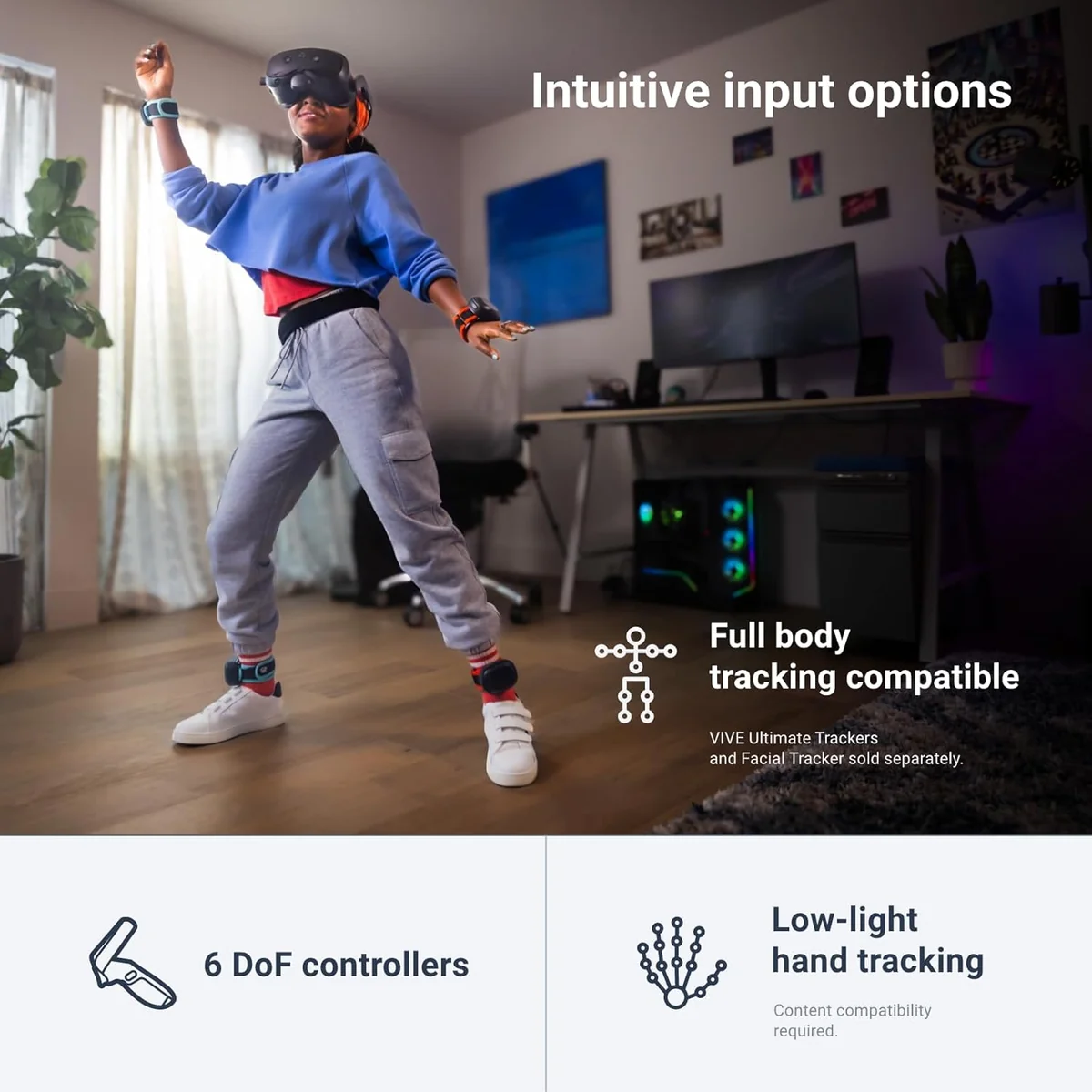
TigressX 💠 VR Gaming/Tech highlights the seamless compatibility of Vive Ultimate Trackers with the VIVE Focus Vision and other PCVR headsets, emphasizing easy wireless full-body tracking without complex setup like wall-mounted base stations. They share practical setup tips and personal preferences, offering clear, hands-on guidance. Overall, TigressX finds the Vive Ultimate Trackers a valuable addition for enhancing VR immersion, especially with Vive headsets due to native support. While requiring a PC and SteamVR, the experience is straightforward and effective, making it a solid recommendation for users seeking full-body tracking without hassle.
JacobfovJacobfov strongly criticizes the VIVE Focus Vision VR headset, expressing disbelief that it was marketed as a premium device given its outdated Fresnel lenses, underpowered Quest 2 processor, and poor eye-tracking performance. He highlights these flaws with clear frustration and skepticism about HTC’s efforts. Overall, Jacobfov advises viewers to avoid the Focus Vision entirely, emphasizing that its shortcomings outweigh any potential benefits. His recommendation is firm and unambiguous, reflecting a deeply negative sentiment without any redeeming praise for the product.
عبدالله الغفيصagafes highlights the HTC Vive Focus Vision as a cutting-edge mixed reality headset primarily aimed at gamers, praising its impressive 5K resolution, Snapdragon XR2 processor, and eye-tracking features. They note seamless PC connectivity for accessing various game libraries, including Steam and HTC’s own platform. While enthusiastic about the device’s visuals and capabilities, the review remains straightforward and informative without overstating its merits. Overall, agafes views the Vive Focus Vision as a promising new release with strong gaming potential and advanced specs, anticipating its market availability soon. The recommendation is positive but measured, suggesting it as a noteworthy option for VR and AR enthusiasts looking for high-quality performance.

Store Reviews
CUSTOMER REVIEWS FROM 1 STORE
Amazon reviewers praise the VIVE Focus Vision VR headset for its sharp, high-resolution display and comfortable, well-balanced design, especially noting the convenience of the battery placement at the back. Users highlight the smooth transition between standalone and PCVR modes, with many appreciating the automatic IPD adjustment that simplifies sharing the device among multiple users. The headset’s tracking system earns recognition for precise movement detection, and the integrated speakers receive positive remarks for delivering clear sound without fully isolating external noise. However, several Amazon customers express frustration with the headset’s connectivity, reporting frequent disconnections and lag when using the PCVR streaming kit or DisplayPort adapter. Reviewers also criticize the Fresnel lenses for producing less clarity compared to newer pancake lenses, which affects the overall visual experience despite the high resolution. The eye tracking feature draws mixed reactions—while some find it useful, others encounter inconsistent performance and recalibration issues. Additionally, users find the setup process cumbersome, especially when dealing with language settings or configuring third-party trackers for advanced VR applications like VRChat. Many reviewers consider the headset overpriced given its hardware limitations, such as the older Snapdragon XR2 Gen 1 chip and the lack of included charging accessories. The controllers receive moderate praise for being lightweight and responsive, though some compare them unfavorably to alternatives like Valve Index controllers. Overall, Amazon users view the VIVE Focus Vision as a versatile and comfortable headset with strong display quality and tracking, but they caution potential buyers about its connectivity challenges, lens quality, and premium price point.
3.2 Stars / Some verified reviews

Forum Reviews
CUSTOMER REVIEWS FROM 1 FORUM
Reddit users express mixed feelings about the VIVE Focus Vision VR headset, acknowledging its solid visuals and features like eye and face tracking, but criticizing its outdated Fresnel lenses, limited field of view, and uncomfortable design. Many highlight performance issues, including laggy wireless streaming and inconsistent tracking, especially without the wired streaming kit. While some appreciate the headset’s standalone capability and display port support for PCVR, the consensus leans toward disappointment due to its high price relative to the quality and usability. Upgraders often compare it unfavorably to newer models, citing blurry optics and small sweet spots, whereas new shoppers are generally advised to consider alternatives.
Many comments

In-Depth Review

Highlights
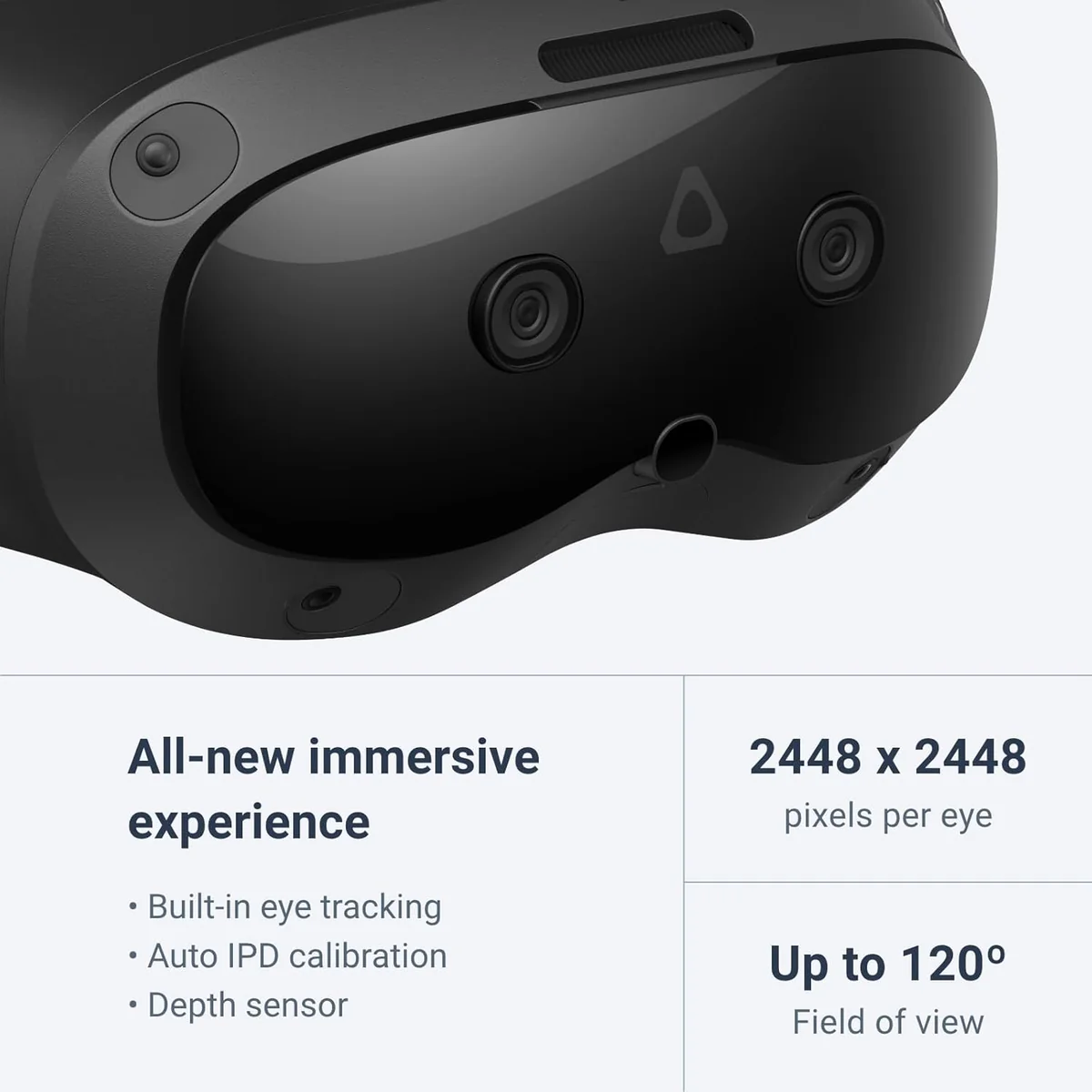
- •High-resolution 5K displaySharp 2448 × 2448 px per eye
- •Lossless DisplayPort streamingLossless wired PC VR streaming
- •Advanced eye and hand tracking120 Hz eye and 26‑point hand tracking
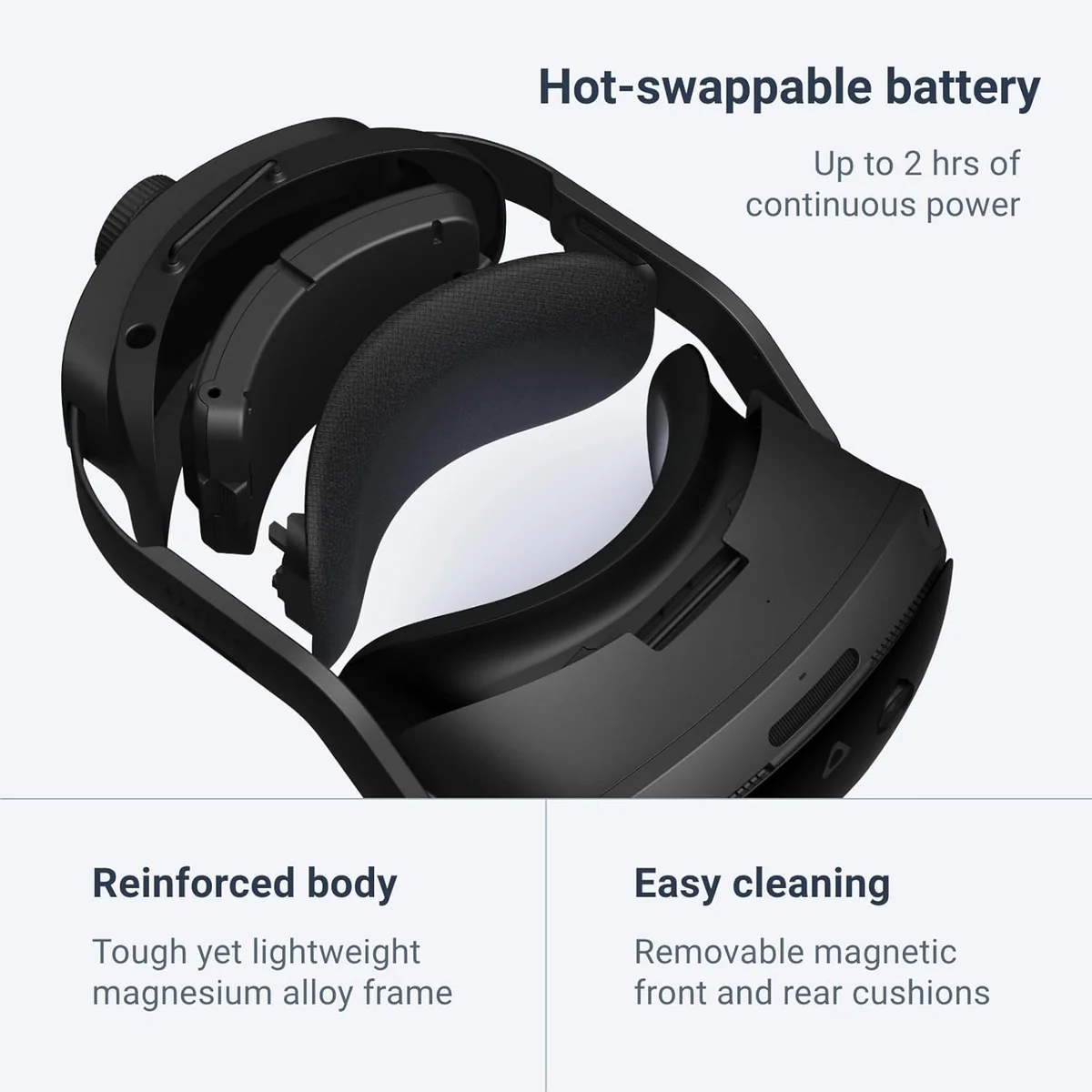
- •Hot-swappable battery systemFront reserve enables quick swap
- •Balanced ergonomic designRear battery and magnesium frame
- •Mixed-reality passthrough with depthmarketed as having scene-aware stereo passthrough

Considerations
- •Lens artifacts and small sweet spotFresnel god rays and edge blur
- •Streaming kit instability and power issuesDisconnections and extra power draw reported
- •Software bugs and limited standalone libraryInstallation problems and sparse app catalog
- •Short battery runtimeRoughly two hours per main battery
- •Controller drift and tracking hiccupsController drift and occasional hand-tracking stutter
- •Weight and controller ergonomics785 g headset and bulky controllers
HTC’s latest headset stakes its claim as a premium hybrid marvel, blending standalone freedom with wired PC VR muscle. Designed for serious gamers, creators, and enterprise users craving crisp visuals and precise tracking, it packs a sharp 2448 × 2448 resolution per eye into an expansive 120° field of view, paired with an innovative motorized IPD adjustment to suit diverse faces. Its standout feature? A lossless DisplayPort streaming kit that promises buttery-smooth PCVR sessions without the usual wireless fuzziness—though power quirks lurk beneath the surface. The lightweight magnesium frame balances neatly against a rear hot-swappable battery system, ensuring comfort during marathon play while keeping things cool. Yet this tech titan wrestles with Fresnel lens artifacts that may test your patience if clarity is king in your book. Whether you’re chasing pixel-perfect immersion or reliable mixed reality interaction, understanding how these features mesh will help decide if this headset is your next VR powerhouse—or just another pricey puzzle box.
Display (Resolution, Refresh Rate, Field of View)
Dive into a visual feast with the headset's 5K resolution delivering crisp detail and an expansive 120° field of view, wrapping users in immersive vistas. The standard 90 Hz refresh rate ensures smooth motion, while PC mode teases 120 Hz support on the horizon. Users rave about sharpness that elevates gameplay, but some note fresnel lenses temper clarity. Overall, this display setup impresses by balancing fidelity and immersion — a true highlight for those craving vivid VR worlds without compromise.
Comfort and Ergonomics (Weight, Fit, IPD Adjustment)
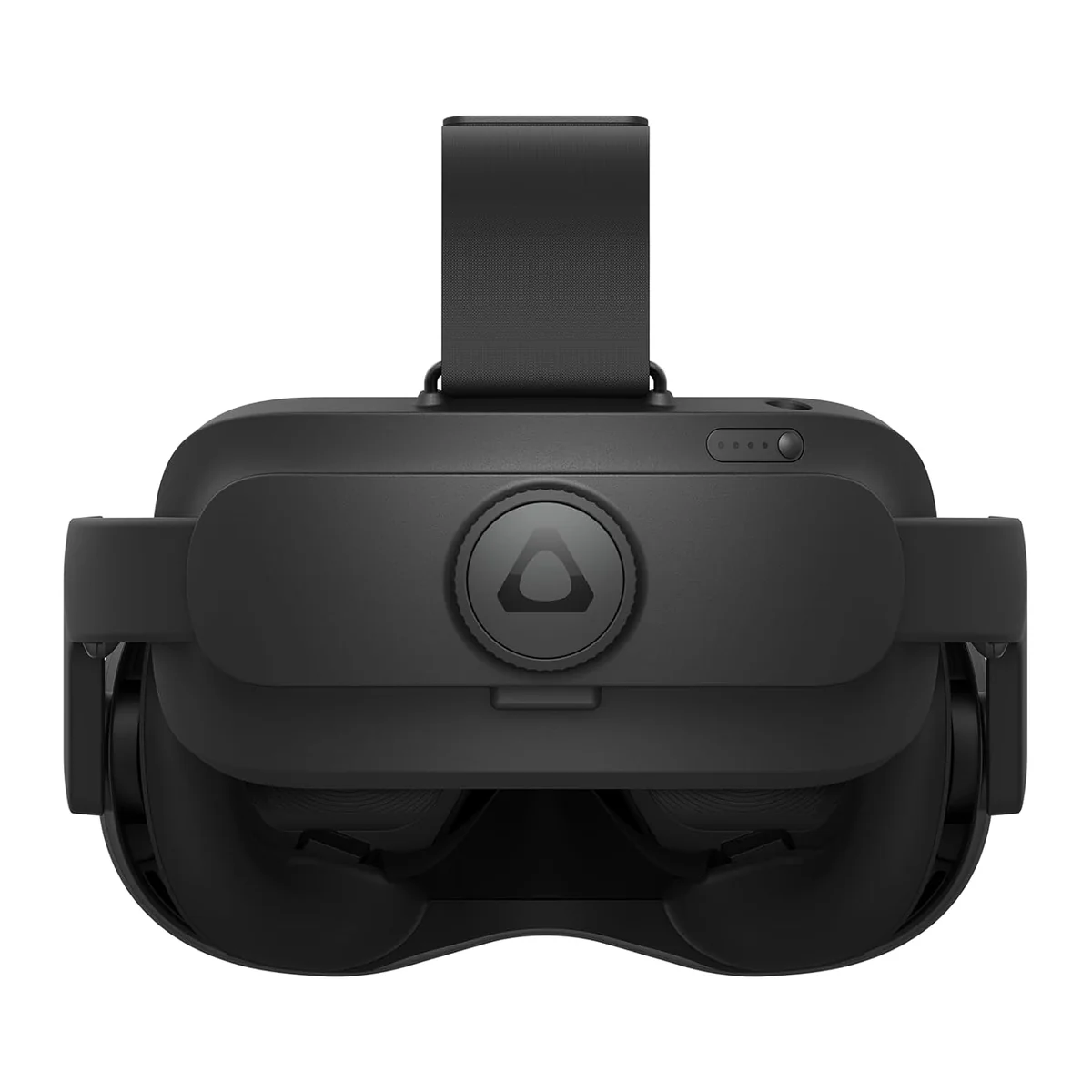
Ergonomics score high marks thanks to clever design choices like a lightweight magnesium alloy frame balanced expertly by rear battery placement reducing neck fatigue during marathon play sessions. The motorized auto-IPD adjustment offers quick lens alignment catering well to multiple users but occasionally needs manual intervention—a slight speed bump in shared setups yet still better than fiddling knobs mid-gameplay! Cushions are cleanable PU leather welcoming glasses wearers comfortably within its generous facial interface width—comfort meets practicality seamlessly here.
Tracking Accuracy (Positional, Eye, Hand)
Precision is king here with submillimeter-accurate inside-out tracking using four cameras plus infrared floodlights powering smooth positional awareness. Add to this impressive built-in eye tracking at 120 Hz enabling foveated rendering and expressive avatars alongside detailed 26-point hand tracking—even under low light—and you get natural interactions worthy of praise. While occasional controller drift surfaces as a minor quibble among users, overall the headset delivers solid responsiveness critical for truly immersive VR experiences.
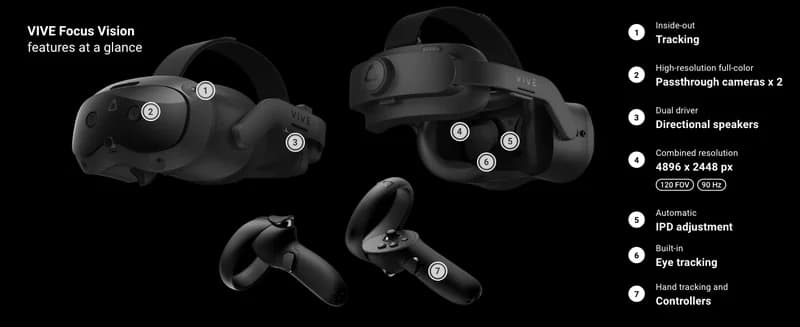
PC VR Streaming and Wired Connectivity (DisplayPort Kit)
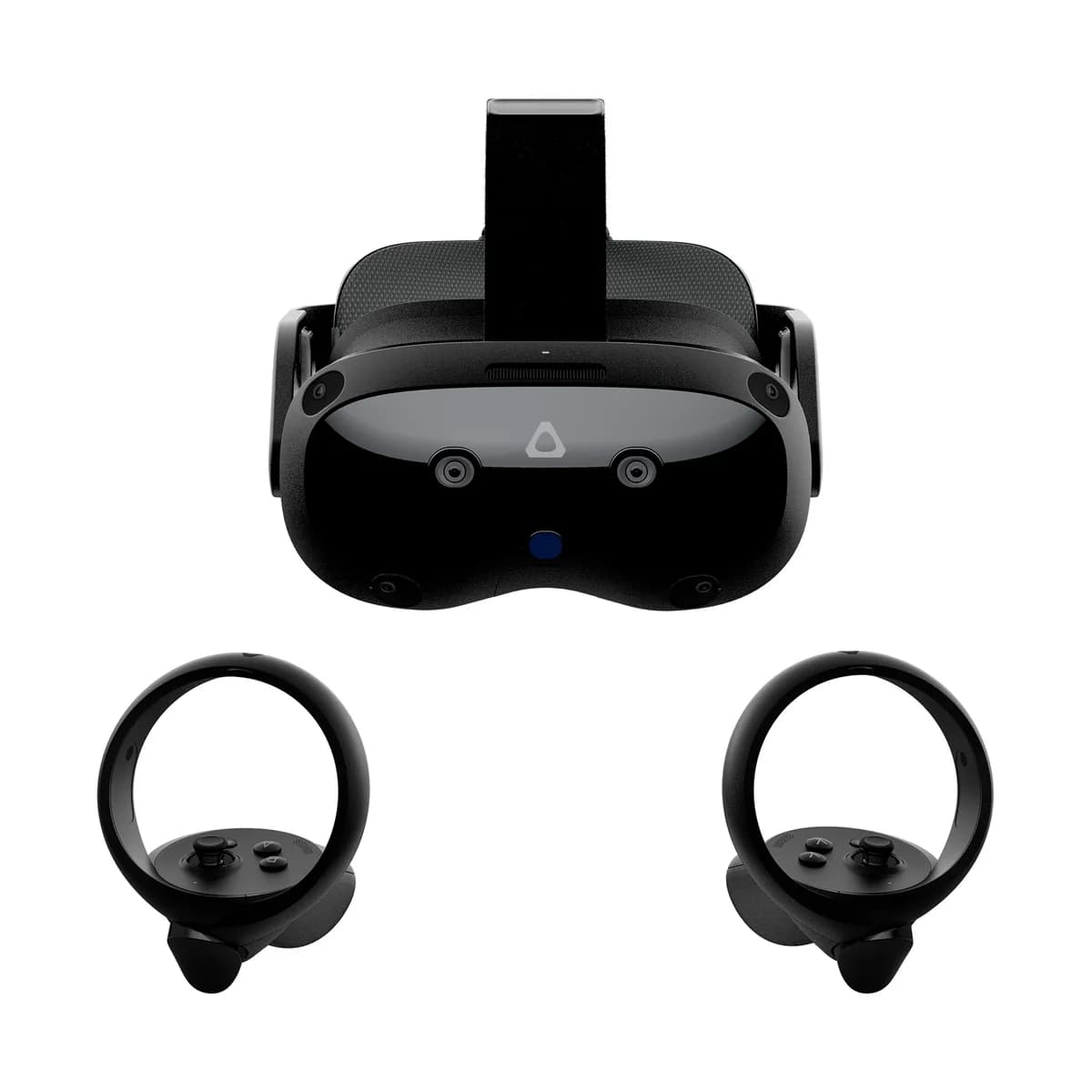
For tethered thrills, the included wired DisplayPort streaming kit shines with lossless visuals free from wireless compression woes—a dream come true for serious PCVR fans seeking crystal-clear graphics without latency headaches. However, power demands sometimes cause disconnections or instability if not carefully managed; Ethernet connections are recommended to keep hiccups at bay. This feature cements its appeal among enthusiasts willing to trade cable management hassles for buttery-smooth performance straight from their gaming rigs.
Optics and Lens Artifacts
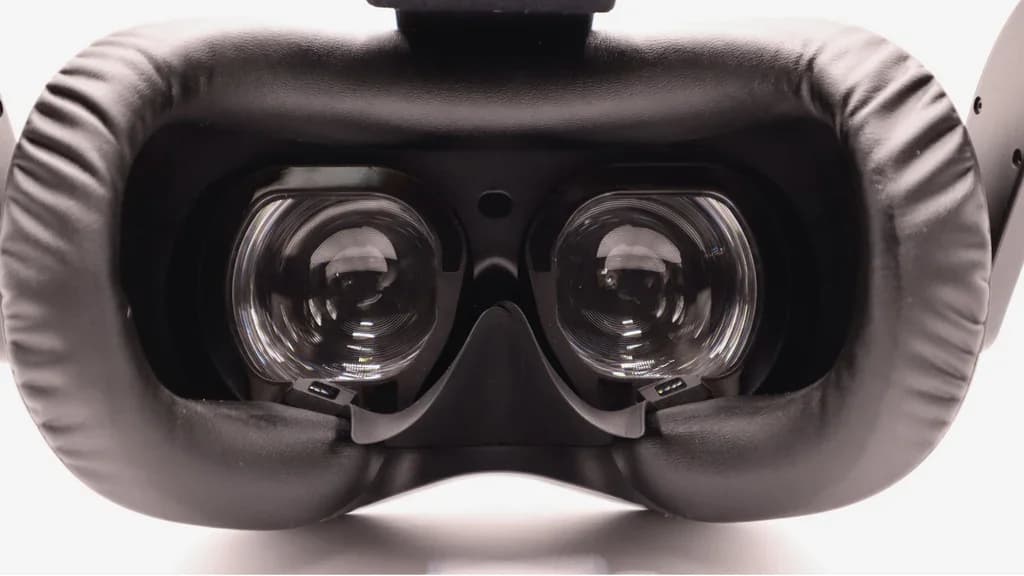
The double-layer Fresnel lenses are both hero and villain: they provide light weight but bring notorious issues like god rays, glare, and a frustratingly small sweet spot that challenges focus during sessions. Despite brand claims of optical improvements over predecessors, real-world feedback highlights persistent blurriness that can strain eyes—especially for glasses wearers. These artifacts remain the Achilles’ heel in an otherwise stellar package; they're hard to ignore when aiming for flawless immersion.
Conclusion
The VIVE Focus Vision stakes its claim with a sharp 5K display and an impressively wide 120° field of view, delivering visuals that captivate—but those Fresnel lenses bring along their signature god rays and small sweet spot, which can disrupt the spell. Tracking is confidently precise, thanks to robust positional, eye, and hand tracking, though occasional drift reminds you this isn’t perfection on tap. The wired DisplayPort streaming kit offers a rare chance at truly lossless PC VR clarity—if you’re ready to wrestle with its finicky power demands. Comfort-wise, the magnesium frame balanced by a rear hot-swappable battery keeps fatigue in check during long sessions; still, the headset’s nearly 800-gram heft and sometimes fussy auto-IPD adjustment temper that ease. Battery life sits modestly near two hours while active cooling quietly hums away. This rig is for enthusiasts who prize uncompromising visual fidelity and solid ergonomics over plug-and-play simplicity—a premium tool built for commitment rather than casual play.

Feature Scores
This reflects reviews and ratings from established critics, journalists, and users who have evaluated the item. Their opinions provide a comprehensive assessment.
Performance
Display Resolution
4/5
Field Of View
4/5
Tracking Accuracy
4/5
Motion Latency
4/5
Refresh Rate
4/5
Battery Life
2/5
Wireless Connectivity Reliability
3/5
Build Durability
4/5
Value
Price To Performance Ratio
3/5
Accessory Ecosystem Value
4/5
Software Content Value
2/5
Design
Ergonomics
4/5
Weight Distribution
4/5
Aesthetic Design
4/5
Health
Motion Sickness Mitigation
3/5
Blue Light Mitigation
3/5
Hygiene Materials
4/5
Safety
Overheating Protection
4/5
Secure Fit Mechanisms
4/5
Data Privacy Controls
3/5
Sustainability
Repairability
3/5
Recyclable Materials Use
3/5
Energy Efficiency
3/5
Experience Style
Setup Simplicity
3/5
Customization Options
4/5
Software Update Frequency
3/5
Content Ecosystem Compatibility
4/5

Specifications
This section outlines the product's key facts, covering essential features, details, dimensions, materials, and any unique characteristics that define its functionality and usability.
Performance
Value
Design
Safety
Sustainability
Experience Style

Frequently Asked Questions
7 Questions




Find Yours
What is your primary intended use for VR gear?
Answer to find your best matches.