

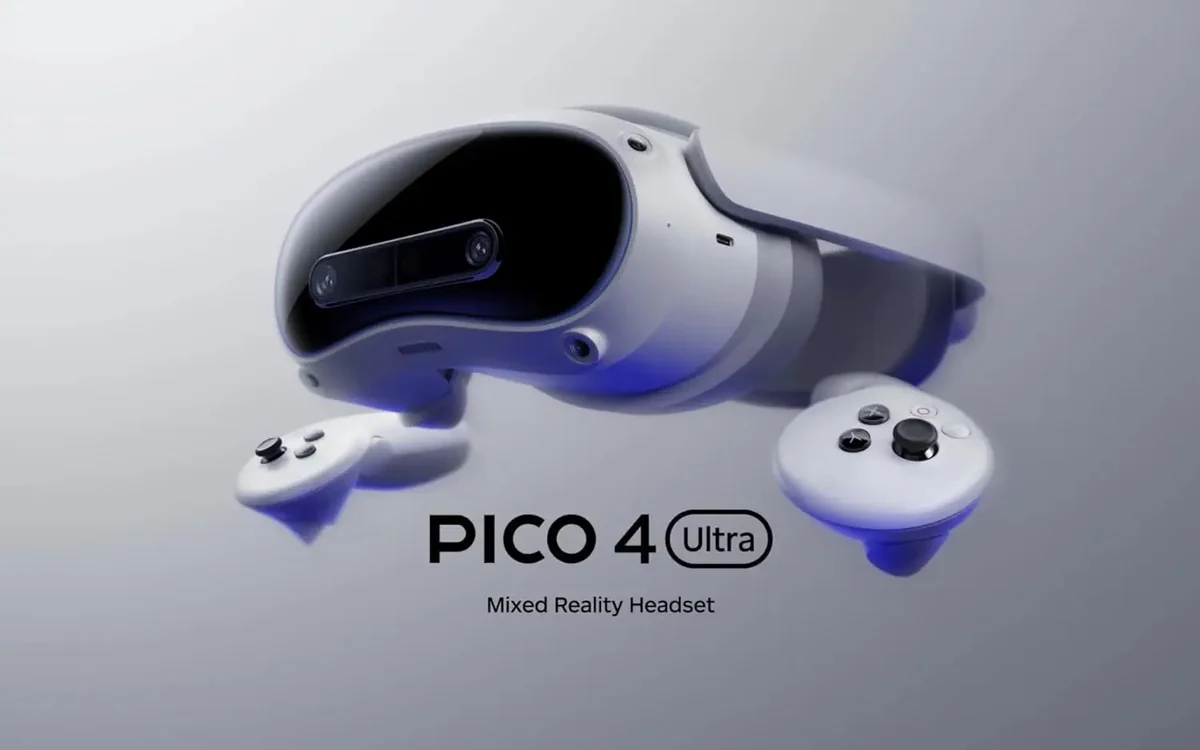
PICO 4 Ultra
Advanced mixed reality and full-body tracking deliver comfort and power, with some software limits.
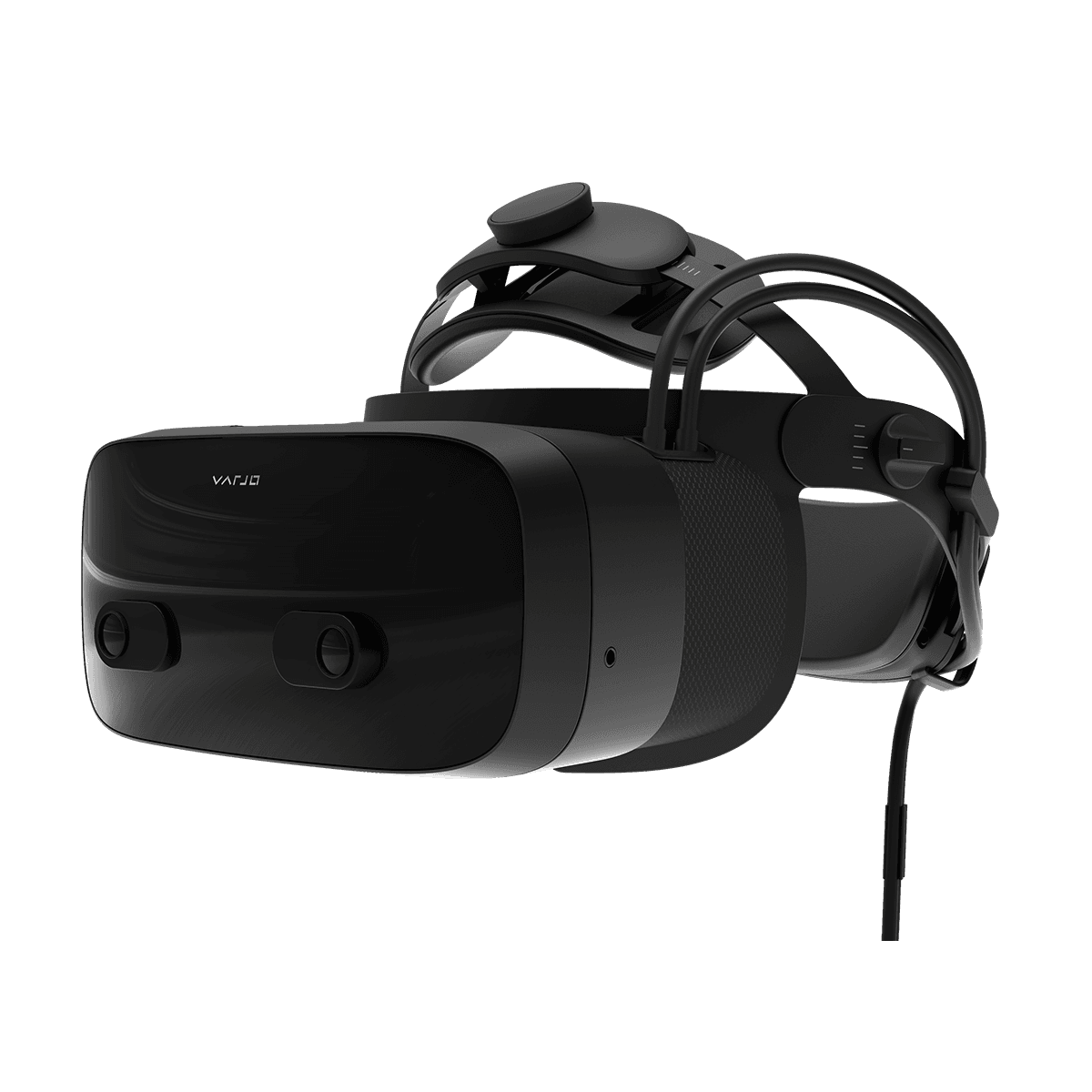
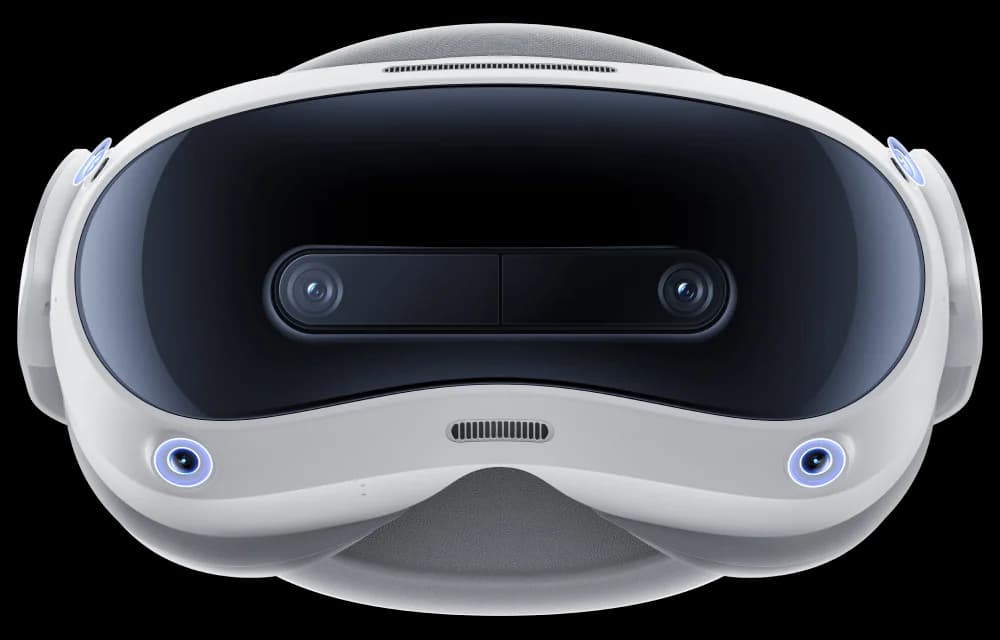
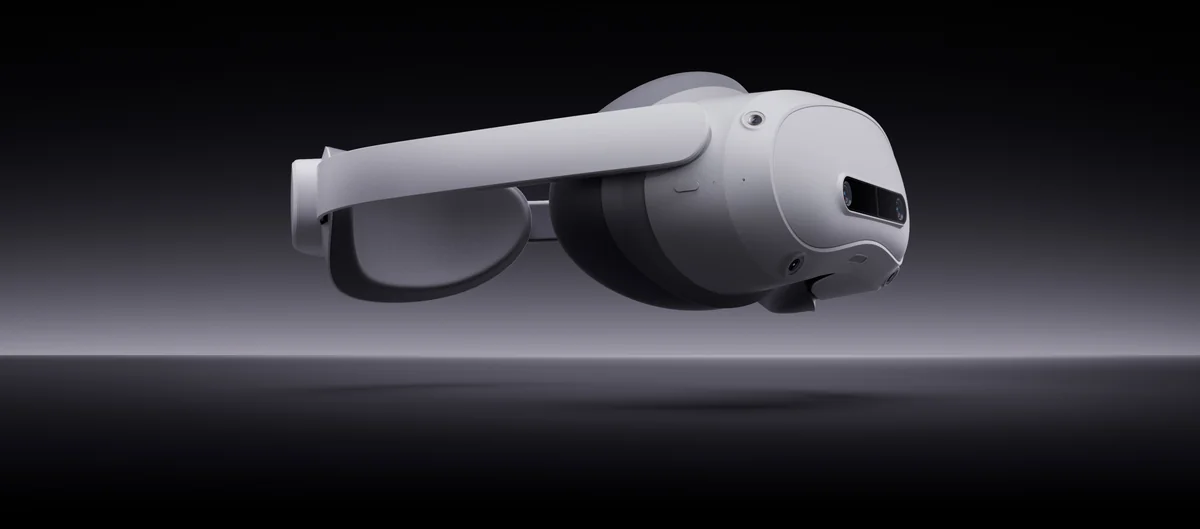
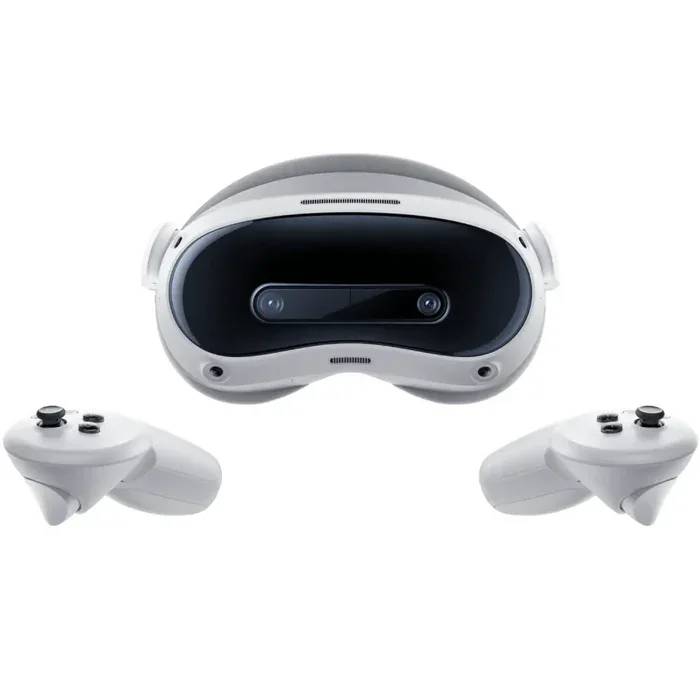
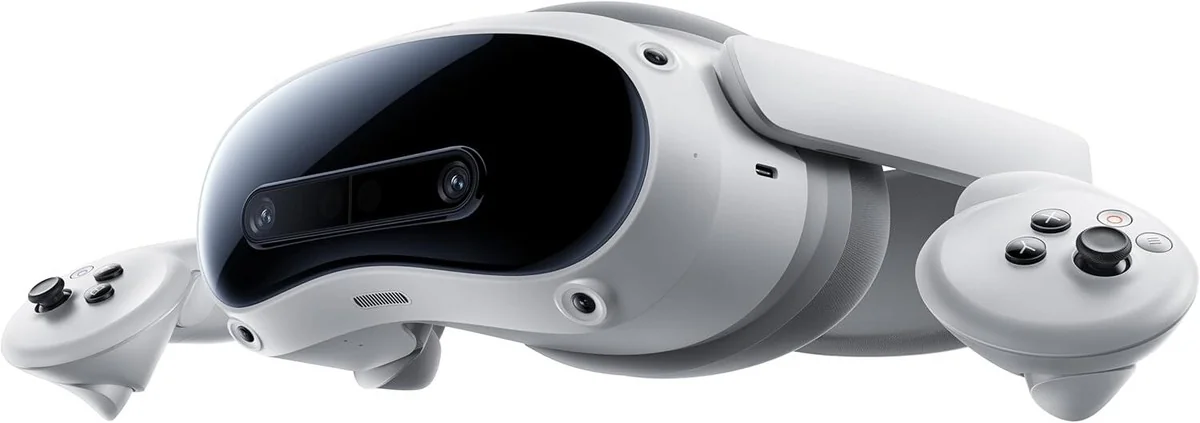
The PICO 4 Ultra is a standalone mixed reality headset designed for creators, fitness buffs, and MR enthusiasts craving immersive freedom without the PC tether. It wows with dual 32MP passthrough cameras and an iToF depth sensor, delivering crisp mixed reality that’s both vivid and natural—though some users note a narrower sweet spot and edge glare. Powered by a Snapdragon XR2 Gen 2 chip with 12GB RAM, it handles multitasking like a champ but stumbles on software polish and game variety. The clever motorized IPD adjustment adds comfort, while full-body tracking elevates play—but heftier controllers might tire your wrists. Its price tags premium power balanced by ecosystem limits—a neat package still seeking broader user verdicts.
Find Yours
What is your primary intended use for VR gear?
Answer to find your best matches.

The Field
Browse top contenders, or compare all options ranked by score and key attributes.
5 Options



The Scoreboard
Does this improve your life? Considers, health, habits, and environmental impact.
Benefits
Dual 32MP cameras and iToF depth provide clearer, less disorienting mixed reality view.
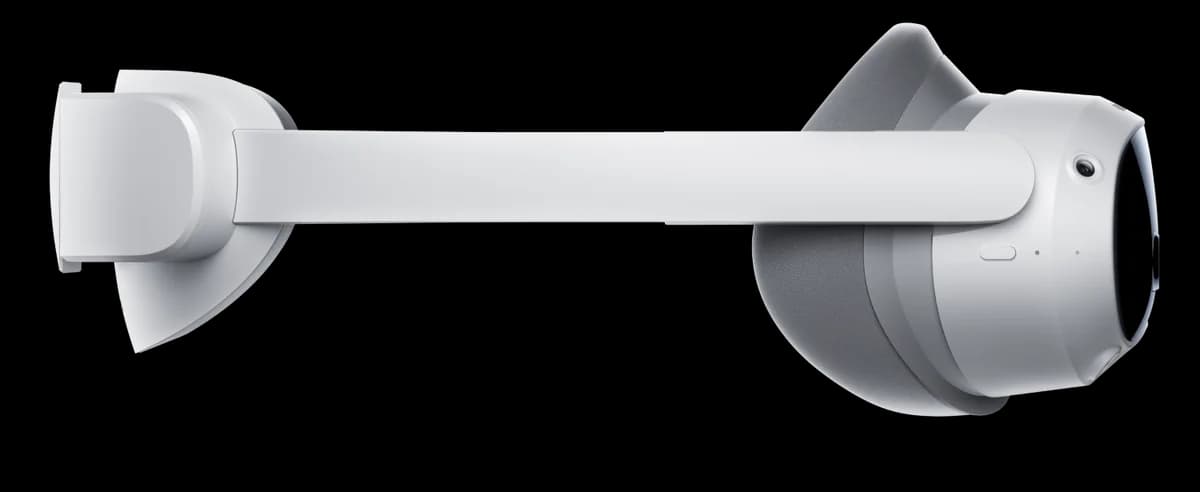
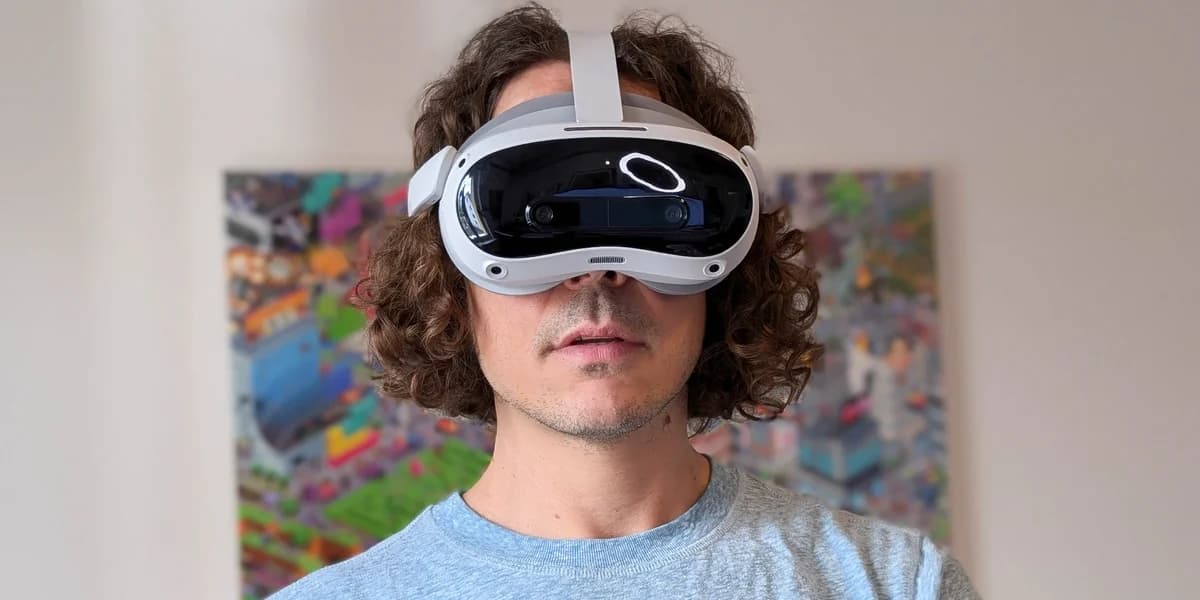
Pancake optics and counterbalanced design lessen bulk, reducing neck strain during longer sessions.
Optional motion trackers and 24‑point AI tracking enable safer, more engaging fitness experiences.
2048×1536 spatial video and 256GB storage let creators record immersive, shareable real‑world memories.
Large 5700mAh battery, fast‑charging, and Wi‑Fi7 streaming reduce interruptions and encourage movement.
Snapdragon XR2 Gen2 and 12GB RAM reduce stutters, lowering motion sickness and task friction.
Trade-Offs
Absence of eye‑tracking removes foveated rendering, increasing GPU load and potential visual fatigue.
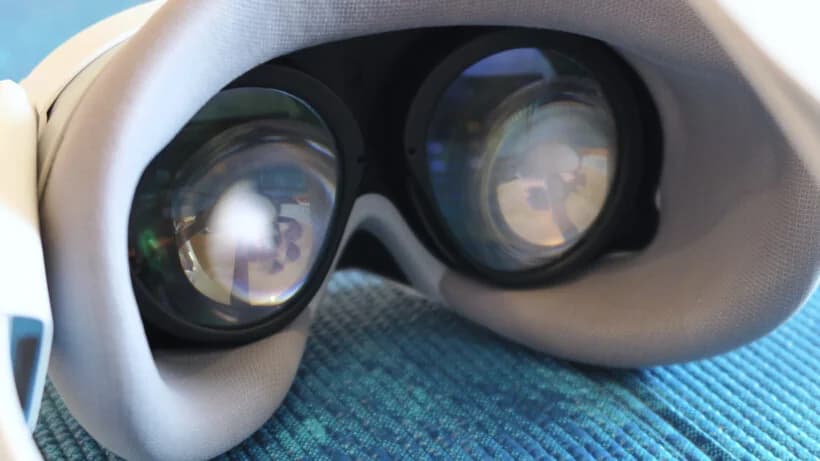
Pancake/older optical stack yields smaller clarity zone and edge distortion, possibly causing eye strain.
Smaller software library and regional availability can limit therapeutic, social, and productivity app access.
ByteDance ownership raises conditional privacy worries for sensitive data and spatial recording practices.
Large battery and electronics imply higher embodied emissions and resource extraction footprint.
Active cooling fan can cause eye dryness and distraction during extended mixed reality sessions.
 Alternatives


Join the Circle
Where real meets deal
Know what's worth buying-and when.
Tips, special offers, and rewards for buying and sharing.

Publications
9 LEADING PUBLICATION REVIEWS

UploadVR’s David Heaney highlights the Pico 4 Ultra as the first genuine competitor to Meta’s Quest 3, praising its lightweight, balanced design and notably improved passthrough clarity with minimal distortion or double imaging. Heaney appreciates Pico OS’s ambitious multitasking capabilities, allowing up to 20 simultaneous 2D windows, and lauds the innovative, easy-to-use Pico Motion Trackers for leg tracking, which open new gameplay possibilities. However, he points out key drawbacks: the headset uses somewhat outdated lenses with less edge-to-edge clarity and a narrower field of view compared to Quest 3, and its passthrough lacks dynamic occlusion and accurate depth perspective. The multitasking window placement is also more limited than competitors. While the Pico 4 Ultra shows promise with solid hardware and unique features, Heaney notes ByteDance’s reduced hardware subsidies and content investment may hinder its ability to fully challenge Meta’s ecosystem. Overall, the review conveys cautious optimism tempered by clear limitations and the need for further hands-on testing.
By David Heaney
Hamish Hector from TechRadar highlights the Pico 4 Ultra as a powerful mid-range VR headset boasting superior hardware specs—such as a Snapdragon XR2 Gen 2 chipset, 12GB RAM, and 256GB storage—compared to its main rival, the Meta Quest 3. However, despite these impressive internals and standout features like accurate optional Motion Trackers and a unique spatial footage capture tool, the Pico 4 Ultra falls short due to its weaker software ecosystem and lack of major exclusive titles. Hector praises the headset’s solid performance, comfortable counterbalanced design, and reliable PC connectivity via Meta Connect, but criticizes the inconvenient spatial capture feature, the absence of a silicon facial interface, and the headset’s fan noise. While the Pico 4 Ultra offers good value for those seeking top specs outside the Meta ecosystem, its software limitations and higher price make it a less compelling choice for users prioritizing game library breadth or affordability.
By Hamish Hector
Alex Walker-Todd from Trusted Reviews highlights the Pico 4 Ultra as a highly capable and future-proof VR headset that significantly upgrades its predecessor’s hardware, matching or surpassing the Meta Quest 3 in key areas like processing power, RAM, and tracking precision. The review praises its comfortable design, improved pass-through cameras, and fast charging, noting the headset’s excellent mixed reality capabilities and solid battery life. However, despite these hardware strengths, the Pico 4 Ultra still falls short in content offerings, lacking many high-profile exclusive games that Meta controls, which remains a critical limitation. The reviewer also points out minor ergonomic quirks, such as the fan causing eye dryness and the absence of a physical audio jack, alongside some inconsistencies in hand tracking and motion tracker utility. Overall, the Pico 4 Ultra is described as a well-rounded, competitively priced device with impressive technical achievements, but its success hinges on expanding its software ecosystem to better challenge Meta’s dominance.
By Alex Walker-Todd
James Bentley from PC Gamer highlights the Pico 4 Ultra as a solid alternative to the Meta Quest 3, particularly appealing to users in the UK and EU who want to avoid Meta’s ecosystem. He praises its comfortable fit, intuitive glasses spacer, and well-designed controllers, noting the headset’s smooth out-of-the-box experience and impressive 2160p-per-eye display. The inclusion of Pico Motion Trackers adds a unique and enjoyable dimension to VR movement. However, Bentley points out several limitations: light leakage affecting glasses wearers, less precise controller tracking in some positions, and a lack of a 3.5mm headphone jack. While the Snapdragon XR2 Gen 2 chip and 12GB RAM offer strong performance, Pico’s software ecosystem and game library lag behind Meta’s. Ultimately, Bentley sees the Pico 4 Ultra as a competent but not groundbreaking competitor that struggles to surpass the Quest 3, making it a reasonable choice mainly for those seeking a Meta alternative rather than a definitive VR upgrade.
By James Bentley
Duncan Robertson from GamesRadar+ highlights the Pico 4 Ultra as a compelling standalone VR headset that challenges the Meta Quest 3 with superior specs and a thoughtfully balanced, comfortable design. Praising its lightweight feel, practical features like an adjustable headband, and impressive visuals powered by pancake lenses, Robertson finds the headset delivers a notably smooth and immersive gaming experience, even outperforming the Quest 3 in some demanding titles. However, he points out some drawbacks, including controller tracking issues in low light, less impressive integrated speakers, and a more limited game storefront compared to Meta’s ecosystem. The absence of a 3.5mm headphone jack and concerns about data privacy due to its Chinese parent company also temper enthusiasm. Despite these caveats, Robertson regards the Pico 4 Ultra as a viable, competitively priced alternative for gamers, especially outside the US, and appreciates its potential to diversify the VR market beyond Meta’s dominance.
By Duncan Robertson
Notebookcheck’s Silvio Werner and Enrico Frahn provide a balanced and thoughtful assessment of the Pico 4 Ultra, praising its high-resolution displays, comfortable fit, and powerful Snapdragon XR2 Gen 2 performance. They highlight the device’s versatile mixed reality (MR) capabilities, low-latency wireless streaming, and precise Motion Trackers as standout features that make it a compelling, affordable alternative to the Apple Vision Pro. However, the review also points out significant software limitations, including a sparse app store lacking popular titles like Beat Saber, unreliable hand tracking, and restricted multi-desktop support that hinder its productivity potential. While the hardware impresses, the software ecosystem and integration fall short of expectations, especially compared to competitors like the Meta Quest 3. The authors recommend prospective buyers try the headset for comfort and carefully evaluate app availability before purchase, concluding that the Pico 4 Ultra offers solid value with room for software improvements.
By Silvio Werner, Enrico Frahn
Tom Morgan-Freelander from Stuff highlights the Pico 4 Ultra as a significant hardware upgrade over its predecessor, with standout features like improved passthrough cameras, refined controllers, and official full-body tracking that enhance immersion and mixed reality experiences. The headset impresses with its powerful Snapdragon XR2 Gen 2 chip, ample memory, and a larger battery that supports longer playtime and faster charging. The review praises the comfortable fit, intuitive interface, and solid image quality, noting smoother visuals and deeper blacks compared to competitors. However, the software library remains a notable drawback, with fewer exclusive titles than Meta’s Quest 3, which also benefits from a recent price cut, making the Pico 4 Ultra a less obvious value choice. Despite this, the Ultra is positioned as a capable and well-rounded standalone VR headset, especially appealing to users outside Meta’s ecosystem or those seeking advanced mixed reality features and full-body tracking.
By Tom Morgan-Freelander
Matthew Yap from TechNave highlights the PICO 4 Ultra as an impressive VR headset that combines advanced technology with user-friendly design. Praising its bright, sharp dual 1920x2160 displays, comfortable lightweight build, and smooth 90Hz refresh rate, the review emphasizes the immersive visual and audio experience. Unique features like hand tracking and the optional PICO Motion Tracker enhance natural interaction and precise movement, especially for active gaming. Battery life and fast charging also receive positive notes. However, Yap points out some drawbacks, including a limited app and game ecosystem compared to competitors, potential discomfort for glasses wearers without prescription lenses, a somewhat complex initial setup, and a premium price tag of RM2799 that may deter casual users. Overall, the review conveys a balanced but optimistic tone, recommending the PICO 4 Ultra primarily for serious VR enthusiasts seeking high performance and innovative features, while acknowledging it may not suit everyone’s budget or needs.
By Matthew Yap
Callum Self from Pocket Tactics highlights the Pico 4 Ultra as a technically impressive VR headset that competes strongly with Meta’s Quest 3, boasting excellent specs, solid performance, and a comfortable design. He praises features like the Snapdragon XR2 Gen 2 chipset, Wi-Fi 7 support, and innovative pancake lenses that reduce eye strain. The inclusion of Pico Motion Trackers adds a unique immersive element, especially for PCVR gaming. However, Self points out notable drawbacks: the headset’s lack of killer exclusive games, limited availability in the US, and a price slightly higher than the Quest 3 despite some specs feeling excessive for current VR titles. While the Pico 4 Ultra offers a great game library and seamless PC connectivity, it ultimately falls short of dethroning Meta’s market leader. The review strikes a balanced tone, appreciating the headset’s strengths while candidly addressing its limitations, making it a strong but cautious recommendation for VR enthusiasts willing to overlook exclusives and regional availability.
By Callum Self

YouTube
12 LEADING EXPERT & INFLUENCER REVIEWS
 MRTV - MIXED REALITY TV
MRTV praises the PICO 4 Ultra’s full-body tracking, Wi-Fi 7, expanded RAM, and spatial video capture as strong upgrades over the original. However, the reviewer is disappointed by the unchanged 2022 optical stack, resulting in inferior visuals and lens glare compared to the Quest 3. The headset excels in mixed reality features and enterprise use but struggles to compete in standalone gaming.
Cas and Chary XRCas and Chary XR praises the PICO 4 Ultra’s improved mixed reality cameras, enhanced battery life, and new motion trackers, highlighting solid comfort and multitasking capabilities. However, they note the headset’s aging display tech, software limitations, and less compelling passthrough compared to Quest 3, making it a decent but not standout upgrade.
Ben RowlandsBen Rowlands praises the PICO 4 Ultra for its significant performance upgrades, especially the dual passthrough cameras and support for up to three motion trackers, which enhance mixed reality and full-body tracking experiences. He highlights its superior RAM, storage, and ergonomic counterweighted head strap, while noting some content limitations and a slightly higher price than Meta Quest 3.
VoodooDE VR - english version -Thomas from VoodooDE VR praises the PICO 4 Ultra for its easy setup, clear pancake lenses, strong performance with 12 GB RAM, and excellent full-body tracking. He highlights its mixed reality passthrough and PC VR streaming as standout features but criticizes the included facial interface for poor comfort and limited field of view, heavy controllers, and imprecise hand tracking. Overall, he sees it as a solid all-rounder with great potential if comfort issues are addressed.
Tech SpurtTech Spurt praises the PICO 4 Ultra for its crisp 2160×2160 dual displays, smooth 90 Hz performance, and accurate mixed reality tracking with dual 32MP cameras and iToF depth sensor. The headset is comfortable for extended use with balanced weight and solid battery life. However, the reviewer notes the smaller game library compared to Meta Quest 3 and suggests waiting for a discount despite the strong hardware and improved store offerings.
Chigz Tech ReviewsChigz Tech Reviews praises the PICO 4 Ultra for its powerful Snapdragon XR2 Gen 2 chipset, impressive 12GB RAM, and 256GB storage, highlighting smooth multitasking and immersive mixed reality with full-color passthrough and iToF depth sensing. The reviewer is enthusiastic about the accurate Pico Motion Trackers and comfortable design, noting minor drawbacks like the missing charger but ultimately highly recommends it.
Virtually RealVirtually Real praises the PICO 4 Ultra for its impressive mixed reality capabilities, brightened pancake optics, and powerful XR2 Gen 2 processor delivering smooth 90Hz performance. The reviewer highlights fast setup, excellent multitasking with the PanoScreen workspace, and improved controllers, while noting minor tracking quirks and glare issues.
VRelityVRelity praises the PICO 4 Ultra for its comfortable prike head strap, sharp pancake lenses, and powerful Snapdragon XR2 Gen 2 chipset, highlighting clear visuals and smooth mixed reality via 32MP color cameras. The reviewer values full-body tracking potential and bundled VR games but notes limited regional availability and evolving app support.
Mac In VRMac In VR highlights the PICO 4 Ultra’s superior mixed reality passthrough with its advanced 32MP cameras and iToF depth sensor, plus comfortable design and strong PC VR performance via Pico Connect. However, he notes its higher price and weaker game library compared to Meta Quest 3 models, recommending it mainly for PCVR enthusiasts and full-body tracking fans.
VR ARENA GAMES | Franchise | Free Roam VRVR ARENA GAMES praises the PICO 4 Ultra as a refined, worthy competitor to the Quest 3, highlighting improved display brightness, color accuracy, and PC VR capabilities. While mixed reality features and spatial video capture impress, issues like noisy passthrough, limited app compatibility, and heavier controllers temper enthusiasm. Overall, it’s a solid choice for those valuing visuals and tracking over exclusive content.
MikeTake3MikeTake3 praises the PICO 4 Ultra’s impressive mixed reality passthrough cameras, accurate tracking, and immersive spatial video features powered by the Snapdragon XR2 Gen 2. He highlights its strong hardware and ergonomic design but notes app quality issues, inconsistent hand tracking, and comfort challenges during extended media use, tempering enthusiasm despite clear potential.
Virtual ChapVirtual Chap provides a measured yet optimistic take on the PICO 4 Ultra, praising its dual 32MP passthrough cameras, 12 GB RAM, and Wi-Fi 7 connectivity as strong hardware upgrades over the Quest 3. However, they caution that software polish and a limited game library hold it back from fully challenging Meta’s ecosystem dominance.

Social
3 INFLUENCER REVIEWS
 Mark Ellis Reviews
Mark Ellis Reviews highlights the Pico 4 Ultra’s standout 4K+ display, smooth 120Hz refresh rate, and precise 6DOF tracking, praising its immersive ankle motion controller that enhances gameplay and fitness experiences. He emphasizes the headset’s comfort and wide 105-degree field of view, noting the price is justified by its quality. Overall, Mark’s sentiment is enthusiastic and confident, recommending the Pico 4 Ultra as a top-tier VR headset for 2024. While acknowledging the cost, he frames it as a worthwhile investment for serious VR users seeking advanced immersion and comfort.
ASBYTASBYT highlights the PICO 4 Ultra’s well-rounded unboxing experience and straightforward setup, emphasizing the inclusion of motion trackers for full-body tracking and practical accessories like the glasses spacer. They note the powerful Snapdragon XR2 Gen 2 chip and 12GB RAM, positioning it as a strong contender in VR gear. Overall, ASBYT presents the PICO 4 Ultra as a solid, user-friendly headset with competitive specs for its £529 price, implicitly inviting viewers to consider it alongside the Meta Quest 3 and Apple Vision Pro, though stopping short of an outright recommendation.
Nafis Atechknowbiz highlights the Pico 4 Ultra’s strong technical specs, including a bigger battery, WiFi 7 support, 12GB RAM, and a superior 32MP passthrough camera, alongside a comfortable design and competitive pricing. While noting its dominance in China partly stems from Meta Quest 3’s limited availability there, the review balances praise with context on regional market factors. Overall, techknowbiz views the Pico 4 Ultra as a compelling VR headset offering excellent value, especially with recent price cuts, making it a strong contender against the Quest 3 in many regions. The recommendation is positive but tempered by the acknowledgment that some advantages depend on market conditions rather than pure performance superiority.

Forum Reviews
CUSTOMER REVIEWS FROM 1 FORUM
Reddit users generally view the PICO 4 Ultra as a capable VR headset with notable strengths in comfort, binocular overlap, and standalone performance, particularly praising its higher RAM, WiFi 7 support, and improved battery life compared to competitors. The design is often highlighted for better weight distribution and comfort out of the box. However, critiques focus on visual clarity issues such as a smaller sweet spot, glare, and distortions at the edges of the lenses, with some users finding the display quality inferior to alternatives. Software and ecosystem limitations, including a smaller game library and occasional bugs, temper enthusiasm. Upgraders from earlier models appreciate the hardware improvements but remain cautious due to persistent software and visual drawbacks, while new shoppers weigh the PICO 4 Ultra’s premium price against its benefits and the stronger ecosystem of competing headsets.
Many comments

In-Depth Review

Highlights
- •High-quality color passthroughClear dual 32MP passthrough with iToF
- •Strong SoC, ample memory and storageSmooth 90Hz performance; 12GB/256GB
- •Motorized IPD and compact opticsMotorized 58–72mm IPD; pancake lenses
- •Integrated full-body trackingIncludes Pico Motion Trackers; 24‑point AI
- •Spatial video and spatial audio captureRecords 2048×1536@60fps; four‑mic audio
- •Advanced wireless connectivityWi‑Fi 7 with MLO for streaming

Considerations
- •Limited software ecosystemSmaller game library than competitors
- •Narrow optical sweet spotEdge glare and distorted peripheral clarity
- •No eye trackingLacks foveated rendering and gaze input
- •Passthrough depth and occlusion limitsLimited dynamic occlusion; depth perception issues
- •Heat and fan noiseFan noise and heat during use
- •Controller weight and tracking quirksHeavier AA controllers; inconsistent hand tracking
While broad user feedback on this headset is still taking shape, early impressions highlight a device packed with promise for mixed reality fans and VR enthusiasts alike. From the get-go, it stakes its claim with dual 32MP passthrough cameras paired with an iToF depth sensor, delivering vivid and natural mixed reality views that set it apart in clarity. Its pancake lenses offer a sleek 105° field of view while keeping things lightweight and comfortable—perfect for longer sessions without neck strain. Power users will appreciate the muscle under the hood: a Snapdragon XR2 Gen 2 chipset backed by 12GB RAM and 256GB storage ensures smooth multitasking and rich experiences beyond gaming alone. Add to that precise full-body tracking enabled by innovative motion trackers, plus solid spatial video capture capabilities, and you have a versatile tool for creators, fitness buffs, or prosumers seeking more than just playtime. If crisp visuals meet practical power sounds like your kind of combo, keep reading—there’s plenty here worth your focus.
Passthrough Cameras and MR Sensors
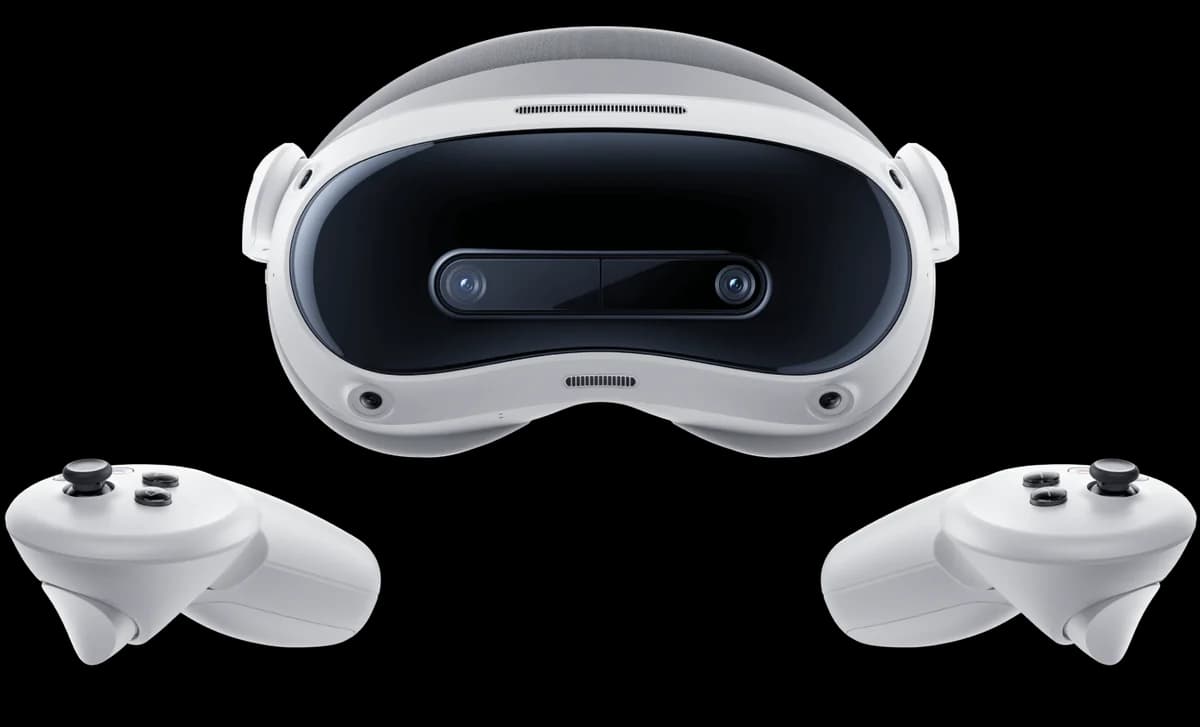
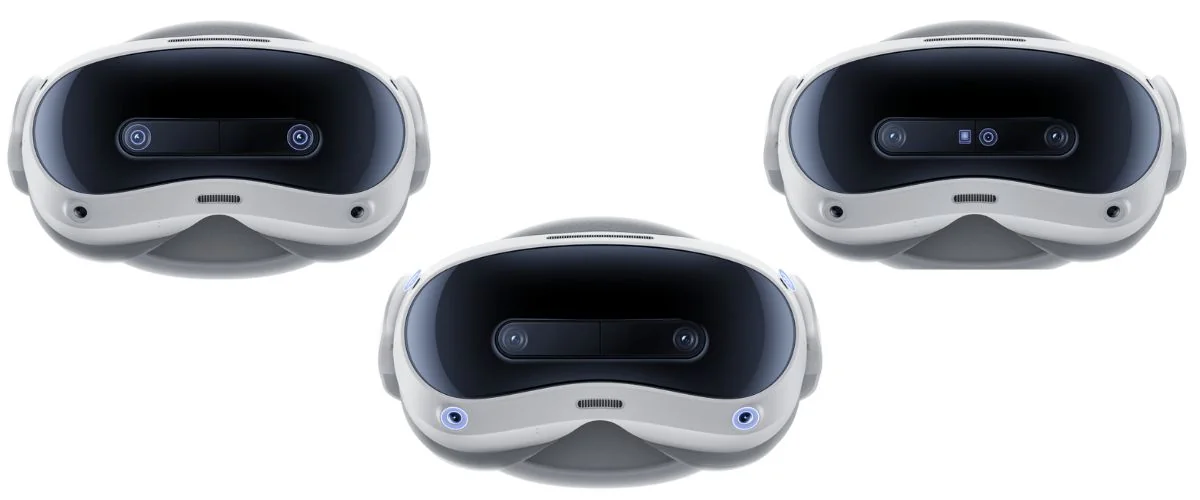
Step into the mixed reality spotlight with the PICO 4 Ultra's dual 32MP color passthrough cameras paired with an iToF depth sensor, crafting a vivid, low-distortion view of your surroundings. This trio of sensors delivers smooth frame alignment up to 72Hz, promising natural immersion that users find impressive despite occasional graininess in tricky lighting. While brand claims boast seamless integration, real-world use reveals slight compromises in dynamic occlusion and depth perception — yet these high-res eyes remain one of its most compelling assets for MR enthusiasts craving clarity.
Processing, GPU, RAM and Storage
Underneath it all roars Qualcomm's beastly Snapdragon XR2 Gen 2 chipset, delivering a hefty performance leap especially on GPU tasks (+250% over last gen). Coupled with abundant 12GB LPDDR5 RAM and spacious 256GB UFS storage, multitasking feels buttery smooth—even when juggling multiple apps or heavy games—much appreciated given Pico OS’s ambitious window management ambitions. This powerhouse combo solidifies the headset’s appeal as both gaming rig and creative toolset; though some caution remains due to software ecosystem gaps holding back wider adoption.
Motion Tracking and Controllers
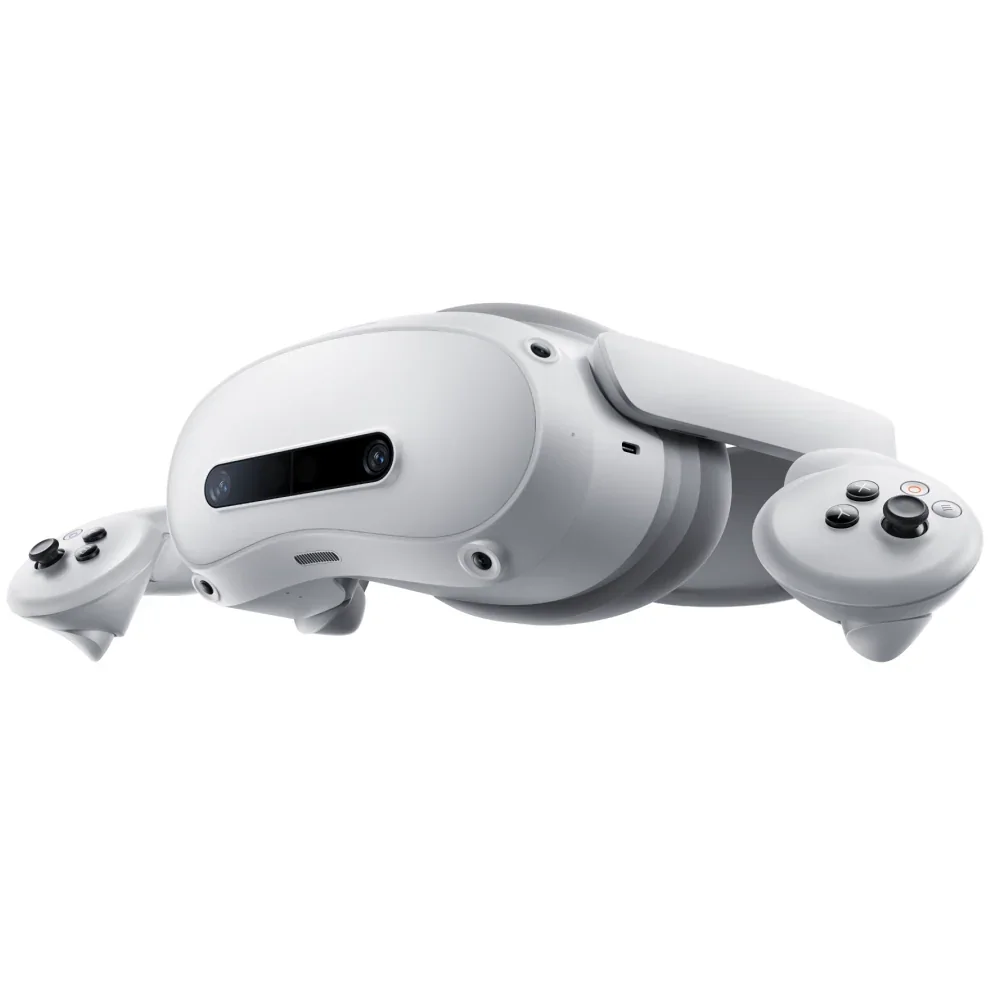
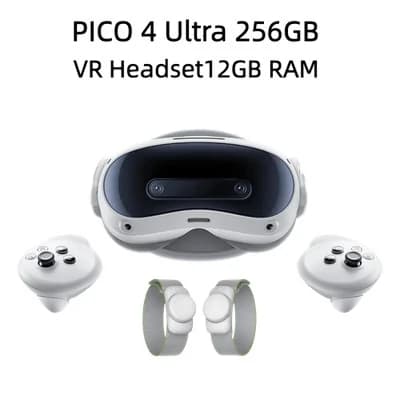
Tracking gets a tech boost here: equipped with AI-powered skeleton tracking across 24 points at up to 200 Hz, plus compatibility with external full-body trackers, the device excels in immersive movement capture—perfect for fitness buffs or social VR fans. The controllers come backed by sturdy wrist straps but pack heavier batteries (2 AA each), leading some users to mention controller heft as a minor gripe amid overall praise for precise motion sensing enhanced by Pico’s innovative tracker system—a standout feature sparking excitement among prosumers seeking fluid interaction.
Display and Optics
The PICO 4 Ultra packs crispness with its 2160×2160 per-eye resolution displayed through space-saving pancake lenses that trim headset bulk without sacrificing field of view (a generous 105° FOV). However, this optical stack is something of a double-edged sword: while central sharpness shines bright at 22.5 PPD, edge distortions and glare around the narrower sweet spot can strain eyeballs during extended sessions. Experts note this trade-off dampens visual fidelity compared to rivals but still praises its ergonomic comfort thanks to thoughtful lens design.
Conclusion
Real-world impressions are still settling, but the PICO 4 Ultra stakes its claim with crisp dual 32MP passthrough cameras and an iToF depth sensor that elevate mixed reality beyond mere novelty. Its pancake lenses deliver a sleek 105° field of view, though a narrower sweet spot invites some eye strain during marathon sessions. The inclusion of AI-powered full-body tracking and precise controllers broadens immersion—especially for fitness or social VR enthusiasts—but heftier batteries in those controllers might test your wrists. Underneath, the Snapdragon XR2 Gen 2 chipset paired with 12GB RAM and ample storage ensures smooth multitasking, even if software ecosystem gaps temper expectations. Spatial video capture shines as a creative bonus, supported by solid audio recording and a battery life that holds up to extended use without surprise drain. This headset suits those craving advanced MR tools wrapped in comfort rather than exclusive game libraries—a balanced contender carving out its own niche among premium standalone headsets.

Feature Scores
This reflects reviews and ratings from established critics, journalists, and users who have evaluated the item. Their opinions provide a comprehensive assessment.
Performance
Display Resolution
4/5
Field Of View
4/5
Tracking Accuracy
4/5
Motion Latency
4/5
Refresh Rate
4/5
Battery Life
4/5
Wireless Connectivity Reliability
4/5
Build Durability
4/5
Value
Price To Performance Ratio
4/5
Accessory Ecosystem Value
4/5
Software Content Value
3/5
Design
Ergonomics
4/5
Weight Distribution
5/5
Aesthetic Design
4/5
Health
Motion Sickness Mitigation
4/5
Blue Light Mitigation
3/5
Hygiene Materials
3/5
Safety
Overheating Protection
4/5
Secure Fit Mechanisms
4/5
Data Privacy Controls
2/5
Sustainability
Repairability
2/5
Recyclable Materials Use
2/5
Energy Efficiency
3/5
Experience Style
Setup Simplicity
4/5
Customization Options
4/5
Software Update Frequency
3/5
Content Ecosystem Compatibility
4/5

Specifications
This section outlines the product's key facts, covering essential features, details, dimensions, materials, and any unique characteristics that define its functionality and usability.
Performance
Value
Design
Safety
Sustainability
Experience Style

Frequently Asked Questions
9 Questions





Find Yours
What is your primary intended use for VR gear?
Answer to find your best matches.