
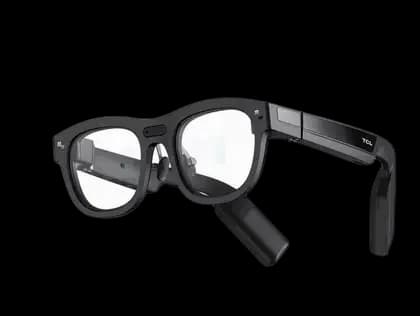
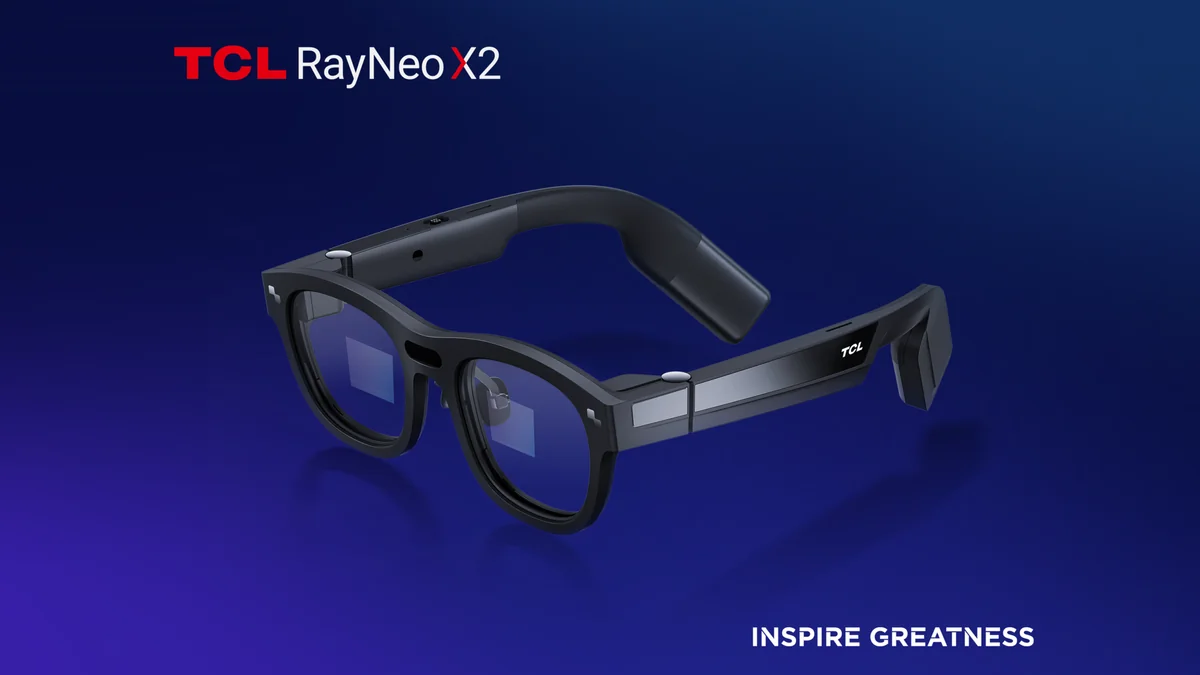
TCL RayNeo X2
Bright Micro-LED AR glasses with standalone AI and translation, but limited battery and early software.
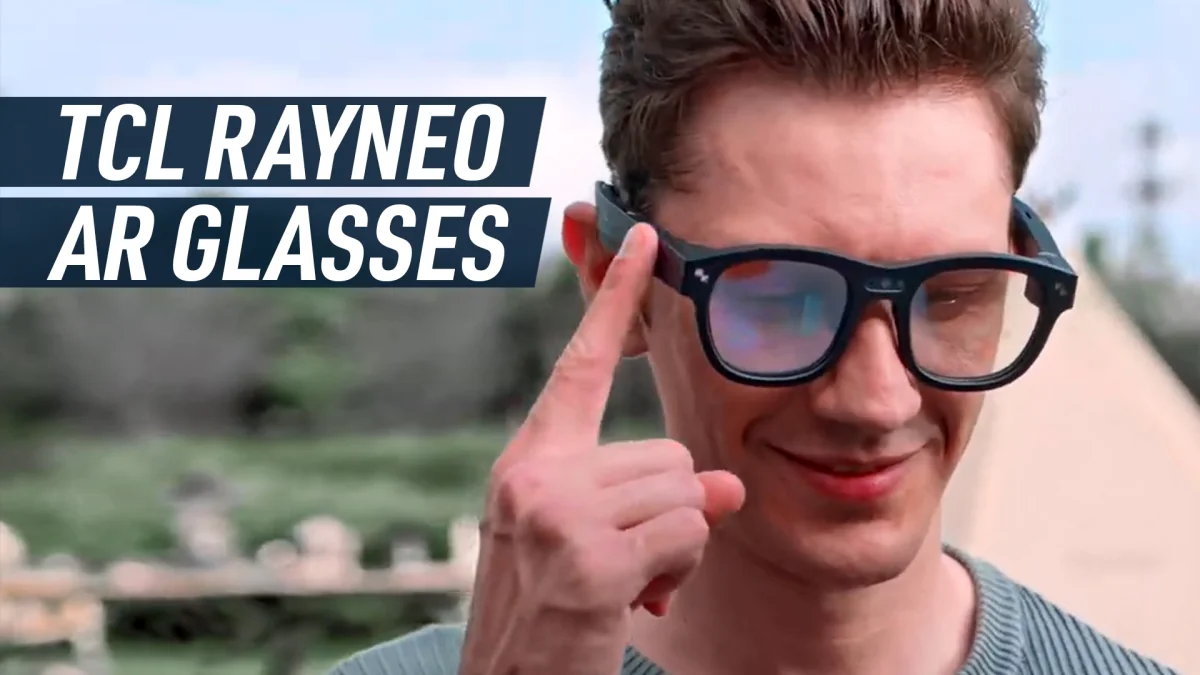
The TCL RayNeo X2 stakes its claim as a sleek, standalone AR glasses marvel designed for urban explorers and multitaskers craving hands-free AI magic. Sporting binocular full-color Micro-LED displays that dazzle up to 1,500 nits, it delivers vivid outdoor visuals that experts applaud—though users flag the limited battery life and occasional software quirks. Its featherlight 119g frame scores comfort points despite some bulkiness, while the 16MP stabilized camera adds POV content flair. With versatile controls spanning touch, voice, and ring gestures, it packs innovation at a competitive price but demands patience from early adopters eyeing polished daily use.

Find Yours
What is your primary intended use for smart glasses?
Answer to find your best matches.

The Field
Browse top contenders, or compare all options ranked by score and key attributes.
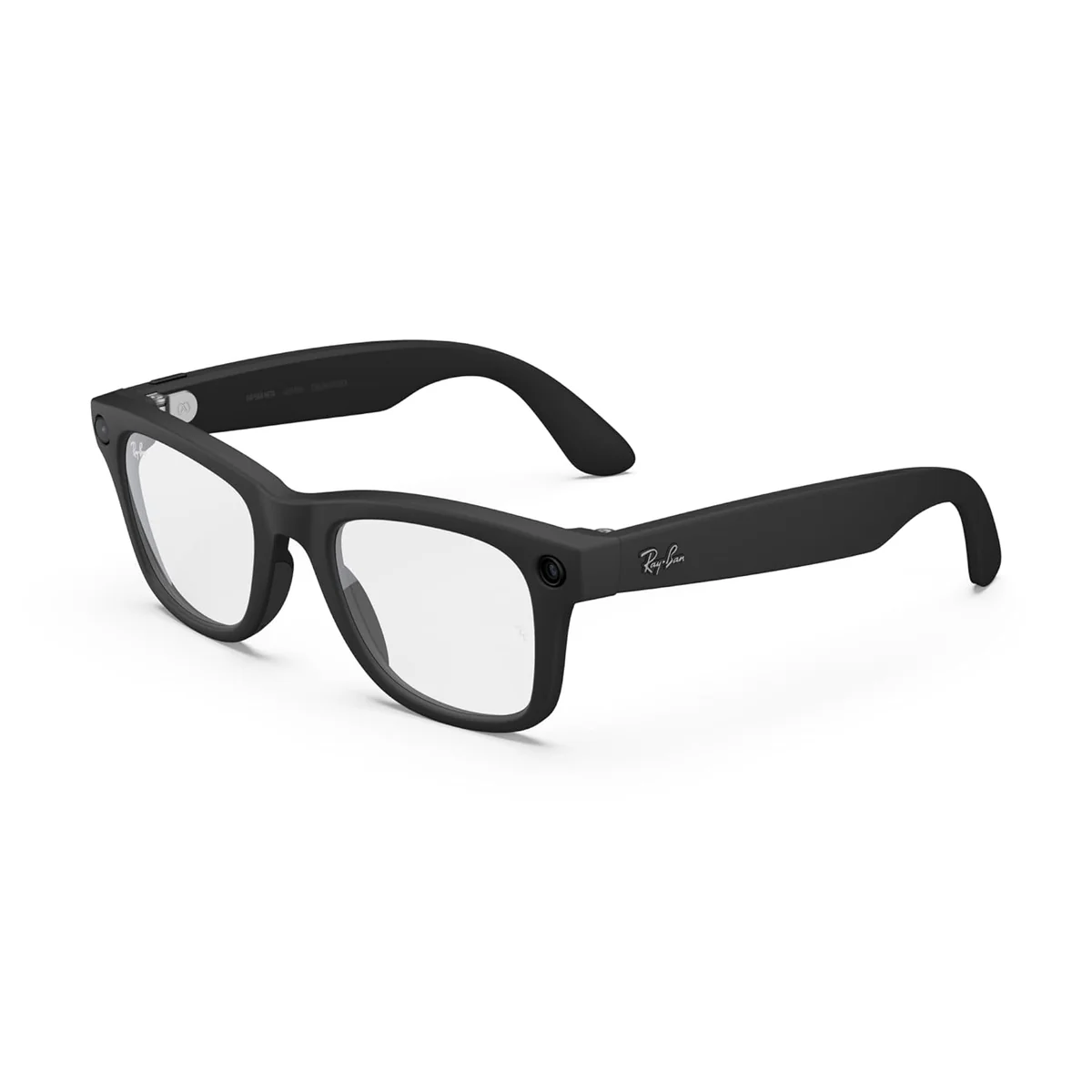
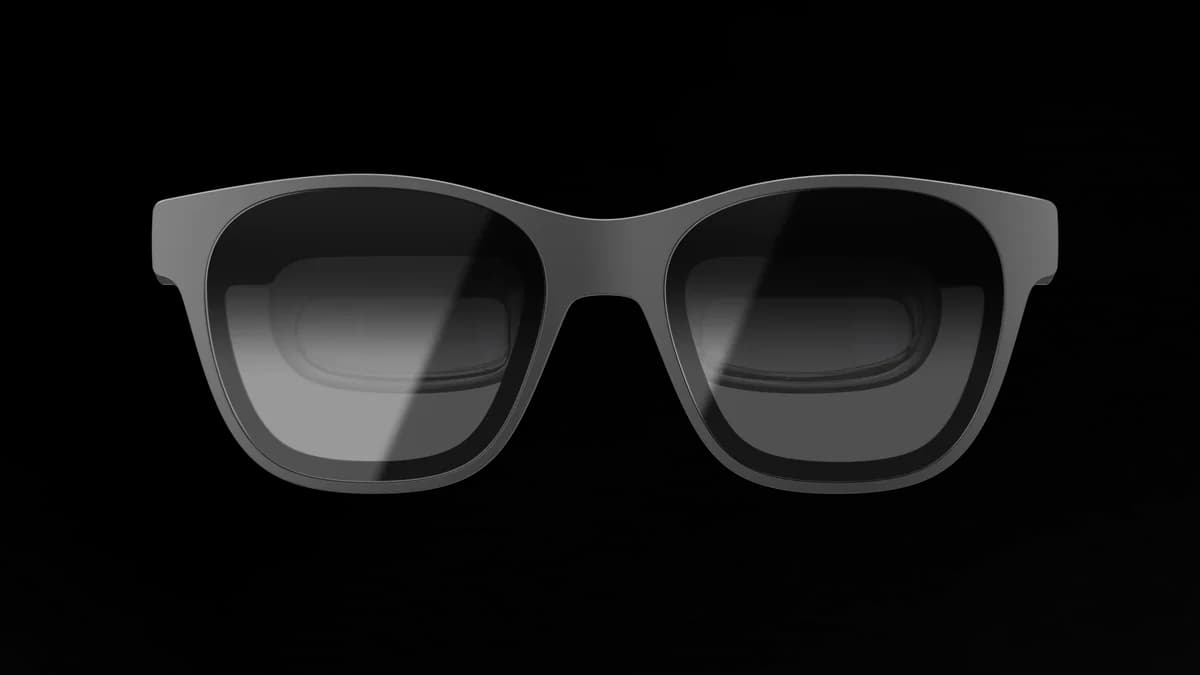
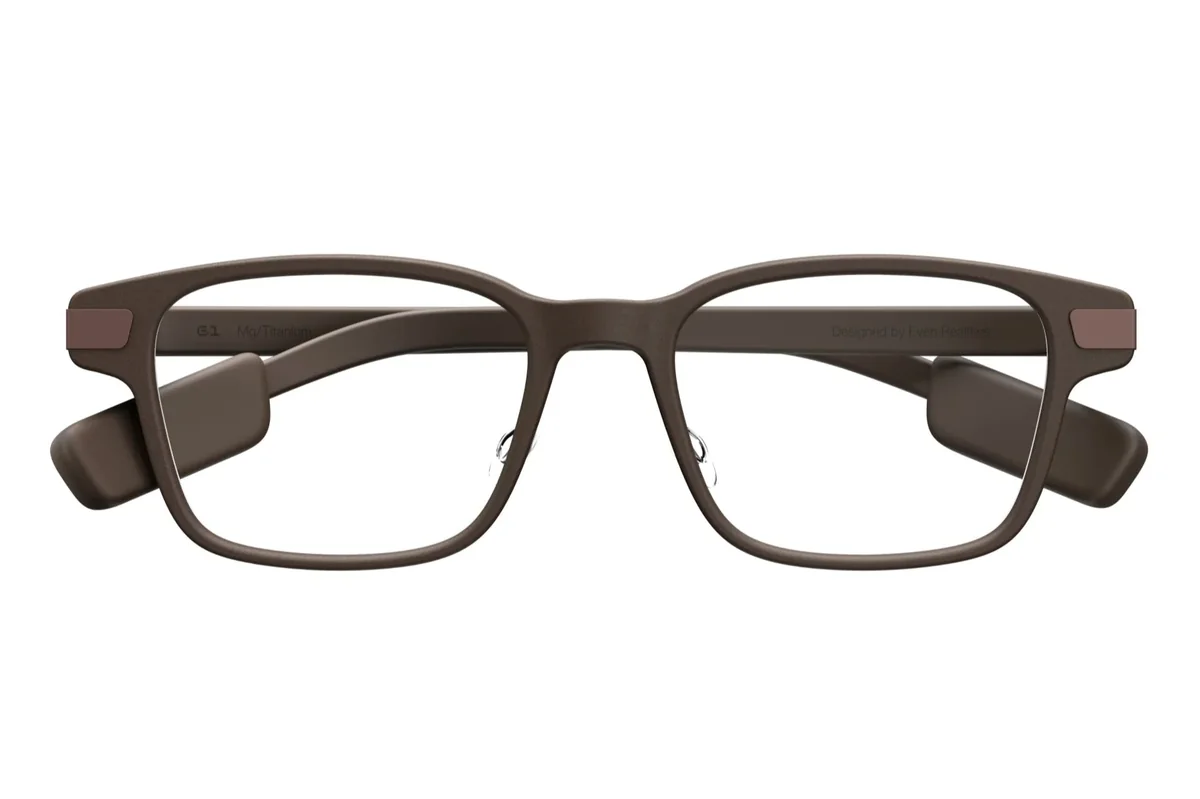
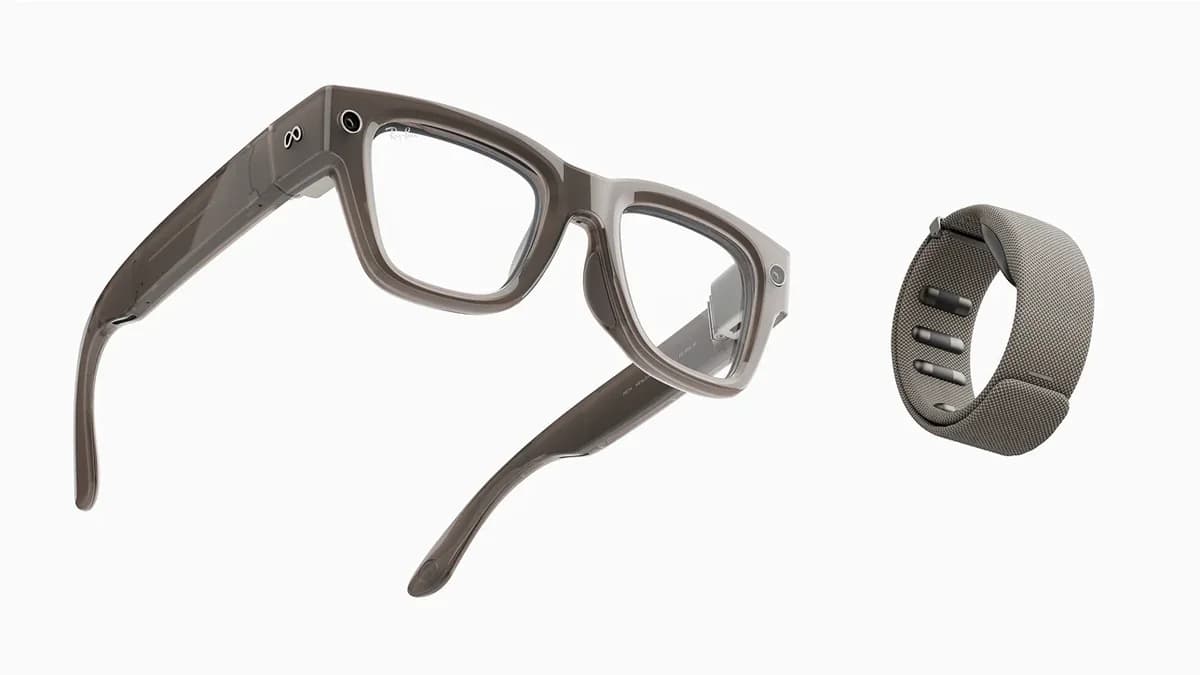
4 Options

The Scoreboard
Does this improve your life? Considers, health, habits, and environmental impact.
Benefits
SLAM navigation overlays keep you oriented hands‑free, reducing stress and improving situational awareness.
Live GPT‑4 translation subtitles reduce language friction, easing social stress and inclusion.
Micro‑LED brightness (unlike dimmer headsets) keeps overlays readable outdoors, reducing squinting and navigation friction.
119g glasses‑like design reduces neck strain, increasing wearable time and daily wellbeing.
16MP stabilized camera enables hands‑free vlogging and memory capture, supporting emotional wellbeing.
Trade-Offs
Visible camera and recordings can make others uncomfortable, risking social trust and consent.
Persistent AR overlays and notifications can fragment attention, increasing accident risk when mobile.
590mAh battery leads to short sessions and frequent charging, increasing material and energy footprint.
Micro‑LED and XR2 manufacturing increase embodied energy and recycling complexity versus simpler devices.
Early firmware and halted updates risk abandonment, shortening device lifespan and accelerating obsolescence.
 Alternatives


Join the Circle
Where real meets deal
Know what's worth buying-and when.
Tips, special offers, and rewards for buying and sharing.

Publications
6 LEADING PUBLICATION REVIEWS

Matt Bolton from TechRadar highlights the TCL RayNeo X2 as a promising step forward in AR smart glasses, praising its clear, wide field-of-view Micro-LED displays and thoughtful ergonomic design that allows users to move around safely while wearing them. He emphasizes the glasses’ unique Snapdragon XR2 chip, enabling standalone functionality beyond phone tethering, and the innovative live translation feature, which impressed him with its real-time subtitling during multilingual conversations. While acknowledging early-stage limitations—such as occasional audio interference, unconfirmed battery life, and modest camera quality—Bolton appreciates TCL’s developer-focused approach to refining the product. He also notes social concerns around always-on cameras and anticipates future navigation tools that could enhance real-world exploration. Overall, he views the RayNeo X2 as a compelling first-generation device with strong potential to popularize AR glasses, provided TCL successfully iterates based on user feedback and developer input.
By Matt Bolton
Scott Stein from CNET highlights TCL’s promising entry into AR and VR hardware with the RayNeo X2 AR glasses and accompanying VR headset prototypes. The RayNeo X2 impresses with its self-contained design, large clear lenses using Micro LED waveguides, and practical features like prescription inserts and a real-time translation tool that transcribes conversations live—showcasing useful, assistive AR capabilities. While the glasses look borderline normal and don’t require a phone, they remain somewhat bulky and use an older Snapdragon XR2 chipset, with plans to upgrade in the future. The VR headset is lightweight and compact with vision-adjusting dials but still feels unpolished in tracking and controller responsiveness, and its prescription limits pose challenges for users with strong myopia. Stein notes TCL’s steady progress and potential to become a major player in headset displays, though mass adoption of AR glasses remains elusive industry-wide. The review balances enthusiasm for TCL’s innovations with measured observations of current limitations.
By Scott Stein
Simon Hill from WIRED highlights the TCL RayNeo Air 2 XR Glasses as an affordable entry into mixed-reality eyewear, offering a large virtual screen with a sharp 1080p display and an improved 120 Hz refresh rate that enhances gaming and video playback. The glasses’ compact, lightweight design and USB-C connectivity make them versatile for various devices, though compatibility is limited to those supporting DisplayPort USB-C Alt mode. However, Hill points out significant drawbacks: the image blurs at the edges, the fixed mirrored shade can be cumbersome, and comfort suffers due to awkward fit and heat buildup. The sound quality is also underwhelming, with distortion at higher volumes. While the glasses work well for short entertainment sessions in controlled environments, they fall short for extended use or true augmented reality experiences, lacking a compelling “killer app” and camera functionality. Hill suggests these glasses are a mixed bag—good for dipping a toe into XR but not yet ready to replace traditional screens or more mature AR/VR devices.
By Simon Hill
Ben Sin from XDA Developers highlights the TCL RayNeo X2 as a promising early step toward practical AR smart glasses, blending innovative AI features with solid hardware design. He praises the multimodal AI assistant “Grace” for impressive scene recognition and language interpretation, and notes the camera delivers good-quality photos and videos with effective stabilization. The glasses are comfortable enough for extended wear and offer a bright, clear MicroLED display visible even outdoors. However, Sin points out several limitations: the bulky, plasticky frame and visible camera detract from subtlety; battery life is short under heavy use; and some AI functions, like live translation and navigation, suffer from noticeable lag. He also criticizes the proprietary charging port and the high $699 crowdfunding price. While not ready for mainstream adoption, the review conveys cautious excitement about the device’s potential and the future of AI-powered eyewear, framing the X2 as a cutting-edge but niche product that takes meaningful first steps in AR technology.
By Ben Sin
C. Scott Brown from Android Authority highlights the TCL RayNeo X2 as a promising evolution of the smart glasses concept first popularized by Google Glass. While the RayNeo X2 impresses with its high-quality dual-eye projection, real-time translation, and discreet audio features powered by the Qualcomm Snapdragon XR2 chip, Brown remains measured in enthusiasm. He notes the glasses’ bulky design, clunky touch controls, and lack of fashion appeal as significant drawbacks that may limit mainstream adoption. Despite these issues, the review acknowledges the device’s potential to redefine heads-up displays, especially as social acceptance of wearable tech has grown since Google Glass’s debut. Brown ultimately questions whether the RayNeo X2 offers enough unique value beyond smartphones to justify its cost and form factor, suggesting it may appeal primarily to early adopters and developers initially. The review balances excitement about the technology’s possibilities with a realistic appraisal of its current limitations and market readiness.
By C. Scott Brown
David Heaney from UploadVR highlights the TCL RayNeo X2 as a historic first in standalone AR glasses with full-color microLED displays and a true glasses form factor. He praises its bright, efficient microLED waveguide optics that enable outdoor visibility and comfortable design despite its bulk and weight. The device impresses with innovative features like real-time speech translation and heads-up notifications, offering a glimpse into future AR possibilities. However, Heaney is critical of several key drawbacks: the tiny 25-degree field of view severely limits practical AR use, and the positional tracking is notably poor. Software issues, including clunky controls, unreliable app connectivity, and a cumbersome AI assistant, further hinder the experience. Battery life is short, and the charging method is awkward compared to competitors. Ultimately, while the RayNeo X2 is a remarkable technical achievement and a promising HUD device, Heaney finds it falls short as a practical AR glasses solution and recommends it only for early adopters eager to experiment.
By David Heaney

YouTube
5 LEADING EXPERT & INFLUENCER REVIEWS
 Tyriel Wood - VR Tech
Tyriel Wood praises the TCL RayNeo X2 for its innovative Micro-LED waveguide displays, comfortable glasses-like form factor, and powerful Snapdragon XR2 processor. He highlights standout features like live translation and AI assistant integration but notes limitations in battery life, field of view, and camera quality. Overall, he’s impressed by its potential as a true standalone AR glasses experience.
Joshua VergaraJoshua Vergara praises the TCL RayNeo X2 for effectively recontextualizing tech by integrating powerful Snapdragon XR2-driven AR features—like maps, translation, and AI assistance—into a practical, glasses-like form. He highlights the quality POV camera, intuitive controls, and fun AR games, while noting some bulkiness and connectivity quirks, ultimately seeing strong potential in this early-stage wearable.
TK BayTK Bay praises the TCL RayNeo X2 for its bright Micro-LED displays, versatile controls including the RayNeo Ring, and advanced AR features like face-tracking translation and SLAM navigation. He highlights smooth performance on Snapdragon XR2 and useful hands-free functions but notes battery life limits and some software quirks, recommending it as a promising, evolving AR tool.
ben's gadget reviewsBen from Ben’s Gadget Reviews praises the TCL RayNeo X2 for its lightweight, standalone design and practical AR features like hands-free 16MP video capture, real-time translation, and turn-by-turn navigation. While visuals aren’t as immersive as the Apple Vision Pro, its outdoor usability, AI assistant, and gesture controls offer a compelling, affordable AR experience with room for software growth.
TechTriangleTechTriangle highlights the TCL RayNeo X2 as a cutting-edge AR smart glasses option with true waveguide displays, hand-tracking, and spatial computing that rivals Apple Vision Pro’s form factor. While impressed by its futuristic features and immersive AR, the reviewer notes its limited battery life, high price, and immature app ecosystem, recommending it mainly for early adopters willing to accept first-generation quirks.

Social
2 INFLUENCER REVIEWS
 TechAltar
TechAltar highlights the TCL RayNeo X2 as an ambitious step forward in consumer smart glasses, featuring waveguide displays, a modified Android OS, AI assistant, and real-time translations. While impressed by the slim design and surprisingly good image quality, they note distracting reflections and a slight haze that limit everyday usability. Overall, TechAltar finds the RayNeo X2 intriguing but not yet ready for mass adoption, recommending it mainly to early adopters interested in cutting-edge display tech rather than those seeking a polished, practical device.
 𝘿𝙖𝙋𝙤𝙚𝙩𝙨
dapoets highlights the TCL RayNeo X2 AR glasses’ impressive real-time translation feature, praising how it discreetly helps decode conversations in foreign languages while waiting in line. The reviewer appreciates the subtle control ring that enhances usability and inconspicuousness, adding a fun, personal touch to the experience. Overall, dapoets conveys genuine enthusiasm for the glasses’ unique functionality and ease of use, recommending them as a clever, practical gadget for everyday situations where language barriers arise. The tone is upbeat and positive, with no notable criticisms mentioned.

Forum Reviews
CUSTOMER REVIEWS FROM 1 FORUM
Reddit users express mixed sentiments about the TCL RayNeo X2, appreciating its solid hardware, innovative waveguide display, and standalone Android functionality, which offers a glimpse into future wearable tech. The design is noted as bulky but stylish enough to be socially acceptable, with some praising its comfort and build quality. Performance-wise, users find the software immature, with limited app support, occasional bugs, and battery life concerns, making it more suitable for developers or enthusiasts willing to tinker. Early adopters report disappointment over halted updates and lack of ongoing support, while new shoppers are cautioned to manage expectations, as the device feels unfinished and better suited as a developer kit than a polished consumer product.
Many comments

In-Depth Review

Highlights
- •Bright Micro‑LED waveguide displaysVery bright, outdoor‑visible AR overlays
- •On‑device Snapdragon XR2 performanceRuns smoothly without phone tethering
- •Live translation and AI assistantReal‑time subtitling and language help
- •Lightweight, glasses‑like form factorComfortable for extended wear
- •First‑person 16MP cameraStabilized 1080p POV capture
- •Multiple control methodsTemple touch, voice, ring gestures

Considerations
- •Limited battery enduranceDrains quickly under heavy AR use
- •Restricted field of viewApprox. 25° limits AR immersion
- •Positional tracking and SLAM lagTracking lag can jar immersion
- •Software immaturity and sparse appsBugs, limited apps, halted updates
- •Bulky frame and visible cameraLess subtle; raises social concerns
- •Aging charging methodUSB 2.0/proprietary port feels dated
Real-world impressions of this ambitious standalone AR glasses remain limited, but the buzz around its pioneering tech is hard to ignore. TCL stakes a claim in the wearable arena with binocular full-color Micro-LED displays pushing up to 1,500 nits, delivering some of the brightest and most vivid outdoor AR visuals you can get without bulk. Powered by a Snapdragon XR2 chipset, it promises smooth on-device AI that handles real-time translation and hands-free navigation—features tailor-made for urban explorers and multitasking pros alike. While the device’s compact weight at just 119 grams aims for all-day comfort, early feedback hints at trade-offs like battery endurance and a somewhat narrow field of view. The integrated 16MP stabilized camera captures your world effortlessly, paired with versatile controls spanning touch, voice, and ring gestures. Whether you’re an AR enthusiast or developer curious about next-gen wearables, these highlights set the stage—because sometimes bright ideas come in sleek frames worth watching closely.
Comfort and fit
Weighing just 119 grams with interchangeable nose pads shows serious intent for all-day wearability without turning heads into swivel points due to discomfort or bulkiness—a rarity among standalone AR gear! Users applaud its lightweight frame yet flag occasional bulk complaints; still, TCL nails a delicate balance between durability (drop-resistant frame) and style in these smart specs designed not just for function but also subtle social acceptance—even if perfection remains just out of reach.
Display quality
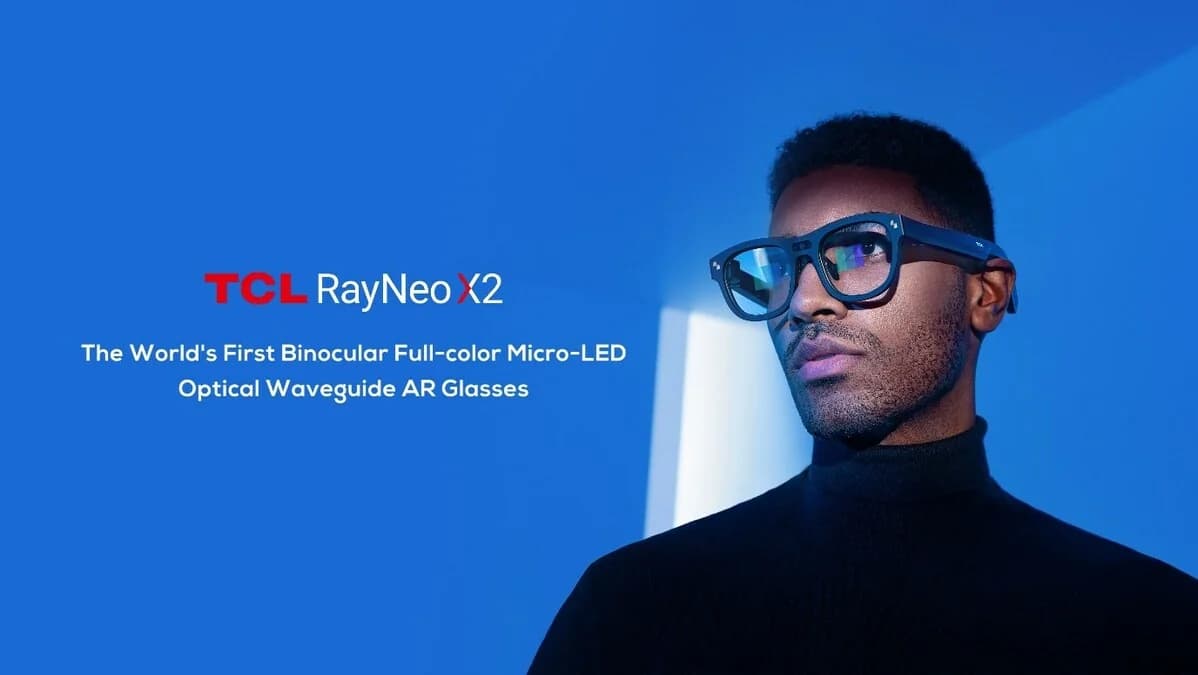
The TCL RayNeo X2 dazzles with its binocular full-color Micro-LED waveguide displays, boasting an eye-popping 1,000–1,500 nits brightness that truly shines outdoors. This tech wizardry offers vivid AR overlays in over 16 million colors and a crisp 100,000:1 contrast ratio. While the display is a beacon of innovation and outdoor usability, some users note slight haze and reflections tempering everyday use. Still, it’s clear this is no mere gimmick—these glasses deliver on their promise to brighten your augmented reality world with genuine punch.
SLAM tracking and mapping
Navigating real-world spaces feels futuristic thanks to the device's SLAM-based smart navigation system paired with gesture recognition. Covering landmark maps across more than 100 countries, this feature lets you roam hands-free while enjoying precise overlays that map your journey seamlessly. However, some critiques mention tracking lag which can jar immersion or cause eye strain during extended wear—an early-stage hiccup in an otherwise clever approach to spatial computing that's poised for refinement as software matures.
Battery life and charging
Packing a modest 590mAh battery powering bright Micro-LEDs means the RayNeo X2 demands frequent pit stops at the charger—a notable trade-off when heavy AR sessions drain juice quickly. The USB 2.0 charging port feels dated compared to faster modern alternatives, adding friction to daily routines where power endurance matters most. Though LED indicators help keep tabs on status, short battery life remains one of those inconvenient realities tethering what could be untethered freedom from phone dependency.
Conclusion
Early impressions suggest the glasses’ display quality is a genuine breakthrough, dazzling with brightness that thrives outdoors. The SLAM tracking and mapping hint at futuristic navigation but wobble under real-world demands, causing occasional lag. Battery life remains the Achilles’ heel—its modest capacity paired with power-hungry Micro-LEDs means frequent charging interrupts immersion. Comfort scores high marks thanks to its featherlight frame and adaptable fit, though some users find the bulk noticeable over time. The camera’s POV capture impresses for casual creators but won’t replace dedicated gear anytime soon. Controls offer versatility through touch, voice, and ring gestures; yet responsiveness occasionally falters in practice. This blend of bold innovation and early-stage quirks paints a clear picture: these glasses excel as an adventurous first step for explorers craving untethered AR freedom—but those seeking polished daily drivers might want to watch this space before diving in headfirst. A bright promise wrapped in evolving tech worth following closely.

Feature Scores
This reflects reviews and ratings from established critics, journalists, and users who have evaluated the item. Their opinions provide a comprehensive assessment.
Performance
Display Brightness and Visibility
5/5
Battery Life
2/5
Processing Power and Responsiveness
4/5
Connectivity Reliability
3/5
Value
Price Competitiveness
4/5
Feature-to-Price Ratio
4/5
Software Support Longevity
2/5
Upgradeability and Repairability
2/5
Design
Comfort and Fit
4/5
Aesthetics and Style
4/5
Weight and Balance
4/5
Prescription Compatibility
4/5
Health
Eye Strain and Visual Comfort
3/5
Blue Light Management
3/5
Materials and Skin Safety
3/5
Long-term Exposure Risk
3/5
Safety
Data Privacy and Security
3/5
Thermal and Electrical Safety
4/5
Impact and Physical Protection
4/5
Regulatory Compliance
3/5
Sustainability
Recyclability of Materials
2/5
Energy Efficiency
3/5
End-of-Life Programs
2/5
Sustainable Packaging
2/5
Experience Style
User Interface Simplicity
3/5
Customizability and Personalization
3/5
App Ecosystem and Integration
2/5
Hands-free Interaction Quality
4/5

Specifications
This section outlines the product's key facts, covering essential features, details, dimensions, materials, and any unique characteristics that define its functionality and usability.
Performance
Value
Design
Safety
Sustainability
Experience Style

Frequently Asked Questions
6 Questions




Find Yours
What is your primary intended use for smart glasses?
Answer to find your best matches.