

Meta Quest 3
Sharp pancake lenses and full-color passthrough deliver immersive VR with solid performance and comfort, despite battery and strap trade-offs.
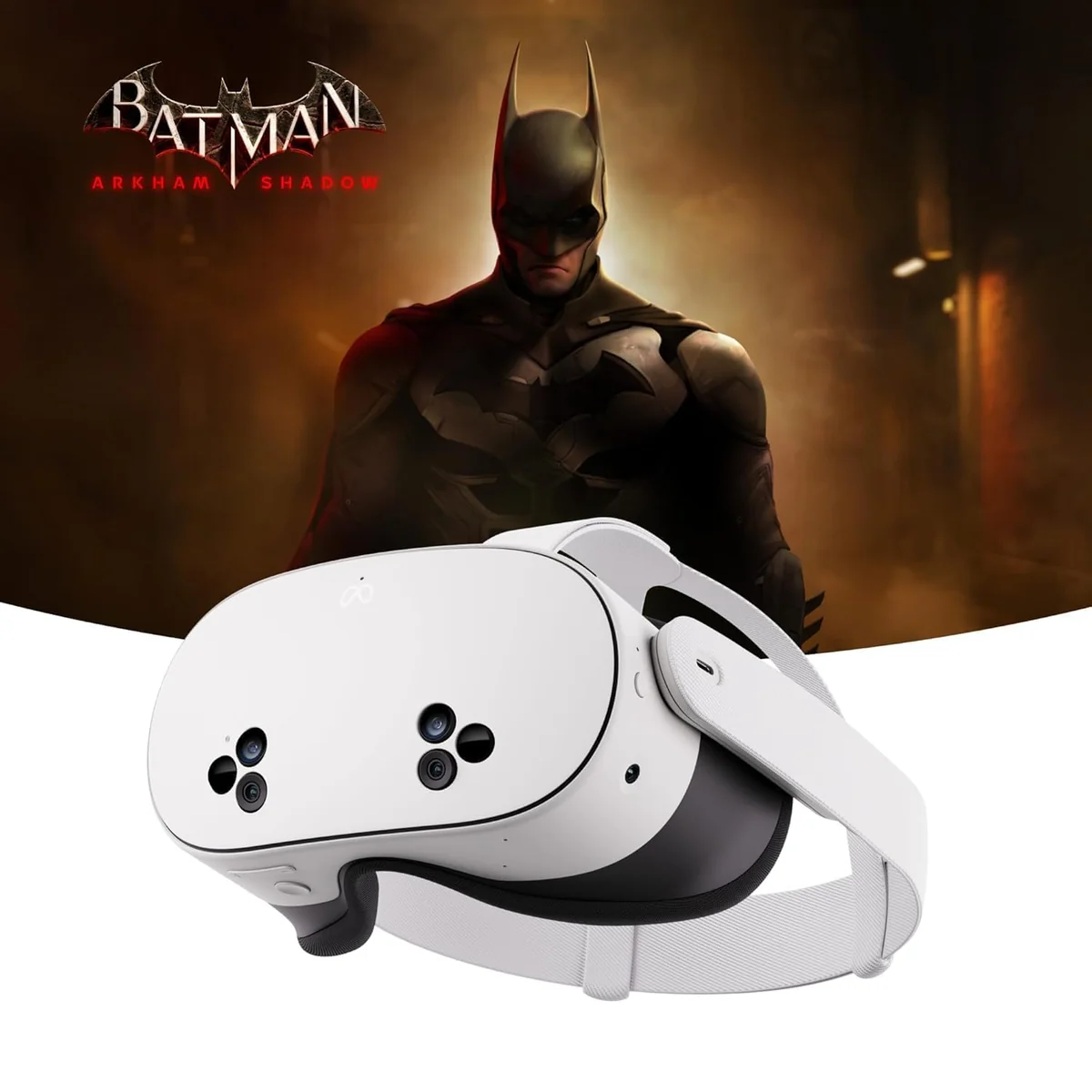
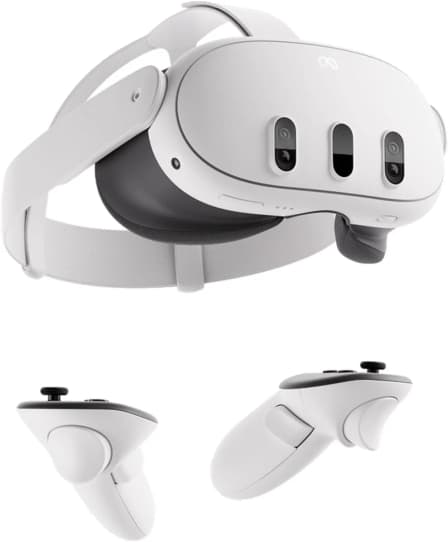
The Meta Quest 3 is a standalone VR powerhouse designed for both curious newcomers and seasoned gamers craving immersive clarity without wires. It wows with sharp pancake lenses, a vibrant 2064×2208 per eye display, and a generous 103.8° field of view that expands your virtual playground. Experts applaud its sleek ergonomics and robust Snapdragon XR2 Gen 2 processor, though users debate the comfort of its stock strap and battery life trade-offs. The standout feature—full-color passthrough—blends realities like never before, pushing mixed reality forward at a premium price point. This headset impresses by balancing innovation with practical compromises, making it an enticing yet nuanced pick in today’s VR lineup.








Find Yours
What is your primary intended use for VR gear?
Answer to find your best matches.

The Field
Browse top contenders, or compare all options ranked by score and key attributes.
5 Options
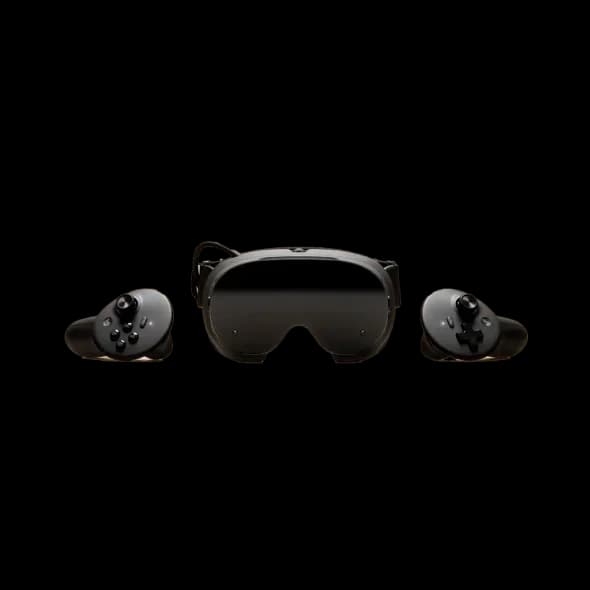


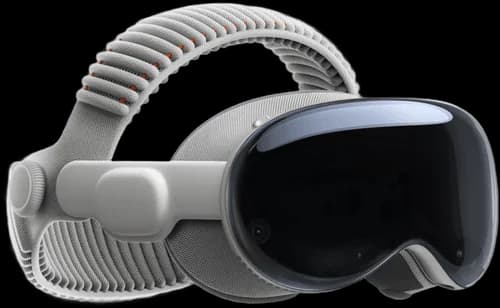

The Scoreboard
Does this improve your life? Considers, health, habits, and environmental impact.
Benefits
Full-color passthrough and pancake lenses create immersive calming environments, reducing stress and anxiety.
Lighter 515 g build and improved weight distribution reduce neck strain during long sessions.
Standalone XR2 performance and inside-out tracking support rehab, exposure therapy, and cognitive training.
Precise controllers and tracking enable motion games that increase short-burst physical activity and coordination.
Standalone design, backward compatibility, and inside-out tracking lower technical barriers for diverse users.
Trade-Offs
High-intensity visuals and mixed reality can cause eye strain, nausea, and vestibular mismatch.
Easy immersion can replace outdoor activity and socializing, reducing incidental daily physical movement.
High-capacity lithium battery and integrated construction increase resource extraction and end-of-life e-waste.
Powerful Snapdragon XR2 Gen 2 processing produces heat and limited battery life, causing discomfort.
Full-color passthrough cameras and continuous tracking collect environmental data that raise consent concerns.
 Alternatives


Join the Circle
Where real meets deal
Know what's worth buying-and when.
Tips, special offers, and rewards for buying and sharing.

Publications
8 LEADING PUBLICATION REVIEWS

Will Greenwald from PCMag highlights the Meta Quest 3 as a top-tier VR headset, recommending it enthusiastically for users seeking the best visual experience and performance. He praises the Quest 3’s superior display resolution, wider field of view, and continuous lens adjustment, which justify its higher $499.99 price point. At the same time, Greenwald acknowledges the Meta Quest 3S as an excellent, more affordable alternative at $299.99, offering comparable processing power, motion tracking, and color pass-through cameras, making it a fantastic value for budget-conscious buyers. Both headsets share many features and earned Editors’ Choice awards with 4.5-star ratings, but the Quest 3S compromises on resolution and storage capacity. Greenwald’s detailed side-by-side comparison provides clear guidance: choose the Quest 3 for premium visuals and storage, or the Quest 3S for solid performance at a lower cost, making VR accessible without sacrificing core functionality.
By Will Greenwald
Scott Stein from CNET highlights the Meta Quest 3 as the best VR headset available at its $500 price point, praising its impressive mixed-reality capabilities, improved display resolution, clearer lenses, and enhanced graphics performance. He vividly describes immersive experiences blending virtual elements with real-world surroundings, emphasizing the headset’s accessibility for families and casual users. However, Stein tempers enthusiasm with measured critique, noting that the Quest 3’s upgrades feel iterative rather than revolutionary, especially compared to the Quest 2, and that the software ecosystem has yet to fully capitalize on the new hardware’s potential. He points out some mixed-reality imperfections, such as occasional visual glitches and the need for ample play space, while also acknowledging the device’s solid design improvements and better haptics in the controllers. Ultimately, Stein sees the Quest 3 as a compelling, affordable entry into mixed reality and VR, ideal for curious users but not an essential upgrade for all existing Quest 2 owners—yet its future appeal depends heavily on software growth and evolving features.
By Scott Stein
Eric Song from IGN praises the Meta Quest 3 as the best standalone consumer VR headset currently available, highlighting its sharper display, more powerful processor, full-color passthrough, and improved controllers as significant upgrades over the Quest 2. He appreciates the enhanced ergonomics, continuous IPD adjustment, and the adoption of pancake lenses that deliver better edge-to-edge clarity and a wider field of view. The new Touch Plus controllers are lighter, more durable, and offer more precise tracking, which enhances gameplay in titles like Beat Saber. While the Quest 3’s battery life and charging speed leave room for improvement, its backward compatibility with over 500 Quest 2 games and ability to tether to a PC for high-end VR experiences add great versatility. Song notes the limited launch lineup but is impressed by the mixed-reality potential demonstrated by the full-color passthrough and the included tech demo. Overall, he considers the Quest 3 a worthy, if pricier, successor that sets a new standard for accessible VR and mixed reality gaming.
By Eric Song
Kyle Orland from Ars Technica highlights the Meta Quest 3 as a thoughtful, well-balanced evolution in Meta’s VR lineup, offering meaningful improvements in comfort, display clarity, and mixed-reality capabilities at a mass-market price. He praises the headset’s lighter, better-balanced design and sharper pancake optics, which enhance long-session wearability and visual fidelity, especially for text and virtual monitors. The new mixed-reality passthrough is a standout feature, enabling practical real-world awareness and multitasking, though it still shows some visual fuzziness and edge warping. Hand-tracking impresses initially but remains inconsistent and frustrating in precision tasks. While the Quest 3 lacks a “killer app” to fully justify VR investment, it provides a solid, accessible glimpse into a future where VR and reality blend more seamlessly. Orland positions the Quest 3 as a “good enough” and affordable step forward, especially for existing Quest 2 users, even as more premium competitors loom on the horizon.
By Kyle Orland
Brandon Hill from Tom’s Hardware highlights the Meta Quest 3 as a solid hardware upgrade over its predecessor, featuring improved display resolution, a comfortable yet slightly heavier design, and a standout color passthrough mode that enhances mixed reality experiences. He praises the refined build quality, adjustable fit, and the immersive potential of mixed reality games like First Encounters and First Person Tennis, noting effective use of positional audio and spatial awareness. However, Hill tempers enthusiasm with critiques of the headset’s grainy passthrough image quality, especially in low light, and the limited appeal of current mixed reality content, which tends to be repetitive and lacks “must-have” titles. He also points out the steep price increase compared to the Quest 2, which may hinder broader adoption. Overall, Hill sees the Quest 3 as an impressive technological step forward with promising mixed reality capabilities, but one still searching for compelling software and a more accessible price to truly break into the mainstream.
By Brandon Hill
Malcolm McMillan from Tom’s Guide highlights the Meta Quest 3 as the best VR headset currently available, praising its slimmer, more comfortable design and vibrant 4K+ LCD display that significantly improves on the Quest 2. He applauds the excellent Touch Plus controllers and impressive full-color passthrough, which enhances mixed reality experiences, though he notes that the headset still falls short of delivering a fully realized mixed reality platform. Battery life and hand tracking remain weak points, with the latter not yet practical for regular use. Despite these shortcomings, McMillan emphasizes the Quest 3’s strong performance, extensive game library, and value—especially with the 512GB model priced competitively. While it doesn’t revolutionize VR or mixed reality, the Quest 3 is a clear, thoughtful upgrade and the top standalone VR headset to buy today, particularly for those prioritizing comfort, display quality, and versatility.
By Malcolm McMillan
Jorge Jimenez from PC Gamer highlights the Meta Quest 3 as a significant and welcome upgrade over its predecessor, the Quest 2, praising its powerful Snapdragon XR2 Gen 2 chip, stunning 4K+ pancake lenses, and excellent inside-out tracking. He emphasizes the headset’s comfort, balanced weight distribution, and improved passthrough cameras, which enhance both gaming and mixed-reality experiences. Jimenez appreciates the Quest 3’s affordability at $500, making it accessible for casual and entry-level VR users, while noting its seamless backward compatibility and strong performance with both native and Steam VR titles. However, he tempers enthusiasm by pointing out limitations such as the modest battery life, occasional hand-tracking inconsistencies, and the fact that it’s not aimed at power users seeking top-tier graphics. Overall, the review conveys a confident, upbeat tone that the Quest 3 strikes an excellent balance of price, comfort, and performance, making it a compelling choice for most VR gamers despite some minor trade-offs.
By Jorge Jimenez
Mitch Wallace from Forbes highlights the Meta Quest 3 as a sleek, more powerful successor to the Quest 2, emphasizing its standalone design and improved mixed reality (MR) capabilities as standout features. While the headset’s hardware is praised for its ruggedness, thinner form factor, and higher-quality pancake lenses, Wallace notes some shortcomings such as ho-hum haptics, the absence of in-headset rumble, and a preference for physical controllers over hand-tracking. The color passthrough MR experience, showcased through games like Starship Home, is described as a “game-changer” that offers immersive, nausea-free play. Although the Quest 3’s LCD panels deliver superb image quality, the reviewer finds the PSVR2’s OLED display more vibrant but less sharp. Battery life and accessories like the Elite battery pack strap add convenience, though extended VR sessions remain challenging. Overall, Wallace’s tone is lightly humorous and cautiously optimistic, viewing the Quest 3 as a significant step toward mainstream mixed reality despite some lingering limitations.
By Mitch Wallace

YouTube
10 LEADING EXPERT & INFLUENCER REVIEWS
 Linus Tech Tips
Linus Tech Tips praises the Meta Quest 3 for its impressive mixed reality passthrough, powerful Snapdragon XR2 Gen 2 chipset, and improved controllers, calling it an immersive VR “beast.” However, he notes drawbacks like heat, limited battery life, so-so hand tracking, and LCD displays, making it a strong but imperfect flagship headset.
Adam Savage’s TestedNorman from Tested praises the Meta Quest 3 for its improved pancake optics, wider field of view, and sharper LCD panels, calling it a generational leap over the Quest 2. He highlights excellent comfort, solid processing power, and enhanced passthrough, but notes some aliasing artifacts, limited mixed reality apps, and average black levels as drawbacks.
NathieNathie praises the Meta Quest 3 as a significant next-gen upgrade with impressive pancake lenses, mixed reality features, and improved passthrough, delivering sharper visuals and solid performance. However, she criticizes its comfort due to the cheap strap, limited field of view, and high price, urging better content and marketing to realize its full potential.
6 Months LaterJosh Tedar praises the Meta Quest 3 for its significant hardware upgrades, including improved optics with pancake lenses, full-color passthrough, and better comfort despite slight weight increase. He highlights enhanced performance with the Snapdragon XR2 Gen 2 and Meta’s open ecosystem. However, he notes occasional glitches, Wi-Fi issues, and limited appeal for casual users.
BMFVRBMFVR enthusiastically recommends the Meta Quest 3 in 2025, praising its superior visuals, advanced lighting, and mixed reality improvements that have grown stronger with updates. Highlighting exclusive games and comfort advantages over the Quest 3S, the reviewer sees the Quest 3 as a worthwhile, future-proof investment despite the upcoming Quest 4.
Eat Sleep TechRich from Eat Sleep Tech provides a thorough, practical beginner’s guide to the Meta Quest 3, highlighting its intuitive setup, adjustable IPD and depth settings, and user-friendly mixed reality passthrough. While praising the headset’s comfort and features, he notes minor design quirks like the awkward depth adjuster, offering balanced, hands-on insights for new users.
The Great GambinoJames from The Great Gambino enthusiastically praises the Meta Quest 3 as his favorite headset, highlighting its compact design, improved pancake lenses, and advanced Snapdragon XR2 Gen 2 processor. He values the sharp full-color passthrough and mixed reality features but advises Quest 2 owners to wait due to limited current software.
ALINE techALINE tech praises the Meta Quest 3 as a versatile, visually impressive VR headset with standout pancake lenses and solid standalone and PCVR gaming performance. However, they caution that mixed reality features feel underdeveloped, battery life is limited, and additional accessories add to the cost. Overall, it’s ideal for tech enthusiasts but less so for MR-focused users.
The Tech LabSamuel Jones praises the Meta Quest 3 for its significant improvements over the Quest 2, especially the clearer pancake lenses, wider field of view, and best-in-class full-color passthrough for mixed reality. While setup was somewhat finicky and the facial interface could be more comfortable, he finds the device impressive and promising, particularly for mixed reality enthusiasts.
Bo Knows GamingBo Knows Gaming praises the Meta Quest 3 for its versatility, crisp display, immersive mixed reality, and continual firmware improvements over a year of use. Highlighting standout features like hand tracking, passthrough, and productivity tools, he notes battery life as a drawback but emphasizes the headset’s evolving performance and broad appeal beyond gaming.

Social
3 INFLUENCER REVIEWS
 Andrew Bond
Andrew Bond highlights the key differences between the Meta Quest 3 and the more affordable Meta Quest 3S, focusing on pricing, lens technology, resolution, size, battery, and storage options. He provides clear, side-by-side comparisons with specific details like the 20% higher resolution and thinner design of the Meta Quest 3, balanced by the similar performance and lower cost of the 3S. Overall, Andrew offers a measured and helpful perspective, emphasizing that the best choice depends on individual needs and budgets. He neither pushes one model over the other but equips viewers with concrete facts to make an informed decision, making his review a practical guide rather than a hard sell.
Nathan EspinozaNathan Espinoza highlights that the Meta Quest 3 offers a lighter, more affordable VR experience with a strong gaming focus, though it feels cheaper and has a noticeably lower screen resolution compared to the Vision Pro. He appreciates the tactile feel of the controllers and the larger game library but notes the Vision Pro’s superior display and more intuitive interface. Overall, Nathan’s consensus is that the Quest 3 is a solid choice for gamers seeking value and variety, but it falls short of the Vision Pro’s premium quality and broader capabilities. He recommends the Quest 3 primarily for gaming enthusiasts rather than those wanting the best all-around VR experience.
Alexis LoaAlexis Loa highlights their excellent experience using the Meta Quest 3 on an airplane, praising its immersive theater mode that makes watching movies feel like being in a real cinema. Despite a minor frustration with screen recording restrictions on streaming services, the reviewer’s enthusiasm is clear and genuine. Overall, Alexis highly recommends the Meta Quest 3 for frequent travelers seeking portable entertainment, emphasizing its strong performance and immersive qualities that enhance long trips. Their positive sentiment and practical insight make this a compelling endorsement for VR enthusiasts on the go.

Store Reviews
CUSTOMER REVIEWS FROM 1 STORE
Amazon users praise the Meta Quest 3 for delivering a significant leap in mixed reality and VR performance. They highlight the headset’s advanced inside-out tracking that eliminates the need for external sensors, allowing wireless play anywhere. Reviewers admire the vibrant, sharp display and appreciate the ability to fine-tune lens distance for personalized comfort. Many find the new pancake lenses and improved resolution elevate visuals well beyond previous Meta models, creating a more immersive experience even without a PC. Gamers enjoy the included Asgard’s Wrath II and the growing library of mixed reality titles, noting that while many games still lean toward stylized graphics, the headset’s processing power supports smooth gameplay and responsive controls. Users also value the flexibility to play standalone games or stream PCVR titles wirelessly or via USB-C. Several mention the Quest 3’s reliable audio quality and the convenience of media apps like Netflix and Amazon for entertainment beyond gaming. Mixed reality features impress users who initially doubted their appeal, with some calling the technology “awesome” and “fun,” especially for interactive mini-games that blend virtual and real environments. Battery life receives mixed reactions; while some find the two-hour average sufficient and appreciate the option to charge while playing, others report rapid battery drain and short controller battery life. Comfort opinions vary, with some users recommending aftermarket headstraps for better fit, as the default strap can feel uncomfortable after extended use. Overall, Amazon reviewers consider the Meta Quest 3 a compelling upgrade that brings PCVR-like visuals and mixed reality capabilities into a standalone headset, making it a strong choice for both newcomers and seasoned VR enthusiasts eager to explore the evolving landscape of immersive gaming and media.
4.5 Stars / Many verified reviews

Forum Reviews
CUSTOMER REVIEWS FROM 1 FORUM
Reddit users generally view the Meta Quest 3 as a significant improvement in standalone VR, praising its sharp pancake lenses, solid performance, and strong game library, making it an excellent choice for newcomers. The design receives mixed feedback, with many appreciating the improved weight distribution but some finding it front-heavy and uncomfortable without additional upgrades. Performance is seen as good for standalone use, though some criticize its PCVR capabilities, citing buggy connections and subpar graphics compared to higher-end headsets. Upgraders from previous models often debate the value, with some feeling the enhancements justify the cost, while others see it as only a modest step up. Overall, the Quest 3 is recognized for advancing VR accessibility but still has room for refinement in comfort and PC integration.
Many comments

In-Depth Review

Highlights
- •High-performance XR2 Gen 2 SoCManufacturer tests claim doubled GPU power
- •High-resolution pancake‑lens display2064×2208 per eye; sharper visuals
- •Full-color passthrough for mixed realityEnables richer view of surroundings
- •Expanded field of viewWider 103.8° view for immersion
- •Refined lens optics and artifact reductionReduces magnification lines and edge blur
- •Lighter chassis with improved distribution515 g with better weight balance

Considerations
- •Battery life and heatShort battery life and noticeable heat
- •Hand-tracking reliabilityInconsistent and imprecise for tasks
- •Limited mixed‑reality software ecosystemFew compelling MR apps at launch
- •Passthrough image quality in low lightFuzziness and grain in low light
- •Headstrap and fit variabilityStock strap often criticized; upgrades suggested
- •PCVR connectivity and performance limitsBuggy tethering and weaker PCVR visuals
Meta’s latest flagship headset stakes its claim as a premium standalone VR experience, blending raw power with refined comfort for both newcomers and seasoned explorers. Sporting the cutting-edge Snapdragon XR2 Gen 2 chipset, it doubles GPU muscle over its predecessor, promising buttery-smooth visuals that keep immersion intact. The standout 2064×2208 per eye resolution paired with crisp pancake lenses sharpens every pixel—goodbye blur, hello clarity. Full-color passthrough elevates mixed reality beyond grayscale nostalgia, letting users peek at their real world in vivid hues while staying immersed. With an expanded 103.8° field of view, this headset widens your virtual playground without sacrificing wearability; weighing just 515 grams with improved balance means longer sessions feel less like a workout. Optical tweaks reduce pesky magnification lines and edge distortion for cleaner visuals all around. If you’re craving top-tier performance wrapped in sleek ergonomics, buckle up—the details ahead might just convince you this is the future knocking on VR’s door.
Device Weight and Comfort
Weighing in at just 515 grams including headstrap, this headset offers improved weight distribution that many find easier on their necks during extended escapades into VR realms. Users praise comfort upgrades over previous generations but raise eyebrows at strap quality needing optional boosts for perfect fitment—a small quibble amid glowing remarks about wearability improvements overall. The lighter chassis coupled with refined ergonomics makes longer sessions less taxing yet still invites room for further refinement before perfection.
Full-Color Passthrough Quality
Meta’s full-color passthrough technology transforms how you blend realities by offering rich hues of your surroundings through crisp cameras—far from dull grayscale predecessors. Reviewers laud its ability to merge physical space seamlessly with digital overlays, enhancing safety and interaction during playtime. However, some note slight fuzziness around edges under certain lighting conditions; still, this feature sets a new standard for mixed reality immersion that enthusiasts find compellingly futuristic rather than gimmicky.
Display Resolution
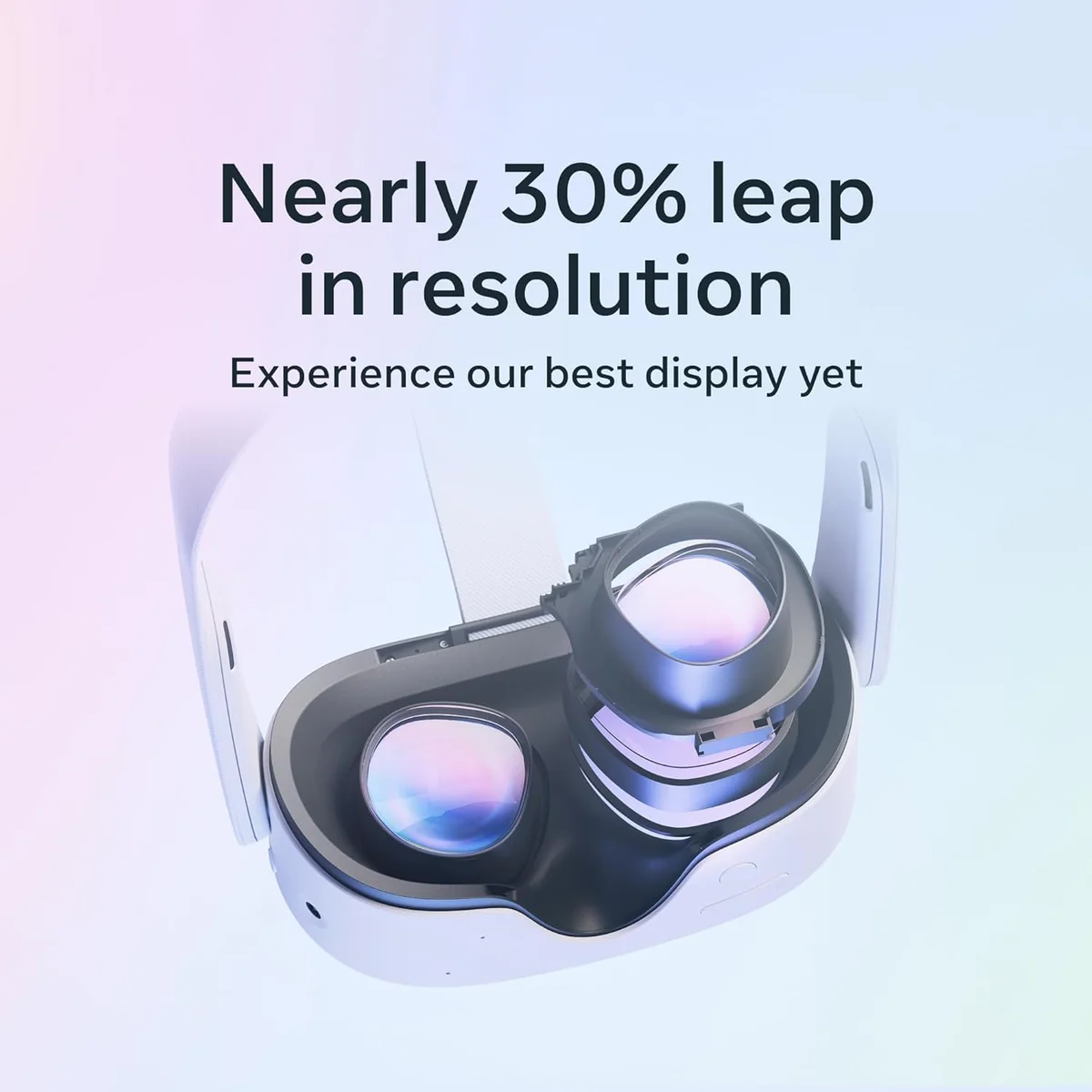
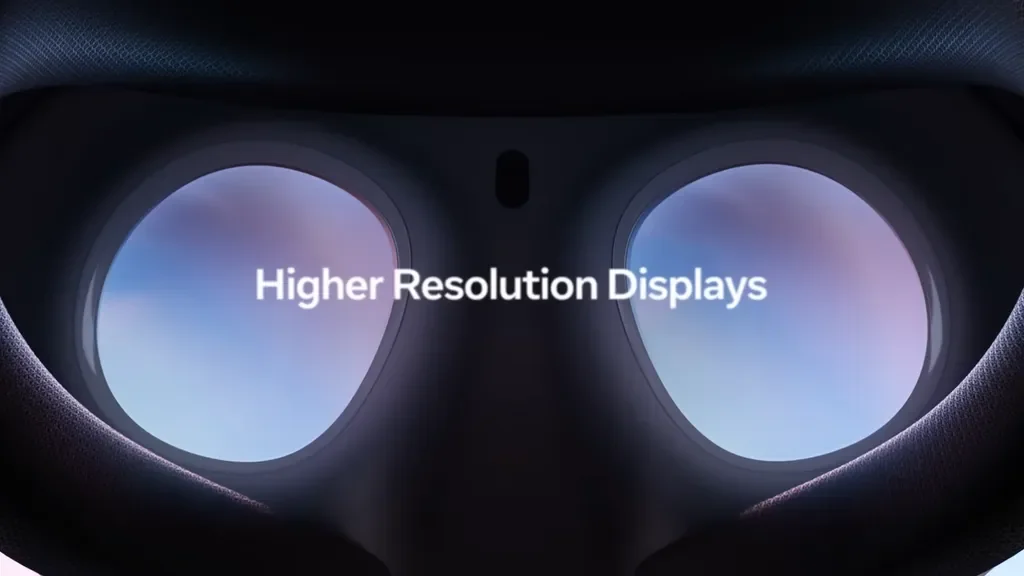
Packing a stunning 2064×2208 per eye resolution, the Meta Quest 3 paints crisp visuals that truly elevate immersion beyond pixelated pasts. This leap over competitors means sharper text, vivid details, and reduced eye strain — all essential for marathon gaming or mixed reality adventures. Both critics and users agree: these sharp pancake lenses combined with vibrant LCD panels create an impressively clear window into virtual worlds that's hard to beat at this price point.
Processor and GPU Performance
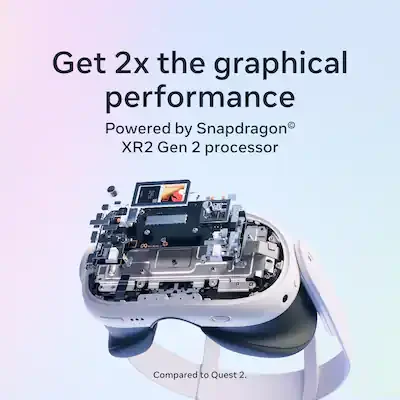
The Meta Quest 3 flexes with the Snapdragon XR2 Gen 2, doubling its GPU power to deliver buttery-smooth VR action. This powerhouse ensures faster load times and a seamless experience, crucial for immersive gameplay where lag is the ultimate buzzkill. Experts rave about its solid processing chops, while users appreciate how it keeps up during intense sessions without breaking a sweat. Yet, this performance boost brings trade-offs like increased heat and battery drain — a classic case of muscle vs endurance in the VR ring.
Field of View
With an expansive 103.8° field of view, the Meta Quest 3 widens your peripheral playground compared to earlier models’ tunnel vision confines. This broader vista deepens presence by letting more virtual scenery flood your sightline—key for feeling truly inside another world rather than peering through binoculars. While not jaw-dropping compared to ultra-premium headsets boasting wider views, it strikes an excellent balance between immersion and device ergonomics appreciated across expert reviews.
Conclusion
When raw power meets polished optics, the result is a headset that doesn’t just play games—it elevates them. The Snapdragon XR2 Gen 2’s robust processing fuels buttery-smooth worlds where every pixel matters, thanks to the 2064×2208 per eye display resolution and sharp pancake lenses that slice through blur like a hot knife through butter. Full-color passthrough isn’t just a gimmick; it’s a practical bridge between realities with crispness rarely seen outside lab demos. While the 103.8° field of view widens your virtual horizons without feeling claustrophobic, refined lens technology tames pesky artifacts for clean visuals all around. Comfort-wise, the balanced 515-gram weight feels surprisingly light, though strap quality leaves room for customization enthusiasts to step in. This rig is built for explorers craving immersive clarity and performance but might leave casual users weighing price against perks. In this dance of innovation and polish, it stakes its claim as an enticing choice—powerful enough to impress without demanding perfection from its wearer or wallet alike.

Feature Scores
This reflects reviews and ratings from established critics, journalists, and users who have evaluated the item. Their opinions provide a comprehensive assessment.
Performance
Display Resolution
5/5
Field Of View
4/5
Tracking Accuracy
4/5
Motion Latency
4/5
Refresh Rate
3/5
Battery Life
3/5
Wireless Connectivity Reliability
3/5
Build Durability
4/5
Value
Price To Performance Ratio
4/5
Accessory Ecosystem Value
4/5
Software Content Value
4/5
Design
Ergonomics
4/5
Weight Distribution
4/5
Aesthetic Design
4/5
Health
Motion Sickness Mitigation
4/5
Blue Light Mitigation
3/5
Hygiene Materials
3/5
Safety
Overheating Protection
3/5
Secure Fit Mechanisms
4/5
Data Privacy Controls
3/5
Sustainability
Repairability
2/5
Recyclable Materials Use
2/5
Energy Efficiency
2/5
Experience Style
Setup Simplicity
4/5
Customization Options
4/5
Software Update Frequency
4/5
Content Ecosystem Compatibility
5/5

Specifications
This section outlines the product's key facts, covering essential features, details, dimensions, materials, and any unique characteristics that define its functionality and usability.
Performance
Value
Design
Safety
Sustainability
Experience Style

Frequently Asked Questions
6 Questions





Find Yours
What is your primary intended use for VR gear?
Answer to find your best matches.