

Garmin fēnix 8 Pro
Rugged design and advanced connectivity offer safety and precision, though size and cost may deter.
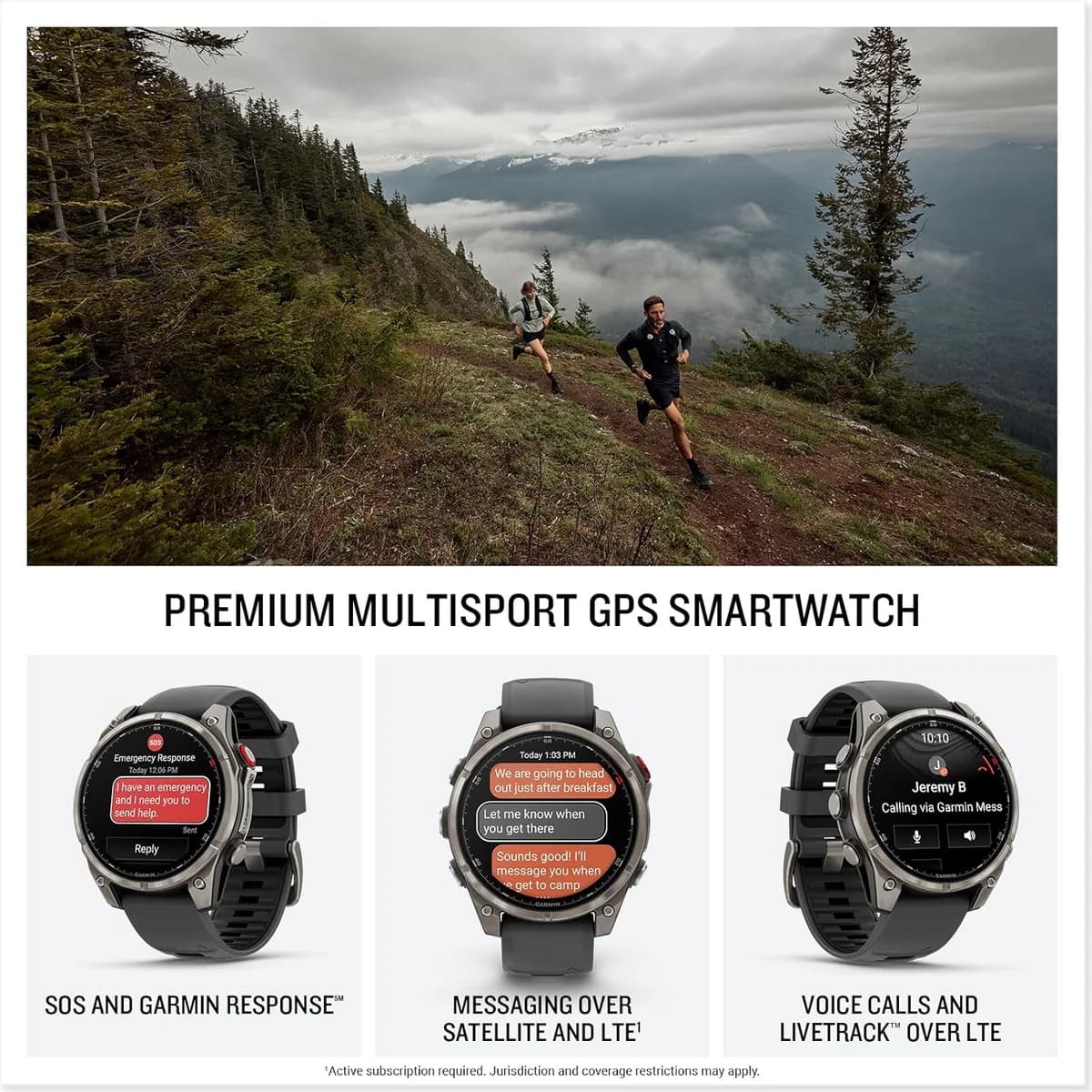
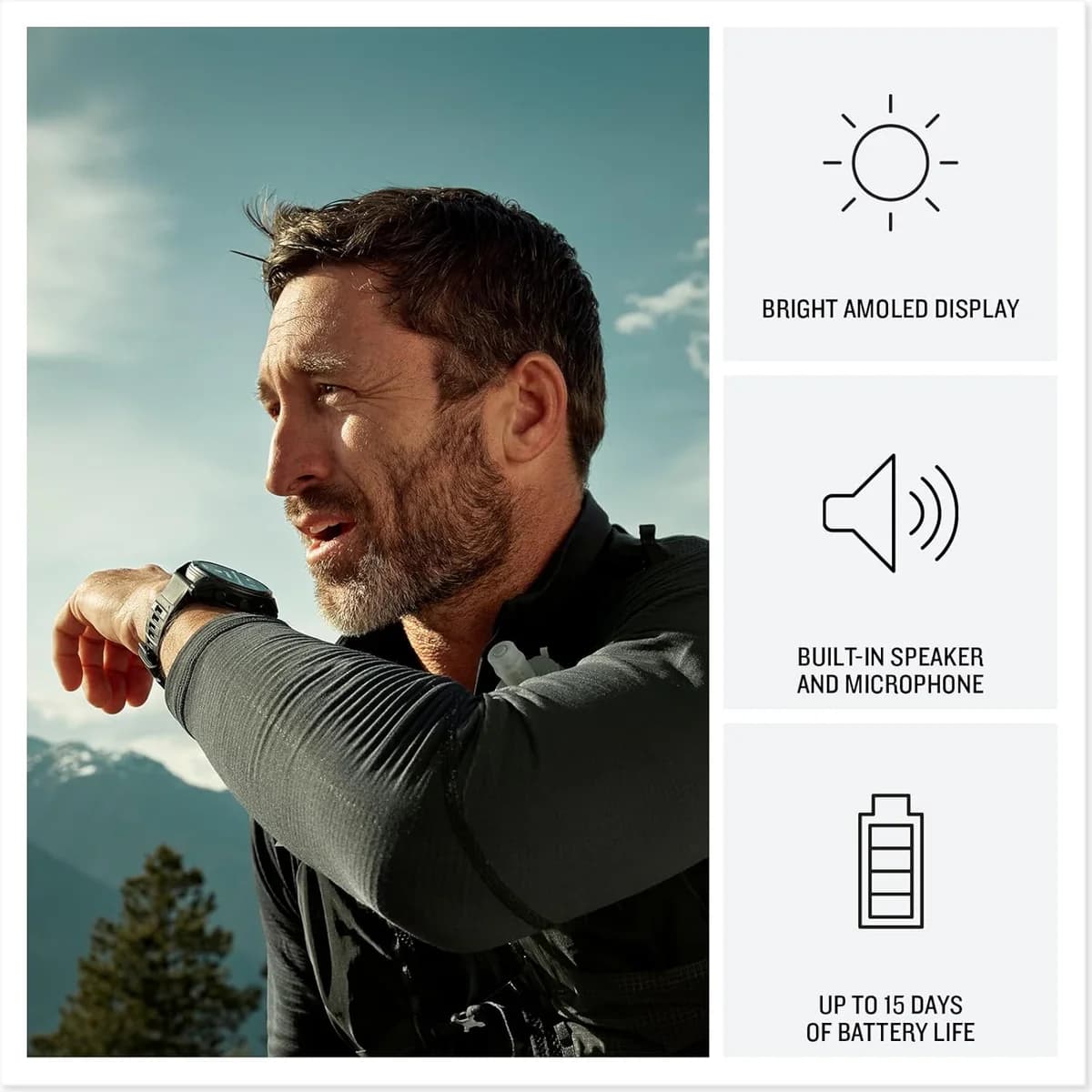
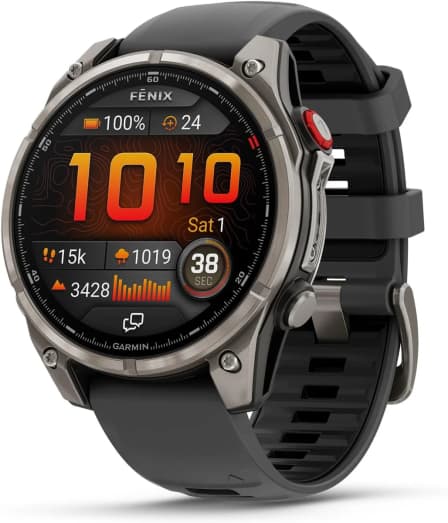
The Garmin fēnix 8 Pro is a rugged multisport powerhouse built for adventurers who crave off-grid LTE and satellite connectivity to stay safe and connected far from civilization. Its vibrant 1.4-inch AMOLED display dazzles under harsh sunlight, backed by rock-solid multi-band GNSS accuracy that navigates through the wild with ease. Users praise its robust battery life, though experts warn of steep drains when pushing the MicroLED brightness or satellite messaging hard. The watch’s hefty size and premium price tag make it a serious investment, best suited for those valuing durability and safety over sleekness—key factors driving its strong but nuanced appeal among athletes and explorers alike.



Find Yours
What's your primary reason for getting a smartwatch?
Answer to find your best matches.

The Scoreboard
Does this improve your life? Considers, health, habits, and environmental impact.
Benefits
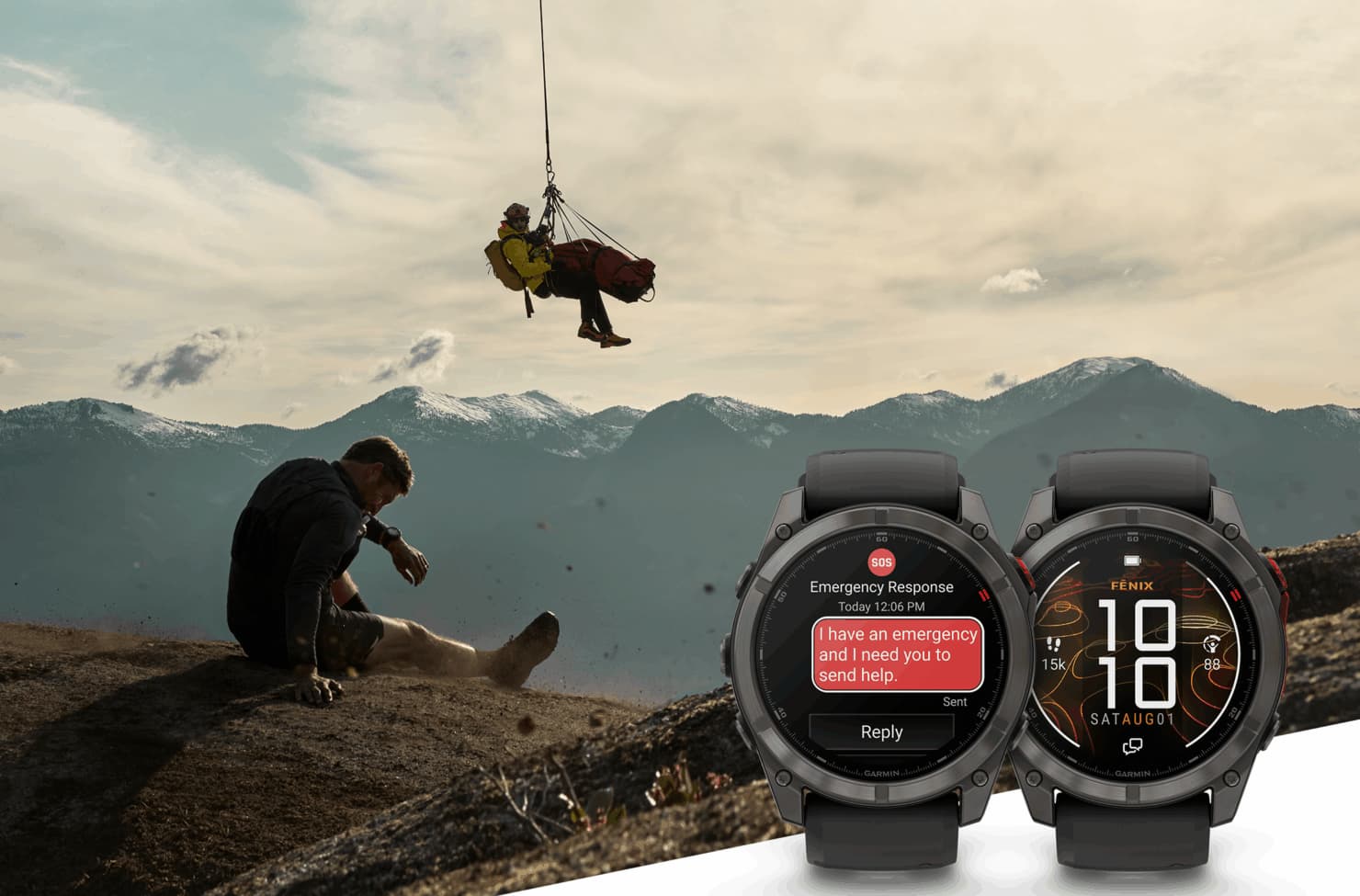
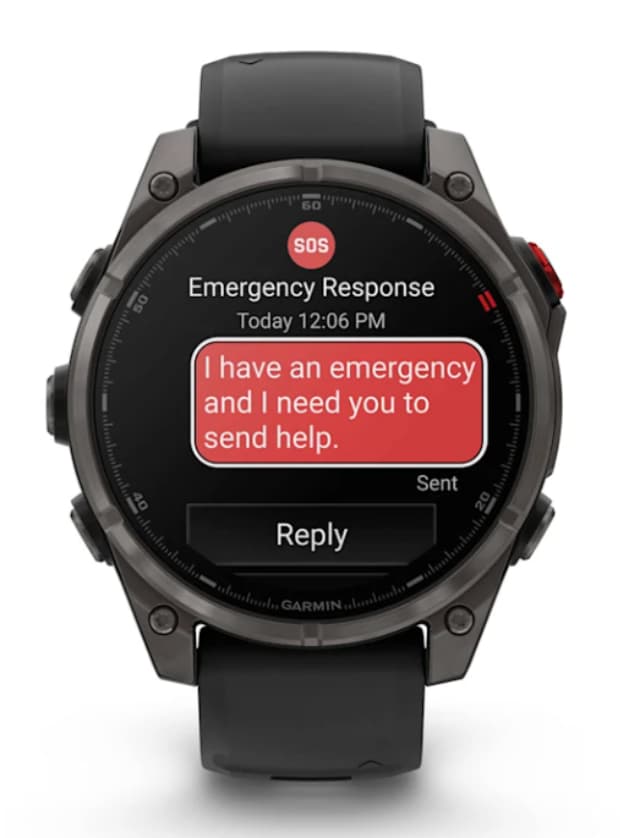
Built‑in LTE and inReach satellite let you message and trigger emergencies without a phone.
Multiband GPS and precise sensors deliver dependable location and heart‑rate data for safer training.
AMOLED and MicroLED options provide high outdoor visibility, reducing squinting and navigational errors.
Advanced training metrics and recovery analysis help you train smarter and avoid overtraining.
On‑device topo maps, route guidance, and LiveTrack keep you independent from phone reliance.
Titanium bezel, sapphire lens, built‑in flashlight and speaker increase durability and real‑world utility.
Trade-Offs
LTE, satellite, and MicroLED use significantly increase charging frequency and battery cycling demands.
Non‑modular build and lack of solar option increase lifecycle emissions compared with eco‑leaner peers.
Garmin‑centric messaging restricts who you can contact directly, limiting universal emergency reachability.
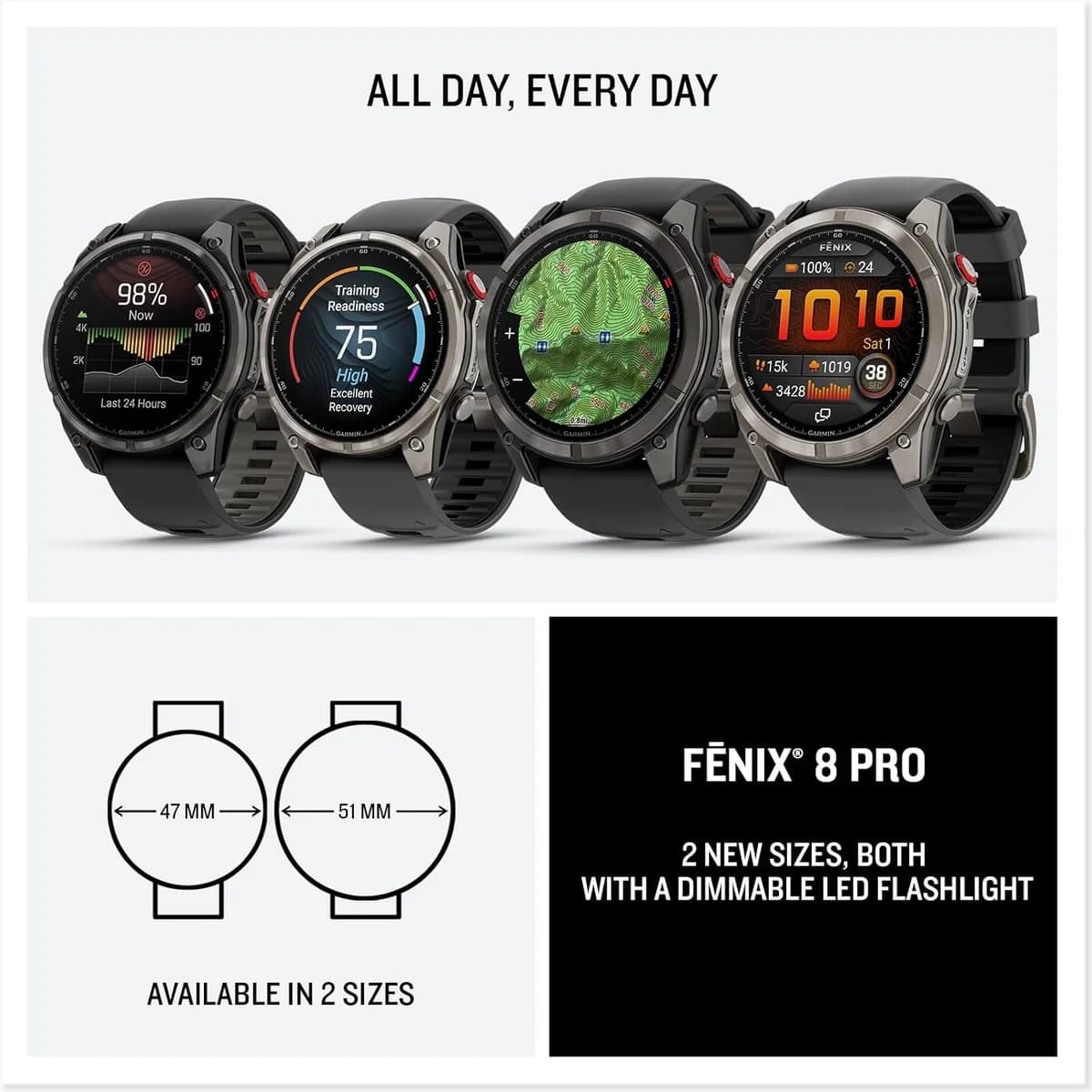
Large 47–51mm cases can chafe or feel heavy, making them less ideal for smaller wrists.
Satellite texting requires clear sky and specific wrist positioning, reducing dependable deep‑backcountry use.
Always‑on LTE and messaging can raise anxiety and interrupt restorative downtime or sleep.
 Alternatives


Join the Circle
Where real meets deal
Know what's worth buying-and when.
Tips, special offers, and rewards for buying and sharing.

Publications
8 LEADING PUBLICATION REVIEWS

Ray Maker from DC Rainmaker highlights the Garmin fēnix 8 Pro as a significant evolution focused primarily on enhanced connectivity and display technology. Praising the introduction of LTE and two-way satellite messaging, he emphasizes how these features improve safety and tracking for athletes, especially in remote areas. The new MicroLED display variant offers unprecedented brightness, though at a notable battery life cost, which may limit its appeal. Ray also points out the controversial removal of the smaller 43mm size, a decision that disappoints users seeking a more compact option, particularly women who value LTE safety features. While the watch inherits a broad suite of recent software updates, it lacks new sports-specific features. Pricing is steep, with the LTE-enabled models starting at $1,199 and the MicroLED version at $1,999, which Ray critiques as high but justified by Garmin’s unique offerings. Overall, the review conveys cautious enthusiasm, balancing excitement about connectivity advances with reservations about size choices and cost.
By Ray Maker
Nick Harris-Fry from Tom’s Guide highlights the Garmin fēnix 8 Pro as the pinnacle of Garmin’s sports watch lineup, particularly praising its new cellular and satellite connectivity features that enable off-grid communication and safety. The review conveys a measured enthusiasm, emphasizing the watch’s rugged build, bright AMOLED display, and comprehensive training and navigation tools that outperform competitors in battery life and analysis depth. Harris-Fry’s hands-on testing confirms the accuracy of GPS and heart rate sensors, reinforcing the watch’s reliability for serious athletes and adventurers. However, he notes some drawbacks, including the higher price compared to the standard fēnix 8, the bulkier size, and the controversial decision to charge for SOS messaging, which other brands offer for free. While the connectivity features justify the premium for users who need them, those who don’t may find better value in the standard fēnix 8. Overall, the review balances praise with practical caveats, offering nuanced insights into the watch’s strengths and trade-offs.
By Nick Harris-Fry
Kieran Alger from WIRED highlights the Garmin fēnix 8 Pro’s innovative integration of inReach satellite communication, transforming the smartwatch into a vital safety tool for outdoor adventurers. The review conveys a cautiously positive tone, praising the watch’s ability to provide satellite-powered text messaging, Emergency SOS, and live tracking directly from the wrist—features that could be lifesaving in remote or emergency situations. Alger emphasizes the convenience of LTE connectivity without a separate data plan and the smart Auto mode that seamlessly switches between phone, LTE, and satellite. However, the review also points out practical drawbacks, such as the complex initial setup, fiddly on-watch typing, and the need for clear skies and specific wrist positioning to use satellite messaging effectively. Privacy concerns around satellite data encryption and legal restrictions on satellite devices in some countries are also thoughtfully discussed. Overall, Alger presents a well-rounded, insightful assessment that balances enthusiasm for the watch’s safety capabilities with realistic caveats about usability and cost.
By Kieran Alger
Matthew Miller from ZDNET highlights the Garmin fēnix 8 Pro AMOLED as a top-tier sports smartwatch that uniquely integrates LTE and satellite connectivity, offering peace of mind for outdoor enthusiasts who venture beyond cellular coverage. He praises its reliable satellite messaging and SOS capabilities, noting the intuitive satellite alignment feature and solid signal reception even in challenging environments. While the watch’s premium build, bright AMOLED display, and extensive activity support impress, Miller points out drawbacks such as the mandatory subscription fees for SOS services, the lack of a smaller 43mm size, and the watch’s considerable thickness. He also questions the value of the pricier microLED model given its shorter battery life. Despite these caveats, Miller finds the fēnix 8 Pro’s combination of connectivity, safety features, and versatility compelling, especially for those who prioritize staying connected off-grid, making it a worthy investment for serious adventurers.
By Matthew Miller
Samuel Gibbs from The Guardian highlights the Garmin fēnix 8 Pro as a top-tier adventure watch that elevates the already impressive Fenix 8 with built-in LTE and satellite connectivity, enabling phone-free messaging, calls, live tracking, and emergency SOS. He praises its best-in-class GPS, bright OLED screen, extensive offline maps, and robust battery life, making it a powerful tool for outdoor enthusiasts who want freedom from their phones while staying connected and safe. However, Gibbs notes the watch’s substantial size and hefty price tag, alongside the ongoing cost of the required inReach subscription for cellular and satellite services. While the messaging and voice features work well, they are somewhat limited compared to mainstream smartwatches. Overall, the review conveys a cautiously enthusiastic tone, emphasizing the Fenix 8 Pro’s unique value for serious adventurers who prioritize independence and safety, but also warning that its premium cost and subscription model may not justify the upgrade for casual users.
By Samuel Gibbs
Rob Corder from WATCHPRO praises the Garmin fēnix 8 Pro as a bold, feature-packed smartwatch that perfectly blends rugged adventure utility with high-end AMOLED display technology. He highlights its standout 51mm case and vibrant screen as a significant upgrade over previous models, delivering both eye-catching aesthetics and excellent visibility in bright conditions. The watch impresses with its comprehensive hardware suite—multiband GPS, topo maps, dive-rated buttons, and advanced sensors—making it a reliable companion for serious athletes and outdoor enthusiasts. Corder notes the device’s exceptional golf features and robust build quality, emphasizing comfort despite its size. While acknowledging the steep price and the watch’s large footprint may not suit everyone, he underscores its appeal to users who demand uncompromising performance and style. The review balances enthusiasm for the watch’s capabilities with a realistic view of its niche appeal, ultimately recommending it for those who want the very best in adventure smartwatches.
By Rob Corder
Jeff Valliere from RoadTrailRun highlights the Garmin fēnix 8 Pro as a top-tier GPS sports watch that builds impressively on the Fenix 8 with added LTE and satellite messaging capabilities, a brighter AMOLED screen, and enhanced speaker functionality. He praises its exceptional GPS and heart rate accuracy, vivid 2,000-nit display, and robust training and navigation features, noting the 47mm model’s ideal balance of size and battery life. However, Valliere expresses clear reservations about the satellite messaging system, describing it as cumbersome, battery-draining, and limited in coverage due to reliance on the Skylo network, making it less reliable than dedicated inReach devices for emergency use. He also critiques the high price and ongoing subscription costs. Ultimately, he recommends the Fenix 8 Pro mainly for users who want phone-free LTE connectivity in front-country settings, while advising serious backcountry travelers to pair a standard Garmin watch with an inReach Mini 2 for dependable satellite communication and peace of mind.
By Jeff Valliere
Brent Rose from The Strategist (New York Magazine) highlights the Garmin fēnix 8 Pro as a powerful multisport smartwatch that builds on the strengths of the original fēnix 8, offering top-tier GPS accuracy, comprehensive health tracking, and a bright, colorful AMOLED or MicroLED display. He praises its extensive activity tracking, advanced training features, and the addition of LTE and satellite messaging, which enable communication off the grid—an important safety upgrade. However, Rose points out notable drawbacks, including a thicker, chunkier design, the absence of a solar charging option, and a significant battery life reduction compared to the original model. The satellite messaging system, reliant on Garmin’s inReach app and subscription plans, is described as cumbersome and inconsistent, limiting its practicality. While the fēnix 8 Pro excels in niche scenarios requiring off-phone connectivity, Rose ultimately recommends the original fēnix 8 for most users due to its better battery life, sleeker profile, and more affordable price.
By Brent Rose

YouTube
5 LEADING EXPERT & INFLUENCER REVIEWS
 HikingGuy.com
HikingGuy.com praises the Garmin fēnix 8 Pro’s innovative LTE and satellite InReach connectivity but highlights significant limitations in satellite reliability and manual connection requirements. While LTE works well in coverage areas, battery drain is substantial with always-on mode. Bugs, including GPS tracking issues, temper enthusiasm. Best suited for users mostly in LTE zones wanting phone-free training.
The Run TestersThe Run Testers praise the Garmin fēnix 8 Pro AMOLED for its bright screen, accurate GPS, and comprehensive training and navigation features. They highlight the new LTE and satellite messaging as a valuable safety upgrade for off-grid use, though note the bulkier case, higher price, and subscription costs as drawbacks.
DesFitDesFit highlights the Garmin fēnix 8 Pro’s groundbreaking MicroLED display, praising its exceptional outdoor brightness and off-angle visibility compared to the AMOLED version. However, he notes the significant price premium, thicker design, and limited size options, suggesting the MicroLED model suits only those seeking cutting-edge tech despite similar core functionality.
German Accent ReviewsGerman Accent Reviews praises the Garmin fēnix 8 Pro’s groundbreaking MicroLED display and LTE/satellite connectivity, highlighting its exceptional brightness, robust build, and accurate GPS. However, he questions the value of the costly MicroLED model due to its limited battery life and minimal software upgrades, recommending the AMOLED version for most users.
TUNED INTO TECHTUNED INTO TECH praises the Garmin fēnix 8 Pro’s rugged build, vibrant AMOLED display, extensive features like multiband GPS, advanced training metrics, and standout cellular/satellite connectivity. However, they caution its large 51mm size, occasional connectivity bugs, subscription costs for messaging, and underwhelming built-in watch faces, recommending it mainly for hardcore adventurers.

Social
2 INFLUENCER REVIEWS
 Tyler
TylerTyler highlights the Garmin fēnix 8 Pro’s standout inReach feature, emphasizing its satellite messaging and SOS capabilities that provide crucial peace of mind during outdoor adventures. He shares a personal story about nearly needing the SOS function, underscoring the watch’s real-world safety value beyond typical smartwatch uses. Overall, Tyler’s experience leads to a strong recommendation for the fēnix 8 Pro, especially for outdoor enthusiasts who prioritize reliable communication and emergency features. While he injects humor, his genuine appreciation for the watch’s safety functions shines through, making it a compelling choice for those seeking both connectivity and security on the go.
 Sergio Vazquez
Sergio Vazquez highlights the Garmin fēnix 8 Pro’s excellent 1.4-inch screen, praising its clarity and size consistency across models. He values the practical built-in lamp for everyday use and finds the heart rate sensor highly reliable, comparable to chest straps. He notes the 51mm model mainly offers longer battery life. Overall, Sergio views the fēnix 8 Pro as a solid, dependable smartwatch with standout features for trail running and daily convenience. While he sees little difference between sizes beyond battery, he recommends it for those prioritizing screen quality and sensor accuracy.

Store Reviews
CUSTOMER REVIEWS FROM 1 STORE
Amazon reviewers praise the Garmin fēnix 8 Pro for its robust feature set and impressive battery life, highlighting its suitability for serious runners and outdoor enthusiasts. Users celebrate the watch’s bright AMOLED display, which outshines the regular Fenix 8, and appreciate the seamless band replacement options that add style versatility. Many find the biometric tracking—including HRV and sleep monitoring—accurate and valuable, while athletes enjoy the reliable GPS and offline maps that perform flawlessly during outdoor activities. The integrated LTE connectivity impresses users by reducing their dependence on phones, and the powerful flashlight with a well-designed red mode earns special mention for its brightness. Reviewers also note the watch’s extensive customization capabilities, though some mention a learning curve with the interface and occasional clunkiness. While most find the device easy to set up and navigate after initial tutorials, a few express frustration with Garmin’s account management and mandatory LTE service fees. Despite the premium price, many consider the upgrade worthwhile for the enhanced display and added safety features like SOS. However, a minority report hardware defects and difficulties obtaining support internationally, raising concerns about quality control. Overall, Amazon customers regard the Garmin fēnix 8 Pro as a top-tier multisport smartwatch that combines advanced health metrics, durable design, and practical outdoor tools, making it a compelling choice for athletes and adventurers seeking a high-performance wearable.
4.4 Stars / Some verified reviews

Forum Reviews
CUSTOMER REVIEWS FROM 1 FORUM
Reddit users express mixed feelings about the Garmin fēnix 8 Pro, praising its solid build, LTE connectivity, and satellite messaging features, which appeal to those needing emergency communication in remote areas. However, many criticize the high price, especially for the MicroLED model, which offers poorer battery life and increased thickness compared to the AMOLED version. Users lament the abandonment of MIP displays and express concerns over software bugs and limited ongoing support. While some new shoppers appreciate the added features despite the cost, existing owners often feel regret or FOMO, particularly regarding the MicroLED’s trade-offs and Garmin’s subscription model.
Many comments

In-Depth Review

Highlights
- •Built‑in LTE & inReachMarketed as built‑in LTE/inReach
- •MicroLED & AMOLED DisplayPromoted as MicroLED and AMOLED
- •Multi‑band GNSS AccuracyMulti‑band GNSS accuracy
- •Titanium & Sapphire ConstructionTitanium bezel; sapphire lens
- •Advanced Training MetricsCompany highlights advanced training metrics
- •Integrated Light & AudioBuilt‑in flashlight, speaker, mic

Considerations
- •Satellite coverage limitsSkylo GEO satellite limitations
- •Battery drain under heavy useRapid drain with LTE/satellite
- •Subscription requirement for SOSinReach/LTE subscription required
- •Messaging ecosystem constraintsRequires Messenger; random Garmin number
- •Increased thickness and sizeNo 43mm option; thicker case
- •Software glitches reportedOccasional bugs and tracking issues
Garmin’s fēnix 8 Pro builds on the brand’s legacy of rugged, feature-packed multisport watches with a sharp focus on keeping adventurers connected no matter where they roam. Marketed as the first Garmin watch to integrate inReach satellite and LTE connectivity, it empowers users to send messages, make calls, and trigger SOS alerts without a phone—a crucial edge for trail runners, climbers, and backcountry explorers. Its 1.4-inch AMOLED display offers vivid colors and improved brightness that elevate outdoor visibility beyond previous models. Coupled with a durable titanium bezel and scratch-resistant sapphire lens, this watch is designed to endure harsh environments while delivering precise multi-band GNSS positioning for trustworthy navigation. The upgraded sensors support advanced health tracking including wrist-based heart rate monitoring tailored for serious athletes who demand accuracy during intense training sessions. Whether you crave freedom from your phone or need robust safety features off-grid, understanding these capabilities will help you decide if this hefty package fits your adventure style perfectly—let's unpack what makes it tick next!
Battery Life (real‑world)
The battery life impresses with up to 15 days in smartwatch mode for smaller sizes and nearly double that for larger models when display features are moderated. Yet, continuous use of LTE or satellite connectivity drains power rapidly—experts observe significant drops during heavy communication usage. The MicroLED version sacrifices longevity further despite its brightness boost. Overall, it's robust enough for most training needs but demands strategic settings tweaks to avoid premature recharging under demanding conditions.
GPS & Positioning Accuracy
Accurate positioning is a cornerstone here thanks to multi-band GNSS support including GPS, GLONASS, and Galileo combined with SatIQ tech. Both users and reviewers praise how closely tracked routes align with actual paths—even through dense forest or urban canyons—making this device trustworthy for precision navigation across diverse environments. Minor occasional deviations occur but rarely impact real-time guidance quality or training data integrity.
Connectivity (LTE & Satellite)
When it comes to staying connected off-grid, this watch really steps up with built-in inReach technology offering both LTE and satellite messaging. Users find the phone-free voice calls and LiveTrack location sharing invaluable for safety on remote adventures. However, experts note the reliance on Garmin’s proprietary Messenger app and the sometimes finicky Skylo geostationary satellites, which require precise alignment. While coverage is impressive in mid-latitudes, connection quirks persist beyond that range, making it a game-changer but not flawless.
Build Materials & Durability
Crafted from titanium bezels paired with scratch-resistant sapphire lenses—and rated water resistant down to 40 meters—the watch embodies rugged reliability expected from serious outdoor gear lovers who need durability without bulk trade-offs too extreme to wear daily comfortably; though thickness has increased compared to predecessors due partly to added hardware layers necessary for new features such as LTE/satellite integration—all combining premium toughness without compromising usability much.
Display Brightness & Visibility
This model dazzles outdoors with its vibrant 1.4" AMOLED touchscreen boasting high resolution alongside an optional MicroLED variant pushing peak brightness beyond typical standards at 4,500 nits—especially useful under harsh sunlight or off-angle viewing situations encountered during activities like trail running or skiing. Though some argue the extra brightness isn’t always essential given effective readability already provided by AMOLED displays; nonetheless it offers undeniable visual clarity advantage where light conditions challenge legibility.
Conclusion
Navigating the delicate dance between innovation and practicality, this watch stakes its claim with robust LTE and satellite connectivity that truly frees you from your phone’s leash—though the need for a subscription tempers that freedom. Its real-world battery life impresses, especially when dialing back power-hungry features, yet continuous use reveals sharp drains. Precision lovers will appreciate multi-band GNSS accuracy paired with an eye-catching AMOLED display boasting vivid brightness and off-angle visibility. Built tough with a titanium bezel and sapphire lens, it holds up under pressure, while advanced sensors deliver reliable health tracking even during grueling workouts. Yet, the increased size might challenge smaller wrists, reflecting trade-offs inherent in packing such tech into one wristwear titan. This device excels as a safety-conscious adventurer’s companion but demands thoughtful weighing of its heft and ecosystem quirks before claiming your wrist—and wallet—for good.

Feature Scores
This reflects reviews and ratings from established critics, journalists, and users who have evaluated the item. Their opinions provide a comprehensive assessment.
Performance
Battery Life
4/5
Charging Speed
4/5
Connectivity Reliability
3/5
Software Stability
3/5
Value
Price Competitiveness
3/5
Warranty Support
4/5
Included Accessories
4/5
Design
Display Clarity
5/5
Strap Comfort
4/5
Material Quality
5/5
Health
Heart Rate Monitoring
4/5
Sleep Tracking
4/5
Activity Tracking
5/5
SpO2 Measurement
4/5
Safety
Emergency SOS
4/5
Regulatory Compliance
4/5
Sustainability
Battery Replaceability
TBD
Repairability
3/5
Recyclable Materials Use
1/5
Experience Style
Customization Options
5/5
User Interface Simplicity
3/5
Third-Party App Support
4/5
Interoperability
4/5

Specifications
This section outlines the product's key facts, covering essential features, details, dimensions, materials, and any unique characteristics that define its functionality and usability.
Performance
Value
Design
Safety
Sustainability
Experience Style

Frequently Asked Questions
9 Questions





Find Yours
What's your primary reason for getting a smartwatch?
Answer to find your best matches.