
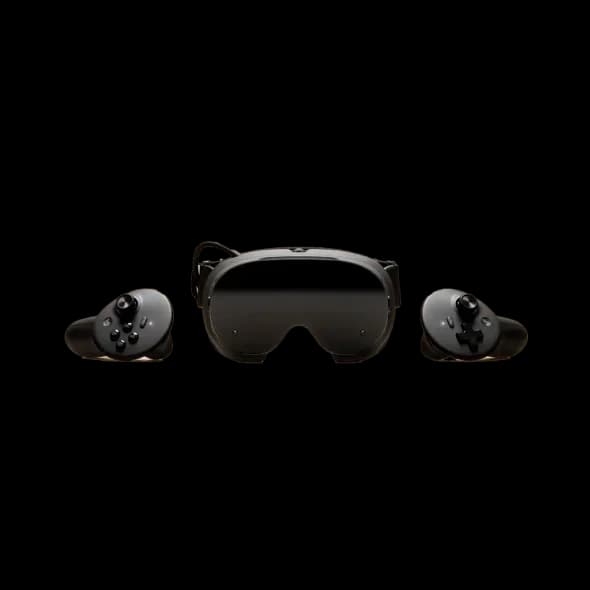
Valve Steam Frame
Featherlight, modular wireless VR with foveated streaming and strong performance, pending battery/price.
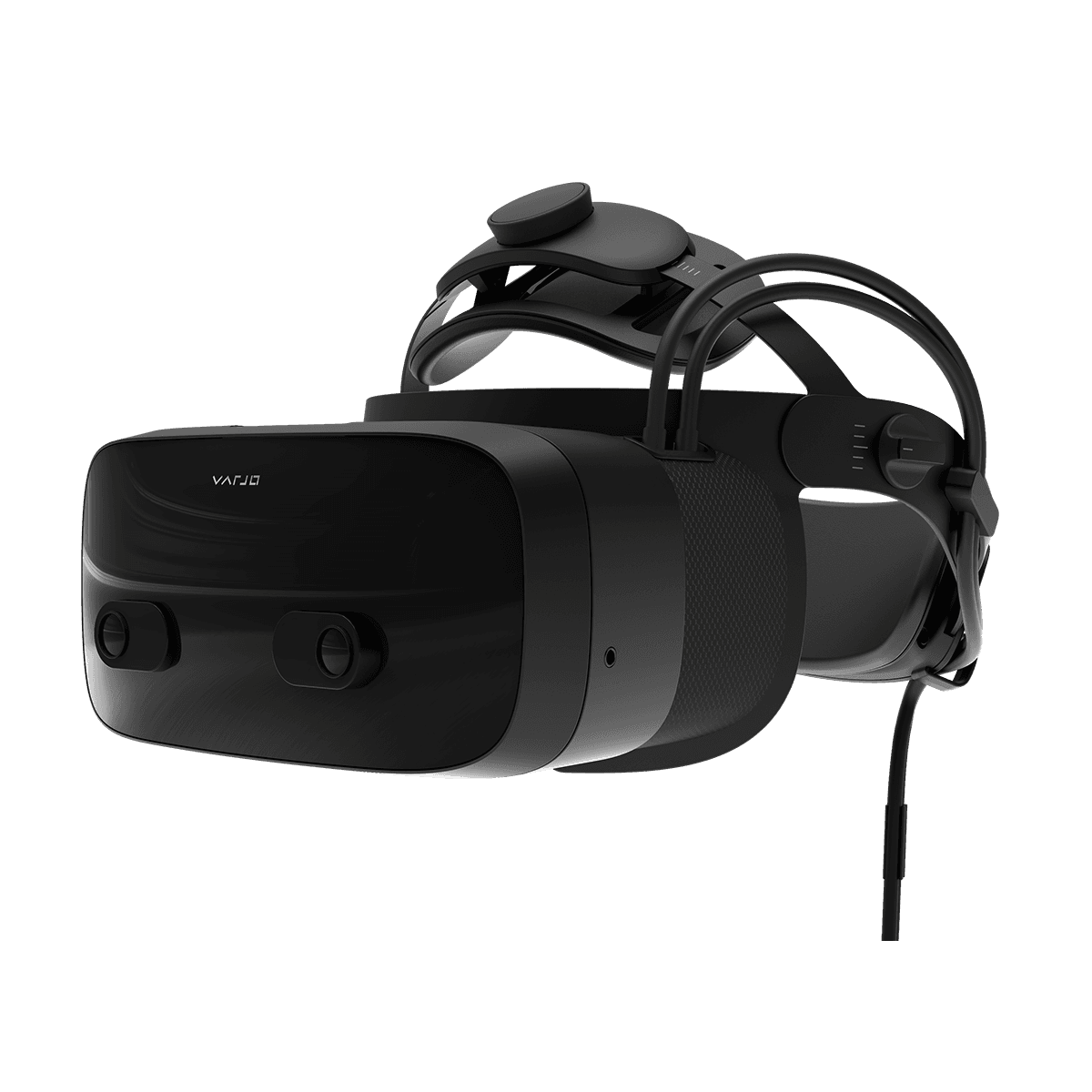
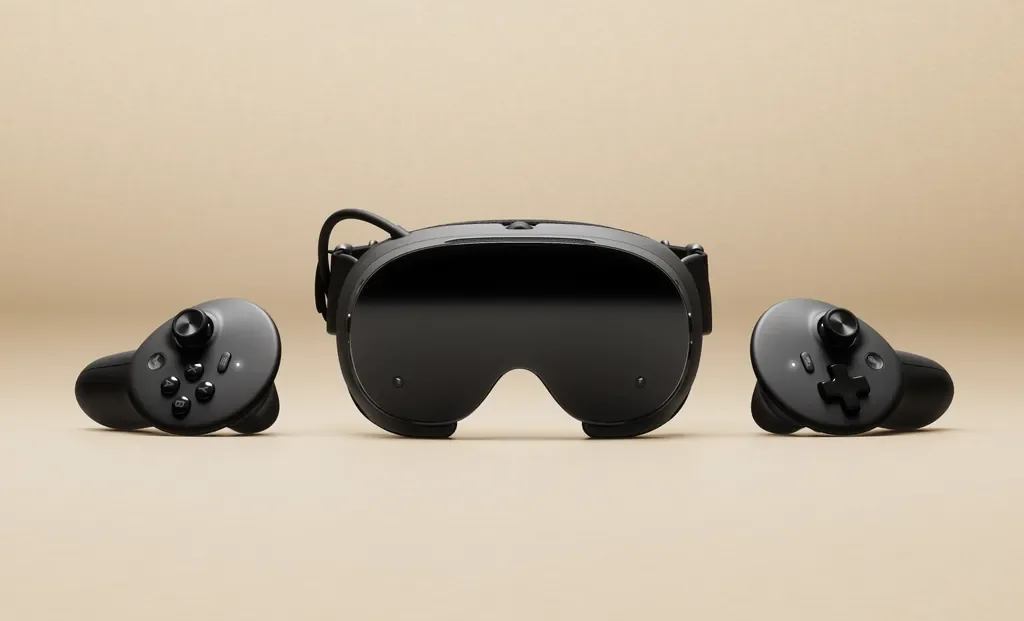
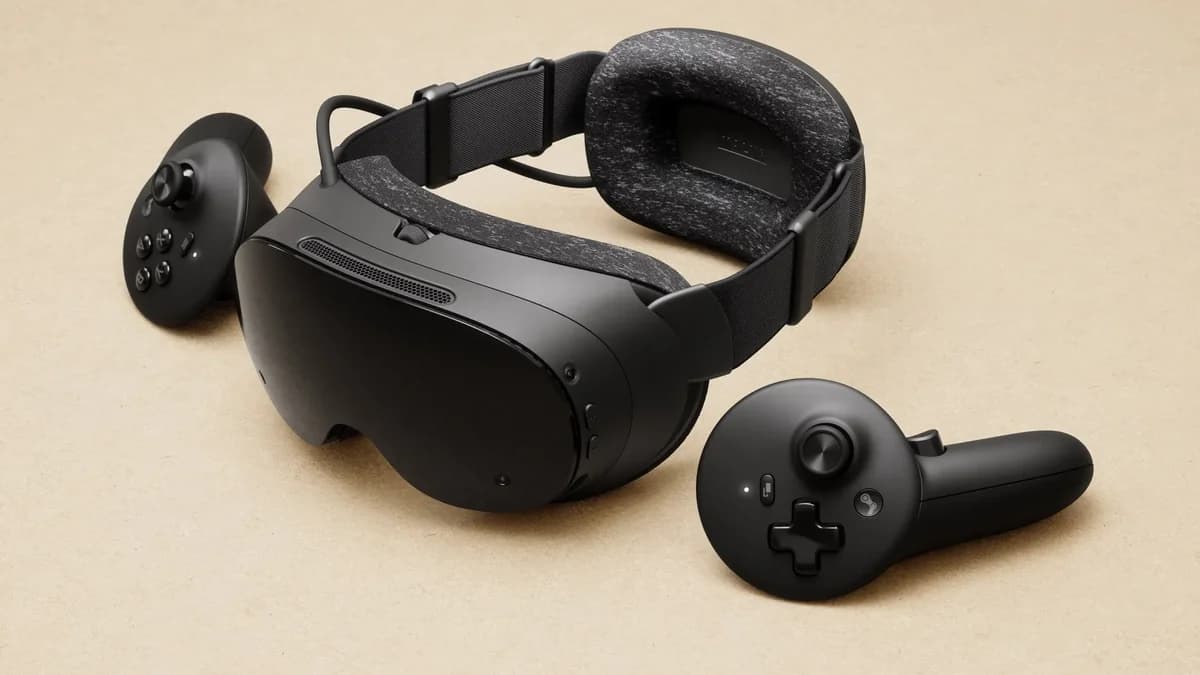
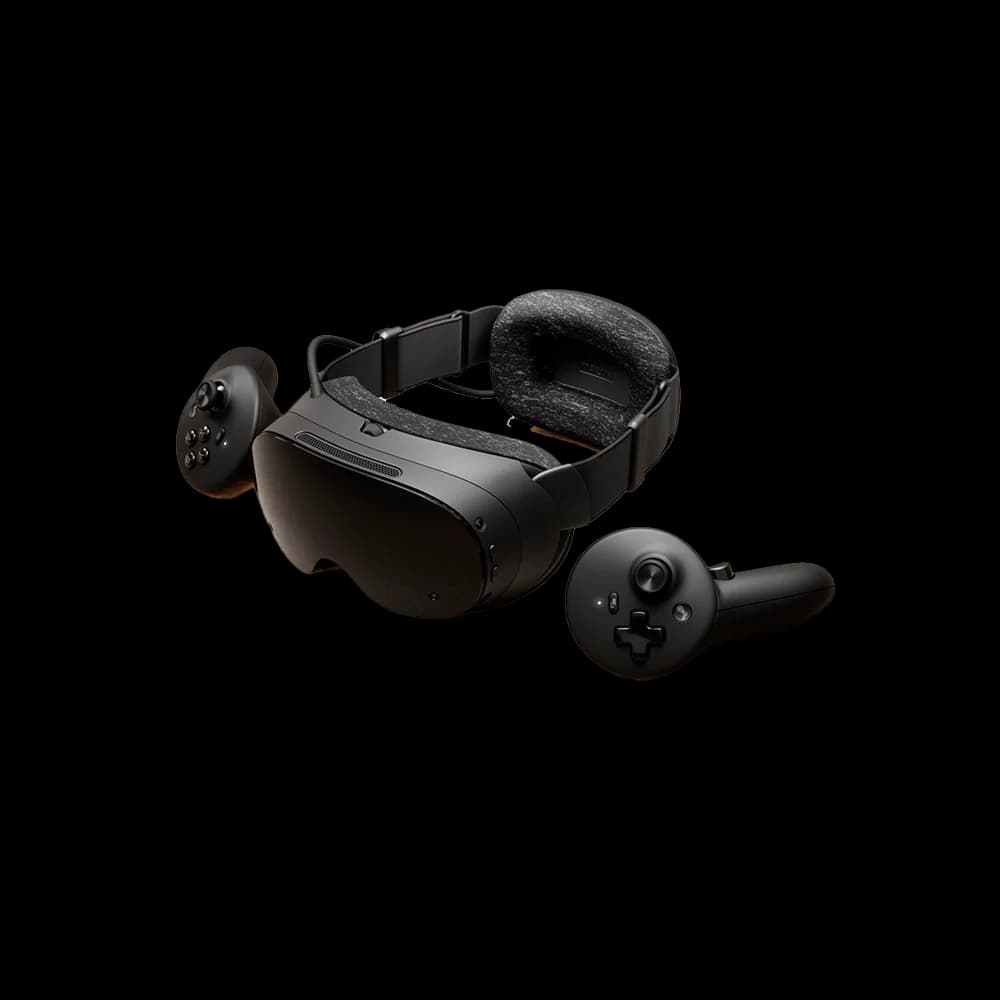
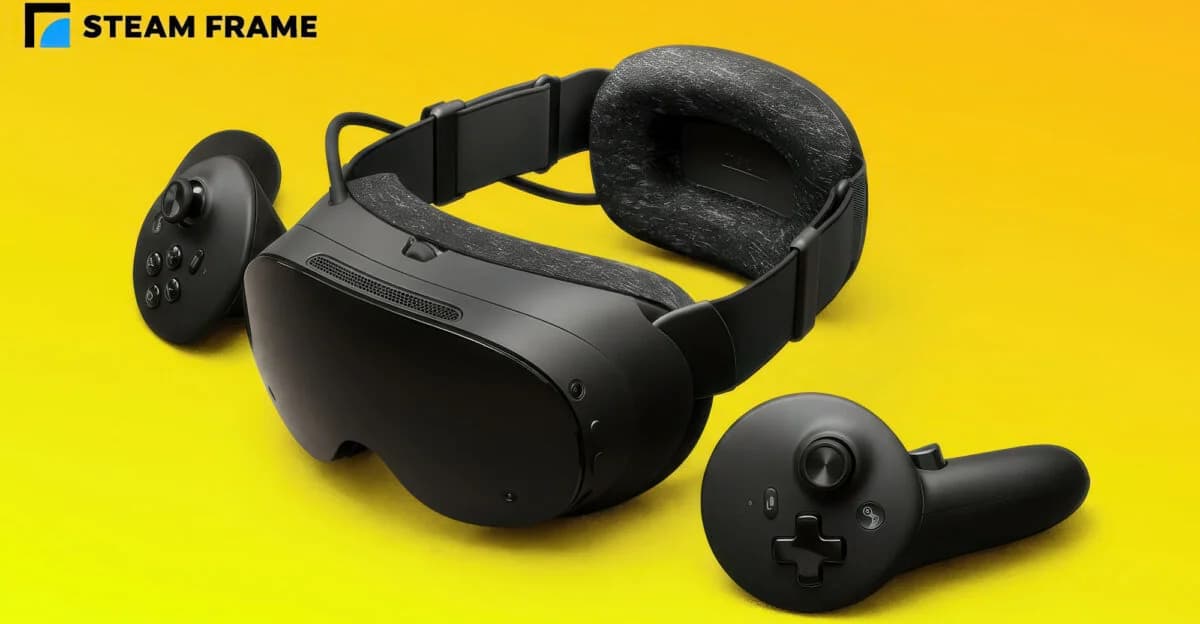
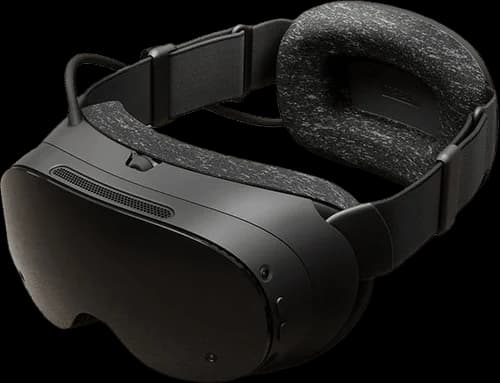
The Valve Steam Frame is a cheeky reboot of PC VR—a featherlight, modular headset that aims to free enthusiasts from cables without turning them into tetherless hermits. Designed for PC‑VR fans who want slick wireless parity and easy upgrades, it pairs 2160×2160 per‑eye LCDs, pancake lenses, and eye‑tracked foveated streaming with a cooled Snapdragon 8 Gen 3 and 16GB DDR5 to boost sustained performance. Reviewers love the 185g visor + rear 21.6Wh counterweight comfort and near‑wired streaming, yet note monochrome passthrough and uncertain battery/runtime; more real‑world data is needed before a firm verdict, and price, battery life and software support will make-or-break its value.
Find Yours
What is your primary intended use for VR gear?
Answer to find your best matches.

The Field
Browse top contenders, or compare all options ranked by score and key attributes.
5 Options


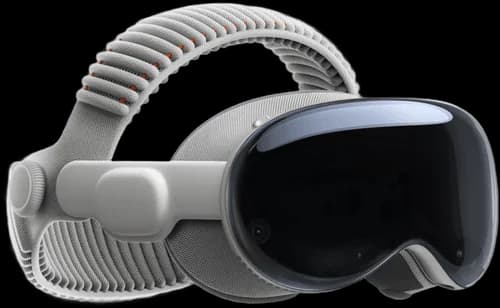

The Scoreboard
Does this improve your life? Considers, health, habits, and environmental impact.
Benefits
Light, balanced design reduces neck strain for longer, more comfortable play sessions.
Wireless foveated streaming makes PC VR feel untethered, simplifying setup and social sharing.
User-swappable storage and open specs let you extend life and customize accessories.
Pancake lenses with 2.1K panels deliver clearer visuals and slimmer headset profile.
Rear-mounted battery shifts weight back, reducing front pressure and improving fit stability.
Trade-Offs
Rear battery adds bulk during long or reclined play, making lounging and movement awkward.
Soft strap can slip or press during longer sessions, forcing frequent readjustments.
Active cooling can become audible under load, making audio and conversation harder to hear.
Black-and-white passthrough makes grabbing items or seeing people feel unclear and clumsy.
Streaming or ARM-native play sometimes stutters, interrupting aim and breaking immersion.
 Alternatives


Join the Circle
Where real meets deal
Know what's worth buying-and when.
Tips, special offers, and rewards for buying and sharing.

Publications
8 LEADING PUBLICATION REVIEWS

PC Gamer's Jacob Ridley highlights the Steam Frame as a convincing, liberating step for VR — especially its wireless streaming and foveated-streaming tech — delivering crisp visuals, low latency, and very natural-feeling movement that made him forget about cables. He praises the headset’s balance and comfort, effective eye-tracking, the clever developer-agnostic foveated streaming, and the convenience of switching between PC-streamed VR and standalone non‑VR titles (with compact half‑pad controllers). Ridley notes some caveats: battery-pack bulk for long, reclined sessions, questions about standalone performance, compatibility and battery life when running x86 titles via Proton/FEX, and remaining uncertainty beyond a polished demo. Overall the tone is positive and impressed, framing the Steam Frame as a persuasive hybrid that may redefine PCVR workflows while leaving practical long-term questions to be answered.
By Jacob Ridley
Matt Smith assesses the Steam Frame as an impressively engineered, thoughtfully designed VR headset that feels like a natural evolution of the Index and a strong component of Valve’s broader Steam hardware ecosystem. The reviewer expresses clear enthusiasm for its standout features — low-latency 6GHz wireless tethering with foveated streaming, high-resolution pancake optics, balanced weight distribution with rear battery, and polished SteamOS integration — while candidly noting limitations such as modest on-board ARM performance, occasional stuttering during virtual-screen use, and controller trade-offs versus the Index’s strapped design. Overall tone is optimistic and appreciative rather than ecstatic: the Steam Frame is praised for meaningful innovations and real-world polish, but the reviewer remains measured about its ultimate impact pending final pricing, broader software support, and longer-term testing.
By Michael Higham
Dan Seifert from The Verge highlights a largely enthusiastic and impressed take on Valve’s Steam Frame, praising its lightweight comfort, reliable low-latency 6GHz dongle streaming, clever foveated streaming via eye-tracking, and versatile controllers—all of which made high-end VR experiences feel convincingly native in demos. The review tempers excitement with measured concerns about local performance on its Arm-based Snapdragon 8 Gen 3 (not Steam Deck levels), limited battery capacity, and demonstrable stutters (“hitches”) in some titles, though Valve attributes those to bugs and plans fixes plus a Verified program. Unique insights include the modular expansion port, concrete weight comparisons, and hands-on impressions of eye-tracking and passthrough trade-offs. Overall the tone is optimistic and warm: the author almost wanted to buy one after testing, while remaining appropriately cautious about real-world longevity, battery limits, and prelaunch software polish.
By Jay Peters
Road to VR’s Ben Lang highlights Valve’s Steam Frame as an ambitious, modular rethink of PC VR that blends standalone SteamOS play with a high-bandwidth PC streaming focus. He’s clearly intrigued — praising its lightweight core module, thoughtful modularity, innovative foveated streaming tied to eye-tracking, and gamepad-friendly controllers — yet remains cautiously measured about real-world value: visible screen-door effect, basic black-and-white passthrough, a soft strap that hinders comfort, and uncertainty over native performance for demanding PC VR titles. Lang values the clever engineering (Wi‑Fi 6E/7 dongle, dual‑channel streaming, PCIe expansion port) and the potential for mods, but stresses that many advantages may hinge on future developer optimization, third‑party accessories, and Valve’s ecosystem choices, leaving the true appeal compared with Quest 3 and other rivals still unresolved.
By Ben Lang
UploadVR's David Heaney and Ian Hamilton praise Valve's Steam Frame for its remarkably light, well-balanced design, comfortable materials, and clever wireless-first approach that pairs standalone SteamOS compatibility with a dedicated 6GHz wireless adapter for high-quality PC streaming. They highlight practical innovations — rear-mounted battery, compact collapsible compute unit, foveated streaming with eye tracking, and robust controller occlusion — that make wireless PC VR feel nearly tethered. Criticisms are measured: LCD panels deliver weaker contrast than micro‑OLED rivals, some controller ergonomics and finger-sensing feel under-refined, and tracking and occasional frame-skips need further validation beyond demos. The reviewers are cautiously optimistic: Steam Frame could convert tethered PC VR users to wireless if Valve nails performance, pricing, and developer support, but final judgment awaits long-term home testing and confirmed cost/availability.
By David Heaney, Ian Hamilton
Matt Safford assesses Valve’s Steam Frame as an intriguing, ambitious hybrid that impressed in hands-on demos but still raises important questions. He conveys cautious enthusiasm: the headset’s lightweight design, adjustable IPD, effective big-screen resizable windows, and clever features like Foveated Streaming and the Fex translation layer show real engineering creativity and practical thinking about making an entire Steam library accessible. Playback of Hades 2 and Half-Life: Alyx demos looked promising, and dedicated Wi‑Fi 6E streaming hardware and controller design signal thoughtful trade-offs. However, Safford repeatedly flags unknowns—battery life, real-world streaming outside Valve HQ, fan noise under certain loads, ergonomics over long sessions, and how demanding titles will fare on Arm—tempering excitement with measured skepticism. Overall the tone is optimistic but guarded: interested and impressed, yet insisting on longer-term testing and pricing info before a full endorsement.
By Matt Safford
Digital Foundry’s Sam Machkovech highlights Valve’s Steam Frame as an exciting, well-considered VR contender that marries PC gaming depth with untethered convenience. The hands-on tone is upbeat and impressed: Machkovech praises its slim headset design, clever rear-mounted battery, strong weight distribution, high-resolution panels, eye-tracking–driven foveated rendering/streaming, and the ambitious x86→ARM “Fex” translation layer. He repeatedly notes limits of the preview—brief testing, few games, and lack of native Half‑Life: Alyx proof—but frames those caveats as solvable unknowns rather than dealbreakers. Unique insights include the dedicated 6GHz streaming dongle, SD-card interoperability with Steam Deck, and Valve’s trade-off favoring radios over outward‑facing MR cameras. Overall the review sounds enthusiastic but measured: optimistic about Frame’s potential and engineering choices, while reasonably cautious pending broader, longer-term testing and final pricing.
By Sam Machkovech
Rock Paper Shotgun's James Archer highlights Valve’s Steam Frame as an ambitious, clever hybrid headset that mostly impressed during a hands-on: lightweight, wireless, modularly designed, and notable for effective foveated streaming that made Half‑Life: Alyx feel as crisp as a wired connection. Archer praises the updated high‑resolution LCDs, SSD/SteamOS functionality, and broad compatibility via an x86-to-ARM emulator (FEX), which could expand gaming ecosystems. He also notes thoughtful controller redesign for non‑VR play and the sensible positioning as a more affordable premium alternative to the Index. However, his tone is measured: many advantages are tempered by "might" scenarios—uncertain module plans, unanswered questions about prescription lens support, and less precise finger tracking versus Knuckles—so the Frame’s long-term value depends on concrete follow-through. Overall, Archer is cautiously optimistic: impressed by current engineering and potential, but waiting for specifics before endorsing it fully.
By James Archer

YouTube
13 LEADING EXPERT & INFLUENCER REVIEWS
 Gamers Nexus
GamersNexus praises the Valve Steam Frame’s engineering-first approach—lightweight modularity, pancake lenses, foveated streaming, and SteamOS-on-ARM—while remaining measured about thermals, battery life, pricing, and release timing. The tone is enthusiastically curious and technically impressed, promising deeper thermal/acoustics follow-ups before firm judgment.
Linus Tech TipsLinus Sebastian is blown away by the Steam Frame—calling it "impossibly good" and praising its lightweight modular design, pancake optics, foveated streaming, impressive wireless PC parity, and ARM-native FEX compatibility—while noting minor caveats: pass-through limits, light seal, and not top-tier dynamic range.
CNETCNET's correspondent finds the Steam Frame impressively capable—praising its standalone ARM-based Steam OS, 2.1K-per-eye LCD, foveated streaming/eye-tracking, microSD and expansion options, and seamless Steam-library integration—while noting compatibility caveats, glasses fit issues, uncertain battery/pricing, and that broader game support remains to be proven.
Dave2DDave2D praises the Valve Steam Frame as an impressively comfortable, lightweight VR headset with standout foveated streaming, dedicated Wi‑Fi 6E adapter, pancake lenses, and clever modularity. He’s enthusiastic about its streaming/standalone performance but notes battery size, B/W passthrough, and higher price vs. Quest 3 as caveats.
Adam Savage’s TestedNorm from Tested praises the Steam Frame as a surprisingly lightweight, Steam Deck–inspired standalone VR headset that impresses with 2160×2160 LCD panels, pancake optics, 110° FoV, robust eye‑tracked foveated streaming, and modular swap‑out compute/battery design—while noting limited session time, unclear battery life, and that local VR fidelity doesn’t yet match top micro‑OLED desktop headsets.
Gamertag VRGamertag VR praises the Steam Frame’s comfort, balance, and impressive wireless PCVR image—calling standalone Half-Life: Alyx playable despite low settings—while raising clear reservations about battery life, controller size/haptics, speaker volume, and mixed-reality limits; unique insights include native Vulkan shader compilation, eye‑tracked foveated streaming potential, and palm‑sized modularity.
gameranxFalcon praises the Steam Frame as a liberating, well-engineered wireless VR headset—excited about its standalone PC mode, 2160×2160 per‑eye displays, private 6GHz streaming link, and Foveated Streaming—while noting uncertainty around pricing, battery life under load, and exact launch timing.
VRelityVRelity praises the Steam Frame’s lightweight, modular design, powerful Snapdragon 8 Gen 3 performance, pancake optics, eyetracking/foveated rendering, and native SteamOS game support, while remaining measured about monochrome passthrough, 110° FoV, controller comfort trade-offs, and lack of a big launch title—overall upbeat and optimistic.
NaysyNaysy warns buyers: the Steam Frame excites with lightweight, streaming-first PCVR promise (6 GHz dongle, foveated streaming, expansion port), but it’s risky without a capable PC. Praise for balance and modularity is tempered by unknowns—comfort, native game support, audio, pricing, and regional availability.
Virtual ChapVirtual Chap praises the Steam Frame's ambitious, polished take on wireless PCVR—highlighting Snapdragon 8 Gen 3 performance, 2160×2160 pancake-LCDs, eye-tracking with foveated streaming, and seamless SteamOS integration—while remaining measured about modest display gains over Quest 3, uncertain PC-native performance, and unclear pricing/battery trade-offs.
VR ManCaveVR ManCave finds the Steam Frame a pragmatic, cautiously optimistic middle ground — praising its Wi‑Fi 6E dongle, eyetracked foveated streaming, and Steam integration for excellent wireless PCVR, but warning that bland-on-paper specs, price uncertainty, and limited standalone performance make it a conditional buy for PCVR-focused users.
VoodooDE VR - english version -Thomas from VoodooDE finds the Steam Frame underwhelming: he praises its SD8 Gen 3 performance, Wi‑Fi 7/PC streaming potential, and balanced weight, but is disappointed by 2160×2160 LCDs, 110° FoV, lack of mixed reality, and controller ergonomics—concluding it’s a mainstream Quest‑like option, not a Valve‑level leap.
OastharOasthar praises the Steam Frame’s ambitious, PC-grade approach—calling out its lighter 440g build, rear 21.6Wh battery for balanced comfort, 2,160×2,160 pancake displays, eye‑tracked foveated streaming, SD8 Gen 3 + 16GB DDR5, and expandable storage—while noting Quest 3’s superior full‑color passthrough and polished MR ecosystem. Overall enthusiastic but measured.

Social
3 INFLUENCER REVIEWS
 basil.psd
basil.psd notes the Steam Frame looks promising: good specs, low latency, strong visuals, and a sub-$1,000 price point. They downplay worries about standalone camera tracking and the lack of face tracking, arguing eye tracking suffices and face tracking would mainly raise cost for niche uses. Overall, basil.psd leans positive and cautiously optimistic—recommending it as a compelling, well-priced headset for most users while acknowledging advanced facial-tracking fans may want to wait.
Virtually OddVirtually Odd highlights the Steam Frame's impressive specs — 2160×2160 per eye, 110° FOV, up to 144Hz, pancake lenses, IPD dial, eye/finger tracking, and a lightweight 185 g main module — and notes its standalone and PC-streaming versatility plus Quest 3–comparable battery. They sound genuinely excited but measured, flagging price uncertainty and many specs mirroring the Quest 3. Overall, Virtually Odd's consensus is optimistic and encouraging: the Steam Frame looks like a compelling, comfortable next-gen headset that could be the one to wait for — they recommend watching for the final price but clearly want one.
Rhys Da King VRRhysDaKing highlights Steam Frame’s ambitious blend of Steam Deck power and standalone VR—praising high-res dual 2160×2160 displays, pancake lenses (making it slimmer at ~440g), Snapdragon 8 Gen 3 performance, modular design, Wi‑Fi 7 streaming, robust controllers, and long battery life—framing it as a potentially game‑changing headset if specs hold up. Overall, RhysDaKing’s tone is excited and optimistic but measured: he’s clearly hyped about the possibilities and value (under $1,000) while implicitly cautious—concluding it could be “the next big step” only if real‑world delivery matches the promising specs, inviting viewers to weigh Quest 3 vs. Steam Frame.

Forum Reviews
CUSTOMER REVIEWS FROM 1 FORUM
Reddit reaction to the Valve Steam Frame is cautiously positive: users praise comfort, light weight, native Steam integration, reliable foveated streaming with eye‑tracking, and a dedicated Wi‑Fi dongle promising smoother wireless PCVR. Critics point to modest 2K-per-eye LCDs, monochrome passthrough, limited FOV, no DisplayPort, potential controller/tracking blind spots, and uncertain pricing and battery replaceability. Many expect good real‑world performance for average GPUs but worry about long‑term value and developer support. Upgraders debate tradeoffs versus higher‑fidelity headsets, while new shoppers focus on overall usability and price as make‑or‑break factors.
Many comments

In-Depth Review

Highlights
- •Low-latency foveated wireless streamingEye-tracked 6GHz streaming for low latency
- •Featherweight balanced chassis185g visor, 21.6Wh rear counterweight
- •High-resolution pancake optics2160×2160 LCDs per eye, pancake lenses
- •Active-cooled Snapdragon performance with tuningSD8 Gen 3 with TDP/per‑game tuning
- •Generous memory and expandable storage16GB DDR5 plus user-replaceable SSD/microSD
- •Open modularity and accessory supportPublished CAD/electrical specs for mods

Considerations
- •Uncertain battery life under heavy use21.6Wh pack drains quickly under load
- •Occasional streaming stutters and hitchesReported frame drops or stutters
- •Modest display contrast and HDRLCDs show flatter blacks versus high‑end OLED
- •Monochrome passthrough limits mixed realityBlack-and-white passthrough reduces MR usefulness
- •Audible active cooling under loadActive cooling audible during heavier sessions
- •Controller ergonomics and haptic trade-offsController size, comfort and haptics criticized
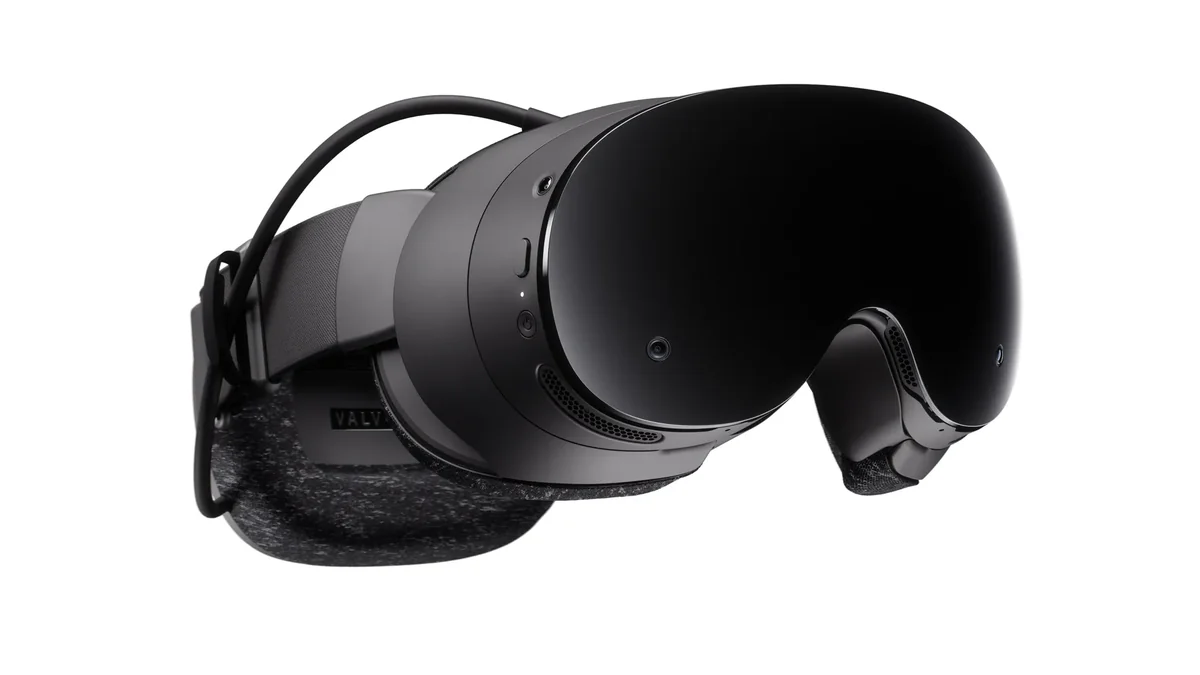
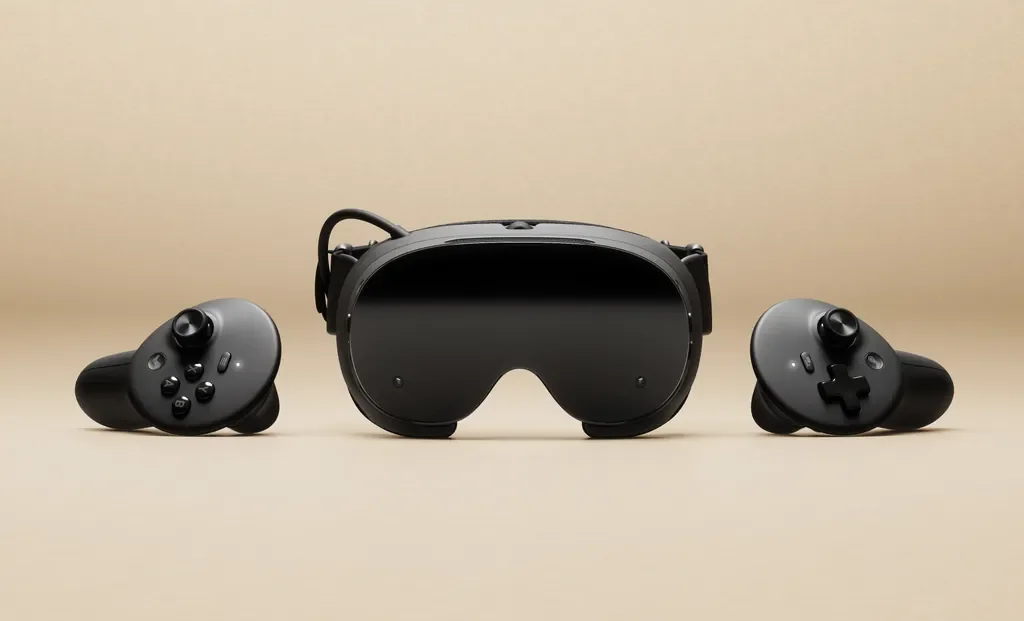
Real-world feedback is still thin, so consider these impressions provisional, but Valve’s new standalone headset stakes a bold claim: marrying Steam’s ecosystem with a light, modular design aimed at freeing PC VR from cables. Built for PC‑VR enthusiasts and multitasking gamers, it leans on 2160×2160 per‑eye LCDs, pancake lenses, and eye‑tracked foveated streaming to deliver crisp visuals with lower bandwidth. Under the hood sits a cooled Snapdragon 8 Gen 3 with per‑game TDP tuning for sustained performance, backed by 16GB DDR5 and user‑swap SSD options for serious storage needs. Comfort-focused engineering centers a 185g visor and rear 21.6Wh counterweight for a featherlight 440g package, while a private 6GHz wireless dongle promises near‑wired latency. Read on to weigh the tradeoffs—battery life, contrast, and occasional stutters—so you can judge whether this is the wireless PCVR upgrade you’ve been waiting for.
Display & Optics
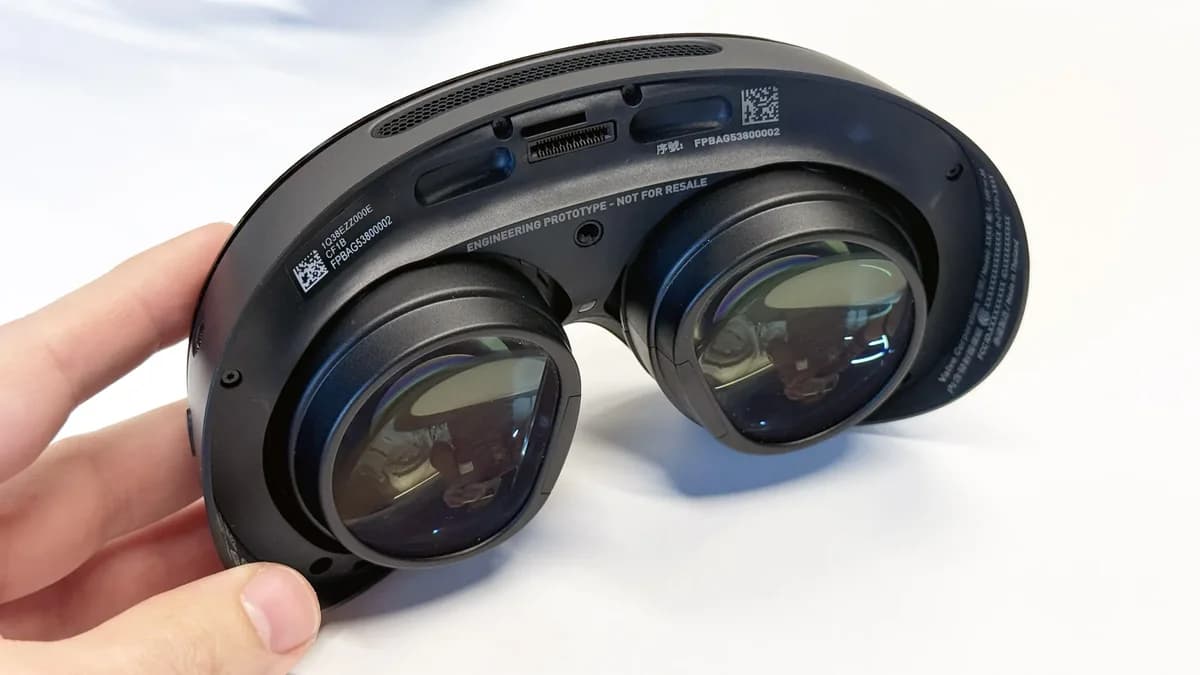
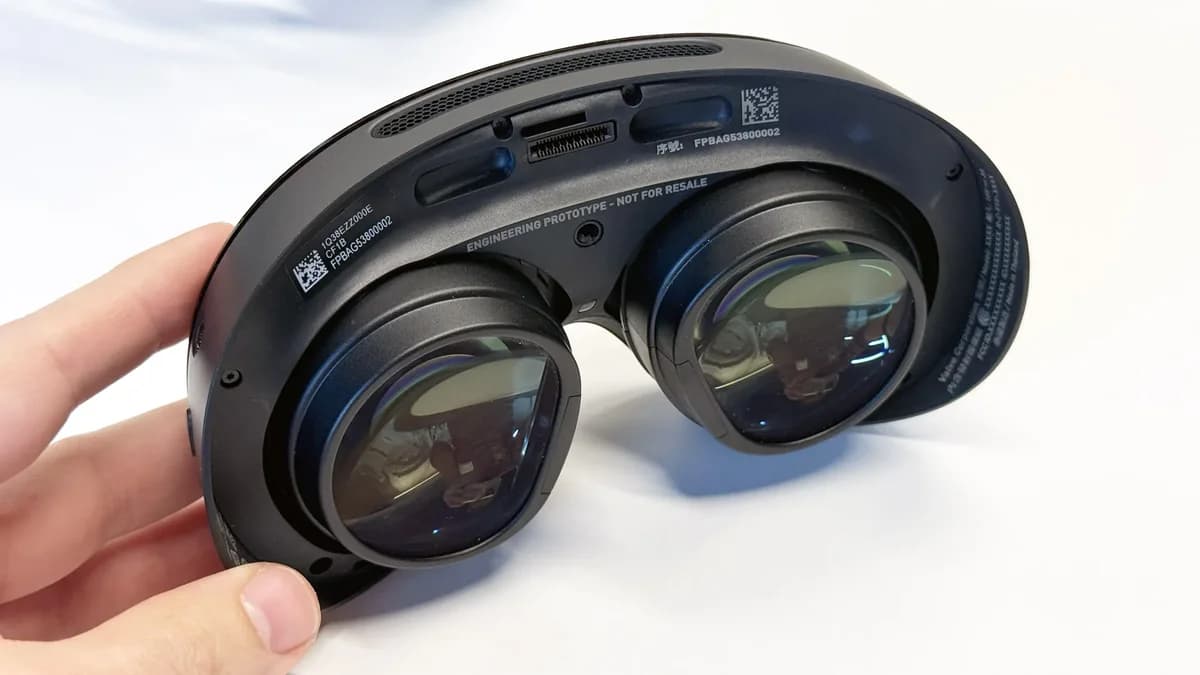
The Steam Frame’s pancake lenses and 2160×2160 LCDs punch well above their weight, delivering crisp pixels and a slim profile that helps the headset feel less bulky; contrast and HDR still trail micro‑OLED rivals, so blacks look flatter in dark scenes. Eye‑tracked foveated rendering tightens perceived detail where it matters, and the 110° FoV hits a comfortable sweet spot for most games. Reviewers praise clarity and thinness but call out modest dynamic range and a visible screen‑door effect, so expect excellent sharpness but not absolute contrast supremacy, which tempers the overall win. Bold tech: pancake lenses, 2160×2160 per eye, eye‑tracked foveated rendering, 110° FoV, modest dynamic range.
Weight & Ergonomics
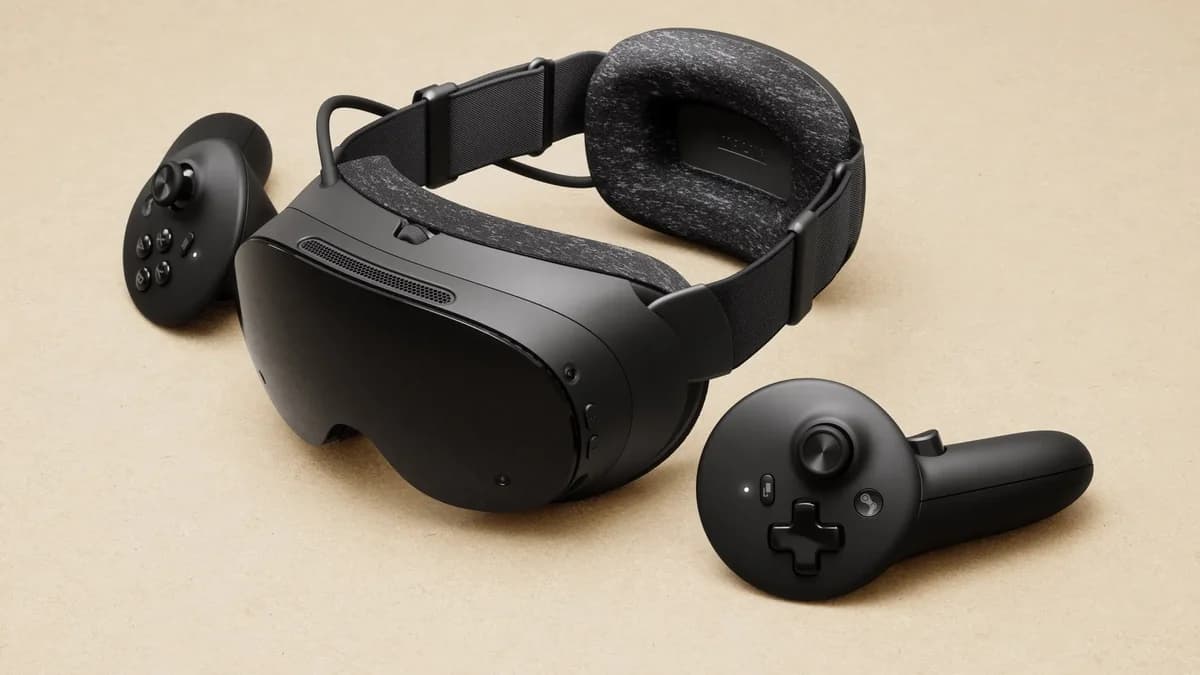
This is where the Frame shines: a 185g visor core plus a 21.6Wh rear counterweight yields a well‑balanced 440g package that feels featherlight in demos, easing neck strain and long sessions. The soft strap and modular facial interfaces favor comfort and customizability, though some testers note strap slip and fit fiddliness during extended play; the trade is clear—excellent forward balance and modularity versus occasional readjustments and battery‑pack bulk for reclined use. Bold points: 185g visor core, 440g total weight, rear 21.6Wh battery, modular facial interfaces, soft strap slip.
SoC & Performance
Armed with a Snapdragon 8 Gen 3 and Adreno 750, the Frame smartly balances native ARM power and clever tricks like FEX translation for x86 titles; that means smoother multitasking and more GPU headroom than Quest 3, but native PC‑grade fidelity isn’t a done deal. Valve’s per‑game thermal tuning and TDP modes help sustain higher clocks, and experts report convincing wireless parity in demos while warning of occasional hitches and CPU limits under heavy x86 emulation—so it’s fast and efficient, but not an all‑out desktop replacement. Bold tech: Snapdragon 8 Gen 3, Adreno 750 GPU, FEX translation, per‑game thermal tuning, TDP modes.
Battery & Thermal Management
Active cooling, a rear‑mounted 21.6Wh battery, and per‑game thermal profiles show Valve prioritized sustained performance over peak silence, letting the SD8 Gen 3 run higher TDP modes longer—but expect audible fan noise and mid‑session battery drain under heavy loads. Reviewers flagged uncertain battery life for long sessions and some bulk when reclining; thermal tuning and user‑selectable modes are smart concessions that extend play, yet battery capacity remains the common question mark for all‑day use. Bold items: active cooling, 21.6Wh rear battery, per‑game thermal profiles, higher TDP modes, audible fan noise.
Memory & Storage
Doubling Quest‑class memory with 16GB DDR5 and offering user‑upgradable 512GB or 2TB SSD plus microSD is a real practical win for multitasking, installs, and fast load times—exactly the sort of sensible, long‑term thinking power users wanted. The expansion-friendly design and published CAD/electrical specs reinforce longevity and mod culture, while reviewers note this combination materially improves native app performance and storage flexibility compared with locked rivals. It’s a clear value play for serious users. Bold specs: 16GB DDR5, 512GB or 2TB user‑upgradable SSD, microSD slot, published CAD/electrical specs, multitasking boosts.
Tracking & Wireless Streaming
Valve’s inside‑out tracking plus a private 6GHz dongle and eye‑tracked foveated streaming make PCVR feel genuinely untethered, delivering low‑latency, high‑quality wireless sessions that impressed reviewers; occlusion handling and controller fidelity are good but not flawless. The dedicated Wi‑Fi adapter and ETFR slash bandwidth needs and latency, enabling near‑wired experiences in demos, though real‑world home networks and occasional streaming hitches mean this isn’t guaranteed everywhere—excellent engineering with conditional real‑world payoff. Bold features: inside‑out tracking, 6GHz wireless dongle, eye‑tracked foveated streaming, dedicated Wi‑Fi adapter, near‑wired latency.
Conclusion
Real-world impressions are still light, but the patterns are clear: the headset offers sharp 2160×2160 pancake optics, giving pleasing pixel clarity though not OLED contrast; its Snapdragon 8 Gen 3 with per‑game TDP tuning delivers sustained, efficient performance while occasional emulation hitches remind you it’s not a desktop substitute. The 185g visor and rear counterweight make it one of the most comfortable long‑session designs reviewers liked, even if the soft strap can shift. Wireless feels solved — 6GHz private dongle + eye‑tracked foveated streaming makes PCVR convincingly cable‑free, albeit dependent on your home setup. Heat and runtime trade-offs are real: active cooling with audible fan helps performance but chews battery from a 21.6Wh rear pack. For power users, 16GB DDR5 and user‑replaceable SSD are practical wins. Recommended for gamers who prize lightweight freedom and modularity over absolute display perfection.

Feature Scores
This reflects reviews and ratings from established critics, journalists, and users who have evaluated the item. Their opinions provide a comprehensive assessment.
Performance
Display Resolution
4/5
Field Of View
4/5
Tracking Accuracy
4/5
Motion Latency
4/5
Refresh Rate
4/5
Battery Life
3/5
Wireless Connectivity Reliability
4/5
Build Durability
4/5
Value
Price To Performance Ratio
4/5
Accessory Ecosystem Value
5/5
Software Content Value
5/5
Design
Ergonomics
4/5
Weight Distribution
5/5
Aesthetic Design
4/5
Health
Motion Sickness Mitigation
4/5
Blue Light Mitigation
3/5
Hygiene Materials
3/5
Safety
Overheating Protection
4/5
Secure Fit Mechanisms
4/5
Data Privacy Controls
3/5
Sustainability
Repairability
5/5
Recyclable Materials Use
3/5
Energy Efficiency
4/5
Experience Style
Setup Simplicity
4/5
Customization Options
5/5
Software Update Frequency
4/5
Content Ecosystem Compatibility
5/5

Specifications
This section outlines the product's key facts, covering essential features, details, dimensions, materials, and any unique characteristics that define its functionality and usability.
Performance
Value
Design
Safety
Sustainability
Experience Style

Frequently Asked Questions
7 Questions




Find Yours
What is your primary intended use for VR gear?
Answer to find your best matches.